-
 #198 /100
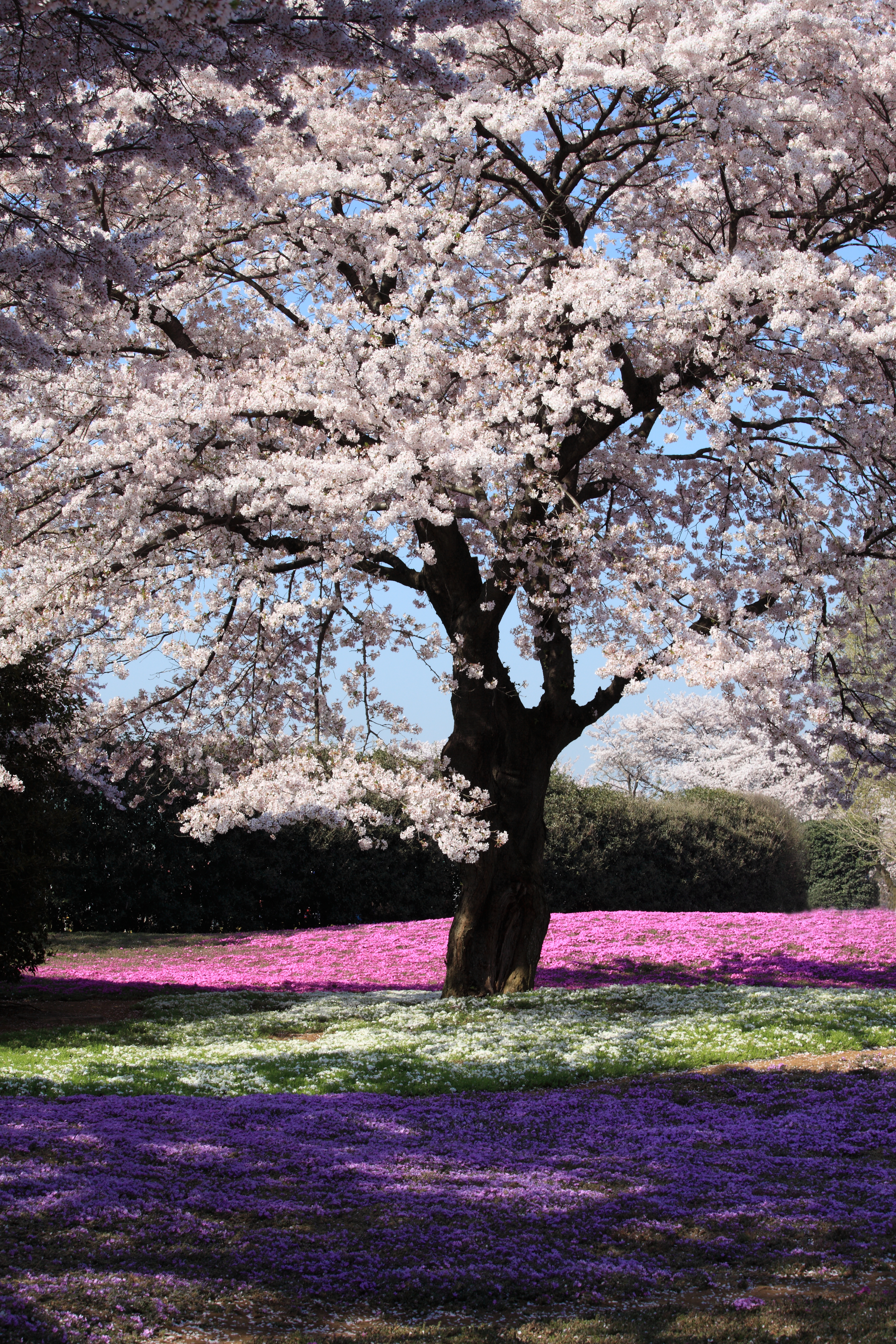
Japan's cherry blossom season, or sakura, transforms the country for a brief two-week window each spring when thousands of trees burst into pale pink and white flowers.
The most famous displays occur in Tokyo's Ueno Park, Kyoto's Maruyama Park, and along the Philosopher's Path, where petals fall like pink snow.
How does it rate
CrowdsRomanceCash RequiredDangerAccessibilityWhy you should go
The cherry blossom season is one of the most beautiful natural phenomena in the world and is deeply embedded in Japanese culture; the atmosphere under the blossoming trees is magical.
Why you shouldn't go
The season lasts only two weeks and the exact timing varies each year; popular cherry blossom spots become extremely crowded and accommodation prices spike sharply.
-
 #297 /100
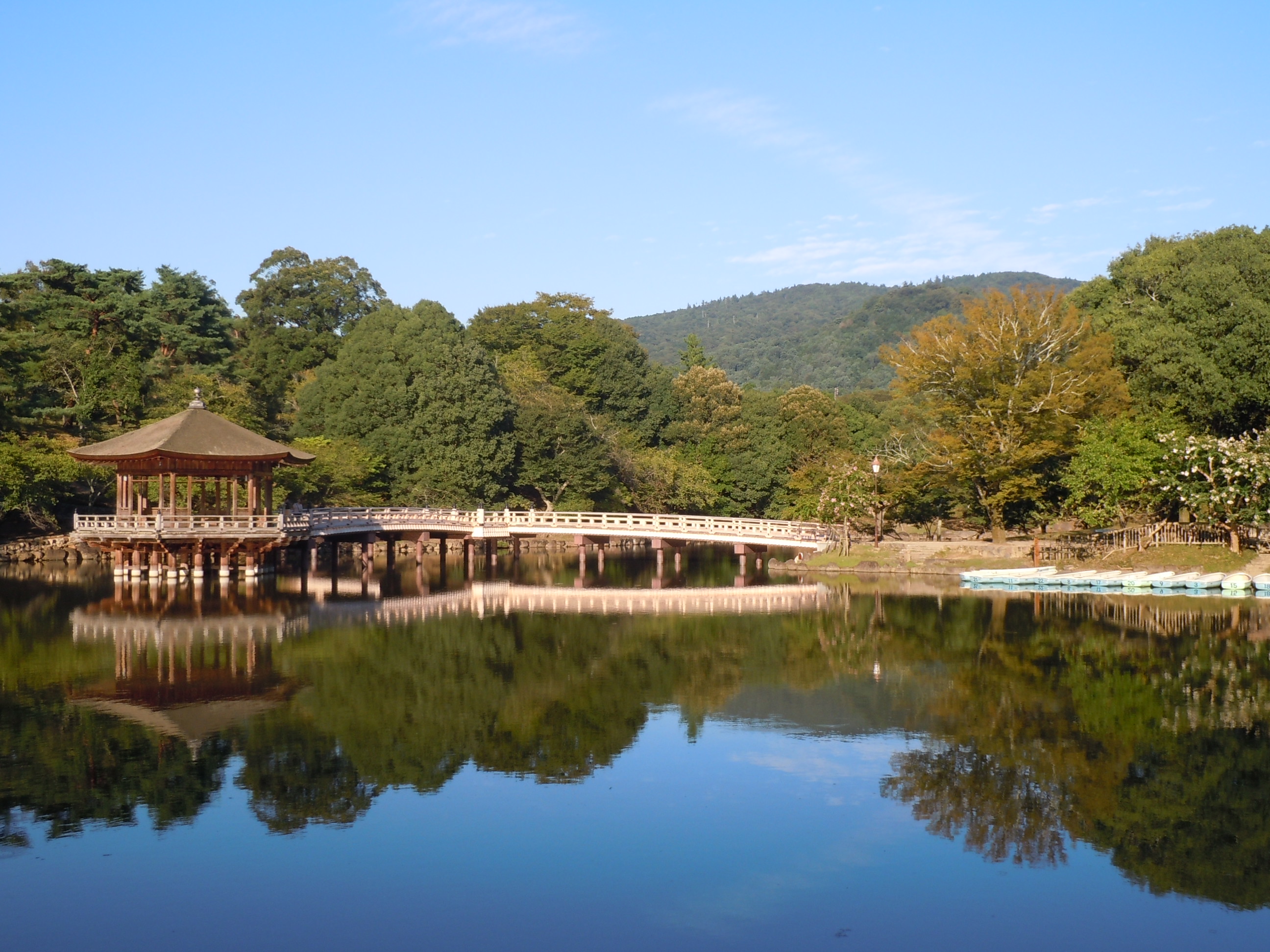
Nara Park is a large public park in the ancient city of Nara that is home to over 1,200 wild sika deer who roam freely among the park's temples, shrines, and wooded paths.
The deer are considered sacred messengers of the gods in the Shinto tradition and have been protected for 1,300 years.
How does it rate
CrowdsRomanceCash RequiredDangerAccessibilityWhy you should go
The experience of hand-feeding deer biscuits to the genuinely wild sika deer who approach you confidently in front of ancient temples is uniquely magical and unlike any other park in the world.
Why you shouldn't go
The deer, while charming, can be aggressive especially around food; deer biscuits must be purchased from approved vendors and the deer have been known to bite or headbutt visitors.
-
 #393 /100
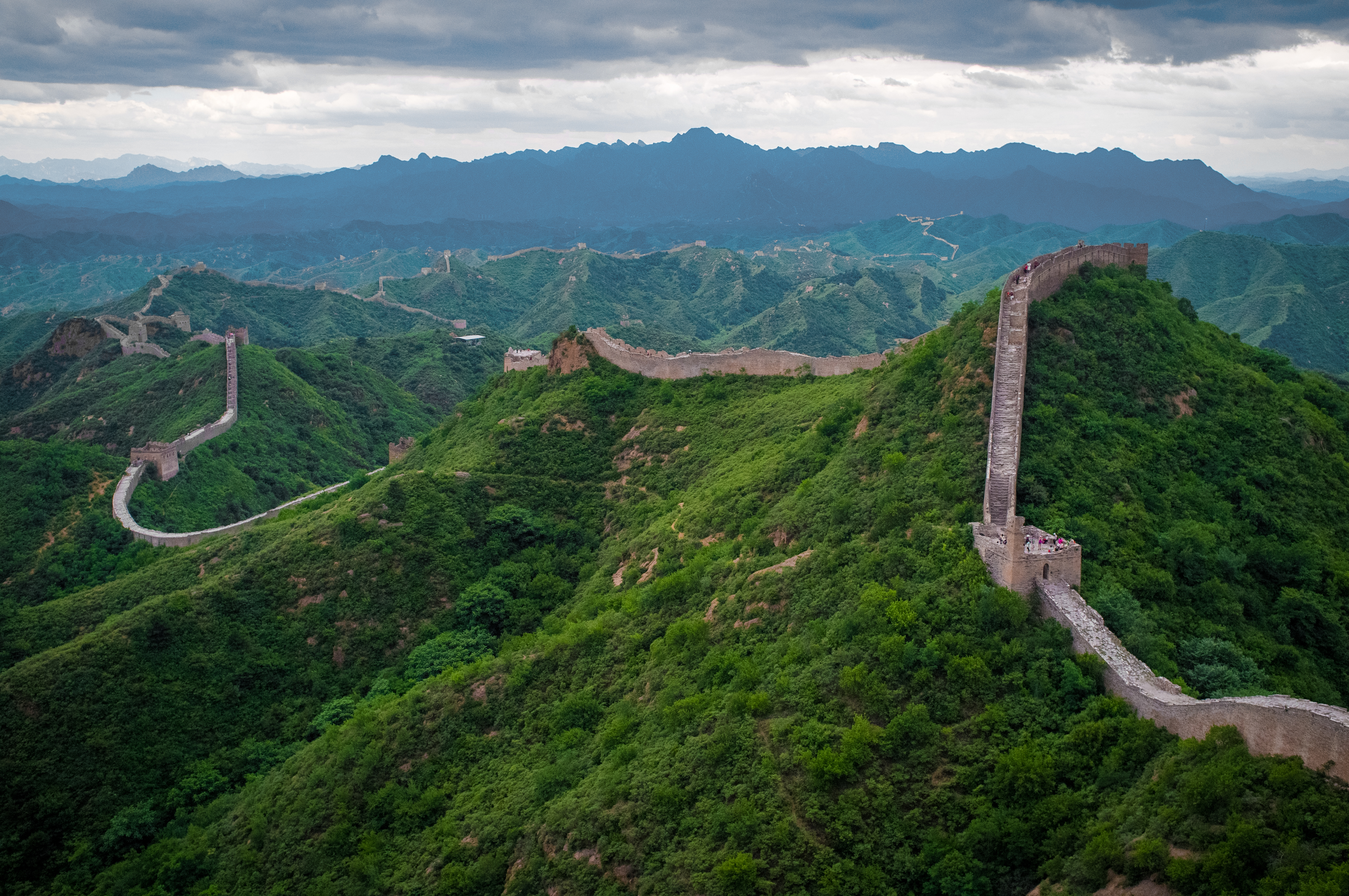
Stretching over 21,000 kilometres across northern China, the Great Wall is one of the greatest architectural achievements in human history.
The most photographed sections near Beijing, such as Mutianyu and Jinshanling, wind dramatically across steep mountain ridges.
How does it rate
CrowdsRomanceCash RequiredDangerAccessibilityWhy you should go
Watching the wall snake over mountain ridge after ridge into the distant haze is a truly humbling experience that conveys the wall's immense scale.
Why you shouldn't go
The most accessible sections near Beijing are heavily restored and extremely crowded; reaching the more dramatic wild sections requires significant effort.
-
 #493 /100
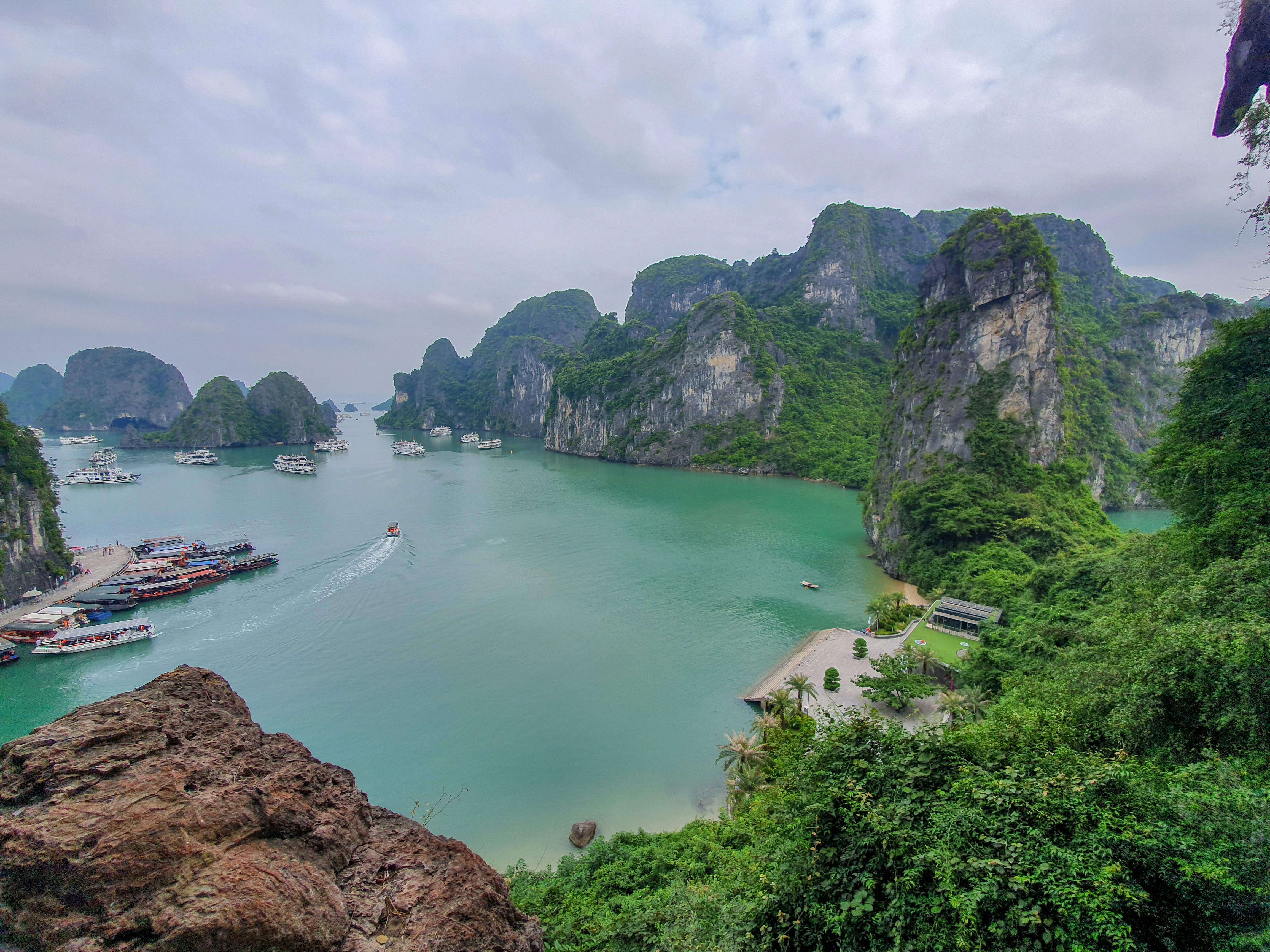
Halong Bay’s emerald-green waters, scattered with limestone islands and karsts, create a dramatic and tranquil setting.
Traditional junk boats sailing between the towering formations add a unique, cultural touch that looks striking in photos.
The misty, ethereal atmosphere, especially at sunrise, gives the bay an almost mystical beauty that resonates with travelers.
How does it rate
CrowdsRomanceCash RequiredDangerAccessibilityWhy you should go
The unique scenery, boat tours, and calm waters make Halong Bay an unforgettable nature escape with plenty of adventure options.
Why you shouldn't go
Weather can be unpredictable, impacting visibility and photos, and certain areas are crowded with tourist boats, diminishing the serene experience.
-
 #581 /100
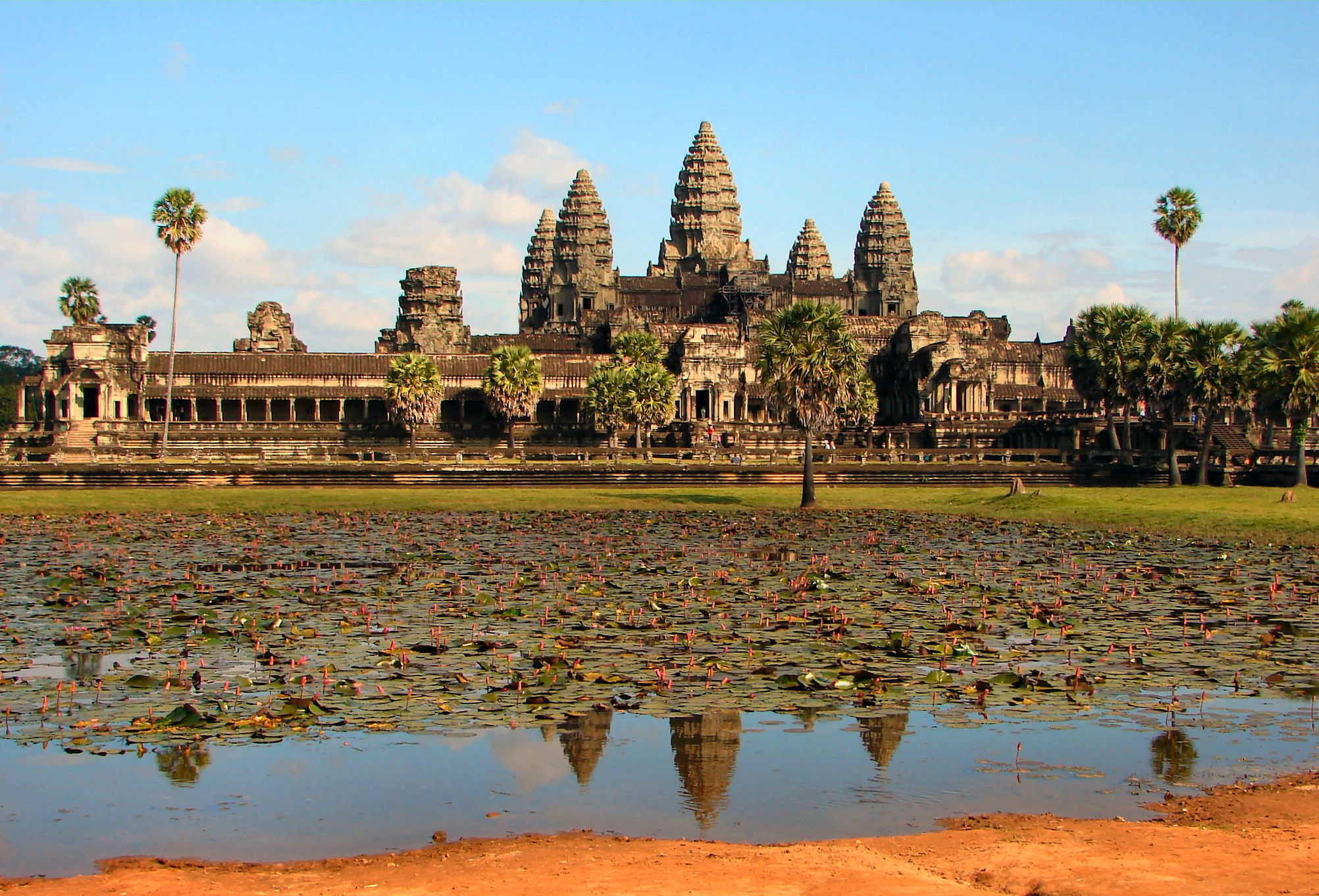
Built in the early 12th century by the Khmer Empire, Angkor Wat is the world's largest religious monument covering over 400 acres.
The temple's five lotus-shaped towers rising above the jungle, reflected in its surrounding moat, and the extraordinary bas-reliefs on its walls make it one of humanity's greatest achievements.
How does it rate
CrowdsRomanceCash RequiredDangerAccessibilityWhy you should go
Watching the sun rise over Angkor Wat's towers reflected in the moat is one of Asia's most magical travel experiences.
Why you shouldn't go
The temple complex is vast; comfortable exploration requires at least two to three days and the site attracts large numbers of tourists.
-
 #680 /100
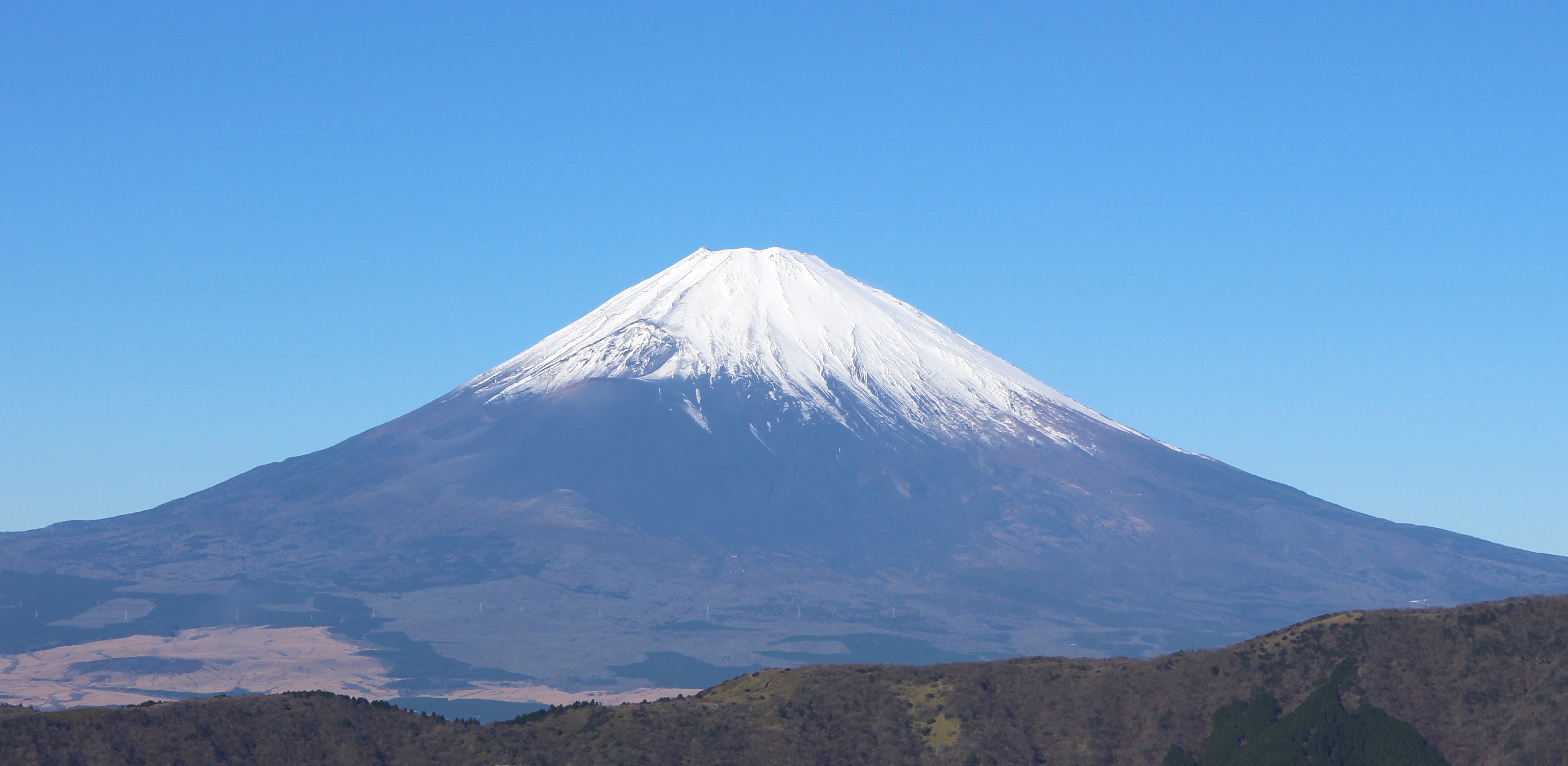
Japan's highest mountain and most enduring symbol rises 3,776 metres in near-perfect symmetry above Honshu's coastal plain.
The classic view of Fuji reflected in the still waters of Lake Kawaguchiko, or framed by cherry blossoms in spring or maple leaves in autumn, has inspired Japanese art for centuries.
How does it rate
CrowdsRomanceCash RequiredDangerAccessibilityWhy you should go
The symmetry and scale of Mount Fuji makes it one of the world's most instantly recognisable mountains; the spring reflection in Lake Kawaguchiko is iconic.
Why you shouldn't go
Fuji is often hidden behind cloud and the climbing season is very short; the popular Yoshida Trail is now extremely crowded and has safety restrictions.
-
 #770 /100
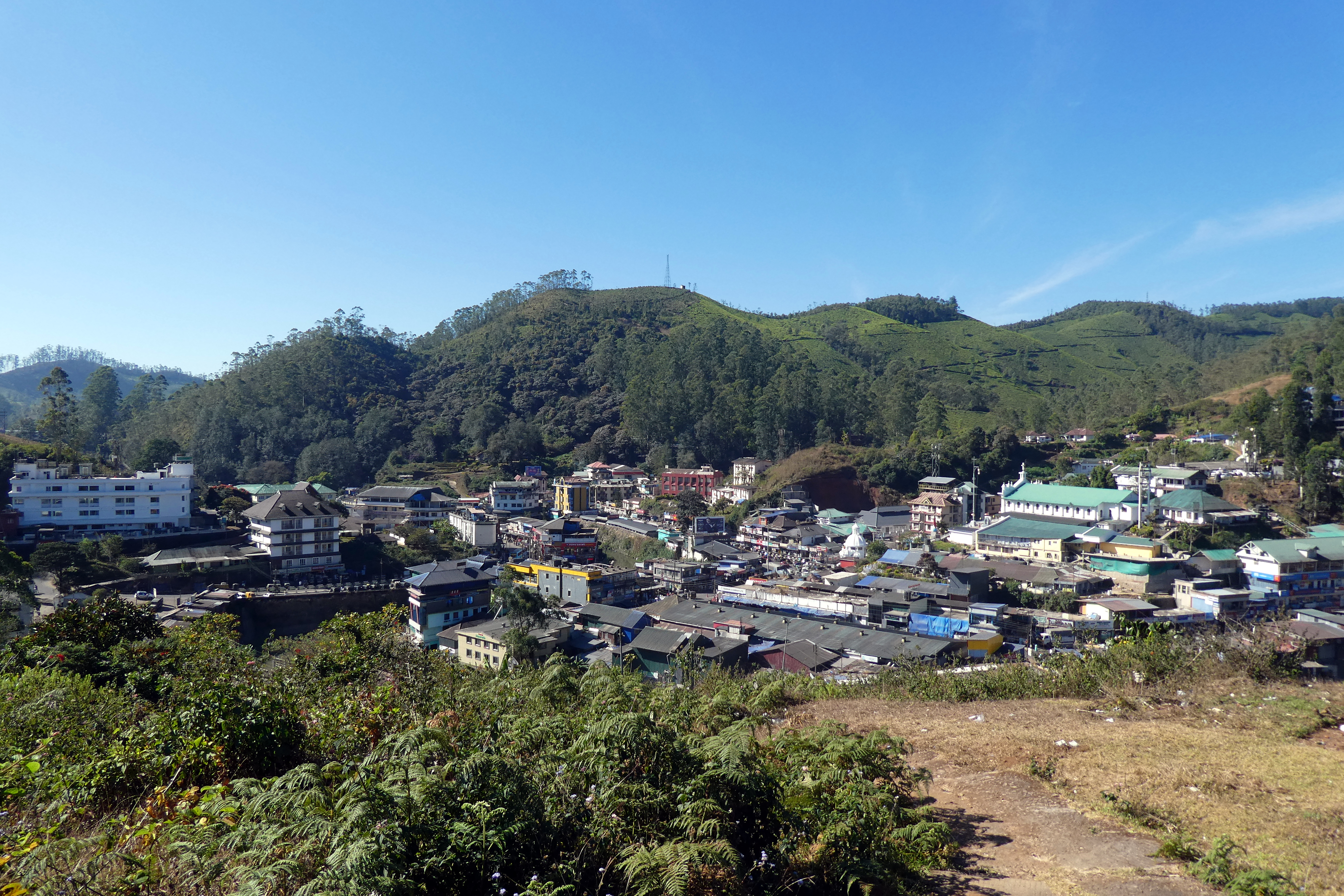
Munnar is a hill station in the Western Ghats of Kerala renowned for its rolling tea plantations, which cover the mountain slopes in an unbroken carpet of vivid green.
Set at around 1,600 metres, the cool mist-covered landscape of tea gardens, colonial plantation buildings, and wildlife sanctuaries offers a striking contrast to Kerala's tropical coast.
How does it rate
CrowdsRomanceCash RequiredDangerAccessibilityWhy you should go
The sight of the undulating bright green tea plantations stretching to the horizon in every direction, often draped in morning mist, creates a landscape of extraordinary tranquility.
Why you shouldn't go
Munnar's roads are narrow and extremely congested during Indian holidays; the mist that creates the mystical atmosphere can also obscure views for days at a time.
-
 #858 /100
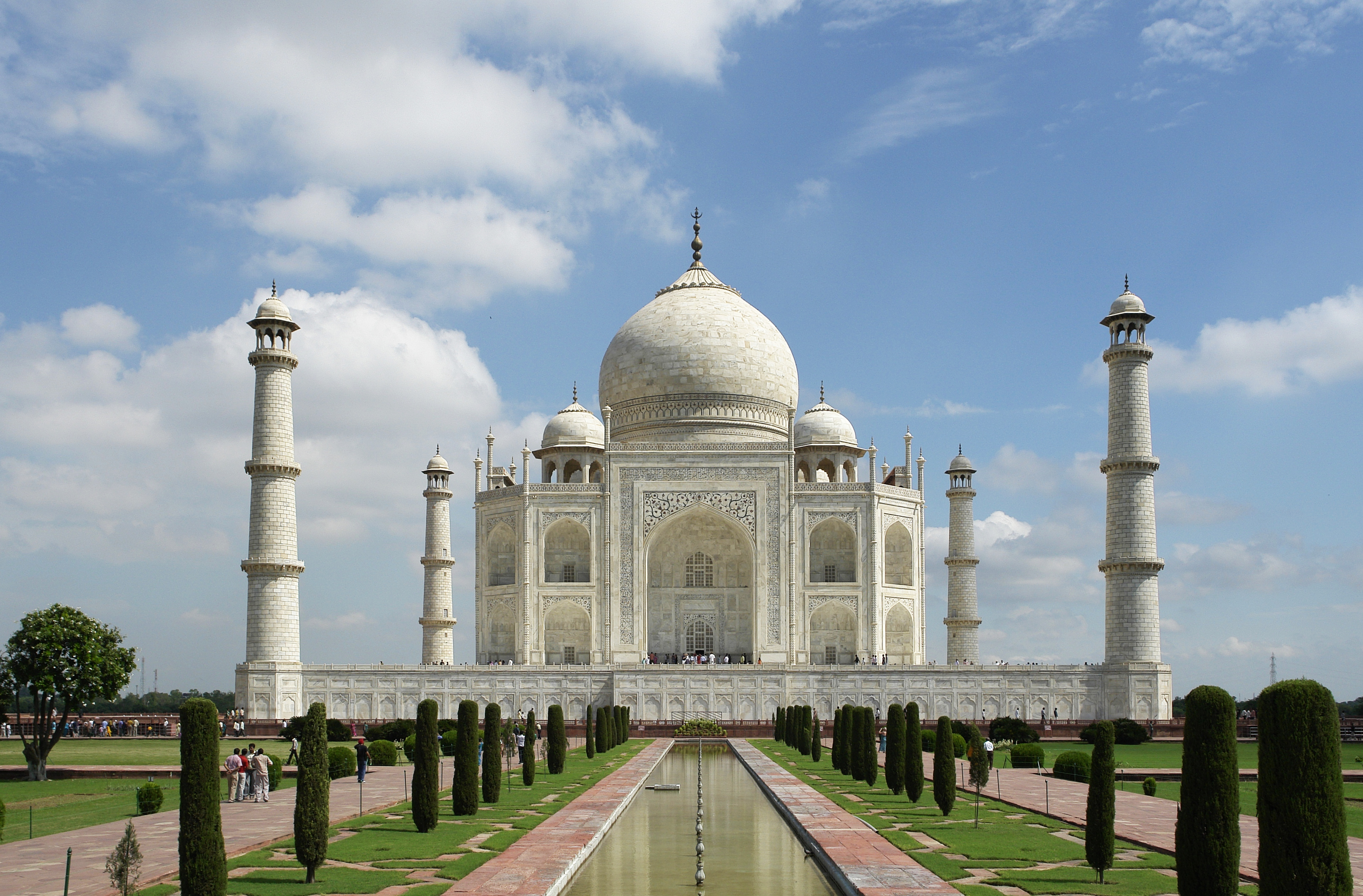
Built by Mughal Emperor Shah Jahan as a mausoleum for his beloved wife Mumtaz Mahal, the Taj Mahal is widely considered the finest example of Mughal architecture in the world.
The white marble monument changes colour from pink in the dawn light to brilliant white at midday.
How does it rate
CrowdsRomanceCash RequiredDangerAccessibilityWhy you should go
The Taj Mahal's perfect symmetry and the way it changes colour with the light throughout the day means no two visits look quite the same.
Why you shouldn't go
Agra itself is not a particularly pleasant city, the Taj becomes very crowded from mid-morning, and the reflecting pool is sometimes dry or covered in algae.
-
 #949 /100
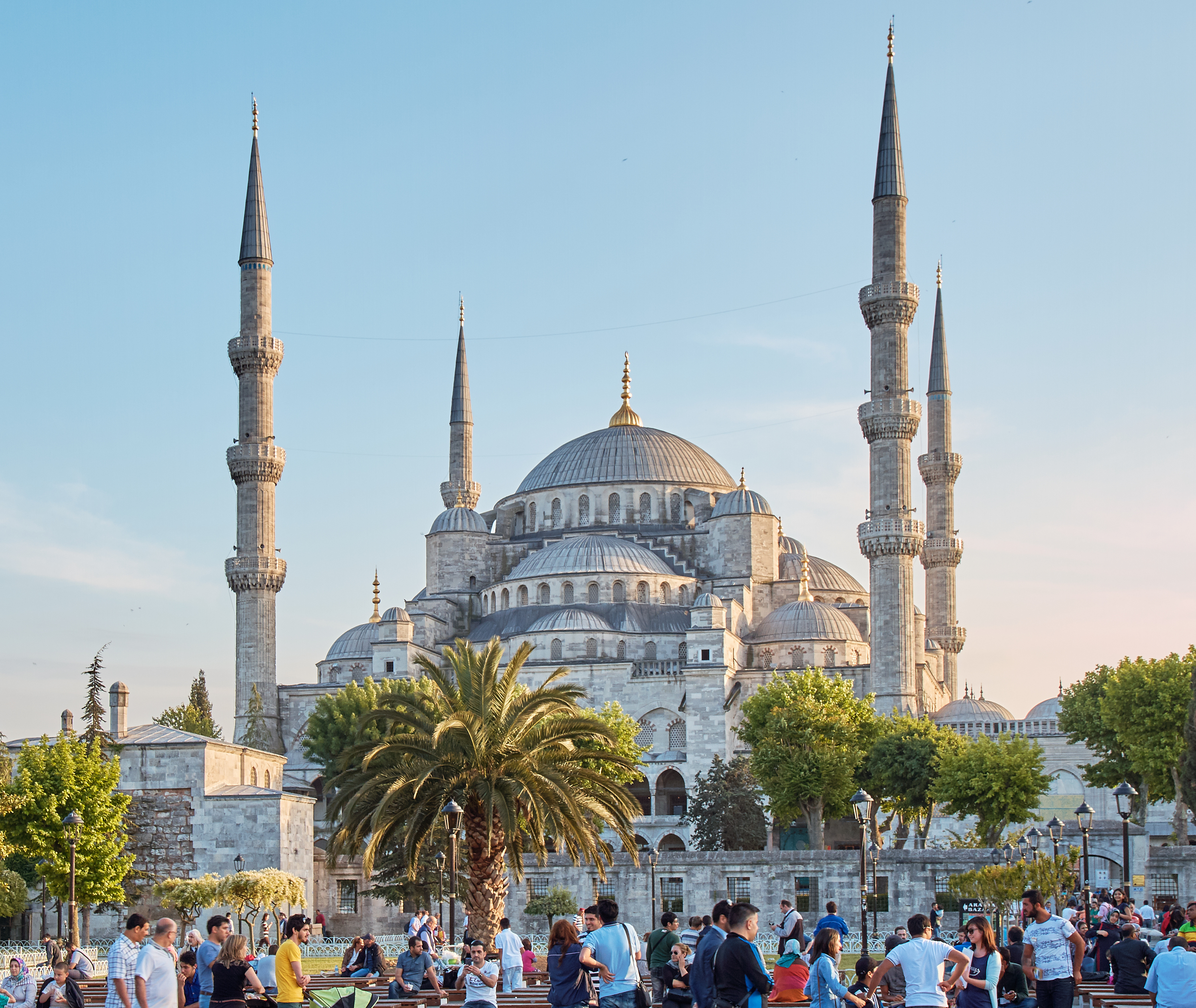
The Sultan Ahmed Mosque, universally known as the Blue Mosque for its Iznik tile-clad interior, is Istanbul's most iconic building.
Completed in 1616, it is the only mosque in Turkey with six minarets and its cascading domes and slender minarets form one of the world's most beautiful skylines.
How does it rate
CrowdsRomanceCash RequiredDangerAccessibilityWhy you should go
The exterior silhouette of domes and minarets against the Istanbul skyline is magnificent, and the interior blue tile work is one of the most beautiful in the Islamic world.
Why you shouldn't go
The mosque is an active place of worship and is closed to tourists during the five daily prayer times, which can disrupt sightseeing plans.
-
 #1047 /100
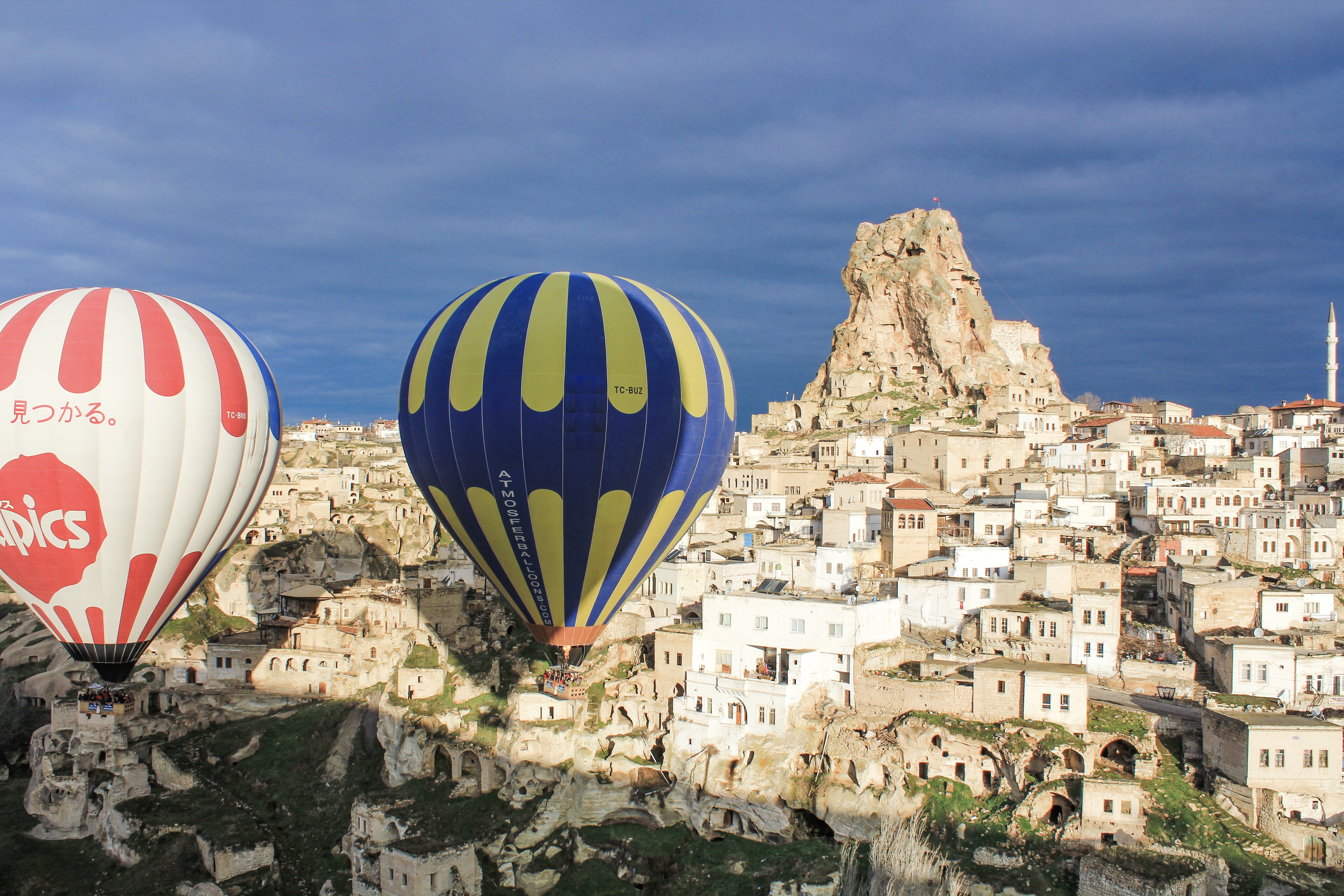
Cappadocia in central Turkey is a landscape of extraordinary volcanic rock formations called fairy chimneys — tall, thin spires of soft volcanic tuff capped with harder basalt.
Thousands of years of habitation have added cave churches with Byzantine frescoes, underground cities, and rock-cut monasteries to an already extraordinary natural canvas.
How does it rate
CrowdsRomanceCash RequiredDangerAccessibilityWhy you should go
The experience of drifting over the fairy chimneys and cave valleys in a hot air balloon at sunrise, with hundreds of other balloons around you, is one of the world's most extraordinary travel moments.
Why you shouldn't go
The hot air balloon flights are expensive and are cancelled at short notice due to weather; the main town of Goreme has become increasingly developed and commercialised.
-
 #1131 /100
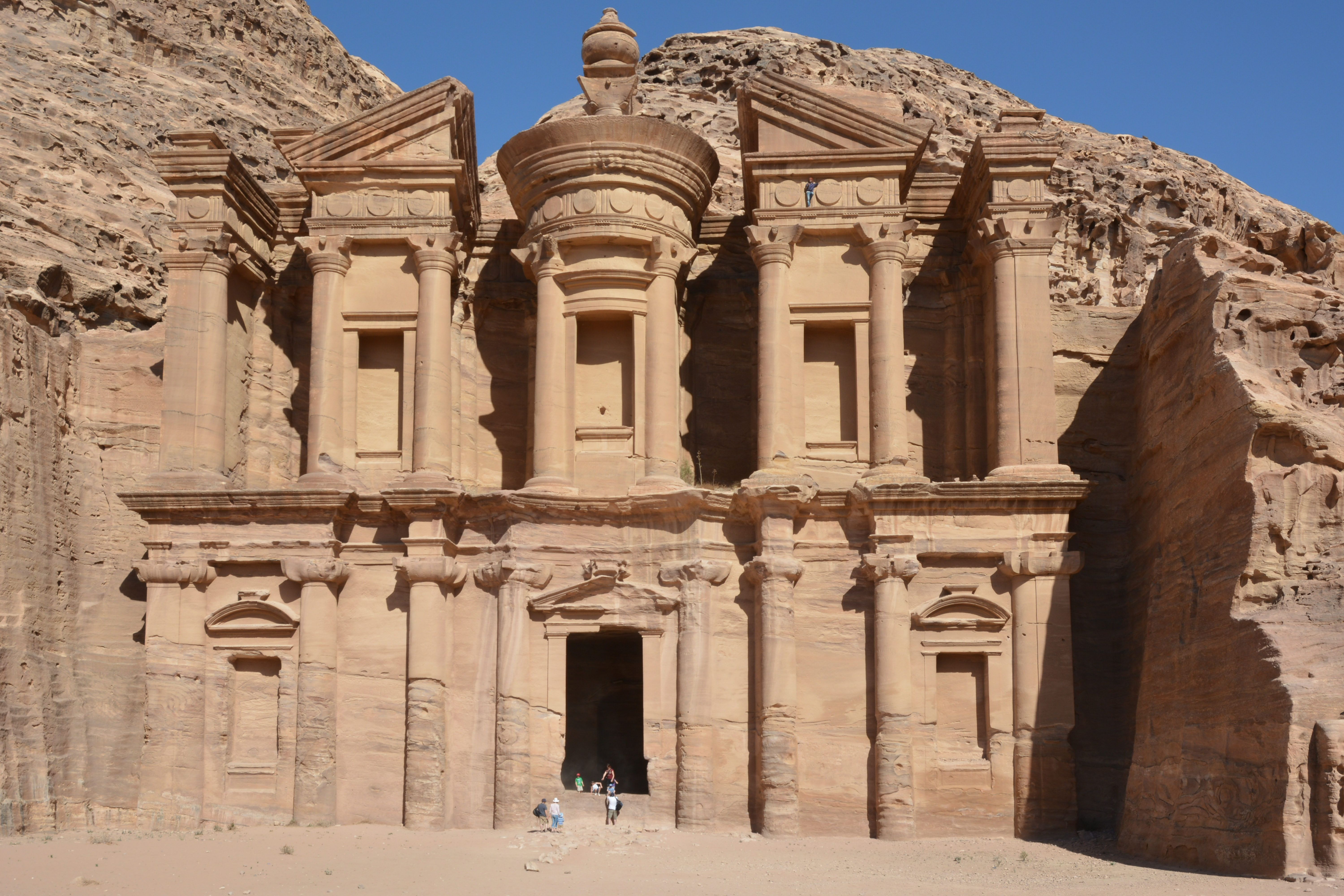
Petra is an ancient Nabataean city carved directly into rose-red sandstone cliffs in southern Jordan.
Known as the Rose City, its most iconic monument is Al-Khazneh, or the Treasury, a 40-metre-high temple facade with Hellenistic columns that appears dramatically at the end of the narrow Siq canyon.
How does it rate
CrowdsRomanceCash RequiredDangerAccessibilityWhy you should go
The moment you emerge from the narrow Siq gorge and the Treasury appears before you is one of the most dramatic reveals in all of travel.
Why you shouldn't go
The site is vast and walking all the key monuments requires a full day; summer temperatures are brutal and the Siq offers little shade.
-
 #1228 /100
The Arashiyama Bamboo Grove on the outskirts of Kyoto is one of Japan's most ethereal landscapes, where towering stalks of bamboo create a cathedral-like green canopy above the winding path.
When the wind blows through the grove, the sound is so distinctive it has been designated one of the 100 Soundscapes of Japan.
How does it rate
CrowdsRomanceCash RequiredDangerAccessibilityWhy you should go
Walking through the towering bamboo columns with light filtering through the canopy above is a genuinely otherworldly experience unlike anything else in Japan.
Why you shouldn't go
The grove is very short and becomes extremely crowded from mid-morning; visit at dawn for an atmospheric experience without the tourist hordes.
-
 #1321 /100
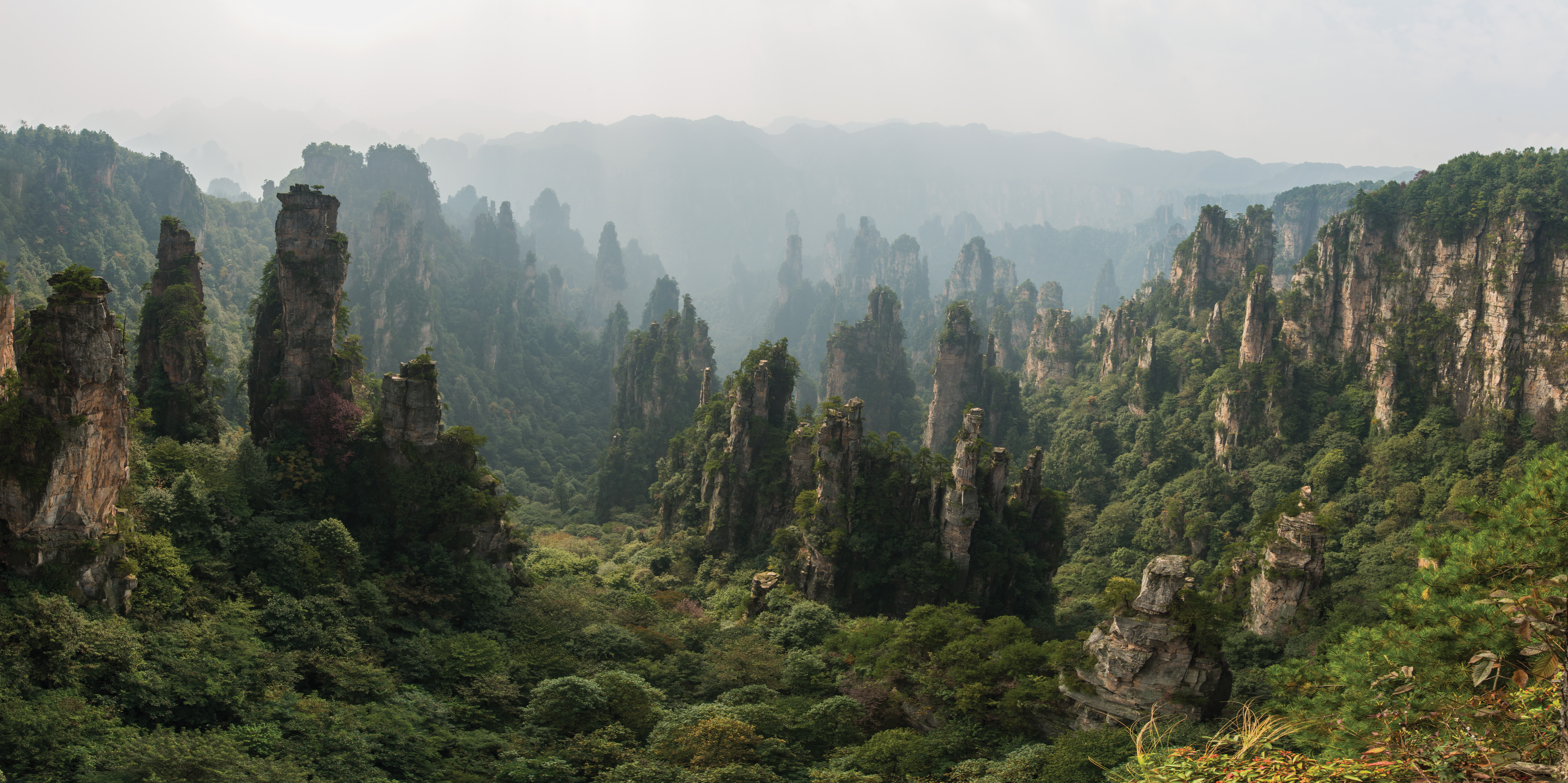
The towering sandstone pillars of Zhangjiajie National Forest Park inspired the floating Hallelujah Mountains in the film Avatar.
Over three thousand quartzite sandstone columns rise up through a sea of mist, draped in subtropical vegetation and connected by the world's longest and highest glass-bottomed bridge.
How does it rate
CrowdsRomanceCash RequiredDangerAccessibilityWhy you should go
The cloud-wreathed sandstone pillars rising from the valley floor create a genuinely otherworldly landscape unlike anywhere else on earth.
Why you shouldn't go
The park is very crowded, especially with domestic tourists, and the famous glass bridge requires a separate ticket and often has long queues.
-
#1413 /100
The iconic multicoloured onion domes of St Basil's Cathedral have made it one of the most recognisable buildings in the world.
Built by Ivan the Terrible between 1555 and 1561, the cathedral sits at the southern end of Red Square and is now a museum.
How does it rate
CrowdsRomanceCash RequiredDangerAccessibilityWhy you should go
The kaleidoscopic domes are unlike anything else in the world and make for extraordinary photographs at any time of day.
Why you shouldn't go
Red Square can be extremely crowded, especially in summer, making it difficult to get a clear shot without tourists in the background.
-
 #1513 /100
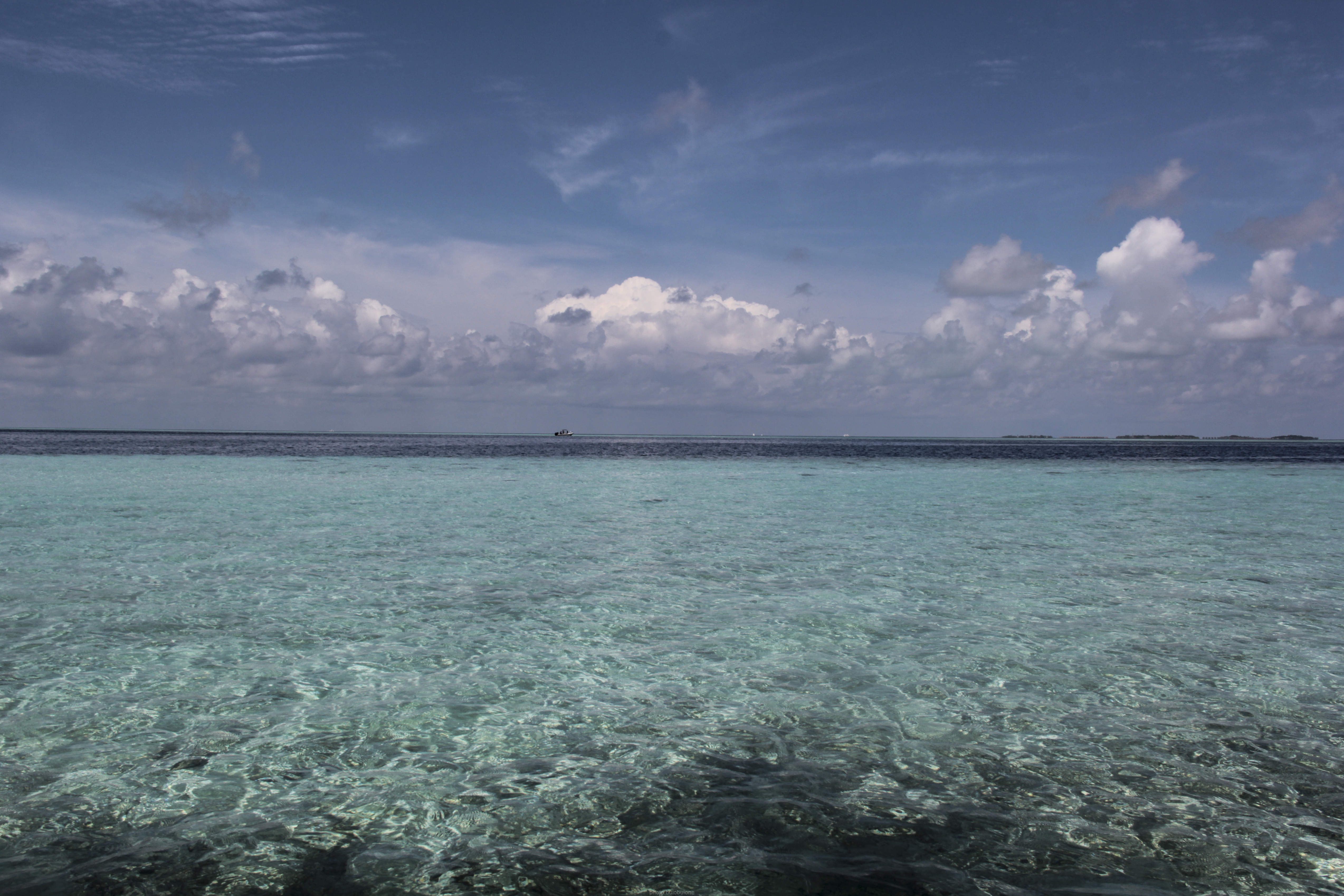
The Maldives is an archipelago of 1,200 coral islands scattered across the Indian Ocean, where pristine white sand, crystal-clear turquoise lagoons, and overwater bungalows create the archetypal tropical paradise.
The islands sit just above sea level, making them one of the world's most climate-vulnerable nations.
How does it rate
CrowdsRomanceCash RequiredDangerAccessibilityWhy you should go
The overwater bungalow experience, with direct access to lagoon water of extraordinary clarity teeming with marine life, is genuinely unmatched anywhere in the world.
Why you shouldn't go
The Maldives is one of the world's most expensive destinations and all-inclusive resort stays are almost obligatory; the island interiors are usually very limited.
-
 #162 /100
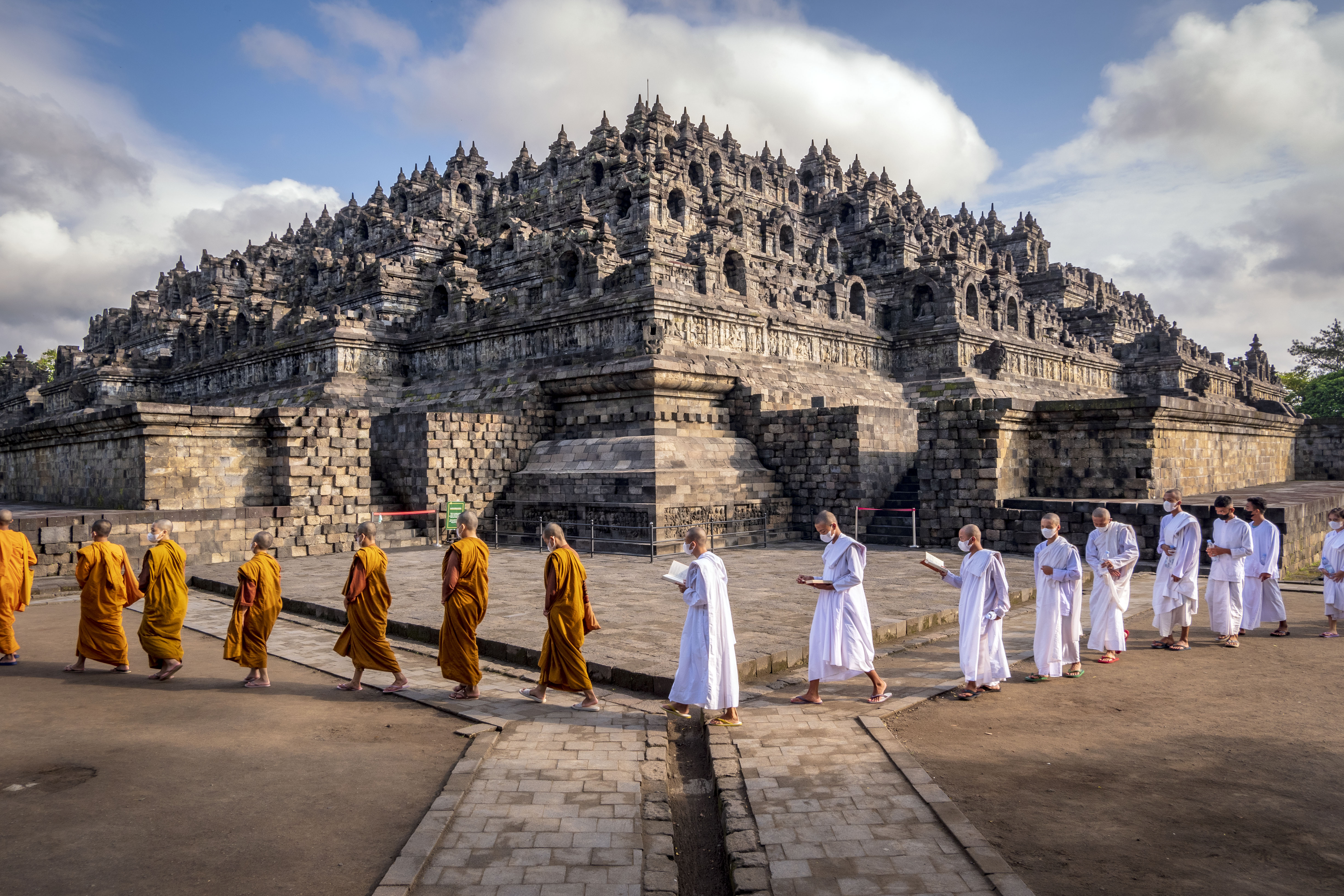
Borobudur is a 9th-century Mahayana Buddhist temple in Central Java and the world's largest Buddhist temple.
Its nine stacked platforms are decorated with 2,672 relief panels and 504 Buddha statues; the three circular upper tiers hold 72 openwork stupas, each containing a Buddha statue, creating one of the world's greatest religious monuments.
How does it rate
CrowdsRomanceCash RequiredDangerAccessibilityWhy you should go
Watching the sun rise over Borobudur from its upper terraces, with morning mist filling the surrounding jungle and volcanic peaks on the horizon, is a genuinely transcendent experience.
Why you shouldn't go
Dawn entry to the higher terraces requires a premium ticket; the relief panels are extensive and understanding their meaning requires a guide or significant research.


How a score is built
One score out of 100, five criteria behind it
Every place is rated 1–5 on each of the criteria below, then combined into a single score out of 100. It's calculated by us, the same way every time — not an average of traveller reviews or social votes.
Crowds
How many people you'll be sharing the view with, and at what time of day.
Romance
How well it suits a couple, a proposal, or a quiet moment together.
Cash required
Entry fees, permits, guided tours — what it actually costs to stand there.
Danger
Physical risk involved, from a slippery viewpoint to genuine hazard.
Accessibility
How far off the beaten path it is, and how hard it is to actually reach.