-
 #197 /100
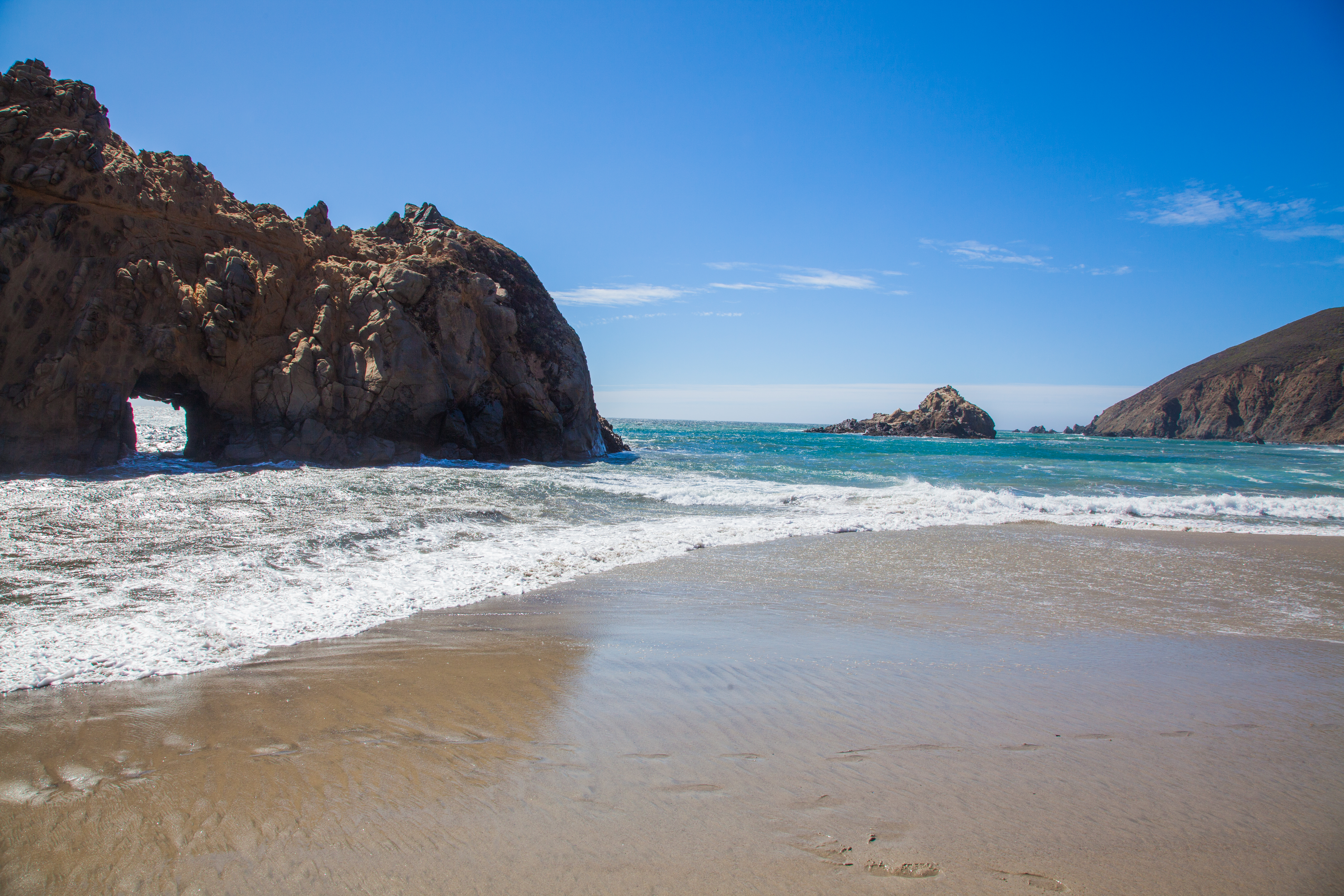
Pfeiffer Beach in Big Sur is a dramatic California coastline beach famous for its purple-tinged sand, caused by manganese garnet washed down from the surrounding hillsides, and for Keyhole Rock — a sea arch through which the setting sun shines in spectacular alignment during November and December.
How does it rate
CrowdsRomanceCash RequiredDangerAccessibilityWhy you should go
The combination of purple sand, dramatic sea stacks, crashing Pacific waves, and the winter Keyhole Rock sunset alignment make Pfeiffer Beach one of California's most unique coastal spots.
Why you shouldn't go
The access road is extremely narrow and closes when the small car park fills; the purple sand only covers part of the beach and the Keyhole Rock sunset alignment only occurs in winter.
-
 #293 /100
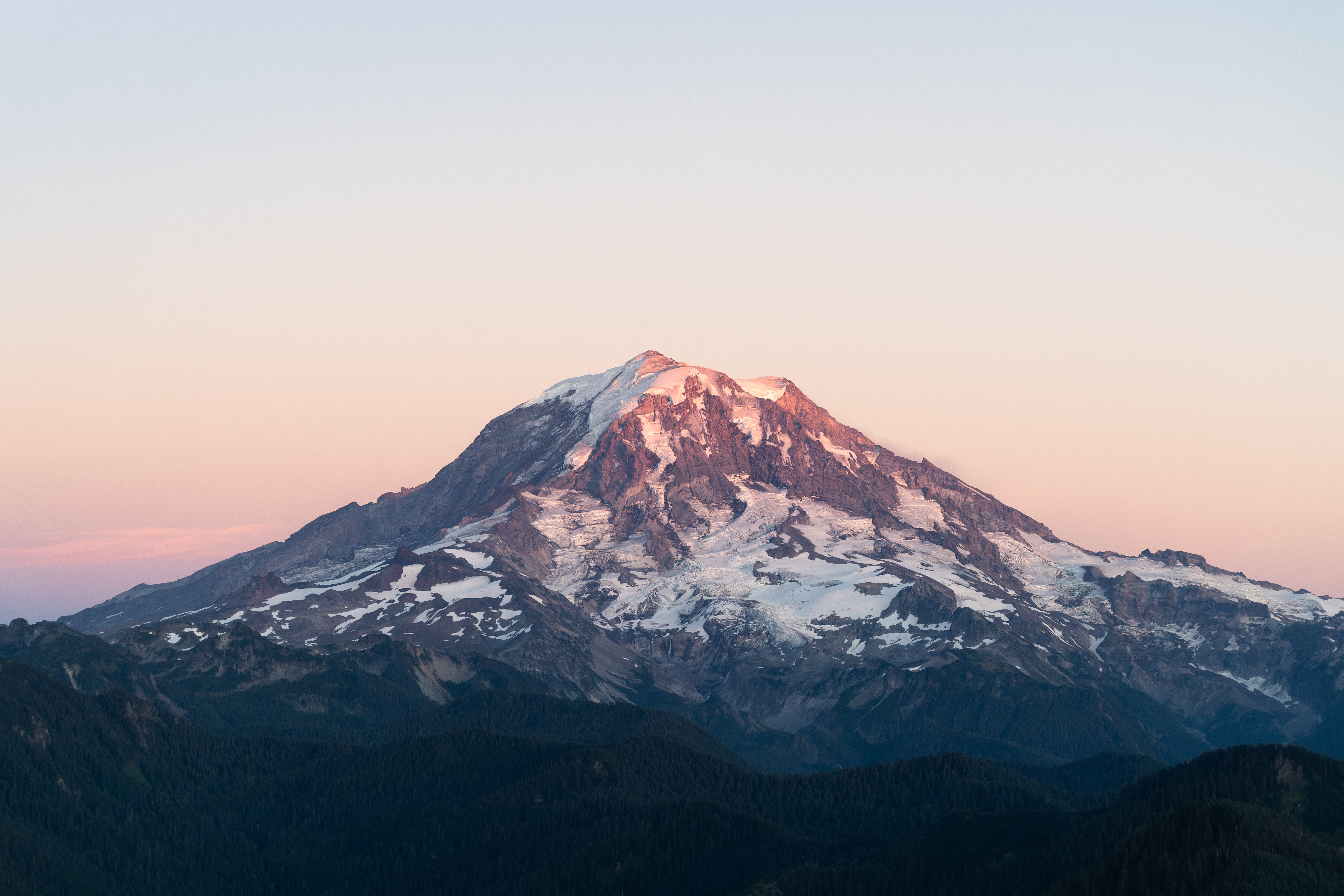
Mount Rainier is an active stratovolcano rising 4,392 metres above the Puget Sound lowlands of Washington State, making it the most topographically prominent peak in the contiguous United States.
In summer, its slopes are carpeted with wildflower meadows and it is reflected in the lakes of Paradise and Reflection Lakes.
How does it rate
CrowdsRomanceCash RequiredDangerAccessibilityWhy you should go
The wildflower meadows around Paradise in midsummer, with the glacier-clad volcano rising above, offer some of the most beautiful subalpine scenery in America.
Why you shouldn't go
Mount Rainier is frequently obscured by cloud or fog and the park roads close from October to May due to snow; summit attempts require technical mountaineering skills.
-
 #391 /100
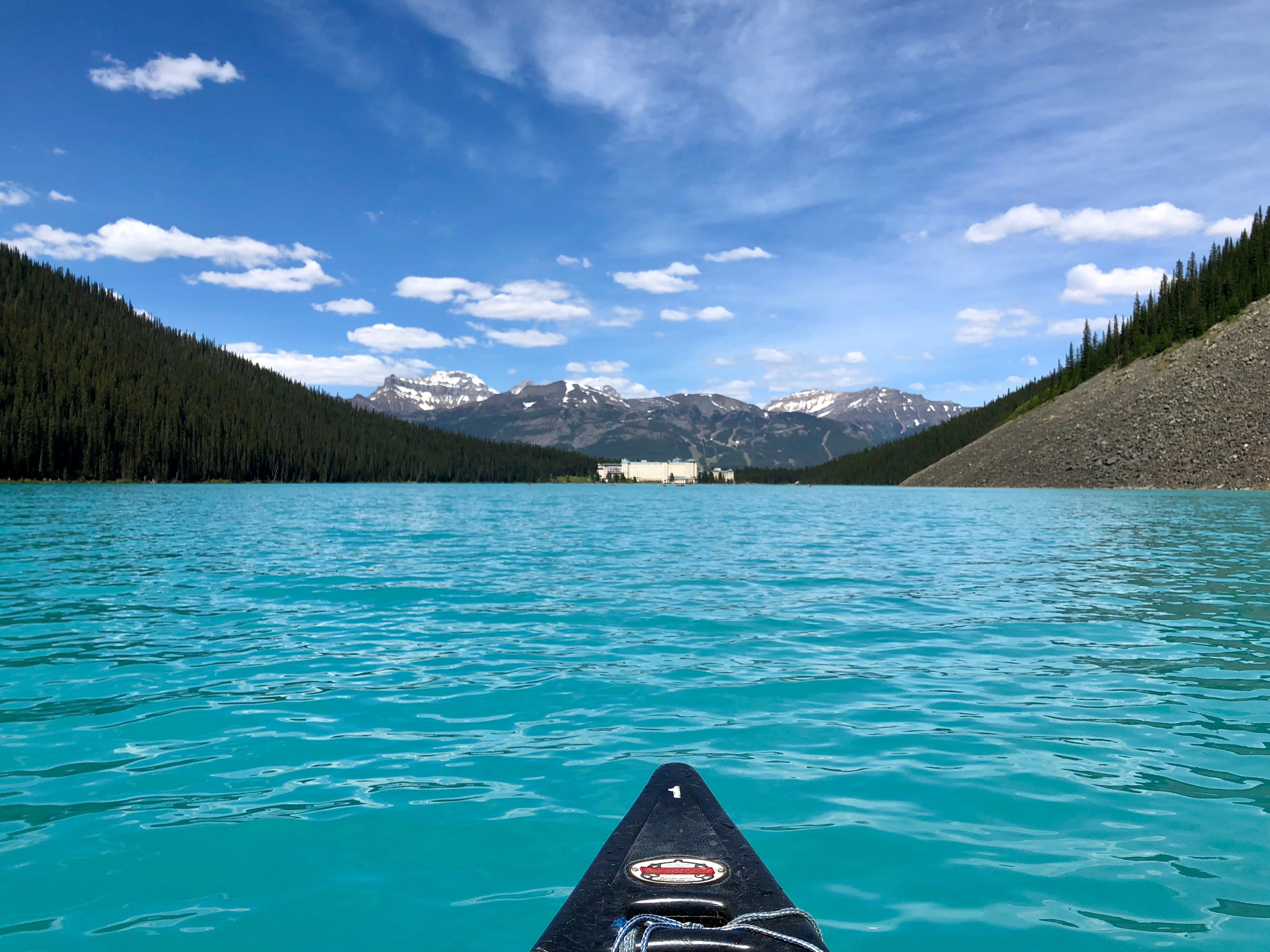
Established in 1885, Banff is Canada's oldest national park and one of the world's most spectacular.
Turquoise lakes, ancient glaciers, hot springs, abundant wildlife, and the postcard town of Banff itself make this an unmissable destination in the Canadian Rockies.
How does it rate
CrowdsRomanceCash RequiredDangerAccessibilityWhy you should go
The combination of turquoise glacial lakes, dramatic mountain scenery, and easy accessibility makes Banff one of the most photogenic national parks on earth.
Why you shouldn't go
Banff becomes very crowded in summer and key sites like Moraine Lake and Lake Louise require advance shuttle booking.
-
 #488 /100
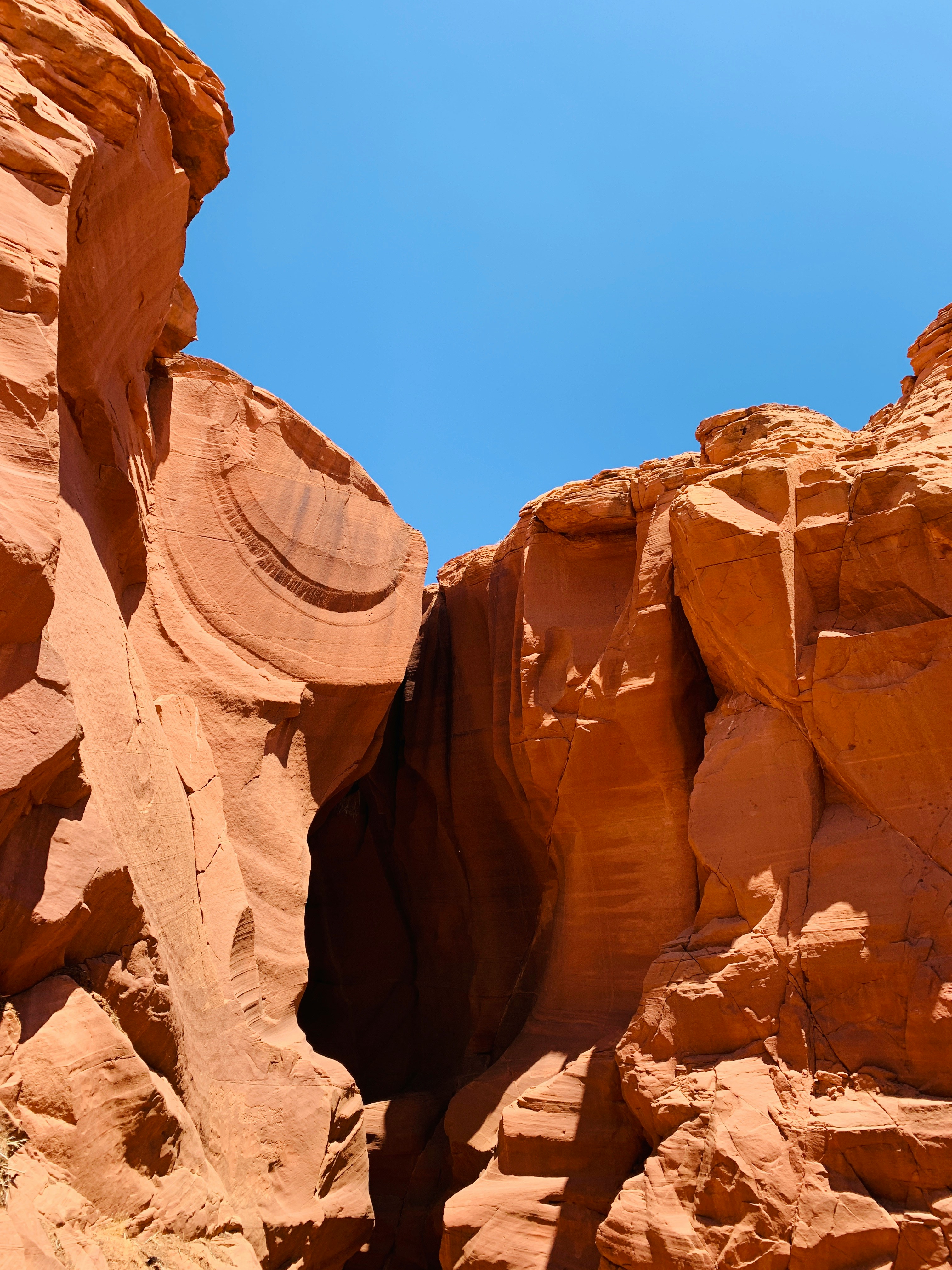
Antelope Canyon’s smooth, swirling sandstone walls and vivid orange and red hues make it a surreal, otherworldly photo destination.
Sunlight streaming through narrow openings creates dramatic light beams and shadow effects, transforming the canyon into a natural art gallery.
The canyon’s textures and colors provide unique, visually striking compositions that stand out on any Instagram feed.
How does it rate
CrowdsRomanceCash RequiredDangerAccessibilityWhy you should go
The canyon is a unique natural wonder, offering incredible photo opportunities with its light beams and swirling rock formations.
Why you shouldn't go
It requires a guided tour, which limits exploration and can be pricey, and it often feels crowded due to its popularity.
-
 #585 /100
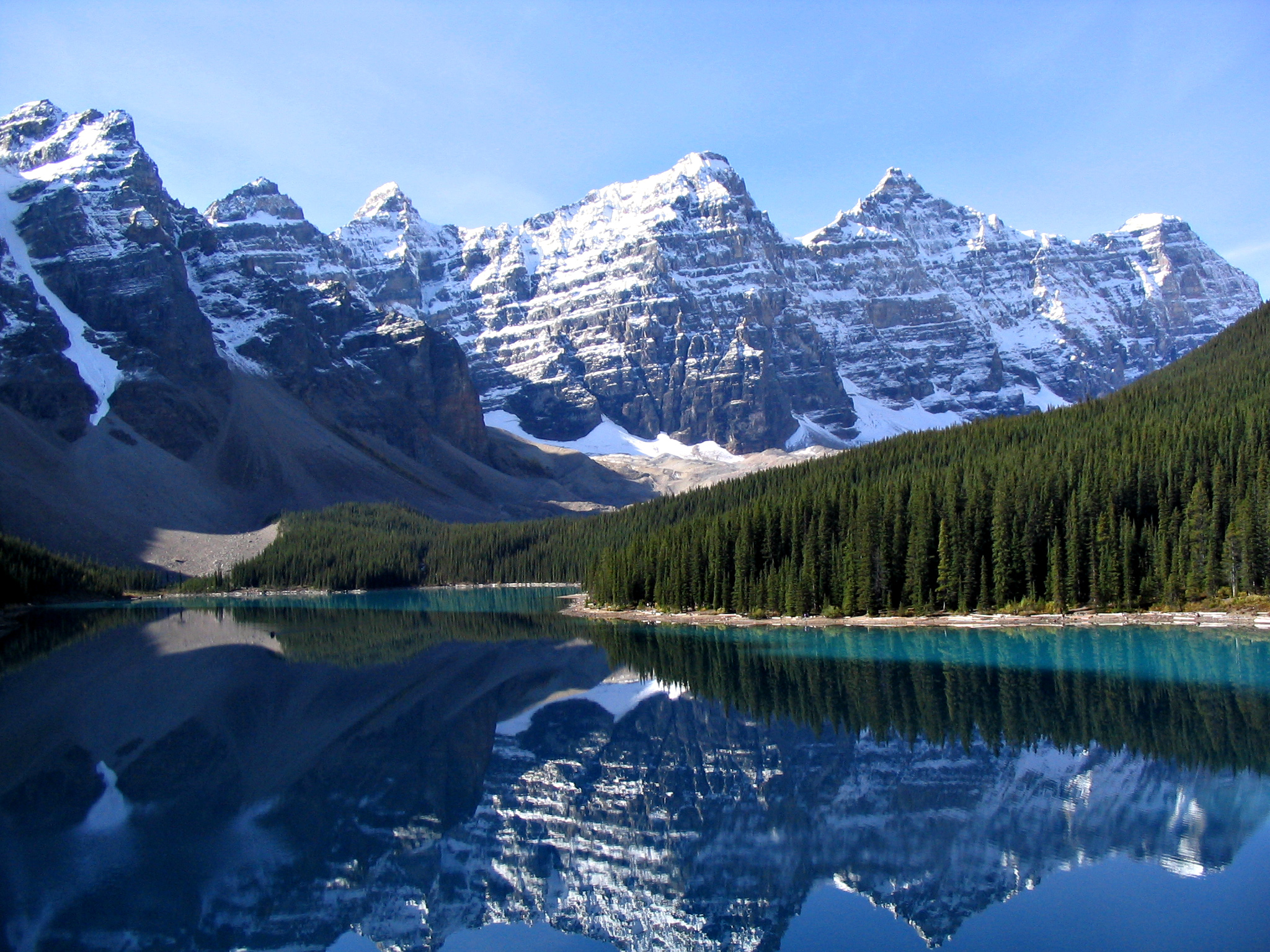
Hidden in the Valley of the Ten Peaks in Banff National Park, Moraine Lake is fed by glacial meltwater that gives it its extraordinary turquoise colour.
The classic view from the Rockpile overlook, with the lake reflecting the surrounding peaks, appeared on the Canadian twenty-dollar bill.
How does it rate
CrowdsRomanceCash RequiredDangerAccessibilityWhy you should go
The colour of the water is genuinely unbelievable in person and the surrounding ring of jagged peaks makes it one of the most dramatic lake settings in the world.
Why you shouldn't go
Access to Moraine Lake is now heavily controlled; visitors must book a shuttle bus in advance as private vehicles are prohibited.
-
 #679 /100
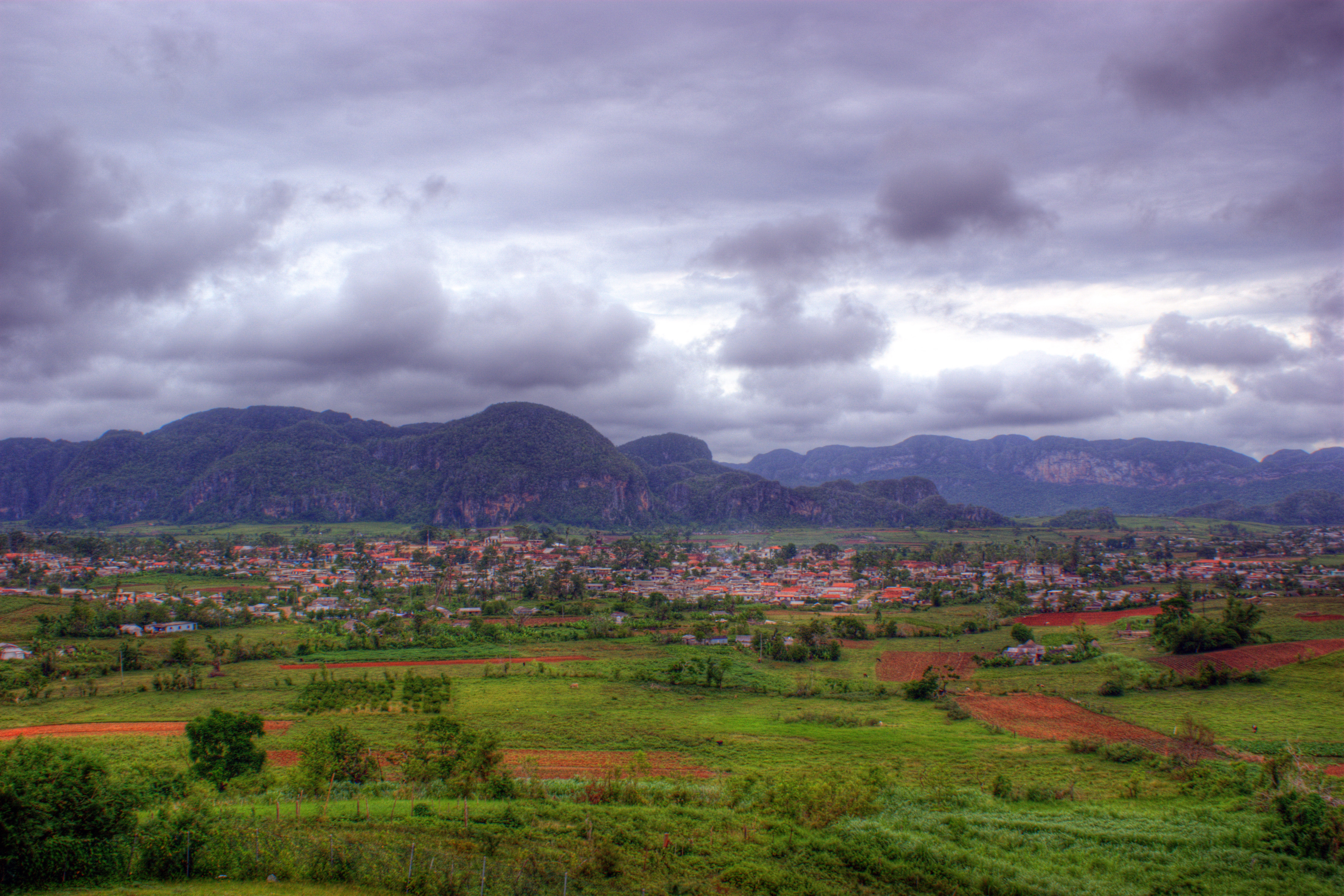
The Vinales Valley is a UNESCO World Heritage landscape in western Cuba, where massive limestone mogotes rise dramatically from the flat valley floor like green-covered fortresses.
The traditional tobacco farms, red earth roads, royal palm trees, and brilliant blue skies create one of the Caribbean's most distinctive and photographed landscapes.
How does it rate
CrowdsRomanceCash RequiredDangerAccessibilityWhy you should go
The combination of the dramatic mogote karst landscape, the red earth, the royal palms, and the traditional farming methods creates a landscape of extraordinary beauty and cultural richness.
Why you shouldn't go
Vinales requires either a guided excursion from Havana or independent travel which can be challenging to arrange; the valley itself is fairly compact and can be covered in a day.
-
 #778 /100
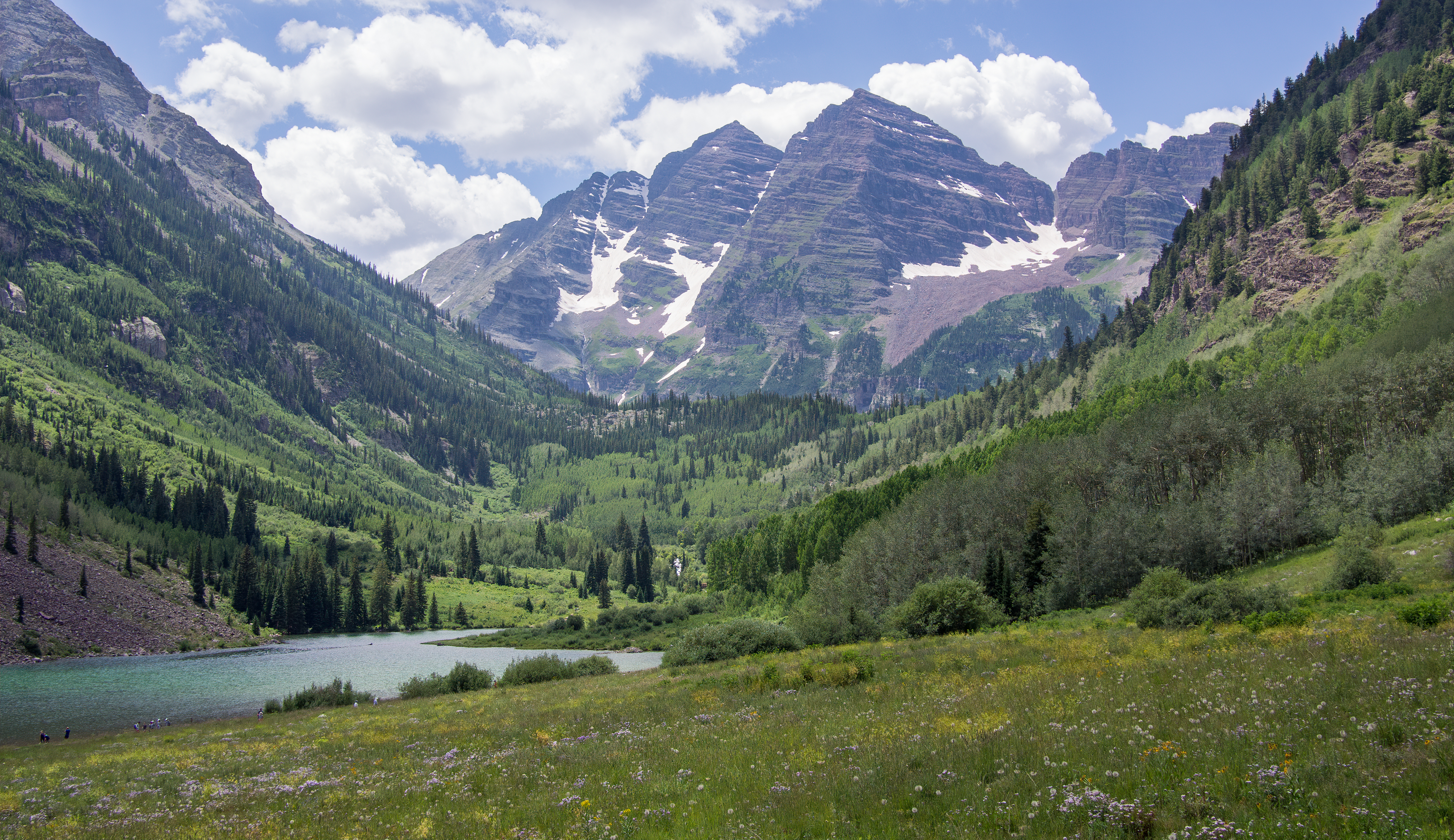
The Maroon Bells are two peaks — Maroon Peak and North Maroon Peak — in the Elk Mountains of Colorado, rising to 4,317 and 4,273 metres respectively.
The reflection of the burgundy-coloured peaks in the still waters of Maroon Lake, particularly in autumn when the surrounding aspen trees turn gold, is one of America's most photographed landscapes.
How does it rate
CrowdsRomanceCash RequiredDangerAccessibilityWhy you should go
The autumn reflection of the Maroon Bells in Maroon Lake, with the aspens turning gold around the shoreline, is one of the great landscape photographs of the American West.
Why you shouldn't go
Access by private vehicle is restricted and requires a shuttle bus from Aspen; the autumn season brings the most colour but also the most visitors.
-
 #850 /100
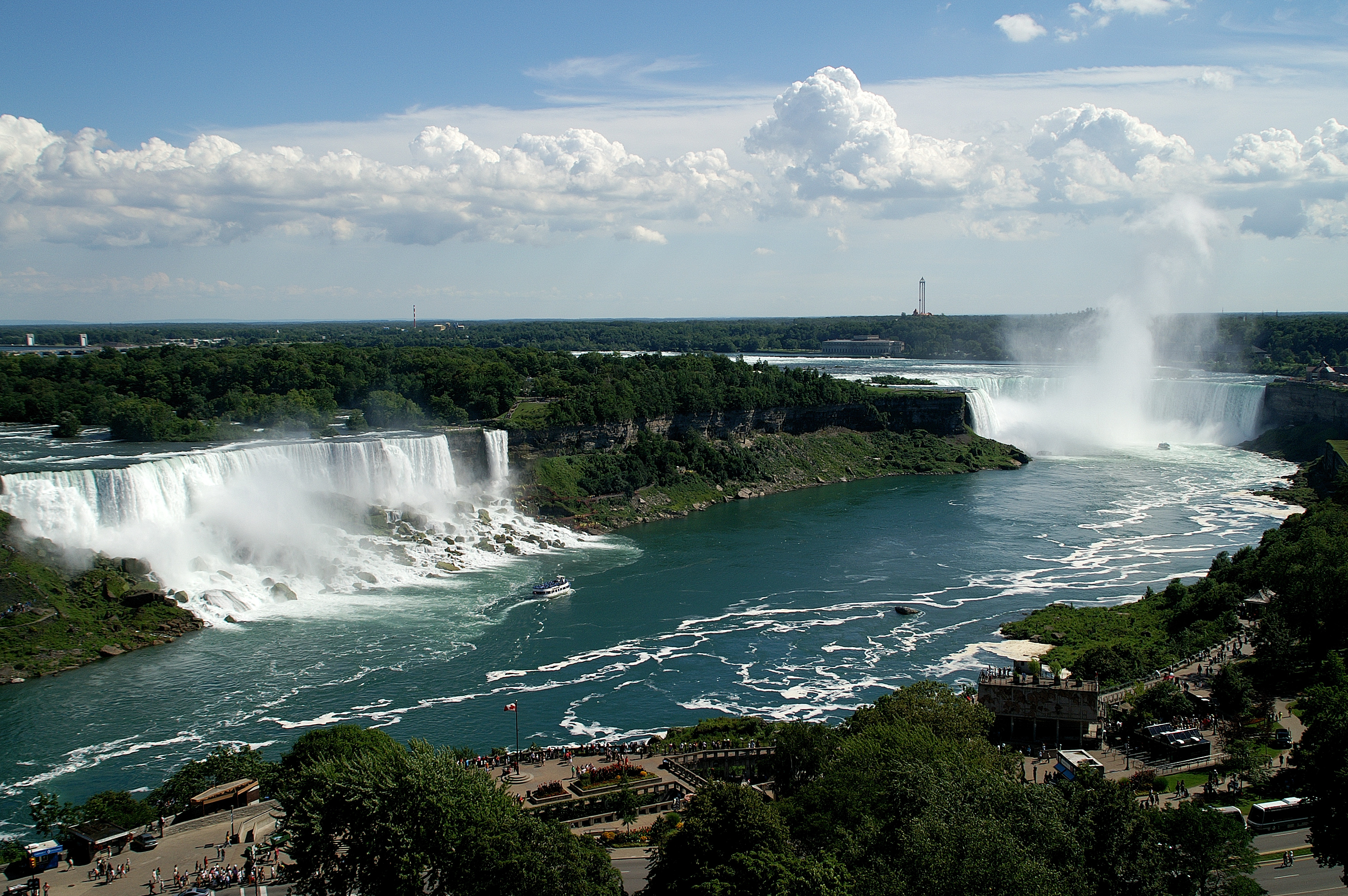
Niagara Falls sits on the border between Ontario and New York State and comprises three waterfalls: the Horseshoe Falls, the American Falls, and the Bridal Veil Falls.
The Canadian side offers the most dramatic panoramic view of the Horseshoe Falls, which at 57 metres tall and 670 metres wide is the most powerful waterfall in North America.
How does it rate
CrowdsRomanceCash RequiredDangerAccessibilityWhy you should go
The volume of water thundering over Horseshoe Falls from the Canadian viewing platform is genuinely awe-inspiring; boat trips take you to within metres of the falling water.
Why you shouldn't go
The surrounding town of Niagara Falls on the Canadian side is extremely tacky and touristy; the falls themselves are not particularly tall compared to some rivals.
-
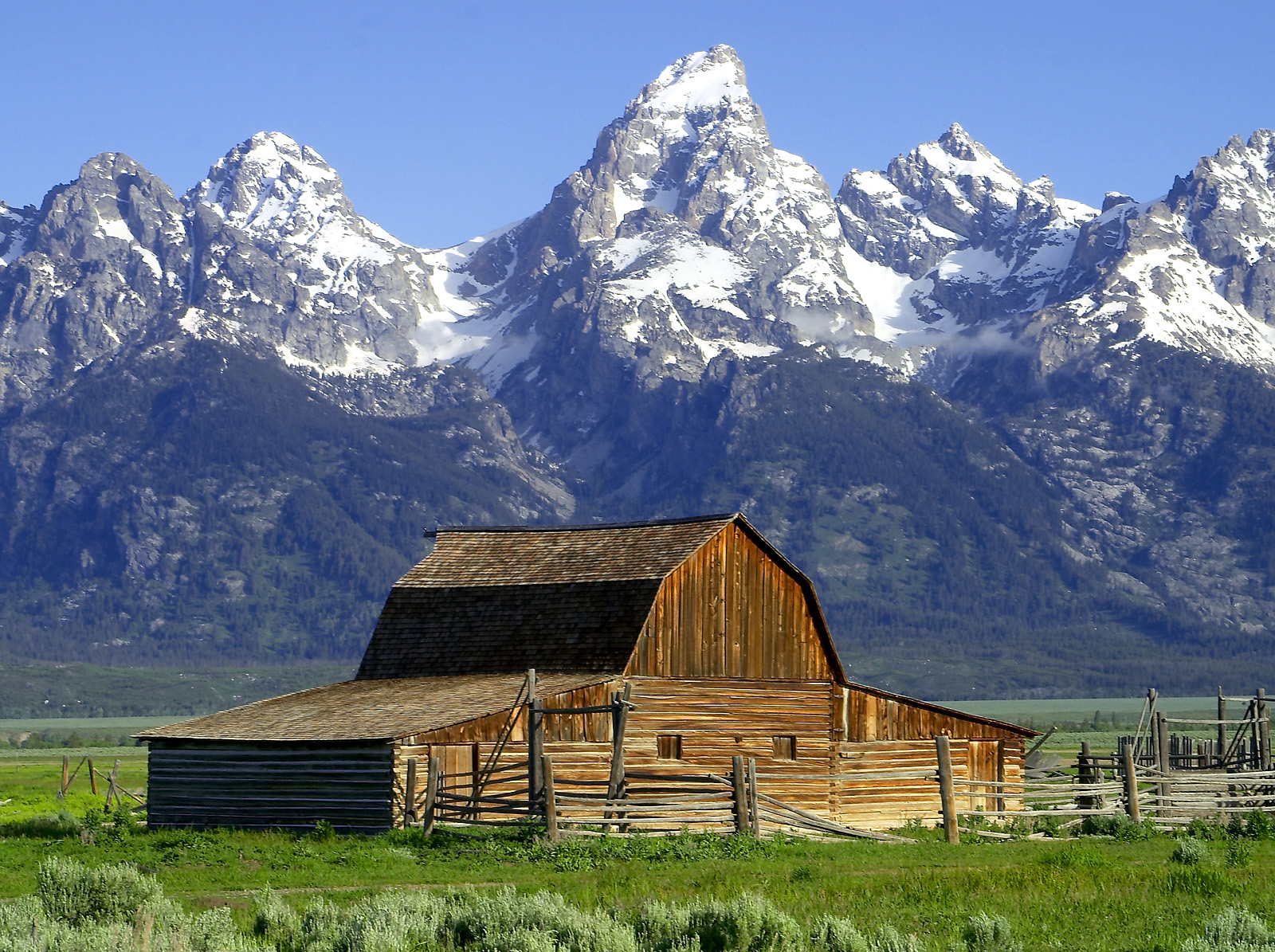 #950 /100
The Teton Range rises abruptly without foothills from the flat valley floor of Jackson Hole, creating one of the most dramatic mountain frontages in the Americas.
The Snake River Overlook, where Ansel Adams made his famous photograph, remains one of the most photographed spots in American landscape photography.
How does it rate
CrowdsRomanceCash RequiredDangerAccessibilityWhy you should go
The Tetons rising directly from the valley floor create an unobstructed mountain wall that produces some of America's most dramatic landscape photographs.
Why you shouldn't go
Wildlife watching opportunities are excellent but not guaranteed; the park is large and distances between key viewpoints are significant.
-
 #1048 /100
Disneyland’s iconic castle, colorful rides, and joyful atmosphere make it one of the most Instagrammable places for families and Disney fans.
Each themed area offers unique backdrops, from the magical castles to the lively parades.
Bright colors, costumed characters, and whimsical architecture make it an ideal spot for capturing the joy of childhood.
How does it rate
CrowdsRomanceCash RequiredDangerAccessibilityWhy you should go
It’s a magical experience with activities and attractions for all ages.
Why you shouldn't go
It can be very crowded and expensive, and lines for popular attractions are often long.
-
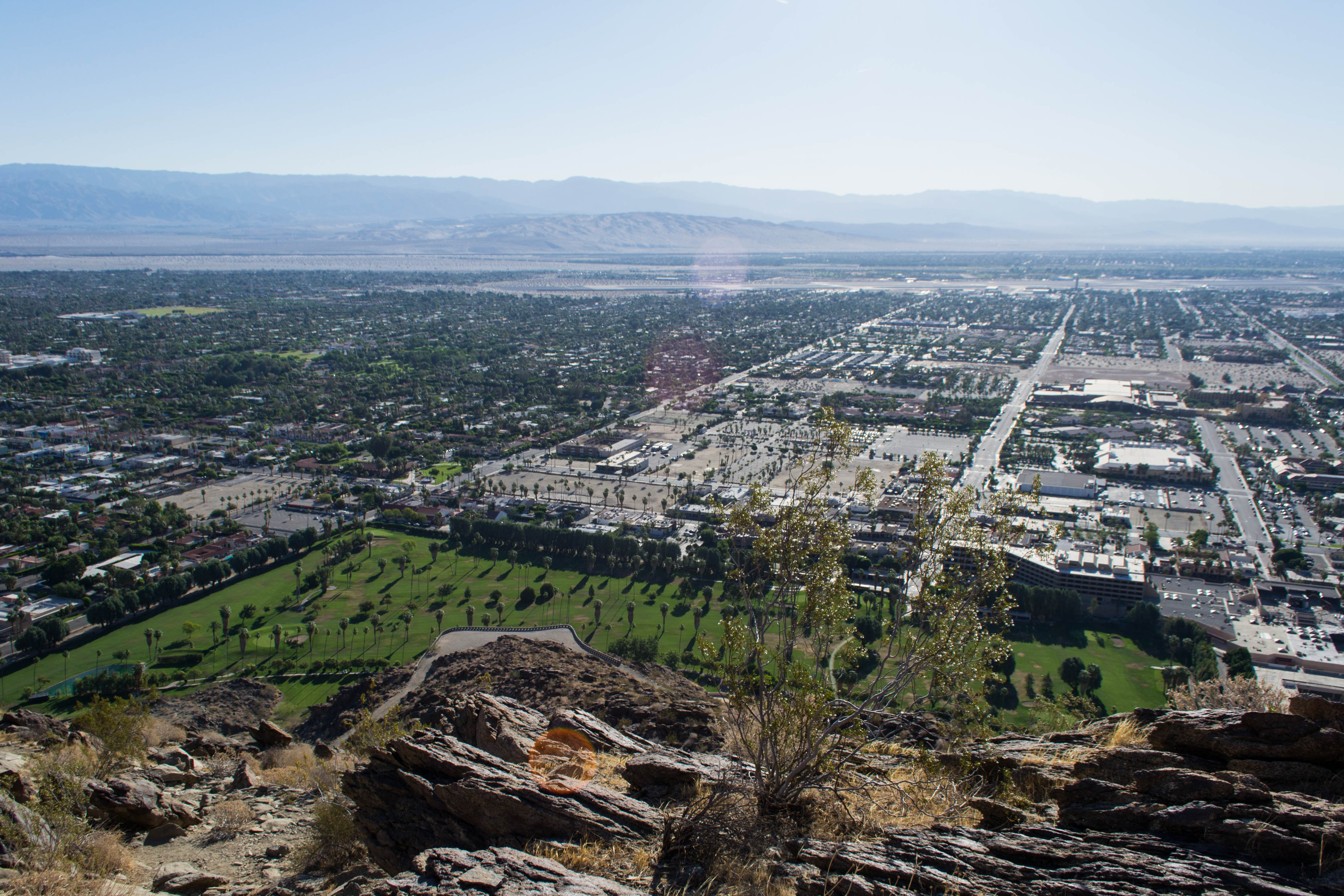 #1139 /100
Palm Springs is a desert resort city in the Coachella Valley in southern California, set against the dramatic backdrop of the San Jacinto Mountains.
Famous for its concentration of mid-century modern architecture, the city's pastel-coloured bungalows, extravagant swimming pools, and surrounding date palm groves create a uniquely Californian aesthetic.
How does it rate
CrowdsRomanceCash RequiredDangerAccessibilityWhy you should go
Palm Springs has one of the highest concentrations of mid-century modern architecture anywhere in the world; the swimming pool culture and mountain backdrop create a very photogenic desert setting.
Why you shouldn't go
Palm Springs becomes extremely hot in summer (frequently over 40 degrees Celsius) when most visitors stay away; the peak season from January to April brings crowds and high prices.
-
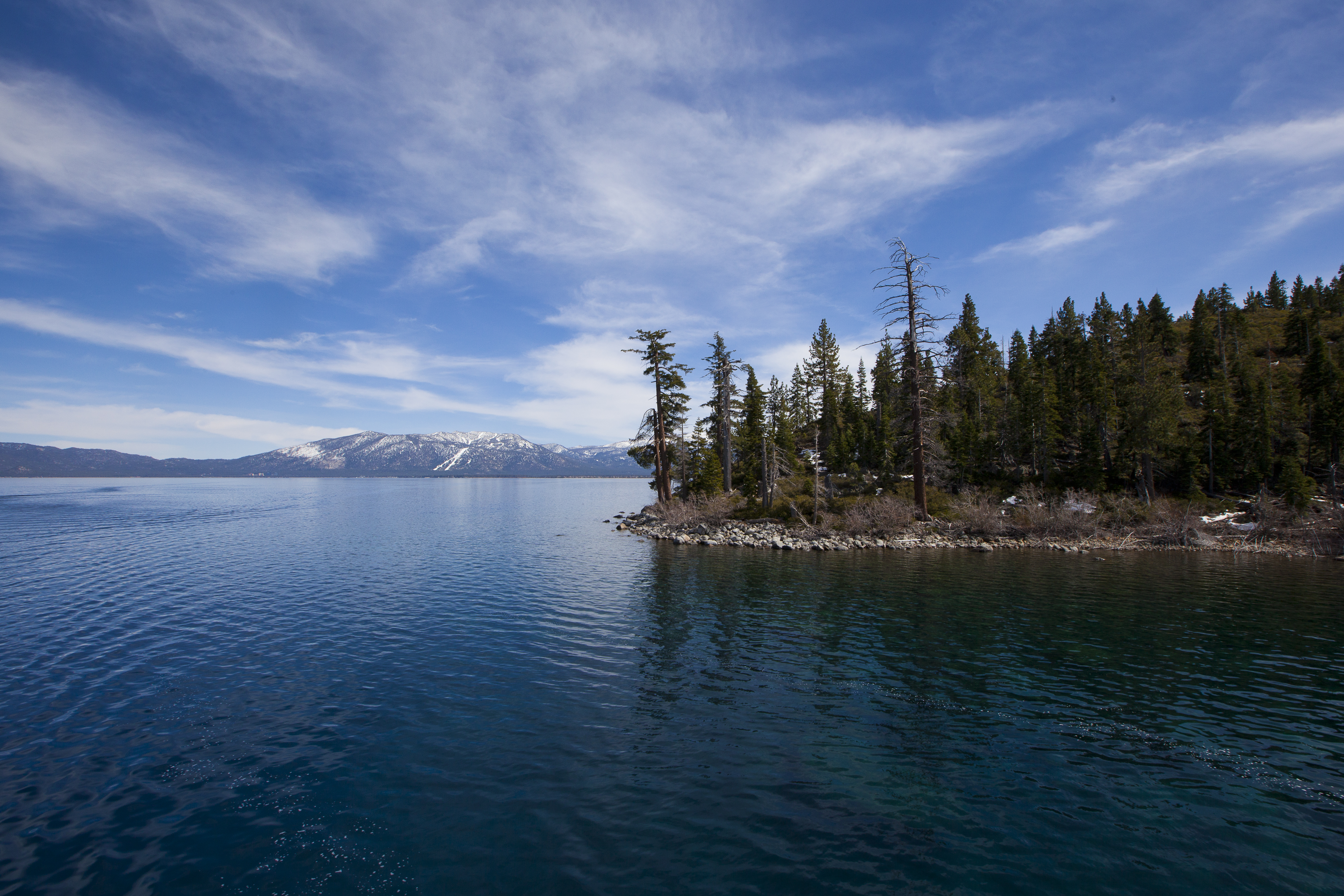 #1228 /100
Lake Tahoe straddles the border between California and Nevada in the Sierra Nevada mountains, its remarkable clarity allowing visibility to a depth of over 20 metres.
Surrounded by ski resorts, pine forests, and granite peaks, it offers spectacular hiking and water sports in summer and world-class skiing in winter.
How does it rate
CrowdsRomanceCash RequiredDangerAccessibilityWhy you should go
The clarity of Lake Tahoe's water and the surrounding mountain scenery make it one of the most beautiful alpine lakes in North America; the sunsets across the lake are spectacular.
Why you shouldn't go
The lake is heavily developed on both the California and Nevada shores; traffic congestion and parking can be severe during summer weekends.
-
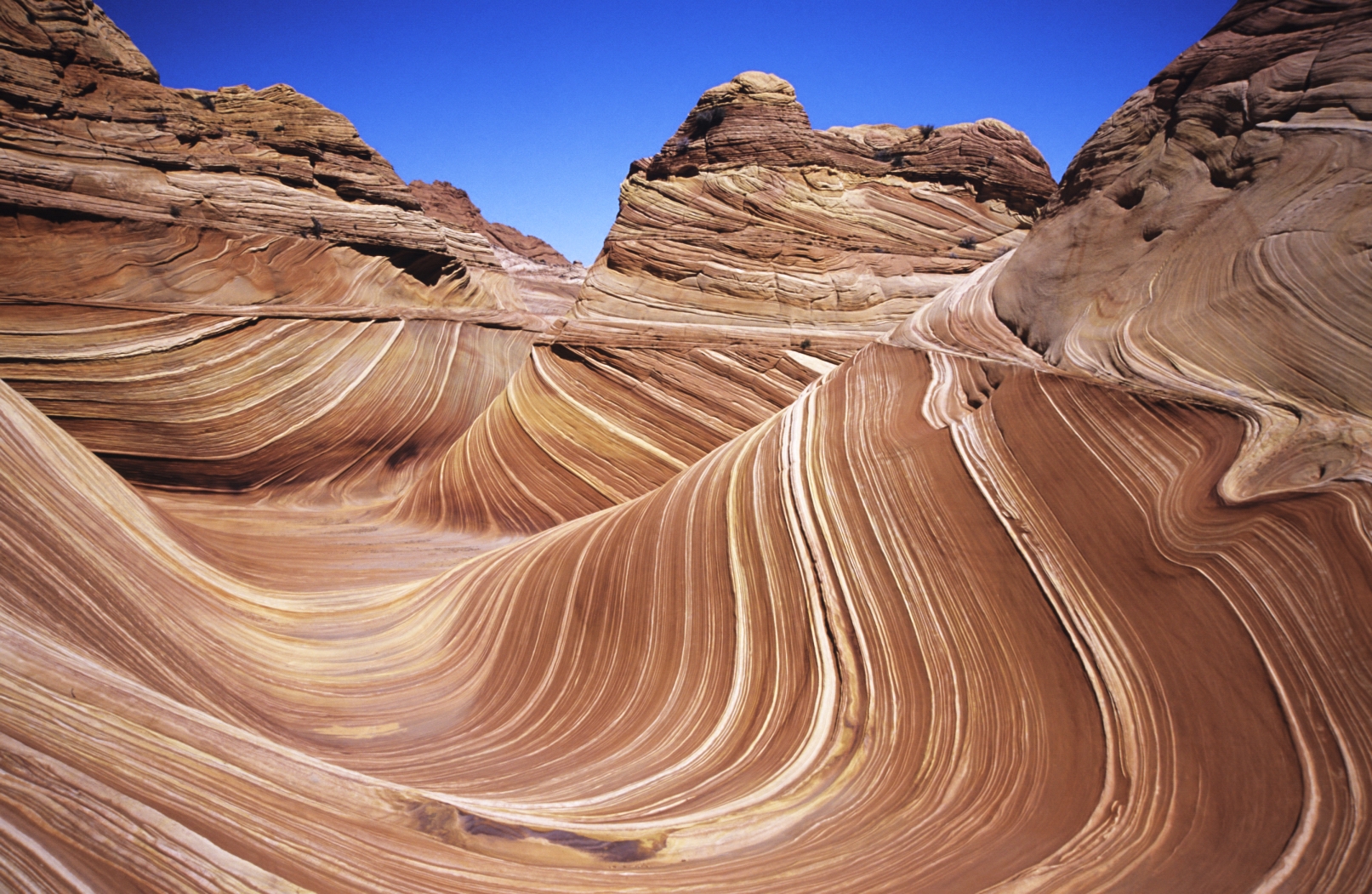 #1323 /100
The Wave is a sandstone rock formation in the Coyote Buttes area of the Paria Canyon-Vermilion Cliffs Wilderness in Arizona, famous for its colourful, undulating forms created by 190-million-year-old Jurassic sand dunes.
The swirling bands of red, orange, and pink sandstone make it one of the world's most extraordinary geological formations.
How does it rate
CrowdsRomanceCash RequiredDangerAccessibilityWhy you should go
The Wave's swirling, almost liquid-looking sandstone surface is genuinely unlike anything else on earth; photographed in good light it is one of nature's most abstract landscapes.
Why you shouldn't go
Entry is strictly limited by lottery — only 64 people per day are permitted — and most applicants do not win; the terrain requires navigation skills and has no trail markers.
-
 #1419 /100
Haleakala's summit on Maui sits at 3,055 metres above sea level, placing it above the clouds for one of the world's most famous sunrise experiences.
The volcanic crater contains a moonlike landscape of cinder cones and lava flows extending 11 kilometres across and 800 metres deep.
How does it rate
CrowdsRomanceCash RequiredDangerAccessibilityWhy you should go
Watching the sun rise above the clouds from the summit crater rim is a spiritual experience; the volcanic landscape below and clouds stretching to the horizon are genuinely awe-inspiring.
Why you shouldn't go
Sunrise viewing requires an advance reservation, you must drive up before 3am, and the summit is bitterly cold even in Hawaiian summer.
-
 #1515 /100
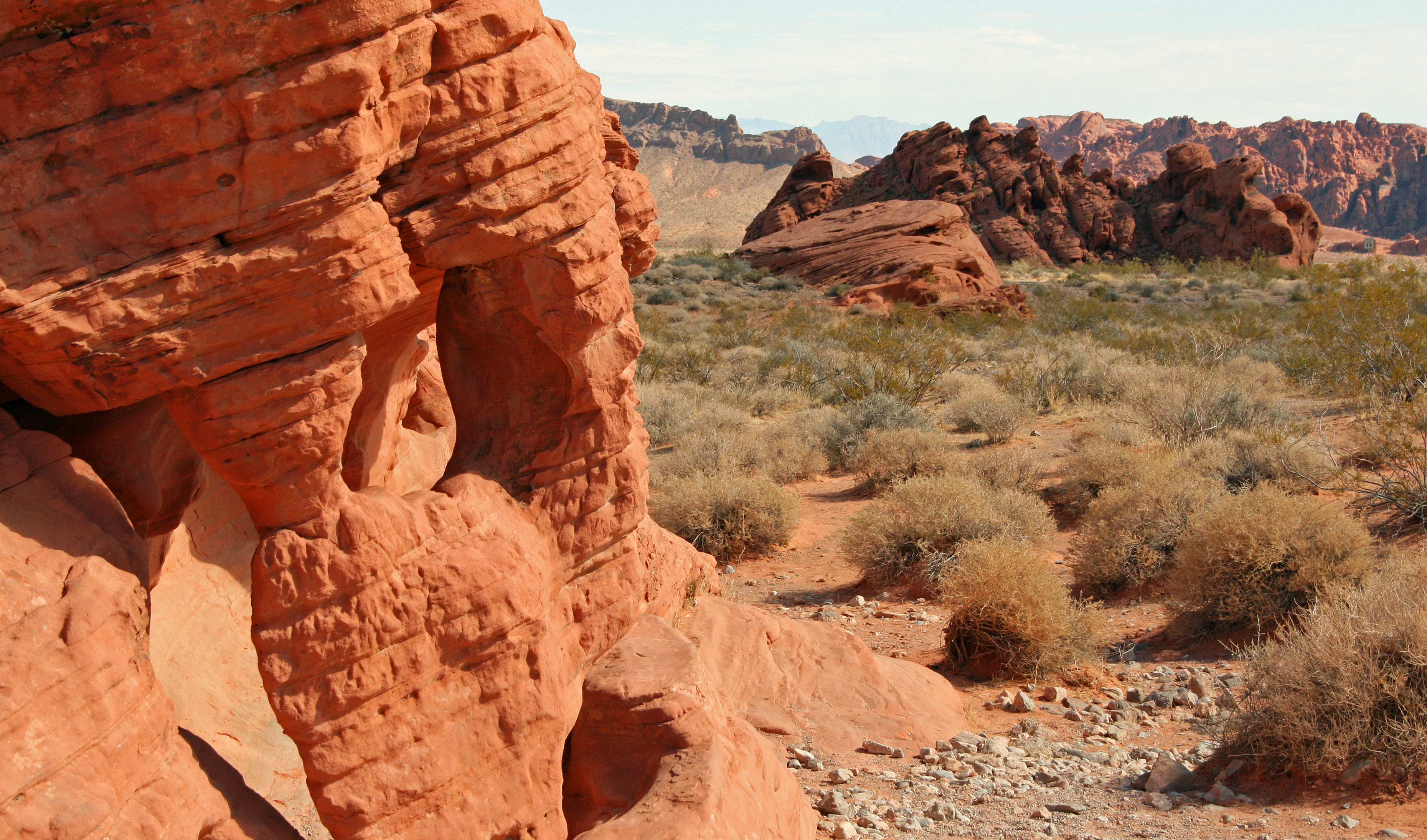
The Valley of Fire State Park is Nevada's oldest and largest state park, containing extraordinary formations of bright red Aztec sandstone created from sand dunes 150 million years ago.
The intensely coloured rock glows with particular brilliance at sunrise and sunset when it appears almost to be lit from within.
How does it rate
CrowdsRomanceCash RequiredDangerAccessibilityWhy you should go
The vivid red sandstone formations, particularly at golden hour, create a landscape of extraordinary colour intensity; Wave Rock and Elephant Rock are among the most dramatic formations.
Why you shouldn't go
The park is in the Mojave Desert and temperatures exceed 40 degrees Celsius in summer; it is most accessible as a day trip from Las Vegas but there is limited accommodation within the park.
-
 #1611 /100
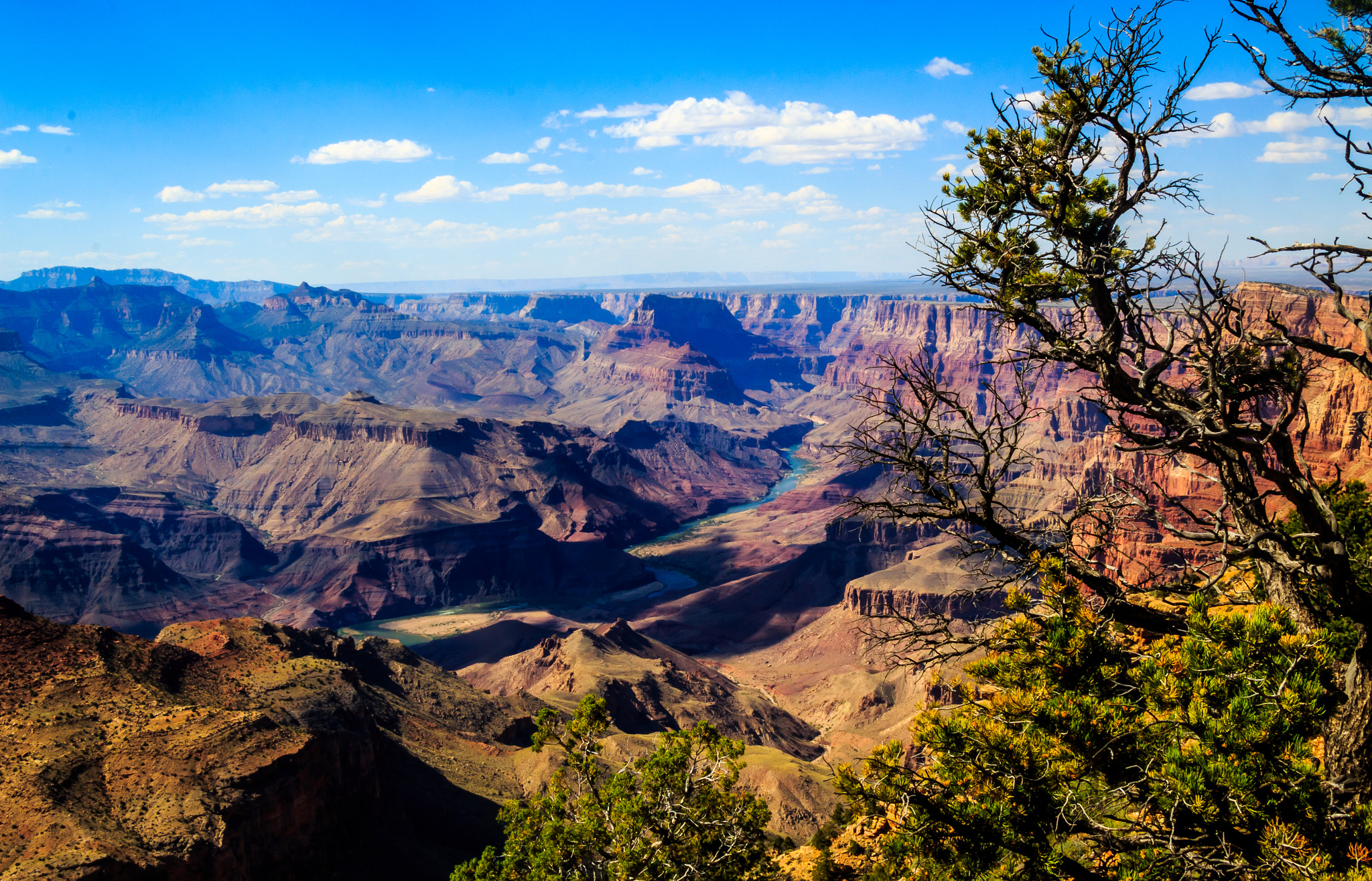
The Grand Canyon is one of the world's great natural wonders — 446 kilometres long, up to 29 kilometres wide, and over 1,800 metres deep, carved over millions of years by the Colorado River.
The layered bands of red rock reveal two billion years of geological history and glow with extraordinary colour at sunrise and sunset.
How does it rate
CrowdsRomanceCash RequiredDangerAccessibilityWhy you should go
The scale of the Grand Canyon is simply incomprehensible until you stand at the rim; the light at golden hour transforms the canyon into something that seems to glow from within.
Why you shouldn't go
The South Rim is very crowded and the most dramatic inner canyon viewpoints require strenuous and potentially dangerous hikes in extreme heat.
-
 #177 /100
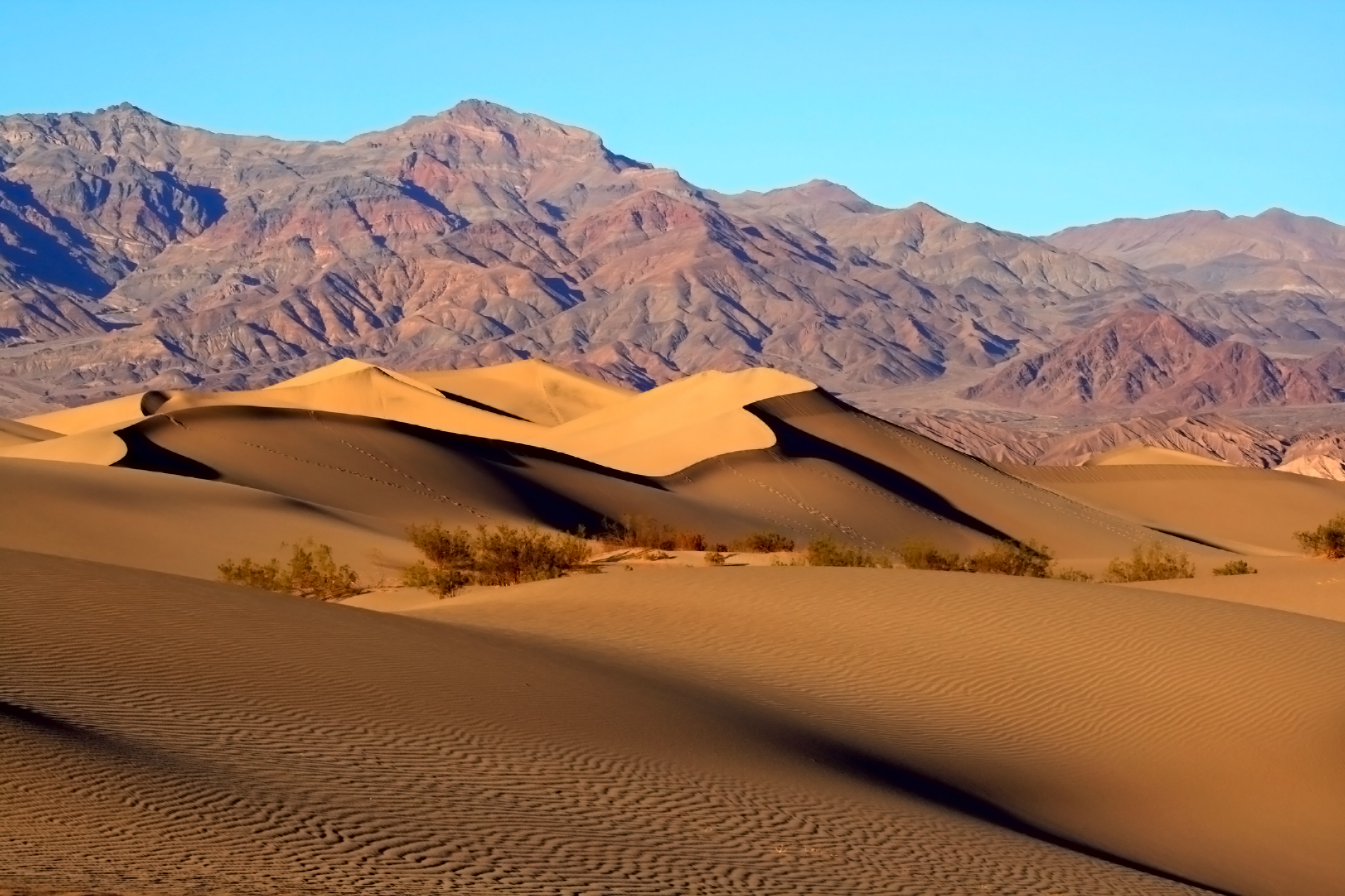
Death Valley National Park in California and Nevada is the lowest, driest, and hottest place in North America, where summer temperatures regularly exceed 50 degrees Celsius.
Yet within its 13,600 square kilometres lies extraordinary scenery — from the salt flats of Badwater Basin to the colourful Artist's Palette hills and the vast sand dunes of Mesquite Flat.
How does it rate
CrowdsRomanceCash RequiredDangerAccessibilityWhy you should go
The Mesquite Flat sand dunes at sunrise, the salt hexagons of Badwater Basin, and the multicoloured mineral hills of Artist's Palette create a desert landscape of extraordinary variety.
Why you shouldn't go
Death Valley lives up to its name in summer when it is simply dangerous; temperatures above 45 degrees Celsius make outdoor exploration genuinely life-threatening.


How a score is built
One score out of 100, five criteria behind it
Every place is rated 1–5 on each of the criteria below, then combined into a single score out of 100. It's calculated by us, the same way every time — not an average of traveller reviews or social votes.
Crowds
How many people you'll be sharing the view with, and at what time of day.
Romance
How well it suits a couple, a proposal, or a quiet moment together.
Cash required
Entry fees, permits, guided tours — what it actually costs to stand there.
Danger
Physical risk involved, from a slippery viewpoint to genuine hazard.
Accessibility
How far off the beaten path it is, and how hard it is to actually reach.