-
 #191 /100
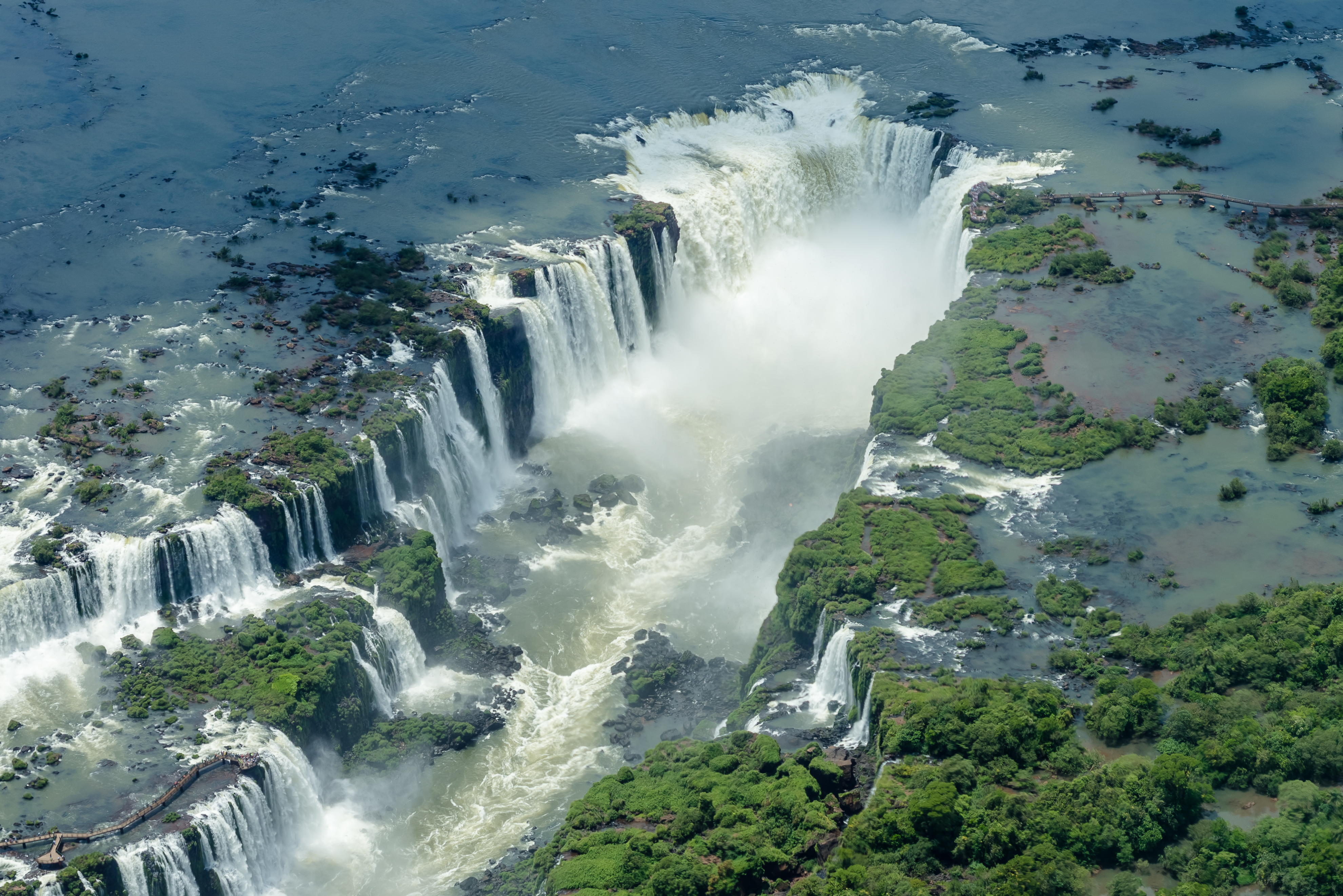
Iguazu Falls straddles the border between Argentina and Brazil and is wider than Victoria Falls and taller than Niagara, making it arguably the world's most spectacular waterfall system.
The 275 separate cascades thunder over a 2.
7-kilometre arc in the subtropical jungle of both countries' national parks.
How does it rate
CrowdsRomanceCash RequiredDangerAccessibilityWhy you should go
The sheer scale and number of cascades, accessible via elevated walkways that take you directly above and beside the falls, makes Iguazu one of nature's great spectacles.
Why you shouldn't go
The falls are best seen from both the Argentine and Brazilian sides, which requires a border crossing; the Argentine side walkways can close due to flooding.
Plan your visit
Best time to visitApril-June or September-NovemberBest time of dayMorning for rainbowsGetting thereFly to Puerto IguazuEntry cost~$30 park entryTime neededFull dayInsider tip — Visit both the Argentine and Brazilian sides; Argentina gets you closer, Brazil gives the panorama -
 #2
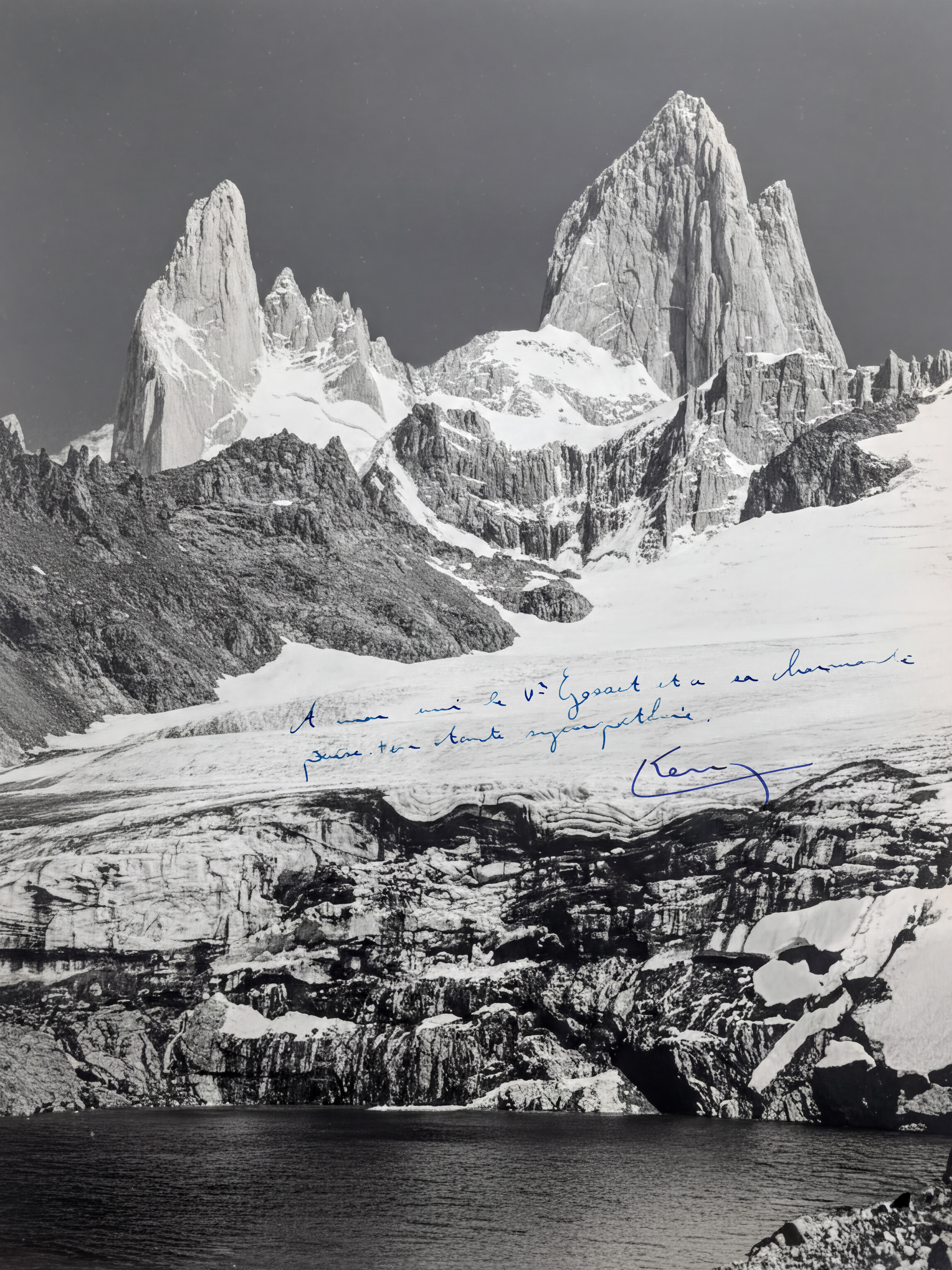
#2Mount Fitz Roy is a serrated granite peak on the border of Argentina and Chile in Patagonia, rising 3,405 metres above the Patagonian steppe.
Its distinctive jagged silhouette, often wreathed in cloud, inspired the Patagonia clothing brand logo and is considered one of the most technically challenging climbs in the world.
How does it rate
CrowdsRomanceCash RequiredDangerAccessibilityWhy you should go
The view of Fitz Roy reflected in Laguna de los Tres, with the jagged granite towers rising above the surrounding ice field, is one of the most dramatic mountain scenes in South America.
Why you shouldn't go
The classic Laguna de los Tres viewpoint requires a strenuous 22-kilometre return hike with 1,300 metres of elevation gain; the peak is notoriously cloud-covered.
Plan your visit
Best time to visitDecember-February (Southern Hemisphere summer) for best weather oddsBest time of daySunrise for the "fire" effect when the peak turns redGetting thereFly to El Calafate, then bus to El ChaltenEntry costFree, no permits neededTime neededFull day hike (~10hrs round trip)Insider tip — The famous red sunrise glow depends on clear skies; the peak is often cloud-covered, so budget extra days if you can -
 #387 /100
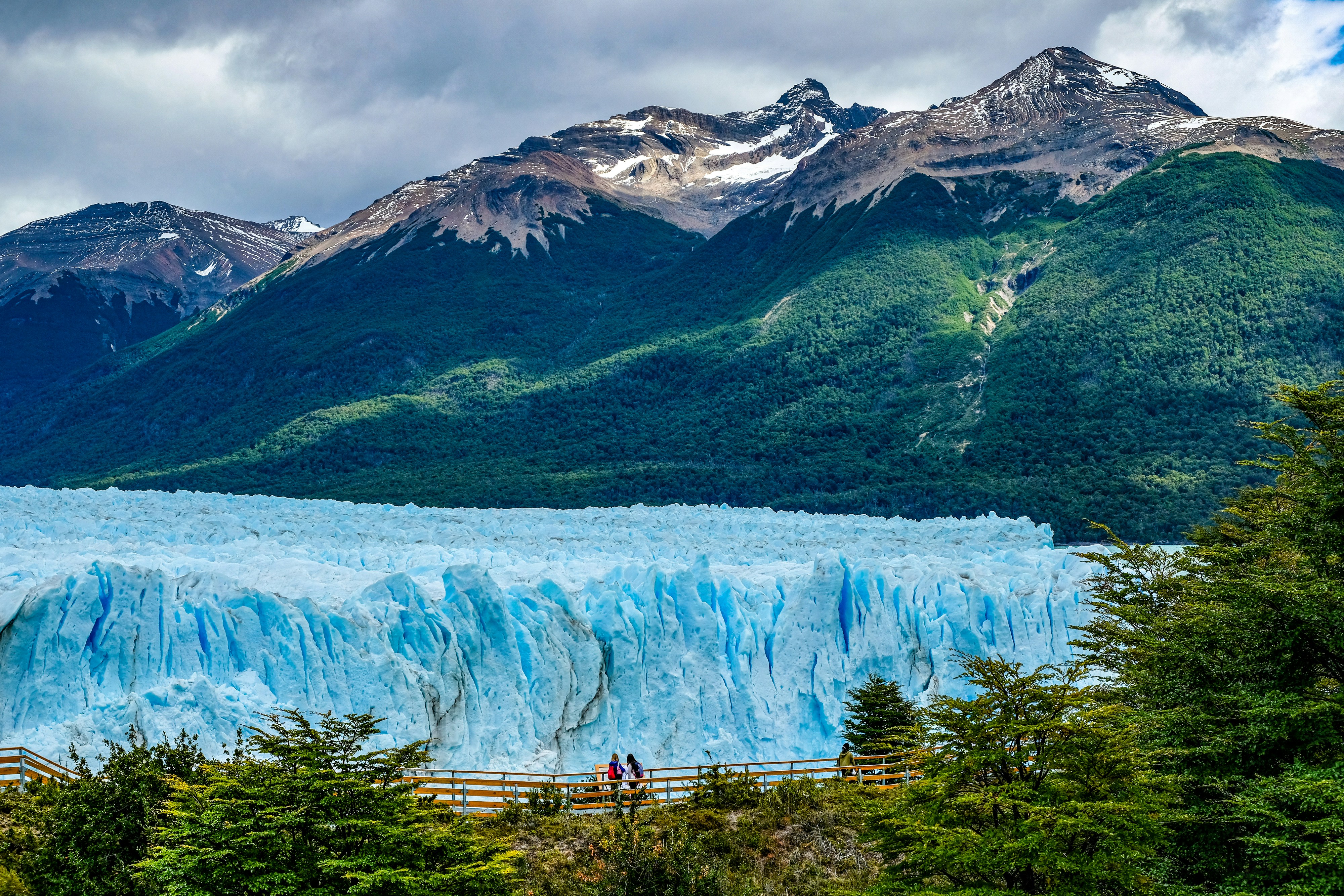
A massive tidewater glacier advancing into Lago Argentino, calving house-sized chunks of ice with a thunderous crack several times a day.
One of the few glaciers on Earth still growing, its brilliant blue ice face and extensive boardwalk system make it Patagonia's signature sight.
How does it rate
CrowdsRomanceCash RequiredDangerAccessibilityWhy you should go
A colossal advancing glacier calving house-sized ice chunks with a thunderous crack, several times a day.
Why you shouldn't go
Very popular, so viewing platforms get crowded in peak season; park entrance fees are steep; weather can obscure views.
Plan your visit
Best time to visitNovember–March (Southern Hemisphere summer) for the most stable weather and longest daylight.Best time of dayAny time of day works, though morning light often shows the ice at its bluest.Getting thereFly to El Calafate, then roughly an 80km (1.5-hour) drive to Los Glaciares National Park.Entry costARS national park entrance fee (~$25 USD equivalent); optional boat tours and ice trekking $80–250 UTime needed4–6 hours including travel from El Calafate.Insider tip — Book an ice-trekking tour to actually walk on the glacier — the boardwalks are free but only offer distant views. Bring layers; the wind off the ice is cold even in summer. -
 #483 /100
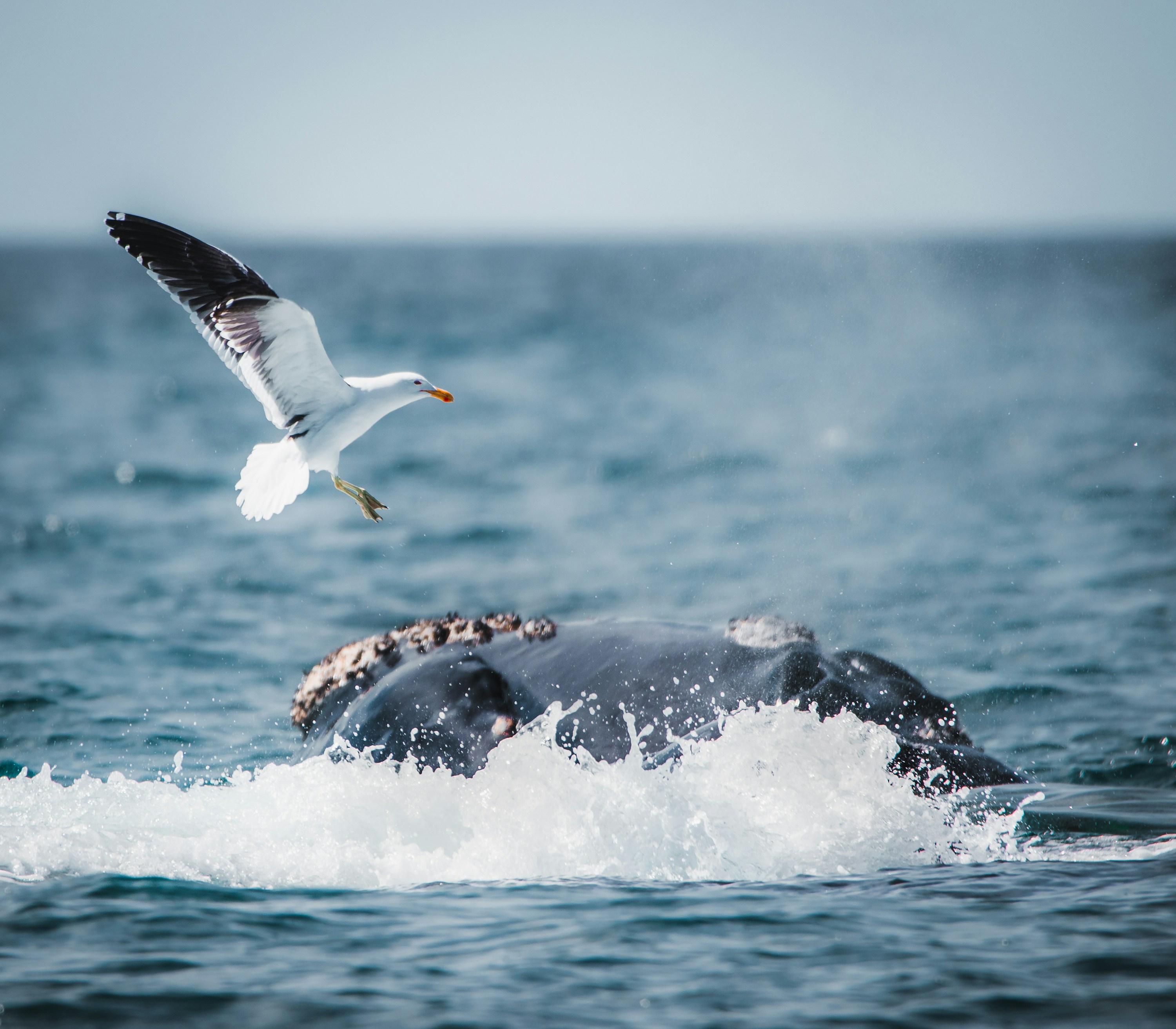
Peninsula Valdes juts into the South Atlantic off Argentine Patagonia and holds one of the continent's great wildlife spectacles: southern right whales calving close to shore, orcas that beach themselves hunting sea lion pups, and colonies of elephant seals and penguins.
A UNESCO site reached from Puerto Madryn, it's linked by unpaved roads between viewing points.
Sightings are seasonal, so timing matters.
How does it rate
CrowdsRomanceCash RequiredDangerAccessibilityWhy you should go
Southern right whales come close enough to watch from small boats or even the shore, in season.
Why you shouldn't go
Wildlife is seasonal and not guaranteed outside the main months - check the calendar before booking.
Plan your visit
Best time to visitJune-December for whales (peak Sept-Nov); Oct-Nov also for orca hunting behaviorBest time of dayMorning boat trips tend to have calmer water and more active whalesGetting thereFly to Trelew or Puerto Madryn, then 1-1.5hr drive onto the peninsulaEntry costReserve entrance fee ~$20-30; whale-watching boat trips separate, ~$70-100Time neededFull day; two days to cover more viewing pointsInsider tip — Book a boat trip from Puerto Piramides itself rather than a day tour from Puerto Madryn - you get more time on the water and less time on the bus. -
 #582 /100
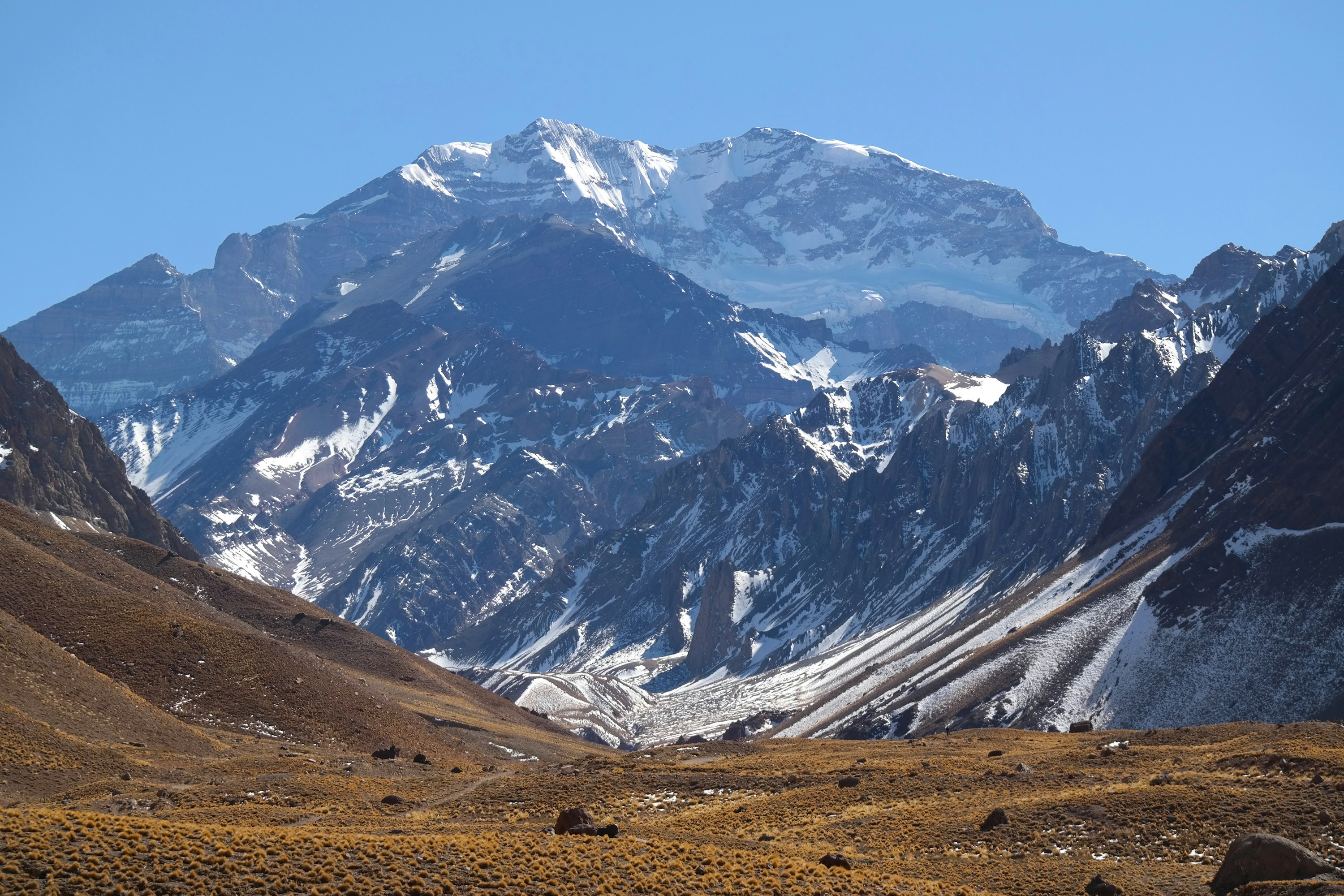
Aconcagua rises 6,961 metres in Mendoza Province, the highest peak in both the Western and Southern Hemispheres and one of the Seven Summits.
Serious climbers spend two to three weeks on the standard Normal Route to the summit, but the mountain rewards a much shorter visit too: a half-day trek from the Horcones trailhead reaches Laguna de los Horcones, a glacial lake with a full view of the south face and glacier.
Aconcagua Provincial Park protects the surrounding high-altitude terrain.
How does it rate
CrowdsRomanceCash RequiredDangerAccessibilityWhy you should go
The highest mountain outside the Himalayas, viewable up close on an easy half-day trek without any climbing gear.
Why you shouldn't go
Summiting is a serious high-altitude expedition; most visitors only see the mountain from the valley trails below.
Plan your visit
Best time to visitDecember-March (Southern Hemisphere summer), when the park and climbing routes are openBest time of dayMorning, before afternoon wind picks up in the high valleyGetting thereFly to Mendoza, then about 3 hours by road to the Horcones entrance near Puente del IncaEntry costPark entry fee for the day-trek zone, a few thousand ARS; multi-week climbing permits cost several hTime neededHalf a day for the Laguna de los Horcones trek; 2-3 weeks for a summit expeditionInsider tip — The Confluencia trek (one day further in than Horcones) gets you a far closer view of the south face for only a little more effort. -
 #682 /100
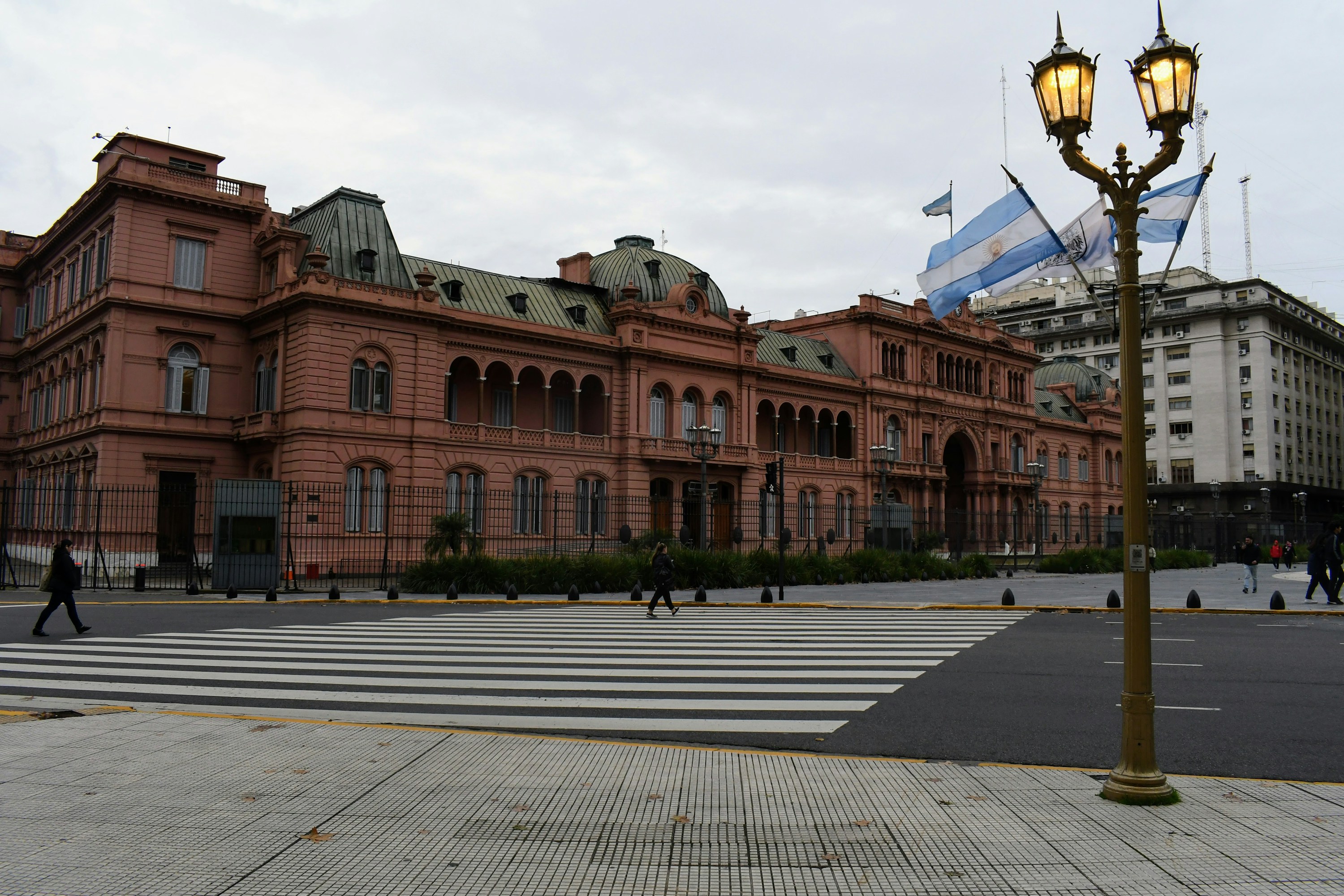
Buenos Aires pairs wide, Parisian-style boulevards with the pulse of a Latin American capital: tango danced in San Telmo squares, steak houses running late into the night, and the pink Casa Rosada overlooking Plaza de Mayo.
Neighborhoods vary sharply, from elegant Recoleta's cafes and cemetery to La Boca's brightly painted tenements.
It's a walkable city built for lingering, not checklist sightseeing.
How does it rate
CrowdsRomanceCash RequiredDangerAccessibilityWhy you should go
A genuinely distinct capital - European architecture, Latin American energy, tango everywhere.
Why you shouldn't go
Petty theft and scams target tourists in busy areas; stay alert with phones and bags.
Plan your visit
Best time to visitMarch-May or September-November, for mild weather outside the humid summerBest time of dayEvening - the city eats dinner from 9pm and tango milongas run lateGetting thereFly into Ezeiza International Airport; taxis or the Tienda Leon bus run downtown in 40-60 minEntry costFree to walk; museums and tango shows charge separately, from a few dollars to $50+Time needed3-4 daysInsider tip — Skip the touristy dinner-and-show tango packages and catch a milonga instead - cheaper, and it's real locals dancing, not a stage act. -
 #7
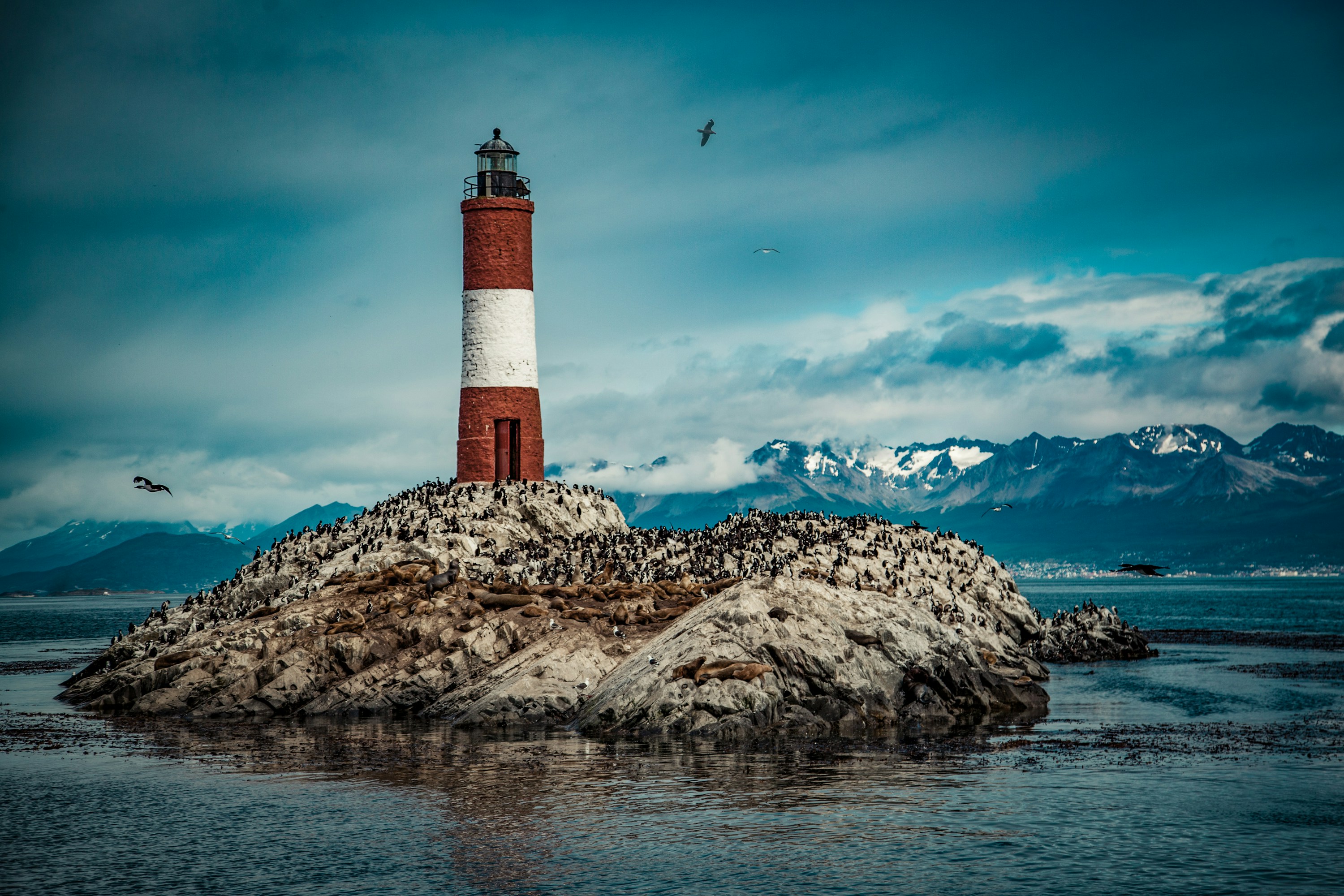
#7Marketed as the southernmost city in the world, Ushuaia sits on the Beagle Channel in Tierra del Fuego, snow-capped peaks rising directly behind its harbour.
It is the main departure point for Antarctica cruises, and shorter boat trips from the same harbour pass the red-and-white Les Eclaireurs lighthouse and islands crowded with sea lions, cormorants and penguins.
Tierra del Fuego National Park lies a short drive west for subantarctic forest and coastal trails.
How does it rate
CrowdsRomanceCash RequiredDangerAccessibilityWhy you should go
The launch point for Antarctica, with wildlife-rich boat trips on the Beagle Channel available even for a day visit.
Why you shouldn't go
Weather is genuinely unpredictable year-round, and Antarctica cruises themselves cost thousands of dollars.
Plan your visit
Best time to visitNovember-March (Southern Hemisphere summer) for mildest weather and Antarctica cruise seasonBest time of dayMorning boat departures for calmer Beagle Channel watersGetting thereFly to Ushuaia (Malvinas Argentinas Airport) from Buenos Aires, about 3.5 hoursEntry costFree to walk the town; Beagle Channel boat trips from ~$60-100; Antarctica cruises from several thouTime needed2-3 days, longer if joining an Antarctica cruiseInsider tip — Book a half-day Beagle Channel boat trip even if skipping Antarctica - it reaches the lighthouse and sea lion colonies for a fraction of the cost. -
 #879 /100
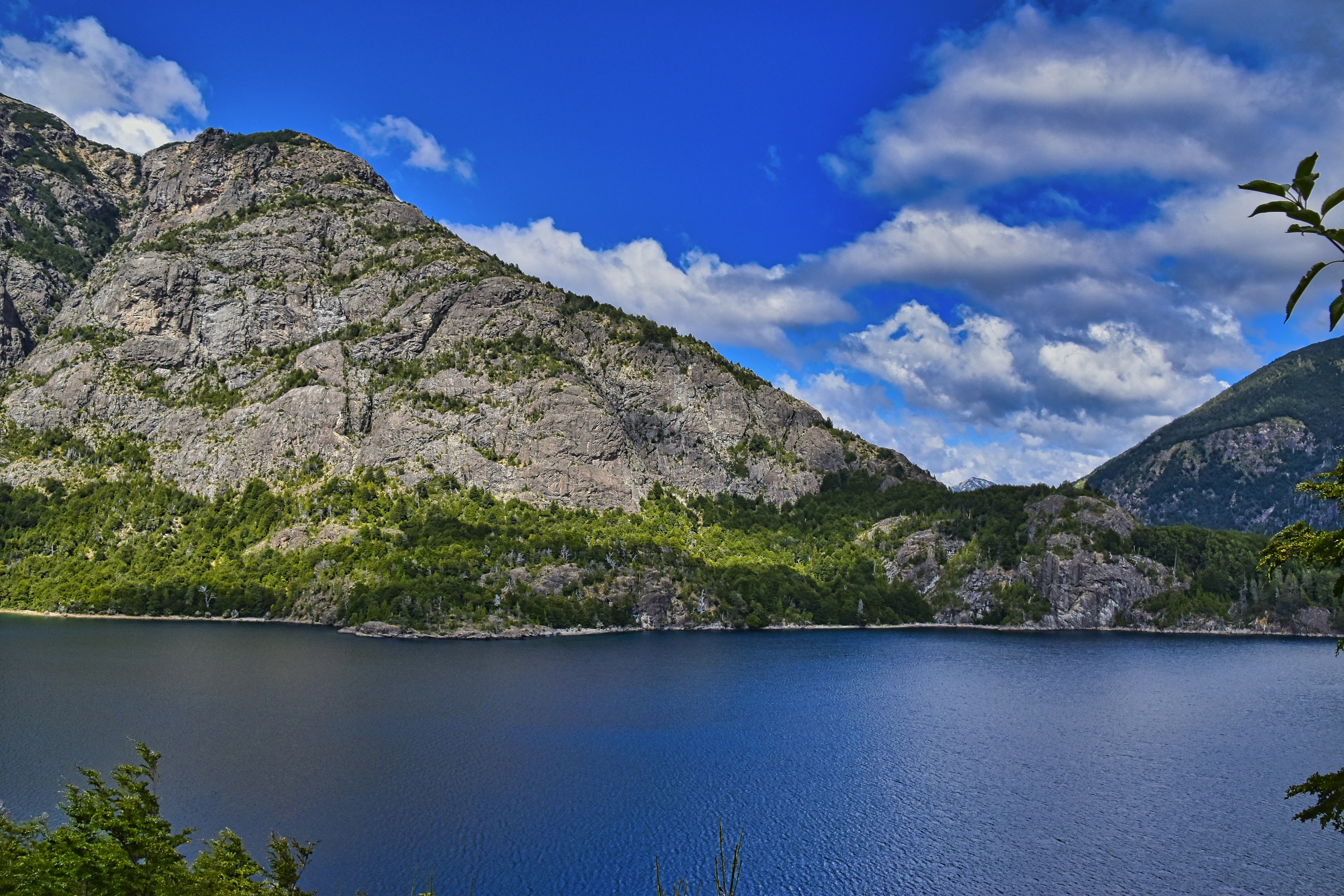
San Carlos de Bariloche sits on the shore of Nahuel Huapi Lake in Argentine Patagonia, a Swiss-styled town backed by the Andes and a gateway to a national park of forested peaks and turquoise lakes.
Chocolate shops line the Centro Cívico, while the Circuito Chico drive and the Cerro Campanario cable car reach panoramic viewpoints over the lake district.
It doubles as a ski base in winter and a hiking and mountain-biking hub in summer.
How does it rate
CrowdsRomanceCash RequiredDangerAccessibilityWhy you should go
A lake-and-mountain town that works as both a Patagonian hiking base and a genuine destination in its own right.
Why you shouldn't go
Peak ski season (July) and summer school holidays (January) both bring heavy crowds and inflated prices.
Plan your visit
Best time to visitDecember-March for hiking and lake activities; July-August for skiing at Cerro CatedralBest time of dayLate afternoon at Cerro Campanario for lake views before sunsetGetting thereFly to Bariloche (San Carlos de Bariloche Airport) from Buenos Aires, about 2 hoursEntry costFree to explore town; Cerro Campanario cable car and national park activities charge separatelyTime needed3-4 daysInsider tip — Drive the Circuito Chico in the early morning to have the lakeside viewpoints to yourself before tour buses fill the pull-offs. -
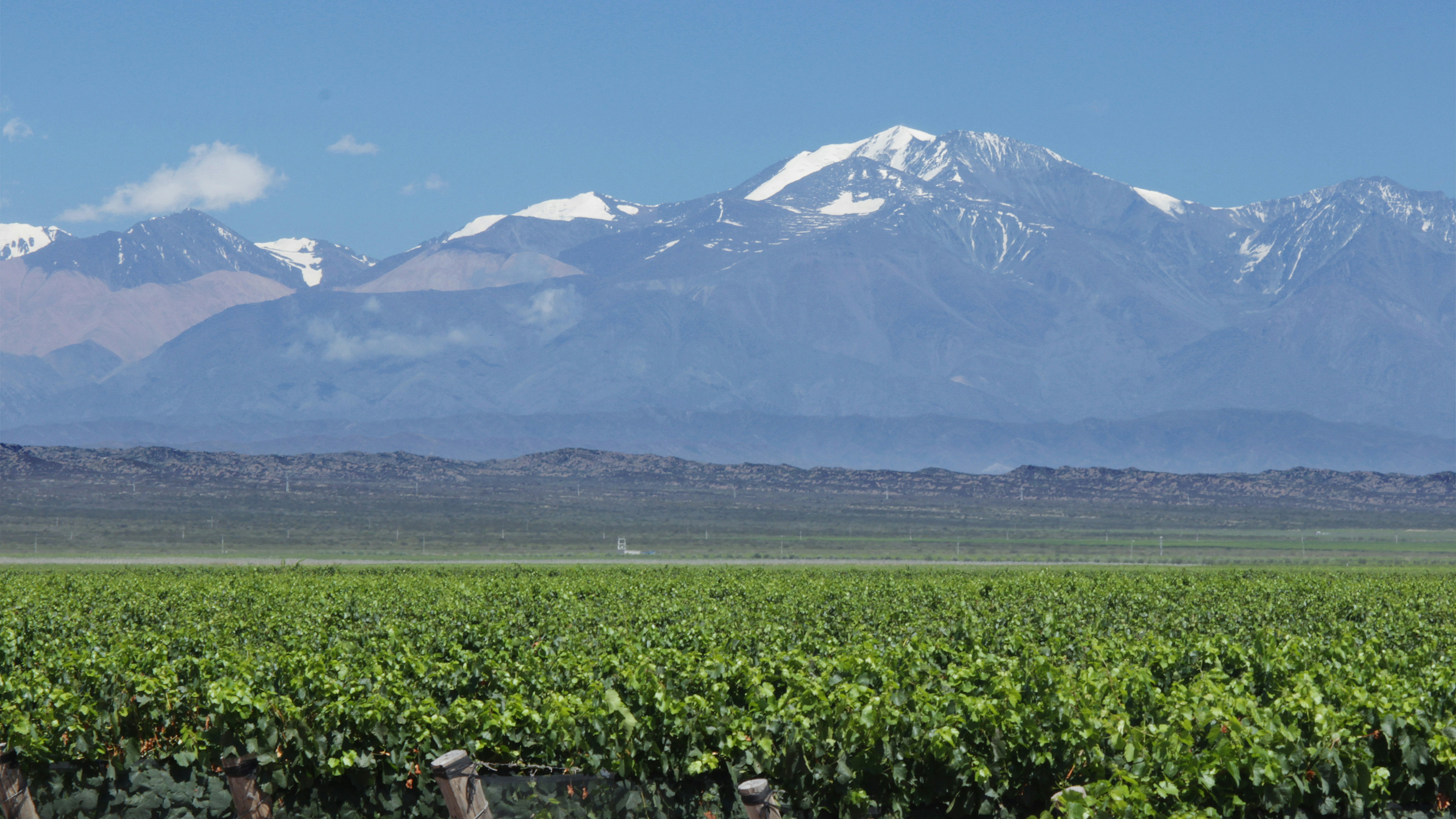 #977 /100
Argentina's premier wine region sits in the high-altitude desert at the foot of the Andes, where Malbec, transformed from a minor French grape into Argentina's signature wine, thrives in vineyards that often frame snow-capped peaks directly behind their rows.
Many bodegas pair tastings with Andean views and asador barbecue lunches.
How does it rate
CrowdsRomanceCash RequiredDangerAccessibilityWhy you should go
High-desert Malbec vineyards at the foot of the Andes, Argentina's signature wine grown against snow-capped peaks.
Why you shouldn't go
Mendoza's high altitude and dry climate mean strong sun exposure, and distances between bodegas are longer than in denser wine regions.
Plan your visit
Best time to visitMarch-April for harvest season (Argentina's autumn, opposite the Northern Hemisphere).Best time of dayLate afternoon, when the Andes behind the vineyards catch alpenglow light.Getting thereFly into Mendoza's Governor Francisco Gabrielli Airport, then a rental car or organised tour to the surrounding bodegas.Entry costTastings typically run USD10-30 per bodega; some include a paired lunch.Time neededA full day for a bodega tour.Insider tip — Book a bodega with an on-site asador lunch, a genuine Mendoza tradition that pairs Malbec with slow-grilled Argentine beef. -
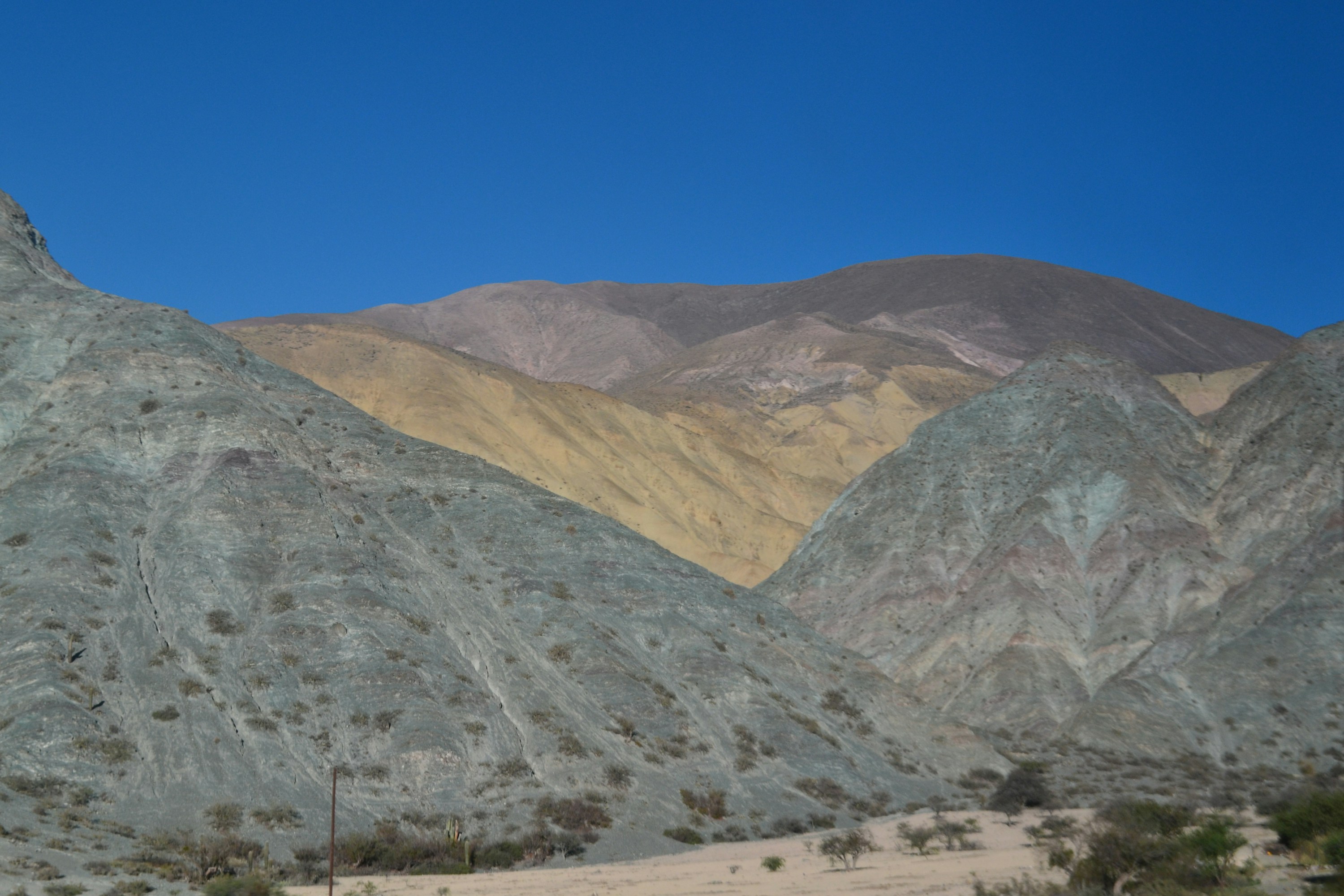 #1074 /100
This 155-kilometre gorge in Argentina's arid northwest has been a travel corridor since long before the Inca, its adobe villages and banded red-and-ochre rock now UNESCO-listed.
Purmamarca sits beneath the striped Cerro de los Siete Colores, while Humahuaca and Tilcara keep colonial churches and pre-Columbian ruins within walking distance.
It rewards slow travel along Ruta 9, not a single stop.
How does it rate
CrowdsRomanceCash RequiredDangerAccessibilityWhy you should go
Multicolored mountain geology and centuries-old adobe villages, without the crowds of Salta's sights.
Why you shouldn't go
It's remote - a long drive or bus ride from Salta, and services thin out fast outside the main villages.
Plan your visit
Best time to visitApril-October (dry season); winter nights are cold at this altitudeBest time of dayLate afternoon, when low sun deepens the colors in the rockGetting thereFly to Salta or San Salvador de Jujuy, then drive or bus north on Ruta Nacional 9Entry costFree to drive through and visit villages; some sites charge small entry feesTime needed1-2 daysInsider tip — Stop in Tilcara rather than only Purmamarca - its pre-Inca pucara hilltop fort ruins get a fraction of the visitors.


How a score is built
One score out of 100, five criteria behind it
Every place is rated 1–5 on each of the criteria below, then combined into a single score out of 100. It's calculated by us, the same way every time — not an average of traveller reviews or social votes.
Crowds
How many people you'll be sharing it with, and at what time of day.
Romance
How well it suits a couple, a proposal, or a quiet moment together.
Cash required
Entry fees, permits, guides, rentals — what it actually costs to do it.
Danger
Physical risk involved, from a slippery viewpoint to genuine hazard.
Accessibility
How far off the beaten path it is, and how hard it is to actually reach.