-
 #195 /100
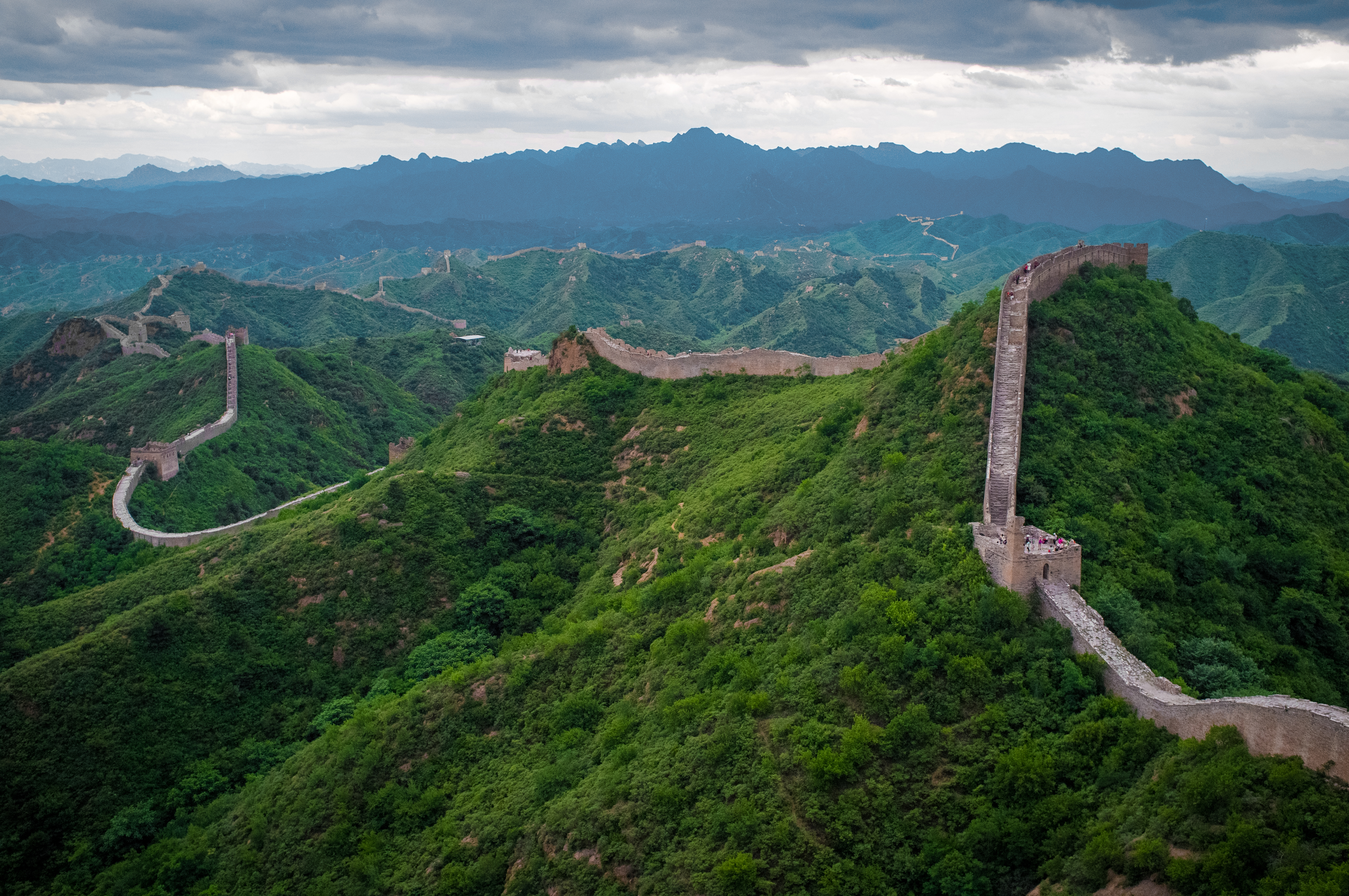
Stretching over 21,000 kilometres across northern China, the Great Wall is one of the greatest architectural achievements in human history.
The restored sections near Beijing, such as Mutianyu and Jinshanling, wind dramatically across steep mountain ridges and can be walked in a few hours.
Further out, unrestored stretches crumble into the hillsides largely unvisited.
How does it rate
CrowdsRomanceCash RequiredDangerAccessibilityWhy you should go
Watching the wall snake over mountain ridge after ridge into the distant haze is a truly humbling experience that conveys the wall's immense scale.
Why you shouldn't go
The most accessible sections near Beijing are heavily restored and extremely crowded; reaching the more dramatic wild sections requires significant effort.
Plan your visit
Best time to visitSpring or autumn, avoiding summer heat and crowdsBest time of dayEarly morningGetting thereMutianyu or Jinshanling sections, ~1.5-2hrs from BeijingEntry cost~$10 entry plus transportTime neededHalf dayInsider tip — Skip Badaling; Mutianyu or Jinshanling are quieter and just as spectacular -
 #292 /100
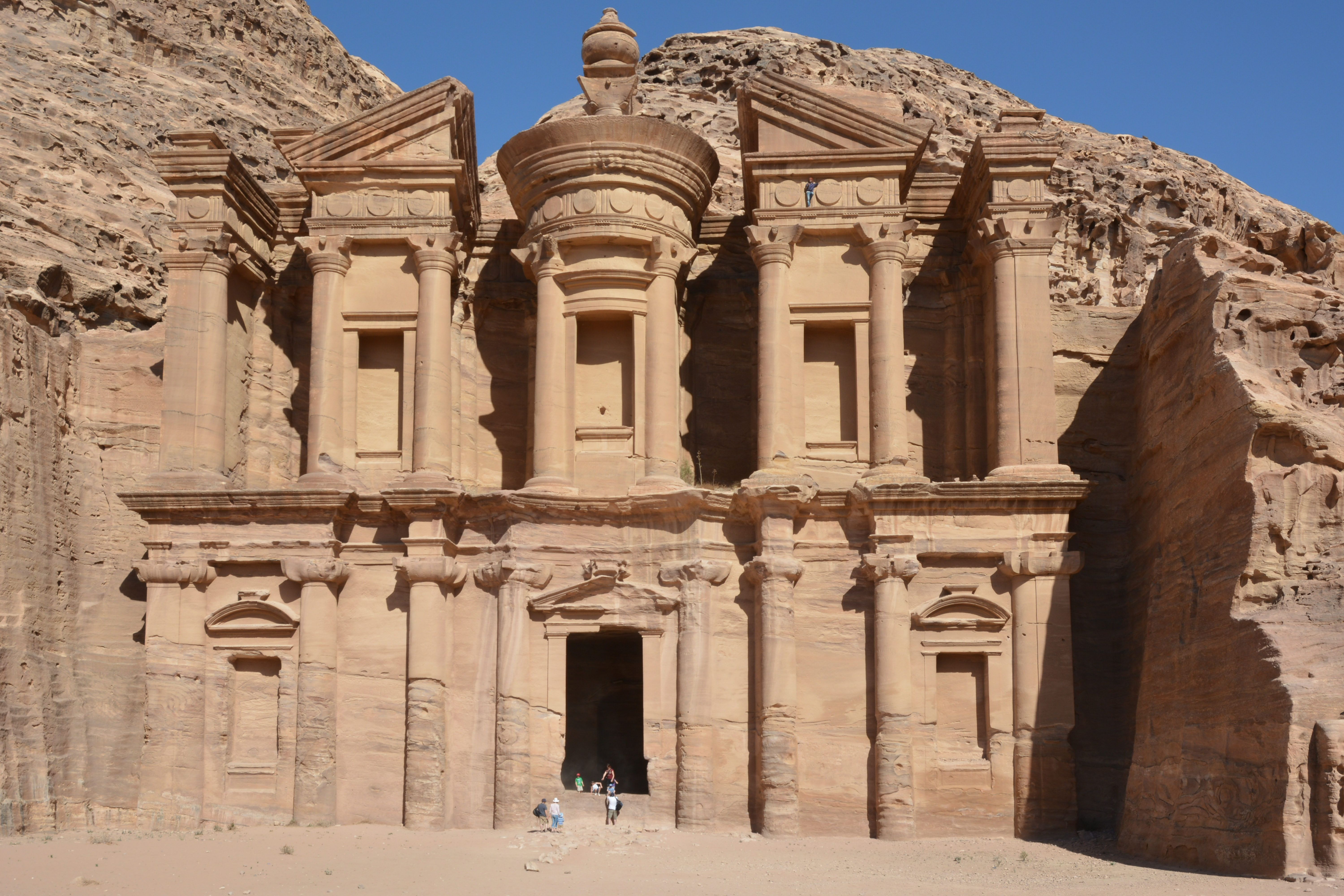
Petra is an ancient Nabataean city carved directly into rose-red sandstone cliffs in southern Jordan.
Known as the Rose City, its most iconic monument is Al-Khazneh, or the Treasury, a 40-metre-high temple facade with Hellenistic columns that appears dramatically at the end of the narrow Siq canyon.
How does it rate
CrowdsRomanceCash RequiredDangerAccessibilityWhy you should go
The moment you emerge from the narrow Siq gorge and the Treasury appears before you is one of the most dramatic reveals in all of travel.
Why you shouldn't go
The site is vast and walking all the key monuments requires a full day; summer temperatures are brutal and the Siq offers little shade.
Plan your visit
Best time to visitMarch-May or September-NovemberBest time of dayMorning, for light hitting the Treasury face-onGetting thereFly to Amman or Aqaba, then drive to Wadi MusaEntry cost~50 JD (~$70) for a one-day passTime neededFull day, ideally 2Insider tip — Walk through the Siq canyon at opening time; the light on the Treasury as it comes into view is the money shot -
 #391 /100
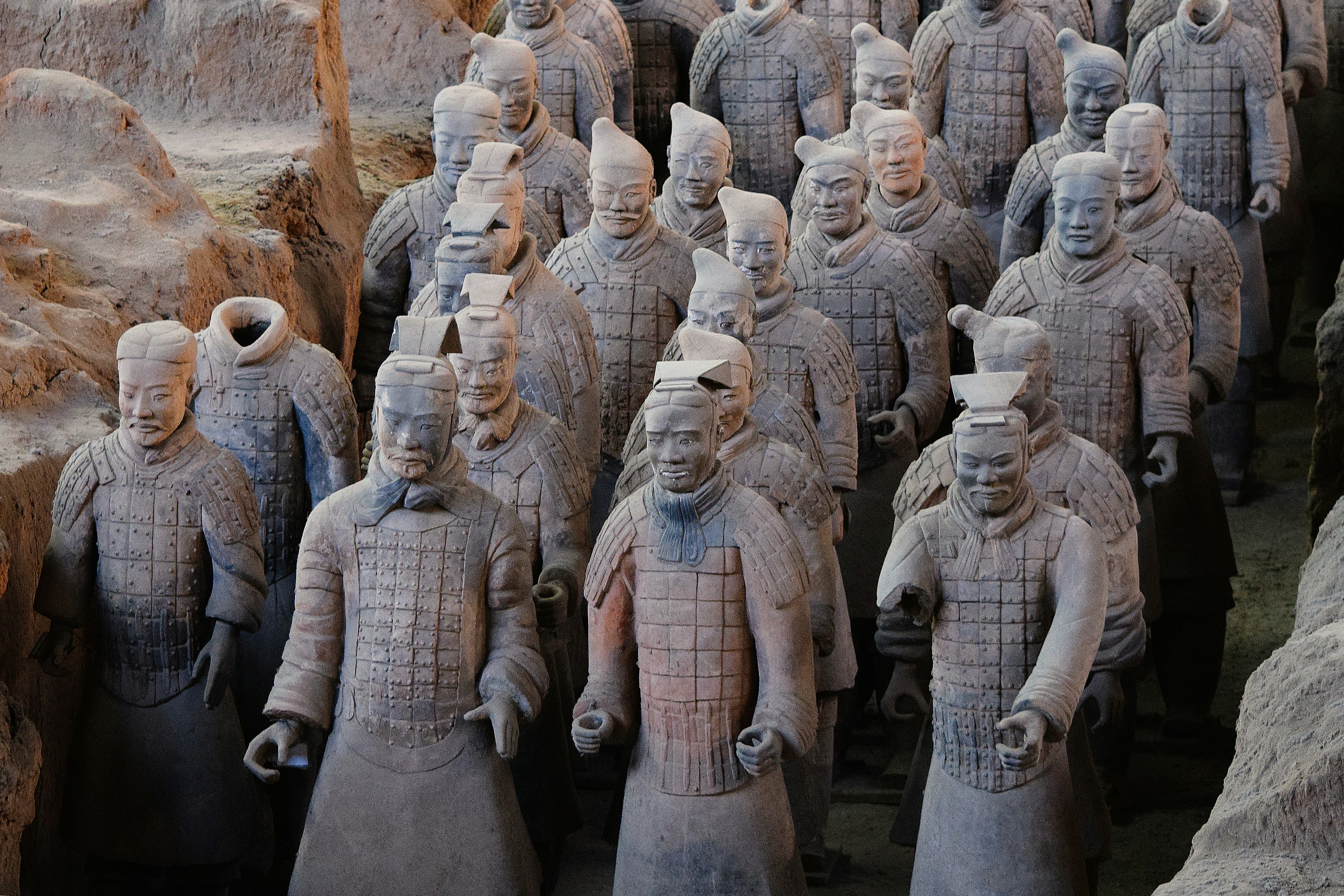
Buried for over two thousand years to guard the tomb of China's first emperor, the Terracotta Army was discovered by farmers digging a well in 1974 and remains one of the most significant archaeological finds of the twentieth century.
More than 8,000 life-sized soldiers, each with individually sculpted facial features, stand in battle formation inside three vast excavation pits, alongside horses, chariots, and officers.
How does it rate
CrowdsRomanceCash RequiredDangerAccessibilityWhy you should go
Standing over the excavation pit and seeing thousands of individually detailed soldiers stretching into the distance is unforgettable.
Why you shouldn't go
It draws enormous crowds year-round, and much of the view is from a raised gallery rather than up close.
Plan your visit
Best time to visitMarch–May or September–November for mild weather outside the summer heat and winter cold.Best time of dayOpening time, ahead of tour groups that build steadily through the morning.Getting thereFly to Xi'an; roughly 1-hour drive or bus east from the city centre.Entry costPaid entry.Time needed3–4 hoursInsider tip — Head straight to Pit 1, the largest, before the crowds arrive, then work backward through Pits 2 and 3 and the museum once it fills up. -
 #488 /100
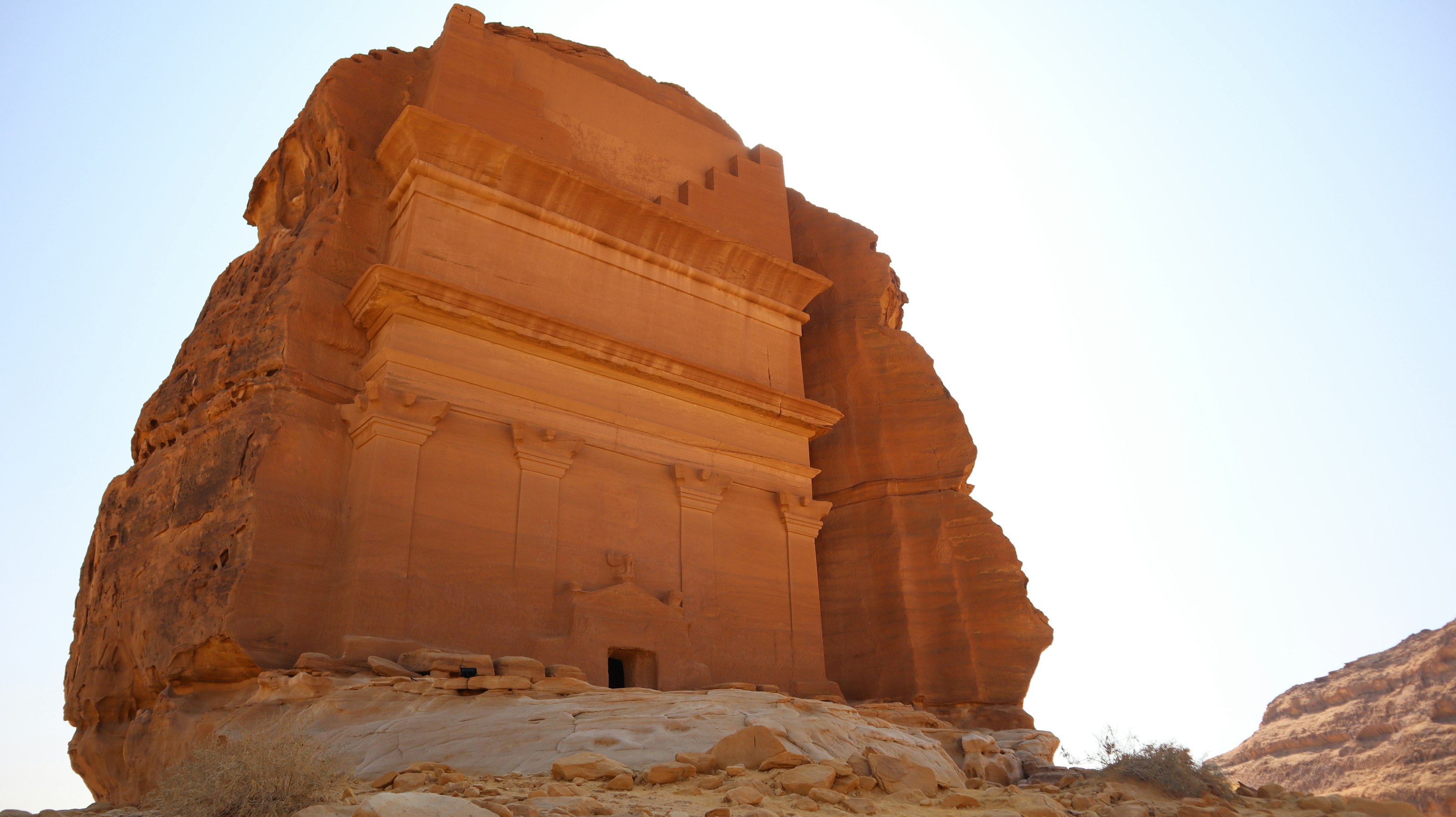
Hegra was the second city of the ancient Nabataean kingdom after Petra, and its more than 100 monumental tombs, carved into sandstone outcrops across a desert plain, survive in far better condition than their Jordanian counterpart.
Saudi Arabia's first UNESCO World Heritage site opened to tourism only in 2019, and the tombs still show sharp carved detail after two thousand years in the desert.
How does it rate
CrowdsRomanceCash RequiredDangerAccessibilityWhy you should go
Tombs as monumental as Petra's, carved into standalone desert rock, but with almost none of Petra's crowds.
Why you shouldn't go
Independent visits aren't possible — access requires a booked guided tour, which limits spontaneity and adds cost.
Plan your visit
Best time to visitNovember–March, avoiding the extreme heat of the Arabian summer.Best time of dayEarly morning or late afternoon, when desert light is softer and temperatures are lower.Getting thereFly to AlUla's own airport, or to Medina and drive roughly 1.5 hours north.Entry costPaid guided tour, booked in advance through AlUla's official tourism operator.Time needed3–4 hoursInsider tip — Book the earliest available tour slot — both the light for photos and the temperature are noticeably better before mid-morning. -
 #586 /100
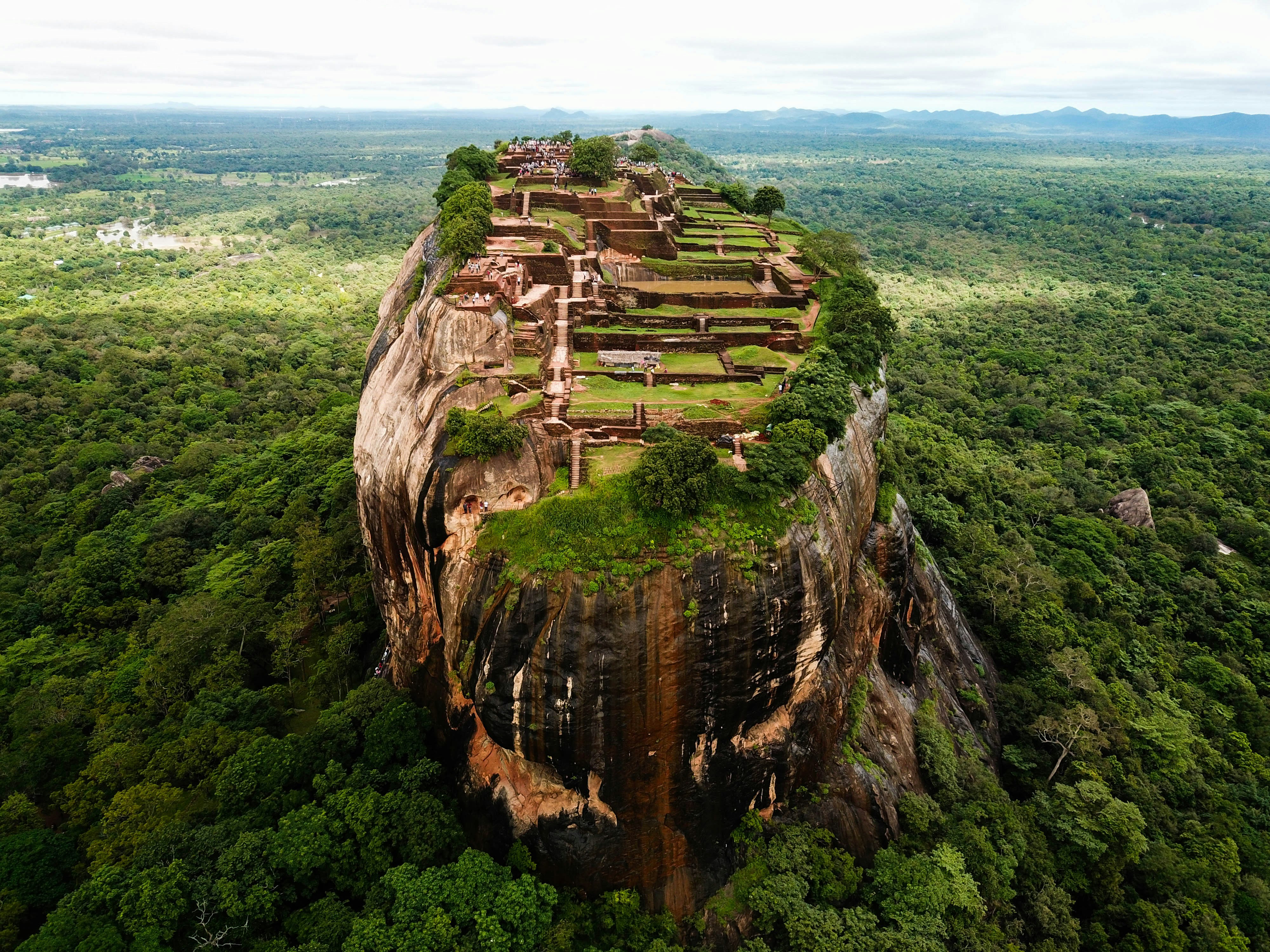
An ancient rock fortress rises 200 meters from the Sri Lankan jungle, its summit holding the ruins of a 5th-century royal palace.
Frescoed cave paintings, a mirror wall polished by centuries of visitors' inscriptions, and a giant carved lion's paw gateway mark the final climb to one of Asia's most dramatic archaeological sites.
How does it rate
CrowdsRomanceCash RequiredDangerAccessibilityWhy you should go
A 200-meter rock fortress with 5th-century palace ruins, ancient frescoes, and a giant carved lion's paw gateway.
Why you shouldn't go
The climb involves over 1,200 steps with exposed metal staircases near the top; very crowded by mid-morning.
Plan your visit
Best time to visitDecember–March (dry season) for stable weather and clearer views from the summit.Best time of dayEarly morning (7am opening) to climb before the heat and crowds build.Getting thereFly to Colombo, then a 4-hour drive or train to Dambulla, followed by a short taxi to the site.Entry costUSD $30 foreign visitor entrance fee.Time needed3–4 hours including the climb.Insider tip — Start the climb by 7am — both the heat and tour-bus crowds build fast after 9am. The mirror wall's ancient graffiti, some over 1,000 years old, is easy to miss if you rush past it. -
 #685 /100
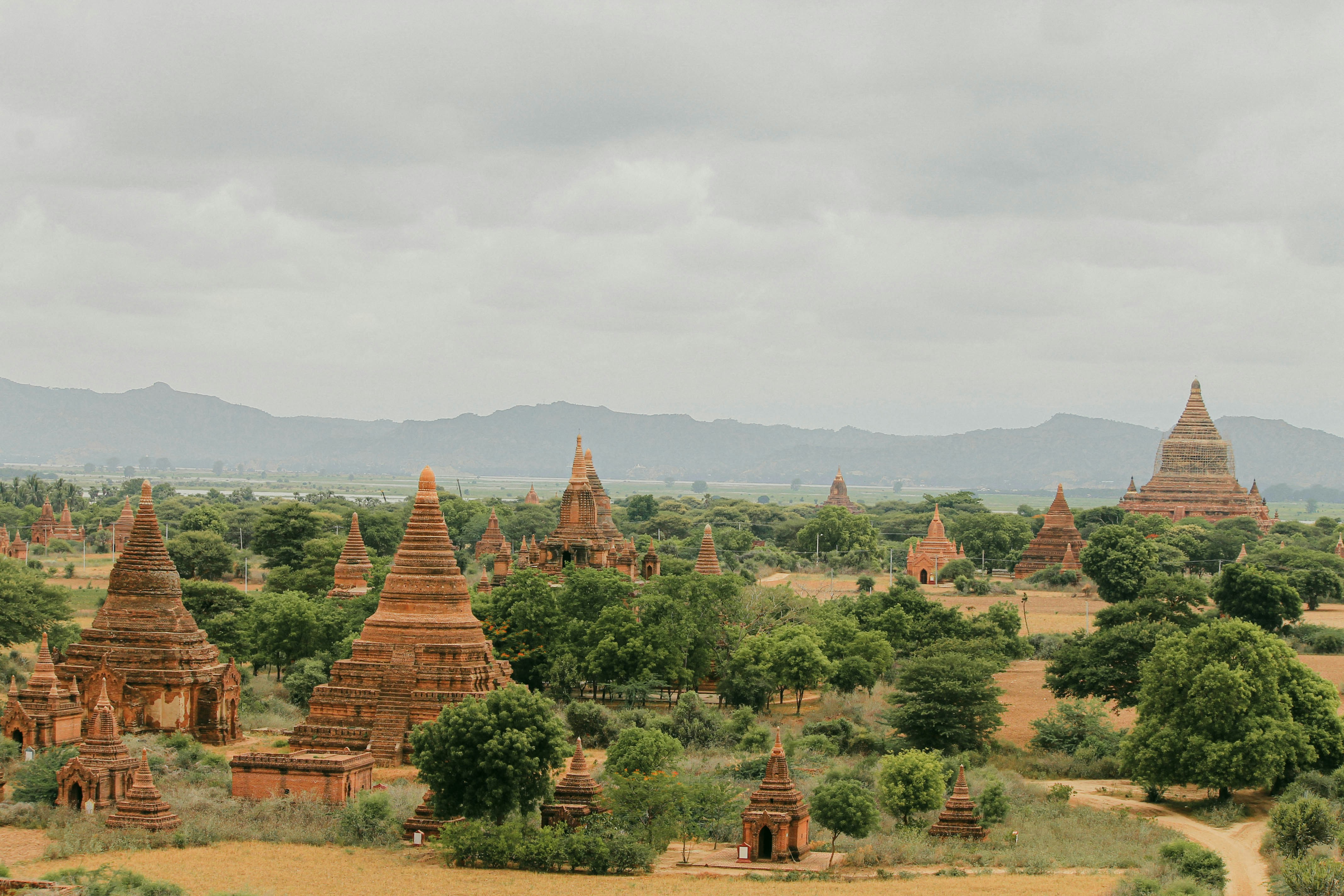
Over 2,000 Buddhist temples and pagodas dating to the 11th–13th centuries scatter across a dusty plain beside the Irrawaddy River.
Hot-air balloons drift over the gilded spires at sunrise, and even at ground level the density of ancient structures is unmatched anywhere in Southeast Asia.
How does it rate
CrowdsRomanceCash RequiredDangerAccessibilityWhy you should go
Over 2,000 ancient Buddhist temples across a vast plain; a hot-air balloon sunrise is the classic view.
Why you shouldn't go
Dust and heat can be intense; many temples are now off-limits to climbing since the 2016 earthquake; tourism infrastructure is basic.
Plan your visit
Best time to visitOctober–March for cooler, drier weather; avoid the May–September monsoon.Best time of daySunrise, ideally from a hot-air balloon or one of the few temples still open for viewing.Getting thereFly to Yangon, then a 1.5-hour domestic flight to Bagan.Entry costArchaeological zone fee $25 USD; hot-air balloon rides $250–350 USD.Time needed2–3 days to explore properly.Insider tip — Rent an e-bike to reach lesser-visited temples away from the main road. Check current travel advisories before planning, as access and safety conditions in Myanmar change. -
 #785 /100
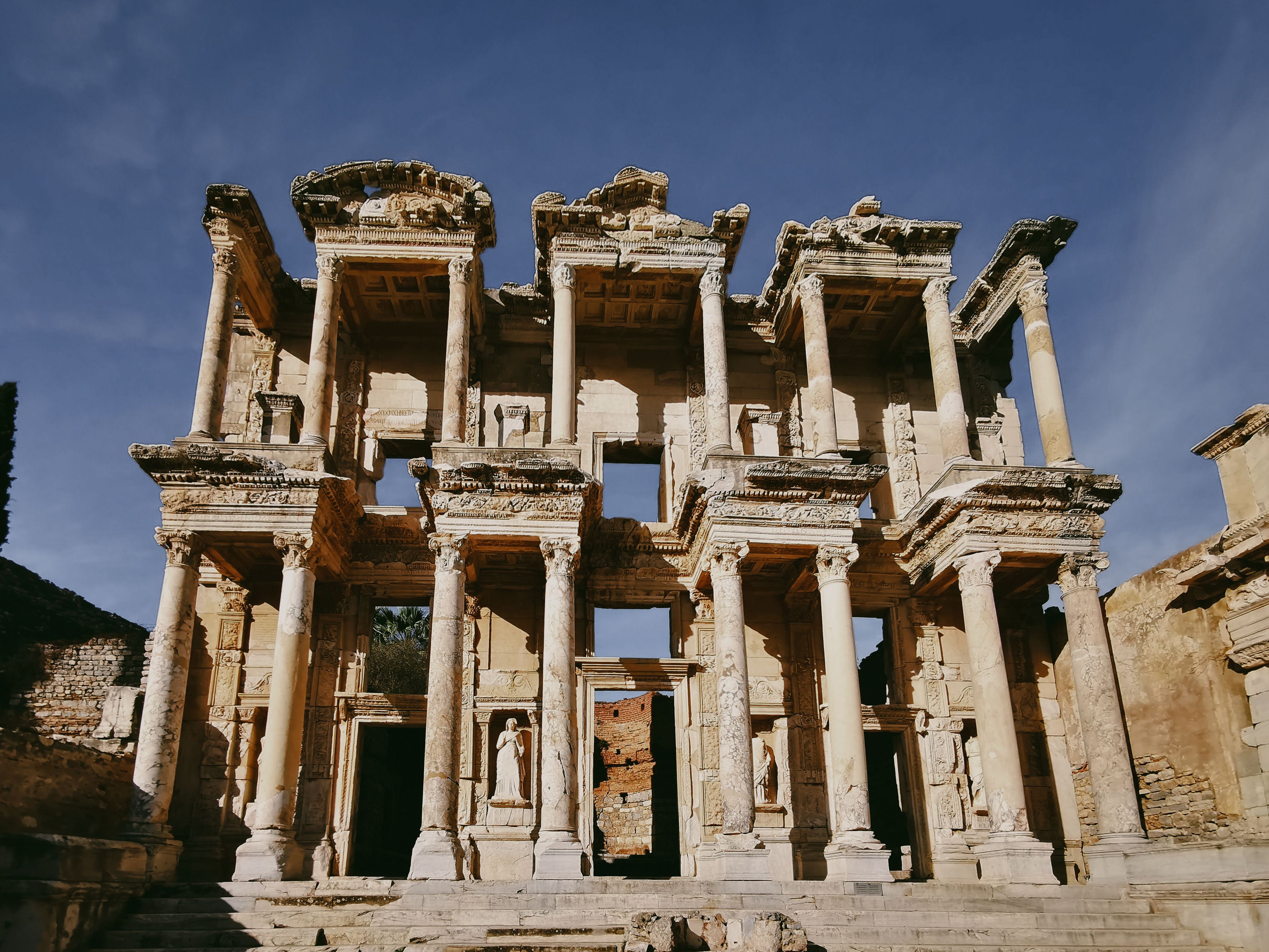
Ephesus is one of the best-preserved ancient cities in the Mediterranean, its marble streets lined with the two-storey facade of the Library of Celsus, a restored amphitheatre that once seated 25,000, and the remains of temples, baths, and terraced houses.
Founded as a Greek colony and later a major Roman port, it gives a more complete sense of ancient urban life than almost any other ruin still standing today.
How does it rate
CrowdsRomanceCash RequiredDangerAccessibilityWhy you should go
Walking the marble Curetes Way to the Library of Celsus is as close as you'll get to ancient Rome's street life.
Why you shouldn't go
Midday heat and cruise-ship crowds from nearby Kuşadası can make the main routes feel like a procession.
Plan your visit
Best time to visitApril–May or September–October, before summer heat and cruise-ship crowds peak.Best time of dayOpening time, ahead of the tour buses arriving by mid-morning.Getting thereFly to Izmir; 1-hour drive to Selçuk, then a short taxi or walk to the site entrance.Entry costPaid entry; combined ticket available with the Terrace Houses.Time needed3–4 hoursInsider tip — Enter at the upper (Magnesia) gate and walk downhill to the Library of Celsus — it's a gentler route and puts the sun behind you for photos in the morning. -
 #882 /100
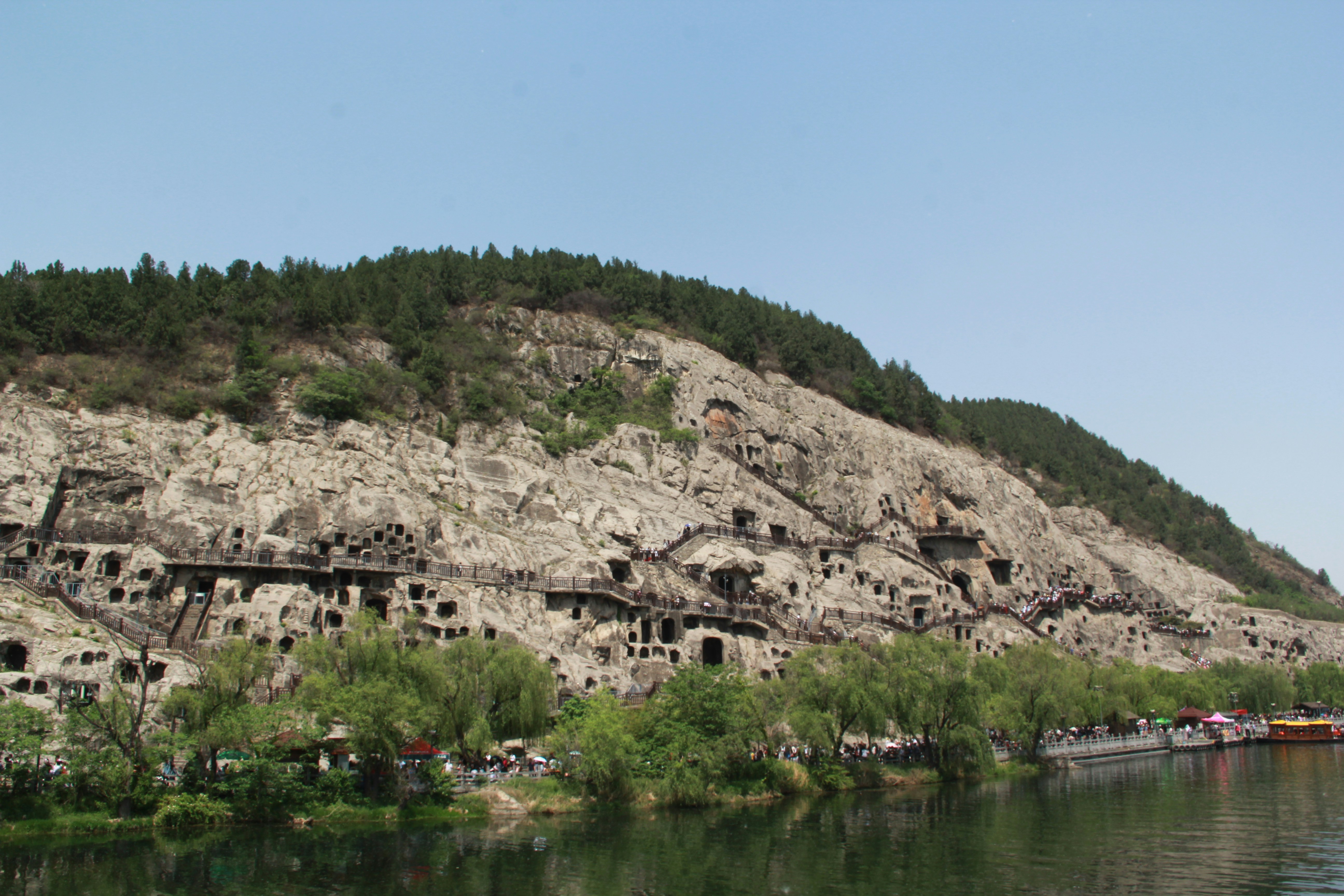
The Longmen Grottoes hold tens of thousands of Buddhist statues and carvings, from finger-sized figures to a 17-metre Buddha, cut into limestone cliffs along the Yi River over roughly 400 years starting in the 5th century.
It's one of China's three great ancient sculptural sites, and the riverside setting makes it easy to view carvings from a boat as well as on foot.
Many statues were damaged or looted over the centuries, visible alongside what survives.
How does it rate
CrowdsRomanceCash RequiredDangerAccessibilityWhy you should go
Tens of thousands of Buddhist carvings cut into riverside cliffs over four centuries.
Why you shouldn't go
Many figures show damage from historical looting and the Cultural Revolution; not everything is intact.
Plan your visit
Best time to visitApril-May or September-October for mild weatherBest time of dayLate afternoon, when the low sun lights the west-facing cliff carvingsGetting thereFly or take the high-speed train into Luoyang; a 20-minute drive reaches the siteEntry costAround CNY90Time needed2-3 hoursInsider tip — Cross to the east bank of the river for the best photographs of the main Fengxian Temple Buddha, rather than viewing it only from directly below. -
 #981 /100
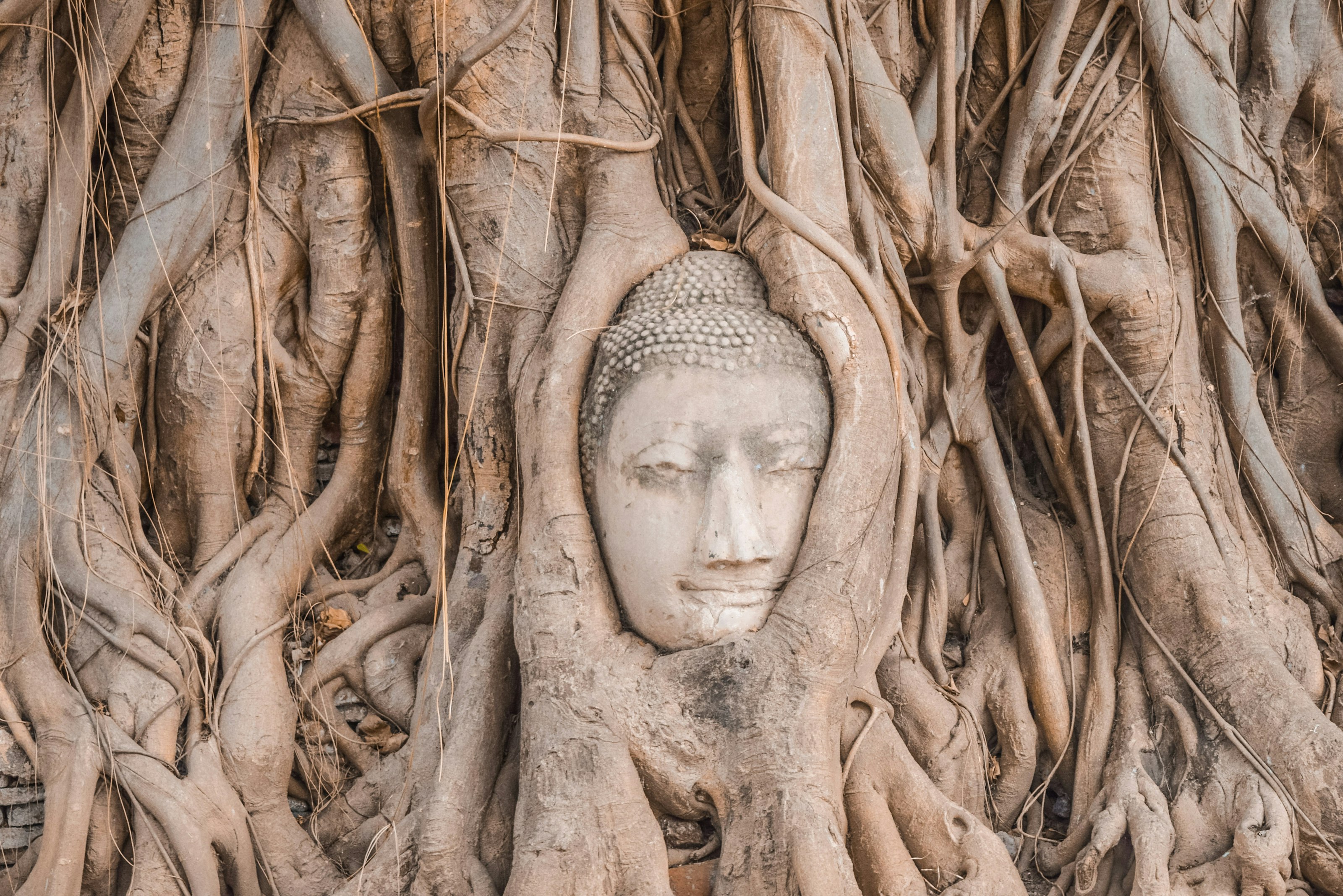
Ayutthaya was the capital of Siam for four centuries and one of the largest cities in the world before Burmese armies destroyed it in 1767, leaving rows of brick temple spires and headless Buddha statues across the old city island.
Its best-known image is a stone Buddha head cradled in the roots of a banyan tree at Wat Mahathat, but the wider site holds dozens of temple ruins connected by quiet canals and cycling paths.
How does it rate
CrowdsRomanceCash RequiredDangerAccessibilityWhy you should go
The Buddha head grown into a tree's roots at Wat Mahathat is one of the most photographed, genuinely strange sights in Thailand.
Why you shouldn't go
The ruins are spread across a wide area with little shade, and midday heat makes cycling between them exhausting.
Plan your visit
Best time to visitNovember–February, Thailand's cool, dry season.Best time of dayEarly morning or late afternoon, avoiding the worst of the midday heat.Getting thereFly to Bangkok; 1.5-hour train or minivan north to Ayutthaya.Entry costSmall entry fee per temple, or a combined multi-site ticket.Time needed1 dayInsider tip — Rent a bicycle at the train station rather than hiring a tuk-tuk — the old city is flat and the temples are close enough together to cycle between. -
 #1078 /100
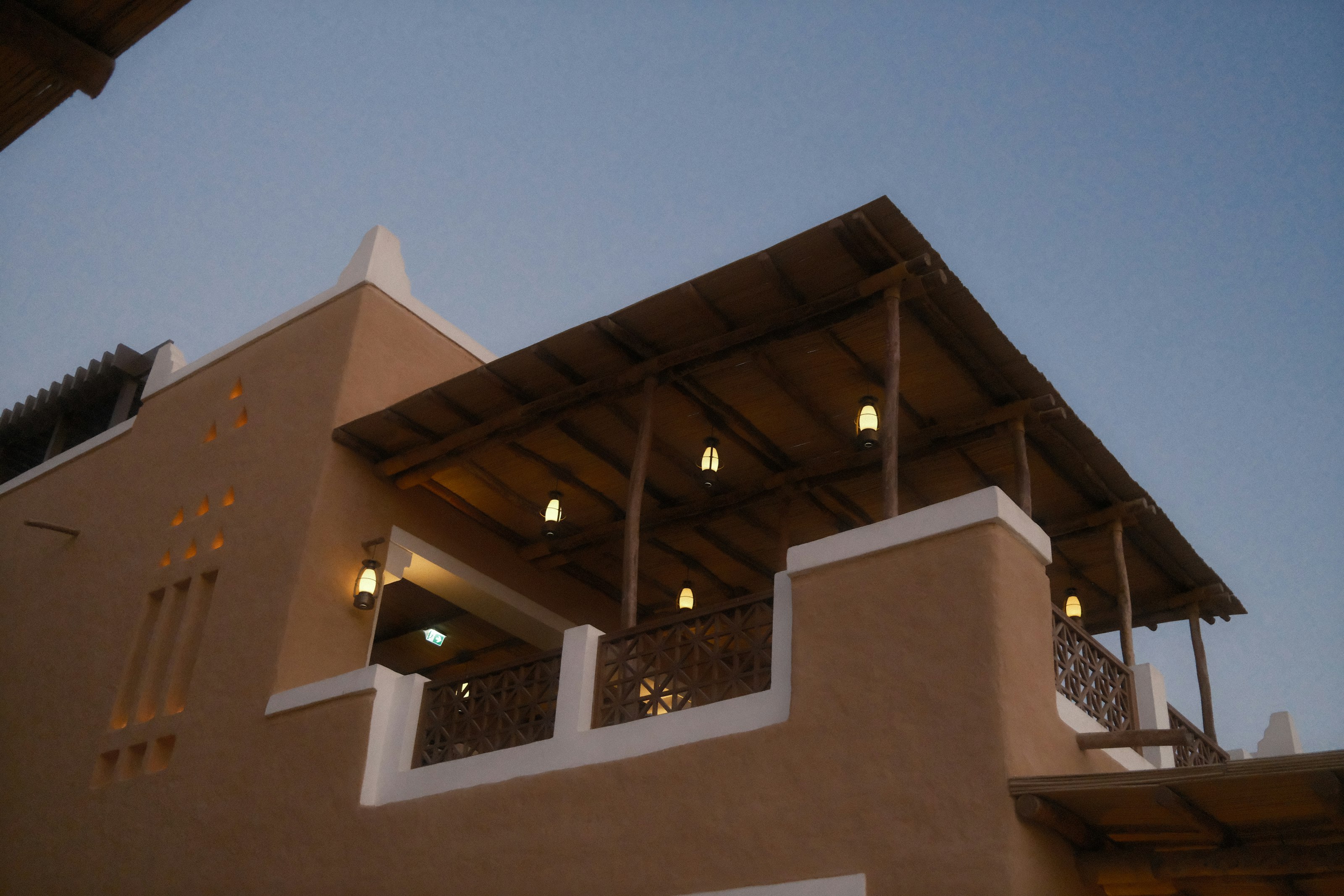
Diriyah was the original capital of the first Saudi state, and the mudbrick palaces and towers of its At-Turaif district, restored and UNESCO-listed, sit above the green Wadi Hanifa valley on the edge of modern Riyadh.
Najdi architecture — thick clay walls, small windows, geometric details — survives across the old quarter, now paired with new museums, cafes, and walking paths along the wadi.
How does it rate
CrowdsRomanceCash RequiredDangerAccessibilityWhy you should go
Walking the restored mudbrick streets of the birthplace of the Saudi state, right on Riyadh's edge, is a striking contrast to the capital's glass towers.
Why you shouldn't go
Many of the district's museums and interior spaces are still being completed as part of an ongoing, long-term restoration project.
Plan your visit
Best time to visitNovember–March, for comfortable walking temperatures.Best time of dayEvening, when the mudbrick walls are floodlit and restaurant terraces along the wadi open.Getting thereFly to Riyadh; roughly 30-minute drive northwest to Diriyah.Entry costFree to walk the district; specific museums charge separate entry.Time needed2–3 hoursInsider tip — Walk the Wadi Hanifa path below At-Turaif at dusk for the best view of the floodlit mudbrick towers against the sky.


More from Asia
-

More Ancient Structure spots
How a score is built
One score out of 100, five criteria behind it
Every place is rated 1–5 on each of the criteria below, then combined into a single score out of 100. It's calculated by us, the same way every time — not an average of traveller reviews or social votes.
Crowds
How many people you'll be sharing it with, and at what time of day.
Romance
How well it suits a couple, a proposal, or a quiet moment together.
Cash required
Entry fees, permits, guides, rentals — what it actually costs to do it.
Danger
Physical risk involved, from a slippery viewpoint to genuine hazard.
Accessibility
How far off the beaten path it is, and how hard it is to actually reach.

