-
 #196 /100
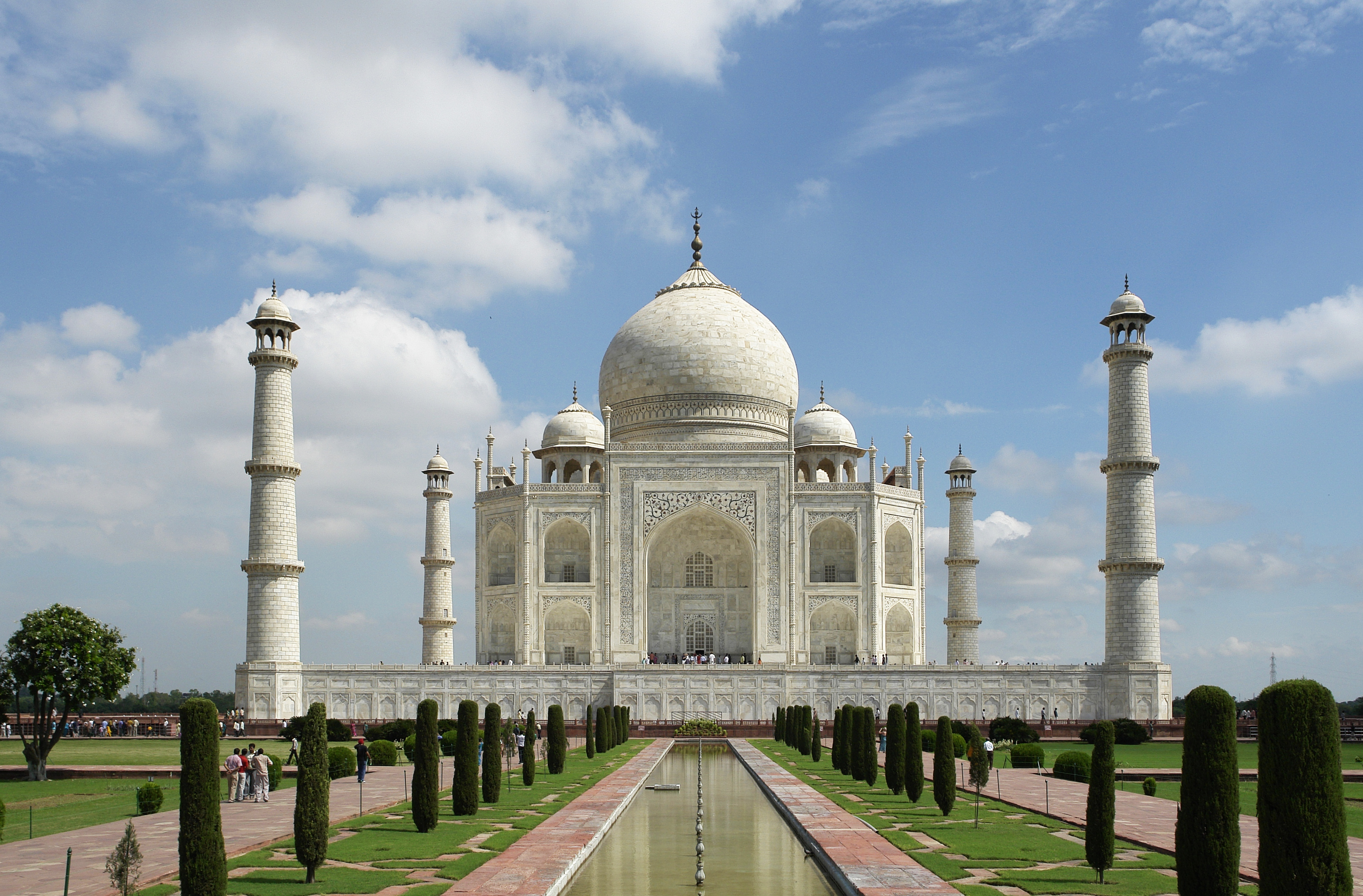
Built by Mughal Emperor Shah Jahan as a mausoleum for his beloved wife Mumtaz Mahal, the Taj Mahal is widely considered the finest example of Mughal architecture in the world.
The white marble monument changes colour from pink in the dawn light to brilliant white at midday.
How does it rate
CrowdsRomanceCash RequiredDangerAccessibilityWhy you should go
The Taj Mahal's perfect symmetry and the way it changes colour with the light throughout the day means no two visits look quite the same.
Why you shouldn't go
Agra itself is not a particularly pleasant city, the Taj becomes very crowded from mid-morning, and the reflecting pool is sometimes dry or covered in algae.
Plan your visit
Best time to visitOctober-March (cooler, clearer skies)Best time of daySunrise, for both light and to avoid heat and crowdsGetting thereFly or train to AgraEntry cost~Rs1100 for foreign visitorsTime needed2-3 hoursInsider tip — Enter from the east or west gate rather than the main south gate to avoid the biggest queues -
 #295 /100
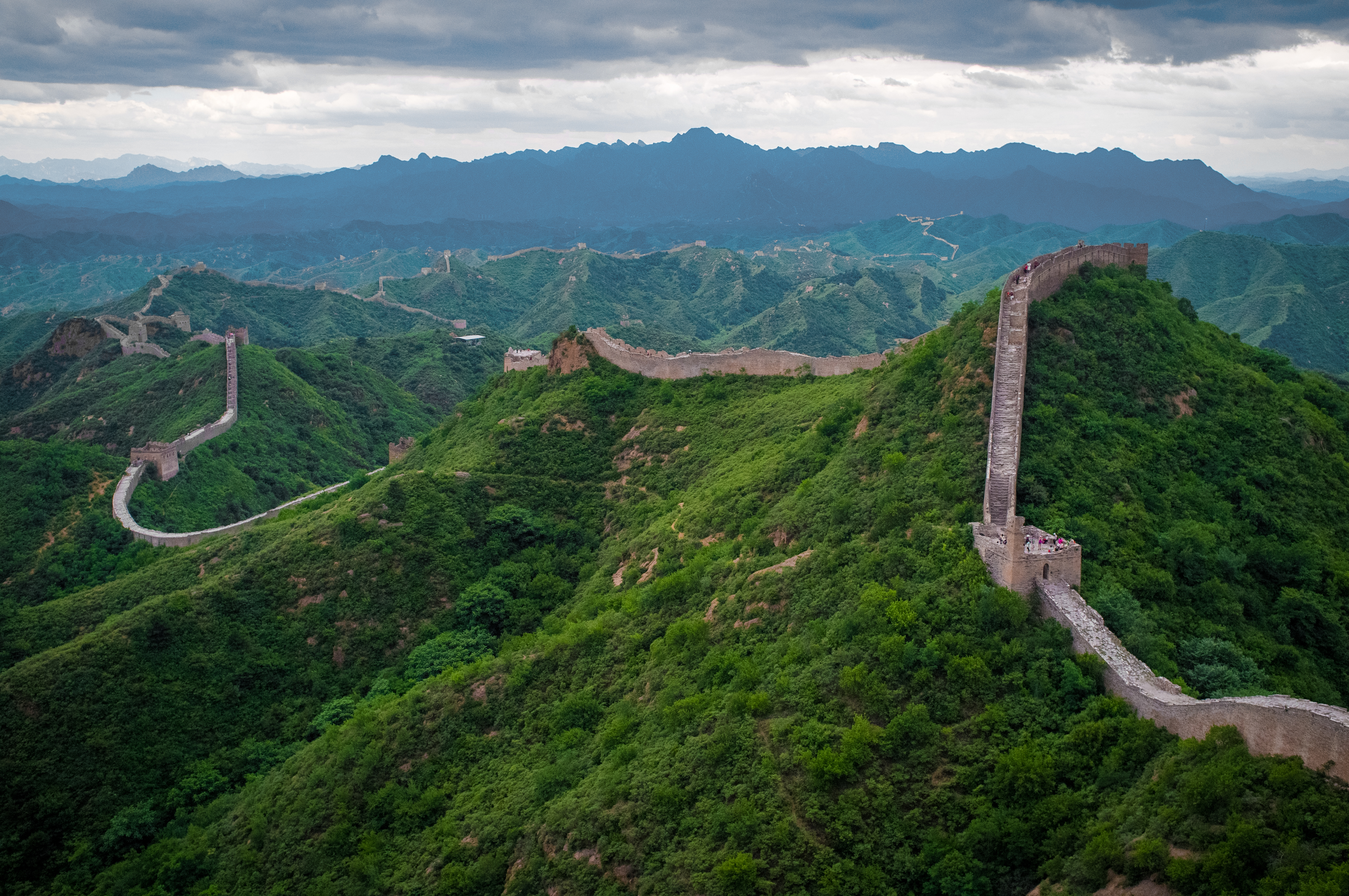
Stretching over 21,000 kilometres across northern China, the Great Wall is one of the greatest architectural achievements in human history.
The restored sections near Beijing, such as Mutianyu and Jinshanling, wind dramatically across steep mountain ridges and can be walked in a few hours.
Further out, unrestored stretches crumble into the hillsides largely unvisited.
How does it rate
CrowdsRomanceCash RequiredDangerAccessibilityWhy you should go
Watching the wall snake over mountain ridge after ridge into the distant haze is a truly humbling experience that conveys the wall's immense scale.
Why you shouldn't go
The most accessible sections near Beijing are heavily restored and extremely crowded; reaching the more dramatic wild sections requires significant effort.
Plan your visit
Best time to visitSpring or autumn, avoiding summer heat and crowdsBest time of dayEarly morningGetting thereMutianyu or Jinshanling sections, ~1.5-2hrs from BeijingEntry cost~$10 entry plus transportTime neededHalf dayInsider tip — Skip Badaling; Mutianyu or Jinshanling are quieter and just as spectacular -
 #392 /100
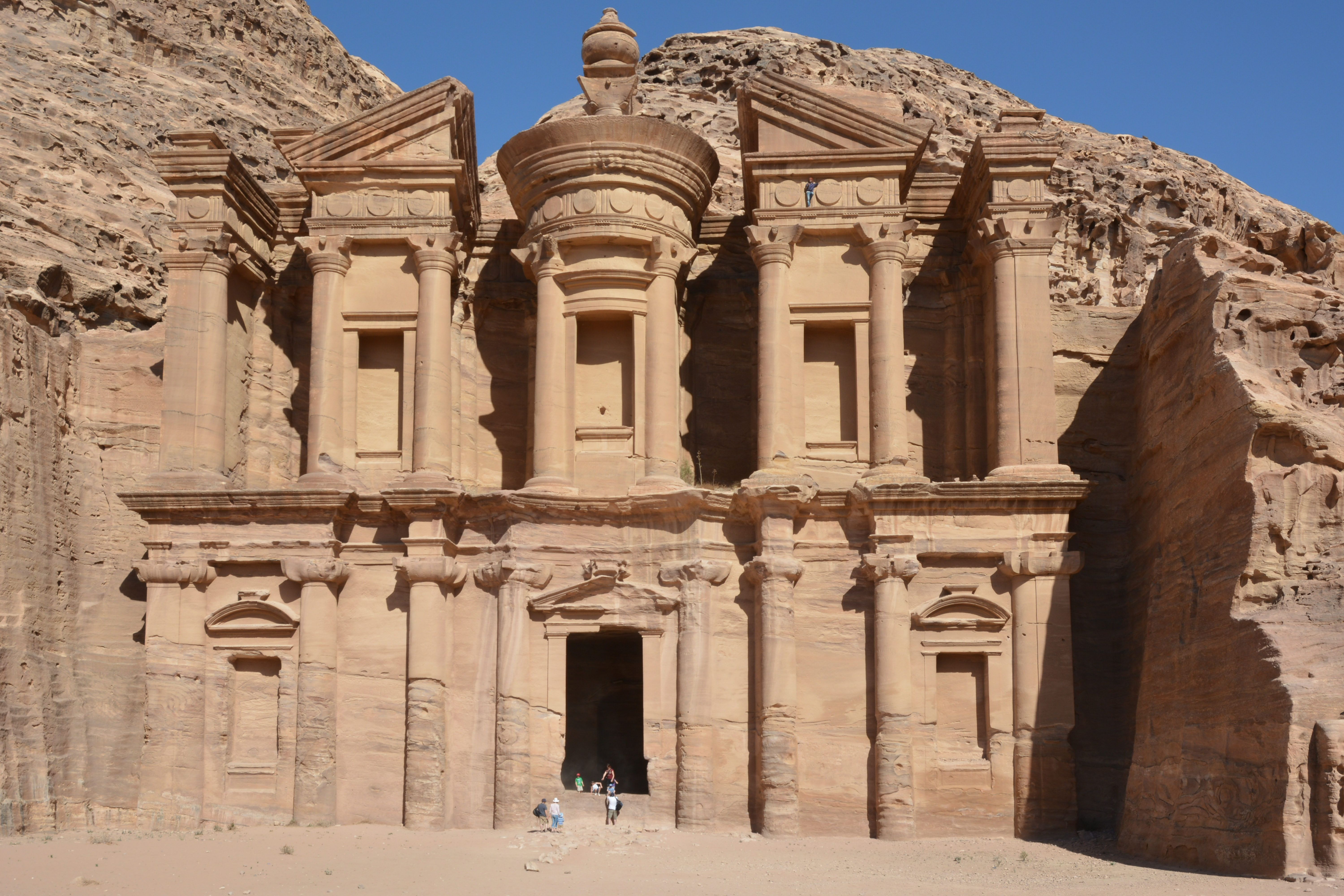
Petra is an ancient Nabataean city carved directly into rose-red sandstone cliffs in southern Jordan.
Known as the Rose City, its most iconic monument is Al-Khazneh, or the Treasury, a 40-metre-high temple facade with Hellenistic columns that appears dramatically at the end of the narrow Siq canyon.
How does it rate
CrowdsRomanceCash RequiredDangerAccessibilityWhy you should go
The moment you emerge from the narrow Siq gorge and the Treasury appears before you is one of the most dramatic reveals in all of travel.
Why you shouldn't go
The site is vast and walking all the key monuments requires a full day; summer temperatures are brutal and the Siq offers little shade.
Plan your visit
Best time to visitMarch-May or September-NovemberBest time of dayMorning, for light hitting the Treasury face-onGetting thereFly to Amman or Aqaba, then drive to Wadi MusaEntry cost~50 JD (~$70) for a one-day passTime neededFull day, ideally 2Insider tip — Walk through the Siq canyon at opening time; the light on the Treasury as it comes into view is the money shot -
 #491 /100
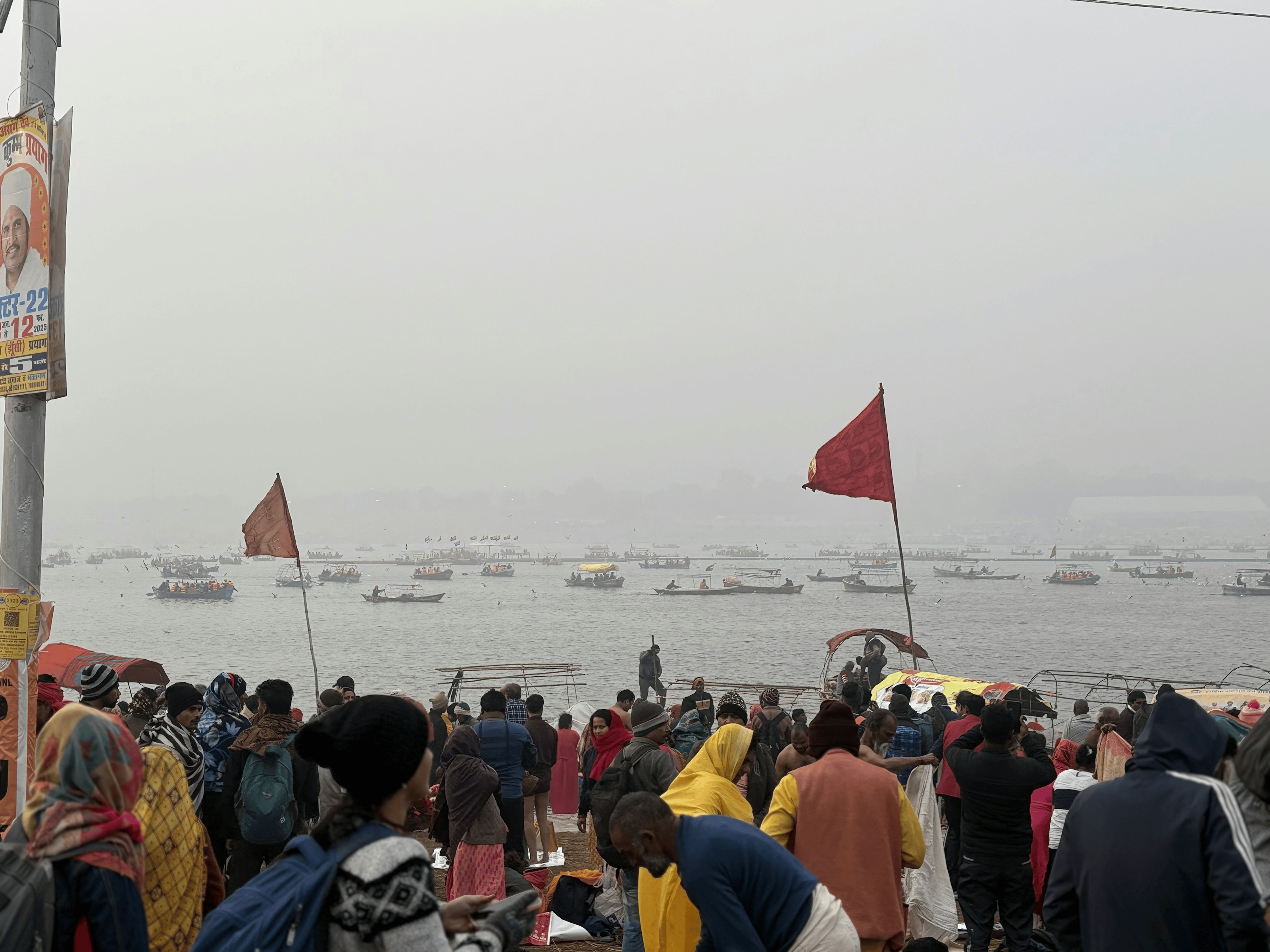
Held on a rotating cycle at four sacred river sites in India, the Kumbh Mela is the largest human gathering on Earth, drawing tens of millions of Hindu pilgrims to bathe at an astrologically precise moment believed to wash away sin.
Ash-covered sadhus lead the procession into the water, followed by ordinary pilgrims across weeks of ritual bathing and prayer in tent cities that briefly become some of the most populous places on the planet.
How does it rate
CrowdsRomanceCash RequiredDangerAccessibilityWhy you should go
The largest human gathering on Earth: tens of millions of Hindu pilgrims bathing together at a precise astrological moment.
Why you shouldn't go
Crowd density on the main bathing days has caused fatal stampedes in the past, and sanitation across the tent city is basic.
Plan your visit
Best time to visitThe main bathing days, set astrologically; the full Mela runs about six weeks.Best time of dayDawn on the main bathing days, when the most auspicious rituals happen.Getting thereFly into the nearest city to that year's host site (Prayagraj, Haridwar, Nashik, or Ujjain), then local transport to the riverbank.Entry costFree to attend; camps and guided access packages vary widely in price.Time neededA day or two for the atmosphere; pilgrims often stay for weeks.Insider tip — Stick to the outer bathing ghats rather than pushing toward the main one on peak days - the crowd crush risk is real and the ritual looks the same from anywhere in the water. -
 #591 /100
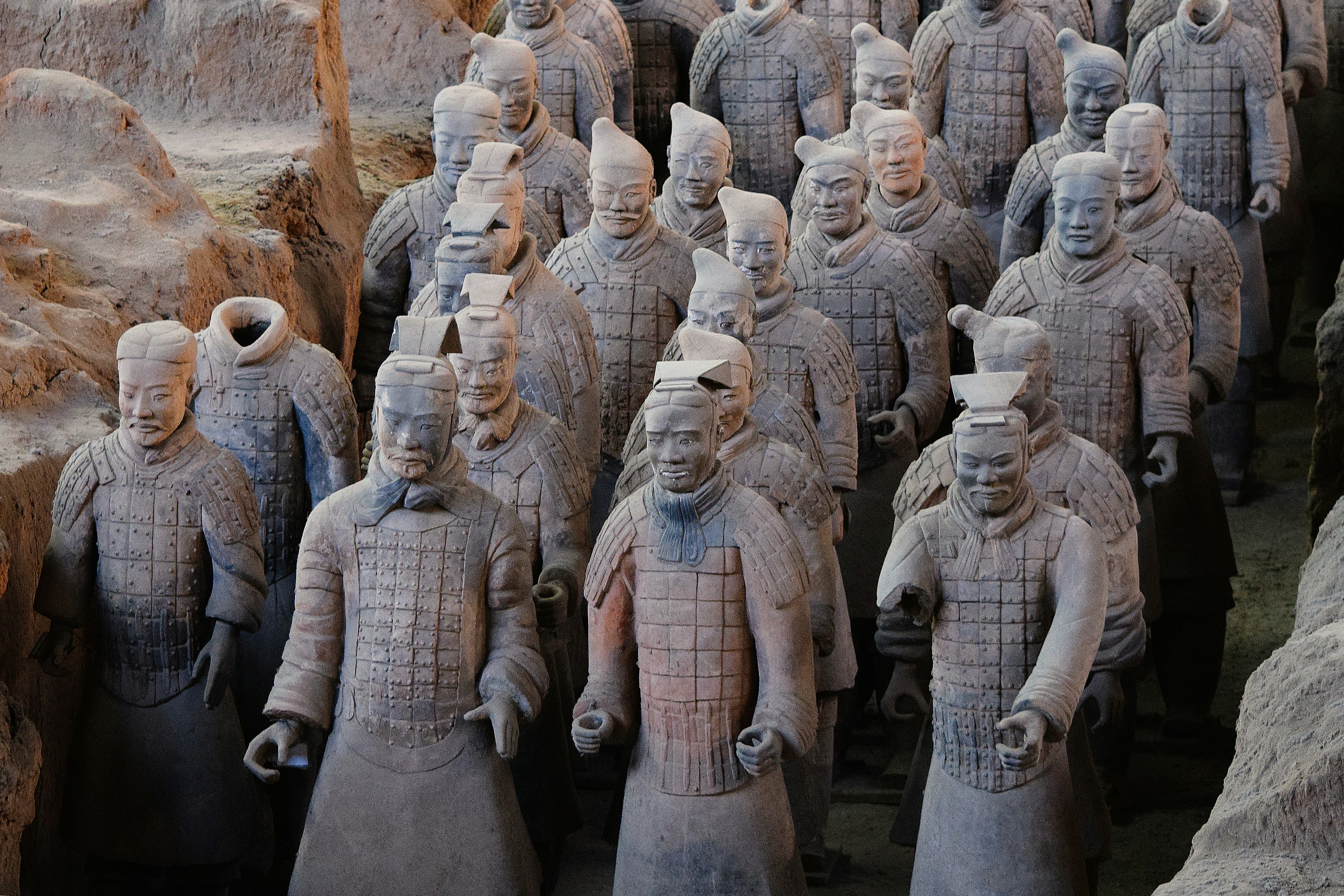
Buried for over two thousand years to guard the tomb of China's first emperor, the Terracotta Army was discovered by farmers digging a well in 1974 and remains one of the most significant archaeological finds of the twentieth century.
More than 8,000 life-sized soldiers, each with individually sculpted facial features, stand in battle formation inside three vast excavation pits, alongside horses, chariots, and officers.
How does it rate
CrowdsRomanceCash RequiredDangerAccessibilityWhy you should go
Standing over the excavation pit and seeing thousands of individually detailed soldiers stretching into the distance is unforgettable.
Why you shouldn't go
It draws enormous crowds year-round, and much of the view is from a raised gallery rather than up close.
Plan your visit
Best time to visitMarch–May or September–November for mild weather outside the summer heat and winter cold.Best time of dayOpening time, ahead of tour groups that build steadily through the morning.Getting thereFly to Xi'an; roughly 1-hour drive or bus east from the city centre.Entry costPaid entry.Time needed3–4 hoursInsider tip — Head straight to Pit 1, the largest, before the crowds arrive, then work backward through Pits 2 and 3 and the museum once it fills up. -
 #690 /100
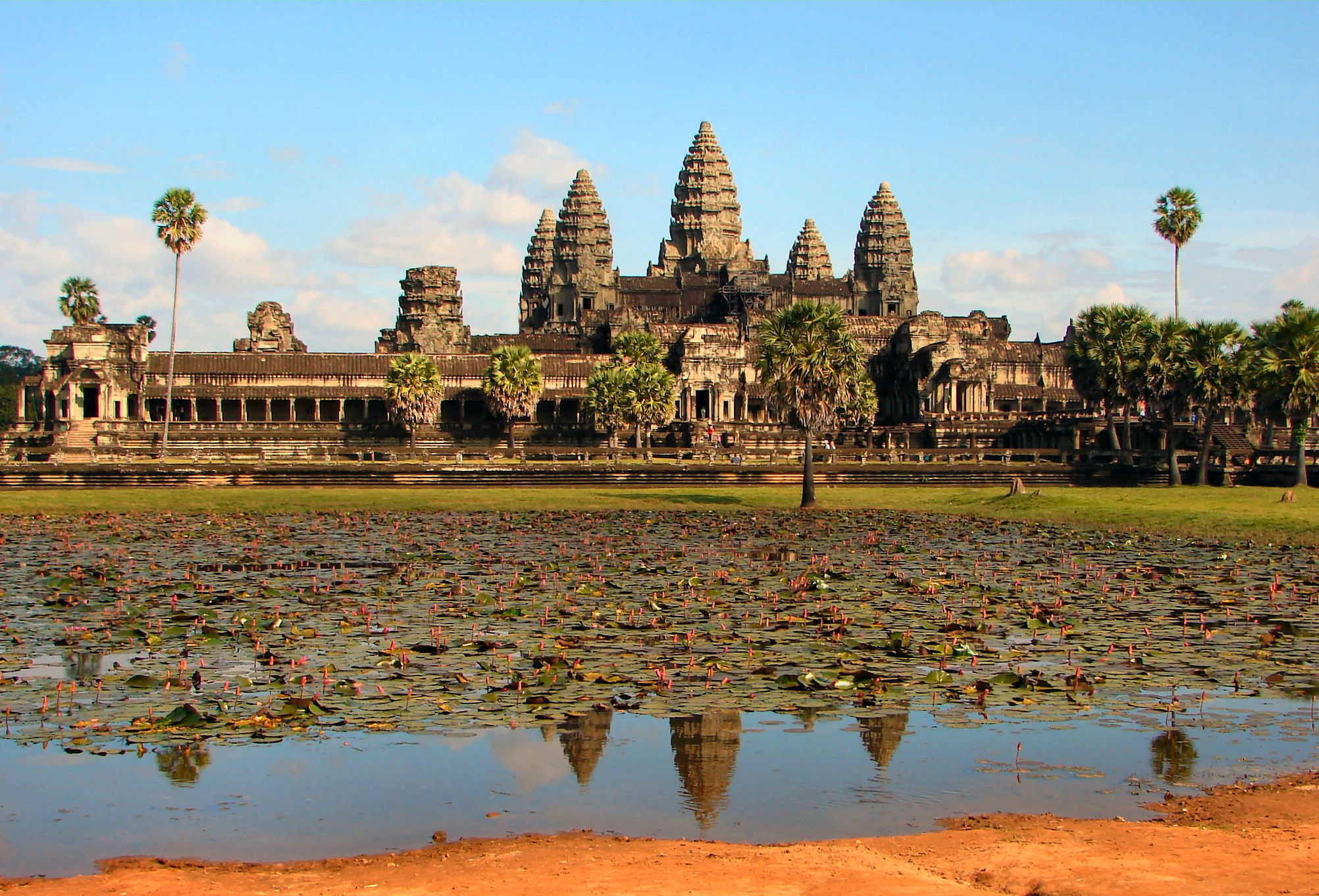
Built in the early 12th century by the Khmer Empire, Angkor Wat is the world's largest religious monument covering over 400 acres.
The temple's five lotus-shaped towers rising above the jungle, reflected in its surrounding moat, and the extraordinary bas-reliefs on its walls make it one of humanity's greatest achievements.
How does it rate
CrowdsRomanceCash RequiredDangerAccessibilityWhy you should go
Watching the sun rise over Angkor Wat's towers reflected in the moat is one of Asia's most magical travel experiences.
Why you shouldn't go
The temple complex is vast; comfortable exploration requires at least two to three days and the site attracts large numbers of tourists.
Plan your visit
Best time to visitNovember-February (dry, cooler)Best time of daySunrise over the temple towersGetting thereFly to Siem ReapEntry cost~$37 one-day passTime neededFull day, ideally 3 days for the wider complexInsider tip — Arrive by 5am for sunrise; the reflection pool gets crowded fast once the sun is up -
 #790 /100
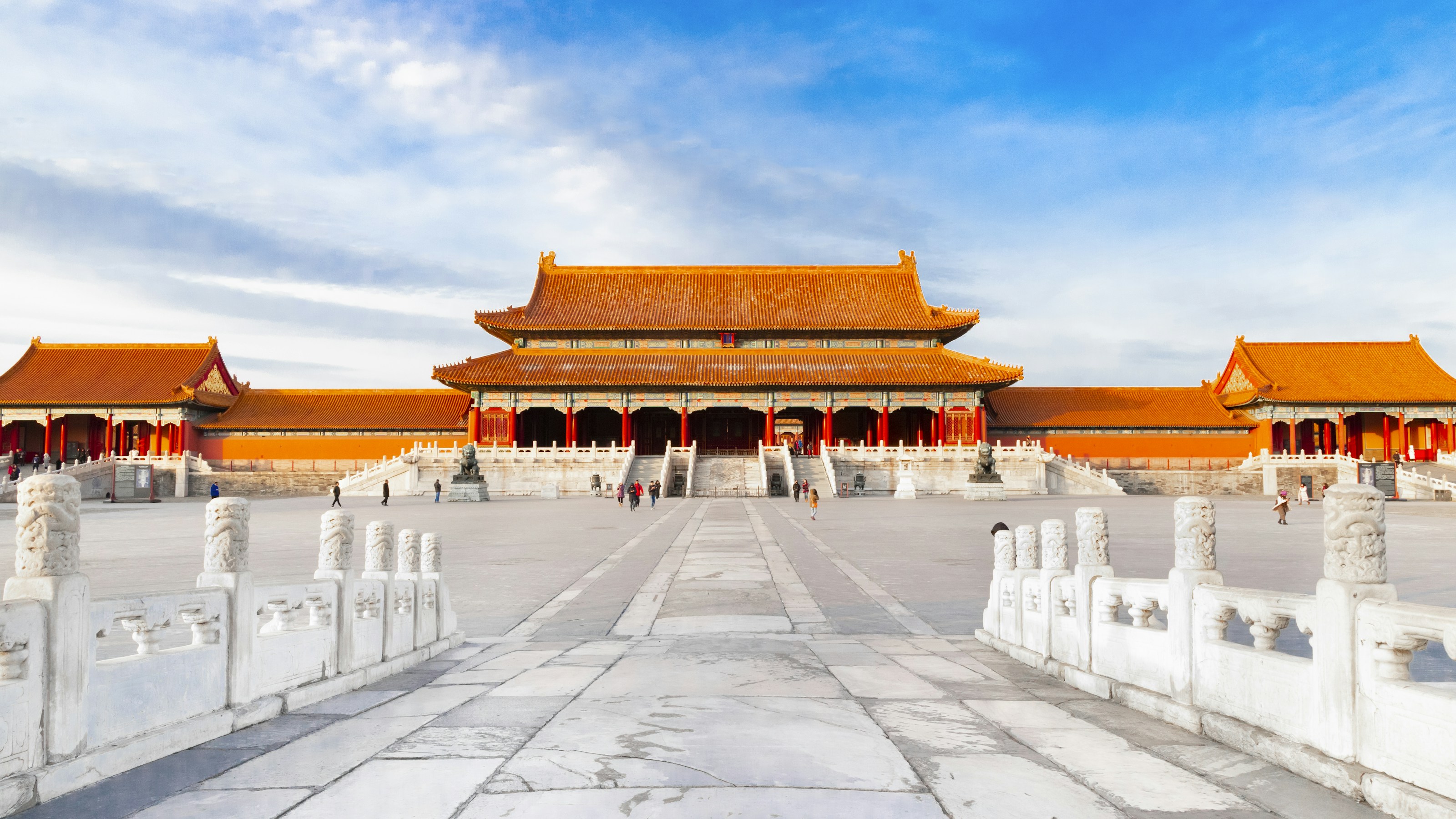
The imperial palace at the centre of Beijing, 180 acres of vermilion walls and yellow-tiled roofs that housed twenty-four emperors across the Ming and Qing dynasties.
Nearly a thousand surviving buildings run along a single axis from the Meridian Gate to the Hall of Supreme Harmony.
Daily numbers are capped and tickets routinely sell out.
How does it rate
CrowdsRomanceCash RequiredDangerAccessibilityWhy you should go
The scale is unmatched - half a day inside and you still will not have seen all of it.
Why you shouldn't go
Tickets must be booked days ahead against a passport, and the route runs one way only.
Plan your visit
Best time to visitSeptember-October, Beijings clearest and most comfortable monthsBest time of dayFirst entry slot; the axial halls are solid by mid-morningGetting thereSubway line 1 to Tiananmen East, then in through the Meridian GateEntry costAround CNY 60 in peak seasonTime neededHalf a dayBookingBook ahead →Insider tip — Climb the hill in Jingshan Park straight after leaving by the north gate - it is the only place you see the entire roofscape at once. -
 #889 /100
Mathura and neighbouring Vrindavan, revered as Krishna's birthplace, host India's most exuberant Holi celebrations, where temple courtyards and streets dissolve into clouds of pink, yellow and green powder thrown by everyone from small children to elderly priests.
It's the purest, wildest version of India's best-known festival, at the town where the tradition began.
How does it rate
CrowdsRomanceCash RequiredDangerAccessibilityWhy you should go
The purest version of India's most photographed festival, at the temple town where the tradition began.
Why you shouldn't go
Powder gets everywhere, on skin, hair and clothes for days afterwards, and the crush inside temple courtyards can get intense.
Plan your visit
Best time to visitMarch, timed to the full moon of the Hindu month of Phalguna (exact date shifts yearly).Best time of dayLate morning at Banke Bihari Temple in Vrindavan, when the main colour-throwing peaks.Getting thereFly to Delhi, then a train or car roughly 2-3 hours to Mathura.Entry costFree to join in the streets; some temple events request a small donation.Time neededA full day, across the festival's build-up and main colour-throwing.Insider tip — Wear old white clothes so the colours show up brightest in photos, and coat your hair and skin in oil beforehand to make the powder easier to wash out. -
 #989 /100
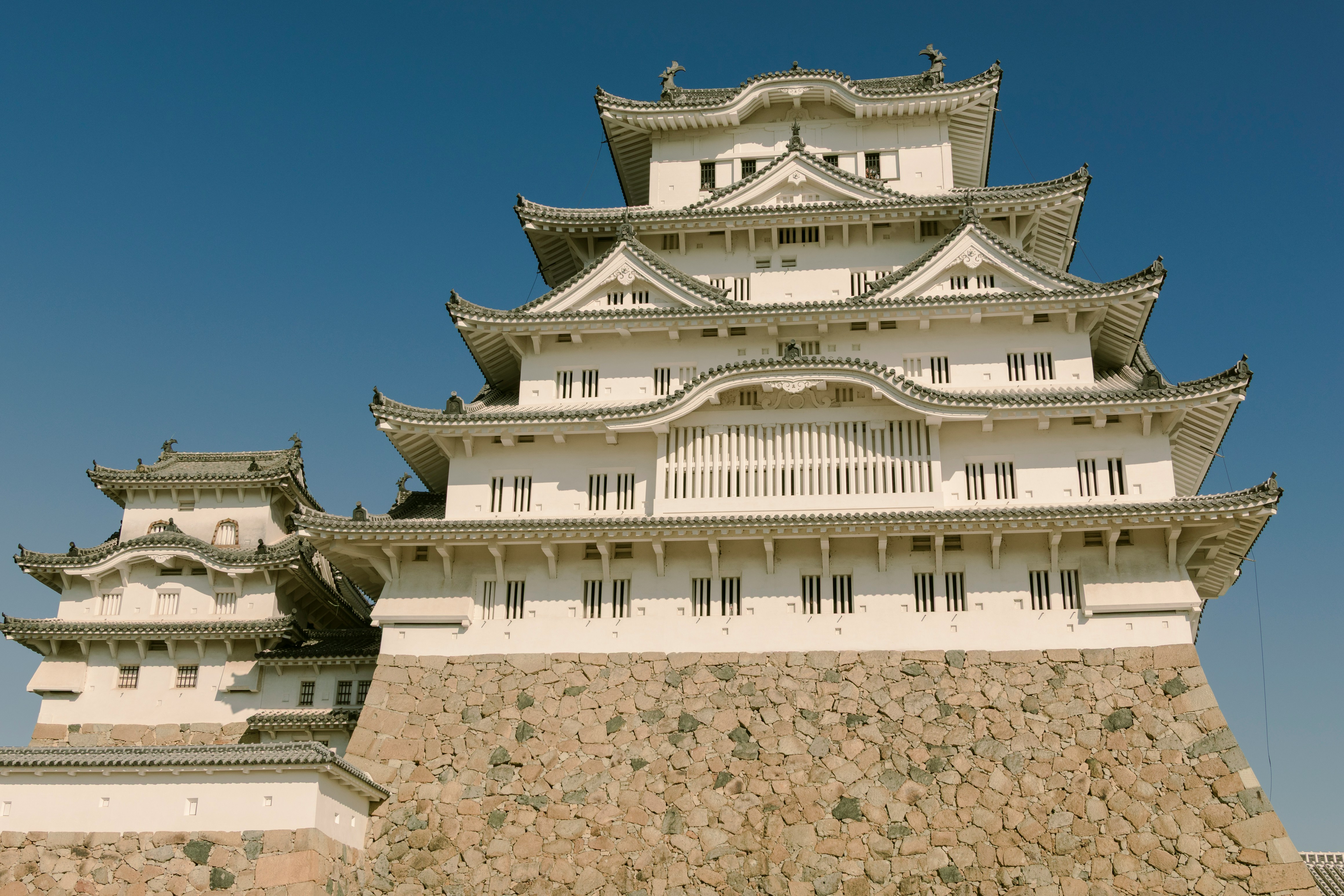
Japan's best-preserved original castle and a UNESCO World Heritage Site, its brilliant white plaster walls and cascading rooflines earning it the nickname "White Heron Castle" for its resemblance to a bird taking flight.
Unlike most Japanese castles, which are concrete post-war reconstructions, Himeji's wooden keep is the genuine 17th-century structure, complete with a defensive maze of gates and courtyards designed to confuse attackers.
It's especially striking framed by cherry blossoms in spring.
How does it rate
CrowdsRomanceCash RequiredDangerAccessibilityWhy you should go
Japan's only original wooden castle keep left largely intact, and widely considered its most beautiful.
Why you shouldn't go
The climb through the narrow, steep original staircases inside the keep can be a bottleneck when it's busy.
Plan your visit
Best time to visitLate March-early April for cherry blossoms framing the white walls.Best time of dayEarly morning, for clear photos before tour groups and school trips arrive.Getting thereShinkansen from Osaka or Kyoto to Himeji Station, then a 15-minute walk straight up the main avenue.Entry costAround 1,000 yen for adult entry.Time needed2-3 hours.BookingBook ahead →Insider tip — Kokoen Garden next door sells a combined ticket and gives a classic reflection shot of the castle across its pond. -
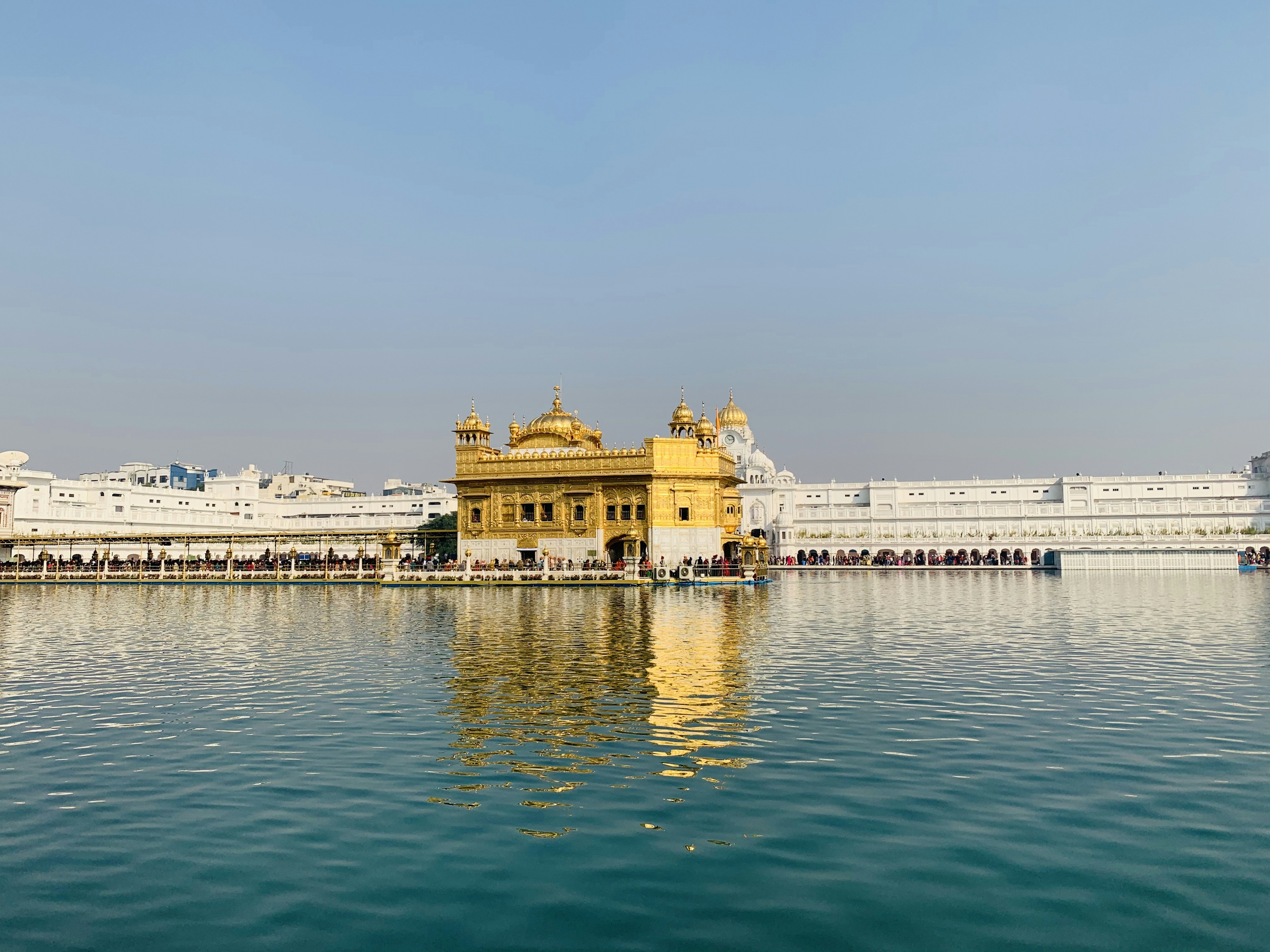 #1088 /100
The holiest site in Sikhism sits at the centre of a large square pool, its upper floors gilded in real gold and doubled by a near-perfect reflection in the still water.
Pilgrims circle the marble walkway at all hours, and the temple runs one of the world's largest free communal kitchens, feeding tens of thousands daily.
Lit at night, the gold dome and its reflection form one symmetrical image.
How does it rate
CrowdsRomanceCash RequiredDangerAccessibilityWhy you should go
A gold temple perfectly mirrored in a still pool, open to visitors of every faith.
Why you shouldn't go
It's a functioning, deeply sacred pilgrimage site, not a tourist attraction - dress and behaviour expectations are strict.
Plan your visit
Best time to visitOctober-March, avoiding the summer heat.Best time of dayEarly morning or after dark, when the gold dome is lit and crowds thin.Getting thereFly or train to Amritsar; the temple is centrally located and walkable from the old city.Entry costFree; head covering required and provided at the entrance.Time needed2-3 hoursInsider tip — Join the free communal meal (langar) in the dining hall - it's open to all visitors and a core part of the experience, not just the photos. -
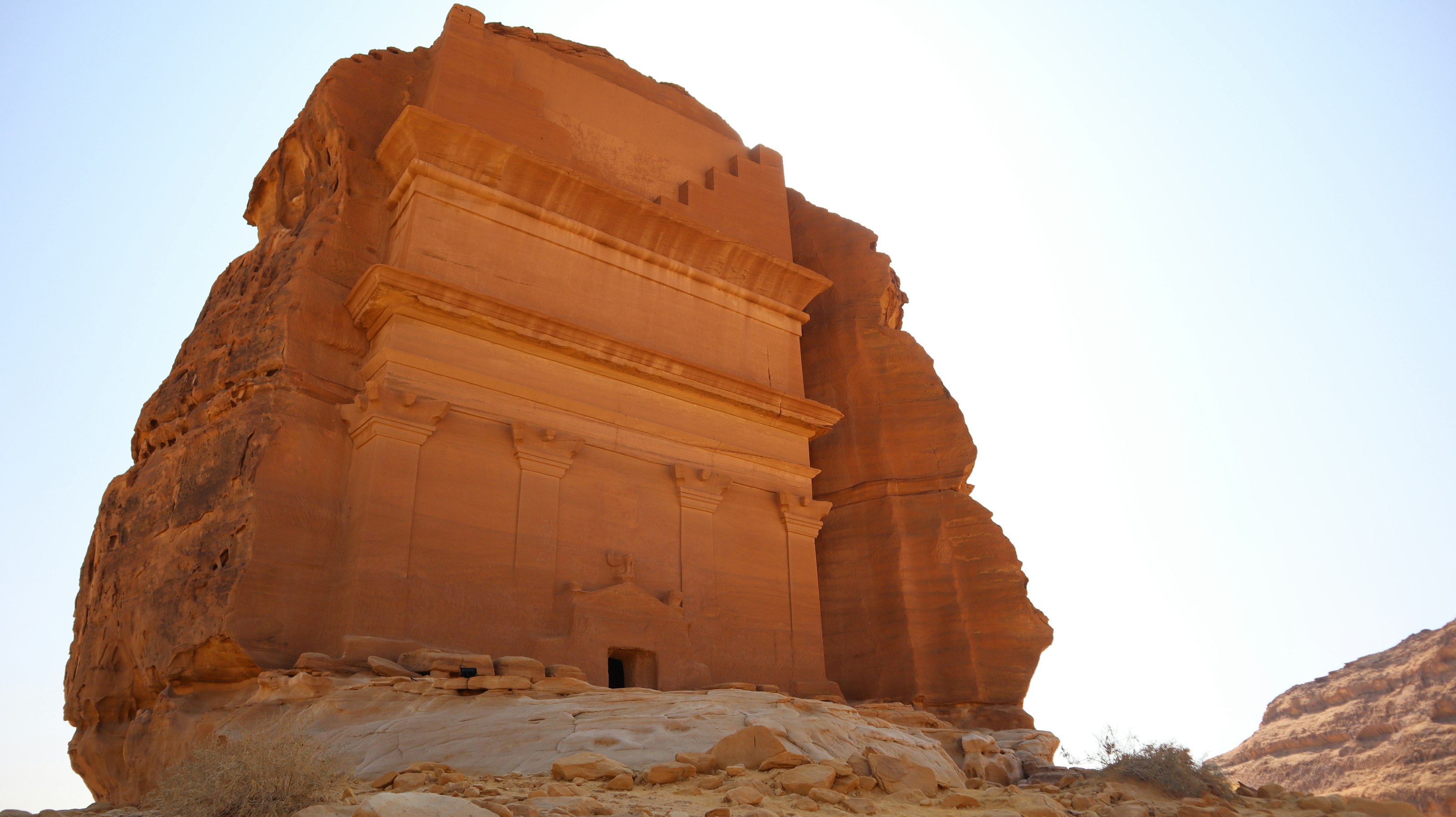 #1188 /100
Hegra was the second city of the ancient Nabataean kingdom after Petra, and its more than 100 monumental tombs, carved into sandstone outcrops across a desert plain, survive in far better condition than their Jordanian counterpart.
Saudi Arabia's first UNESCO World Heritage site opened to tourism only in 2019, and the tombs still show sharp carved detail after two thousand years in the desert.
How does it rate
CrowdsRomanceCash RequiredDangerAccessibilityWhy you should go
Tombs as monumental as Petra's, carved into standalone desert rock, but with almost none of Petra's crowds.
Why you shouldn't go
Independent visits aren't possible — access requires a booked guided tour, which limits spontaneity and adds cost.
Plan your visit
Best time to visitNovember–March, avoiding the extreme heat of the Arabian summer.Best time of dayEarly morning or late afternoon, when desert light is softer and temperatures are lower.Getting thereFly to AlUla's own airport, or to Medina and drive roughly 1.5 hours north.Entry costPaid guided tour, booked in advance through AlUla's official tourism operator.Time needed3–4 hoursInsider tip — Book the earliest available tour slot — both the light for photos and the temperature are noticeably better before mid-morning. -
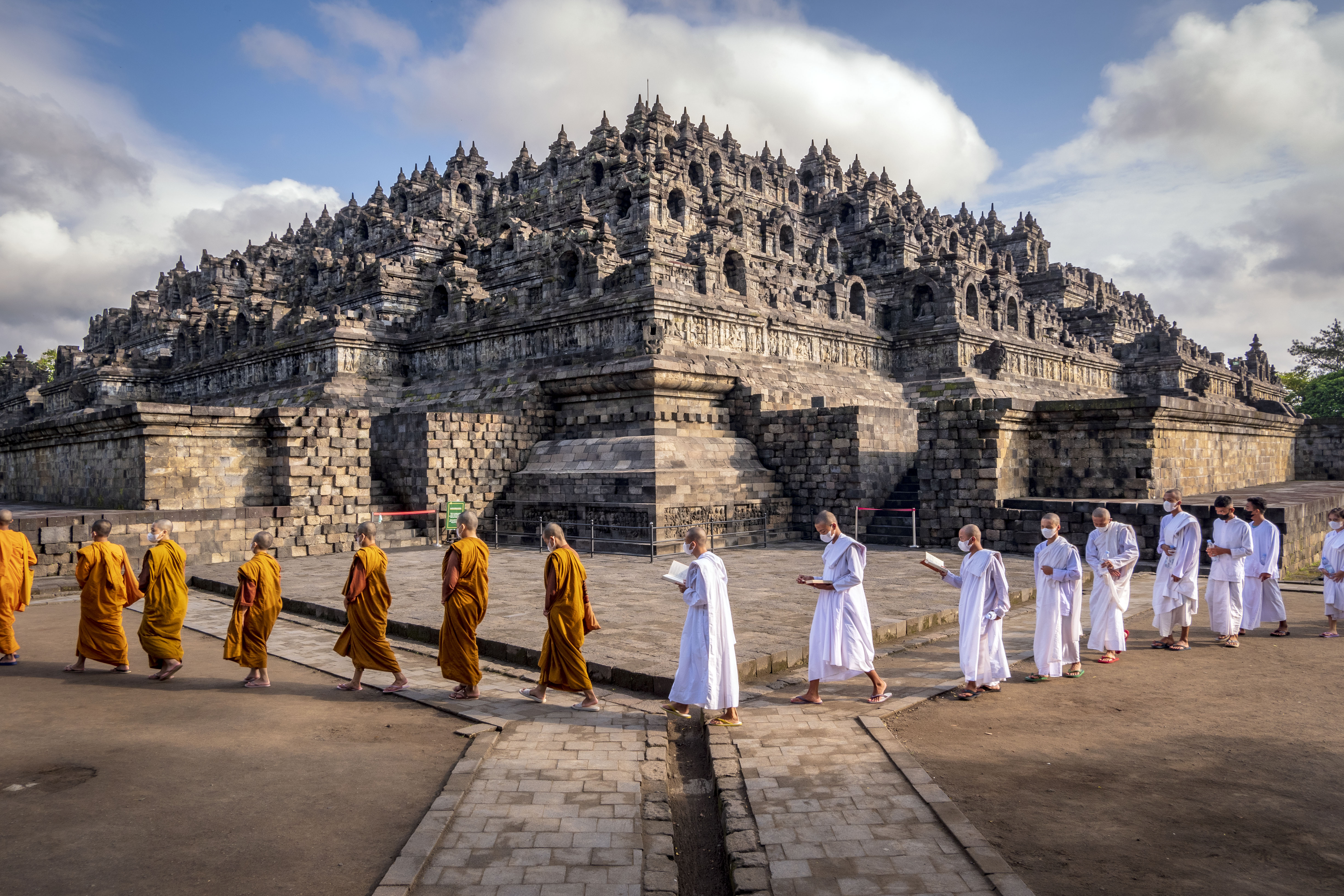 #1287 /100
Borobudur is a 9th-century Mahayana Buddhist temple in Central Java and the world's largest Buddhist temple.
Its nine stacked platforms are decorated with 2,672 relief panels and 504 Buddha statues; the three circular upper tiers hold 72 openwork stupas, each containing a Buddha statue, creating one of the world's greatest religious monuments.
How does it rate
CrowdsRomanceCash RequiredDangerAccessibilityWhy you should go
Watching the sun rise over Borobudur from its upper terraces, with morning mist filling the surrounding jungle and volcanic peaks on the horizon, is a genuinely transcendent experience.
Why you shouldn't go
Dawn entry to the higher terraces requires a premium ticket; the relief panels are extensive and understanding their meaning requires a guide or significant research.
Plan your visit
Best time to visitMay-September (dry season)Best time of daySunrise, when mist often sits in the surrounding valleyGetting there~1.5hr drive from YogyakartaEntry cost~$25 for foreign visitors; sunrise tickets extraTime needed3-4 hoursInsider tip — Book the official sunrise tour; it is the only way in before general opening and the temple is far quieter -
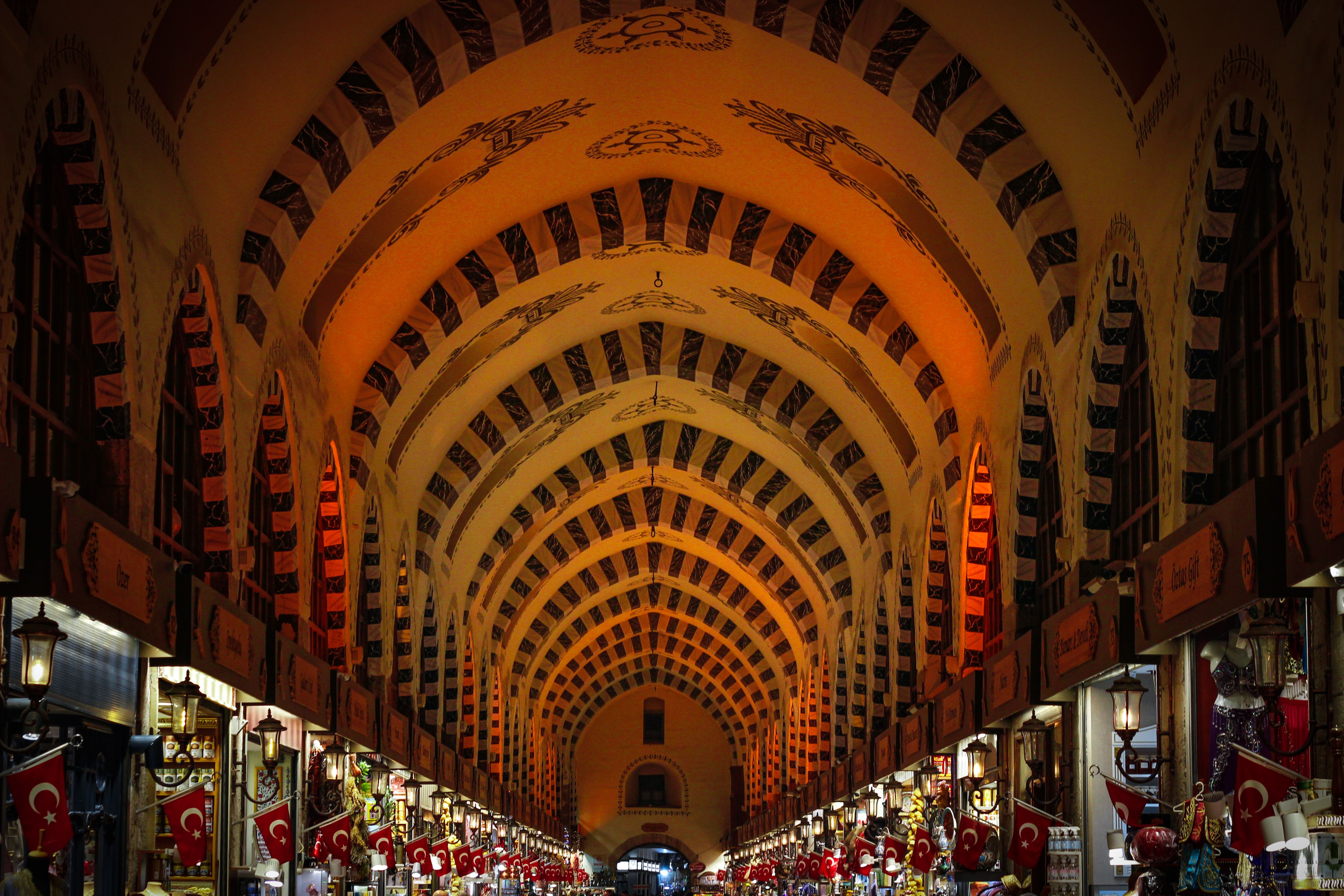 #1387 /100
One of the world's oldest and largest covered markets, Istanbul's Grand Bazaar has traded continuously since 1461 across more than 4,000 shops lining 60 vaulted, hand-painted streets.
Copper lanterns, hand-woven carpets, gold jewellery and spice stalls spill into each other beneath domed ceilings that have survived earthquakes and fires for over five centuries.
How does it rate
CrowdsRomanceCash RequiredDangerAccessibilityWhy you should go
A 560-year-old covered market of over 4,000 shops beneath vaulted, hand-painted domes.
Why you shouldn't go
It's a genuine maze, easy to get disoriented in, and persistent shopkeepers can make browsing feel pressured.
Plan your visit
Best time to visitWeekday mornings, when the bazaar is open but tour groups haven't yet arrived in force.Best time of dayMid-morning, for the best light through the domed skylights before peak crowds.Getting thereTake the T1 tram to Beyazit-Kapalicarsi or Cemberlitas stations, both a short walk from the bazaar's gates.Entry costFree to enter; prices for goods are negotiable and vary widely by item.Time needed2-3 hours, longer for serious shopping.Insider tip — Always negotiate, starting around half the asking price, and accept the offered tea without feeling obligated to buy. -
 #14
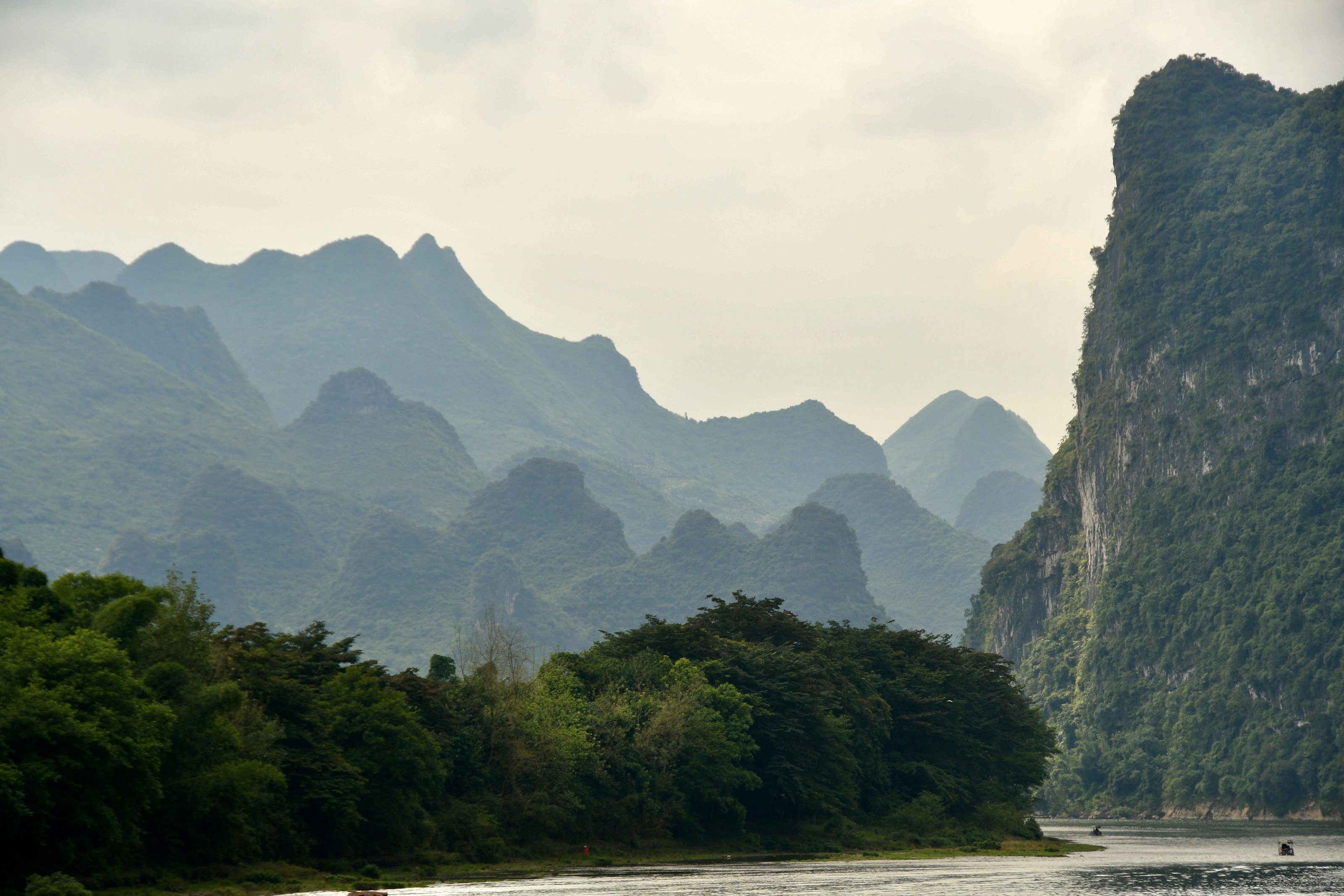
#14The stretch of the Li River between Guilin and Yangshuo is lined with thousands of karst limestone peaks rising straight out of the water, scenery that has appeared on China's 20-yuan banknote and inspired centuries of Chinese landscape painting.
A slow cruise or bamboo raft ride down the river passes fishing villages, water buffalo, and cormorant fishermen, the peaks growing more dramatic the closer you get to Yangshuo.
How does it rate
CrowdsRomanceCash RequiredDangerAccessibilityWhy you should go
Drifting past thousands of karst peaks that have inspired Chinese landscape painting for a thousand years is a genuinely different kind of scenery.
Why you shouldn't go
Large tourist cruise boats can be crowded and slow-moving, especially in peak summer months.
Plan your visit
Best time to visitApril–October for the greenest scenery, though light rain and mist can add to the atmosphere.Best time of dayMorning departures, when mist often still clings to the peaks.Getting thereFly to Guilin; cruise boats depart from Zhujiang pier, arriving in Yangshuo after 4–5 hours, or drive directly to Yangshuo in about 1.5 hours.Entry costPaid cruise ticket; bamboo raft trips on shorter sections cost separately.Time neededHalf a day for the cruise, or several days based in YangshuoInsider tip — Skip the full Guilin-to-Yangshuo cruise and instead take a short bamboo raft trip on the Yulong River near Yangshuo — same karst scenery, far fewer people, and a fraction of the cost. -
 #1587 /100
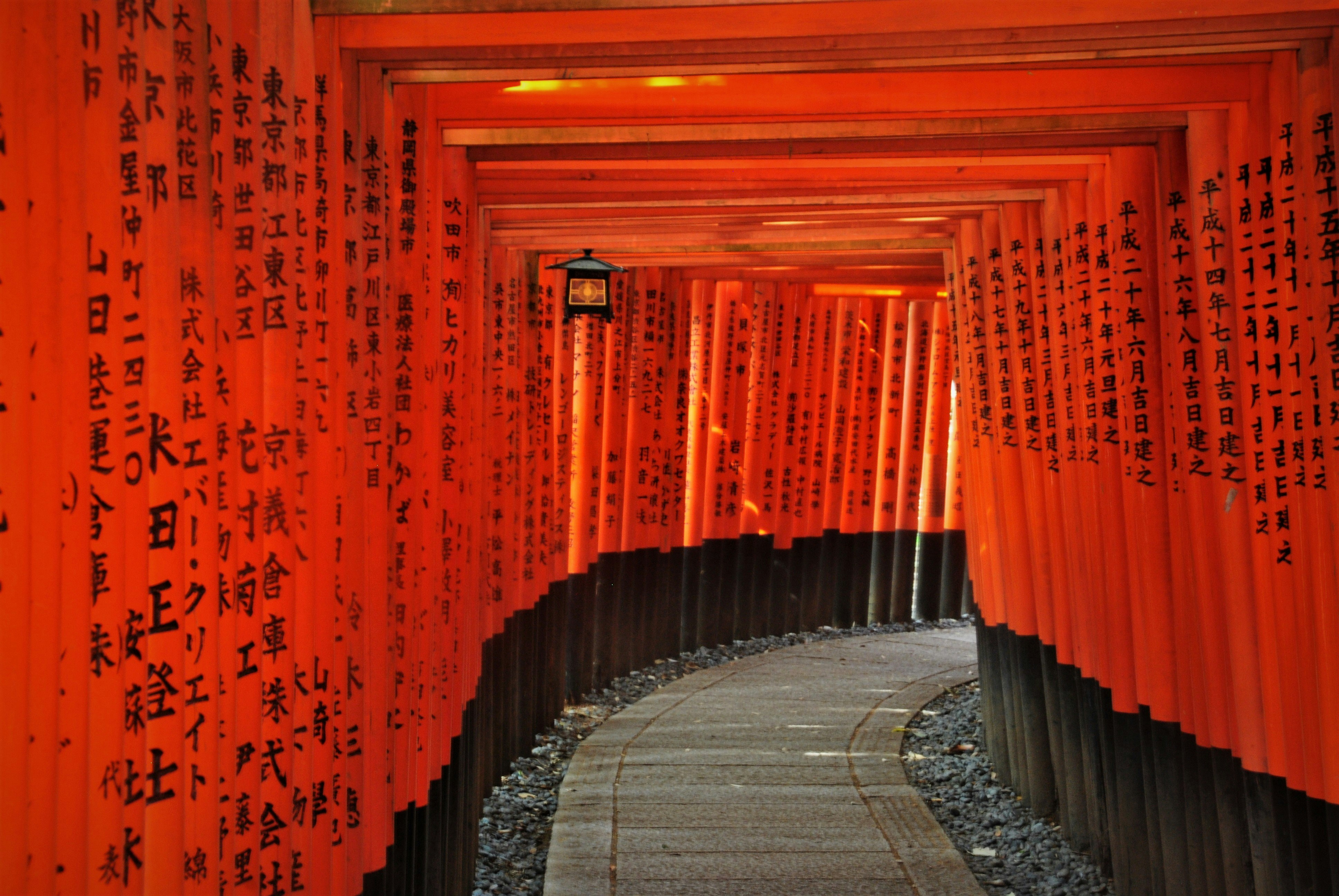
Fushimi Inari Shrine's thousands of vermillion torii gates form a tunnel climbing the wooded slopes of Mount Inari on Kyoto's eastern edge.
The lower gates near the entrance are the most photographed; the full loop to the summit takes 2-3 hours and thins to a handful of hikers past the first viewpoint.
Founded before 794, it remains an active Shinto shrine to the rice deity Inari, with fox statues marking its guardian messengers.
How does it rate
CrowdsRomanceCash RequiredDangerAccessibilityWhy you should go
Thousands of vermillion gates form a tunnel up a mountain, and it's free to walk the whole thing any time of day.
Why you shouldn't go
The first few hundred metres of gates near the entrance get shoulder-to-shoulder crowded by mid-morning.
Plan your visit
Best time to visitYear-round; quietest in winter, especially after sunset when gates are lit but crowds thin.Best time of dayBefore 7am or after 6pm to get the lower gates without crowds in your photos.Getting thereJR Nara Line to Inari Station, one stop from Kyoto Station; the shrine entrance is right outside.Entry costFreeTime needed1-3 hours depending on how far up the mountain you goInsider tip — Most visitors turn back after the first viewpoint (Yotsutsuji) - continue further for near-empty gates and city views. -
 #1687 /100
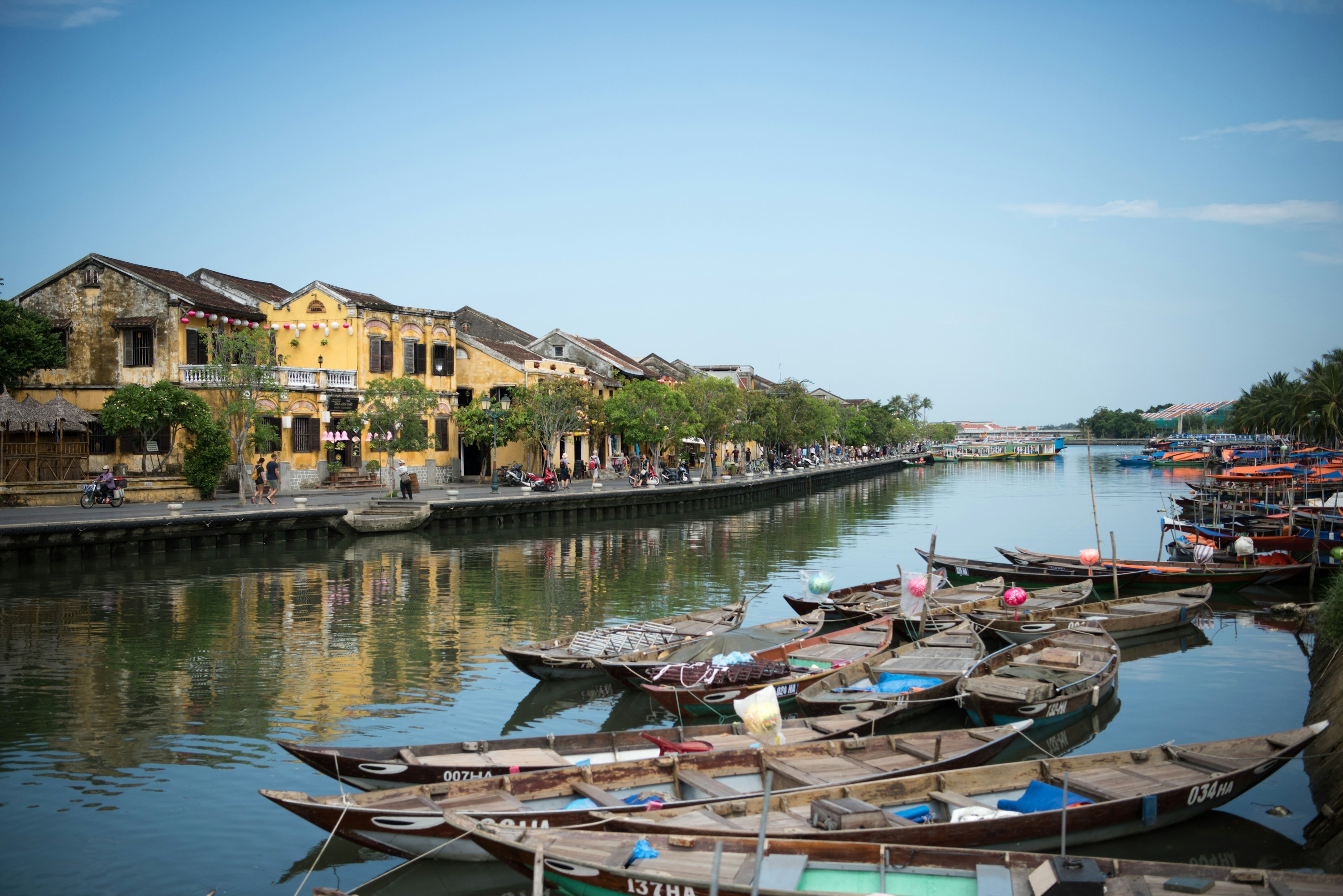
Hoi An's Old Town is a remarkably intact 15th-19th century trading port, its ochre-walled shophouses, Chinese assembly halls, and the Japanese Covered Bridge lining the Thu Bon River.
By day it's a working town of tailors and lantern-makers; after dark the riverside glows with silk lanterns and candlelit boats.
UNESCO-listed and largely traffic-free, it rewards slow wandering more than a checklist visit.
How does it rate
CrowdsRomanceCash RequiredDangerAccessibilityWhy you should go
A beautifully preserved 15th-century trading port, lantern-lit at night, with tailors, food stalls, and a slow, walkable riverside core.
Why you shouldn't go
Old Town gets crowded by mid-morning, and the ticket system funnels you toward the same handful of paid houses.
Plan your visit
Best time to visitFebruary-April for cooler, drier weather; mid-month around the full moon for the lantern festival.Best time of dayEarly morning before tour buses, or after dusk when lanterns are lit and day-trip crowds thin out.Getting thereFly to Da Nang; Hoi An is a 45-minute taxi or bus south along the coast.Entry cost120,000 VND (~$5) covers entry to 5 heritage sites of your choiceTime neededHalf a day for the old town; 2 days to include tailoring and nearby beachesInsider tip — Buy the old town ticket at an official booth near the entrances, not from touts; keep it, since spot checks happen through the day. Cross the river to An Hoi for cheaper food with the same lantern views. -
 #1786 /100
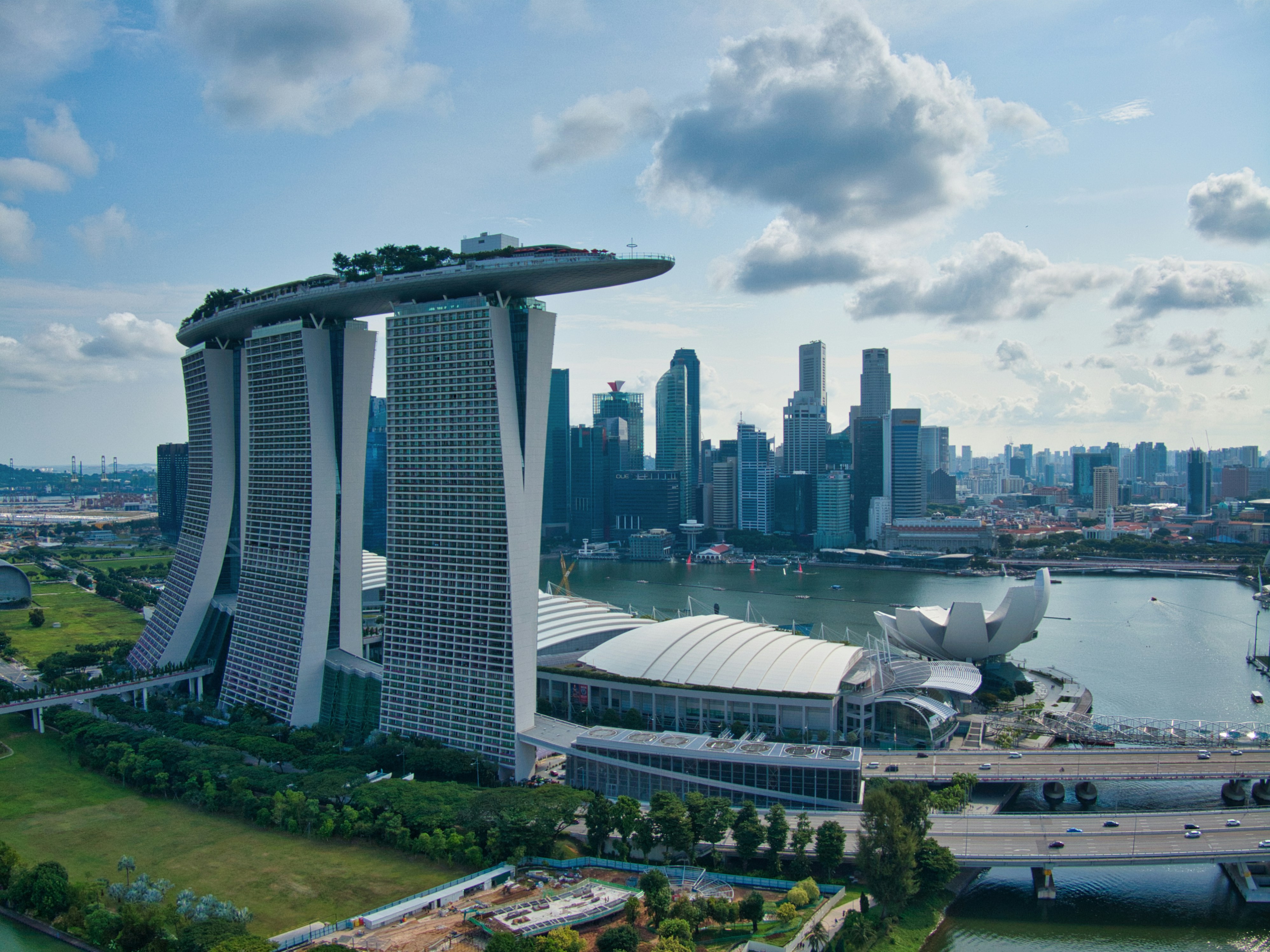
Three connected towers topped by a ship-shaped rooftop pool anchor this city-state's skyline, reflected in Marina Bay alongside a garden of illuminated Supertrees.
The city's obsessive approach to greenery and cleanliness has made it one of the most striking modern skylines anywhere.
Hawker centres serving Michelin-recognised street food sit near some of the world's most expensive real estate.
How does it rate
CrowdsRomanceCash RequiredDangerAccessibilityWhy you should go
A futuristic skyline with a rooftop infinity pool and a garden of illuminated 'trees' after dark.
Why you shouldn't go
It's genuinely one of the most expensive cities in the world to eat and sleep in outside the hawker centres.
Plan your visit
Best time to visitFebruary-April, slightly drier months in a tropical, humid year-round climate.Best time of daySunset into blue hour, when the Supertrees light show and skyline both come alive.Getting thereFly into Changi Airport; the MRT metro reaches almost everywhere in the city.Entry costGardens by the Bay conservatories charge entry; Supertree Grove and the skyline views are free.Time needed2-3 daysBookingBook ahead →Insider tip — Watch the free Garden Rhapsody light show at the Supertree Grove after dark rather than paying for the Skyway walkway during the day. -
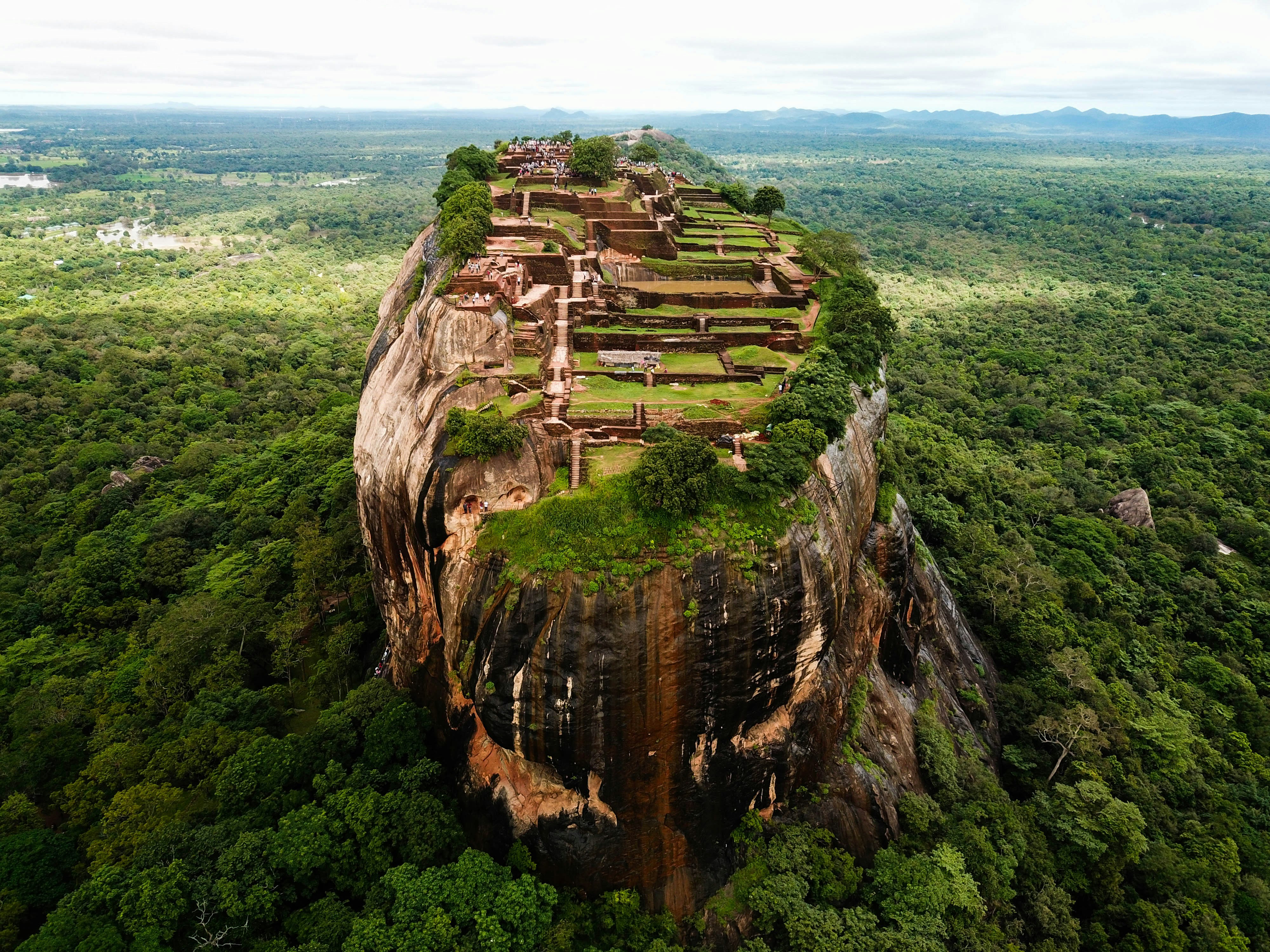 #1886 /100
An ancient rock fortress rises 200 meters from the Sri Lankan jungle, its summit holding the ruins of a 5th-century royal palace.
Frescoed cave paintings, a mirror wall polished by centuries of visitors' inscriptions, and a giant carved lion's paw gateway mark the final climb to one of Asia's most dramatic archaeological sites.
How does it rate
CrowdsRomanceCash RequiredDangerAccessibilityWhy you should go
A 200-meter rock fortress with 5th-century palace ruins, ancient frescoes, and a giant carved lion's paw gateway.
Why you shouldn't go
The climb involves over 1,200 steps with exposed metal staircases near the top; very crowded by mid-morning.
Plan your visit
Best time to visitDecember–March (dry season) for stable weather and clearer views from the summit.Best time of dayEarly morning (7am opening) to climb before the heat and crowds build.Getting thereFly to Colombo, then a 4-hour drive or train to Dambulla, followed by a short taxi to the site.Entry costUSD $30 foreign visitor entrance fee.Time needed3–4 hours including the climb.Insider tip — Start the climb by 7am — both the heat and tour-bus crowds build fast after 9am. The mirror wall's ancient graffiti, some over 1,000 years old, is easy to miss if you rush past it. -
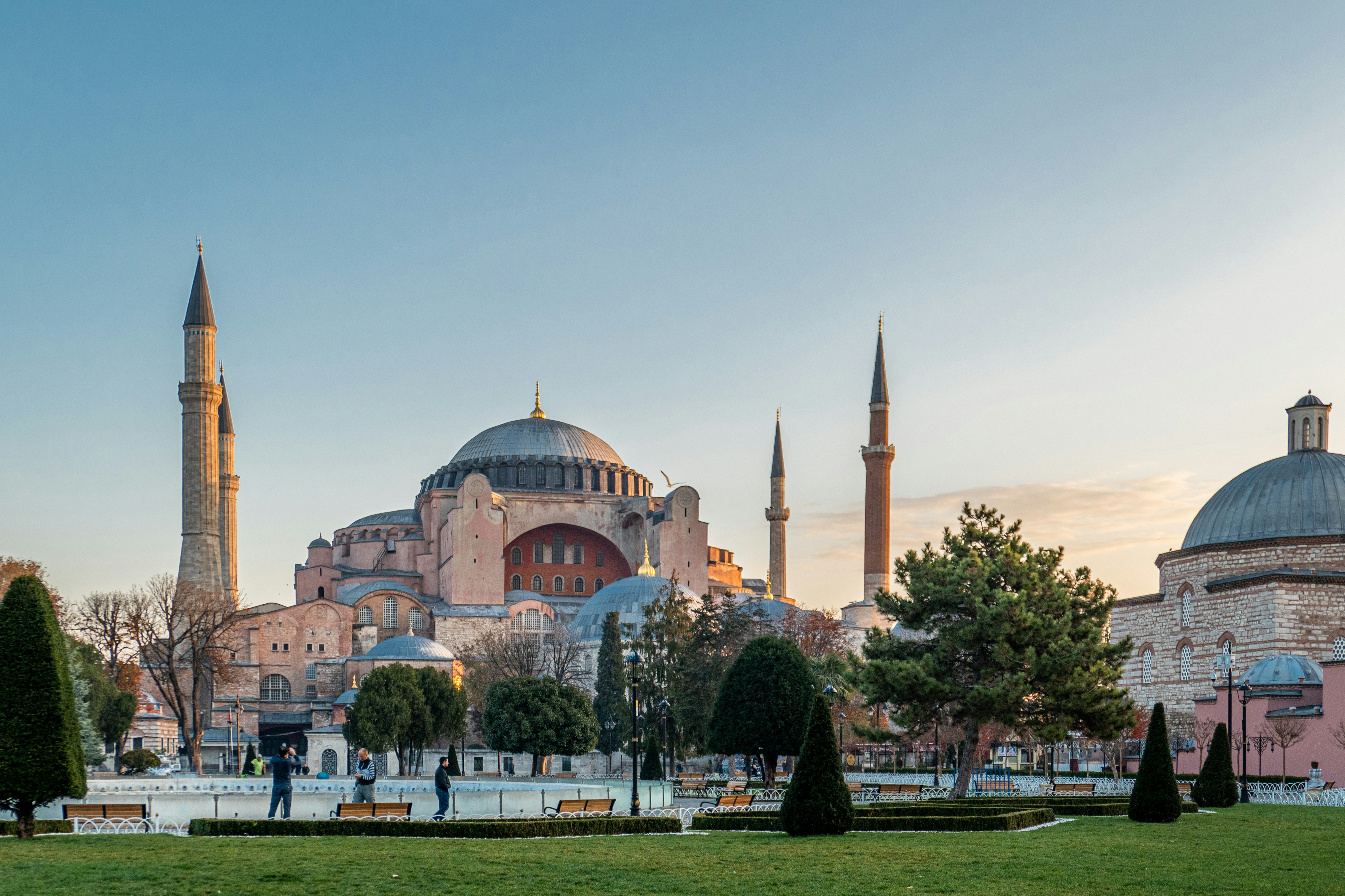 #1986 /100
Nearly 1,500 years old, this Byzantine cathedral-turned-mosque carries a vast dome that dominated the ancient world's skyline for centuries.
Gold mosaics of Christian saints sit alongside Islamic calligraphy inside, a rare visible record of the building's several religious lives.
Dozens of windows ringing the dome's base light the vast interior.
How does it rate
CrowdsRomanceCash RequiredDangerAccessibilityWhy you should go
1,500 years of Byzantine and Ottoman history under a single vast dome.
Why you shouldn't go
It's one of Istanbul's single busiest sites - expect real queues most of the day.
Plan your visit
Best time to visitYear-round; spring and autumn avoid both summer heat and peak crowds.Best time of dayRight at opening, to see the interior before tour groups fill it.Getting thereCentral Istanbul, walkable from Sultanahmet tram stop.Entry costEntry fee required (reinstated as a mosque with paid tourist visiting hours).Time needed1-2 hoursInsider tip — Visit right at opening or in the last hour before close - the queue outside is shortest at both ends of the day. -
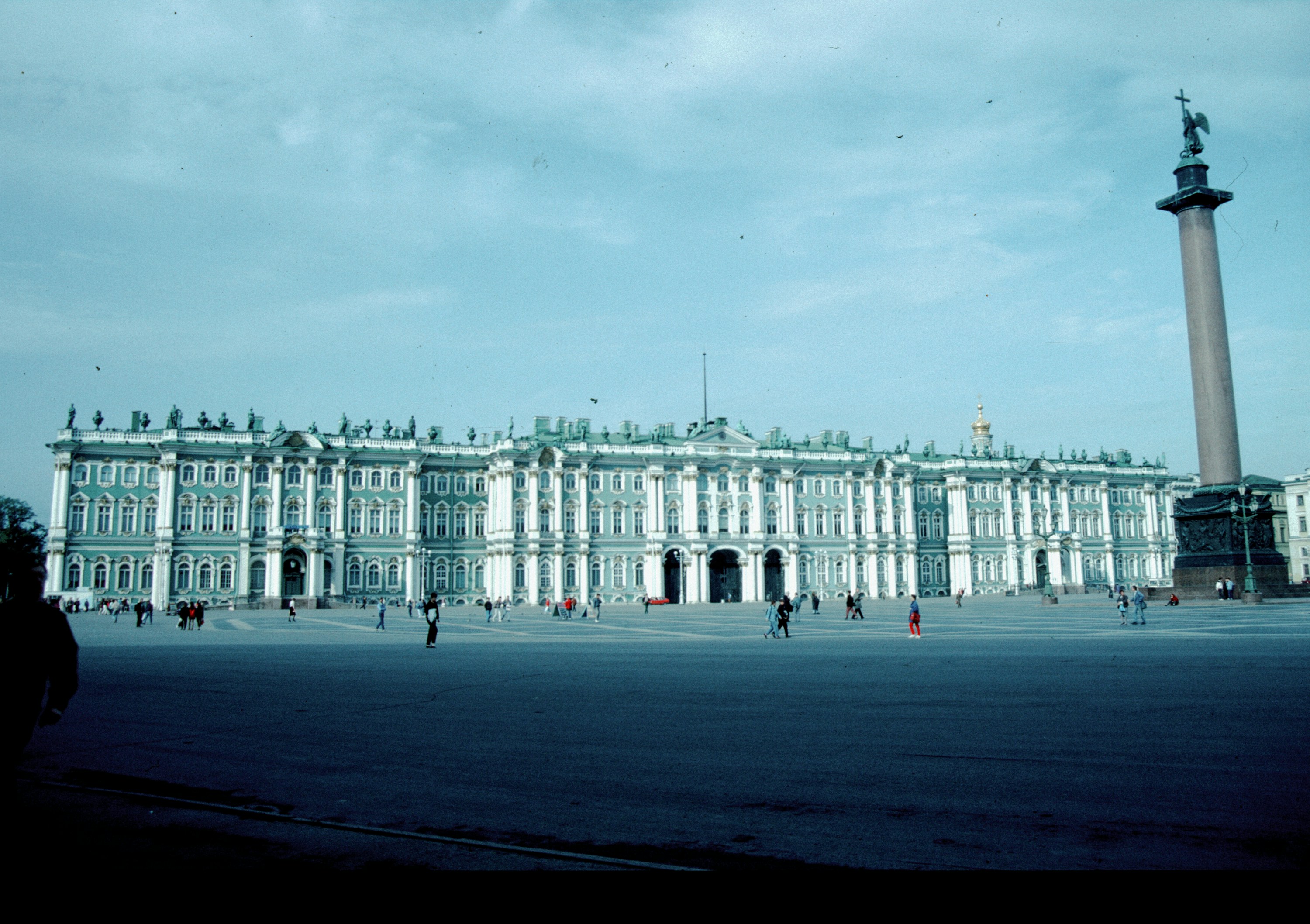 #2086 /100
The State Hermitage occupies the Winter Palace and four adjoining buildings on Palace Square, holding one of the world's largest art collections — over three million objects spanning Rembrandt, da Vinci and Impressionist masterpieces inside gilded Romanov staterooms.
A full circuit covers roughly 20 kilometres of galleries, so most visitors pick a handful of wings rather than attempt everything in one visit.
How does it rate
CrowdsRomanceCash RequiredDangerAccessibilityWhy you should go
Three million artworks inside the Romanov Winter Palace, from da Vinci to the Impressionists.
Why you shouldn't go
So vast that seeing the highlights properly takes a full day, and peak-season same-day queues can run two hours.
Plan your visit
Best time to visitMay–June or September for mild weather and shorter queues than the summer peakBest time of dayOpening time on a weekday; galleries fill steadily through the afternoonGetting thereFly into St Petersburg via a transit hub (Istanbul, Belgrade, Dubai — no direct EU/US routes); the museum sits on Palace Square, walkable from the centre.Entry cost1,000 RUB for foreign visitors; General Staff Building wing extraTime neededHalf a day minimum; a full day to see the major wingsBookingBook ahead →Insider tip — Book timed entry online in advance — same-day ticket lines can exceed two hours in summer; enter via the main Palace Square entrance, not the riverside one. -
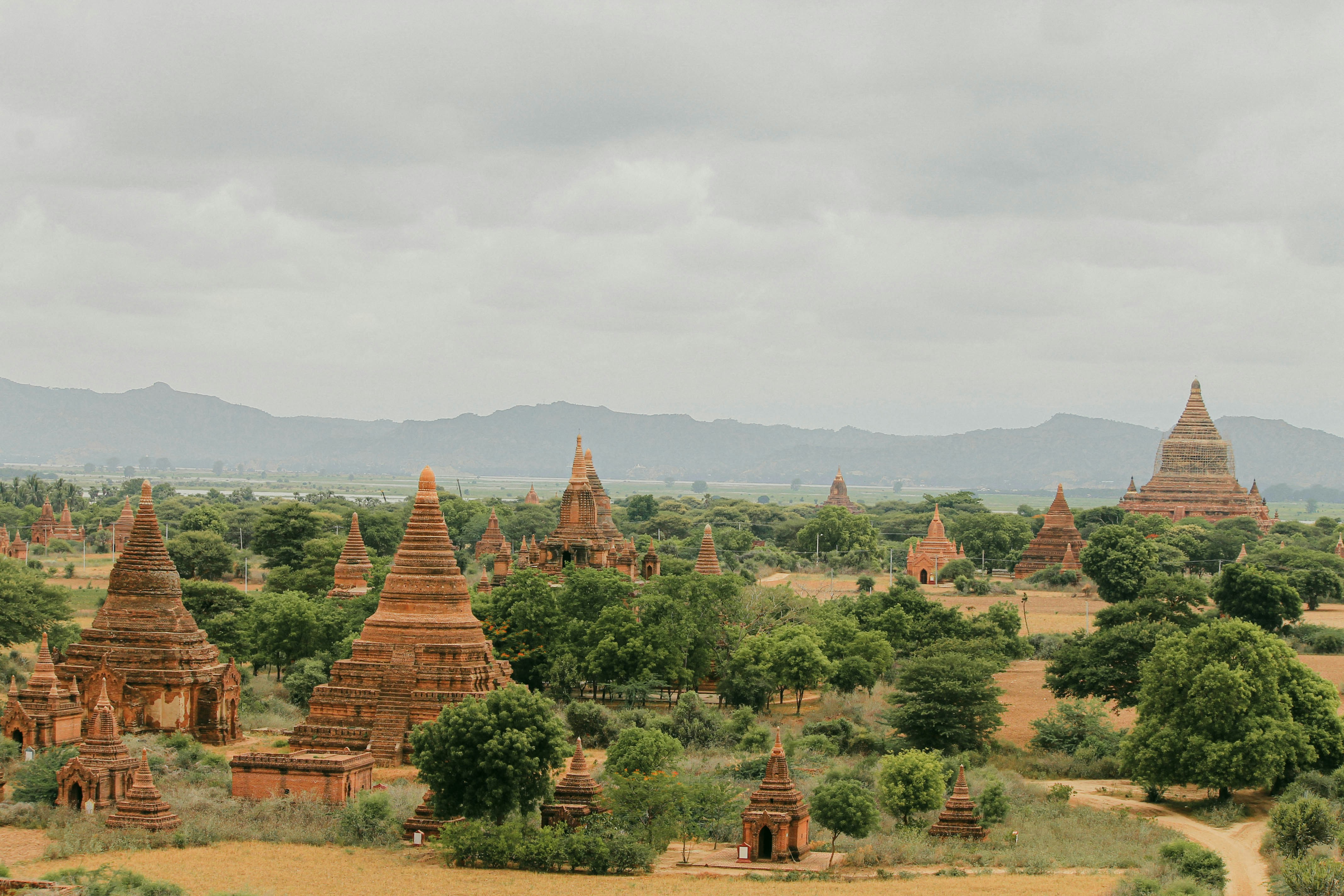 #2185 /100
Over 2,000 Buddhist temples and pagodas dating to the 11th–13th centuries scatter across a dusty plain beside the Irrawaddy River.
Hot-air balloons drift over the gilded spires at sunrise, and even at ground level the density of ancient structures is unmatched anywhere in Southeast Asia.
How does it rate
CrowdsRomanceCash RequiredDangerAccessibilityWhy you should go
Over 2,000 ancient Buddhist temples across a vast plain; a hot-air balloon sunrise is the classic view.
Why you shouldn't go
Dust and heat can be intense; many temples are now off-limits to climbing since the 2016 earthquake; tourism infrastructure is basic.
Plan your visit
Best time to visitOctober–March for cooler, drier weather; avoid the May–September monsoon.Best time of daySunrise, ideally from a hot-air balloon or one of the few temples still open for viewing.Getting thereFly to Yangon, then a 1.5-hour domestic flight to Bagan.Entry costArchaeological zone fee $25 USD; hot-air balloon rides $250–350 USD.Time needed2–3 days to explore properly.Insider tip — Rent an e-bike to reach lesser-visited temples away from the main road. Check current travel advisories before planning, as access and safety conditions in Myanmar change. -
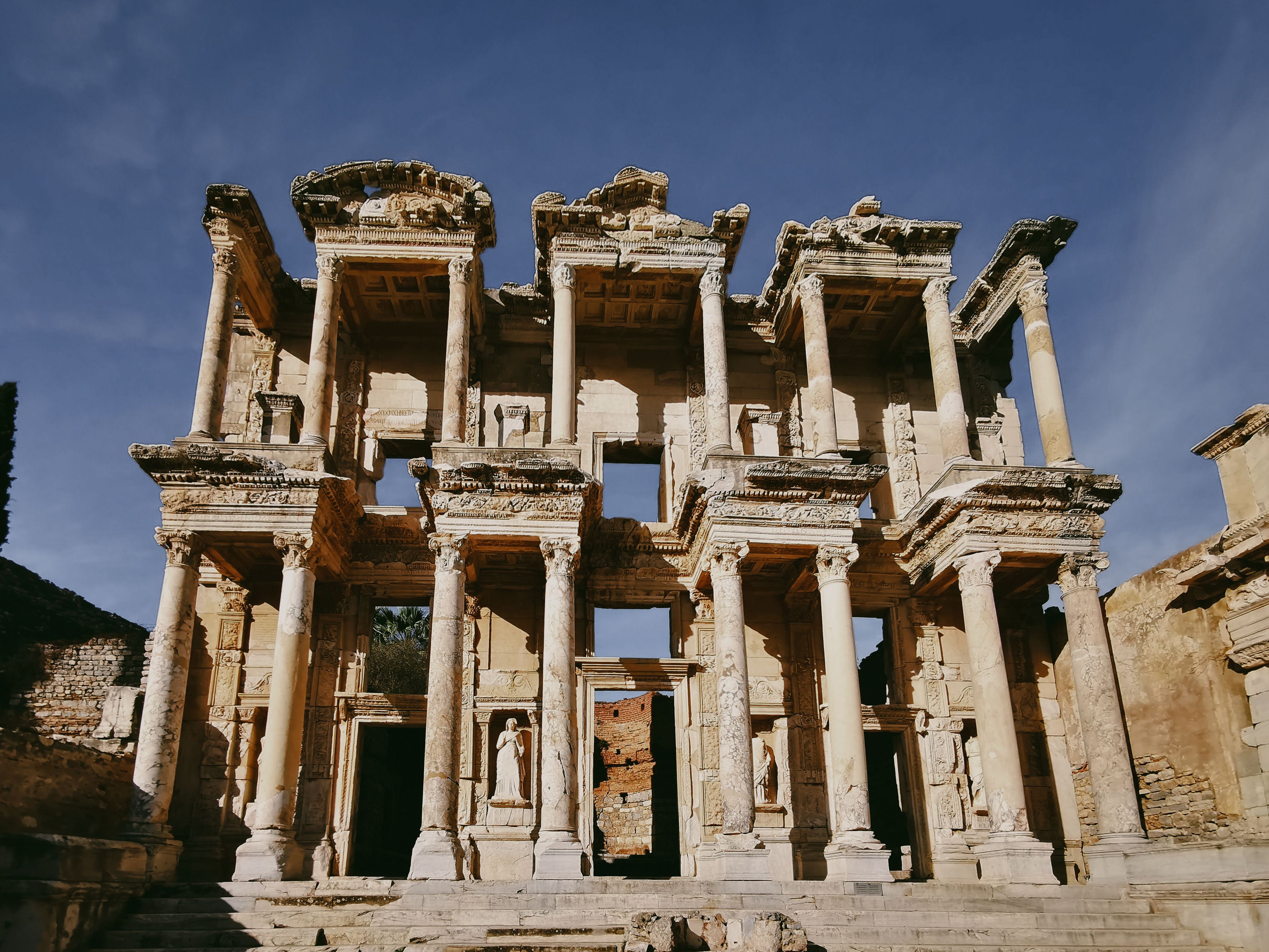 #2285 /100
Ephesus is one of the best-preserved ancient cities in the Mediterranean, its marble streets lined with the two-storey facade of the Library of Celsus, a restored amphitheatre that once seated 25,000, and the remains of temples, baths, and terraced houses.
Founded as a Greek colony and later a major Roman port, it gives a more complete sense of ancient urban life than almost any other ruin still standing today.
How does it rate
CrowdsRomanceCash RequiredDangerAccessibilityWhy you should go
Walking the marble Curetes Way to the Library of Celsus is as close as you'll get to ancient Rome's street life.
Why you shouldn't go
Midday heat and cruise-ship crowds from nearby Kuşadası can make the main routes feel like a procession.
Plan your visit
Best time to visitApril–May or September–October, before summer heat and cruise-ship crowds peak.Best time of dayOpening time, ahead of the tour buses arriving by mid-morning.Getting thereFly to Izmir; 1-hour drive to Selçuk, then a short taxi or walk to the site entrance.Entry costPaid entry; combined ticket available with the Terrace Houses.Time needed3–4 hoursInsider tip — Enter at the upper (Magnesia) gate and walk downhill to the Library of Celsus — it's a gentler route and puts the sun behind you for photos in the morning. -
 #2384 /100
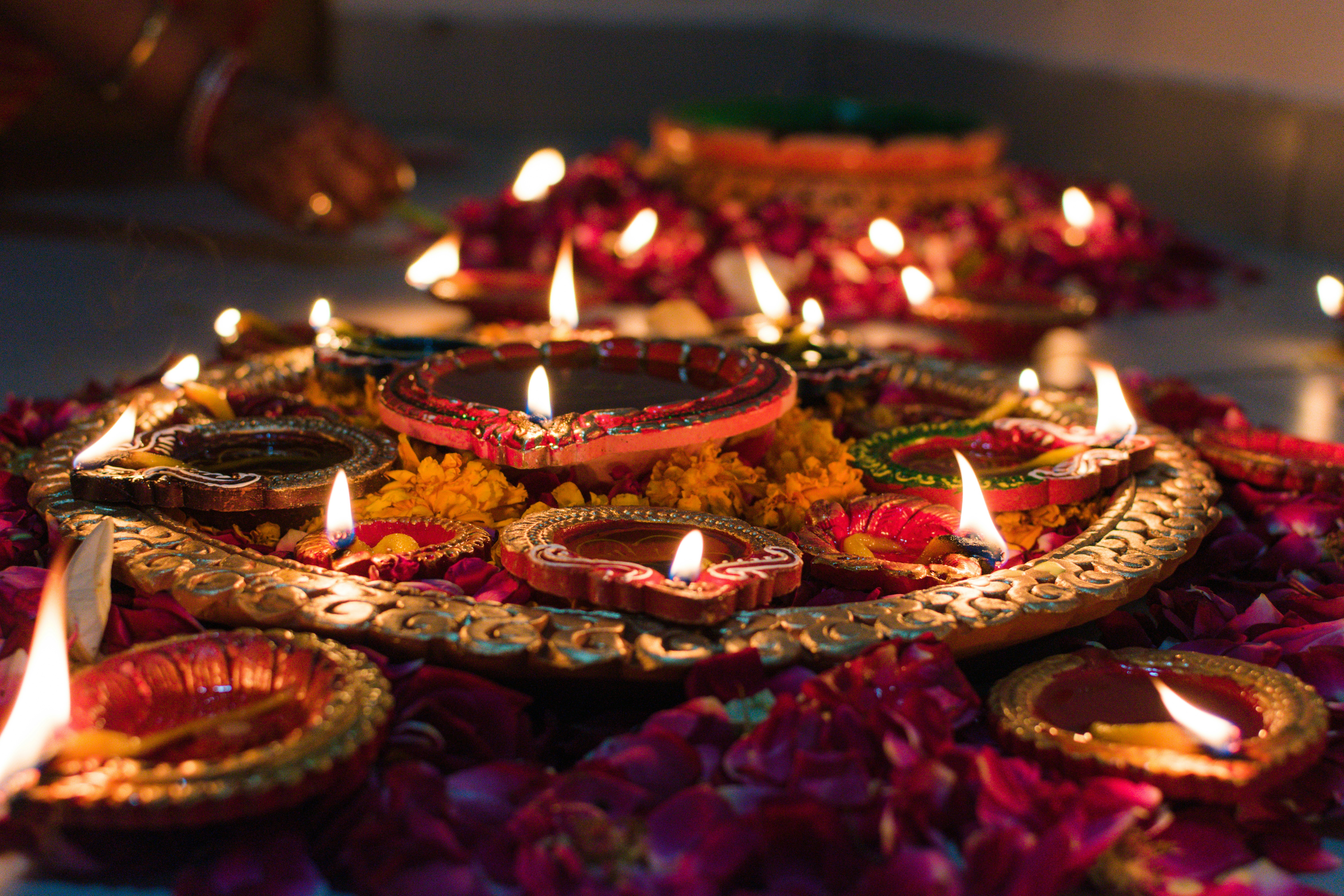
Jaipur, the Pink City, commits harder to Diwali than almost anywhere in India: the old city and its bazaars are strung with thousands of clay oil lamps and fairy lights for over a week, and the illuminated pink sandstone facades of Johari Bazaar are considered among the country's best Diwali displays, fireworks lighting the sky above the City Palace.
How does it rate
CrowdsRomanceCash RequiredDangerAccessibilityWhy you should go
A whole pink-sandstone city strung with lamps and lights for the biggest festival on the Hindu calendar.
Why you shouldn't go
Fireworks and firecrackers run late into the night across the city, which can be overwhelming and smoky for several days.
Plan your visit
Best time to visitOctober or November, timed to the Hindu lunar calendar (exact date shifts yearly).Best time of dayAfter sunset, once the oil lamps and fairy lights are lit across the old city bazaars.Getting thereFly into Jaipur International Airport, a short taxi ride from the old city.Entry costFree to walk the illuminated bazaars; some hotels charge for rooftop Diwali events.Time neededAn evening, across several days if staying for the build-up.Insider tip — Walk Johari Bazaar just after dusk, before the crowds peak, for the clearest view of the lit sandstone facades. -
 #2484 /100
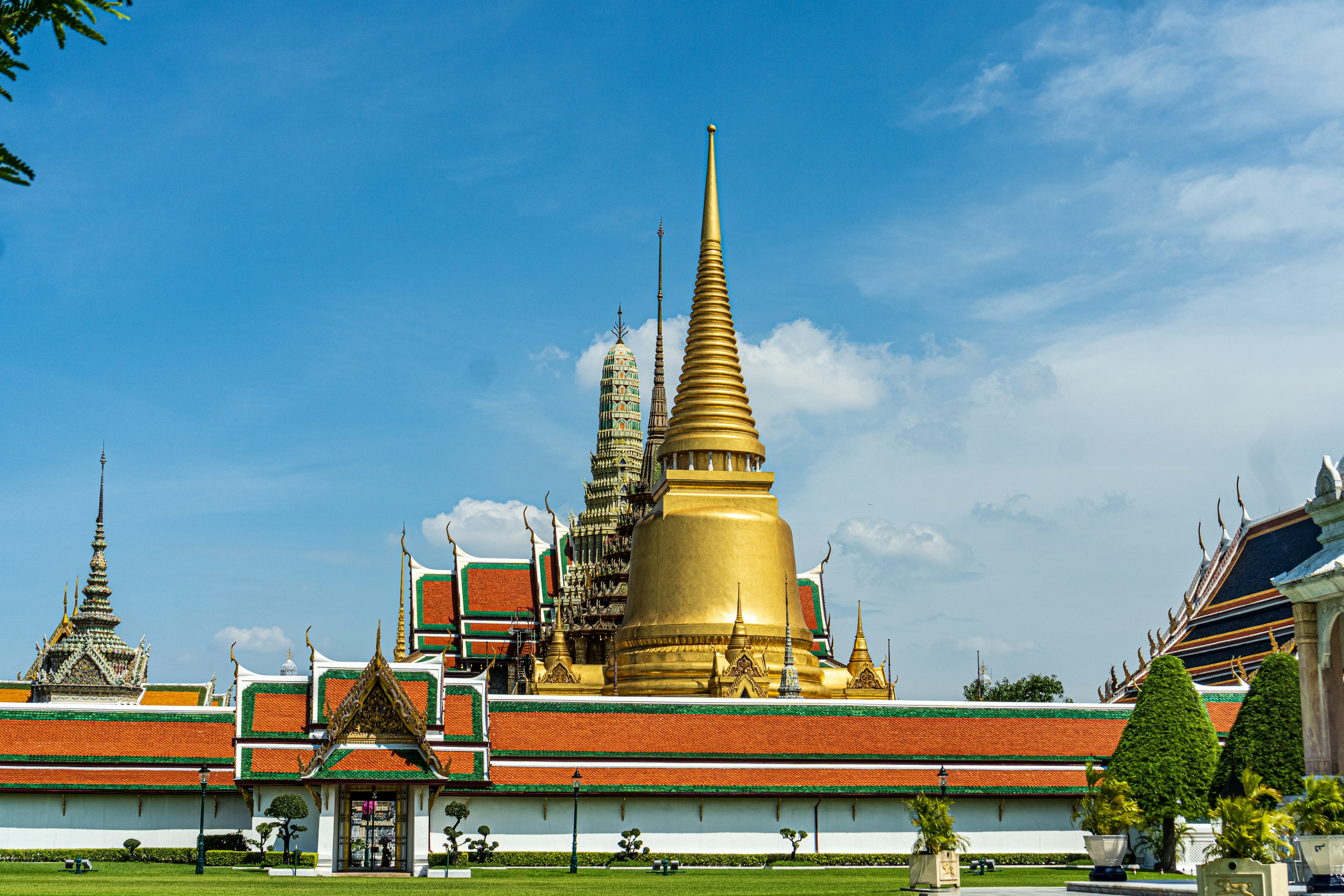
The walled royal compound on the Chao Phraya, built in 1782 and still used for state ceremony, where gilded chedis and mirrored-glass spires crowd against one another.
Wat Phra Kaew inside holds the Emerald Buddha, carved from a single block of jade and dressed in seasonal gold robes.
The dress code is strictly enforced at the gate.
How does it rate
CrowdsRomanceCash RequiredDangerAccessibilityWhy you should go
Nowhere else packs this much gold, glass and colour into a single enclosure.
Why you shouldn't go
Heat, crowds and touts outside the gates make it hard work by mid-morning.
Plan your visit
Best time to visitNovember-February, Bangkoks cool dry seasonBest time of dayAt the 8.30am opening, ahead of both the heat and the tour busesGetting thereChao Phraya express boat to Tha Chang pier, then five minutes on footEntry costAround THB 500 for foreign visitorsTime needed2-3 hoursBookingBook ahead →Insider tip — Ignore anyone outside telling you the palace is shut for a holiday - it is a long-running scam to divert you to a gem shop. -
 #2584 /100
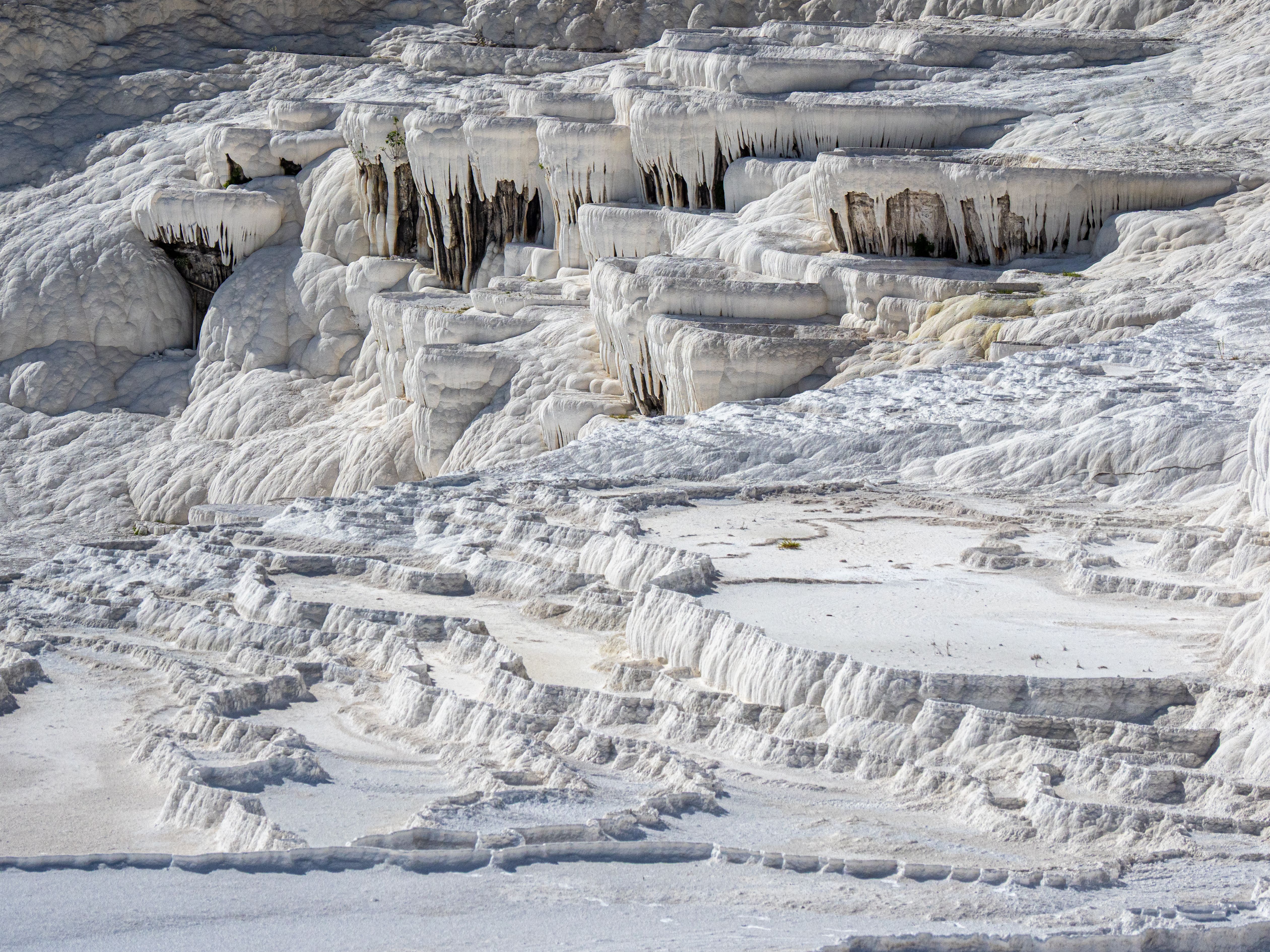
Brilliant white calcium travertine terraces cascade down a hillside, filled with warm mineral pools that have drawn bathers since Roman times.
The ruins of ancient Hierapolis sit atop the terraces, combining ancient history with an otherworldly natural spa.
How does it rate
CrowdsRomanceCash RequiredDangerAccessibilityWhy you should go
Blindingly white travertine terraces filled with warm mineral pools, topped by Roman ruins.
Why you shouldn't go
Extremely crowded, especially midday; walking areas restricted to protect the formations; some pools closed to bathing.
Plan your visit
Best time to visitApril–May or September–October for pleasant weather and thinner crowds.Best time of daySunrise, both for light and to beat tour buses that arrive by mid-morning.Getting thereFly to Denizli, 20-minute drive or shuttle to Pamukkale village.Entry cost₺700 (~$20) combined entry to terraces and Hierapolis.Time neededHalf dayBookingBook ahead →Insider tip — Go barefoot on the terraces (shoes aren't allowed) and bring a swimsuit for the antique pool. Stay overnight in the village to catch sunrise before the crowds. -
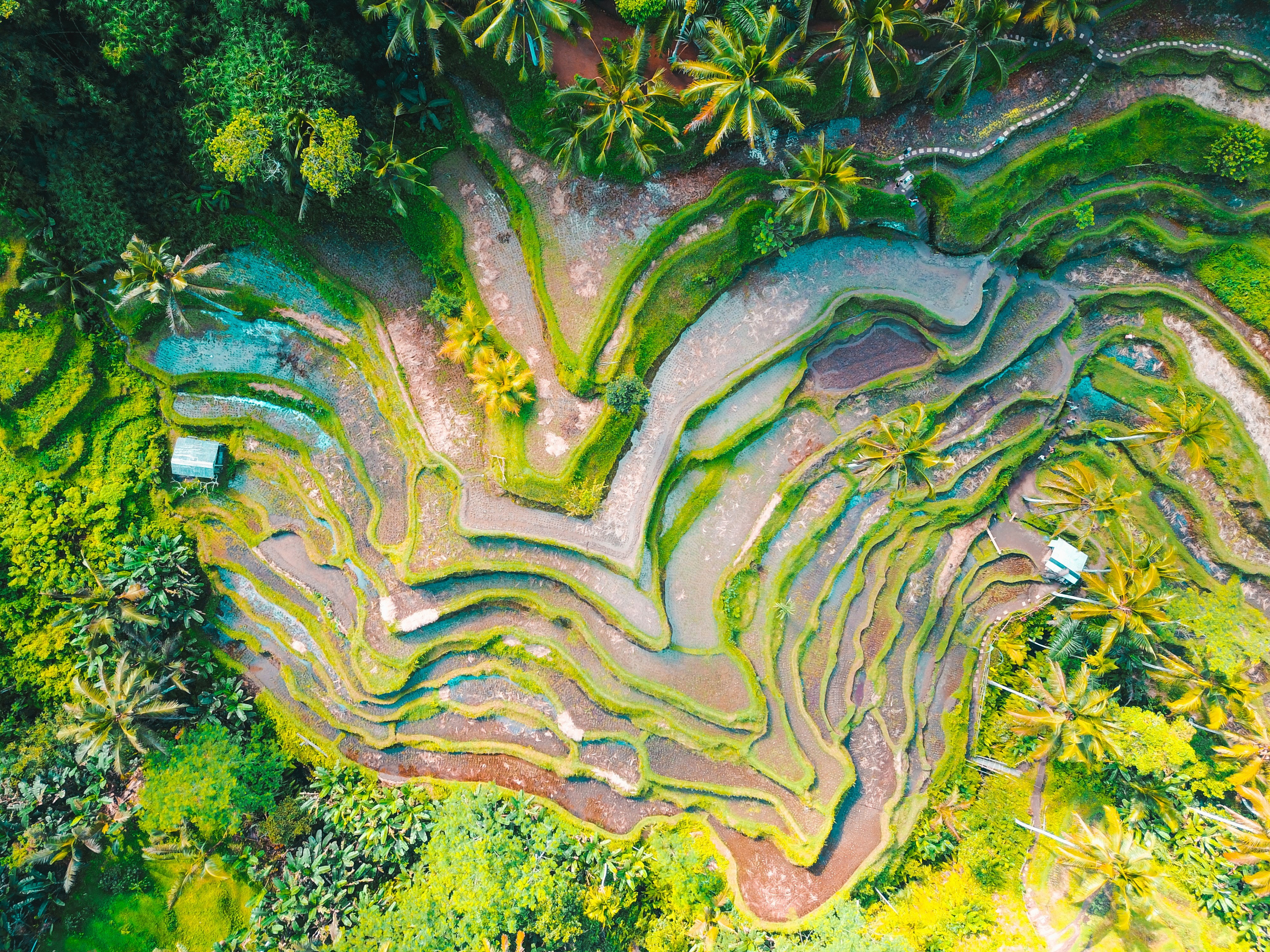 #26
#26Emerald rice terraces cascade down hillsides at Tegalalang, ancient sea temples perch on offshore rock at Tanah Lot, and Mount Agung looms over the east of the island.
Bali packs jungle, volcano, temple and coast into an island small enough to cross in a day, with a Hindu ceremonial calendar running visibly through daily life.
The southern beach strip is heavily developed; the north and east still are not.
How does it rate
CrowdsRomanceCash RequiredDangerAccessibilityWhy you should go
An entire island of postcard shots - rice terraces, sea temples and a volcano backdrop within easy reach of each other.
Why you shouldn't go
The famous Gates of Heaven photo involves a real queue and a mirror trick, not an actual reflecting pool.
Plan your visit
Best time to visitApril-October, the dry season.Best time of daySunrise at Lempuyang Temple; late afternoon for the rice terraces.Getting thereFly into Denpasar (Ngurah Rai International Airport); scooters or hired drivers cover the island.Entry costTemple entries and terrace access typically a few dollars each.Time needed5-7 daysInsider tip — Book the Lempuyang Gates of Heaven visit for opening time, 7am, before the queue for the mirror-shot photo stretches past an hour. -
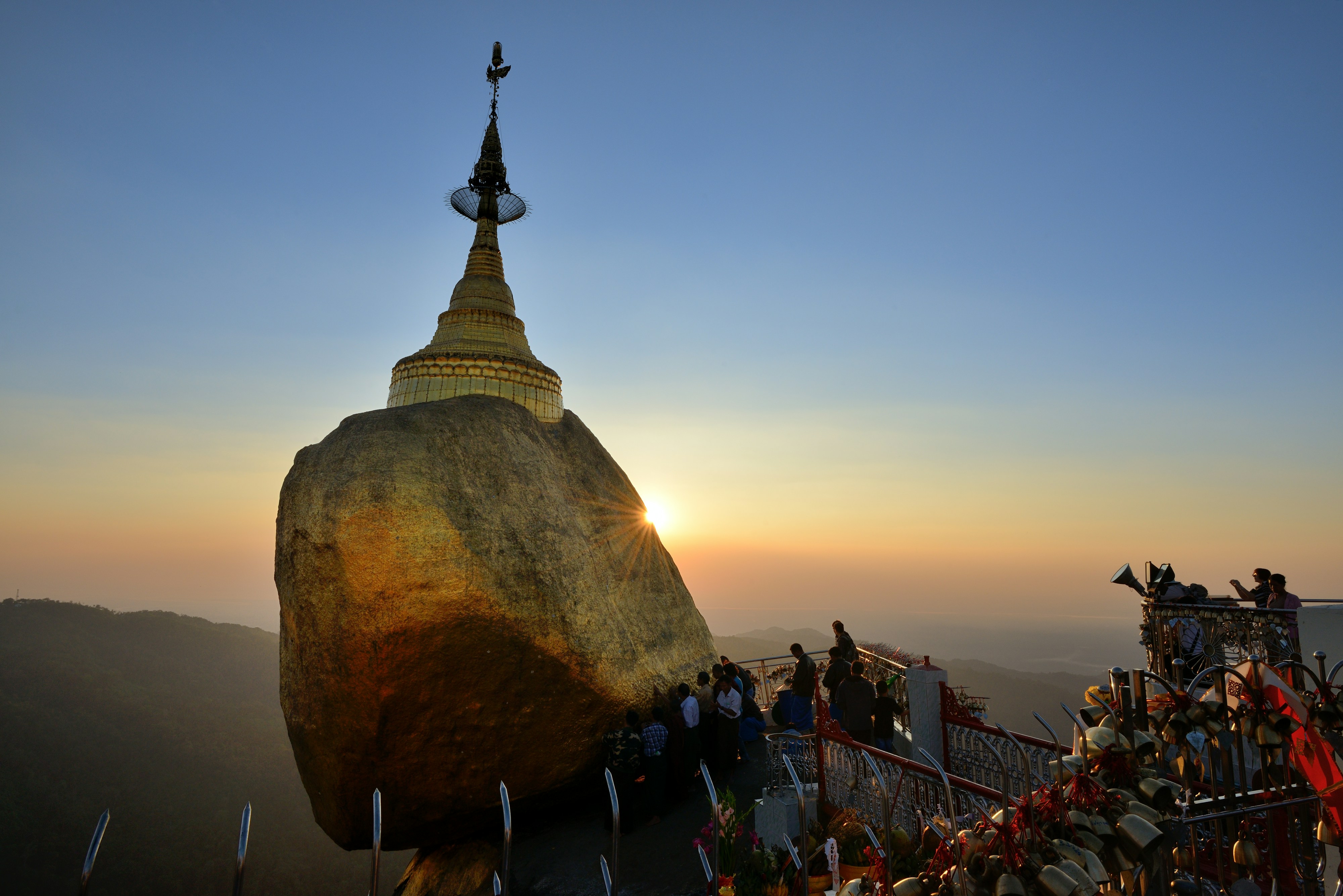 #2783 /100
A gold-leaf-covered boulder balances impossibly on the very edge of a cliff, topped with a small pagoda said to be held in place by a strand of Buddha's hair.
Generations of pilgrims have applied gold leaf by hand, thickening the surface over centuries into a solid gilded shell.
At sunset the rock glows against the surrounding hills, appearing to defy gravity from almost every angle.
How does it rate
CrowdsRomanceCash RequiredDangerAccessibilityWhy you should go
A gilded boulder that appears to balance on a cliff edge by physics alone.
Why you shouldn't go
Reaching the summit requires a rough open-truck ride plus a steep uphill walk - it isn't a quick stop.
Plan your visit
Best time to visitNovember-February, the cool, dry season.Best time of daySunset, when the gold surface catches the low light.Getting thereDrive from Yangon to Kinpun base camp (about 5 hours), then open-truck transfer and a short uphill walk to the summit.Entry costEntry fee for foreign visitors, plus the truck transfer fare.Time needed1-2 days, including overnight near the summitInsider tip — Stay overnight at the summit - sunset and sunrise on the gilded rock, once the day-trip crowds descend, are dramatically quieter. -
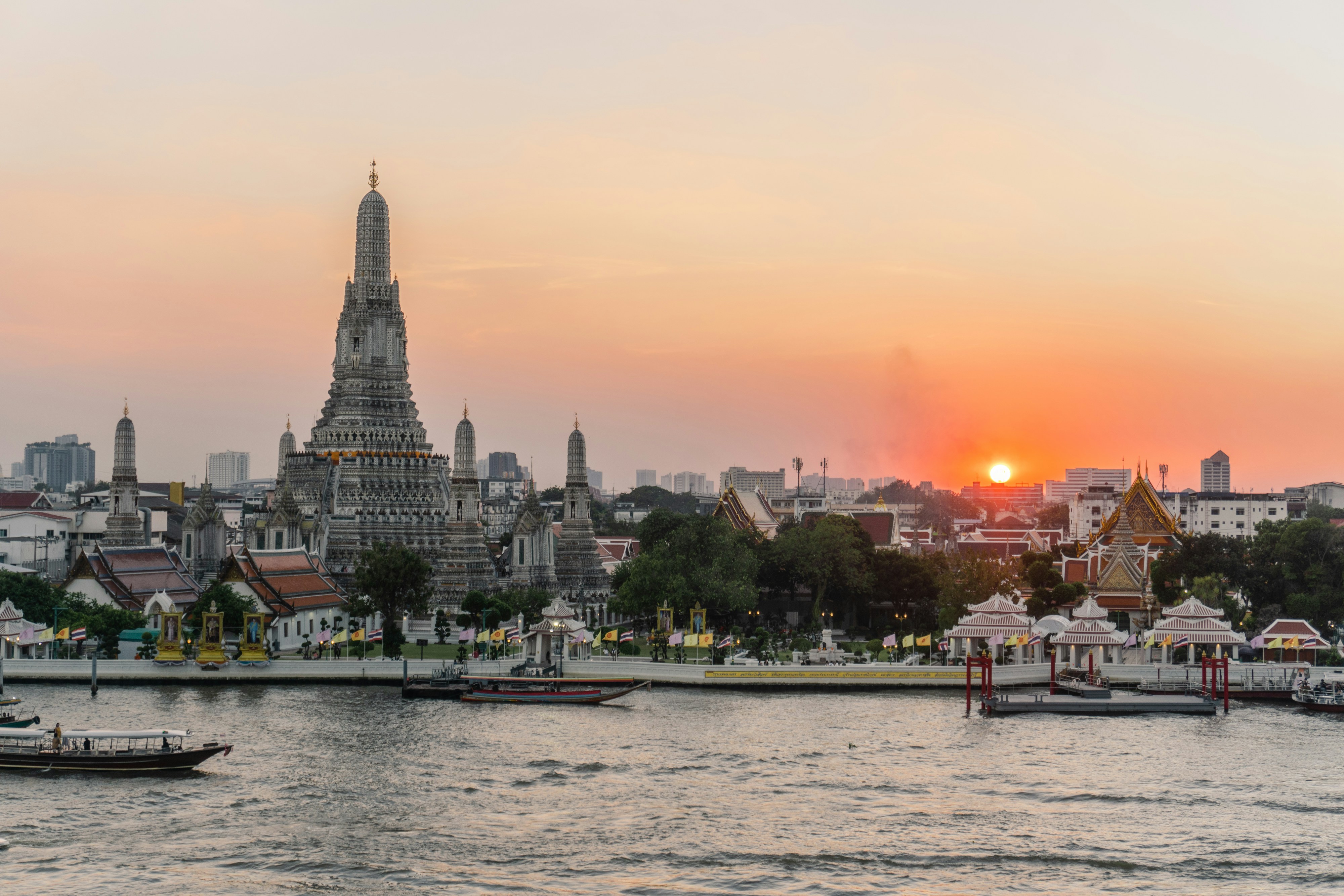 #2883 /100
The Temple of Dawn rises in a steep, porcelain-and-seashell-encrusted spire directly on the bank of Bangkok's Chao Phraya River.
Its silhouette against a sunset sky, seen from the river or the opposite bank, is one of the most recognisable images of the city.
Close up, the tower is covered in thousands of tiny inlaid ceramic fragments, a texture that only shows up on approach.
How does it rate
CrowdsRomanceCash RequiredDangerAccessibilityWhy you should go
Bangkok's most photogenic riverside silhouette, especially from a boat at sunset.
Why you shouldn't go
The steep central steps up the spire are narrow and can queue badly at peak times.
Plan your visit
Best time to visitNovember-February, the cooler, drier season.Best time of daySunset, ideally viewed from a boat or the river's opposite bank.Getting thereRiver taxi or cross-river ferry from Tha Tien pier in central Bangkok.Entry costSmall entry fee, around $3.Time needed1-2 hoursInsider tip — Cross the river to Wat Arun itself for the close-up texture, but take a separate boat out onto the river at sunset for the classic silhouette shot. -
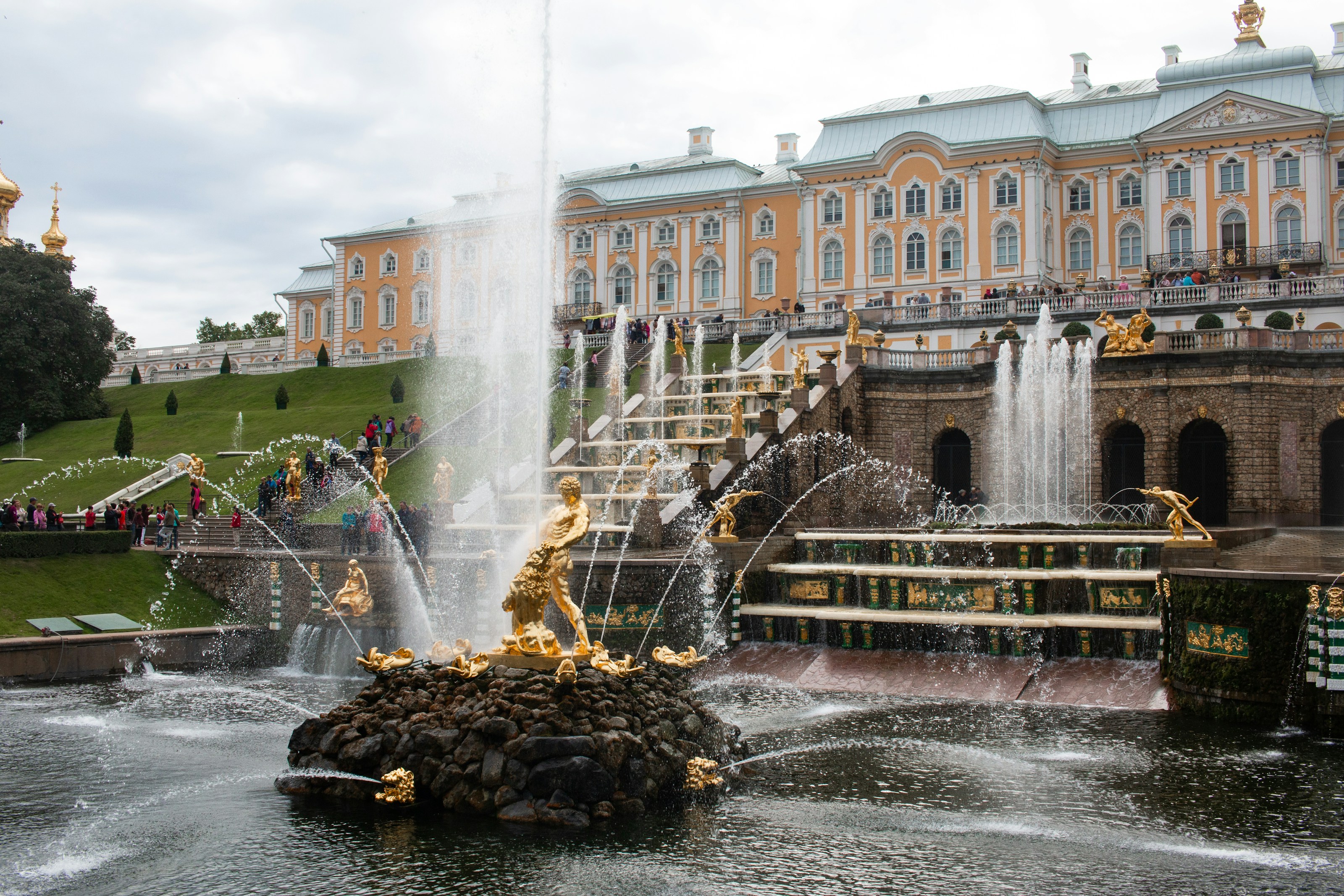 #2982 /100
Peter the Great's answer to Versailles on the Gulf of Finland, where a Grand Cascade of 64 fountains and 200 gilded statues drops from the palace terrace into a canal running out to the sea.
The whole system is gravity fed and uses no pumps at all.
The fountains are switched on with ceremony each spring and shut off in October.
How does it rate
CrowdsRomanceCash RequiredDangerAccessibilityWhy you should go
The Grand Cascade at full flow is one of the great set pieces in Europe.
Why you shouldn't go
The fountains only run from late spring to mid-autumn - out of season it is a different place entirely.
Plan your visit
Best time to visitLate May to September, while the fountains are runningBest time of dayThe 11am switch-on, then the upper gardens once the crowd dispersesGetting thereHydrofoil from central St Petersburg in 30 minutes, or bus from Avtovo metroEntry costAround RUB 1,000 for the lower park; palace interiors extraTime neededHalf a dayBookingBook ahead →Insider tip — Take the hydrofoil out and the bus back - arriving from the sea and up the canal is exactly how the approach was designed to be seen. -
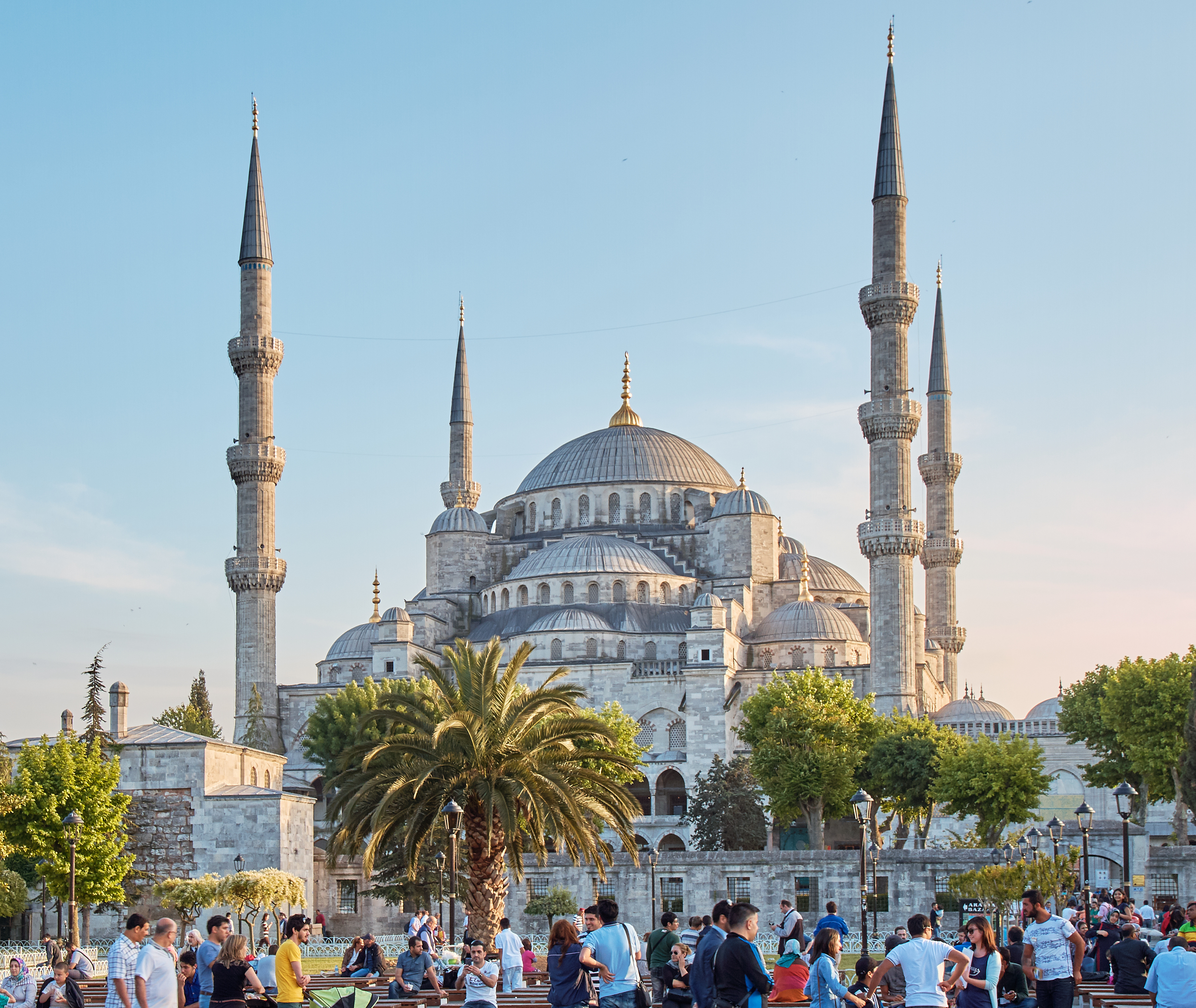 #3082 /100
The Sultan Ahmed Mosque, universally known as the Blue Mosque for its Iznik tile-clad interior, is Istanbul's most iconic building.
Completed in 1616, it is the only mosque in Turkey with six minarets and its cascading domes and slender minarets form one of the world's most beautiful skylines.
How does it rate
CrowdsRomanceCash RequiredDangerAccessibilityWhy you should go
The exterior silhouette of domes and minarets against the Istanbul skyline is magnificent, and the interior blue tile work is one of the most beautiful in the Islamic world.
Why you shouldn't go
The mosque is an active place of worship and is closed to tourists during the five daily prayer times, which can disrupt sightseeing plans.
Plan your visit
Best time to visitSpring or autumnBest time of daySunset for the exterior lit against the skyGetting thereSultanahmet tram stopEntry costFree (donations welcome); closed to visitors during prayer timesTime needed1 hourInsider tip — Visit early morning to catch it before tour groups and prayer-time closures -
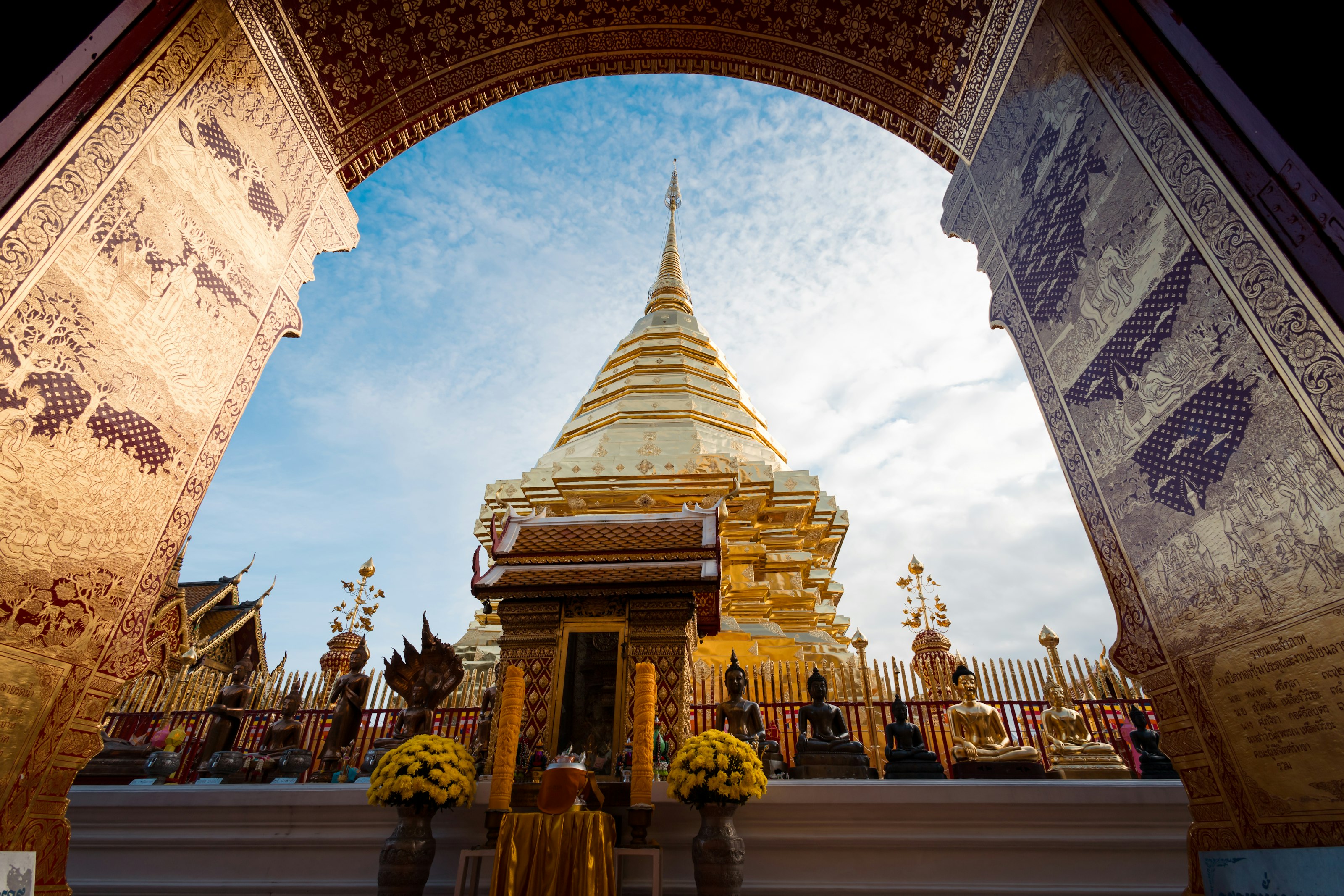 #3182 /100
Doi Suthep is a gold-spired temple on a forested mountain above Chiang Mai, reached by a naga-flanked staircase of more than 300 steps or a funicular for those who'd rather skip the climb.
Founded in the 14th century around a relic believed to be a piece of the Buddha's bone, it remains one of northern Thailand's most important pilgrimage sites, with a terrace giving a sweeping view over the whole Chiang Mai valley.
How does it rate
CrowdsRomanceCash RequiredDangerAccessibilityWhy you should go
The golden chedi and mountainside view over Chiang Mai together make this the single best half-day trip from the city.
Why you shouldn't go
The 300-step naga staircase is a real climb in tropical heat, and the temple grounds get busy with tour groups by mid-morning.
Plan your visit
Best time to visitNovember–February, Chiang Mai's cool season.Best time of dayEarly morning, both for cooler temperatures on the stairs and to see monks' morning rituals.Getting thereFly to Chiang Mai; 30–40-minute songthaew or taxi ride up the mountain road from the old city.Entry costSmall entry fee for non-Thai visitors; the funicular costs extra.Time needed2–3 hoursInsider tip — Dress modestly (shoulders and knees covered) — sarongs are available to rent at the entrance if you arrive underdressed. -
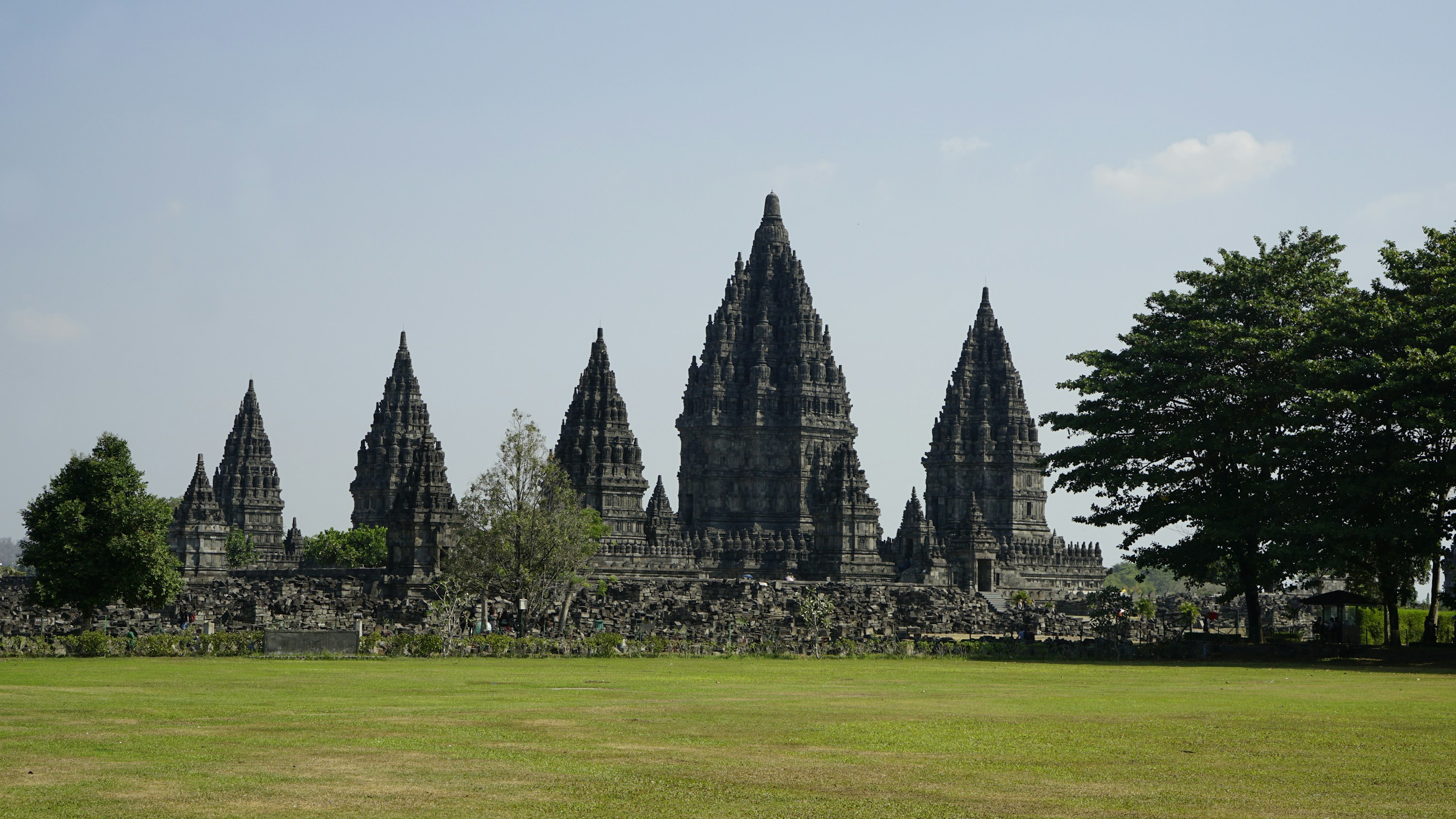 #3282 /100
Prambanan is Indonesia's largest Hindu temple complex, its central shrine to Shiva soaring nearly 47 meters above a UNESCO-listed field of 9th-century stone spires.
The reliefs lining its inner galleries narrate the Ramayana in stone, and the complex hosts an outdoor ballet retelling the same epic on moonlit evenings.
Less crowded and more intricately carved than its Buddhist counterpart Borobudur an hour away, it rewards an unhurried walk around all three main shrines.
How does it rate
CrowdsRomanceCash RequiredDangerAccessibilityWhy you should go
Java's grandest Hindu temple complex, with soaring 9th-century spires and detailed Ramayana stone reliefs.
Why you shouldn't go
Central Java's earthquakes have repeatedly damaged the site; some smaller surrounding shrines remain roped-off ruins.
Plan your visit
Best time to visitMay-September, dry season, avoiding the muddiest ground around the outer ruins.Best time of dayOpening time or late afternoon, avoiding midday heat on the unshaded stone plaza.Getting thereFly to Yogyakarta; Prambanan is a 45-minute drive or a cheap TransJogja bus east of the city.Entry costAround $25 for foreign visitors; combined ticket with Borobudur available for both templesTime needed2-3 hoursBookingBook ahead →Insider tip — Buy the combined Borobudur-Prambanan ticket if visiting both within two days; it's cheaper than paying separately. The Ramayana Ballet runs on an open-air stage facing the temple several evenings a week. -
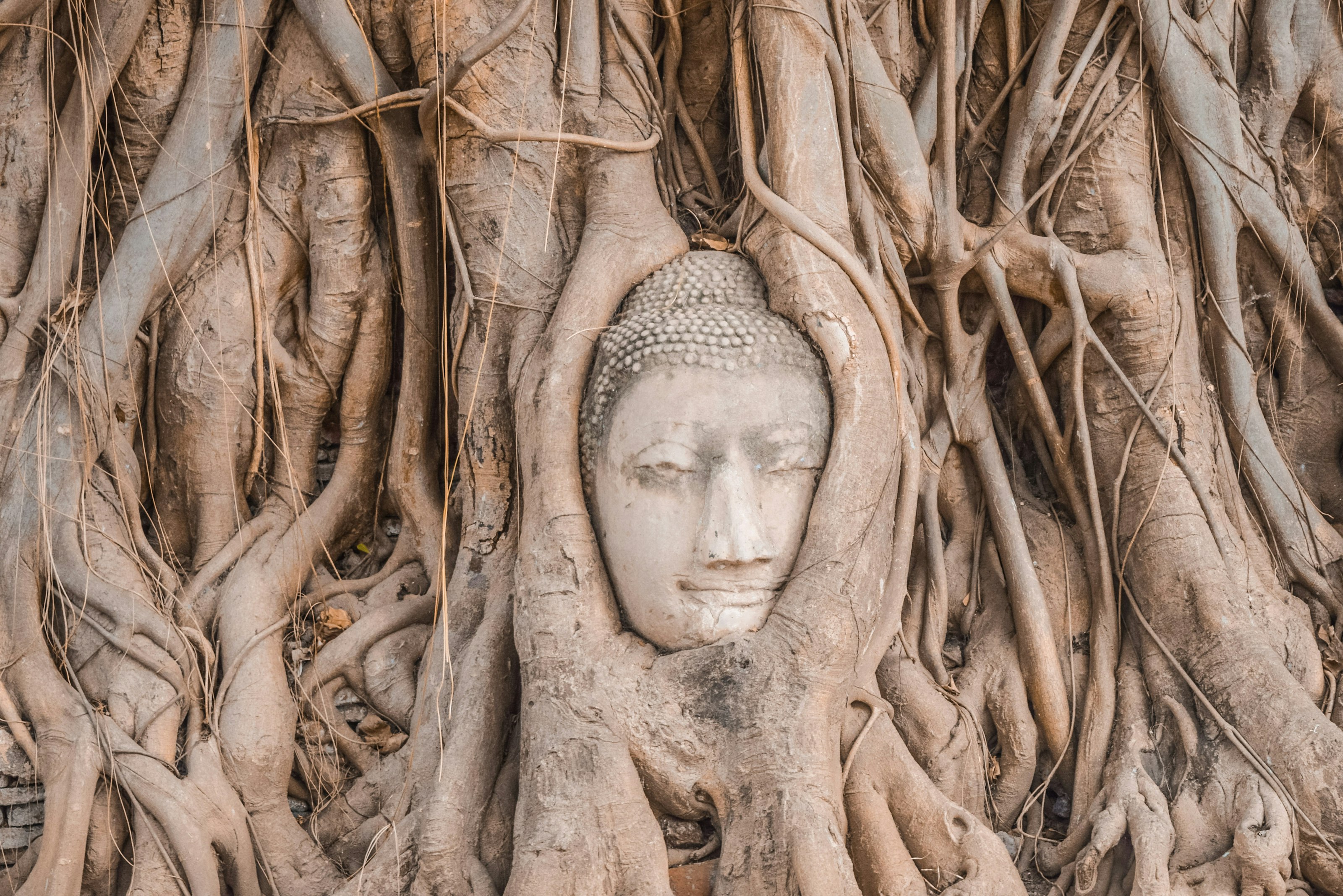 #3381 /100
Ayutthaya was the capital of Siam for four centuries and one of the largest cities in the world before Burmese armies destroyed it in 1767, leaving rows of brick temple spires and headless Buddha statues across the old city island.
Its best-known image is a stone Buddha head cradled in the roots of a banyan tree at Wat Mahathat, but the wider site holds dozens of temple ruins connected by quiet canals and cycling paths.
How does it rate
CrowdsRomanceCash RequiredDangerAccessibilityWhy you should go
The Buddha head grown into a tree's roots at Wat Mahathat is one of the most photographed, genuinely strange sights in Thailand.
Why you shouldn't go
The ruins are spread across a wide area with little shade, and midday heat makes cycling between them exhausting.
Plan your visit
Best time to visitNovember–February, Thailand's cool, dry season.Best time of dayEarly morning or late afternoon, avoiding the worst of the midday heat.Getting thereFly to Bangkok; 1.5-hour train or minivan north to Ayutthaya.Entry costSmall entry fee per temple, or a combined multi-site ticket.Time needed1 dayInsider tip — Rent a bicycle at the train station rather than hiring a tuk-tuk — the old city is flat and the temples are close enough together to cycle between. -
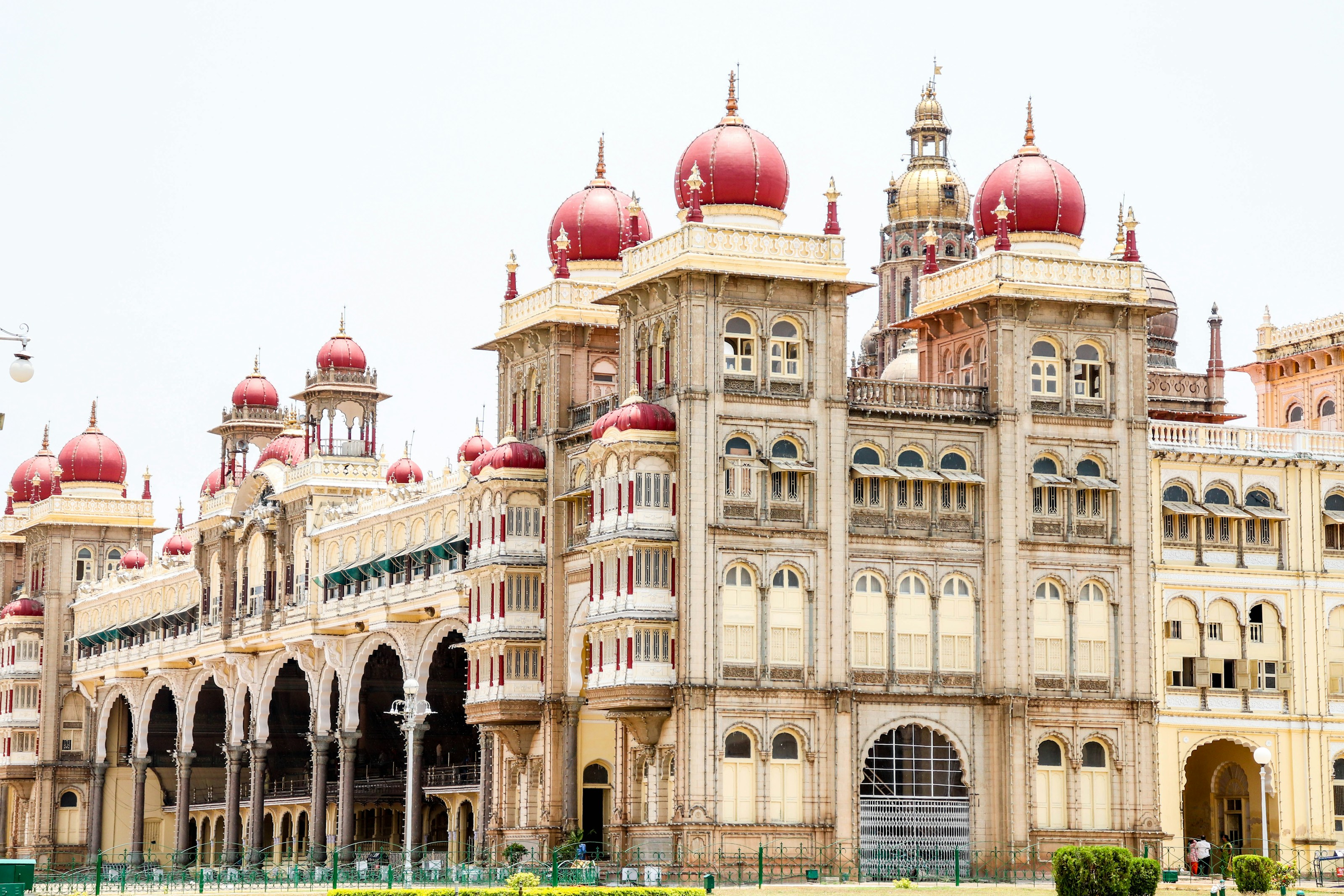 #3480 /100
The seat of the Wadiyar dynasty, rebuilt in 1912 in an Indo-Saracenic style that stacks pink marble domes, arcades and stained glass into something deliberately theatrical.
On Sunday evenings and throughout the Dasara festival, close to a hundred thousand bulbs outline the entire building.
Inside, the Durbar Hall is a field of painted columns.
How does it rate
CrowdsRomanceCash RequiredDangerAccessibilityWhy you should go
The Sunday night illumination turns the whole facade into a drawing made of light.
Why you shouldn't go
Shoes are left at the gate and no photography at all is permitted inside the palace.
Plan your visit
Best time to visitSeptember-October for Dasara, or December-February for cooler weatherBest time of daySunday from 7pm for the illumination; otherwise late afternoonGetting thereTrain or bus from Bengaluru to Mysuru, about three hours, then a short auto rideEntry costAround INR 100 for foreign visitorsTime needed2-3 hoursBookingBook ahead →Insider tip — Be inside the grounds by 6.45pm on a Sunday - the lights come on at seven and stay on for only 45 minutes. -
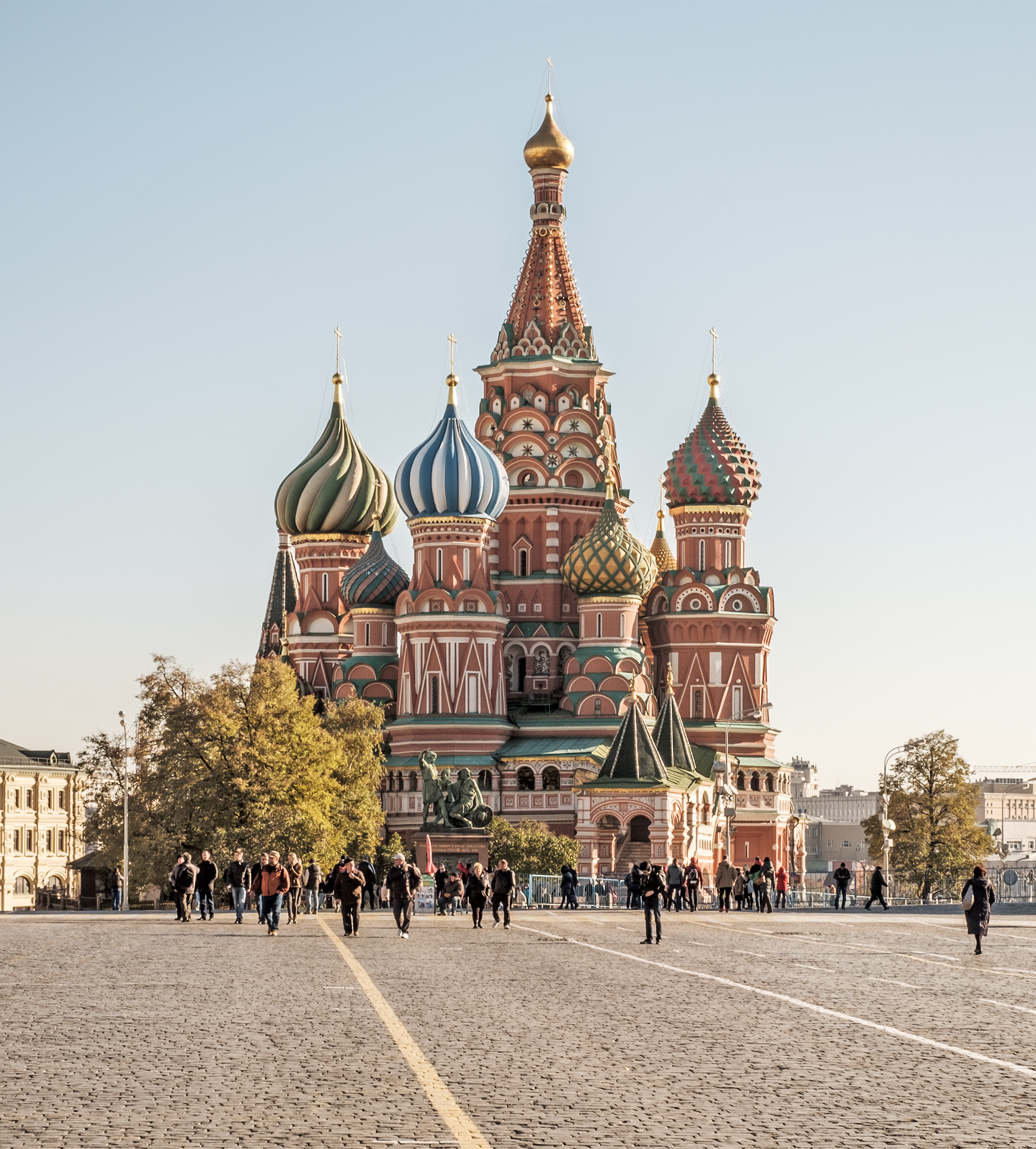 #3580 /100
The iconic multicoloured onion domes of St Basil's Cathedral have made it one of the most recognisable buildings in the world.
Built by Ivan the Terrible between 1555 and 1561, the cathedral sits at the southern end of Red Square and is now a museum.
How does it rate
CrowdsRomanceCash RequiredDangerAccessibilityWhy you should go
The kaleidoscopic domes are unlike anything else in the world and make for extraordinary photographs at any time of day.
Why you shouldn't go
Red Square can be extremely crowded, especially in summer, making it difficult to get a clear shot without tourists in the background.
Plan your visit
Best time to visitLate spring to early autumnBest time of dayLate afternoon for warm light on the domesGetting thereOn Red Square, central MoscowEntry costMuseum entry ~$6Time needed1 hourInsider tip — The view from across the Moskva River captures all the domes together -
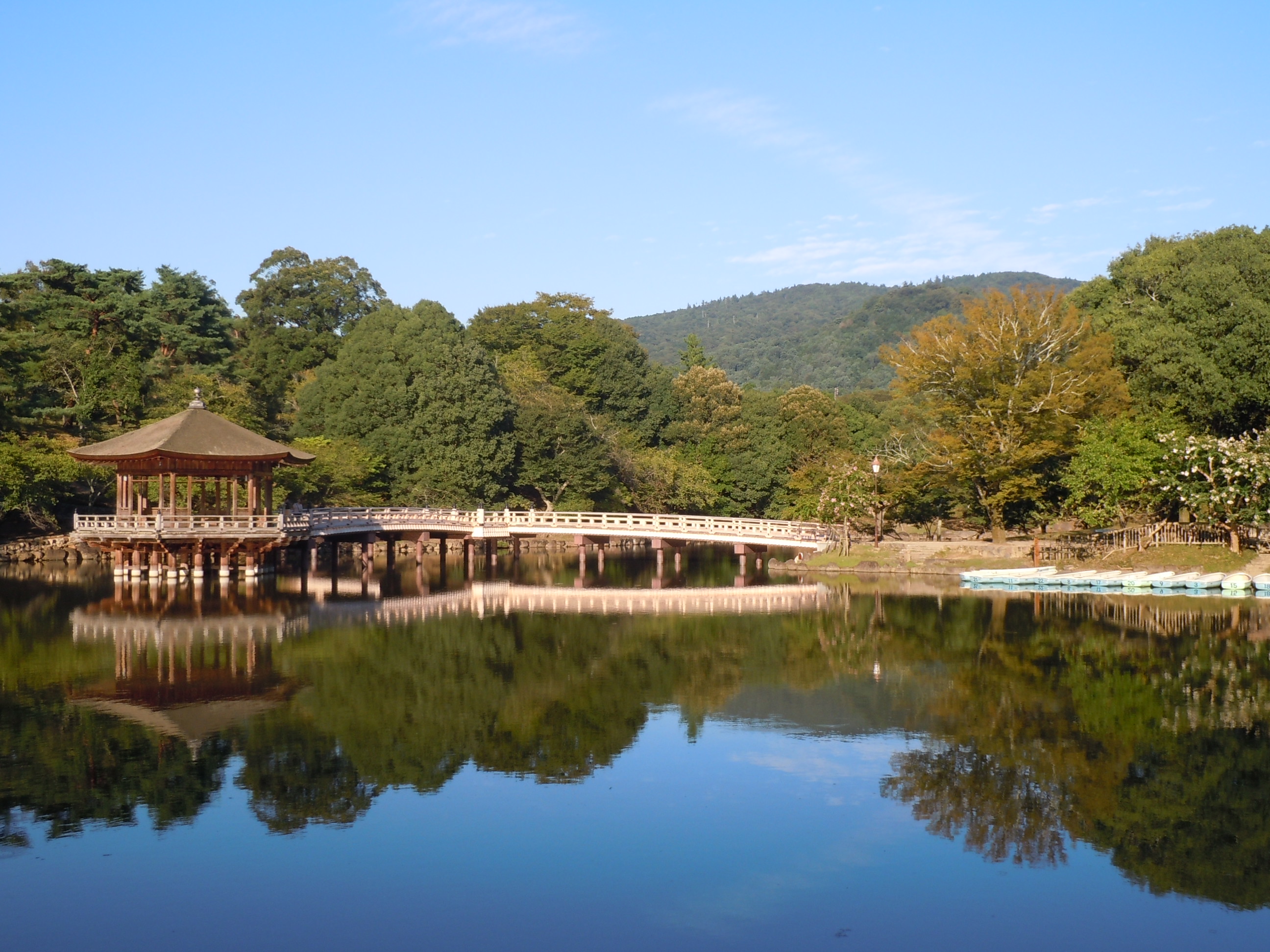 #3679 /100
Nara Park is a large public park in the ancient city of Nara that is home to over 1,200 wild sika deer who roam freely among the park's temples, shrines, and wooded paths.
The deer are considered sacred messengers of the gods in the Shinto tradition and have been protected for 1,300 years.
How does it rate
CrowdsRomanceCash RequiredDangerAccessibilityWhy you should go
The experience of hand-feeding deer biscuits to the genuinely wild sika deer who approach you confidently in front of ancient temples is uniquely magical and unlike any other park in the world.
Why you shouldn't go
The deer, while charming, can be aggressive especially around food; deer biscuits must be purchased from approved vendors and the deer have been known to bite or headbutt visitors.
Plan your visit
Best time to visitYear-round; spring for cherry blossoms, autumn for maple coloursBest time of dayEarly morning before tour groups, when deer are most activeGetting thereNara Station, short walk/bus to the parkEntry costFree; deer crackers small feeTime needed2-3 hoursInsider tip — Buy deer crackers from a licensed vendor; the deer here are famous for bowing to visitors who have them -
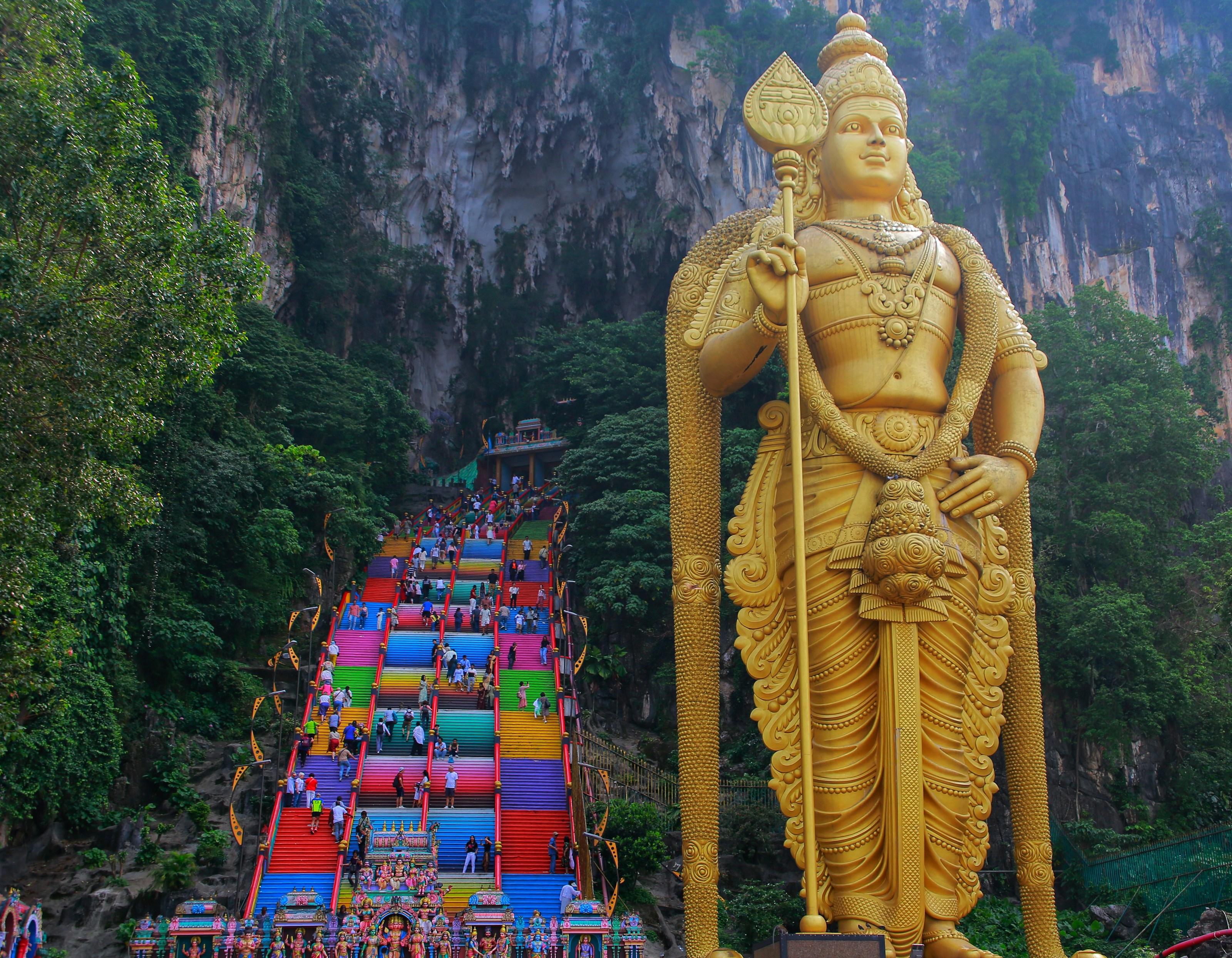 #3779 /100
A limestone hill north of Kuala Lumpur where 272 rainbow-painted steps climb past a 43-metre gold statue of Murugan into a cathedral-sized cavern holding Hindu shrines.
Macaques patrol the staircase and will help themselves to anything loose.
During Thaipusam in January or February the site draws well over a million pilgrims.
How does it rate
CrowdsRomanceCash RequiredDangerAccessibilityWhy you should go
The painted staircase under the gold statue is one of the great free photographs in Asia.
Why you shouldn't go
272 steep steps in tropical heat, and the monkeys take food straight out of your hand.
Plan your visit
Best time to visitMay-July for drier weather; Thaipusam for the spectacle if you can handle the crushBest time of dayBefore 8am - cooler, emptier, and the light hits the steps head onGetting thereKTM Komuter train from KL Sentral to Batu Caves, about 30 minutesEntry costFree; Dark Cave tours charged separatelyTime needed2-3 hoursInsider tip — Shoulders and knees must be covered to enter the shrines - sarongs are rented at the base, but bringing your own saves the queue. -
 #3879 /100
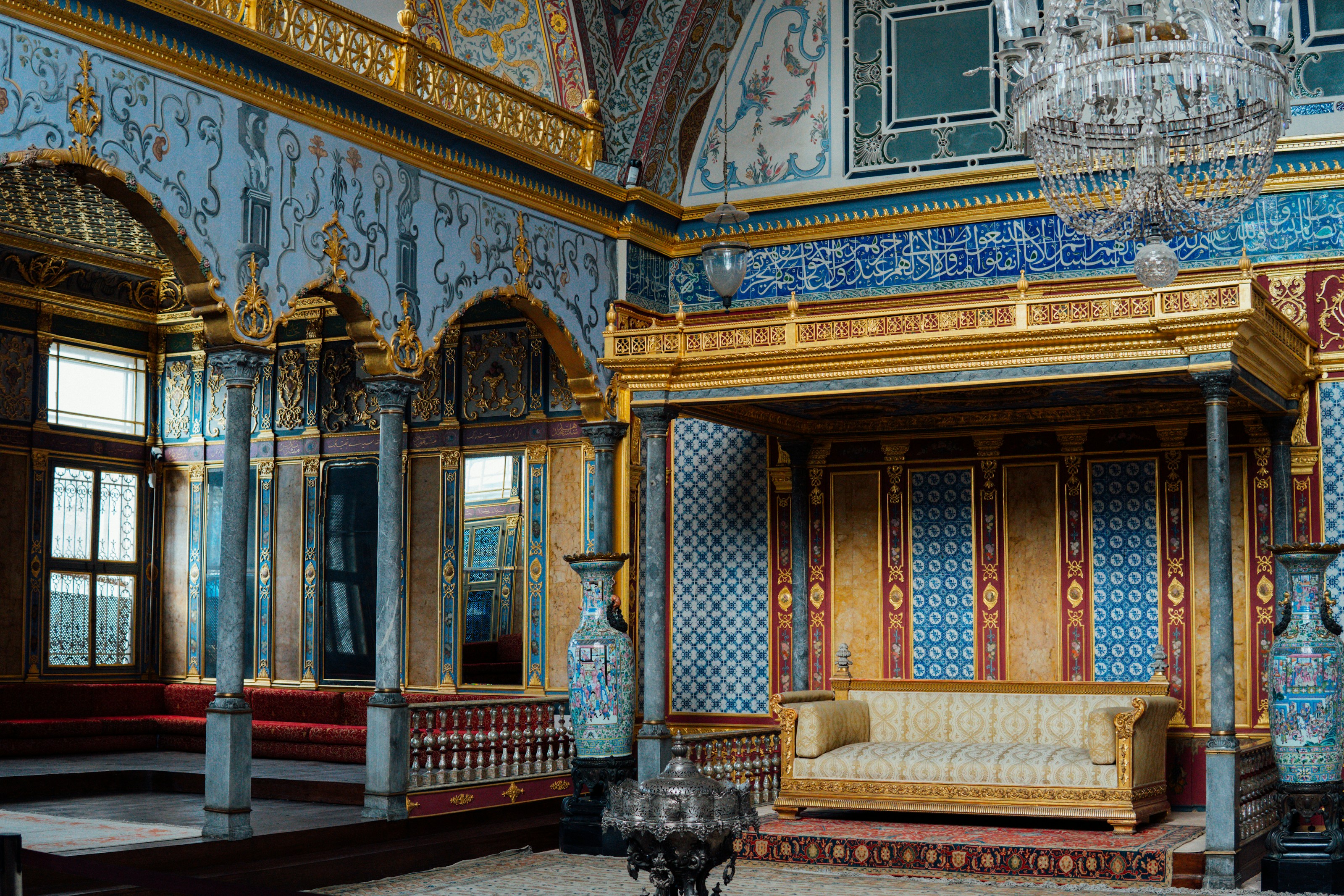
The Ottoman court's headquarters for four centuries, spread across four courtyards on the point where the Bosphorus meets the Golden Horn.
The Imperial Hall and the tiled chambers of the Harem are the visual highlights; the treasury holds the Topkapi dagger and the Spoonmaker's Diamond.
The terraces give the best free view of the strait.
How does it rate
CrowdsRomanceCash RequiredDangerAccessibilityWhy you should go
The Harem's Iznik tilework is the finest surviving Ottoman interior anywhere.
Why you shouldn't go
The Harem is a separate ticket on top of an already steep entry price.
Plan your visit
Best time to visitApril-May or September-October, avoiding both the heat and the cruise season peakBest time of dayAt opening, heading straight for the Harem before the queue formsGetting thereTram T1 to Gulhane or Sultanahmet, then a short walk uphillEntry costAround EUR 45 for the palace; Harem charged separatelyTime neededHalf a dayBookingBook ahead →Insider tip — Do the Harem first thing and work backwards through the courtyards - almost everyone goes the other way and reaches it at its worst. -
 #3979 /100
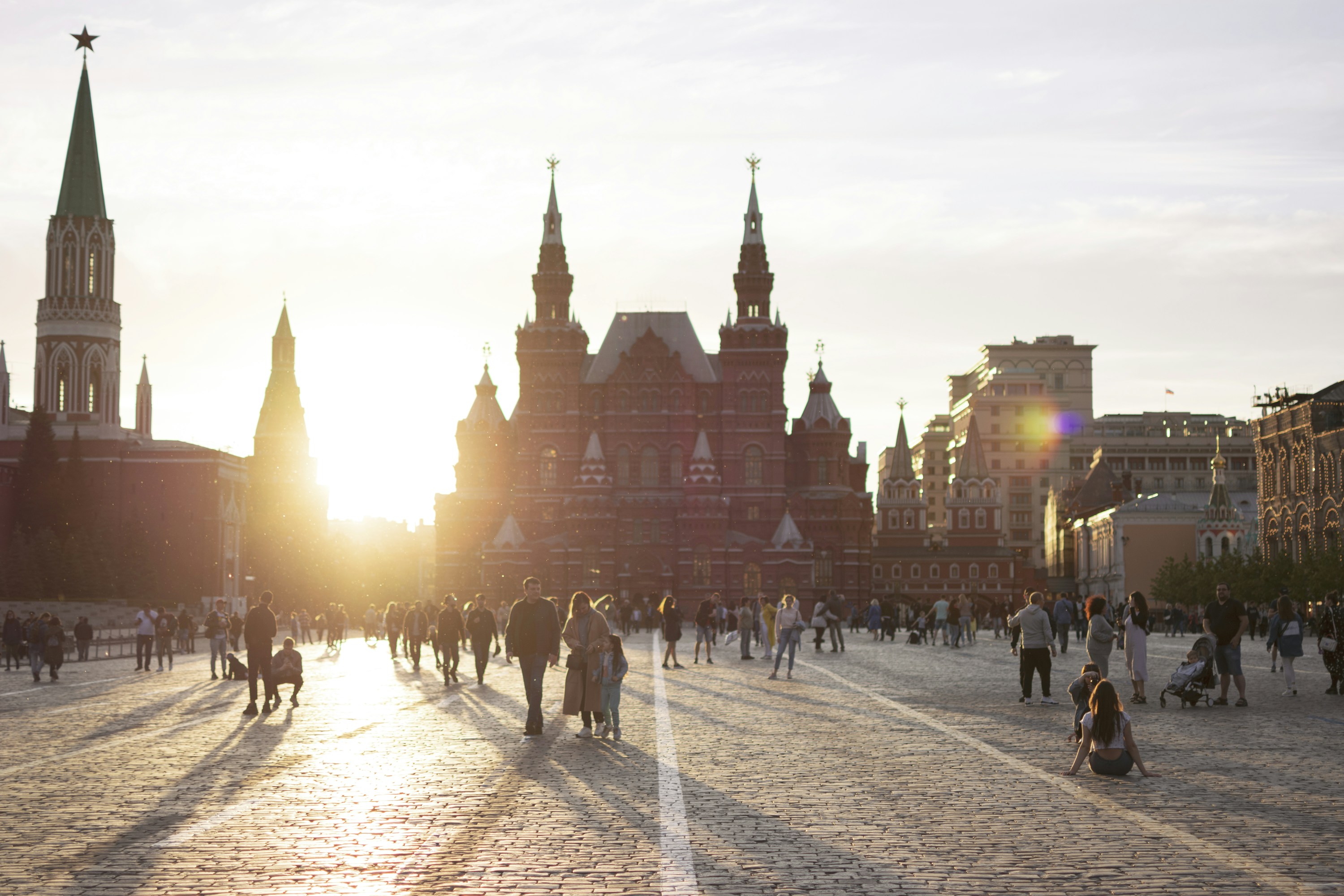
Red Square is Moscow's central plaza, framed by the Kremlin's fortified walls, the red-brick towers of the State Historical Museum, the glass-roofed GUM arcade and Lenin's Mausoleum.
It has staged state parades, revolutions and coronations for over five centuries and remains the city's default gathering point — a vast cobbled space distinct from the single view of St Basil's Cathedral at its southern end.
How does it rate
CrowdsRomanceCash RequiredDangerAccessibilityWhy you should go
The stage for five centuries of Russian history, ringed by the Kremlin walls, GUM and the Historical Museum.
Why you shouldn't go
Always busy, and security checks or occasional closures for state events can restrict access without notice.
Plan your visit
Best time to visitSpring or autumn for mild weather; avoid state holidays when access is restricted for paradesBest time of dayEarly morning or around sunset, for the emptiest square and softest lightGetting thereFly into Moscow via a transit hub (no direct EU/US routes); the square is a short walk from Okhotny Ryad or Ploshchad Revolyutsii metro.Entry costFree to enter the square; Lenin's Mausoleum and GUM are separateTime needed1–2 hours for the square; longer combined with the Kremlin and St Basil'sInsider tip — Security screening is standard at the entrances — carry your passport, as ID checks happen here more often than elsewhere in the city. -
 #4079 /100
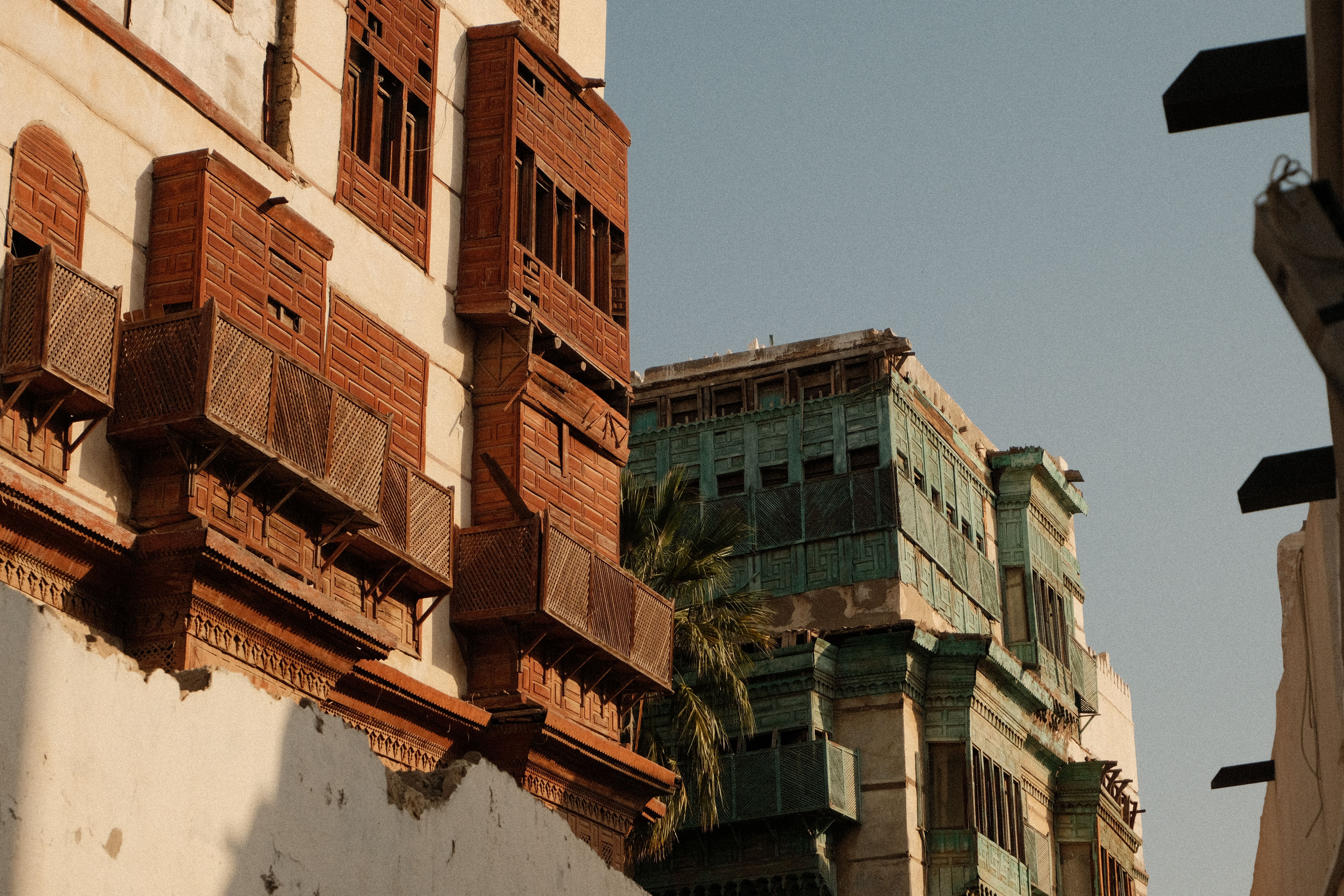
Al-Balad is Jeddah's old town, a UNESCO-listed maze of coral-stone merchant houses several storeys tall, their facades covered in ornately carved wooden latticework called rawasheen that once let residents watch the street below without being seen.
For centuries this was the gateway for pilgrims arriving by sea for Mecca and Medina, and the district's souqs, mosques, and courtyard houses still carry that trading-port history.
How does it rate
CrowdsRomanceCash RequiredDangerAccessibilityWhy you should go
The carved wooden latticework balconies on centuries-old coral-stone houses are unlike any other old town architecture in the Gulf.
Why you shouldn't go
Some buildings are still in disrepair despite ongoing restoration, and the district can feel patchy between renovated and neglected blocks.
Plan your visit
Best time to visitNovember–March, for comfortable evening walking temperatures.Best time of dayEvening, when the souqs are busiest and the heat of the day has passed.Getting thereFly to Jeddah; Al-Balad sits close to the city centre, a short taxi ride from most hotels.Entry costFree to walk; some restored houses and galleries charge small entry fees.Time needed2–3 hoursInsider tip — Look up, not just ahead — the best rawasheen latticework detail is on the upper floors, easy to miss while browsing the street-level souqs. -
 #41
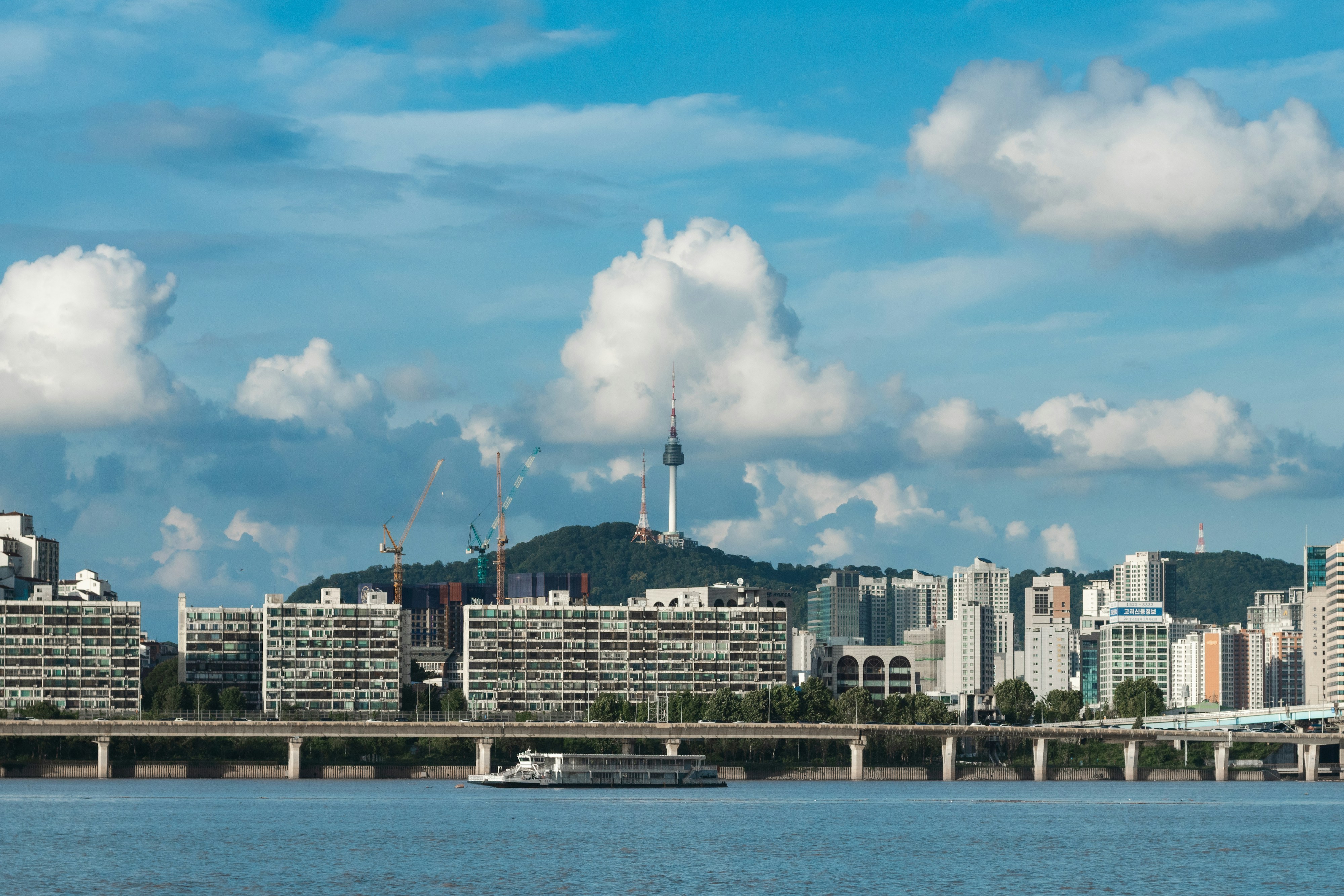
#41Traditional hanok tiled-roof houses cluster in the Bukchon district within sight of glass skyscrapers, a centuries-old palace, and a mountain that rises straight out of the city centre.
Gyeongbokgung Palace's guard-changing ceremony still runs daily in period costume against a backdrop of modern high-rises.
Cable cars up Namsan Mountain give a full skyline view at night, when the whole city lights up at once.
How does it rate
CrowdsRomanceCash RequiredDangerAccessibilityWhy you should go
A palace guard-changing ceremony in period costume, directly backed by a modern glass skyline.
Why you shouldn't go
The city is vast and spread out - seeing both the traditional and modern sides properly takes real time.
Plan your visit
Best time to visitApril-May or September-November, for mild weather and (in spring) cherry blossoms.Best time of dayLate afternoon into evening, for Namsan Tower's night skyline view.Getting thereFly into Incheon Airport; the AREX express train reaches central Seoul in about 45 minutes.Entry costGyeongbokgung Palace entry a few dollars; Namsan cable car separately priced.Time needed3-4 daysInsider tip — Wear rented hanbok (traditional dress) to Gyeongbokgung Palace - it's inexpensive, common practice, and gets free palace entry as a bonus. -
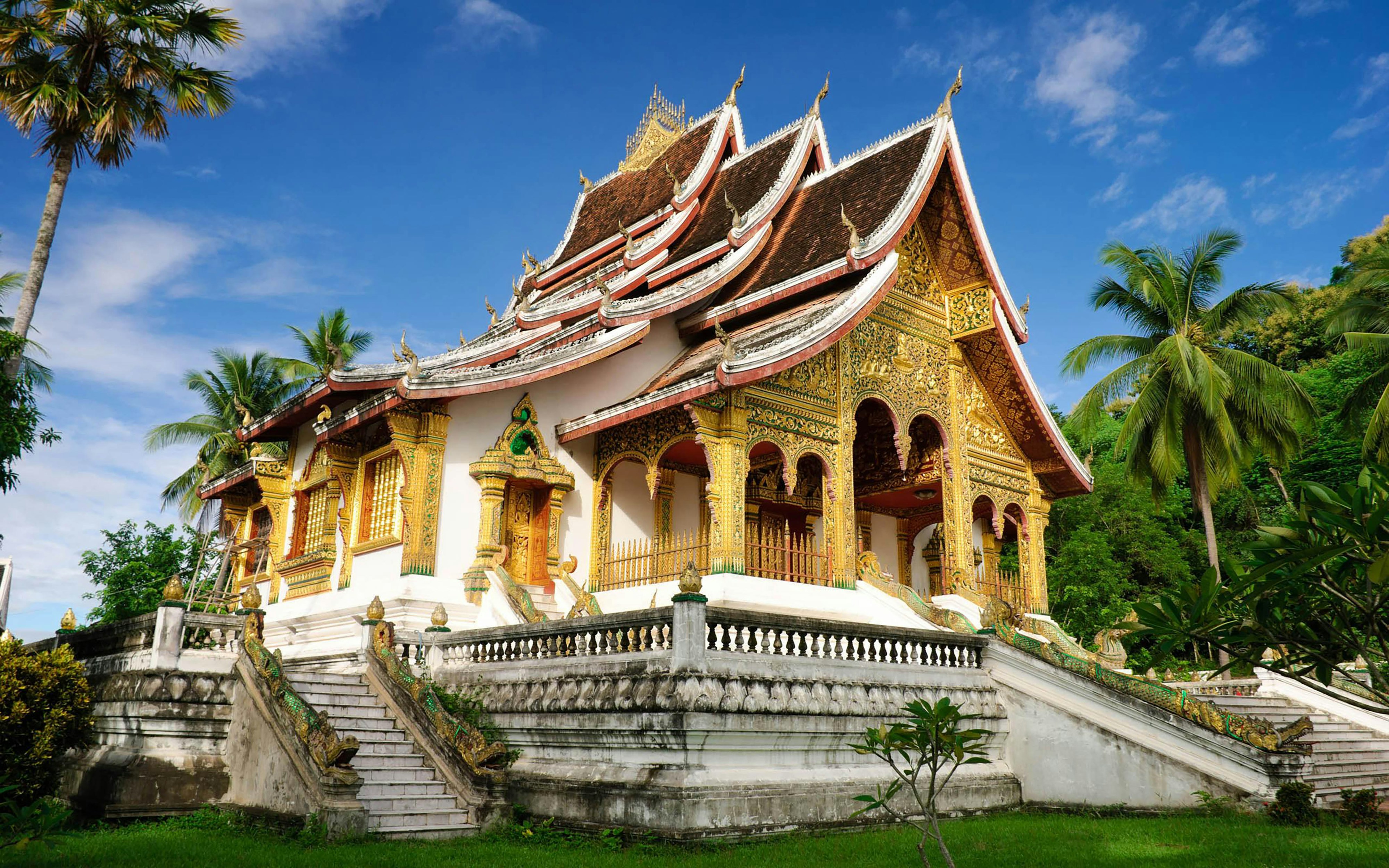 #4278 /100
Saffron-robed monks file silently through the streets at dawn to collect alms, a centuries-old ritual that still happens daily in this Mekong River town.
Gilded temple roofs and French colonial shopfronts sit side by side along streets largely protected from development by UNESCO status.
It also serves as the natural base for visiting Kuang Si Falls' turquoise pools nearby.
How does it rate
CrowdsRomanceCash RequiredDangerAccessibilityWhy you should go
A dawn alms-giving ritual that's continued unchanged in the streets for centuries.
Why you shouldn't go
The alms ceremony is a genuine religious practice, not a photo op - flash photography and getting too close are considered disrespectful.
Plan your visit
Best time to visitNovember-February, the cool dry season.Best time of daySunrise, around 5:30-6am, for the alms-giving procession.Getting thereFly into Luang Prabang, or take the slow boat from the Thai border (2 days).Entry costTemples charge small entry fees, typically $1-3.Time needed2-3 daysInsider tip — Watch the alms ceremony from a respectful distance without joining in unless you understand the etiquette - buy sticky rice from a local vendor, not a tourist-facing seller, if you do want to participate. -
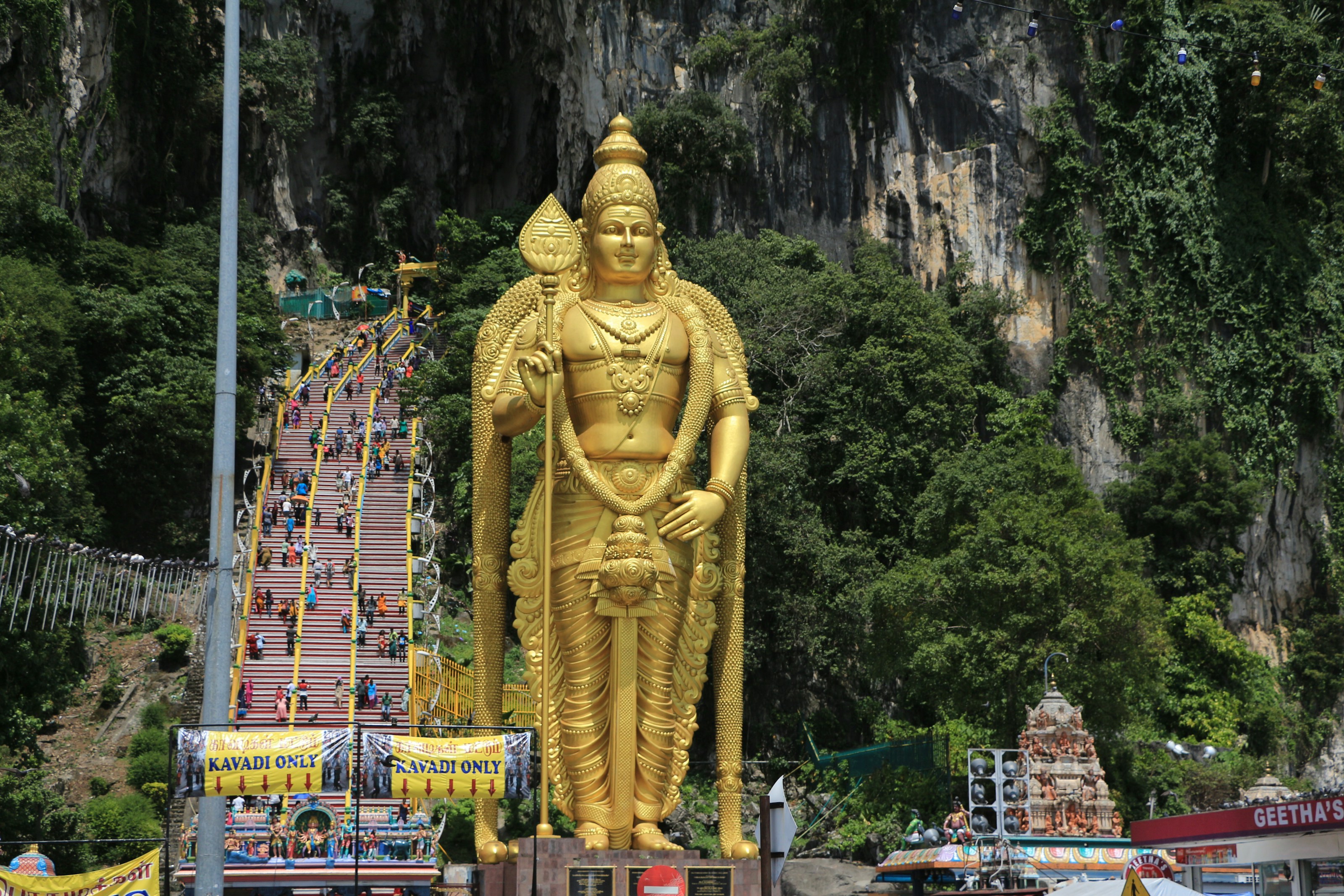 #4378 /100
Malaysia's Thaipusam centres on Kuala Lumpur's Batu Caves, where Hindu devotees climb 272 steps carrying kavadi - ornate frames pierced through the skin with hooks and skewers, some towering overhead with peacock feathers and metal spikes.
The piercings are undertaken as a vow or thanksgiving, with devotees reporting no pain in a trance-like state, while millions of spectators line the route and cave temple above.
How does it rate
CrowdsRomanceCash RequiredDangerAccessibilityWhy you should go
Devotees climb 272 steps to a cave temple carrying pierced, ornate kavadi frames, watched by millions of spectators.
Why you shouldn't go
The piercing rituals are intense to witness up close, and the steps and cave get extremely crowded on the main day.
Plan your visit
Best time to visitThe Thaipusam full moon day, usually late January or February.Best time of dayEarly morning, when the procession from central Kuala Lumpur to Batu Caves begins.Getting thereTake the KTM Komuter train from central Kuala Lumpur directly to Batu Caves station.Entry costFree to attend and to enter the caves.Time neededHalf a day to see the procession and climb to the temple.Insider tip — Arrive before dawn to see the procession depart from the Sri Mahamariamman Temple in KL, hours before the crowds peak at Batu Caves. -
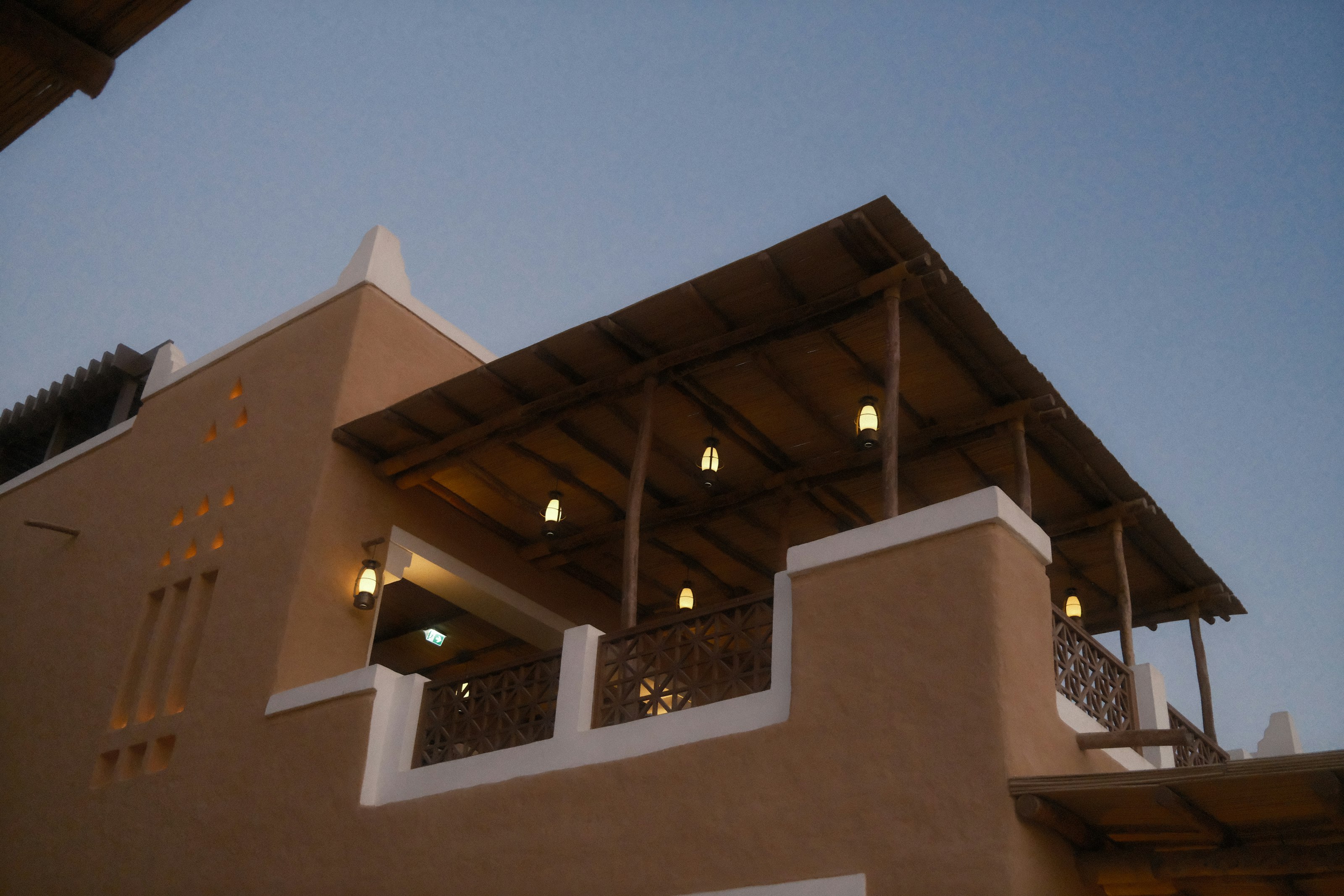 #4478 /100
Diriyah was the original capital of the first Saudi state, and the mudbrick palaces and towers of its At-Turaif district, restored and UNESCO-listed, sit above the green Wadi Hanifa valley on the edge of modern Riyadh.
Najdi architecture — thick clay walls, small windows, geometric details — survives across the old quarter, now paired with new museums, cafes, and walking paths along the wadi.
How does it rate
CrowdsRomanceCash RequiredDangerAccessibilityWhy you should go
Walking the restored mudbrick streets of the birthplace of the Saudi state, right on Riyadh's edge, is a striking contrast to the capital's glass towers.
Why you shouldn't go
Many of the district's museums and interior spaces are still being completed as part of an ongoing, long-term restoration project.
Plan your visit
Best time to visitNovember–March, for comfortable walking temperatures.Best time of dayEvening, when the mudbrick walls are floodlit and restaurant terraces along the wadi open.Getting thereFly to Riyadh; roughly 30-minute drive northwest to Diriyah.Entry costFree to walk the district; specific museums charge separate entry.Time needed2–3 hoursInsider tip — Walk the Wadi Hanifa path below At-Turaif at dusk for the best view of the floodlit mudbrick towers against the sky. -
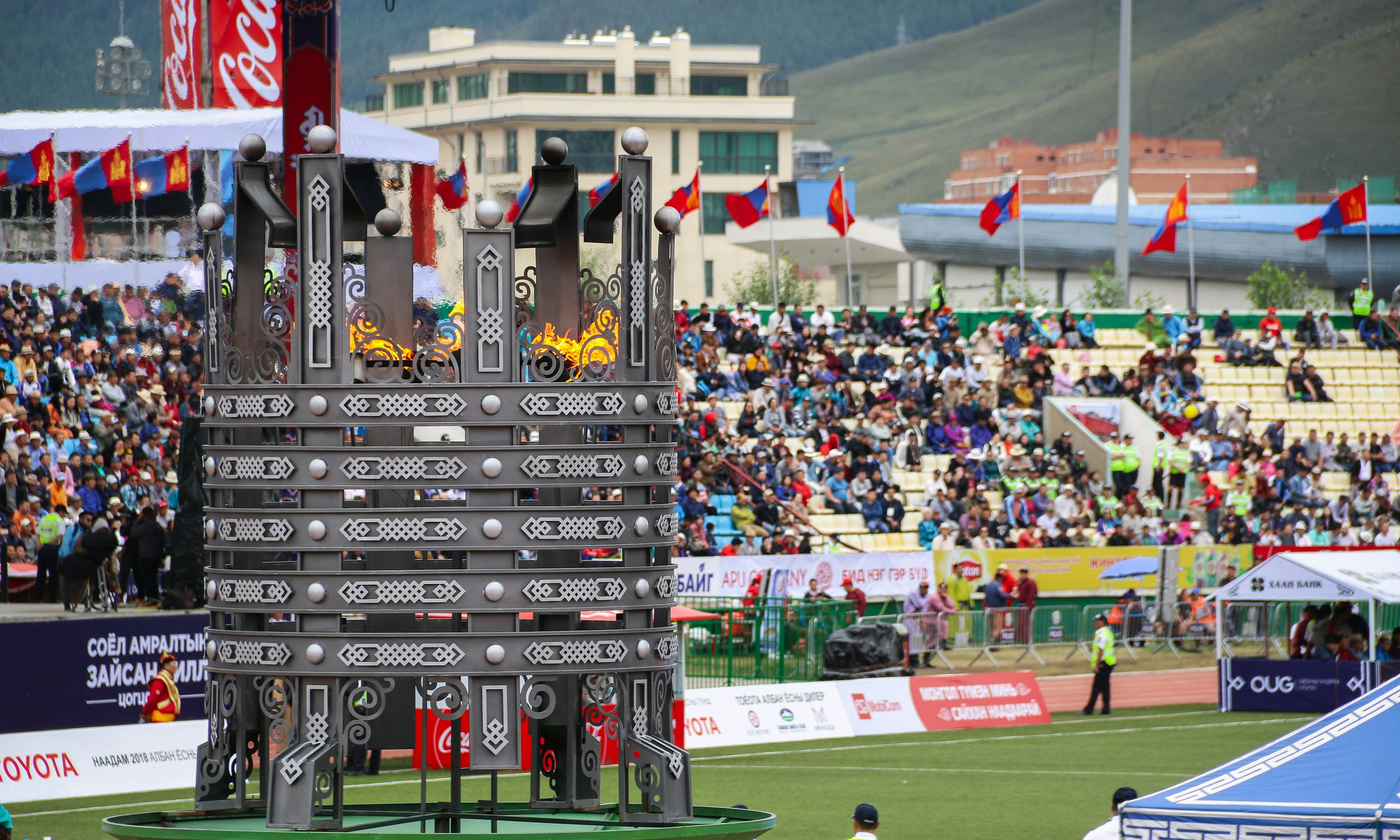 #4577 /100
Mongolia's biggest holiday centres on the 'three manly games' - wrestling, horse racing, and archery - contested each July in Ulaanbaatar's national stadium and on the open steppe beyond it.
Wrestlers in traditional dress compete in a bout with no weight classes or time limit, child jockeys race horses across miles of open grassland, and the festival marks the same summer gathering Mongolians have held since the days of Genghis Khan.
How does it rate
CrowdsRomanceCash RequiredDangerAccessibilityWhy you should go
Mongolia's biggest festival: traditional wrestling, child jockey horse racing, and archery contested across the open steppe.
Why you shouldn't go
The best steppe horse-racing action happens outside Ulaanbaatar, requiring extra transport beyond the stadium events in the capital.
Plan your visit
Best time to visit11-13 July each year, Mongolia's national holiday.Best time of dayMorning through afternoon, when the wrestling and racing events run.Getting thereFly into Chinggis Khaan International Airport in Ulaanbaatar; stadium events are a short taxi ride from the city centre.Entry costStadium tickets run roughly USD20-50; steppe race viewing is generally free.Time neededOne to two days to see the main stadium events and a horse race.Insider tip — Arrange a countryside horse-race excursion through a local guide - the open-steppe races are more authentic than the stadium's opening ceremony crowds. -
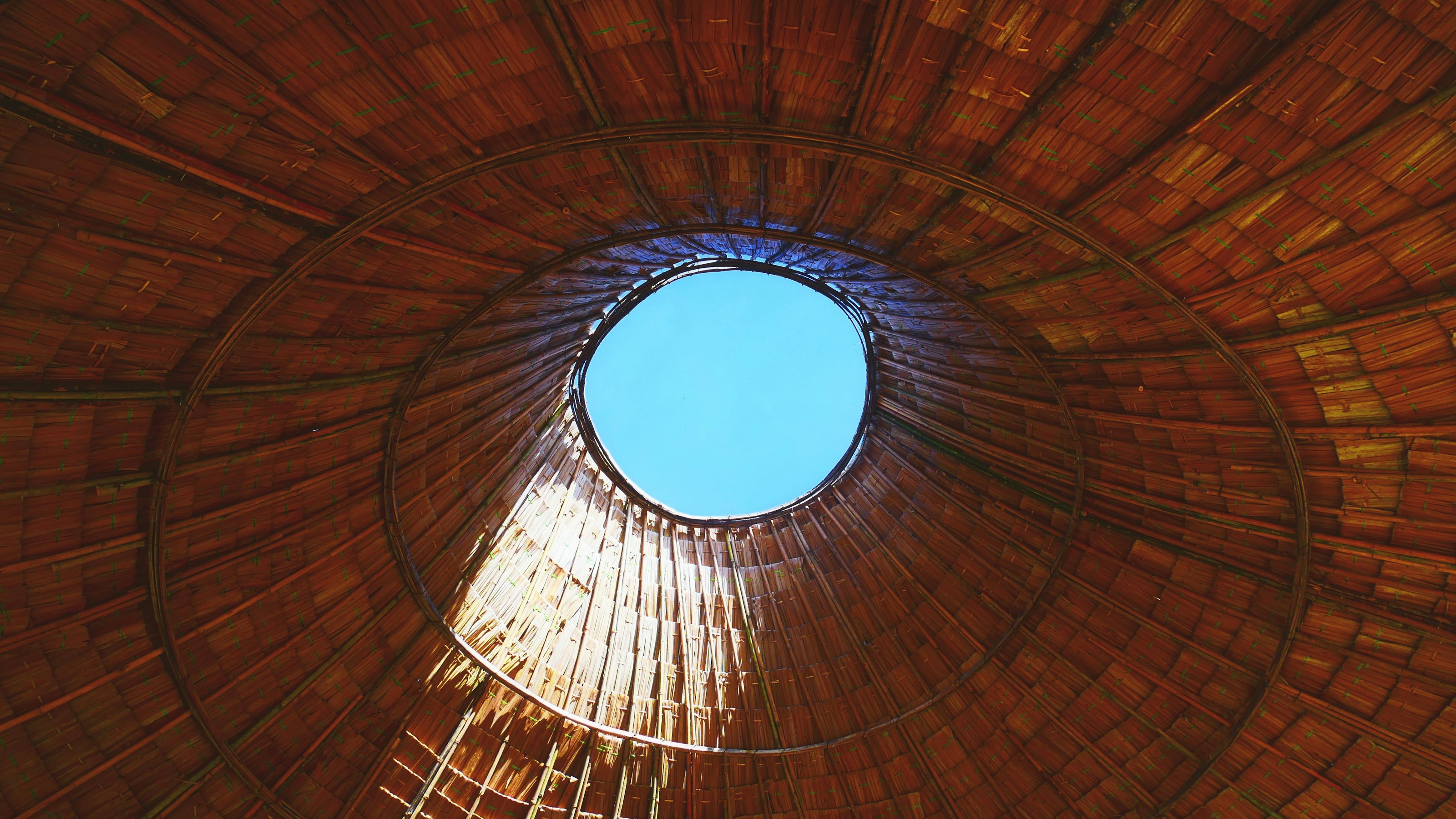 #4677 /100
Held on farmland outside Pattaya each December, Wonderfruit built its reputation on handcrafted bamboo and reclaimed-material stages rather than steel and plywood, with a sustainability ethos running through its food, waste systems, and art.
The multi-day programme mixes global and electronic music with talks, yoga, and farm-to-table dining, drawing a crowd that skews international and design-conscious rather than mainstream.
How does it rate
CrowdsRomanceCash RequiredDangerAccessibilityWhy you should go
A boutique Thai festival built around handcrafted bamboo stages, sustainability, and farm-to-table food alongside the music.
Why you shouldn't go
The farmland site can turn muddy in December showers, and its boutique scale means a higher ticket price than mainstream festivals.
Plan your visit
Best time to visitHeld over several days each December, in Thailand's cool, dry season.Best time of dayLate afternoon into evening, when the bamboo pavilions light up for the night's programme.Getting thereFly into Bangkok, then a shuttle or taxi roughly two hours to the Siam Country Club site near Pattaya.Entry costMulti-day passes run roughly THB 12,000-15,000.Time neededThe full multi-day run for the complete experience.BookingBook ahead →Insider tip — Book on-site glamping early - it sells out well before the festival and beats the long taxi commute from Pattaya hotels. -
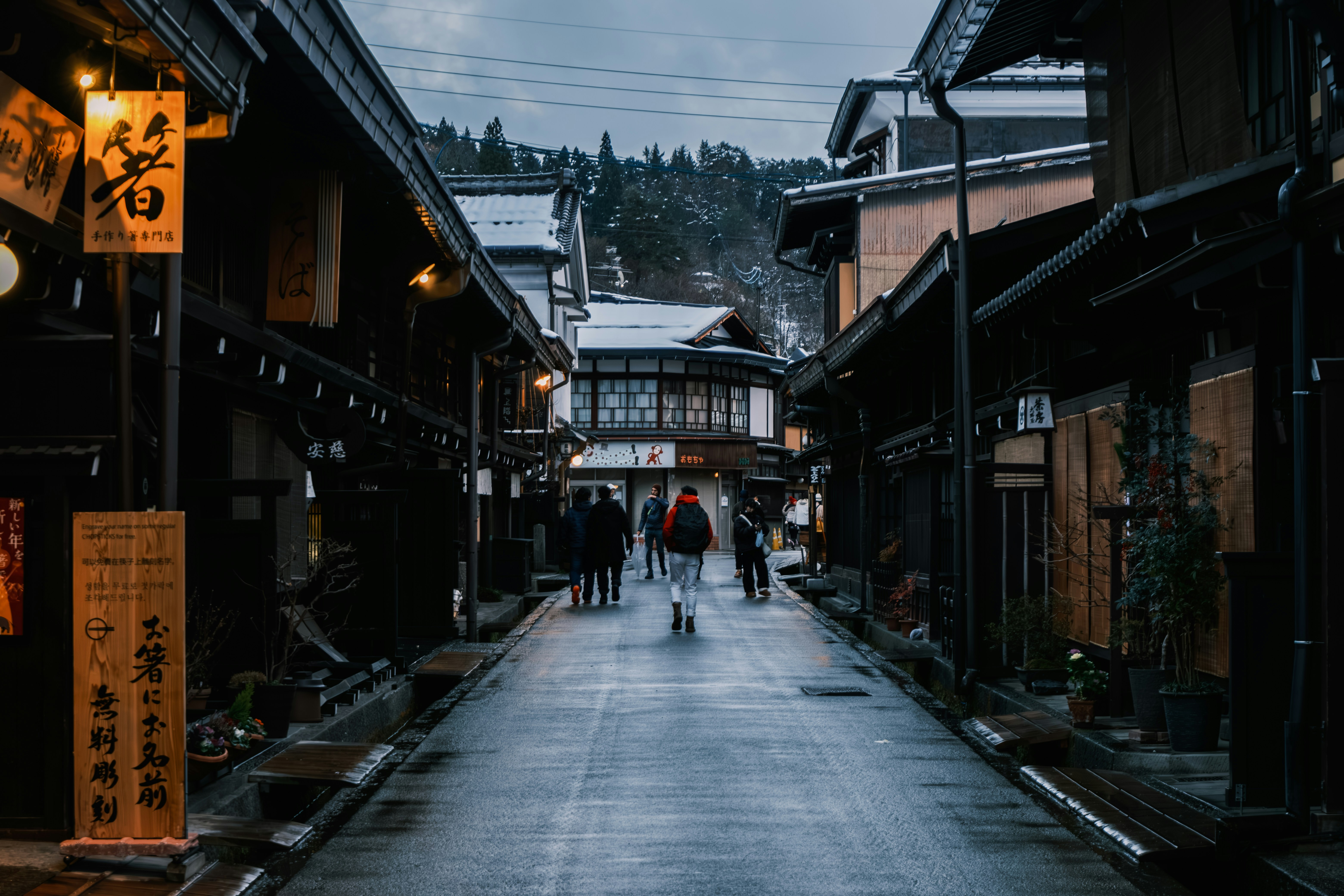 #4776 /100
An intact Edo-period merchant district with preserved wooden machiya townhouses, working sake breweries, and morning markets, set against a backdrop of the Japanese Alps.
One of the country's best-preserved old towns outside Kyoto, and considerably less crowded.
How does it rate
CrowdsRomanceCash RequiredDangerAccessibilityWhy you should go
A pristine Edo-period merchant town with wooden machiya houses, sake breweries, and a mountain backdrop.
Why you shouldn't go
Feels touristy through midday in peak seasons; narrow streets and small shops get congested; limited English outside the tourist core.
Plan your visit
Best time to visitOctober–November for fall colors, or April for cherry blossoms and the spring Takayama Festival.Best time of dayEarly morning (7–8am), before day-trippers arrive and while the morning markets are freshest.Getting thereTrain from Nagoya (roughly 2.5 hours) or Toyama (1.5 hours) direct to Takayama Station.Entry costFree to walk the streets; individual museums and sake tastings ¥300–500 each.Time needed1–2 days.Insider tip — Stay overnight to see the old town after the day-trip crowds clear out in the evening. Sample Hida beef and local sake — several breweries offer tastings right on the main street. -
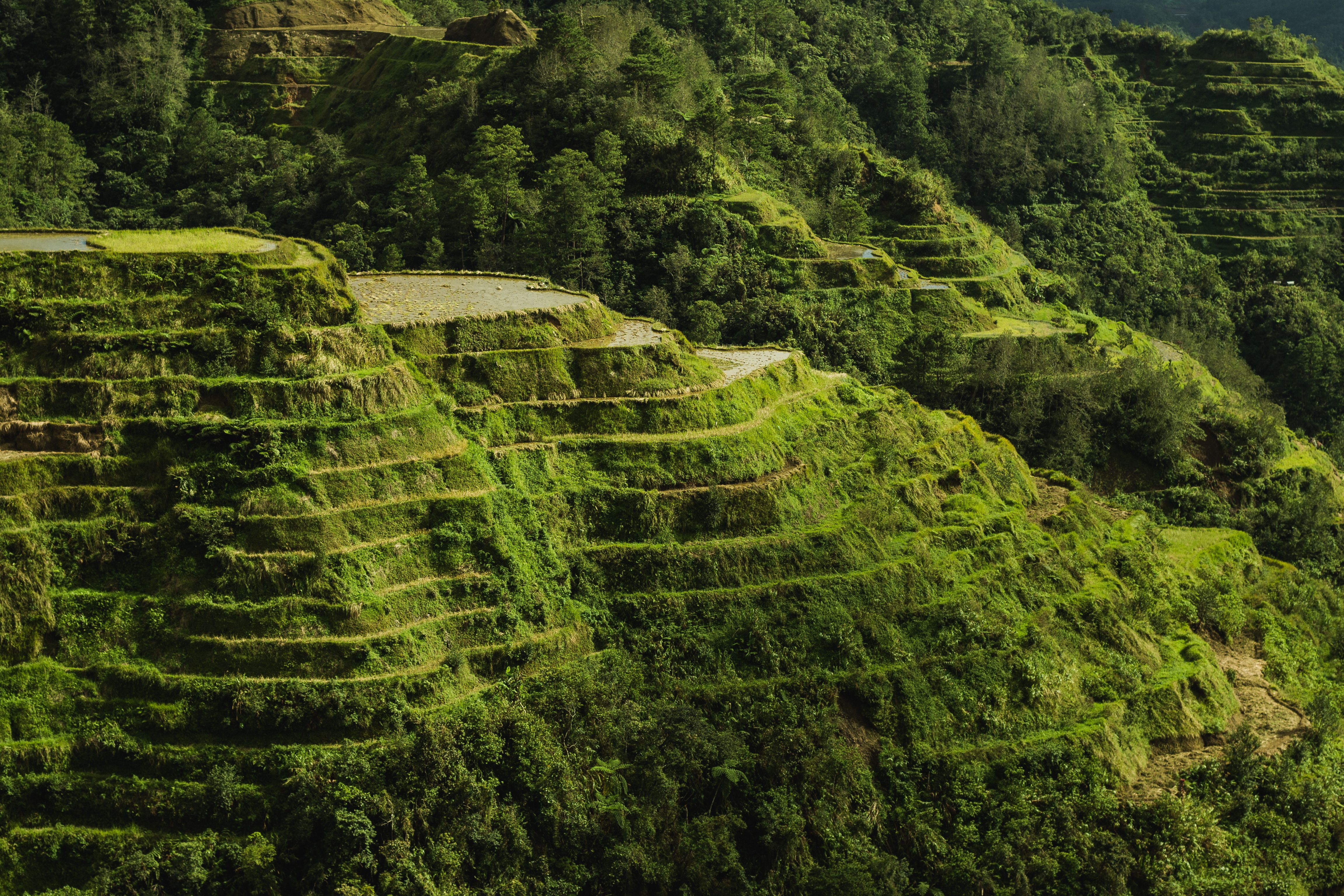 #4876 /100
Carved into the Cordillera mountains some 2,000 years ago by the Ifugao people using only hand tools, these terraces climb the hillsides in contour lines that follow the land, still irrigated by an ancient engineered system fed from the forests above.
Locals still farm rice here, so the terraces are a living agricultural landscape rather than a preserved relic — often called the 'eighth wonder of the world.
'
How does it rate
CrowdsRomanceCash RequiredDangerAccessibilityWhy you should go
A 2,000-year-old engineered landscape still actively farmed the same way today.
Why you shouldn't go
The core Banaue viewpoint area is well-touristed; reaching the more dramatic Batad terraces needs a further hike.
Plan your visit
Best time to visitMarch–May for lush green terraces before typhoon season; June–September brings rain.Best time of daySunrise, when mist often sits in the valley below the terraces.Getting thereOvernight bus from Manila (about 9 hours) to Banaue town, then jeepney to the viewpoints.Entry costFree to view; small fees at specific lookout points.Time needed1–2 days, more if hiking to Batad.Insider tip — Hire a local Ifugao guide to hike down into Batad's amphitheater terraces — a far less-visited experience than the roadside Banaue viewpoint. -
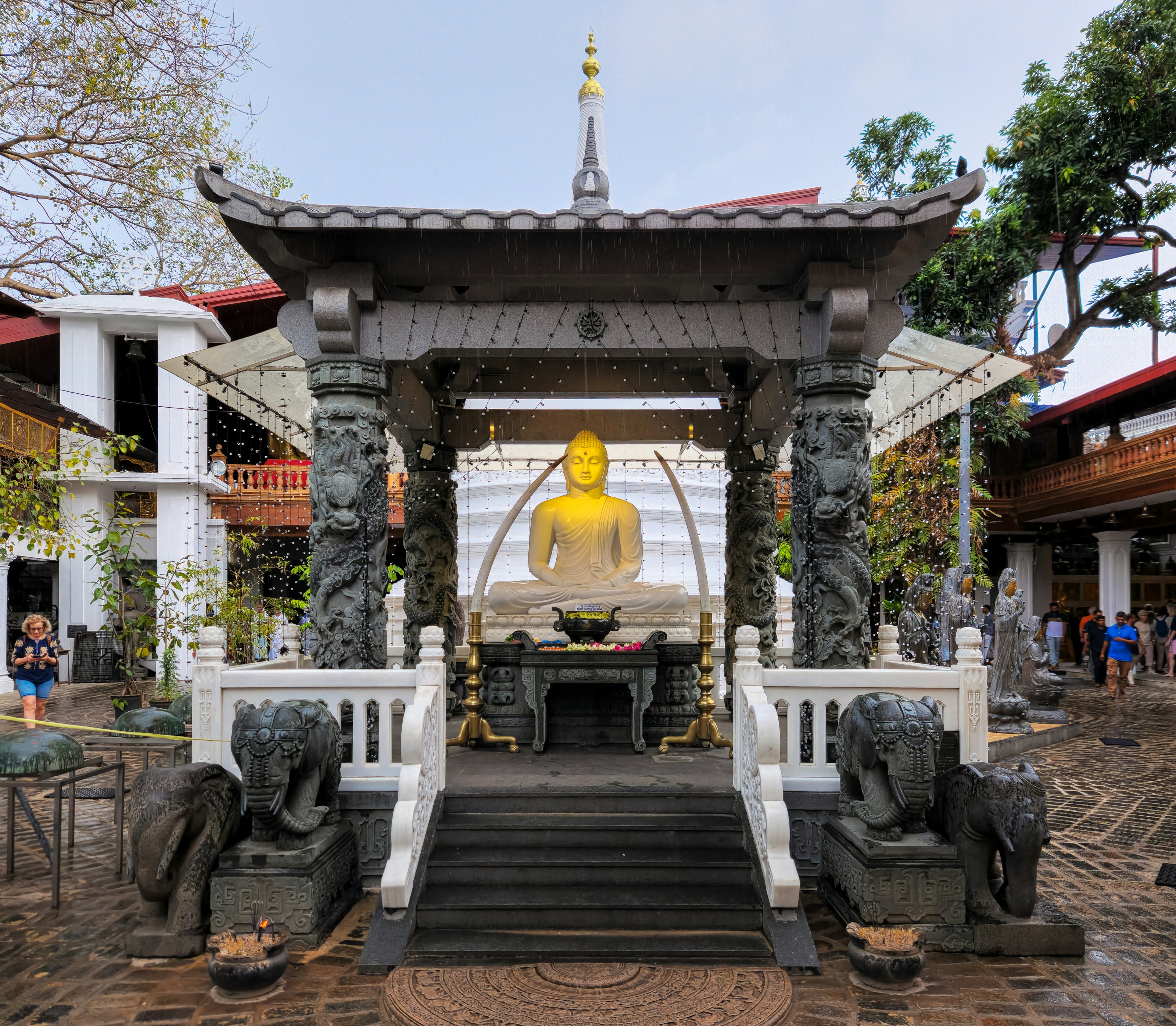 #4976 /100
Sri Lanka marks the Buddha's birth, enlightenment, and death on a single full-moon day each May, when towns are strung with illuminated pandals depicting Buddhist Jataka tales and paper lanterns line every street.
Free food stalls called dansal appear on street corners run by volunteers, temples fill for all-night prayer and chanting, and Colombo's streets glow entirely on donated light rather than commercial decoration.
How does it rate
CrowdsRomanceCash RequiredDangerAccessibilityWhy you should go
A single full-moon day when Sri Lankan towns fill with illuminated lantern displays and free community food stalls.
Why you shouldn't go
Alcohol sales and slaughterhouses close nationwide for the day, which can catch visitors used to normal bar and restaurant hours off guard.
Plan your visit
Best time to visitThe full moon (Poya) day in May each year.Best time of dayAfter dusk, when the illuminated pandals and lanterns are lit citywide.Getting thereFly into Colombo, where the largest pandal displays are concentrated around the city centre.Entry costFree; dansal food stalls are also free, offered as merit-making by volunteers.Time neededOne evening to walk the main pandal and lantern displays.Insider tip — Walk rather than drive around central Colombo that evening - the best pandals cluster within walking distance and traffic snarls badly. -
 #5075 /100
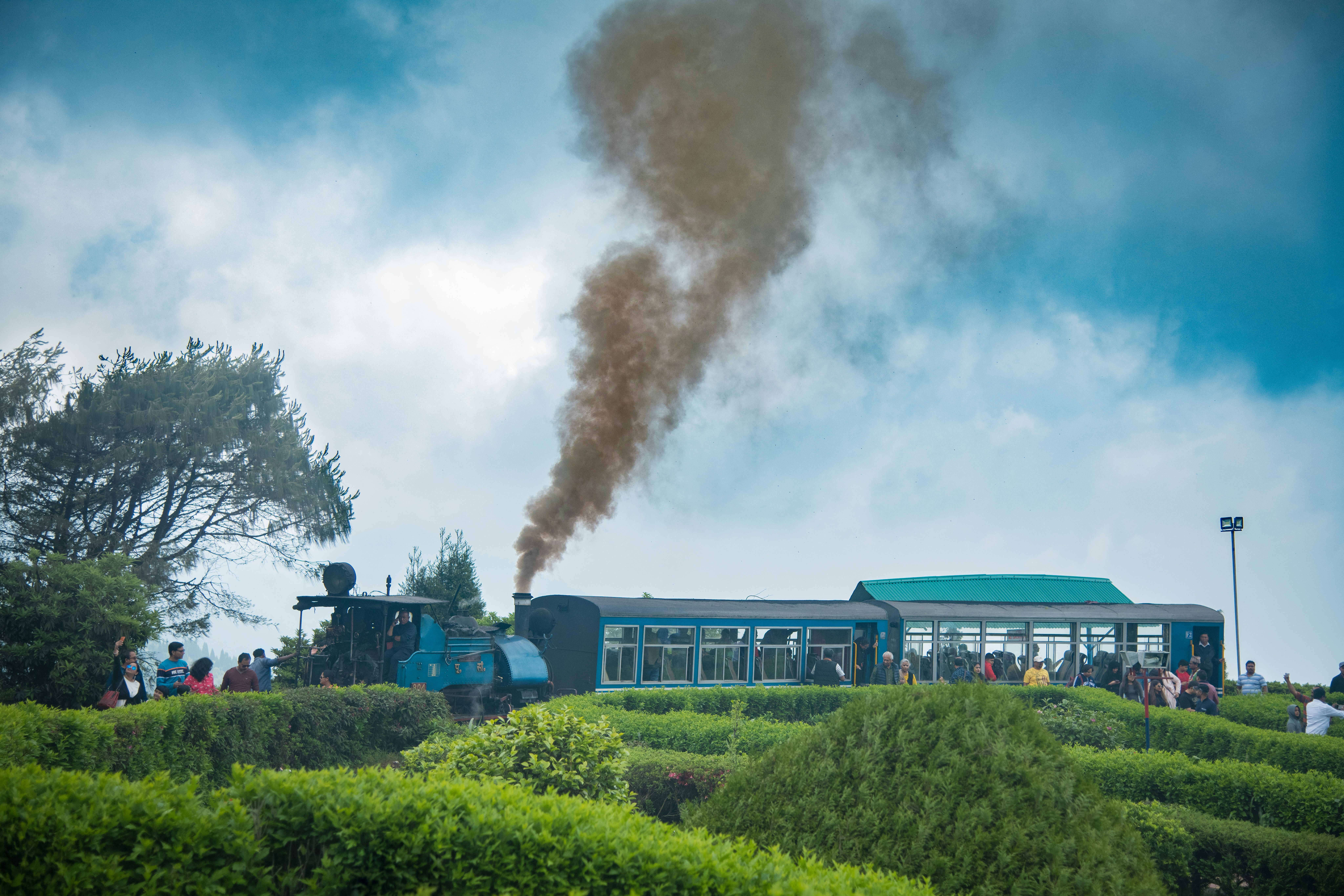
Nicknamed the 'Toy Train' for its narrow two-foot gauge track, the Darjeeling Himalayan Railway has climbed into the Himalayan foothills since 1881, its steam locomotives looping through the famous Batasia Loop spiral to gain altitude on impossibly steep terrain.
UNESCO listed it as a World Heritage Site in 1999 for its engineering.
How does it rate
CrowdsRomanceCash RequiredDangerAccessibilityWhy you should go
A UNESCO-listed 'Toy Train' climbing narrow-gauge track and spiral loops into the Himalayan foothills since 1881.
Why you shouldn't go
The full steam-hauled journey is slow and can be delayed by weather or maintenance, so schedules should be treated as approximate.
Plan your visit
Best time to visitOctober-December or March-May, for the clearest mountain views and driest weather.Best time of dayEarly morning, for the best chance of clear views of Kangchenjunga on the approach to Darjeeling.Getting thereFly or take a train to New Jalpaiguri, then a shared taxi roughly 3 hours up to New Jalpaiguri or Siliguri to board.Entry costJoyride tickets on the steam loop cost around INR1,500-1,800; the full historic route costs more.Time neededA few hours for the joyride loop, longer for the full historic route.Insider tip — Book the shorter Darjeeling-to-Ghum steam joyride if the full historic route isn't running, since it still covers the famous Batasia Loop. -
 #5175 /100
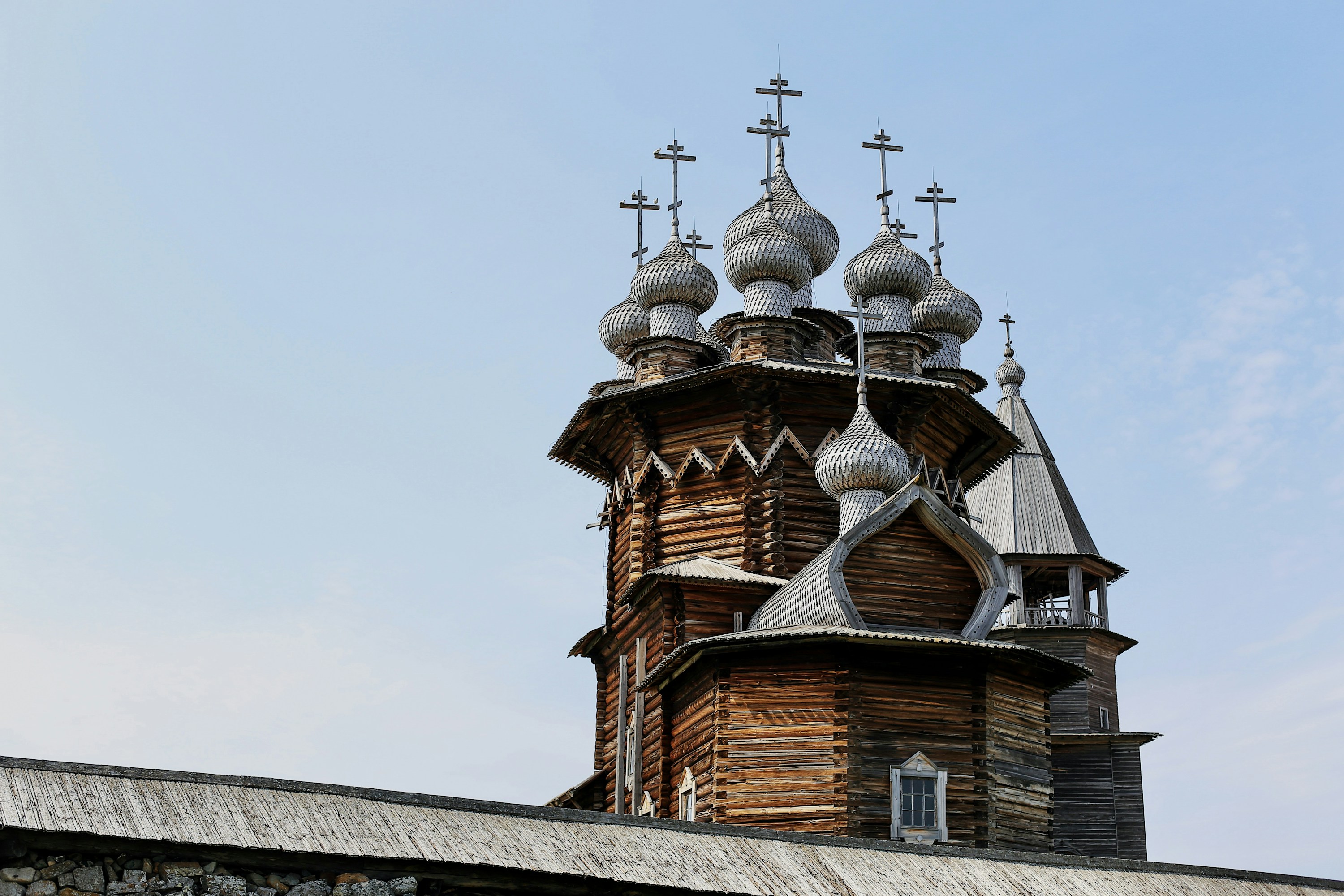
Kizhi Pogost is an open-air ensemble of wooden churches on a small island in Lake Onega, built with traditional log construction and no iron nails in the original structure.
The 22-domed Church of the Transfiguration, raised in 1714, is the centrepiece of a wider museum-reserve of relocated wooden chapels, houses and windmills from across Karelia.
It's reachable only by boat in summer or over ice in winter, keeping it genuinely quiet.
How does it rate
CrowdsRomanceCash RequiredDangerAccessibilityWhy you should go
A 22-domed wooden church built without iron nails, on a remote island in Lake Onega.
Why you shouldn't go
Only reachable by hydrofoil or winter ice transport — no roads, and the easy-access season is short.
Plan your visit
Best time to visitJune–August, when hydrofoils run from Petrozavodsk and the restored church interior is openBest time of dayLate morning, once the first hydrofoil crowd has spread out across the islandGetting thereFly or train to Petrozavodsk; hydrofoil to Kizhi Island takes about 1.5 hours and only runs mid-May to mid-October.Entry costAround 1,000 RUB museum entry, plus the hydrofoil fare (several thousand RUB return)Time needed3–4 hours, matching the standard hydrofoil round tripInsider tip — Book the hydrofoil ticket a day ahead in peak summer, since sailings sell out, and check which chapels are open — some of the museum's wooden buildings rotate through restoration. -
 #5275 /100
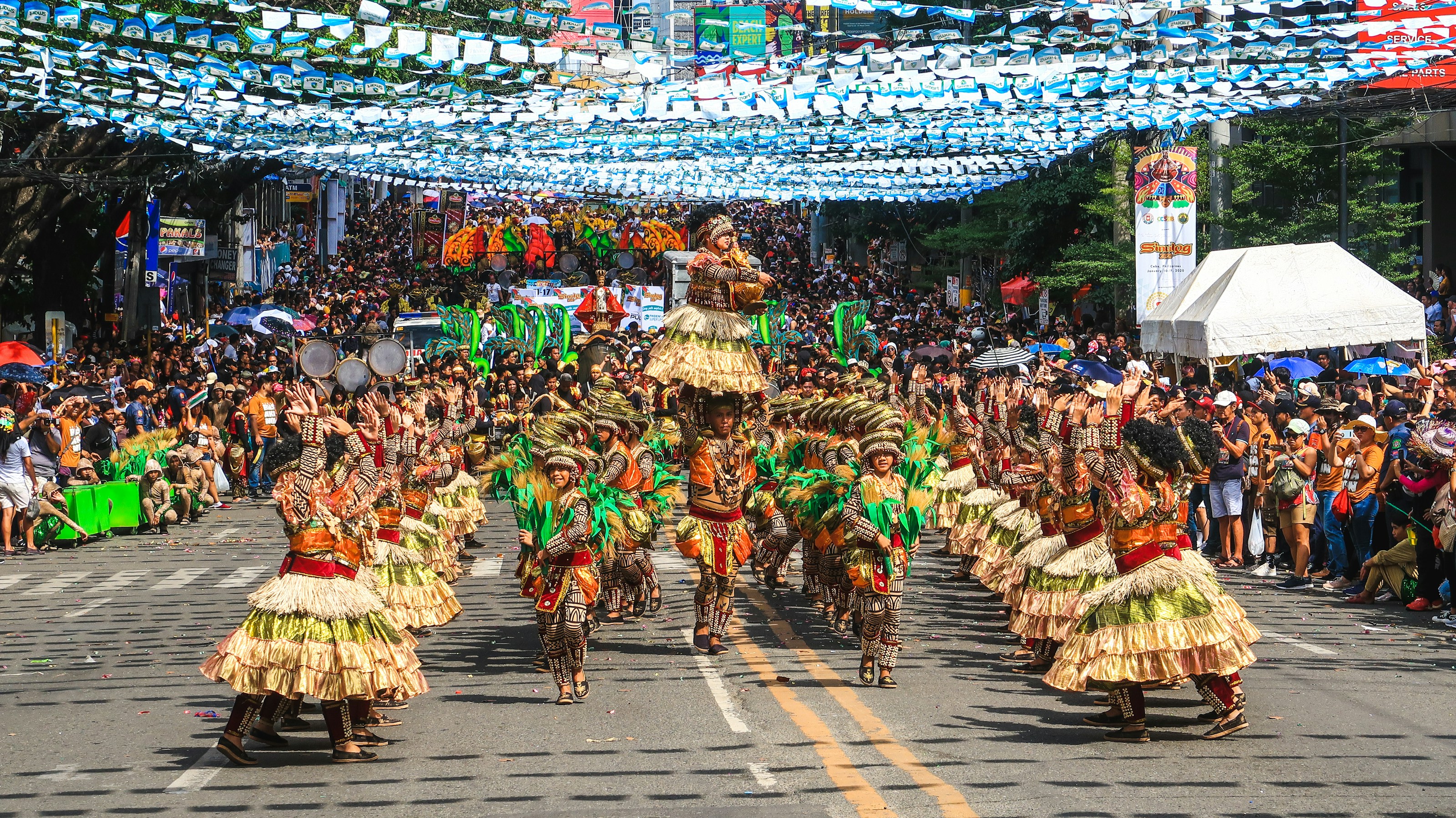
Cebu City's Sinulog honours the Santo Nino with the festival's namesake dance - two steps forward, one step back - performed by thousands of costumed dancers moving to non-stop drumbeats along a route lined with several million spectators.
It grew from the same Santo Nino devotion as Kalibo's Ati-Atihan but has become the country's largest festival, climaxing in a grand parade on the third Sunday of January.
How does it rate
CrowdsRomanceCash RequiredDangerAccessibilityWhy you should go
Thousands of costumed dancers perform the festival's namesake two-steps-forward, one-step-back dance to non-stop drumbeats.
Why you shouldn't go
Cebu City's streets become almost impassable on the main parade day, with several million spectators packed along the route.
Plan your visit
Best time to visitThe third Sunday of January, the date of the grand parade.Best time of dayMid-morning into afternoon, when the main parade contingents pass.Getting thereFly into Mactan-Cebu International Airport, about 30 minutes from the parade route in Cebu City.Entry costFree to watch from the street.Time neededA full day for the grand parade.Insider tip — Watch near the Basilica del Santo Nino end of the route rather than the grandstand area - it's less packed and the dancers' energy is still at its peak that early on. -
 #5374 /100
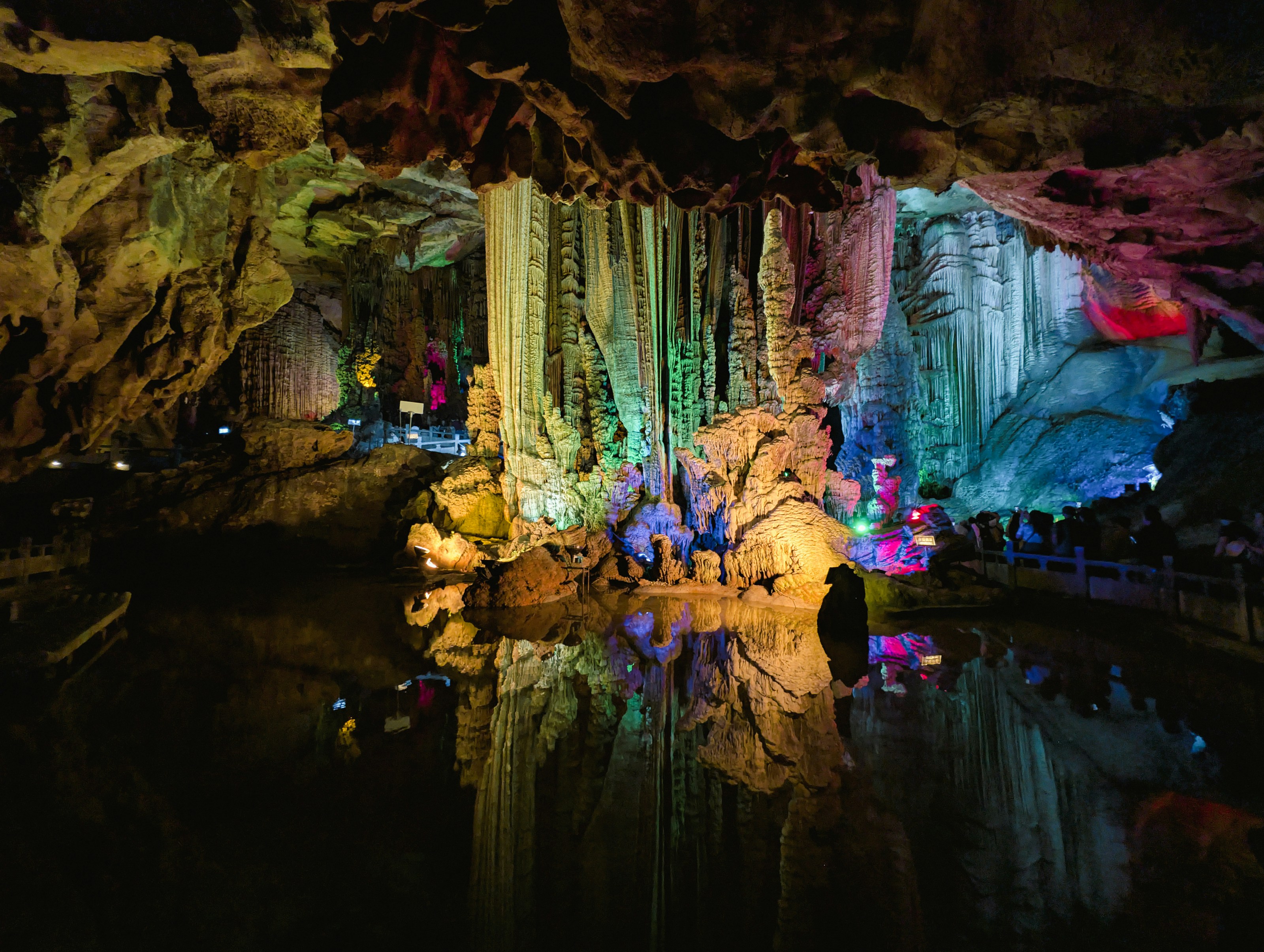
A 240-metre limestone cave in the hills of Guilin, lit throughout in saturated reds, greens and blues that turn the stalactites into something closer to stage design than geology.
A still pool near the end doubles every formation above it.
Ink inscriptions on the walls date back to the Tang dynasty.
How does it rate
CrowdsRomanceCash RequiredDangerAccessibilityWhy you should go
The coloured lighting and the mirror pool make it the most photogenic show cave in China.
Why you shouldn't go
The lighting is entirely artificial, which strikes some visitors as gaudy rather than natural.
Plan your visit
Best time to visitApril-October, alongside the Li River cruises Guilin is known forBest time of dayEarly afternoon on a weekday, between the domestic tour groupsGetting thereBus or taxi from central Guilin, about 20 minutesEntry costAround CNY 110Time needed1-2 hoursInsider tip — The mirror pool near the exit is the shot - let the group ahead move on and photograph it before anyone disturbs the surface. -
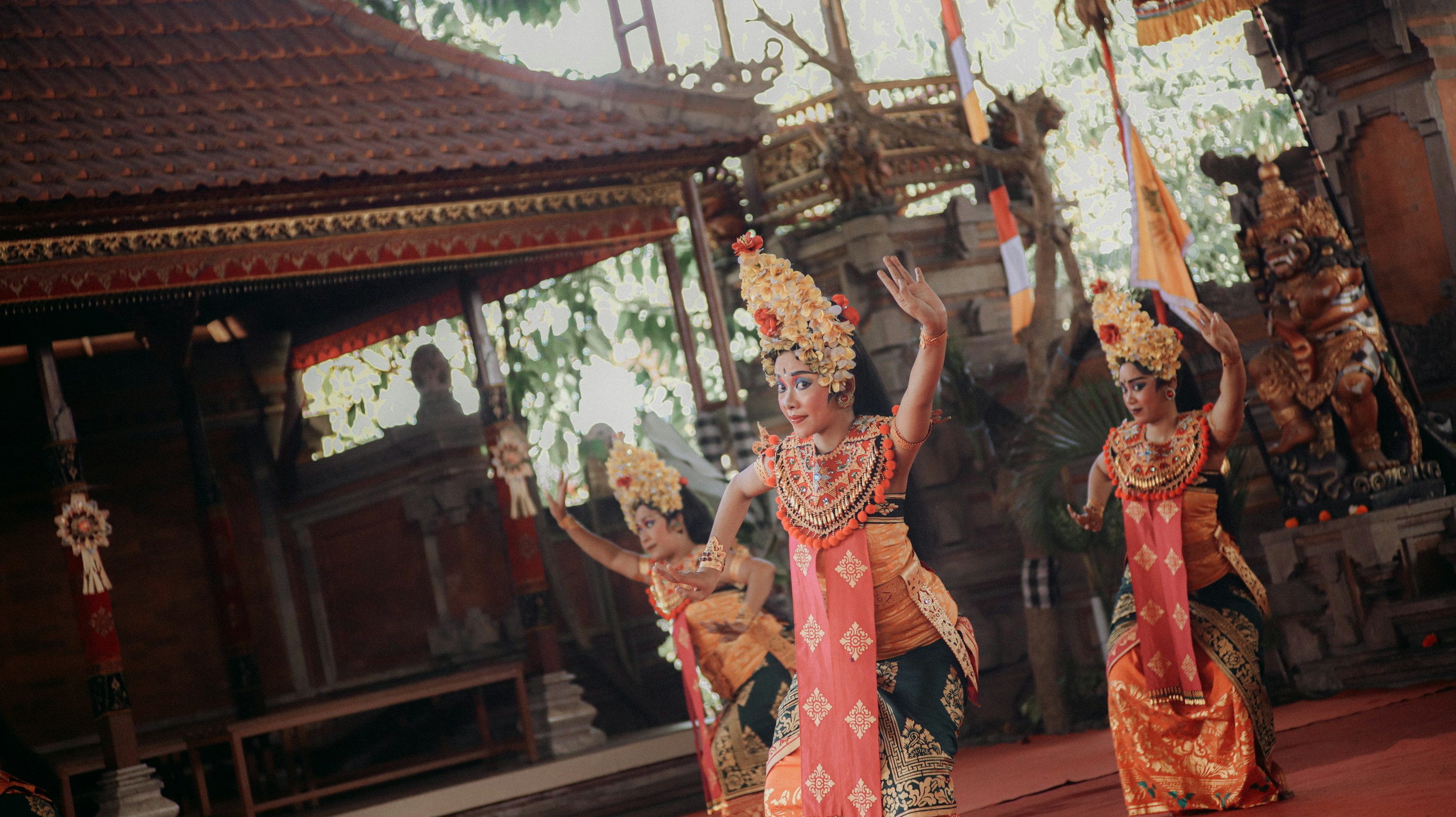 #5474 /100
Held over a full month each summer in Denpasar, the Bali Arts Festival gathers traditional dance, gamelan orchestras, shadow puppetry, and crafts from villages across the island into one showcase, opened with a parade of regional delegations in ceremonial dress.
Unlike festivals built around foreign headline acts, this one exists to keep Balinese Hindu performing arts alive for local audiences, with tourists welcome as spectators.
How does it rate
CrowdsRomanceCash RequiredDangerAccessibilityWhy you should go
A month-long showcase of traditional Balinese dance, gamelan, and puppetry, opened with a parade of villages in ceremonial dress.
Why you shouldn't go
Performances and schedules are mostly in Indonesian and Balinese with limited English signage, geared to local audiences rather than tourists.
Plan your visit
Best time to visitA full month from mid-June into July each year.Best time of dayEvening for the main dance and gamelan performances at the Denpasar arts centre.Getting thereFly into Ngurah Rai International Airport near Denpasar; the festival venue is a short drive from the airport.Entry costEntry to most performances is free or a nominal fee.Time neededOne evening for a sample; the full programme runs a month.Insider tip — Check the printed daily schedule at the venue gate each morning - performance line-ups shift daily and aren't reliably posted online. -
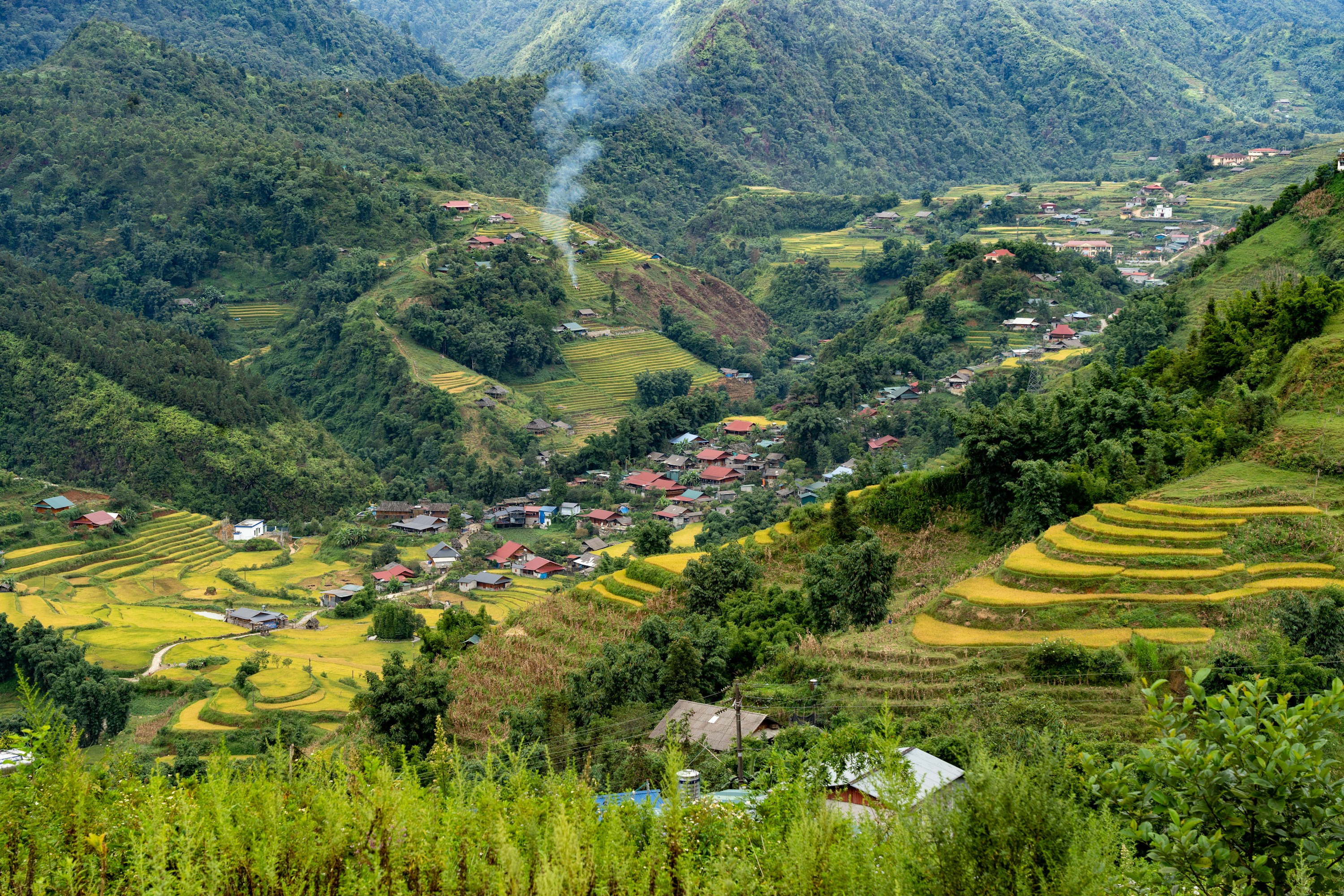 #5574 /100
Sapa's mountainsides are carved into thousands of stepped rice terraces, farmed for generations by H'mong, Dao, and Tay communities in the Muong Hoa Valley below Fansipan, Indochina's highest peak.
The fields turn brilliant green after May planting and gold at the September-October harvest.
Most visitors trek between hilltop villages, though a cable car now reaches Fansipan's summit in minutes for those who'd rather skip the climb.
How does it rate
CrowdsRomanceCash RequiredDangerAccessibilityWhy you should go
Some of Southeast Asia's most dramatic terraced-farming scenery, walkable through working hill-tribe villages.
Why you shouldn't go
Trails get muddy and slippery in the rainy season, and the town itself has become fairly built-up and touristy.
Plan your visit
Best time to visitSeptember-October for golden harvest terraces, or May-June for flooded, mirror-like planting season.Best time of dayEarly morning, before valley mist burns off and trekking groups set out.Getting thereOvernight train or bus from Hanoi to Lao Cai, then a 1-hour transfer up to Sapa town.Entry costFree to view; guided village treks typically $20-40 per dayTime needed2-3 daysInsider tip — Hire a local H'mong or Dao guide in town rather than a Hanoi-based operator; the money stays in the villages you're walking through, and their trails avoid the busiest routes. -
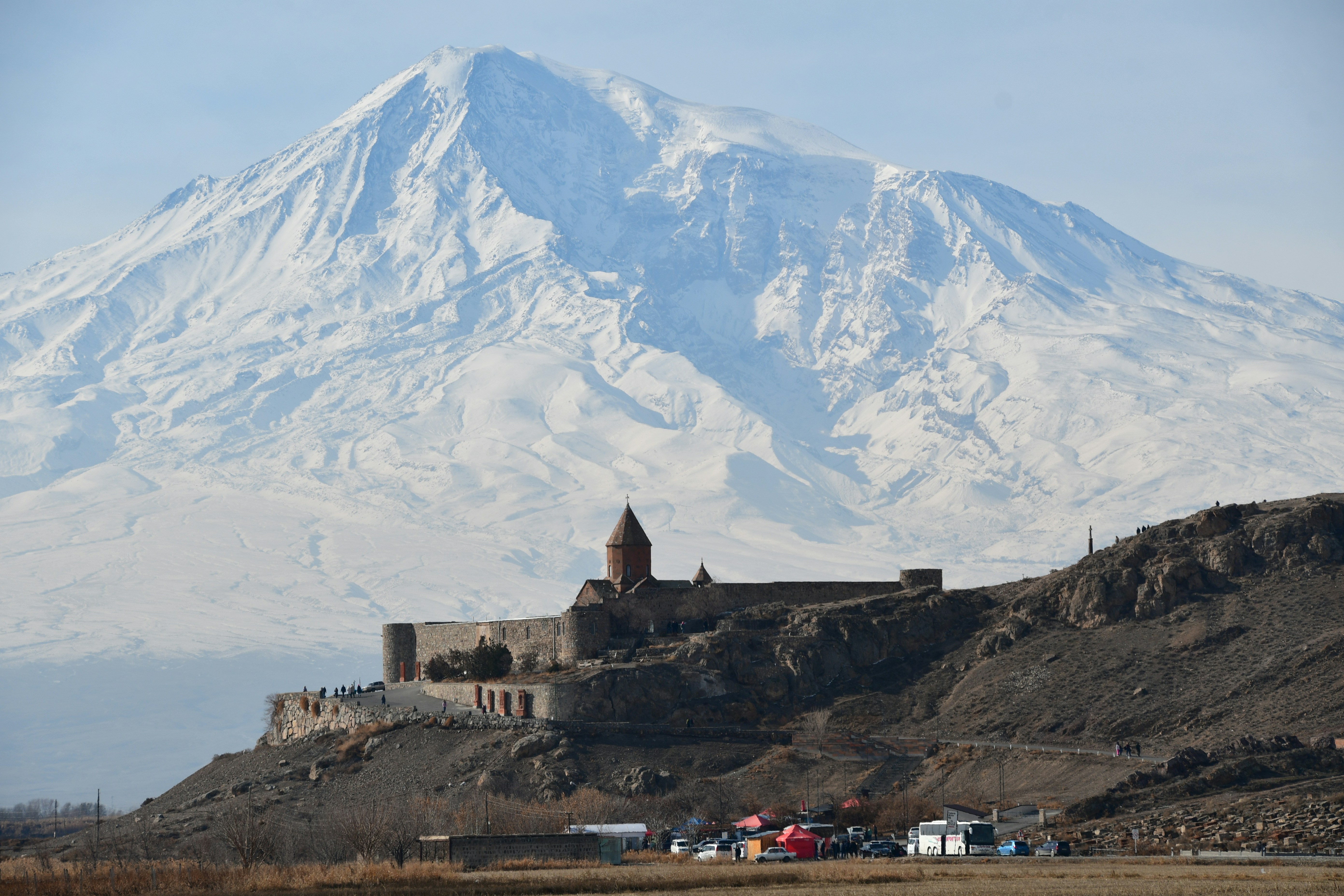 #5672 /100
An Armenian monastery on a hilltop with Mount Ararat rising dramatically behind it just across the Turkish border.
Founded on the pit where Saint Gregory the Illuminator was imprisoned for years, it's one of the most recognisable religious sites in the Caucasus.
How does it rate
CrowdsRomanceCash RequiredDangerAccessibilityWhy you should go
An ancient monastery with Mount Ararat as a dramatic backdrop, plus a saint's underground prison pit to descend into.
Why you shouldn't go
Mount Ararat is frequently obscured by haze or cloud, especially in summer afternoons; few amenities on site.
Plan your visit
Best time to visitSeptember–November or April–May for the clearest Ararat views and mild weather.Best time of dayEarly morning, when Ararat is most likely to be cloud-free.Getting thereRoughly a 45-minute drive south of Yerevan; day tours are widely available.Entry costFree.Time needed1–2 hours.Insider tip — The descent into Saint Gregory's pit is via a very narrow, steep ladder — not for the claustrophobic. Combine with a stop at the nearby Armash fish ponds for birdwatching. -
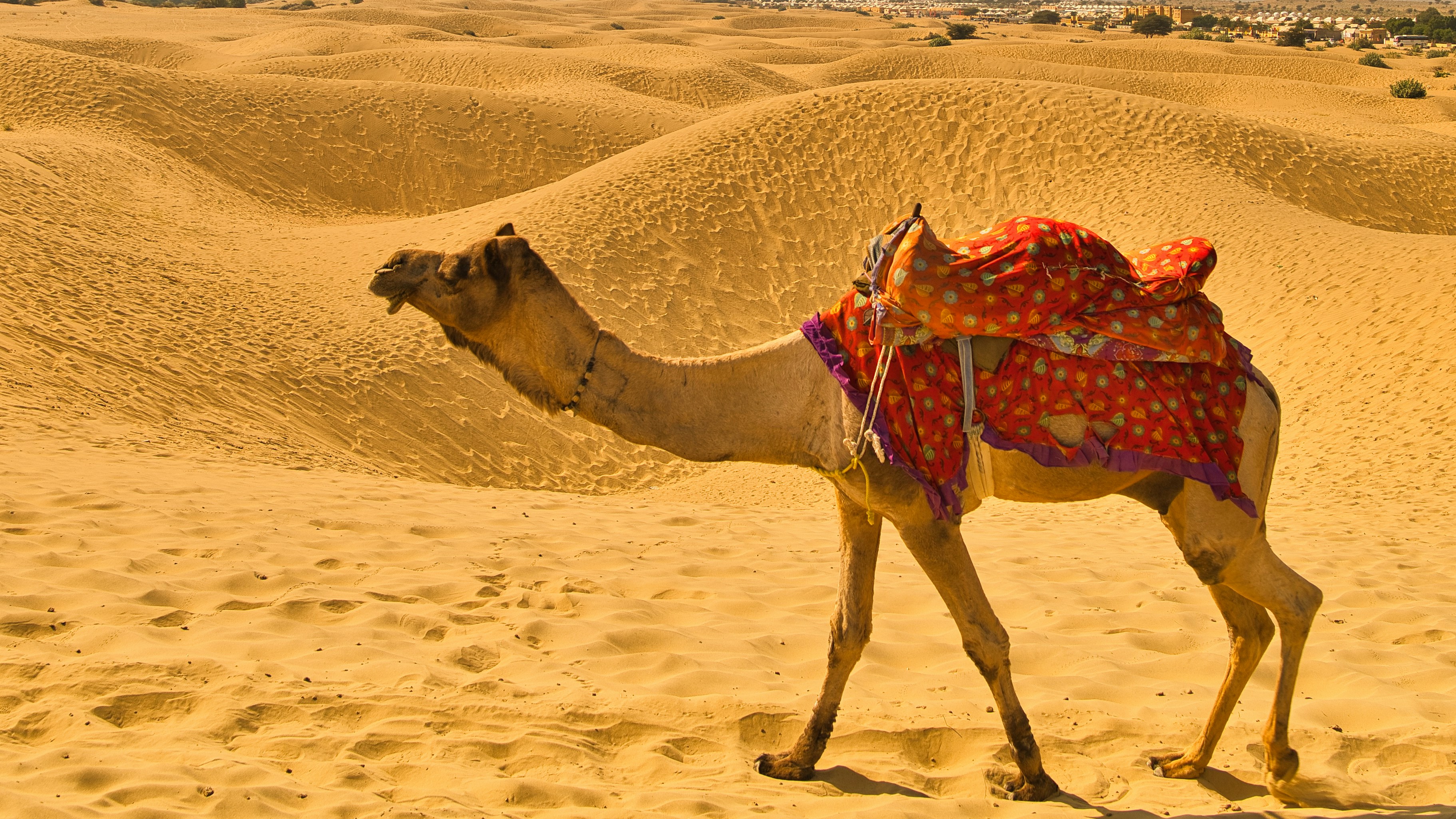 #5772 /100
Golden dunes rolling out from Jaisalmer, the "Golden City," whose sandstone fort and havelis seem to rise directly from the sand itself.
Camel safaris into the Sam and Khuri dunes, overnight desert camps, and folk music around the campfire are the standard way to experience it, with the dunes turning deep gold at sunset.
It's India's most accessible desert experience, easily combined with Jaisalmer's fort and old city.
How does it rate
CrowdsRomanceCash RequiredDangerAccessibilityWhy you should go
Camel-trek dunes at sunset paired with Jaisalmer's golden sandstone fort rising straight out of the desert.
Why you shouldn't go
The most popular dune areas (Sam) get genuinely crowded with day-trip jeeps and tour groups by late afternoon.
Plan your visit
Best time to visitOctober-March, avoiding the extreme summer heat.Best time of daySunset over the Sam dunes, when day-trippers cluster for the classic camel-silhouette shot.Getting thereFly or take an overnight train to Jodhpur, then a 5-6 hour train or drive to Jaisalmer.Entry costCamel safari and overnight camp packages typically run INR1,500-4,000 per person.Time neededOvernight, or a full day.Insider tip — Push further to the quieter Khuri dunes rather than Sam if you want the classic dune photo without dozens of other camel trains in frame. -
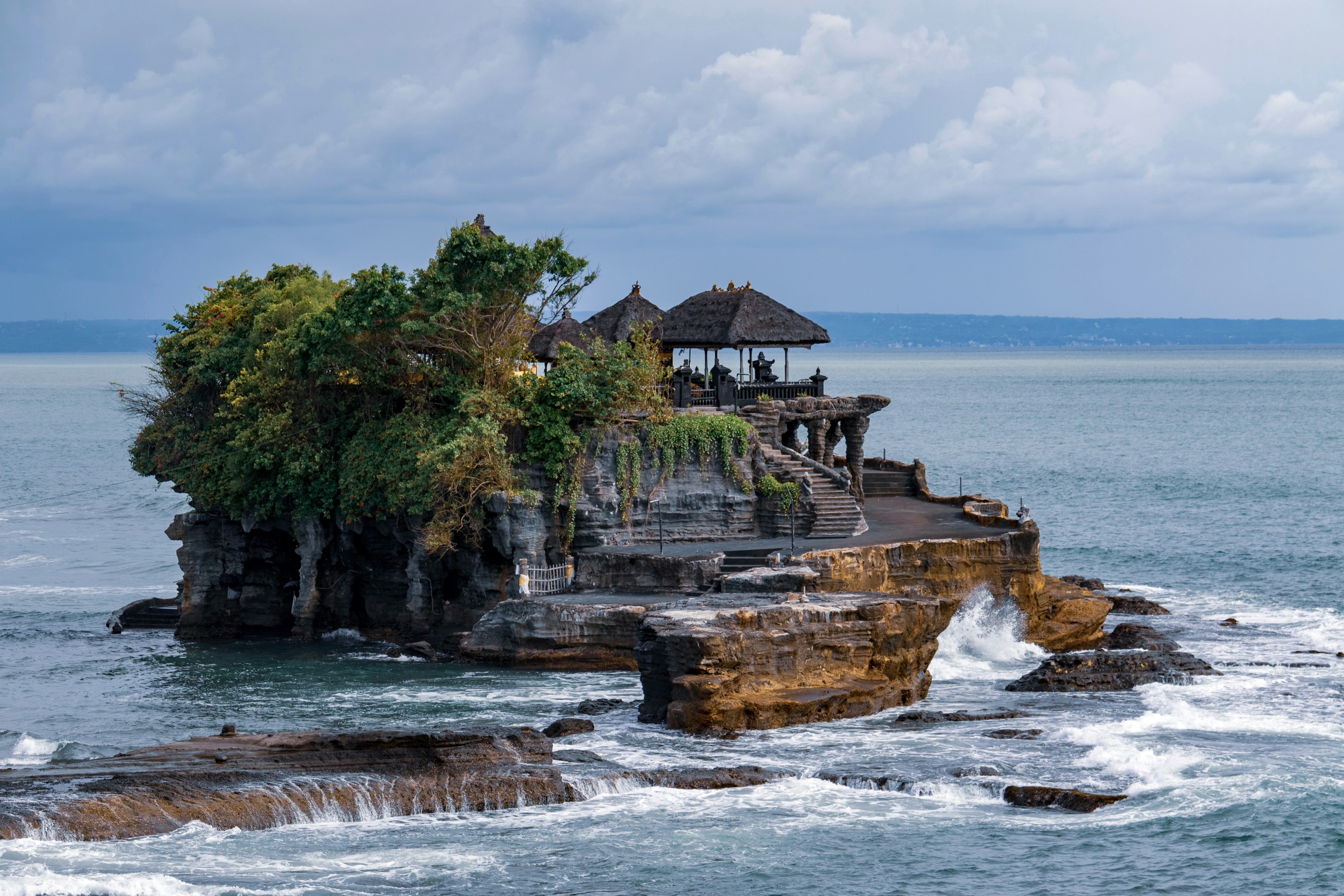 #5872 /100
Tanah Lot's Hindu sea temple sits on a small rock outcrop just offshore, cut off from the mainland at high tide and reachable on foot when the water recedes.
Built around a natural spring the Balinese consider sacred, it's one of several coastal temples protecting Bali from sea spirits, and among the most photographed silhouettes on the island at sunset.
The temple interior is closed to non-worshippers, so the visit is really about the setting and the ritual crowds gathering for dusk.
How does it rate
CrowdsRomanceCash RequiredDangerAccessibilityWhy you should go
One of Bali's most iconic sunset silhouettes, a temple perched on a wave-battered sea rock.
Why you shouldn't go
Extremely crowded by late afternoon, and the temple itself is closed to visitors who aren't there to pray.
Plan your visit
Best time to visitDry season, April-October, for reliable sunsets; check tide tables so the rock isn't submerged.Best time of daySunset, though arriving by mid-afternoon beats the worst of the crowds.Getting there45-60 minutes by car or scooter from Denpasar/Seminyak, in Tabanan regency.Entry costIDR 75,000 (~$4.50) for adults, cash onlyTime needed1-2 hoursInsider tip — Skip the crowded main viewpoint and walk the clifftop path south past the warungs for a quieter angle on the temple silhouette at sunset. -
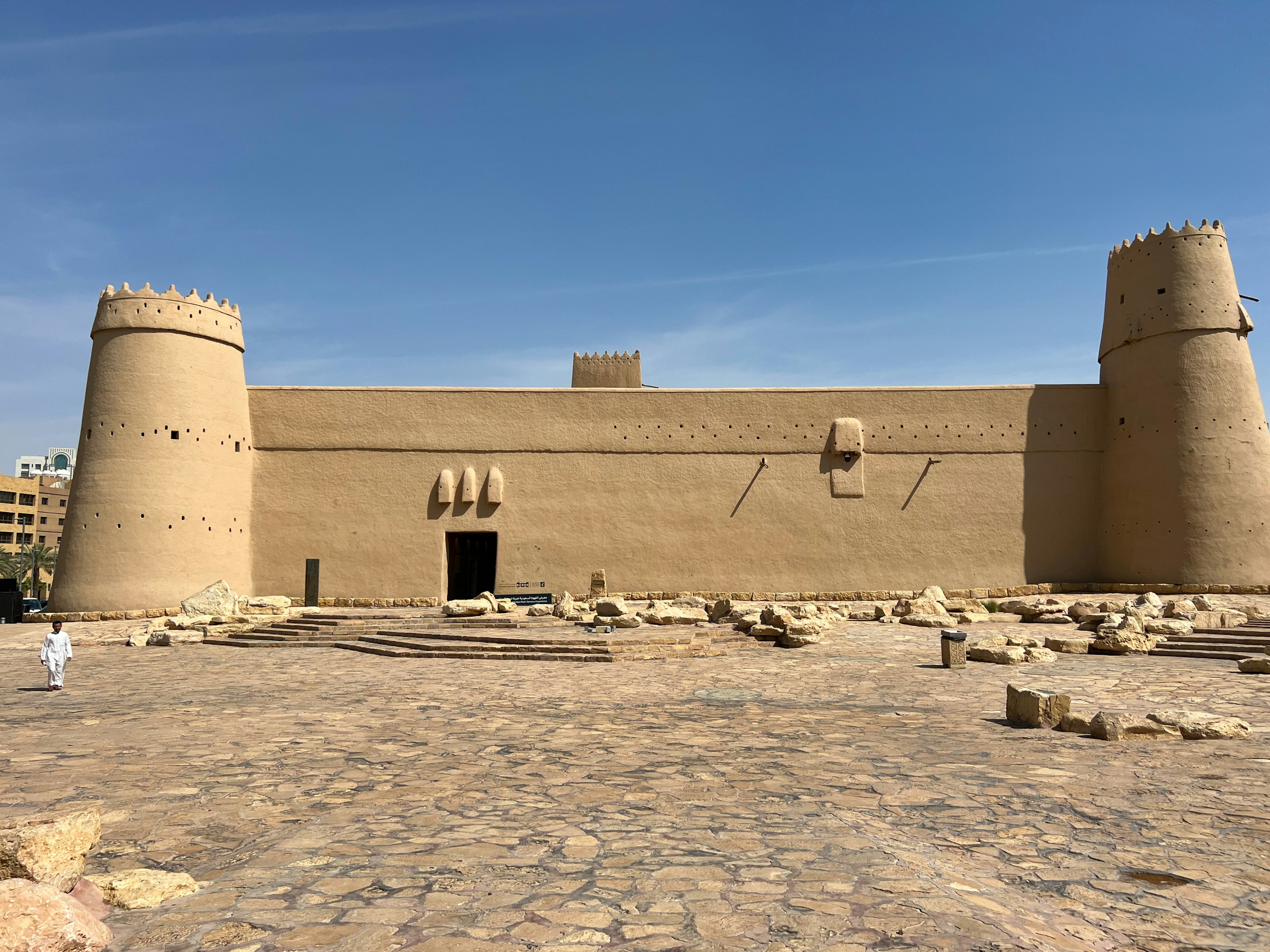 #5972 /100
Masmak Fortress is a squat clay-and-mudbrick fort in the middle of old Riyadh, built in the 1860s and the site of the 1902 raid that let a young Abdulaziz Ibn Saud retake the city and begin building what became modern Saudi Arabia.
A spear mark from that battle is still visible in one of the main gate's doors, and small museum rooms inside display weapons, historic photographs, and traditional Najdi architecture around a central courtyard.
How does it rate
CrowdsRomanceCash RequiredDangerAccessibilityWhy you should go
A single fortress gate, still marked from the 1902 battle that founded the modern state, makes the country's history feel immediate.
Why you shouldn't go
The museum itself is small and can be seen thoroughly in well under an hour.
Plan your visit
Best time to visitYear-round, since the fort is fully indoors and air-conditioned; cooler months make the surrounding old Riyadh walk more pleasant.Best time of dayLate afternoon, combined with a walk through the adjacent Souq Al Zal market.Getting thereFly to Riyadh; the fortress sits in the historic centre, reachable by taxi or metro.Entry costFree entry.Time needed45 minutes–1 hourInsider tip — Combine the visit with Souq Al Zal next door for antiques and traditional crafts — most visitors skip it despite it being a two-minute walk. -
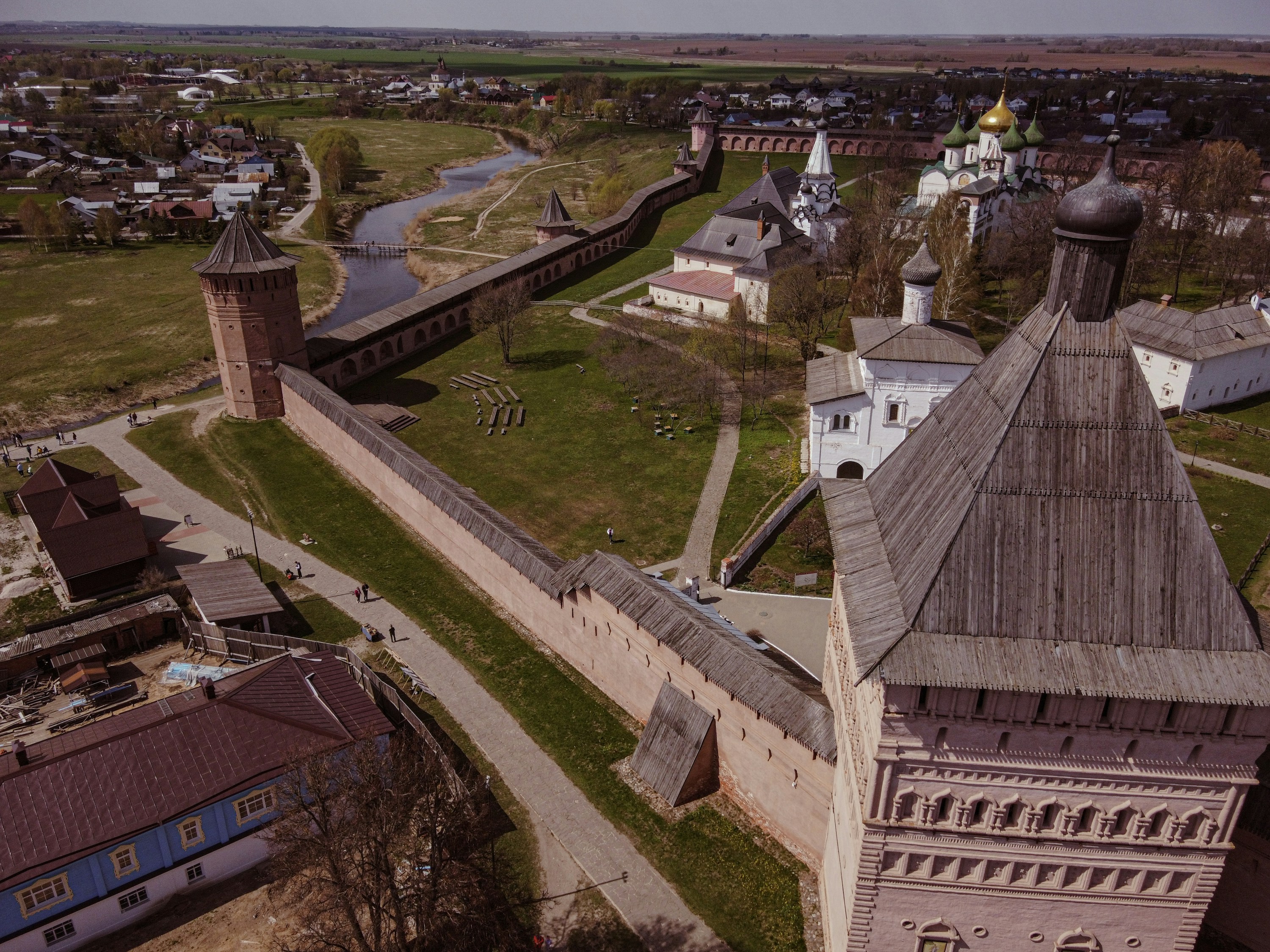 #6070 /100
Suzdal is a Golden Ring town that never industrialised, leaving a skyline of onion domes and log houses largely unchanged since the 18th century.
Its walled kremlin, the Nativity Cathedral's blue star-studded domes and a wooden Church of St Nicholas moved here from another village sit alongside a working monastery and open-air museum.
No building rises above two storeys, so the whole town reads as one continuous historic scene.
How does it rate
CrowdsRomanceCash RequiredDangerAccessibilityWhy you should go
An entire pre-industrial Russian town, kremlin and monasteries intact, with no modern skyline to break it.
Why you shouldn't go
No train station of its own — every route in involves a bus or taxi transfer from Vladimir or a long drive from Moscow.
Plan your visit
Best time to visitMay–September for warm weather and local festivals; snow adds its own appeal in winterBest time of dayEarly morning along the river, before day-trip coach groups from Moscow arriveGetting thereTrain from Moscow's Kursky station to Vladimir (about 2.5hrs), then a local bus or taxi (40km) to Suzdal; no direct rail into town.Entry costFree to walk the town; kremlin and monastery museums charge small separate feesTime neededFull day trip, or overnight to see it without the coach groupsInsider tip — Climb the Kremlin's bell tower or the Monastery of Saint Euthymius walls for a view over the whole town at once — most day-trippers never look up from ground level. -
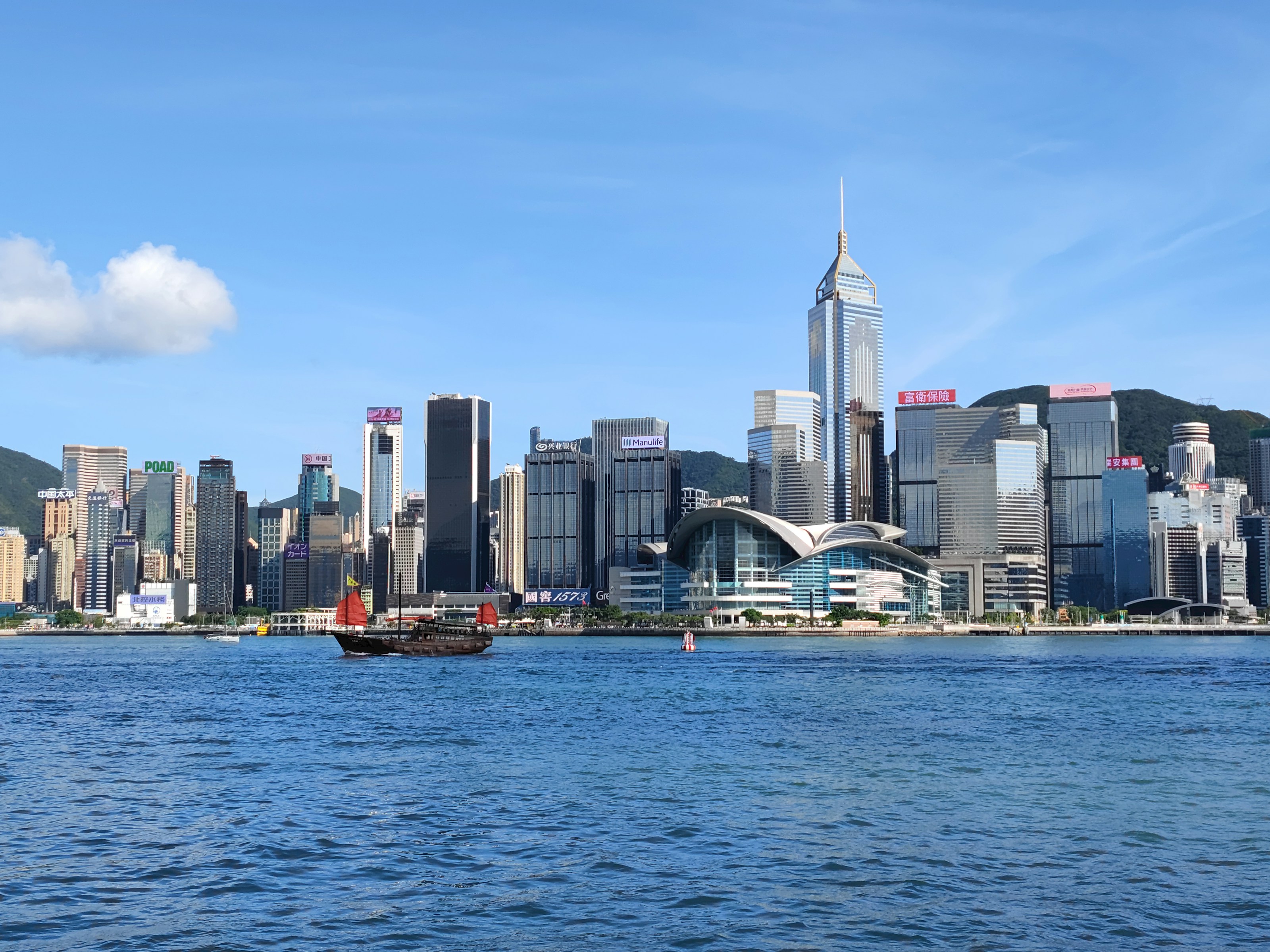 #6170 /100
Every February and March, Hong Kong Arts Festival brings international opera, theatre, and dance companies to venues across the city alongside new work by local artists, positioning itself as a bridge between Western and Chinese performing arts traditions.
Programming spans the grand Cultural Centre auditorium to smaller black-box theatres, with commissioned pieces that often blend Cantonese opera technique with contemporary staging.
How does it rate
CrowdsRomanceCash RequiredDangerAccessibilityWhy you should go
International opera, theatre, and dance staged alongside new work blending Cantonese opera with contemporary performance.
Why you shouldn't go
The programme is dense and spread across the city, so advance planning is needed to catch specific must-see shows.
Plan your visit
Best time to visitFebruary and March each year.Best time of dayEvening for most main-stage performances.Getting thereFly into Hong Kong International Airport, then the Airport Express train into the city centre, about 25 minutes.Entry costTickets run roughly HKD 200-800 depending on the show and venue.Time neededOne evening per show; the full festival runs about six weeks.BookingBook ahead →Insider tip — Student and preview-night discounts cut ticket prices significantly and are open to festival visitors, not just locals. -
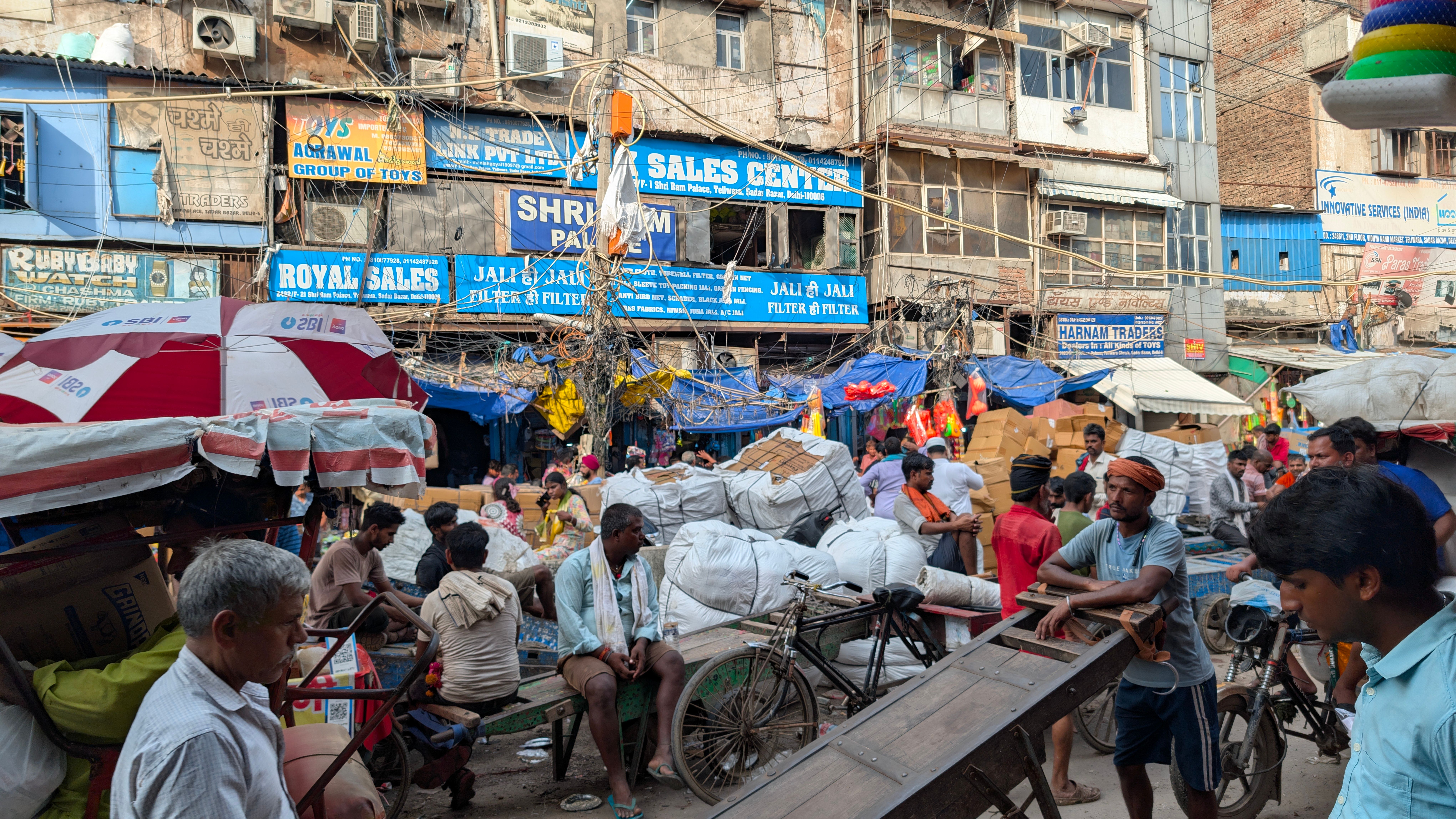 #6268 /100
Old Delhi's Chandni Chowk has operated as one of India's busiest markets since the 17th century, built as a moonlit shopping square for the Mughal court outside the Red Fort.
Its narrow lanes are a dense tangle of spice merchants, wedding-sari shops and some of Delhi's most famous street food, navigated by foot, cycle-rickshaw and the occasional cow.
How does it rate
CrowdsRomanceCash RequiredDangerAccessibilityWhy you should go
A 17th-century Mughal-era market of tangled lanes, spice traders and Delhi's most famous street food.
Why you shouldn't go
Traffic, crowds and narrow lanes make it genuinely overwhelming, and petty theft is a real risk in the densest sections.
Plan your visit
Best time to visitWinter months (November to February) for cooler, more comfortable walking conditions.Best time of dayMorning, before midday heat and crowds are at their most intense.Getting thereTake the Delhi Metro to Chandni Chowk station on the Yellow Line, a short walk from the market's main gate.Entry costFree to browse; street food and goods are inexpensive.Time needed2-3 hours.Insider tip — Take a cycle-rickshaw through the narrowest lanes rather than walking, both for the experience and to avoid getting lost. -
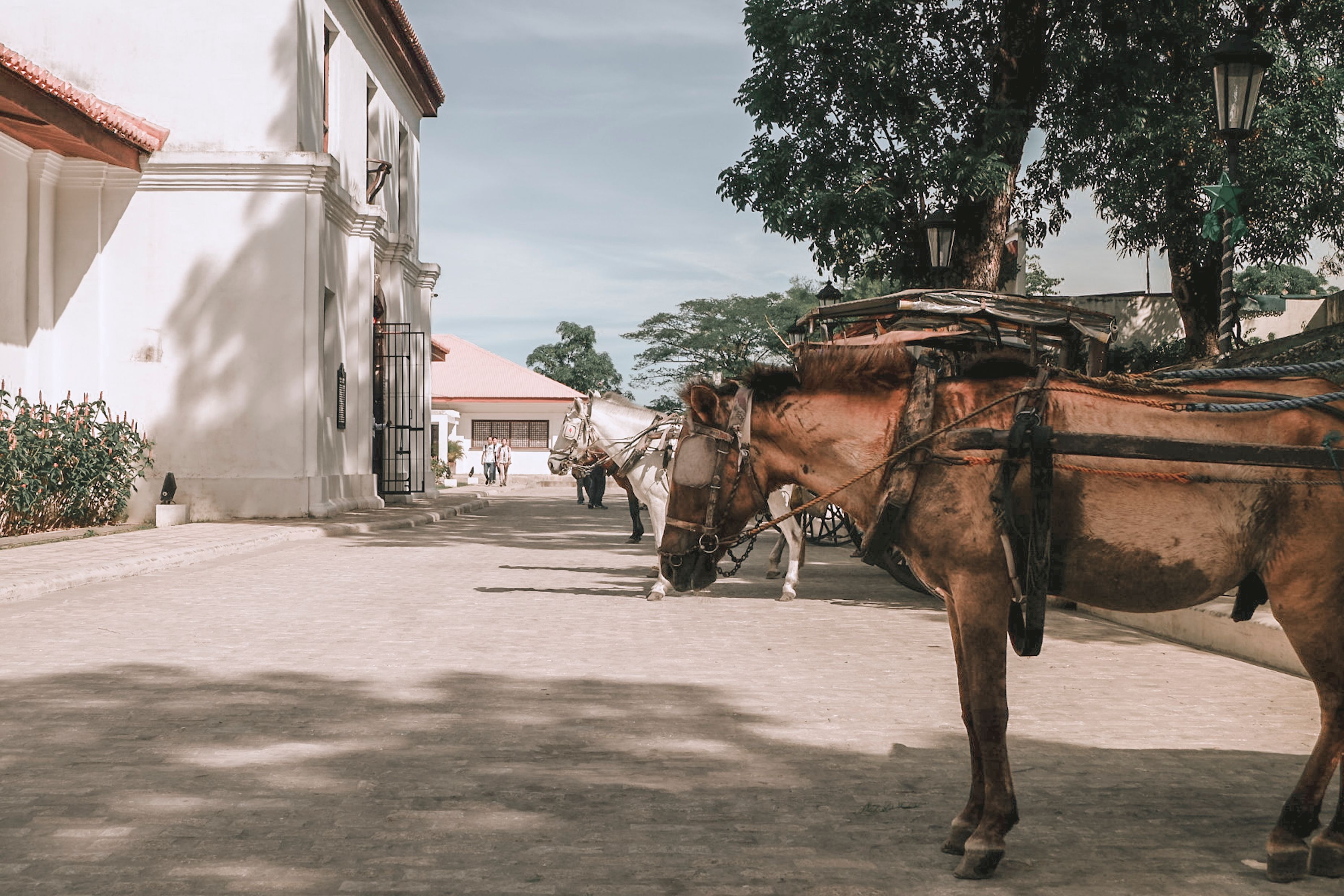 #6365 /100
One of the best-preserved Spanish colonial towns in Asia, Vigan's cobblestone Calle Crisologo is lined with centuries-old ancestral houses combining Chinese, Spanish and Filipino styles, still occupied and largely unrestored-to-a-fault.
Horse-drawn calesa carriages clatter down the same streets locals actually use, and the town's pottery and abel-weaving workshops keep traditional crafts alive rather than staged for tourists.
How does it rate
CrowdsRomanceCash RequiredDangerAccessibilityWhy you should go
One of Asia's most intact Spanish colonial towns, still lived in rather than roped off.
Why you shouldn't go
It's primarily a walking/browsing destination — sights are limited beyond the streetscape itself.
Plan your visit
Best time to visitNovember–February, the cool dry season.Best time of dayEarly evening, when Calle Crisologo's gas lamps are lit and day-trippers have left.Getting thereFly to Laoag, then a 1-hour drive south, or an overnight bus from Manila (about 8–9 hours).Entry costFree to walk; calesa rides around ₱150 (~€2.40).Time needed1 day.Insider tip — Skip the daytime calesa queues on Calle Crisologo and instead take one after dinner, when the street is lamp-lit and nearly empty. -
 #6462 /100
The first Disney park built outside the United States and consistently rated among the most immaculately maintained and detail-obsessed in the world, famous for cast members who treat every corner of the park as on-stage.
Its Cinderella Castle sits at the heart of a layout close to the original Anaheim design, while the adjoining DisneySea park (a separate ticket) offers a wholly original, more adult-oriented nautical theme found nowhere else on Earth.
Efficiency and cleanliness here are practically a tourist attraction in themselves.
How does it rate
CrowdsRomanceCash RequiredDangerAccessibilityWhy you should go
Famous even among Disney parks for its obsessive attention to detail and cleanliness, next to the entirely unique DisneySea.
Why you shouldn't go
It's consistently one of the most crowded Disney parks worldwide, and popular attraction reservations fill within minutes of release.
Plan your visit
Best time to visitLate autumn or midweek in January-February for relatively shorter queues.Best time of dayOpening, to secure ride reservations through the app before they disappear.Getting thereTrain to Maihama Station on the JR Keiyo Line from central Tokyo, about 15-20 minutes.Entry costOne-day tickets start around 8,400-10,900 yen depending on the date.Time neededA full day.BookingBook ahead →Insider tip — Book the app's paid priority passes for the newest attractions the moment your ticket window opens - free standby queues for headline rides can exceed three hours. -
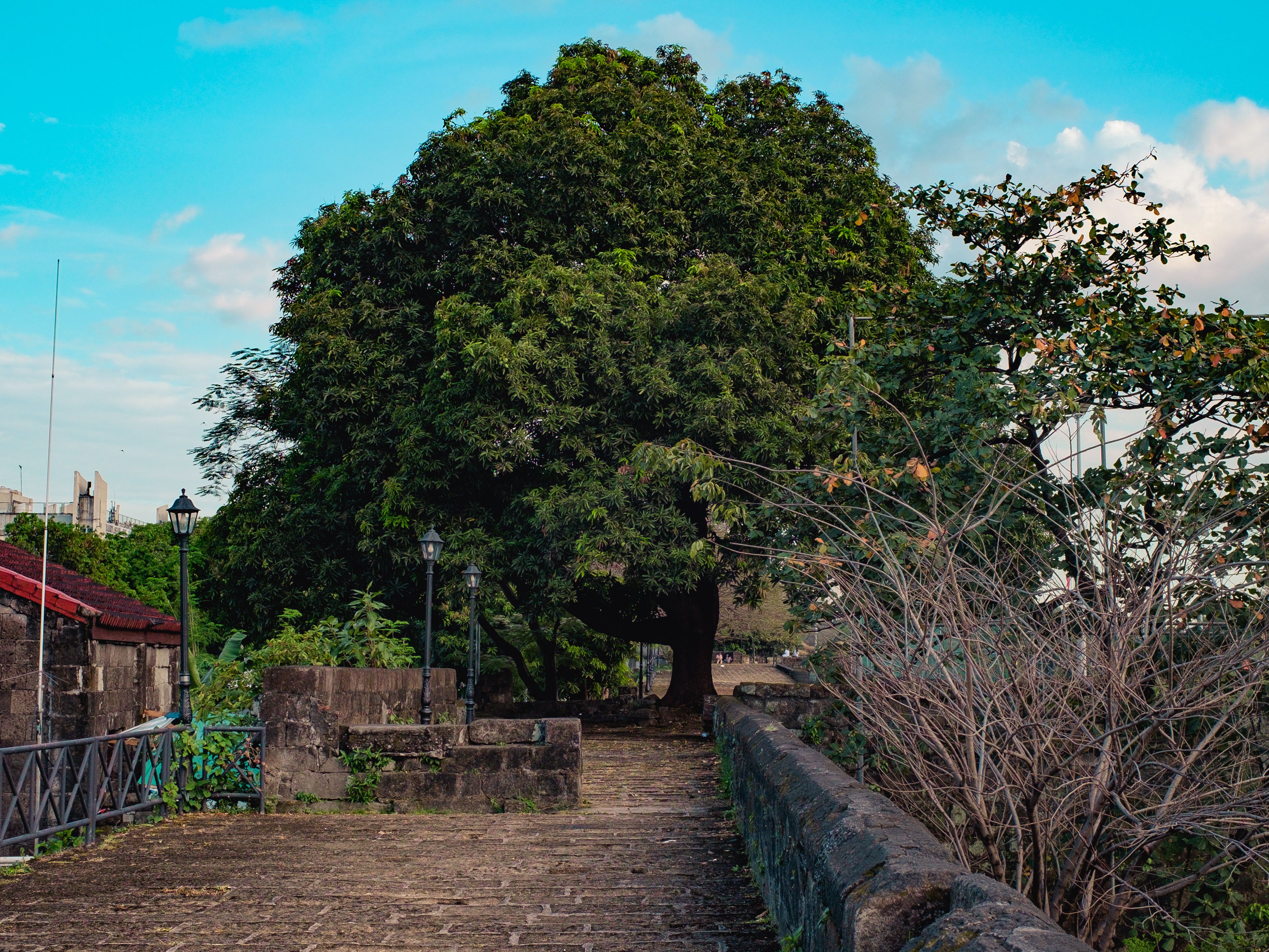 #6561 /100
The old walled Spanish city at the heart of Manila, Intramuros holds the country's colonial-era core: Fort Santiago's parade grounds and dungeons, the baroque San Agustin Church (a UNESCO site), and cobbled streets enclosed by their original stone fortifications.
Large sections were destroyed in WWII and rebuilt, so what remains is a mix of genuine ruins and reconstruction, a stark contrast to Manila's modern sprawl outside the walls.
How does it rate
CrowdsRomanceCash RequiredDangerAccessibilityWhy you should go
A walled colonial-era district offering a completely different atmosphere from modern Manila outside it.
Why you shouldn't go
Heavy WWII damage means much of what's seen is reconstruction rather than original fabric.
Plan your visit
Best time to visitNovember–February for cooler, drier weather to walk the district.Best time of dayMorning, before the heat and crowds build around Fort Santiago.Getting thereTaxi, ride-hail or LRT to Manila's Intramuros district, easily reached from anywhere in the city.Entry costFree to walk the district; Fort Santiago entry around ₱75 (~€1.20).Time neededHalf a day.Insider tip — Rent a bike from the visitor center rather than walking — the district is larger and hotter than it looks on a map. -
 #66
#66Rated #66 of 67
Ferrari World Abu Dhabi, the United Arab Emirates
#ferrariworldabudhabi ◆ Theme Parks61 /100The world's largest indoor theme park, entirely enclosed beneath a vast red roof shaped like a stylised Ferrari GT racing silhouette, visible for miles across Yas Island.
Formula Rossa, the world's fastest roller coaster, launches riders to over 240 km/h in under five seconds, while dozens of gentler Ferrari-branded rides and simulators fill out the rest of the building.
Being fully indoor and air-conditioned makes it one of the few major theme parks unaffected by desert heat or rain.
How does it rate
CrowdsRomanceCash RequiredDangerAccessibilityWhy you should go
The world's fastest roller coaster, inside the largest indoor theme park on Earth, under a giant Ferrari-shaped roof.
Why you shouldn't go
It's a single indoor building rather than sprawling parkland, so the overall sense of scale and variety is smaller than outdoor mega-parks.
Plan your visit
Best time to visitNovember-March for comfortable weather on Yas Island outside the park itself.Best time of dayOpening, to ride Formula Rossa before queues build past an hour.Getting thereA 30-40 minute drive or taxi from Abu Dhabi city, or about 1 hour from Dubai, to Yas Island.Entry costOne-day tickets start around 345-395 AED for adults.Time neededA full day.BookingBook ahead →Insider tip — Formula Rossa requires safety glasses (provided) for the speed - ride it first thing, since the queue for it alone can eat an hour later in the day. -
 #6750 /100
South Korea's largest theme park, split into themed zones from a European-style village to the Zootopia-esque Lost Valley safari, with a rose garden and four-seasons floral displays that draw as many domestic visitors as the rides themselves.
T Express, one of Asia's steepest wooden roller coasters, anchors the thrill-ride side, while the safari section lets visitors drive through enclosures with lions and tigers from the safety of a vehicle.
Its rotating seasonal festivals, especially spring tulips and autumn illuminations, are as much a draw as any single ride.
How does it rate
CrowdsRomanceCash RequiredDangerAccessibilityWhy you should go
A wooden hyper-coaster and a drive-through big cat safari, wrapped around some of Korea's most photographed seasonal flower festivals.
Why you shouldn't go
The seasonal flower festivals (its biggest draw for many visitors) mean crowds and prices both spike hard during those specific weeks.
Plan your visit
Best time to visitApril for the tulip festival or October for autumn illuminations, though both bring peak crowds.Best time of dayOpening, especially during festival weeks when photo spots get busy fast.Getting thereA shuttle bus from Gangnam or Jamsil in Seoul, about 1-1.5 hours depending on traffic.Entry costOne-day tickets start around 62,000-64,000 KRW for adults.Time neededA full day.BookingBook ahead →Insider tip — Ride the Zootopia safari bus early in the day - the big cats are far more active before the midday heat sets in.


More from Asia
-
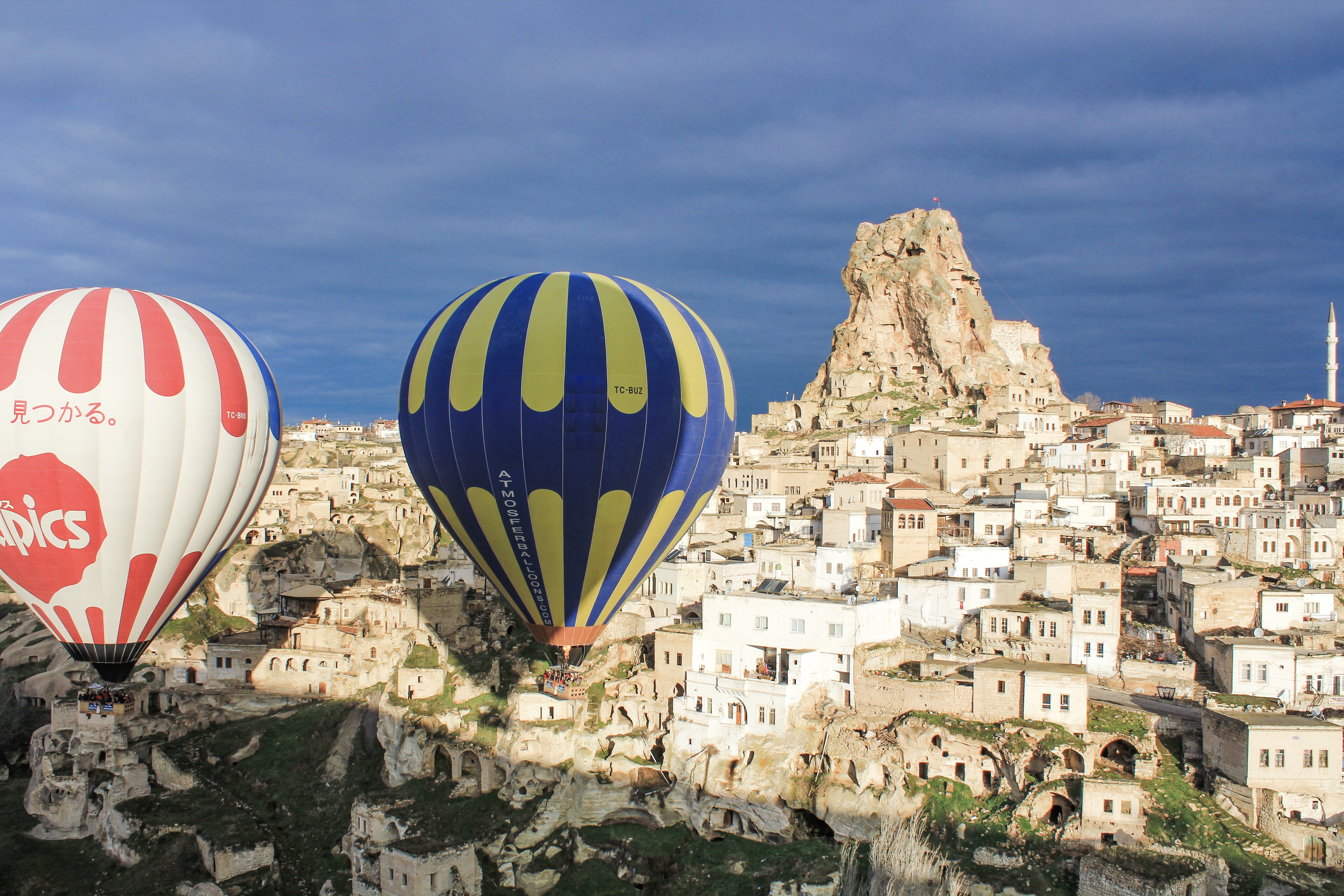

More Cultural spots
-

How a score is built
One score out of 100, five criteria behind it
Every place is rated 1–5 on each of the criteria below, then combined into a single score out of 100. It's calculated by us, the same way every time — not an average of traveller reviews or social votes.
Crowds
How many people you'll be sharing it with, and at what time of day.
Romance
How well it suits a couple, a proposal, or a quiet moment together.
Cash required
Entry fees, permits, guides, rentals — what it actually costs to do it.
Danger
Physical risk involved, from a slippery viewpoint to genuine hazard.
Accessibility
How far off the beaten path it is, and how hard it is to actually reach.

