-
 #196 /100
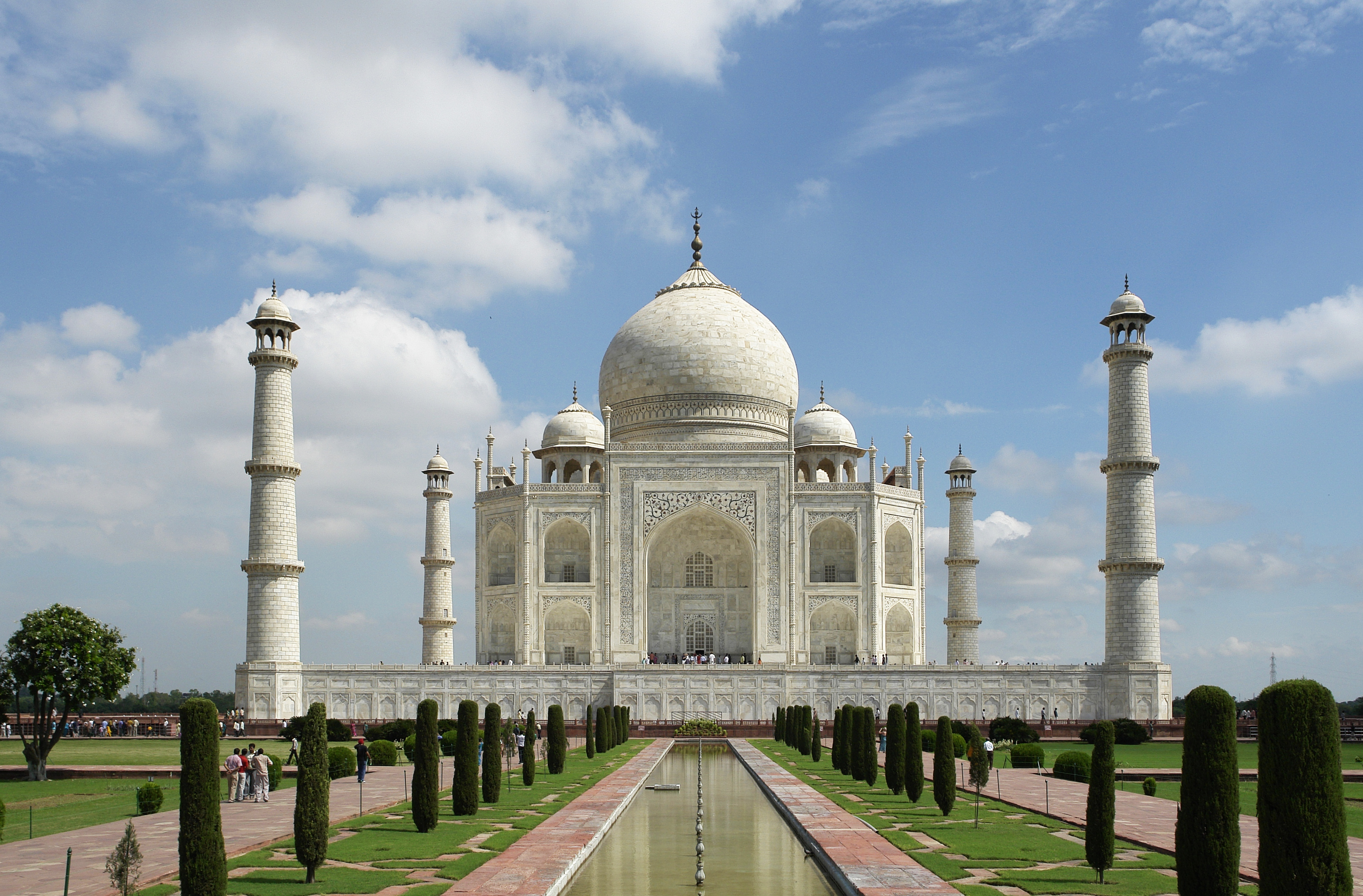
Built by Mughal Emperor Shah Jahan as a mausoleum for his beloved wife Mumtaz Mahal, the Taj Mahal is widely considered the finest example of Mughal architecture in the world.
The white marble monument changes colour from pink in the dawn light to brilliant white at midday.
How does it rate
CrowdsRomanceCash RequiredDangerAccessibilityWhy you should go
The Taj Mahal's perfect symmetry and the way it changes colour with the light throughout the day means no two visits look quite the same.
Why you shouldn't go
Agra itself is not a particularly pleasant city, the Taj becomes very crowded from mid-morning, and the reflecting pool is sometimes dry or covered in algae.
Plan your visit
Best time to visitOctober-March (cooler, clearer skies)Best time of daySunrise, for both light and to avoid heat and crowdsGetting thereFly or train to AgraEntry cost~Rs1100 for foreign visitorsTime needed2-3 hoursInsider tip — Enter from the east or west gate rather than the main south gate to avoid the biggest queues -
 #290 /100
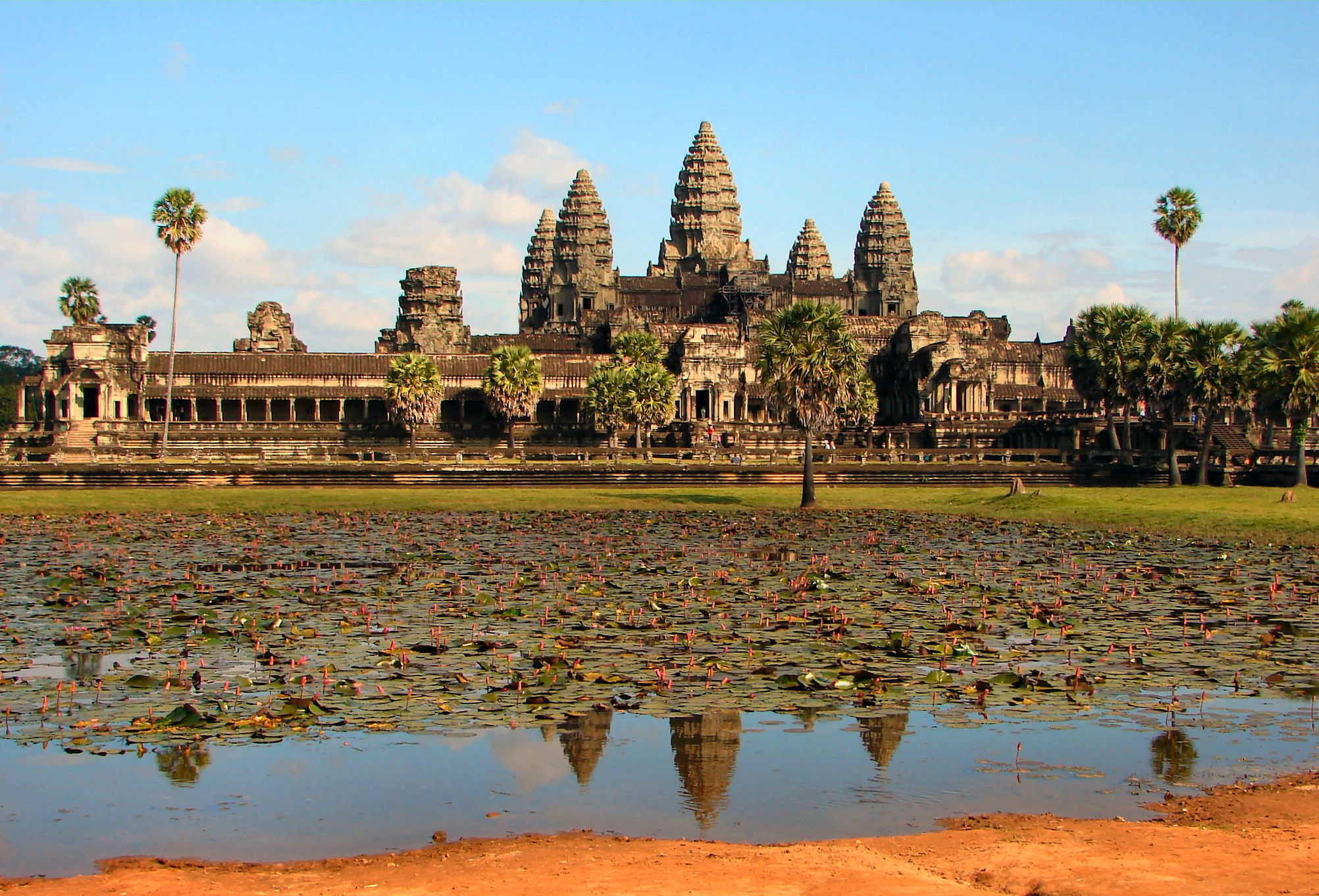
Built in the early 12th century by the Khmer Empire, Angkor Wat is the world's largest religious monument covering over 400 acres.
The temple's five lotus-shaped towers rising above the jungle, reflected in its surrounding moat, and the extraordinary bas-reliefs on its walls make it one of humanity's greatest achievements.
How does it rate
CrowdsRomanceCash RequiredDangerAccessibilityWhy you should go
Watching the sun rise over Angkor Wat's towers reflected in the moat is one of Asia's most magical travel experiences.
Why you shouldn't go
The temple complex is vast; comfortable exploration requires at least two to three days and the site attracts large numbers of tourists.
Plan your visit
Best time to visitNovember-February (dry, cooler)Best time of daySunrise over the temple towersGetting thereFly to Siem ReapEntry cost~$37 one-day passTime neededFull day, ideally 3 days for the wider complexInsider tip — Arrive by 5am for sunrise; the reflection pool gets crowded fast once the sun is up -
 #388 /100
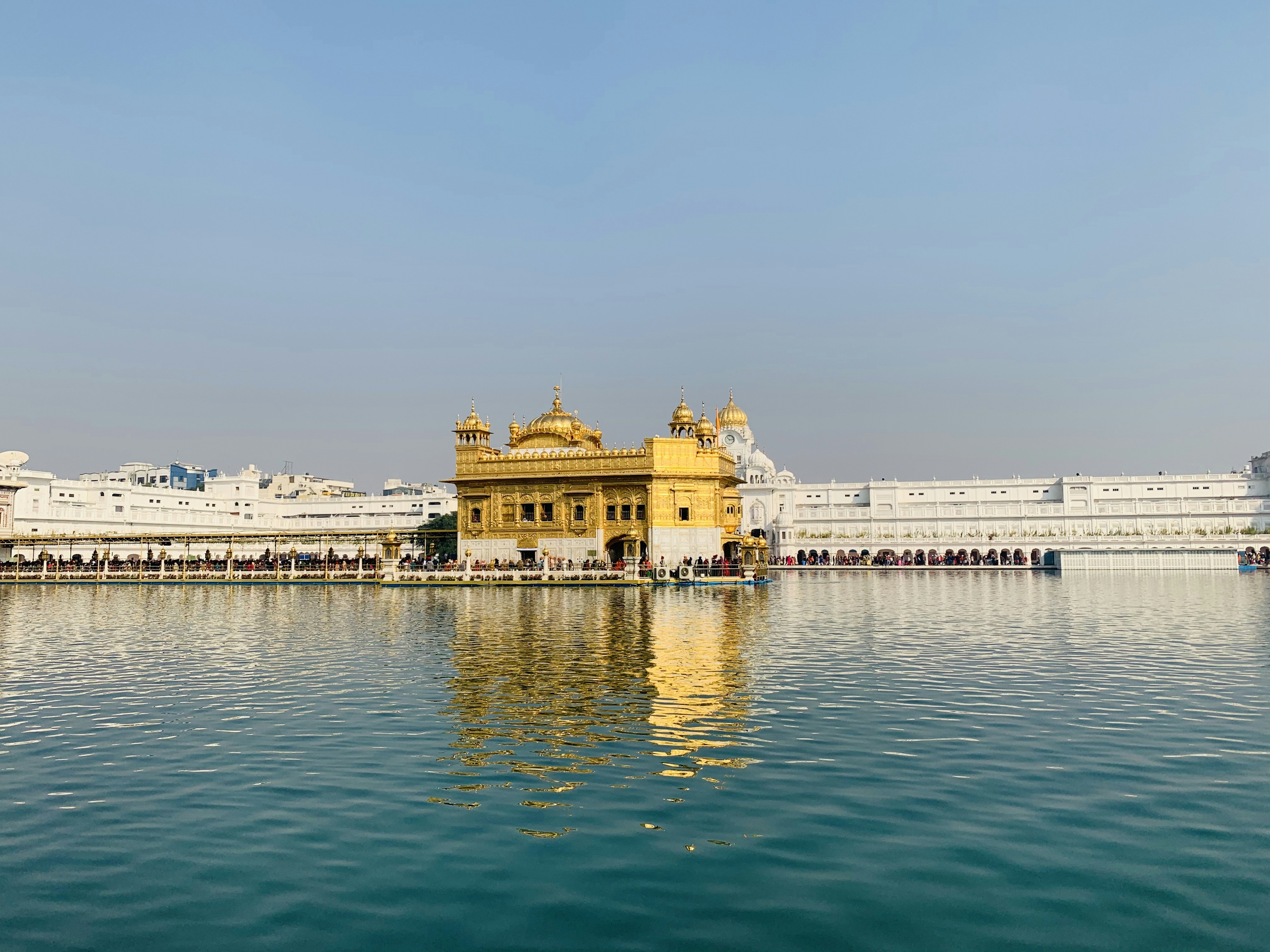
The holiest site in Sikhism sits at the centre of a large square pool, its upper floors gilded in real gold and doubled by a near-perfect reflection in the still water.
Pilgrims circle the marble walkway at all hours, and the temple runs one of the world's largest free communal kitchens, feeding tens of thousands daily.
Lit at night, the gold dome and its reflection form one symmetrical image.
How does it rate
CrowdsRomanceCash RequiredDangerAccessibilityWhy you should go
A gold temple perfectly mirrored in a still pool, open to visitors of every faith.
Why you shouldn't go
It's a functioning, deeply sacred pilgrimage site, not a tourist attraction - dress and behaviour expectations are strict.
Plan your visit
Best time to visitOctober-March, avoiding the summer heat.Best time of dayEarly morning or after dark, when the gold dome is lit and crowds thin.Getting thereFly or train to Amritsar; the temple is centrally located and walkable from the old city.Entry costFree; head covering required and provided at the entrance.Time needed2-3 hoursInsider tip — Join the free communal meal (langar) in the dining hall - it's open to all visitors and a core part of the experience, not just the photos. -
 #487 /100
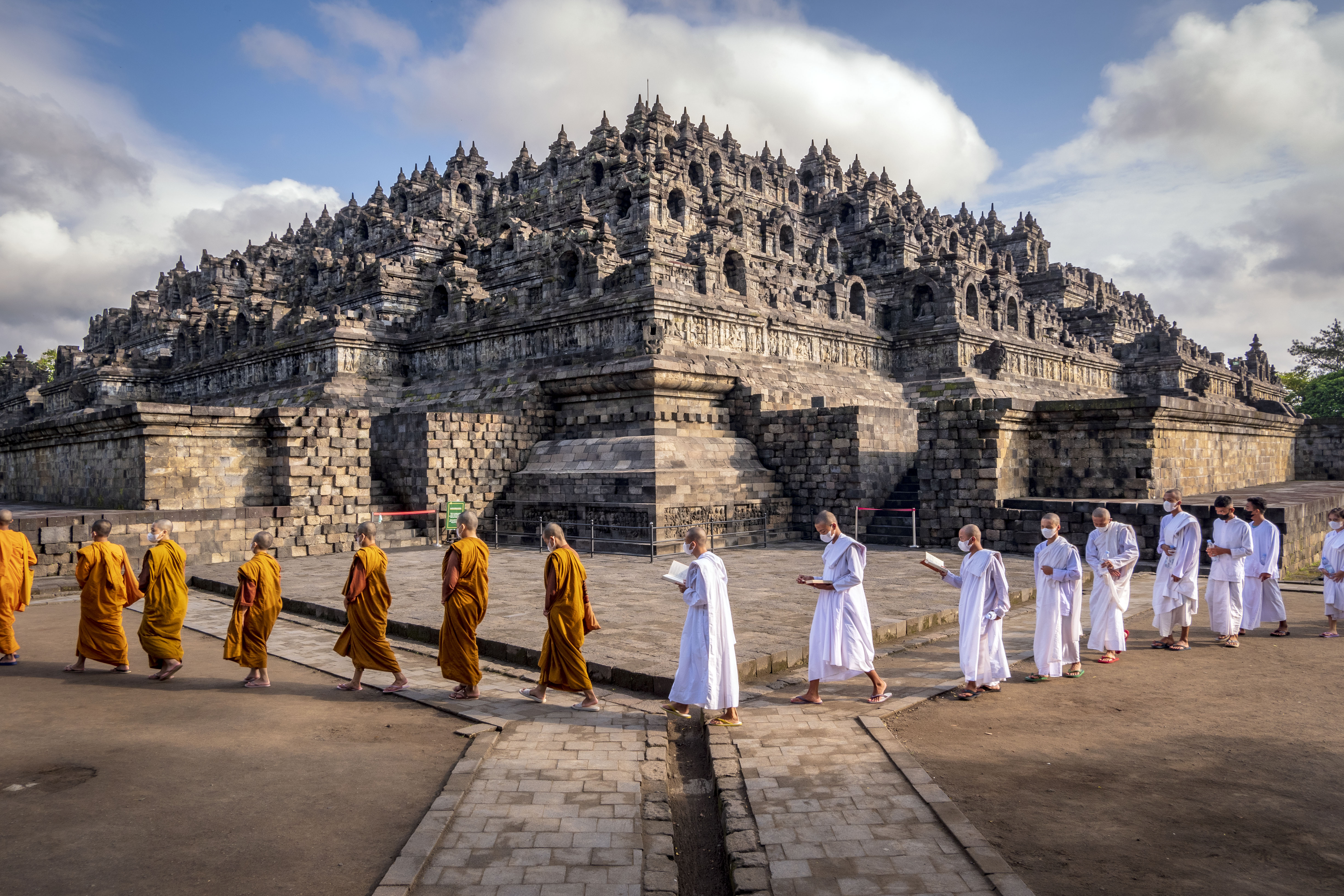
Borobudur is a 9th-century Mahayana Buddhist temple in Central Java and the world's largest Buddhist temple.
Its nine stacked platforms are decorated with 2,672 relief panels and 504 Buddha statues; the three circular upper tiers hold 72 openwork stupas, each containing a Buddha statue, creating one of the world's greatest religious monuments.
How does it rate
CrowdsRomanceCash RequiredDangerAccessibilityWhy you should go
Watching the sun rise over Borobudur from its upper terraces, with morning mist filling the surrounding jungle and volcanic peaks on the horizon, is a genuinely transcendent experience.
Why you shouldn't go
Dawn entry to the higher terraces requires a premium ticket; the relief panels are extensive and understanding their meaning requires a guide or significant research.
Plan your visit
Best time to visitMay-September (dry season)Best time of daySunrise, when mist often sits in the surrounding valleyGetting there~1.5hr drive from YogyakartaEntry cost~$25 for foreign visitors; sunrise tickets extraTime needed3-4 hoursInsider tip — Book the official sunrise tour; it is the only way in before general opening and the temple is far quieter -
 #587 /100
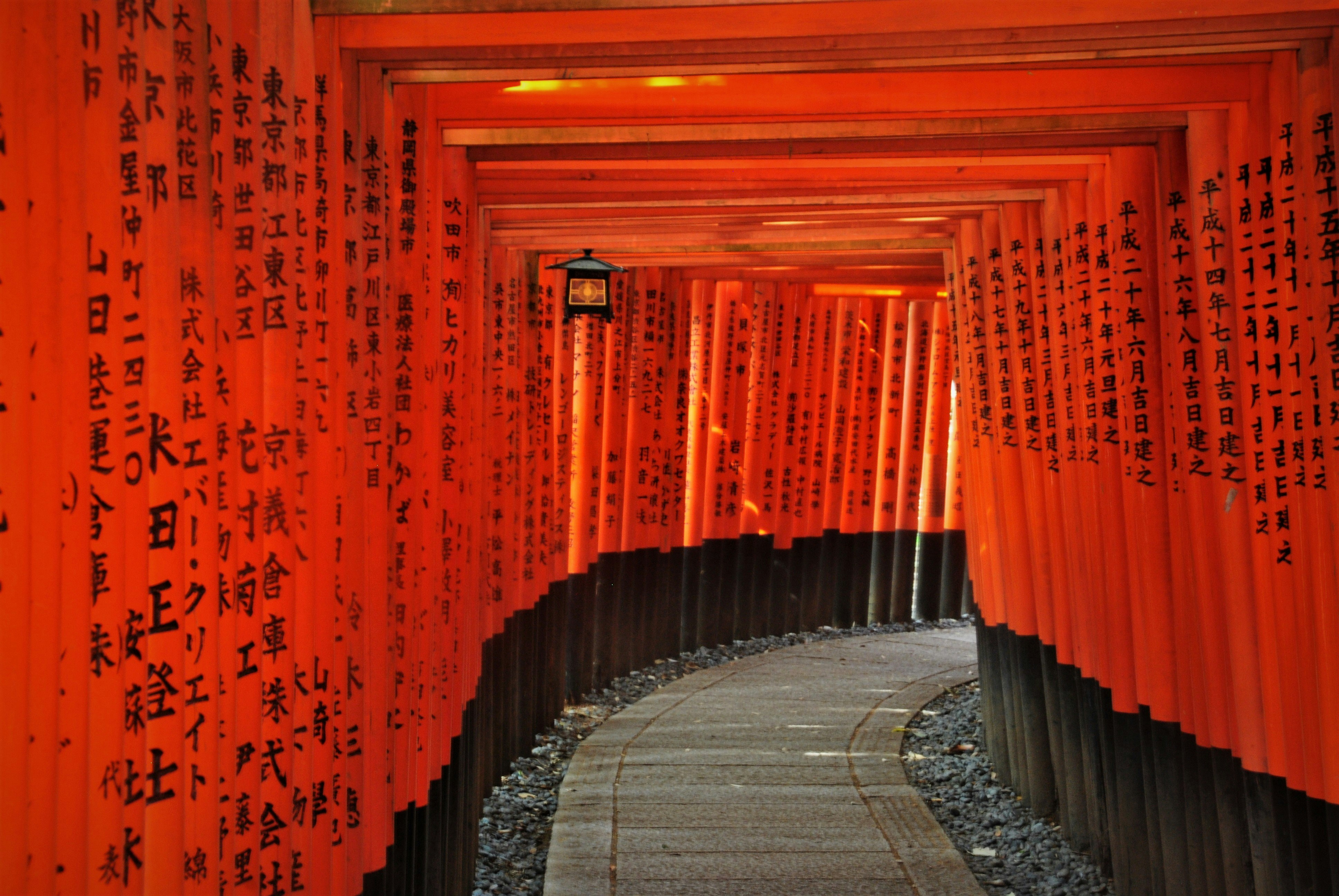
Fushimi Inari Shrine's thousands of vermillion torii gates form a tunnel climbing the wooded slopes of Mount Inari on Kyoto's eastern edge.
The lower gates near the entrance are the most photographed; the full loop to the summit takes 2-3 hours and thins to a handful of hikers past the first viewpoint.
Founded before 794, it remains an active Shinto shrine to the rice deity Inari, with fox statues marking its guardian messengers.
How does it rate
CrowdsRomanceCash RequiredDangerAccessibilityWhy you should go
Thousands of vermillion gates form a tunnel up a mountain, and it's free to walk the whole thing any time of day.
Why you shouldn't go
The first few hundred metres of gates near the entrance get shoulder-to-shoulder crowded by mid-morning.
Plan your visit
Best time to visitYear-round; quietest in winter, especially after sunset when gates are lit but crowds thin.Best time of dayBefore 7am or after 6pm to get the lower gates without crowds in your photos.Getting thereJR Nara Line to Inari Station, one stop from Kyoto Station; the shrine entrance is right outside.Entry costFreeTime needed1-3 hours depending on how far up the mountain you goInsider tip — Most visitors turn back after the first viewpoint (Yotsutsuji) - continue further for near-empty gates and city views. -
 #686 /100
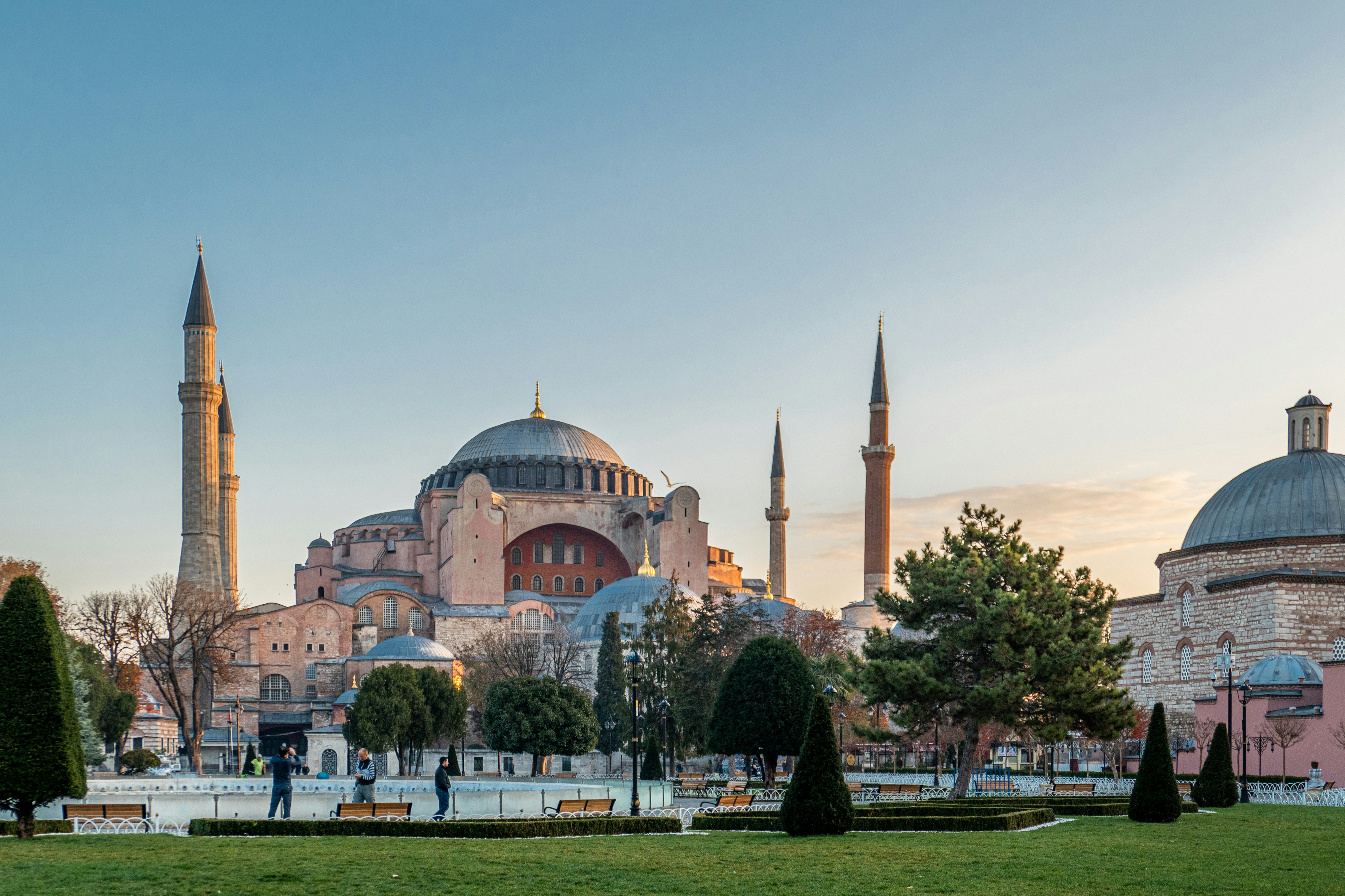
Nearly 1,500 years old, this Byzantine cathedral-turned-mosque carries a vast dome that dominated the ancient world's skyline for centuries.
Gold mosaics of Christian saints sit alongside Islamic calligraphy inside, a rare visible record of the building's several religious lives.
Dozens of windows ringing the dome's base light the vast interior.
How does it rate
CrowdsRomanceCash RequiredDangerAccessibilityWhy you should go
1,500 years of Byzantine and Ottoman history under a single vast dome.
Why you shouldn't go
It's one of Istanbul's single busiest sites - expect real queues most of the day.
Plan your visit
Best time to visitYear-round; spring and autumn avoid both summer heat and peak crowds.Best time of dayRight at opening, to see the interior before tour groups fill it.Getting thereCentral Istanbul, walkable from Sultanahmet tram stop.Entry costEntry fee required (reinstated as a mosque with paid tourist visiting hours).Time needed1-2 hoursInsider tip — Visit right at opening or in the last hour before close - the queue outside is shortest at both ends of the day. -
 #783 /100
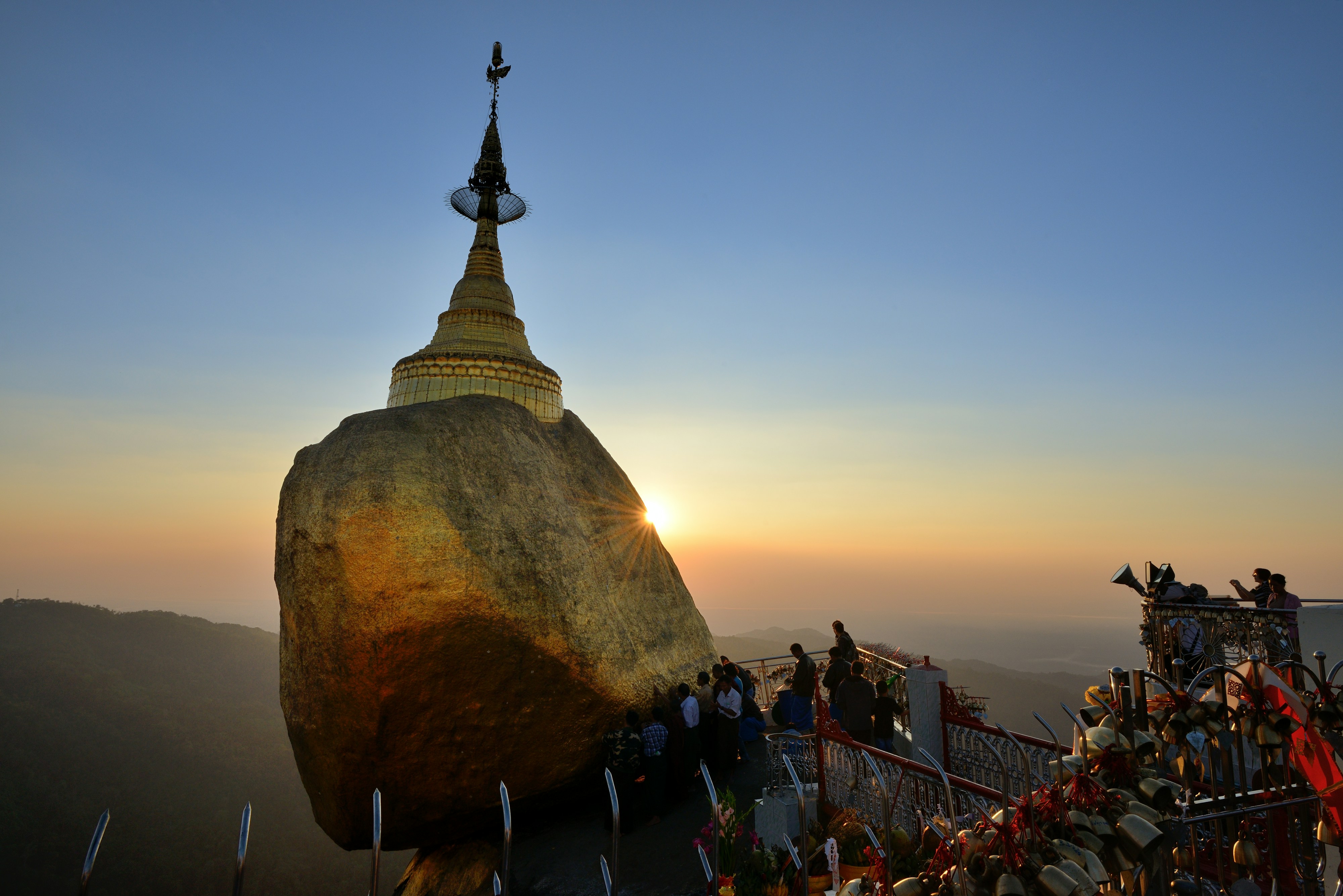
A gold-leaf-covered boulder balances impossibly on the very edge of a cliff, topped with a small pagoda said to be held in place by a strand of Buddha's hair.
Generations of pilgrims have applied gold leaf by hand, thickening the surface over centuries into a solid gilded shell.
At sunset the rock glows against the surrounding hills, appearing to defy gravity from almost every angle.
How does it rate
CrowdsRomanceCash RequiredDangerAccessibilityWhy you should go
A gilded boulder that appears to balance on a cliff edge by physics alone.
Why you shouldn't go
Reaching the summit requires a rough open-truck ride plus a steep uphill walk - it isn't a quick stop.
Plan your visit
Best time to visitNovember-February, the cool, dry season.Best time of daySunset, when the gold surface catches the low light.Getting thereDrive from Yangon to Kinpun base camp (about 5 hours), then open-truck transfer and a short uphill walk to the summit.Entry costEntry fee for foreign visitors, plus the truck transfer fare.Time needed1-2 days, including overnight near the summitInsider tip — Stay overnight at the summit - sunset and sunrise on the gilded rock, once the day-trip crowds descend, are dramatically quieter. -
 #883 /100
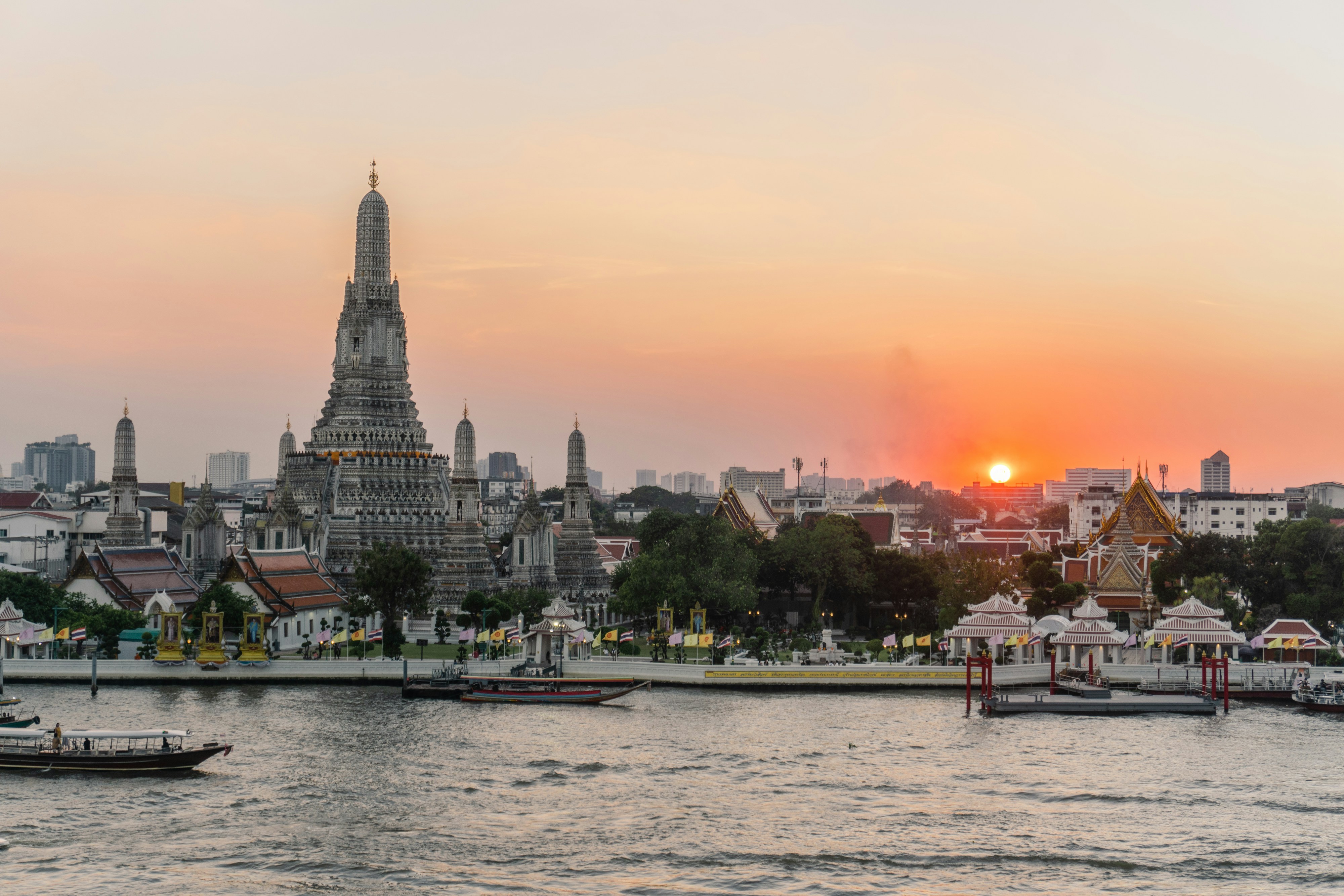
The Temple of Dawn rises in a steep, porcelain-and-seashell-encrusted spire directly on the bank of Bangkok's Chao Phraya River.
Its silhouette against a sunset sky, seen from the river or the opposite bank, is one of the most recognisable images of the city.
Close up, the tower is covered in thousands of tiny inlaid ceramic fragments, a texture that only shows up on approach.
How does it rate
CrowdsRomanceCash RequiredDangerAccessibilityWhy you should go
Bangkok's most photogenic riverside silhouette, especially from a boat at sunset.
Why you shouldn't go
The steep central steps up the spire are narrow and can queue badly at peak times.
Plan your visit
Best time to visitNovember-February, the cooler, drier season.Best time of daySunset, ideally viewed from a boat or the river's opposite bank.Getting thereRiver taxi or cross-river ferry from Tha Tien pier in central Bangkok.Entry costSmall entry fee, around $3.Time needed1-2 hoursInsider tip — Cross the river to Wat Arun itself for the close-up texture, but take a separate boat out onto the river at sunset for the classic silhouette shot. -
 #982 /100
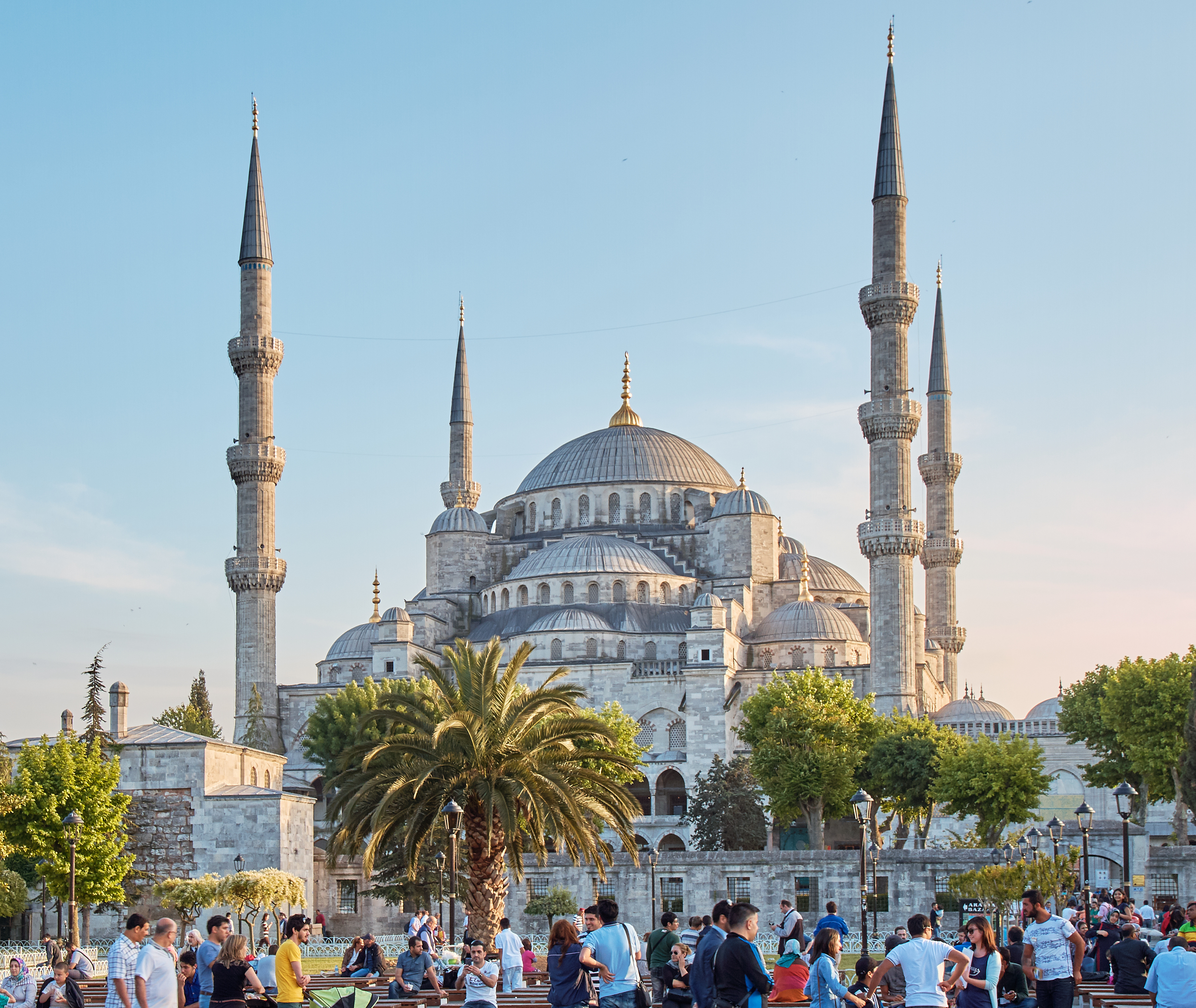
The Sultan Ahmed Mosque, universally known as the Blue Mosque for its Iznik tile-clad interior, is Istanbul's most iconic building.
Completed in 1616, it is the only mosque in Turkey with six minarets and its cascading domes and slender minarets form one of the world's most beautiful skylines.
How does it rate
CrowdsRomanceCash RequiredDangerAccessibilityWhy you should go
The exterior silhouette of domes and minarets against the Istanbul skyline is magnificent, and the interior blue tile work is one of the most beautiful in the Islamic world.
Why you shouldn't go
The mosque is an active place of worship and is closed to tourists during the five daily prayer times, which can disrupt sightseeing plans.
Plan your visit
Best time to visitSpring or autumnBest time of daySunset for the exterior lit against the skyGetting thereSultanahmet tram stopEntry costFree (donations welcome); closed to visitors during prayer timesTime needed1 hourInsider tip — Visit early morning to catch it before tour groups and prayer-time closures -
 #1082 /100
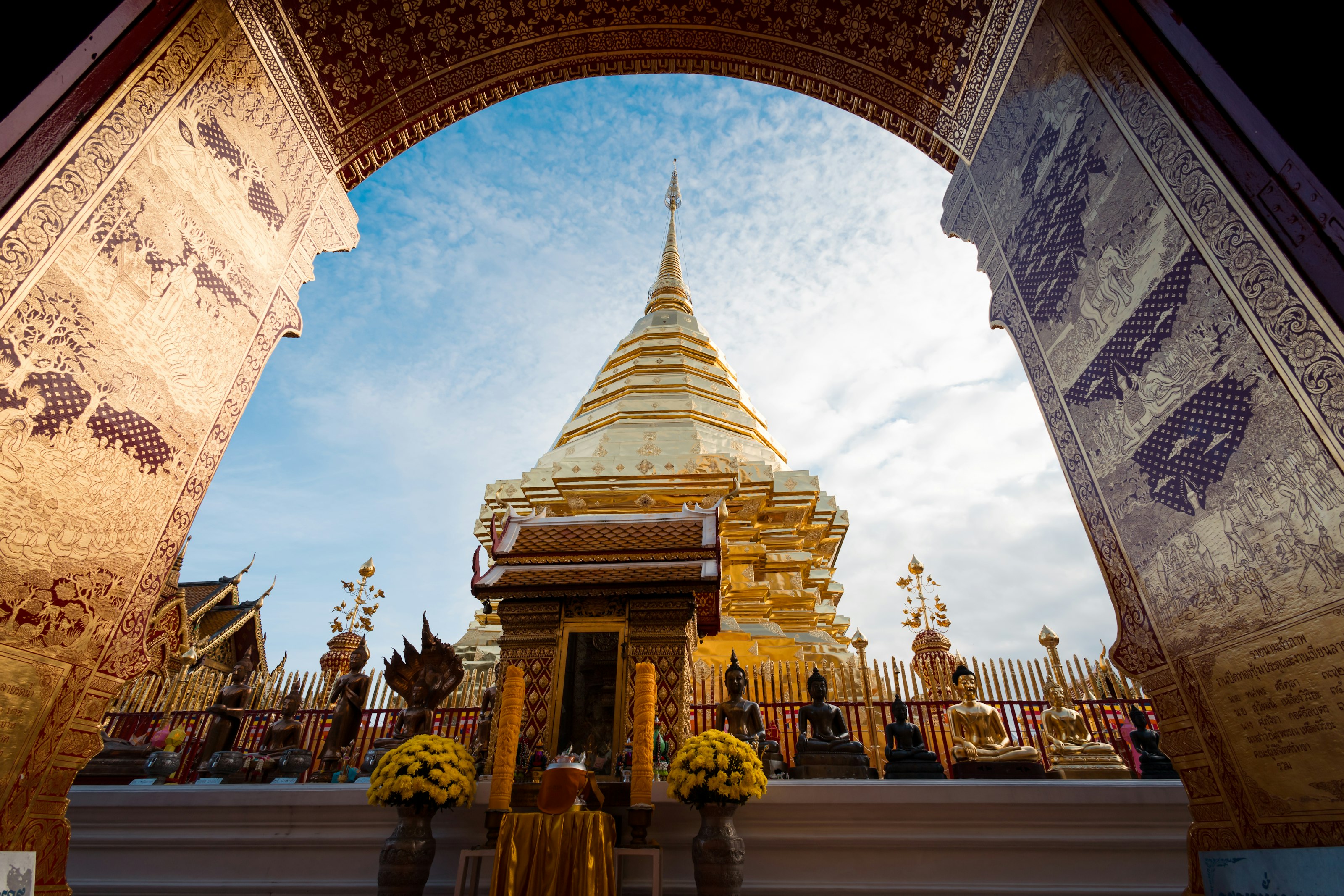
Doi Suthep is a gold-spired temple on a forested mountain above Chiang Mai, reached by a naga-flanked staircase of more than 300 steps or a funicular for those who'd rather skip the climb.
Founded in the 14th century around a relic believed to be a piece of the Buddha's bone, it remains one of northern Thailand's most important pilgrimage sites, with a terrace giving a sweeping view over the whole Chiang Mai valley.
How does it rate
CrowdsRomanceCash RequiredDangerAccessibilityWhy you should go
The golden chedi and mountainside view over Chiang Mai together make this the single best half-day trip from the city.
Why you shouldn't go
The 300-step naga staircase is a real climb in tropical heat, and the temple grounds get busy with tour groups by mid-morning.
Plan your visit
Best time to visitNovember–February, Chiang Mai's cool season.Best time of dayEarly morning, both for cooler temperatures on the stairs and to see monks' morning rituals.Getting thereFly to Chiang Mai; 30–40-minute songthaew or taxi ride up the mountain road from the old city.Entry costSmall entry fee for non-Thai visitors; the funicular costs extra.Time needed2–3 hoursInsider tip — Dress modestly (shoulders and knees covered) — sarongs are available to rent at the entrance if you arrive underdressed. -
 #1182 /100
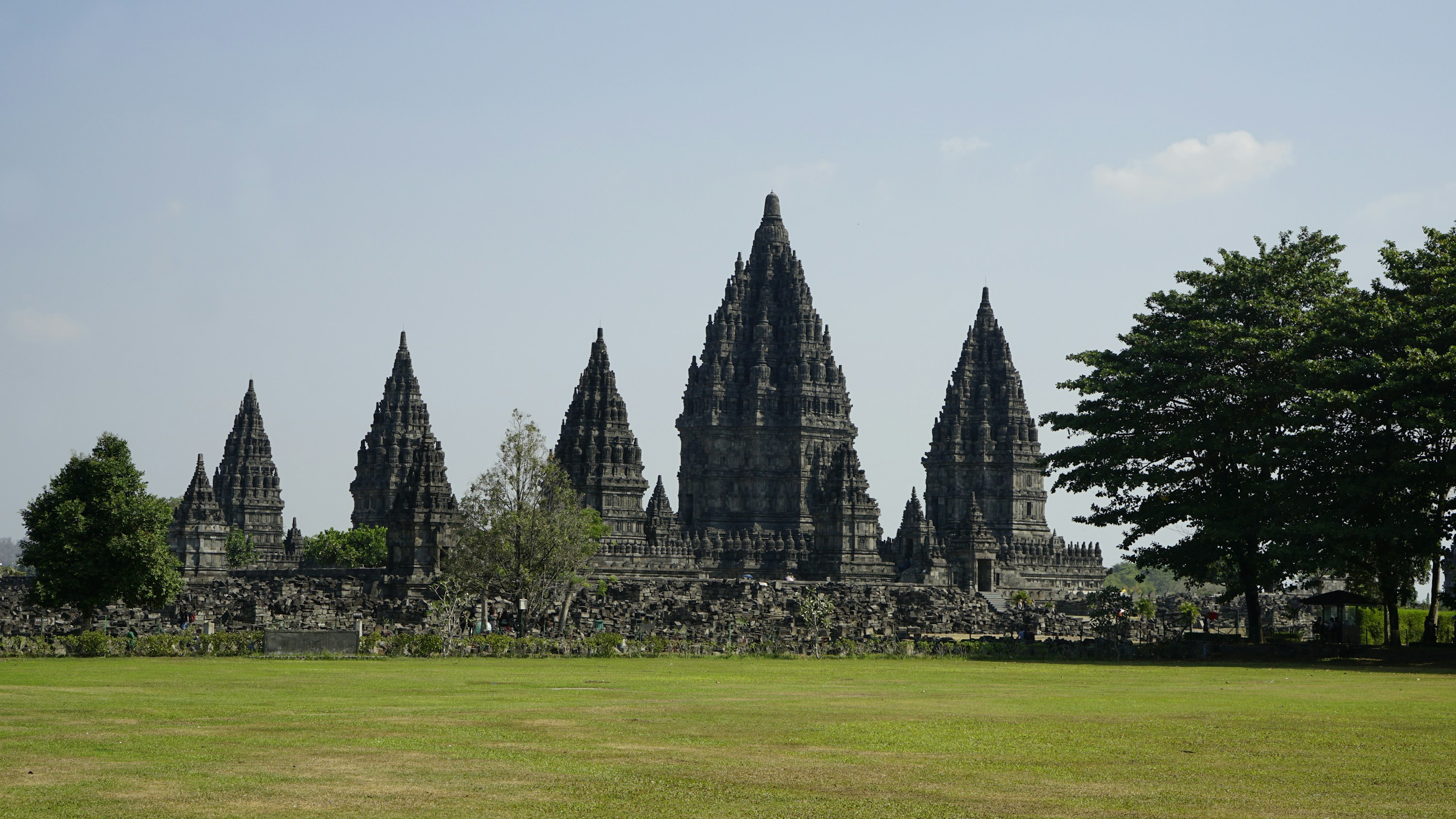
Prambanan is Indonesia's largest Hindu temple complex, its central shrine to Shiva soaring nearly 47 meters above a UNESCO-listed field of 9th-century stone spires.
The reliefs lining its inner galleries narrate the Ramayana in stone, and the complex hosts an outdoor ballet retelling the same epic on moonlit evenings.
Less crowded and more intricately carved than its Buddhist counterpart Borobudur an hour away, it rewards an unhurried walk around all three main shrines.
How does it rate
CrowdsRomanceCash RequiredDangerAccessibilityWhy you should go
Java's grandest Hindu temple complex, with soaring 9th-century spires and detailed Ramayana stone reliefs.
Why you shouldn't go
Central Java's earthquakes have repeatedly damaged the site; some smaller surrounding shrines remain roped-off ruins.
Plan your visit
Best time to visitMay-September, dry season, avoiding the muddiest ground around the outer ruins.Best time of dayOpening time or late afternoon, avoiding midday heat on the unshaded stone plaza.Getting thereFly to Yogyakarta; Prambanan is a 45-minute drive or a cheap TransJogja bus east of the city.Entry costAround $25 for foreign visitors; combined ticket with Borobudur available for both templesTime needed2-3 hoursBookingBook ahead →Insider tip — Buy the combined Borobudur-Prambanan ticket if visiting both within two days; it's cheaper than paying separately. The Ramayana Ballet runs on an open-air stage facing the temple several evenings a week. -
 #1275 /100
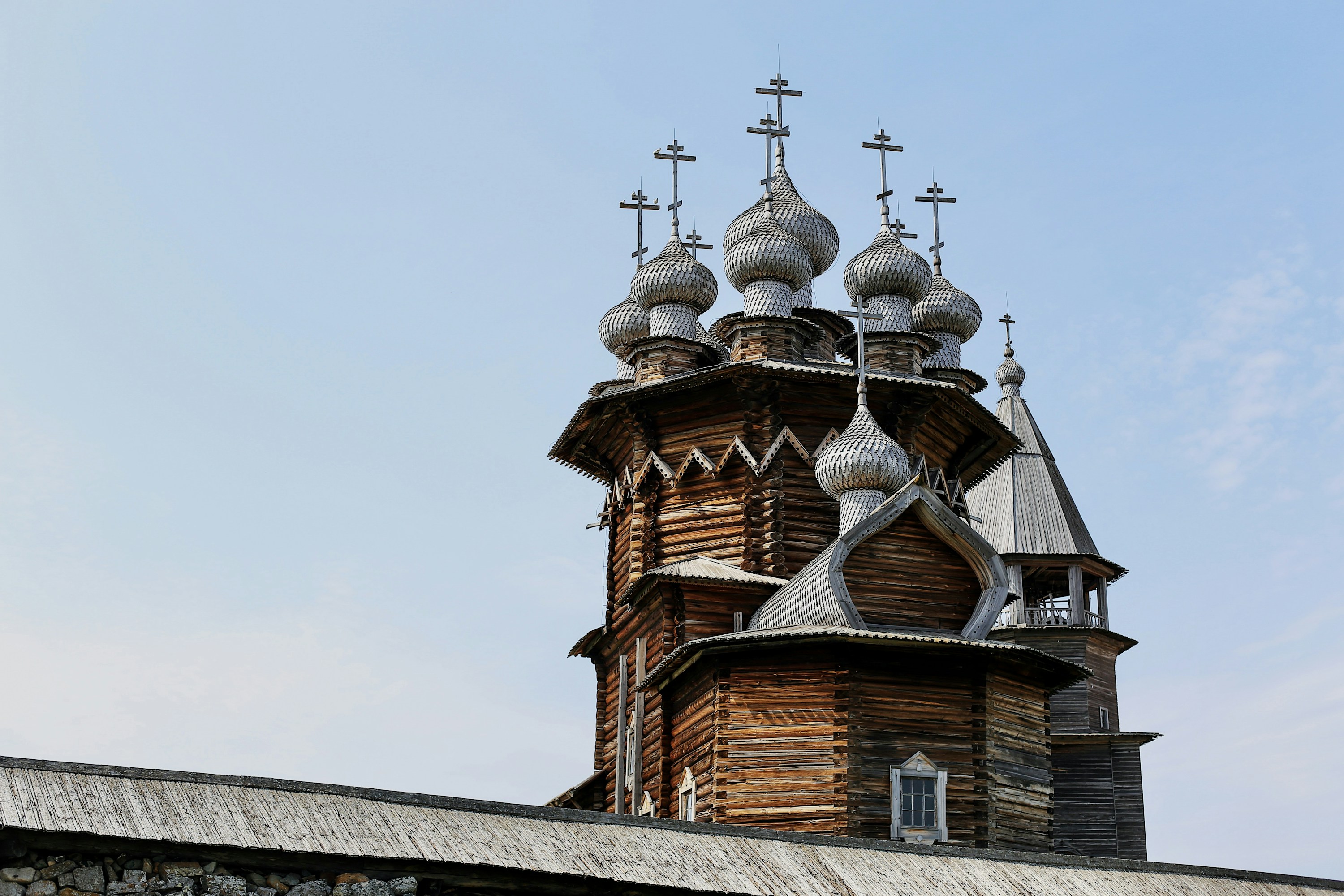
Kizhi Pogost is an open-air ensemble of wooden churches on a small island in Lake Onega, built with traditional log construction and no iron nails in the original structure.
The 22-domed Church of the Transfiguration, raised in 1714, is the centrepiece of a wider museum-reserve of relocated wooden chapels, houses and windmills from across Karelia.
It's reachable only by boat in summer or over ice in winter, keeping it genuinely quiet.
How does it rate
CrowdsRomanceCash RequiredDangerAccessibilityWhy you should go
A 22-domed wooden church built without iron nails, on a remote island in Lake Onega.
Why you shouldn't go
Only reachable by hydrofoil or winter ice transport — no roads, and the easy-access season is short.
Plan your visit
Best time to visitJune–August, when hydrofoils run from Petrozavodsk and the restored church interior is openBest time of dayLate morning, once the first hydrofoil crowd has spread out across the islandGetting thereFly or train to Petrozavodsk; hydrofoil to Kizhi Island takes about 1.5 hours and only runs mid-May to mid-October.Entry costAround 1,000 RUB museum entry, plus the hydrofoil fare (several thousand RUB return)Time needed3–4 hours, matching the standard hydrofoil round tripInsider tip — Book the hydrofoil ticket a day ahead in peak summer, since sailings sell out, and check which chapels are open — some of the museum's wooden buildings rotate through restoration. -
 #1372 /100
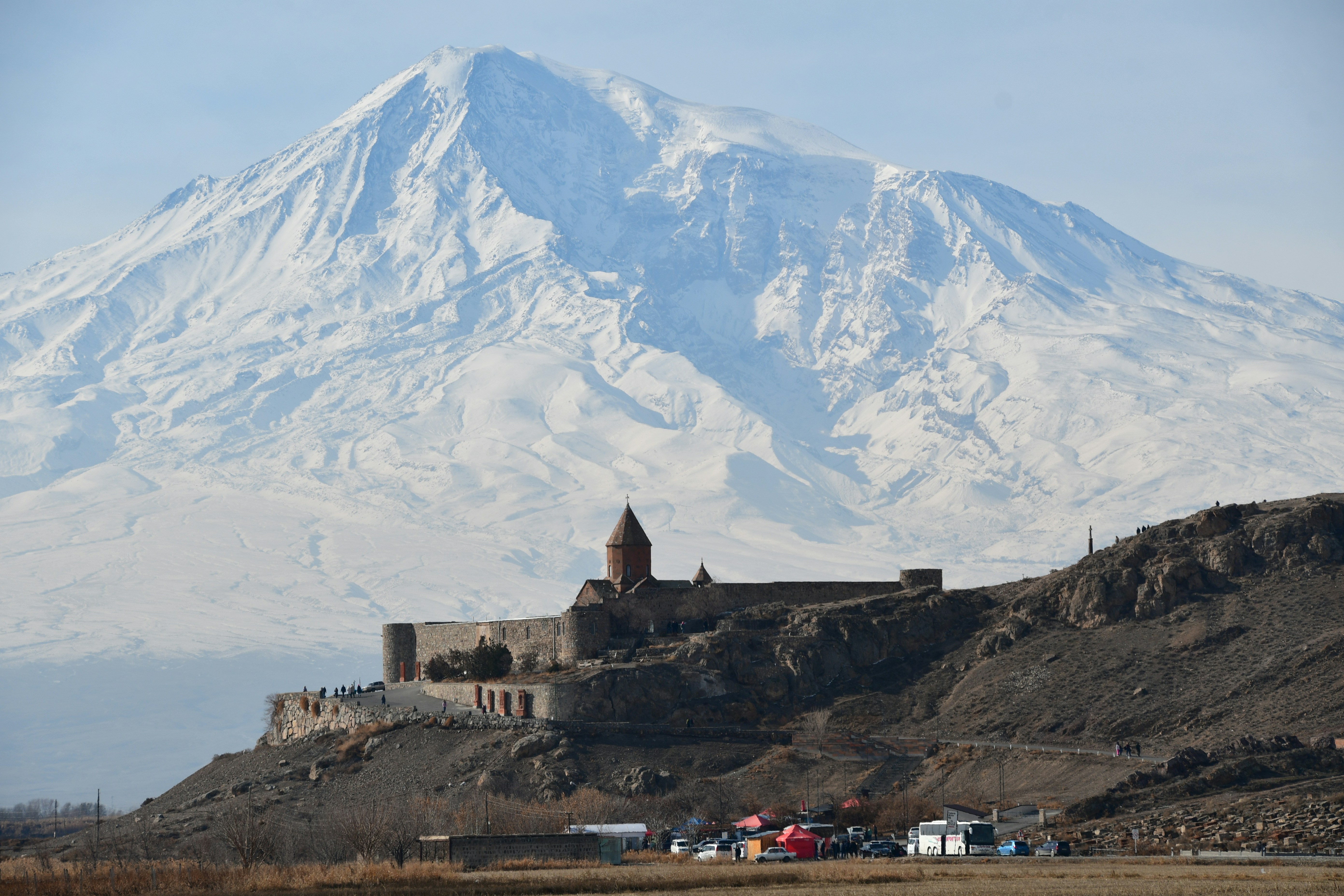
An Armenian monastery on a hilltop with Mount Ararat rising dramatically behind it just across the Turkish border.
Founded on the pit where Saint Gregory the Illuminator was imprisoned for years, it's one of the most recognisable religious sites in the Caucasus.
How does it rate
CrowdsRomanceCash RequiredDangerAccessibilityWhy you should go
An ancient monastery with Mount Ararat as a dramatic backdrop, plus a saint's underground prison pit to descend into.
Why you shouldn't go
Mount Ararat is frequently obscured by haze or cloud, especially in summer afternoons; few amenities on site.
Plan your visit
Best time to visitSeptember–November or April–May for the clearest Ararat views and mild weather.Best time of dayEarly morning, when Ararat is most likely to be cloud-free.Getting thereRoughly a 45-minute drive south of Yerevan; day tours are widely available.Entry costFree.Time needed1–2 hours.Insider tip — The descent into Saint Gregory's pit is via a very narrow, steep ladder — not for the claustrophobic. Combine with a stop at the nearby Armash fish ponds for birdwatching.


More from Asia
-
More Religious Building spots
How a score is built
One score out of 100, five criteria behind it
Every place is rated 1–5 on each of the criteria below, then combined into a single score out of 100. It's calculated by us, the same way every time — not an average of traveller reviews or social votes.
Crowds
How many people you'll be sharing it with, and at what time of day.
Romance
How well it suits a couple, a proposal, or a quiet moment together.
Cash required
Entry fees, permits, guides, rentals — what it actually costs to do it.
Danger
Physical risk involved, from a slippery viewpoint to genuine hazard.
Accessibility
How far off the beaten path it is, and how hard it is to actually reach.

