-
 #192 /100
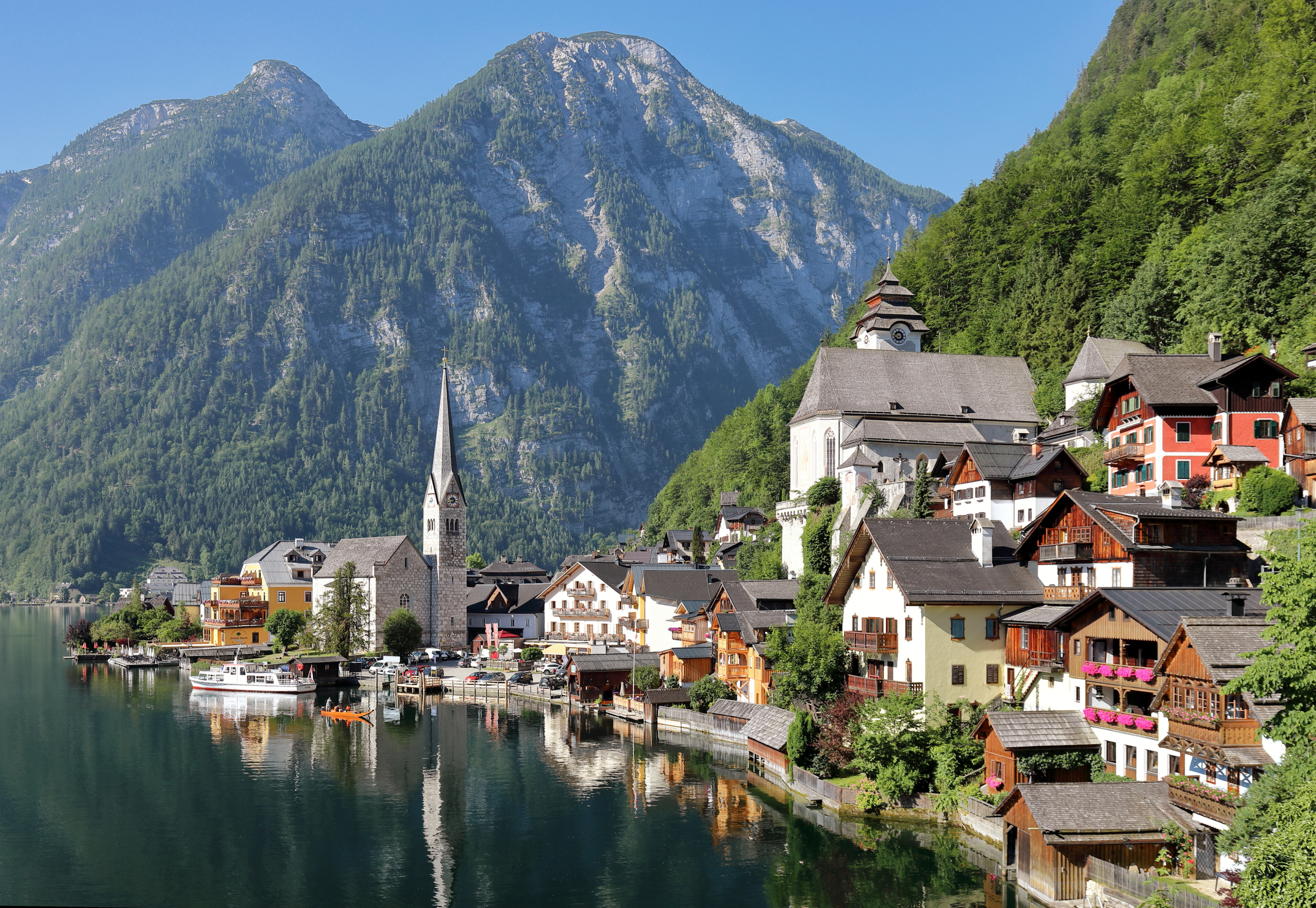
Hallstatt is a tiny lakeside village in the Austrian Salzkammergut, wedged onto a narrow shelf between steep mountains and the water.
Its salt mine has been worked for around 7,000 years, making it one of Europe's oldest continuously exploited industrial sites, and the Iron Age culture excavated here is named after the village.
Pastel Renaissance houses stack up from the shoreline in a place barely a few streets deep.
How does it rate
CrowdsRomanceCash RequiredDangerAccessibilityWhy you should go
The view of Hallstatt reflected in the lake with the mountains behind is one of Europe's most perfectly composed natural scenes — it is almost impossibly picturesque.
Why you shouldn't go
Hallstatt has been so thoroughly discovered by tourists that it can feel overwhelmed; day-tripper volumes have led to visitor restrictions being introduced.
Plan your visit
Best time to visitLate spring or early autumnBest time of dayEarly morning, before day-trip crowds and tour buses arriveGetting thereTrain to Hallstatt station then ferry across the lakeEntry costFree to exploreTime neededHalf dayInsider tip — The famous viewpoint above town gets very crowded by mid-morning in summer; go right at sunrise -
 #285 /100
Mozart's birthplace hosts one of the world's most prestigious classical music festivals each summer, staging opera, orchestral concerts, and theatre across venues from the grand Felsenreitschule - a riding school carved into a cliff face - to smaller baroque halls.
Founded in 1920 and still run to famously exacting standards, tickets for its top opera productions are among the hardest and most expensive in classical music to secure.
How does it rate
CrowdsRomanceCash RequiredDangerAccessibilityWhy you should go
World-class opera and classical music in Mozart's home city, staged in venues from a cliff-carved riding school to baroque halls.
Why you shouldn't go
Top opera tickets are scarce and among the most expensive in classical music, often booked out a year ahead.
Plan your visit
Best time to visitSix weeks from late July through August.Best time of dayEvening for opera and orchestral performances.Getting thereFly into Salzburg Airport, a short taxi ride from the festival venues in the old town.Entry costConcert tickets from around EUR50; top opera seats can run into the hundreds.Time neededA few days covers a handful of performances; the full festival runs six weeks.BookingBook ahead →Insider tip — Standing-room tickets, sold cheaply on the day at some venues, are the realistic way in for the festival's hardest-to-book opera nights. -
 #385 /100
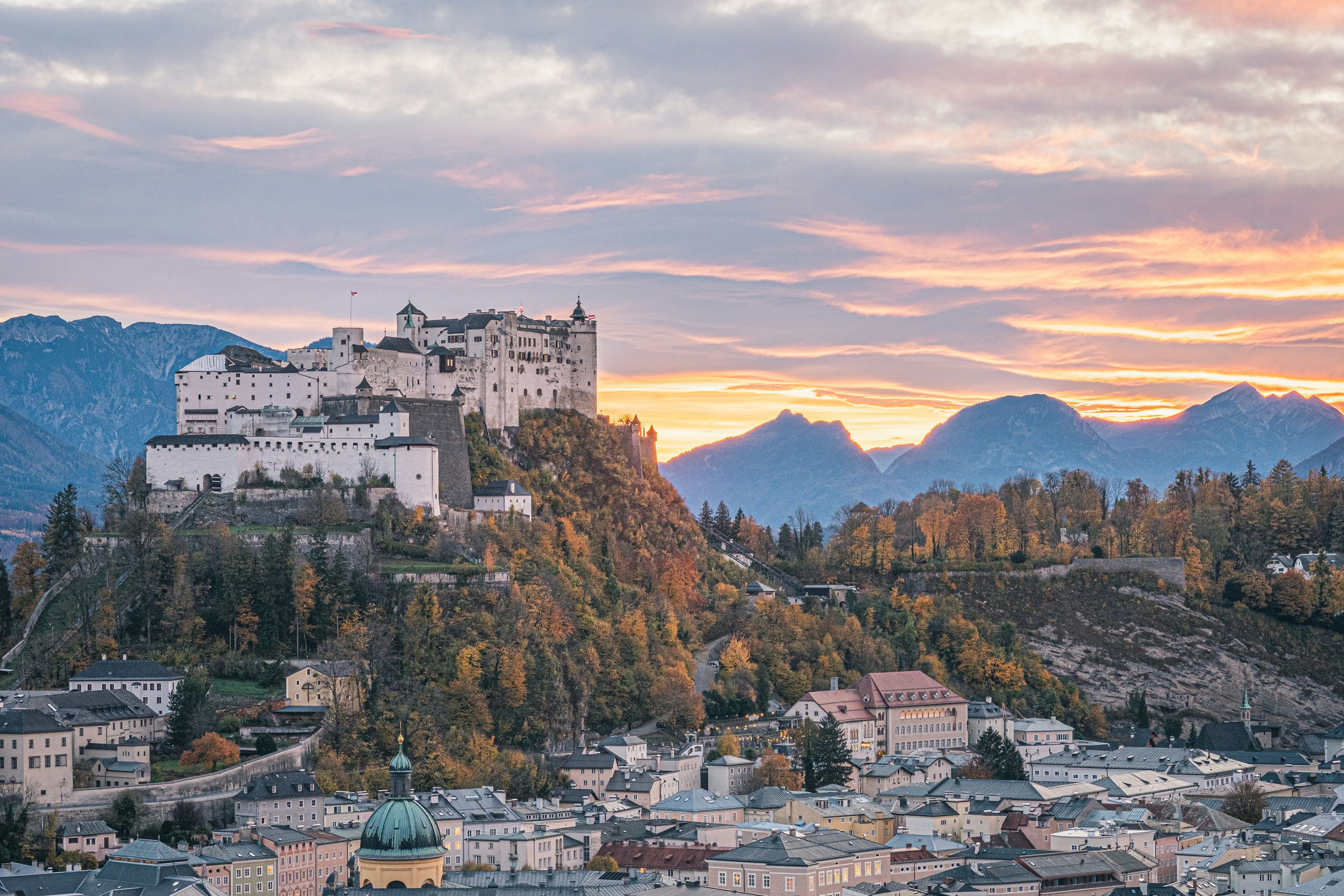
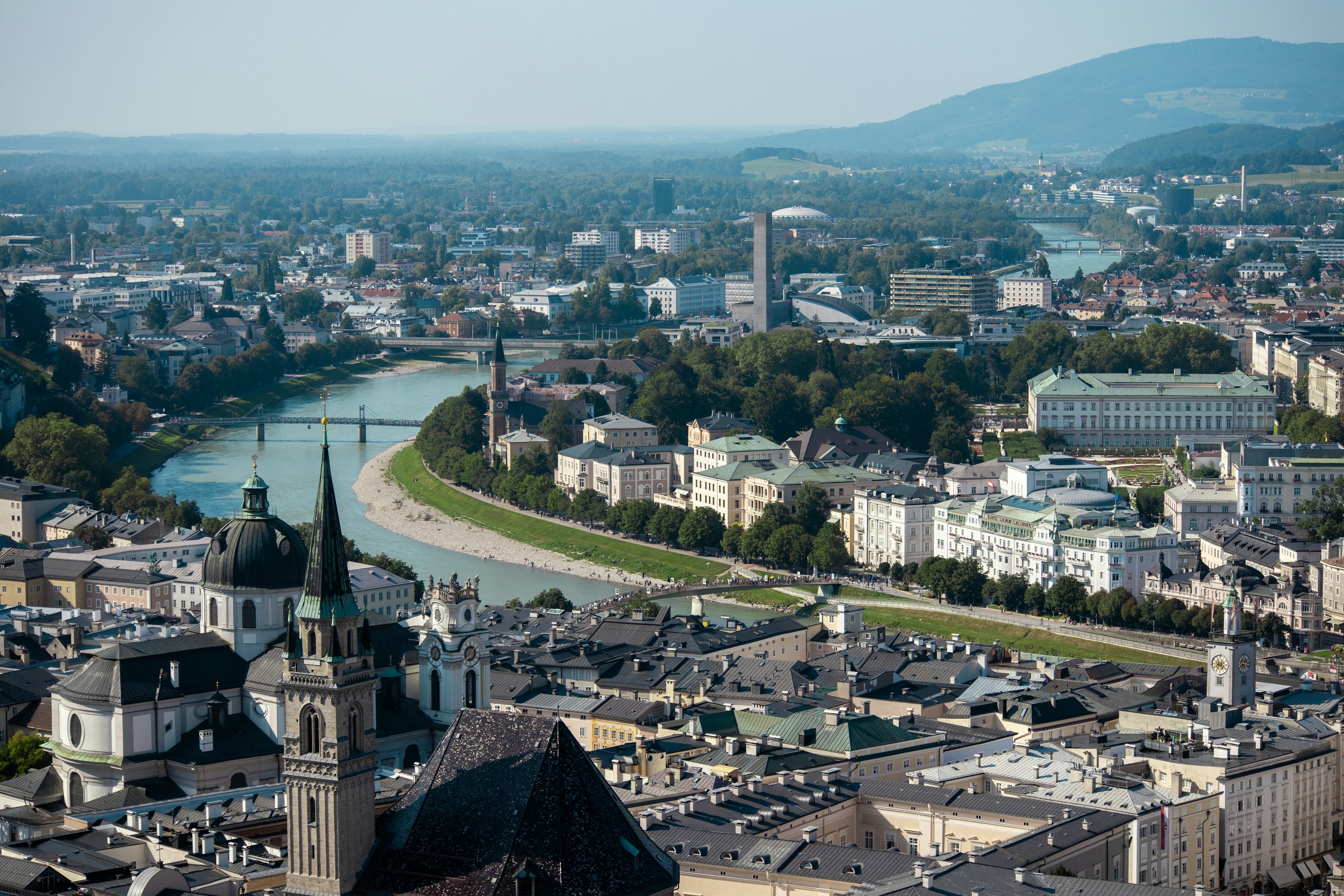
Salzburg's baroque old town sits below a hilltop fortress on the banks of the Salzach River, its narrow lanes lined with Mozart's birthplace, elaborate church facades, and the gardens used as filming locations for The Sound of Music.
The Hohensalzburg Fortress, one of Europe's largest surviving medieval castles, looms over the skyline and is reachable by funicular, and music runs through the city year-round.
How does it rate
CrowdsRomanceCash RequiredDangerAccessibilityWhy you should go
Walking streets that are simultaneously Mozart's birthplace and The Sound of Music's setting, under a medieval fortress, is a rare combination.
Why you shouldn't go
Sound of Music tour groups and summer festival crowds pack the old town's narrow streets in peak season.
Plan your visit
Best time to visitMay–June or September for mild weather; late July–August for the Salzburg Festival.Best time of dayEarly morning for quiet streets, or evening for a concert.Getting thereFly into Salzburg Airport, 20 minutes from the old town, or take a 2.5-hour train from Vienna.Entry costFree to walk the old town; Hohensalzburg Fortress and Mozart's birthplace charge entry.Time needed1–2 daysInsider tip — Take the funicular up to Hohensalzburg Fortress late in the day — the crowds thin out and the views over the old town at golden hour are the best of the day. -
 #484 /100
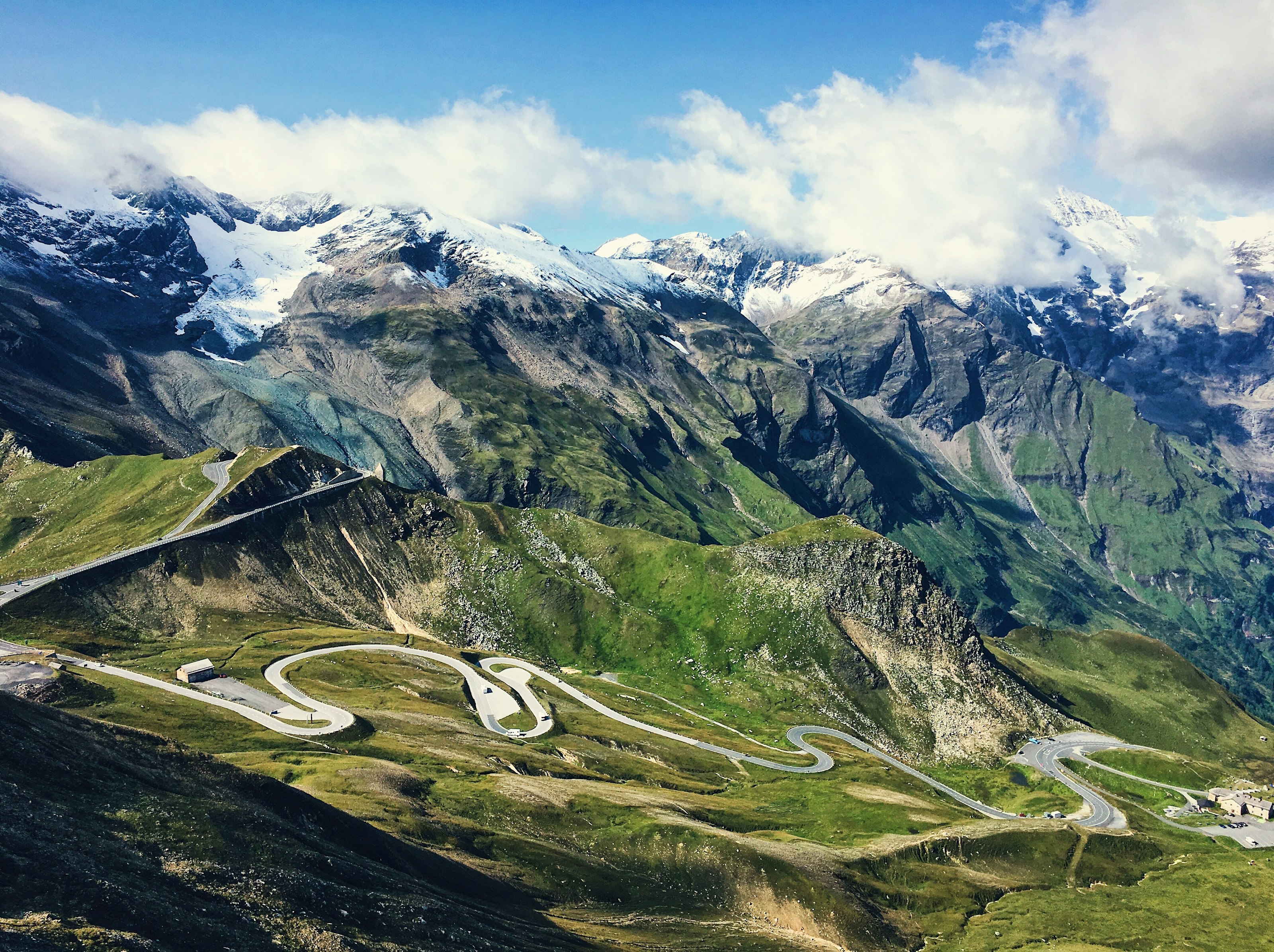
The Grossglockner High Alpine Road climbs through 36 hairpin bends to over 2,500 metres, threading past Austria's highest peak and ending at a viewpoint over the Pasterze, the country's largest glacier.
Marmots and ibex are a common sight along the route, and a dozen or so panoramic pull-offs give reason to stop every few kilometres.
The road is only open from May to October, closing once snow makes the high pass impassable.
How does it rate
CrowdsRomanceCash RequiredDangerAccessibilityWhy you should go
Few drives anywhere put a country's highest peak and largest glacier both directly in view from the road itself.
Why you shouldn't go
It's a toll road only open in warmer months, and hairpin after hairpin makes it a slow, deliberate drive rather than a scenic shortcut.
Plan your visit
Best time to visitJune–September, when the road is fully open and snow has cleared from the pass.Best time of dayMorning, for clear visibility before afternoon cloud builds around the peaks.Getting thereFly to Salzburg; roughly 1.5-hour drive south to the road's northern entrance near Fusch.Entry costToll charged per vehicle.Time neededHalf a dayInsider tip — Stop at the Kaiser-Franz-Josefs-Höhe viewpoint for the best direct view of the Pasterze glacier and the Grossglockner summit. -
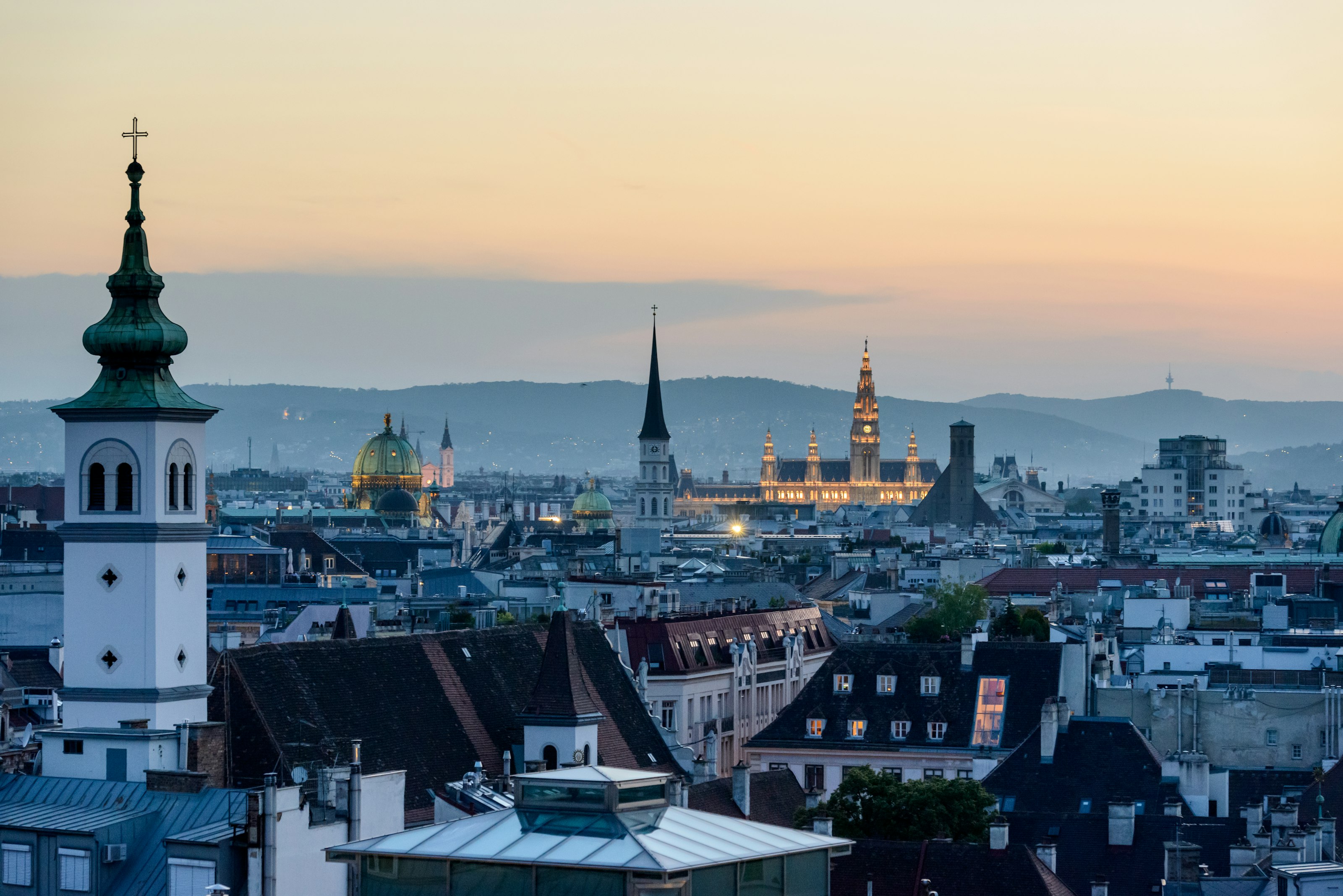 #5
#5Vienna spent centuries as the seat of the Habsburg Empire, and the grandeur shows — the Ringstrasse boulevard circles an old town of imperial palaces, opera houses, and coffee houses that have hosted composers and philosophers for 300 years.
The Hofburg and Schönbrunn palaces anchor the city's imperial history, while the Naschmarkt and Prater park show its more everyday side.
How does it rate
CrowdsRomanceCash RequiredDangerAccessibilityWhy you should go
Few cities pack this much imperial architecture, classical music, and coffee-house culture into a walkable centre.
Why you shouldn't go
Formal sights like the opera and palaces come with real dress and booking expectations, and the city can feel stiff compared to livelier European capitals.
Plan your visit
Best time to visitApril–June or September–October for mild weather and a full concert season.Best time of dayDaytime for the palaces and museums; evening for opera, concerts, and coffee houses.Getting thereFly into Vienna International Airport; the City Airport Train reaches the centre in 16 minutes.Entry costFree to walk the centre; museums, palaces, and performances charge separate entry.Time needed2–3 daysInsider tip — Standing-room opera tickets at the Staatsoper go on sale shortly before each performance and cost a fraction of seated ones — a genuine bargain for world-class opera. -
 #681 /100
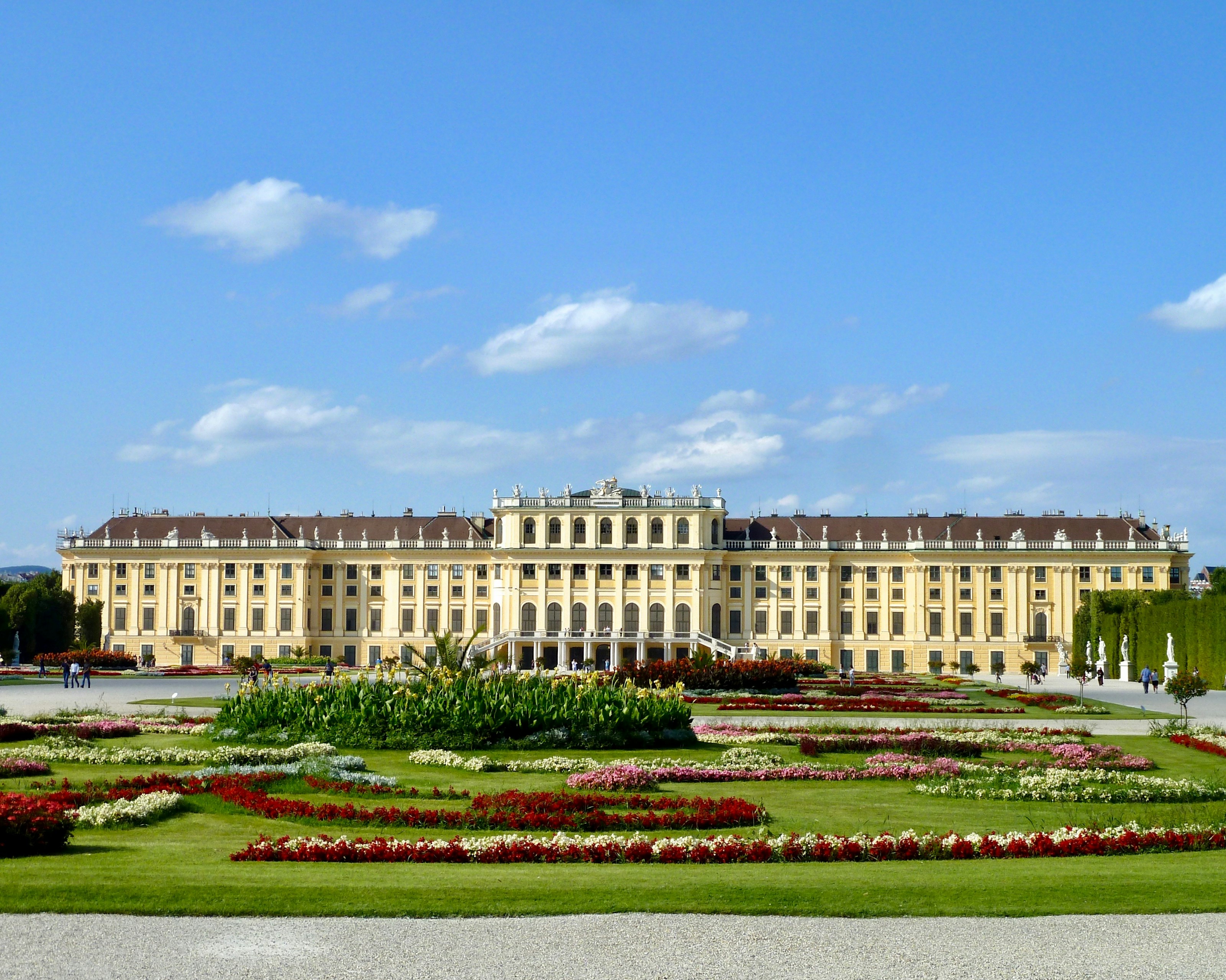
The Habsburgs 1,441-room summer residence in Vienna, its ochre facade facing formal parterres that climb to the Gloriette on the ridge behind.
Forty rooms are open, among them the Hall of Mirrors where a six-year-old Mozart is said to have played for Maria Theresa.
The grounds also hold the oldest surviving zoo in the world.
How does it rate
CrowdsRomanceCash RequiredDangerAccessibilityWhy you should go
The gardens are free, enormous, and the Gloriette view back over Vienna costs nothing at all.
Why you shouldn't go
Interior tours are timed and tightly shepherded, with no photography allowed.
Plan your visit
Best time to visitApril-June, when the parterre planting is at its bestBest time of dayEarly morning in the gardens, before the first coaches at 9amGetting thereU4 underground to Schonbrunn, then a two-minute walk to the gatesEntry costGardens free; Grand Tour of the interiors around EUR 32Time neededHalf a dayBookingBook ahead →Insider tip — If time is short skip the interior and walk up to the Gloriette instead - the palace and half of Vienna line up beneath you for free. -
 #781 /100
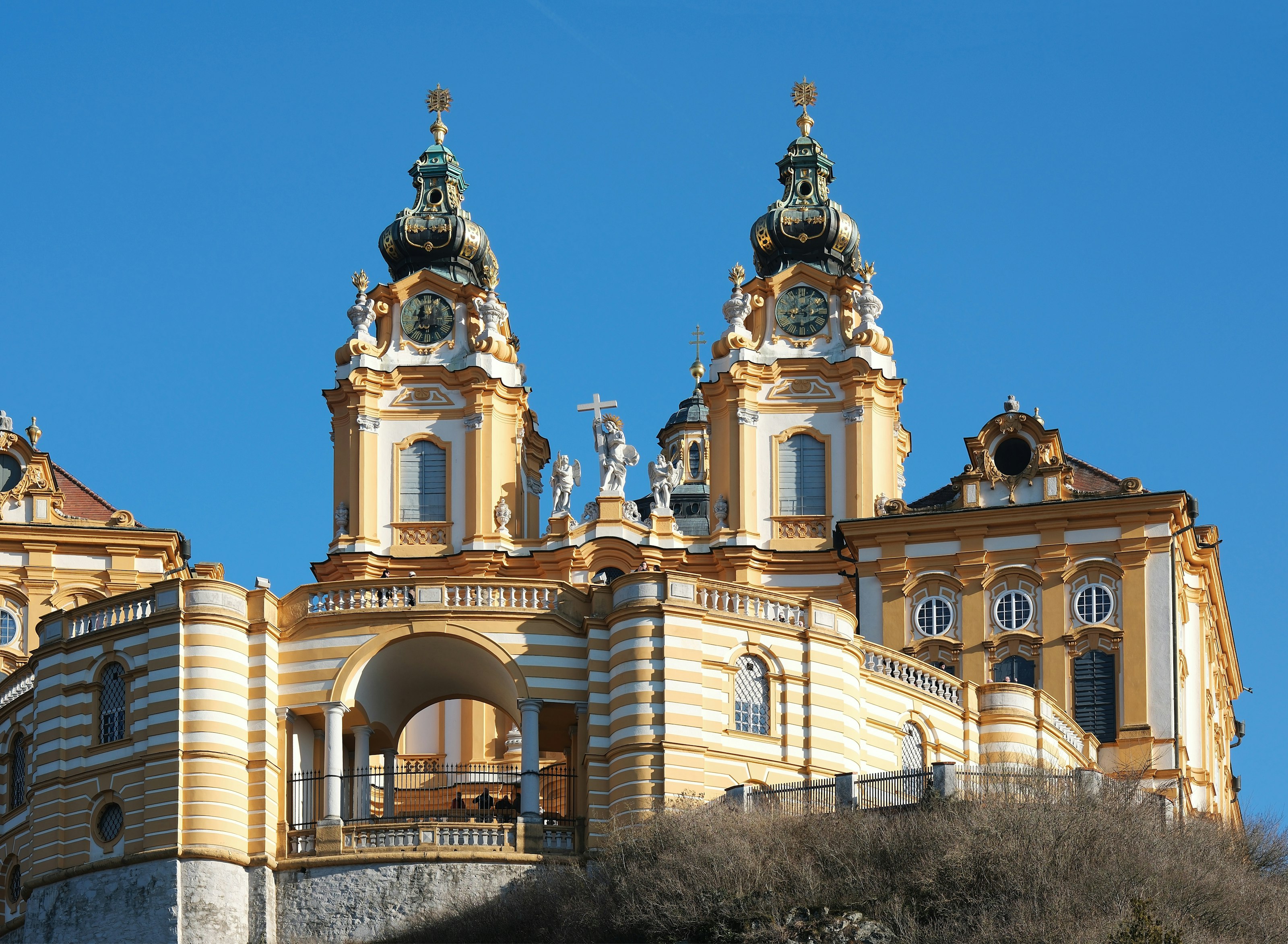
Melk Abbey is a baroque Benedictine monastery perched on a rocky outcrop above the Danube, marking the eastern gateway to the Wachau Valley's vineyards.
Its library holds tens of thousands of historic volumes beneath elaborate ceiling frescoes, and the abbey church's gold-and-marble interior is one of the most ornate in Austria.
The terrace outside gives a wide view down over the river and the town of Melk below.
How does it rate
CrowdsRomanceCash RequiredDangerAccessibilityWhy you should go
The abbey's library and church interior are among the most theatrically decorated baroque spaces in Europe.
Why you shouldn't go
It's a working institution with set opening hours and guided-tour sections, so visits are more structured than a casual wander.
Plan your visit
Best time to visitApril–October, aligning with the Wachau Valley's own peak season.Best time of dayMorning, before river cruise groups from Danube boats disembark.Getting thereFly to Vienna; roughly 1-hour train to Melk, a short walk uphill from the station.Entry costPaid entry, with a discount for a guided tour.Time needed1.5–2 hoursInsider tip — Combine the visit with a Wachau Valley river cruise or cycle route starting right from Melk — it's the valley's natural starting point heading downstream. -
 #879 /100
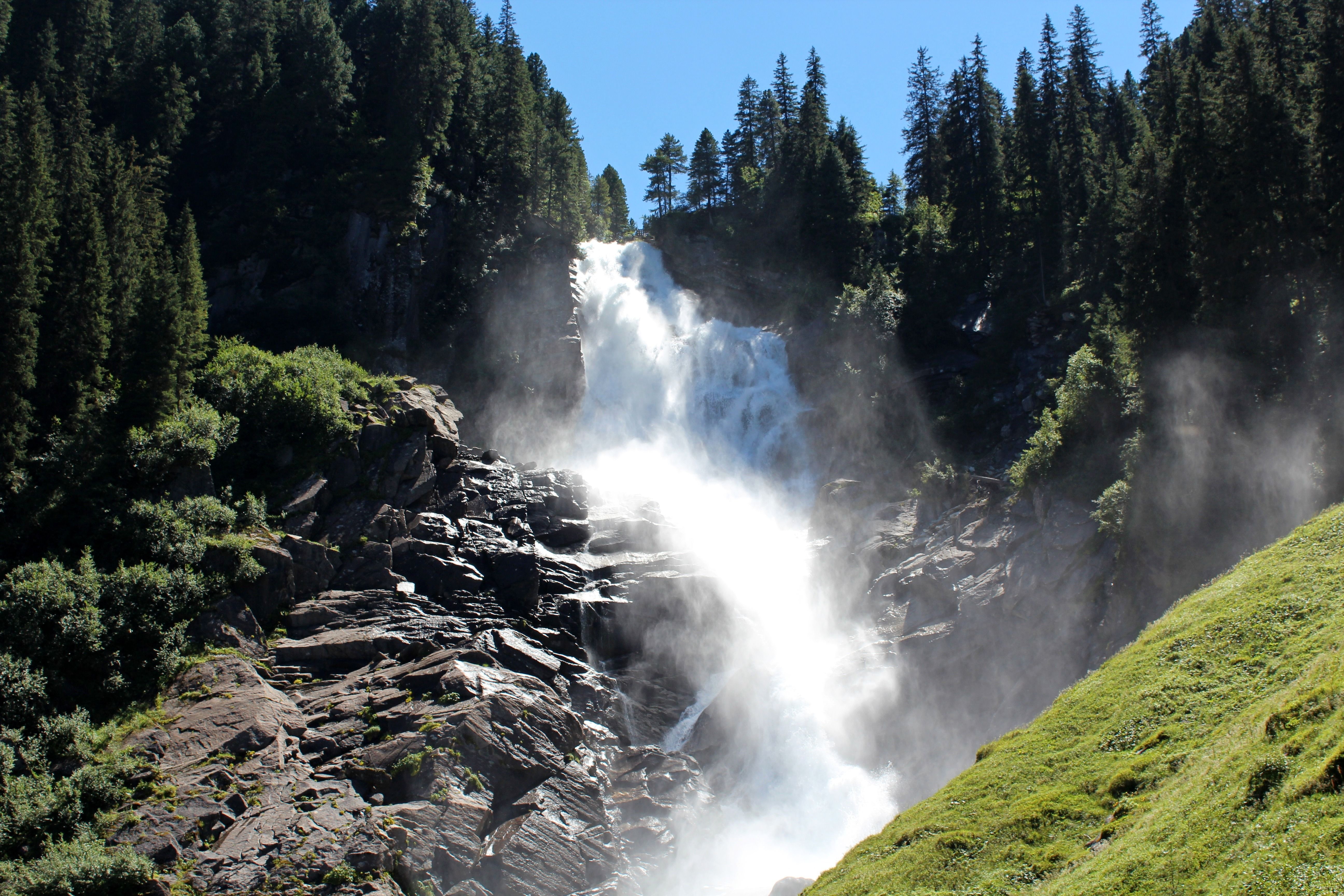
The Krimml Waterfalls drop 380 metres in three tiers down a forested mountainside in the Hohe Tauern National Park, among the highest waterfalls in Europe.
A well-graded path climbs alongside the falls through spray-cooled air, with viewing platforms at each tier and a small waterfall-themed nature trail for families lower down.
On sunny mornings, rainbows form regularly in the mist at the base of the lower tier.
How does it rate
CrowdsRomanceCash RequiredDangerAccessibilityWhy you should go
Walking right alongside a 380-metre waterfall on a path built specifically to bring you close to each tier is a genuinely dramatic short hike.
Why you shouldn't go
The full path up all three tiers is a real, steady climb, and spray keeps sections of it wet and cool even in summer heat.
Plan your visit
Best time to visitMay–June, when snowmelt gives the falls their fullest flow.Best time of dayMorning, when the sun angle is more likely to catch rainbows in the spray at the lower falls.Getting thereFly to Salzburg; roughly 1.5-hour drive southwest into the Hohe Tauern National Park.Entry costPaid entry to the waterfall trail (Wasserfallweg).Time needed2–3 hours for the full trailInsider tip — The lower tier's viewing platform is the most crowded — continue up to the middle and upper tiers for quieter views and just as much drama. -
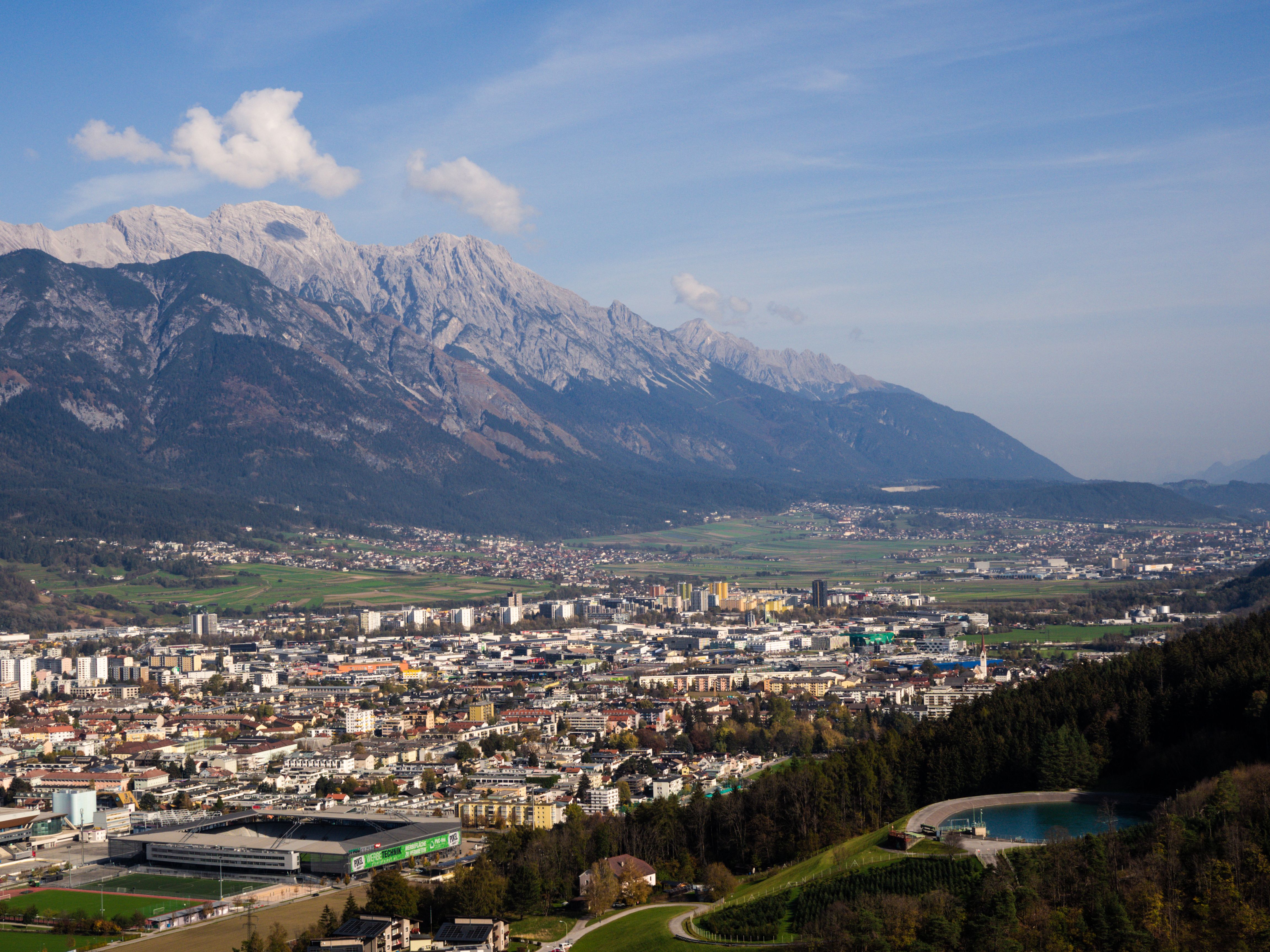 #978 /100
The Nordkette range rises so steeply above Innsbruck that a cable car runs directly from the edge of the old town to a mountain station above 2,300 metres in under 20 minutes.
From the top, the view takes in the Alpine capital below and rows of peaks stretching into Italy and Germany, and hiking trails and via ferrata routes continue further up the ridge.
How does it rate
CrowdsRomanceCash RequiredDangerAccessibilityWhy you should go
Going from café tables in the old town to a 2,300-metre alpine ridge in under 20 minutes, without leaving the city's public transport, is remarkable.
Why you shouldn't go
The upper station can be windy and much colder than the valley floor, so pack layers even on a warm city day.
Plan your visit
Best time to visitJune–September for hiking; December–March for skiing directly above the city.Best time of dayLate afternoon, for clear light on the peaks and fewer crowds on the cable car.Getting thereFly to Innsbruck; the Nordkettenbahn cable car station is a short walk or tram ride from the old town.Entry costPaid cable car ticket; return fares are cheaper than one-way plus return.Time neededHalf a dayInsider tip — Ride the funicular partway up to Hungerburg first for city views, then transfer to the second cable car stage for the full alpine panorama. -
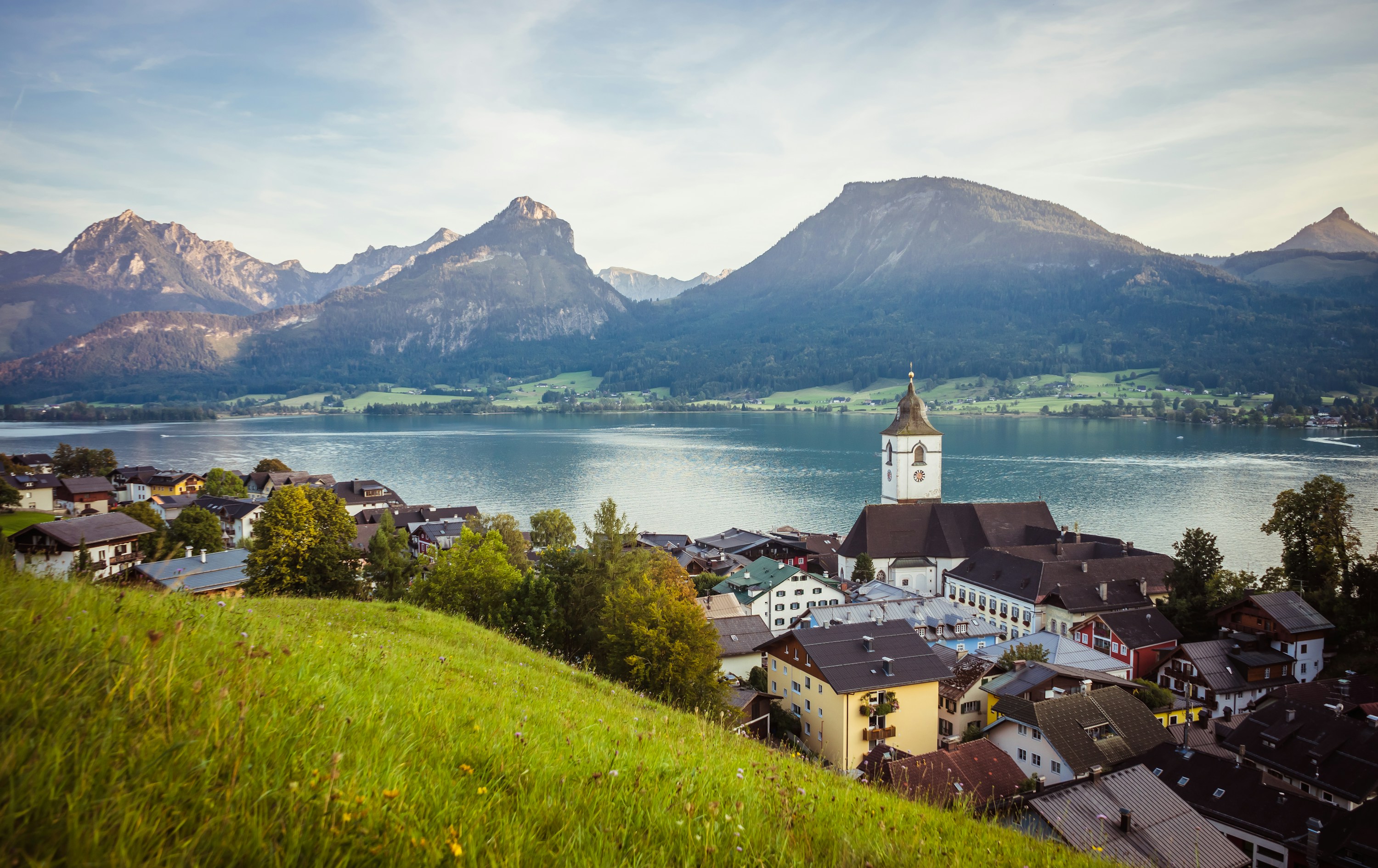 #1077 /100
A narrow alpine lake in Austria's Salzkammergut lake district is ringed by forested peaks and postcard villages, the best-known of which, St.
Wolfgang, grew up around the lakeside White Horse Inn made famous by a 20th-century operetta.
Passenger ferries still cross the lake between villages, a rack railway climbs the Schafberg for panoramic views, and swimming spots line much of the shore in summer.
How does it rate
CrowdsRomanceCash RequiredDangerAccessibilityWhy you should go
One of the Salzkammergut's classic lake-and-mountain villages, quieter and less crowded than Hallstatt.
Why you shouldn't go
No train station serves St. Wolfgang directly — getting there means a bus or ferry connection, which limits spontaneity.
Plan your visit
Best time to visitJune–September for swimming, ferries, and the Schafberg railway running full schedules.Best time of dayEarly evening, when day-trippers head back to Salzburg and the lakefront empties out.Getting thereBus from Salzburg or Bad Ischl to St. Wolfgang, or ferry across the lake from St. Gilgen or Strobl.Entry costFree to walk the lakefront; the Schafberg rack railway and boat rides are separately ticketed.Time needed1 dayInsider tip — Take the Schafberg rack railway up for sunset, then the last ferry back — the crowds thin dramatically after 5pm. -
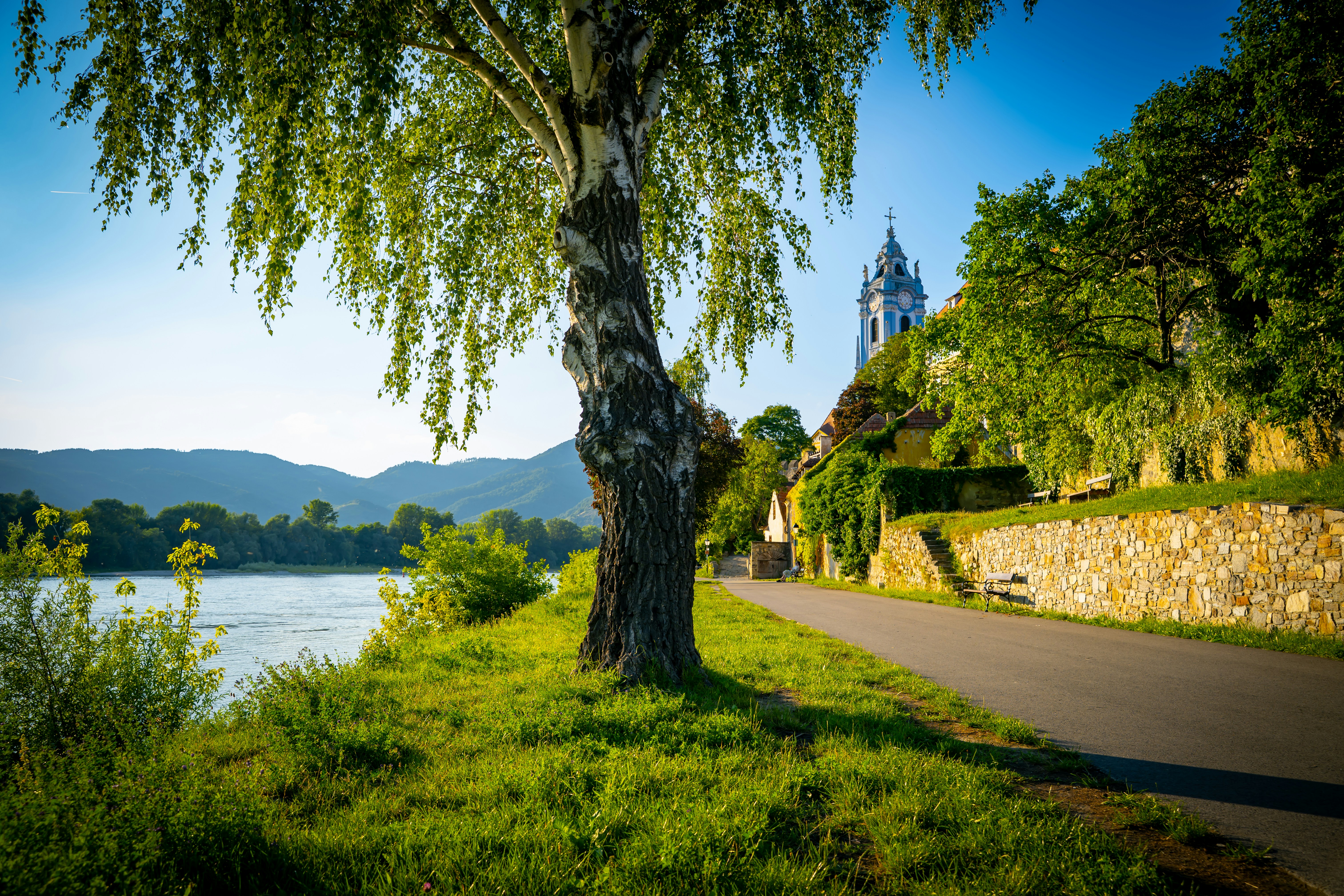 #1176 /100
A flat, paved path traces the Danube's south bank through the Wachau, a UNESCO-listed valley of terraced vineyards, apricot orchards and medieval river towns between Melk and Krems.
Riders pass beneath Durnstein's ruined castle, where Richard the Lionheart was once imprisoned, while Melk's baroque abbey looms over the starting point.
The gentle downhill gradient and dedicated bike lane make it an easy half-day ride at any fitness level.
How does it rate
CrowdsRomanceCash RequiredDangerAccessibilityWhy you should go
A flat riverside ride past terraced vineyards, medieval towns and a baroque abbey with almost no effort required.
Why you shouldn't go
Peak summer weekends bring heavy path traffic between the popular towns.
Plan your visit
Best time to visitApril-May for apricot blossom, or September for the wine harvest.Best time of dayMorning start from Melk to reach Krems before lunchtime crowds.Getting thereTrain to Melk or Krems from Vienna (about 1 hour); bike rental available at both stations.Entry costBike rental from EUR15/day; the path itself is freeTime neededHalf a day (3-4 hours)BookingBook ahead →Insider tip — Ride Melk to Krems (downhill, with the current) rather than the reverse, and take the small ferry across the river to see Durnstein's castle ruins from below.


How a score is built
One score out of 100, five criteria behind it
Every place is rated 1–5 on each of the criteria below, then combined into a single score out of 100. It's calculated by us, the same way every time — not an average of traveller reviews or social votes.
Crowds
How many people you'll be sharing it with, and at what time of day.
Romance
How well it suits a couple, a proposal, or a quiet moment together.
Cash required
Entry fees, permits, guides, rentals — what it actually costs to do it.
Danger
Physical risk involved, from a slippery viewpoint to genuine hazard.
Accessibility
How far off the beaten path it is, and how hard it is to actually reach.