-
 #192 /100
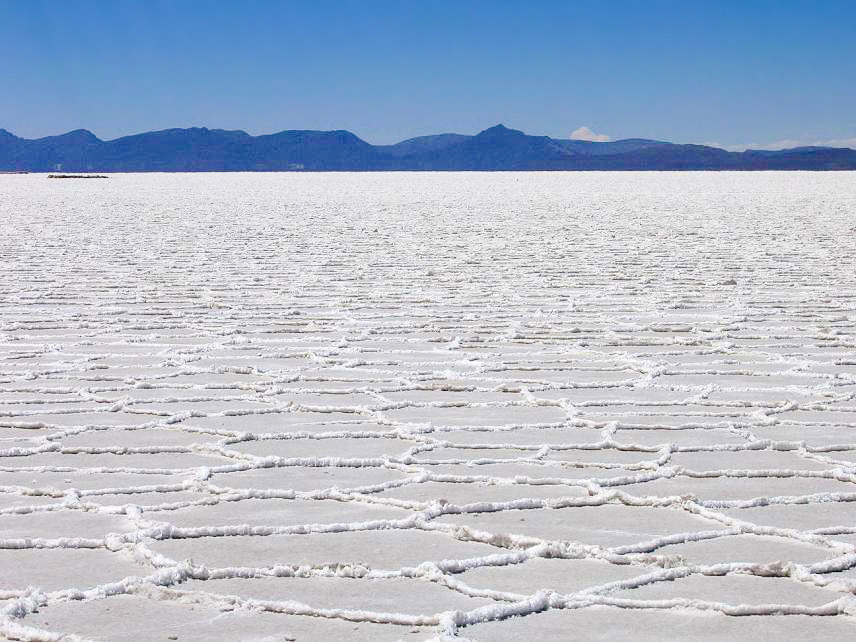
The Salar de Uyuni is the world's largest salt flat, covering 10,582 square kilometres of the Bolivian altiplano at 3,656 metres above sea level.
When covered by a thin layer of water after the rainy season, it becomes a perfect mirror reflection of the sky and one of the most surreal landscapes on earth.
How does it rate
CrowdsRomanceCash RequiredDangerAccessibilityWhy you should go
The mirror effect during the wet season, when the salt flat reflects the sky with perfect fidelity, creates photographs that look like they belong in a dream.
Why you shouldn't go
The wet season (January to March) that creates the famous mirror effect also brings heavy rains; the dry season offers a stark but less photogenic white expanse.
Plan your visit
Best time to visitDecember-April (wet season) for the mirror effect, dry season for easier accessBest time of daySunrise or sunset for the reflection and colourGetting thereFly to Uyuni via La PazEntry costGuided tour ~$100-150/dayTime needed1-3 daysInsider tip — Visit just after rain for the famous mirror effect; the wet season (Jan-Apr) is when it is most reliable -
 #278 /100
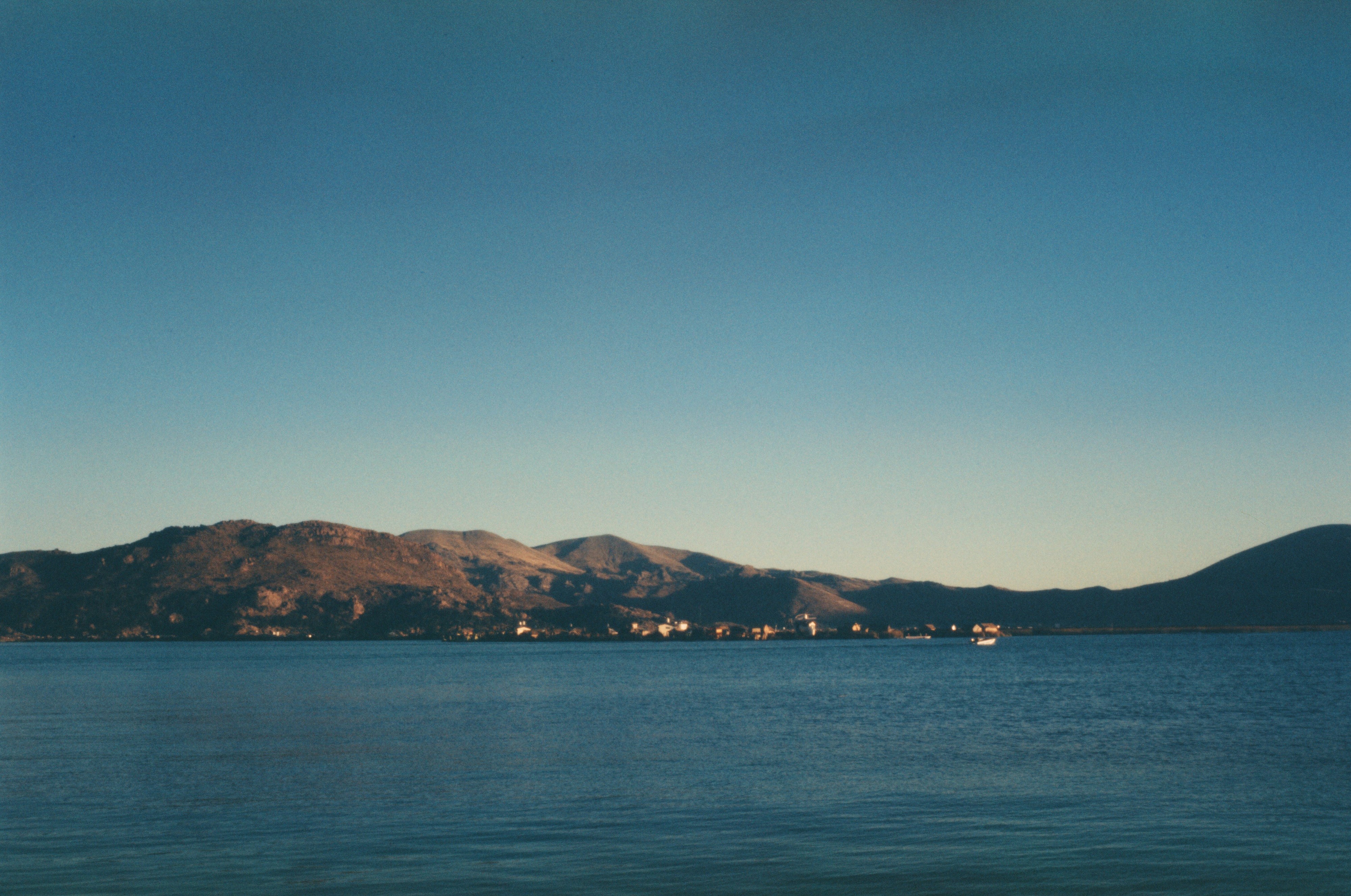
The world's highest navigable lake stretches across the Bolivia-Peru border at 3,812m, its cobalt water dotted with the Uros people's hand-woven reed islands.
Traditional wooden boats still work the shallows beneath distant snow-capped peaks.
Copacabana's lakeside promenade and Isla del Sol's Inca ruins give it real cultural depth beyond the scenery, though the altitude takes a day or two to adjust to.
How does it rate
CrowdsRomanceCash RequiredDangerAccessibilityWhy you should go
A cobalt-blue Andean lake with floating reed islands found nowhere else on Earth.
Why you shouldn't go
Thin air at 3,800m leaves many visitors breathless for the first day or two.
Plan your visit
Best time to visitMay-October (dry season) for clear skies and calm water.Best time of dayEarly morning, when the lake is glassy and boat traffic is light.Getting thereFly to La Paz or Juliaca; bus to Copacabana (Bolivia) or Puno (Peru), then boat to the islands.Entry costFree to view; boat tours and island visits charge separately.Time needed1-2 daysInsider tip — Stay overnight on Isla del Sol rather than day-tripping - sunset and sunrise over the lake from the island are far better than anything from the mainland shore. -
 #377 /100
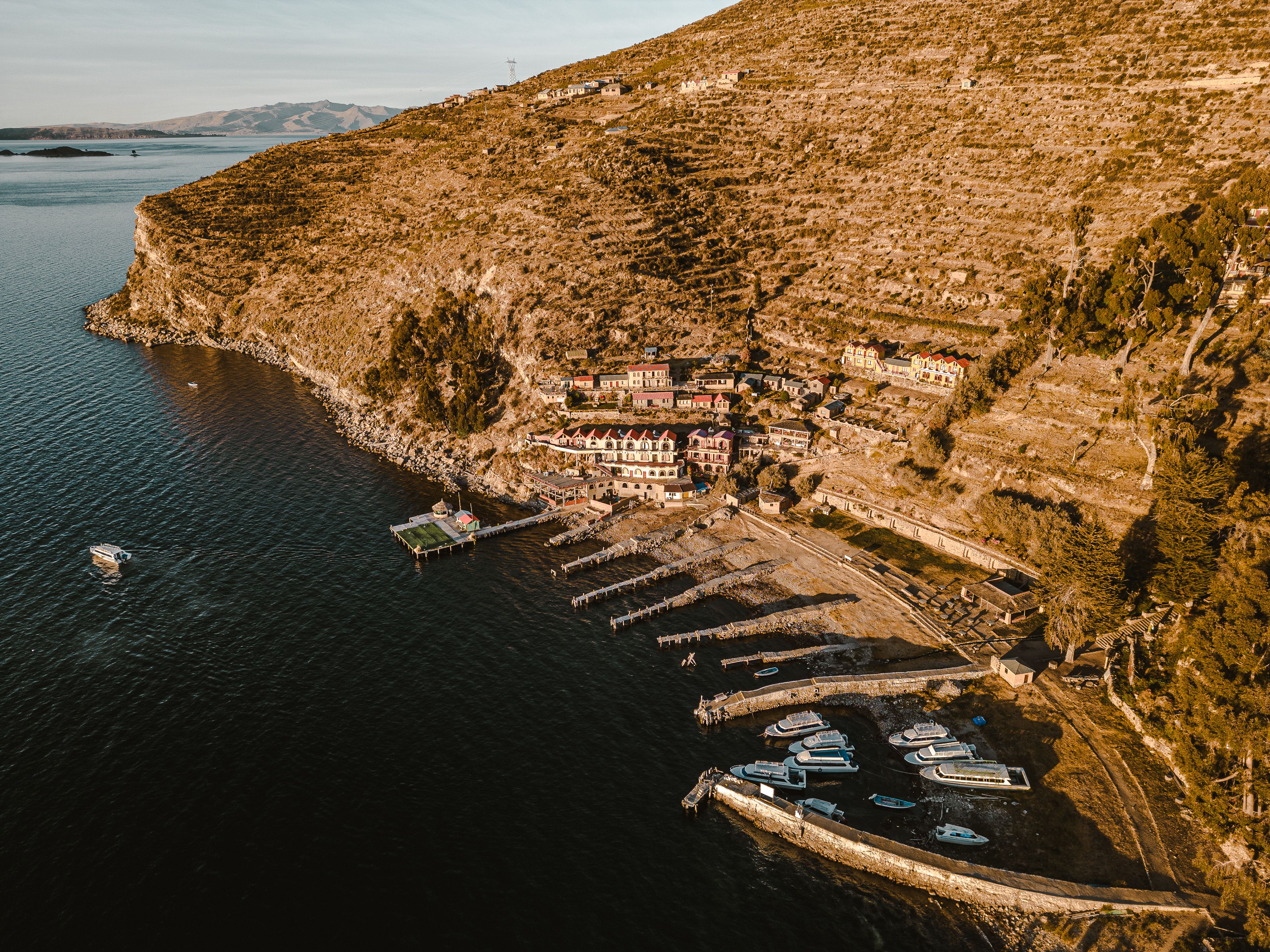
Bolivia's most sacred island sits in the middle of Lake Titicaca, the birthplace of the sun in Inca mythology and home to ruins that predate the Inca themselves.
No cars or paved roads cross it — Inca-era stone paths link small villages, terraced hillsides and ancient sites like the Chinkana labyrinth.
At over 3,800 meters, the walk between villages rewards visitors with some of the clearest lake and mountain views in South America.
How does it rate
CrowdsRomanceCash RequiredDangerAccessibilityWhy you should go
A car-free sacred island on Lake Titicaca with Inca ruins and some of Bolivia's most dramatic lake views.
Why you shouldn't go
High altitude and steep stone paths make the walk between villages genuinely tiring without acclimatization.
Plan your visit
Best time to visitMay–September (dry season) for clear skies and firmer trails.Best time of dayMorning, before afternoon winds pick up on the lake crossing.Getting thereBoat from Copacabana (about 1.5–2.5 hours) to Yumani or Challapampa village.Entry costSmall community entry fees (a few bolivianos) at village checkpoints.Time neededFull day, or overnight to see both ends of the island.Insider tip — Stay overnight in Yumani rather than day-tripping — the island empties out after the afternoon boats leave, and sunset over the lake is worth it. -
 #473 /100
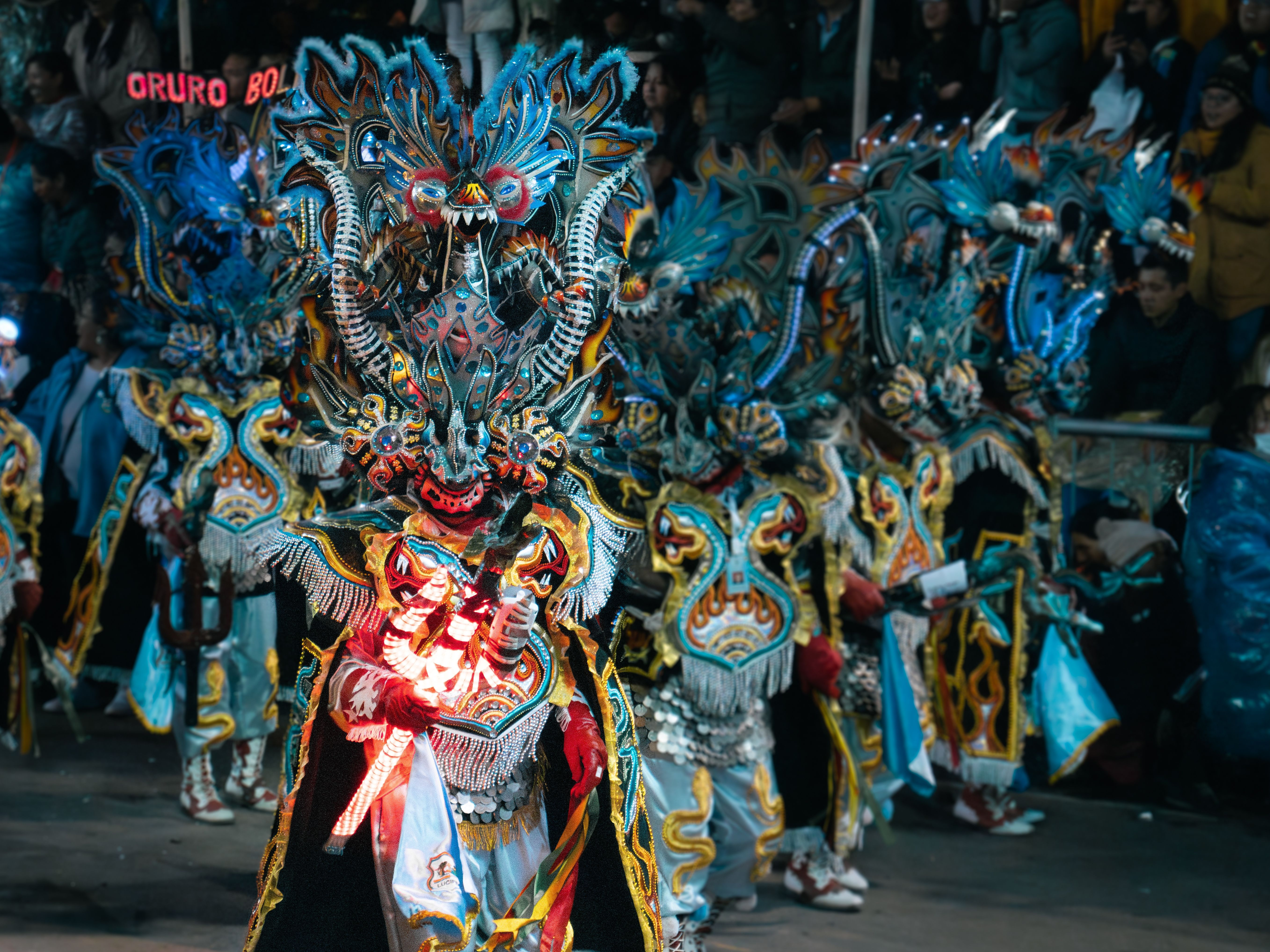
High in the Bolivian Andes, Oruro's carnival is built around the Diablada, an elaborate devil dance performed by dancers in ornate horned masks and embroidered costumes depicting the battle between good and evil.
UNESCO recognised the event in 2001 for how deeply its folklore and costume-making traditions are woven into the city's identity.
How does it rate
CrowdsRomanceCash RequiredDangerAccessibilityWhy you should go
An Andean devil-dance carnival, danced in ornate horned masks along a 20-hour processional route at high altitude.
Why you shouldn't go
Oruro sits at over 3,700m altitude, so altitude sickness is a real risk for visitors arriving without acclimatisation.
Plan your visit
Best time to visitFebruary or March, the weekend before Ash Wednesday (exact dates shift yearly).Best time of dayMorning, when the main Diablada procession begins along its fixed route.Getting thereFly into La Paz, then a bus or train roughly 3-4 hours south to Oruro.Entry costGrandstand seating along the route runs roughly USD15-40.Time neededA full day for the main procession.Insider tip — Spend a day or two in La Paz beforehand to acclimatise to the altitude before travelling on to Oruro. -
 #572 /100
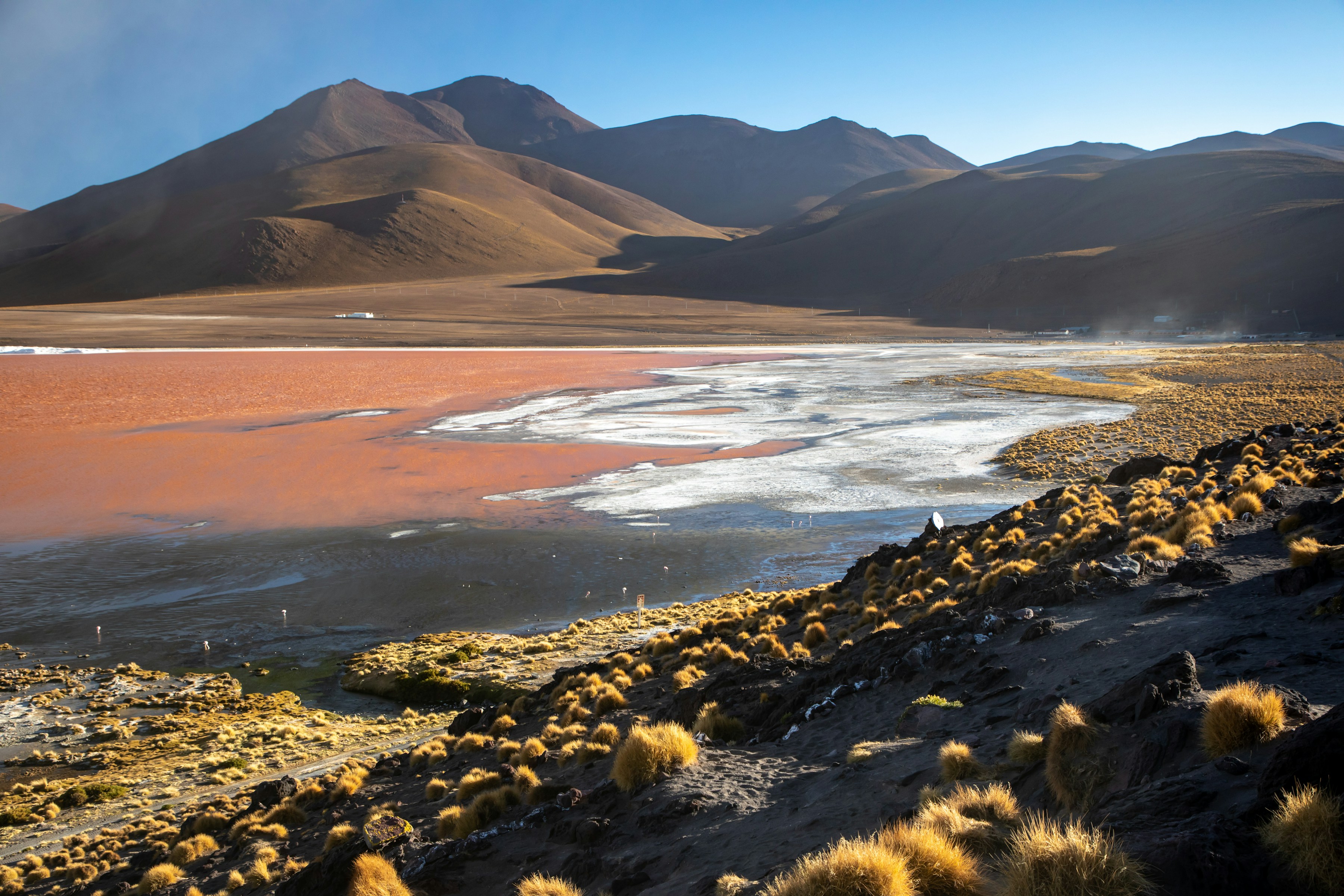
High on the Bolivian Altiplano near the Chilean border, this shallow lake turns a vivid blood-red from algae and mineral sediment, its shores dotted with borax islands and thousands of James's flamingos feeding in the mineral-rich water.
At over 4,200 meters altitude, the surrounding landscape is a stark, otherworldly desert of volcanoes, geysers and rock formations typically visited as part of a multi-day Uyuni salt-flat circuit.
How does it rate
CrowdsRomanceCash RequiredDangerAccessibilityWhy you should go
A vivid red high-altitude lake packed with flamingos, deep in Bolivia's most surreal desert landscape.
Why you shouldn't go
Extreme altitude (over 4,200m) causes altitude sickness for many visitors without acclimatization.
Plan your visit
Best time to visitMay–October (dry season) for the clearest roads and skies.Best time of daySunrise, when calm water gives the sharpest reflections and flamingos are most active.Getting thereReached via a multi-day 4x4 tour typically starting from Uyuni, usually on day 2 or 3.Entry costIncluded in multi-day Uyuni salt-flat tour packages, typically $150-250 total.Time neededHalf a day as part of a longer circuit.Insider tip — Spend at least one night at altitude in Uyuni before setting out — arriving already partially acclimatized makes the route far more comfortable. -
 #6
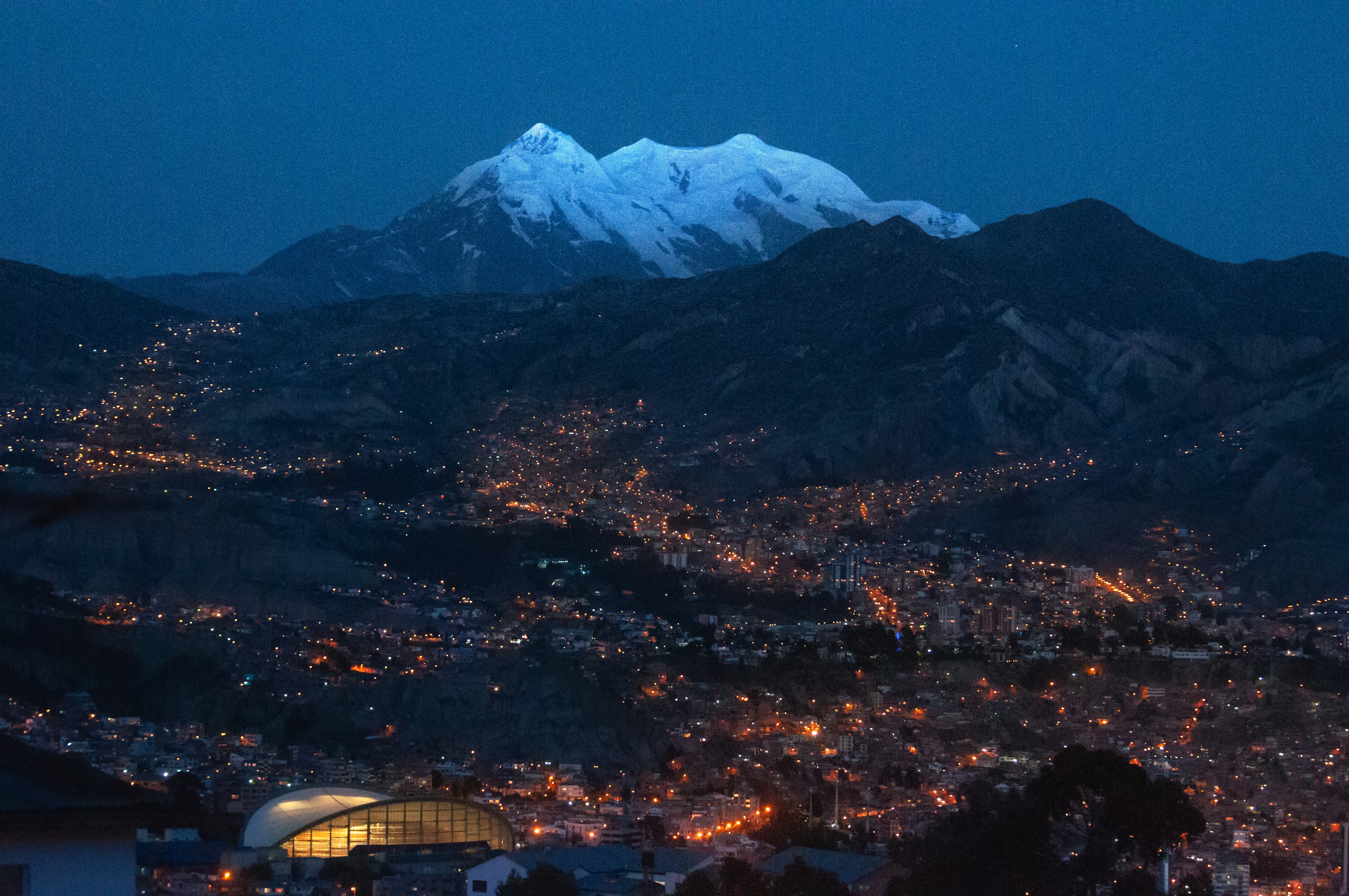
#6The world's highest administrative capital spills down a canyon at over 3,600 meters, with the wealthier neighborhoods lower in the bowl and poorer areas climbing toward the thin air of the rim — a layout the city's cable-car network, the world's largest urban Teleférico system, makes spectacularly visible from above.
The Witches' Market sells traditional Andean remedies alongside colonial-era churches and a lively street-food scene.
How does it rate
CrowdsRomanceCash RequiredDangerAccessibilityWhy you should go
The world's highest capital, with a spectacular cable-car network offering views most cities can't match.
Why you shouldn't go
The altitude (3,600m+) hits many visitors hard in the first day or two, especially with any exertion.
Plan your visit
Best time to visitMay–October (dry season) for the clearest mountain views.Best time of dayLate afternoon Teleférico ride, when the setting sun lights up the canyon and Illimani.Getting thereFly into El Alto International Airport, one of the world's highest, then descend into the city.Entry costFree to walk; Teleférico rides around 3 Bolivianos (~€0.40) per line.Time needed2 days.Insider tip — Ride the full Teleférico network rather than just one line — the red and yellow lines especially give the best overview of the canyon city's layout. -
 #766 /100
Officially named the Yungas Road, this narrow gravel track earned its nickname from decades as one of the world's most dangerous roads, with sheer cliff drops of up to 600 meters and no guardrails along much of its length.
Since a paved highway took over most through-traffic, the original road has become a popular mountain-biking route, descending some 3,500 meters from frigid Andean altitude into humid Yungas jungle over 64 kilometers.
How does it rate
CrowdsRomanceCash RequiredDangerAccessibilityWhy you should go
A legendary, formerly lethal cliffside road, now a spectacular guided mountain-bike descent through changing climate zones.
Why you shouldn't go
Despite guided safety measures, the exposed cliff edges are genuinely dangerous and unsuitable for inexperienced cyclists.
Plan your visit
Best time to visitMay–October (dry season) for drier, less slippery conditions.Best time of dayEarly morning start, to complete the descent before afternoon fog and traffic build.Getting thereTour operators collect riders from La Paz for the drive to the starting point at La Cumbre pass.Entry costGuided biking tours typically $80-120, including equipment and transport.Time neededFull day.Insider tip — Book with an operator using full-suspension bikes and offering a support vehicle — cheaper operators cut corners on both. -
 #8
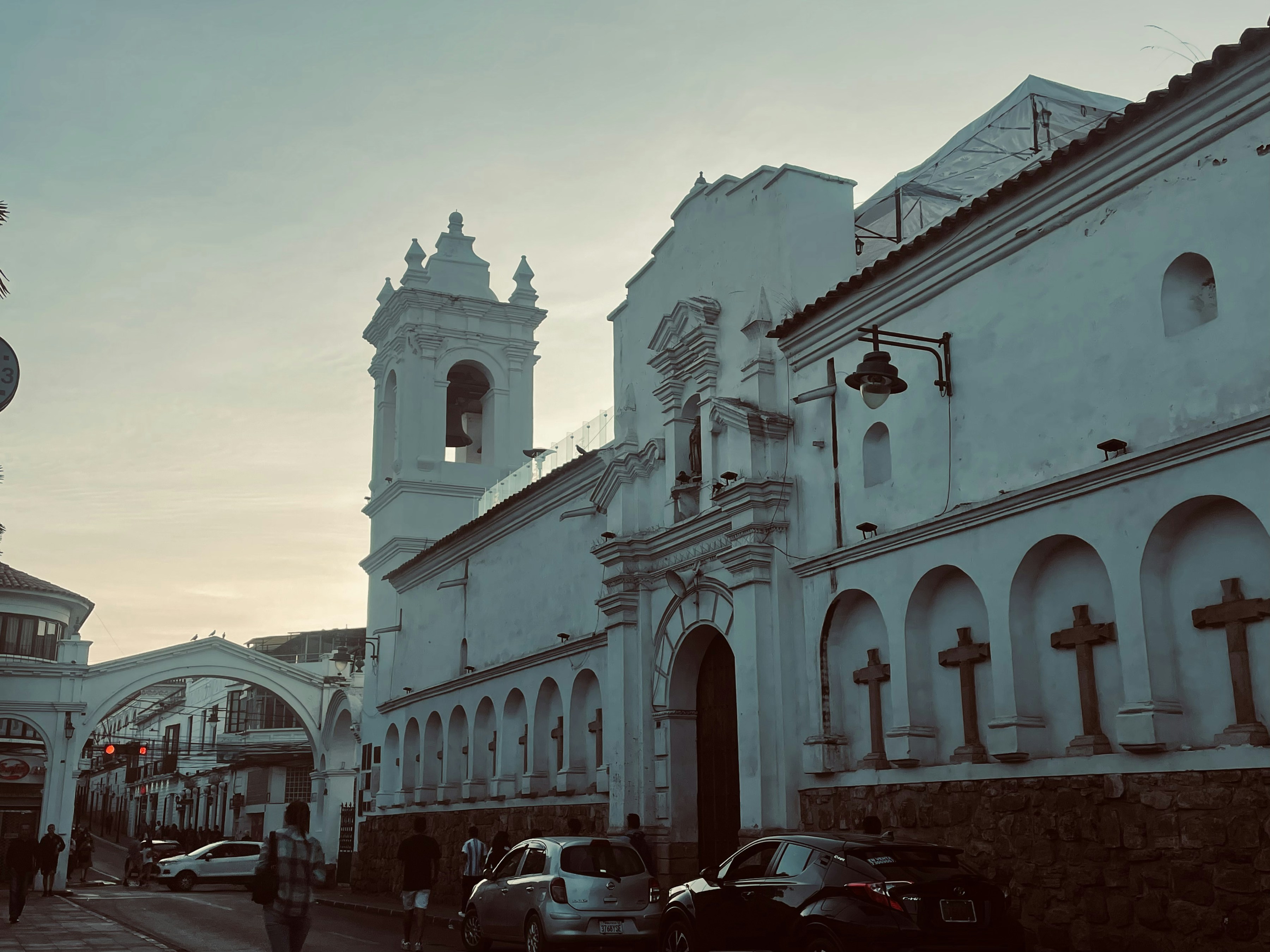
#8Bolivia's constitutional capital is a UNESCO-listed city of whitewashed colonial buildings under a strict preservation code, giving it a cleaner, more uniform look than most Bolivian cities.
Its plazas, churches and the Casa de la Libertad — where Bolivia's independence was declared — reflect its history, while nearby Cal Orck'o holds one of the world's largest dinosaur-footprint collections, on a nearly vertical limestone wall.
How does it rate
CrowdsRomanceCash RequiredDangerAccessibilityWhy you should go
Bolivia's cleanest, most uniformly preserved colonial city, with dinosaur footprints on the outskirts.
Why you shouldn't go
It has fewer major individual attractions than La Paz — the appeal is mostly architectural atmosphere.
Plan your visit
Best time to visitMay–October (dry season) for the most comfortable walking weather.Best time of dayMorning at Cal Orck'o, when the dinosaur-footprint wall is best lit.Getting thereFly directly to Sucre, or an overnight bus from La Paz (about 12-14 hours).Entry costFree to walk; Cal Orck'o dinosaur park entry around 30 Bolivianos (~€4).Time needed1–2 days.Insider tip — Visit Cal Orck'o's dinosaur footprint wall via the cement factory viewing platform, not just the park museum — the closest vantage point to the tracks. -
 #960 /100
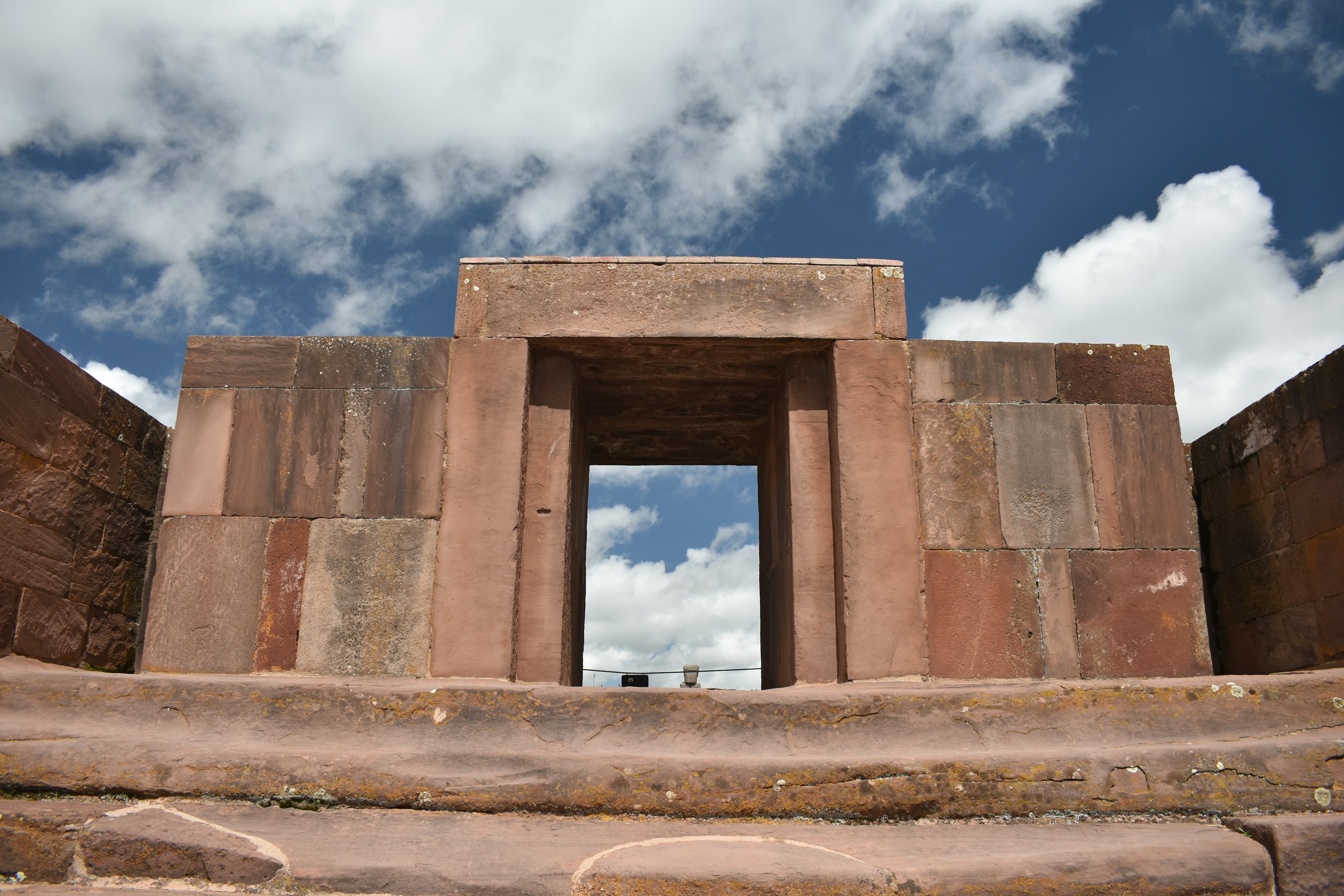
Predating the Inca by centuries, Tiwanaku was the ceremonial center of a civilization that shaped much of Andean religious and architectural tradition, including monumental gateways, sunken temples and precisely cut stonework whose engineering isn't fully understood.
Much of the site remains unexcavated, and what's been uncovered — including the carved Gateway of the Sun — shows precision that later influenced Inca sites like Machu Picchu.
How does it rate
CrowdsRomanceCash RequiredDangerAccessibilityWhy you should go
A pre-Inca ceremonial capital with precisely engineered stonework that shaped later Andean civilizations.
Why you shouldn't go
Much of the site is still ruins and foundations rather than intact standing structures, requiring some imagination.
Plan your visit
Best time to visitMay–October (dry season) for easier travel and clearer weather.Best time of dayMorning, before the site gets exposed to strong midday Altiplano sun.Getting thereAbout 1.5-2 hours' drive from La Paz.Entry costAround 80 Bolivianos (~€11), including the on-site museum.Time needed2–3 hours.Insider tip — Hire a local guide at the entrance — the significance of the stonework and astronomical alignments isn't obvious without explanation. -
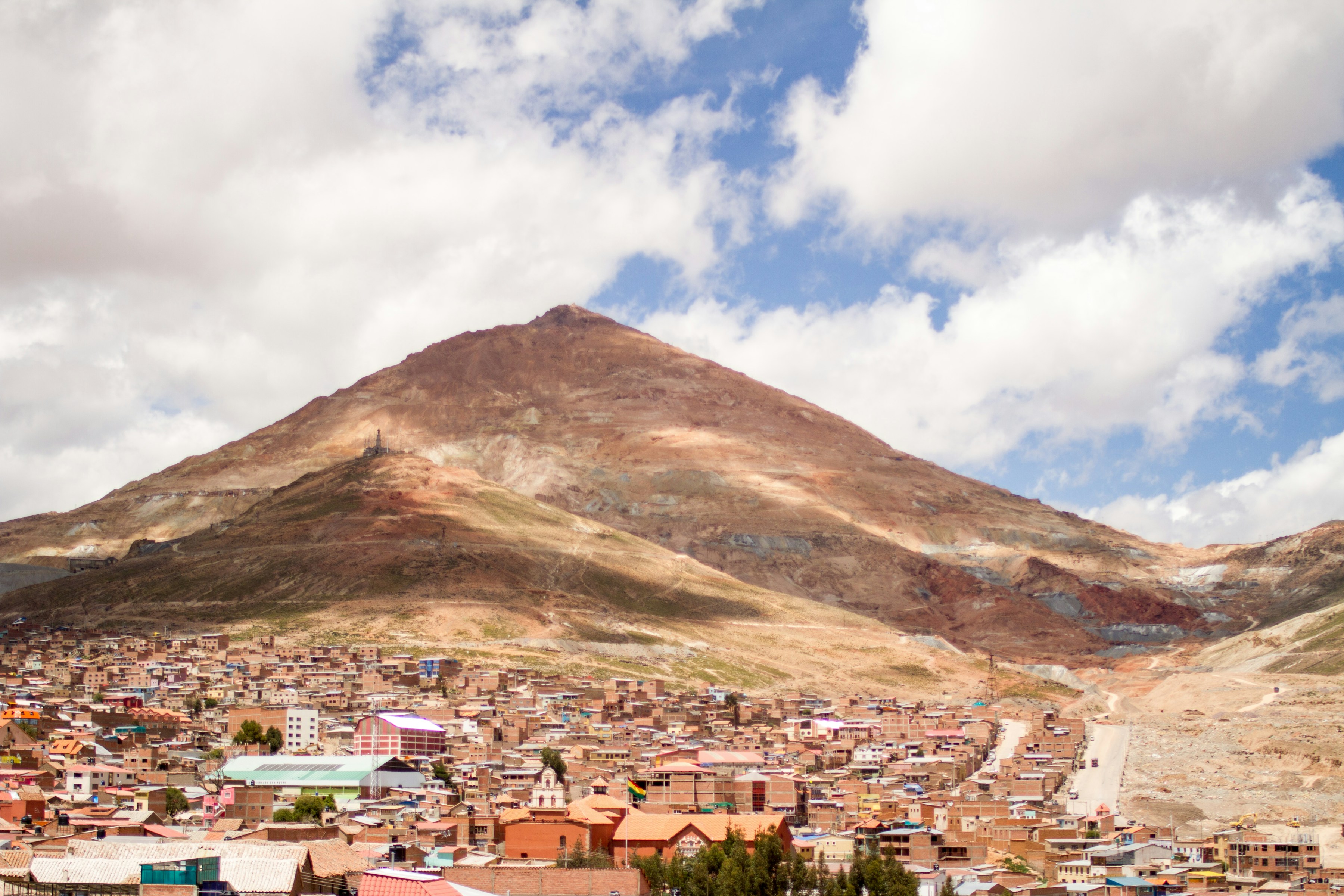 #10
#10Once one of the richest cities on Earth thanks to silver extracted from Cerro Rico, the mountain looming over it, Potosí's colonial wealth built ornate churches and mints that sit at odds with the mine's grim ongoing history — miners, some still teenagers, work the same tunnels using techniques barely changed in centuries.
Guided tours into the active mine are genuinely sobering, an unfiltered look at conditions few visitors ever encounter.
How does it rate
CrowdsRomanceCash RequiredDangerAccessibilityWhy you should go
A UNESCO colonial city built on silver wealth, with mine tours offering an unfiltered look at conditions miners still work under today.
Why you shouldn't go
Mine tours involve genuinely hazardous, cramped, poorly ventilated tunnels still in active use.
Plan your visit
Best time to visitMay–October (dry season) for easier travel to and around the city.Best time of dayMorning mine tours, when miners are most active underground.Getting thereAbout 2.5-3 hours' drive from Sucre, or an overnight bus from La Paz.Entry costMine tours typically $15-25; city sights largely free or low-cost.Time needed1–2 days.Insider tip — Bring small gifts (coca leaves, juice, work gloves) for the miners if joining a mine tour — the customary way visitors are welcomed into active work areas.


How a score is built
One score out of 100, five criteria behind it
Every place is rated 1–5 on each of the criteria below, then combined into a single score out of 100. It's calculated by us, the same way every time — not an average of traveller reviews or social votes.
Crowds
How many people you'll be sharing it with, and at what time of day.
Romance
How well it suits a couple, a proposal, or a quiet moment together.
Cash required
Entry fees, permits, guides, rentals — what it actually costs to do it.
Danger
Physical risk involved, from a slippery viewpoint to genuine hazard.
Accessibility
How far off the beaten path it is, and how hard it is to actually reach.