-
 #193 /100
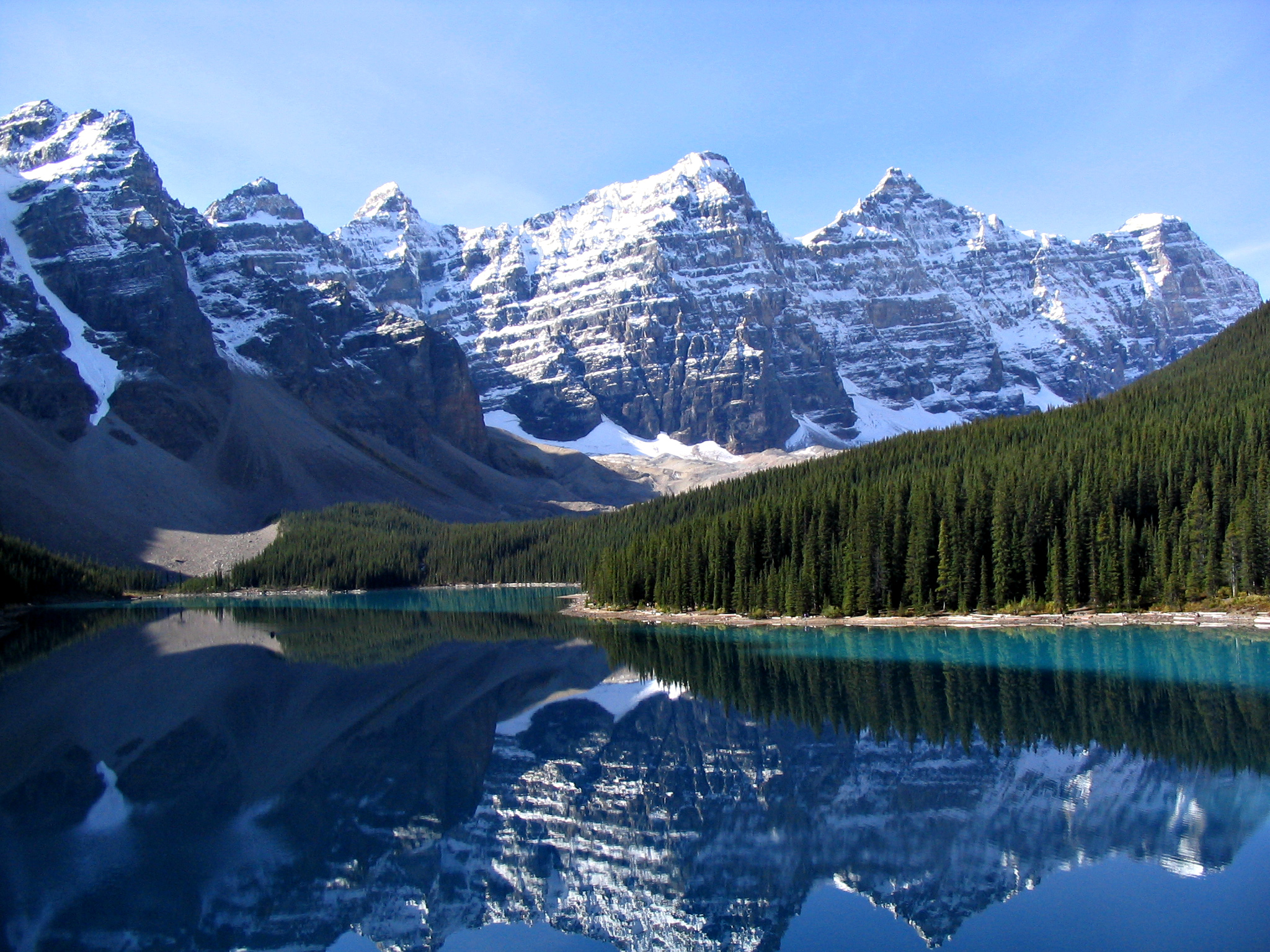
Hidden in the Valley of the Ten Peaks in Banff National Park, Moraine Lake is fed by glacial meltwater that gives it its extraordinary turquoise colour.
The classic view from the Rockpile overlook, with the lake reflecting the surrounding peaks, appeared on the Canadian twenty-dollar bill.
How does it rate
CrowdsRomanceCash RequiredDangerAccessibilityWhy you should go
The colour of the water is genuinely unbelievable in person and the surrounding ring of jagged peaks makes it one of the most dramatic lake settings in the world.
Why you shouldn't go
Access to Moraine Lake is now heavily controlled; visitors must book a shuttle bus in advance as private vehicles are prohibited.
Plan your visit
Best time to visitLate June-early July when the lake is at its bluestBest time of dayEarly morning, before the wind ripples the waterGetting thereShuttle bus required from Lake Louise in peak seasonEntry costFree; shuttle fare appliesTime needed2-3 hoursInsider tip — Arrive at first light; the Rockpile Trail view is why it was on the old Canadian $20 bill -
 #293 /100
Established in 1885, Banff is Canada's oldest national park and one of the world's most spectacular.
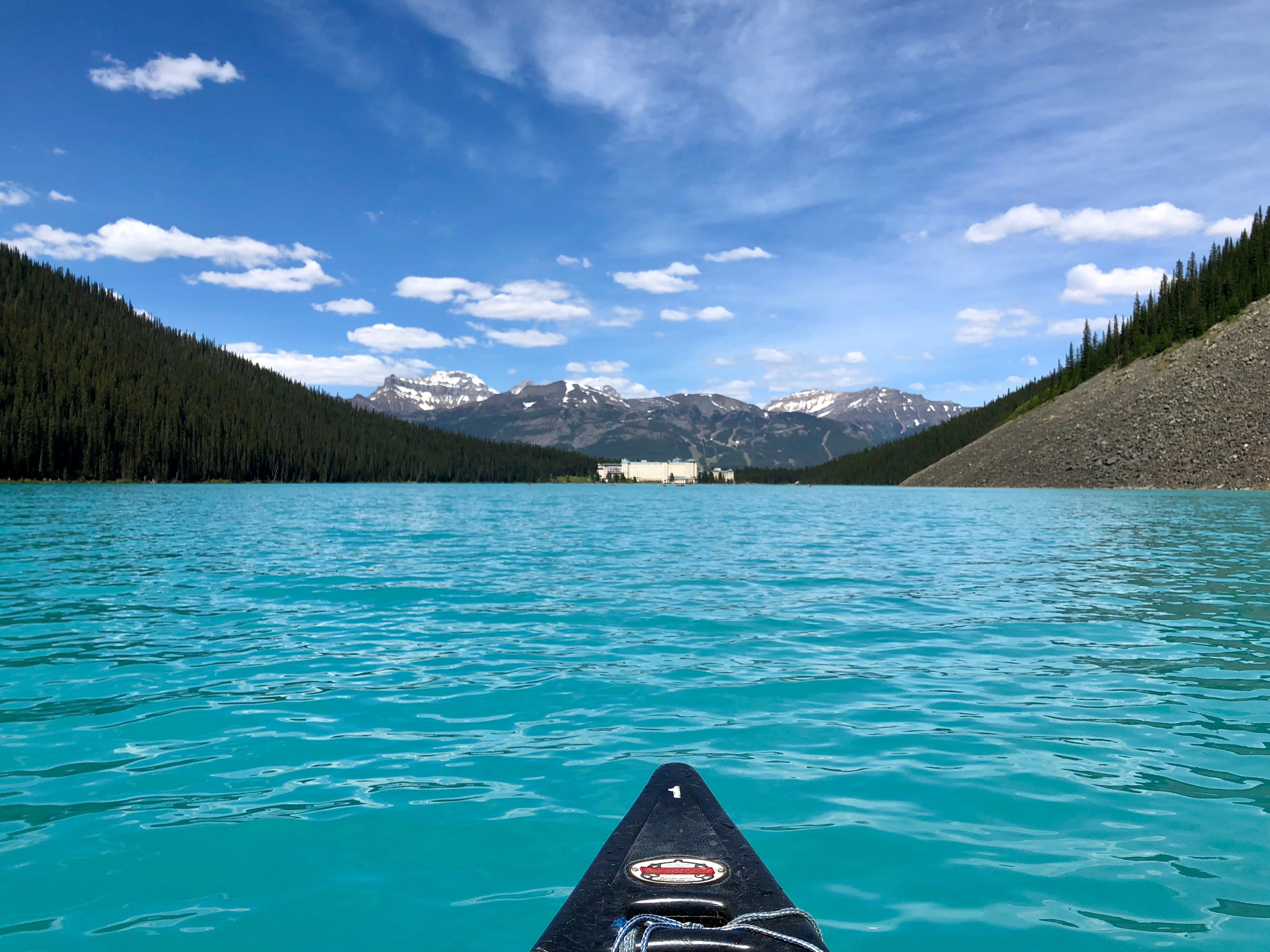
Turquoise lakes, ancient glaciers, hot springs, abundant wildlife, and the postcard town of Banff itself make this an unmissable destination in the Canadian Rockies.
How does it rate
CrowdsRomanceCash RequiredDangerAccessibilityWhy you should go
The combination of turquoise glacial lakes, dramatic mountain scenery, and easy accessibility makes Banff one of the most photogenic national parks on earth.
Why you shouldn't go
Banff becomes very crowded in summer and key sites like Moraine Lake and Lake Louise require advance shuttle booking.
Plan your visit
Best time to visitJune-SeptemberBest time of dayEarly morning for wildlife and calm waterGetting there~1.5hr drive from CalgaryEntry costPark pass ~$10/dayTime needed3+ daysInsider tip — Get to Moraine Lake or Lake Louise before 7am in July/August or the parking lots fill and close -
 #391 /100
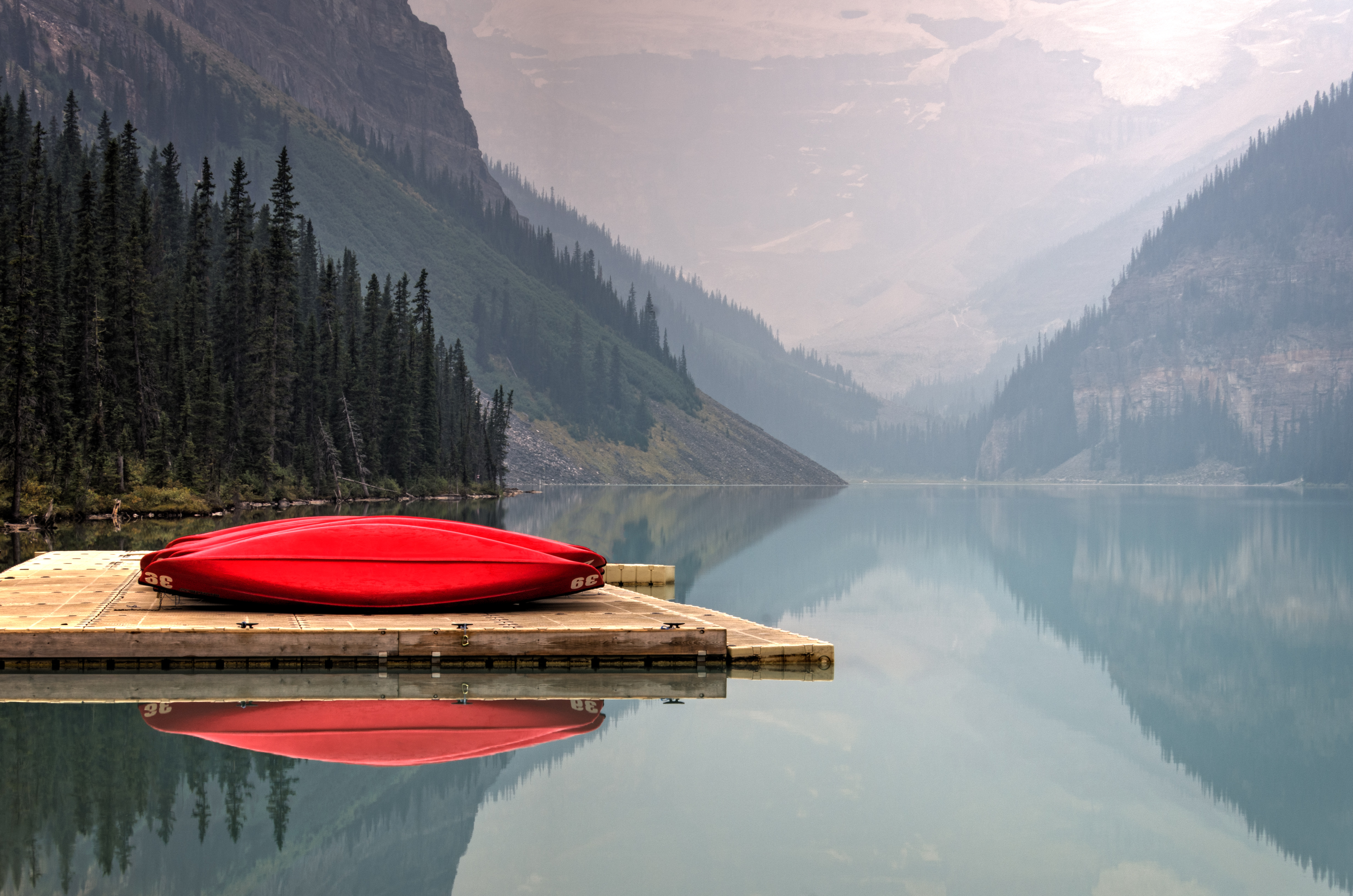
Lake Louise is the Canadian Rockies at their most theatrical: a milky turquoise lake framed by pine-clad ridges, with Victoria Glacier hanging at the far end and the famous red canoes gliding out from the boathouse dock.
The colour is real, glacial rock flour in the meltwater, and it shifts with every hour of light.
Easy lakeshore paths and grand teahouse hikes ring the water.
How does it rate
CrowdsRomanceCash RequiredDangerAccessibilityWhy you should go
One of the most photogenic lakes on Earth, with turquoise water, red canoes and glacier views in one frame.
Why you shouldn't go
Summer parking fills before sunrise and the shoreline gets extremely busy through the middle of the day.
Plan your visit
Best time to visitJune-September for open water; late September for golden larchesBest time of dayDawn, before the car park fills and the water is still glassyGetting thereFly to Calgary; 2-hour drive, then park-and-ride shuttle in summerEntry costBanff park pass about CA$11/day; canoe rental extraTime neededHalf a dayBookingBook ahead →Insider tip — Book the Parks Canada shuttle online weeks ahead - by mid-morning in July the lot is full and drop-ins are turned away -
 #491 /100
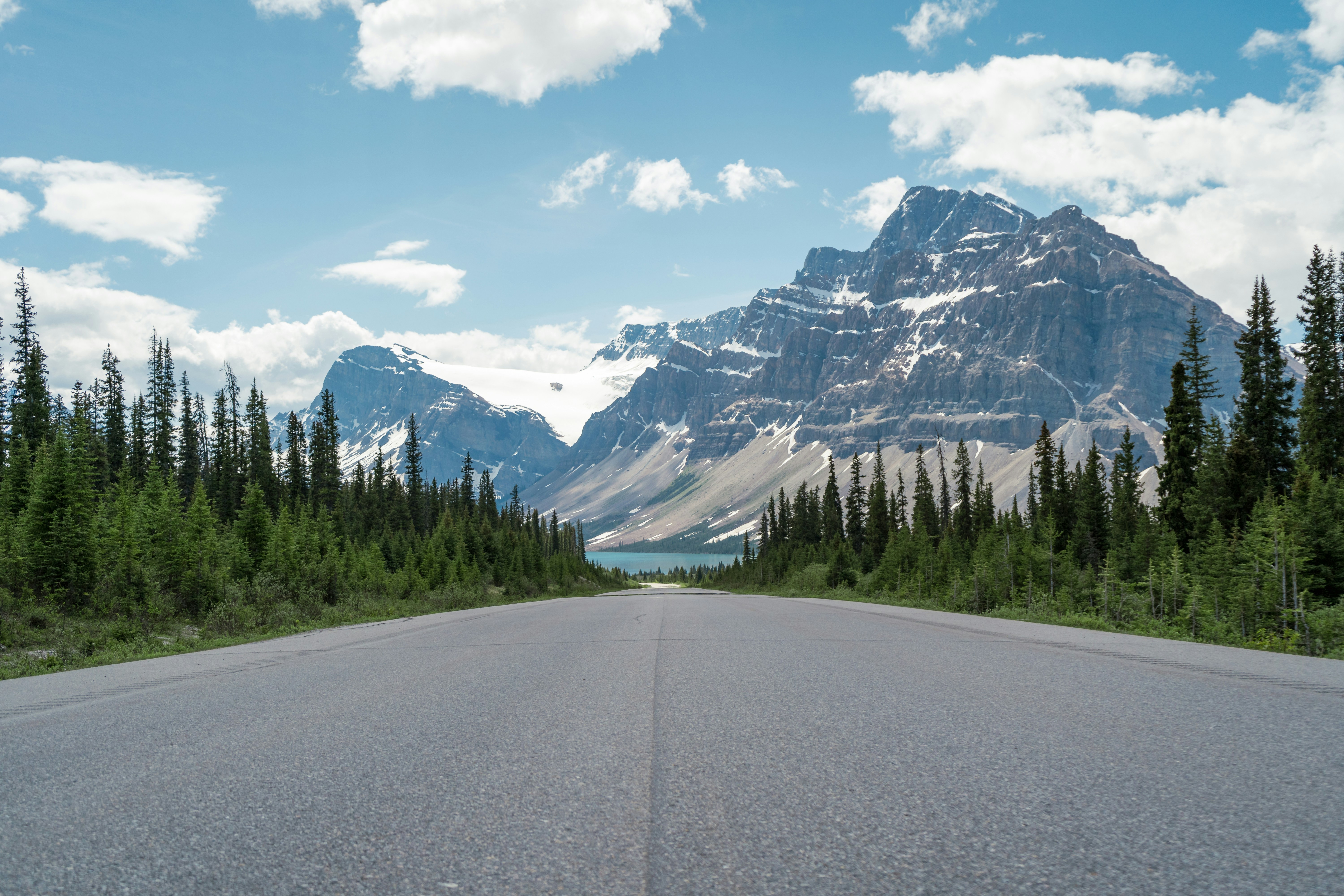
The Icefields Parkway runs 232 kilometres between Lake Louise and Jasper through the Canadian Rockies, tracing the Continental Divide past turquoise lakes, hanging glaciers, and the vast Columbia Icefield.
Peyto Lake's overlook and the Athabasca Glacier, reachable on foot or by ice-explorer vehicle, are signature stops, while roadside pullouts deliver mountain views throughout.
Bears and bighorn sheep often appear near the road at dawn and dusk.
How does it rate
CrowdsRomanceCash RequiredDangerAccessibilityWhy you should go
Turquoise glacial lakes and hanging glaciers visible almost continuously for the entire drive.
Why you shouldn't go
Requires a Parks Canada pass, and summer traffic clogs the popular pullouts and Athabasca Glacier lot.
Plan your visit
Best time to visitLate June through September, when the road is clear of snow and ice and all viewpoints are open.Best time of dayEarly morning for calm lake reflections and the best chance of spotting wildlife.Getting thereFly into Calgary, drive to Lake Louise, and pick up Highway 93 north toward Jasper.Entry costParks Canada day pass required, around CAD 22 per adultTime needed1 day drive, 2-3 with stops and hikesBookingBook ahead →Insider tip — Stop at Peyto Lake in early morning before tour buses fill the viewpoint, and check Parks Canada's site for wildlife closures before setting off. -
 #587 /100
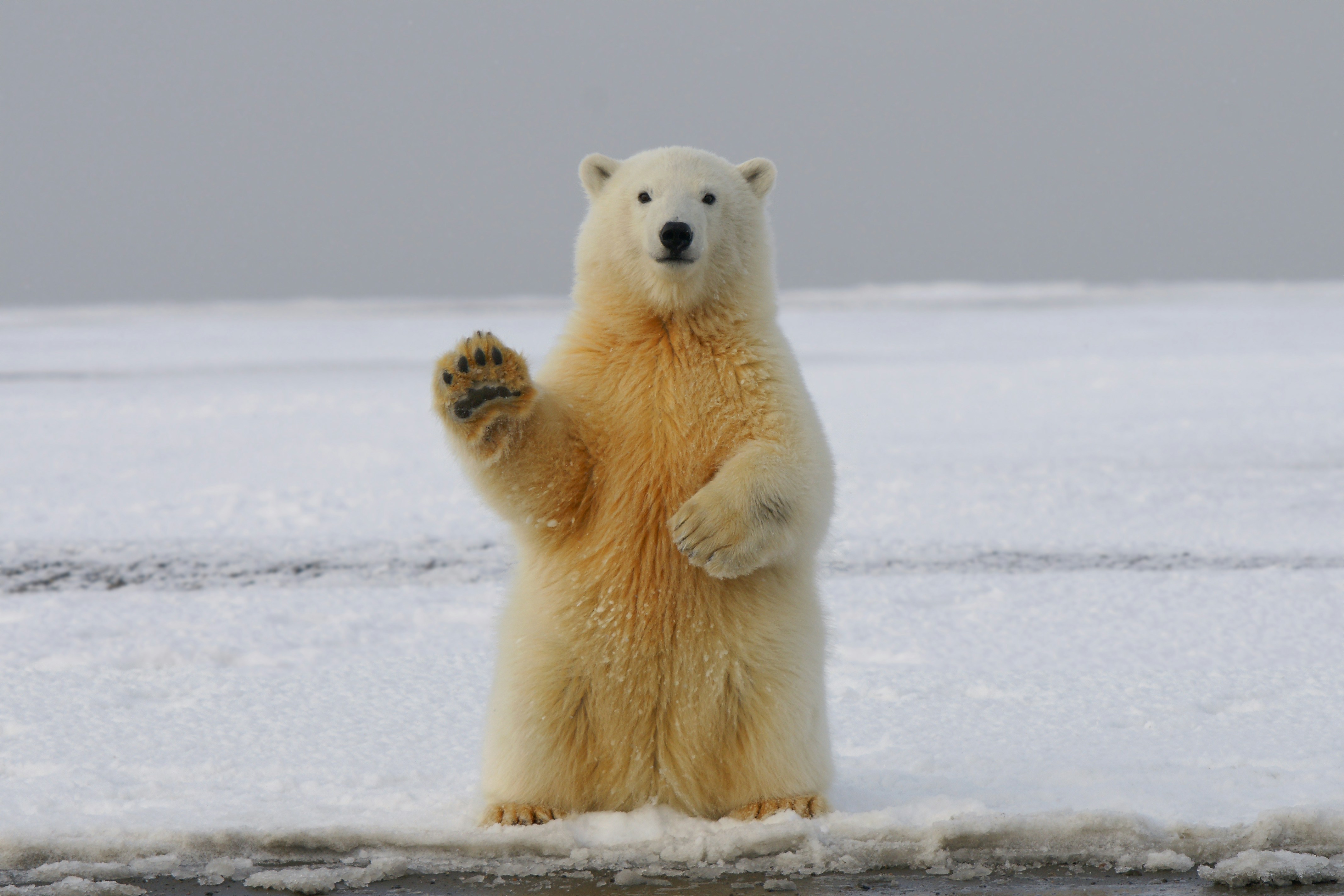
A sub-Arctic town on the Hudson Bay coast known as the polar bear capital of the world, where bears gather each autumn waiting for the sea ice to freeze.
Specially built tundra vehicles bring visitors safely within metres of wild bears, and the same stretch of coast offers beluga whale watching in summer and reliable northern lights viewing in winter.
No road connects Churchill to the rest of Manitoba.
How does it rate
CrowdsRomanceCash RequiredDangerAccessibilityWhy you should go
The most reliable place on Earth to see wild polar bears up close, from the safety of a purpose-built tundra vehicle.
Why you shouldn't go
Only reachable by plane or a two-day train; peak-season tours routinely cost thousands of dollars.
Plan your visit
Best time to visitLate October to mid-November for polar bears; July-August for beluga whales; Jan-March for auroraBest time of dayDaylight hours for bear viewing; clear, moonless nights for the northern lightsGetting thereFly from Winnipeg (about 2 hours) or take the 2-day VIA Rail train; no roads connect Churchill to the rest of Manitoba.Entry costTundra buggy tours from around CA$400/day; multi-day packages often CA$3,000+Time needed3-5 days for a bear-viewing tripBookingBook ahead →Insider tip — Book tundra buggy tours many months ahead for the first two weeks of November, when bear numbers along the coast are highest; shoulder-season dates are cheaper but far less certain. -
 #686 /100
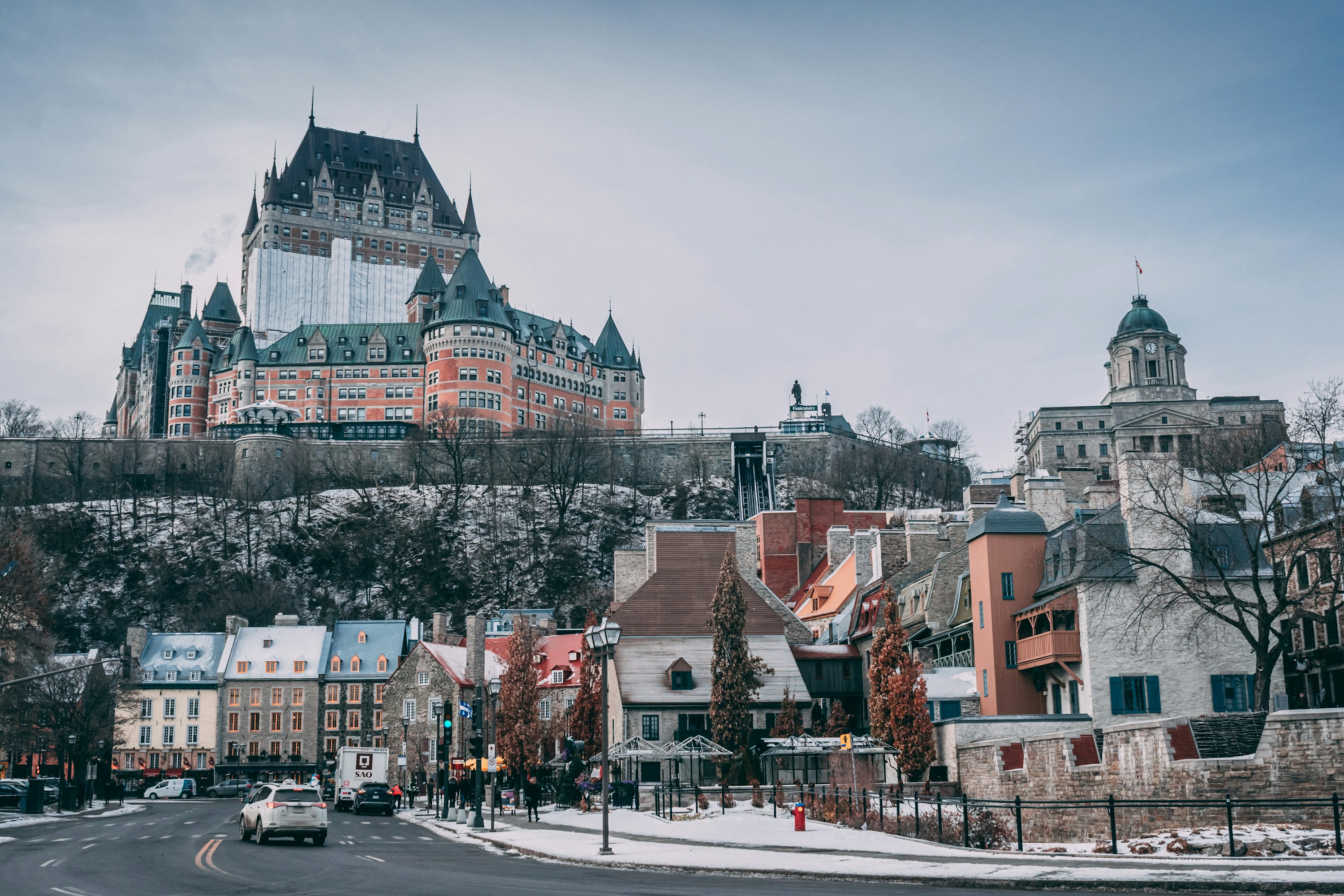
The walled heart of Quebec City is the only fortified colonial city north of Mexico still standing, its narrow cobblestone streets climbing from the St.
Lawrence River up to the castle-like Chateau Frontenac hotel.
Founded by French settlers in 1608, the Old Town's stone houses and ramparts earned it UNESCO World Heritage status, and the Dufferin Terrace boardwalk gives sweeping river views.
How does it rate
CrowdsRomanceCash RequiredDangerAccessibilityWhy you should go
A genuinely walkable, centuries-old walled city with cobblestone streets and river views unlike anywhere else in North America.
Why you shouldn't go
Many small sites and the funicular are cash-preferred; winters are long and cold, though they add their own charm.
Plan your visit
Best time to visitJune-September for mild weather; February for the Winter CarnivalBest time of dayMorning for Petit-Champlain before crowds; evening for Dufferin Terrace at sunsetGetting thereFly to Quebec City Jean Lesage International Airport, or take the train from Montreal (about 3 hours).Entry costFree to walk the Old Town; funicular ~CA$4-6; individual sites charge separatelyTime needed2-3 daysInsider tip — Walk down the Casse-Cou ("Breakneck") stairs from Upper to Lower Town rather than only riding the funicular; it's the old fastest route between the two and skips the funicular queue entirely. -
 #783 /100
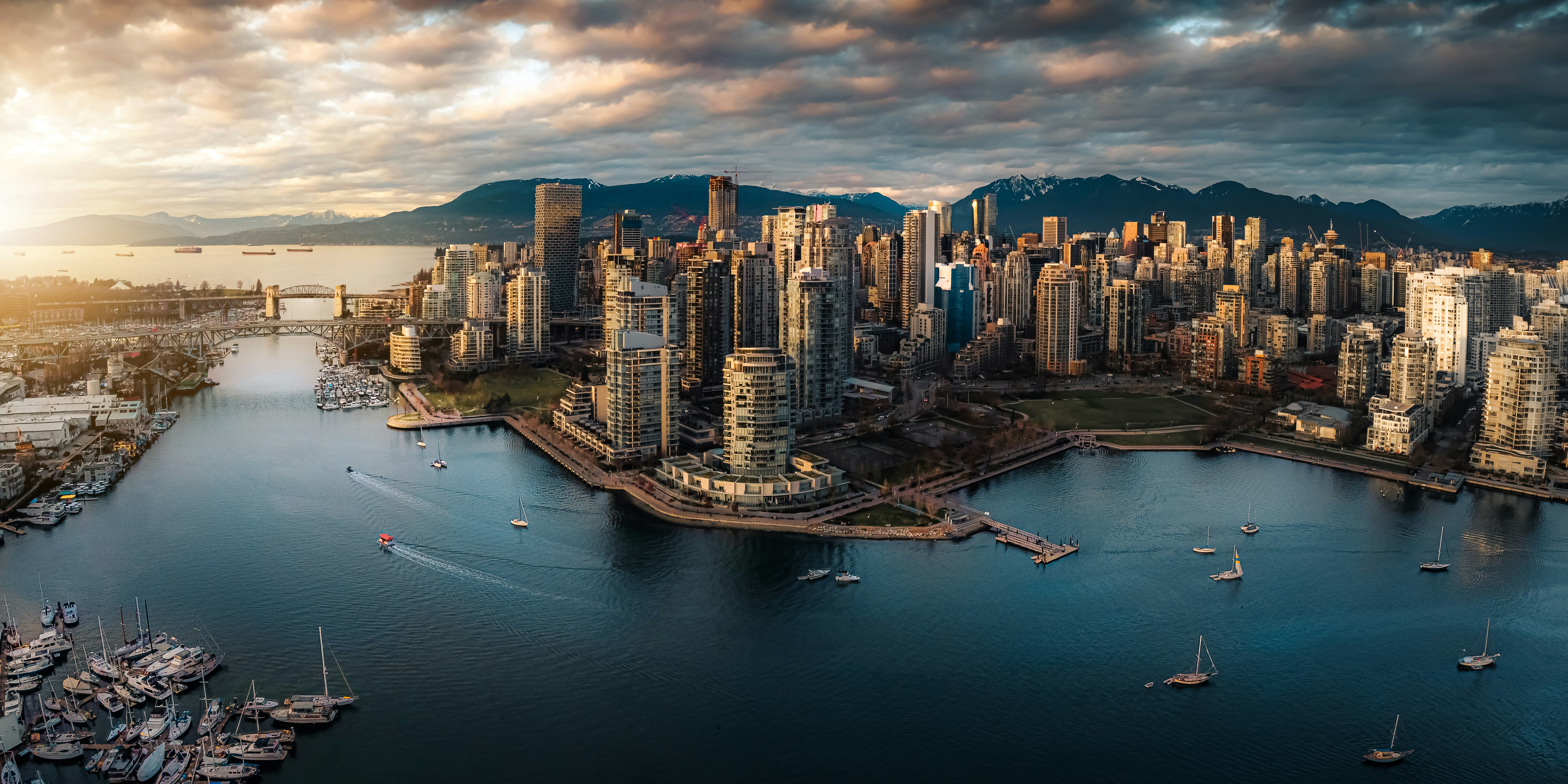
A glass-towered harbour city wedged between the Coast Mountains and the Pacific, where downtown ends abruptly at the seawall and North Shore peaks rise directly across the water.
Stanley Park's rainforest and shoreline path wrap the downtown peninsula, while Granville Island's public market sits a short ferry hop across False Creek.
Vancouver pairs an outdoor-focused lifestyle with skiing, hiking and beaches within a short drive of downtown.
How does it rate
CrowdsRomanceCash RequiredDangerAccessibilityWhy you should go
A compact downtown where mountains, ocean and rainforest are all within walking distance of the office towers.
Why you shouldn't go
One of the most expensive cities in North America for both accommodation and everyday costs.
Plan your visit
Best time to visitJune-September for reliably dry weather; ski season runs December-March on the North Shore mountainsBest time of dayLate afternoon on the seawall for sunset over English BayGetting thereFly into Vancouver International Airport (YVR); the Canada Line train connects the airport to downtown in about 25 minutes.Entry costFree to explore; individual attractions and transit charge separatelyTime needed3-4 daysInsider tip — Rent a bike and ride the Stanley Park seawall counter-clockwise in the early morning before the path fills with pedestrians and tour groups. -
 #880 /100
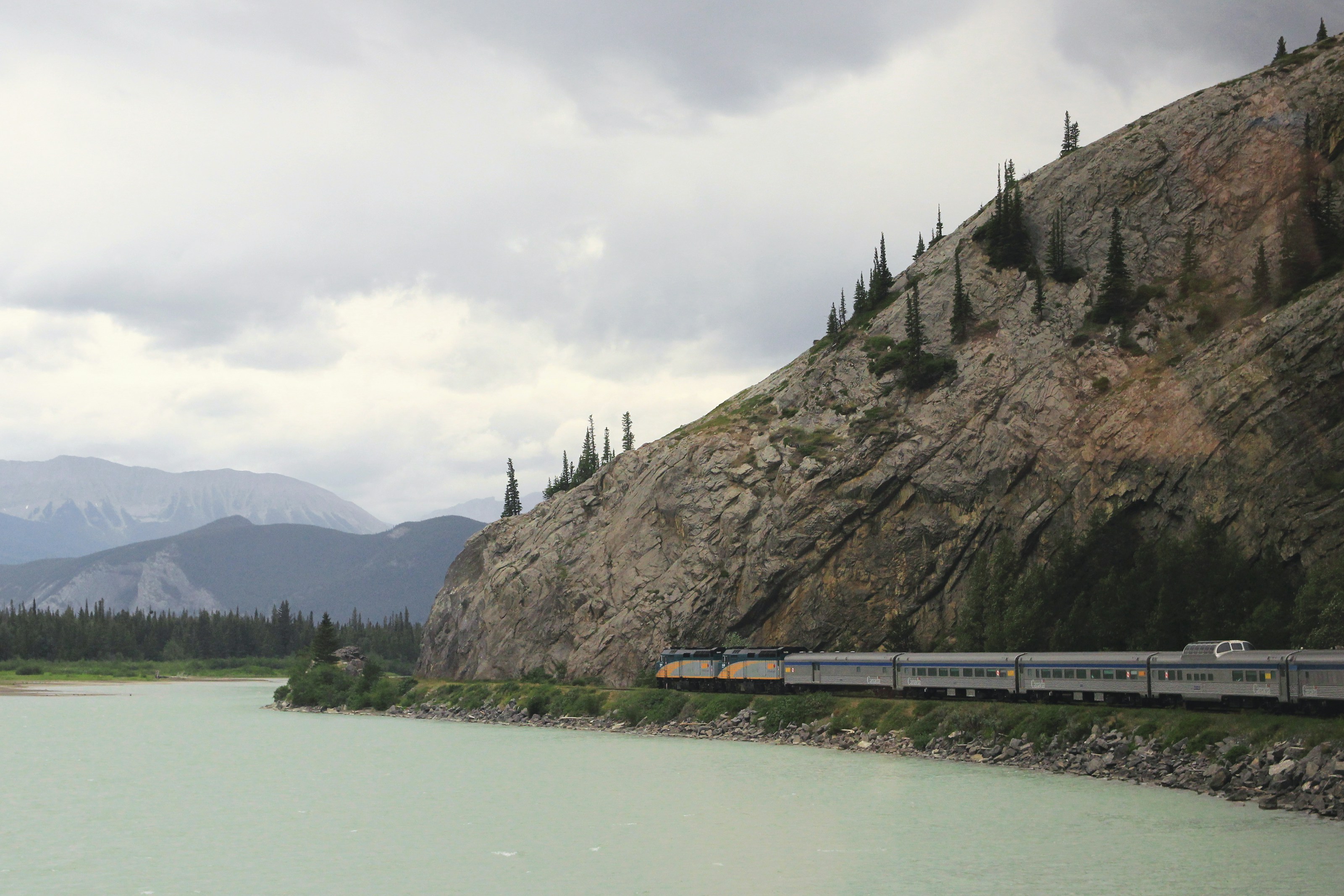
VIA Rail's transcontinental flagship crosses Canada in four days aboard 1950s stainless-steel dome cars, from Toronto through the Canadian Shield and prairies into the Rockies at Vancouver.
Glass-domed Park cars let passengers watch scenery from above the roofline, and Prestige cabins include their own bathroom and picture windows.
The appeal is less one view than the sheer, unhurried scale of the country passing by.
How does it rate
CrowdsRomanceCash RequiredDangerAccessibilityWhy you should go
Four days aboard vintage stainless-steel dome cars crossing Canada coast to coast, from the Canadian Shield to the Rockies.
Why you shouldn't go
A sleeper cabin costs as much as a short-haul flight, and the multi-day prairie stretch feels repetitive to some travellers.
Plan your visit
Best time to visitMay-October for the longest daylight hours over the Rockies stretch near Jasper.Best time of dayAfternoon through Jasper and the Rockies, timed for daylight on the most dramatic mountain stretch.Getting thereBoard at Toronto's Union Station or Vancouver's Pacific Central Station, both downtown and reachable by transit from the airport.Entry costSleeper cabins from around CAD 1,500 one-way; Economy seating from about CAD 500.Time needed4 days, 4 nights end to end (Toronto-Vancouver).BookingBook ahead →Insider tip — Book a Prestige cabin on the west-facing side for sunset light over the Rockies on the final approach into Vancouver, and spend as much time as you're allowed in the glass-domed Park car at the rear of the train. -
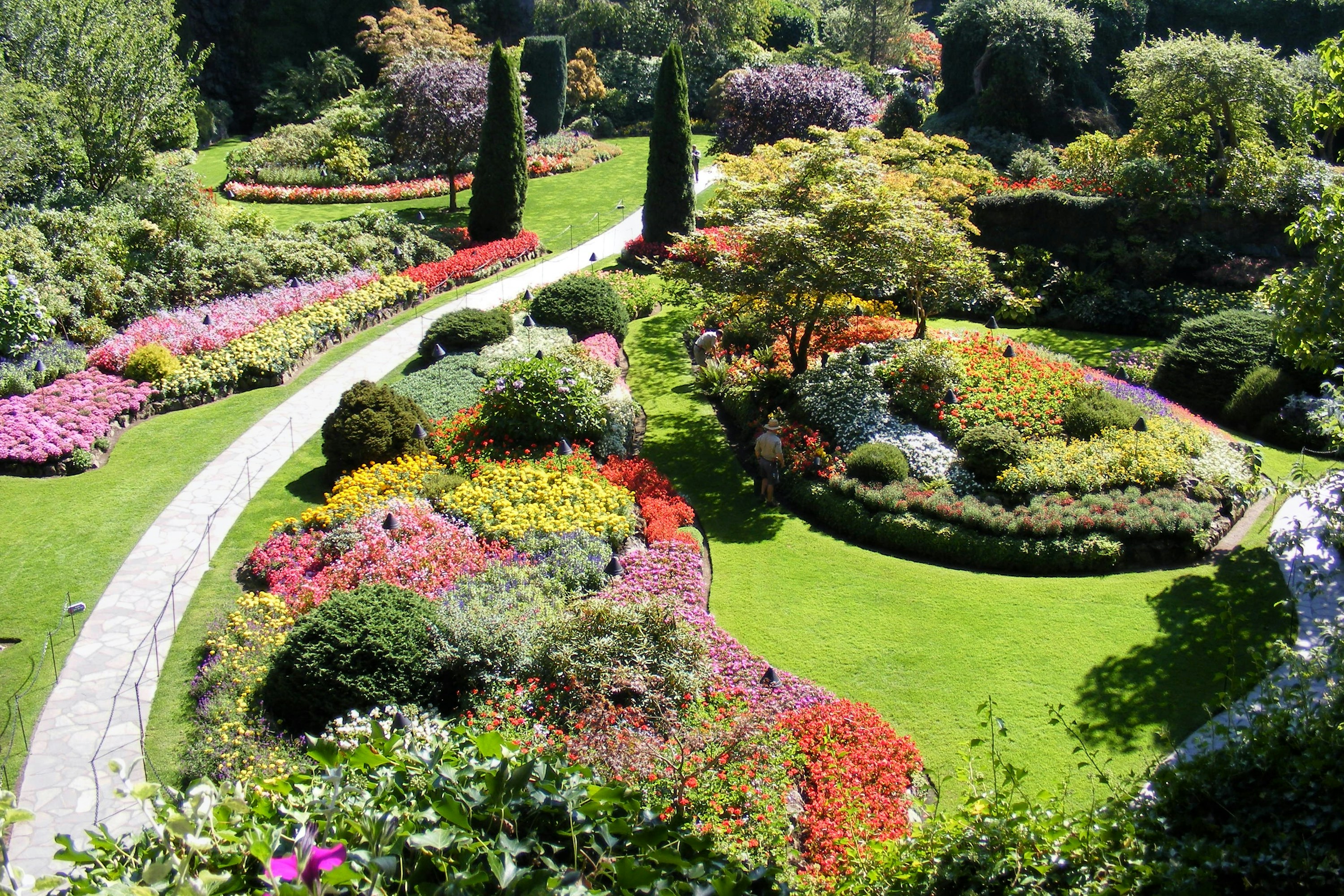 #980 /100
A former limestone quarry on Vancouver Island transformed over a century into 22 hectares of themed display gardens, from a sunken formal garden to Japanese and Italian sections.
The National Historic Site draws more than a million visitors a year and stays in bloom nearly year-round, with fireworks and illuminated evening walks through the summer season.
How does it rate
CrowdsRomanceCash RequiredDangerAccessibilityWhy you should go
Century-old quarry-turned-garden with themed sections in bloom for most of the year, including summer illumination and fireworks nights.
Why you shouldn't go
Ticketed and busy with tour buses at midday in peak summer; only reachable by car or organized tour from Victoria.
Plan your visit
Best time to visitLate spring through summer for peak bloom; December for the holiday light displaysBest time of dayEarly morning or the last two hours before closing to avoid tour groupsGetting thereFly to Victoria International Airport; 25-minute drive north to Brentwood Bay, or take a seasonal ferry directly to the gardens' own dock.Entry costAdult ~CA$40-43 in summer, less in shoulder seasons; free for children under 5Time needed2-3 hoursBookingBook ahead →Insider tip — Start at the Sunken Garden overlook near the entrance, then work anti-clockwise through the Japanese and Italian gardens before the tour bus groups arrive mid-morning. -
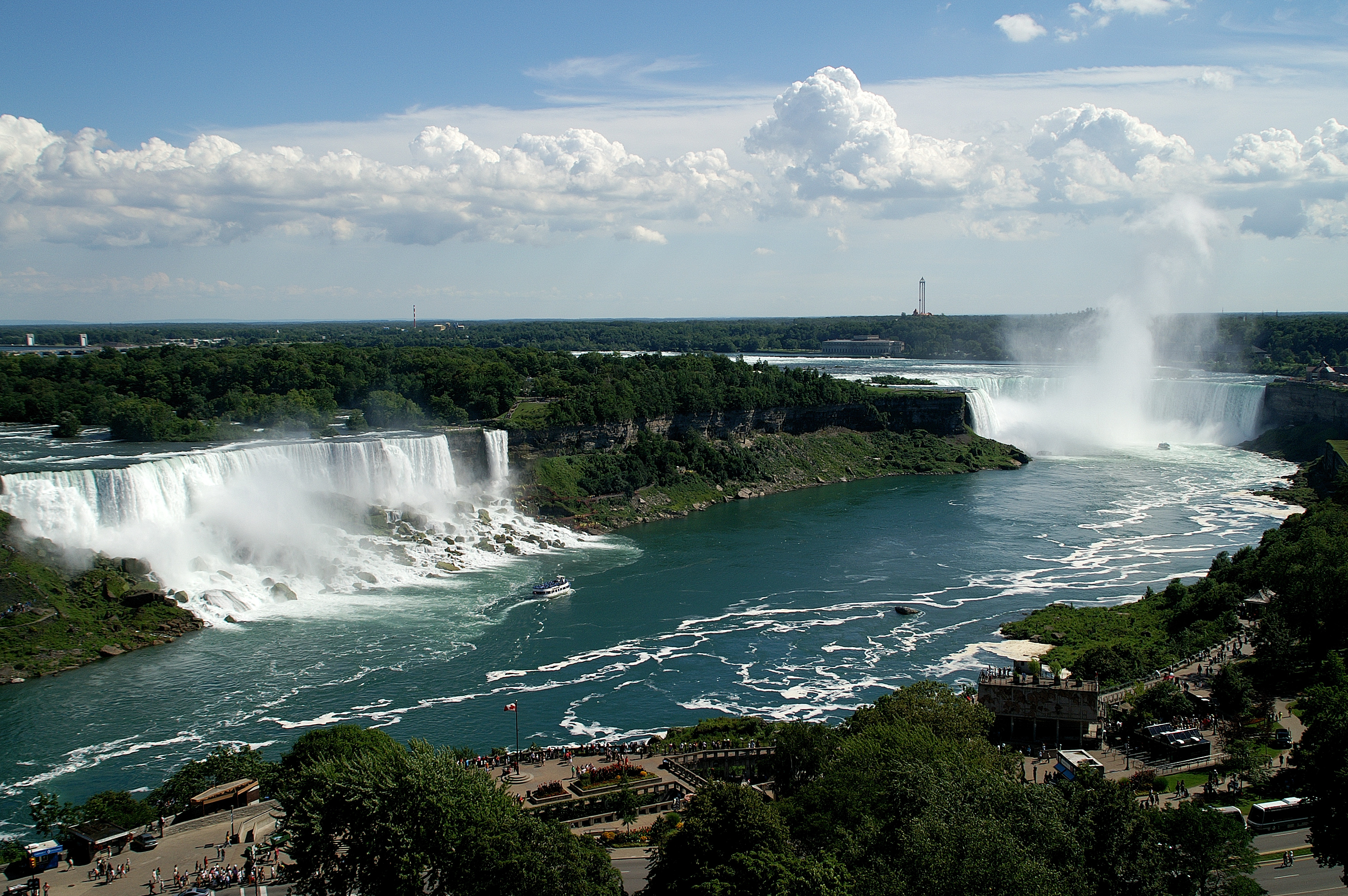 #1075 /100
Niagara Falls sits on the border between Ontario and New York State and comprises three waterfalls: the Horseshoe Falls, the American Falls, and the Bridal Veil Falls.
The Canadian side offers the most dramatic panoramic view of the Horseshoe Falls, which at 57 metres tall and 670 metres wide is the most powerful waterfall in North America.
How does it rate
CrowdsRomanceCash RequiredDangerAccessibilityWhy you should go
The volume of water thundering over Horseshoe Falls from the Canadian viewing platform is genuinely awe-inspiring; boat trips take you to within metres of the falling water.
Why you shouldn't go
The surrounding town of Niagara Falls on the Canadian side is extremely tacky and touristy; the falls themselves are not particularly tall compared to some rivals.
Plan your visit
Best time to visitMay-September for warm weather, winter for ice formationsBest time of dayEvening for the illumination and seasonal fireworksGetting there~1.5hr drive from TorontoEntry costFree to view; boat tours ~$30Time neededHalf dayInsider tip — The Canadian side has the better view of Horseshoe Falls; cross over if coming from the US side -
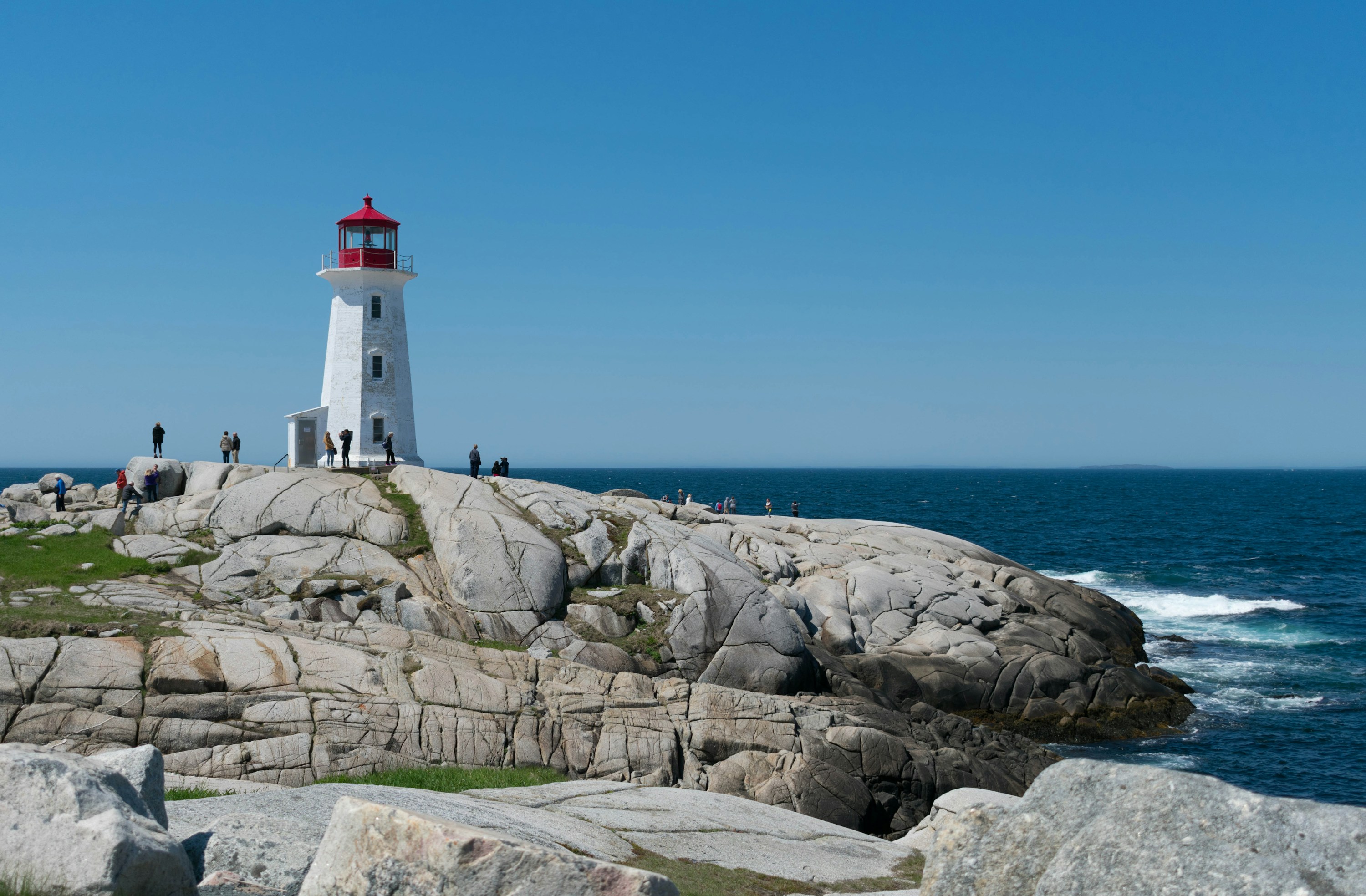 #1174 /100
A small fishing village on Nova Scotia's rocky Atlantic coast, built around one of Canada's most recognisable lighthouses, perched on wave-smoothed granite boulders above the open ocean.
The working harbour still holds lobster boats and fish shacks alongside the crowds, and a short walk along the shoreline rocks gives open views out to sea.
Waves can sweep the outer rocks without warning.
How does it rate
CrowdsRomanceCash RequiredDangerAccessibilityWhy you should go
One of the most recognisable lighthouses in Canada, set on open granite rock above the Atlantic, a short drive from Halifax.
Why you shouldn't go
Extremely busy with tour buses in summer, and the smooth rocks nearest the water have caused fatal rogue-wave incidents.
Plan your visit
Best time to visitJune-September for mild weather; arrive outside 10am-4pm to avoid tour bus crowdsBest time of dayEarly morning or early eveningGetting thereFly to Halifax Stanfield International Airport; 45-50 minute drive southwest on Route 333.Entry costFree; parking fee appliesTime needed1-2 hoursInsider tip — Stay on the dark, lichen-covered rock and well back from the water on the ocean side of the lighthouse; the smooth grey granite closer to the surf has swept visitors away in calm-looking conditions.


More from Canada
How a score is built
One score out of 100, five criteria behind it
Every place is rated 1–5 on each of the criteria below, then combined into a single score out of 100. It's calculated by us, the same way every time — not an average of traveller reviews or social votes.
Crowds
How many people you'll be sharing it with, and at what time of day.
Romance
How well it suits a couple, a proposal, or a quiet moment together.
Cash required
Entry fees, permits, guides, rentals — what it actually costs to do it.
Danger
Physical risk involved, from a slippery viewpoint to genuine hazard.
Accessibility
How far off the beaten path it is, and how hard it is to actually reach.