-
 #195 /100
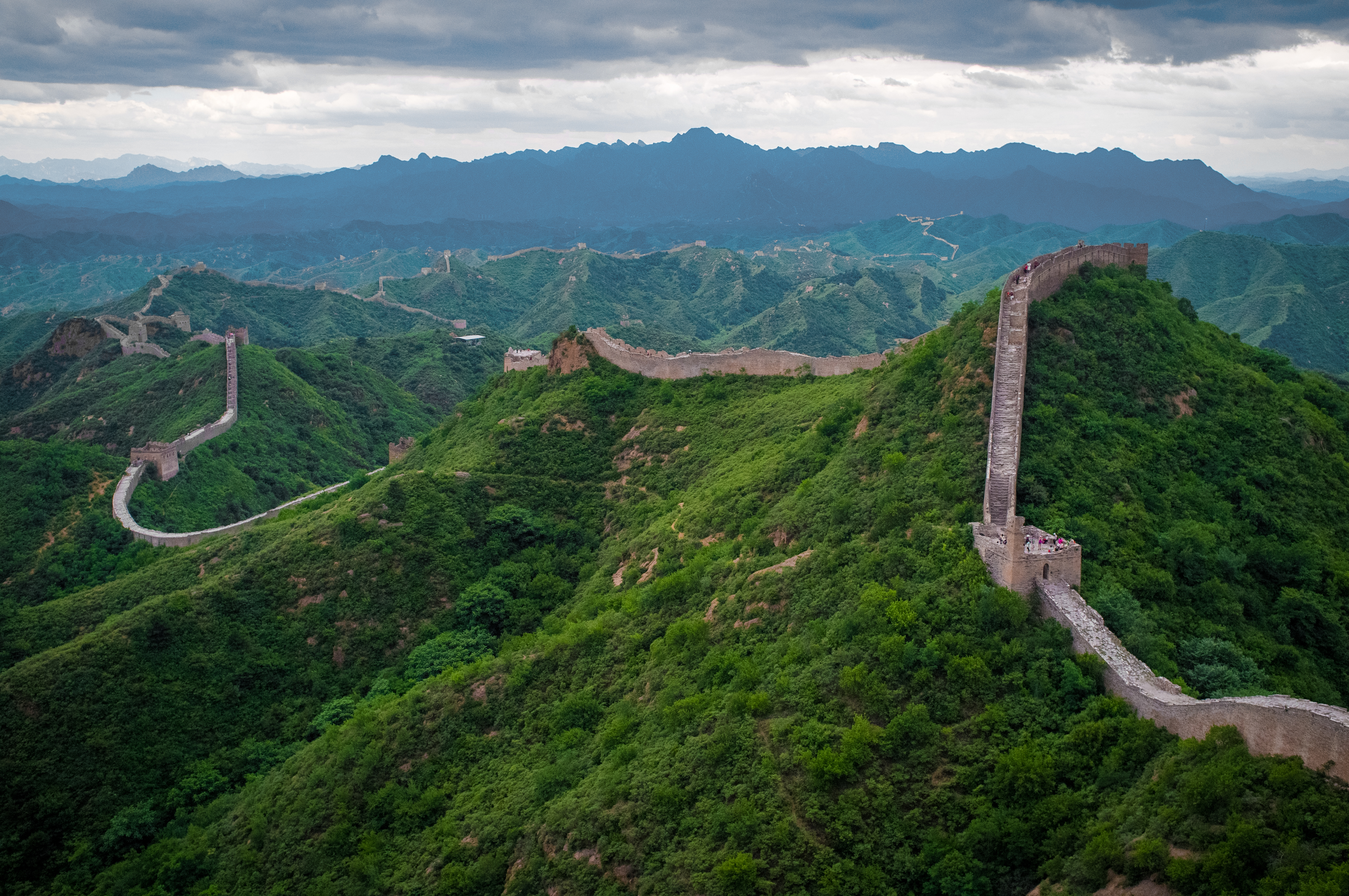
Stretching over 21,000 kilometres across northern China, the Great Wall is one of the greatest architectural achievements in human history.
The restored sections near Beijing, such as Mutianyu and Jinshanling, wind dramatically across steep mountain ridges and can be walked in a few hours.
Further out, unrestored stretches crumble into the hillsides largely unvisited.
How does it rate
CrowdsRomanceCash RequiredDangerAccessibilityWhy you should go
Watching the wall snake over mountain ridge after ridge into the distant haze is a truly humbling experience that conveys the wall's immense scale.
Why you shouldn't go
The most accessible sections near Beijing are heavily restored and extremely crowded; reaching the more dramatic wild sections requires significant effort.
Plan your visit
Best time to visitSpring or autumn, avoiding summer heat and crowdsBest time of dayEarly morningGetting thereMutianyu or Jinshanling sections, ~1.5-2hrs from BeijingEntry cost~$10 entry plus transportTime neededHalf dayInsider tip — Skip Badaling; Mutianyu or Jinshanling are quieter and just as spectacular -
 #291 /100
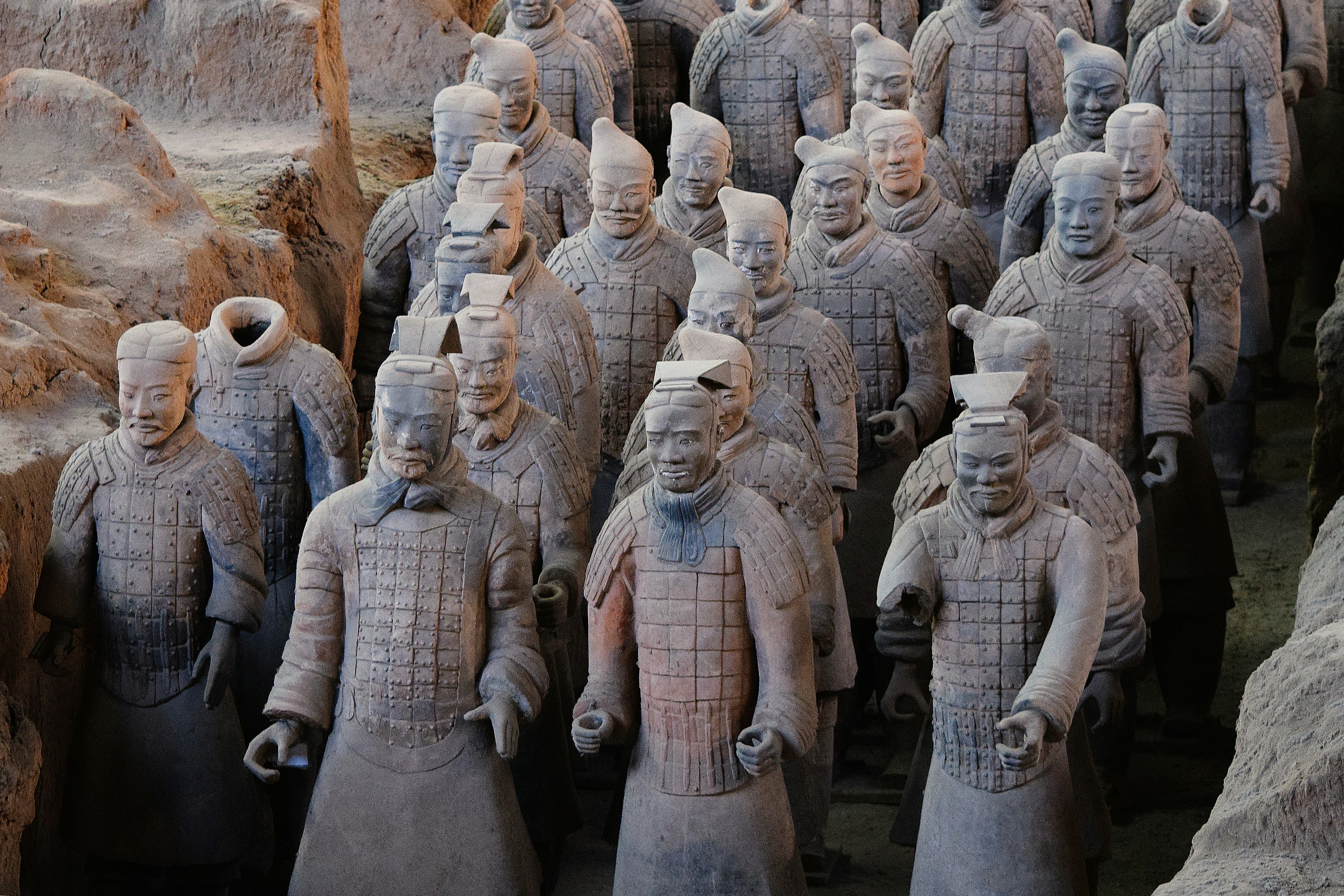
Buried for over two thousand years to guard the tomb of China's first emperor, the Terracotta Army was discovered by farmers digging a well in 1974 and remains one of the most significant archaeological finds of the twentieth century.
More than 8,000 life-sized soldiers, each with individually sculpted facial features, stand in battle formation inside three vast excavation pits, alongside horses, chariots, and officers.
How does it rate
CrowdsRomanceCash RequiredDangerAccessibilityWhy you should go
Standing over the excavation pit and seeing thousands of individually detailed soldiers stretching into the distance is unforgettable.
Why you shouldn't go
It draws enormous crowds year-round, and much of the view is from a raised gallery rather than up close.
Plan your visit
Best time to visitMarch–May or September–November for mild weather outside the summer heat and winter cold.Best time of dayOpening time, ahead of tour groups that build steadily through the morning.Getting thereFly to Xi'an; roughly 1-hour drive or bus east from the city centre.Entry costPaid entry.Time needed3–4 hoursInsider tip — Head straight to Pit 1, the largest, before the crowds arrive, then work backward through Pits 2 and 3 and the museum once it fills up. -
 #390 /100
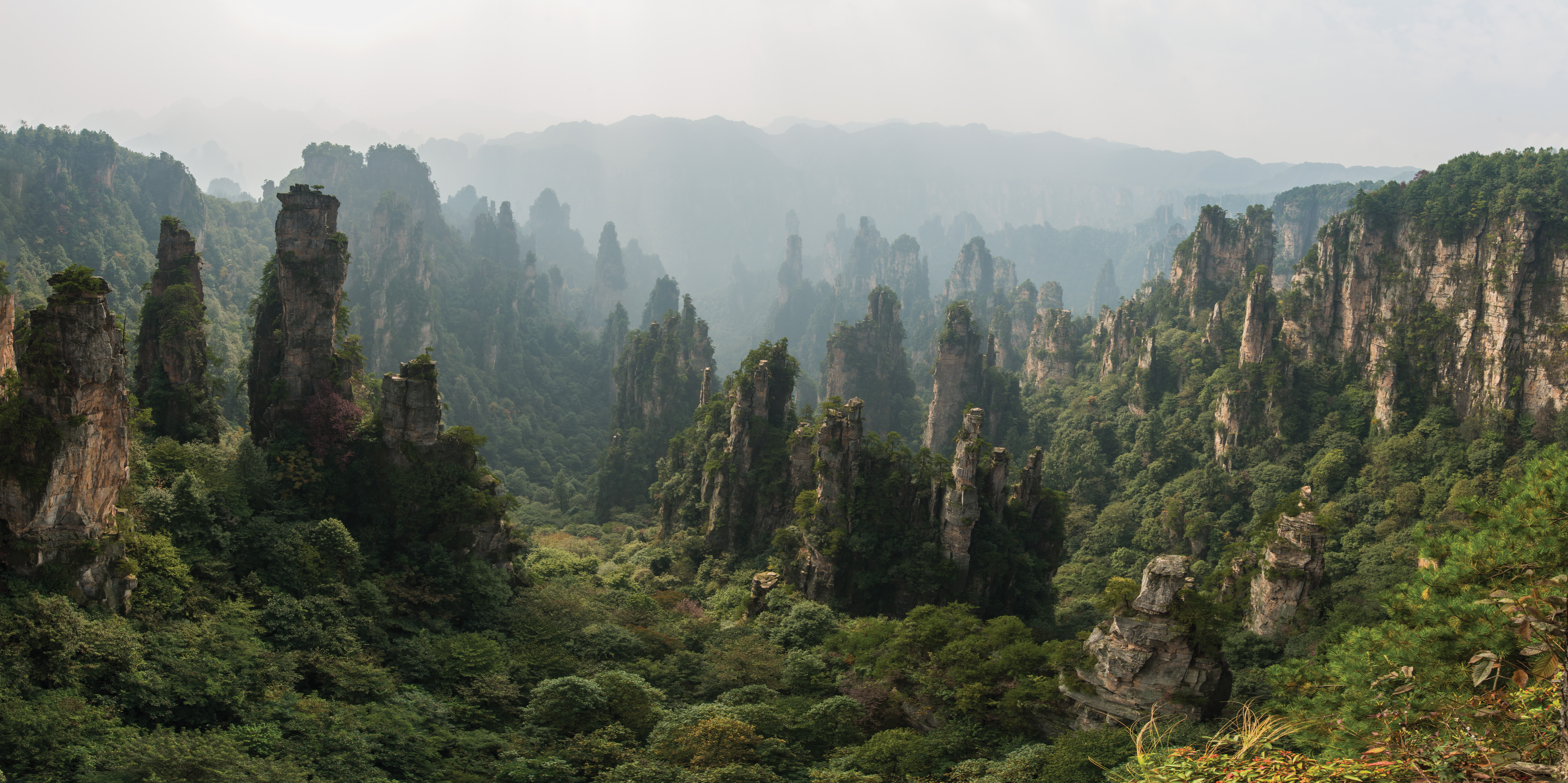
The towering sandstone pillars of Zhangjiajie National Forest Park inspired the floating Hallelujah Mountains in the film Avatar.
Over three thousand quartzite sandstone columns rise up through a sea of mist, draped in subtropical vegetation and connected by the world's longest and highest glass-bottomed bridge.
How does it rate
CrowdsRomanceCash RequiredDangerAccessibilityWhy you should go
The cloud-wreathed sandstone pillars rising from the valley floor create a genuinely otherworldly landscape unlike anywhere else on earth.
Why you shouldn't go
The park is very crowded, especially with domestic tourists, and the famous glass bridge requires a separate ticket and often has long queues.
Plan your visit
Best time to visitApril-June or September-NovemberBest time of dayMorning, when mist often lingers between the pillarsGetting thereFly to Zhangjiajie Hehua AirportEntry cost~$25 entry (multi-day pass)Time needed2-3 daysInsider tip — The Yuanjiajie area gets crowded; go early or take the Bailong elevator down instead of up -
 #490 /100
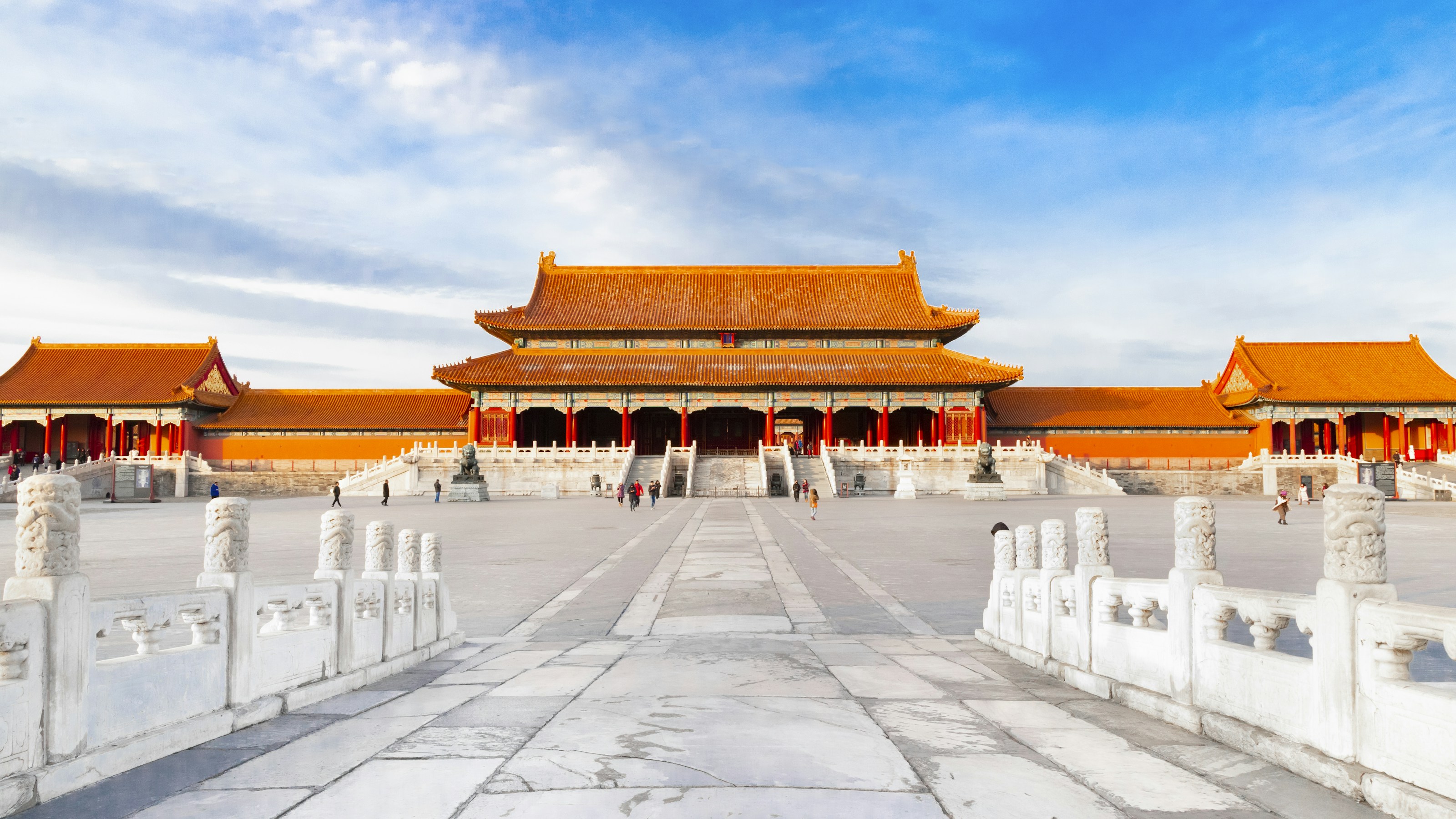
The imperial palace at the centre of Beijing, 180 acres of vermilion walls and yellow-tiled roofs that housed twenty-four emperors across the Ming and Qing dynasties.
Nearly a thousand surviving buildings run along a single axis from the Meridian Gate to the Hall of Supreme Harmony.
Daily numbers are capped and tickets routinely sell out.
How does it rate
CrowdsRomanceCash RequiredDangerAccessibilityWhy you should go
The scale is unmatched - half a day inside and you still will not have seen all of it.
Why you shouldn't go
Tickets must be booked days ahead against a passport, and the route runs one way only.
Plan your visit
Best time to visitSeptember-October, Beijings clearest and most comfortable monthsBest time of dayFirst entry slot; the axial halls are solid by mid-morningGetting thereSubway line 1 to Tiananmen East, then in through the Meridian GateEntry costAround CNY 60 in peak seasonTime neededHalf a dayBookingBook ahead →Insider tip — Climb the hill in Jingshan Park straight after leaving by the north gate - it is the only place you see the entire roofscape at once. -
 #589 /100
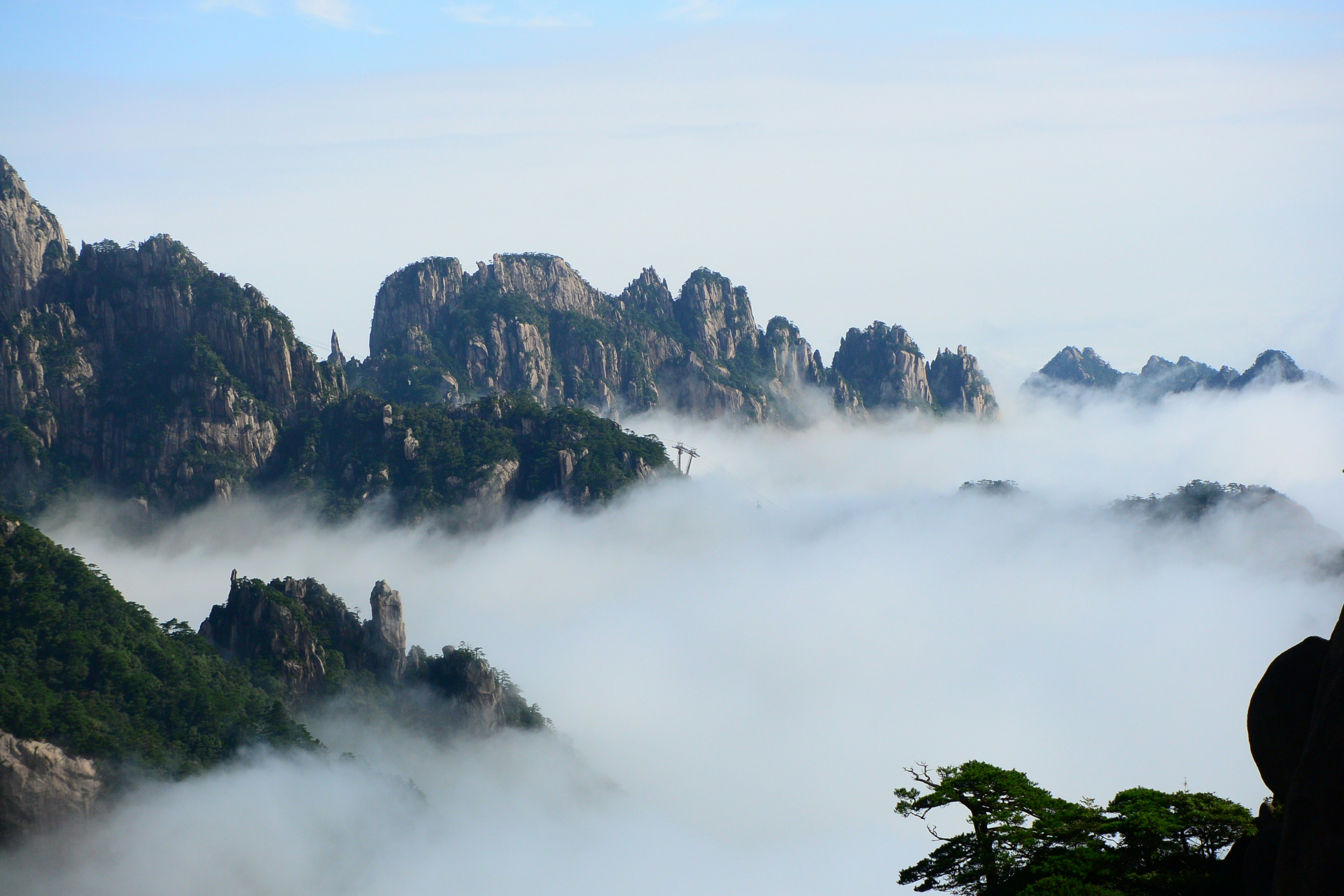
Granite pillars draped in twisted pines rise out of a sea of cloud at Yellow Mountain, the landscape that inspired centuries of Chinese ink painting.
Cable cars reach several viewpoints directly, so the classic misty-peaks view doesn't require a demanding climb.
Sunrise and sunset, when the cloud sea forms below the summits, are when the mountain looks most like the paintings it inspired.
How does it rate
CrowdsRomanceCash RequiredDangerAccessibilityWhy you should go
The misty granite-peak scenery behind centuries of Chinese landscape painting, real and climbable.
Why you shouldn't go
The cloud sea that makes the famous photos isn't guaranteed - it depends entirely on weather.
Plan your visit
Best time to visitNovember-April for the best chance of a cloud sea; spring for blooming pines.Best time of daySunrise from Bright Summit Peak or Lion Peak.Getting thereHigh-speed rail to Huangshan North station, then bus to the cable car base.Entry costEntry fee plus optional cable car, together roughly $50-60.Time needed2 days, 1 night on the mountainInsider tip — Stay overnight at one of the summit hotels - the best light comes before the first cable cars of the day bring up the crowds. -
 #688 /100
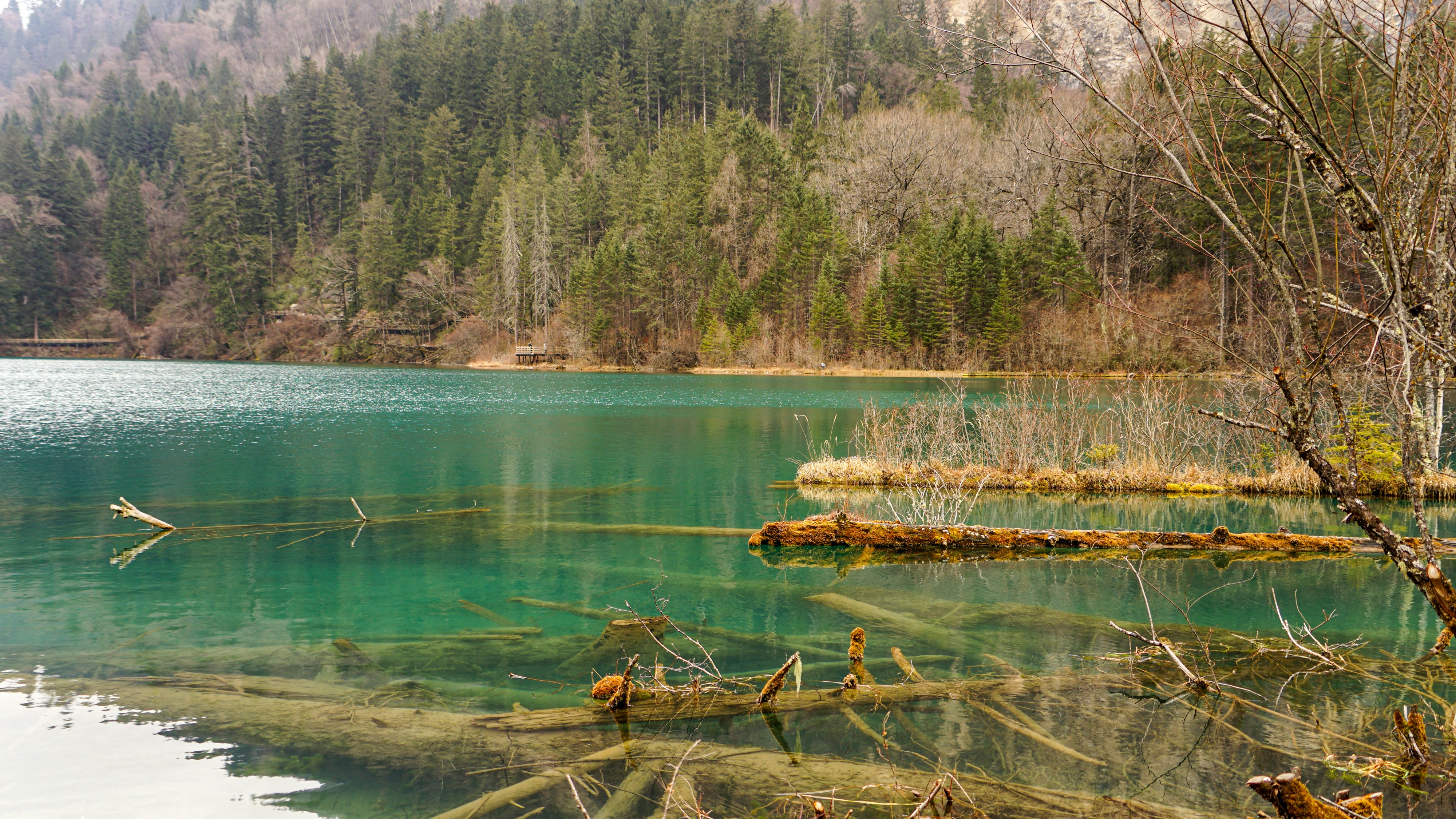
Mineral-rich water turns this Sichuan valley's lakes an almost unnatural turquoise and emerald, layered with travertine terraces and stacked waterfalls.
Fallen trees, preserved in the clear, mineral-hardened water, are visible metres below the surface in the calmest pools.
Snow-capped peaks and autumn foliage frame the lakes depending on season.
How does it rate
CrowdsRomanceCash RequiredDangerAccessibilityWhy you should go
Turquoise mineral lakes so clear that submerged fallen trees are visible metres down.
Why you shouldn't go
Access is tightly managed with shuttle buses only - private cars and free wandering aren't allowed inside.
Plan your visit
Best time to visitOctober, for peak autumn foliage against the turquoise lakes.Best time of dayEarly morning, before shuttle buses bring in the day's main crowds.Getting thereFly to Jiuzhaigou Huanglong Airport, then a shuttle to the park entrance.Entry costEntry fee plus mandatory shuttle bus, together around $40-50.Time needed1-2 daysInsider tip — Head straight for Five Flower Lake and Panda Lake first thing - they're the furthest from the entrance and the first to fill with tour groups. -
 #7
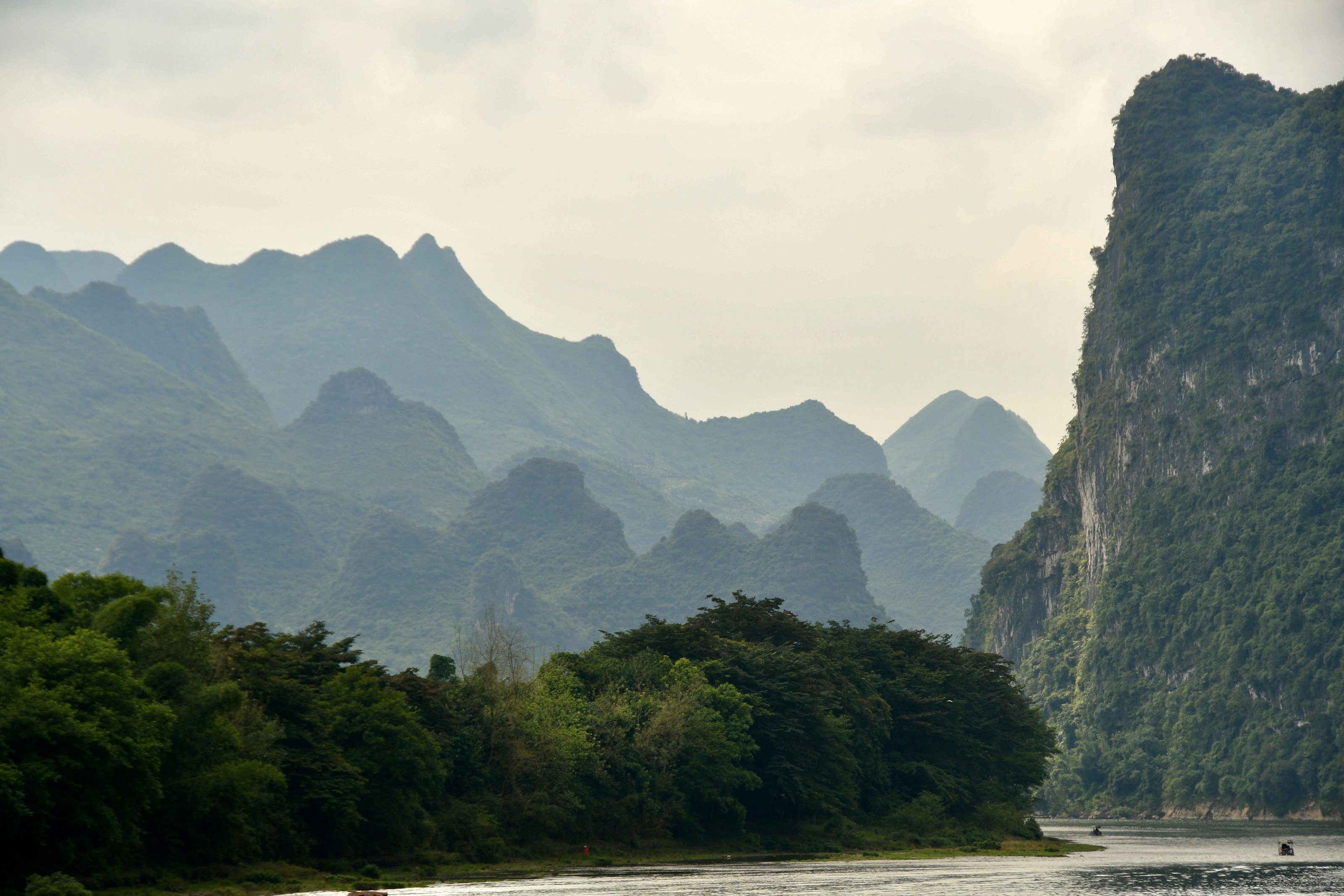
#7The stretch of the Li River between Guilin and Yangshuo is lined with thousands of karst limestone peaks rising straight out of the water, scenery that has appeared on China's 20-yuan banknote and inspired centuries of Chinese landscape painting.
A slow cruise or bamboo raft ride down the river passes fishing villages, water buffalo, and cormorant fishermen, the peaks growing more dramatic the closer you get to Yangshuo.
How does it rate
CrowdsRomanceCash RequiredDangerAccessibilityWhy you should go
Drifting past thousands of karst peaks that have inspired Chinese landscape painting for a thousand years is a genuinely different kind of scenery.
Why you shouldn't go
Large tourist cruise boats can be crowded and slow-moving, especially in peak summer months.
Plan your visit
Best time to visitApril–October for the greenest scenery, though light rain and mist can add to the atmosphere.Best time of dayMorning departures, when mist often still clings to the peaks.Getting thereFly to Guilin; cruise boats depart from Zhujiang pier, arriving in Yangshuo after 4–5 hours, or drive directly to Yangshuo in about 1.5 hours.Entry costPaid cruise ticket; bamboo raft trips on shorter sections cost separately.Time neededHalf a day for the cruise, or several days based in YangshuoInsider tip — Skip the full Guilin-to-Yangshuo cruise and instead take a short bamboo raft trip on the Yulong River near Yangshuo — same karst scenery, far fewer people, and a fraction of the cost. -
 #883 /100
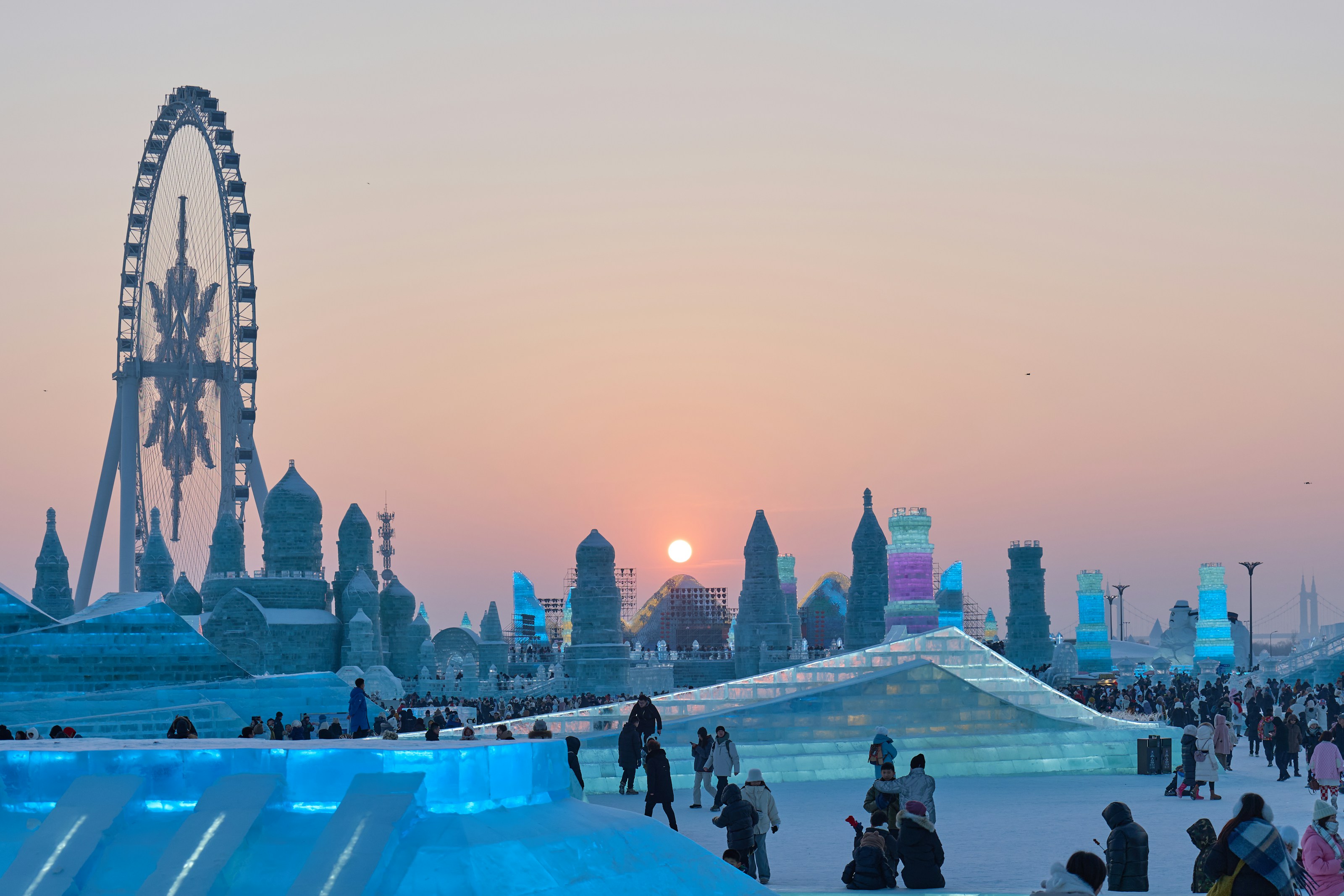
China's northernmost major city turns into a full-scale ice city each winter, with entire illuminated castles, pagodas, and slides built from blocks cut straight from the frozen Songhua River.
The Harbin Ice and Snow World park alone uses over a hundred thousand cubic metres of ice, lit from within after dark to become the festival's signature spectacle, while a separate snow-sculpture park nearby carves monumental figures from packed snow.
How does it rate
CrowdsRomanceCash RequiredDangerAccessibilityWhy you should go
An entire illuminated ice city built each winter from blocks cut from a frozen river, with castles, slides, and towers lit from within.
Why you shouldn't go
Nighttime temperatures regularly drop below -20C, and proper cold-weather gear is essential rather than optional.
Plan your visit
Best time to visitEarly January through February, before the spring thaw.Best time of dayAfter dark, when the ice structures are lit from within.Getting thereFly into Harbin Taiping International Airport, then a taxi about 40 minutes to Ice and Snow World.Entry costIce and Snow World entry runs roughly CNY 300-400.Time neededAn evening for Ice and Snow World; a full day to add the snow-sculpture park.Insider tip — Rent thermal boot covers and hand warmers at the entrance rather than relying on regular winter clothing - the cold is more extreme than most visitors expect. -
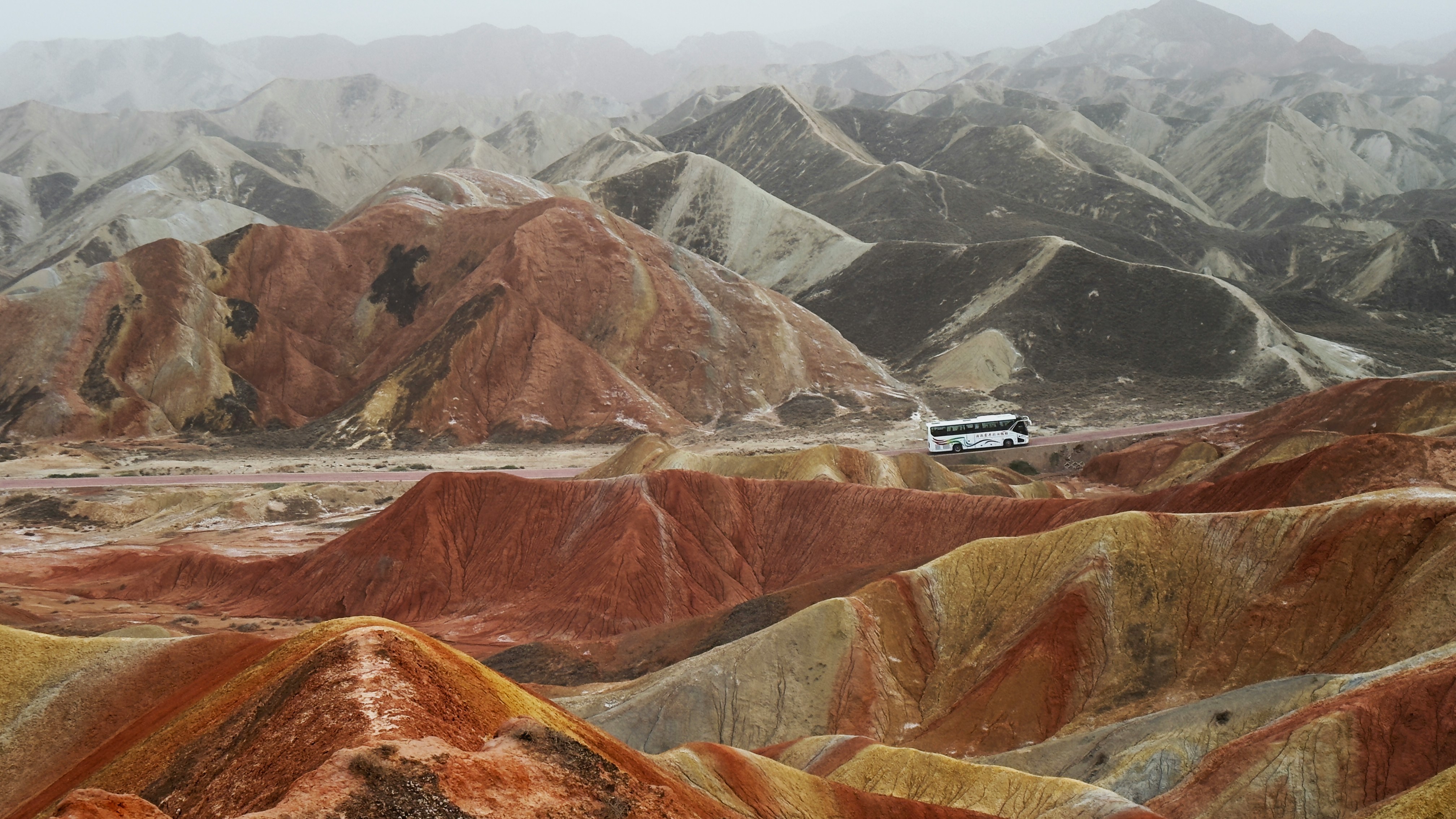 #980 /100
Striped mountains in shades of red, yellow, and blue layer across the landscape like abstract art, the result of mineral-rich sandstone deposited and folded over 24 million years.
Raised boardwalks at four numbered viewing platforms let visitors take in the full rainbow effect.
How does it rate
CrowdsRomanceCash RequiredDangerAccessibilityWhy you should go
Rainbow-striped mountains with layers of red, yellow, and blue sandstone, unlike anywhere else on Earth.
Why you shouldn't go
Colors are muted in flat midday light or haze; visitors are confined to boardwalks and viewing platforms, no off-trail access.
Plan your visit
Best time to visitJune–September or October for the clearest skies; a shuttle bus links the viewing platforms.Best time of daySunrise or sunset cast warm, low-angle light that intensifies the colors.Getting thereFly to Zhangye Ganzhou Airport, then a 40-minute drive or shuttle to the geopark entrance.Entry costRMB 74 (~$10) entrance, plus RMB 20 mandatory shuttle bus.Time needed3–4 hours.Insider tip — Platform 4 is generally considered the best sunset viewpoint. Bring a telephoto lens — the shuttle keeps visitors at a set distance from the formations. -
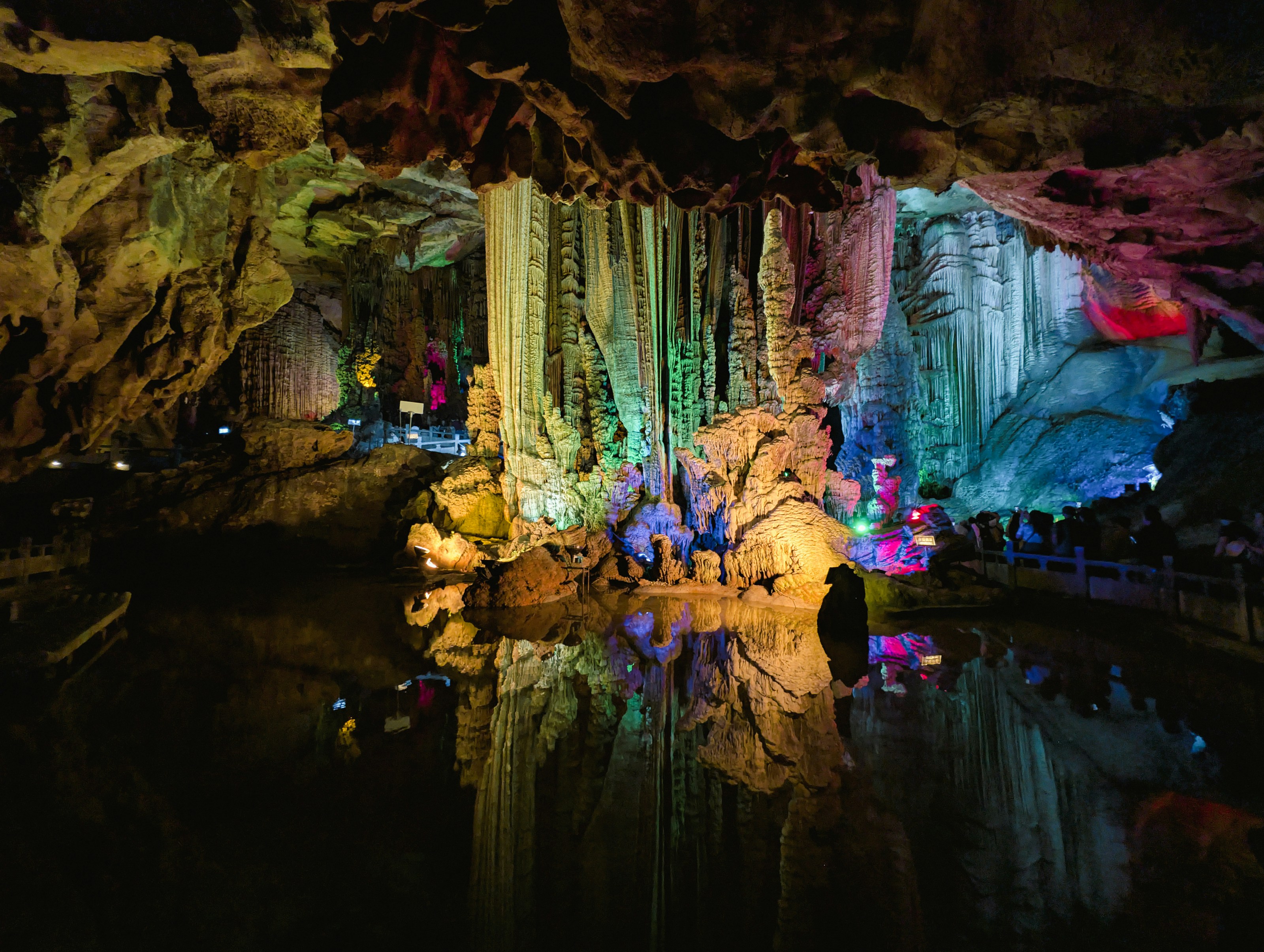 #1074 /100
A 240-metre limestone cave in the hills of Guilin, lit throughout in saturated reds, greens and blues that turn the stalactites into something closer to stage design than geology.
A still pool near the end doubles every formation above it.
Ink inscriptions on the walls date back to the Tang dynasty.
How does it rate
CrowdsRomanceCash RequiredDangerAccessibilityWhy you should go
The coloured lighting and the mirror pool make it the most photogenic show cave in China.
Why you shouldn't go
The lighting is entirely artificial, which strikes some visitors as gaudy rather than natural.
Plan your visit
Best time to visitApril-October, alongside the Li River cruises Guilin is known forBest time of dayEarly afternoon on a weekday, between the domestic tour groupsGetting thereBus or taxi from central Guilin, about 20 minutesEntry costAround CNY 110Time needed1-2 hoursInsider tip — The mirror pool near the exit is the shot - let the group ahead move on and photograph it before anyone disturbs the surface. -
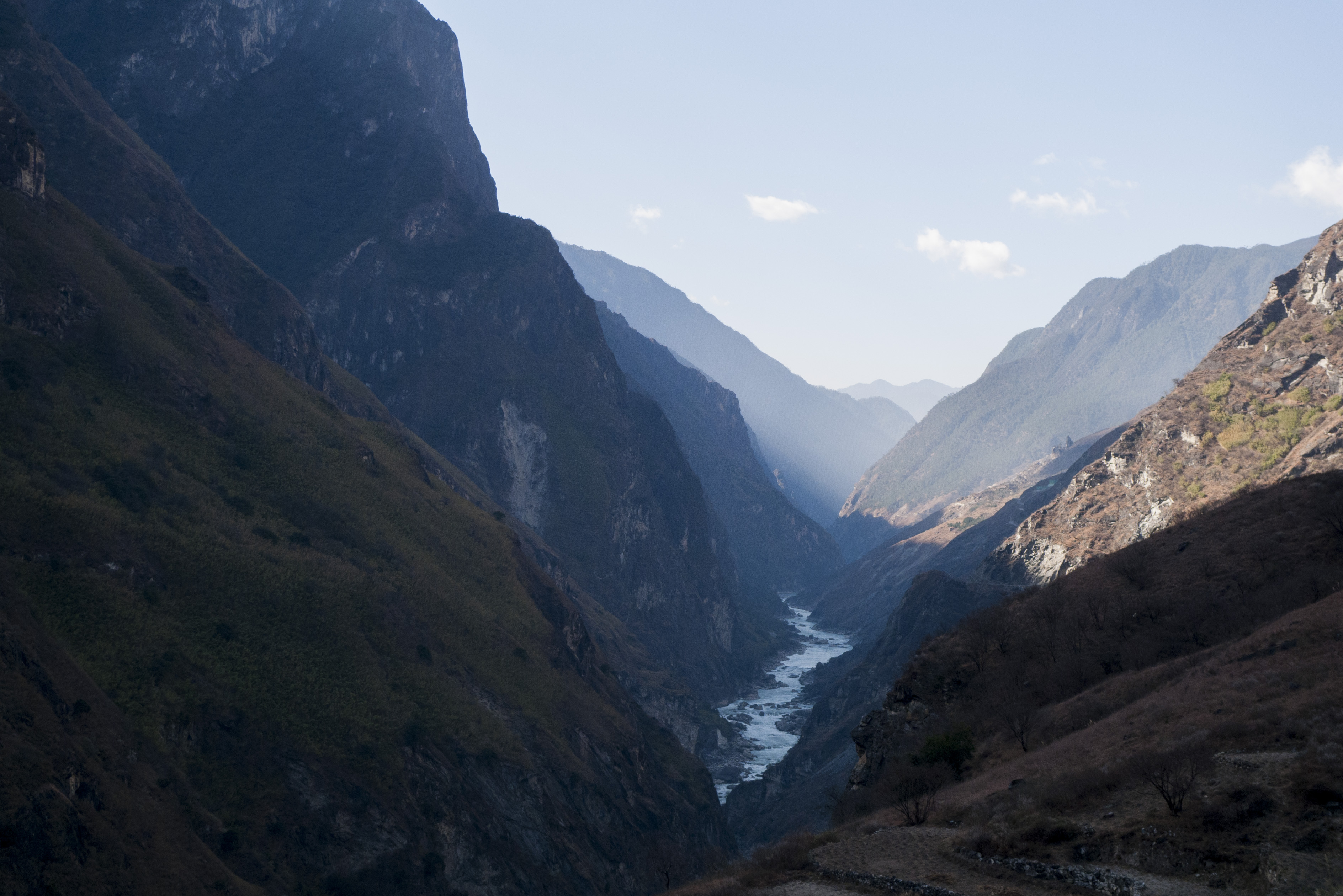 #1170 /100
A two-day trek along one of the world's deepest gorges, following a high trail above the roaring Jinsha River between the Jade Dragon and Haba Snow Mountains.
The path climbs through the notorious 28 Bends before easing past small guesthouses that serve as overnight stops with gorge-view balconies.
Sheer rock walls tower more than 2,000m above the river on either side of the trail.
How does it rate
CrowdsRomanceCash RequiredDangerAccessibilityWhy you should go
Walking a high trail above one of the world's deepest gorges, with guesthouse balconies looking straight down at it.
Why you shouldn't go
The 28 Bends climb is a genuine grind, and landslides periodically close sections of the upper trail.
Plan your visit
Best time to visitApril-June or September-November, avoiding summer rains and winter ice.Best time of dayMorning start from Qiaotou to clear the 28 Bends before the day heats up.Getting thereFly to Lijiang or Shangri-La; bus (about 2 hours) to the Qiaotou trailhead.Entry costGorge entry fee about 65 CNY; guesthouses 80-150 CNY per night.Time needed2 days / 1 nightInsider tip — Stay at Halfway Guesthouse for the best-known gorge view, and carry cash - card payment is unreliable on the trail.


How a score is built
One score out of 100, five criteria behind it
Every place is rated 1–5 on each of the criteria below, then combined into a single score out of 100. It's calculated by us, the same way every time — not an average of traveller reviews or social votes.
Crowds
How many people you'll be sharing it with, and at what time of day.
Romance
How well it suits a couple, a proposal, or a quiet moment together.
Cash required
Entry fees, permits, guides, rentals — what it actually costs to do it.
Danger
Physical risk involved, from a slippery viewpoint to genuine hazard.
Accessibility
How far off the beaten path it is, and how hard it is to actually reach.