-
 #1
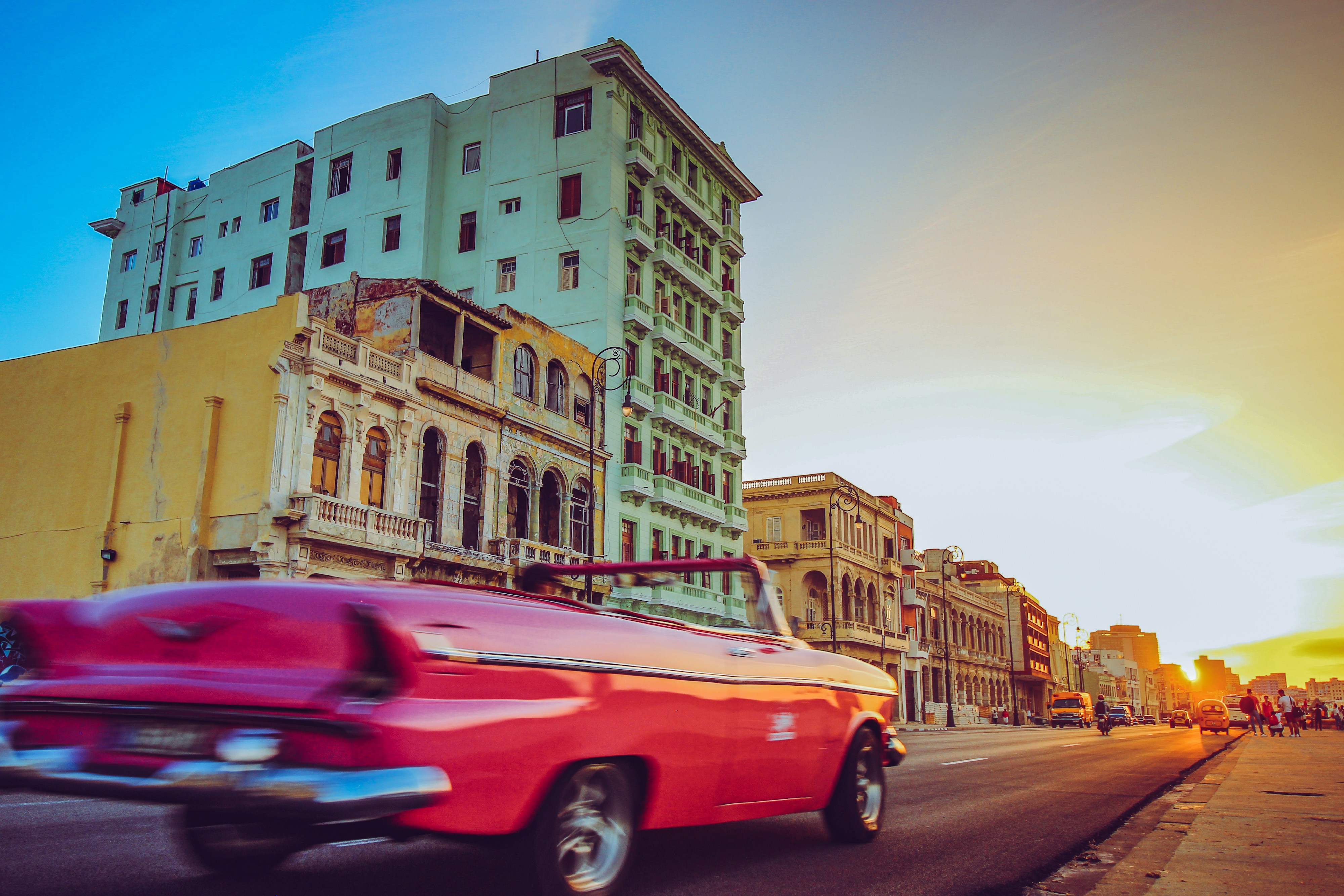
#1Pastel colonial facades line the streets of Old Havana, many crumbling in ways that somehow add to the city's atmosphere rather than detract from it.
Vintage American cars from before the 1959 revolution, kept alive through decades of improvised repairs, still work as everyday taxis along the seafront Malecon.
Live salsa and son music spills from bars most nights.
How does it rate
CrowdsRomanceCash RequiredDangerAccessibilityWhy you should go
1950s American cars still working as everyday taxis along a crumbling, colourful seafront.
Why you shouldn't go
Havana's infrastructure genuinely struggles - expect power cuts, patchy internet and limited supplies.
Plan your visit
Best time to visitNovember-April, the dry season.Best time of daySunset along the Malecon, when the sea wall fills with locals and the light turns golden.Getting thereFly into Jose Marti International Airport; Old Havana is walkable from most central hotels.Entry costFree to walk; classic car tours and museums charge separately, often in cash only.Time needed2-3 daysInsider tip — Book a vintage convertible car tour along the Malecon at sunset - it's a cliche for a reason and genuinely delivers the classic Havana photo. -
 #2
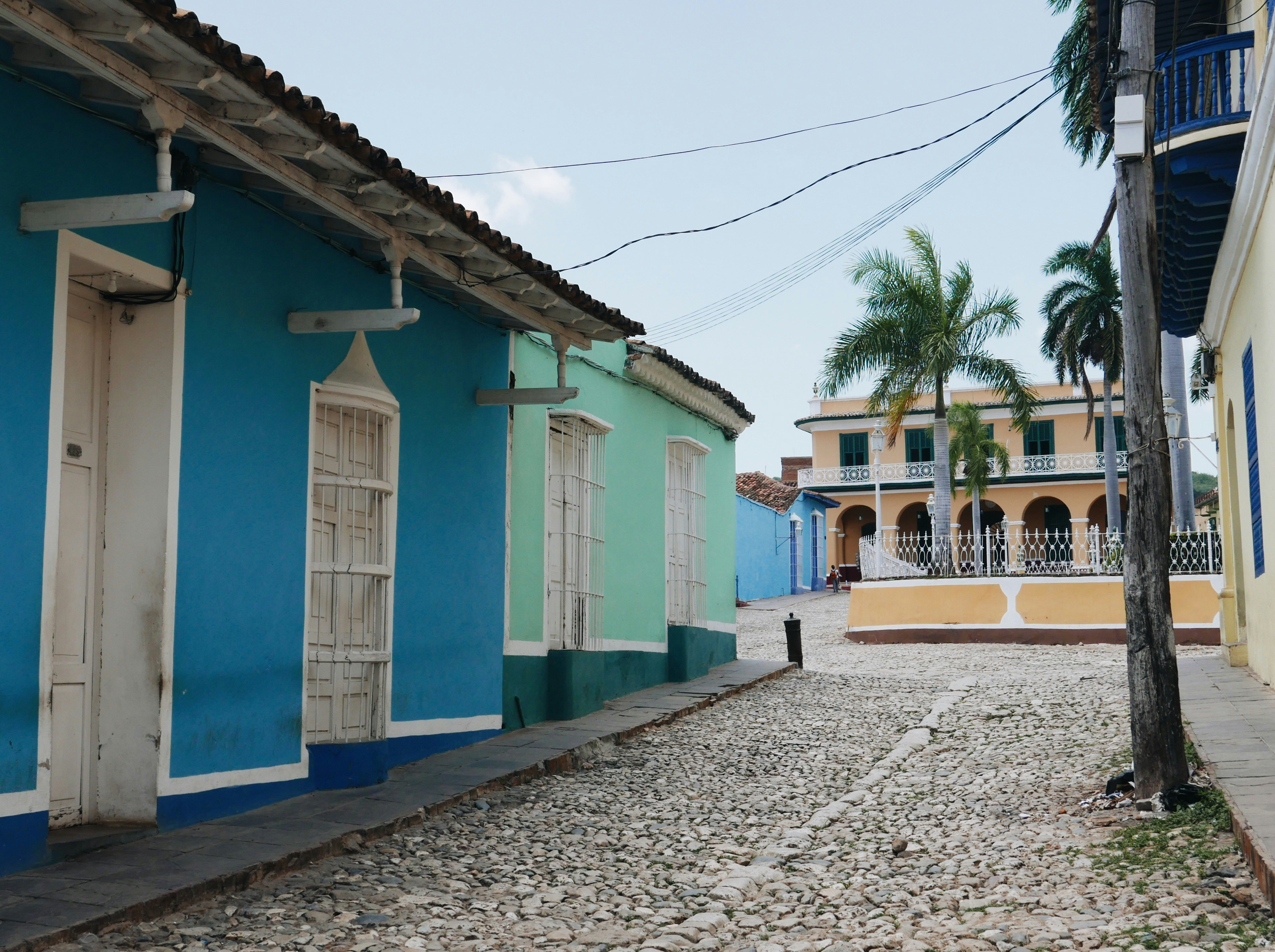
#2Cobblestone streets in this 16th-century sugar-trade town are lined with candy-coloured colonial houses, many still lived in by the families who've owned them for generations.
Vintage American cars from the 1950s, kept running through decades of improvisation, cruise past pastel facades and a crumbling bell tower overlooking the town.
Live music spills from open doorways most evenings.
How does it rate
CrowdsRomanceCash RequiredDangerAccessibilityWhy you should go
A colonial sugar-trade town frozen in pastel colour, with 1950s cars still doing the driving.
Why you shouldn't go
The cobblestones are uneven and genuinely hard on ankles and wheeled luggage alike.
Plan your visit
Best time to visitNovember-April, the dry season.Best time of dayLate afternoon, for warm light on the pastel facades and fewer tour groups.Getting thereDrive or bus from Havana (about 5-6 hours) or fly into nearby Cienfuegos.Entry costFree to walk the town; the bell tower and museums charge small fees.Time needed1-2 daysInsider tip — Climb the Convento de San Francisco bell tower for the best rooftop view over the town's terracotta roofs. -
 #378 /100
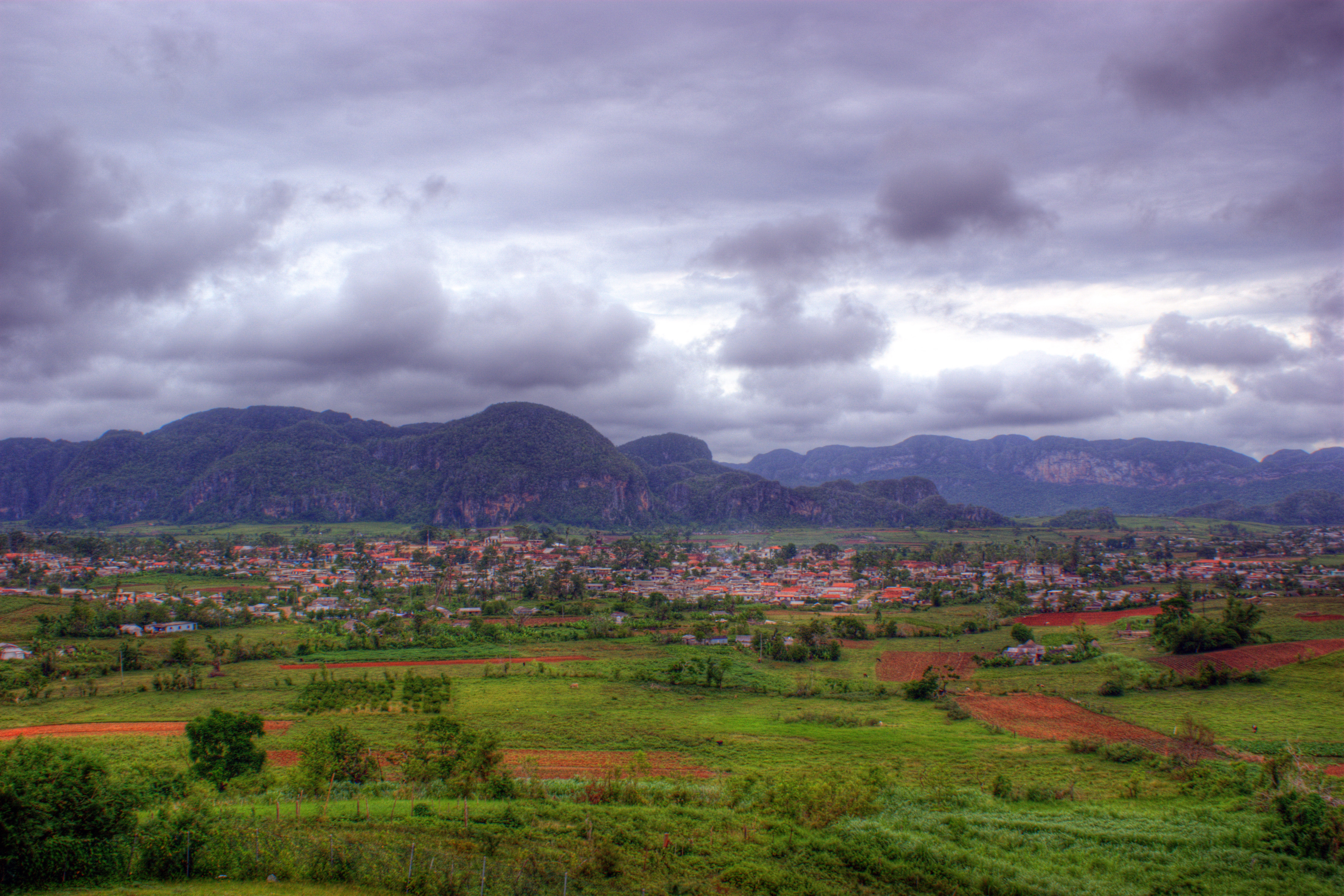
The Vinales Valley is a UNESCO World Heritage landscape in western Cuba, where massive limestone mogotes rise dramatically from the flat valley floor like green-covered fortresses.
The traditional tobacco farms, red earth roads, royal palm trees, and brilliant blue skies make it one of the Caribbean's most distinctive landscapes.
How does it rate
CrowdsRomanceCash RequiredDangerAccessibilityWhy you should go
The combination of the dramatic mogote karst landscape, the red earth, the royal palms, and the traditional farming methods creates a landscape of extraordinary beauty and cultural richness.
Why you shouldn't go
Vinales requires either a guided excursion from Havana or independent travel which can be challenging to arrange; the valley itself is fairly compact and can be covered in a day.
Plan your visit
Best time to visitNovember-April (dry season)Best time of daySunrise, when mist settles between the limestone mogotesGetting there~2.5-3hr drive from HavanaEntry costFree to viewTime neededFull dayInsider tip — Climb to the Los Jazmines viewpoint hotel terrace for the classic wide shot over the whole valley -
 #472 /100
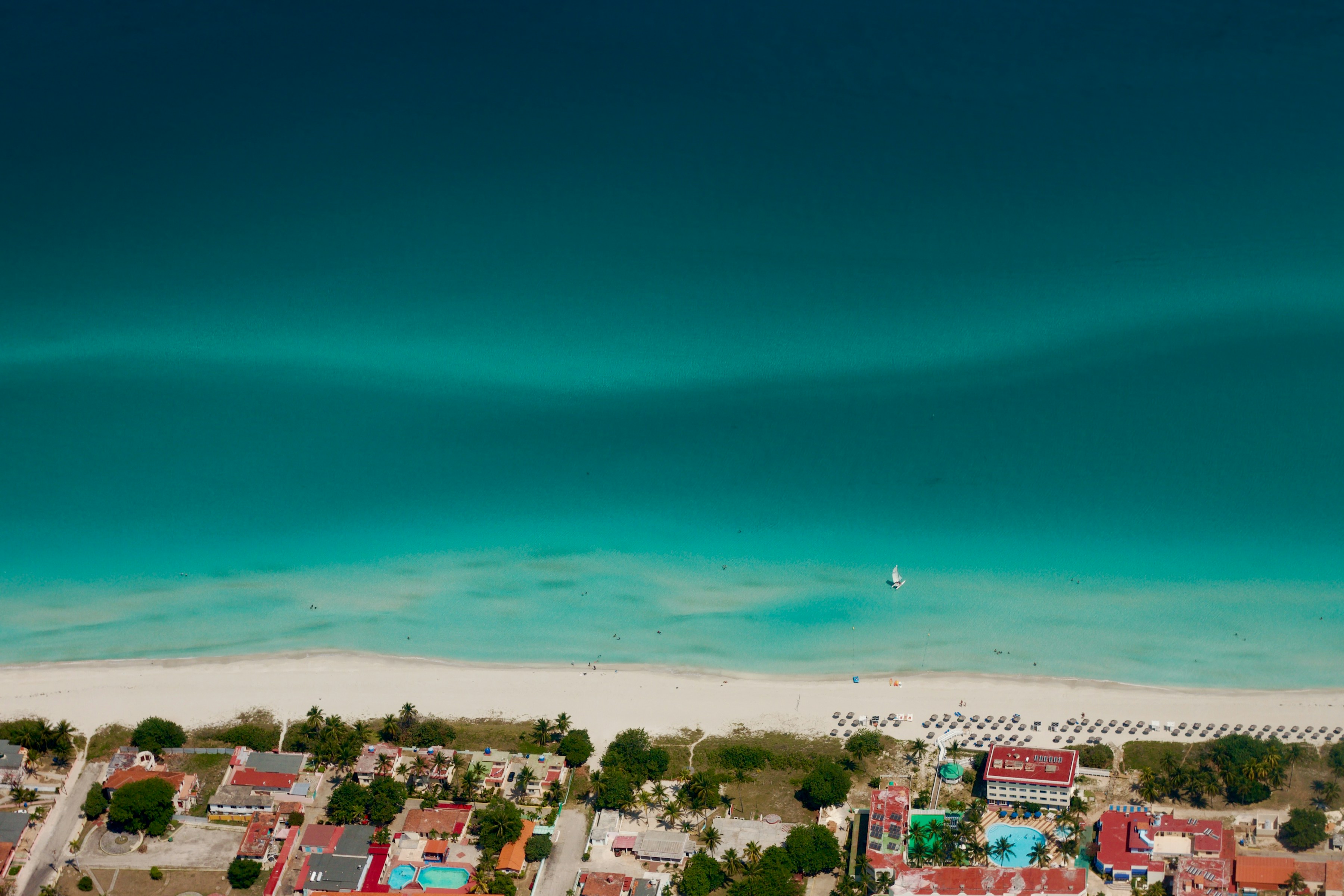
Cuba's premier beach resort stretch runs for roughly 20 kilometers along a narrow peninsula east of Havana, its powder-white sand and calm, clear turquoise water backed by a dense strip of all-inclusive resorts.
It's a more polished, tourist-oriented side of Cuba than Havana or Trinidad, built primarily around sun, sand and watersports rather than culture or history.
How does it rate
CrowdsRomanceCash RequiredDangerAccessibilityWhy you should go
Cuba's most reliable, resort-backed Caribbean beach stretch, with calm, clear water.
Why you shouldn't go
It's the most resort-developed, least distinctly 'Cuban' part of the island, with limited local culture on-site.
Plan your visit
Best time to visitNovember–April, the dry season, for the most reliable sunshine.Best time of dayMorning, before the strongest midday sun and afternoon resort crowds at the water's edge.Getting thereFly directly to Varadero's international airport, or drive about 2.5 hours from Havana.Entry costPublic beach access free; many stretches are attached to all-inclusive resorts.Time needed2–4 days.Insider tip — Head to the public beach access points near the town of Varadero itself, away from resort-fronted sections, for a livelier, more local atmosphere. -
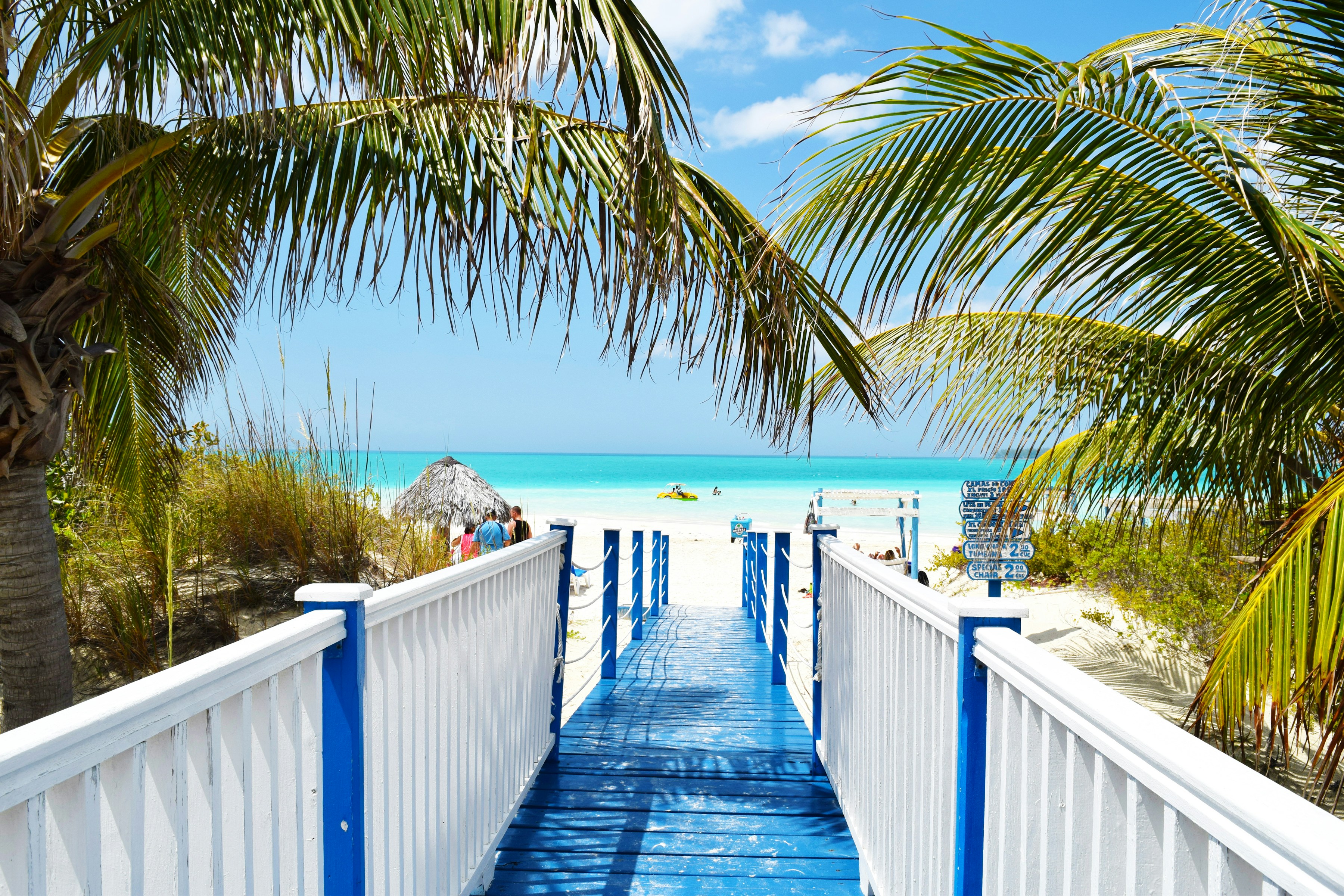 #5
#5A causeway connects this low-lying coral island to the Cuban mainland, its shoreline mixing resort beaches with mangrove lagoons and salt flats that host large flamingo colonies, giving it noticeably more wildlife interest than Varadero's more developed strip.
Birdwatchers come specifically for the flamingos and other wading birds alongside sun-seekers drawn to its calm, shallow waters.
How does it rate
CrowdsRomanceCash RequiredDangerAccessibilityWhy you should go
A resort island with genuine wildlife interest — large flamingo colonies alongside calm Caribbean beaches.
Why you shouldn't go
The causeway and resort development have altered some of the mangrove ecosystem the island depends on.
Plan your visit
Best time to visitNovember–April, the dry season, for reliable weather and peak flamingo numbers.Best time of dayEarly morning for flamingo viewing in the lagoons before the heat of the day.Getting thereFly directly to Jardines del Rey Airport on the island, or drive about 5-6 hours from Havana.Entry costPublic beach access free; most stays are through all-inclusive resorts.Time needed2–4 days.Insider tip — Ask a local guide to take you to the flamingo lagoons on the mainland side of the causeway — resort tours often skip this in favor of beach time. -
 #664 /100
Cuba's second city and historic revolutionary heartland has a distinctly different feel from Havana — hillier, hotter, and steeped in Afro-Cuban culture that shows up in its music, religion and the country's biggest Carnival celebration each July.
Landmarks include the Moncada Barracks, site of Castro's failed 1953 attack that kicked off the revolution, and the hilltop Castillo del Morro fortress guarding the harbor mouth.
How does it rate
CrowdsRomanceCash RequiredDangerAccessibilityWhy you should go
Cuba's Afro-Caribbean cultural heartland, with revolutionary history and the country's biggest Carnival.
Why you shouldn't go
Tourist infrastructure and restoration are noticeably less polished here than in Havana or Trinidad.
Plan your visit
Best time to visitNovember–April for cooler, drier weather; late July for Carnival, though it's intensely crowded.Best time of dayEvening for live music in Casa de la Trova, the city's historic music venue.Getting thereFly directly to Santiago, or a long overnight bus or train from Havana (around 12-15 hours).Entry costFree to walk; Moncada Barracks museum entry a few CUC/USD equivalent.Time needed2 days.Insider tip — Visit Casa de la Trova in the evening rather than during the day — a genuine, unstaged live-music venue at night, quiet and touristy by day. -
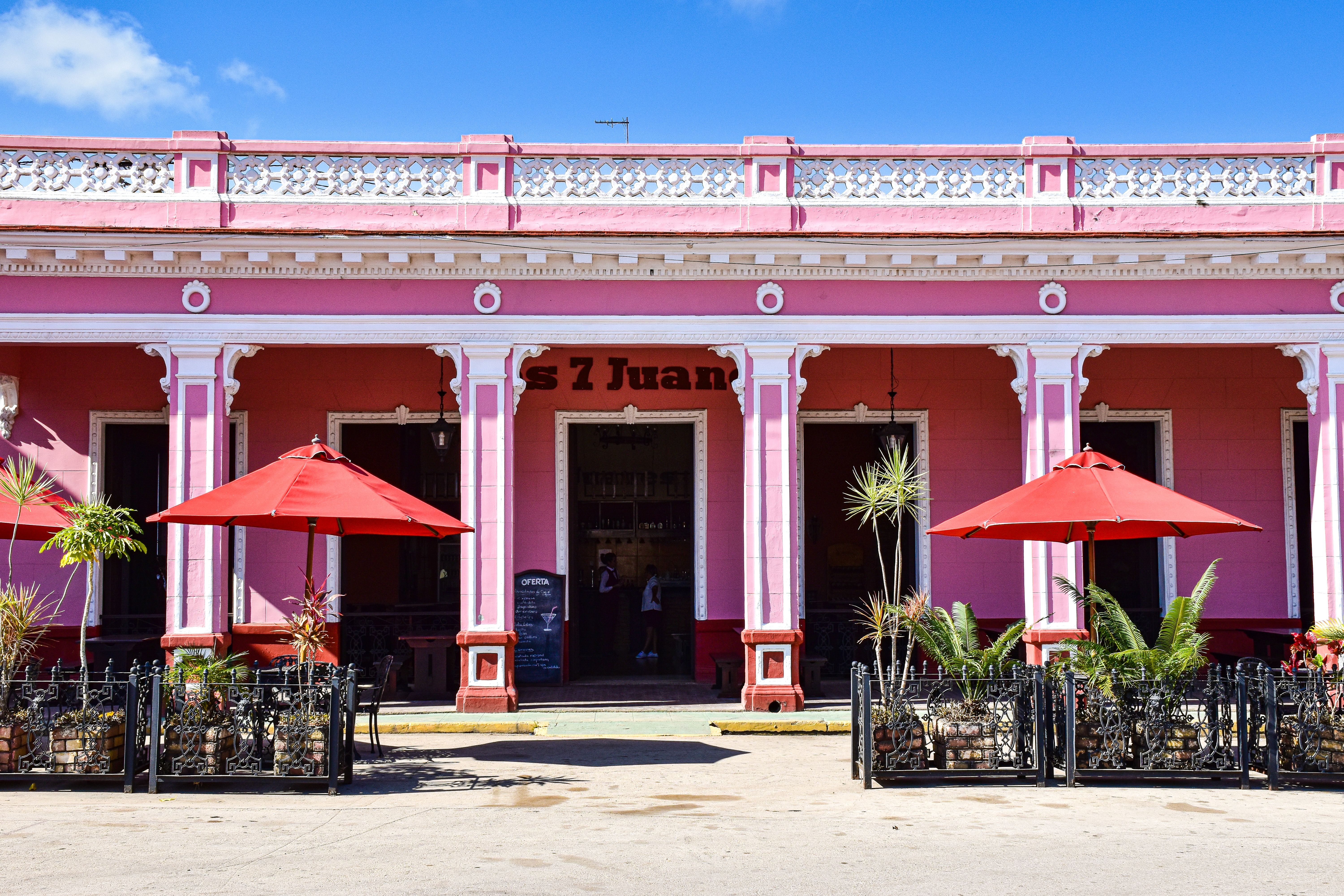 #763 /100
One of Cuba's oldest towns, founded in the 1500s, Remedios is a pocket-sized colonial gem that sees a fraction of the visitors that flock to Trinidad.
Pastel-painted arcaded buildings ring a central plaza dominated by two churches, including one with an extraordinary gilded baroque altar.
Its quiet daily calm gives no hint that it hosts Las Parrandas, one of Cuba's wildest festivals, every Christmas Eve.
How does it rate
CrowdsRomanceCash RequiredDangerAccessibilityWhy you should go
One of Cuba's oldest colonial towns, with a stunning gilded church interior and a fraction of Trinidad's crowds.
Why you shouldn't go
Outside of Las Parrandas in December, the town is very quiet, with limited evening dining options.
Plan your visit
Best time to visitDecember for Las Parrandas festival, or November–April for comfortable daytime weather.Best time of dayLate afternoon, when the light on the pastel facades around the plaza is best.Getting thereAbout 45 minutes by road from Santa Clara, or 3.5 hours from Havana.Entry costFree to walk; small entry fee for the main church's gilded altar.Time neededHalf a day.Insider tip — Ask locally about visiting in early December — the parranda rehearsals build for weeks before the main event and are worth catching even off-season. -
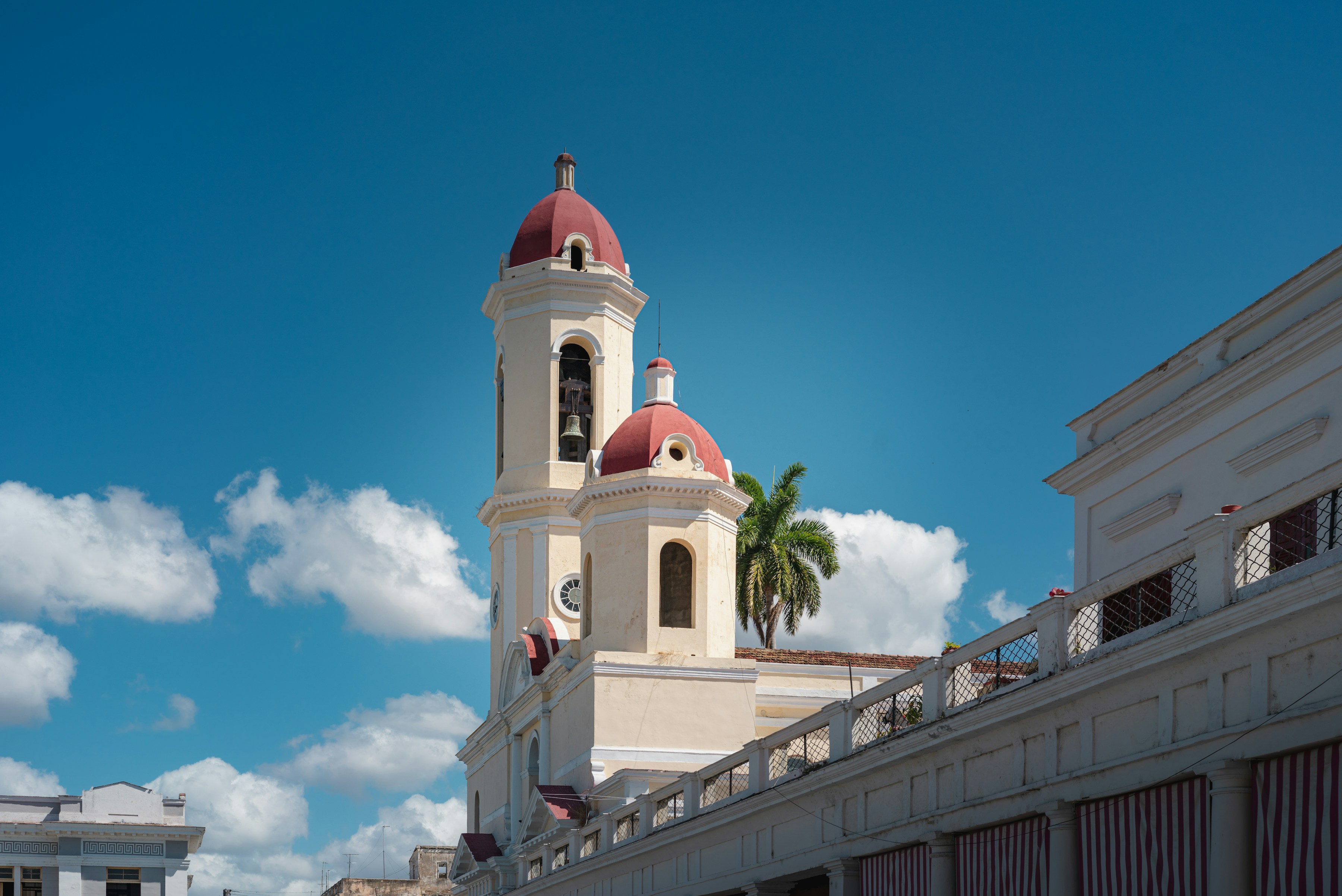 #862 /100
Founded by French settlers rather than the Spanish, Cienfuegos carries a distinctly different architectural character from the rest of Cuba, its neoclassical Parque José Martí and grand Tomás Terry Theatre earning it the nickname 'Pearl of the South' and UNESCO status.
Set on a wide, protected bay, the city has a more orderly, less weathered feel than Havana's crumbling grandeur, with a genuinely pleasant waterfront Malecón for evening walks.
How does it rate
CrowdsRomanceCash RequiredDangerAccessibilityWhy you should go
Cuba's most orderly, French-influenced colonial city, set on a scenic protected bay.
Why you shouldn't go
It has fewer standout individual attractions than Havana or Trinidad — the appeal is mostly architectural and atmospheric.
Plan your visit
Best time to visitNovember–April, the dry season.Best time of dayEvening along the Malecón, when the bay-front promenade is at its most relaxed.Getting thereAbout 3.5 hours' drive from Havana, or 1.5 hours from Trinidad.Entry costFree to walk; Tomás Terry Theatre entry a small fee.Time needed1 day.Insider tip — Catch a performance at the Tomás Terry Theatre if the schedule allows — one of Cuba's most beautiful 19th-century theaters and rarely crowded. -
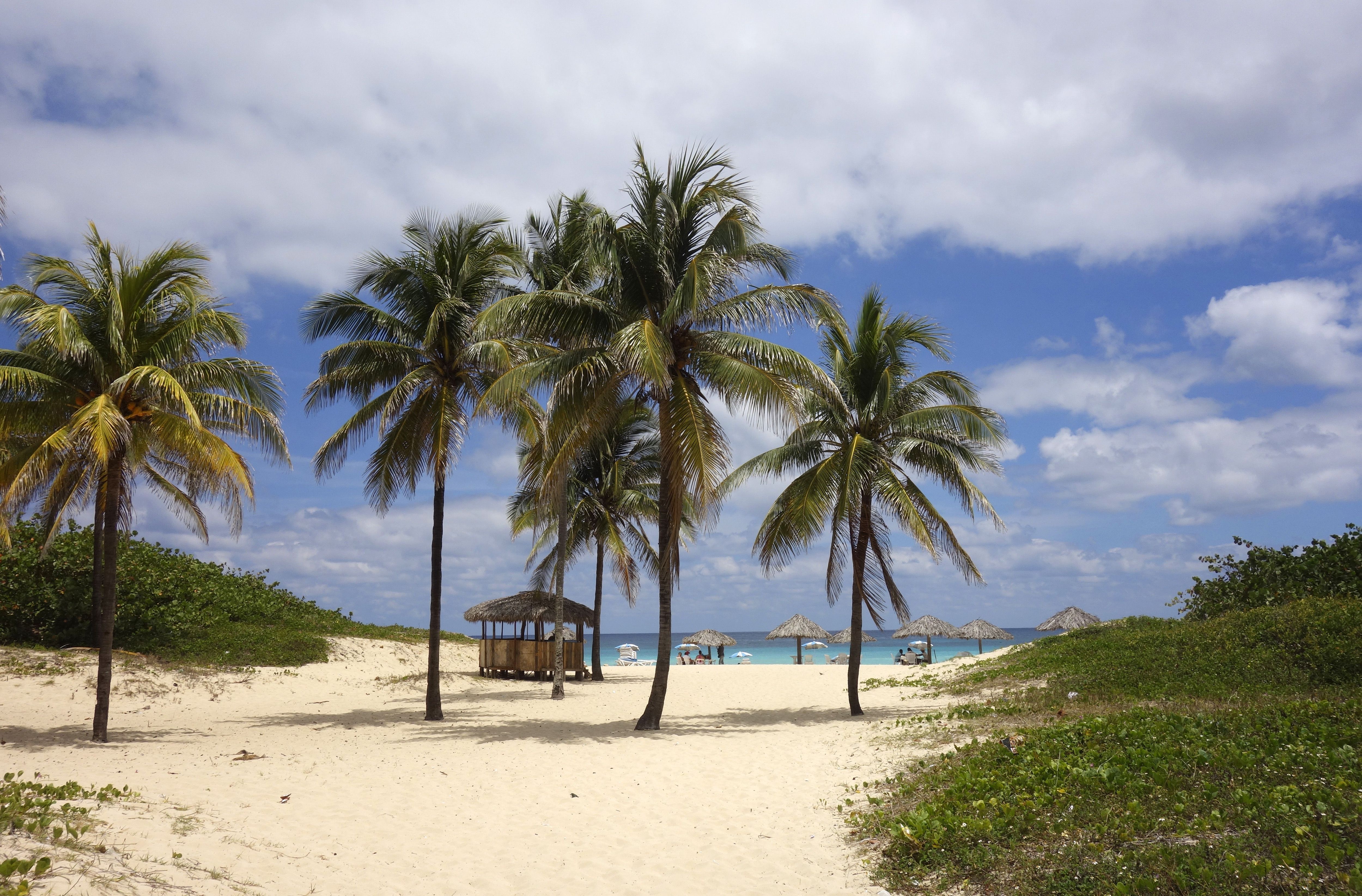 #960 /100
A string of sandy beaches just 20 minutes east of Havana, Playas del Este is where the capital's own residents go to swim, making it a far more local scene than Cuba's resort-heavy north coast.
Santa María del Mar is the best-known stretch, with warm shallow water, beach shacks selling grilled fish, and none of the all-inclusive walls found at Varadero or Cayo Coco.
It's an easy half-day escape without leaving the Havana area.
How does it rate
CrowdsRomanceCash RequiredDangerAccessibilityWhy you should go
Havana's own beach, a short drive away, with a far more local feel than Cuba's resort coasts.
Why you shouldn't go
Facilities are more basic than at purpose-built resorts, and weekends bring big crowds of Habaneros.
Plan your visit
Best time to visitNovember–April, the dry season, for calm seas and comfortable heat.Best time of dayMorning on weekdays, before Havana day-trippers arrive in the afternoon.Getting thereAbout 25–30 minutes by taxi or local bus east of central Havana.Entry costFree public beach access; sunbed and umbrella rental a few CUC/USD equivalent.Time neededHalf a day.Insider tip — Head slightly east past Santa María del Mar to Boca Ciega for a quieter stretch with the same warm, shallow water. -
 #1058 /100
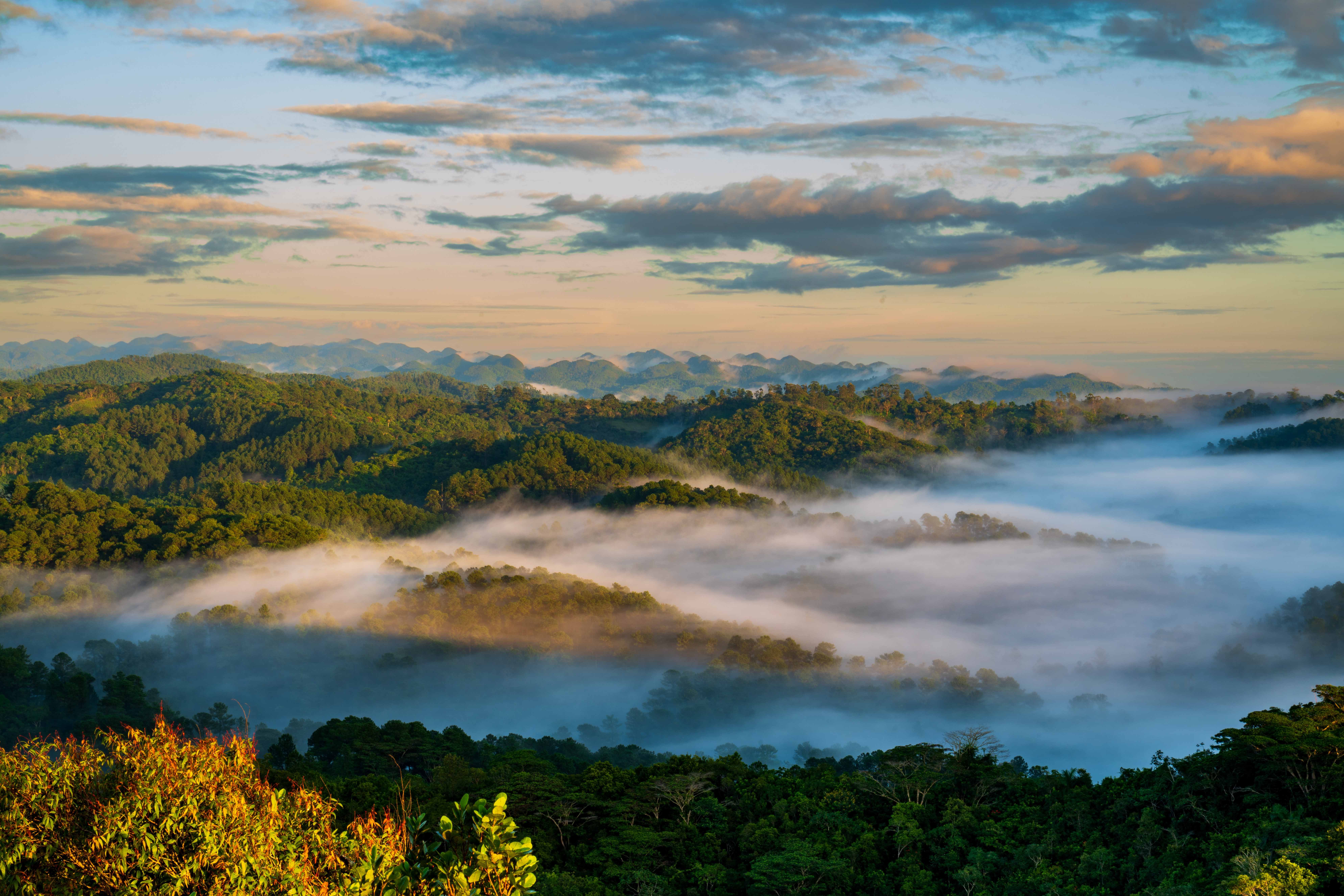
A mountain nature reserve in the Escambray range above Trinidad, Topes de Collantes offers a cooler, greener contrast to Cuba's coastal scenery, with hiking trails leading to waterfalls, natural swimming pools and coffee plantations tucked into the hills.
Caburní Falls is the reserve's best-known hike, a steep trail down to a swimmable waterfall pool, while the area's coffee-growing history adds a working-landscape element beyond pure scenery.
How does it rate
CrowdsRomanceCash RequiredDangerAccessibilityWhy you should go
A cool, green mountain reserve above Trinidad, with waterfall hikes most visitors skip entirely.
Why you shouldn't go
Trail conditions can be rough and poorly signed, making a local guide worthwhile.
Plan your visit
Best time to visitNovember–April, the dry season, for easier trail conditions.Best time of dayMorning start for the Caburní Falls hike, to allow a full day round trip.Getting thereAbout 45 minutes' drive from Trinidad into the Escambray mountains.Entry costSmall reserve entry fee, plus optional guide fees.Time neededFull day.Insider tip — Hire a local guide in Trinidad rather than attempting the Caburní Falls trail solo — signage is minimal and guides know the safer route down.


How a score is built
One score out of 100, five criteria behind it
Every place is rated 1–5 on each of the criteria below, then combined into a single score out of 100. It's calculated by us, the same way every time — not an average of traveller reviews or social votes.
Crowds
How many people you'll be sharing it with, and at what time of day.
Romance
How well it suits a couple, a proposal, or a quiet moment together.
Cash required
Entry fees, permits, guides, rentals — what it actually costs to do it.
Danger
Physical risk involved, from a slippery viewpoint to genuine hazard.
Accessibility
How far off the beaten path it is, and how hard it is to actually reach.