-
 #188 /100
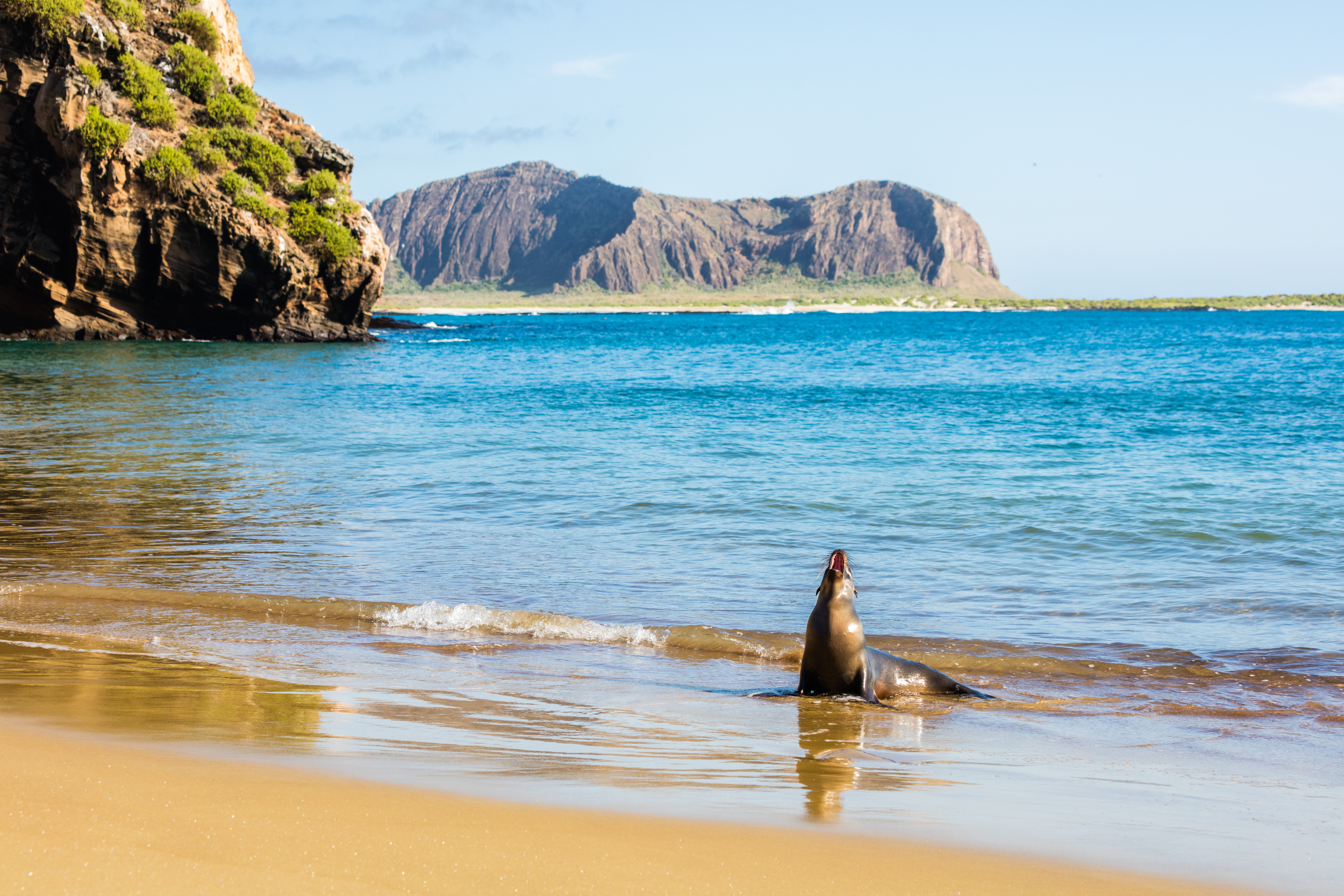
Six hundred miles off the Ecuadorian coast, the Galápagos archipelago is a living laboratory of evolution where wildlife shows no fear of humans.
Charles Darwin's observations here inspired his theory of natural selection, and today visitors can snorkel with sea lions and walk alongside giant tortoises.
How does it rate
CrowdsRomanceCash RequiredDangerAccessibilityWhy you should go
Nowhere else on earth can you get so close to such diverse and fearless wildlife; the experience of snorkelling alongside marine iguanas is unlike anything else.
Why you shouldn't go
The Galápagos is one of the most expensive travel destinations in Latin America, and strict visitor regulations limit where you can go and what you can do.
Plan your visit
Best time to visitJune-November for wildlife activity and cooler seasBest time of dayMorning for wildlife viewingGetting thereFly to Baltra or San Cristobal via Guayaquil or QuitoEntry cost$200 park entry fee plus cruise/tour costsTime needed5+ daysInsider tip — A licensed naturalist guide is required by law and makes a huge difference to what you see -
 #286 /100
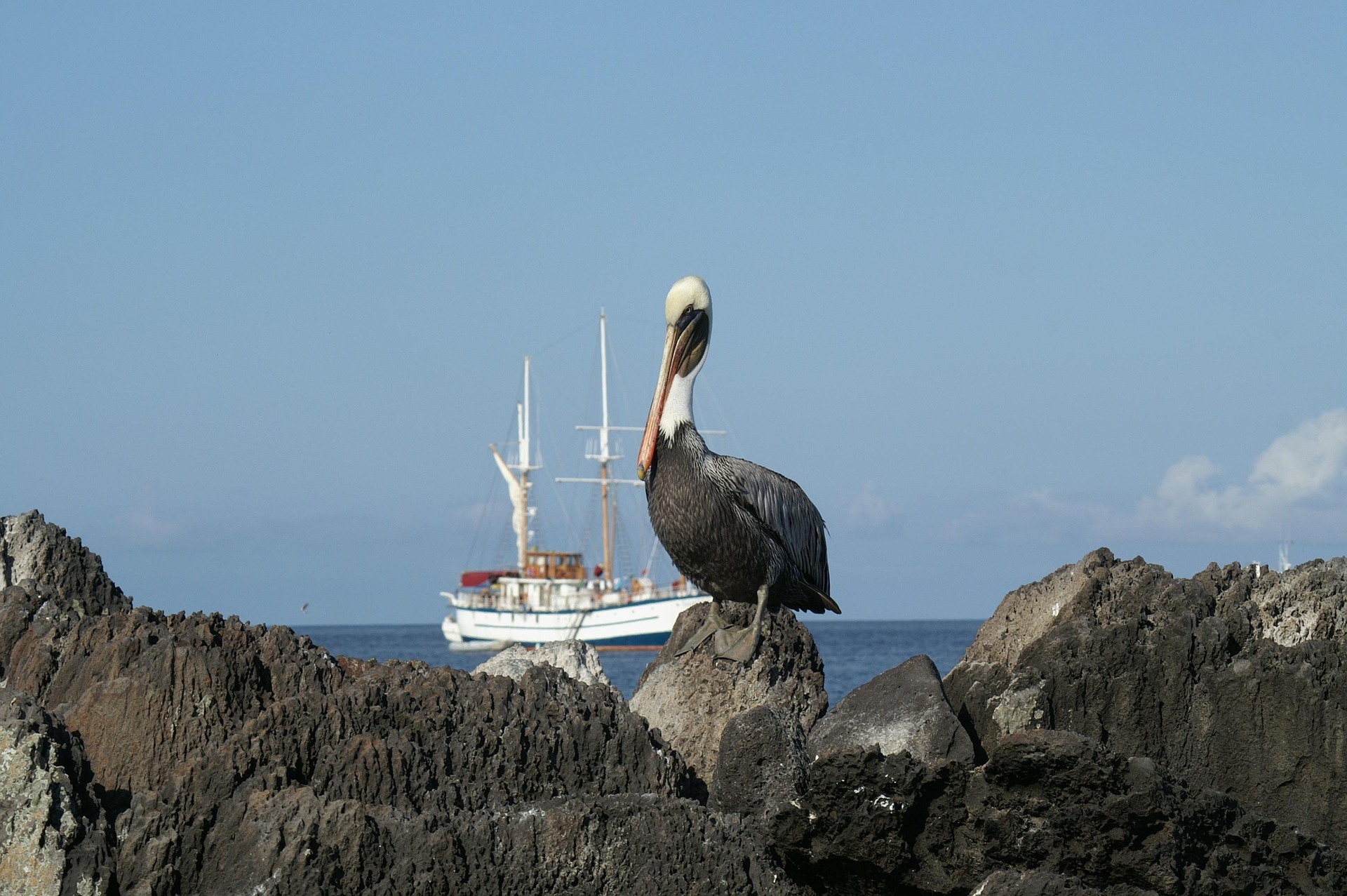
A small-ship cruise through the Galapagos archipelago, landing daily by dinghy on islands where sea lions, marine iguanas, and blue-footed boobies show no fear of visitors.
Charles Darwin's living laboratory looks much as it did when he arrived, thanks to strict limits on visitor numbers and permitted routes.
Snorkeling brings penguins and hammerhead sharks within arm's reach.
Each island differs sharply from the last in wildlife and landscape.
How does it rate
CrowdsRomanceCash RequiredDangerAccessibilityWhy you should go
Close, fearless encounters with sea lions, iguanas, and giant tortoises found nowhere else on Earth.
Why you shouldn't go
Strict permit limits keep prices high, and itineraries are fixed months ahead with little flexibility.
Plan your visit
Best time to visitYear-round destination; June-November for calmer seas and marine wildlife, December-May for warmer water.Best time of dayEarly morning landings, before the heat builds and animals are most active.Getting thereFly to Quito or Guayaquil, then a short flight to Baltra or San Cristobal to board the ship.Entry costIndicative $500-$1,500pp per day depending on ship classTime needed5-8 night cruiseInsider tip — Choose an 8-day itinerary over a 5-day one to reach the outer islands with the best wildlife; pack reef-safe sunscreen only, as regular sunscreen is banned in the marine reserve. -
 #3
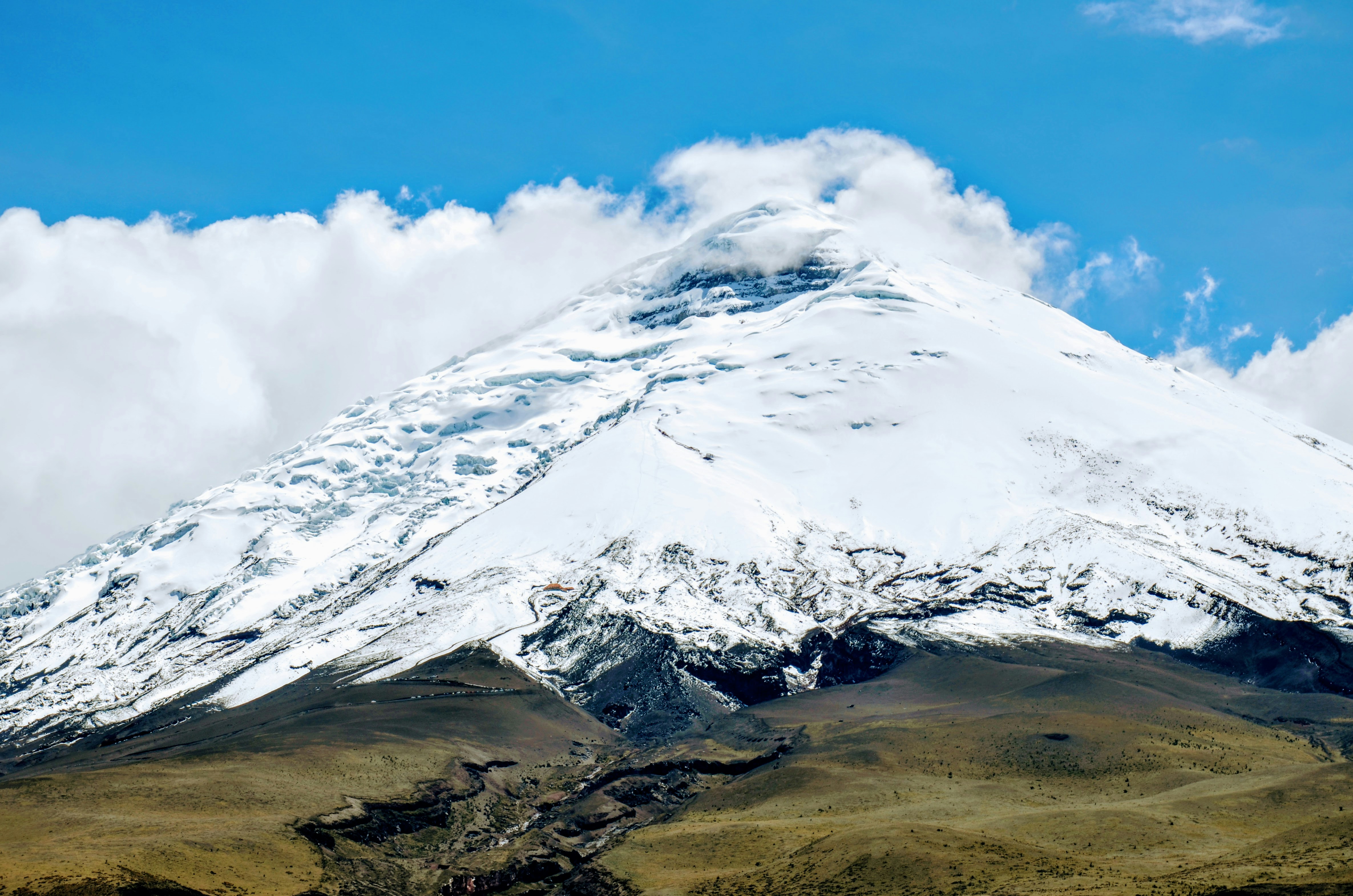
#3One of the world's highest active volcanoes, a near-symmetrical glacier-capped cone rising over 5,800 metres above the Andean paramo grasslands south of Quito.
Most visitors don't summit - that requires technical mountaineering and acclimatisation - but a hike or horseback ride to the refuge at around 4,800 metres gets close enough to stand at the glacier's edge, with wild llamas often grazing the surrounding slopes.
Its perfect-cone silhouette is one of the most recognisable mountain shapes in South America.
How does it rate
CrowdsRomanceCash RequiredDangerAccessibilityWhy you should go
A near-perfectly symmetrical glacier-capped volcanic cone, reachable on a day hike from Quito without technical climbing.
Why you shouldn't go
Altitude sickness is a real risk even on the day-hike route, given the refuge sits close to 4,800 metres.
Plan your visit
Best time to visitJune-September or December-January for the clearest views of the summit.Best time of dayMorning, before afternoon cloud typically obscures the cone.Getting thereA 1.5-2 hour drive south from Quito to Cotopaxi National Park.Entry costNational park entry around USD10-12; guided day tours from Quito run USD60-90.Time neededA full day.Insider tip — Spend a night at altitude in nearby Quito or a park-adjacent lodge before the hike - even the moderate refuge trail is noticeably harder without a day or two of acclimatisation. -
 #479 /100
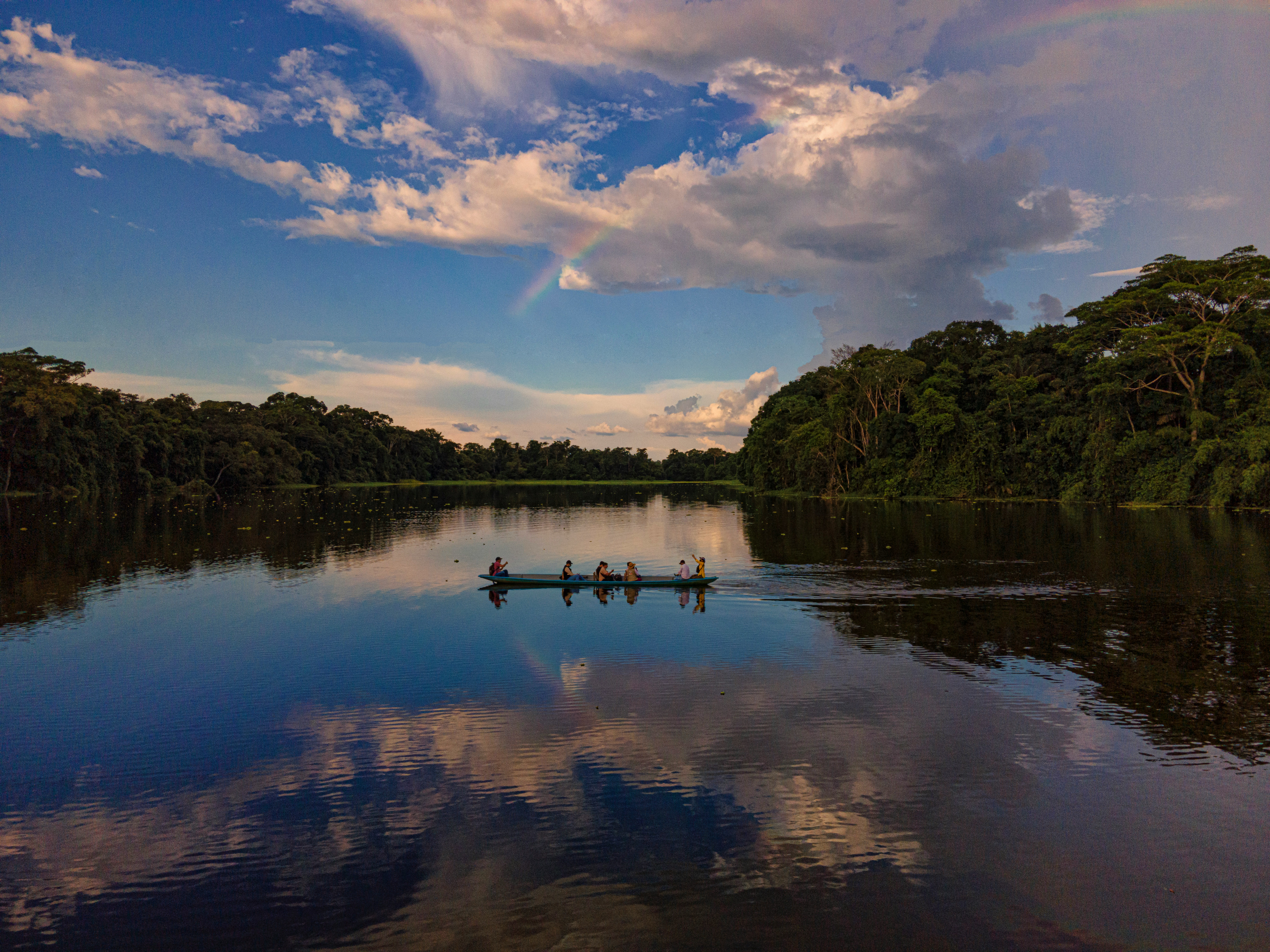
Deep in the Ecuadorian Amazon, Yasuní is one of the most biodiverse places on the planet, home to more tree species in a single hectare than in all of North America, alongside jaguars, giant otters, harpy eagles and several uncontacted indigenous groups.
Jungle lodges reached by dugout canoe offer guided hikes, canopy towers and night paddles where caiman eyes reflect torchlight across blackwater lagoons.
How does it rate
CrowdsRomanceCash RequiredDangerAccessibilityWhy you should go
Among the most biodiverse places on Earth, reached only by river and largely untouched.
Why you shouldn't go
Remote access means multi-day lodge stays are expensive and require significant travel time.
Plan your visit
Best time to visitDecember–February and June–August, the drier seasons, for easier trail walking.Best time of dayDawn canoe trips, when wildlife is most active before the heat sets in.Getting thereFly from Quito to Coca, then several hours by motorized canoe to a jungle lodge.Entry costMulti-day lodge packages typically €400-900+ including transport, food and guiding.Time needed3–5 days.Insider tip — Choose a lodge with an indigenous-run canopy tower — the platform views over the unbroken jungle canopy are the trip's highlight. -
 #578 /100
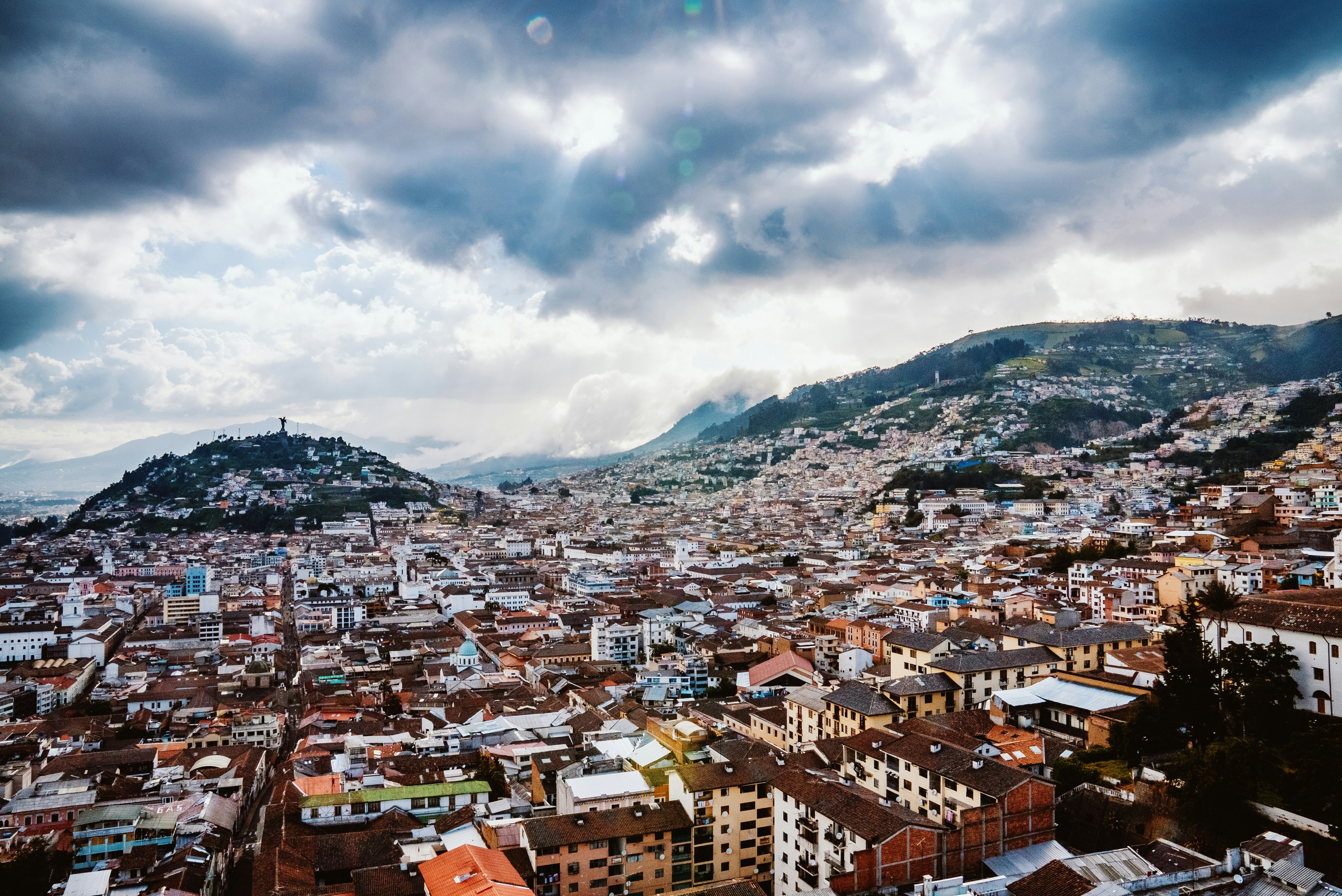
Quito's historic center was the first UNESCO World Heritage Site ever designated, and remains the largest, best-preserved colonial-era old town in Latin America.
Baroque churches like La Compañía de Jesús drip with gold leaf inside plain stone exteriors, while plazas and narrow streets climb the Andean foothills at over 2,800 meters of altitude.
The Basílica del Voto Nacional's towers offer views across the whole old town.
How does it rate
CrowdsRomanceCash RequiredDangerAccessibilityWhy you should go
Latin America's largest and best-preserved colonial old town, set at dramatic Andean altitude.
Why you shouldn't go
The high altitude (2,850m) leaves many visitors short of breath for the first day or two.
Plan your visit
Best time to visitJune–September, the drier season, though Quito's climate is mild year-round.Best time of dayMorning, before afternoon rain showers common at altitude.Getting thereFly into Quito's Mariscal Sucre Airport, about 40 minutes from the old town.Entry costFree to walk; church interiors and towers typically $2-5.Time needed1–2 days.Insider tip — Climb the Basílica's towers via the wooden ladders in the roof space, not just the main tower lift — a more adventurous, less crowded route to the top. -
 #674 /100
A collapsed volcanic caldera holds this startlingly turquoise-green crater lake, its color shifting with the light and mineral content of the water below.
A rim trail circles the crater edge with views down to the lake and out across the Andean highlands, while a steep path descends to the shoreline for those who want to kayak or simply stand at the water's edge.
How does it rate
CrowdsRomanceCash RequiredDangerAccessibilityWhy you should go
A vivid turquoise crater lake at nearly 4,000 meters, with a rim trail and highland views.
Why you shouldn't go
High altitude makes the rim hike strenuous, and the descent-then-climb-back-up to the shore is tiring.
Plan your visit
Best time to visitJune–September for clearer skies and better visibility of the lake's color.Best time of dayMorning, before clouds typically roll in over the crater by early afternoon.Getting thereAbout 3.5 hours' drive from Quito via Latacunga, on the Quilotoa Loop route.Entry costSmall community entry fee, around $2.Time neededHalf a day, or longer if hiking the full crater rim.Insider tip — Hike counter-clockwise around the rim — it fronts the best lake views earlier and saves the steepest climb for when you're warmed up. -
 #768 /100
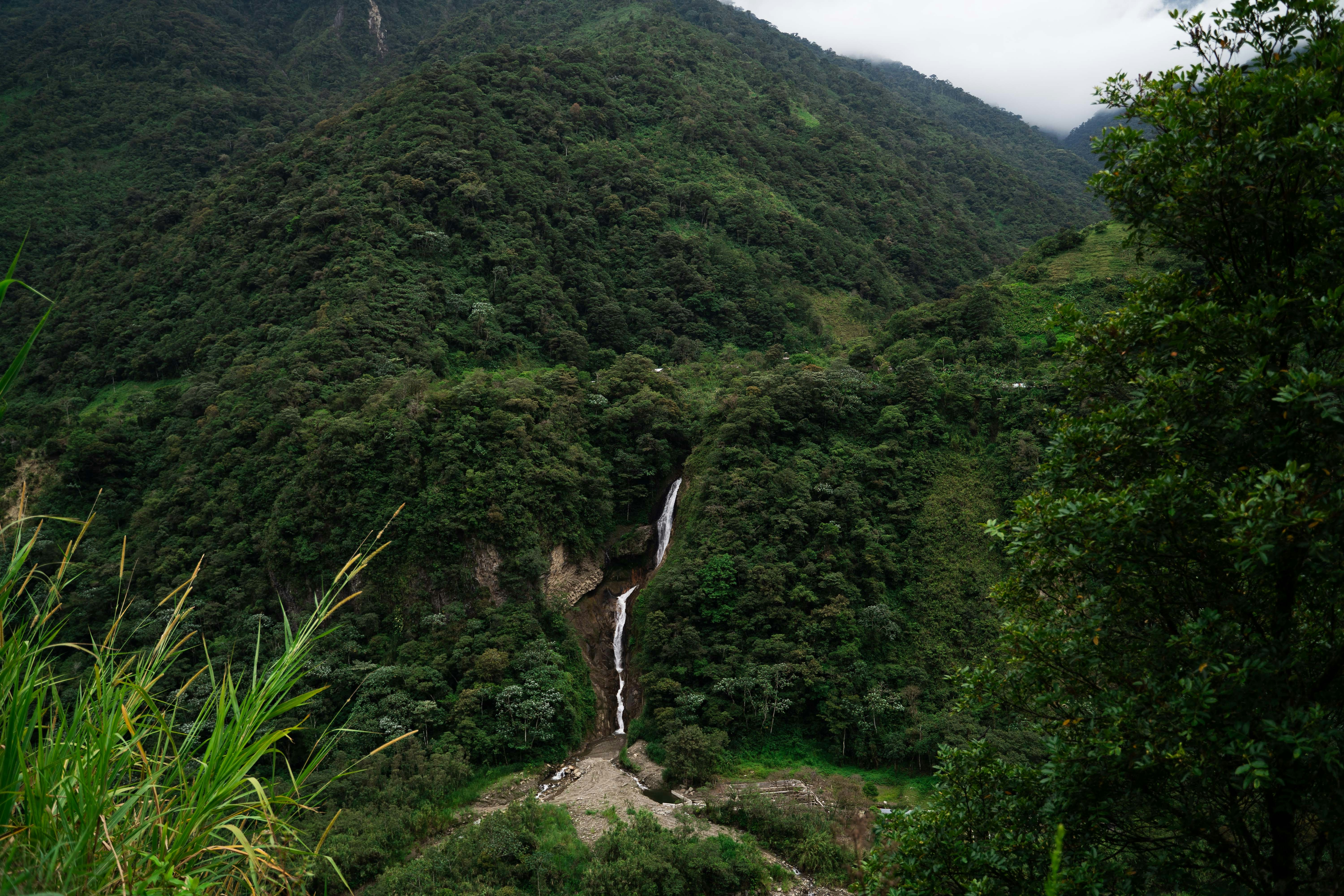
Wedged in a valley at the foot of the active Tungurahua volcano, Baños has built a reputation as Ecuador's adventure-sports hub, with canyoning, white-water rafting, mountain biking and Andes-edge zip-lining all based out of town.
The 'Route of the Waterfalls' cycling or driving route strings together a dozen cascades, including Pailón del Diablo's thundering drop into a narrow gorge.
How does it rate
CrowdsRomanceCash RequiredDangerAccessibilityWhy you should go
Ecuador's adventure-sports base, with waterfalls, canyoning and zip-lining packed into one valley.
Why you shouldn't go
The town sits directly below an active volcano, which occasionally forces evacuations during eruptions.
Plan your visit
Best time to visitOctober–January for the driest weather and clearest volcano views.Best time of dayMorning for outdoor activities, before afternoon cloud and rain typically build.Getting thereAbout 3.5 hours' drive or bus from Quito.Entry costActivities vary widely, from free-to-view waterfalls to $30-80 for guided adventure sports.Time needed2–3 days.Insider tip — Rent a bike and ride the Waterfalls Route yourself rather than joining a tour — downhill-heavy, well-signed and far cheaper. -
 #8
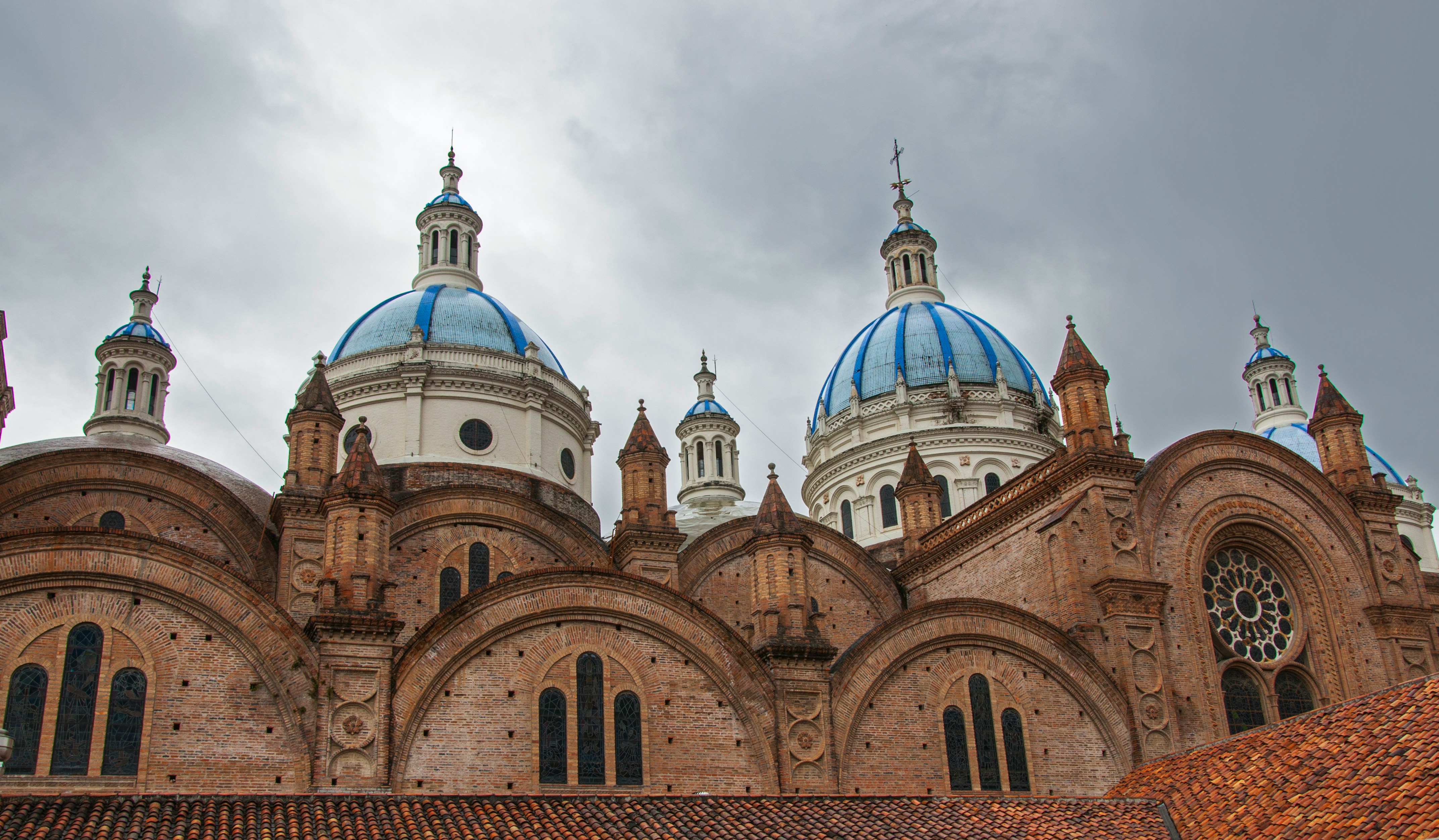
#8Ecuador's third-largest city is also its most polished colonial one, with blue-domed cathedrals, riverside promenades along the Tomebamba, and a compact historic core awarded UNESCO status for its well-preserved Spanish colonial grid.
It's also the traditional home of the (misleadingly named) Panama hat, and workshops around the city still weave them by hand.
How does it rate
CrowdsRomanceCash RequiredDangerAccessibilityWhy you should go
Ecuador's most polished colonial city, with a slower pace and strong café culture.
Why you shouldn't go
It has fewer must-see individual sights than Quito — the appeal is more atmosphere than landmarks.
Plan your visit
Best time to visitYear-round mild climate; June–September for the driest weather.Best time of dayLate afternoon along the Tomebamba riverside promenade.Getting thereFly directly to Cuenca, or drive/bus about 8 hours from Quito.Entry costFree to walk the city; museum entries typically $2-5.Time needed1–2 days.Insider tip — Visit a Panama hat workshop outside the main tourist shops (ask locally) for a real demonstration and better prices. -
 #965 /100
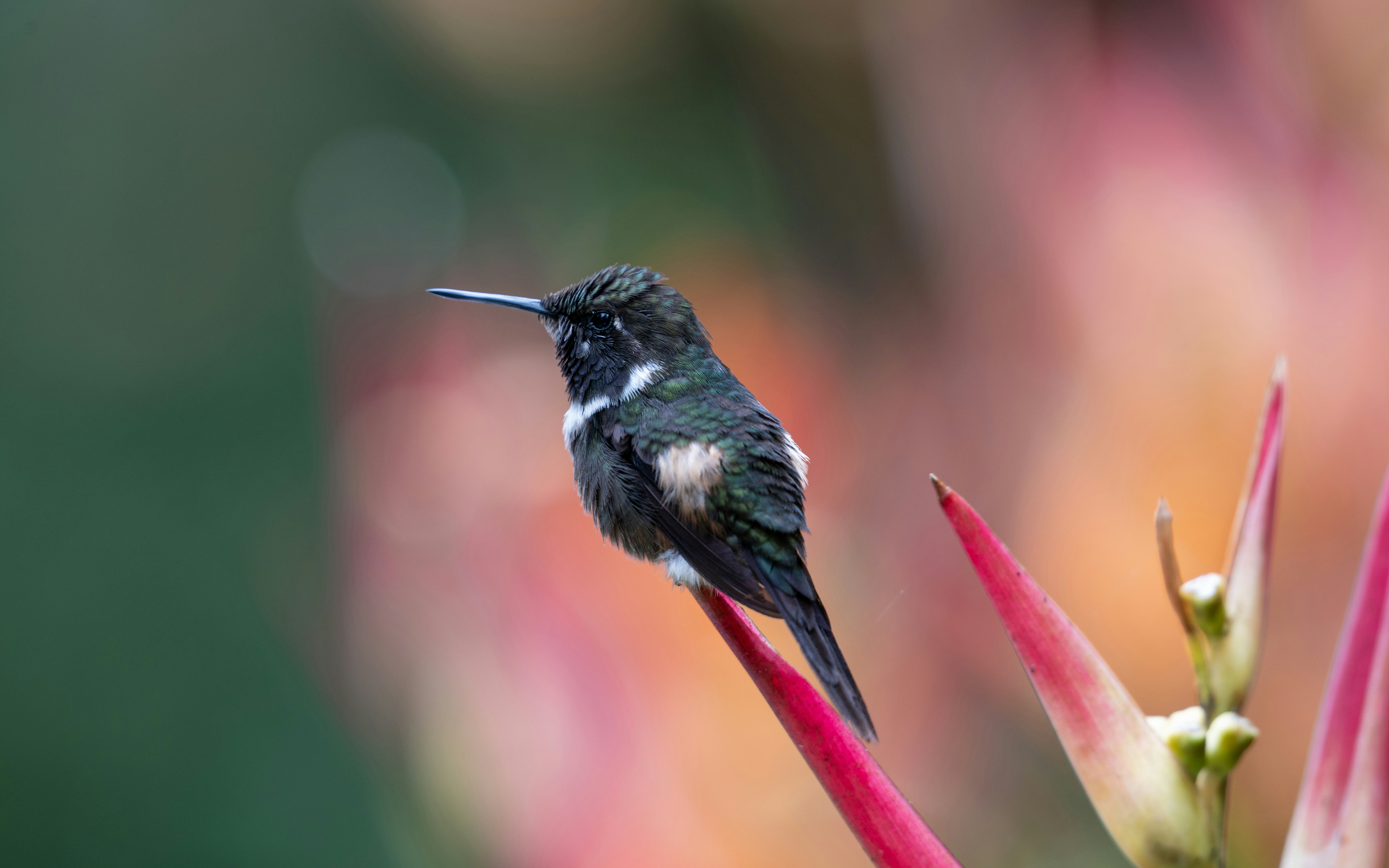
An hour's drive from Quito, Mindo drops into misty cloud forest thick with orchids, hummingbirds and over 500 recorded bird species, making it one of Ecuador's top birdwatching destinations without the remoteness of the Amazon.
Canopy zip-lines, tubing down the Mindo River and butterfly farms round out a more moderate adventure-tourism scene, geared as much toward wildlife-watching as adrenaline.
How does it rate
CrowdsRomanceCash RequiredDangerAccessibilityWhy you should go
Serious cloud-forest birdwatching — over 500 species — just an hour from Quito.
Why you shouldn't go
Frequent cloud cover and rain are part of the ecosystem's name and can limit visibility.
Plan your visit
Best time to visitJune–September for drier weather; birdwatching is good year-round.Best time of dayEarly morning, when hummingbird feeders and forest birds are most active.Getting thereAbout 1.5–2 hours' drive from Quito.Entry costReserve entries typically $5-10; guided birdwatching tours from $25.Time needed1–2 days.Insider tip — Visit a hummingbird feeder reserve first thing in the morning — activity drops off noticeably by mid-morning. -
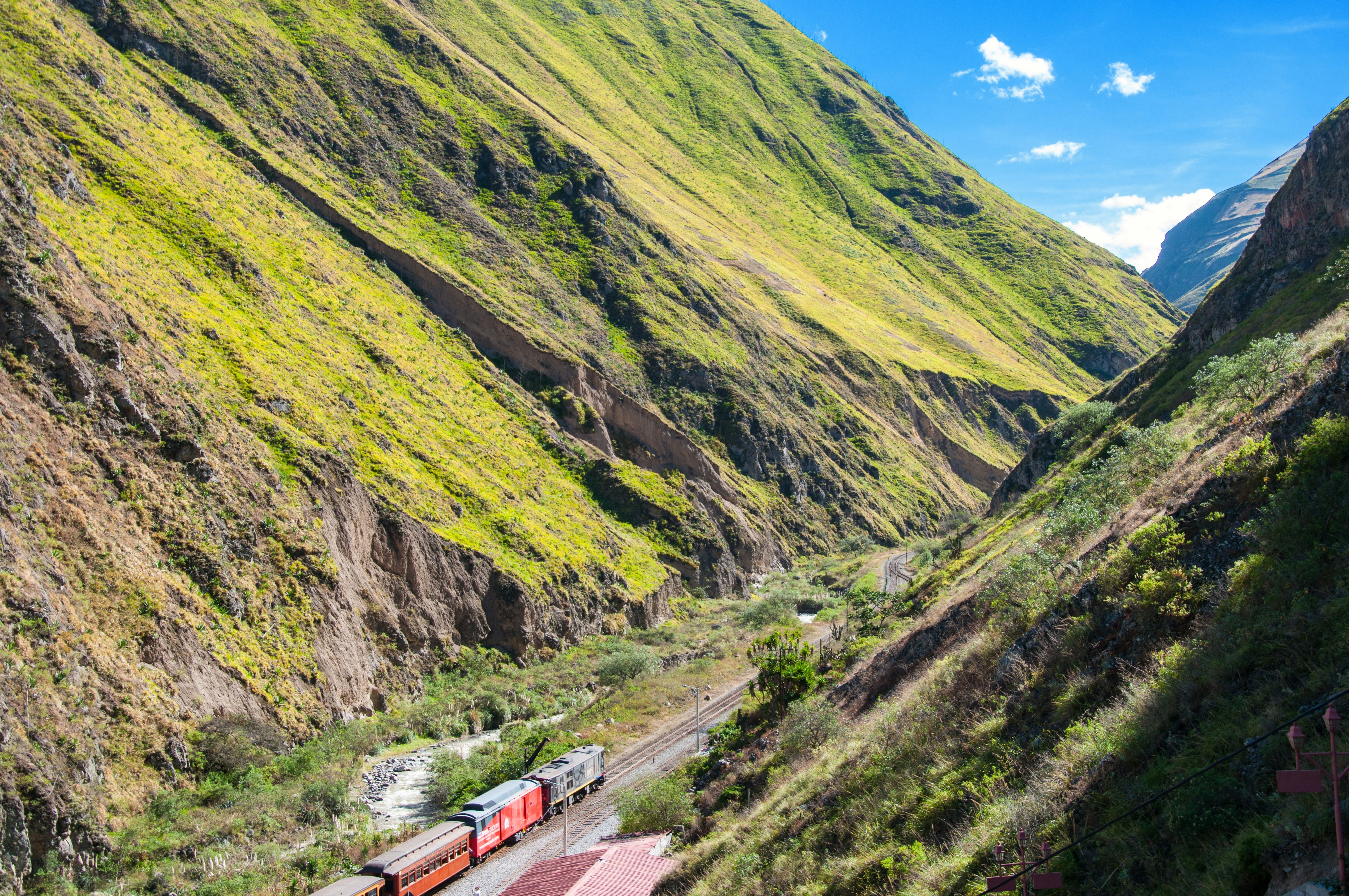 #1063 /100
Nicknamed for the near-vertical rock face it descends, this short but dramatic railway uses a series of switchbacks to drop the train down a mountainside once considered one of the most difficult stretches of track ever built.
Built in the early 1900s to link the Andean highlands to the coast, it's now run as a heritage tourist ride between Alausí and Sibambe, with views down the gorge that made the engineering feat necessary.
How does it rate
CrowdsRomanceCash RequiredDangerAccessibilityWhy you should go
A short, dramatic switchback railway down a near-vertical Andean gorge, unlike any other rail journey in South America.
Why you shouldn't go
The ride itself is brief (about 2.5 hours round trip) and doesn't extend far beyond the switchback section.
Plan your visit
Best time to visitJune–September for clearer mountain views.Best time of dayMorning departure for the clearest weather before afternoon cloud typically builds.Getting thereBoard at Alausí station, about 3.5 hours' drive south of Quito.Entry costAround $30-40 for the round-trip ticket.Time neededHalf a day including the ride and station stop.Insider tip — Sit on the right-hand side heading down for the best views into the gorge during the switchback descent.


How a score is built
One score out of 100, five criteria behind it
Every place is rated 1–5 on each of the criteria below, then combined into a single score out of 100. It's calculated by us, the same way every time — not an average of traveller reviews or social votes.
Crowds
How many people you'll be sharing it with, and at what time of day.
Romance
How well it suits a couple, a proposal, or a quiet moment together.
Cash required
Entry fees, permits, guides, rentals — what it actually costs to do it.
Danger
Physical risk involved, from a slippery viewpoint to genuine hazard.
Accessibility
How far off the beaten path it is, and how hard it is to actually reach.