-
 #191 /100
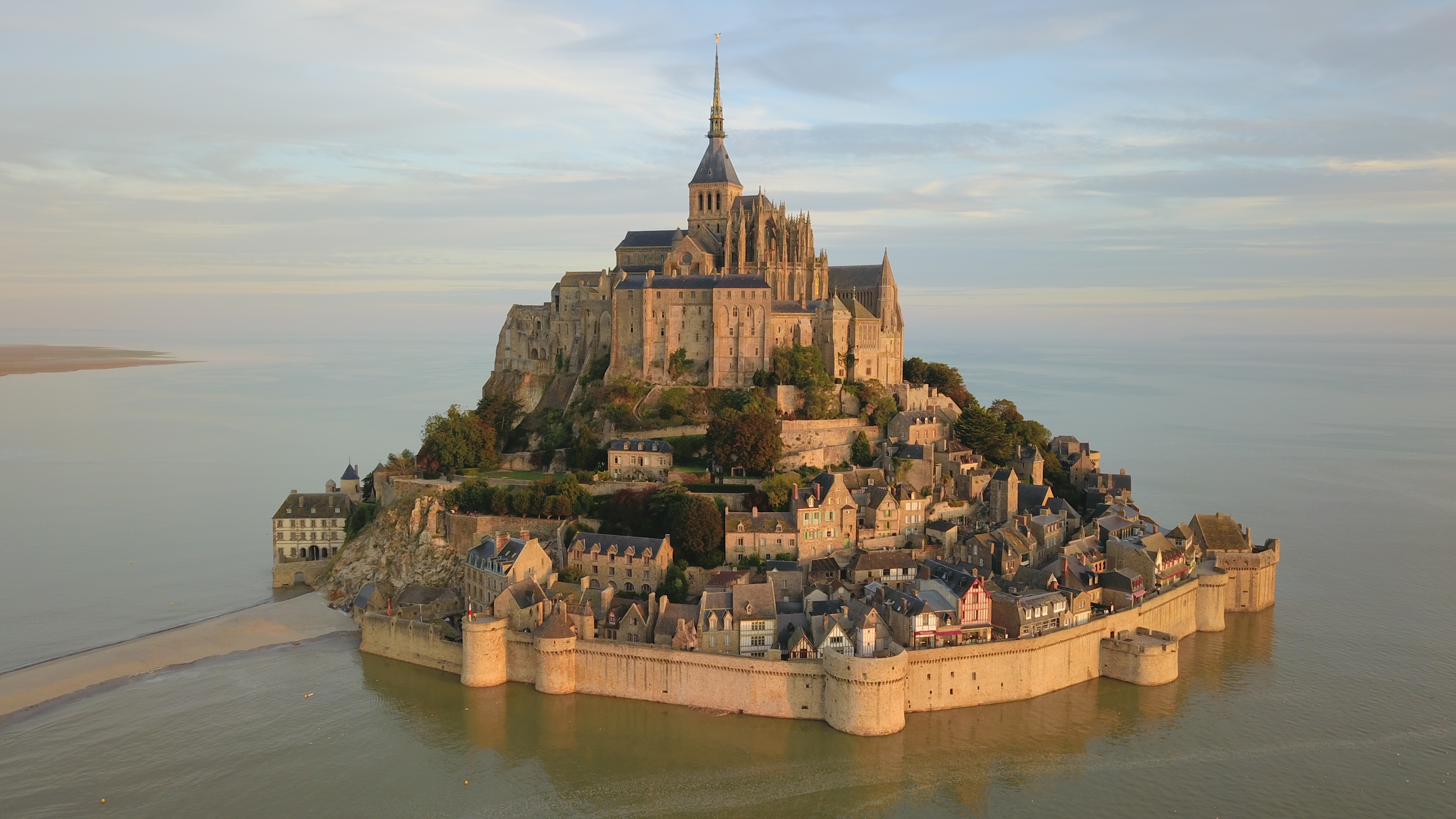
Mont Saint-Michel is a tidal island commune in Normandy topped by a medieval Benedictine abbey that soars 80 metres above the surrounding tidal flats.
When the sea retreats, the island is connected to the mainland by a causeway; when the tide comes in at one of the fastest rates in Europe, the island becomes a castle rising from the sea.
How does it rate
CrowdsRomanceCash RequiredDangerAccessibilityWhy you should go
The sight of Mont Saint-Michel rising from the sea at high tide, particularly at dusk when it is illuminated, is one of France's most extraordinary and romantic images.
Why you shouldn't go
The island receives nearly four million visitors a year and the main street leading to the abbey is packed with tourist shops; the abbey itself is very impressive but queues can be long.
Plan your visit
Best time to visitSpring or autumn to avoid peak summer crowdsBest time of daySunrise, or high tide for the classic "island" lookGetting there~1hr drive from Rennes; shuttle from the mainland car parkEntry costAbbey entry ~EUR11Time neededHalf dayInsider tip — Check the tide tables; high tide transforms it into a genuine island, which is when the photos are most striking -
 #287 /100
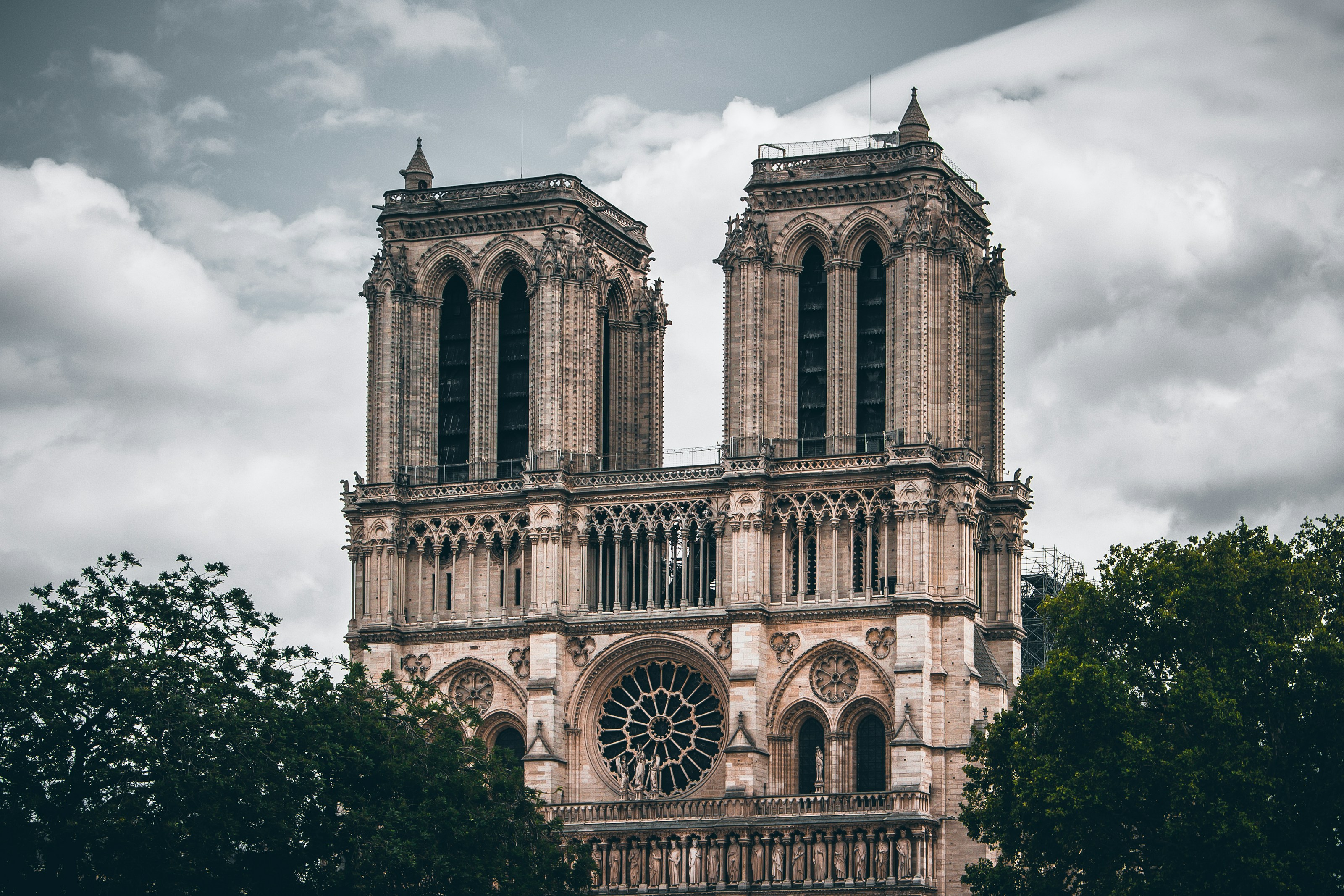
The Gothic cathedral on the Ile de la Cite, reopened in December 2024 after the 2019 fire with its limestone scrubbed back to a pale gold nobody alive had seen before.
Flying buttresses, gargoyles and both rose windows survived; the spire has been rebuilt to Viollet-le-Duc's design.
Entry to the nave is still free.
How does it rate
CrowdsRomanceCash RequiredDangerAccessibilityWhy you should go
Restored to a brightness the building has not had since the Middle Ages, and free to walk into.
Why you shouldn't go
Demand since the reopening is enormous - without a timed slot you can queue for hours.
Plan your visit
Best time to visitJanuary-March, when Paris is at its quietestBest time of dayEarly morning for the queue, or dusk from Square Jean XXIII for the buttressesGetting thereMetro to Cite or Saint-Michel, both a few minutes away on footEntry costFree to enter; tower climb ticketed separatelyTime needed1-2 hoursBookingBook ahead →Insider tip — Book the free timed slot on the cathedral's own site the day before - the walk-up queue is several times longer than the booked one. -
 #385 /100
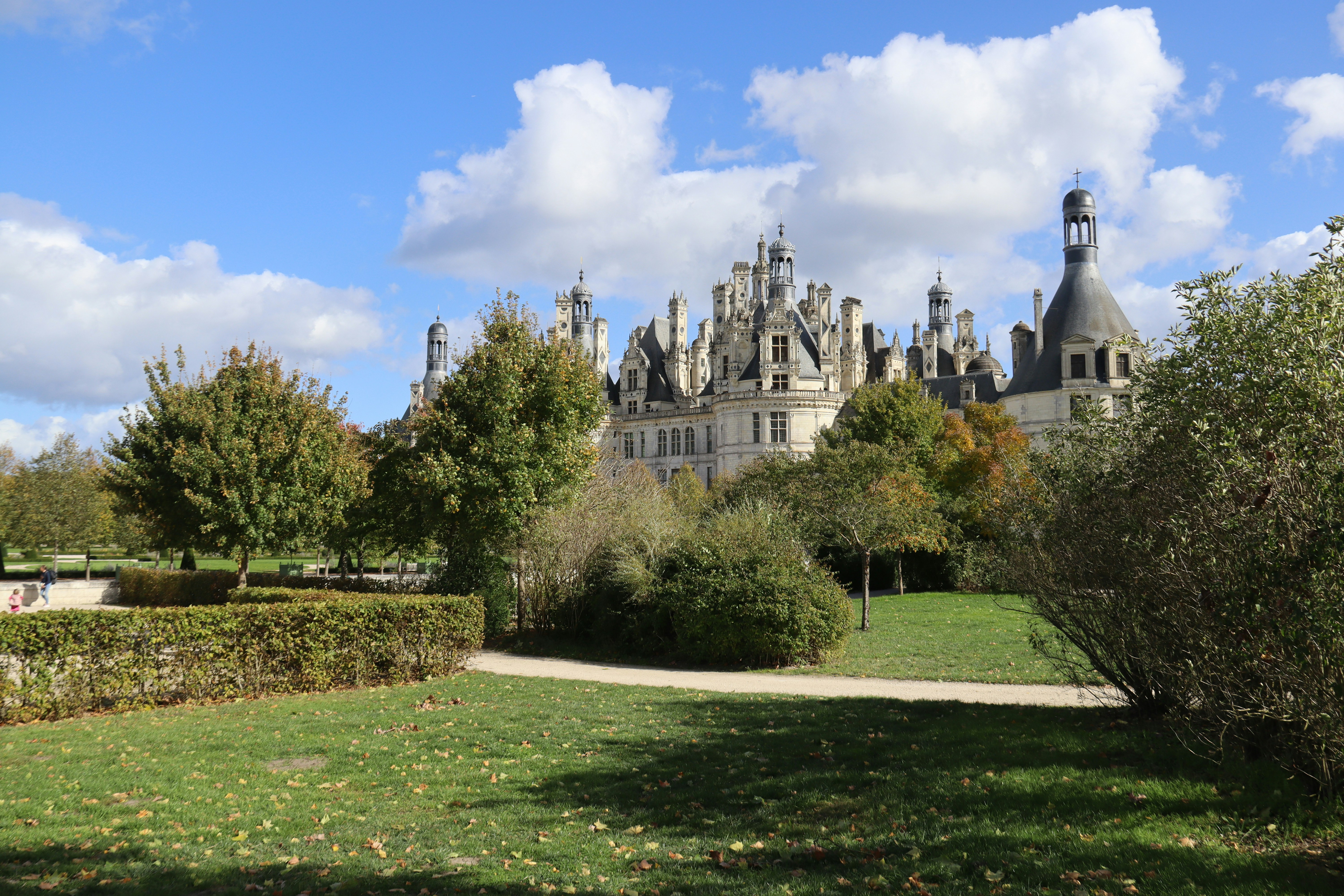
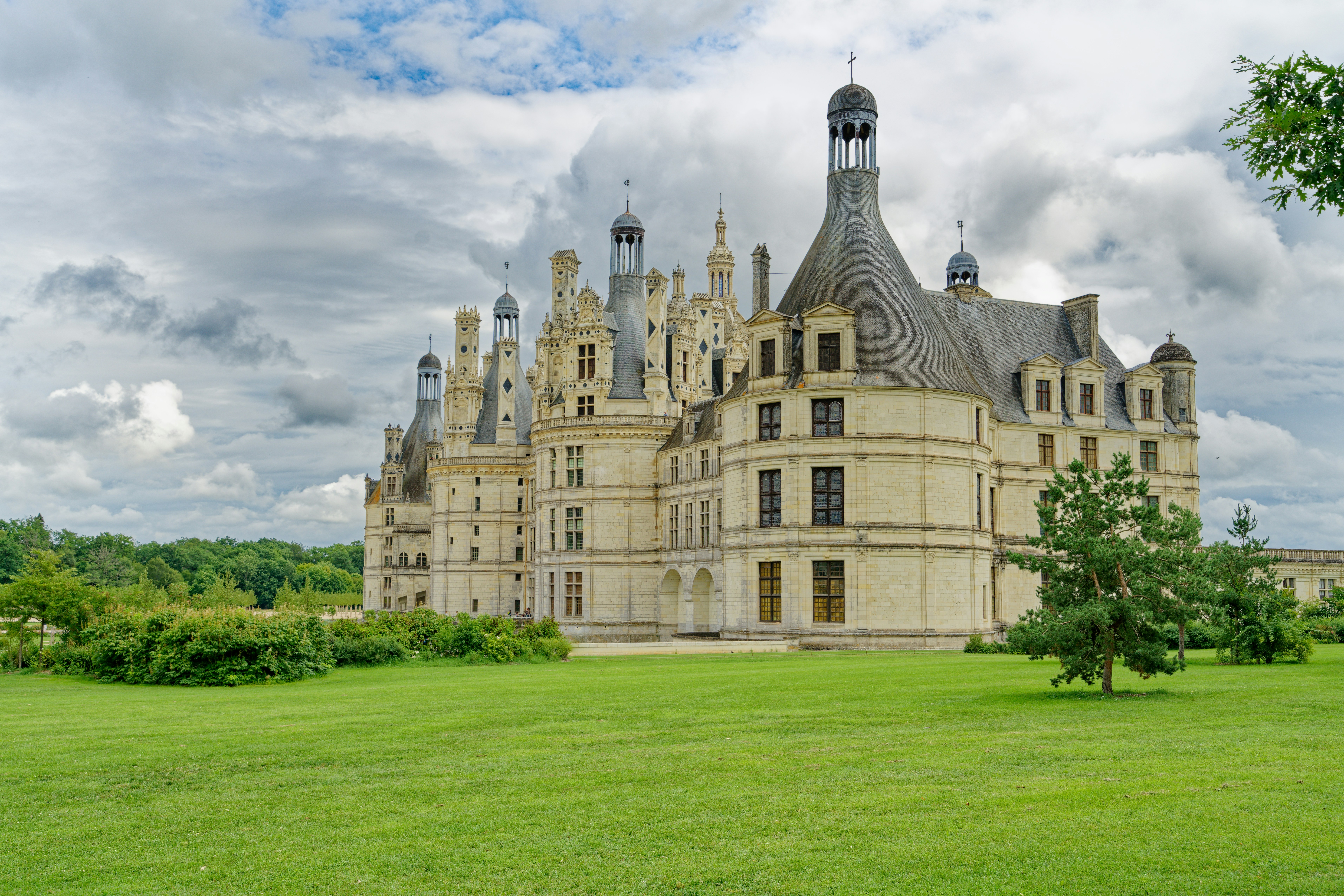
The largest and most extravagant château in the Loire Valley, commissioned by Francois I and famous for its double-helix staircase (rumoured to involve Leonardo da Vinci) and a rooftop forest of turrets, chimneys, and lanterns unlike any other building in France.
Surrounded by a vast walled hunting estate, its silhouette against open parkland is the archetype of a Renaissance fairy-tale castle.
It took nearly two decades to build and was barely used by the king who ordered it.
How does it rate
CrowdsRomanceCash RequiredDangerAccessibilityWhy you should go
A rooftop skyline of turrets and chimneys unmatched by any other château, plus a legendary double-helix staircase.
Why you shouldn't go
It's a long way from Paris - a full day trip if driving - and the surrounding estate is best explored with a car or bike.
Plan your visit
Best time to visitMay or September for good weather and thinner tour-bus traffic than midsummer.Best time of dayMorning, for soft light on the rooftop turrets before the crowds build.Getting thereTrain from Paris to Blois-Chambord, then a shuttle bus, or a roughly 2.5-hour drive from Paris.Entry costAround EUR16 for adult castle entry; estate grounds free.Time neededHalf a day.BookingBook ahead →Insider tip — Rent a bike at the estate to reach the quieter far side of the grounds, where the château reflects in the canal with no crowds in frame. -
 #485 /100
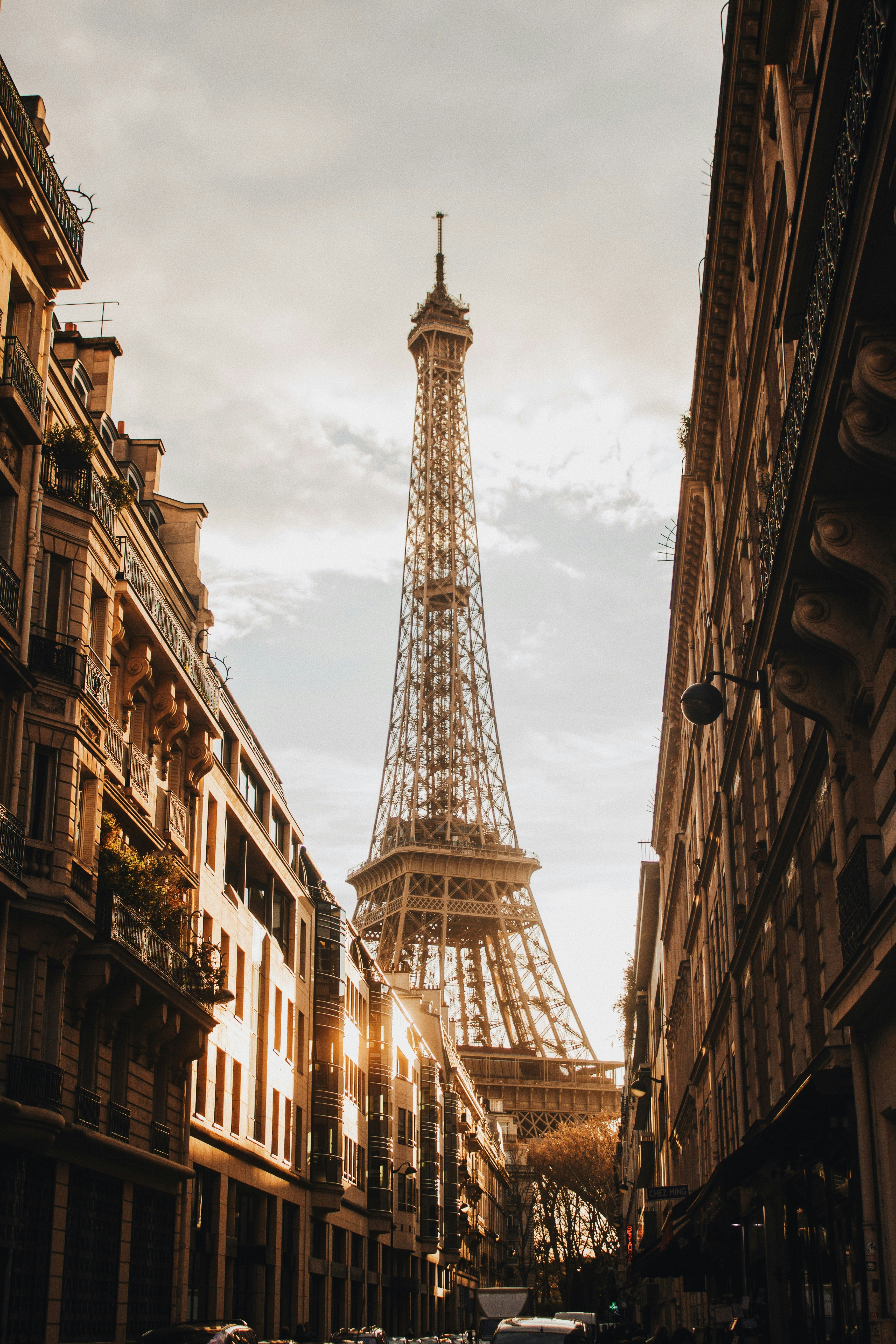
Built for the 1889 World's Fair and nearly dismantled twenty years later, the Eiffel Tower is 330 metres of exposed wrought iron that Parisians initially loathed and now cannot imagine the skyline without.
Lifts and stairs reach two public floors of restaurants and terraces, plus a summit platform with views across the whole city.
After dark, 20,000 bulbs make it sparkle for five minutes on the hour until 1am.
How does it rate
CrowdsRomanceCash RequiredDangerAccessibilityWhy you should go
The Eiffel Tower offers stunning panoramic views of Paris, is a symbol of romance, and is surrounded by charming streets and sights, making it a once-in-a-lifetime experience.
Why you shouldn't go
The area can be extremely crowded, especially during peak tourist seasons, and long lines for tickets and elevator access can detract from the experience.
Plan your visit
Best time to visitApril-June or September-OctoberBest time of daySunrise or blue hour for fewer crowdsGetting thereBir-Hakeim or Trocadero MetroEntry cost~EUR28 to the top; free to view from outsideTime needed2-3 hoursInsider tip — Trocadero across the river gives the best full-tower shot -
 #5
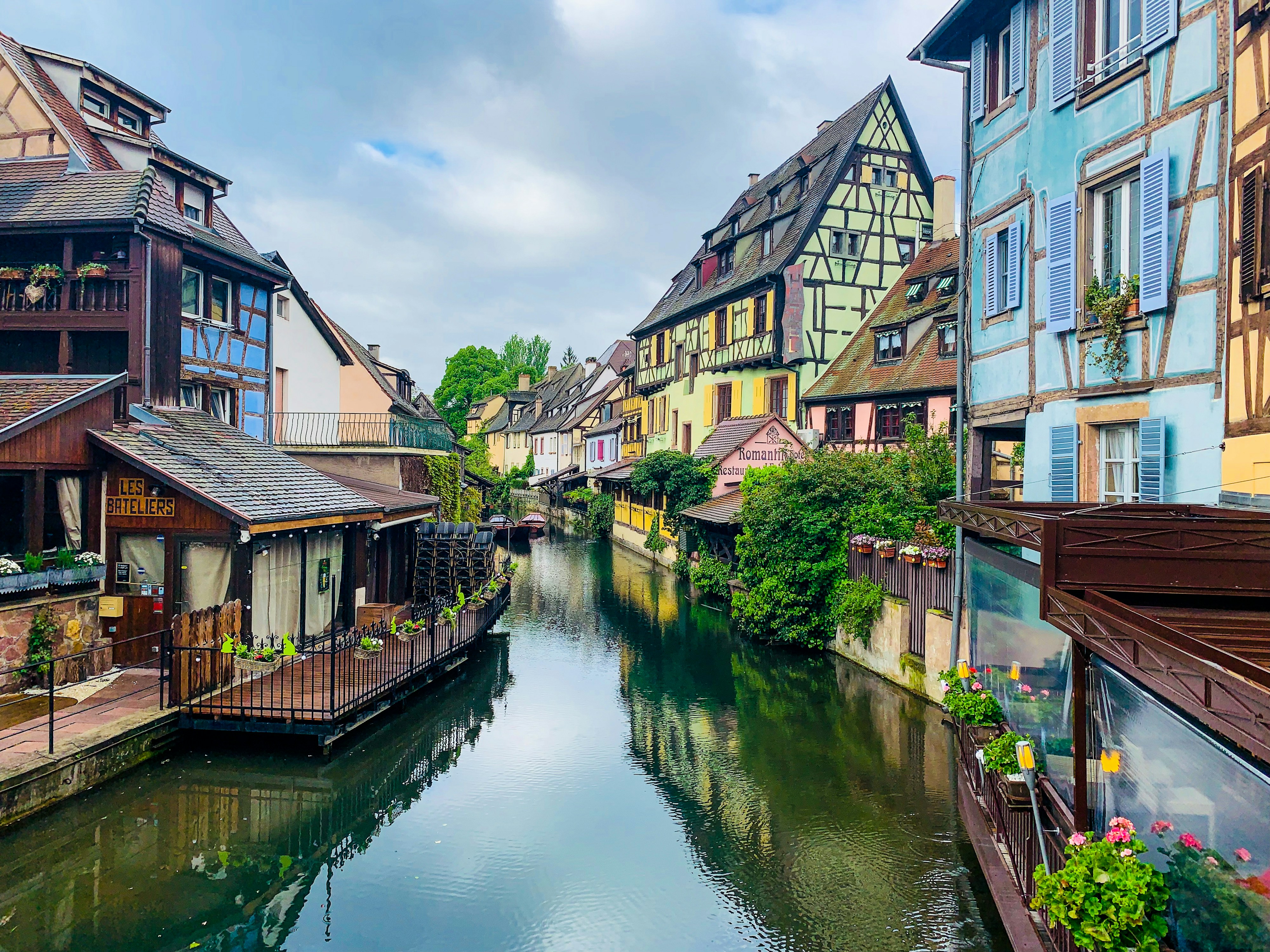
#5Half-timbered houses in candy-bright colours line the canals of this Alsatian town's La Petite Venise district, their upper floors leaning out over the water.
Flower boxes crowd almost every windowsill from spring through autumn, adding another layer of colour to the vivid facades.
The town's mix of French and German influence, a legacy of Alsace changing hands repeatedly, gives it a character unlike anywhere else in France.
How does it rate
CrowdsRomanceCash RequiredDangerAccessibilityWhy you should go
Canal-side half-timbered houses in every colour, especially vivid with the summer flower boxes.
Why you shouldn't go
The most photographed canal stretch is narrow and gets genuinely congested at midday in summer.
Plan your visit
Best time to visitMay-September for flower boxes in full bloom; December for the Christmas markets.Best time of dayEarly morning, before day-trip groups arrive from Strasbourg.Getting thereTrain from Strasbourg (about 30 minutes) or Paris (about 2.5 hours direct).Entry costFree to wander the old town.Time needed1 dayInsider tip — Take a short boat ride along La Petite Venise - the canal-level view of the leaning houses is better than any angle from the street. -
 #681 /100
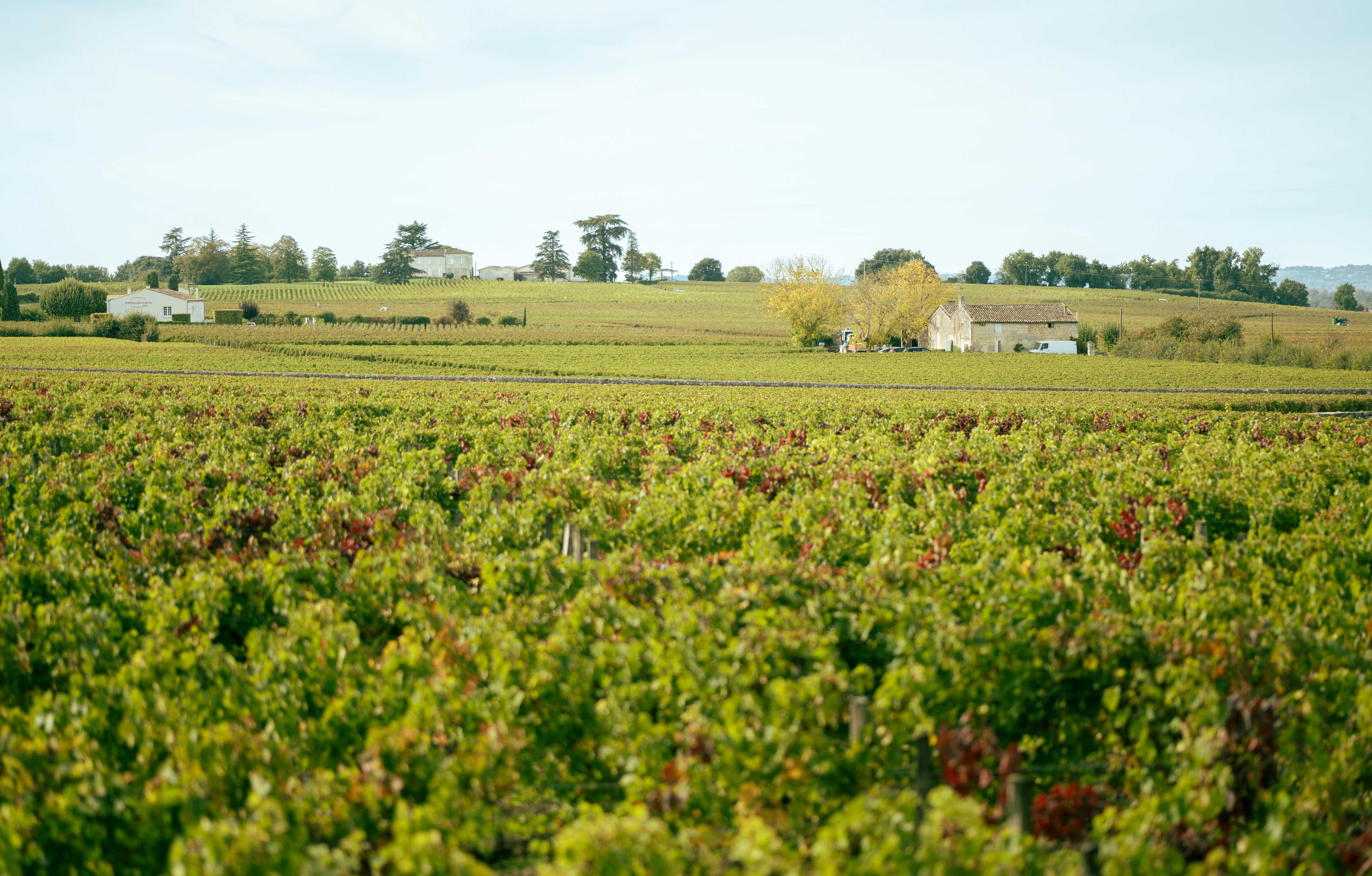
France's largest and most prestigious wine region surrounds the elegant 18th-century city of the same name, its Gironde estuary and two rivers shaping over 6,000 chateaux that have defined fine wine for centuries.
The Medoc's grand chateaux sit on some of the world's most valuable vineyard land, while Saint-Emilion's UNESCO-listed medieval village stands above a warren of limestone cellars on the right bank.
How does it rate
CrowdsRomanceCash RequiredDangerAccessibilityWhy you should go
6,000-plus chateaux across France's grandest wine region, anchored by an elegant riverside city and a UNESCO medieval village.
Why you shouldn't go
The most famous chateaux (the classified growths) are often visit-by-appointment only and can be expensive or hard to book.
Plan your visit
Best time to visitSeptember-October for harvest, or May-June for pleasant weather and thinner crowds.Best time of dayLate afternoon along the Garonne riverfront, when the city's limestone facades glow gold.Getting thereFly into Bordeaux-Merignac Airport, then a tram into the city or a rental car out to the vineyards.Entry costChateau tastings typically run EUR15-40 per visit.Time neededA full day in the city, or several for touring the surrounding chateaux.Insider tip — Base yourself in Saint-Emilion for a night if possible, since its UNESCO old town is worth more than a rushed day-trip stop. -
 #780 /100
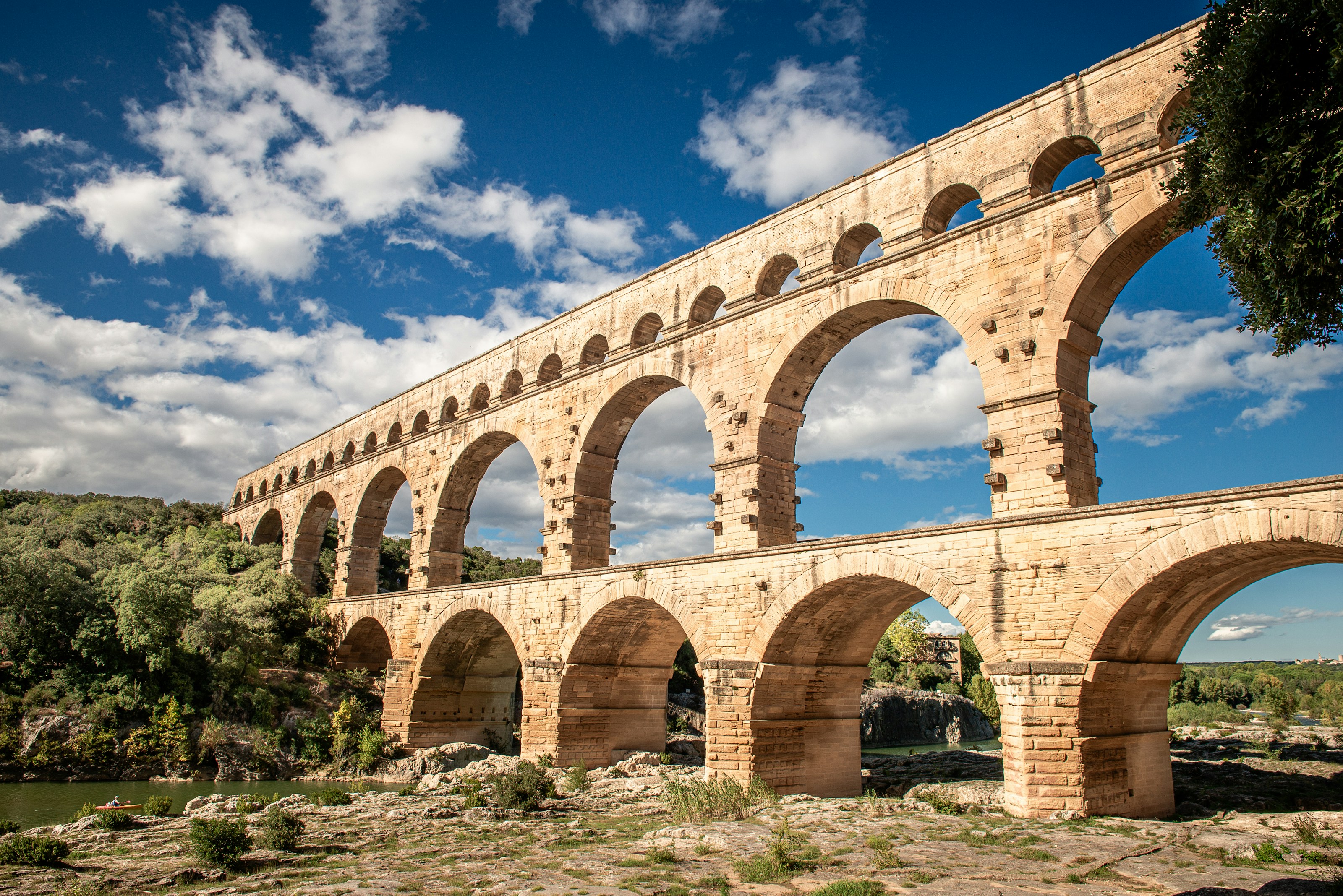
A three-tier Roman aqueduct thrown across the Gardon gorge in the first century, and the tallest the Romans ever built at just under 49 metres.
The honey-coloured limestone was cut so precisely that it needed no mortar.
You can swim and kayak in the river below, which is also the best place to take in its full height.
How does it rate
CrowdsRomanceCash RequiredDangerAccessibilityWhy you should go
Two thousand years old, still standing, and you can swim in the river running underneath it.
Why you shouldn't go
There is no useful public transport, so in practice you need a car to get there.
Plan your visit
Best time to visitMay-June or September, when the river is warm enough to swim and the site is quieterBest time of dayLate afternoon, when the stone turns gold and the day-trippers leaveGetting thereDrive from Avignon or Nimes, about 30 minutes; car parks on both banksEntry costAround EUR 9.50 per person including parking and museumTime neededHalf a dayBookingBook ahead →Insider tip — Cross to the left bank and follow the marked path uphill - it is the only viewpoint that gets all three tiers into one frame. -
 #879 /100
La Loire a Velo's flat, dedicated paths link the Loire Valley's great chateaux, threading past Chambord's fairy-tale turrets, Chenonceau's arches over the Cher and Amboise's clifftop fortress.
Riders pass through stone villages, vineyards and troglodyte cave dwellings carved into tufa cliffs along the way.
Short, modular loops between 10 and 45km make it easy to see one chateau or several in a single day.
How does it rate
CrowdsRomanceCash RequiredDangerAccessibilityWhy you should go
Flat, dedicated paths connect some of Europe's most theatrical castles without ever touching traffic.
Why you shouldn't go
Chateau entry fees add up quickly if you visit more than one or two in a day.
Plan your visit
Best time to visitMay-June or September for mild weather and thinner chateau queues.Best time of dayMorning arrival at each chateau, ahead of coach-tour crowds.Getting thereTrain to Tours or Blois from Paris (about 1.5-2 hours); bike rental available at both stations.Entry costBike rental from EUR15/day; Chambord entry EUR16, Chenonceau EUR16Time needed1-3 days depending on chateaux visitedBookingBook ahead →Insider tip — Ride the Chambord-to-Cheverny loop before 10am to see Chambord's roofline reflected in its still moat before the wind picks up and coaches arrive. -
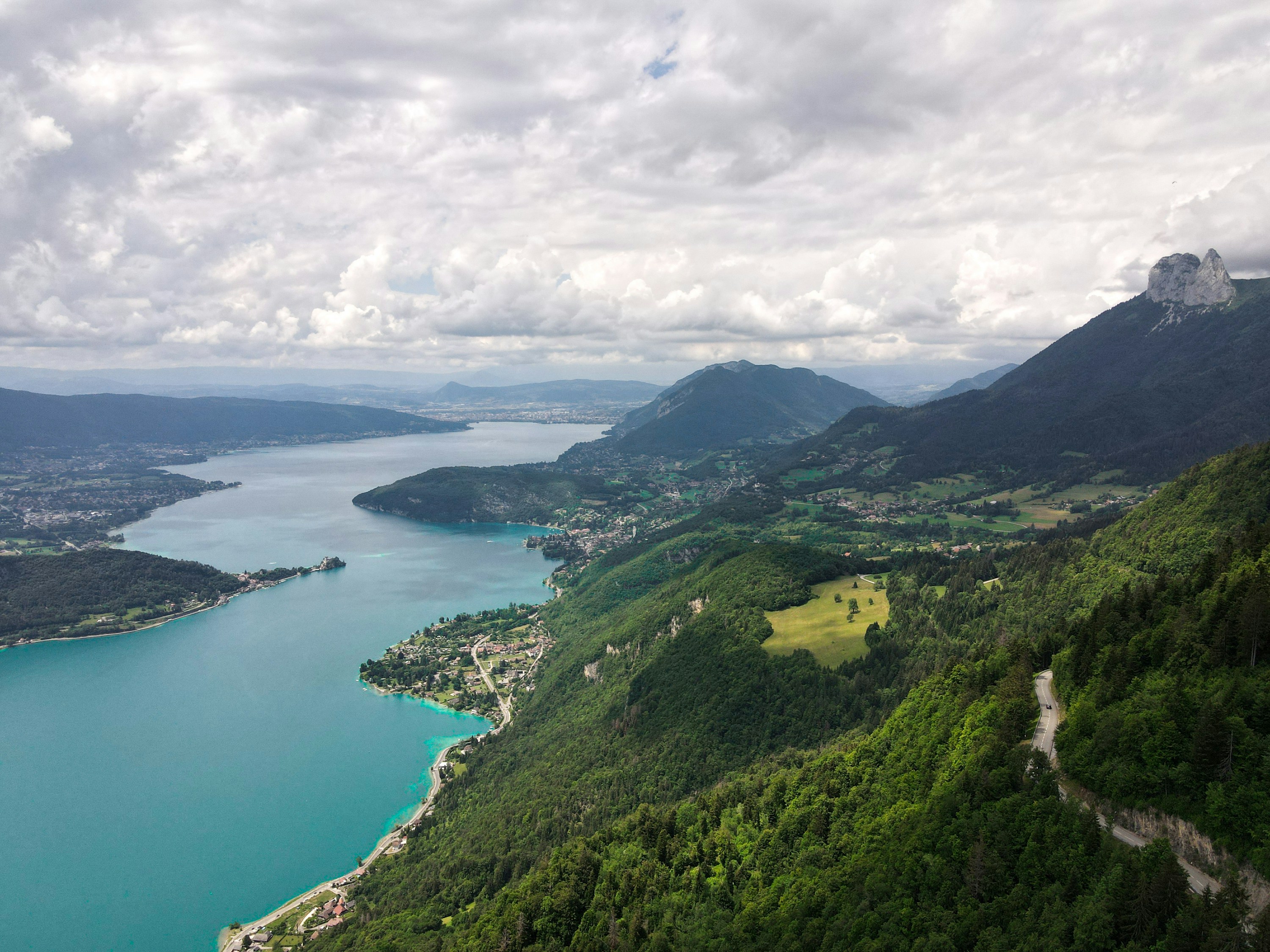 #9
#9A canal-laced old town at the northern tip of one of Europe's cleanest lakes has earned Annecy the nickname "Venice of the Alps," its Thiou River canals lined with flower-draped, pastel houses and the small stone Palais de l'Île moored mid-stream.
Snow-capped peaks rise directly behind the water, and a lakeside path leads out to swimming spots and quieter viewpoints beyond the old town.
How does it rate
CrowdsRomanceCash RequiredDangerAccessibilityWhy you should go
Canals, flowers, and turquoise water backed by real mountains, in a compact old town easy to see on foot.
Why you shouldn't go
The old town's narrow lanes and lakeside path get very congested with day-trippers on summer weekends.
Plan your visit
Best time to visitJune or September for warm weather and swimmable water without peak-July crowds.Best time of dayEarly morning in the old town, before shops and crowds fill the canal-side lanes.Getting thereTrain from Geneva (about 1 hour) or Lyon (about 2 hours); Geneva Airport is the nearest major hub.Entry costFree to walk the old town and lakeshore; the Palais de l'Île museum charges a small entry fee.Time needed1 dayInsider tip — Rent a bike and follow the lakeside path south past the old town — the crowds thin out within fifteen minutes. -
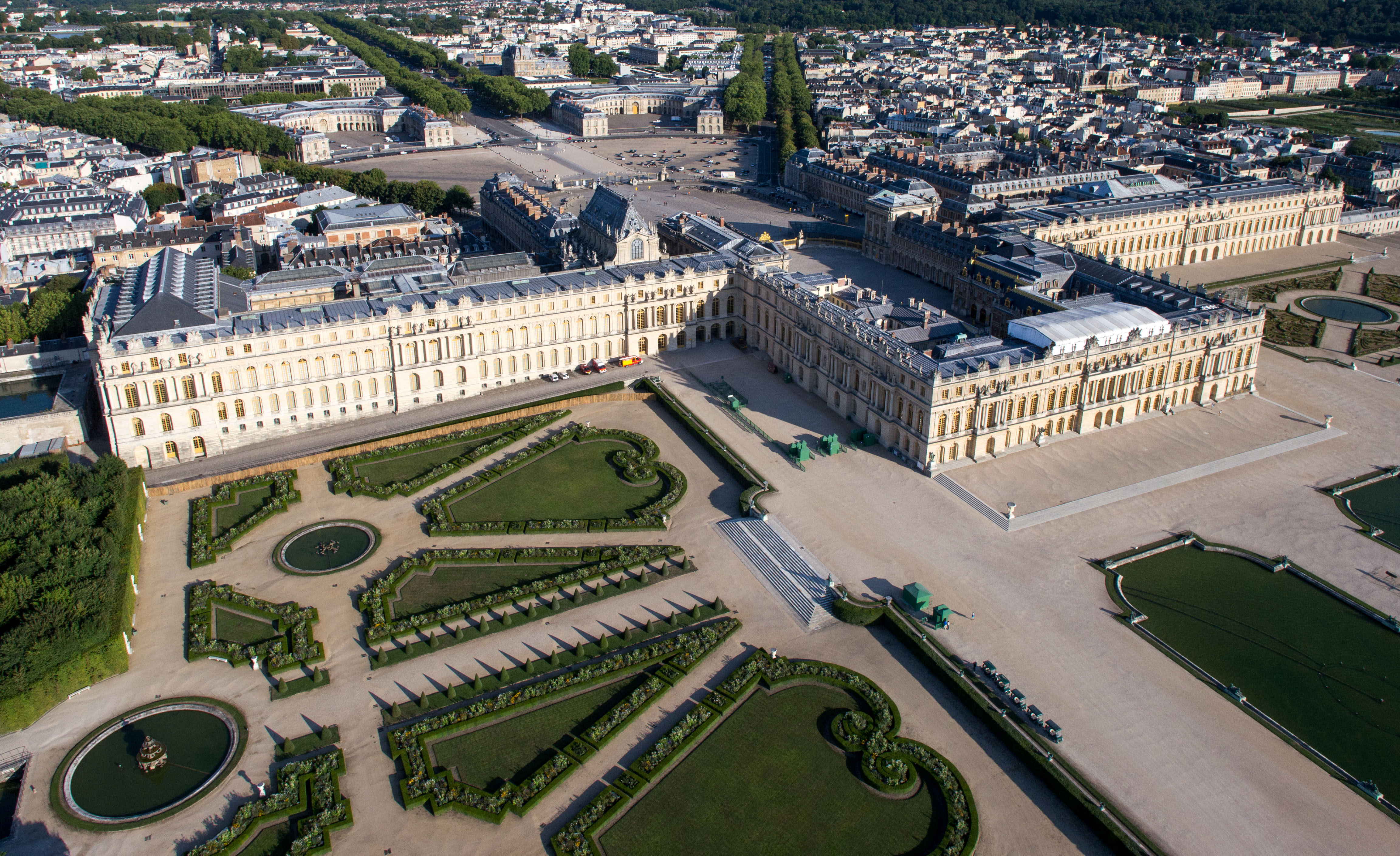 #1078 /100
The Palace of Versailles was the principal residence of French royalty from 1682 until the Revolution and remains the most visited château in the world.
The Hall of Mirrors, Louis XIV's formal gardens, and the Grand Trianon create an overwhelming display of royal opulence stretching across 800 hectares.
How does it rate
CrowdsRomanceCash RequiredDangerAccessibilityWhy you should go
The Hall of Mirrors on a sunny morning, when 357 mirrors reflect the light of 20,000 candles worth of chandeliers, is one of the most opulent rooms in the world.
Why you shouldn't go
Versailles is extremely crowded year-round and the gardens alone require a full day to explore properly; queues without pre-booked tickets can be very long.
Plan your visit
Best time to visitSpring or autumn, avoiding AugustBest time of dayEarly morning entryGetting thereRER C train from Paris to Versailles Chateau Rive GaucheEntry cost~EUR21 (palace + gardens)Time neededFull dayInsider tip — The gardens are free on non-fountain-show days; check the Musical Fountains schedule if you want to see them running -
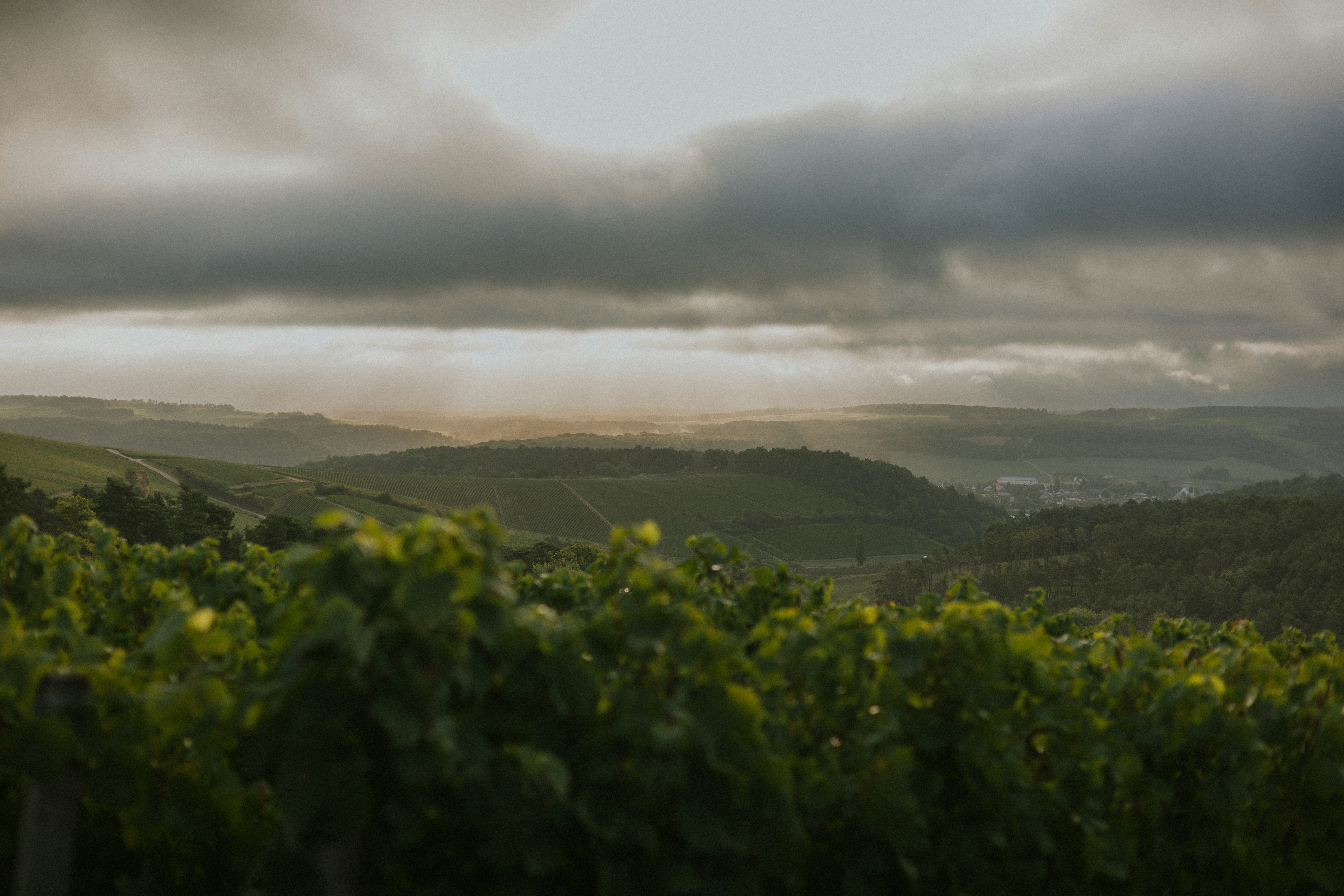 #1178 /100
An hour east of Paris, the chalky hillsides around Reims and Epernay produce the only sparkling wine legally allowed to bear the Champagne name, tied to the region's chalk soil and centuries-old method.
Grand maisons like Moet et Chandon maintain vast underground cellars, some carved from Roman-era quarries, stretching for kilometres beneath Epernay.
How does it rate
CrowdsRomanceCash RequiredDangerAccessibilityWhy you should go
The chalk hillsides east of Paris that alone can legally produce Champagne, with kilometres of cellars carved beneath Epernay.
Why you shouldn't go
The grand maisons' cellar tours require advance booking, especially in summer, and can be pricier than tastings elsewhere.
Plan your visit
Best time to visitSeptember-October for harvest, or spring for blossoming vineyards.Best time of dayLate afternoon over the vineyard hillsides around Hautvillers or the Montagne de Reims.Getting thereTake the TGV from Paris to Reims or Epernay, roughly 45 minutes.Entry costCellar tours with tastings typically run EUR25-60 per maison.Time neededA full day, easily done as a day trip from Paris.Insider tip — Book a smaller grower-producer tasting alongside a big-house cellar tour, since small growers often offer a more personal, less rushed experience. -
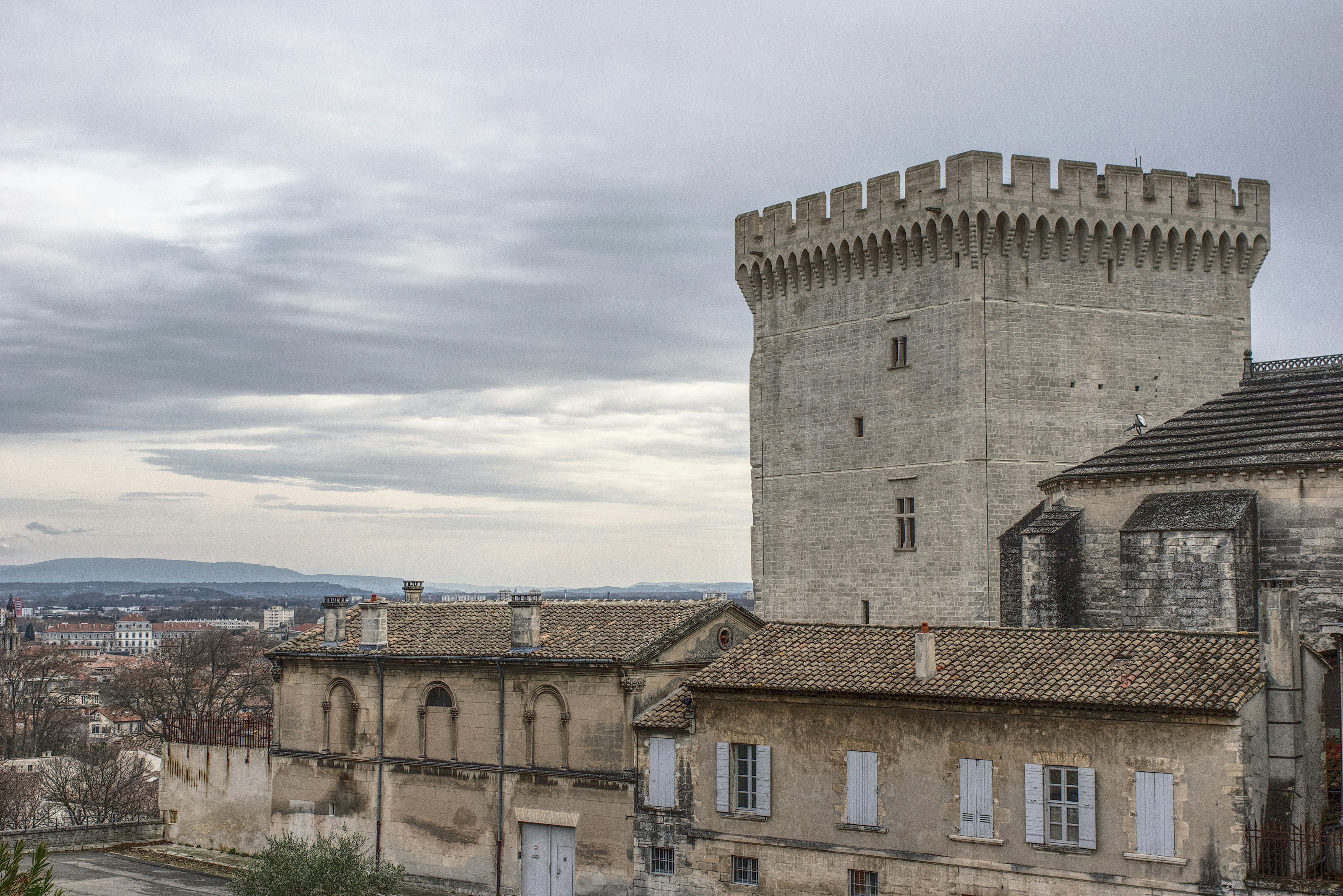 #1278 /100
Each July, France's Avignon Festival turns the walled papal city into Europe's biggest stage for contemporary theatre, with the main programme performing in the Palais des Papes' medieval courtyard alongside hundreds of independent Fringe shows filling every spare room and courtyard in town.
Founded in 1947 to bring serious theatre beyond Paris, it now draws well over a thousand productions across three weeks, more than any visitor could see.
How does it rate
CrowdsRomanceCash RequiredDangerAccessibilityWhy you should go
Contemporary theatre fills a papal city for three weeks each July, from the main stage in the Palais des Papes to over a thousand independent shows.
Why you shouldn't go
The sheer volume of overlapping shows across the Fringe programme makes it easy to miss the best productions without local advice.
Plan your visit
Best time to visitThree weeks in July each year.Best time of dayEvening for the Palais des Papes main-stage productions; daytime for Fringe shows across town.Getting thereTake the TGV direct to Avignon TGV station, then a short shuttle into the walled city centre.Entry costFringe shows run roughly EUR15-25; main-programme productions in the Palais des Papes cost more.Time neededA few days to sample a range of shows; locals attend across the full three weeks.BookingBook ahead →Insider tip — Book main-programme shows in the Palais des Papes courtyard months ahead - the Fringe's thousand-plus shows are easier to get into on short notice. -
 #1375 /100
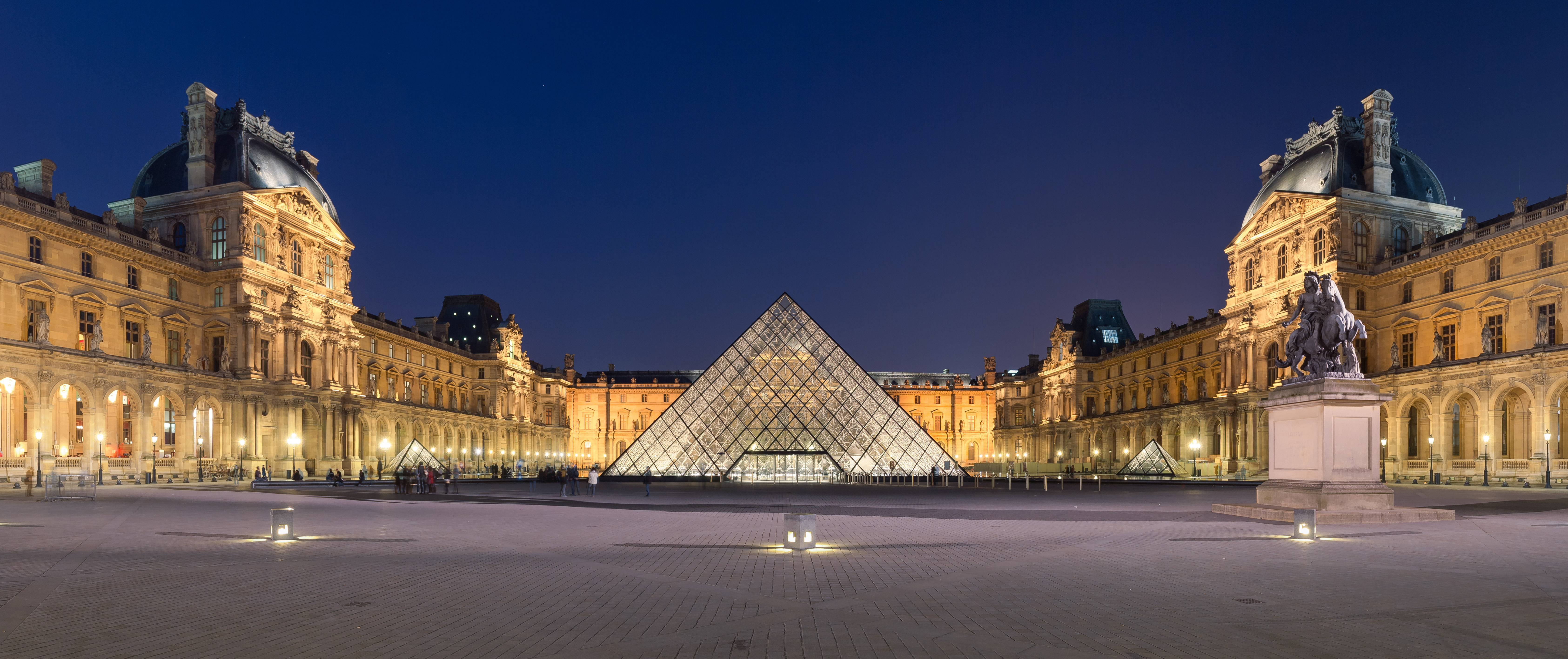
The Louvre is the world's most visited art museum and home to over 35,000 works including the Mona Lisa, Venus de Milo, and Winged Victory of Samothrace.
The iconic glass pyramid designed by I.
M.
Pei, completed in 1989, provides an instantly recognisable contrast against the museum's baroque stone wings.
How does it rate
CrowdsRomanceCash RequiredDangerAccessibilityWhy you should go
The museum's glass pyramid entrance is one of Paris's most iconic photo opportunities, particularly beautiful when lit at night or reflected in the surrounding pools.
Why you shouldn't go
The Louvre is enormous and crowds around the most famous works can be very dense; the Mona Lisa in particular is usually surrounded by hundreds of people.
Plan your visit
Best time to visitWeekdays, avoiding French school holidaysBest time of dayEarly morning entry, or Wed/Fri evenings when open lateGetting therePalais-Royal-Musee du Louvre MetroEntry cost~EUR17Time neededHalf day minimumInsider tip — Enter via the Carrousel du Louvre underground entrance to skip the pyramid queue -
 #1458 /100
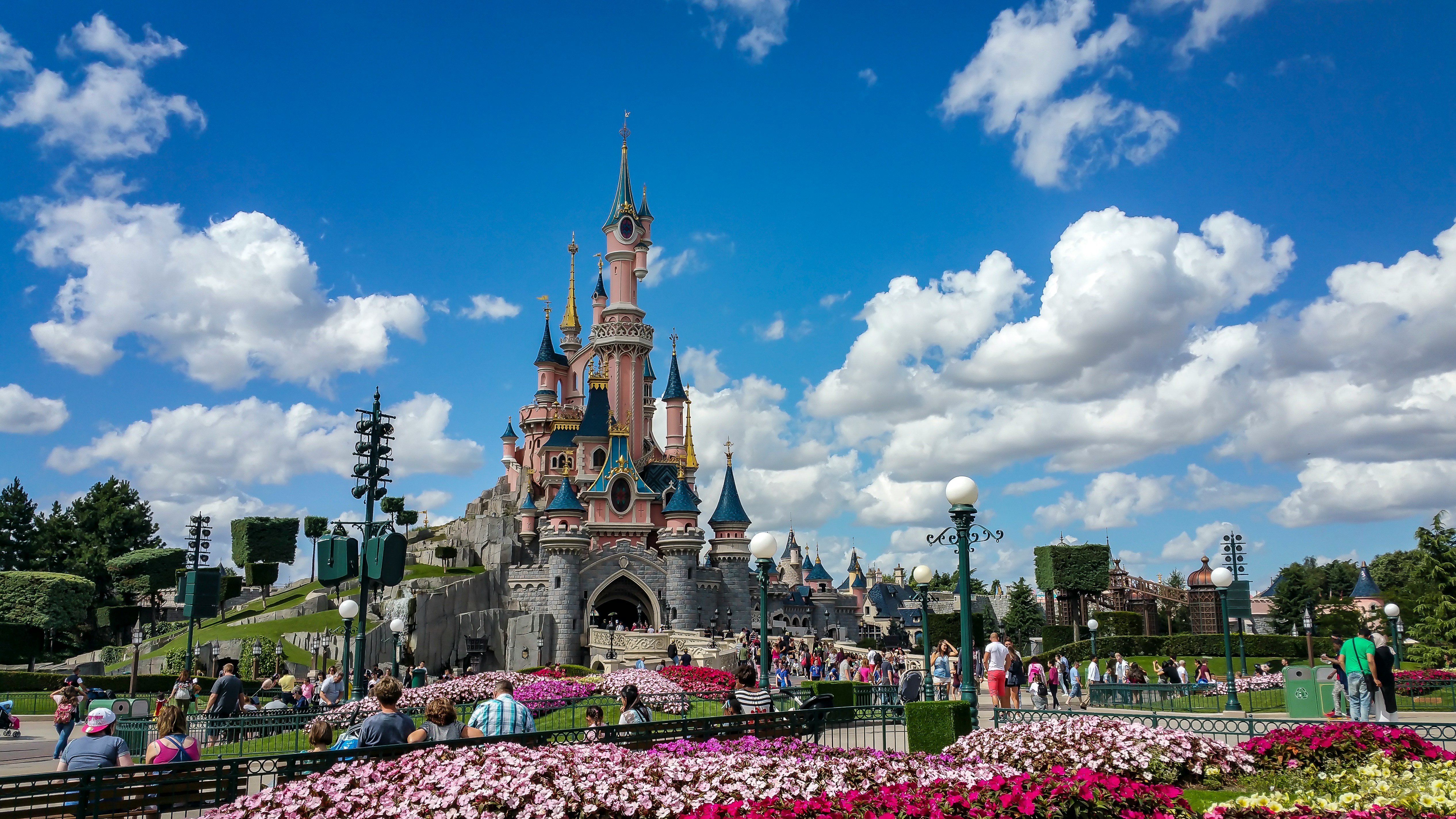
Europe's most visited theme park, built around a fairy-tale castle modelled on illustrations from Sleeping Beauty rather than any single real building, set inside two parks and a shopping village outside Paris.
Its scale and polish match the American originals, with parades, fireworks over the castle, and rides themed to European fairy tales as well as the usual Disney and Pixar franchises.
Queues are notoriously long even outside peak season, and pricing has climbed steeply since it opened in 1992.
How does it rate
CrowdsRomanceCash RequiredDangerAccessibilityWhy you should go
A fairy-tale castle centrepiece with nightly fireworks, easily combined with a Paris trip via direct RER train.
Why you shouldn't go
Queues are long even in shoulder season, and food and hotel pricing inside the resort runs noticeably higher than outside it.
Plan your visit
Best time to visitLate spring or early autumn for shorter queues and mild weather.Best time of dayRope-drop at opening, or the last two hours before closing when crowds thin.Getting thereRER A train direct from central Paris (Marne-la-Vallee / Chessy stop), about 40 minutes.Entry costOne-day one-park tickets start around EUR60-90, rising sharply in peak season.Time neededA full day, or two for both parks.BookingBook ahead →Insider tip — Use the official app's virtual queue and Lightning Lane passes the moment they release each morning - the top rides sell out fast.


More from France
-


More Cultural spots
-
How a score is built
One score out of 100, five criteria behind it
Every place is rated 1–5 on each of the criteria below, then combined into a single score out of 100. It's calculated by us, the same way every time — not an average of traveller reviews or social votes.
Crowds
How many people you'll be sharing it with, and at what time of day.
Romance
How well it suits a couple, a proposal, or a quiet moment together.
Cash required
Entry fees, permits, guides, rentals — what it actually costs to do it.
Danger
Physical risk involved, from a slippery viewpoint to genuine hazard.
Accessibility
How far off the beaten path it is, and how hard it is to actually reach.

