-
 #196 /100
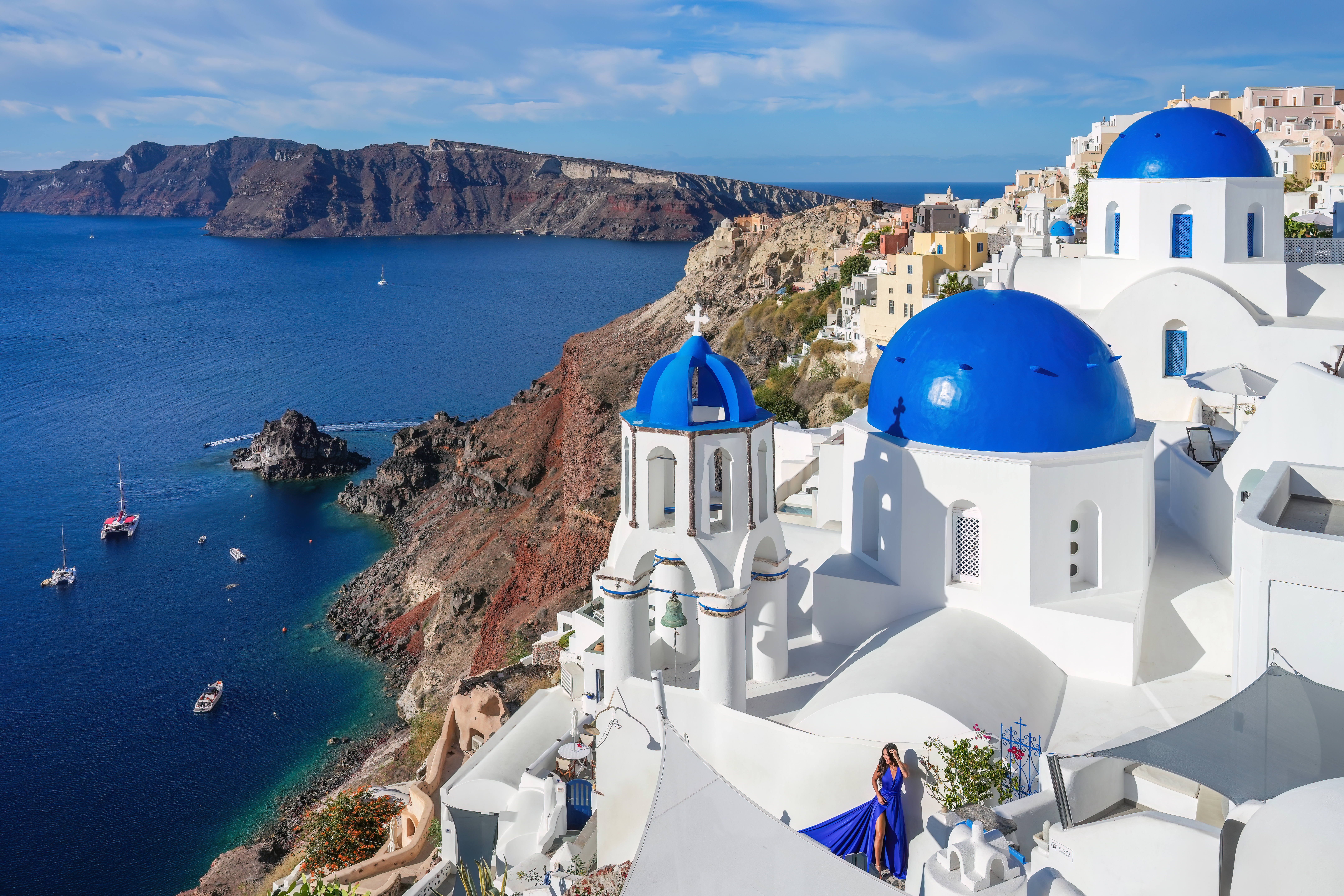
Oia is the northernmost village on Santorini and the best known, with its white-washed Cycladic architecture, blue-domed churches, and cliffside position above the caldera.
It is particularly famous for its sunset, which draws crowds from across the island to watch the sun sink into the Aegean.
How does it rate
CrowdsRomanceCash RequiredDangerAccessibilityWhy you should go
The view from Oia's castle ruins at sunset, with the caldera, the volcano island, and the whitewashed village all bathed in golden light, is one of the world's most spectacular.
Why you shouldn't go
Oia becomes extremely crowded at sunset and the famous viewpoints can be packed with hundreds of people; accommodation prices are among the highest in Europe.
Plan your visit
Best time to visitLate April-June or September-OctoberBest time of daySunset - this is THE sunset spot in GreeceGetting thereBus or taxi from Fira (~30 min)Entry costFreeTime needed2-3 hoursInsider tip — The Byzantine Castle viewpoint is famous and packed by 5pm in summer; arrive an hour early or find a quieter spot along the caldera path -
 #295 /100
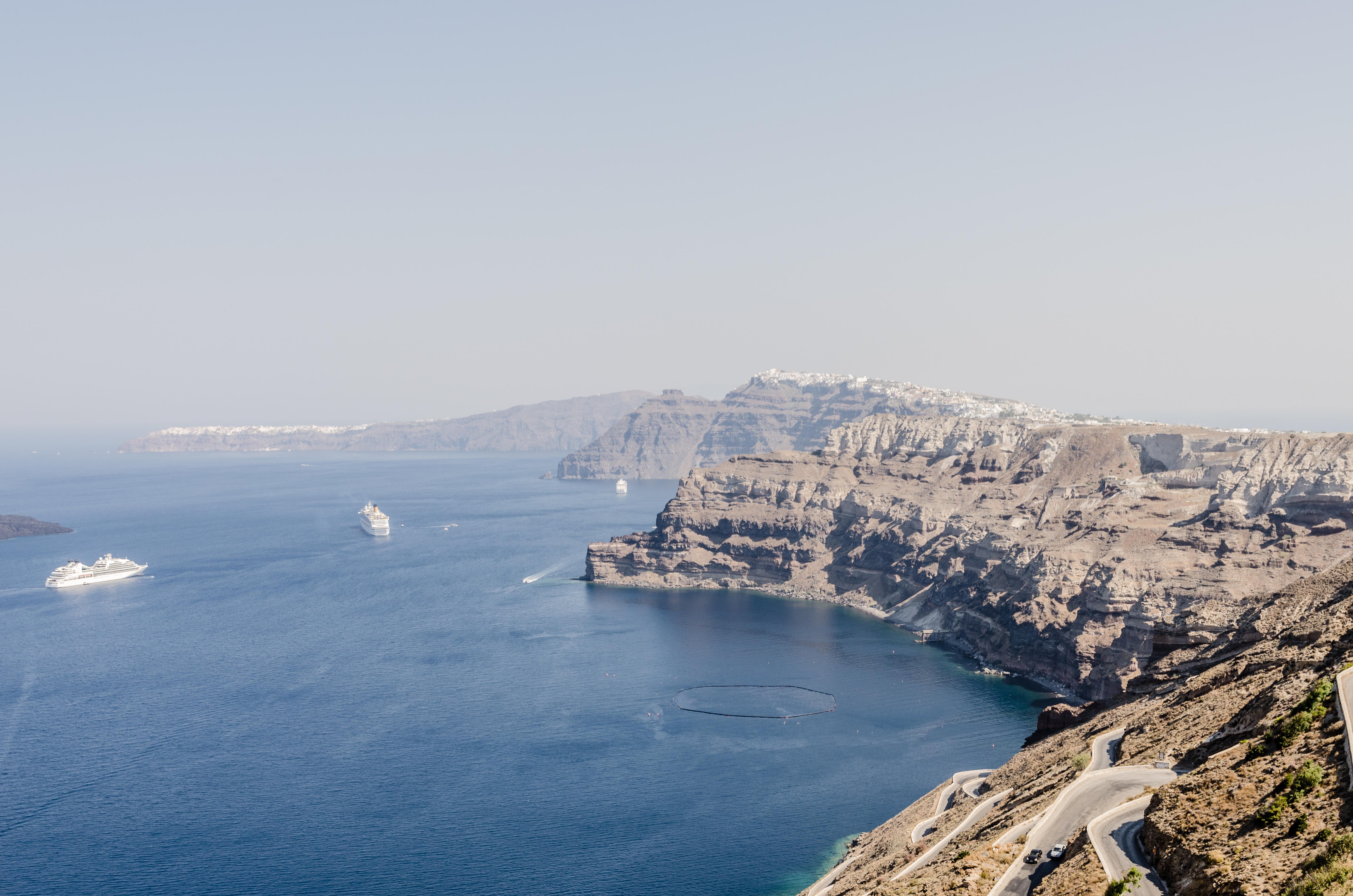
The crescent-shaped caldera of Santorini, formed by a massive volcanic eruption around 1600 BC, is a 12km-wide bay ringed by cliffs that rise up to 300 metres straight out of the sea.
White-washed cube houses and blue-domed churches line the rim at Fira, Imerovigli and Oia, and boat trips run out to the still-active volcanic islets at its centre.
It is one of the world's most recognisable islands, and priced accordingly.
How does it rate
CrowdsRomanceCash RequiredDangerAccessibilityWhy you should go
The combination of blue domes, white walls, and the deep blue sea is uniquely Santorini and produces images that are immediately recognisable worldwide.
Why you shouldn't go
Santorini's beauty is no secret and the island becomes genuinely overcrowded in July and August; accommodation is extremely expensive.
Plan your visit
Best time to visitLate April-June or September-OctoberBest time of daySunset in OiaGetting thereSantorini airport or ferry from AthensEntry costFree to exploreTime needed2-3 daysInsider tip — Watch sunset from Ammoudi Bay instead of the crowded Oia castle viewpoint -
 #393 /100
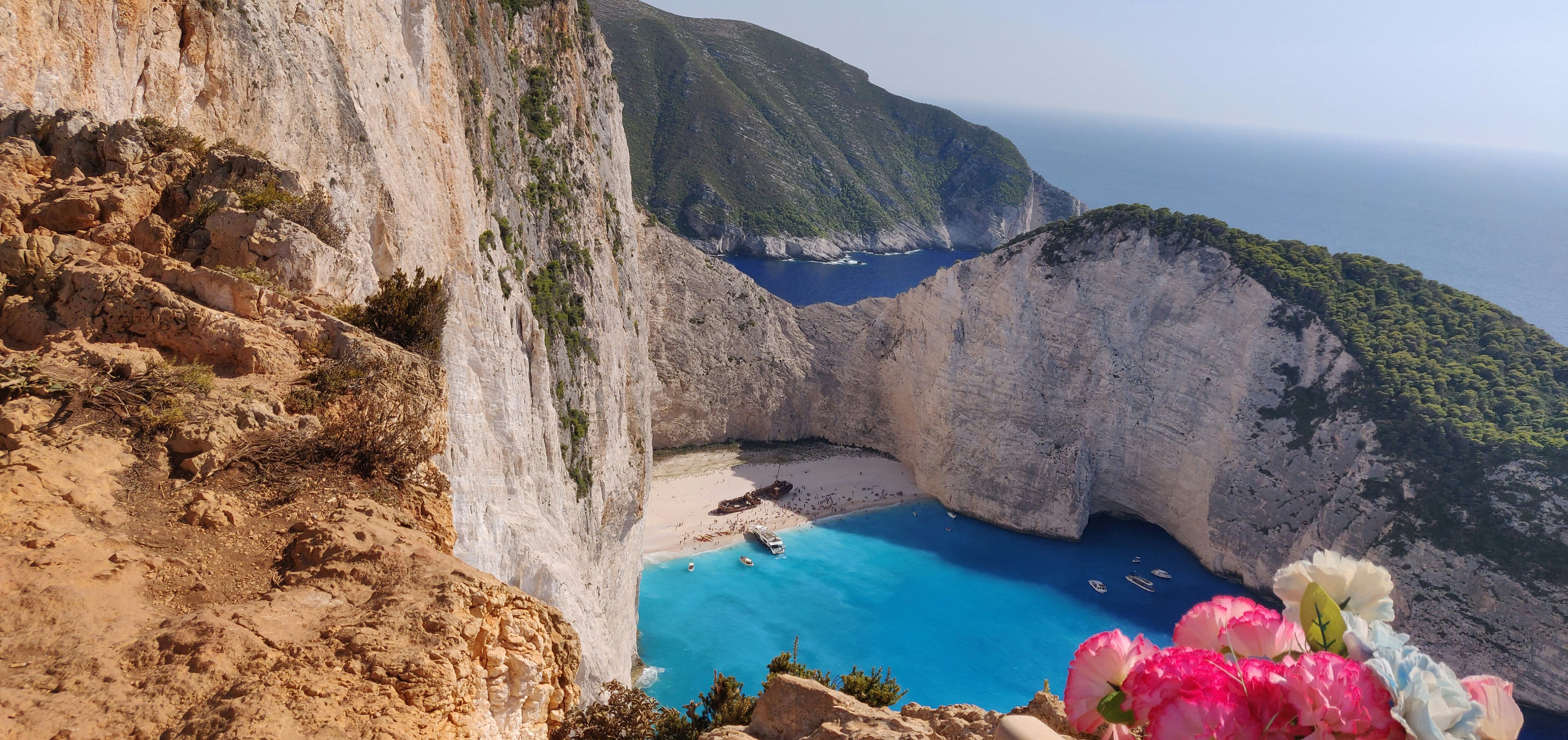
A rusting shipwreck sits on white sand in a cove ringed by sheer limestone cliffs, reachable only by boat from Zakynthos.
Mineral runoff from the cliffs turns the water a startling turquoise, and boat trips let visitors land and swim beside the wreck itself.
Rockfalls have periodically closed both the beach and the clifftop viewing platform above it, so check what is actually open before committing to a trip.
How does it rate
CrowdsRomanceCash RequiredDangerAccessibilityWhy you should go
The rusted shipwreck against white sand and turquoise water is one of travel photography's most reproduced images.
Why you shouldn't go
The beach itself can only be reached by boat tour, and the clifftop viewpoint gets mobbed by midday.
Plan your visit
Best time to visitApril-June or September for calm seas and thinner crowds than peak August.Best time of dayArrive by the first morning boats, before the tour flotilla fills the cove.Getting thereFly to Zakynthos; boat trips run from Porto Vromi or Agios Nikolaos, or drive to the clifftop viewpoint above.Entry costFree to view from the clifftop; boat trips from around EUR25.Time neededHalf a day.Insider tip — The clifftop platform gets crowded fast - arrive before 9am, or ask your boat driver for a slow pass close to the wreck for photos without other boats in frame. -
 #486 /100
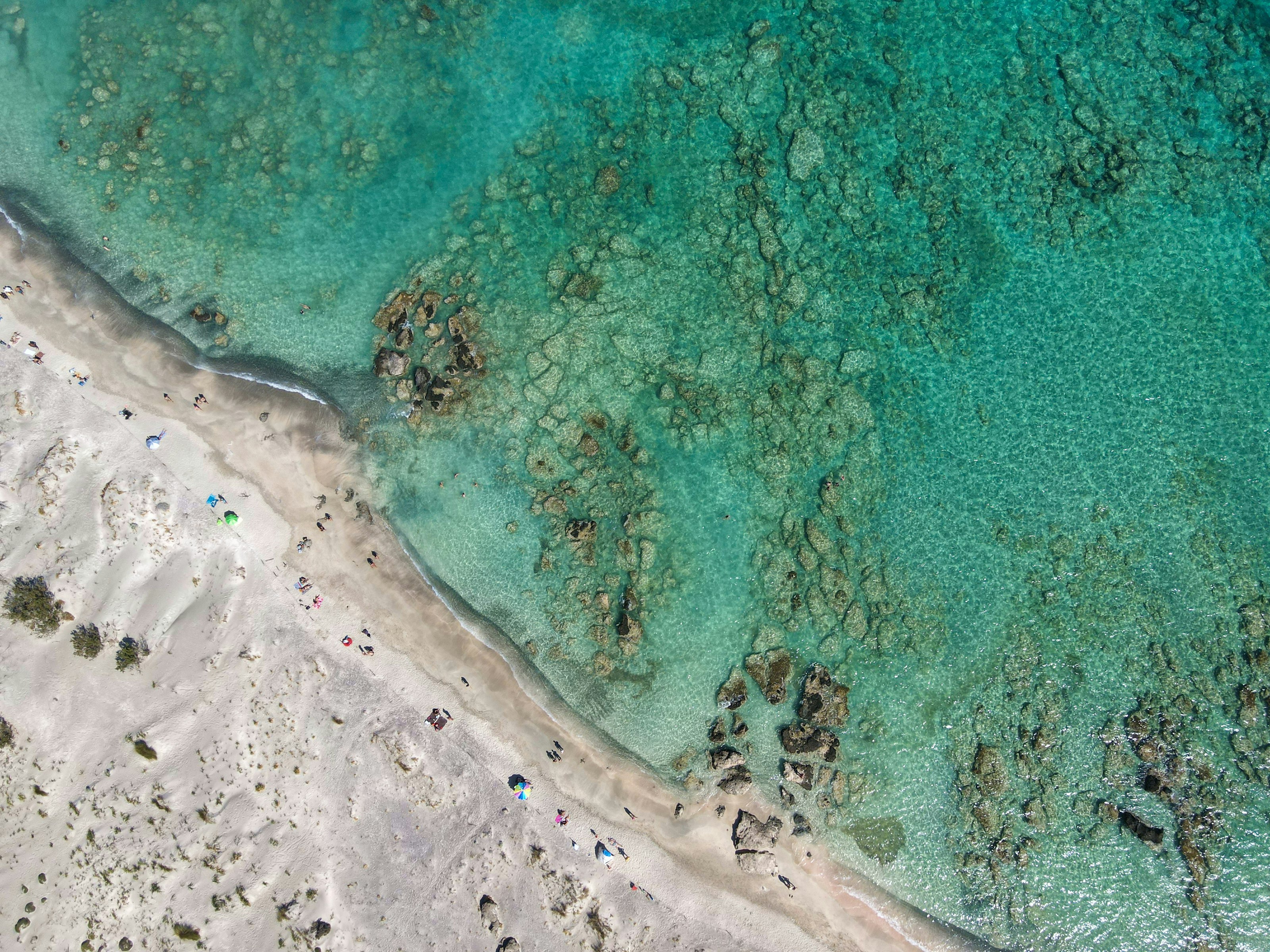
Elafonisi, on Crete's southwestern tip, is known for sand that turns pale pink where crushed coral mixes with white quartz, and a shallow lagoon warm and calm enough to wade across to a small offshore islet.
The water is startlingly clear and turquoise even by Greek island standards, and the beach's gentle slope makes it one of the easier stretches of coast for families with young children.
How does it rate
CrowdsRomanceCash RequiredDangerAccessibilityWhy you should go
Wading across a shallow, warm lagoon to pink-tinged sand is one of the most distinctive beach experiences in the Mediterranean.
Why you shouldn't go
It's a long drive from anywhere else on Crete, and the beach fills up fast once the day-trip buses arrive.
Plan your visit
Best time to visitMay–June or September for warm water without the peak-August crowds.Best time of dayEarly morning, before day-trip buses from Chania and Rethymno arrive by mid-morning.Getting thereFly to Chania; roughly 1.5–2-hour drive along the southwest coast road.Entry costFree beach; parking near the entrance charges a small fee in summer.Time neededHalf a dayInsider tip — Walk past the crowded main stretch toward the far end near the islet — the sand and water are just as good and far quieter. -
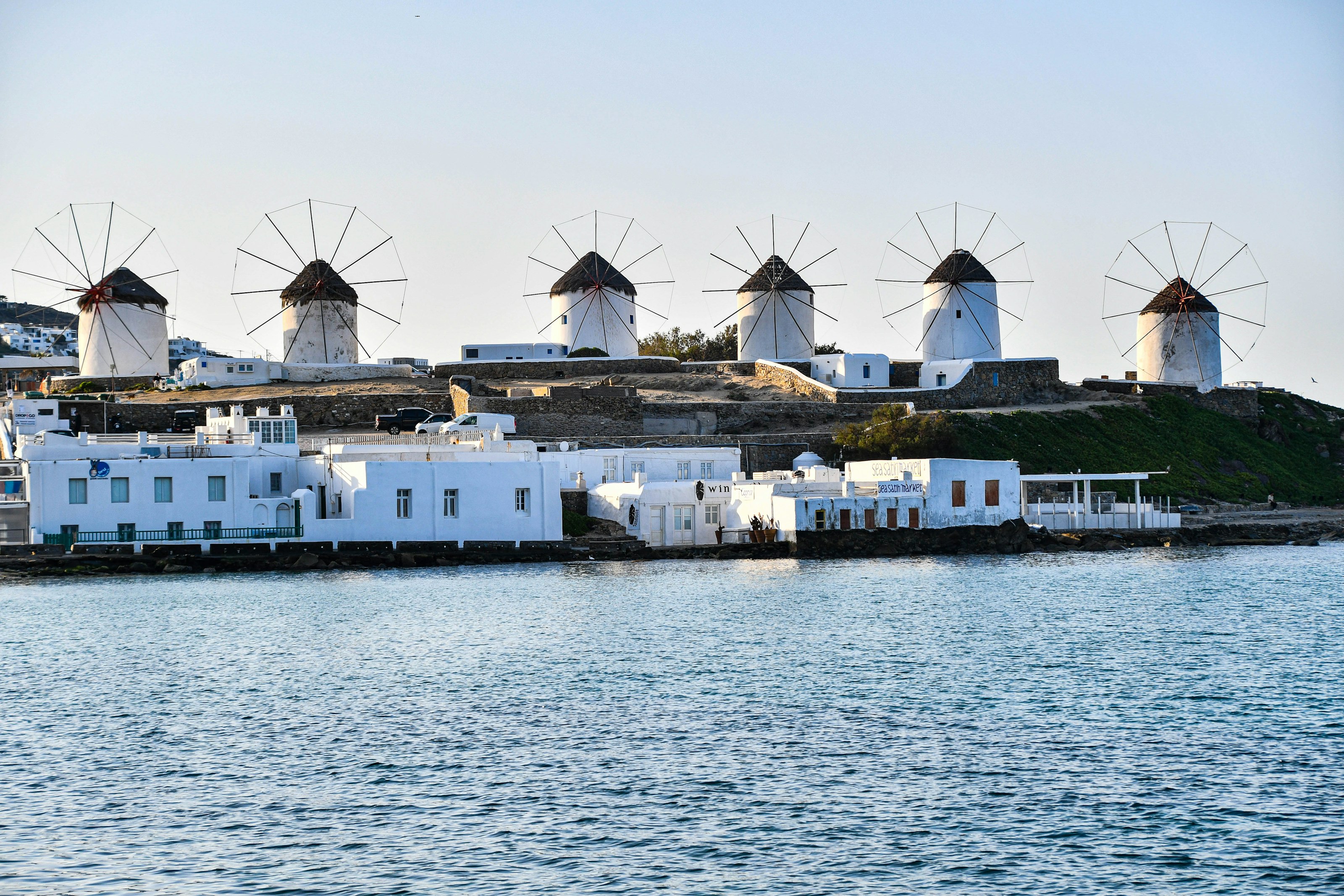 #5
#5Mykonos built its reputation on whitewashed alleys, the row of windmills overlooking the harbour, and a nightlife scene that runs from beach clubs by day to bars in Chora by night.
Little Venice's balconied houses sit almost in the water, and beaches like Paradise and Psarou draw a see-and-be-seen crowd through the summer.
Away from the party scene, quieter coves and Cycladic villages inland offer a calmer version of the same island.
How does it rate
CrowdsRomanceCash RequiredDangerAccessibilityWhy you should go
The combination of postcard Cycladic architecture and genuinely lively nightlife makes Mykonos unlike any other Greek island.
Why you shouldn't go
Prices and crowds both spike hard in July and August, and the party reputation isn't for everyone.
Plan your visit
Best time to visitLate May–June or September for good weather without peak-season crowds and prices.Best time of daySunset over the windmills in Little Venice; night for the bar and club scene.Getting thereFly direct to Mykonos, or take a 2.5–5-hour ferry from Athens' Piraeus port.Entry costFree to walk the town and beaches; beach club sunbeds and nightlife are expensive.Time needed2–3 daysInsider tip — Stay in Chora but head to a quieter northern beach like Fokos for swimming — the crowds cluster almost entirely on the south coast. -
 #684 /100
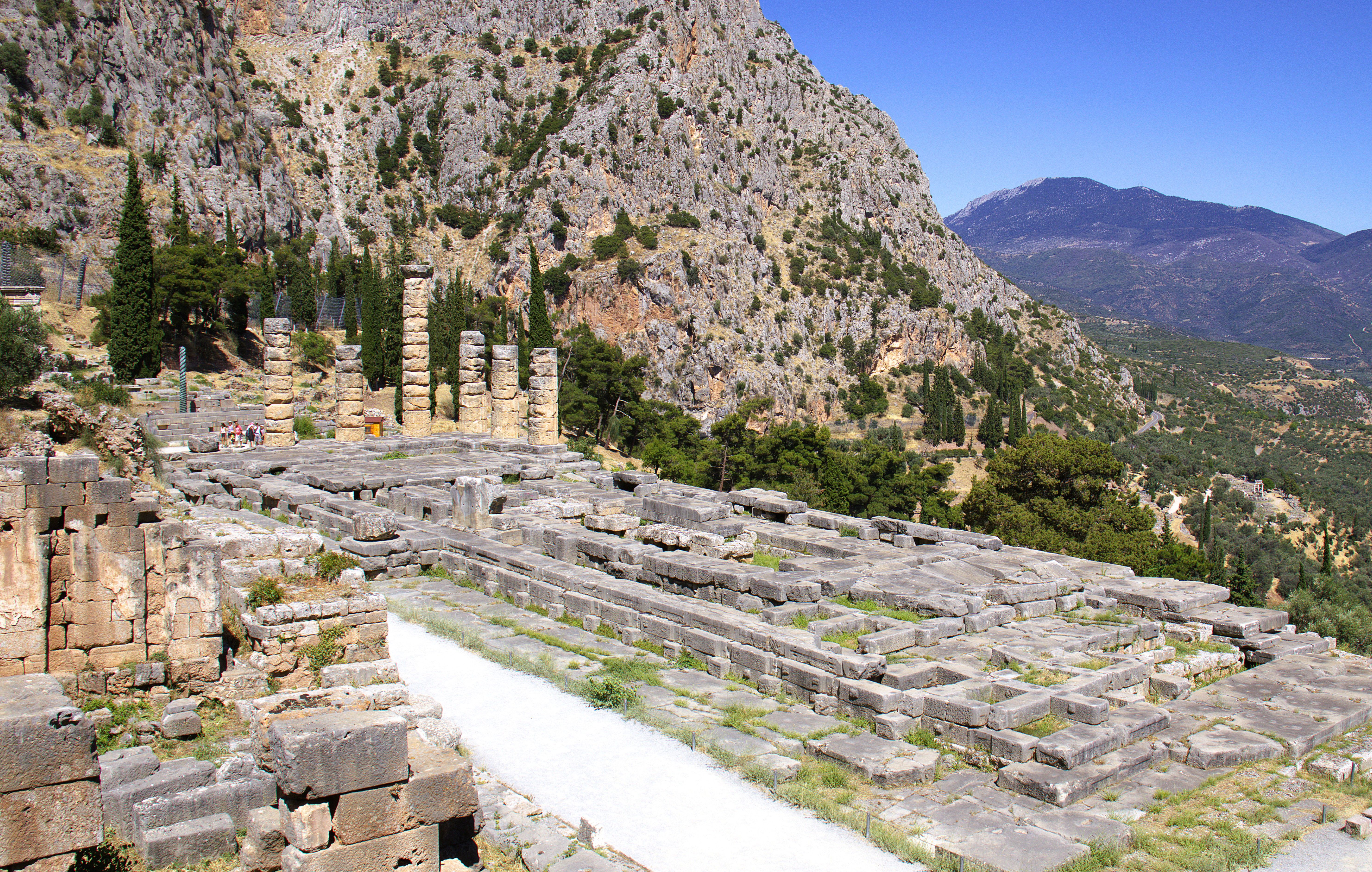
Delphi was the ancient world's most important oracle, where pilgrims travelled from across the Mediterranean to consult the priestess of Apollo.
The sanctuary's ruins climb a steep slope of Mount Parnassus overlooking a valley of olive groves that stretches to the Gulf of Corinth, and the on-site museum holds the bronze Charioteer, one of the finest surviving Greek statues.
How does it rate
CrowdsRomanceCash RequiredDangerAccessibilityWhy you should go
Few ancient sites match Delphi's setting — temple ruins climbing a sheer mountainside above a valley that runs to the sea.
Why you shouldn't go
The site is a genuine climb on uneven ancient stone, with little shade in summer heat.
Plan your visit
Best time to visitApril–June or September–October for mild hiking weather and thinner crowds.Best time of dayEarly morning, before tour buses from Athens arrive by mid-morning.Getting thereFly to Athens; roughly 2.5-hour drive or bus northwest into the mountains.Entry costPaid entry; combined ticket available with the museum.Time needed3–4 hoursInsider tip — Visit the museum before the site — seeing the Charioteer and original sculptures first makes the ruins easier to picture as they once were. -
 #783 /100
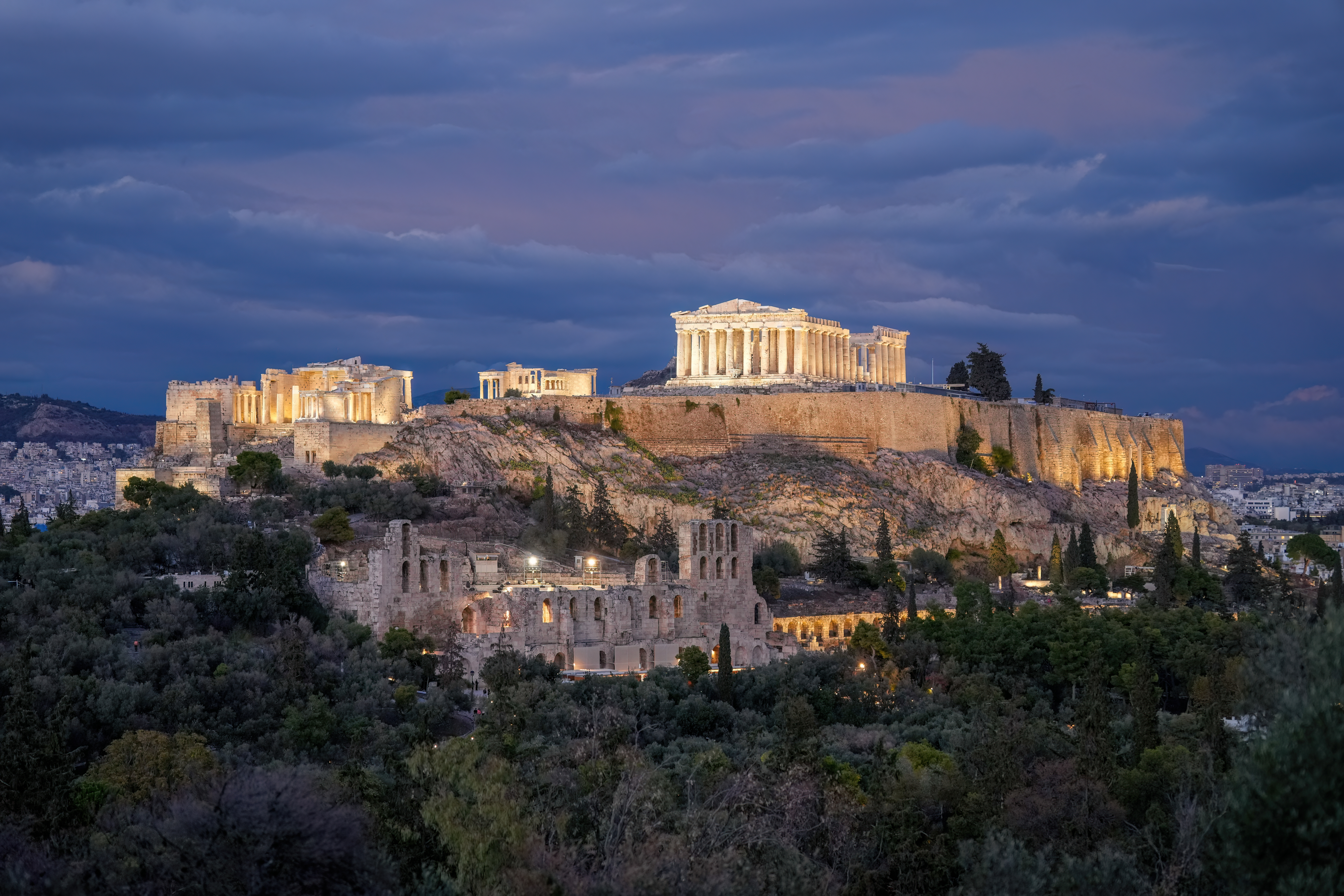
The Acropolis of Athens is a flat-topped hill rising 150 metres above the city, crowned by the Parthenon — the greatest surviving monument of ancient Greek civilisation.
Built under the direction of Pericles between 447 and 432 BC, the marble temple dedicated to the goddess Athena has stood as a symbol of democracy and Western culture for 2,500 years.
How does it rate
CrowdsRomanceCash RequiredDangerAccessibilityWhy you should go
Standing on the Acropolis and surveying the city of Athens below while the Parthenon's columns rise behind you is a profound encounter with the roots of Western civilisation.
Why you shouldn't go
The Acropolis is extremely crowded year-round, the marble surfaces are slippery, and summer temperatures at the exposed summit are intense; arrive early.
Plan your visit
Best time to visitSpring or autumnBest time of dayEarly morning entry (opens 8am) to beat both heat and crowdsGetting thereAcropoli Metro stationEntry cost~EUR20Time needed2-3 hoursInsider tip — Philopappos Hill opposite the Acropolis gives the best classic photo of the whole site -
 #883 /100
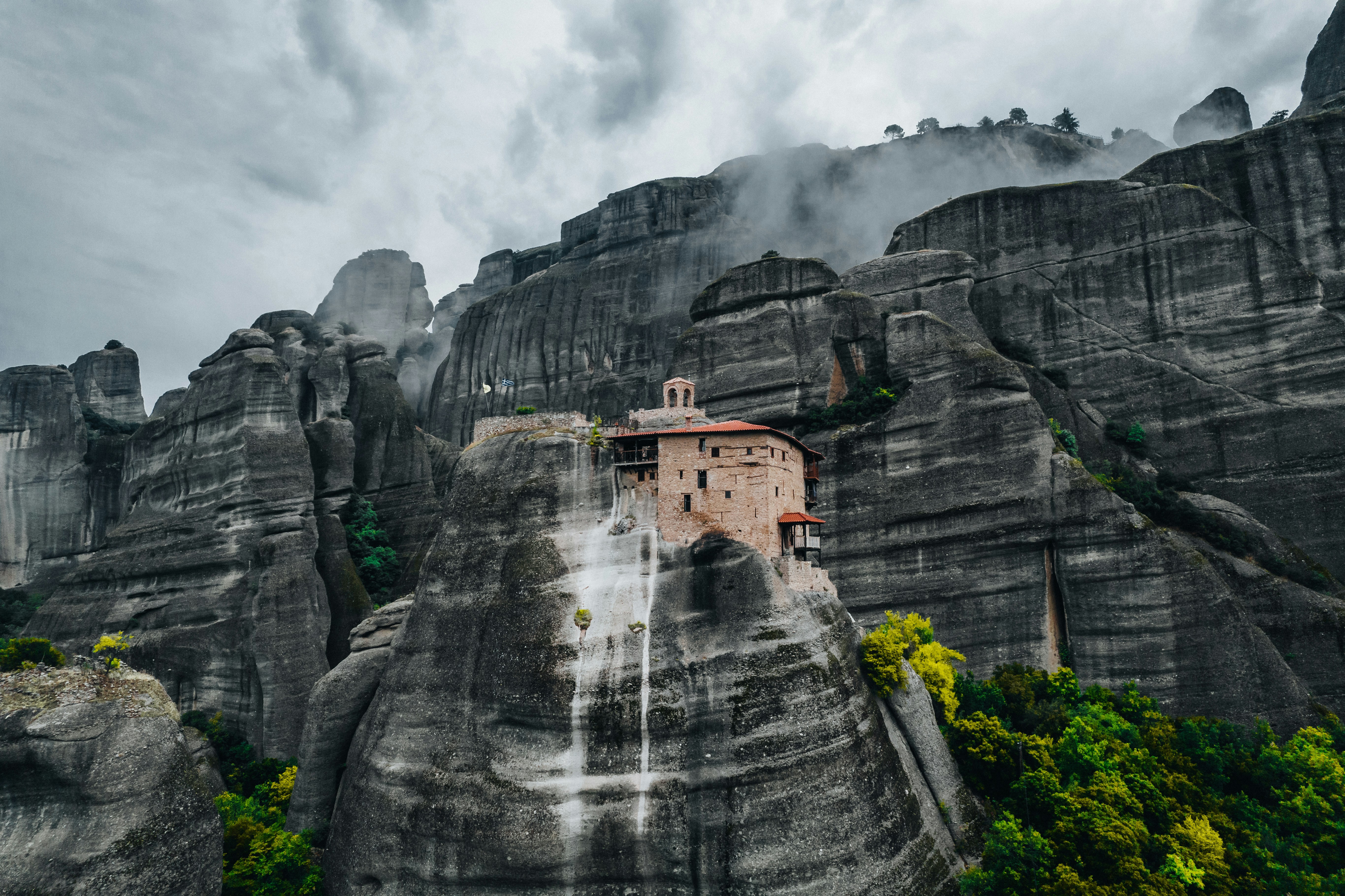
Byzantine-era monasteries perch atop towering sandstone pillars rising 400 meters above the Thessalian plain, originally reachable only by rope basket.
Six remain active today, their frescoed interiors and the otherworldly rock landscape outside making this one of Greece's most singular sights.
How does it rate
CrowdsRomanceCash RequiredDangerAccessibilityWhy you should go
Byzantine monasteries perched atop 400-meter rock pillars, once reachable only by rope basket.
Why you shouldn't go
Can be crowded at the most popular monasteries; each has restricted visiting days and modest dress requirements; some climbs are steep.
Plan your visit
Best time to visitApril–May or September–October for pleasant weather and thinner crowds.Best time of dayEarly morning light on the pillars; sunset from one of the roadside viewpoints.Getting thereTrain from Athens or Thessaloniki to Kalambaka, then local taxi or bus to the monasteries.Entry cost€3 entrance fee per monastery.Time needed4–6 hours to visit 2–3 monasteries.Insider tip — Check each monastery's weekly closing day before visiting — they rotate. Shoulders and knees must be covered; wraps are usually available on-site if needed. -
 #981 /100
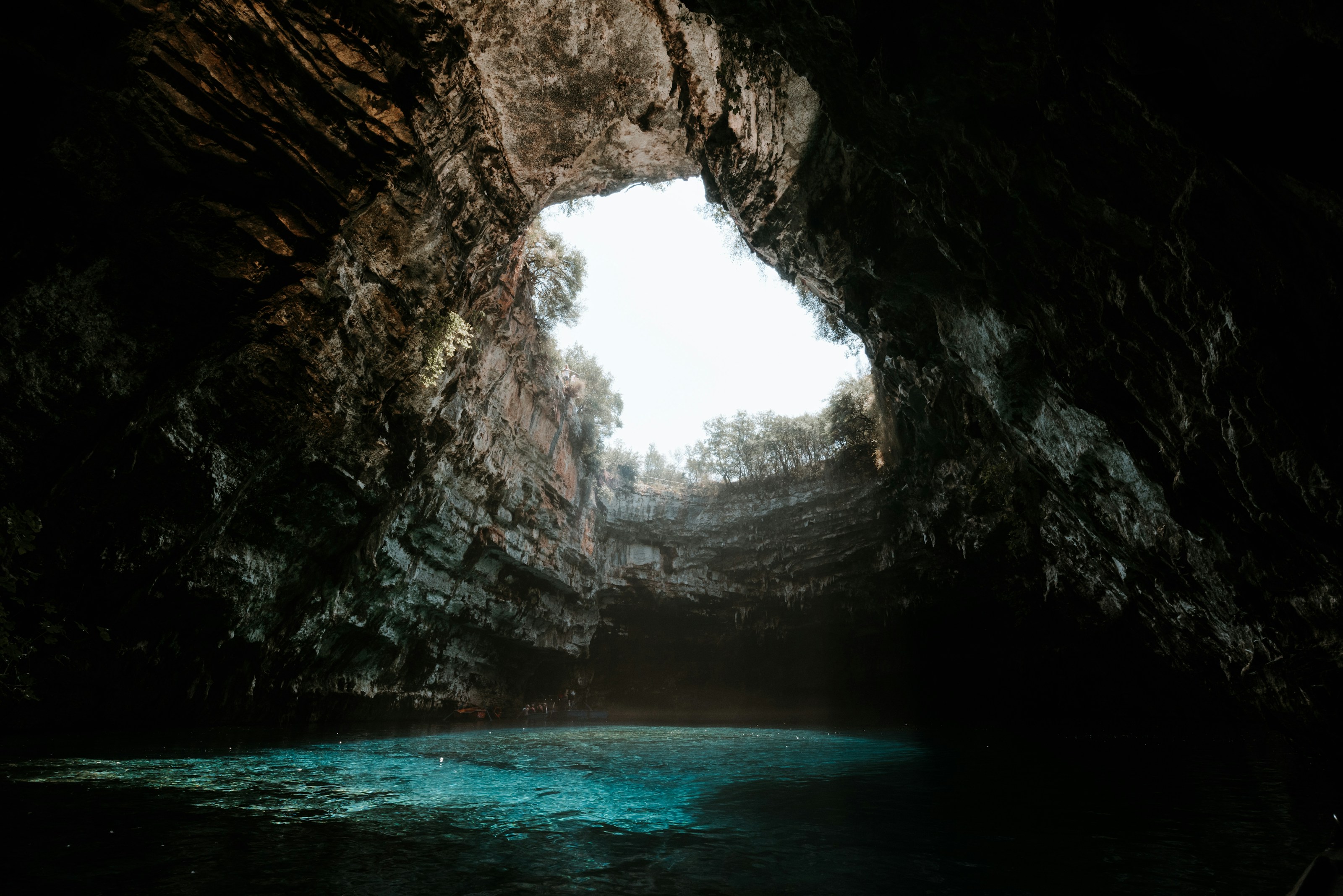
A collapsed cave roof on Kefalonia opens onto an underground lake so clear that the rowing boats appear to hang in mid-air.
When the sun is directly overhead the water turns an electric blue that looks artificially enhanced but isn't.
A short boat trip takes you through the lit chamber and out under the open dome.
How does it rate
CrowdsRomanceCash RequiredDangerAccessibilityWhy you should go
At midday the boats look like they are floating on nothing but light.
Why you shouldn't go
The effect only works in a narrow window around noon, and only when the sun is out.
Plan your visit
Best time to visitJune-September, when the sun climbs high enough to reach the waterBest time of dayBetween 12pm and 2pm - any earlier or later and the blue disappearsGetting thereDrive or taxi from Sami on Kefalonia, about 10 minutes; the island is reached by ferry or its small airportEntry costAround EUR 8 including the boatTime needed1 hourInsider tip — Go on a cloudless day and join the queue shortly before noon - the light show lasts barely two hours and the queue moves slowly. -
 #1079 /100
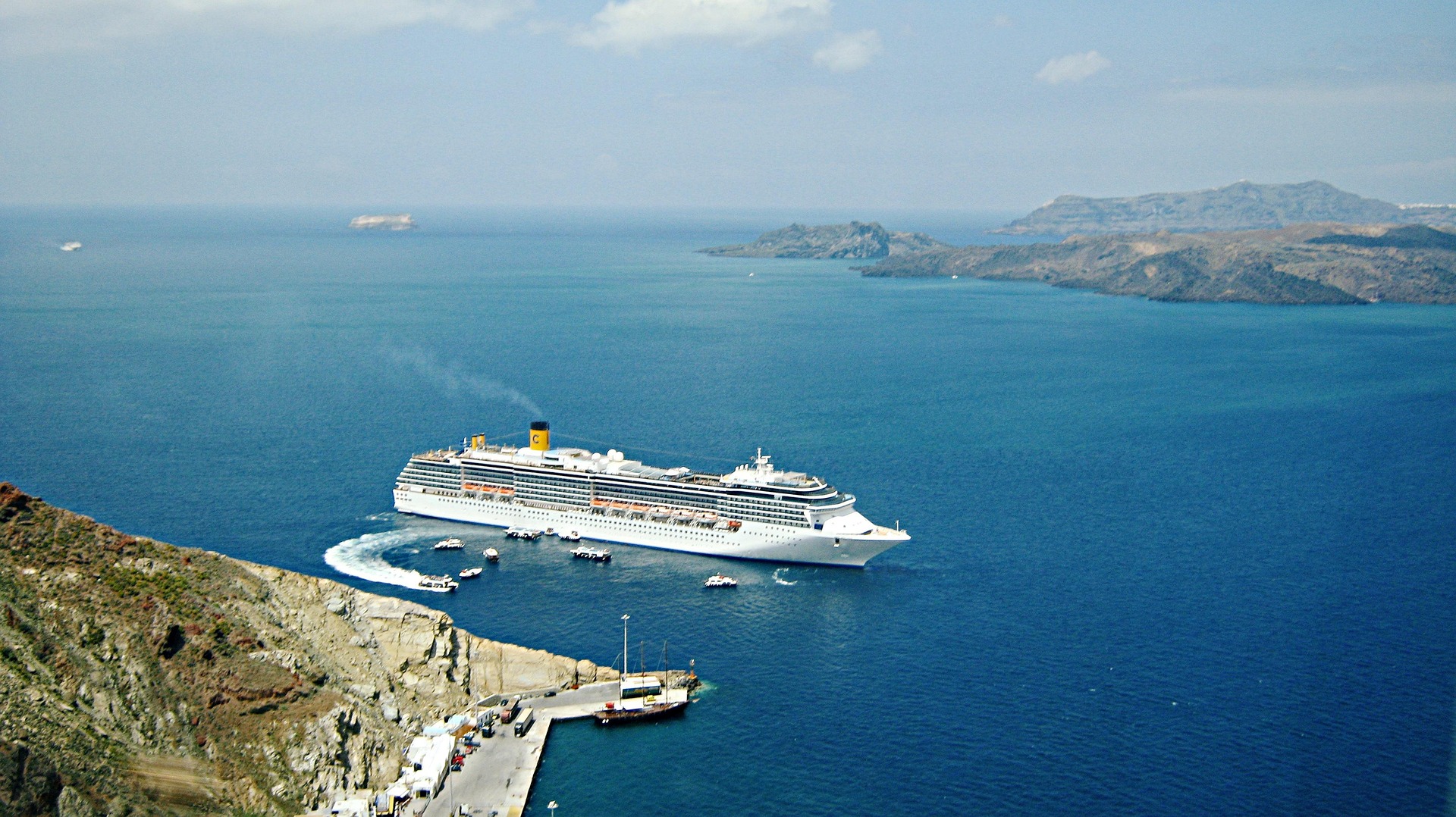
An island-hopping cruise from Piraeus through the Aegean, passing whitewashed clifftop villages, ancient ruins, and volcanic caldera views without repacking each night.
Santorini's caldera and Mykonos's windmills are the classic stops, though smaller ports add quieter beaches and tavernas.
Many sailings overnight at an island for sunset views from the water.
It's an easy, accessible way to see several Greek islands in a single week.
How does it rate
CrowdsRomanceCash RequiredDangerAccessibilityWhy you should go
See Santorini's caldera, Mykonos, and several more islands in one week without changing hotels.
Why you shouldn't go
Ships are mainstream and crowded in peak summer, and popular ports get overrun when several cruises dock together.
Plan your visit
Best time to visitMay-June or September for warm weather with fewer crowds; July-August is hottest and busiest.Best time of dayEvening, for the classic Santorini sunset over the caldera from the ship or clifftop.Getting thereFly into Athens; ships embark from the port of Piraeus, a short taxi or metro ride from the city.Entry costIndicative $600-$2,500pp per week depending on cabin and lineTime needed7-night cruiseInsider tip — Pick an itinerary that overnights in Santorini rather than a same-day stop, so you catch the sunset from Oia without fighting day-tripper crowds.


How a score is built
One score out of 100, five criteria behind it
Every place is rated 1–5 on each of the criteria below, then combined into a single score out of 100. It's calculated by us, the same way every time — not an average of traveller reviews or social votes.
Crowds
How many people you'll be sharing it with, and at what time of day.
Romance
How well it suits a couple, a proposal, or a quiet moment together.
Cash required
Entry fees, permits, guides, rentals — what it actually costs to do it.
Danger
Physical risk involved, from a slippery viewpoint to genuine hazard.
Accessibility
How far off the beaten path it is, and how hard it is to actually reach.