-
 #190 /100
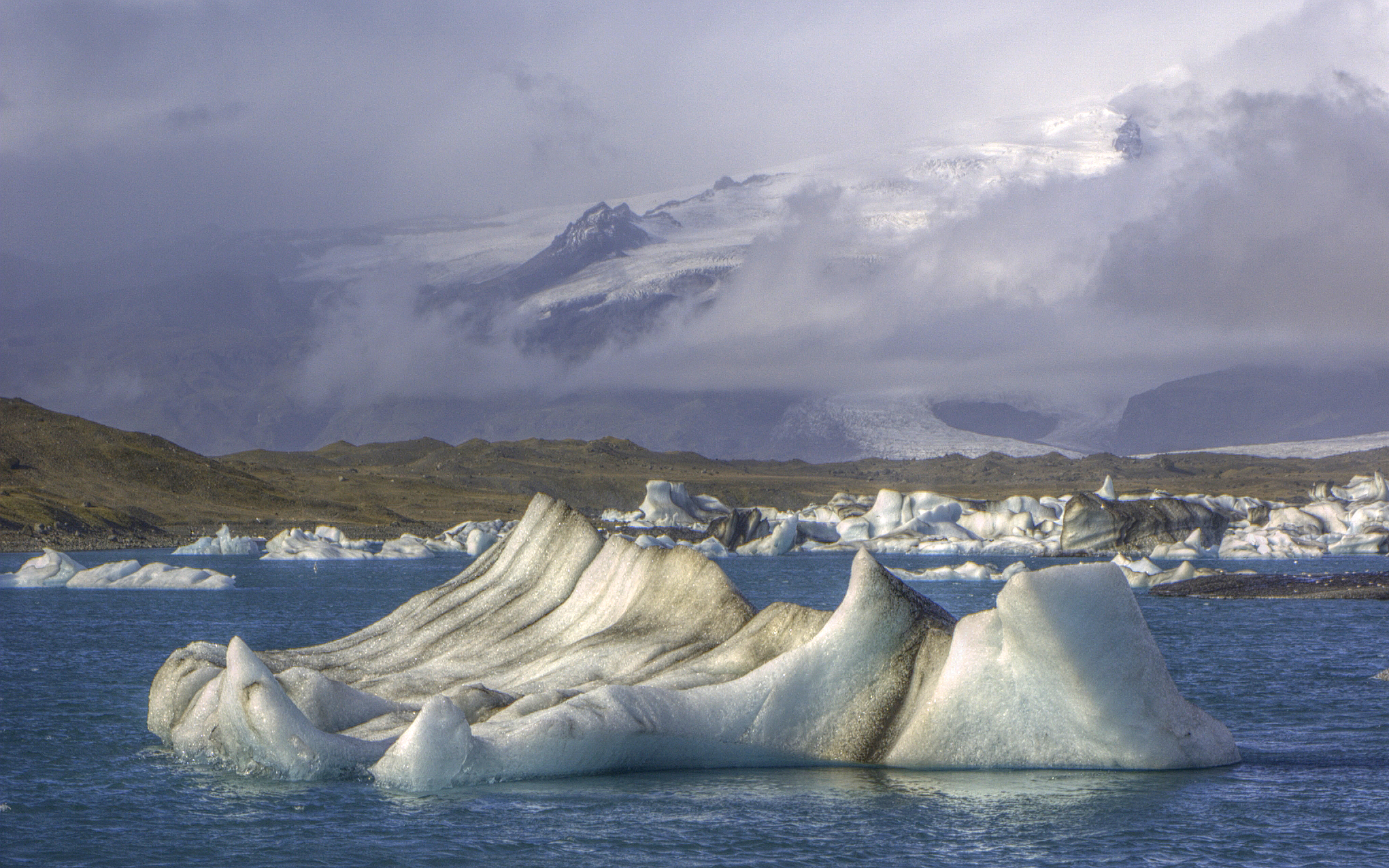
Jokulsarlon Glacier Lagoon is a breathtaking glacial lake in southeast Iceland filled with icebergs that have calved from the Breidamerkurjokull glacier, which is an outlet of the massive Vatnajokull ice cap.
The icebergs range from small chunks to cathedral-sized masses and drift slowly out to sea past Diamond Beach.
How does it rate
CrowdsRomanceCash RequiredDangerAccessibilityWhy you should go
The sight of glowing blue icebergs drifting slowly through the lagoon past black sand beaches is one of Iceland's most ethereal and otherworldly experiences.
Why you shouldn't go
The lagoon is in a very remote location in southeast Iceland and requires a full day's drive from Reykjavik; boat tours on the lagoon can sell out.
Plan your visit
Best time to visitYear-round; winter for ice cave access and Northern LightsBest time of daySunrise or sunset for colour on the icebergsGetting there~5hr drive from Reykjavik along the South CoastEntry costFree to view; boat tours ~EUR45Time needed2-3 hoursInsider tip — Cross the road to Diamond Beach, where icebergs wash up on black sand; arguably more photogenic than the lagoon itself -
 #284 /100
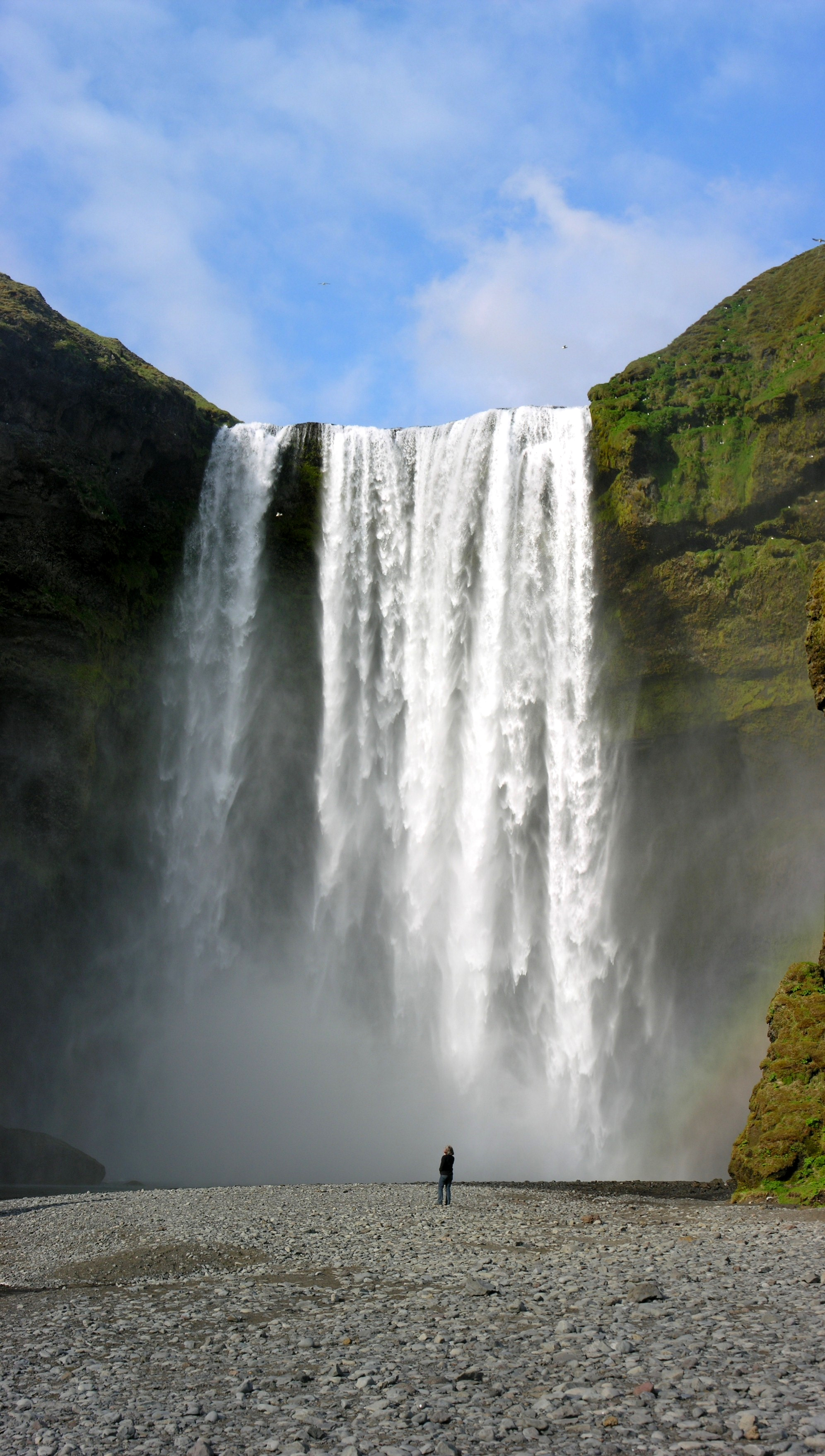
Skogafoss is one of Iceland's most dramatic waterfalls, with the Skoga river plunging 60 metres over a cliff edge into a pool below, generating so much spray that a rainbow forms on sunny days.
A staircase of 527 steps climbs to the top of the falls, giving access to a scenic riverside trail.
How does it rate
CrowdsRomanceCash RequiredDangerAccessibilityWhy you should go
Skogafoss is consistently photogenic, particularly in sunshine when its permanent rainbow appears, and the climb to the top rewards with spectacular views along the river valley.
Why you shouldn't go
The waterfall lies directly on the Ring Road so it becomes very crowded, and the spray from the falls means you will get thoroughly wet if you approach close.
Plan your visit
Best time to visitMay-September for easier access, winter for ice formationsBest time of dayMidday on a sunny day for the rainbow in the sprayGetting there~2.5hr drive from Reykjavik along Route 1Entry costFreeTime needed1 hourInsider tip — Climb the staircase to the top for a completely different, less-photographed view down the falls -
 #384 /100
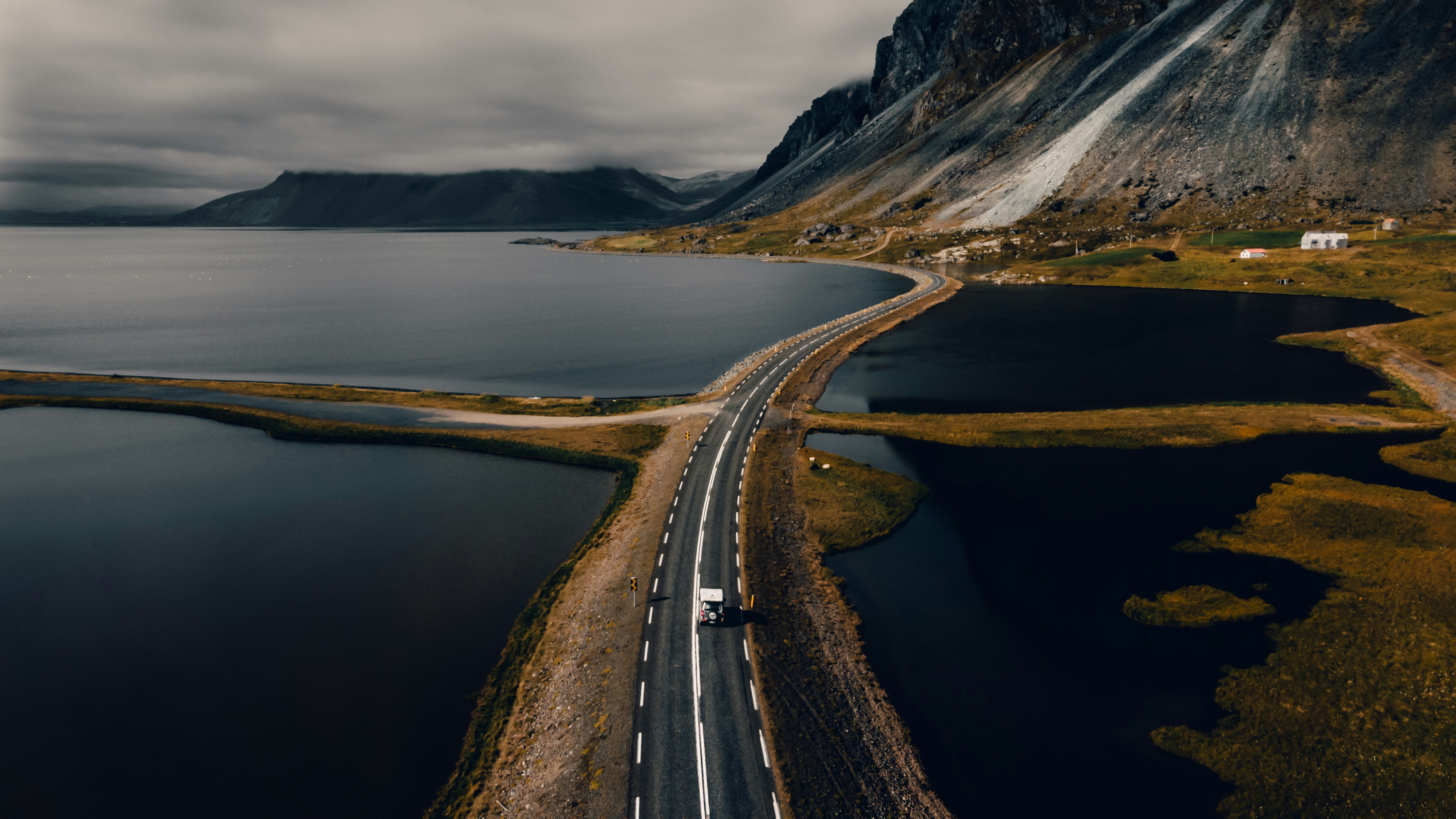
Route 1 loops 1,332 kilometres around Iceland, stringing together nearly every landscape it's famous for: black sand beaches, glacier lagoons, geothermal fields, and waterfalls beside the road.
The south coast alone delivers Seljalandsfoss, Skogafoss and the icebergs of Jokulsarlon within hours.
Further round, the route crosses lava deserts and fishing villages, then the geothermal north near Lake Myvatn, before looping back to Reykjavik.
How does it rate
CrowdsRomanceCash RequiredDangerAccessibilityWhy you should go
One road connects nearly all of Iceland's iconic waterfalls, glaciers and black-sand beaches in a single loop.
Why you shouldn't go
Long driving days between highlights, and winter conditions can close sections with little notice.
Plan your visit
Best time to visitJune-August for long daylight and reliably open roads; a 4x4 is recommended outside summer.Best time of dayMidday in winter for limited daylight; any time in summer's near-endless light.Getting thereFly into Keflavik, pick up a rental car in Reykjavik, and join Route 1 heading either direction.Entry costFree to drive; fuel, car hire and Iceland's high accommodation costs applyTime needed7-10 daysBookingBook ahead →Insider tip — Check road.is each morning before setting off - single-lane bridges, sheep, and sudden weather shifts are constant. -
 #478 /100
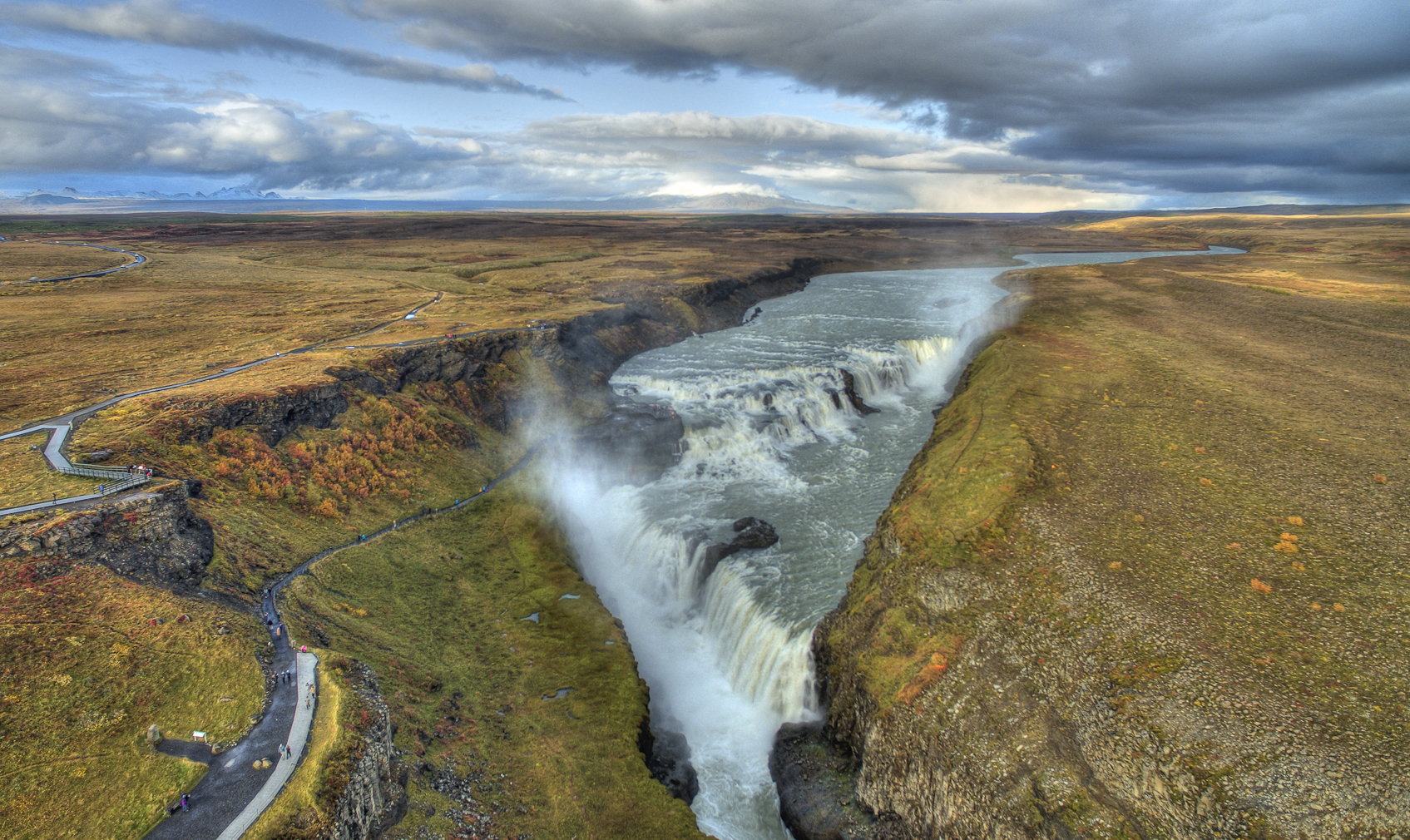
Gullfoss, meaning Golden Falls, is Iceland's most famous waterfall, where the Hvita river thunders down two impressive tiers into a rugged canyon below.
Part of the iconic Golden Circle tourist route, its power and the spray it generates mean that on sunny days you can often see several rainbows arcing across it simultaneously.
How does it rate
CrowdsRomanceCash RequiredDangerAccessibilityWhy you should go
The combination of the two-tiered cascade, the rugged canyon it falls into, and the frequent rainbows makes Gullfoss one of Europe's most spectacular waterfalls.
Why you shouldn't go
Gullfoss is one of Iceland's most visited sites and can be very crowded; wind direction means the viewing platform is often drenched in spray.
Plan your visit
Best time to visitSummer for access, winter for dramatic iceBest time of dayMidday for rainbows in the mistGetting therePart of the Golden Circle route, ~1.5hr drive from ReykjavikEntry costFreeTime needed1 hourInsider tip — The lower viewing platform gets you much closer to the falls, but expect to get wet from the spray -
 #578 /100
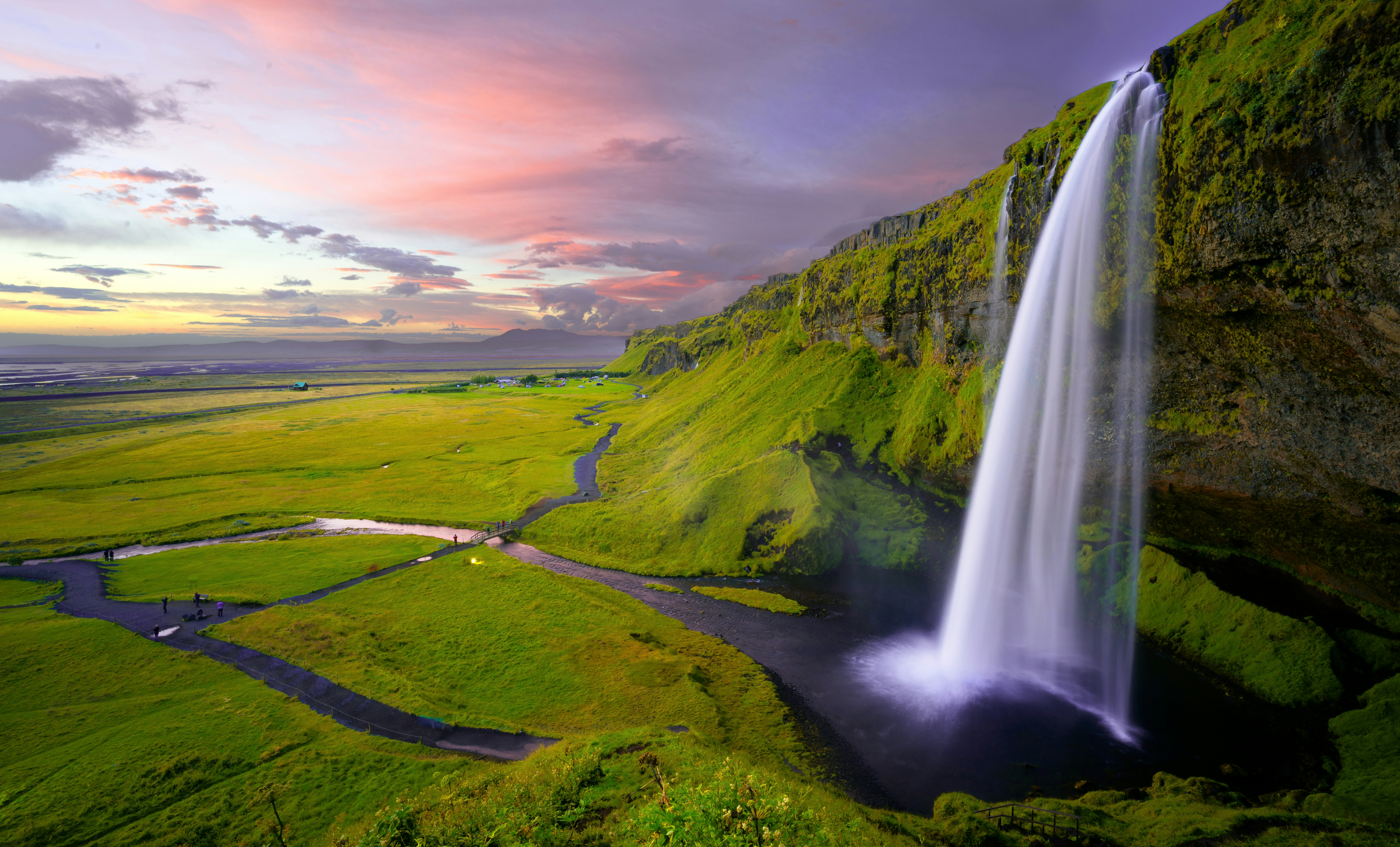
One of Iceland's most famous waterfalls drops 60 meters into a misty pool, with a rare path that lets visitors walk fully behind the curtain of falling water.
Right off the Ring Road and framed by green cliffs, it's striking in any weather, and lit up at night in the darker months.
How does it rate
CrowdsRomanceCash RequiredDangerAccessibilityWhy you should go
A 60-meter waterfall you can walk fully behind, right off Iceland's Ring Road.
Why you shouldn't go
Extremely crowded in summer; the path can be slippery and icy in winter; parking fills up fast.
Plan your visit
Best time to visitJune–September for the safest behind-the-falls access; midnight sun in June extends golden light.Best time of dayEarly morning or late evening to avoid tour bus crowds.Getting thereRental car from Reykjavik, roughly a 2-hour drive along the Ring Road.Entry costFree (paid parking, ~ISK 900).Time needed1 hour.Insider tip — Bring a waterproof jacket — the spray soaks you on the behind-the-falls path. The nearby hidden waterfall Gljúfrabúi, a short walk away, is far less crowded. -
 #677 /100
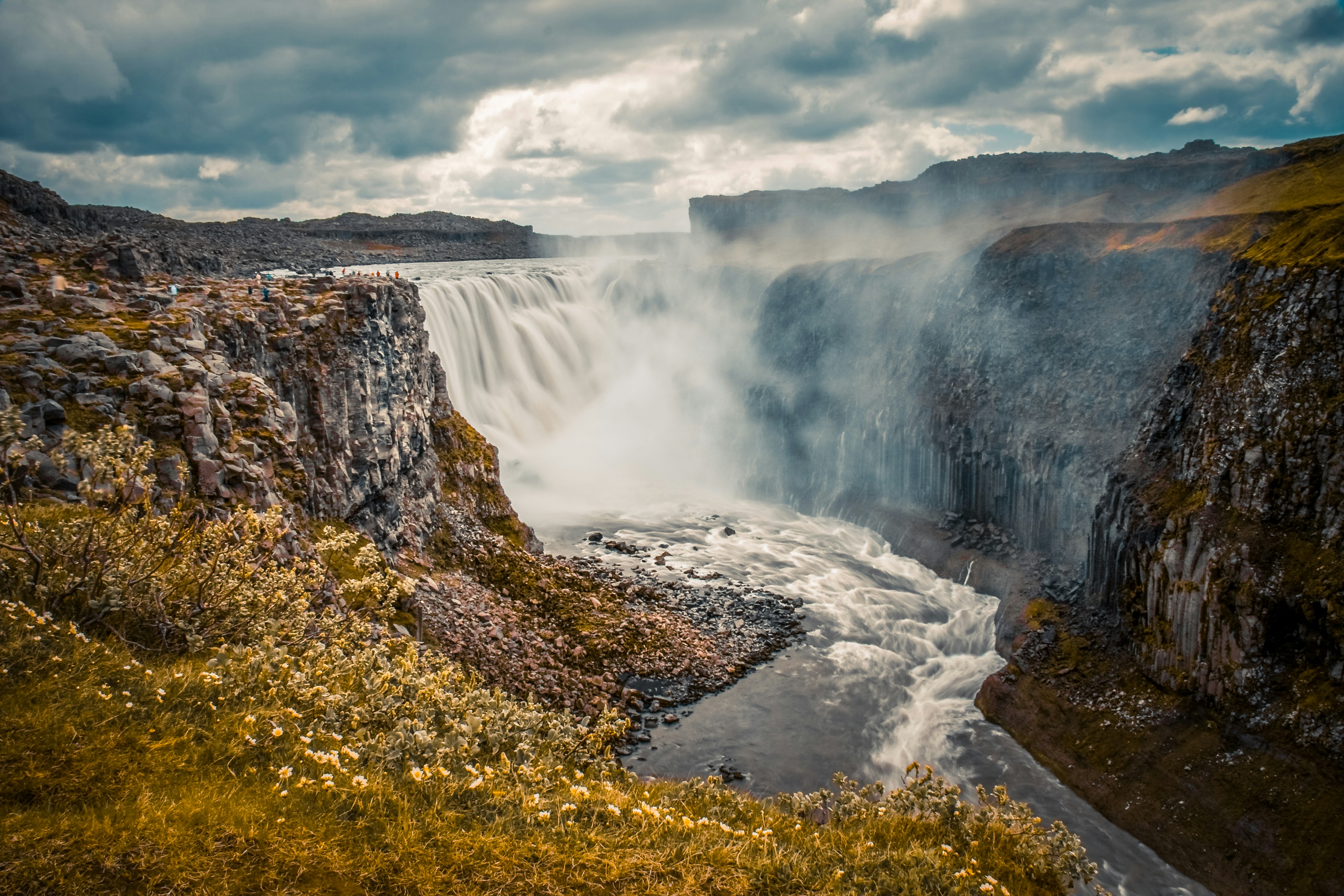
A dramatic canyon in Vatnajökull National Park, carved by catastrophic glacial floods, home to the thunderous Dettifoss waterfall and the horseshoe-shaped Ásbyrgi depression.
Dark basalt cliffs and moss-covered riverbanks make it one of Iceland's starkest, most powerful landscapes.
How does it rate
CrowdsRomanceCash RequiredDangerAccessibilityWhy you should go
Glacial-flood canyon holding Europe's most powerful waterfall and the horseshoe cliffs of Asbyrgi.
Why you shouldn't go
Can be crowded near Dettifoss in peak season; weather turns quickly with little shelter; unpaved access roads.
Plan your visit
Best time to visitJune–September for accessible roads and stable weather.Best time of dayAfternoon light brings out the canyon's texture and the waterfall's spray-lit rainbows.Getting thereRental car from Reykjavik, 5–6 hour drive northeast, or fly to Akureyri and drive 1.5 hours.Entry costFreeTime neededHalf day to a full day.Insider tip — Approach Dettifoss from the west-side road for the closer, more dramatic view. Wear grip-soled boots — the volcanic rock is loose and sharp in places. -
 #773 /100
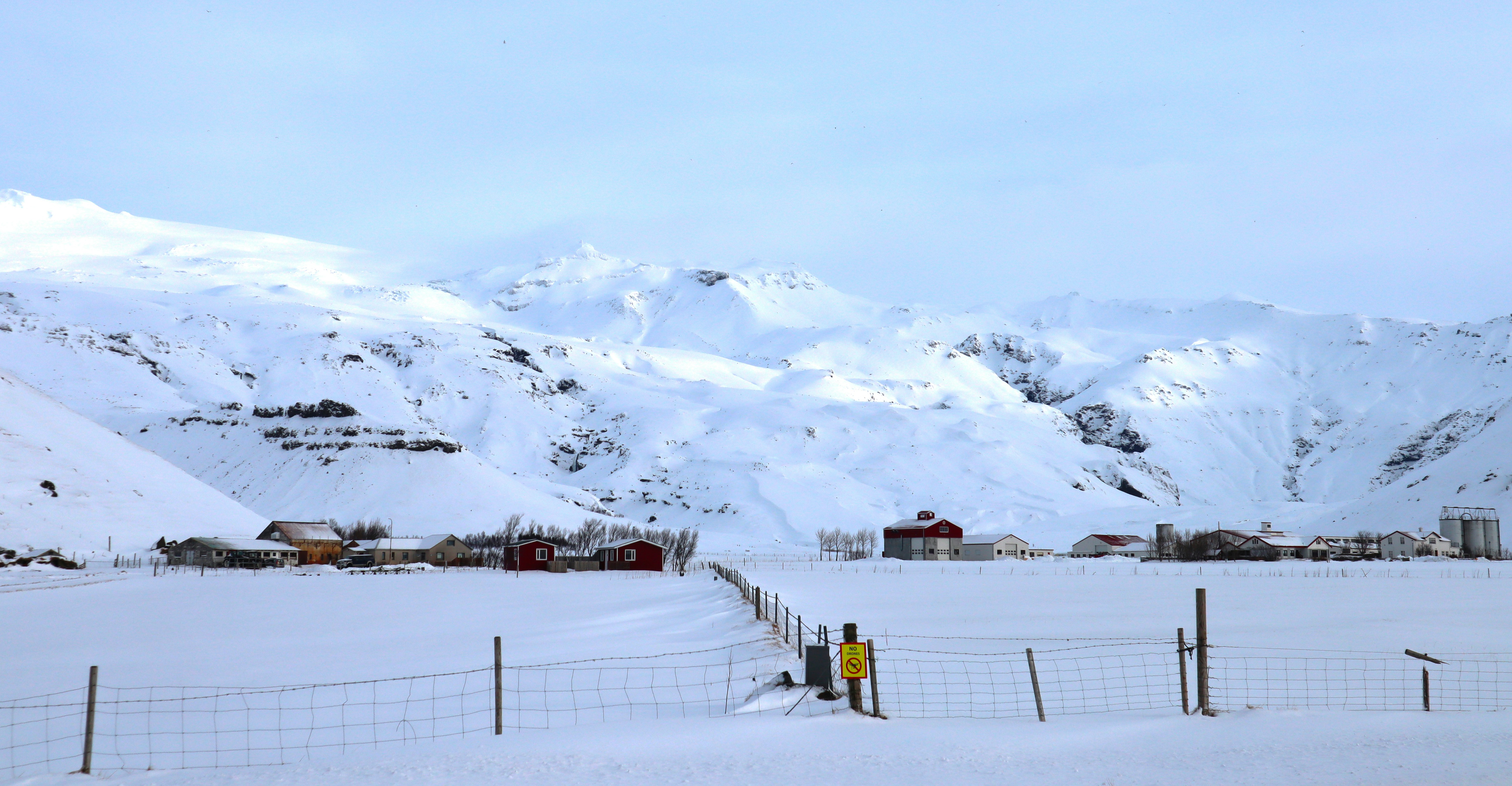
The glacier-capped volcano whose unpronounceable name became a household word after its 2010 eruption grounded air travel across Europe for days.
Beneath the ice cap, hiking trails on its lower slopes cross black volcanic sand plains and moss-covered lava fields, with views toward the glacier itself and, on the south side, the LAVA visitor centre explaining the eruption's science and impact.
It's more a dramatic backdrop for South Coast road trips than a single standalone hike.
How does it rate
CrowdsRomanceCash RequiredDangerAccessibilityWhy you should go
The volcano that grounded European air travel in 2010, now a striking glacier-topped backdrop for Iceland's South Coast route.
Why you shouldn't go
The summit itself is a serious glacier trek requiring proper equipment and a guide - most visitors only see it from a distance.
Plan your visit
Best time to visitJune-August for the easiest access to surrounding trails and longest daylight.Best time of dayEvening in summer, when the low midnight-sun light rakes across the glacier.Getting thereAbout a 2-hour drive along Iceland's Route 1 from Reykjavik.Entry costFree to view; the nearby LAVA visitor centre charges a small entry fee.Time needed2-3 hours as part of a South Coast drive.BookingBook ahead →Insider tip — Stop at the LAVA Centre in Hvolsvollur before continuing along the coast - it makes the eruption's scale and the volcano's ongoing activity far more tangible than the view alone. -
 #870 /100
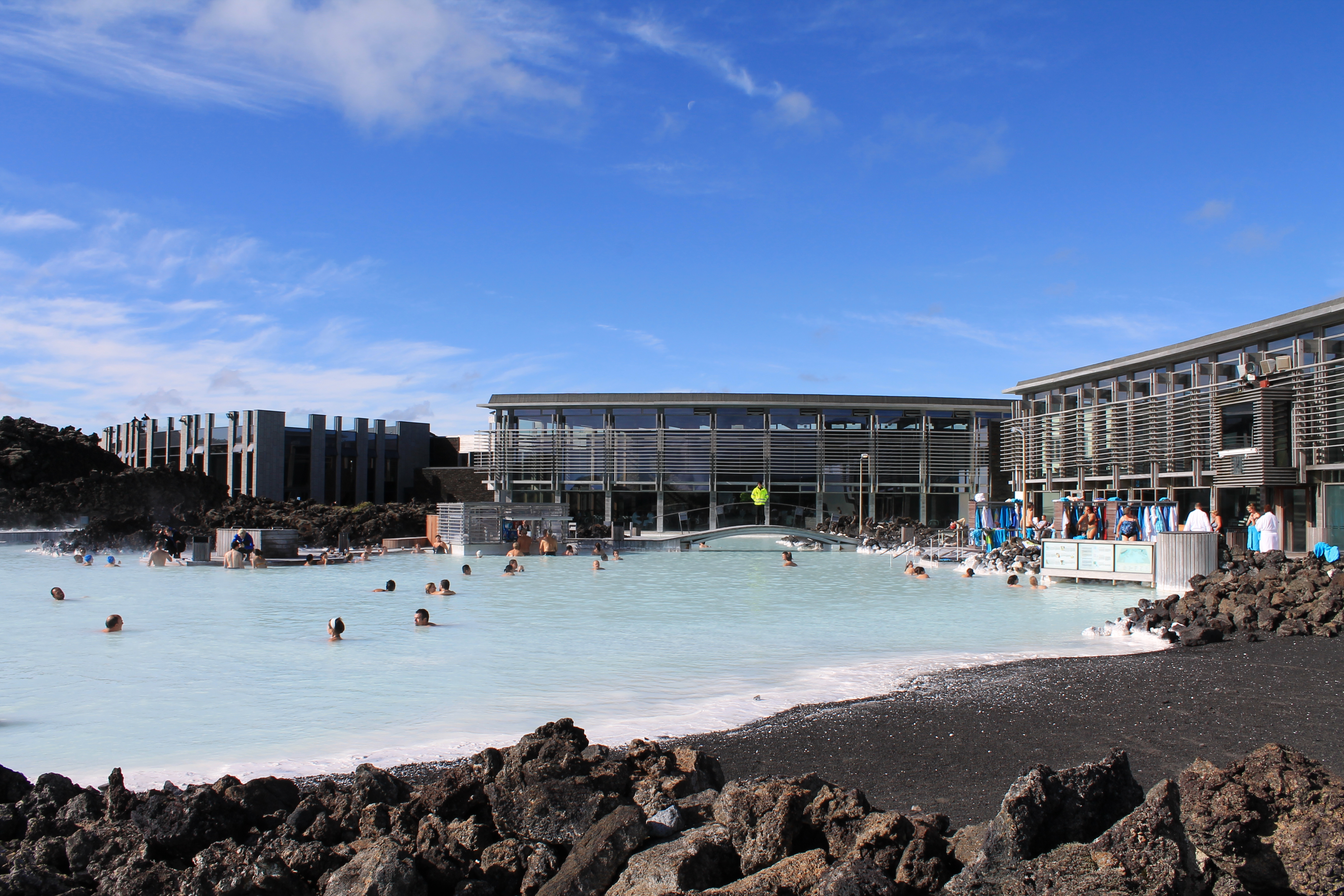
Iceland's most famous attraction is a geothermal spa set in a lava field on the Reykjanes Peninsula, where mineral-rich waters at 37-40 degrees create a milky blue pool against a backdrop of dark volcanic rock.
The silica mud face masks, steam rising in the cool air, and dramatic volcanic landscape make it a unique bathing experience.
How does it rate
CrowdsRomanceCash RequiredDangerAccessibilityWhy you should go
The experience of soaking in warm milky-blue water surrounded by lava rock, particularly in winter with snow falling or the Northern Lights overhead, is truly extraordinary.
Why you shouldn't go
The Blue Lagoon is expensive, must be booked months in advance, and has become very commercial; the entrance fee seems steep for what is essentially a large outdoor pool.
Plan your visit
Best time to visitYear-round; book ahead regardless of seasonBest time of dayEarly morning or evening for fewer crowdsGetting there~20 min from Keflavik AirportEntry cost~EUR65+ entryTime needed2-3 hoursInsider tip — Book online well in advance; walk-ups are regularly turned away as it sells out -
 #968 /100
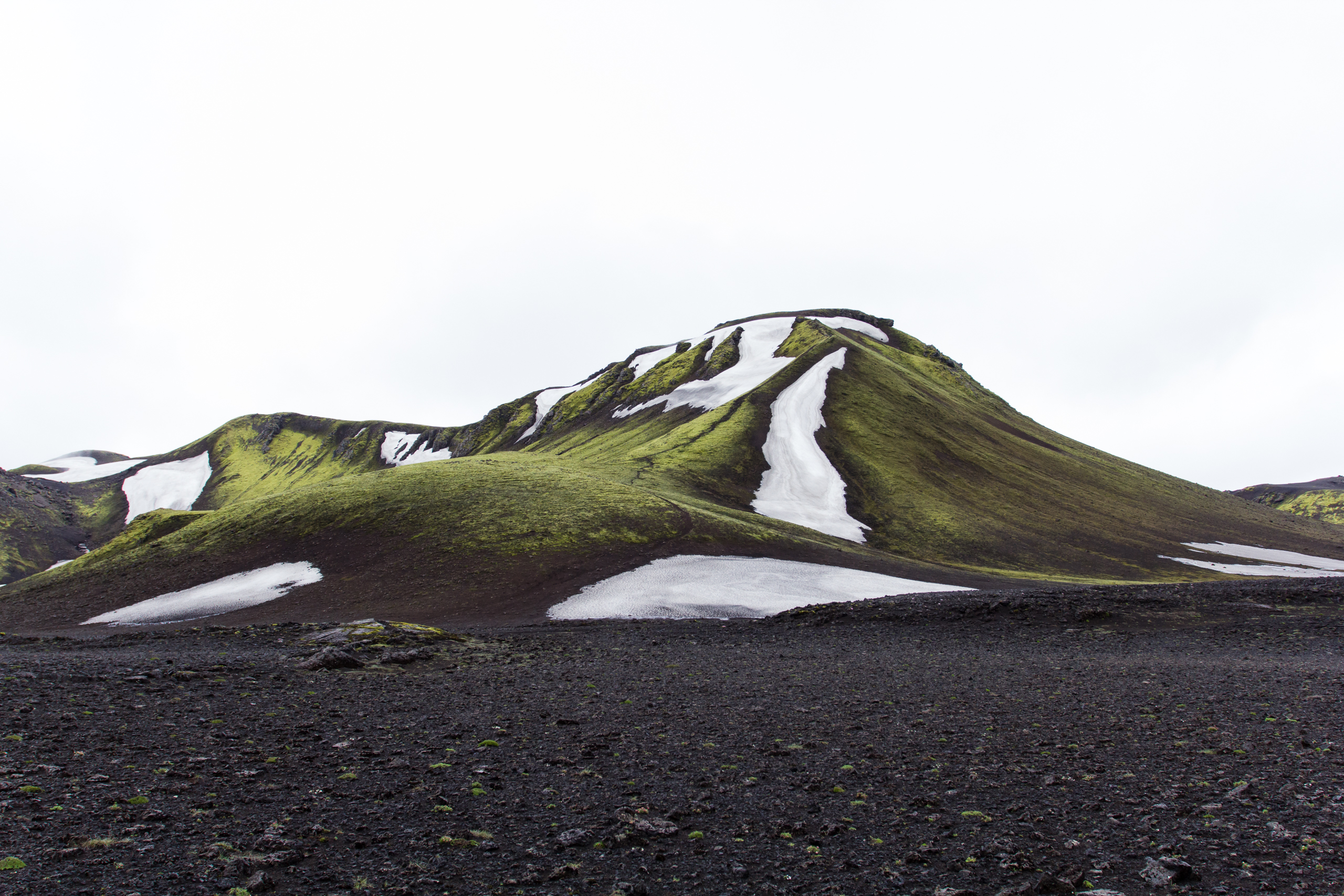
A 55km highland traverse from the rhyolite hot-spring valley of Landmannalaugar to the birch forest of Thorsmork, crossing black lava fields, steaming fumaroles and glacial river fords along the way.
Colour shifts constantly underfoot, from mineral-streaked mountains to green moss and white snow patches even in summer.
Mountain huts break the route into four days, though camping is also allowed alongside each hut.
How does it rate
CrowdsRomanceCash RequiredDangerAccessibilityWhy you should go
Volcanic highlands that change colour with every ridge, from steaming rhyolite to black ash and green moss.
Why you shouldn't go
Glacial river crossings are cold and can rise fast, and huts for peak weeks book out months in advance.
Plan your visit
Best time to visitLate June to early September, the only window huts are open and rivers are usually fordable.Best time of dayMidday, when meltwater river crossings are shallower than early morning or evening.Getting thereFly to Reykjavik; highland bus (about 4 hours) to the Landmannalaugar trailhead.Entry costHut booking about ISK 15,800/night; camping about ISK 3,400/night.Time needed4 days / 3 nightsBookingBook ahead →Insider tip — Book huts the day reservations open for the following summer - July and August dates go within weeks. -
 #1055 /100
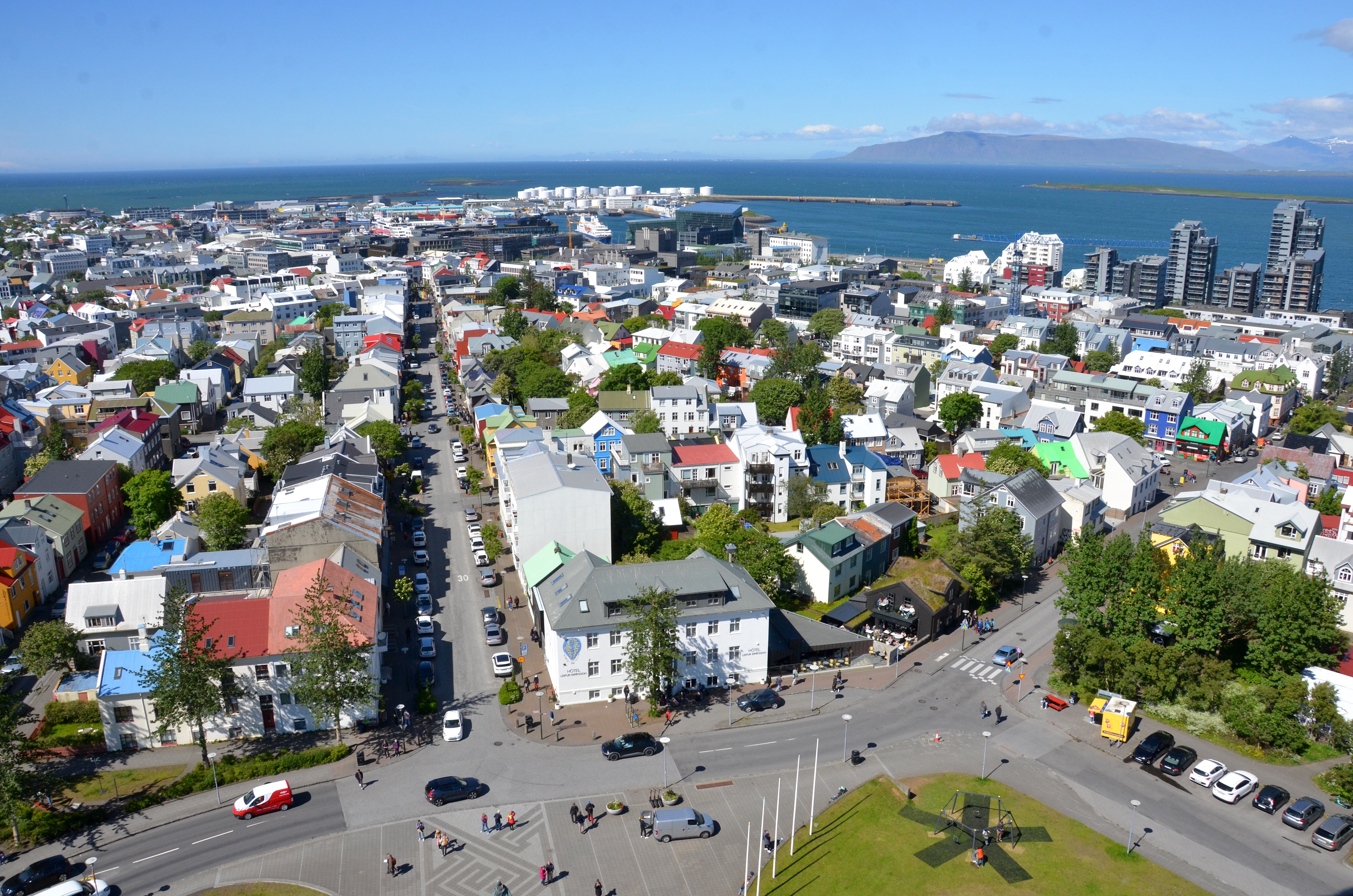
Iceland's compact and colourful capital sits between the mountains and the sea as the world's most northerly capital city.
Rainbow-painted corrugated iron houses, the soaring Hallgrímskirkja church, and a bar and music scene far larger than the population suggests fill a centre small enough to cross on foot.
It doubles as the base for Northern Lights trips and Golden Circle day tours.
How does it rate
CrowdsRomanceCash RequiredDangerAccessibilityWhy you should go
Reykjavik is a wonderfully walkable city with a vibrant arts scene, and serves as the perfect base for Iceland's most spectacular natural wonders.
Why you shouldn't go
The city is notoriously expensive and the famous Northern Lights are only visible during the darker months between September and March.
Plan your visit
Best time to visitJune-August for midnight sun, or Sept-March for Northern LightsBest time of dayDepends on season - midnight light in summer, dark evenings for aurorasGetting thereKeflavik Airport, ~45 min to the cityEntry costFree to exploreTime needed1-2 daysInsider tip — Hallgrimskirkja church tower gives the best rooftop view of the colourful city


More from Iceland
How a score is built
One score out of 100, five criteria behind it
Every place is rated 1–5 on each of the criteria below, then combined into a single score out of 100. It's calculated by us, the same way every time — not an average of traveller reviews or social votes.
Crowds
How many people you'll be sharing it with, and at what time of day.
Romance
How well it suits a couple, a proposal, or a quiet moment together.
Cash required
Entry fees, permits, guides, rentals — what it actually costs to do it.
Danger
Physical risk involved, from a slippery viewpoint to genuine hazard.
Accessibility
How far off the beaten path it is, and how hard it is to actually reach.