-
 #196 /100
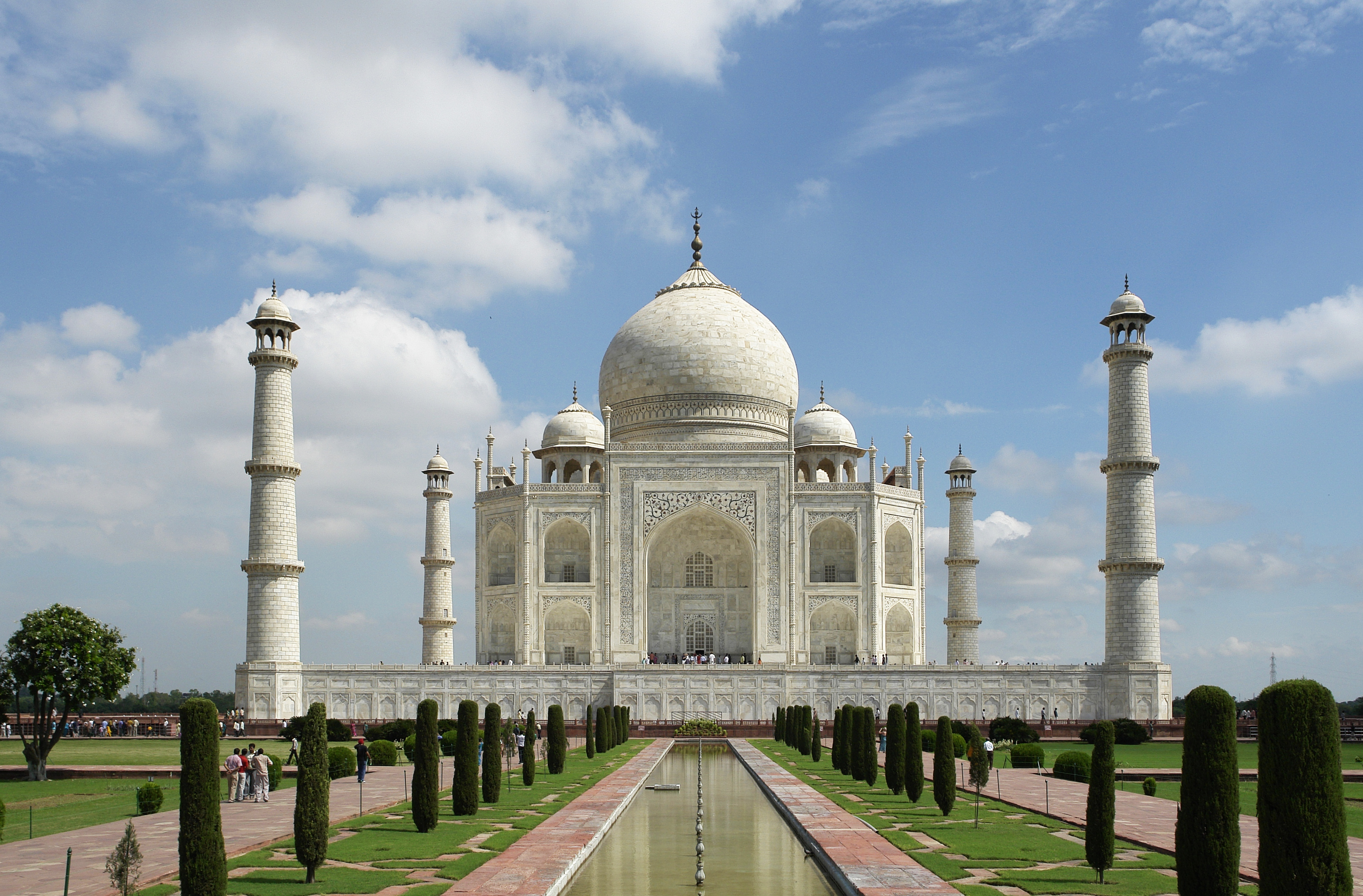
Built by Mughal Emperor Shah Jahan as a mausoleum for his beloved wife Mumtaz Mahal, the Taj Mahal is widely considered the finest example of Mughal architecture in the world.
The white marble monument changes colour from pink in the dawn light to brilliant white at midday.
How does it rate
CrowdsRomanceCash RequiredDangerAccessibilityWhy you should go
The Taj Mahal's perfect symmetry and the way it changes colour with the light throughout the day means no two visits look quite the same.
Why you shouldn't go
Agra itself is not a particularly pleasant city, the Taj becomes very crowded from mid-morning, and the reflecting pool is sometimes dry or covered in algae.
Plan your visit
Best time to visitOctober-March (cooler, clearer skies)Best time of daySunrise, for both light and to avoid heat and crowdsGetting thereFly or train to AgraEntry cost~Rs1100 for foreign visitorsTime needed2-3 hoursInsider tip — Enter from the east or west gate rather than the main south gate to avoid the biggest queues -
 #291 /100
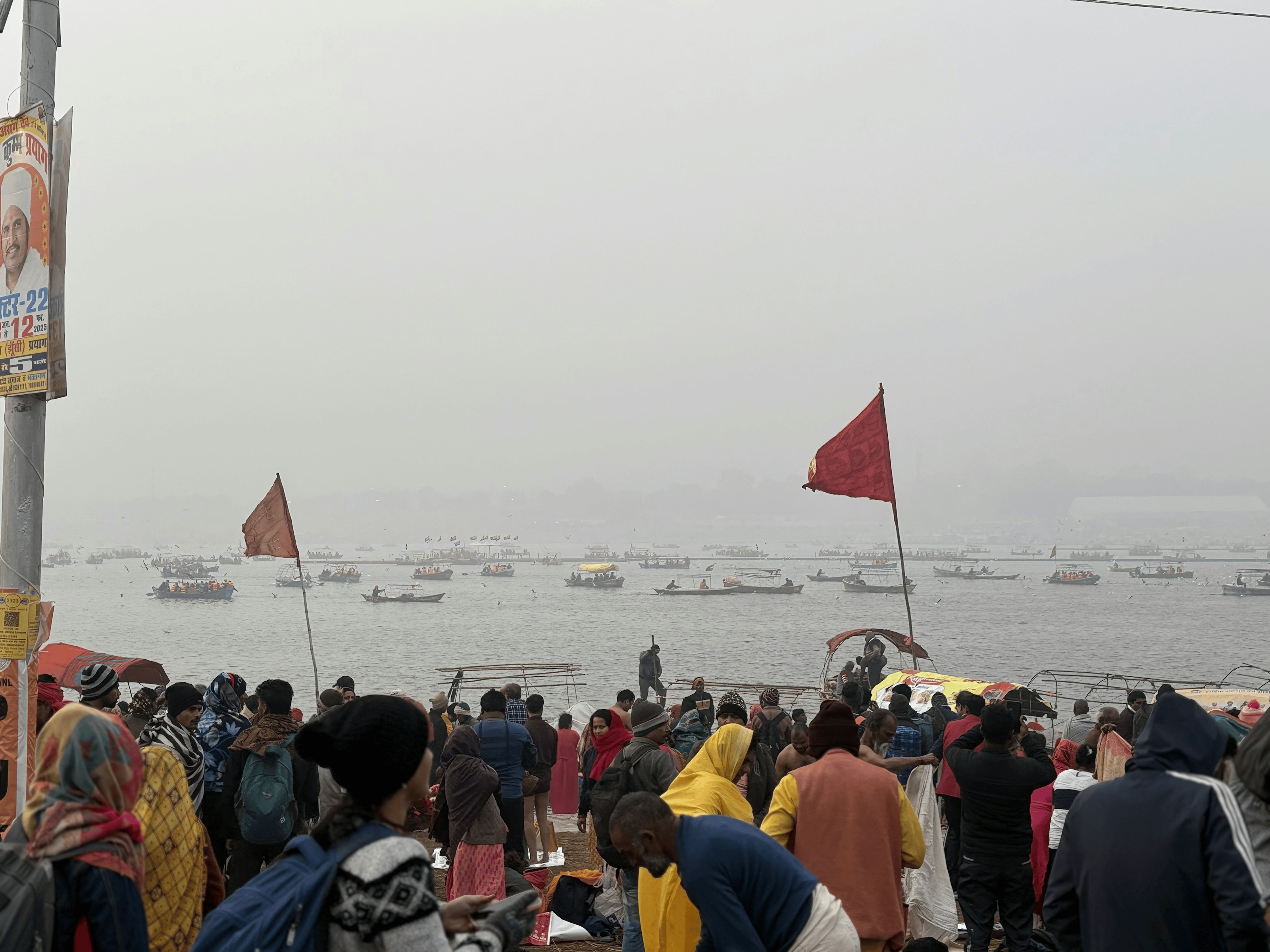
Held on a rotating cycle at four sacred river sites in India, the Kumbh Mela is the largest human gathering on Earth, drawing tens of millions of Hindu pilgrims to bathe at an astrologically precise moment believed to wash away sin.
Ash-covered sadhus lead the procession into the water, followed by ordinary pilgrims across weeks of ritual bathing and prayer in tent cities that briefly become some of the most populous places on the planet.
How does it rate
CrowdsRomanceCash RequiredDangerAccessibilityWhy you should go
The largest human gathering on Earth: tens of millions of Hindu pilgrims bathing together at a precise astrological moment.
Why you shouldn't go
Crowd density on the main bathing days has caused fatal stampedes in the past, and sanitation across the tent city is basic.
Plan your visit
Best time to visitThe main bathing days, set astrologically; the full Mela runs about six weeks.Best time of dayDawn on the main bathing days, when the most auspicious rituals happen.Getting thereFly into the nearest city to that year's host site (Prayagraj, Haridwar, Nashik, or Ujjain), then local transport to the riverbank.Entry costFree to attend; camps and guided access packages vary widely in price.Time neededA day or two for the atmosphere; pilgrims often stay for weeks.Insider tip — Stick to the outer bathing ghats rather than pushing toward the main one on peak days - the crowd crush risk is real and the ritual looks the same from anywhere in the water. -
 #389 /100
Mathura and neighbouring Vrindavan, revered as Krishna's birthplace, host India's most exuberant Holi celebrations, where temple courtyards and streets dissolve into clouds of pink, yellow and green powder thrown by everyone from small children to elderly priests.
It's the purest, wildest version of India's best-known festival, at the town where the tradition began.
How does it rate
CrowdsRomanceCash RequiredDangerAccessibilityWhy you should go
The purest version of India's most photographed festival, at the temple town where the tradition began.
Why you shouldn't go
Powder gets everywhere, on skin, hair and clothes for days afterwards, and the crush inside temple courtyards can get intense.
Plan your visit
Best time to visitMarch, timed to the full moon of the Hindu month of Phalguna (exact date shifts yearly).Best time of dayLate morning at Banke Bihari Temple in Vrindavan, when the main colour-throwing peaks.Getting thereFly to Delhi, then a train or car roughly 2-3 hours to Mathura.Entry costFree to join in the streets; some temple events request a small donation.Time neededA full day, across the festival's build-up and main colour-throwing.Insider tip — Wear old white clothes so the colours show up brightest in photos, and coat your hair and skin in oil beforehand to make the powder easier to wash out. -
 #488 /100
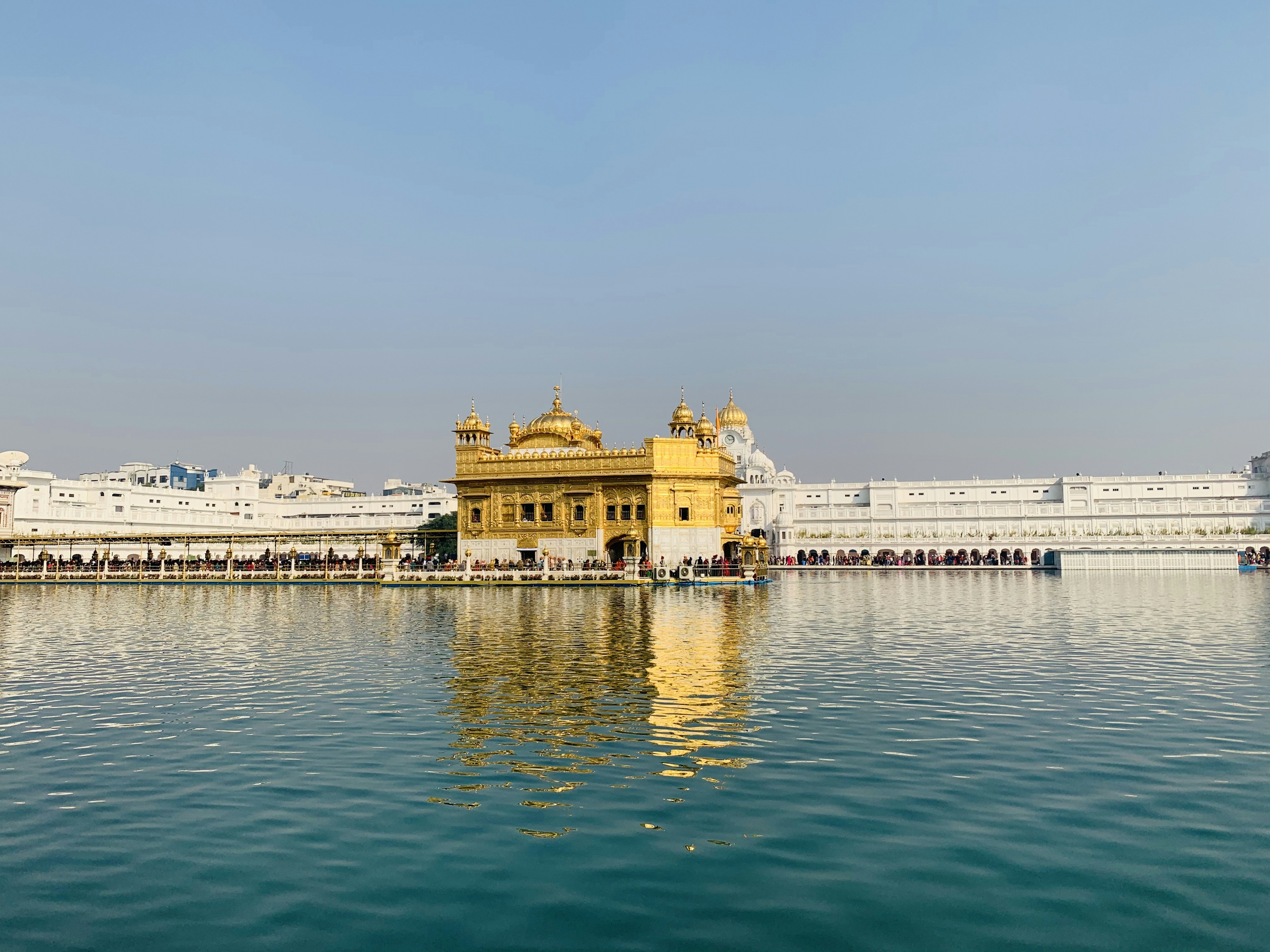
The holiest site in Sikhism sits at the centre of a large square pool, its upper floors gilded in real gold and doubled by a near-perfect reflection in the still water.
Pilgrims circle the marble walkway at all hours, and the temple runs one of the world's largest free communal kitchens, feeding tens of thousands daily.
Lit at night, the gold dome and its reflection form one symmetrical image.
How does it rate
CrowdsRomanceCash RequiredDangerAccessibilityWhy you should go
A gold temple perfectly mirrored in a still pool, open to visitors of every faith.
Why you shouldn't go
It's a functioning, deeply sacred pilgrimage site, not a tourist attraction - dress and behaviour expectations are strict.
Plan your visit
Best time to visitOctober-March, avoiding the summer heat.Best time of dayEarly morning or after dark, when the gold dome is lit and crowds thin.Getting thereFly or train to Amritsar; the temple is centrally located and walkable from the old city.Entry costFree; head covering required and provided at the entrance.Time needed2-3 hoursInsider tip — Join the free communal meal (langar) in the dining hall - it's open to all visitors and a core part of the experience, not just the photos. -
 #585 /100
A two-kilometre arc of white sand on Havelock Island backed by dense rainforest, with water that shifts from pale turquoise to deep blue at the reef line.
Time magazine once named it Asia's best beach, and sunset here - sun dropping straight into the Andaman Sea with no development in sight - remains the main draw.
It takes real effort to reach, which keeps it far less crowded than its reputation suggests.
How does it rate
CrowdsRomanceCash RequiredDangerAccessibilityWhy you should go
Named Asia's best beach, with untouched rainforest backing two kilometres of white sand and a clean sunset over open water.
Why you shouldn't go
Reaching Havelock Island takes a flight plus a ferry, so it's a multi-day commitment, not a day trip.
Plan your visit
Best time to visitNovember-April, outside the monsoon season.Best time of daySunset, when the beach empties out and the sky over the water turns orange.Getting thereFly to Port Blair, then a 1.5-2 hour ferry to Havelock Island (Swaraj Dweep).Entry costFree.Time neededHalf a day.Insider tip — Walk 10 minutes north past the main entrance to have long stretches of the same sand almost entirely to yourself. -
 #684 /100
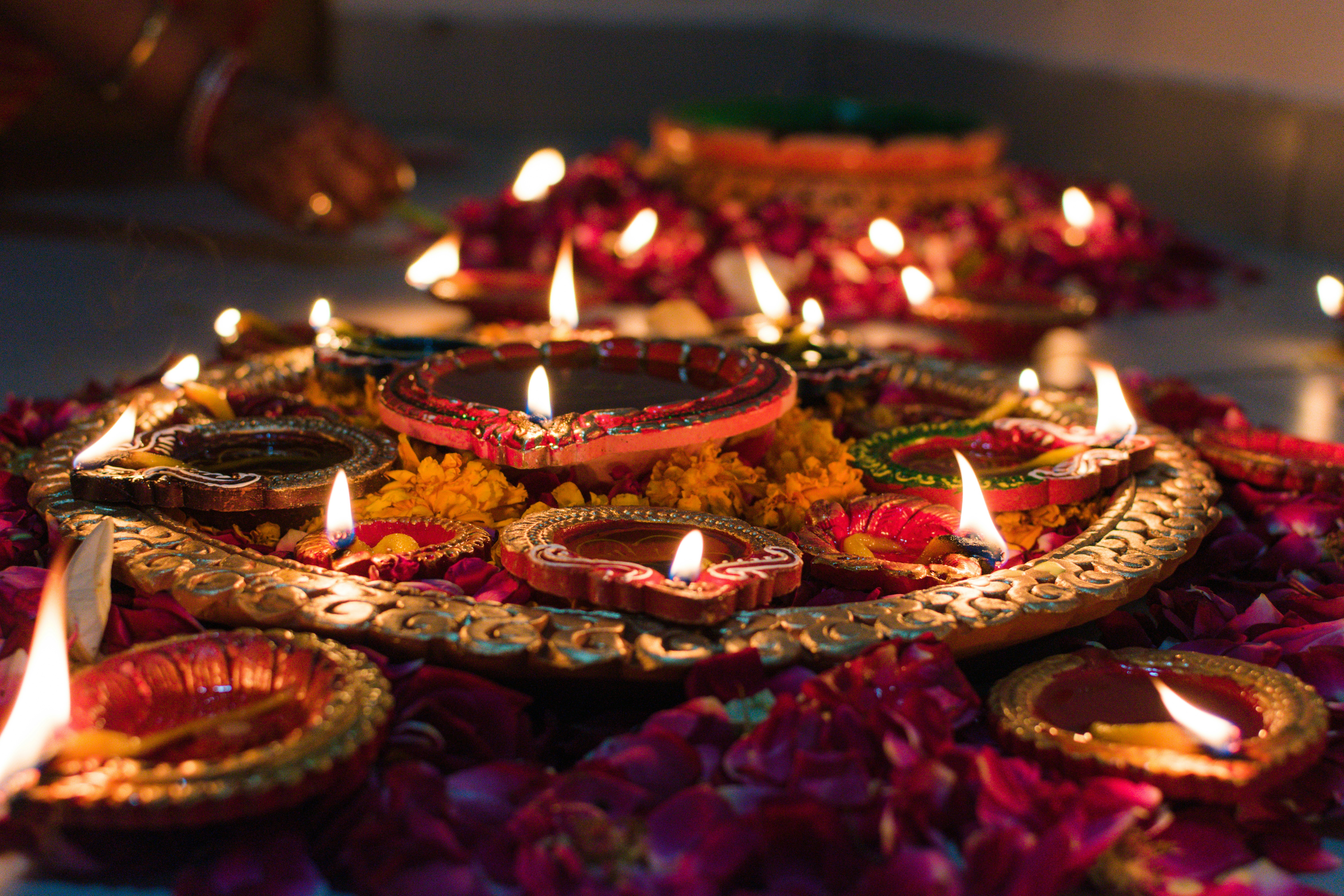
Jaipur, the Pink City, commits harder to Diwali than almost anywhere in India: the old city and its bazaars are strung with thousands of clay oil lamps and fairy lights for over a week, and the illuminated pink sandstone facades of Johari Bazaar are considered among the country's best Diwali displays, fireworks lighting the sky above the City Palace.
How does it rate
CrowdsRomanceCash RequiredDangerAccessibilityWhy you should go
A whole pink-sandstone city strung with lamps and lights for the biggest festival on the Hindu calendar.
Why you shouldn't go
Fireworks and firecrackers run late into the night across the city, which can be overwhelming and smoky for several days.
Plan your visit
Best time to visitOctober or November, timed to the Hindu lunar calendar (exact date shifts yearly).Best time of dayAfter sunset, once the oil lamps and fairy lights are lit across the old city bazaars.Getting thereFly into Jaipur International Airport, a short taxi ride from the old city.Entry costFree to walk the illuminated bazaars; some hotels charge for rooftop Diwali events.Time neededAn evening, across several days if staying for the build-up.Insider tip — Walk Johari Bazaar just after dusk, before the crowds peak, for the clearest view of the lit sandstone facades. -
 #780 /100
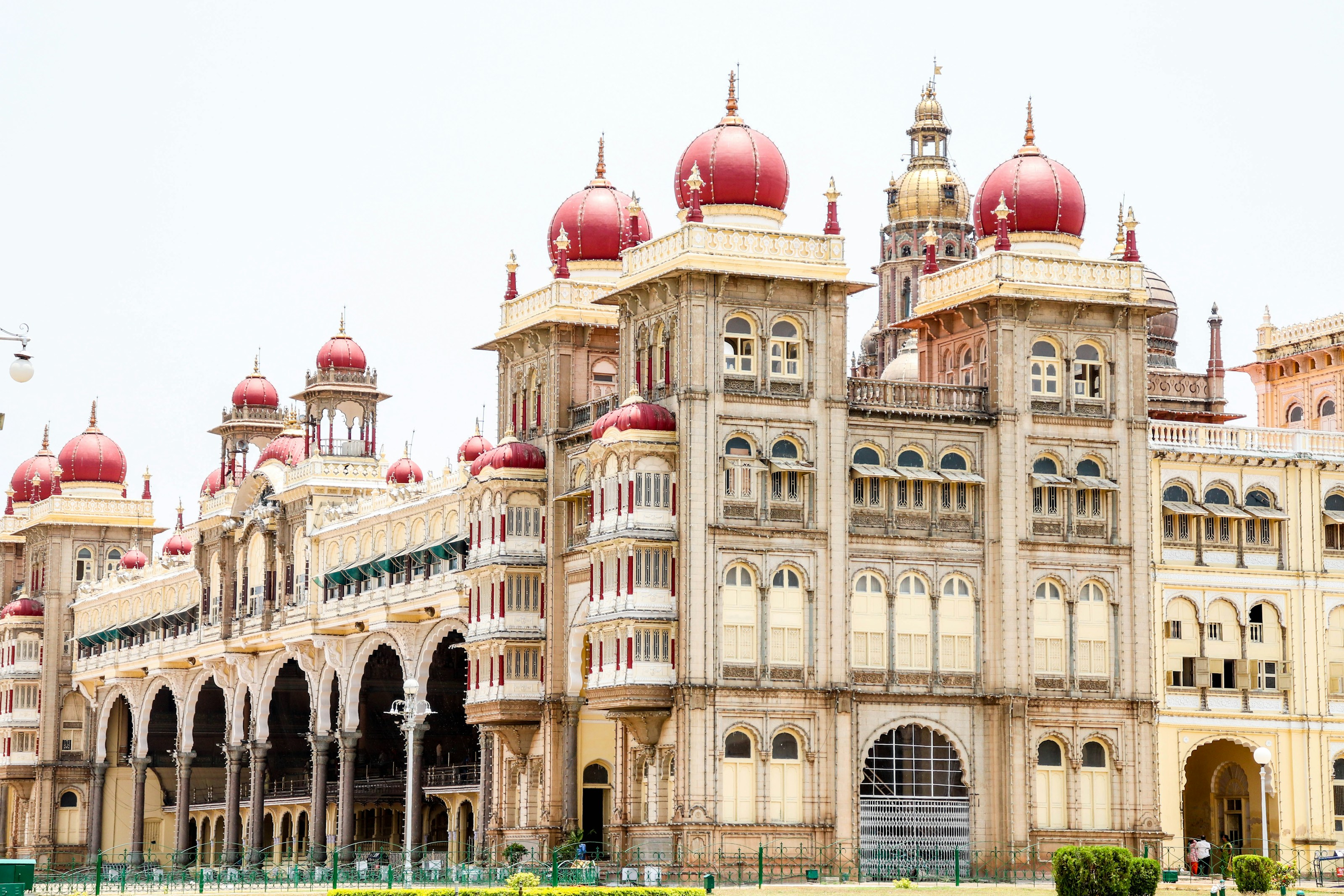
The seat of the Wadiyar dynasty, rebuilt in 1912 in an Indo-Saracenic style that stacks pink marble domes, arcades and stained glass into something deliberately theatrical.
On Sunday evenings and throughout the Dasara festival, close to a hundred thousand bulbs outline the entire building.
Inside, the Durbar Hall is a field of painted columns.
How does it rate
CrowdsRomanceCash RequiredDangerAccessibilityWhy you should go
The Sunday night illumination turns the whole facade into a drawing made of light.
Why you shouldn't go
Shoes are left at the gate and no photography at all is permitted inside the palace.
Plan your visit
Best time to visitSeptember-October for Dasara, or December-February for cooler weatherBest time of daySunday from 7pm for the illumination; otherwise late afternoonGetting thereTrain or bus from Bengaluru to Mysuru, about three hours, then a short auto rideEntry costAround INR 100 for foreign visitorsTime needed2-3 hoursBookingBook ahead →Insider tip — Be inside the grounds by 6.45pm on a Sunday - the lights come on at seven and stay on for only 45 minutes. -
 #875 /100
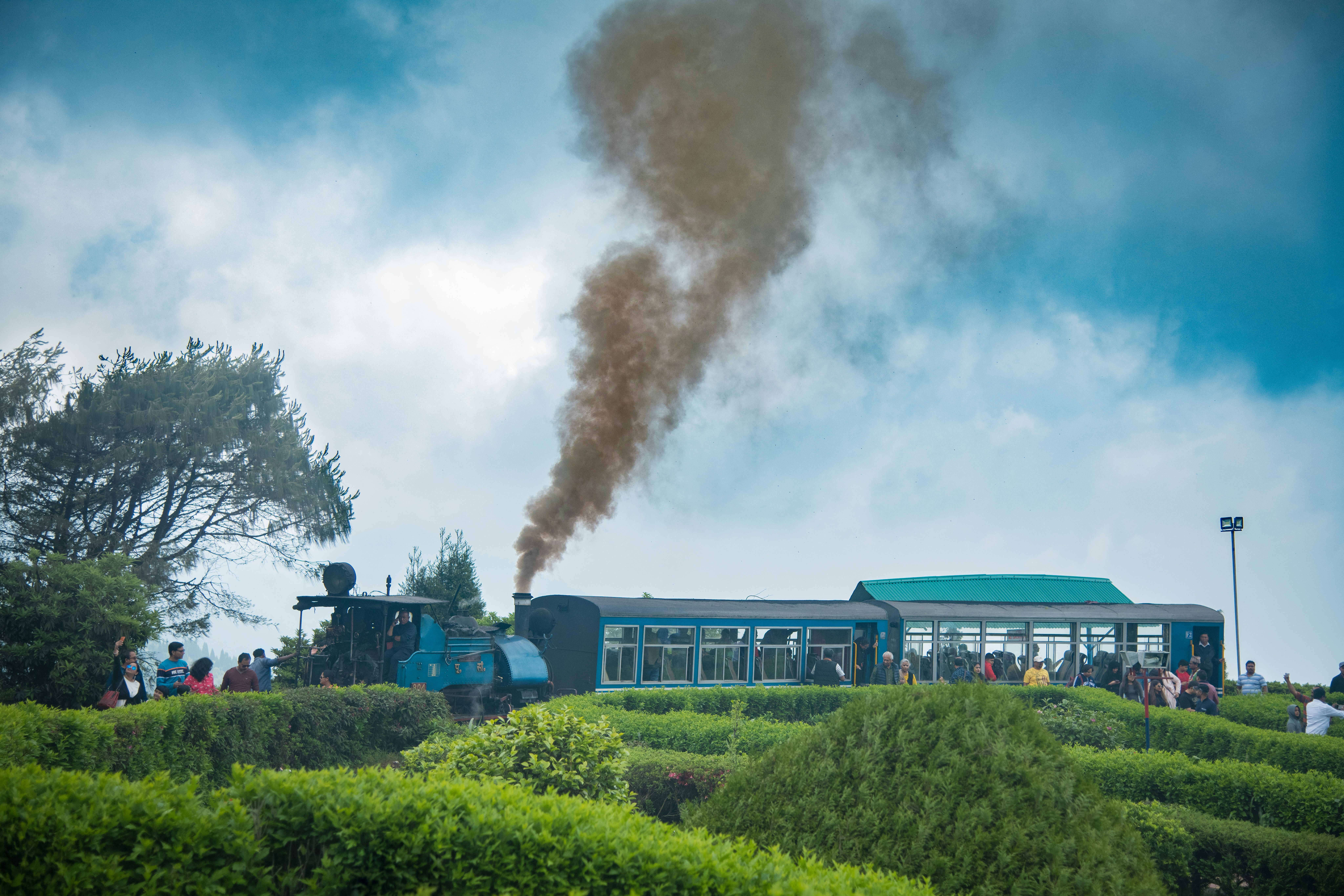
Nicknamed the 'Toy Train' for its narrow two-foot gauge track, the Darjeeling Himalayan Railway has climbed into the Himalayan foothills since 1881, its steam locomotives looping through the famous Batasia Loop spiral to gain altitude on impossibly steep terrain.
UNESCO listed it as a World Heritage Site in 1999 for its engineering.
How does it rate
CrowdsRomanceCash RequiredDangerAccessibilityWhy you should go
A UNESCO-listed 'Toy Train' climbing narrow-gauge track and spiral loops into the Himalayan foothills since 1881.
Why you shouldn't go
The full steam-hauled journey is slow and can be delayed by weather or maintenance, so schedules should be treated as approximate.
Plan your visit
Best time to visitOctober-December or March-May, for the clearest mountain views and driest weather.Best time of dayEarly morning, for the best chance of clear views of Kangchenjunga on the approach to Darjeeling.Getting thereFly or take a train to New Jalpaiguri, then a shared taxi roughly 3 hours up to New Jalpaiguri or Siliguri to board.Entry costJoyride tickets on the steam loop cost around INR1,500-1,800; the full historic route costs more.Time neededA few hours for the joyride loop, longer for the full historic route.Insider tip — Book the shorter Darjeeling-to-Ghum steam joyride if the full historic route isn't running, since it still covers the famous Batasia Loop. -
 #974 /100
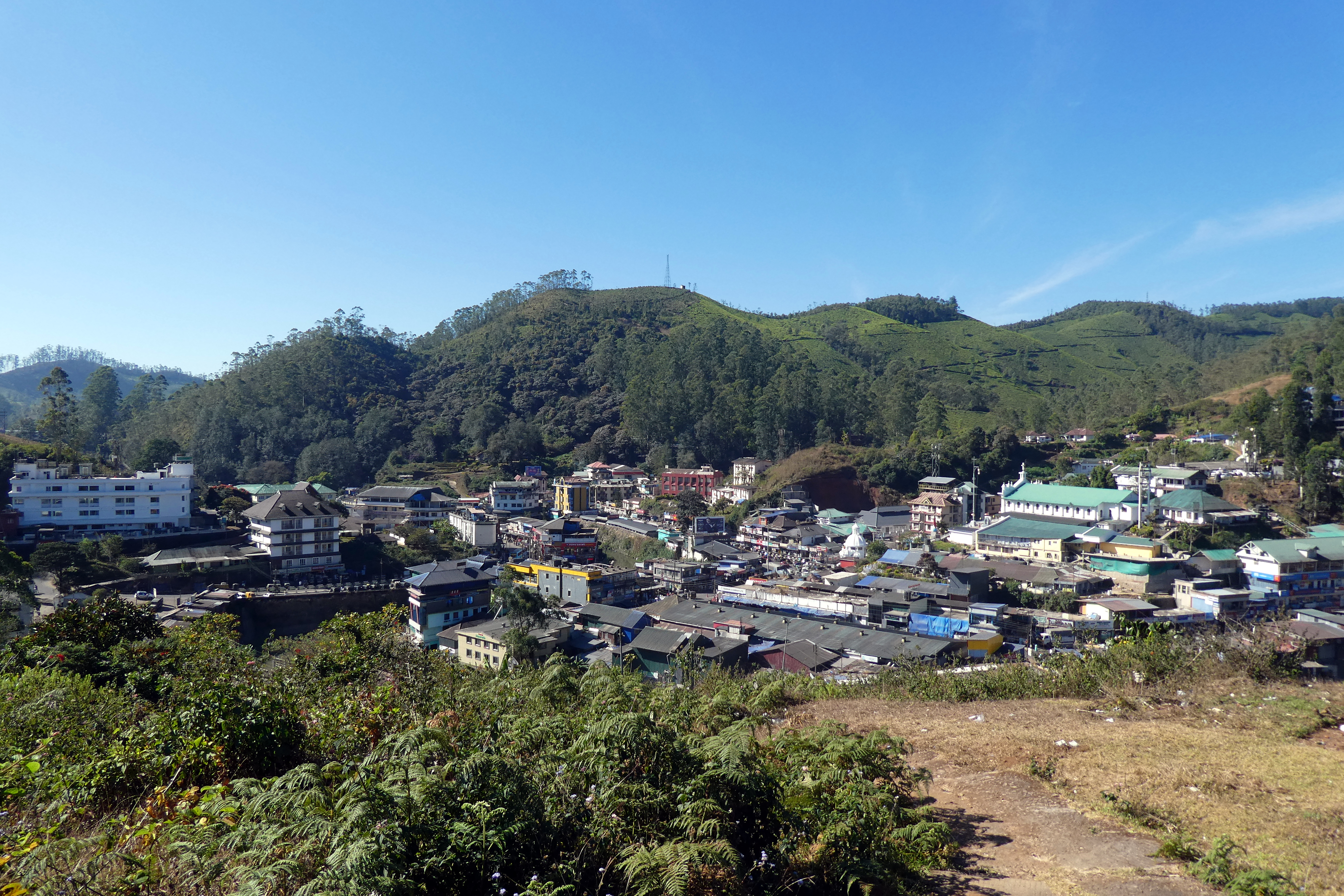
Munnar is a hill station in the Western Ghats of Kerala renowned for its rolling tea plantations, which cover the mountain slopes in an unbroken carpet of vivid green.
Set at around 1,600 metres, the cool mist-covered landscape of tea gardens, colonial plantation buildings, and wildlife sanctuaries offers a striking contrast to Kerala's tropical coast.
How does it rate
CrowdsRomanceCash RequiredDangerAccessibilityWhy you should go
The sight of the undulating bright green tea plantations stretching to the horizon in every direction, often draped in morning mist, creates a landscape of extraordinary tranquility.
Why you shouldn't go
Munnar's roads are narrow and extremely congested during Indian holidays; the mist that creates the mystical atmosphere can also obscure views for days at a time.
Plan your visit
Best time to visitSeptember-March (post-monsoon, cooler)Best time of dayEarly morning mist over the tea plantationsGetting there~4hr drive from KochiEntry costFree to view; some estates charge for toursTime needed2-3 daysInsider tip — The tea plantation viewpoints are best just after sunrise, before the mist burns off -
 #1074 /100
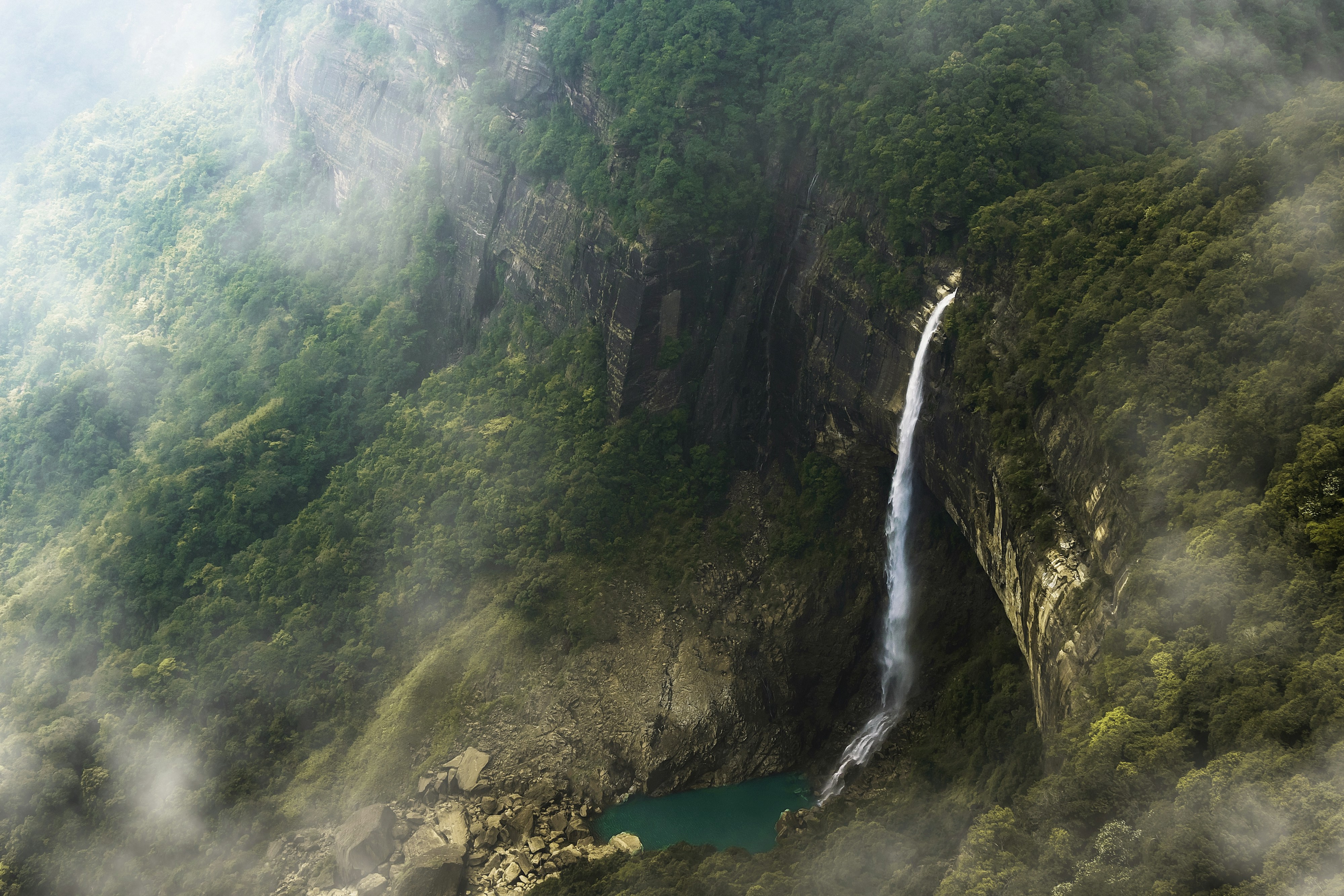
India's tallest plunge waterfall drops in a single sheer fall into a striking turquoise pool at the base of the Khasi Hills, near Cherrapunji - one of the wettest places on Earth.
Monsoon season turns it into a thunderous wall of water visible from a paved viewpoint without any hiking required.
A local legend about a mother's grief gives the falls their name and a somber backstory repeated by every guide.
How does it rate
CrowdsRomanceCash RequiredDangerAccessibilityWhy you should go
India's tallest plunge waterfall, viewable from a paved lookout with zero hiking involved.
Why you shouldn't go
During the dry winter months the flow drops to a fraction of its monsoon-season power.
Plan your visit
Best time to visitJune-September, monsoon season, for maximum water flow.Best time of dayMorning, before monsoon cloud typically thickens over the valley.Getting thereDrive to Cherrapunji (Sohra) from Shillong, about 1.5 hours; the viewpoint is a short walk from the car park.Entry costSmall entry fee, a few dollars.Time needed1 hourInsider tip — Combine the visit with Cherrapunji's living root bridges nearby - most visitors do both in a single day trip from Shillong. -
 #1172 /100
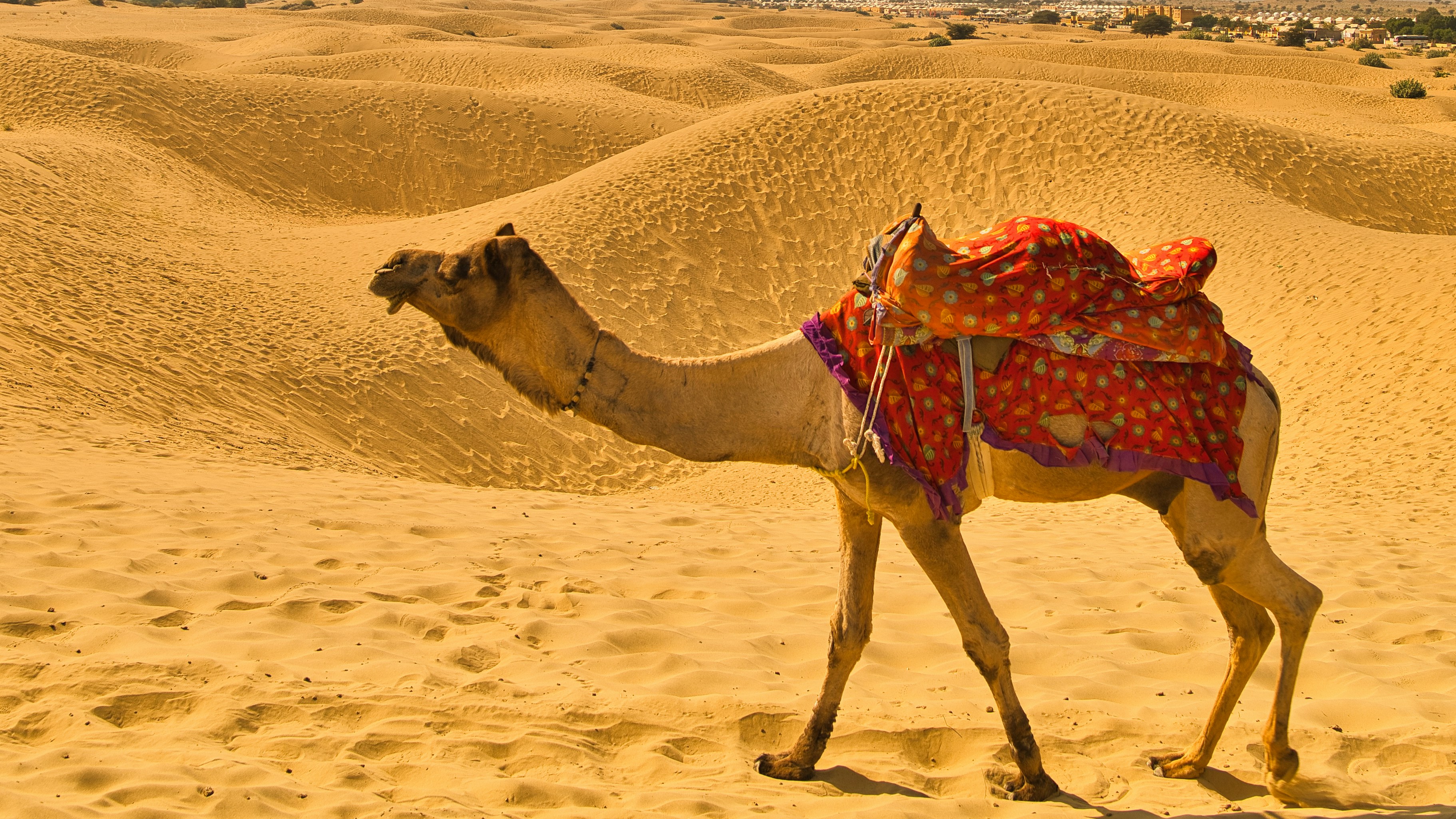
Golden dunes rolling out from Jaisalmer, the "Golden City," whose sandstone fort and havelis seem to rise directly from the sand itself.
Camel safaris into the Sam and Khuri dunes, overnight desert camps, and folk music around the campfire are the standard way to experience it, with the dunes turning deep gold at sunset.
It's India's most accessible desert experience, easily combined with Jaisalmer's fort and old city.
How does it rate
CrowdsRomanceCash RequiredDangerAccessibilityWhy you should go
Camel-trek dunes at sunset paired with Jaisalmer's golden sandstone fort rising straight out of the desert.
Why you shouldn't go
The most popular dune areas (Sam) get genuinely crowded with day-trip jeeps and tour groups by late afternoon.
Plan your visit
Best time to visitOctober-March, avoiding the extreme summer heat.Best time of daySunset over the Sam dunes, when day-trippers cluster for the classic camel-silhouette shot.Getting thereFly or take an overnight train to Jodhpur, then a 5-6 hour train or drive to Jaisalmer.Entry costCamel safari and overnight camp packages typically run INR1,500-4,000 per person.Time neededOvernight, or a full day.Insider tip — Push further to the quieter Khuri dunes rather than Sam if you want the classic dune photo without dozens of other camel trains in frame. -
 #1268 /100
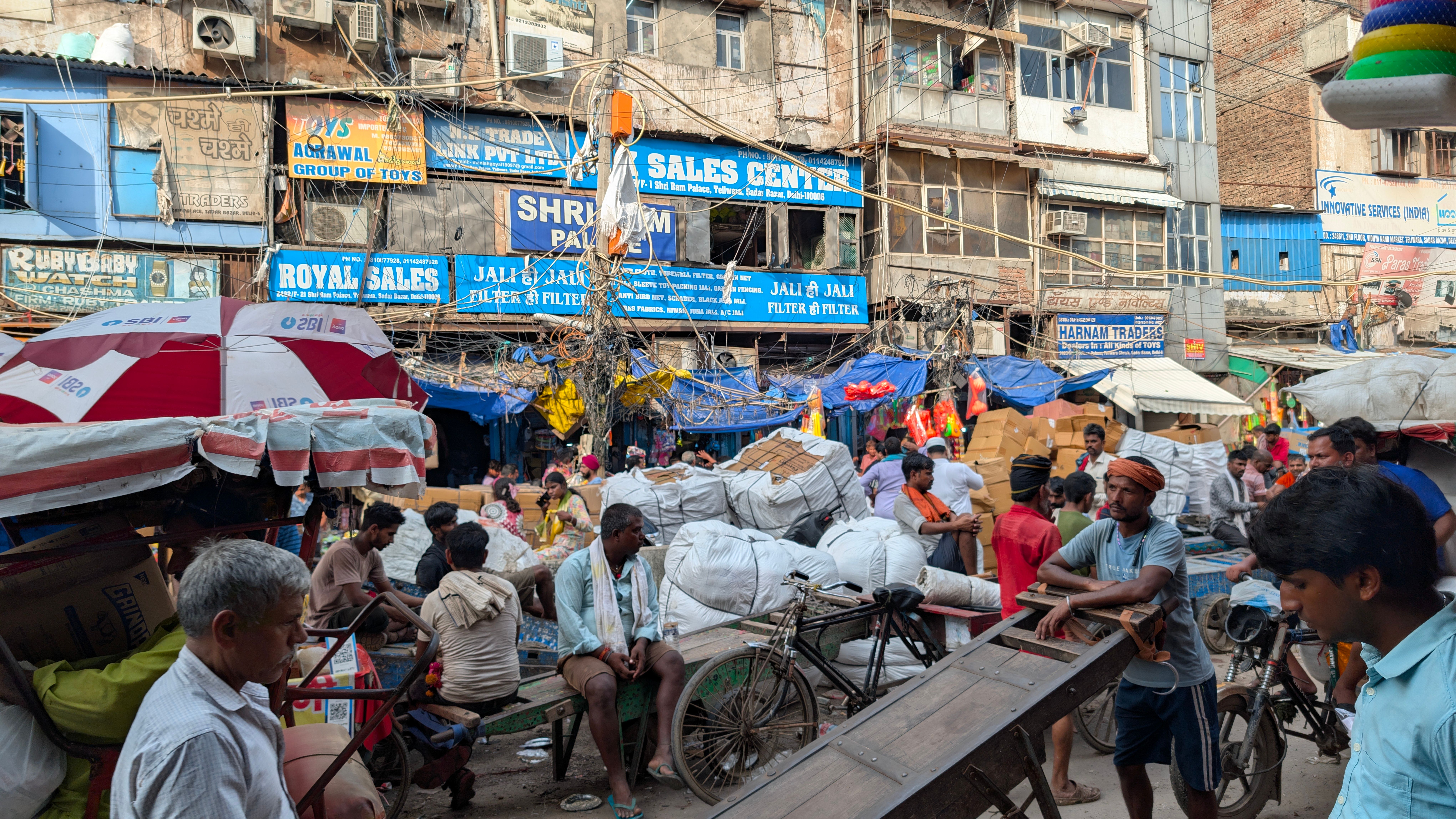
Old Delhi's Chandni Chowk has operated as one of India's busiest markets since the 17th century, built as a moonlit shopping square for the Mughal court outside the Red Fort.
Its narrow lanes are a dense tangle of spice merchants, wedding-sari shops and some of Delhi's most famous street food, navigated by foot, cycle-rickshaw and the occasional cow.
How does it rate
CrowdsRomanceCash RequiredDangerAccessibilityWhy you should go
A 17th-century Mughal-era market of tangled lanes, spice traders and Delhi's most famous street food.
Why you shouldn't go
Traffic, crowds and narrow lanes make it genuinely overwhelming, and petty theft is a real risk in the densest sections.
Plan your visit
Best time to visitWinter months (November to February) for cooler, more comfortable walking conditions.Best time of dayMorning, before midday heat and crowds are at their most intense.Getting thereTake the Delhi Metro to Chandni Chowk station on the Yellow Line, a short walk from the market's main gate.Entry costFree to browse; street food and goods are inexpensive.Time needed2-3 hours.Insider tip — Take a cycle-rickshaw through the narrowest lanes rather than walking, both for the experience and to avoid getting lost.


How a score is built
One score out of 100, five criteria behind it
Every place is rated 1–5 on each of the criteria below, then combined into a single score out of 100. It's calculated by us, the same way every time — not an average of traveller reviews or social votes.
Crowds
How many people you'll be sharing it with, and at what time of day.
Romance
How well it suits a couple, a proposal, or a quiet moment together.
Cash required
Entry fees, permits, guides, rentals — what it actually costs to do it.
Danger
Physical risk involved, from a slippery viewpoint to genuine hazard.
Accessibility
How far off the beaten path it is, and how hard it is to actually reach.