-
 #188 /100
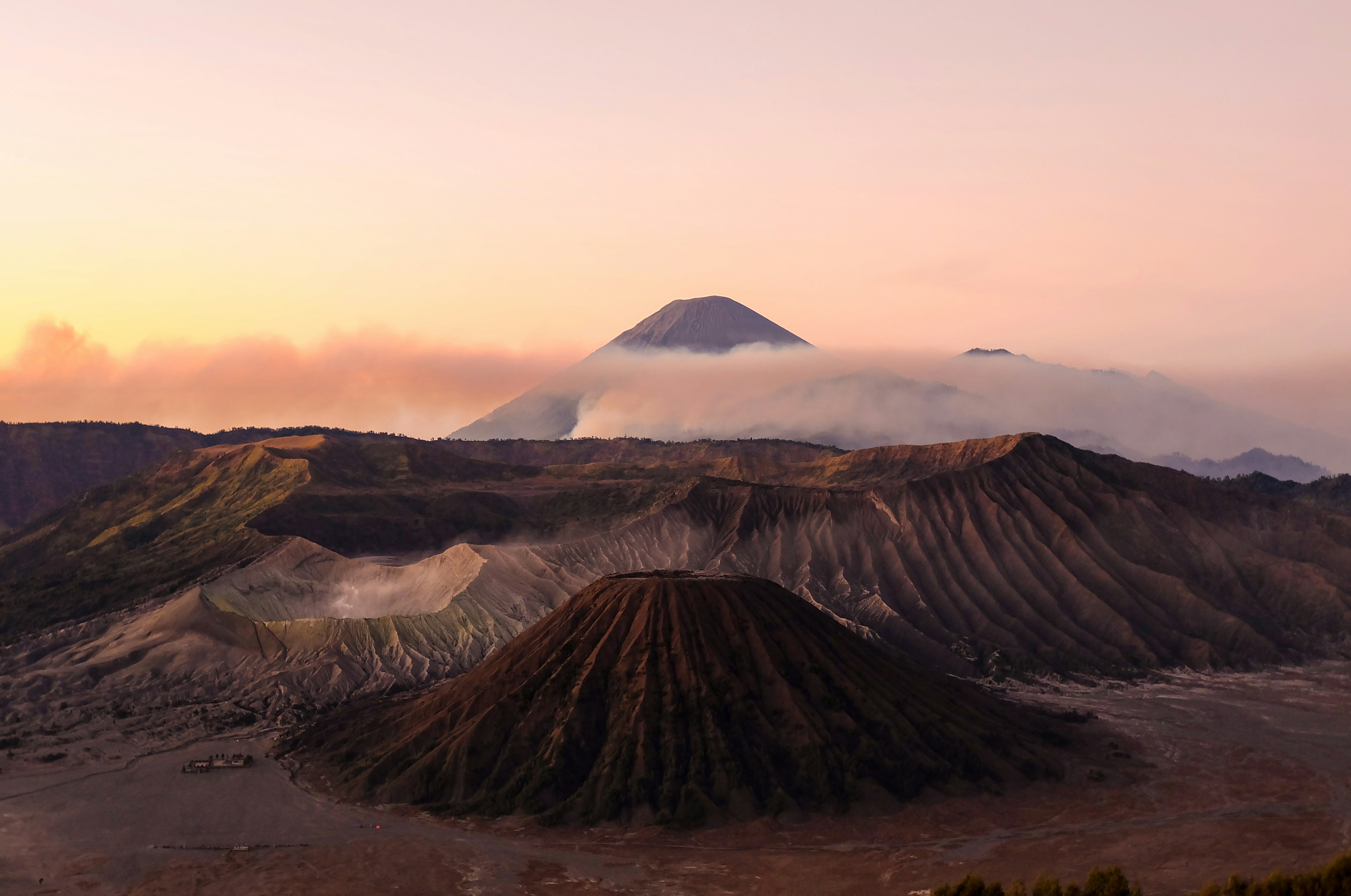
An active, smoking crater rising from the middle of a vast ash-grey "Sea of Sand" caldera in East Java, ringed by the taller peaks of the Tengger massif.
The classic sunrise viewpoint at Mount Penanjakan looks out over Bromo's smoking cone and several neighbouring volcanoes at once, one of Southeast Asia's most celebrated views.
Horses and jeeps ferry visitors across the sand sea to the crater's base, from which several hundred stairs climb to the smoking rim itself.
How does it rate
CrowdsRomanceCash RequiredDangerAccessibilityWhy you should go
A smoking volcanic cone rising from an other-worldly grey sand sea, framed by a multi-volcano sunrise view few places can match.
Why you shouldn't go
The famous sunrise viewpoint gets extremely crowded with jeeps and tour groups, especially on weekends and holidays.
Plan your visit
Best time to visitApril-October (dry season) for clear sunrise views.Best time of daySunrise, from the Mount Penanjakan (King Kong Hill) viewpoint.Getting thereFly to Surabaya or Malang, then a 2-3 hour drive to Cemoro Lawang village, the main gateway.Entry costPark entry plus jeep tour typically runs 300,000-500,000 IDR per person.Time neededOvernight (arrive evening, sunrise tour, depart after).Insider tip — Book a jeep to a secondary viewpoint like Bukit Cinta or Seruni Point instead of the main King Kong Hill - same view, a fraction of the crowd. -
 #288 /100
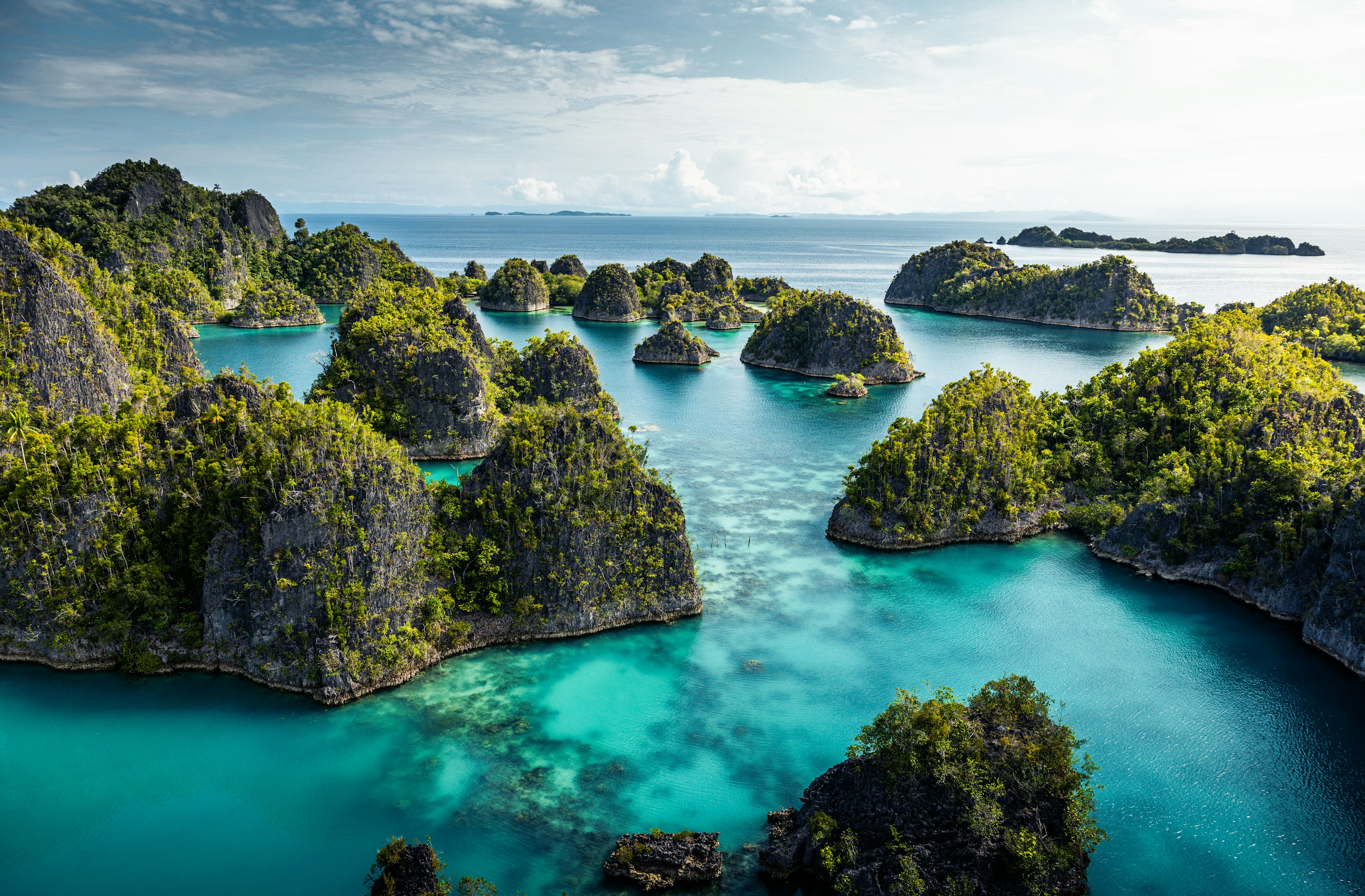
Raja Ampat's four main islands and hundreds of smaller limestone islets sit at the heart of the Coral Triangle, the most biodiverse marine environment on Earth, with reefs holding far more coral and fish species than the Caribbean.
Above water, karst islands draped in jungle ring turquoise lagoons; below, divers and snorkelers find manta rays, reef sharks, and dense coral gardens largely undamaged by mass tourism.
Reaching it takes real commitment, but few marine destinations compare.
How does it rate
CrowdsRomanceCash RequiredDangerAccessibilityWhy you should go
The most biodiverse reef system on the planet, still relatively undisturbed by mass tourism.
Why you shouldn't go
Very remote and expensive to reach, with permits, flights, and boat transfers all adding up before you even dive.
Plan your visit
Best time to visitOctober-April for calmer seas and the best underwater visibility.Best time of dayMorning dives and snorkels, before afternoon winds pick up on the open crossings.Getting thereFly to Sorong via Jakarta or Makassar, then a public or chartered boat (2-4 hours) to Waisai or a resort island.Entry costMarine Park entry permit (PIN) required, roughly 500,000-1,000,000 IDR (~$30-65)Time needed4+ daysBookingBook ahead →Insider tip — Buy the marine park permit (PIN) in Sorong or Waisai before heading to the islands; it's checked on arrival and covers the whole marine park for a full calendar year. -
 #387 /100
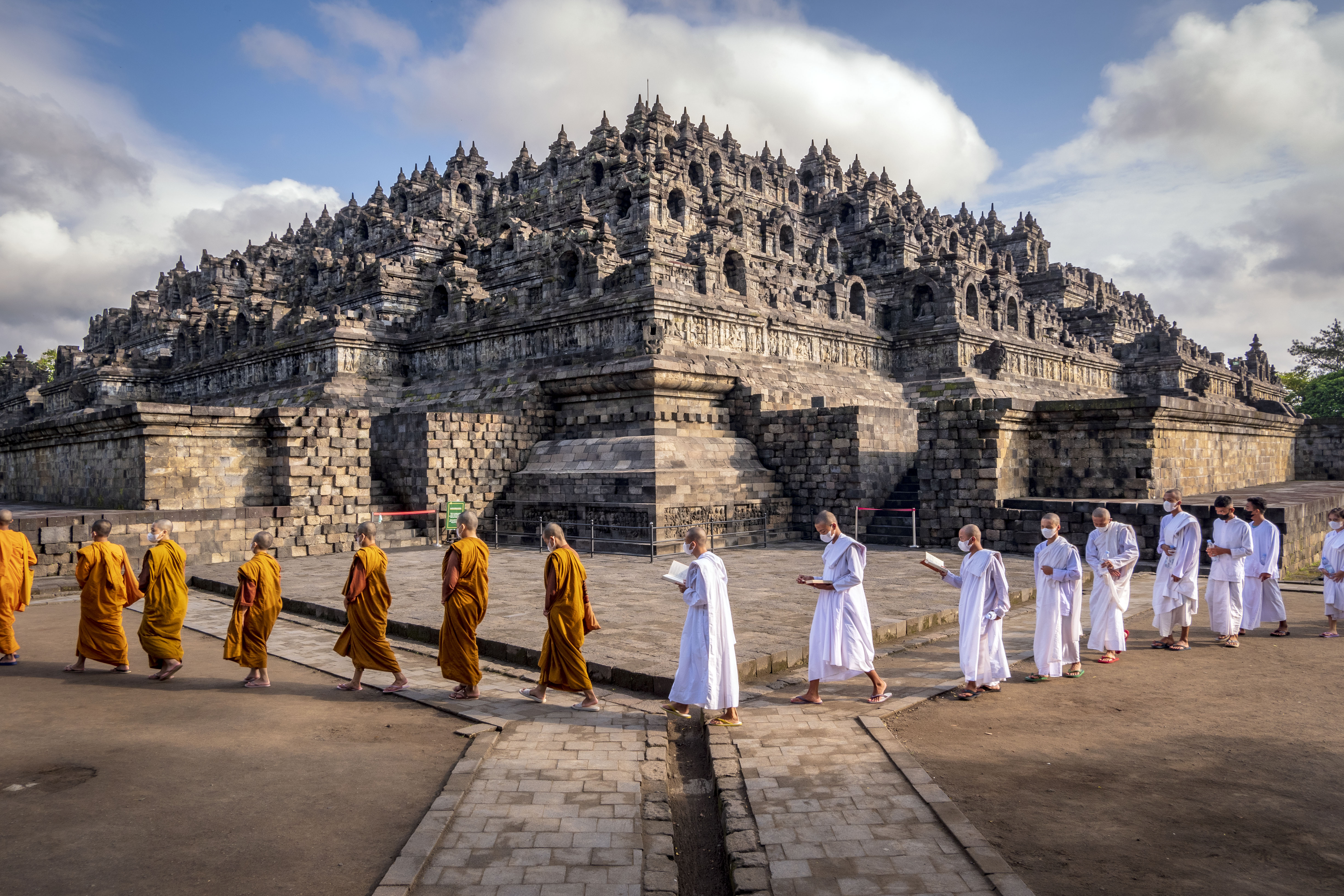
Borobudur is a 9th-century Mahayana Buddhist temple in Central Java and the world's largest Buddhist temple.
Its nine stacked platforms are decorated with 2,672 relief panels and 504 Buddha statues; the three circular upper tiers hold 72 openwork stupas, each containing a Buddha statue, creating one of the world's greatest religious monuments.
How does it rate
CrowdsRomanceCash RequiredDangerAccessibilityWhy you should go
Watching the sun rise over Borobudur from its upper terraces, with morning mist filling the surrounding jungle and volcanic peaks on the horizon, is a genuinely transcendent experience.
Why you shouldn't go
Dawn entry to the higher terraces requires a premium ticket; the relief panels are extensive and understanding their meaning requires a guide or significant research.
Plan your visit
Best time to visitMay-September (dry season)Best time of daySunrise, when mist often sits in the surrounding valleyGetting there~1.5hr drive from YogyakartaEntry cost~$25 for foreign visitors; sunrise tickets extraTime needed3-4 hoursInsider tip — Book the official sunrise tour; it is the only way in before general opening and the temple is far quieter -
 #487 /100
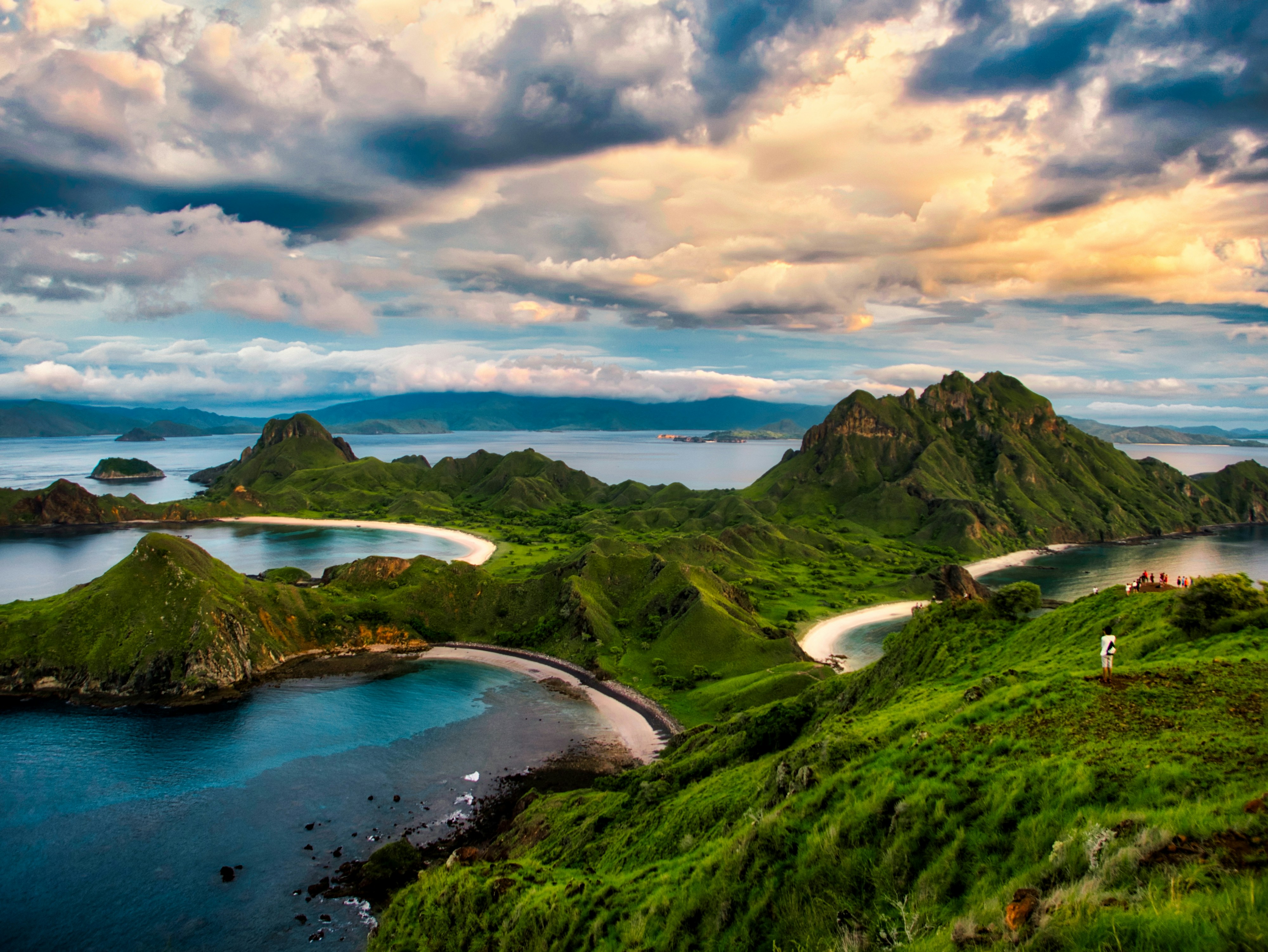
Volcanic islands rise steeply out of turquoise water in this remote Indonesian archipelago, the only place on Earth with wild Komodo dragons.
Padar Island's ridge walk looks down on three separate curved bays at once, and Pink Beach takes its colour from crushed red coral mixed through the sand.
The surrounding waters are among Indonesia's best for manta rays and drift diving.
How does it rate
CrowdsRomanceCash RequiredDangerAccessibilityWhy you should go
A single viewpoint over three turquoise bays, plus the only place on Earth to see wild Komodo dragons.
Why you shouldn't go
Only reachable by multi-day boat trip or a costly speedboat charter from Labuan Bajo.
Plan your visit
Best time to visitApril-June or September-November, outside the wettest and busiest peak months.Best time of daySunrise on Padar Island, before the heat and the day-trip crowds arrive.Getting thereFly into Labuan Bajo, then join a liveaboard or day boat into the park.Entry costPark entry and conservation fees, plus boat trip costs, typically $50-150+ per day.Time needed2-3 daysInsider tip — Book a liveaboard over a single-day speedboat trip - the best light on Padar and Pink Beach both fall outside typical day-trip hours. -
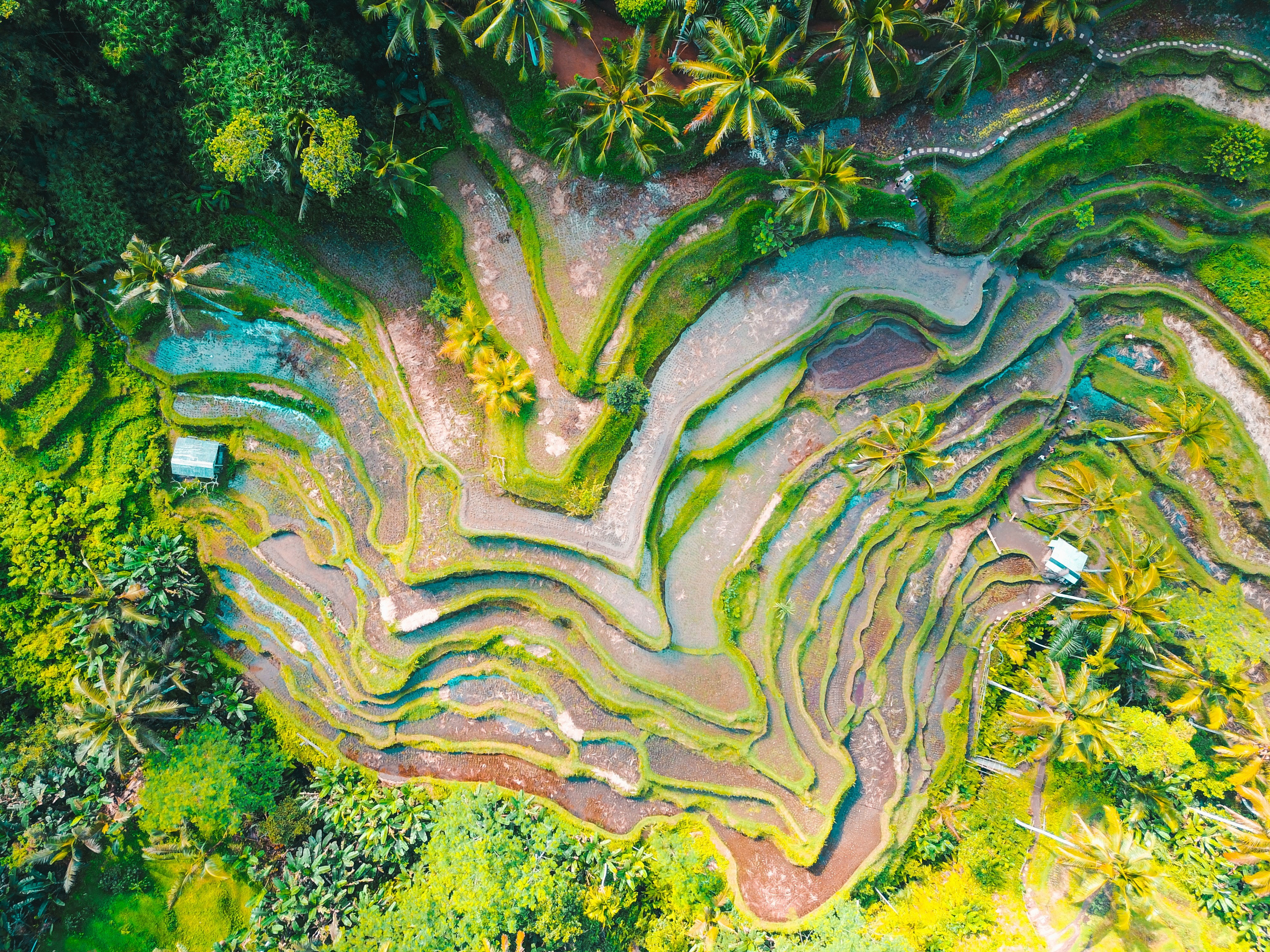 #5
#5Emerald rice terraces cascade down hillsides at Tegalalang, ancient sea temples perch on offshore rock at Tanah Lot, and Mount Agung looms over the east of the island.
Bali packs jungle, volcano, temple and coast into an island small enough to cross in a day, with a Hindu ceremonial calendar running visibly through daily life.
The southern beach strip is heavily developed; the north and east still are not.
How does it rate
CrowdsRomanceCash RequiredDangerAccessibilityWhy you should go
An entire island of postcard shots - rice terraces, sea temples and a volcano backdrop within easy reach of each other.
Why you shouldn't go
The famous Gates of Heaven photo involves a real queue and a mirror trick, not an actual reflecting pool.
Plan your visit
Best time to visitApril-October, the dry season.Best time of daySunrise at Lempuyang Temple; late afternoon for the rice terraces.Getting thereFly into Denpasar (Ngurah Rai International Airport); scooters or hired drivers cover the island.Entry costTemple entries and terrace access typically a few dollars each.Time needed5-7 daysInsider tip — Book the Lempuyang Gates of Heaven visit for opening time, 7am, before the queue for the mirror-shot photo stretches past an hour. -
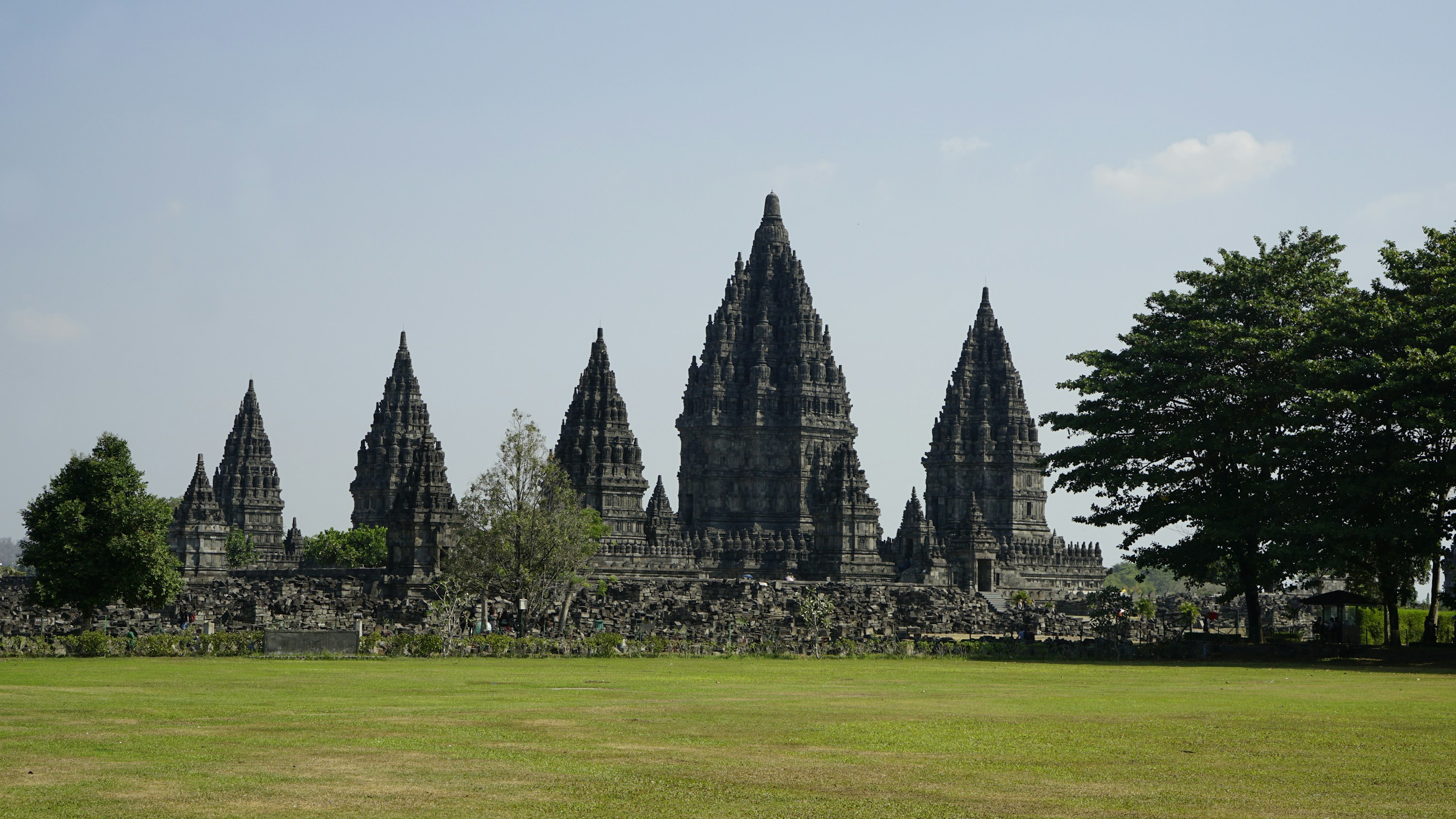 #682 /100
Prambanan is Indonesia's largest Hindu temple complex, its central shrine to Shiva soaring nearly 47 meters above a UNESCO-listed field of 9th-century stone spires.
The reliefs lining its inner galleries narrate the Ramayana in stone, and the complex hosts an outdoor ballet retelling the same epic on moonlit evenings.
Less crowded and more intricately carved than its Buddhist counterpart Borobudur an hour away, it rewards an unhurried walk around all three main shrines.
How does it rate
CrowdsRomanceCash RequiredDangerAccessibilityWhy you should go
Java's grandest Hindu temple complex, with soaring 9th-century spires and detailed Ramayana stone reliefs.
Why you shouldn't go
Central Java's earthquakes have repeatedly damaged the site; some smaller surrounding shrines remain roped-off ruins.
Plan your visit
Best time to visitMay-September, dry season, avoiding the muddiest ground around the outer ruins.Best time of dayOpening time or late afternoon, avoiding midday heat on the unshaded stone plaza.Getting thereFly to Yogyakarta; Prambanan is a 45-minute drive or a cheap TransJogja bus east of the city.Entry costAround $25 for foreign visitors; combined ticket with Borobudur available for both templesTime needed2-3 hoursBookingBook ahead →Insider tip — Buy the combined Borobudur-Prambanan ticket if visiting both within two days; it's cheaper than paying separately. The Ramayana Ballet runs on an open-air stage facing the temple several evenings a week. -
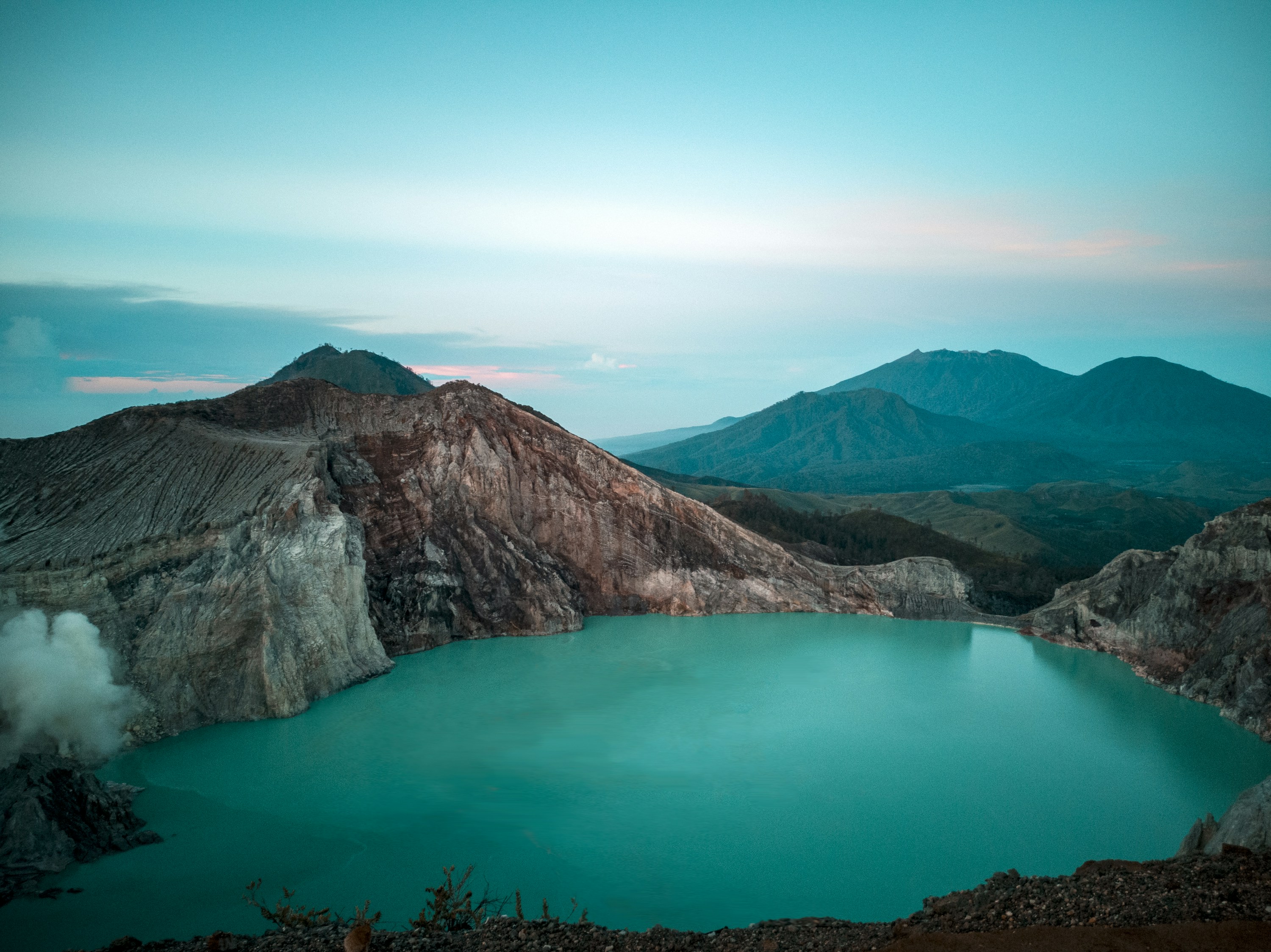 #779 /100
Kawah Ijen's crater holds the world's largest highly acidic lake, a turquoise expanse ringed by sulfur-mining tunnels, and after dark, electric-blue flames flicker where sulfuric gas ignites on contact with air.
Miners still carry raw sulfur out by hand in baskets, a punishing job visitors pass on the trail up.
Most people climb in the dark to catch the blue fire before it fades with the sunrise, then look down into the lake itself from the crater rim.
How does it rate
CrowdsRomanceCash RequiredDangerAccessibilityWhy you should go
One of only a few places on Earth to see electric-blue volcanic flames, above the world's largest acid crater lake.
Why you shouldn't go
Sulfuric gas is genuinely hazardous; the trek is a steep, cold, 1-2am start, and gas masks only help so much.
Plan your visit
Best time to visitApril-October, dry season, for a stable trail and clearer blue-flame visibility.Best time of day1am-3am departure to see the blue fire before dawn; the flames aren't visible in daylight.Getting thereFly to Banyuwangi or Surabaya; the Paltuding trailhead is roughly 1.5-2 hours by road from Banyuwangi.Entry costAround 350,000 IDR (~$22) covering entry, gas mask rental, and basic transport on tour packagesTime needed5-6 hours round trip, including the sunrise returnInsider tip — Get a medical check certificate in Banyuwangi a few days ahead, required for the crater descent; rent a proper gas mask on-site rather than the cheap fabric ones sold at the gate. -
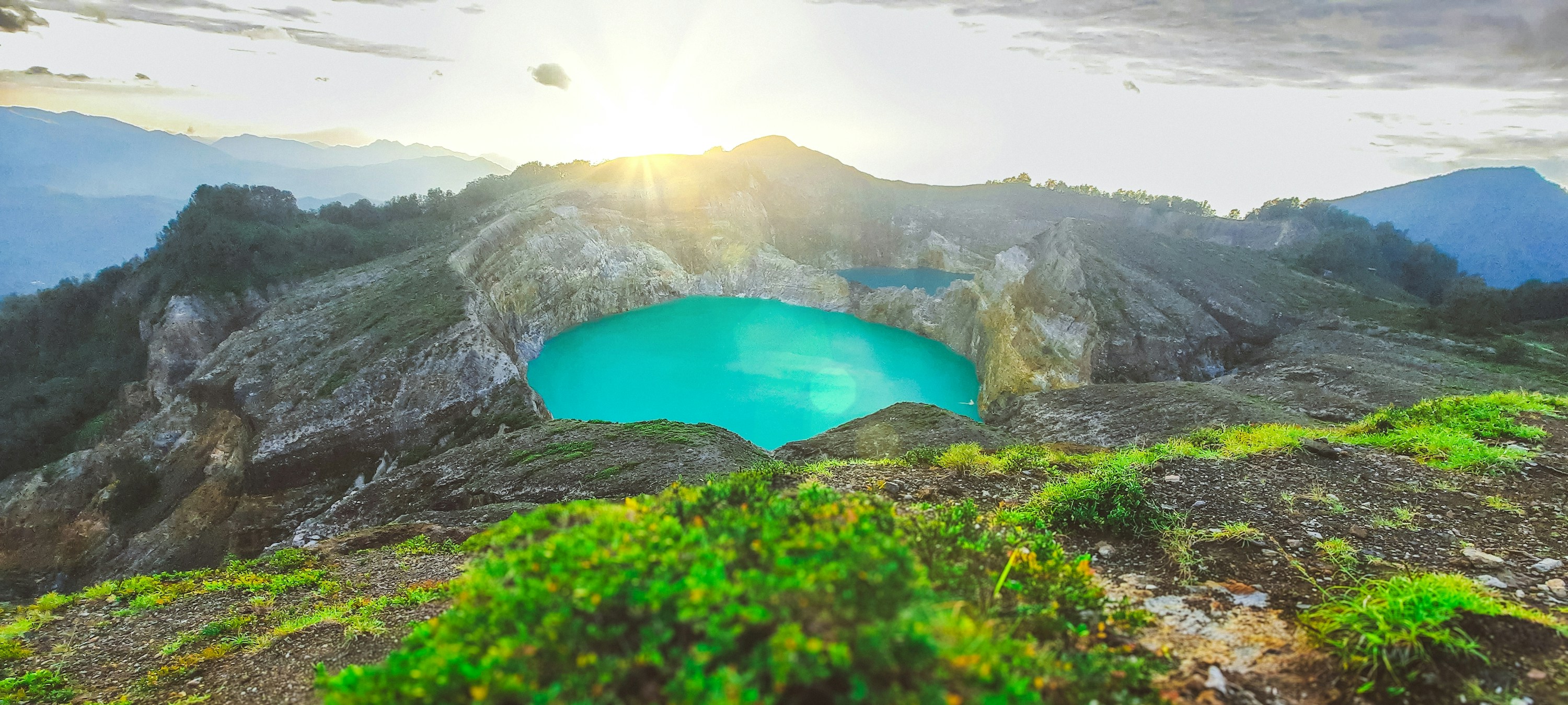 #8
#8Kelimutu volcano holds three crater lakes side by side, each a different color from mineral and gas activity below, ranging through turquoise, teal, and near-black depending on when you visit.
The lakes have shifted hue repeatedly over recorded history, a phenomenon still not fully explained.
Most visitors arrive before dawn to catch sunrise from the rim, then walk a short paved trail between viewpoints overlooking each lake.
How does it rate
CrowdsRomanceCash RequiredDangerAccessibilityWhy you should go
Three crater lakes of different, unexplained colors side by side, best seen glowing at sunrise.
Why you shouldn't go
Getting to remote central Flores takes real effort, and clouds often roll in and hide the lakes by mid-morning.
Plan your visit
Best time to visitMay-September, dry season, for the clearest views and lowest chance of cloud cover.Best time of daySunrise; arrive by 5am before clouds build up later in the morning.Getting thereFly to Ende, Flores; Kelimutu is a 1.5-hour drive, staying overnight in nearby Moni village.Entry cost150,000 IDR weekdays, 250,000 IDR Sundays/holidays (~$9-16)Time needed2-3 hours at the crater rimInsider tip — Stay in Moni the night before and arrange a pre-dawn ojek (motorbike taxi) to the gate; the viewpoint above the two closest lakes is far less crowded than the main platform. -
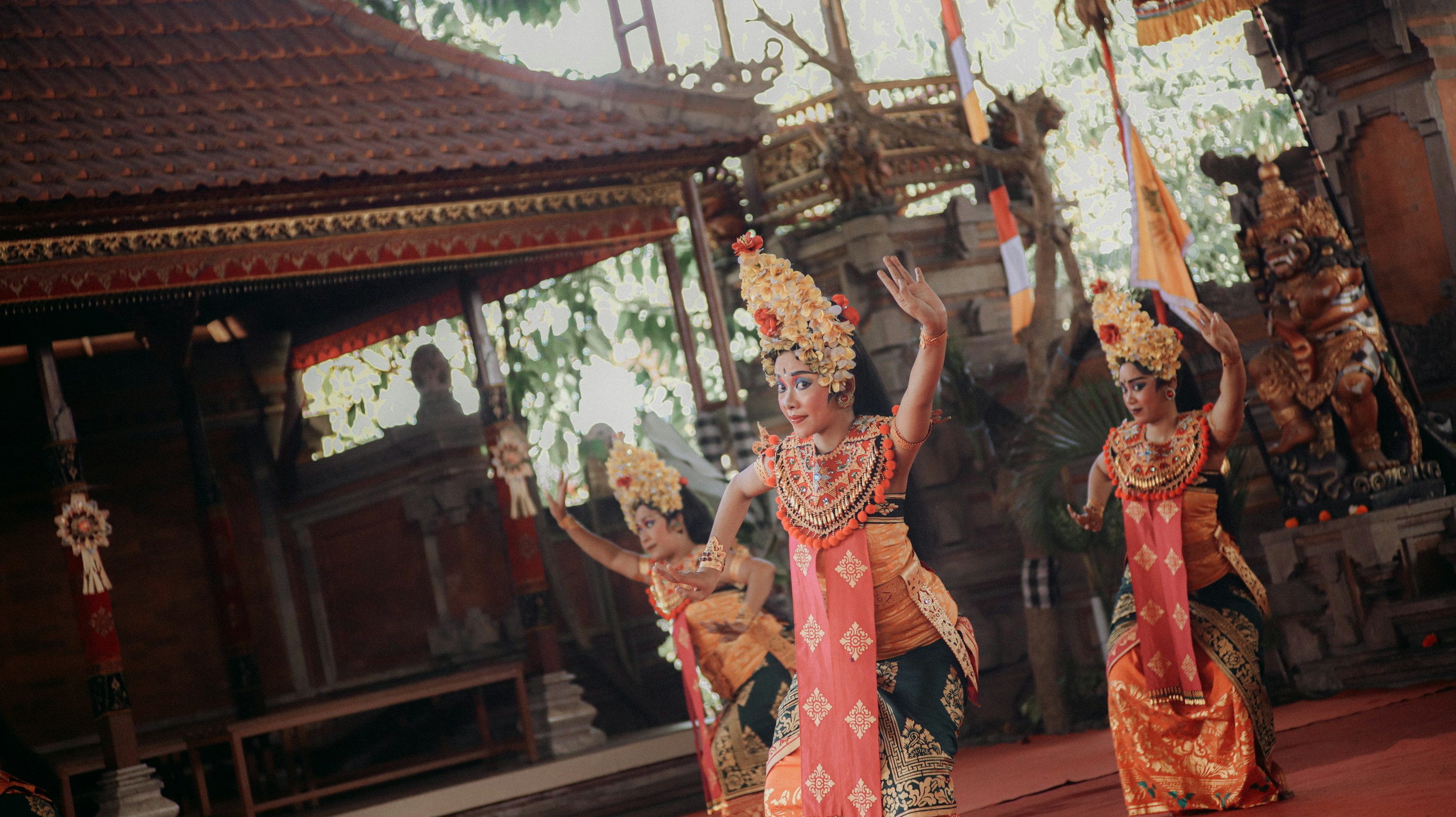 #974 /100
Held over a full month each summer in Denpasar, the Bali Arts Festival gathers traditional dance, gamelan orchestras, shadow puppetry, and crafts from villages across the island into one showcase, opened with a parade of regional delegations in ceremonial dress.
Unlike festivals built around foreign headline acts, this one exists to keep Balinese Hindu performing arts alive for local audiences, with tourists welcome as spectators.
How does it rate
CrowdsRomanceCash RequiredDangerAccessibilityWhy you should go
A month-long showcase of traditional Balinese dance, gamelan, and puppetry, opened with a parade of villages in ceremonial dress.
Why you shouldn't go
Performances and schedules are mostly in Indonesian and Balinese with limited English signage, geared to local audiences rather than tourists.
Plan your visit
Best time to visitA full month from mid-June into July each year.Best time of dayEvening for the main dance and gamelan performances at the Denpasar arts centre.Getting thereFly into Ngurah Rai International Airport near Denpasar; the festival venue is a short drive from the airport.Entry costEntry to most performances is free or a nominal fee.Time neededOne evening for a sample; the full programme runs a month.Insider tip — Check the printed daily schedule at the venue gate each morning - performance line-ups shift daily and aren't reliably posted online. -
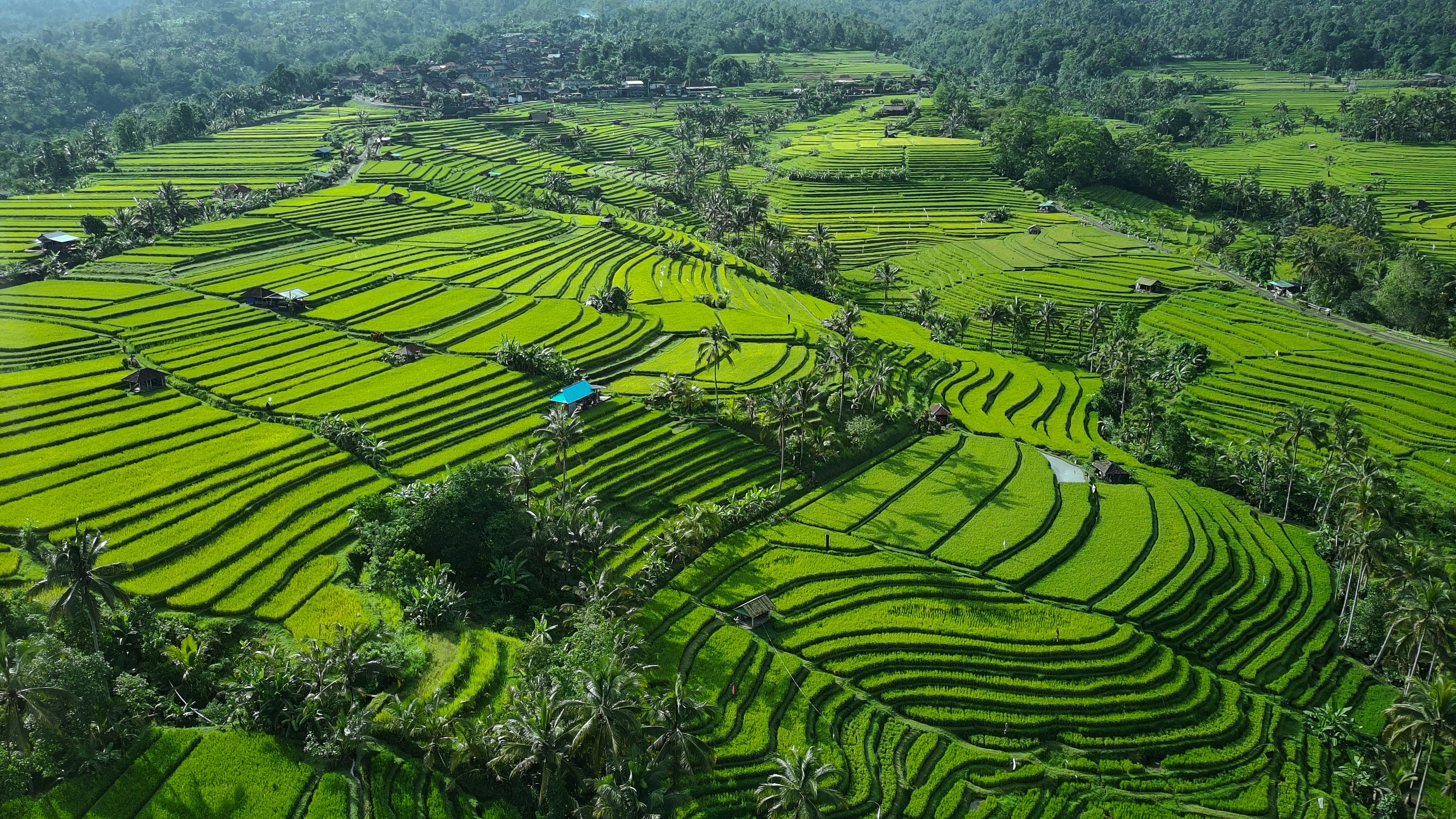 #10
#10Rated #10 of 11
Jatiluwih Rice Terraces Cycling Route
#jatiluwihriceterracescyclingroute ◆ Cycling Tours73 /100Quiet lanes and dirt tracks wind through Jatiluwih's UNESCO-listed rice terraces, a 600-hectare patchwork of paddies fed by the centuries-old subak irrigation system in central Bali.
Riders pass working farmers, fighting-cock cages and coffee laid out to dry in small villages between the terraces.
E-bikes make the gentle climbs manageable, with wide views over layered green paddies to Mount Batukaru behind.
How does it rate
CrowdsRomanceCash RequiredDangerAccessibilityWhy you should go
Riding directly through living, UNESCO-listed rice terraces gives a closer view than any roadside lookout.
Why you shouldn't go
The terraces look their best only shortly after planting; dry-season stubble fields are far less photogenic.
Plan your visit
Best time to visitFeb-Mar or Aug-Sep, when the paddies are at their most vivid green.Best time of dayEarly morning for cool temperatures, soft light and mist over the terraces.Getting thereFly to Denpasar; drive roughly 1.5-2 hours north to Jatiluwih, or join a tour with hotel pickup.Entry costTerrace entry approx IDR 40,000; guided e-bike tours from approx USD 35Time needed2-3 hoursInsider tip — Go on a weekday morning before tour-bus groups arrive at the main viewpoint, and ask your guide about the quieter western loop away from the main road. -
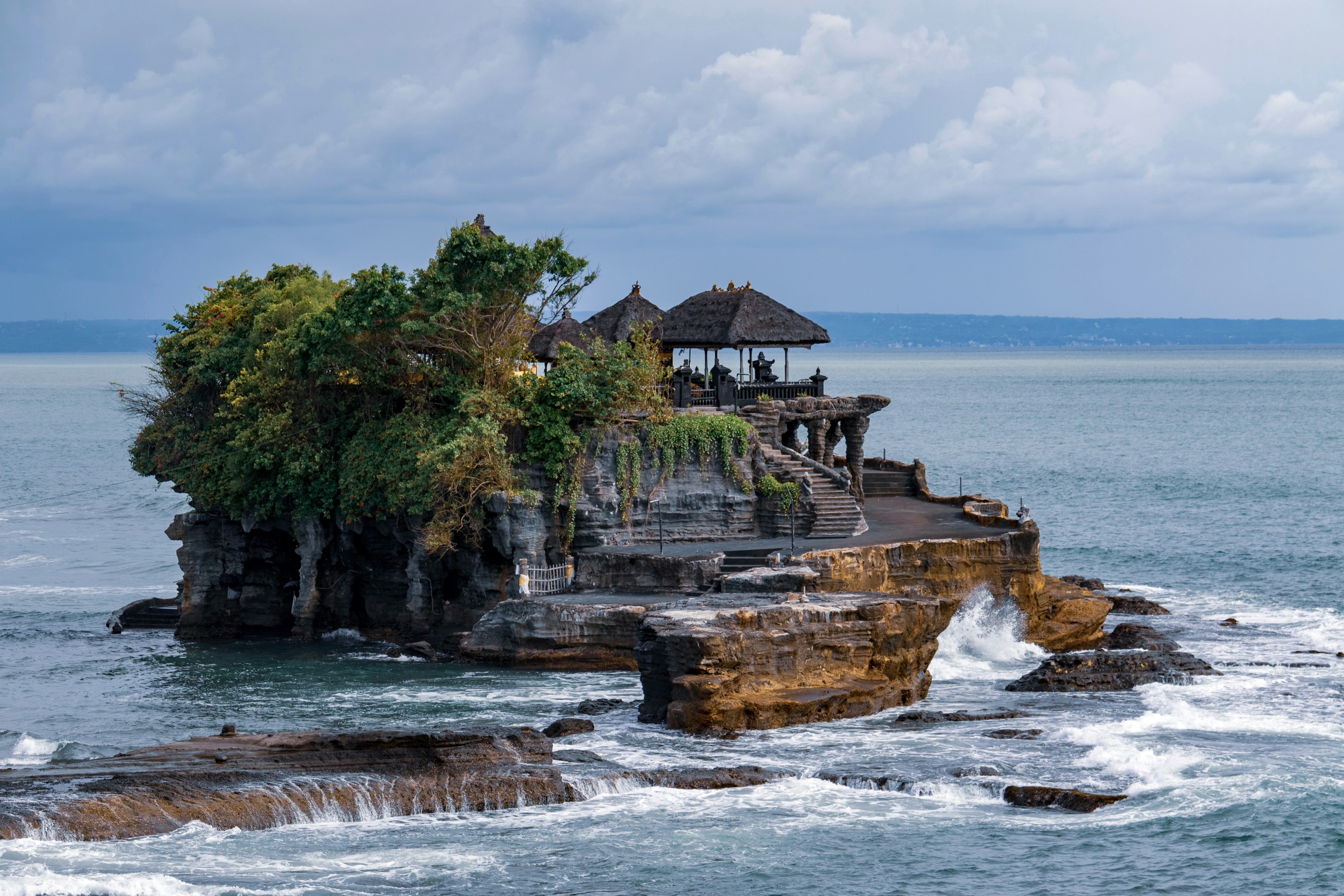 #1172 /100
Tanah Lot's Hindu sea temple sits on a small rock outcrop just offshore, cut off from the mainland at high tide and reachable on foot when the water recedes.
Built around a natural spring the Balinese consider sacred, it's one of several coastal temples protecting Bali from sea spirits, and among the most photographed silhouettes on the island at sunset.
The temple interior is closed to non-worshippers, so the visit is really about the setting and the ritual crowds gathering for dusk.
How does it rate
CrowdsRomanceCash RequiredDangerAccessibilityWhy you should go
One of Bali's most iconic sunset silhouettes, a temple perched on a wave-battered sea rock.
Why you shouldn't go
Extremely crowded by late afternoon, and the temple itself is closed to visitors who aren't there to pray.
Plan your visit
Best time to visitDry season, April-October, for reliable sunsets; check tide tables so the rock isn't submerged.Best time of daySunset, though arriving by mid-afternoon beats the worst of the crowds.Getting there45-60 minutes by car or scooter from Denpasar/Seminyak, in Tabanan regency.Entry costIDR 75,000 (~$4.50) for adults, cash onlyTime needed1-2 hoursInsider tip — Skip the crowded main viewpoint and walk the clifftop path south past the warungs for a quieter angle on the temple silhouette at sunset.


How a score is built
One score out of 100, five criteria behind it
Every place is rated 1–5 on each of the criteria below, then combined into a single score out of 100. It's calculated by us, the same way every time — not an average of traveller reviews or social votes.
Crowds
How many people you'll be sharing it with, and at what time of day.
Romance
How well it suits a couple, a proposal, or a quiet moment together.
Cash required
Entry fees, permits, guides, rentals — what it actually costs to do it.
Danger
Physical risk involved, from a slippery viewpoint to genuine hazard.
Accessibility
How far off the beaten path it is, and how hard it is to actually reach.