-
 #188 /100
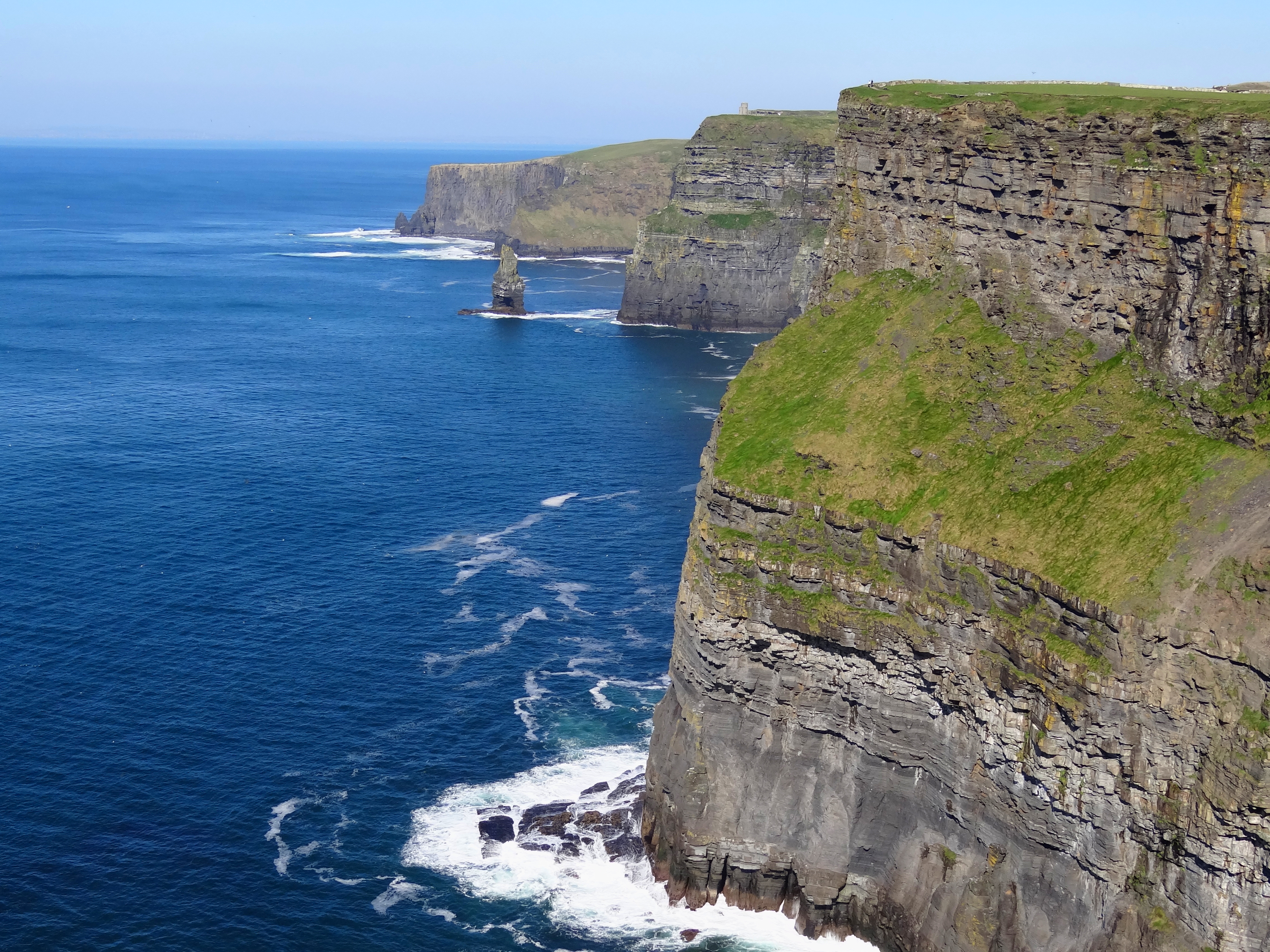
The Cliffs of Moher are a 14-kilometre stretch of sea cliffs on the Atlantic coast of County Clare that rise to 214 metres at their highest point.
The view from the clifftop path, looking south towards the Burren and north towards Galway Bay, with the Aran Islands in the distance, is one of Ireland's most iconic.
How does it rate
CrowdsRomanceCash RequiredDangerAccessibilityWhy you should go
The sheer drama of the cliffs rising vertically from the Atlantic Ocean, particularly on a stormy day when waves crash against the base, is genuinely awe-inspiring.
Why you shouldn't go
The cliffs are one of Ireland's most visited attractions and the visitor centre area can be very crowded; the clifftop path can be dangerously exposed in high winds.
Plan your visit
Best time to visitMay-September for best weather odds (still unpredictable)Best time of dayLate afternoon for light on the cliff faceGetting there~1.5-2hr drive from Galway or LimerickEntry cost~EUR10 entryTime needed2-3 hoursInsider tip — Walk south along the cliff path away from the main visitor centre for quieter views and better angles -
 #279 /100
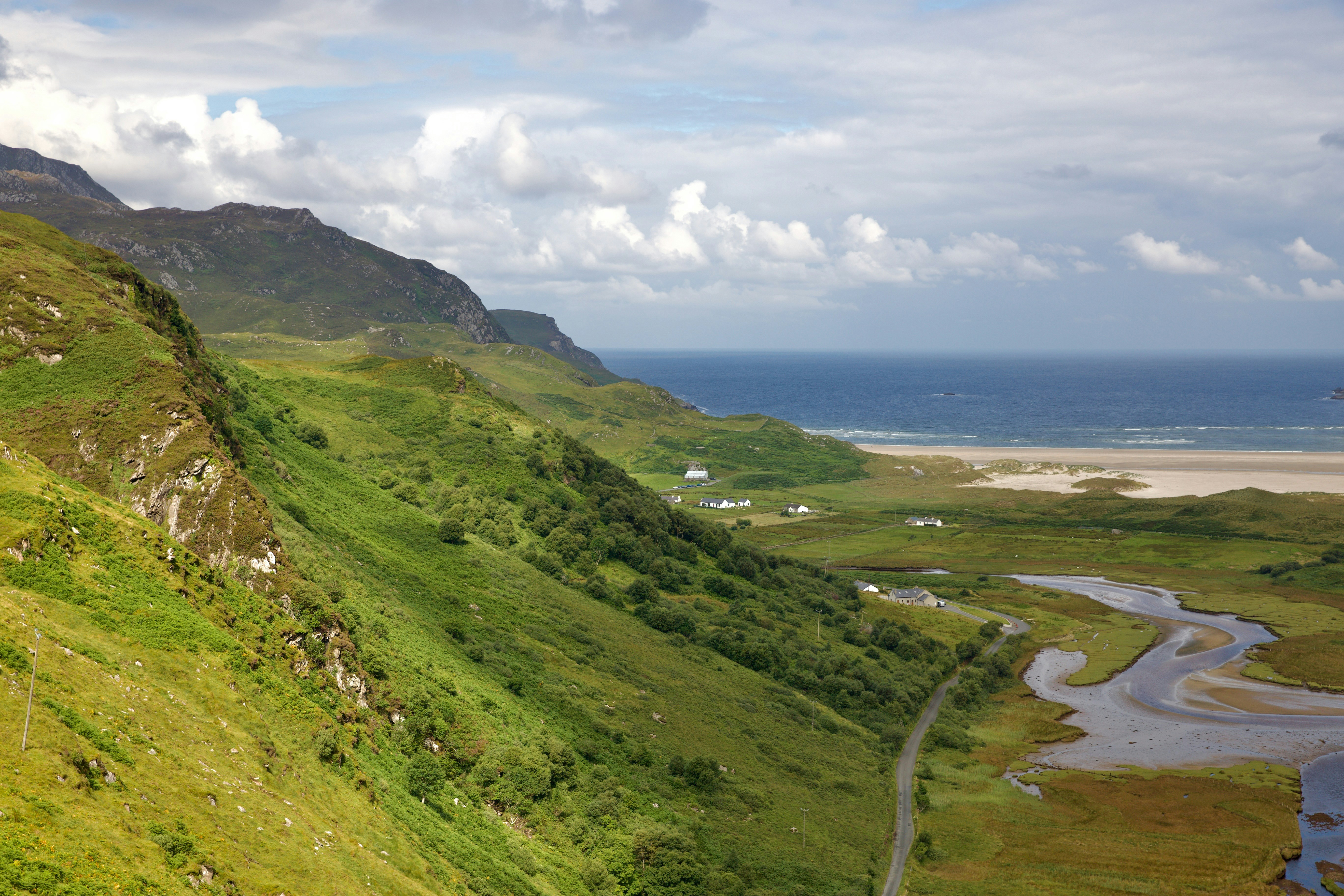
Ireland's Wild Atlantic Way follows roughly 2,500 kilometres of coastline from Donegal's Inishowen Peninsula to Kinsale in County Cork, tracing sea cliffs, white sand beaches, and stone-walled fishing villages.
The Cliffs of Moher and Skellig Michael sit along the route, alongside quieter stretches like the Sky Road near Clifden and Achill Island's beaches.
Weather turns quickly, and headlands are as often shrouded in mist as lit gold at sunset.
How does it rate
CrowdsRomanceCash RequiredDangerAccessibilityWhy you should go
Ireland's whole dramatic west coast, from towering cliffs to remote islands, on one signed touring route.
Why you shouldn't go
Rain and shifting weather are frequent companions; clear-sky days are never guaranteed.
Plan your visit
Best time to visitMay-June for the driest, sunniest conditions before peak summer traffic.Best time of dayEarly morning at the Cliffs of Moher, ahead of tour bus arrivals.Getting thereFly into Shannon, Cork, or Dublin, hire a car, and join the signed blue-and-white route at any point.Entry costFree to drive; sites like the Cliffs of Moher charge parking/entry feesTime needed7-10 daysBookingBook ahead →Insider tip — Break the drive into short daily legs - the posted route length is deceptive because coastal roads are slow and invite constant detours. -
 #379 /100
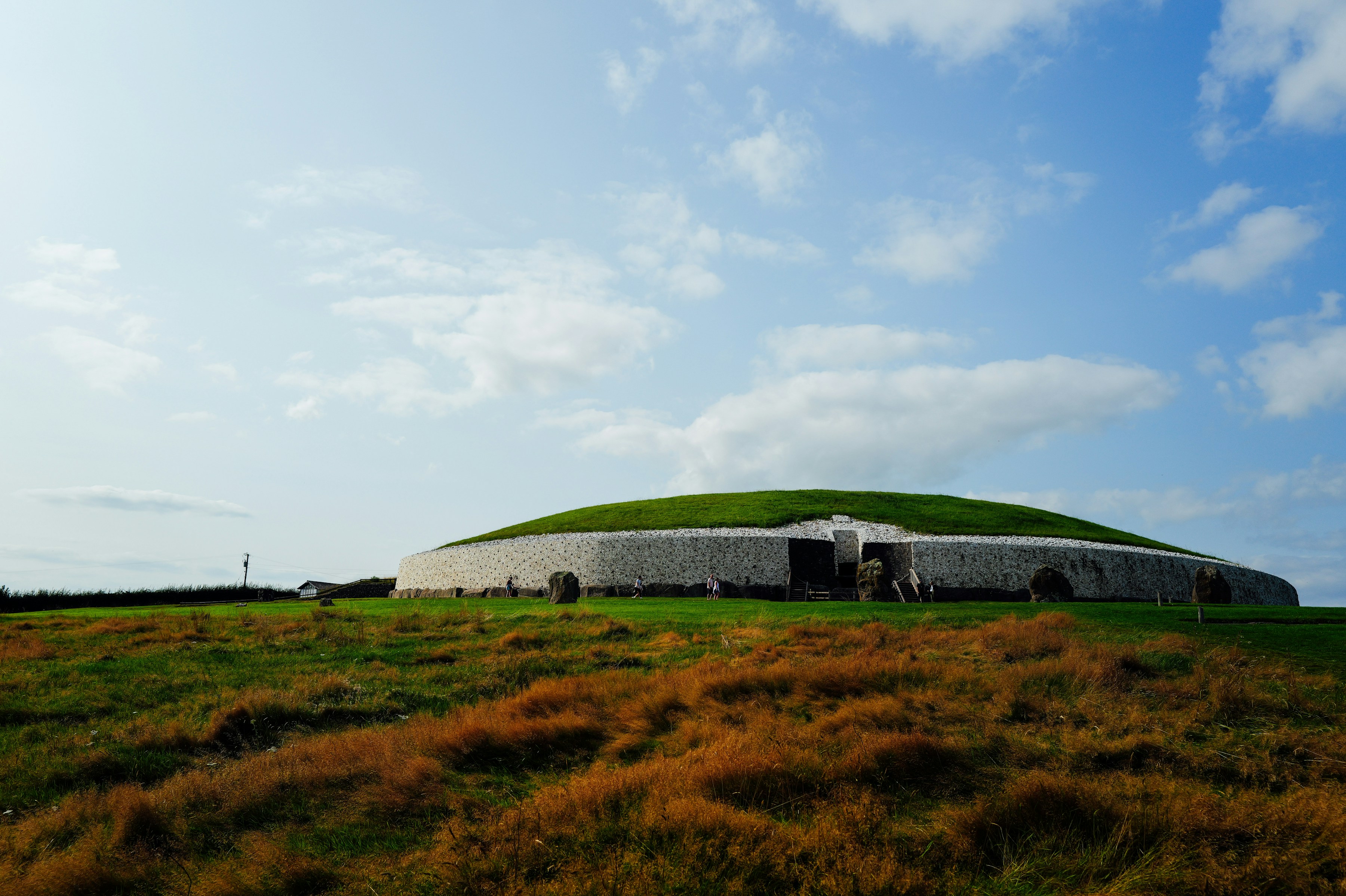
This Neolithic passage tomb in the Boyne Valley predates Stonehenge and the Egyptian pyramids by centuries, its huge circular mound ringed with carved kerbstones and a roof-box aligned to flood the inner chamber with sunlight at the winter solstice.
Guided tours take you inside the narrow passage to the burial chamber, and a simulated solstice light show runs year-round.
The precision of 5,000-year-old engineering is the real draw.
How does it rate
CrowdsRomanceCash RequiredDangerAccessibilityWhy you should go
A 5,000-year-old solstice-aligned tomb older than the pyramids, and you can walk inside it.
Why you shouldn't go
Access is guided-tour only via the visitor center, with no independent entry to the mound.
Plan your visit
Best time to visitYear-round; December 21st for the real solstice alignment, if you win the visitor lottery.Best time of dayFirst tour of the day for smaller groups inside the chamber.Getting thereDrive to the Brú na Bóinne Visitor Centre near Donore, about 45 minutes from Dublin, then shuttle bus to the mound.Entry costAround €18 for adults, includes visitor center and guided tour.Time needed2–3 hours.Insider tip — Enter the solstice lottery online in September if you want a shot at seeing the real sunrise alignment — thousands apply for around 60 spots. -
 #476 /100
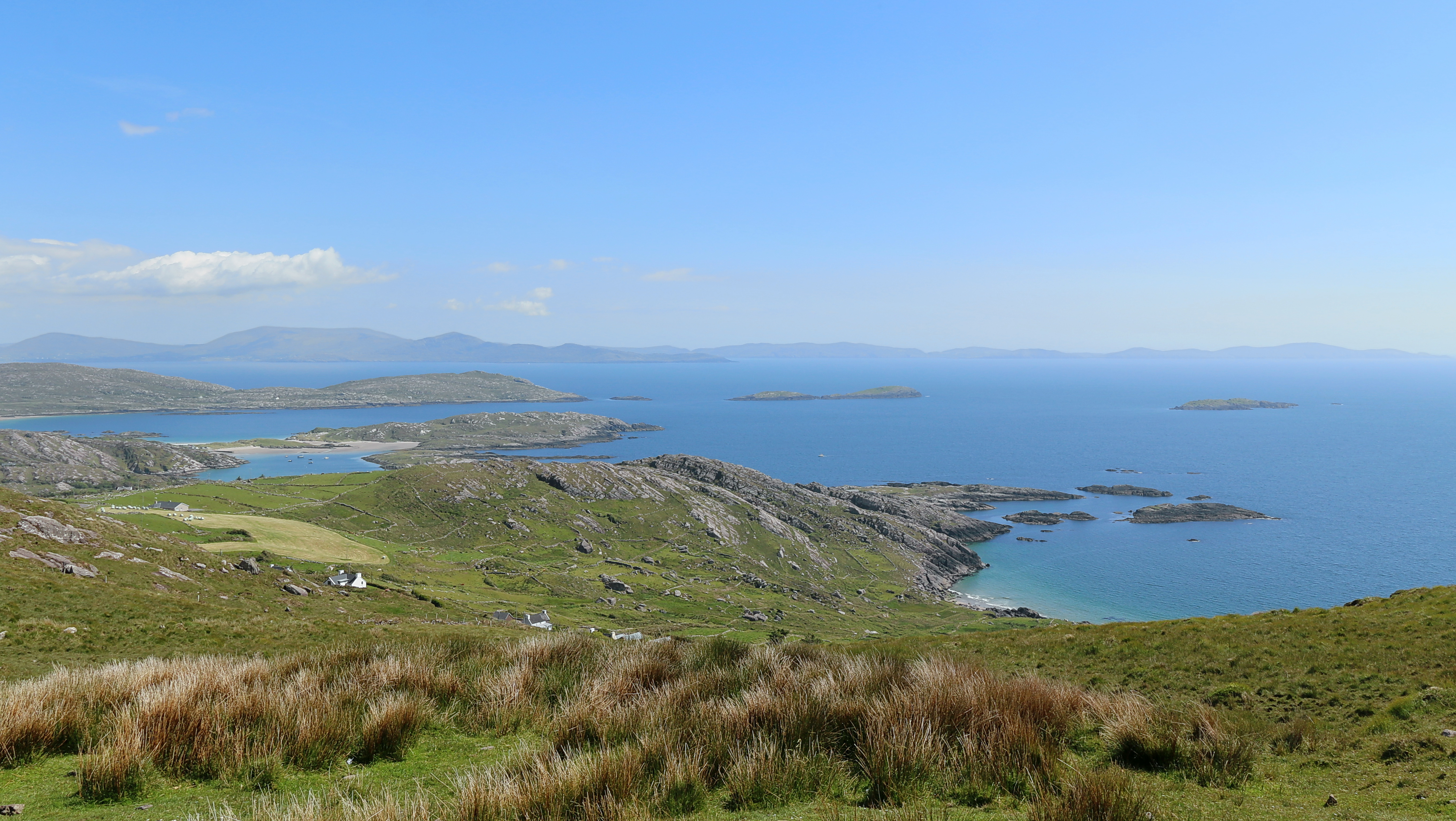
The Ring of Kerry is a 179-kilometre circular route around the Iveragh Peninsula in County Kerry in southwest Ireland, passing through some of the country's most dramatic coastal, mountain, and lakeside scenery.
The route takes in the colourful town of Kenmare, the spectacular Killarney National Park, and the ancient stone forts of Skellig Ring.
How does it rate
CrowdsRomanceCash RequiredDangerAccessibilityWhy you should go
The combination of rugged Atlantic coastline, purple-heathered mountains, and characterful small towns makes the Ring of Kerry one of the most varied and rewarding scenic drives in Europe.
Why you shouldn't go
The Ring of Kerry road becomes very congested with tour coaches in summer, particularly in July and August; driving it independently against the one-way coach traffic flow is recommended.
Plan your visit
Best time to visitMay-September for best weather oddsBest time of dayLate afternoon for light on the coastal viewsGetting thereSelf-drive loop starting from KillarneyEntry costFreeTime neededFull dayInsider tip — Drive the loop counter-clockwise, opposite to the tour buses, to avoid getting stuck behind them on narrow roads -
 #576 /100
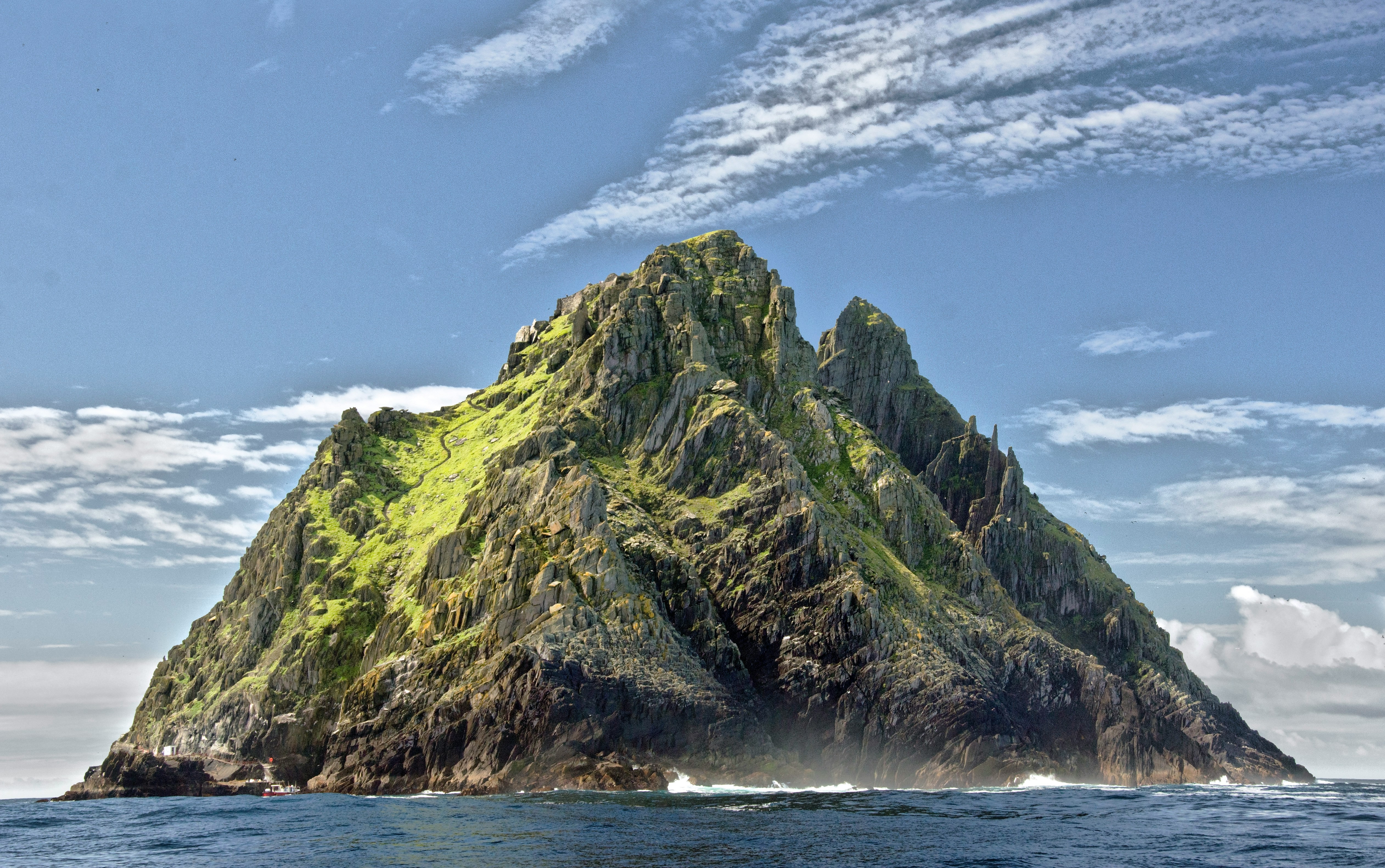
A dramatic rocky island 12km off the Irish coast, home to a 6th-century monastic settlement perched 200 meters above the Atlantic.
Narrow stone stairways climb to beehive-shaped huts where monks lived in near-total isolation for centuries, and the island later appeared in Star Wars.
How does it rate
CrowdsRomanceCash RequiredDangerAccessibilityWhy you should go
A remote monastic island with 1,400-year-old beehive huts on a rocky Atlantic peak.
Why you shouldn't go
Accessible only by boat and weather-dependent; crossings are frequently cancelled; no facilities on the island.
Plan your visit
Best time to visitMay–September, when the licensed boats operate; even then, rough seas cause regular cancellations.Best time of dayMorning departures are more likely to run before afternoon swells build.Getting thereBase in Portmagee or Ballinskelligs; licensed boat tours depart daily in season, weather permitting.Entry costBoat tour roughly €100 per person, including the landing permit.Time neededHalf a day including the boat crossing.Insider tip — Book well ahead — only a small number of licensed boats are permitted to land each day. The climb involves over 600 uneven stone steps with no railings; sturdy footwear is essential. -
 #6
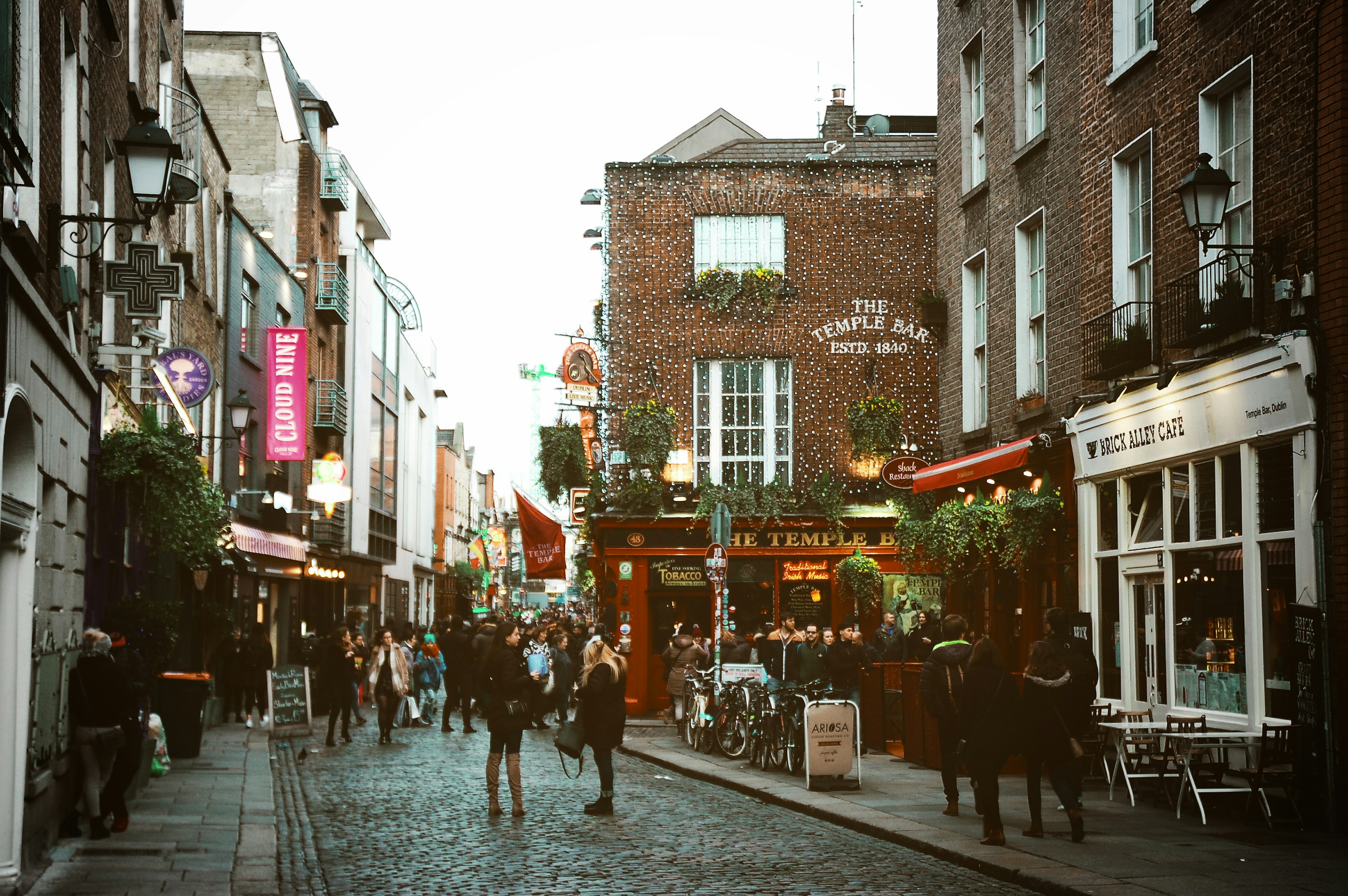
#6Ireland's capital pairs a compact, walkable historic core with a genuinely lively pub and music scene, from the Georgian squares around Trinity College — home to the Book of Kells — to the cobbled lanes of Temple Bar.
The Guinness Storehouse and Kilmainham Gaol offer two very different sides of the city's story, industrial and political, while traditional music sessions spill out of pubs most nights of the week.
How does it rate
CrowdsRomanceCash RequiredDangerAccessibilityWhy you should go
A walkable capital with world-class literary history and a genuinely lively live-music pub scene.
Why you shouldn't go
Temple Bar itself is touristy and overpriced — the better pubs are a few streets away.
Plan your visit
Best time to visitMay–September for the best weather and longest daylight.Best time of dayEvening for pub culture and live traditional music sessions.Getting thereDublin Airport is 30 minutes from the city center by bus or taxi.Entry costFree to walk the city; Book of Kells and Guinness Storehouse each around €20-30.Time needed2–3 days.Insider tip — Skip Temple Bar's pubs and head to the smaller, cheaper bars around Camden Street or the Liberties for a more local session. -
 #771 /100
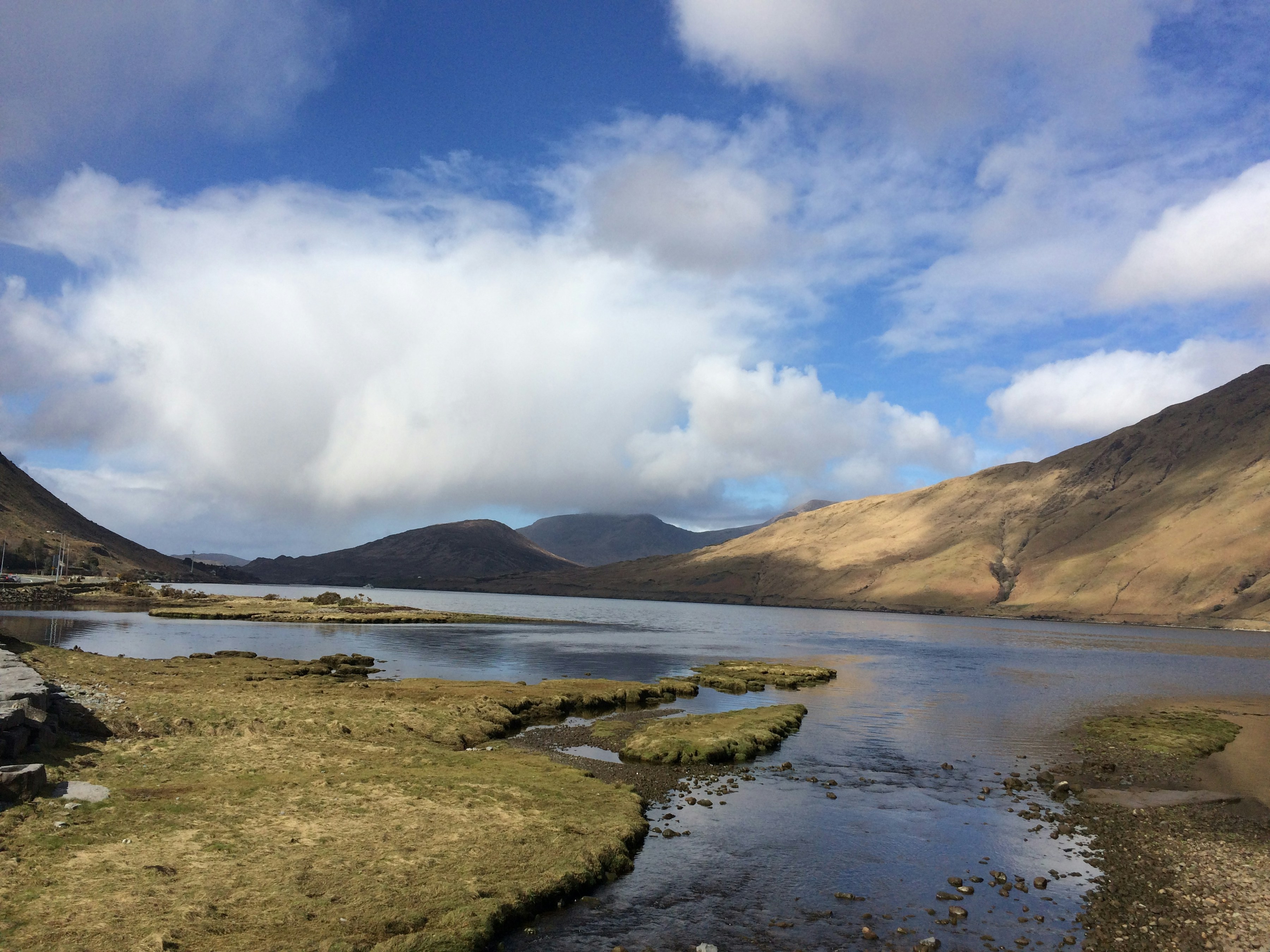
This wild stretch of County Galway packs bog, mountain, lake and rugged Atlantic coastline into one thinly populated region, its landscape barely touched since the days it inspired painters and poets.
Connemara National Park's quartzite peaks, the Sky Road's cliff-edge drive out of Clifden, and Kylemore Abbey beside its own lake are the anchor points, but much of the appeal is simply driving or hiking through empty, dramatic terrain.
How does it rate
CrowdsRomanceCash RequiredDangerAccessibilityWhy you should go
Ireland's wildest, least-crowded landscape — bog, mountain and coastline with barely another car in sight.
Why you shouldn't go
Public transport is sparse; a car is close to essential to see more than one village.
Plan your visit
Best time to visitMay–June or September for good weather without peak-season crowds.Best time of dayLate afternoon, when low light catches the mountains and lakes.Getting thereDrive from Galway city, about 1–1.5 hours to Clifden, the region's main town.Entry costFree to drive and hike; Connemara National Park and Kylemore Abbey each charge small entry fees.Time needed1–2 days.Insider tip — Drive the Sky Road loop out of Clifden at sunset — it's free, takes under an hour, and has better views than several paid attractions. -
 #869 /100
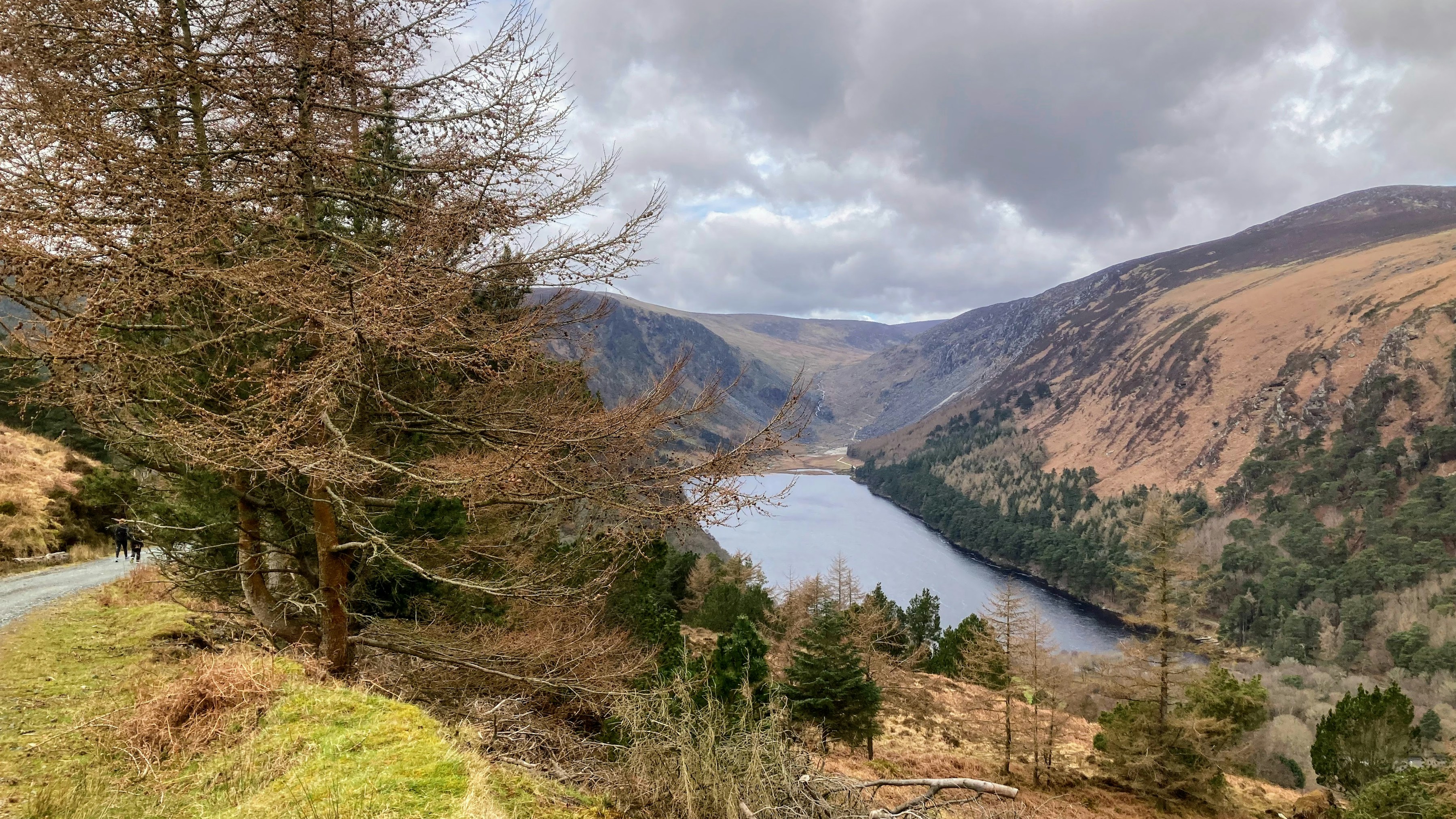
A glacier-carved valley in the Wicklow Mountains holds two lakes and the ruins of a 6th-century monastic settlement founded by St Kevin, including a remarkably intact round tower.
Trails loop around both lakes and climb into the surrounding hills, from a flat 30-minute stroll to a full afternoon's hike up to the Spinc ridge.
The mix of early-Christian ruins and scenic hiking makes it one of the most complete day trips from Dublin.
How does it rate
CrowdsRomanceCash RequiredDangerAccessibilityWhy you should go
Early-Christian monastic ruins set inside a genuinely scenic glacial valley with real hiking trails.
Why you shouldn't go
Parking fills up fast on weekends and can mean a long walk in from overflow areas.
Plan your visit
Best time to visitApril–October for hiking; autumn for color on the valley slopes.Best time of dayEarly morning to beat coach tours from Dublin.Getting thereDrive about an hour south from Dublin, or take a scheduled tour bus from the city.Entry costFree to enter the valley; parking around €4.Time needed2–4 hours.Insider tip — Skip the crowded lower lake boardwalk and head straight to the upper lake trailhead for quieter walking. -
 #966 /100
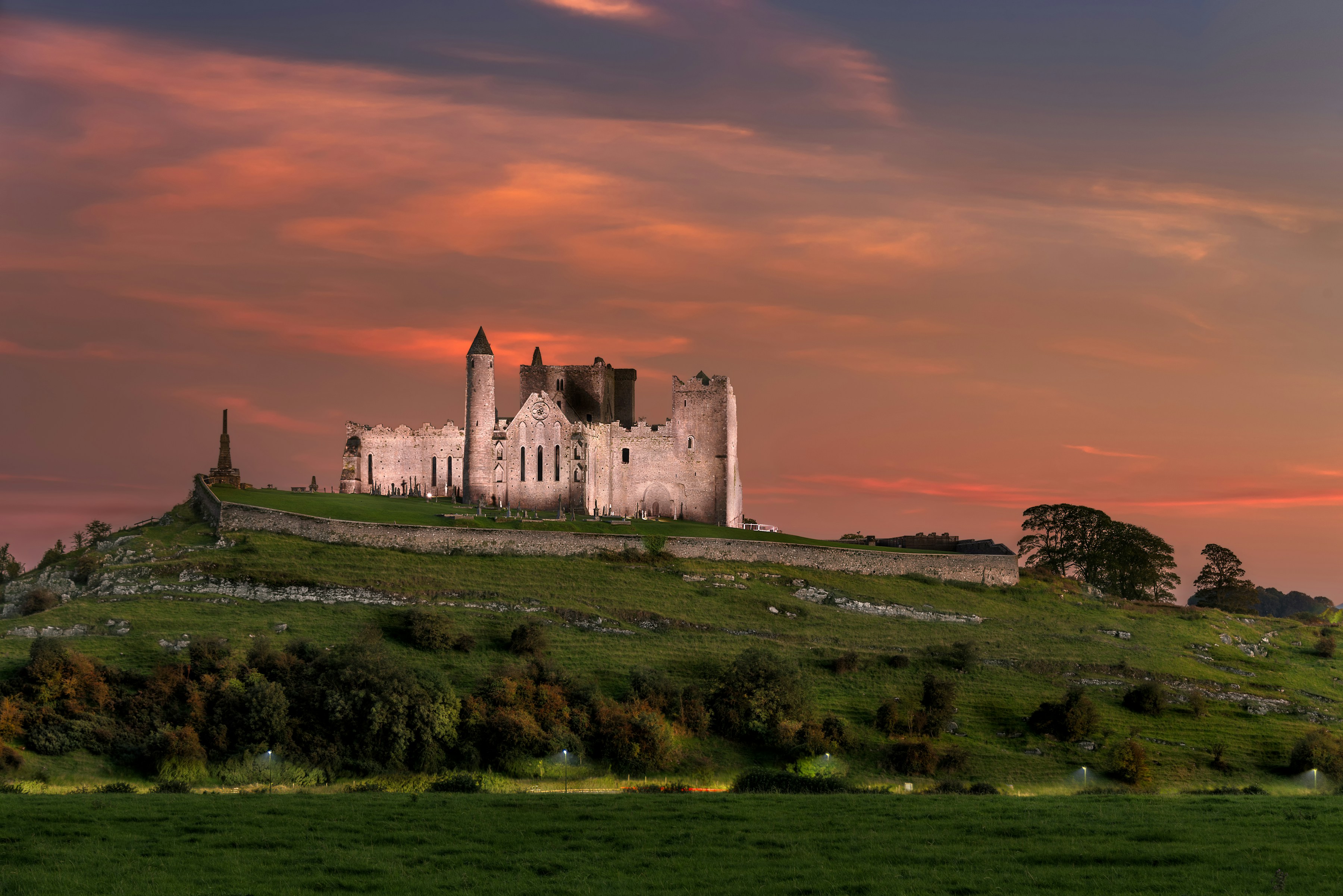
A cluster of medieval ecclesiastical buildings crowns this limestone outcrop rising abruptly from the Tipperary plain, including a round tower, a Romanesque chapel and a roofless Gothic cathedral, once the seat of the kings of Munster.
The site's dramatic elevation makes it visible for miles across flat farmland, and the ruins themselves are unusually well preserved for their age.
How does it rate
CrowdsRomanceCash RequiredDangerAccessibilityWhy you should go
A dramatic hilltop cluster of medieval ruins, visible for miles across the surrounding plain.
Why you shouldn't go
The exposed hilltop location means it can be windy and offers little shelter from rain.
Plan your visit
Best time to visitSpring through autumn for the best light and driest walking conditions.Best time of dayLate afternoon, when the ruins catch warm light against the plain below.Getting thereDrive to Cashel, about 1.5 hours from Dublin or Cork on the main route between them.Entry costAround €8 for adults.Time needed1–2 hours.Insider tip — Walk down to the ruined Hore Abbey in the field below for a classic photo of the Rock itself, which you can't get from on top of it. -
 #1065 /100
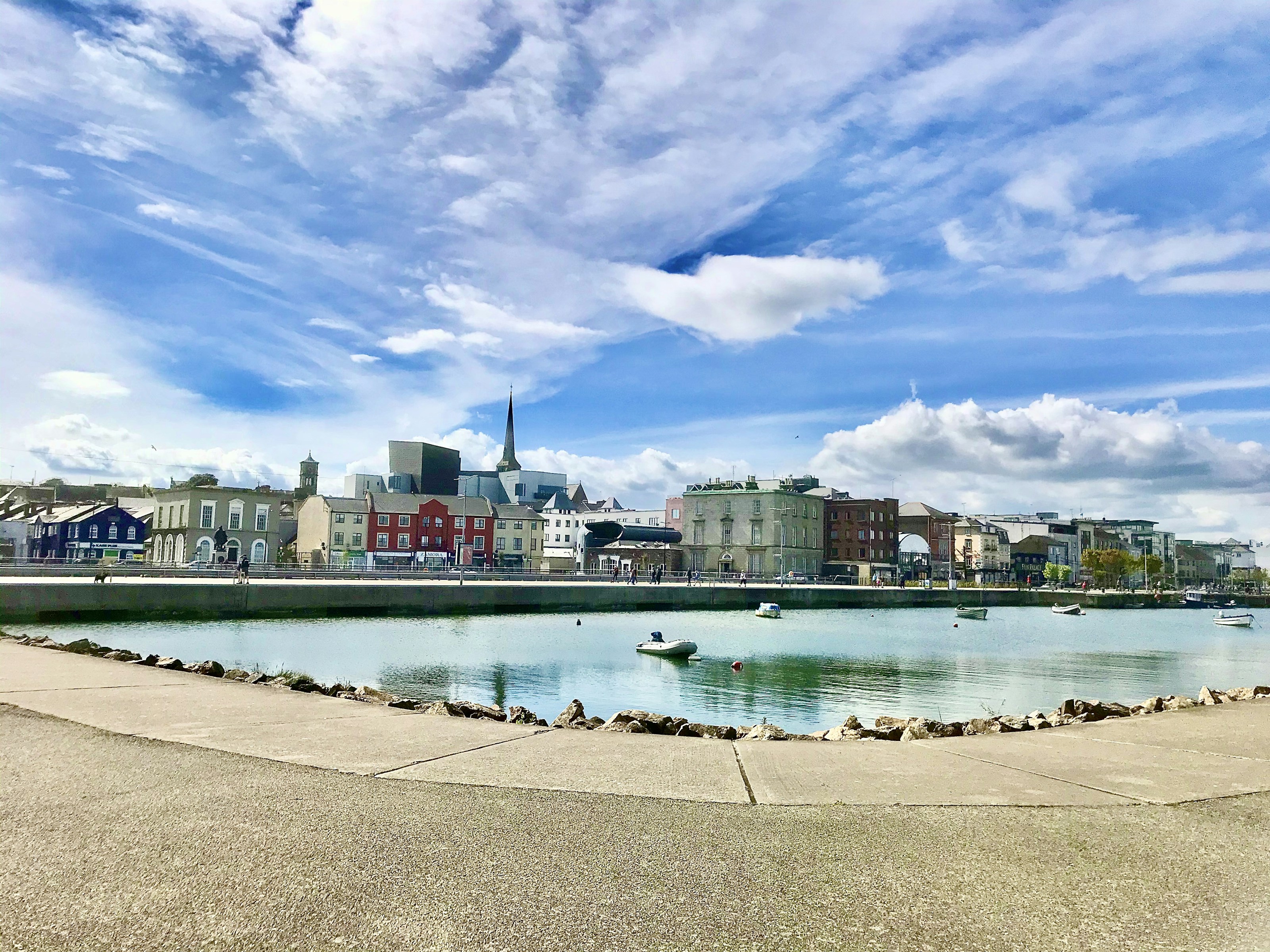
For two weeks each autumn, this small Irish port town stages rare and forgotten operas rather than the standard repertoire, giving neglected works their first outings in decades inside an intimate purpose-built opera house that seats under 800.
The scale keeps it intensely social - singers, musicians, and audiences share the same small-town pubs after every performance - in a way the big opera houses of London or Vienna never quite manage.
How does it rate
CrowdsRomanceCash RequiredDangerAccessibilityWhy you should go
A small-town Irish opera festival specialising in rare, rediscovered works rather than the standard repertoire.
Why you shouldn't go
The niche, lesser-known repertoire is the whole point, but it won't suit visitors wanting only opera's greatest hits.
Plan your visit
Best time to visitTwo weeks in October and November each year.Best time of dayEvening for the main opera performances.Getting thereFly into Dublin, then a train or drive roughly 2.5 hours south to Wexford.Entry costTickets run roughly EUR40-140 depending on seating.Time neededOne evening per opera; enthusiasts stay the full two weeks.BookingBook ahead →Insider tip — Book a table at the post-show pub sessions where cast members often turn up - it's as much a part of the festival as the opera itself. -
 #11
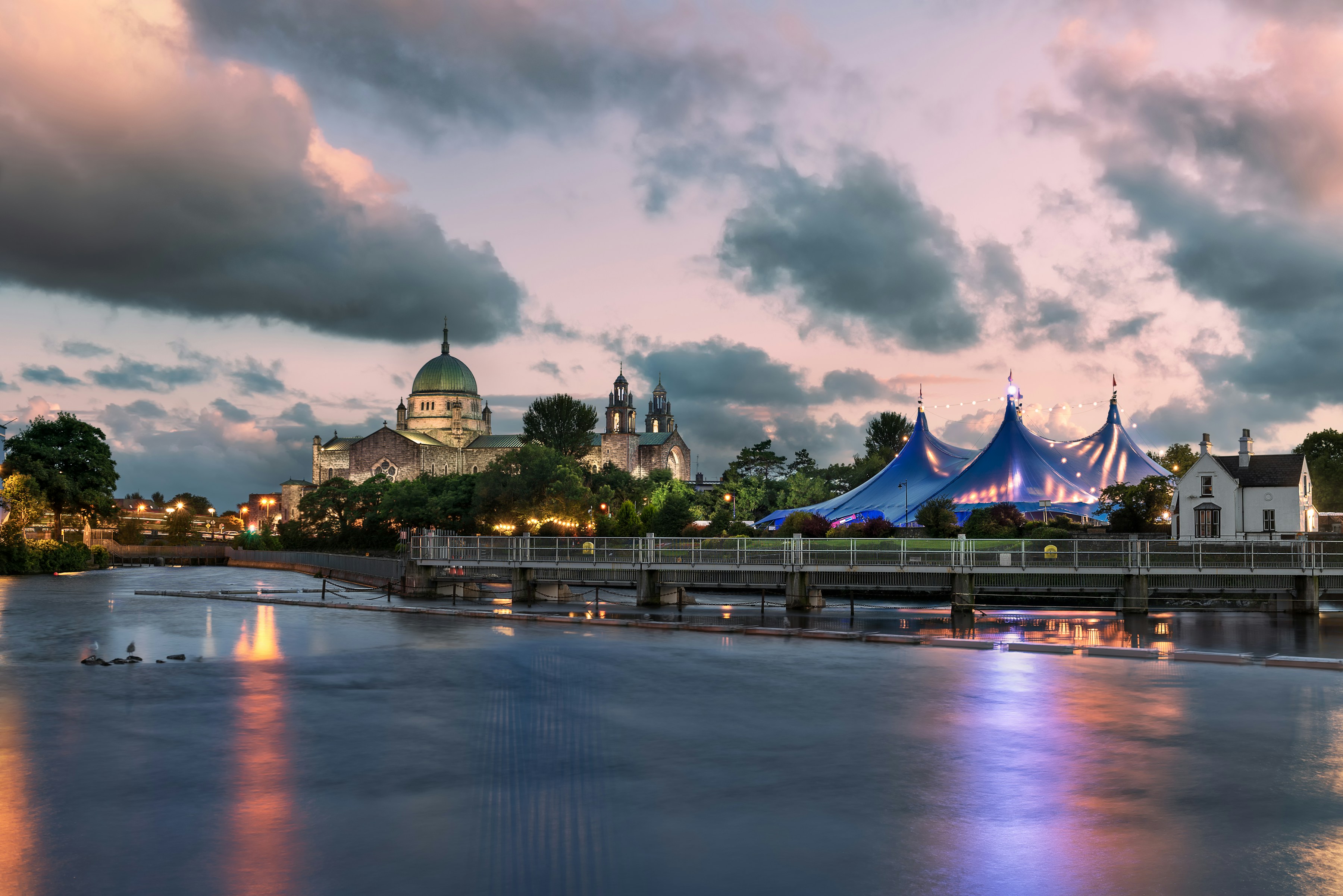
#11A compact, colorful university city on Ireland's west coast, Galway trades Dublin's scale for a tighter concentration of traditional music pubs, street buskers and independent shops along its pedestrianized Latin Quarter.
It's the natural gateway to Connemara and the Aran Islands, but has enough character — the Spanish Arch, the Saturday market, a lively arts festival calendar — to justify a stop on its own.
How does it rate
CrowdsRomanceCash RequiredDangerAccessibilityWhy you should go
A compact, walkable city with Ireland's liveliest concentration of traditional music pubs.
Why you shouldn't go
Popular weekends and festival dates get very busy and accommodation prices spike accordingly.
Plan your visit
Best time to visitJuly for the Galway International Arts Festival, or September for quieter weather.Best time of dayEvening, when pubs along Quay Street fill with live music.Getting thereDirect train or bus from Dublin, about 2.5 hours; nearest airport is Shannon, 1 hour away.Entry costFree to explore the city.Time needed1–2 days.Insider tip — Follow the music, not the signage — the best sessions are often in smaller pubs off the main Quay Street strip.


How a score is built
One score out of 100, five criteria behind it
Every place is rated 1–5 on each of the criteria below, then combined into a single score out of 100. It's calculated by us, the same way every time — not an average of traveller reviews or social votes.
Crowds
How many people you'll be sharing it with, and at what time of day.
Romance
How well it suits a couple, a proposal, or a quiet moment together.
Cash required
Entry fees, permits, guides, rentals — what it actually costs to do it.
Danger
Physical risk involved, from a slippery viewpoint to genuine hazard.
Accessibility
How far off the beaten path it is, and how hard it is to actually reach.