-
 #191 /100
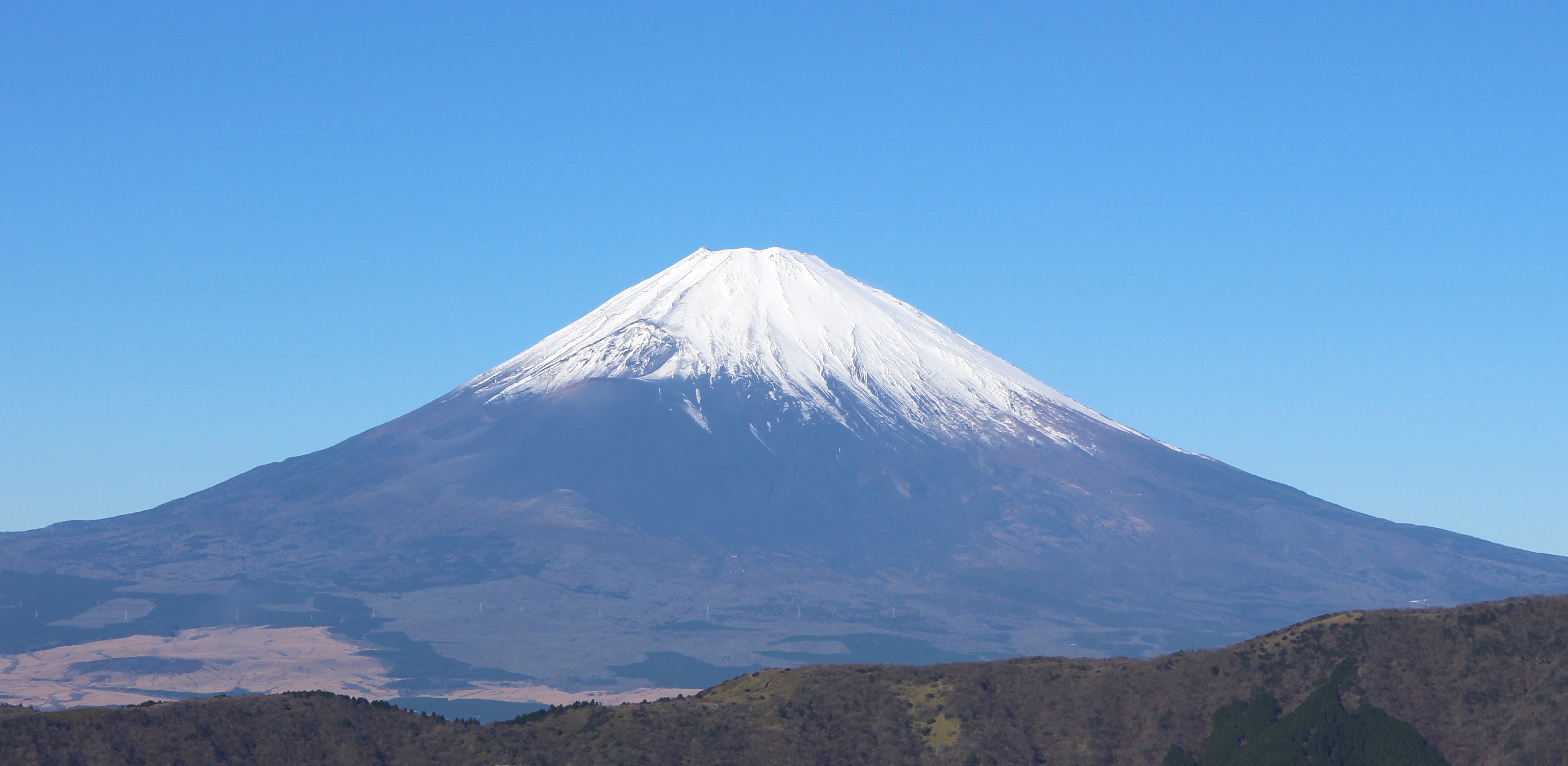
Japan's highest mountain and most enduring symbol rises 3,776 metres in near-perfect symmetry above Honshu's coastal plain.
The classic view of Fuji reflected in the still waters of Lake Kawaguchiko, or framed by cherry blossoms in spring or maple leaves in autumn, has inspired Japanese art for centuries.
How does it rate
CrowdsRomanceCash RequiredDangerAccessibilityWhy you should go
The symmetry and scale of Mount Fuji makes it one of the world's most instantly recognisable mountains; the spring reflection in Lake Kawaguchiko is iconic.
Why you shouldn't go
Fuji is often hidden behind cloud and the climbing season is very short; the popular Yoshida Trail is now extremely crowded and has safety restrictions.
Plan your visit
Best time to visitJuly-September for climbing; year-round for photos, especially with snow cap Oct-MayBest time of daySunrise if climbing, or early morning from Lake KawaguchiGetting thereTrain/bus to Kawaguchiko from Tokyo (~2hrs)Entry costFree to view; climbing huts/permits extraTime neededHalf day for viewing, 1-2 days to climbInsider tip — Chureito Pagoda near Fujiyoshida gives the iconic pagoda-plus-Fuji shot, especially with spring cherry blossoms -
 #289 /100
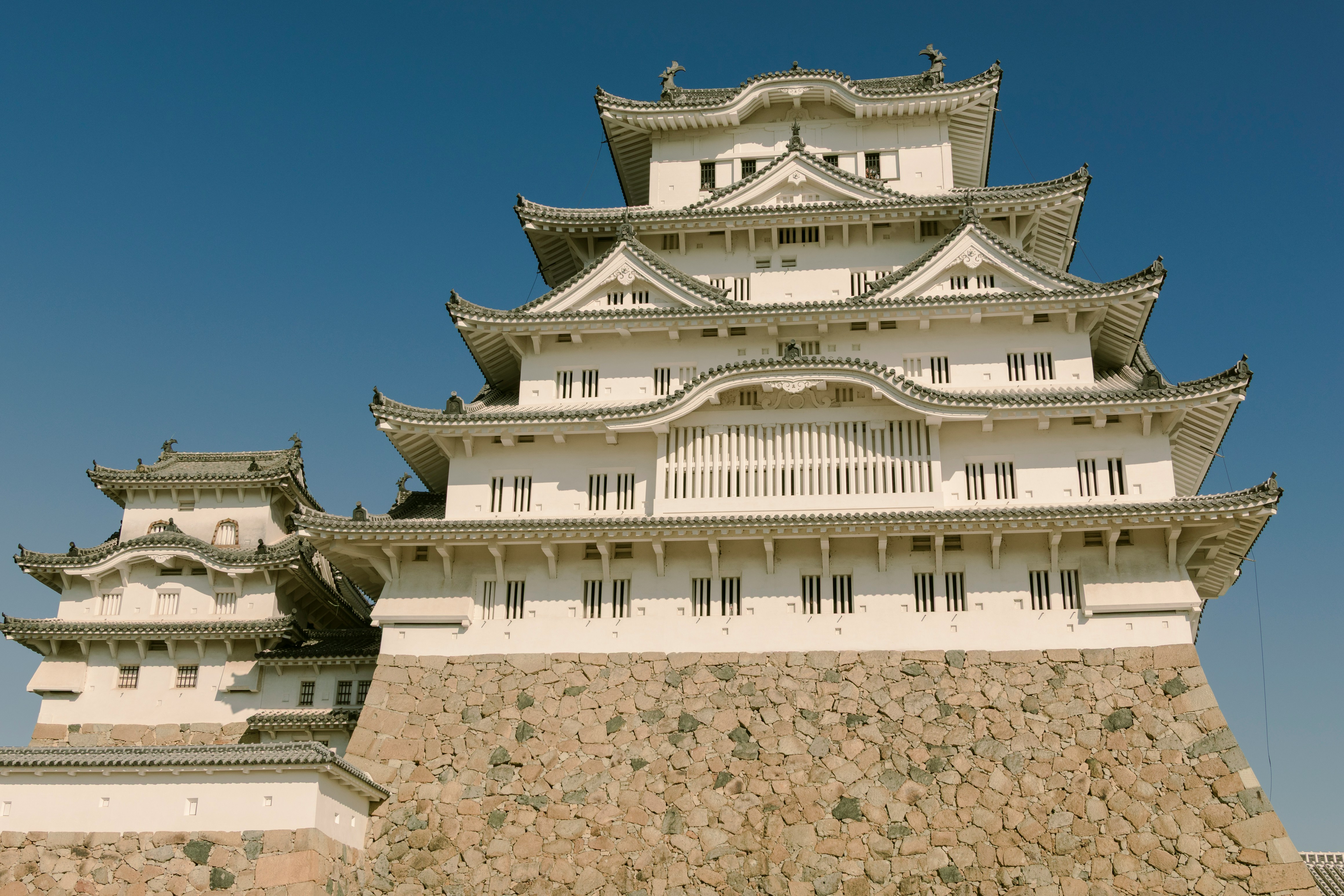
Japan's best-preserved original castle and a UNESCO World Heritage Site, its brilliant white plaster walls and cascading rooflines earning it the nickname "White Heron Castle" for its resemblance to a bird taking flight.
Unlike most Japanese castles, which are concrete post-war reconstructions, Himeji's wooden keep is the genuine 17th-century structure, complete with a defensive maze of gates and courtyards designed to confuse attackers.
It's especially striking framed by cherry blossoms in spring.
How does it rate
CrowdsRomanceCash RequiredDangerAccessibilityWhy you should go
Japan's only original wooden castle keep left largely intact, and widely considered its most beautiful.
Why you shouldn't go
The climb through the narrow, steep original staircases inside the keep can be a bottleneck when it's busy.
Plan your visit
Best time to visitLate March-early April for cherry blossoms framing the white walls.Best time of dayEarly morning, for clear photos before tour groups and school trips arrive.Getting thereShinkansen from Osaka or Kyoto to Himeji Station, then a 15-minute walk straight up the main avenue.Entry costAround 1,000 yen for adult entry.Time needed2-3 hours.BookingBook ahead →Insider tip — Kokoen Garden next door sells a combined ticket and gives a classic reflection shot of the castle across its pond. -
 #388 /100
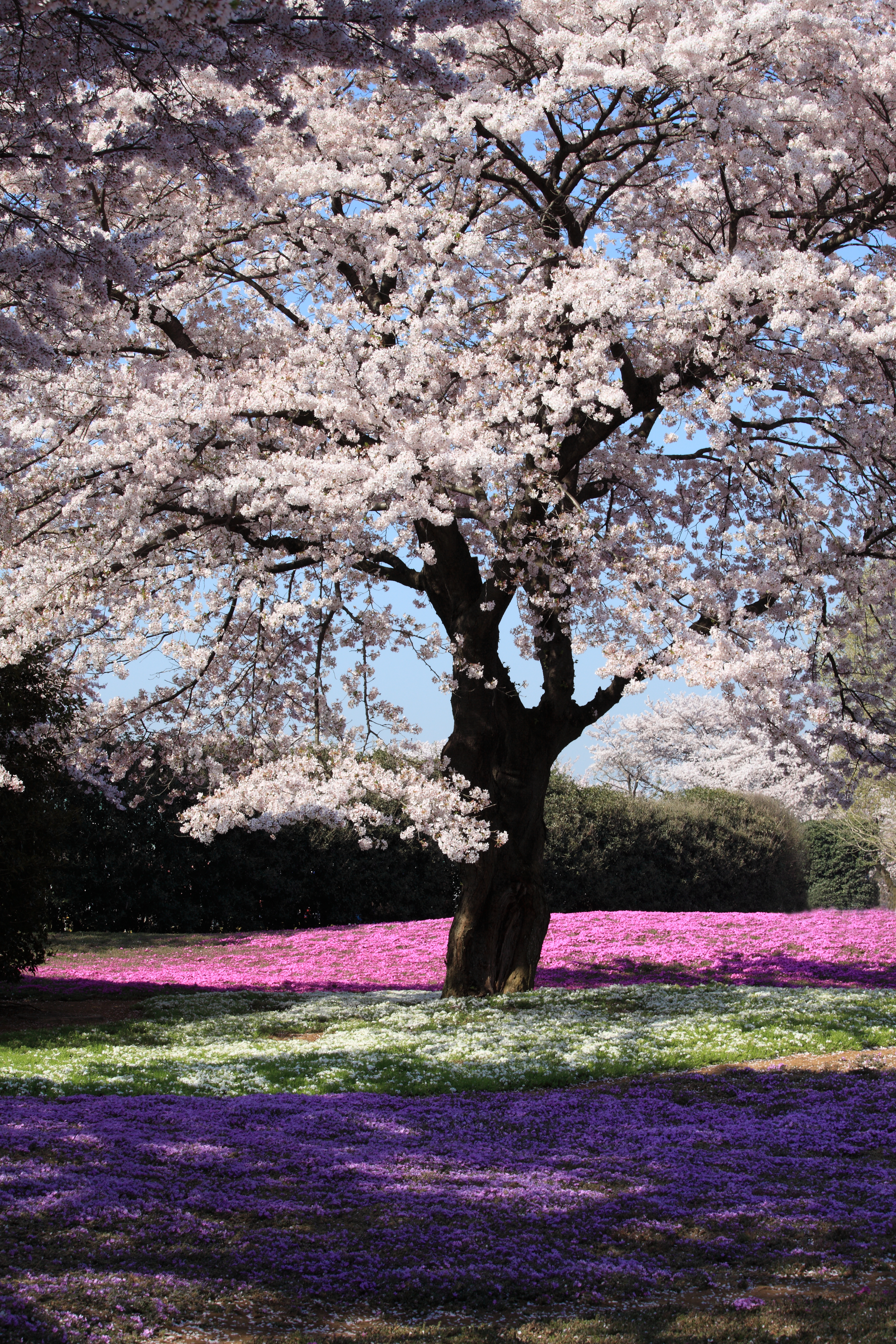
Japan's cherry blossom season, or sakura, transforms the country for a brief two-week window each spring when thousands of trees burst into pale pink and white flowers.
The most famous displays occur in Tokyo's Ueno Park, Kyoto's Maruyama Park, and along the Philosopher's Path, where petals fall like pink snow.
How does it rate
CrowdsRomanceCash RequiredDangerAccessibilityWhy you should go
The cherry blossom season is one of the most beautiful natural phenomena in the world and is deeply embedded in Japanese culture; the atmosphere under the blossoming trees is magical.
Why you shouldn't go
The season lasts only two weeks and the exact timing varies each year; popular cherry blossom spots become extremely crowded and accommodation prices spike sharply.
Plan your visit
Best time to visitLate March-early April (varies by region and year)Best time of dayEarly morning for empty pathsGetting thereVaries by specific location in JapanEntry costFree; some gardens charge a small feeTime needed2-3 hoursInsider tip — Blossom forecasts are published months ahead; plan your trip around them as the window is only about a week -
 #487 /100
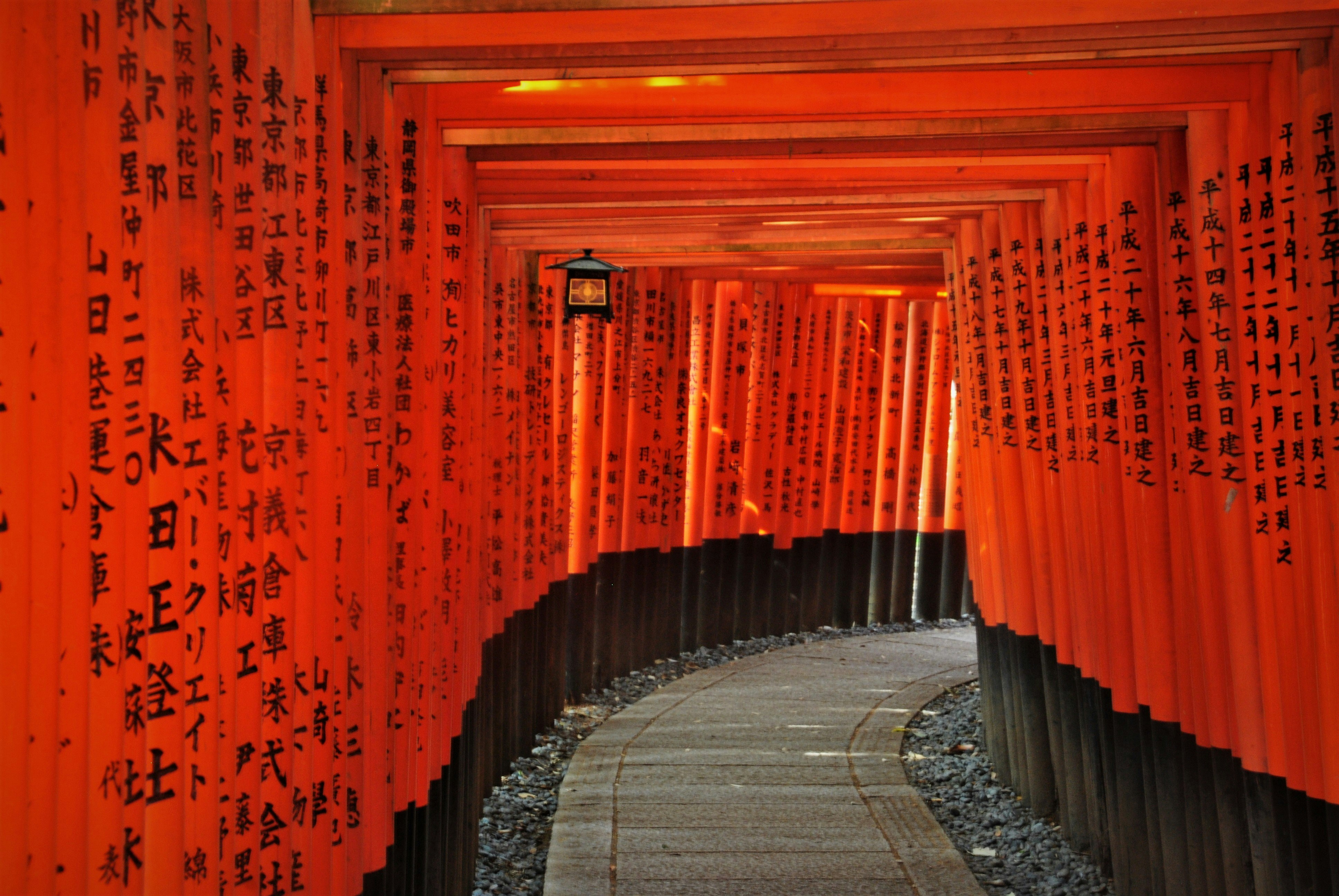
Fushimi Inari Shrine's thousands of vermillion torii gates form a tunnel climbing the wooded slopes of Mount Inari on Kyoto's eastern edge.
The lower gates near the entrance are the most photographed; the full loop to the summit takes 2-3 hours and thins to a handful of hikers past the first viewpoint.
Founded before 794, it remains an active Shinto shrine to the rice deity Inari, with fox statues marking its guardian messengers.
How does it rate
CrowdsRomanceCash RequiredDangerAccessibilityWhy you should go
Thousands of vermillion gates form a tunnel up a mountain, and it's free to walk the whole thing any time of day.
Why you shouldn't go
The first few hundred metres of gates near the entrance get shoulder-to-shoulder crowded by mid-morning.
Plan your visit
Best time to visitYear-round; quietest in winter, especially after sunset when gates are lit but crowds thin.Best time of dayBefore 7am or after 6pm to get the lower gates without crowds in your photos.Getting thereJR Nara Line to Inari Station, one stop from Kyoto Station; the shrine entrance is right outside.Entry costFreeTime needed1-3 hours depending on how far up the mountain you goInsider tip — Most visitors turn back after the first viewpoint (Yotsutsuji) - continue further for near-empty gates and city views. -
 #584 /100
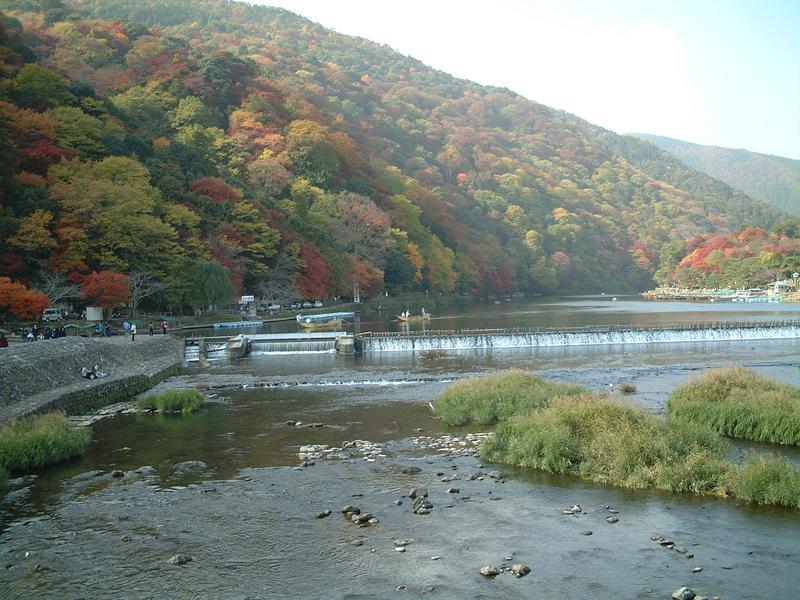
The Arashiyama Bamboo Grove on the outskirts of Kyoto is one of Japan's most ethereal landscapes, where towering stalks of bamboo create a cathedral-like green canopy above the winding path.
When the wind blows through the grove, the sound is so distinctive it has been designated one of the 100 Soundscapes of Japan.
How does it rate
CrowdsRomanceCash RequiredDangerAccessibilityWhy you should go
Walking through the towering bamboo columns with light filtering through the canopy above is a genuinely otherworldly experience unlike anything else in Japan.
Why you shouldn't go
The grove is very short and becomes extremely crowded from mid-morning; visit at dawn for an atmospheric experience without the tourist hordes.
Plan your visit
Best time to visitYear-round; spring/autumn for extra colour nearbyBest time of dayEarly morning (before 8am) to avoid crowds entirelyGetting thereArashiyama Station (JR or Randen line) from KyotoEntry costFreeTime needed30-45 minutesInsider tip — Go right at opening; this is one of the most crowded spots in Kyoto by mid-morning -
 #680 /100
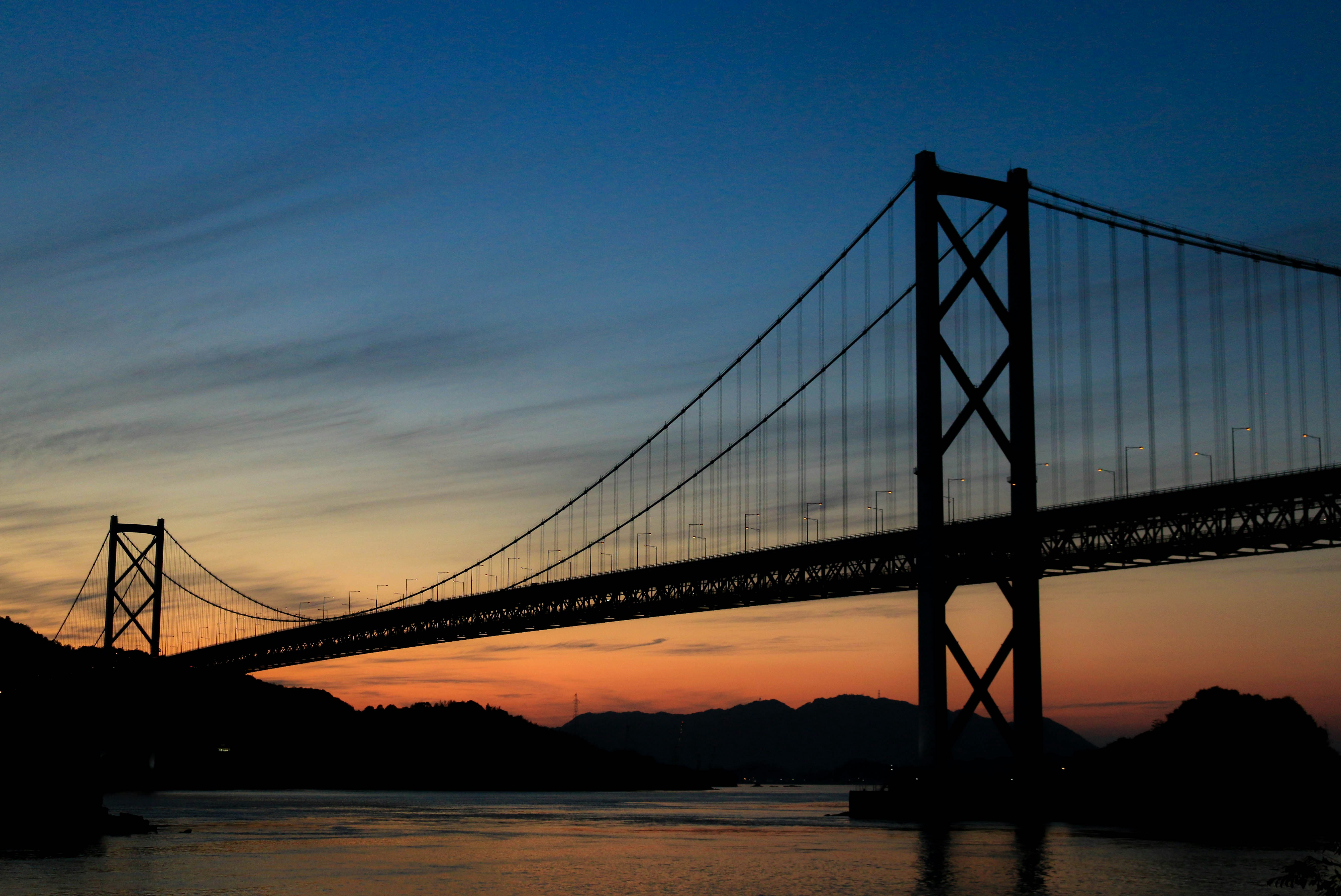
A signed cycle path links Onomichi on Honshu to Imabari on Shikoku across six small islands in the Seto Inland Sea, crossing seven bridges over open water.
Riders follow dedicated blue lane markings past citrus groves, fishing harbours and turquoise straits, with the cable-stayed Tatara Bridge and the towering Kurushima-Kaikyo suspension bridge as centrepiece crossings.
Rental terminals at either end let you start and finish where you like.
How does it rate
CrowdsRomanceCash RequiredDangerAccessibilityWhy you should go
Cycling across seven bridges over the Seto Inland Sea between two islands is a ride found nowhere else on Earth.
Why you shouldn't go
The full 70km crossing is a demanding full day in the saddle, and summer humidity can be punishing.
Plan your visit
Best time to visitMarch-May or Oct-Nov for mild temperatures and clear straits views.Best time of dayEarly morning departure to finish before afternoon heat builds.Getting thereFly to Hiroshima or Takamatsu; train to Onomichi or Imabari, then collect a rental bike at the terminal.Entry costBike rental from Y3,000/day; bridge tolls Y500 total (waived through Mar 2026)Time neededFull day (4-10 hours riding)BookingBook ahead →Insider tip — Rent from a Giant terminal for one-way drop-off between Onomichi and Imabari, and stop at the Tatara Bridge rest area for the best photo of the cable stays against the strait. -
 #779 /100
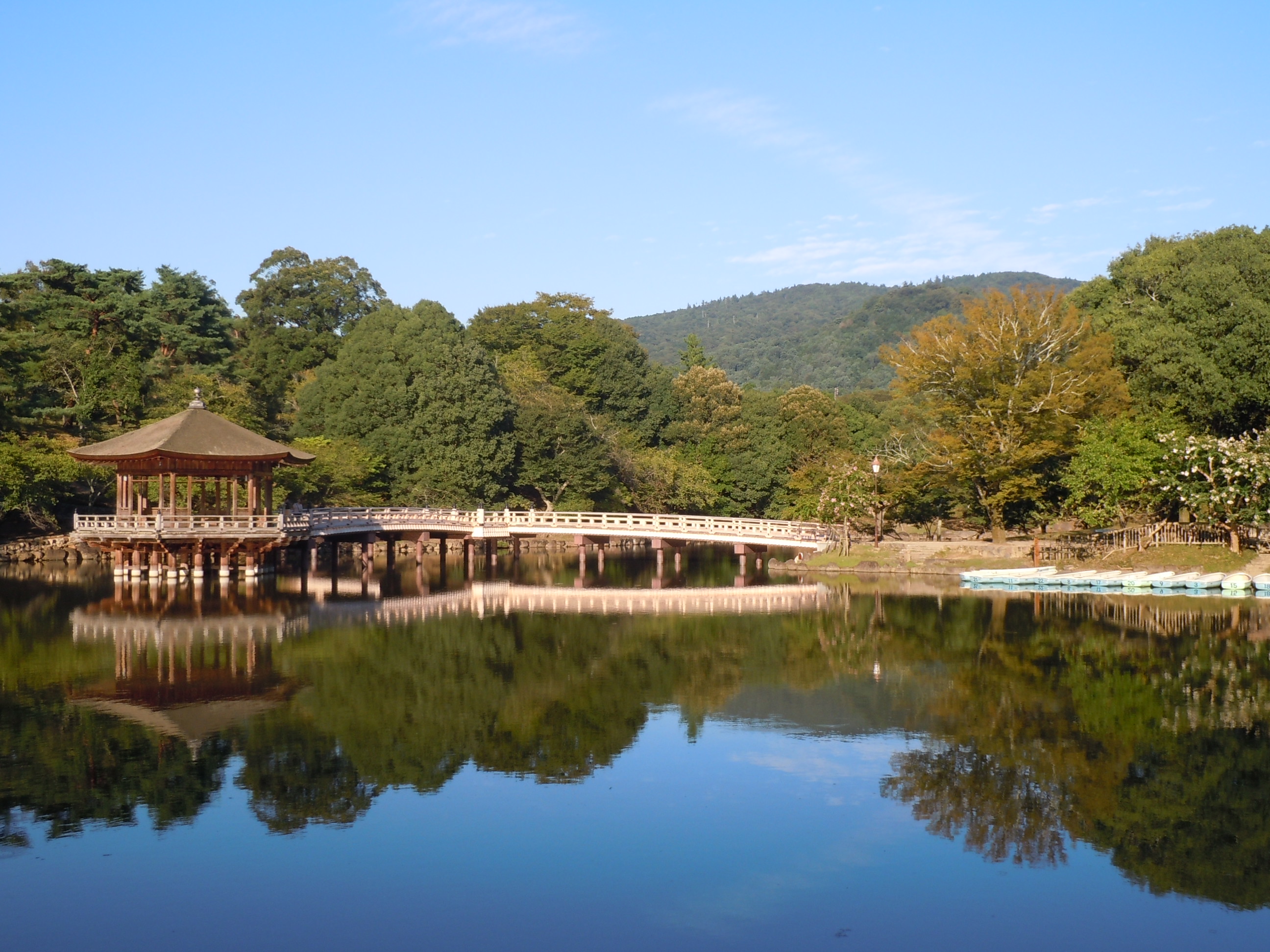
Nara Park is a large public park in the ancient city of Nara that is home to over 1,200 wild sika deer who roam freely among the park's temples, shrines, and wooded paths.
The deer are considered sacred messengers of the gods in the Shinto tradition and have been protected for 1,300 years.
How does it rate
CrowdsRomanceCash RequiredDangerAccessibilityWhy you should go
The experience of hand-feeding deer biscuits to the genuinely wild sika deer who approach you confidently in front of ancient temples is uniquely magical and unlike any other park in the world.
Why you shouldn't go
The deer, while charming, can be aggressive especially around food; deer biscuits must be purchased from approved vendors and the deer have been known to bite or headbutt visitors.
Plan your visit
Best time to visitYear-round; spring for cherry blossoms, autumn for maple coloursBest time of dayEarly morning before tour groups, when deer are most activeGetting thereNara Station, short walk/bus to the parkEntry costFree; deer crackers small feeTime needed2-3 hoursInsider tip — Buy deer crackers from a licensed vendor; the deer here are famous for bowing to visitors who have them -
 #876 /100
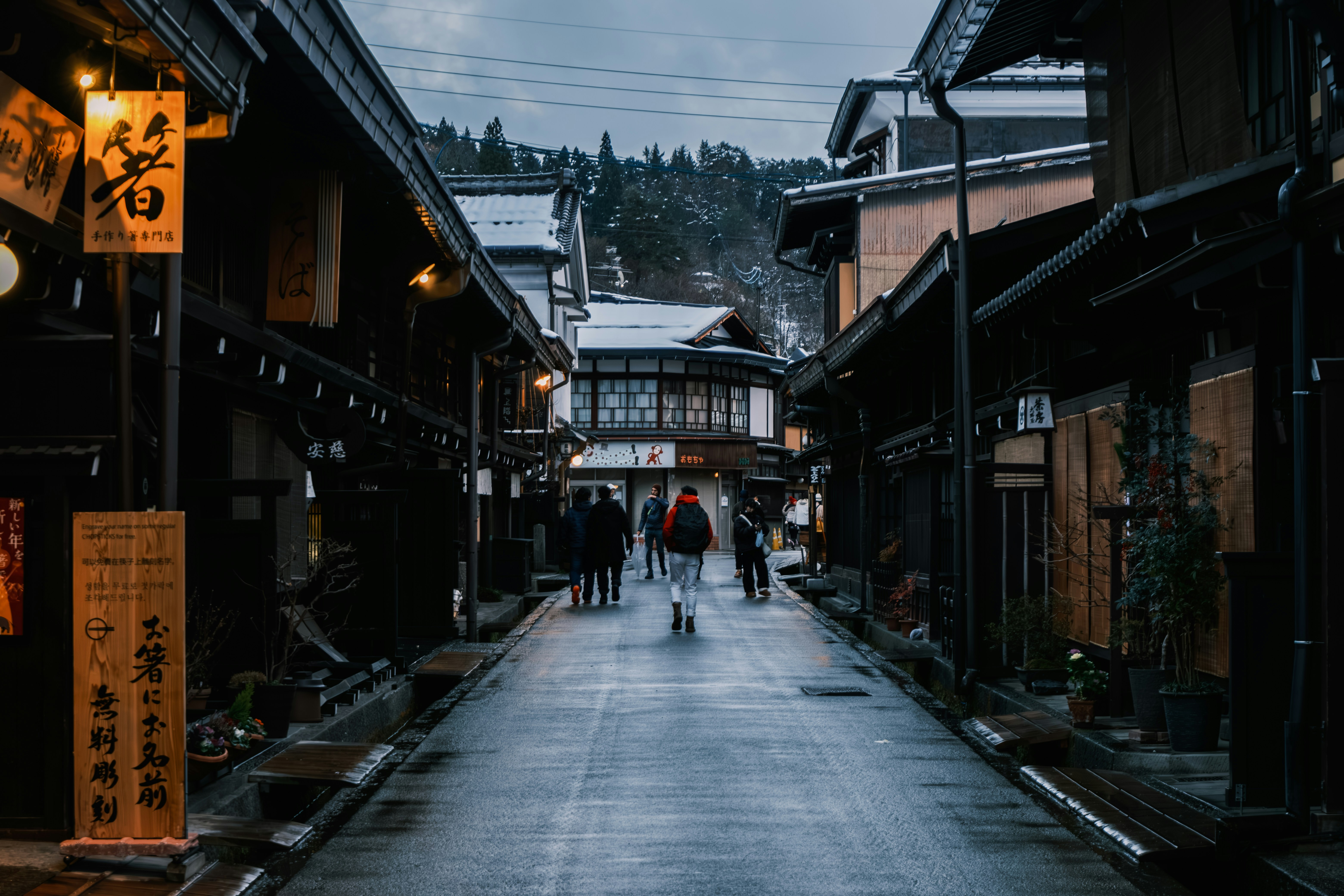
An intact Edo-period merchant district with preserved wooden machiya townhouses, working sake breweries, and morning markets, set against a backdrop of the Japanese Alps.
One of the country's best-preserved old towns outside Kyoto, and considerably less crowded.
How does it rate
CrowdsRomanceCash RequiredDangerAccessibilityWhy you should go
A pristine Edo-period merchant town with wooden machiya houses, sake breweries, and a mountain backdrop.
Why you shouldn't go
Feels touristy through midday in peak seasons; narrow streets and small shops get congested; limited English outside the tourist core.
Plan your visit
Best time to visitOctober–November for fall colors, or April for cherry blossoms and the spring Takayama Festival.Best time of dayEarly morning (7–8am), before day-trippers arrive and while the morning markets are freshest.Getting thereTrain from Nagoya (roughly 2.5 hours) or Toyama (1.5 hours) direct to Takayama Station.Entry costFree to walk the streets; individual museums and sake tastings ¥300–500 each.Time needed1–2 days.Insider tip — Stay overnight to see the old town after the day-trip crowds clear out in the evening. Sample Hida beef and local sake — several breweries offer tastings right on the main street. -
 #974 /100
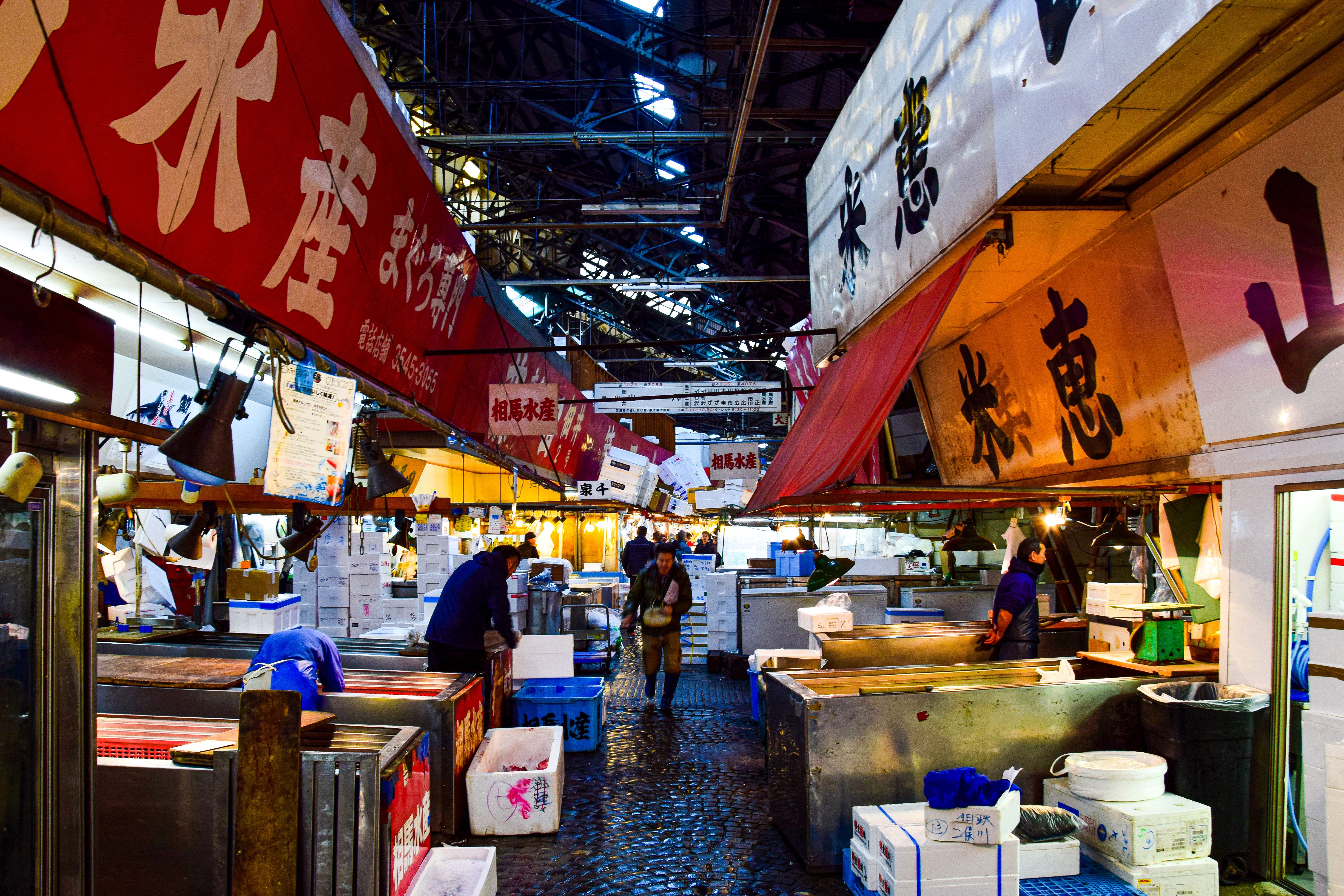
After Tokyo's famous wholesale tuna auctions moved to Toyosu in 2018, Tsukiji's original outer market stayed put, its narrow lanes still packed with over 400 shops selling fresh seafood, knives, dried goods and some of the city's best breakfast sushi.
Vendors grill scallops and tamagoyaki right on the street, the smell of tuna and charcoal drifting between stalls.
How does it rate
CrowdsRomanceCash RequiredDangerAccessibilityWhy you should go
400-plus stalls of fresh seafood, sushi breakfasts and street food in Tokyo's original fish market district.
Why you shouldn't go
The famous tuna auctions themselves have moved to Toyosu, so visitors expecting that spectacle here will be disappointed.
Plan your visit
Best time to visitWeekday mornings, when stalls are freshest and crowds thinner than weekends.Best time of dayEarly morning (7-9am), when seafood is freshest and breakfast sushi queues are shortest.Getting thereTake the Tokyo Metro Hibiya Line to Tsukiji station, a short walk to the outer market.Entry costFree to browse; street food snacks typically run JPY300-1,500.Time needed1-2 hours.Insider tip — Eat breakfast sushi at one of the small counter shops rather than a sit-down restaurant, both cheaper and closer to how locals eat here. -
 #1073 /100
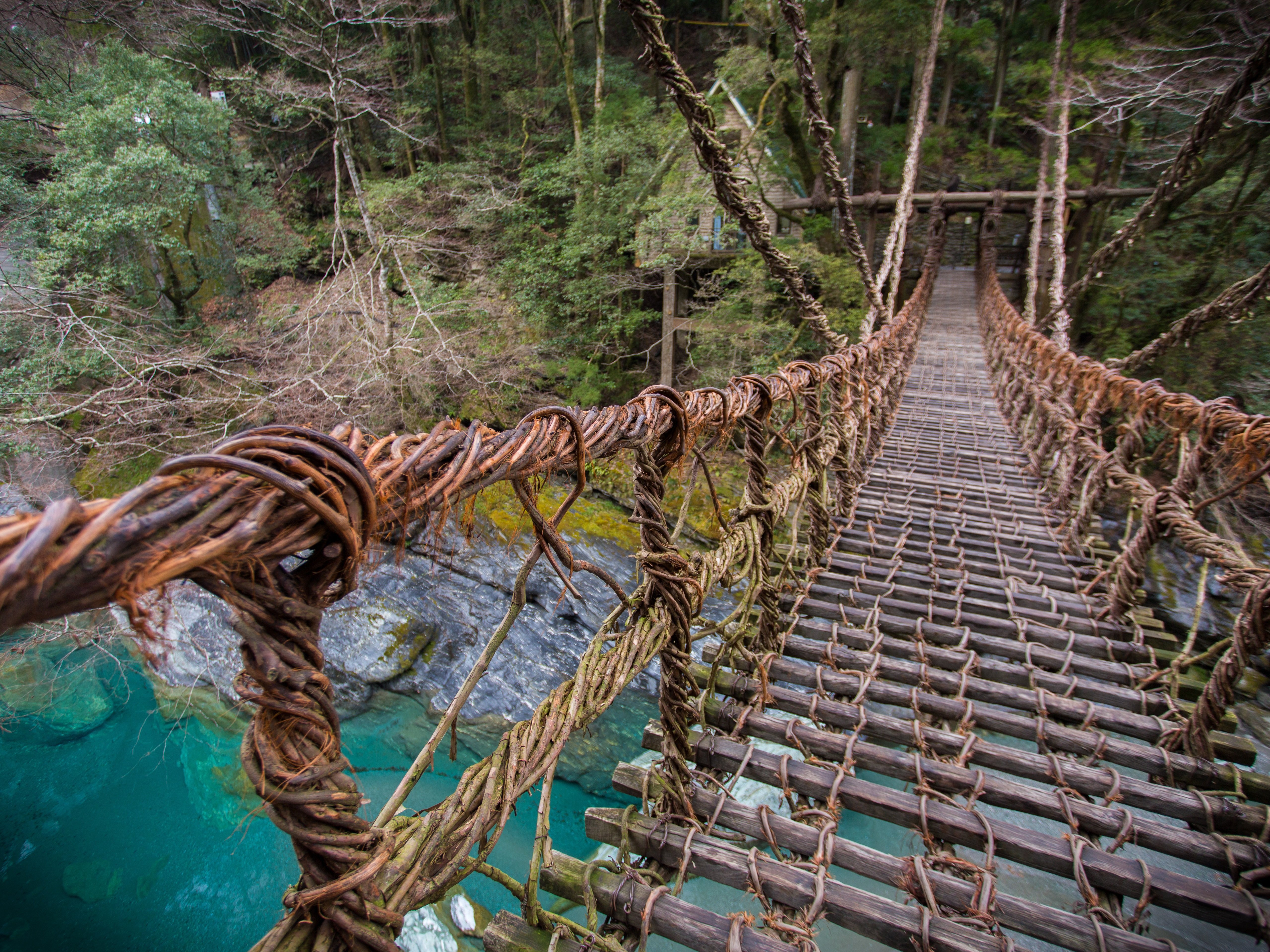
A remote mountain valley on Shikoku island with deep gorges, near-vertical hillside villages, and a historic vine bridge that once let residents cut off pursuing enemies.
One of Japan's most dramatic and least-visited landscapes, especially vivid under autumn foliage.
How does it rate
CrowdsRomanceCash RequiredDangerAccessibilityWhy you should go
Remote mountain valley with a historic vine bridge and some of Japan's most dramatic autumn foliage.
Why you shouldn't go
Very remote with limited public transport; roads are narrow and winding; little English signage.
Plan your visit
Best time to visitLate October–November for peak fall colors; April–May for fresh green and mild weather.Best time of dayAfternoon light picks out the gorge colors; mist often fills the valley at dawn.Getting thereTrain to Oboke Station, then local bus or rental car into the valley.Entry costVine bridge crossing ¥550 (~$4); otherwise free.Time needed1–2 days to explore properly.Insider tip — A rental car is far more practical than public transport here. The vine bridge (Iya Kazurabashi) is rebuilt every few years using real vines — cross it early to avoid queues. -
 #1162 /100
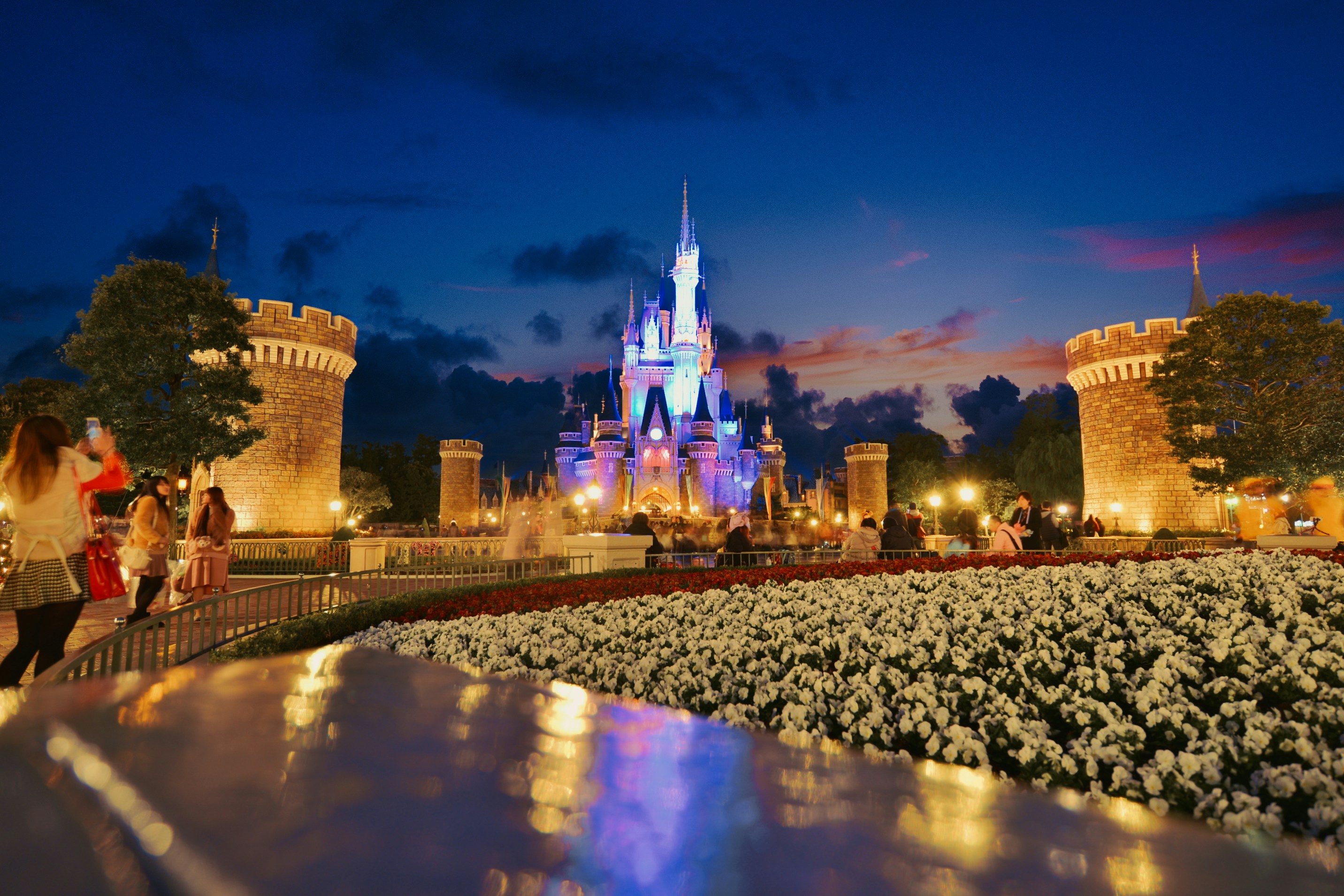
The first Disney park built outside the United States and consistently rated among the most immaculately maintained and detail-obsessed in the world, famous for cast members who treat every corner of the park as on-stage.
Its Cinderella Castle sits at the heart of a layout close to the original Anaheim design, while the adjoining DisneySea park (a separate ticket) offers a wholly original, more adult-oriented nautical theme found nowhere else on Earth.
Efficiency and cleanliness here are practically a tourist attraction in themselves.
How does it rate
CrowdsRomanceCash RequiredDangerAccessibilityWhy you should go
Famous even among Disney parks for its obsessive attention to detail and cleanliness, next to the entirely unique DisneySea.
Why you shouldn't go
It's consistently one of the most crowded Disney parks worldwide, and popular attraction reservations fill within minutes of release.
Plan your visit
Best time to visitLate autumn or midweek in January-February for relatively shorter queues.Best time of dayOpening, to secure ride reservations through the app before they disappear.Getting thereTrain to Maihama Station on the JR Keiyo Line from central Tokyo, about 15-20 minutes.Entry costOne-day tickets start around 8,400-10,900 yen depending on the date.Time neededA full day.BookingBook ahead →Insider tip — Book the app's paid priority passes for the newest attractions the moment your ticket window opens - free standby queues for headline rides can exceed three hours.


How a score is built
One score out of 100, five criteria behind it
Every place is rated 1–5 on each of the criteria below, then combined into a single score out of 100. It's calculated by us, the same way every time — not an average of traveller reviews or social votes.
Crowds
How many people you'll be sharing it with, and at what time of day.
Romance
How well it suits a couple, a proposal, or a quiet moment together.
Cash required
Entry fees, permits, guides, rentals — what it actually costs to do it.
Danger
Physical risk involved, from a slippery viewpoint to genuine hazard.
Accessibility
How far off the beaten path it is, and how hard it is to actually reach.