-
 #189 /100
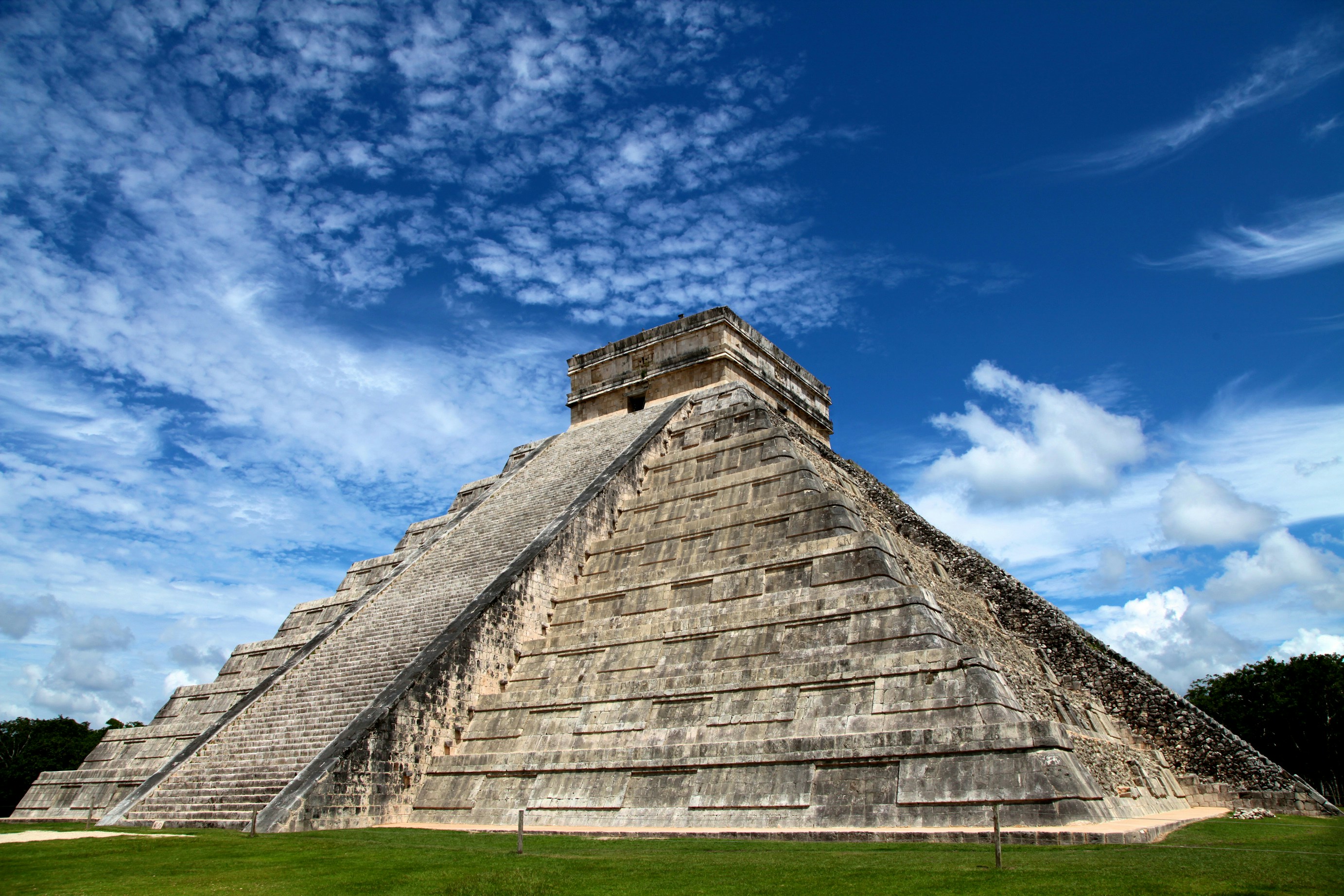
Chichen Itza was one of the great cities of the Maya world, and its restored centrepiece, the stepped pyramid of El Castillo, is the image of pre-Columbian Mexico.
The temple is a stone calendar: at the equinoxes the afternoon sun casts a serpent of shadow down its northern staircase.
Beyond it sprawl the Great Ball Court, the Temple of the Warriors and a thousand columns.
How does it rate
CrowdsRomanceCash RequiredDangerAccessibilityWhy you should go
El Castillo is one of the most striking and historically loaded buildings in the Americas.
Why you shouldn't go
Tour buses from Cancun arrive by mid-morning, bringing serious crowds, heat and souvenir stalls.
Plan your visit
Best time to visitNovember-March for cooler, drier weather; equinoxes for the serpent shadowBest time of dayOpening time (8am), two hours before the buses arriveGetting there2-hour drive from Cancun or 45 minutes from ValladolidEntry costAbout MX$700 entryTime neededHalf a dayInsider tip — Sleep in Valladolid and be at the gate at 8am sharp - you'll have an hour of near-empty ruins before the coast tours arrive -
 #284 /100
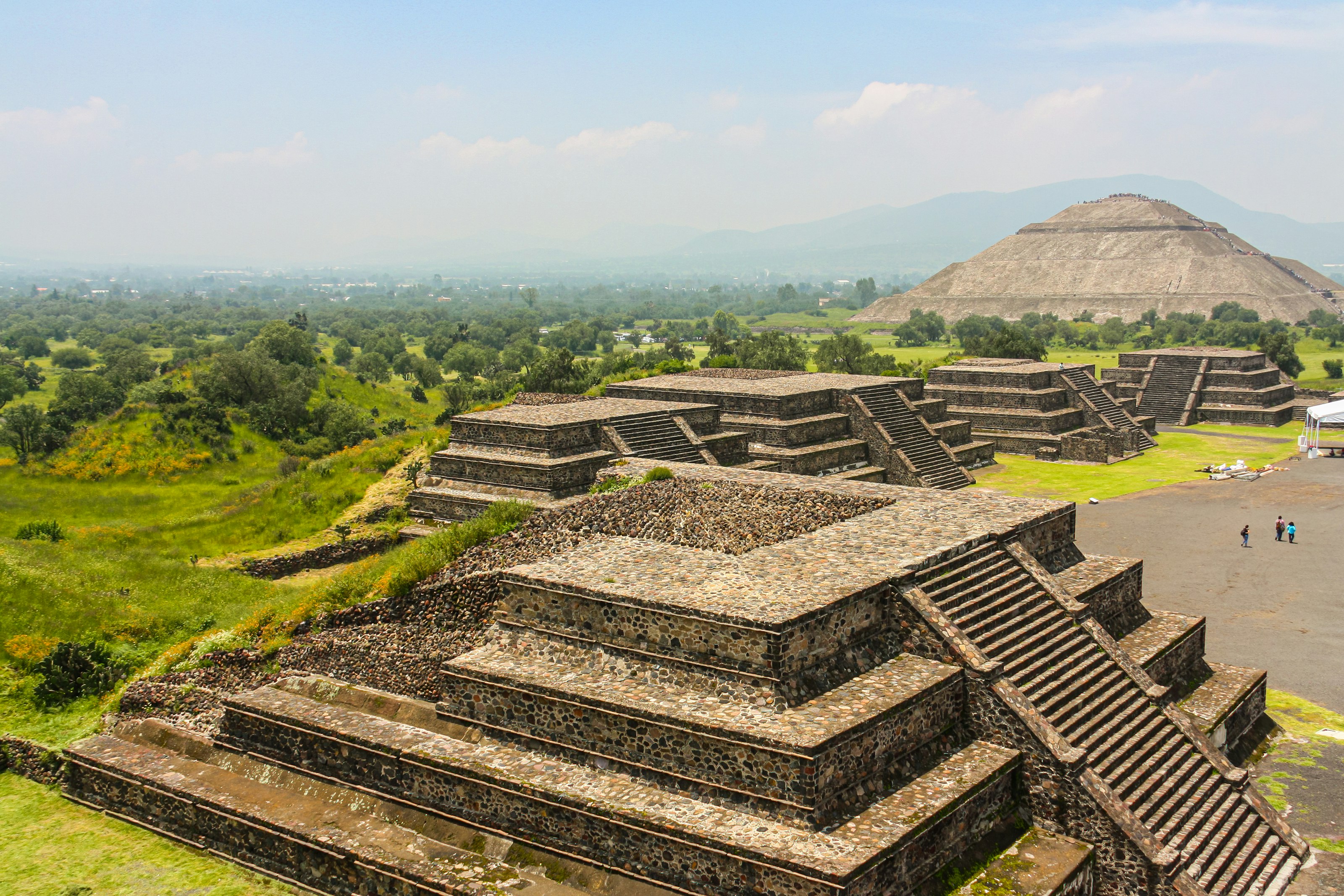
Teotihuacan was one of the largest cities in the ancient world, and its two great pyramids — the Sun and the Moon — still dominate the Mexican plateau just outside the capital.
The Avenue of the Dead runs more than two kilometres between them, past palace complexes decorated with faded murals.
Both main pyramids can be climbed, and the view from the top of the Pyramid of the Sun takes in the whole site and the mountains beyond.
How does it rate
CrowdsRomanceCash RequiredDangerAccessibilityWhy you should go
Climbing the Pyramid of the Sun for a view down the full length of the Avenue of the Dead is genuinely awe-inspiring.
Why you shouldn't go
The steps up both pyramids are steep and uneven, and there's almost no shade across the whole site.
Plan your visit
Best time to visitNovember–March, dry season with cooler daytime temperatures.Best time of dayEarly morning, both for cooler climbing weather and thinner crowds.Getting thereFly to Mexico City; 1-hour drive or direct bus from the capital's Central del Norte terminal.Entry costPaid entry; extra optional hot-air balloon rides at sunrise.Time neededHalf a dayInsider tip — Enter at Gate 1 near the Pyramid of the Moon and walk the avenue toward the Pyramid of the Sun — it saves the best climb for when you've warmed up. -
 #381 /100
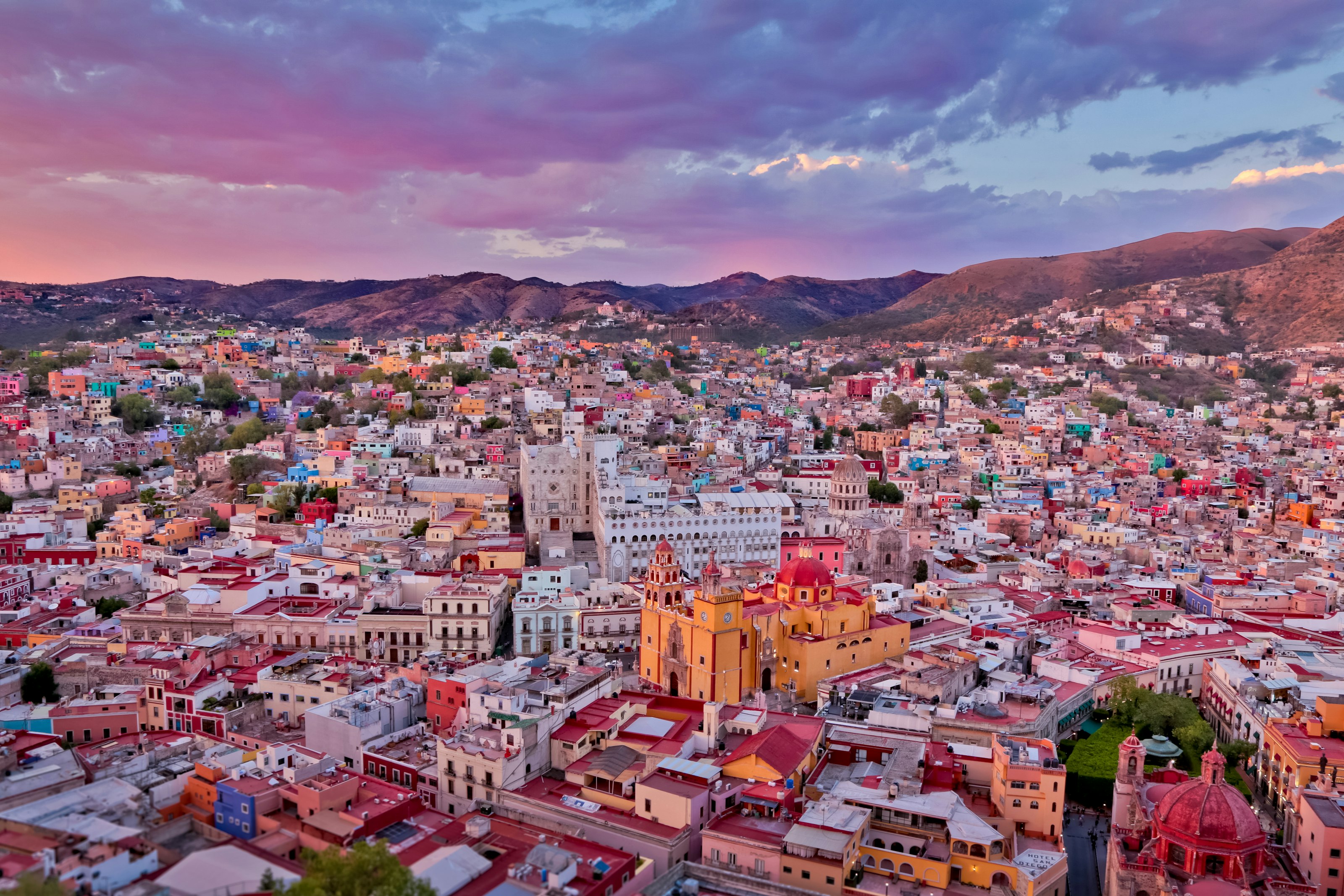
Guanajuato is a former silver-mining city built into a ravine, its brightly painted houses stacked up impossibly steep hillsides and connected by a maze of underground tunnels and narrow alleys.
The centre is a UNESCO World Heritage site of baroque churches and plazas, and the Callejón del Beso — an alley so narrow that neighbouring balconies almost touch — draws crowds for its star-crossed-lovers legend.
How does it rate
CrowdsRomanceCash RequiredDangerAccessibilityWhy you should go
The view from the Pípila monument at dusk, with the whole hillside city lit up below, is one of Mexico's best skylines.
Why you shouldn't go
The steep alleys and stairs throughout the city are hard going for anyone with mobility issues.
Plan your visit
Best time to visitOctober, for the Cervantino arts festival, or the drier November–April months generally.Best time of dayDusk, when the funicular up to the Pípila monument gets you there for sunset over the city.Getting thereFly to León/Guanajuato airport (Del Bajío); 30-minute drive or shuttle into the city.Entry costFree to explore; funicular and some museums charge a small fee.Time needed1–2 daysInsider tip — Walk (or ride) through the underground Subterráneo tunnels, originally built to divert flood water, now used as traffic roads beneath the city. -
 #480 /100
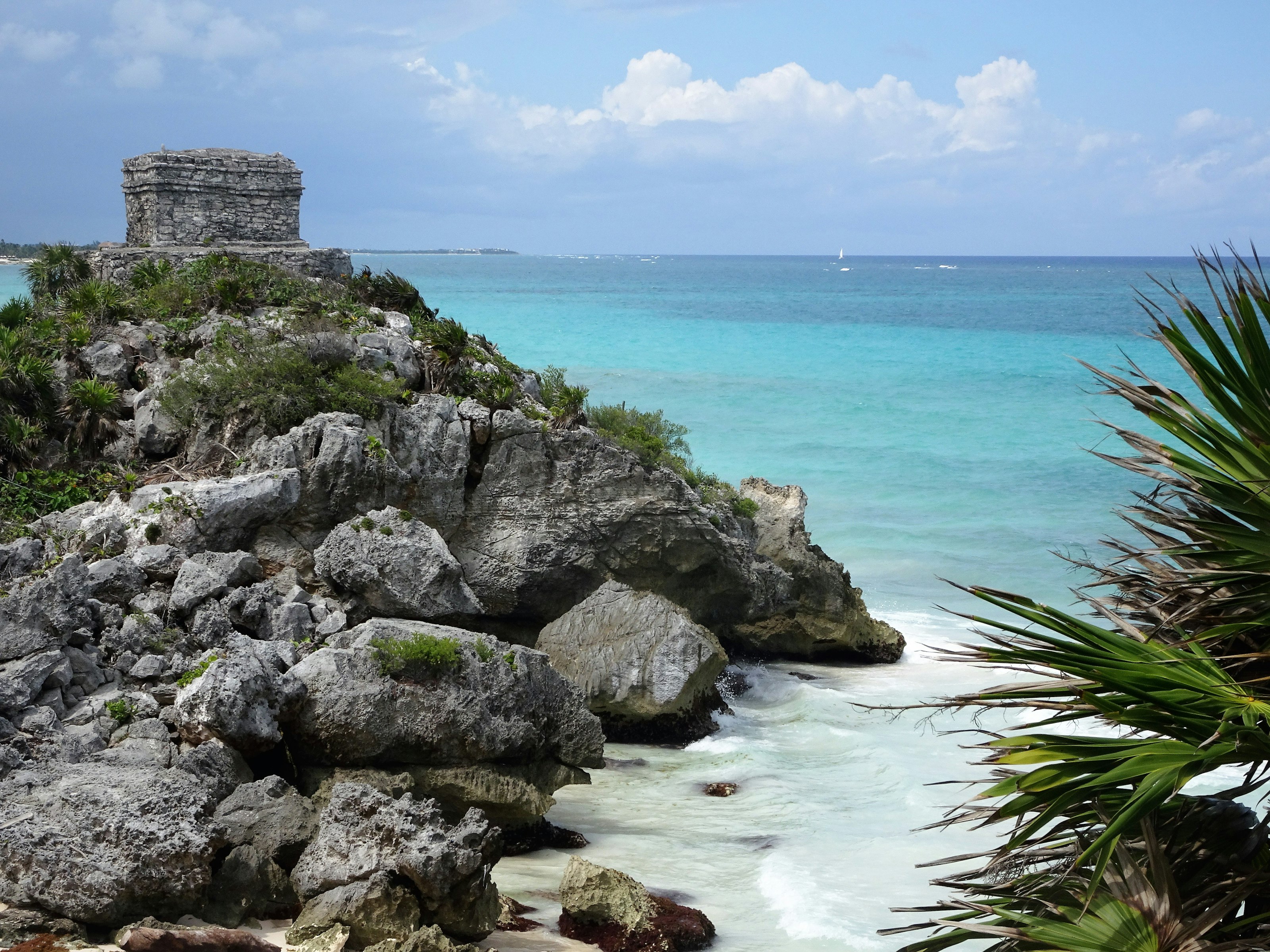
Tulum is the only major Maya city built directly on the coast, its stone temples and watchtowers standing on a low cliff above a beach of white sand and turquoise water.
The site is small compared to Chichén Itzá, but the setting — walled ruins on one side, Caribbean Sea on the other — is unmatched.
Visitors can walk the perimeter path in under an hour, then head down the wooden stairs to swim below the cliffs.
How does it rate
CrowdsRomanceCash RequiredDangerAccessibilityWhy you should go
Nowhere else lets you swim in the Caribbean directly beneath a Maya temple wall.
Why you shouldn't go
It's one of the most crowded ruins in Mexico by mid-morning, with tour buses arriving in a steady stream.
Plan your visit
Best time to visitDecember–April for dry weather, or arrive right at opening to beat the day-trippers.Best time of dayOpening time (8am), before tour groups from Cancún and Playa del Carmen arrive.Getting thereFly to Cancún; 1.5-hour drive or bus south to Tulum town, then a short taxi to the ruins entrance.Entry costPaid entry; parking and shuttle from the visitor centre cost extra.Time needed1–2 hoursInsider tip — Bring swimwear under your clothes — the small beach below the ruins is one of the few places you can swim right at an archaeological site. -
 #579 /100
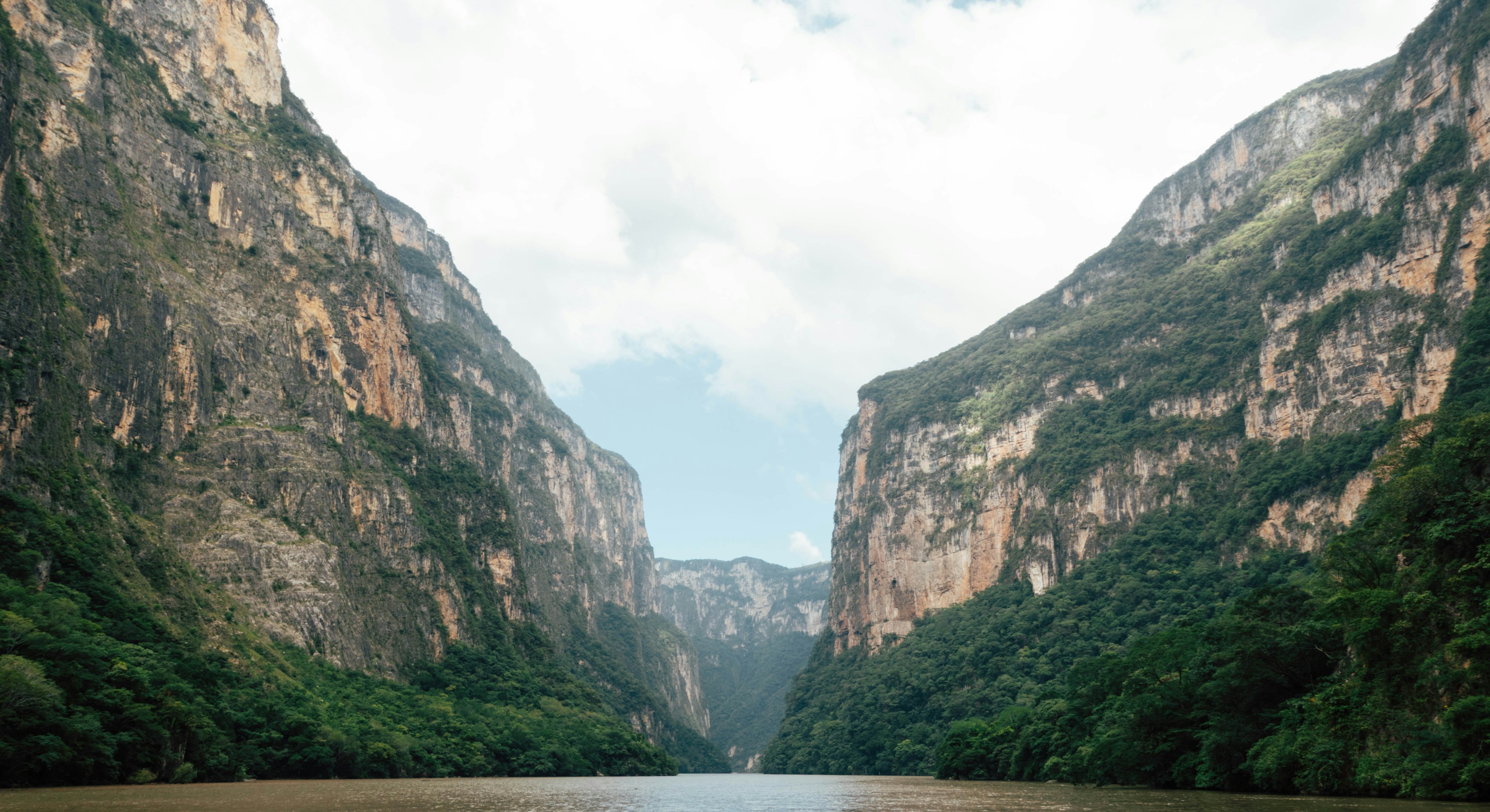
Sheer limestone walls rise up to 1,000 metres above the Grijalva River in this dramatic Chiapas canyon, explored almost entirely by boat.
Crocodiles bask on the riverbanks and spider monkeys move through trees clinging to the cliff face, visible at close range from the water.
A formation locally called the Christmas Tree - moss and mineral deposits forming a tree-like shape on the rock wall - is the trip's signature stop.
How does it rate
CrowdsRomanceCash RequiredDangerAccessibilityWhy you should go
A boat ride beneath 1,000-metre limestone cliffs, past crocodiles and spider monkeys.
Why you shouldn't go
The boats are open and fast - bring something to protect cameras and belongings from spray.
Plan your visit
Best time to visitNovember-April, the dry season, for the clearest water and best wildlife viewing.Best time of dayEarly morning, when wildlife is most active and the water is calmest.Getting thereBoats depart from Chiapa de Corzo, a short drive from Tuxtla Gutierrez.Entry costBoat tour ticket, typically $10-15 per person.Time needed2 hoursInsider tip — Sit near the front of the boat for the clearest photos of the Christmas Tree formation and the closest wildlife sightings. -
 #679 /100
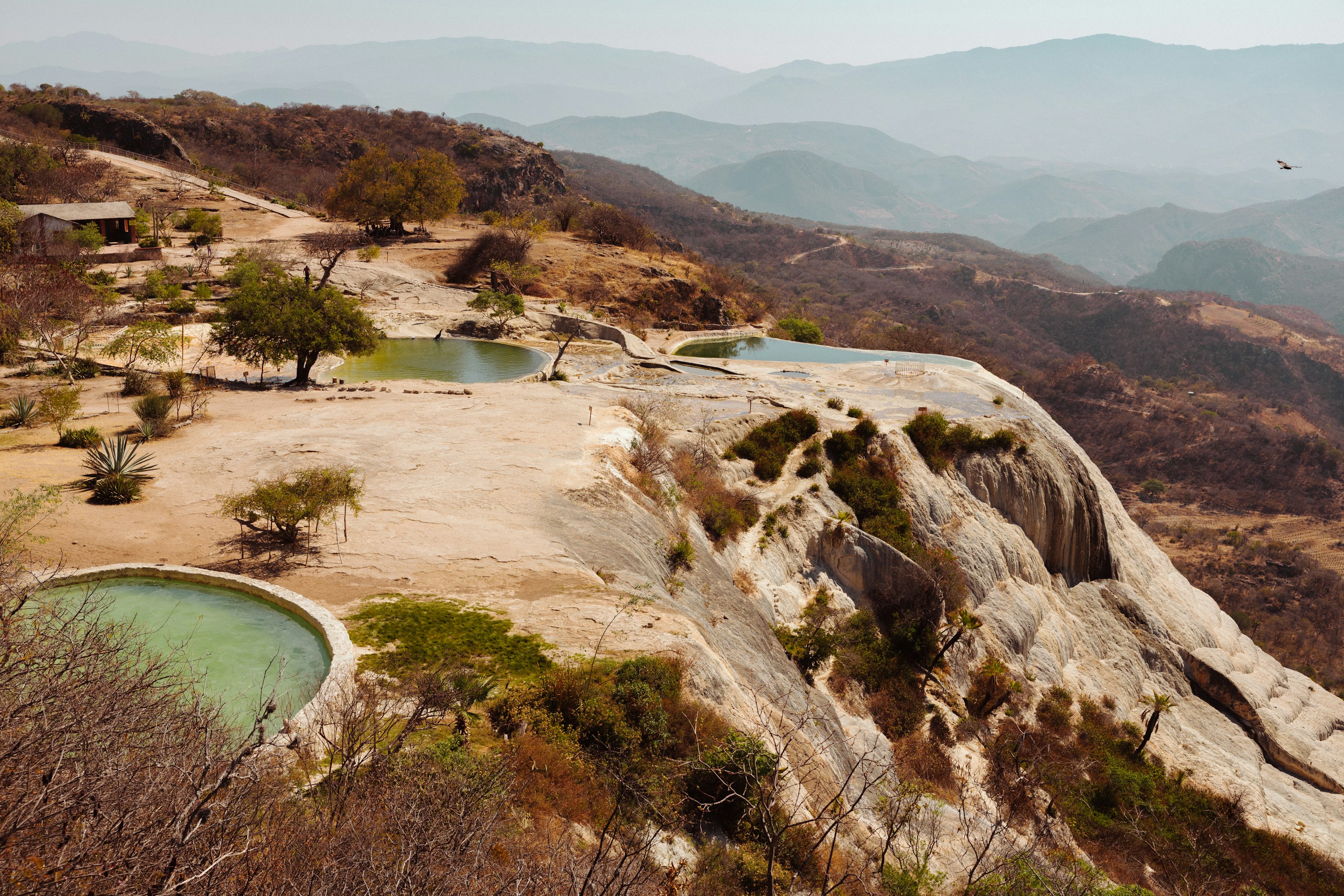
Hierve el Agua is a set of mineral-rich springs in the hills outside Oaxaca that have calcified over thousands of years into cliffside formations resembling frozen waterfalls.
Two natural infinity pools sit right at the cliff edge, letting swimmers look out over the valley below.
The site is far quieter than Mexico's beach and pyramid destinations, reachable only by a bumpy mountain road.
How does it rate
CrowdsRomanceCash RequiredDangerAccessibilityWhy you should go
Swimming in a natural infinity pool at a cliff edge that looks like a petrified waterfall is unlike anything else in Mexico.
Why you shouldn't go
The access road is rough and the pools' water level can drop noticeably in the dry season.
Plan your visit
Best time to visitNovember–April, dry season, for the fullest pools and easiest road access.Best time of dayMid-morning, arriving before tour groups from Oaxaca City build up through the afternoon.Getting thereFly to Oaxaca City; roughly 1.5–2-hour drive southeast on mostly unpaved mountain roads.Entry costSmall community entry fee, paid locally.Time needed2–3 hoursInsider tip — Combine the trip with the mezcal villages of Santiago Matatlán and San Baltazar Chichicápam along the same road. -
 #778 /100
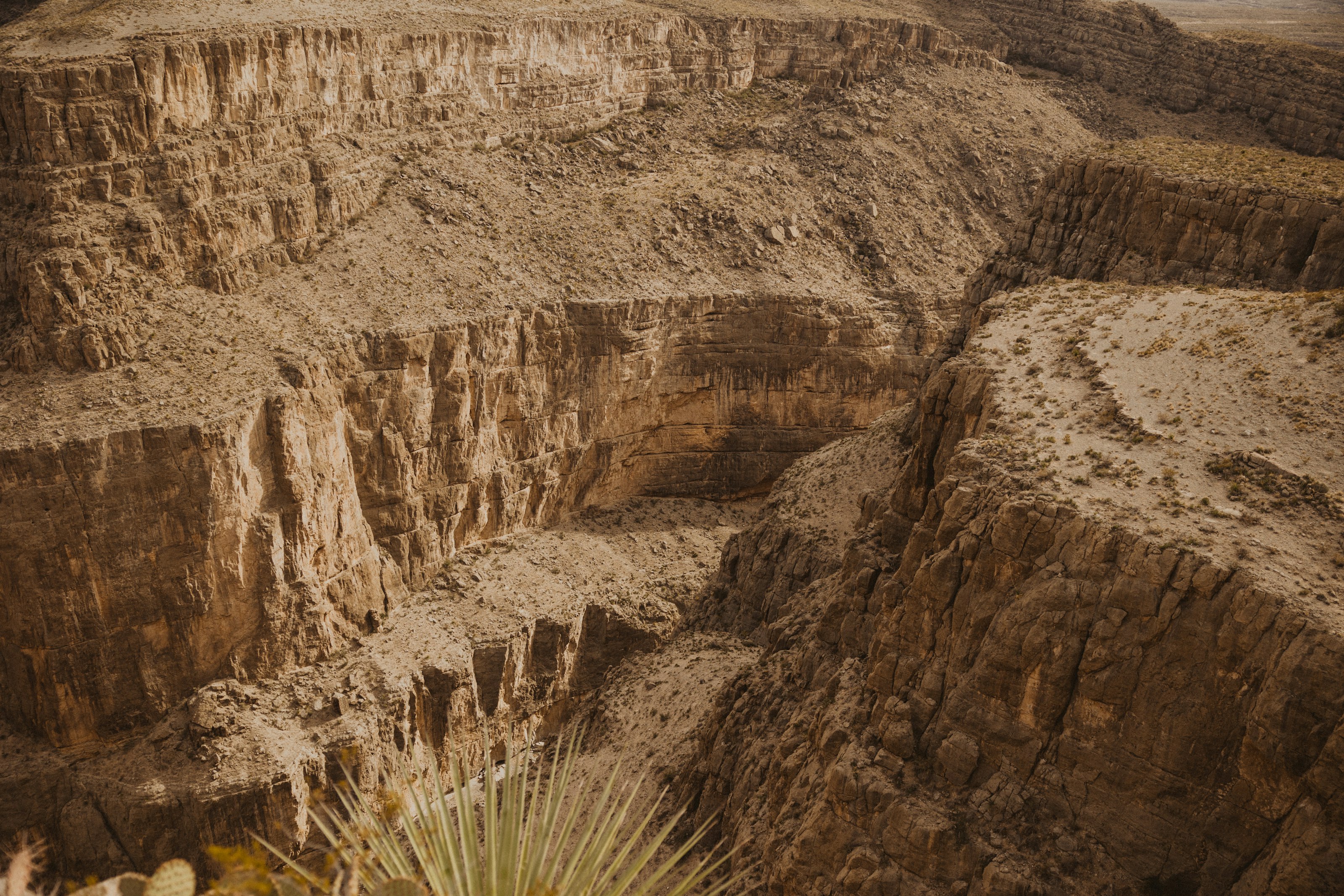
Mexico's Copper Canyon is actually a network of canyons in the Sierra Madre Occidental, several deeper than the Grand Canyon, cut by rivers through pine forest and red rock.
The main way to see it is the Chepe train, which crosses 37 bridges and passes through 86 tunnels on its way between the desert lowlands and the pine-covered rim.
Small Rarámuri (Tarahumara) communities still live within the canyon system.
How does it rate
CrowdsRomanceCash RequiredDangerAccessibilityWhy you should go
The Chepe train ride itself, crossing dozens of bridges and tunnels along the canyon rim, is as much the experience as the views.
Why you shouldn't go
It's a long way from anywhere — reaching the canyon takes a full day of travel each way from most starting points.
Plan your visit
Best time to visitOctober–April, avoiding summer's heat and rainy season.Best time of dayMorning departures on the Chepe train give the best light along the canyon rim.Getting thereFly to Chihuahua or Los Mochis, then take the Chepe train, which runs between both cities through the canyon.Entry costTrain tickets and lodge stays are the main costs; viewpoints themselves are free.Time needed2–3 daysInsider tip — Book a seat on the right-hand side heading from Los Mochis to Chihuahua for the best canyon views. -
 #877 /100
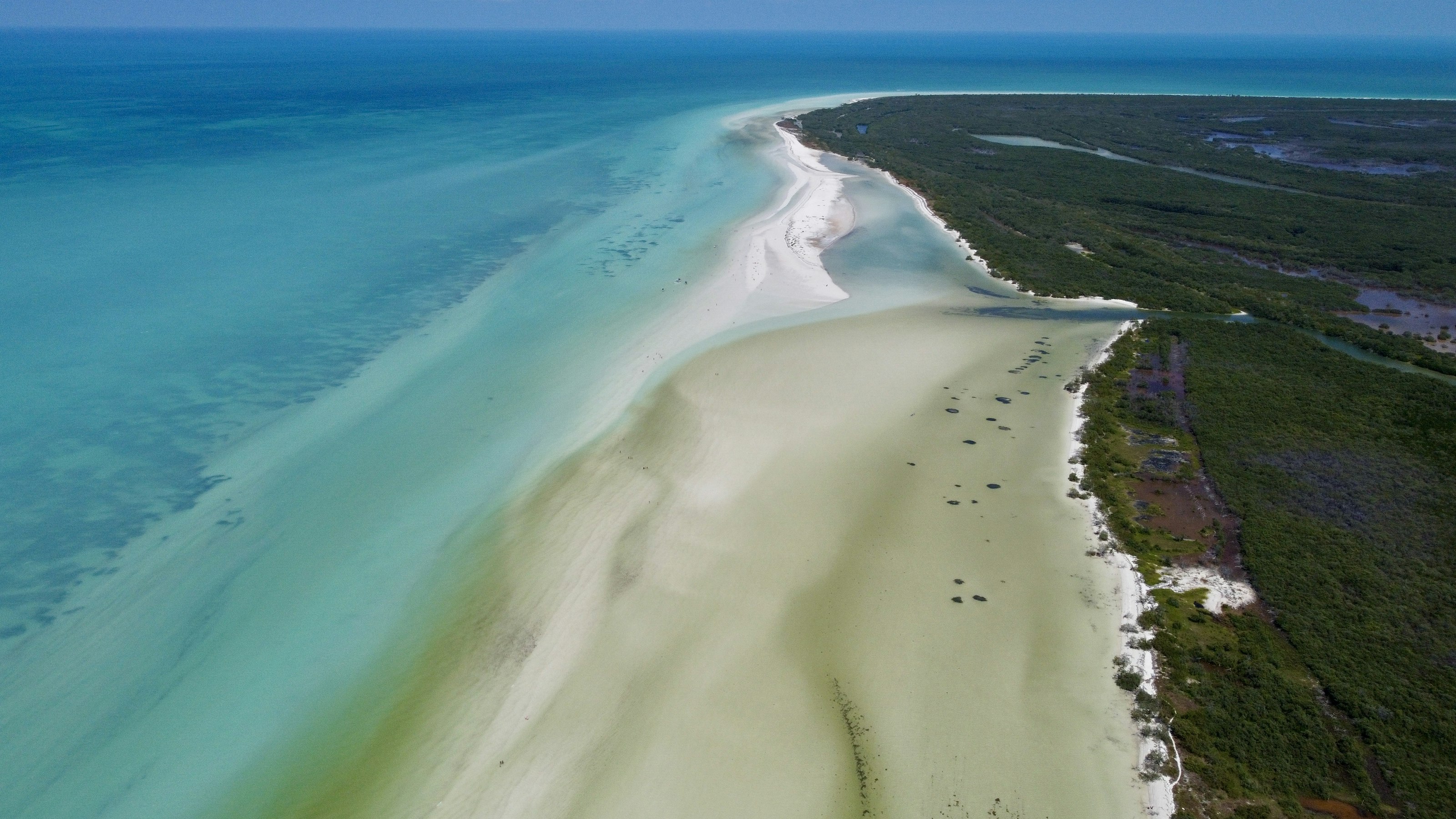
Isla Holbox is a car-free sandbar island off Mexico's Yucatán coast, reached only by boat, with sandy streets, pastel-painted guesthouses, and a slower pace than the resorts of Cancún.
Whale sharks gather in the surrounding waters from roughly June to September, drawing snorkel trips out to swim alongside them, and the island's shallow lagoon glows with bioluminescent plankton on dark nights.
How does it rate
CrowdsRomanceCash RequiredDangerAccessibilityWhy you should go
Snorkelling alongside whale sharks, the largest fish in the ocean, just offshore is a rare and genuinely gentle wildlife encounter.
Why you shouldn't go
It's seasonal — outside whale shark months and without a clear dark sky for bioluminescence, it's a much quieter draw.
Plan your visit
Best time to visitJune–September for whale sharks; new-moon nights any time of year for bioluminescence.Best time of daySunset on the north beach, and after dark (away from lights) for bioluminescent plankton.Getting thereFly to Cancún; 2-hour drive to Chiquilá, then a 20-minute passenger ferry to the island.Entry costFree to explore; whale shark tours and bioluminescence boat trips are paid extras.Time needed2–3 daysInsider tip — Book whale shark tours directly through a licensed local operator at the pier rather than a resort in Cancún — it's cheaper and the boats are smaller. -
 #976 /100
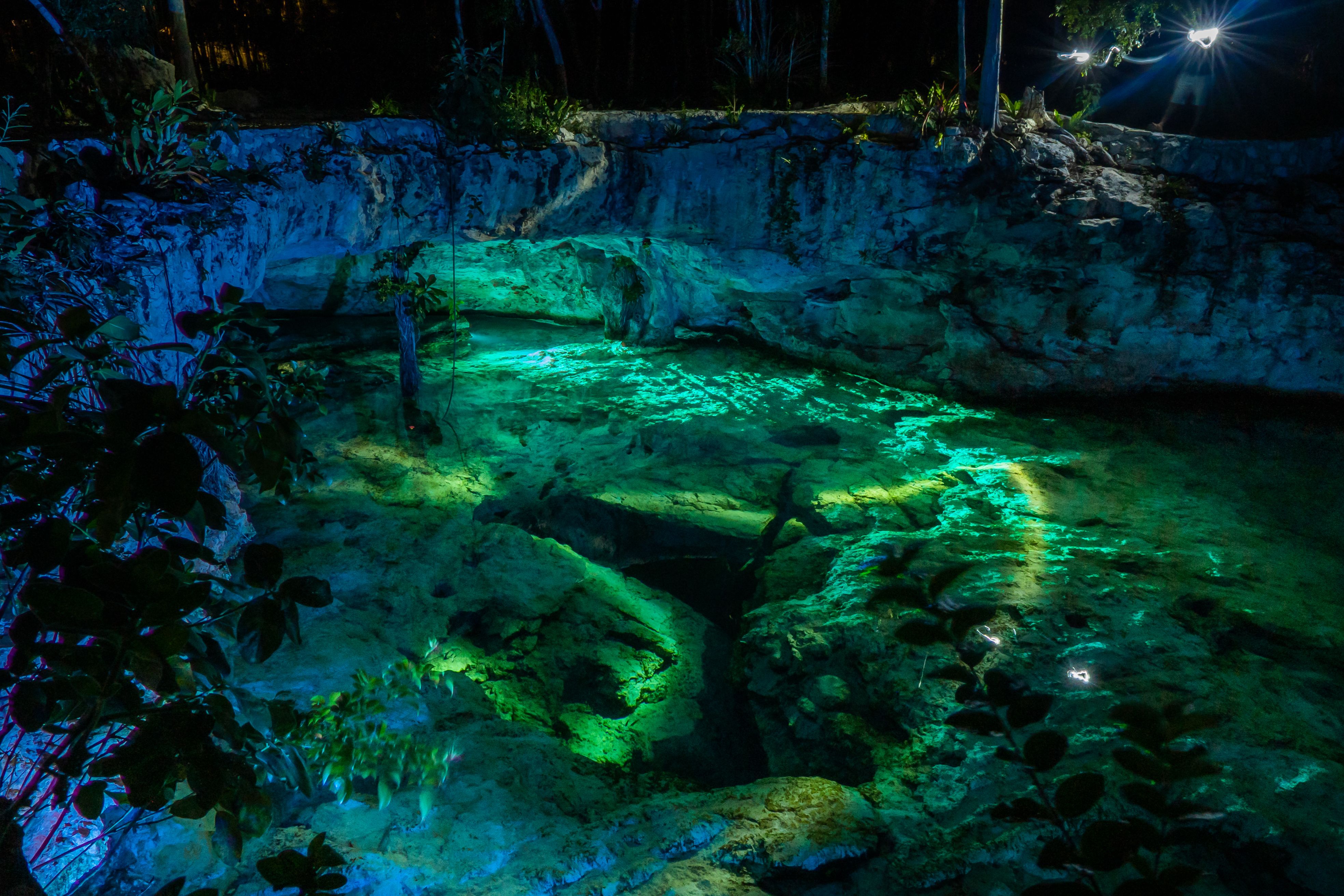
A limestone sinkhole near Tulum with startlingly clear freshwater, shallow turquoise pools giving way to dramatic cave passages hung with stalactites.
Turtles and small fish glide beneath snorkelers in water so clear it barely seems real, especially deeper into the cavern sections.
How does it rate
CrowdsRomanceCash RequiredDangerAccessibilityWhy you should go
Crystal-clear cenote with cavern passages and stalactites, a short bike ride from Tulum.
Why you shouldn't go
Gets very crowded by mid-morning, especially in high season; sunscreen is banned to protect the water, so bring reef-safe or none.
Plan your visit
Best time to visitDecember–April for the clearest water and driest weather.Best time of dayOpening time (8am) for the fewest people and calmest water.Getting there4km from Tulum town center; reachable by bike, taxi, or colectivo van.Entry costMXN $300 (~$18) entry fee.Time needed1.5–2 hours.Insider tip — Bring your own snorkel gear (rentals are limited and pricier on-site). The cave sections near the back are the highlight — most visitors never swim past the open pool. -
 #1068 /100
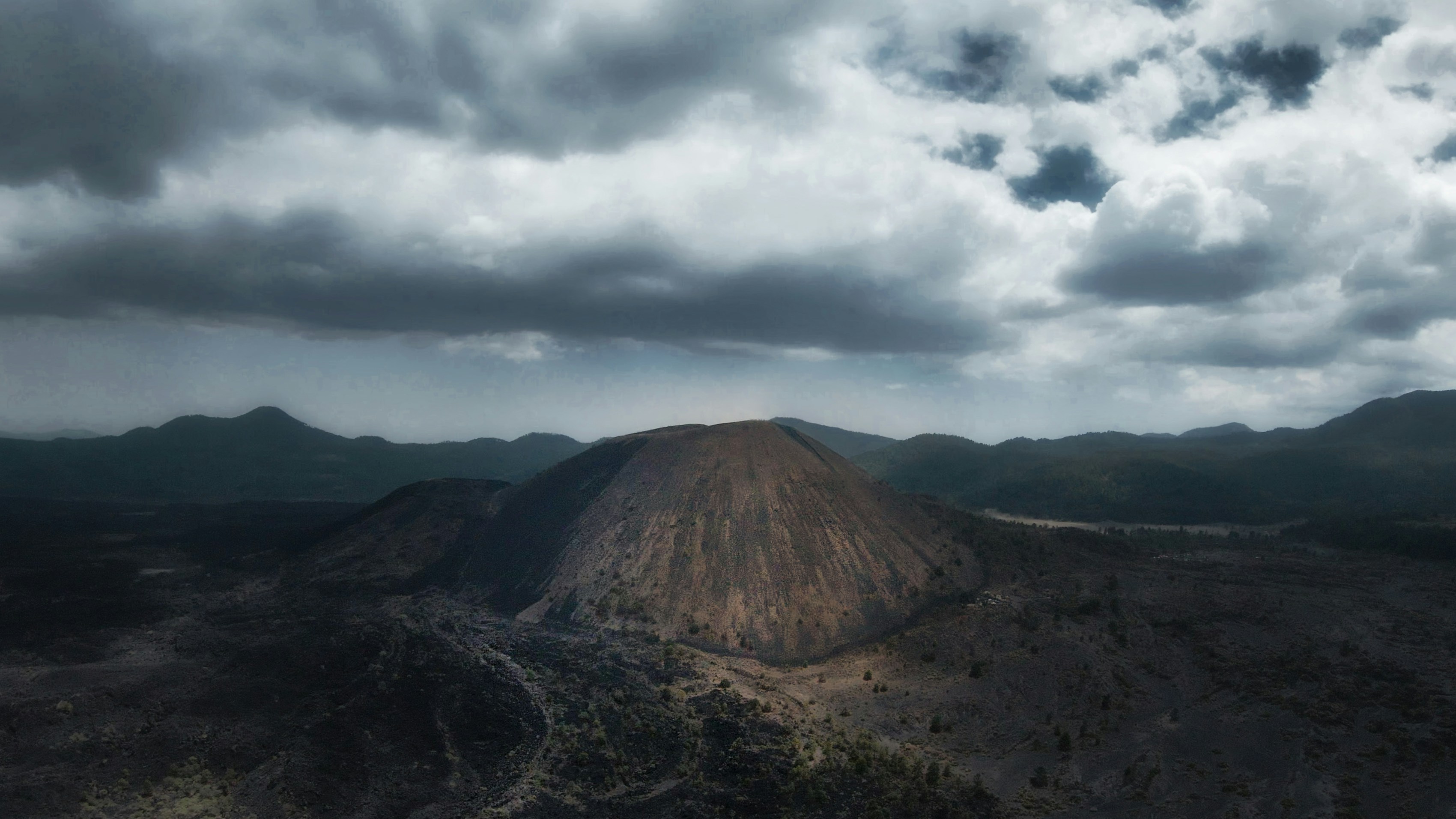
A cinder cone volcano that famously erupted from a level cornfield in 1943, growing to over 400 metres within a decade and burying two villages under lava - one of the few volcanoes in the world whose entire life cycle has been documented from birth.
The half-buried bell tower of San Juan Parangaricutiro's church still protrudes from the hardened lava field, an eerie, singular sight.
Horseback rides across the black lava field to the church ruins, followed by a hike up the cinder cone itself, make for a genuinely unusual full day out.
How does it rate
CrowdsRomanceCash RequiredDangerAccessibilityWhy you should go
The only volcano whose entire birth and growth was scientifically documented - and a church tower still rising from its lava field.
Why you shouldn't go
It's a fairly remote day trip from Mexico City or Guadalajara, and the summit hike across loose cinder is tiring.
Plan your visit
Best time to visitNovember-April (dry season) for firmer trail conditions.Best time of dayMorning, to allow a full day for the horseback ride and cinder-cone hike combined.Getting thereA 3.5-4 hour drive from Guadalajara or Morelia to the town of Angahuan, the main trailhead.Entry costHorse rental and guide typically cost around 400-600 MXN per person.Time neededA full day.Insider tip — Hire a local Purepecha guide in Angahuan rather than booking ahead online - it directly supports the community whose ancestors were displaced by the eruption.


How a score is built
One score out of 100, five criteria behind it
Every place is rated 1–5 on each of the criteria below, then combined into a single score out of 100. It's calculated by us, the same way every time — not an average of traveller reviews or social votes.
Crowds
How many people you'll be sharing it with, and at what time of day.
Romance
How well it suits a couple, a proposal, or a quiet moment together.
Cash required
Entry fees, permits, guides, rentals — what it actually costs to do it.
Danger
Physical risk involved, from a slippery viewpoint to genuine hazard.
Accessibility
How far off the beaten path it is, and how hard it is to actually reach.