-
 #188 /100
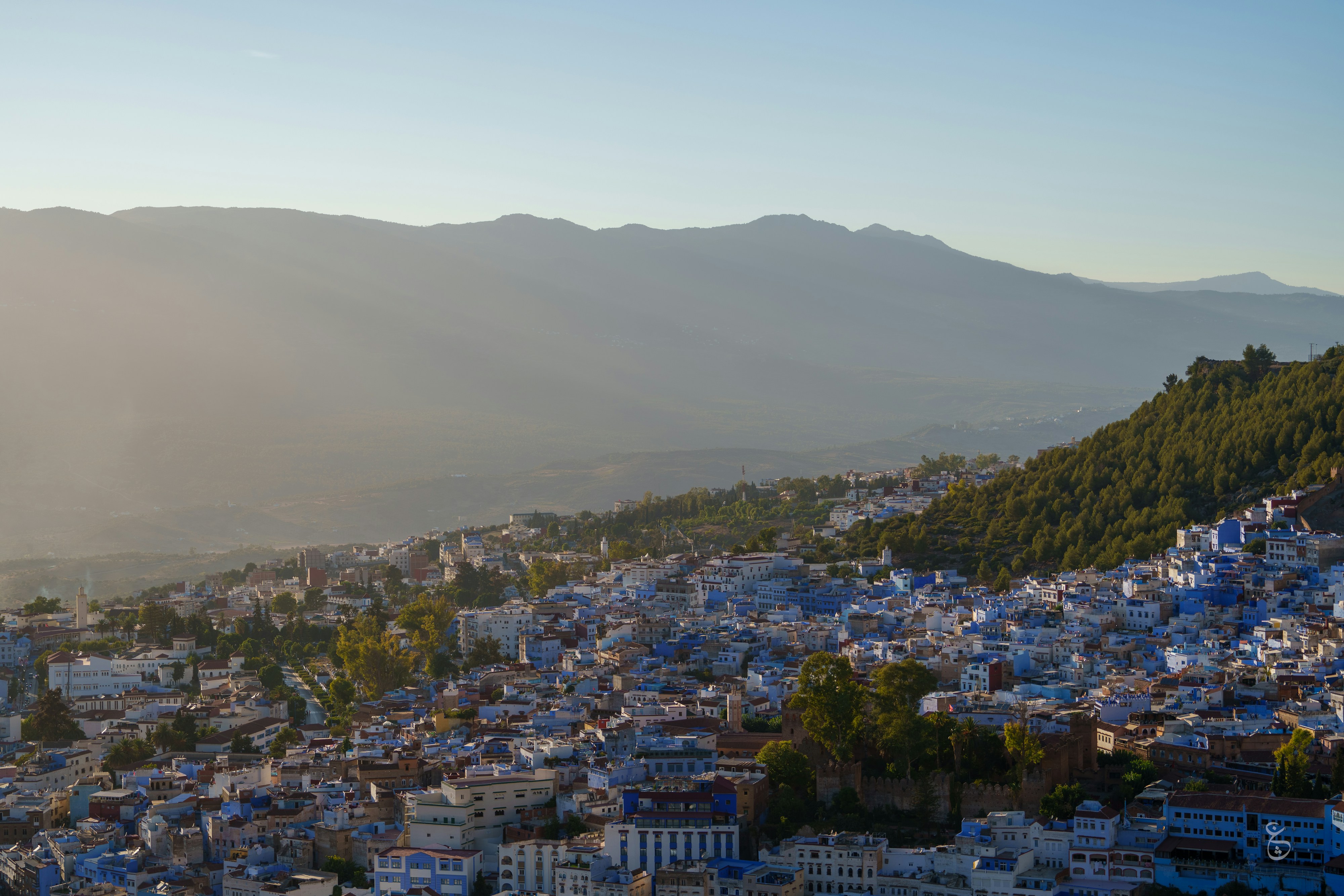
Every wall, staircase and doorway in this Rif Mountains town is washed in shades of blue, a tradition with disputed origins that's turned the entire medina into one continuous wash of colour.
Cats doze in doorways and potted plants spill over blue-painted steps, with barely a corner that doesn't reward a second look.
Founded as a 15th-century fortress town, its alleys were never built for cars.
How does it rate
CrowdsRomanceCash RequiredDangerAccessibilityWhy you should go
An entire town painted blue, with no bad angle anywhere in the medina.
Why you shouldn't go
The most photogenic alleys are narrow and now genuinely crowded with fellow photographers most mornings.
Plan your visit
Best time to visitMarch-May or September-November, for mild hiking and walking weather.Best time of dayEarly morning, before both the heat and the day-tripper crowds from Fes arrive.Getting thereDrive or take a bus from Fes (about 4 hours) or Tangier (about 2.5 hours).Entry costFree to wander; riads and cafes priced normally.Time needed1-2 daysInsider tip — Climb to the Spanish Mosque ruins above town at sunset for a view over the entire blue medina at once. -
 #287 /100
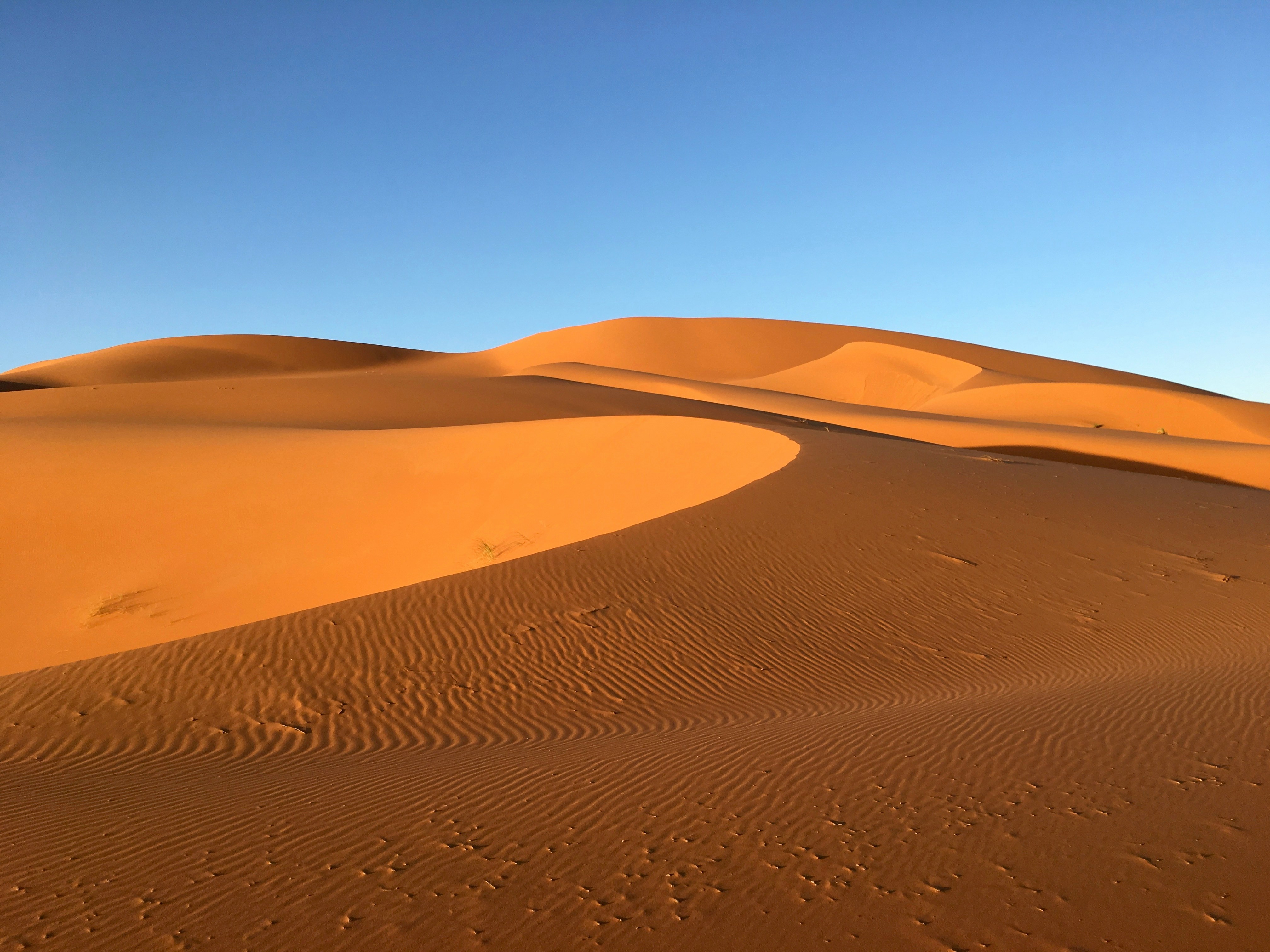
A sea of orange dunes rising up to 150 metres at the edge of the Sahara, the most accessible major dune field in Morocco and the base for camel treks and overnight desert camps.
The dunes shift constantly with the wind, and sunrise and sunset turn the sand from deep gold to burnt red.
Nights in a Berber camp under an unpolluted sky are as much the draw as the dunes themselves.
How does it rate
CrowdsRomanceCash RequiredDangerAccessibilityWhy you should go
Towering orange dunes right at the Sahara's edge, with overnight Berber camps and some of the clearest night skies in North Africa.
Why you shouldn't go
Reaching Merzouga is a long drive from Marrakech (8+ hours), and sandstorms can shut down camel treks with no warning.
Plan your visit
Best time to visitOctober-April, avoiding the brutal summer desert heat.Best time of daySunrise or sunset, when the dunes shift from gold to deep red.Getting thereFly to Fes or Marrakech, then a 6-9 hour drive or organised desert tour to Merzouga.Entry costCamel trek and overnight camp packages generally run EUR40-100 per person.Time neededOvernight (1-2 days including transport).Insider tip — Book a camp further from Merzouga village - the closest ones are cheaper but suffer light pollution that ruins the stargazing. -
 #385 /100
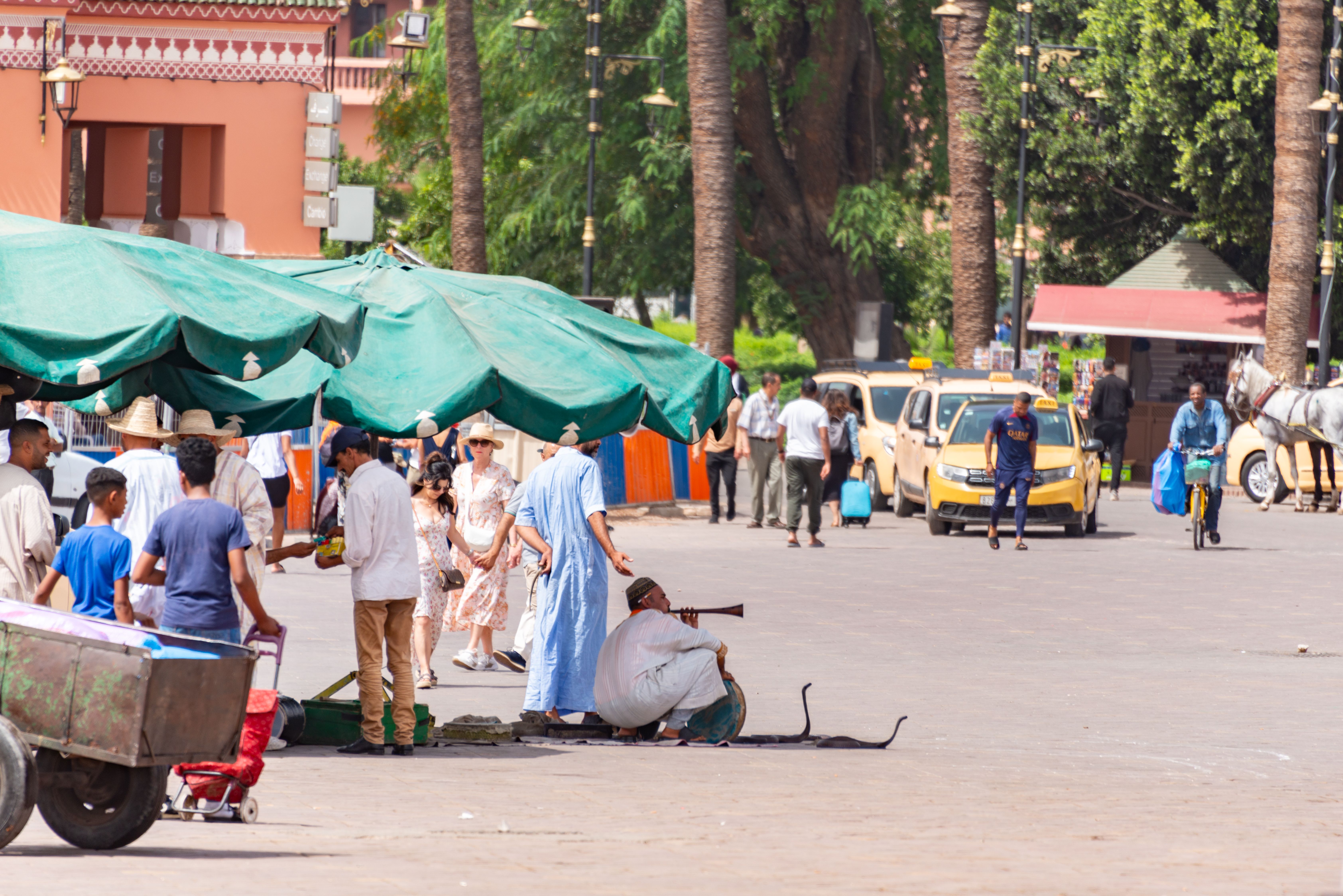
Marrakech's main square transforms completely between day and night: by afternoon it's snake charmers, henna artists and orange juice stalls, and by dusk it becomes one of the world's great open-air food markets, dozens of numbered stalls filling the square with smoke, spice and the calls of vendors.
UNESCO declared it a Masterpiece of Oral Heritage.
How does it rate
CrowdsRomanceCash RequiredDangerAccessibilityWhy you should go
Marrakech's legendary square, snake charmers and orange stalls by day, a vast open-air food market lit by smoke and lanterns by night.
Why you shouldn't go
Vendors, performers and guides can be persistent about payment for photos or attention, so agree prices before engaging.
Plan your visit
Best time to visitEvening, when the square transforms into its famous night food market.Best time of dayJust after sunset, as food stalls light up and the square reaches its most atmospheric.Getting thereWalk or take a short taxi from anywhere in the Marrakech medina; the square sits at its heart.Entry costFree to enter the square; street food typically runs MAD30-80 per dish.Time needed2-3 hours.Insider tip — Eat at stalls with the longest queues of locals rather than the most aggressively touted ones, a reliable sign of quality here. -
 #479 /100
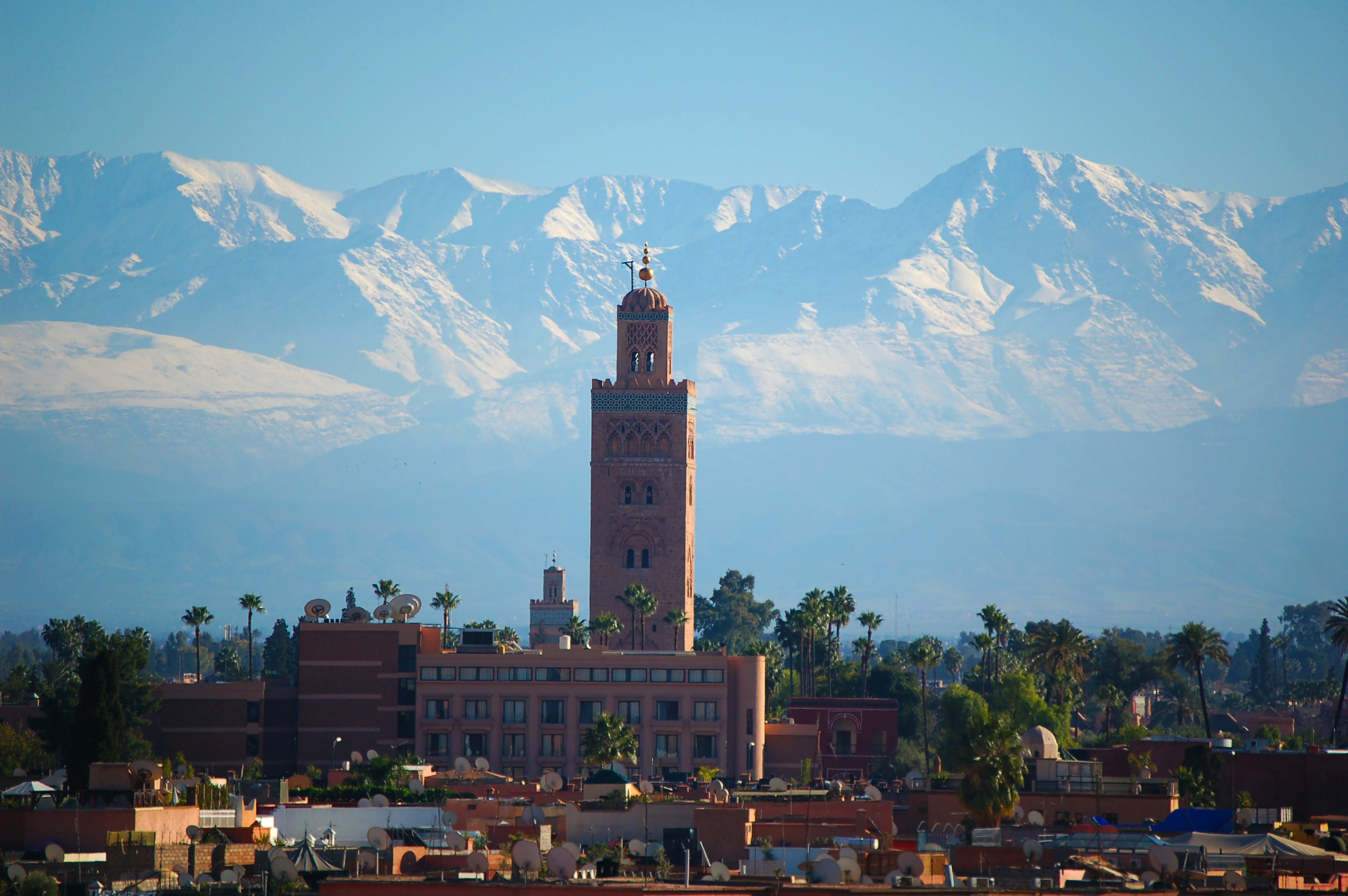
Morocco's most visited city layers a maze-like medina of souks, riads and palaces against the backdrop of the snow-capped Atlas Mountains.
Beyond Djemaa el-Fna's nightly spectacle, the city holds the tiled Bahia Palace, the cactus-filled Majorelle Garden, and endless alleys of dyers, leatherworkers and spice sellers.
Getting deliberately lost in the medina, then finding a rooftop café to reorient, is as much the experience as any single sight.
How does it rate
CrowdsRomanceCash RequiredDangerAccessibilityWhy you should go
A whole city built for wandering, with a genuinely overwhelming, atmospheric medina.
Why you shouldn't go
Medina alleys are a maze designed to disorient, and touts targeting tourists are persistent.
Plan your visit
Best time to visitMarch–May or September–November, avoiding summer heat that regularly tops 40°C.Best time of dayLate afternoon into evening, as the souks cool down and Djemaa el-Fna comes alive.Getting thereMarrakech Menara Airport is 15 minutes from the medina by taxi.Entry costFree to walk; palaces and gardens typically 70-150 MAD (~€6-14) each.Time needed2–4 days.Insider tip — Hire a licensed medina guide for your first walk through the souks — it saves hours of getting lost and haggling missteps. -
 #578 /100
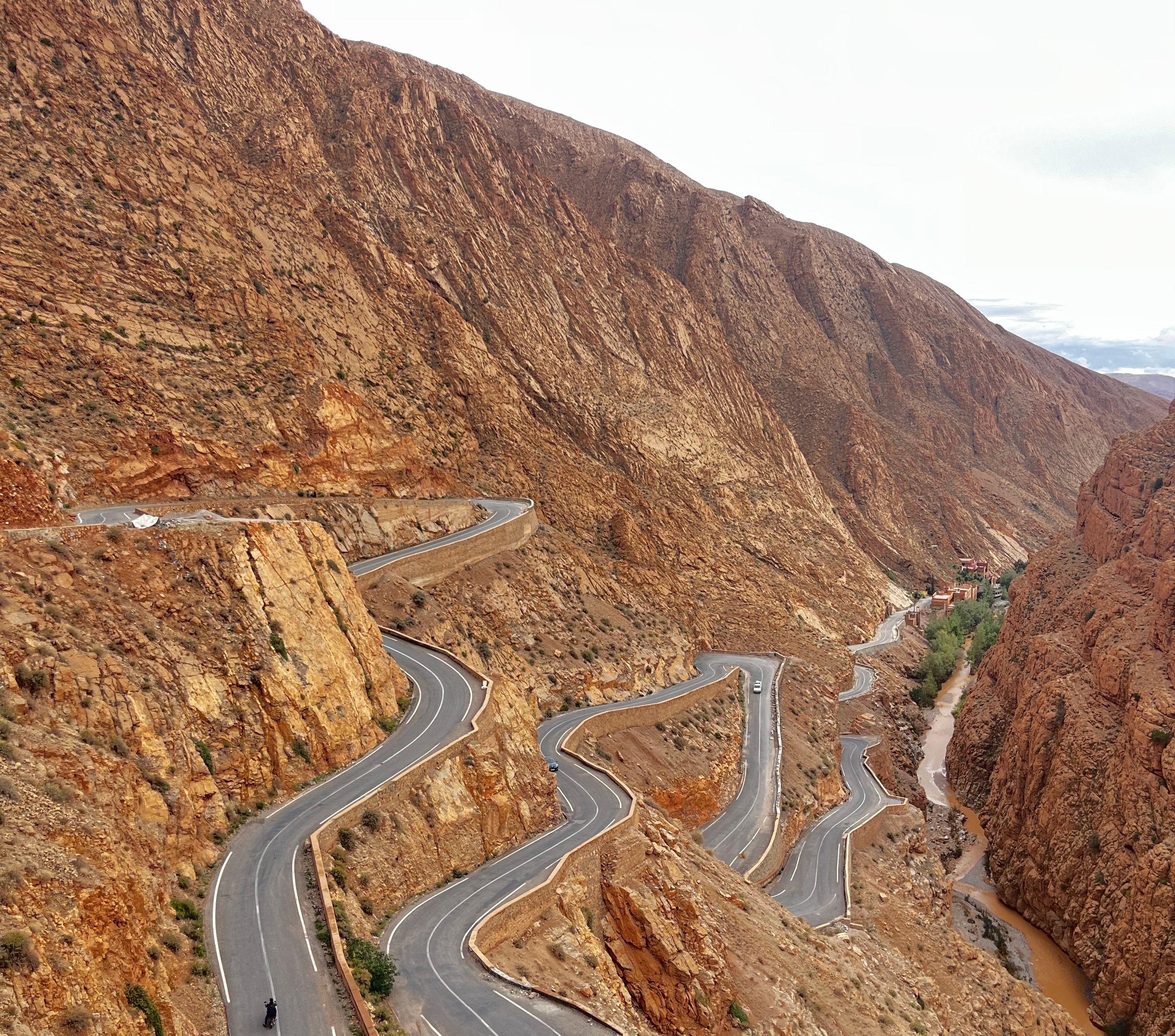
A switchback road climbs through this dramatic red-rock gorge in the High Atlas foothills, past strange wind-eroded rock formations locals call the Monkey Fingers.
Kasbahs and Berber villages built from the same red earth blend almost seamlessly into the canyon walls around them.
The valley floor, planted with almond and fig trees, adds a green ribbon through the otherwise stark rust-coloured landscape.
How does it rate
CrowdsRomanceCash RequiredDangerAccessibilityWhy you should go
A red-rock gorge with a genuinely dramatic switchback road carved into its walls.
Why you shouldn't go
The famous switchback road is narrow and has no barriers - not a relaxing drive for nervous passengers.
Plan your visit
Best time to visitMarch-May or September-November, avoiding summer heat.Best time of dayLate afternoon, when the low sun deepens the red rock's colour.Getting thereDrive from Ouarzazate (about 1.5 hours) as part of a route toward the Sahara.Entry costFree to drive through; kasbah visits charge small entry fees.Time neededHalf a dayInsider tip — Stop at the Monkey Fingers rock formations partway up the switchbacks - most tour buses only stop at the top viewpoint and miss them. -
 #677 /100
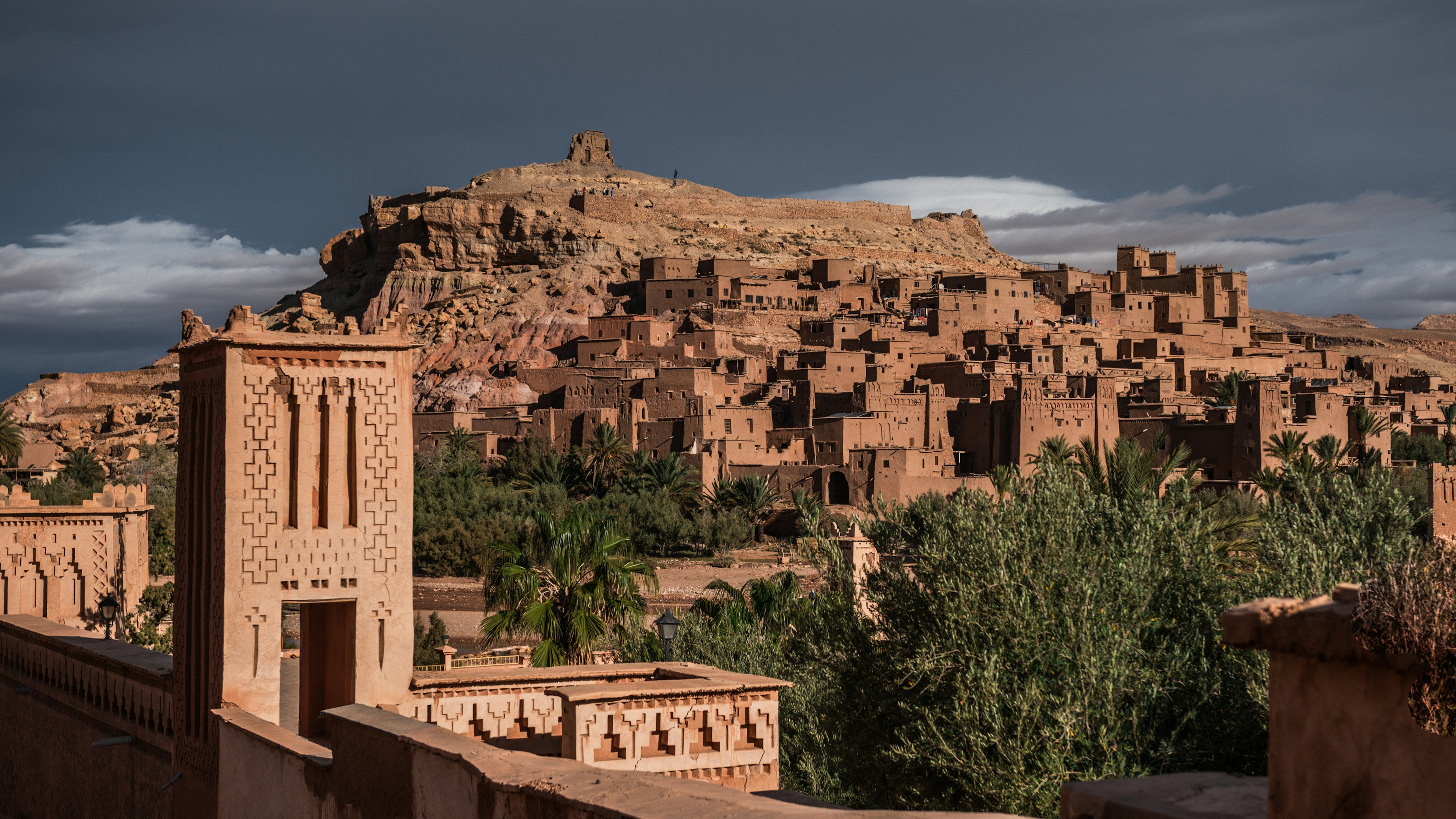
This fortified clay ksar of tightly clustered earthen buildings has stood on a Saharan trade route for centuries and become one of cinema's favorite backdrops, doubling for ancient settings in Gladiator, Game of Thrones and Lawrence of Arabia.
A handful of families still live within its walls.
Climbing to the top for views over the Ounila Valley shows off both the settlement's defensive logic and its striking desert-earth architecture.
How does it rate
CrowdsRomanceCash RequiredDangerAccessibilityWhy you should go
A genuinely lived-in fortified desert village, familiar from a dozen film backdrops.
Why you shouldn't go
Crossing the river to reach it means wading or a small footbridge, depending on water level.
Plan your visit
Best time to visitMarch–May or October–November for comfortable temperatures.Best time of daySunset, when the earthen walls glow deep orange-red.Getting thereDrive about 30km from Ouarzazate, or stop en route between Marrakech and the Sahara.Entry costSmall entry fee, around 20 MAD (~€2).Time needed1–2 hours.Insider tip — Climb all the way to the ruined agadir (fortified granary) at the top — most visitors stop halfway and miss the best valley view. -
 #776 /100
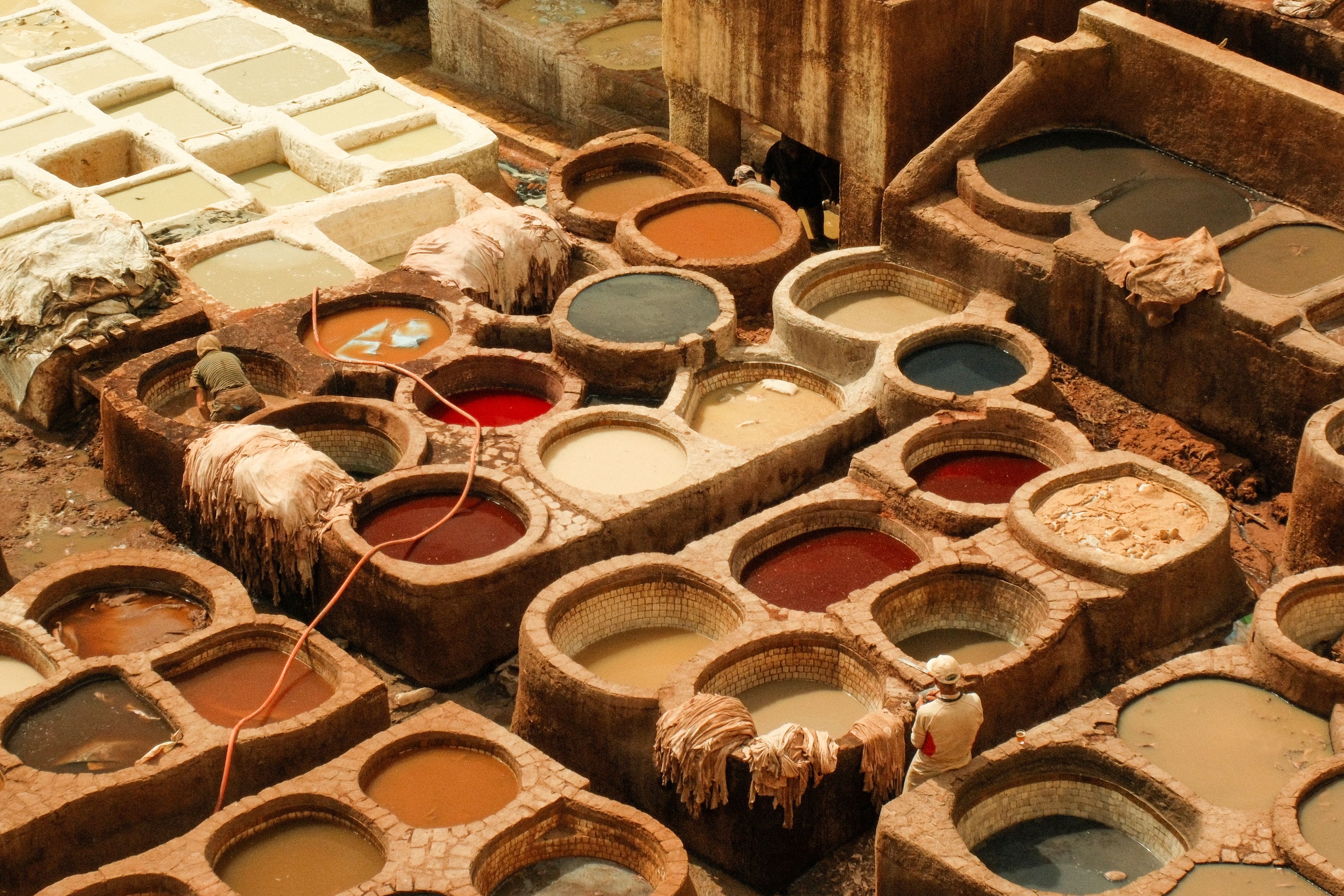
The old walled medina of Fes is the world's largest car-free urban area, a dense 9th-century labyrinth of over 9,000 narrow lanes where mules still haul goods past tanneries, madrasas and workshops largely unchanged for centuries.
The Chouara Tannery's terraced dye pits are the best-known sight, but the real experience is the medina itself — genuinely functioning, with artisans working leather, brass and textiles the same way for generations.
How does it rate
CrowdsRomanceCash RequiredDangerAccessibilityWhy you should go
The world's largest car-free medina, still a genuinely working craft city, not a tourist stage set.
Why you shouldn't go
Extremely easy to get lost in, and touts posing as guides are a persistent nuisance near the entrances.
Plan your visit
Best time to visitMarch–May or September–November for mild weather to explore on foot.Best time of dayMorning, when the tanneries and workshops are in full operation.Getting thereFly to Fes-Saïss Airport, 20 minutes from the medina, or train from Marrakech or Casablanca.Entry costFree to enter the medina; official guides around 300-400 MAD (~€30-38) for a half day.Time neededFull day.Insider tip — Hire an official guide from the tourist office rather than accepting one on the street — the only reliable way to avoid the leather-shop steering scams. -
 #870 /100
Morocco's tallest waterfall drops around 110 meters in a series of cascades through red sandstone cliffs, with wild Barbary macaque monkeys often seen in the olive groves along the approach trail.
Paths wind down to the pool at the base, where small boats ferry visitors close enough to feel the spray, and mule owners offer rides back up for those who'd rather skip the climb.
How does it rate
CrowdsRomanceCash RequiredDangerAccessibilityWhy you should go
Morocco's tallest waterfall, with wild monkeys along the approach trail.
Why you shouldn't go
The descent and climb back up involve steep, sometimes slippery paths.
Plan your visit
Best time to visitSpring, when snowmelt keeps the falls at full flow.Best time of dayMorning, for the best light through the spray and before day-trip crowds peak.Getting thereAbout 3 hours' drive from Marrakech; most visitors go via an organized day tour.Entry costFree to view; small boat rides around 20 MAD (~€2).Time neededHalf a day including travel.Insider tip — Keep food out of sight on the trail — the Barbary macaques are used to tourists and will grab snacks from open bags. -
 #968 /100
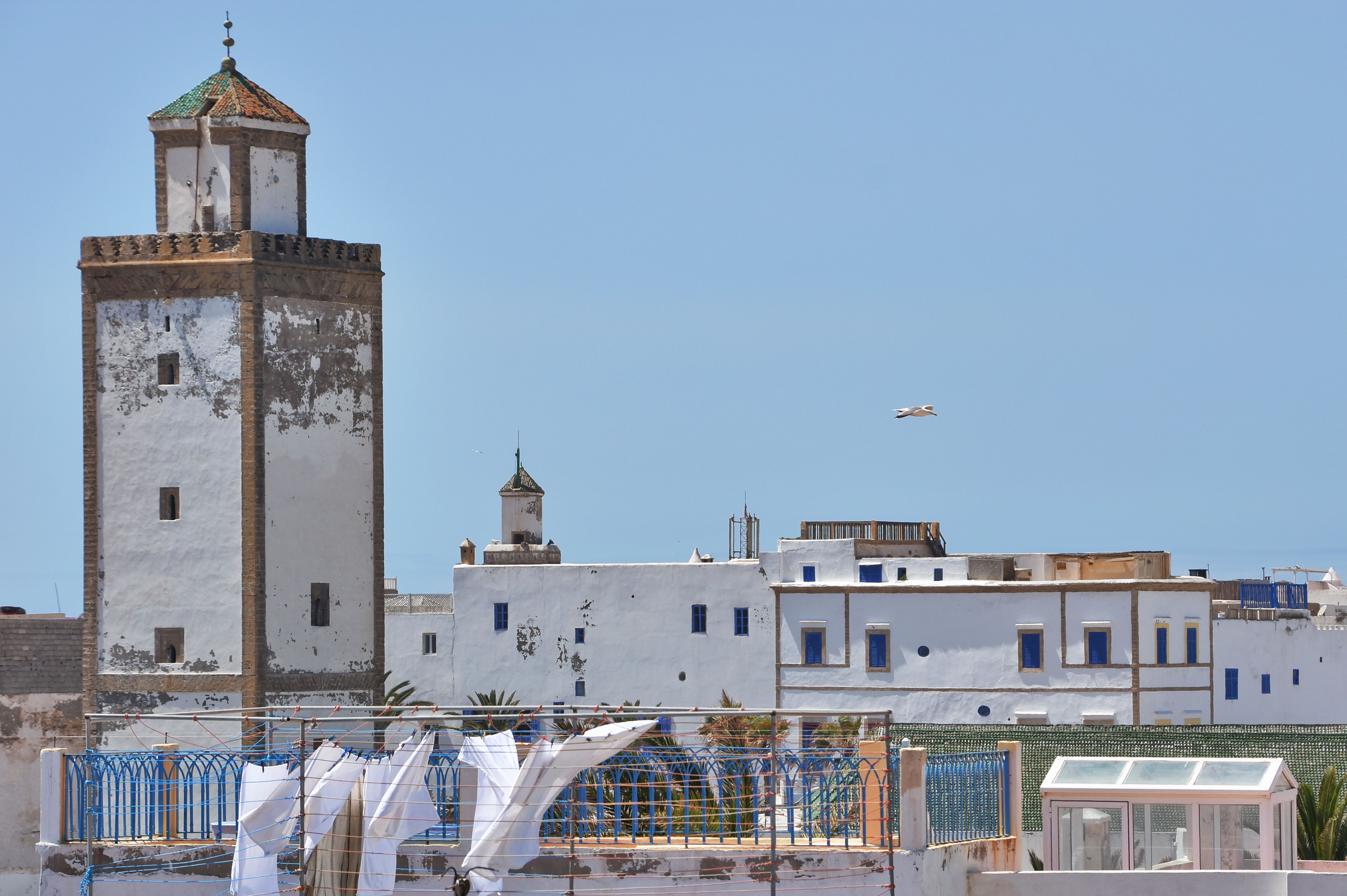
A fortified Atlantic port town with whitewashed, blue-shuttered buildings and windswept ramparts, Essaouira trades the desert heat of Marrakech for sea breeze, fresh seafood grilled dockside, and some of Morocco's best windsurfing and kitesurfing conditions.
Its 18th-century medina, also UNESCO-listed, is smaller and calmer than Fes or Marrakech, with a strong arts and music scene reflected in its galleries and the annual Gnaoua music festival.
How does it rate
CrowdsRomanceCash RequiredDangerAccessibilityWhy you should go
A breezy, laid-back walled port town — Morocco's calmest and most coastal medina.
Why you shouldn't go
The Atlantic wind that makes it great for watersports also makes the beach chilly for casual swimming.
Plan your visit
Best time to visitApril–June or September–October for warm weather with manageable wind.Best time of daySunset over the ramparts and harbor, when fishing boats return.Getting thereAbout 3 hours' drive from Marrakech, or a direct flight to Essaouira-Mogador Airport.Entry costFree to explore; ramparts and skala small entry fees.Time needed1–2 days.Insider tip — Eat at the dockside grill stalls by the port, where the day's catch is cooked to order for a fraction of restaurant prices. -
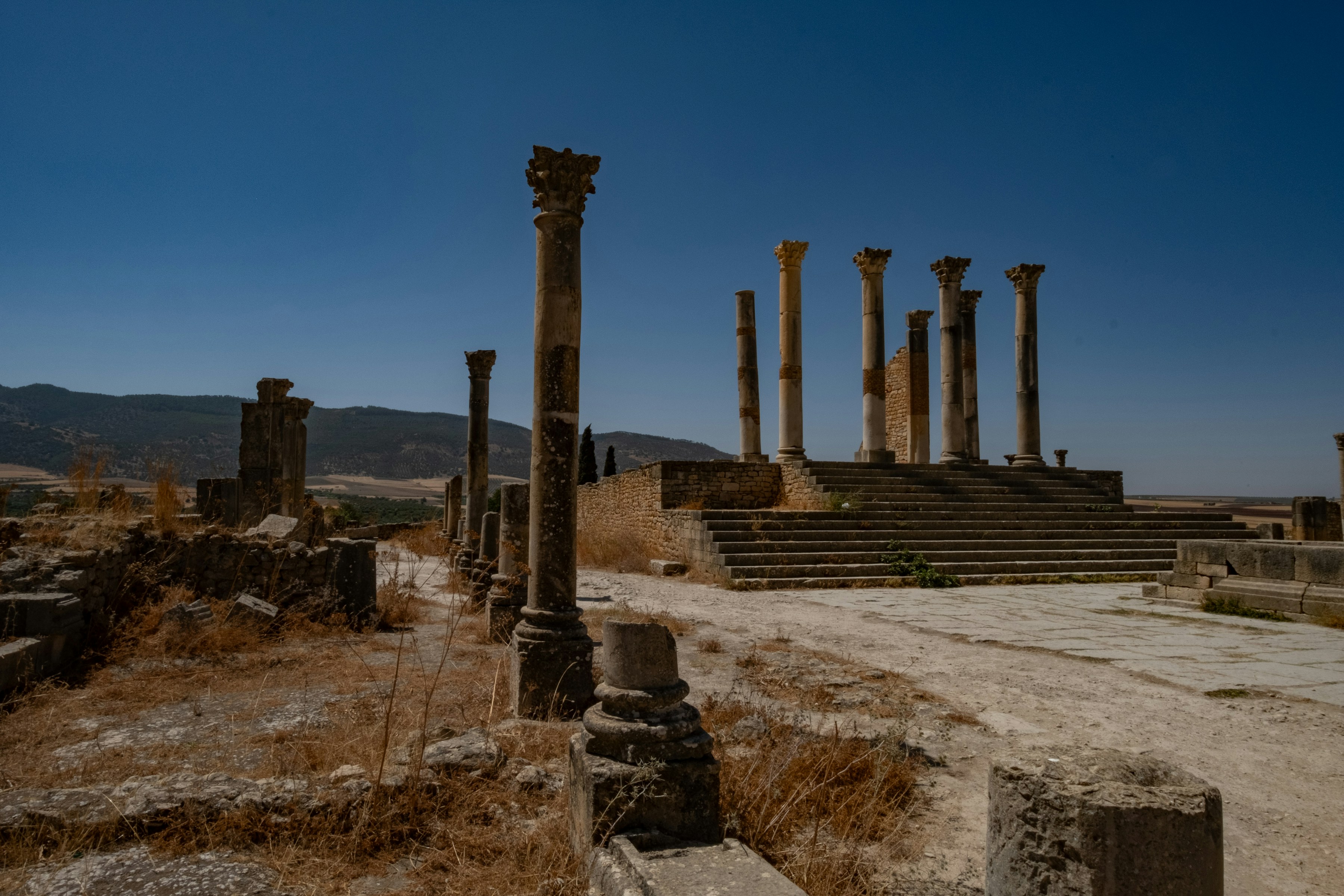 #1063 /100
The best-preserved Roman ruins in Morocco sit in open farmland near Meknes, their mosaic floors — remarkably intact after nearly 2,000 years — depicting mythological scenes across the remains of villas, a basilica and a triumphal arch.
Storks nest on top of the surviving columns, and the fertile plain surrounding the site explains why Rome valued this outpost enough to build so substantially here.
How does it rate
CrowdsRomanceCash RequiredDangerAccessibilityWhy you should go
Morocco's best-preserved Roman ruins, with genuinely intact mosaic floors.
Why you shouldn't go
There's little shade across the open site, and midday heat can make walking it uncomfortable.
Plan your visit
Best time to visitSpring or autumn for comfortable walking temperatures.Best time of dayEarly morning or late afternoon, avoiding the exposed midday sun.Getting thereAbout 30 minutes' drive from Meknes, or a day trip from Fes (around 1.5 hours).Entry costAround 70 MAD (~€7).Time needed1–2 hours.Insider tip — Hire a guide at the entrance — the mosaics' mythological scenes are easy to miss or misread without someone explaining them.


How a score is built
One score out of 100, five criteria behind it
Every place is rated 1–5 on each of the criteria below, then combined into a single score out of 100. It's calculated by us, the same way every time — not an average of traveller reviews or social votes.
Crowds
How many people you'll be sharing it with, and at what time of day.
Romance
How well it suits a couple, a proposal, or a quiet moment together.
Cash required
Entry fees, permits, guides, rentals — what it actually costs to do it.
Danger
Physical risk involved, from a slippery viewpoint to genuine hazard.
Accessibility
How far off the beaten path it is, and how hard it is to actually reach.