-
 #189 /100
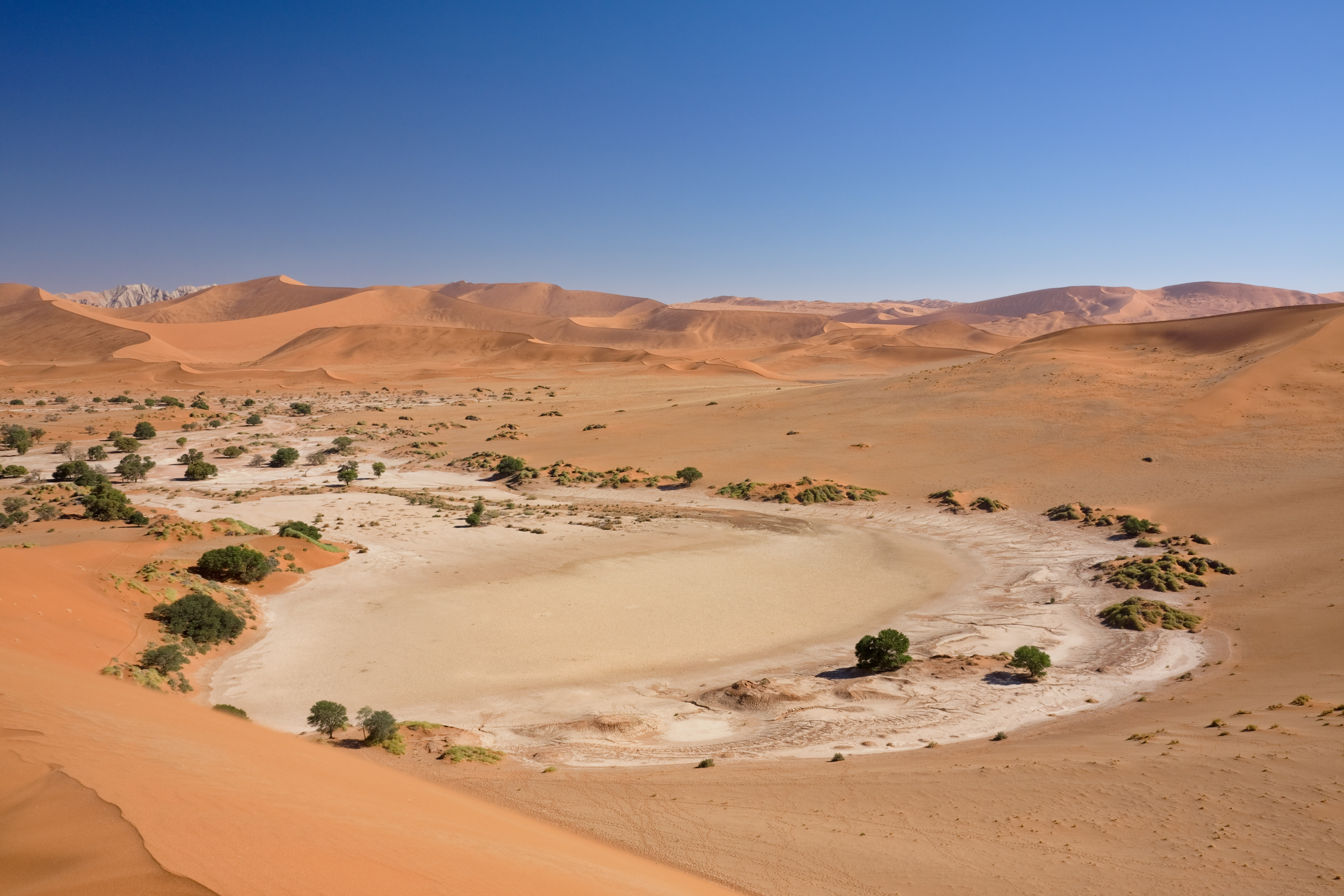
Sossusvlei is a salt and clay pan in the Namib-Naukluft National Park in Namibia, surrounded by massive red sand dunes — among the tallest in the world at over 300 metres.
The dead white camelthorn trees in the Deadvlei pan, set against deep orange sand and cobalt sky, have become one of Africa's most iconic landscapes.
How does it rate
CrowdsRomanceCash RequiredDangerAccessibilityWhy you should go
The contrast between the white cracked clay pan, the black dead trees, the towering red dunes, and the vivid blue sky creates a landscape of extraordinary abstract beauty.
Why you shouldn't go
The dunes must be climbed before sunrise to avoid the intense heat; the nearest accommodation in Sesriem is basic and the site is very remote.
Plan your visit
Best time to visitMay-October (dry season, cooler)Best time of daySunrise, when the dunes cast long shadows and colours are richestGetting there~5-6hr drive from Windhoek, or fly to a nearby airstripEntry costPark entry ~N$150-350Time neededFull dayInsider tip — Get to the gate right at sunrise opening; Dune 45 and Deadvlei both photograph best in the first hour of light -
 #284 /100
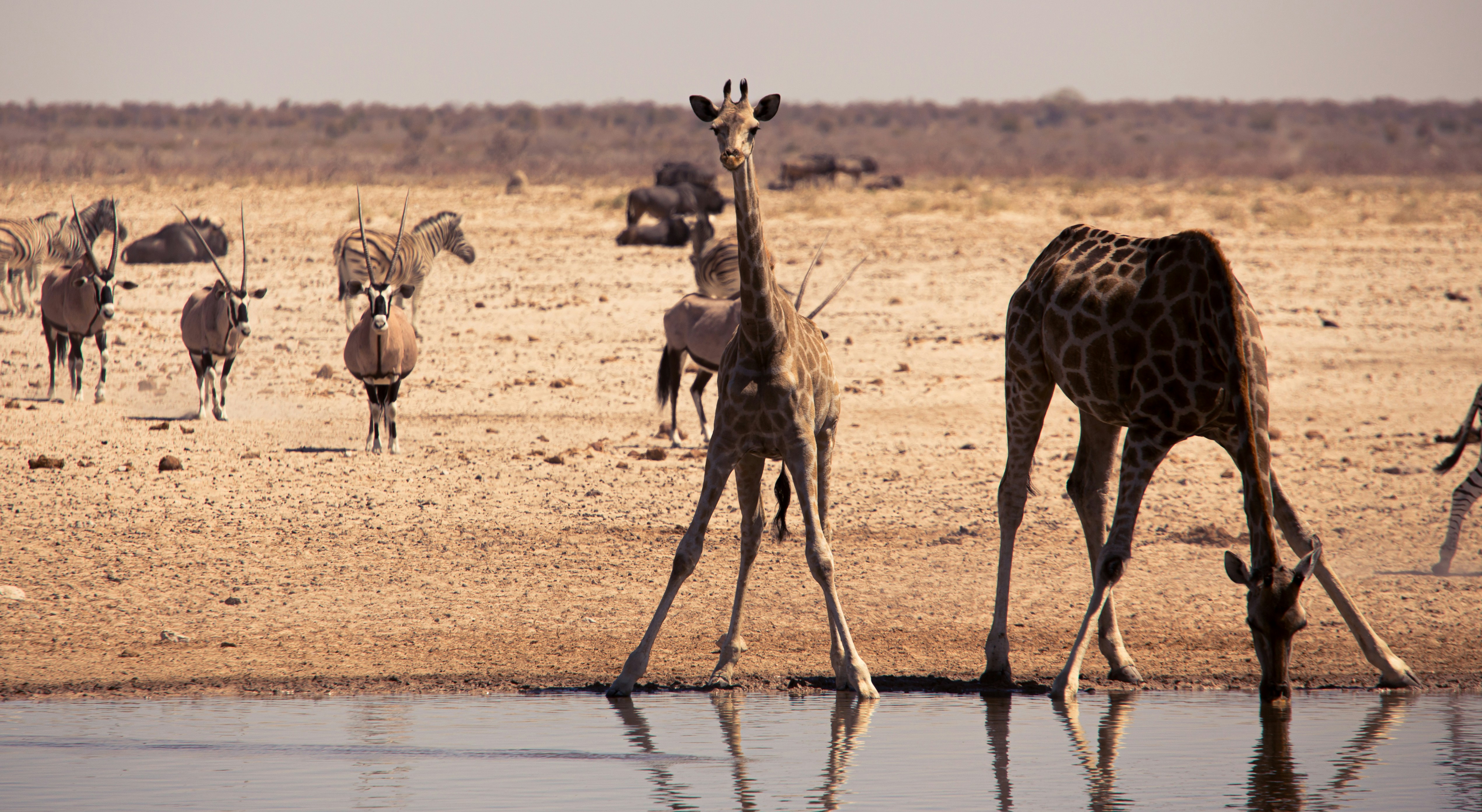
A vast, shimmering salt pan visible from space anchors this national park, where waterholes along its edges concentrate wildlife in a way few other African parks match, especially in the dry season when animals converge to drink.
Self-drive visitors can park at floodlit waterholes after dark and watch elephants, rhinos and predators arrive, without needing a guide.
The pan itself is striking even without the wildlife around its rim.
How does it rate
CrowdsRomanceCash RequiredDangerAccessibilityWhy you should go
One of Africa's best self-drive safari parks, with floodlit waterholes offering wildlife viewing after dark.
Why you shouldn't go
Dry-season dust and heat are intense, and the pan itself offers little shade for extended stops.
Plan your visit
Best time to visitMay–October (dry season), when wildlife concentrates densely at waterholes.Best time of dayLate afternoon into dusk at a floodlit waterhole, as nocturnal animals begin arriving.Getting thereAbout 4-5 hours' drive from Windhoek, or fly into a nearby airstrip.Entry costPark entry around N$150 (~€8) per person per day, plus vehicle fees.Time needed2–3 days.Insider tip — Stay inside the park at a rest camp with a floodlit waterhole (like Okaukuejo) rather than outside the gates — night sightings there are the trip's highlight. -
 #383 /100
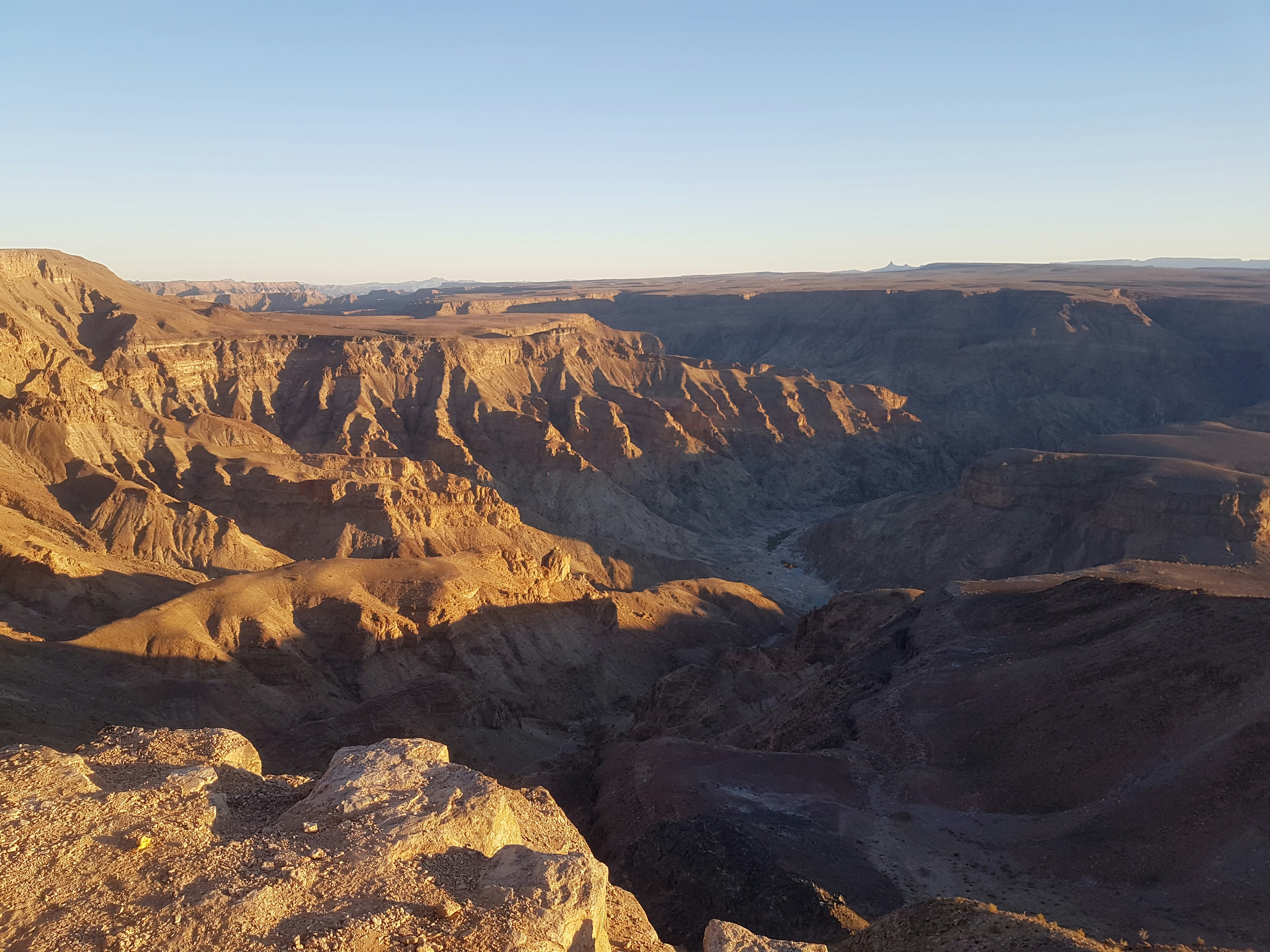
The second-largest canyon on Earth cuts a 160km gash through the Namibian desert, its layered rock walls dropping 550 metres to the seasonal Fish River below.
A multi-day hike along the canyon floor is one of Southern Africa's classic treks, but the main viewpoint at Hobas delivers the scale in a single sweeping look without any walking required.
Sunset turns the canyon's rust-red rock a deep orange.
How does it rate
CrowdsRomanceCash RequiredDangerAccessibilityWhy you should go
The world's second-largest canyon, with a sweeping viewpoint that needs no hiking at all.
Why you shouldn't go
The multi-day canyon-floor hike is only permitted May-September and requires a medical certificate to book.
Plan your visit
Best time to visitMay-September, the cooler dry season (also the only window the multi-day hike is permitted).Best time of daySunset, when the canyon walls turn deep orange-red.Getting thereSelf-drive from Windhoek (about 5.5 hours) or fly to Keetmanshoop and drive onward.Entry costPark entry fee, a few dollars per person.Time needed1-2 hours for the viewpoint; 5 days for the full hikeInsider tip — Even without doing the multi-day hike, walk 15-20 minutes along the rim from the main viewpoint for a less crowded angle. -
 #478 /100
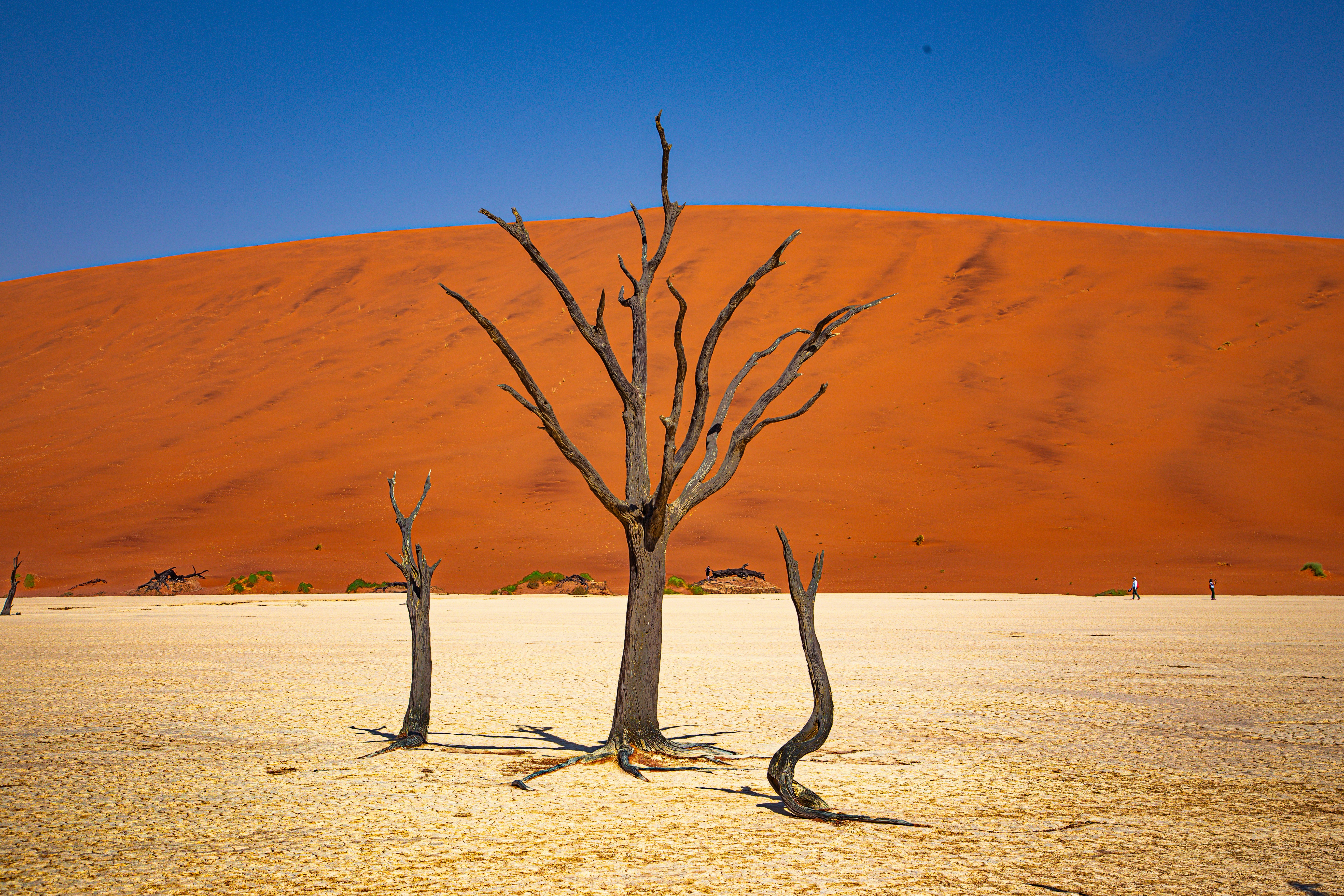
A cracked white clay pan sits ringed by some of the world's tallest sand dunes, its floor scattered with the blackened skeletons of camel thorn trees that died some 600-900 years ago and never decomposed in the bone-dry desert air.
The contrast of black dead wood, white clay and deep-orange dunes against a bright blue sky has made it one of Africa's most photographed landscapes, genuinely striking to stand in regardless of camera skill.
How does it rate
CrowdsRomanceCash RequiredDangerAccessibilityWhy you should go
Centuries-dead trees on a cracked white clay pan, framed by some of the world's tallest dunes.
Why you shouldn't go
Reaching the pan from the parking area requires a hot, sandy walk with no shade.
Plan your visit
Best time to visitMay–September (dry, cooler season) for more comfortable walking conditions.Best time of dayEarly morning, both for cooler temperatures and the sharpest light and shadow on the dunes.Getting thereAbout 4-5 hours' drive from Windhoek to Sesriem, then a 4x4 or shuttle to the parking area, followed by a 20-minute walk.Entry costPark entry around N$150 (~€8), plus a 4x4 transfer fee if not self-driving the final stretch.Time neededHalf a day.Insider tip — Arrive at the park gate right at opening time to beat both the heat and the crowds to the pan. -
 #577 /100
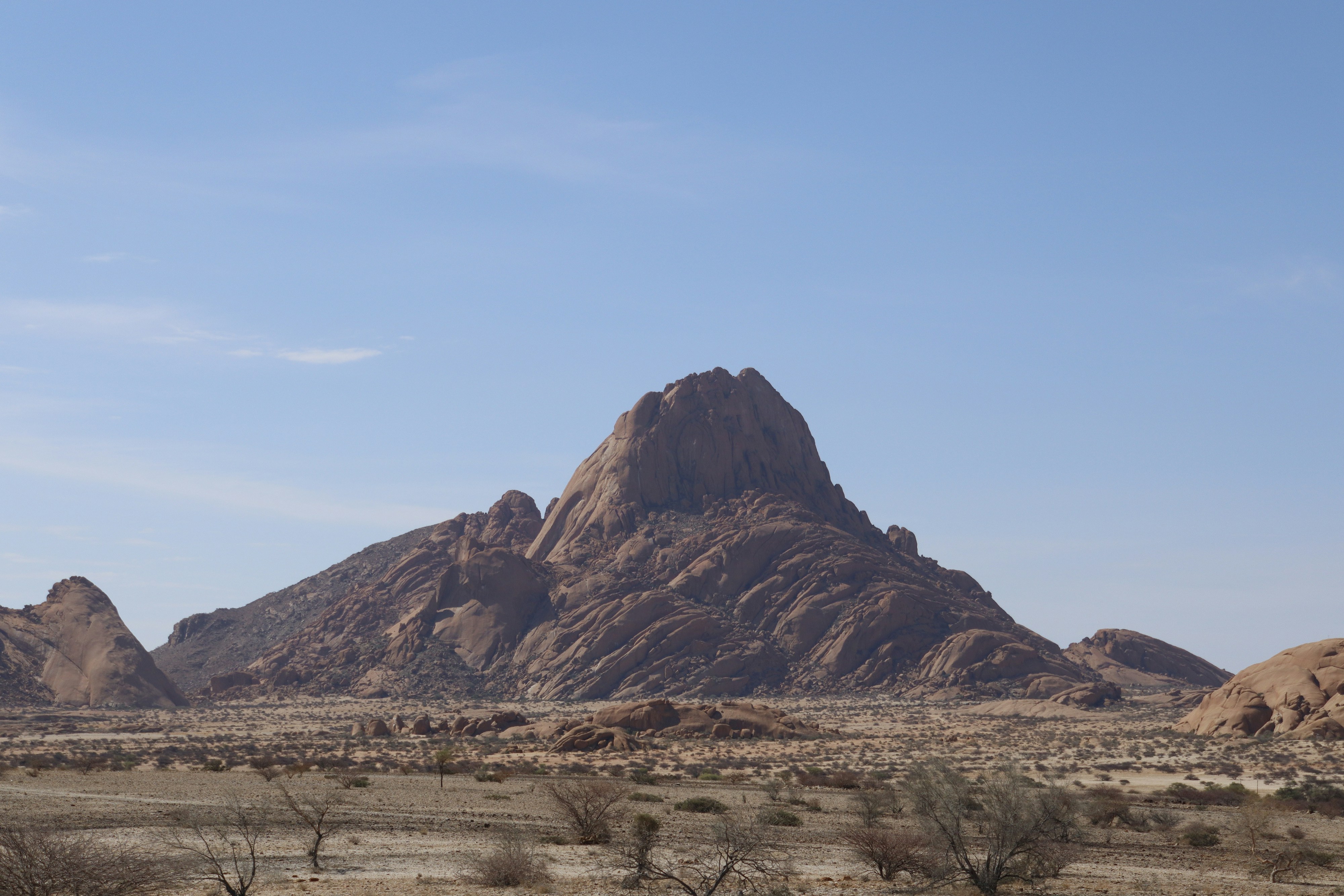
A bald granite inselberg rises abruptly out of flat Namibian desert, earning it the nickname the Matterhorn of Africa.
Natural rock arches, San rock paintings and easy scrambling routes over the surrounding boulders fill a day, and with almost no light pollution for hundreds of kilometres the night sky is extraordinary.
Facilities amount to a basic community-run campsite and little else.
How does it rate
CrowdsRomanceCash RequiredDangerAccessibilityWhy you should go
A solitary granite peak in empty desert, with some of the darkest night skies in Africa.
Why you shouldn't go
There's little shade and no facilities beyond a basic campsite - bring your own water and supplies.
Plan your visit
Best time to visitMay-September, the cooler, drier months.Best time of daySunset for the silhouette; after dark for star photography.Getting thereSelf-drive from Windhoek (about 3.5 hours) or Swakopmund (about 2.5 hours).Entry costSmall community conservancy entry fee, paid at the gate.Time neededHalf a day; overnight for stargazingInsider tip — Camp overnight at the community campsite - the Milky Way over the rock arch is the shot most day visitors miss entirely. -
 #674 /100
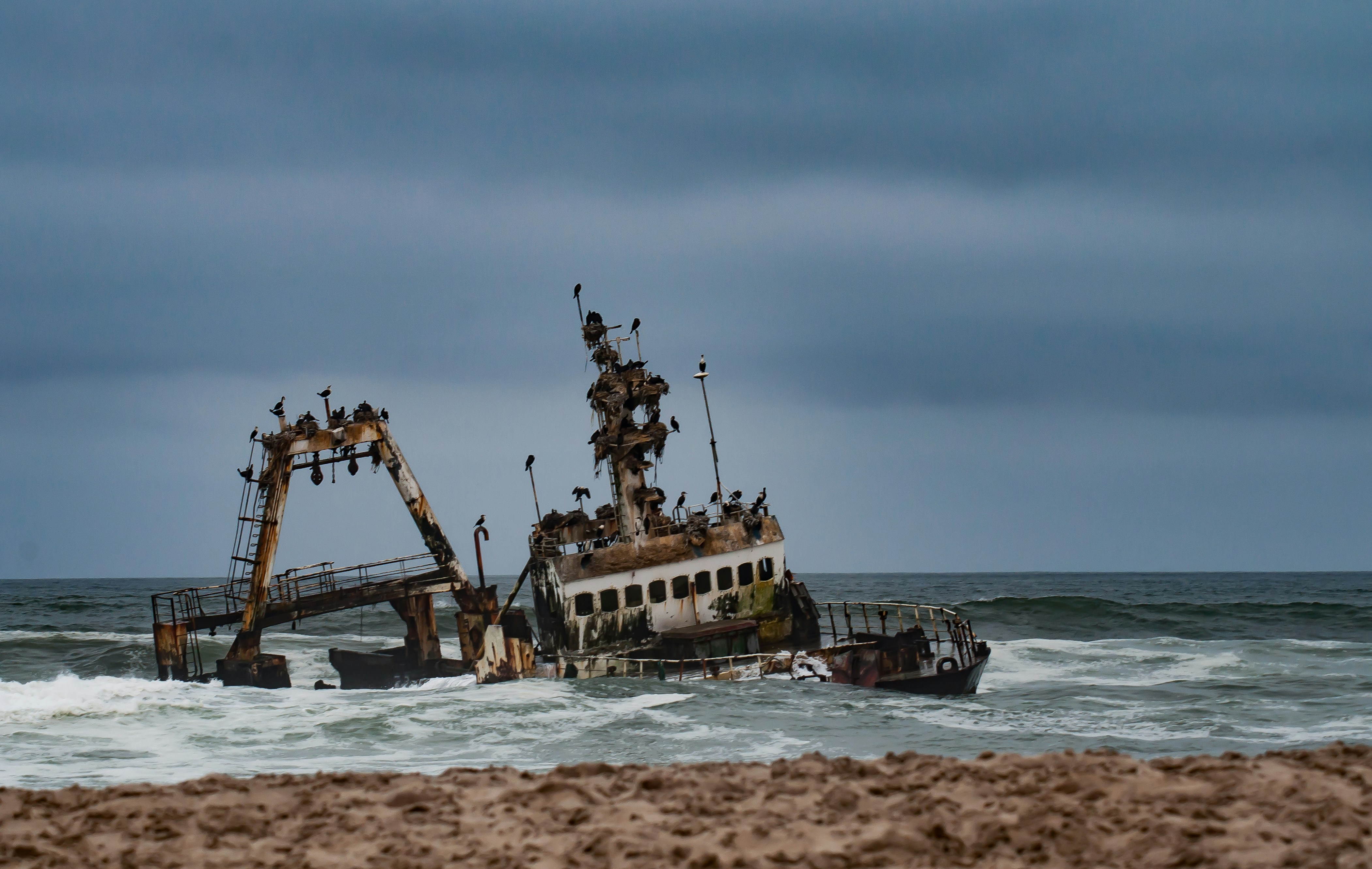
Named for the whale bones once littering its shore and the shipwrecks still rusting in its surf, this remote stretch of Atlantic coastline is where the Namib Desert's dunes meet a cold, fog-shrouded ocean in a landscape that feels genuinely otherworldly.
Seal colonies numbering in the thousands gather at Cape Cross, while the fog sustains desert-adapted wildlife found nowhere else, including elephants that wander dry riverbeds toward the coast.
How does it rate
CrowdsRomanceCash RequiredDangerAccessibilityWhy you should go
A starkly beautiful, genuinely remote desert coastline littered with shipwrecks and desert-adapted wildlife.
Why you shouldn't go
It's extremely remote, with long distances between fuel, services and any settlement.
Plan your visit
Best time to visitMay–October (dry season) for the clearest access along desert tracks.Best time of dayMorning, before the coastal fog typically burns off.Getting thereSelf-drive or fly-in safari from Swakopmund, several hours north along the coast.Entry costPark permits typically N$80-150 depending on the section visited.Time needed2–3 days for a proper exploration.Insider tip — Visit Cape Cross seal colony early in the morning — both the smell and the sheer noise are much more manageable before midday heat intensifies both. -
 #765 /100
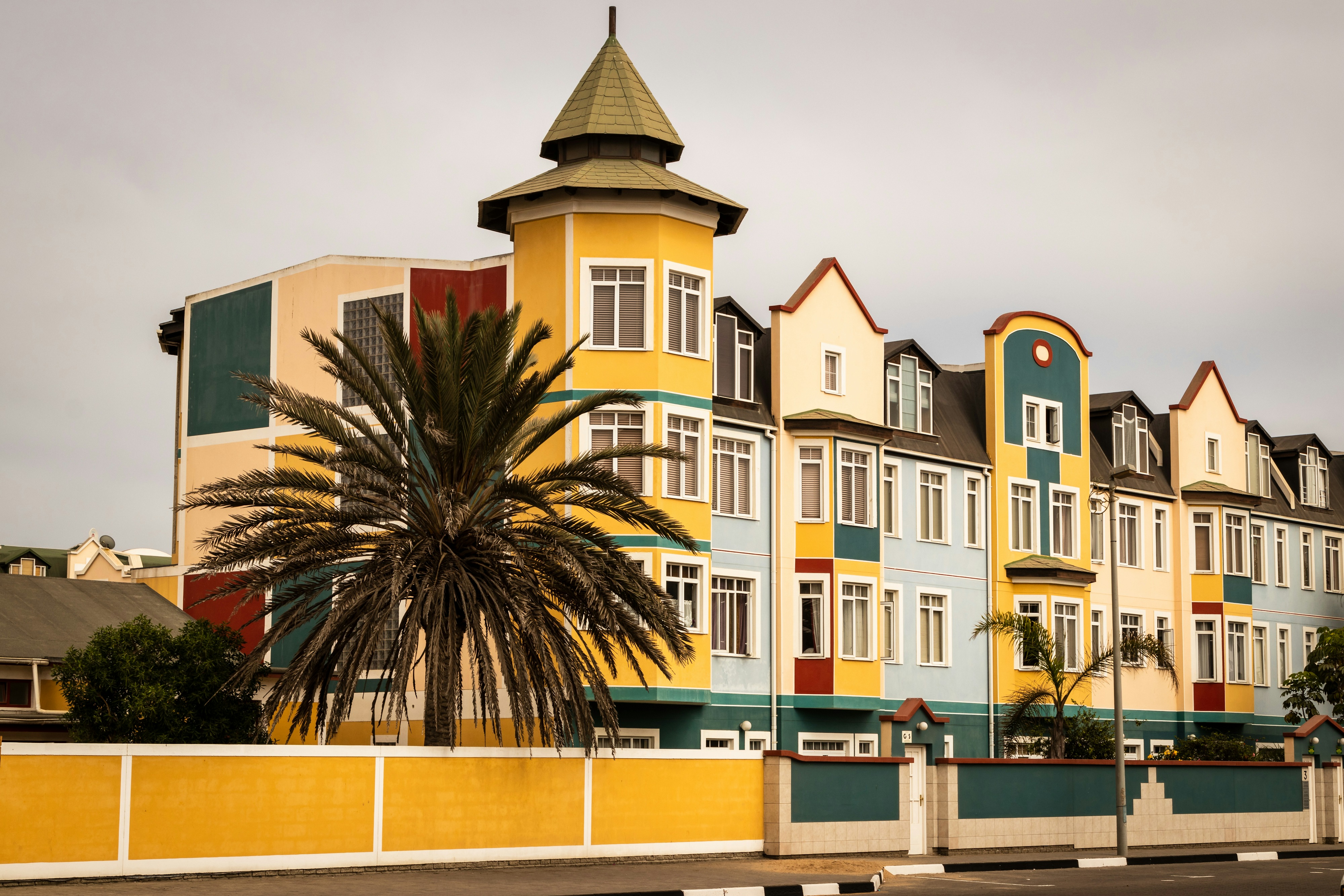
A distinctly German-colonial coastal town where half-timbered buildings sit oddly against Atlantic surf and encroaching Namib dunes, Swakopmund has become Namibia's adventure-sports hub.
Sandboarding and quad-biking on the dunes at the town's edge, alongside skydiving and dolphin cruises, give it a livelier, more activity-driven scene than its quiet colonial streets suggest.
It's also the natural staging point for trips to the Skeleton Coast.
How does it rate
CrowdsRomanceCash RequiredDangerAccessibilityWhy you should go
A German-colonial coastal town that's become Namibia's base for dune sandboarding and adventure sports.
Why you shouldn't go
The town's colonial architecture and history sit uneasily alongside Namibia's colonial-era violence, which isn't addressed on-site.
Plan your visit
Best time to visitSeptember–March for warmer, sunnier weather away from winter coastal fog.Best time of dayMorning for dune activities, before onshore wind picks up in the afternoon.Getting thereAbout 4 hours' drive from Windhoek, or a short domestic flight.Entry costFree to walk the town; sandboarding and quad-biking typically N$400-900.Time needed1–2 days.Insider tip — Book dune activities directly with local operators rather than through hotel concierges — prices are often noticeably lower without the markup. -
 #860 /100
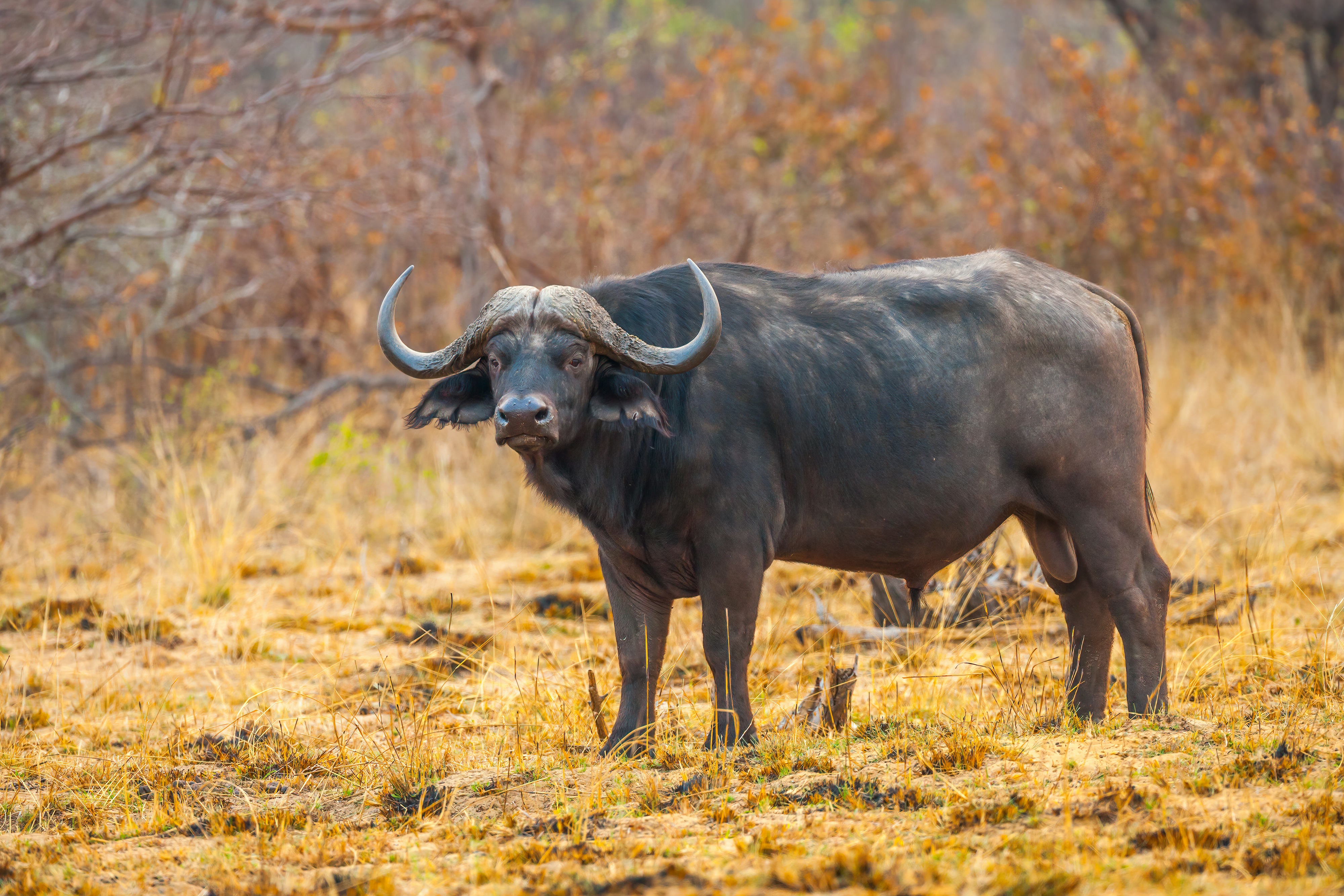
Straddling the lush Zambezi and Kwando rivers in Namibia's Caprivi Strip, Bwabwata is a wetter, greener contrast to the desert scenery most visitors associate with Namibia, with elephant, buffalo, hippo and crocodile populations typical of Botswana or Zambia just across the border.
River cruises and game drives along the floodplains draw far fewer visitors than Etosha, giving it an off-the-beaten-path feel in a country already light on crowds.
How does it rate
CrowdsRomanceCash RequiredDangerAccessibilityWhy you should go
Namibia's lush river-and-wetland park, with wildlife density rivaling Botswana's Okavango region but far fewer visitors.
Why you shouldn't go
It's a long detour from Namibia's main tourist circuit in the south and center of the country.
Plan your visit
Best time to visitMay–October (dry season) for the best wildlife concentration along the rivers.Best time of dayLate afternoon river cruise, when hippos and elephants move to the water's edge.Getting thereAbout 1.5-2 days' drive from Windhoek via the Caprivi Strip, or fly into Katima Mulilo.Entry costPark entry around N$80-100 per person per day.Time needed2–3 days.Insider tip — Combine it with a stop across the border in Botswana's Chobe National Park — the two parks share the same river ecosystem and wildlife populations. -
 #958 /100
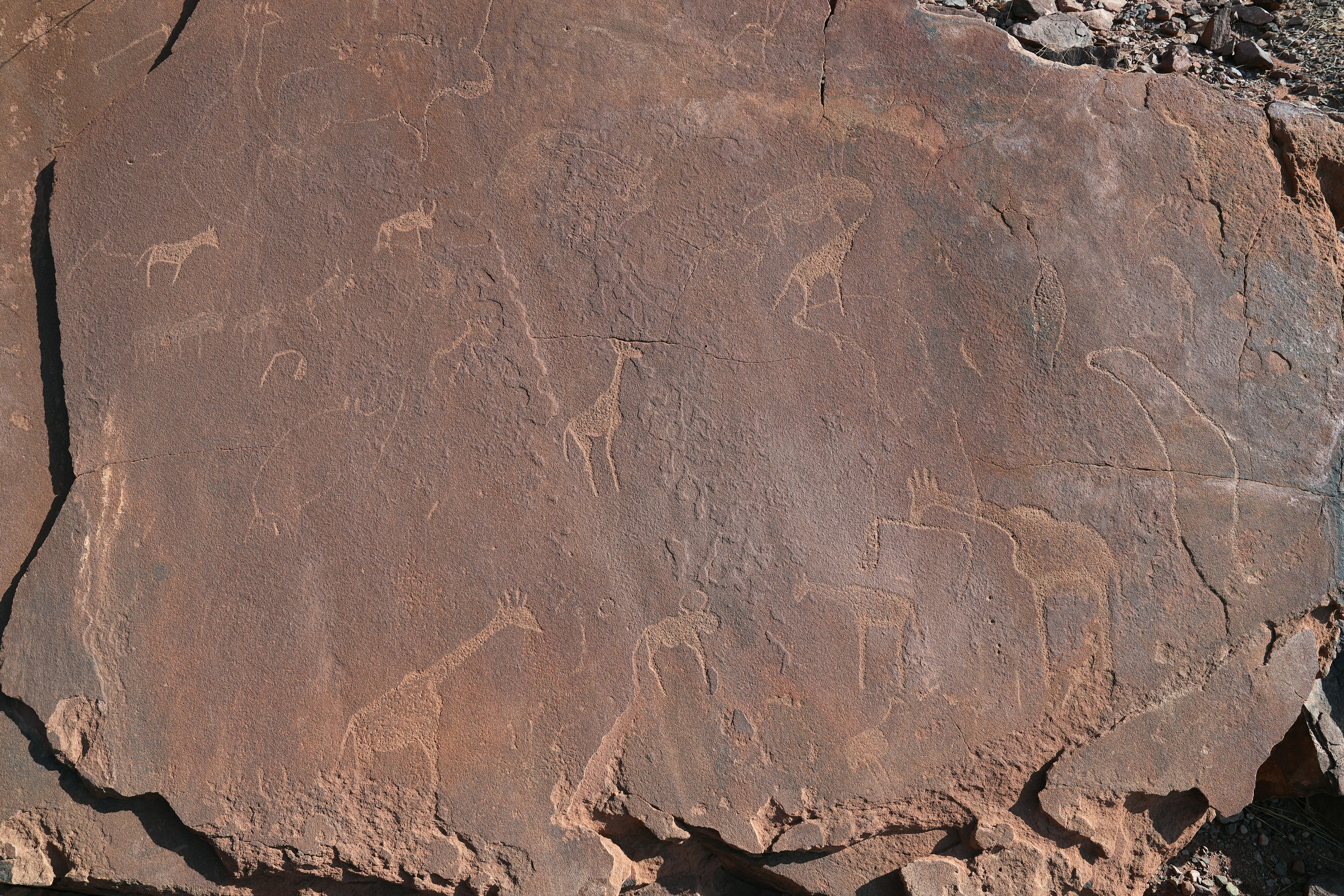
Namibia's only UNESCO World Heritage Site protects one of Africa's largest, best-preserved collections of rock engravings, with more than 2,000 petroglyphs carved by San hunter-gatherers over some 6,000 years depicting rhino, giraffe, human figures and animal spoor.
Set among rust-colored sandstone outcrops in Damaraland's desert scenery, guided walks explain the engravings' likely ritual and navigational purposes alongside the rock formations.
How does it rate
CrowdsRomanceCash RequiredDangerAccessibilityWhy you should go
One of Africa's largest collections of ancient rock engravings, set in dramatic desert sandstone scenery.
Why you shouldn't go
A required guide and the site's exposed, rocky terrain make it a slower, hotter visit than it first appears.
Plan your visit
Best time to visitMay–September (dry, cooler season) for more comfortable walking.Best time of dayMorning, before the exposed rock terrain heats up under midday sun.Getting thereAbout 5 hours' drive from Windhoek, or a stop en route between Swakopmund and Etosha.Entry costAround N$150 (~€8), including the mandatory guided walk.Time needed1–2 hours.Insider tip — Combine the visit with the nearby Organ Pipes and Burnt Mountain rock formations — often overlooked by visitors who see only the engravings. -
 #10
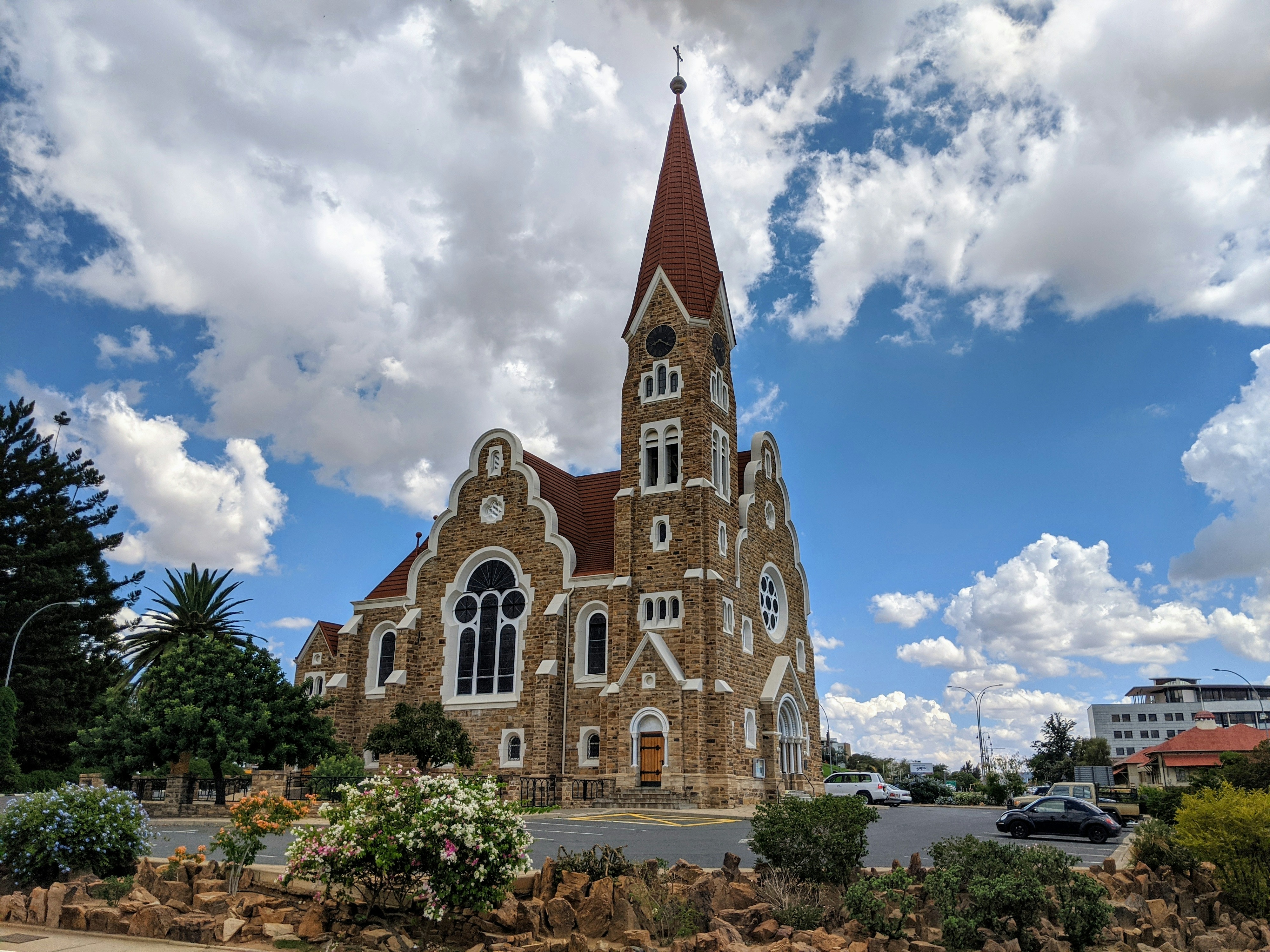
#10Namibia's compact capital mixes German-colonial architecture — a hilltop Lutheran church and a namesake fortress — with a modern African city center, serving most visitors mainly as the practical start and end point for a wider safari or desert road trip.
Christuskirche and the Independence Memorial Museum offer a few hours of genuine sightseeing, while the Namibia Craft Centre gathers work from artisans across the country in one stop.
How does it rate
CrowdsRomanceCash RequiredDangerAccessibilityWhy you should go
A relaxed, easy-to-navigate capital that works well as a one-day bookend to a Namibia road trip.
Why you shouldn't go
It has few standout sights of its own compared to what's a short flight or drive away elsewhere in the country.
Plan your visit
Best time to visitMay–October for cooler, drier weather.Best time of dayMorning at Christuskirche and the Independence Memorial Museum, before afternoon heat.Getting thereHosea Kutako International Airport is about 45 minutes from the city center.Entry costFree to walk the city; museum entries typically low-cost or free.Time needed1 day.Insider tip — Stop at the Namibia Craft Centre for genuinely locally made souvenirs and textiles rather than the airport gift shops on departure.


How a score is built
One score out of 100, five criteria behind it
Every place is rated 1–5 on each of the criteria below, then combined into a single score out of 100. It's calculated by us, the same way every time — not an average of traveller reviews or social votes.
Crowds
How many people you'll be sharing it with, and at what time of day.
Romance
How well it suits a couple, a proposal, or a quiet moment together.
Cash required
Entry fees, permits, guides, rentals — what it actually costs to do it.
Danger
Physical risk involved, from a slippery viewpoint to genuine hazard.
Accessibility
How far off the beaten path it is, and how hard it is to actually reach.