-
 #192 /100
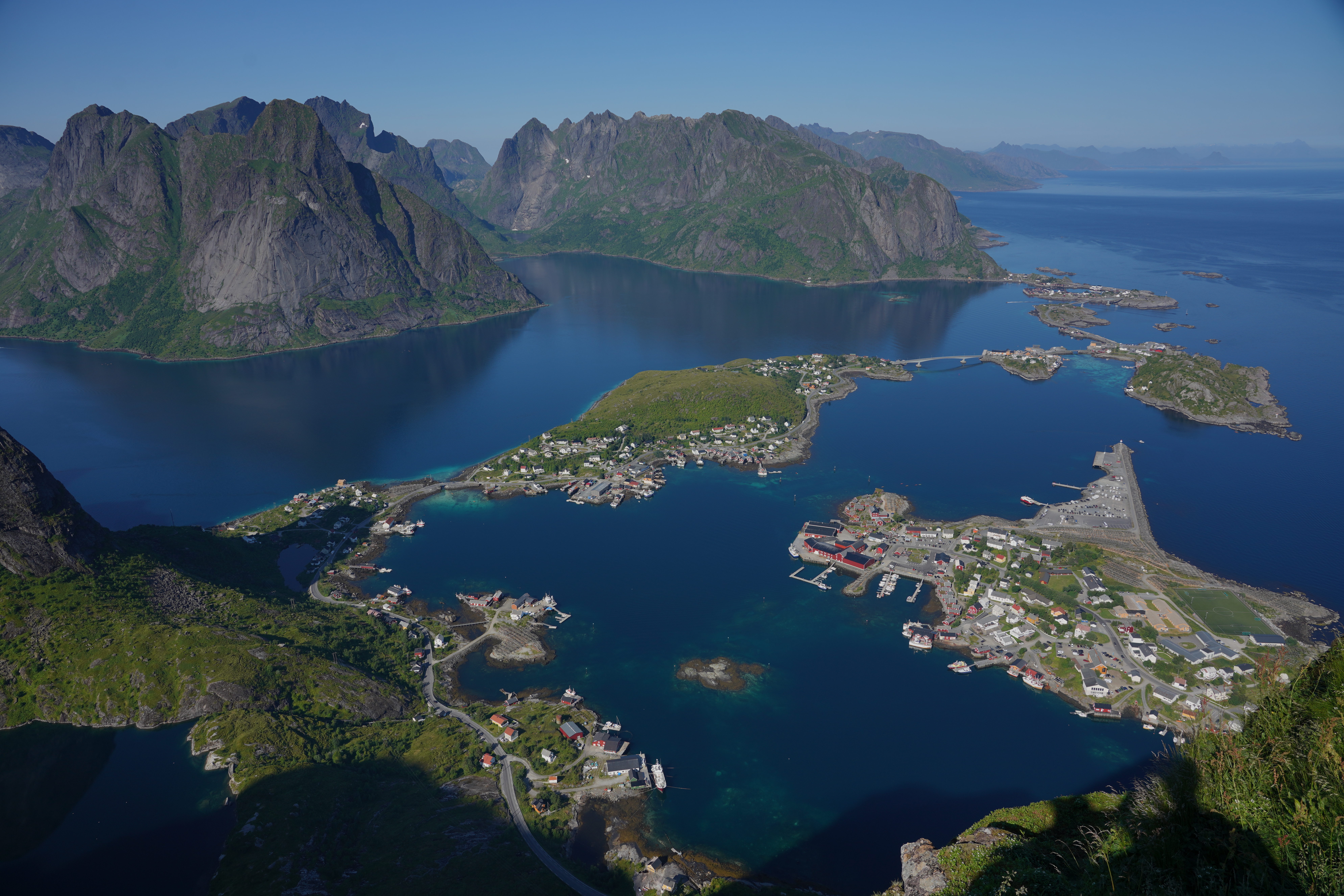
The Lofoten archipelago in northern Norway rises dramatically from the Norwegian Sea as a series of jagged peaks and sheltered bays.
Traditional red fishing cabins called rorbuer dot the shoreline against a backdrop of some of Europe's most spectacular mountain scenery, with the Northern Lights frequently visible in winter.
How does it rate
CrowdsRomanceCash RequiredDangerAccessibilityWhy you should go
The combination of dramatic mountains, Arctic light, colourful fishing villages, and frequent Northern Lights makes Lofoten one of the most photogenic places in Europe.
Why you shouldn't go
The islands are extremely remote, weather is frequently poor, and the Northern Lights are only visible during the dark winter months.
Plan your visit
Best time to visitJune-August for midnight sun, or Sept-March for Northern LightsBest time of dayMidnight sun in summer, or golden hourGetting thereFly to Harstad/Narvik or take the Bodo ferryEntry costFree to exploreTime needed4-5 daysInsider tip — The fishing village of Reine at sunset is the classic shot; go early to get the viewpoint to yourself -
 #289 /100
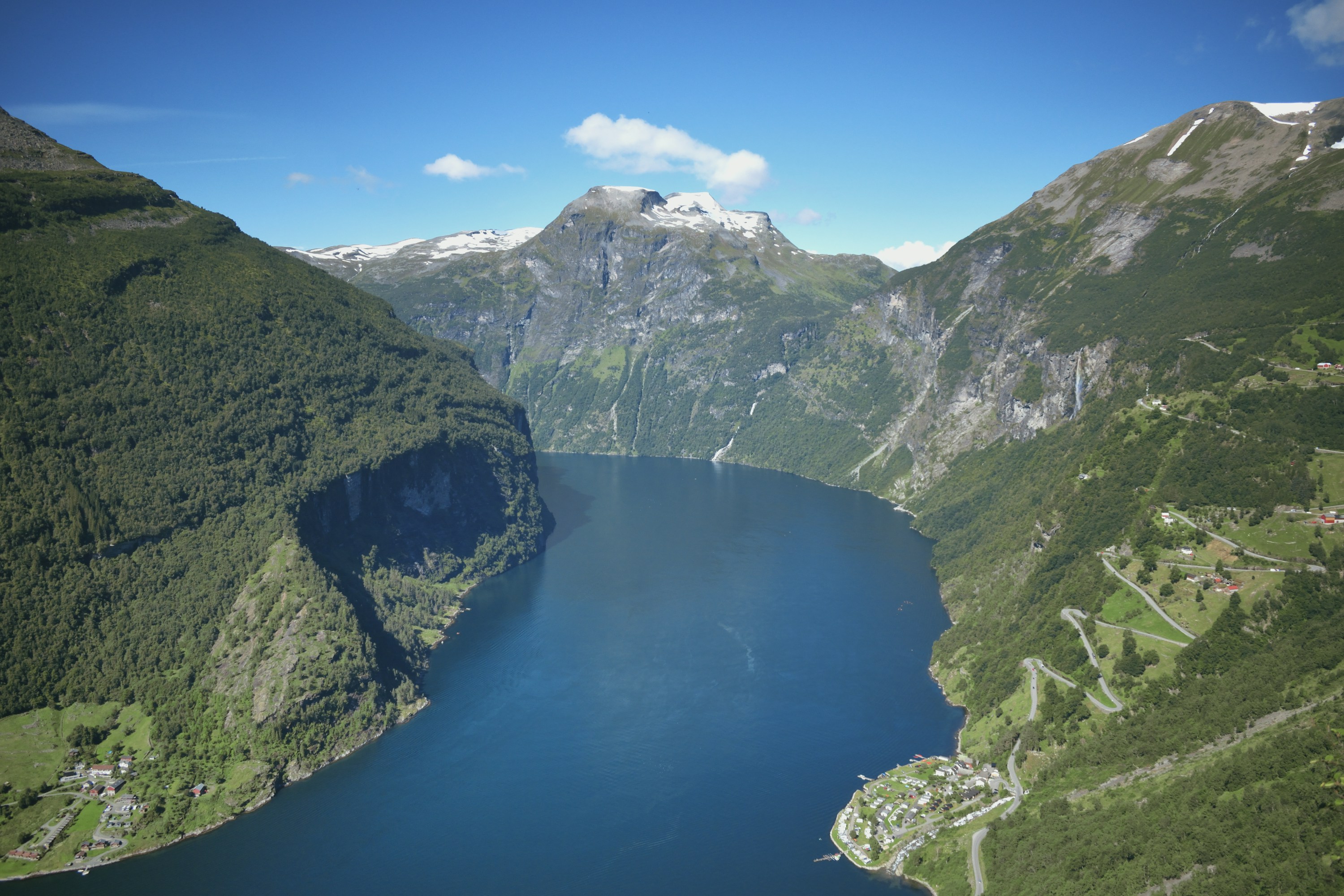
Geirangerfjord is a narrow arm of the sea in western Norway, walled in by near-vertical cliffs over a kilometre high and threaded with waterfalls such as the Seven Sisters.
A UNESCO World Heritage fjord, it can be seen by sightseeing boat, from a hairpin mountain road, or on foot along old farm paths.
Cruise ships call through the short summer season, but the scale of the cliffs and water still dominates.
How does it rate
CrowdsRomanceCash RequiredDangerAccessibilityWhy you should go
One of the most dramatic fjords in Norway - sheer cliffs, cascading waterfalls, and a UNESCO listing to match the scenery.
Why you shouldn't go
Overrun with cruise-ship day-trippers and tour buses through the short summer season.
Plan your visit
Best time to visitMay-September, when ferries and mountain roads are running and waterfalls are at their fullest.Best time of dayEarly morning, before the day's cruise ships dock and the fjord loses its stillness.Getting thereFly to Ålesund; drive or take the seasonal ferry/bus to Geiranger, or arrive by fjord cruise from Ålesund or Hellesylt.Entry costFree to view; toll roads to viewpoints from around 150 NOK, boat trips extra.Time needed1-2 daysInsider tip — Skip the crowded main quay viewpoint and drive the Ørnevegen (Eagle Road) switchbacks above town for a quieter, higher angle over the whole fjord. -
 #388 /100
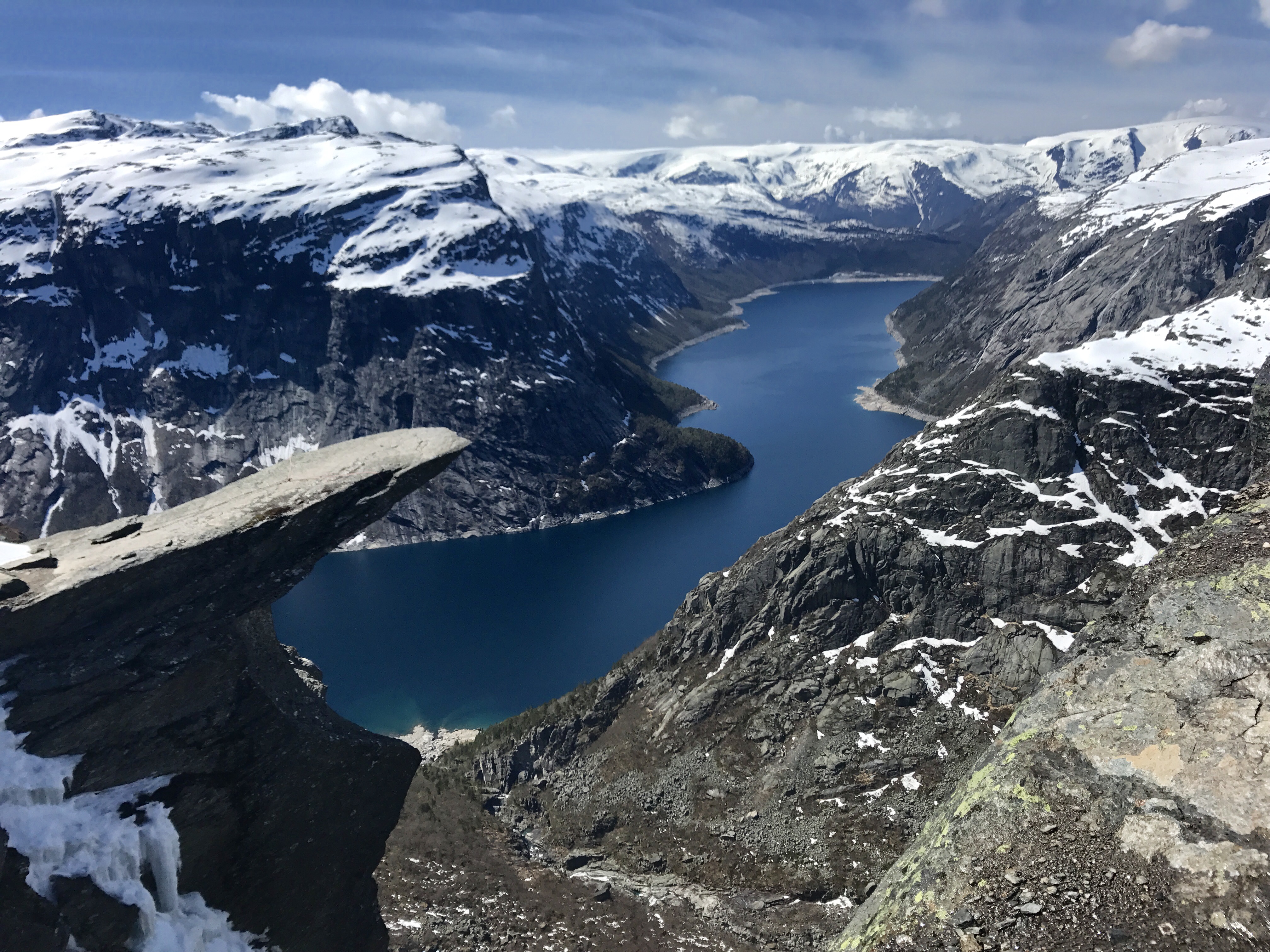
Trolltunga, meaning Troll's Tongue, is a spectacular horizontal rock formation that juts 700 metres above Lake Ringedalsvatnet in western Norway.
The 27-kilometre return hike to reach it passes through some of Norway's most dramatic fjord landscape, ascending over 1,000 metres in elevation.
How does it rate
CrowdsRomanceCash RequiredDangerAccessibilityWhy you should go
The view from the edge of Trolltunga, with the lake far below and Norwegian mountains stretching to the horizon, is one of Scandinavia's most dramatic vistas.
Why you shouldn't go
The hike is 27 kilometres return with 1,000 metres of elevation gain and takes 10-12 hours; the trail is only open from June to September and weather can change rapidly.
Plan your visit
Best time to visitJune-September (trail closed/dangerous outside this window)Best time of dayEarly morning start essential; it is a long hikeGetting there~4-5hr drive from Bergen to Skjeggedal trailheadEntry costFree; parking fee appliesTime needed10-12 hours round trip hikeInsider tip — Start by 6am; this is a genuinely strenuous full-day hike, not a quick photo stop -
 #488 /100
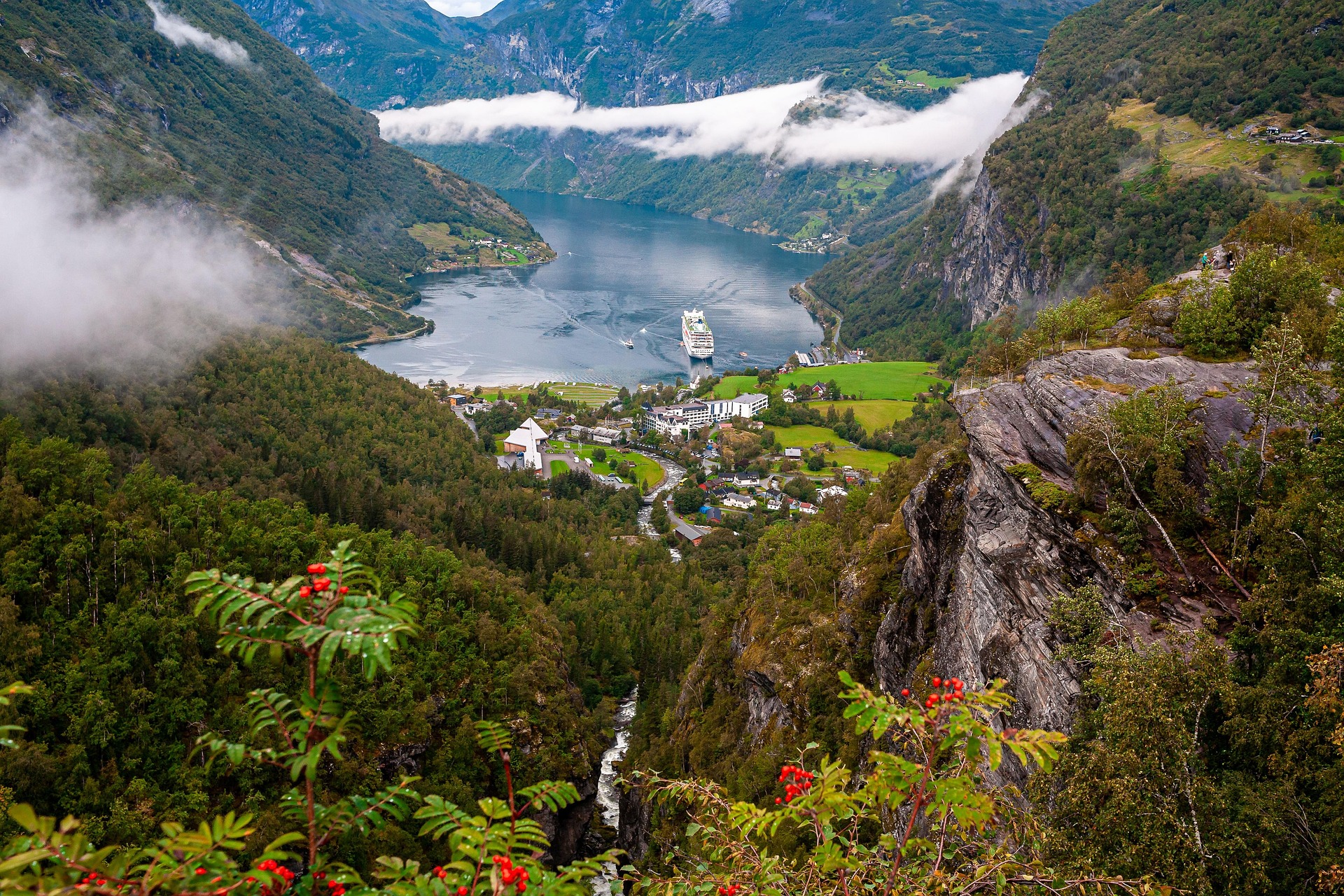
A cruise through Norway's steepest fjords, where waterfalls drop hundreds of metres past cliffside farms into water so still it mirrors the mountains.
Geirangerfjord and Naeroyfjord, both UNESCO-listed, narrow to barely a ship's width in places.
Small villages like Flam and Geiranger appear suddenly at the fjord's end, framed by snow long into summer.
Midnight sun in June extends the scenery well past a normal evening.
How does it rate
CrowdsRomanceCash RequiredDangerAccessibilityWhy you should go
UNESCO-listed fjords so narrow and sheer that the ship itself becomes part of the view from shore.
Why you shouldn't go
Shore excursions like the Flam Railway or a fjord kayak trip add up fast on top of the cruise fare.
Plan your visit
Best time to visitMay for waterfall volume and lower prices, or June for the midnight sun and long daylight.Best time of dayEarly morning sailing into Geirangerfjord, before day-trippers arrive by tour bus.Getting thereFly into Bergen, Copenhagen, or Hamburg; ships typically embark from a European home port rather than within Norway itself.Entry costIndicative from around EUR 1,740pp for a multi-night fjord cruiseTime needed7-night cruiseInsider tip — Stand on the top deck as the ship threads Geirangerfjord's narrowest point for waterfalls close enough to feel the spray; pack warm layers even in summer. -
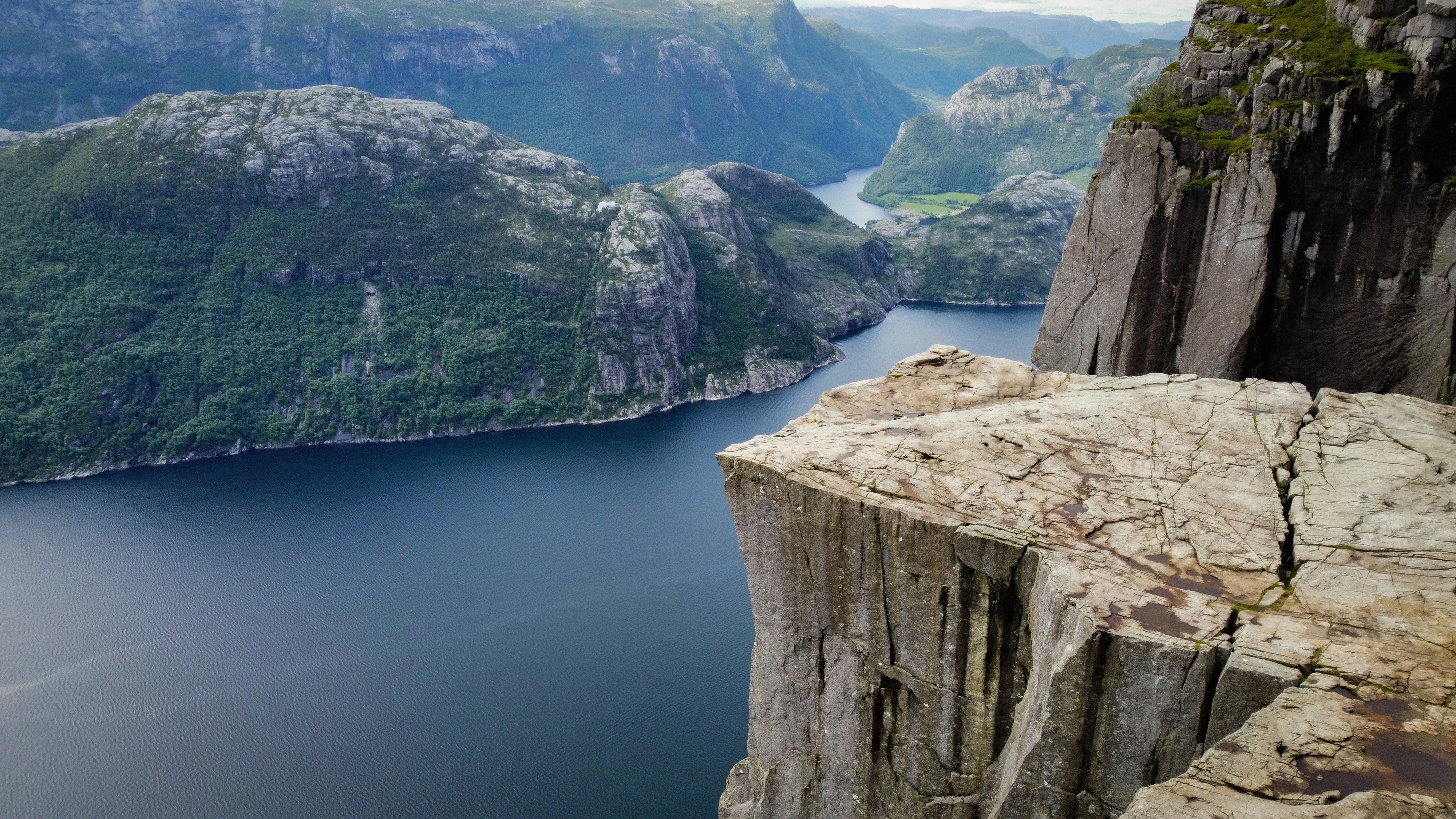 #587 /100
A flat granite plateau juts out 604 metres above the Lysefjord, ending in a sheer drop with the fjord stretching away beyond it.
The hike climbs around 350 metres over four kilometres, steep and rocky in places but manageable for most reasonably fit walkers in a few hours.
Nothing about the scale of the drop registers properly until you are standing at the edge of it.
How does it rate
CrowdsRomanceCash RequiredDangerAccessibilityWhy you should go
A flat-topped cliff 604 metres straight above a fjord, reachable on a half-day hike.
Why you shouldn't go
There's no railing at the edge, and the plateau gets genuinely crowded in peak summer.
Plan your visit
Best time to visitMay-September, when the trail is snow-free.Best time of dayEarly morning or evening, avoiding the midday tour-group peak.Getting thereFerry from Stavanger to Tau, then bus or drive to the Preikestolen trailhead.Entry costFree hike; parking fee at the trailhead.Time needed4-5 hours round tripInsider tip — Start the hike before 8am - by midday the summit plateau is packed with cruise-ship tour groups from Stavanger. -
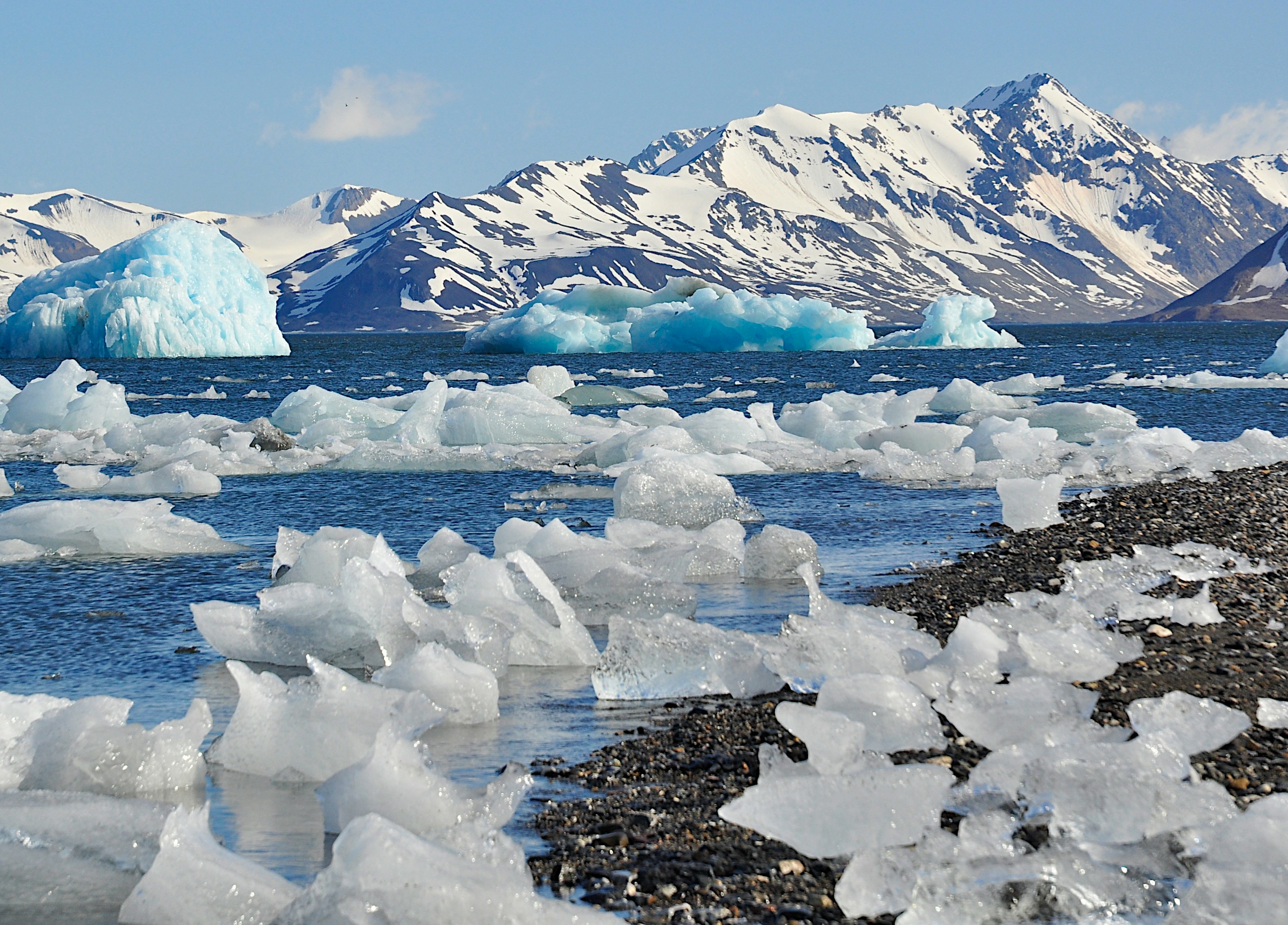 #687 /100
Svalbard is a remote Norwegian archipelago deep in the Arctic Ocean, roughly 60% covered by glaciers and home to more polar bears than people.
Longyearbyen, the main settlement, is the base for dog-sledding, snowmobiling and boat trips past calving glaciers and drifting sea ice, with the midnight sun in summer and polar night and northern lights in winter.
Almost everything beyond town requires an armed guide, which shapes the whole experience.
How does it rate
CrowdsRomanceCash RequiredDangerAccessibilityWhy you should go
Genuine Arctic wilderness - glaciers, polar bears and sea ice - reachable on a scheduled flight, not an expedition.
Why you shouldn't go
Expensive and logistically restrictive: guided tours are compulsory for almost anything outside Longyearbyen.
Plan your visit
Best time to visitApril-August for midnight sun and easier travel; November-February for northern lights and polar night.Best time of daySeason matters more than time of day - summer light is near-constant, winter darkness is too.Getting thereDirect flights from Oslo or Tromsø to Longyearbyen, around 3 hours from Oslo.Entry costNo entry fee; guided excursions typically 500-3000+ NOK per person per day.Time needed4-7 daysInsider tip — Book glacier or fjord boat trips a season ahead in summer - the small tour operators sell out before the ice starts breaking up. -
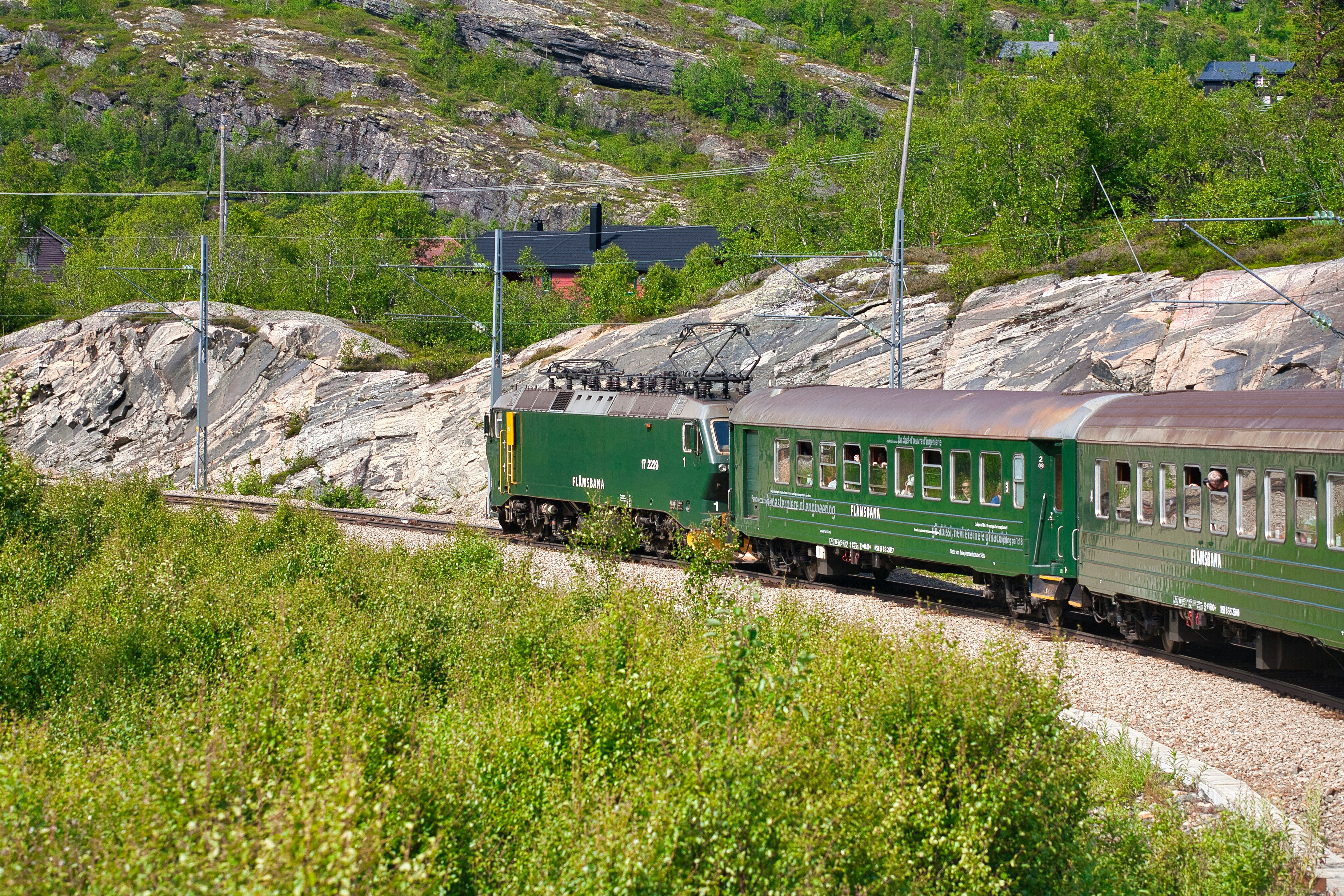 #783 /100
One of the steepest standard-gauge railways in the world, the Flam Railway climbs 866 metres in just 20km between the fjord-side village of Flam and the mountain station at Myrdal, passing waterfalls and hairpin turns carved through solid rock over 20 years of construction.
It makes a scheduled stop at Kjosfossen waterfall, where passengers step out onto a platform beside the falls.
How does it rate
CrowdsRomanceCash RequiredDangerAccessibilityWhy you should go
One of the world's steepest railways, climbing 866m through fjord-side mountains with a scheduled waterfall photo stop.
Why you shouldn't go
The Flam valley sits deep in fjord country, so reaching it involves a longer multi-leg journey from Oslo or Bergen.
Plan your visit
Best time to visitMay-September for the fullest scenery and reliable service; the line runs year-round but winter adds snow-related delays.Best time of dayMidday, when light reaches deep into the narrow fjord valley the train climbs through.Getting thereTake a train from Oslo or Bergen to Myrdal, then transfer to the Flam Railway itself.Entry costRound-trip tickets cost around NOK500-560.Time neededRound trip takes about 2 hours including the Kjosfossen stop.BookingBook ahead →Insider tip — Combine the train with the Naeroyfjord cruise from Flam for a full 'Norway in a Nutshell' loop rather than just riding the railway alone. -
 #883 /100
Bryggen is the old Hanseatic wharf on Bergen's harbour, a row of narrow, brightly painted wooden warehouses rebuilt after fires since the 14th century and listed by UNESCO since 1979.
The buildings now hold workshops, galleries and restaurants behind their tilted timber frames, and the wharf sits at the centre of a lively harbour city ringed by seven mountains.
Compact enough to explore in an hour, longer with the Hanseatic Museum.
How does it rate
CrowdsRomanceCash RequiredDangerAccessibilityWhy you should go
Six centuries of Hanseatic trading history packed into one unmistakably colourful waterfront row.
Why you shouldn't go
Small area that gets swamped when a cruise ship is in port; some interiors visibly lean with age.
Plan your visit
Best time to visitMay-September for daylight and open museums; September brings milder crowds than midsummer.Best time of dayEarly morning or after 5pm, once tour groups from the cruise terminal have thinned out.Getting thereFly to Bergen Airport Flesland; a 30-minute bus or taxi into the city centre, then walk to the harbour.Entry costFree to walk; Hanseatic Museum and Schøtstuene charge separate entry.Time needed1-2 hours, half a day with museumsInsider tip — Walk through to the narrow passageways between the front-row buildings - the tilted floors and old pulleys are more interesting than the harbour-facing facades everyone photographs from the quay. -
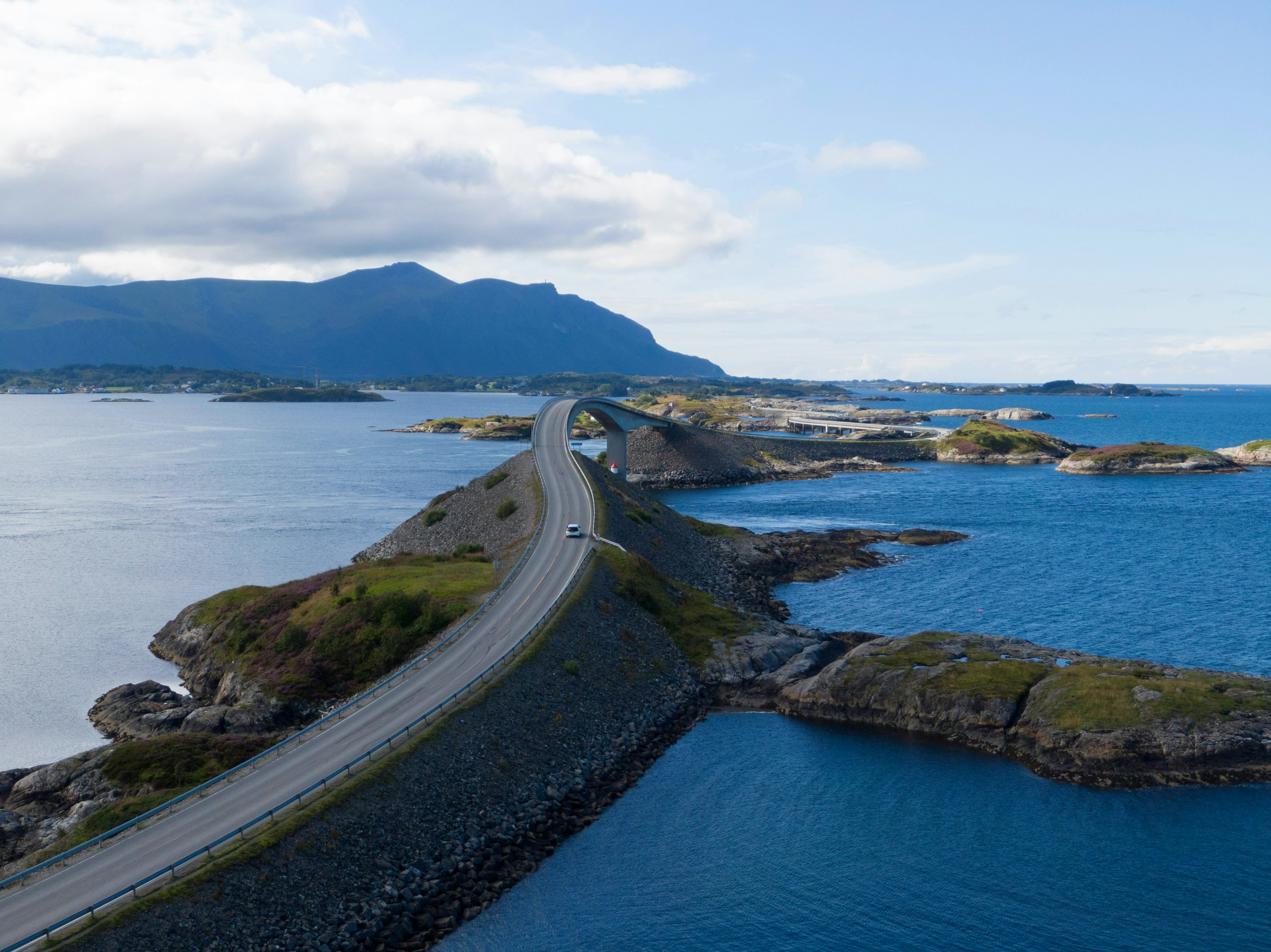 #981 /100
The Atlantic Road links a scatter of skerries and islets off Norway's west coast on an 8km run of bridges and causeways, built to look like it dives straight into the sea.
The Storseisundet Bridge is the famous shot, but the whole stretch is a slow, low-lying drive between open ocean on both sides, with fishing hamlets and pull-offs for scrambling over the rocks.
Storms send waves over the road, which locals treat as a spectator sport in autumn.
How does it rate
CrowdsRomanceCash RequiredDangerAccessibilityWhy you should go
A short, genuinely dramatic stretch of road that seems to disappear into the open Atlantic.
Why you shouldn't go
Over almost as soon as it starts - eight kilometres, no detours, done in half an hour without stops.
Plan your visit
Best time to visitSummer for calm seas and long light; autumn storms for waves breaking over the causeways.Best time of dayGolden hour, when the low sun catches the bridge and open water on both sides.Getting thereFly to Kristiansund; a 30-40 minute drive on Route 64 to the road's western end at Kårvåg.Entry costFree; no tolls on the road itself.Time needed1-2 hours including stopsInsider tip — Park at the Storseisundet Bridge viewpoint and walk out onto the older, disused sections of road for an angle on the bridge that most drivers miss. -
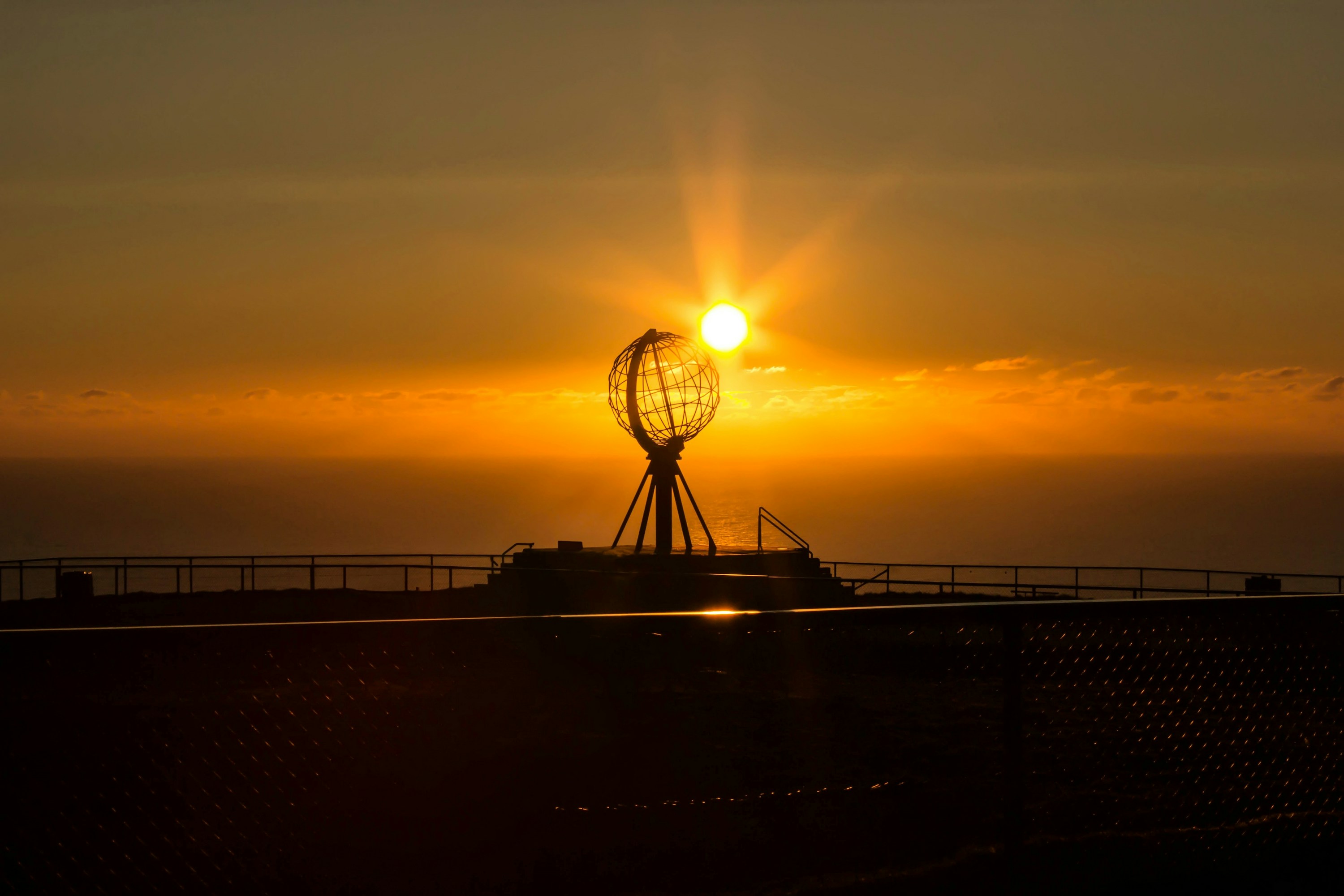 #1074 /100
North Cape is a 307-metre cliff on the northern tip of Magerøya island, marketed for two centuries as the northernmost point of mainland Europe - a technicality it doesn't quite hold, but the setting is real.
A visitor centre and a globe monument sit on the plateau above the Barents Sea, with the midnight sun visible from mid-May to late July.
The long, treeless drive across open Arctic tundra is as much a part of it as the cape itself.
How does it rate
CrowdsRomanceCash RequiredDangerAccessibilityWhy you should go
Standing on an Arctic cliff edge at 71°N with the midnight sun still up at midnight.
Why you shouldn't go
Often shrouded in fog or driving rain, and the visitor centre can feel more like a tour-bus terminus than a wild cape.
Plan your visit
Best time to visitMid-May to late July for the midnight sun; clear, calm days are never guaranteed.Best time of dayAround midnight in June-July, when the crowds thin and the sun is still on the horizon.Getting thereFly to Honningsvåg (Nordkapp Airport) or Alta; a 34km drive north from Honningsvåg to the cape.Entry costOutdoor plateau free; visitor centre entry around 320 NOK for adults.Time needed2-3 hoursBookingBook ahead →Insider tip — Walk the short St. Johannes chapel trail below the visitor centre for a quieter view of the cliffs, away from the globe-monument crowds.


How a score is built
One score out of 100, five criteria behind it
Every place is rated 1–5 on each of the criteria below, then combined into a single score out of 100. It's calculated by us, the same way every time — not an average of traveller reviews or social votes.
Crowds
How many people you'll be sharing it with, and at what time of day.
Romance
How well it suits a couple, a proposal, or a quiet moment together.
Cash required
Entry fees, permits, guides, rentals — what it actually costs to do it.
Danger
Physical risk involved, from a slippery viewpoint to genuine hazard.
Accessibility
How far off the beaten path it is, and how hard it is to actually reach.