-
 #197 /100
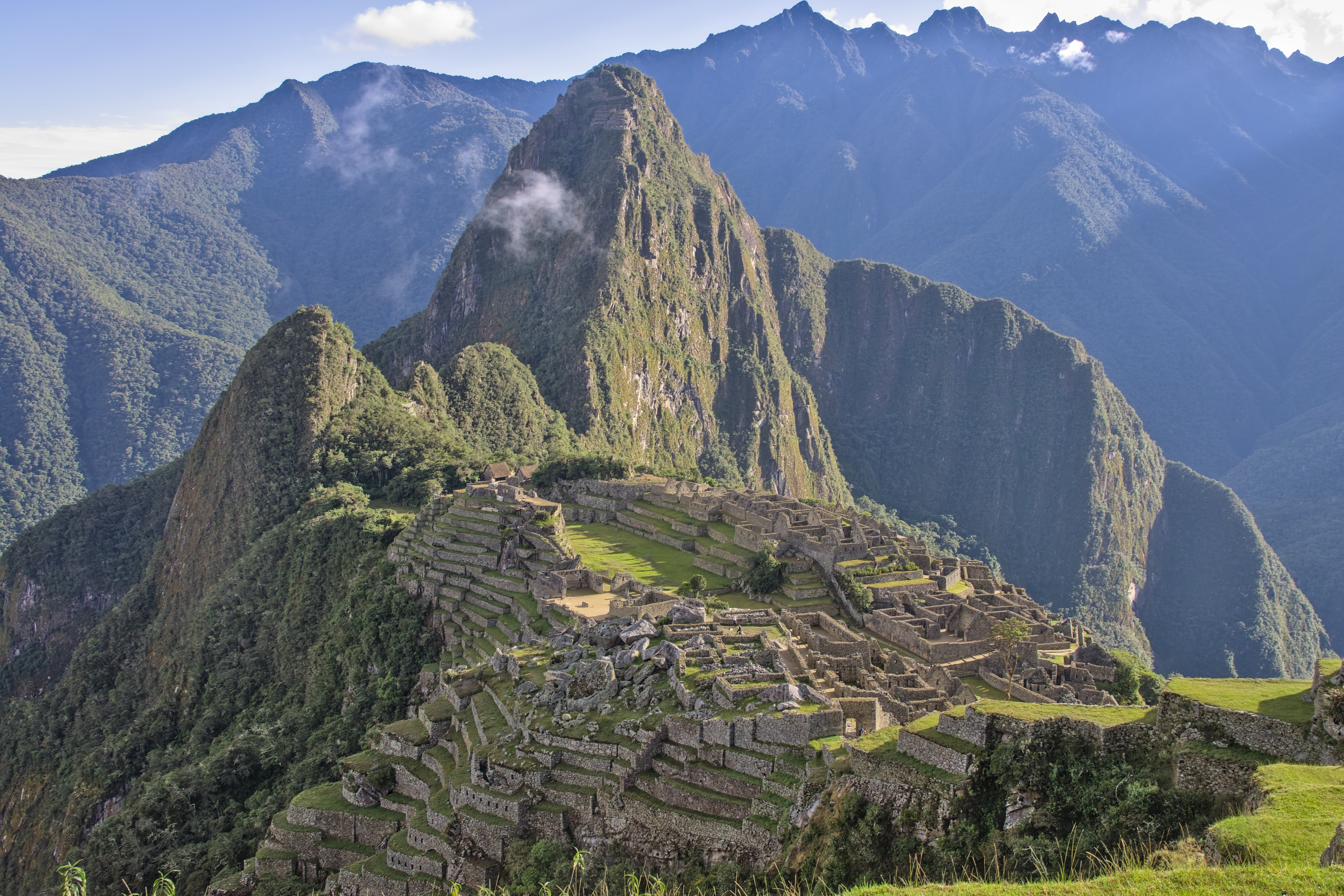
Machu Picchu is the 15th-century Inca citadel set high in the Andes at 2,430 metres, concealed from the Spanish conquistadors and unknown to the outside world until Hiram Bingham III's expedition in 1911.
Its stone temples, terraced agricultural land, and mountain setting create one of the world's most atmospheric ancient sites.
How does it rate
CrowdsRomanceCash RequiredDangerAccessibilityWhy you should go
The combination of Inca architecture, cloud-draped mountain peaks, and the sense of discovery make Machu Picchu one of the world's most emotionally resonant ancient sites.
Why you shouldn't go
Visitor numbers are restricted and permits for the classic Inca Trail must be booked months in advance; altitude sickness affects many visitors at this elevation.
Plan your visit
Best time to visitMay-September (dry season)Best time of daySunrise, when clouds often part dramatically over the ruinsGetting thereTrain to Aguas Calientes, then bus up to the siteEntry cost~$45-80 depending on route/circuitTime neededHalf dayInsider tip — Book tickets months ahead as daily visitor numbers are strictly limited; the Sun Gate hike gives the classic elevated view -
 #288 /100
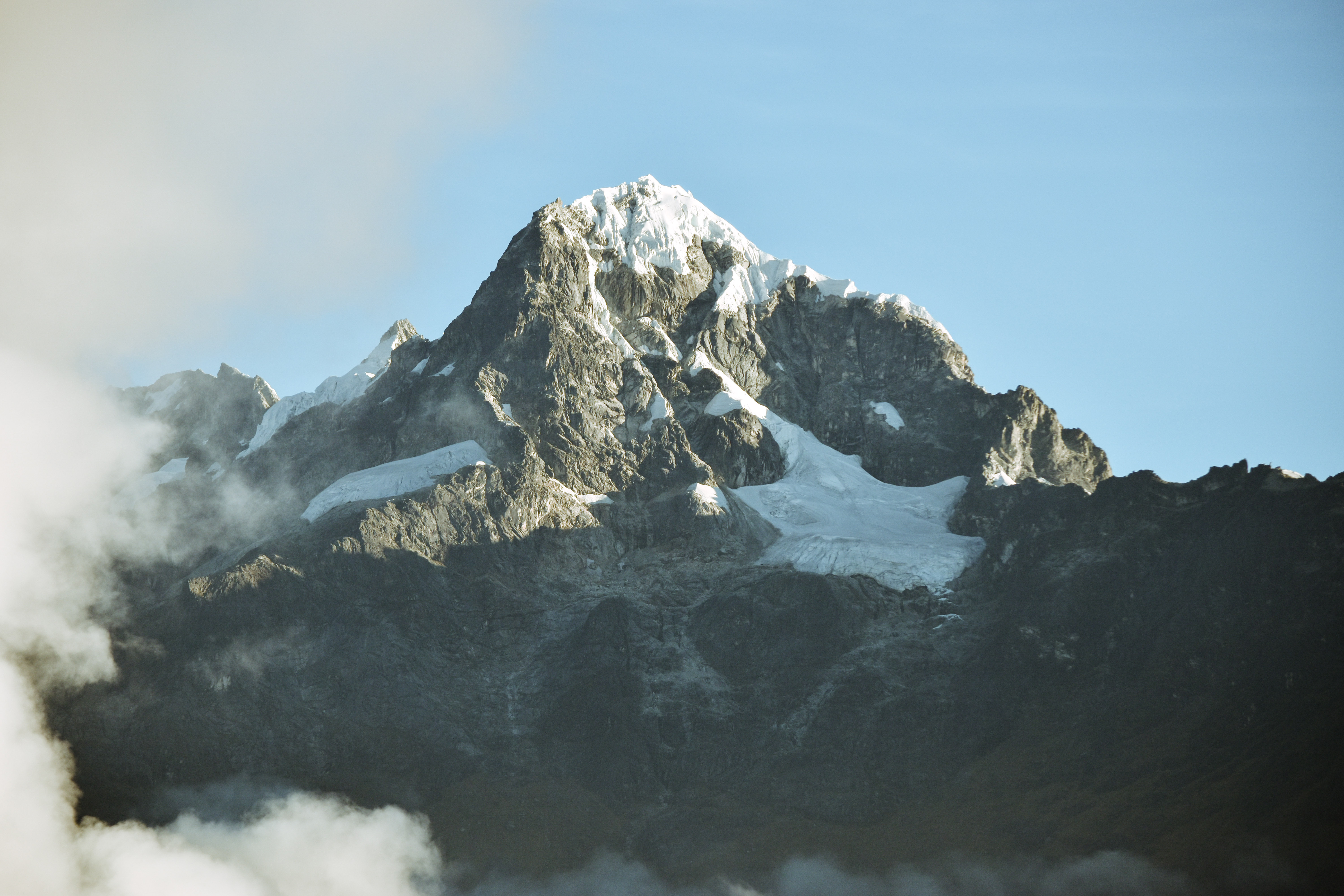
A four-day trek along Inca-built stone steps, climbing over the 4,215m Dead Woman's Pass and threading cloud forest to reach ruins at Sayacmarca and Winay Wayna.
The final pre-dawn push through the Sun Gate delivers the classic first view of Machu Picchu below.
Campsites sit on terraced mountainsides ringed by snow-streaked Andean peaks.
Permits are capped at 500 a day, and a guide is mandatory.
How does it rate
CrowdsRomanceCash RequiredDangerAccessibilityWhy you should go
Arriving at the Sun Gate at sunrise for the first, unobstructed view of Machu Picchu below.
Why you shouldn't go
Permits sell out months ahead and a licensed guide is mandatory - no independent hiking allowed.
Plan your visit
Best time to visitMay-September (dry season); the trail closes every February for maintenance.Best time of dayPre-dawn start on day four to reach the Sun Gate at sunrise, before crowds arrive.Getting thereFly to Cusco; drive or train to the Km 82 trailhead via Ollantaytambo, about 2-3 hours away.Entry costFrom about $600-900 for a guided 4-day package (permit, guide, camping included).Time needed4 days / 3 nightsInsider tip — Book with a licensed operator 5-6 months ahead for June-August; permits are tied to your passport number and are non-transferable. -
 #386 /100
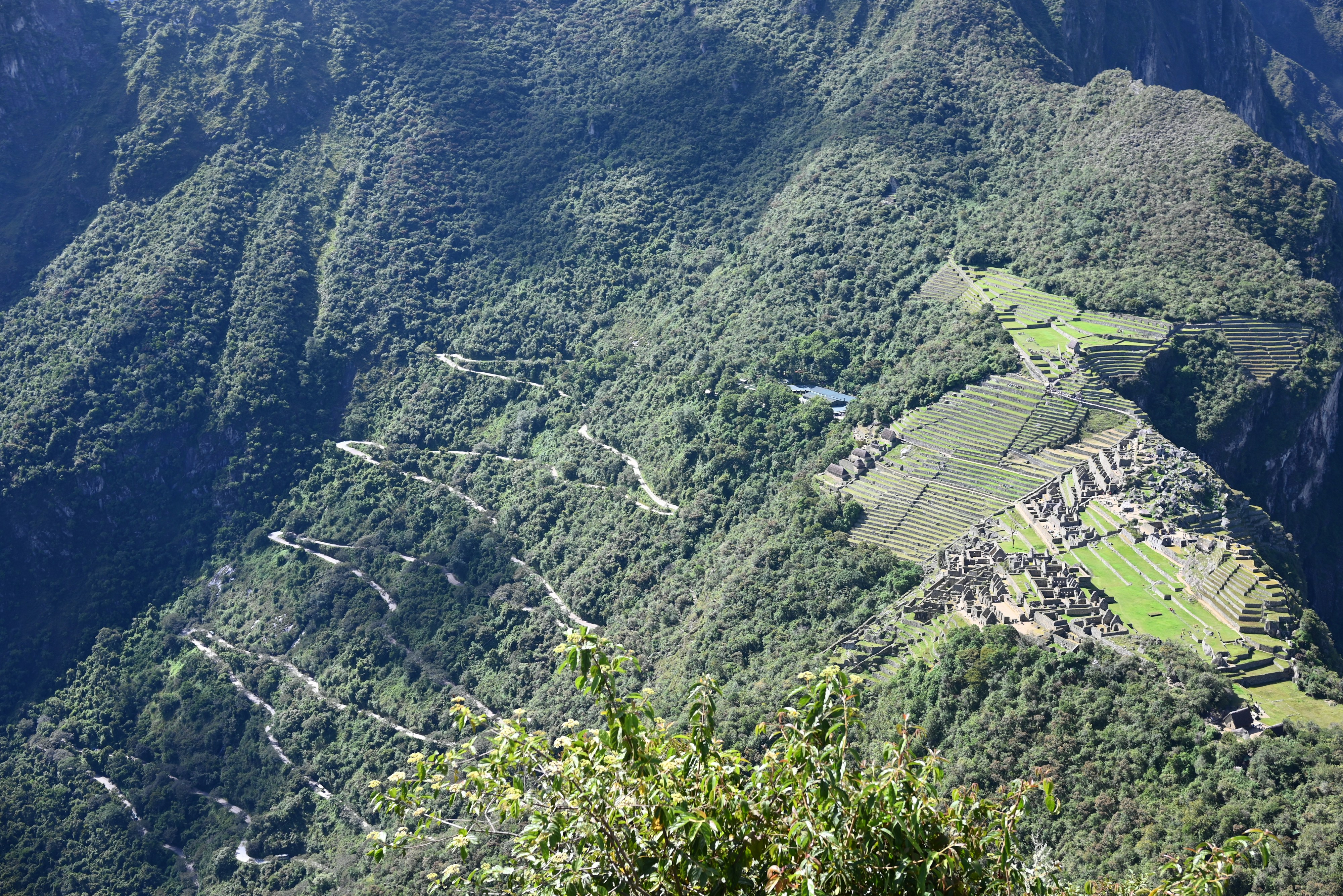
The steep peak rising behind Machu Picchu is a climbable mountain in its own right, with narrow Inca-built stone steps switchbacking up its face.
From the summit the entire citadel unfolds below, terraces and all, with the Urubamba river winding through the valley beyond.
Only 200 permits are issued per morning slot, which keeps the trail genuinely uncrowded but means booking months ahead.
How does it rate
CrowdsRomanceCash RequiredDangerAccessibilityWhy you should go
The exact aerial angle over Machu Picchu that appears on every postcard, reached on foot.
Why you shouldn't go
The stone steps are narrow, steep and exposed - not a casual walk, and permits are strictly limited.
Plan your visit
Best time to visitMay-September, the dry season, for clear views over the citadel.Best time of dayFirst entry slot, 7am, for the clearest light and thinnest crowds.Getting thereTrain or trek to Aguas Calientes, then bus up to Machu Picchu; Huayna Picchu tickets are a separate add-on.Entry costRequires a separate Huayna Picchu permit on top of the Machu Picchu ticket, booked months ahead.Time needed2-3 hours for the climbBookingBook ahead →Insider tip — Book Huayna Picchu tickets 3-4 months in advance - the 200 morning permits sell out first. -
 #4
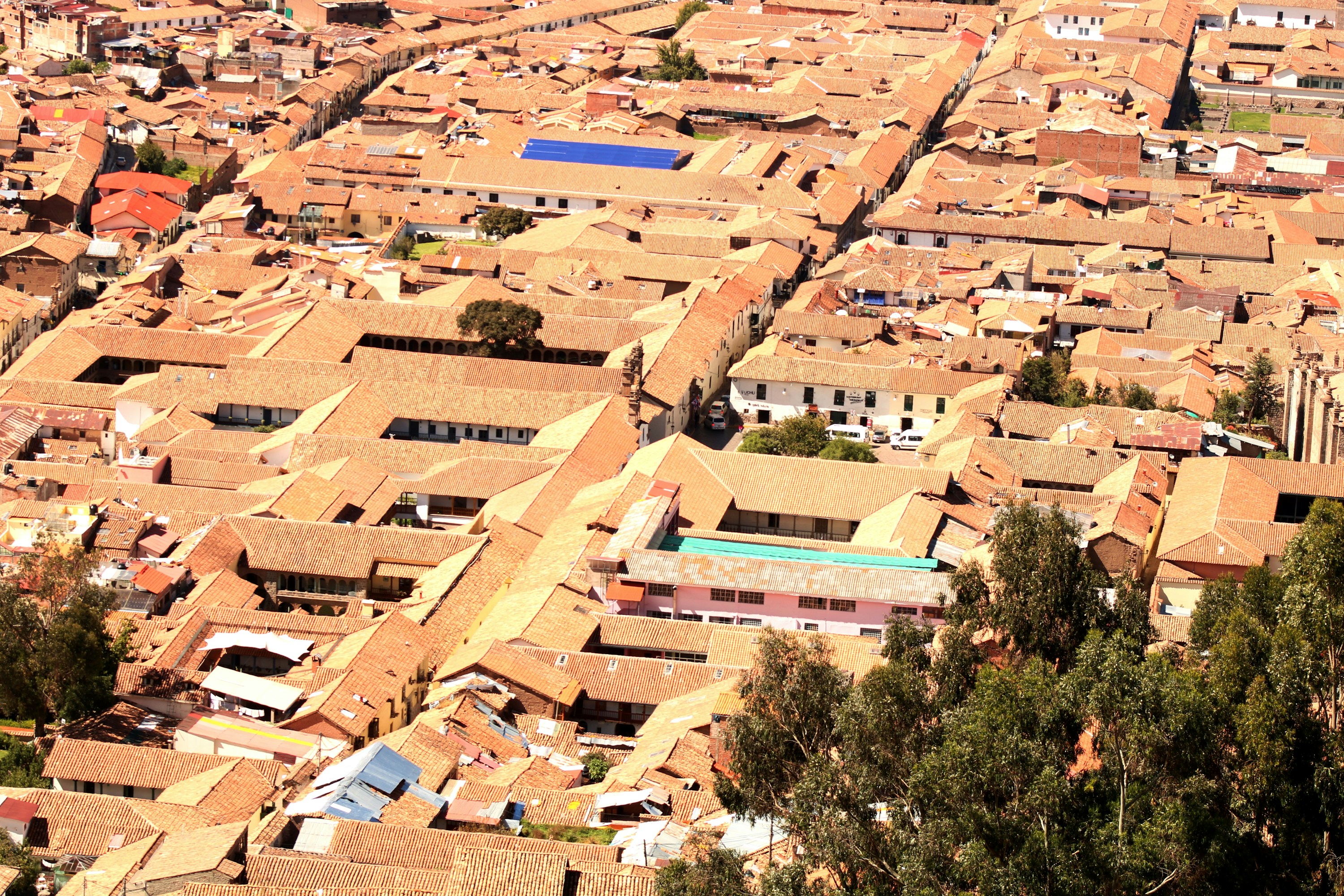
#4Cusco was the capital of the Inca Empire, and the history still shows: Inca stonework underpins colonial churches along cobbled streets radiating from Plaza de Armas.
It's a living Andean city of nearly half a million people, not a museum piece, with markets and restaurants layered over centuries of rebuilding.
Most visitors use it as a base before Machu Picchu, but it easily holds its own for two or three days.
How does it rate
CrowdsRomanceCash RequiredDangerAccessibilityWhy you should go
Inca stonework and colonial architecture layered together in one living, walkable city.
Why you shouldn't go
Altitude (3,400m) hits many visitors hard for the first day or two; expect breathlessness and headaches.
Plan your visit
Best time to visitMay-September (dry season); avoid heaviest rain Jan-FebBest time of dayEarly morning at Plaza de Armas and San Pedro Market, before tour groups arriveGetting thereFly into Alejandro Velasco Astete Airport (CUZ) from Lima (1.5hr); historic center is a 15-min taxi rideEntry costFree to walk; boleto turistico for major sites from S/70Time needed2-3 daysInsider tip — Buy the partial boleto turistico, not the full 16-site version, if you're short on time - it covers Sacsayhuaman and the other in-city ruins for a fraction of the cost. -
 #583 /100
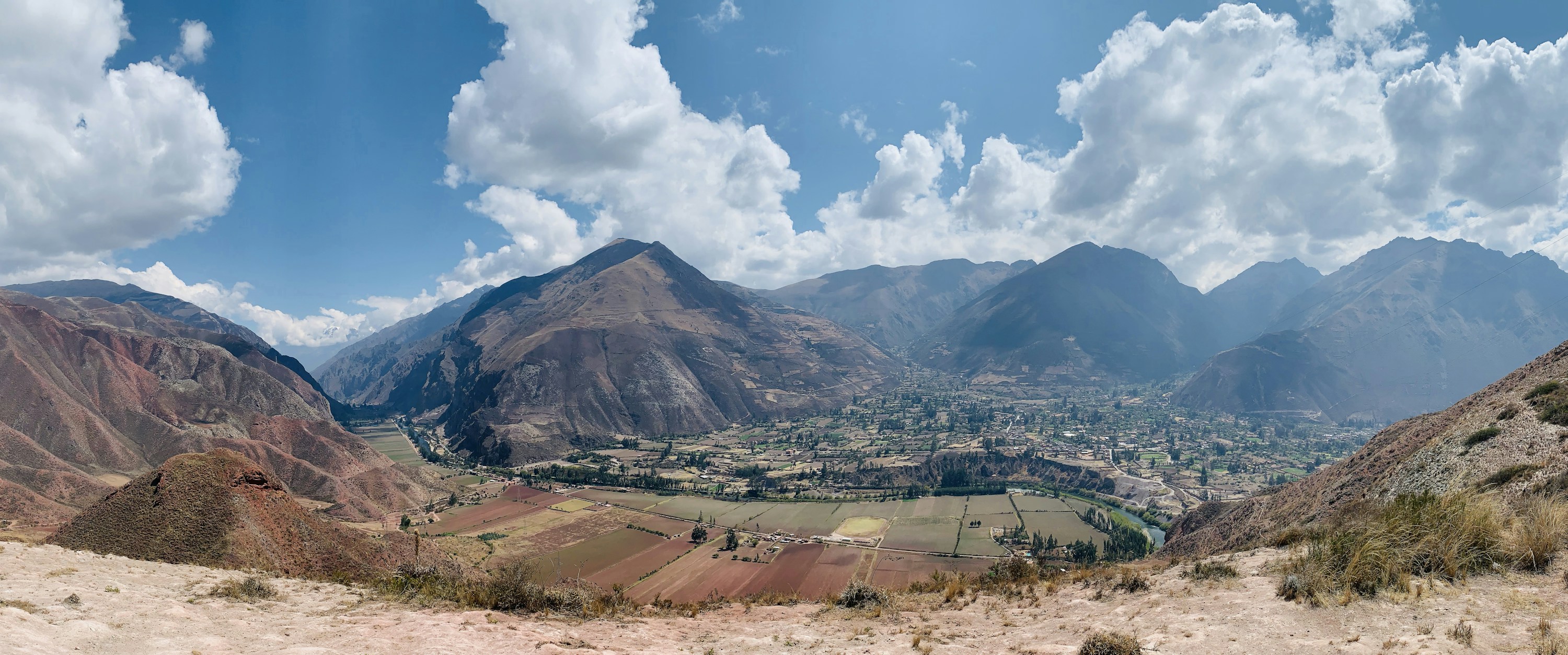
Strung along the Urubamba River between Cusco and Machu Picchu, the Sacred Valley was the Inca empire's farming heartland and still works the same terraced hillsides.
In a day you can walk the Pisac ruins above their market, climb Ollantaytambo's fortress terraces, and see the circular agricultural bowl at Moray.
Lower and gentler than Cusco, it rewards a slower, multi-stop visit.
How does it rate
CrowdsRomanceCash RequiredDangerAccessibilityWhy you should go
Four or five distinct Inca sites and living Andean villages within one easy valley.
Why you shouldn't go
Seeing it properly means several separate entry tickets and a full day of driving between stops.
Plan your visit
Best time to visitApril-October, dry season; Pisac's market is liveliest on SundaysBest time of dayMorning, before afternoon cloud builds over the mountainsGetting there40-60 min by road from Cusco to Pisac or Urubamba; most visitors join a tour or hire a driverEntry costBoleto turistico parcial ~S/70 covers Pisac, Ollantaytambo, Chinchero, Moray; Maras extra ~$8Time needed1-2 daysInsider tip — Base yourself overnight in Ollantaytambo rather than day-tripping from Cusco - it's the only Inca town still inhabited on its original foundations, and you get the ruins to yourself at opening time. -
 #682 /100
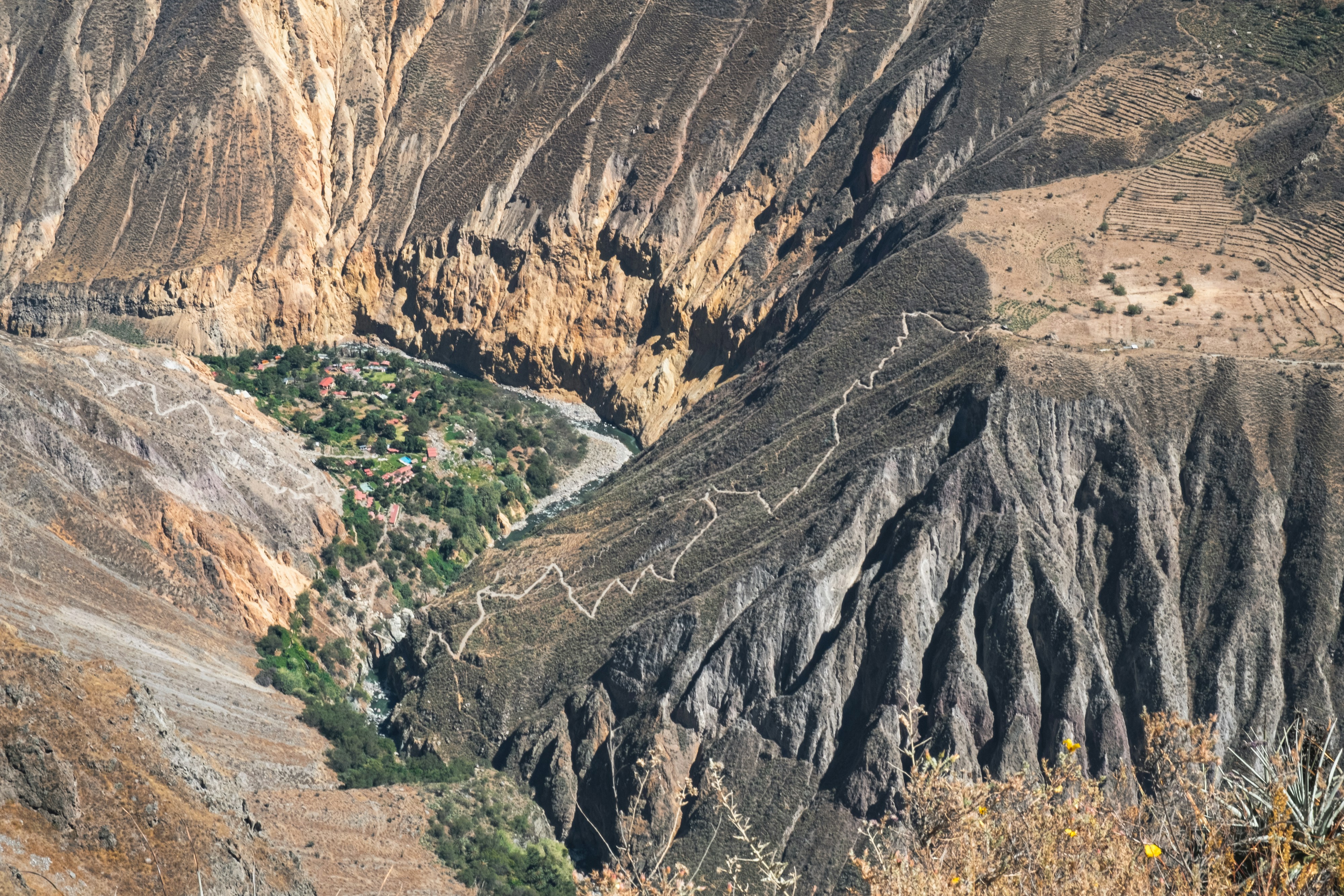
One of the world's deepest canyons slices through the Peruvian Andes, its terraced walls farmed by local communities for centuries before the Incas ever arrived.
Andean condors ride the morning thermals at Cruz del Condor, often gliding within metres of the viewpoint's edge.
Traditional villages along the canyon rim still weave and dress in pre-Columbian styles rarely seen elsewhere in Peru.
How does it rate
CrowdsRomanceCash RequiredDangerAccessibilityWhy you should go
Wild Andean condors gliding at eye level from a canyon-rim viewpoint, most mornings.
Why you shouldn't go
Condor sightings are common but not guaranteed - a bad-weather morning can mean an empty sky.
Plan your visit
Best time to visitMay-November, the dry season, for reliable condor flights.Best time of dayEarly morning, 8-10am, when thermals bring the condors up to the rim.Getting thereDrive from Arequipa (about 3-4 hours) to the canyon; most visitors join an organised tour.Entry costTourist ticket (boleto turistico) required, around $25.Time needed2 days, including an overnight in the canyonInsider tip — Stay overnight in Cabanaconde rather than day-tripping from Arequipa - the condor flights are best seen before the day-trip buses arrive. -
 #781 /100
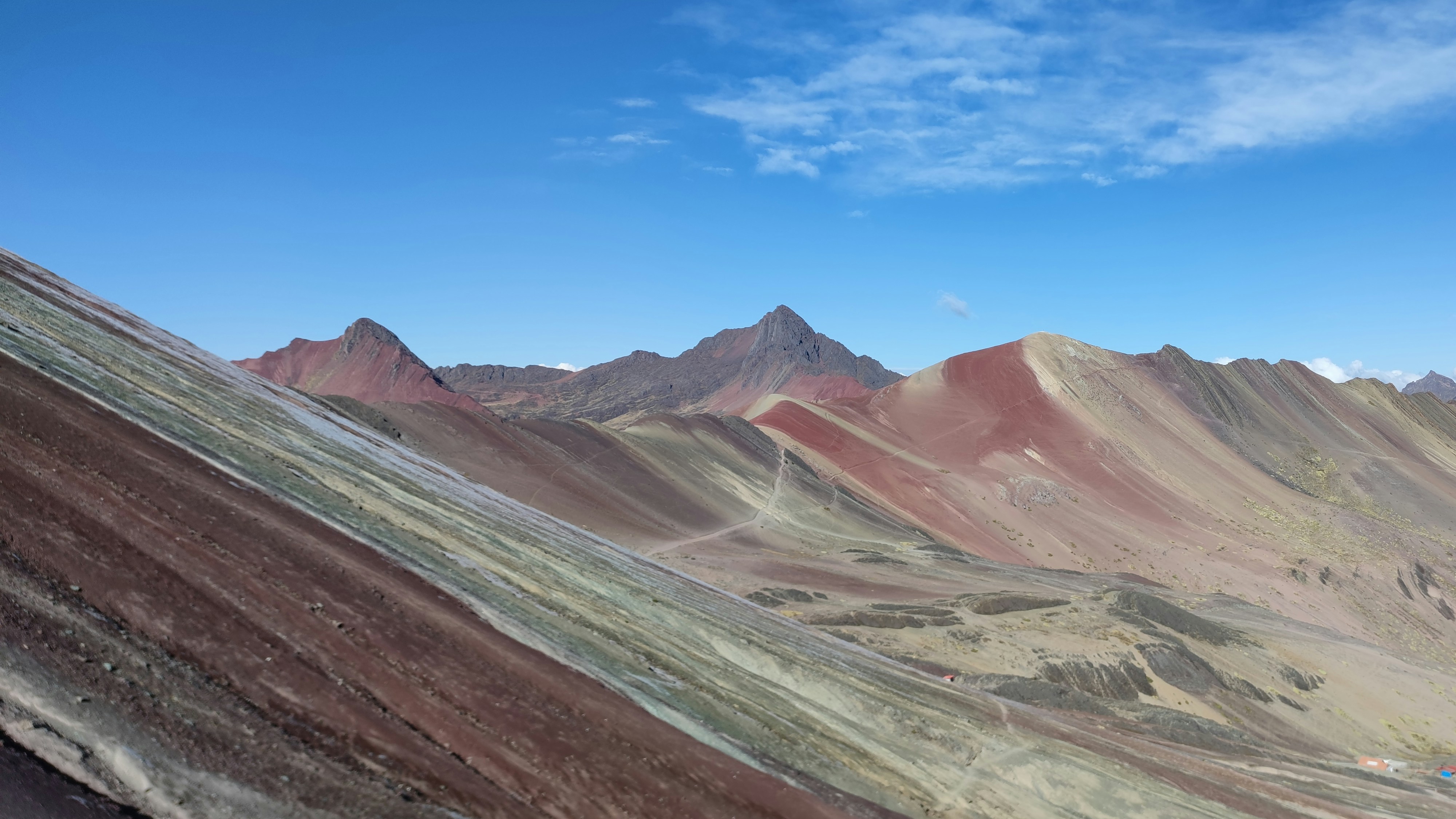
Mineral bands of red, gold, turquoise and lavender stripe this Andean ridge, exposed by erosion after centuries of livestock trampling stripped the surface soil.
Sitting above 5,000 metres, the colours are more vivid in person than in most photos, especially just after rain.
Its rapid rise from local secret to must-see spot in under a decade has brought heavy foot traffic to a genuinely fragile landscape.
How does it rate
CrowdsRomanceCash RequiredDangerAccessibilityWhy you should go
Naturally striped mineral bands across an entire mountainside, unlike anywhere else nearby.
Why you shouldn't go
The altitude (over 5,000m) makes the short final walk far harder than it looks, and crowds start early.
Plan your visit
Best time to visitMay-September, the dry season, for the clearest colour and driest trail.Best time of dayEarly morning departure (around 3am from Cusco) to beat both crowds and afternoon cloud.Getting thereDrive roughly 3 hours from Cusco, then a 1-2 hour hike (or horse) to the viewpoint.Entry costCommunity entry fee, around $10-15, usually included in tour prices.Time neededFull day, including transport from CuscoInsider tip — Spend a day or two acclimatising in Cusco first - altitude sickness at 5,000m ruins more visits here than bad weather does. -
 #880 /100
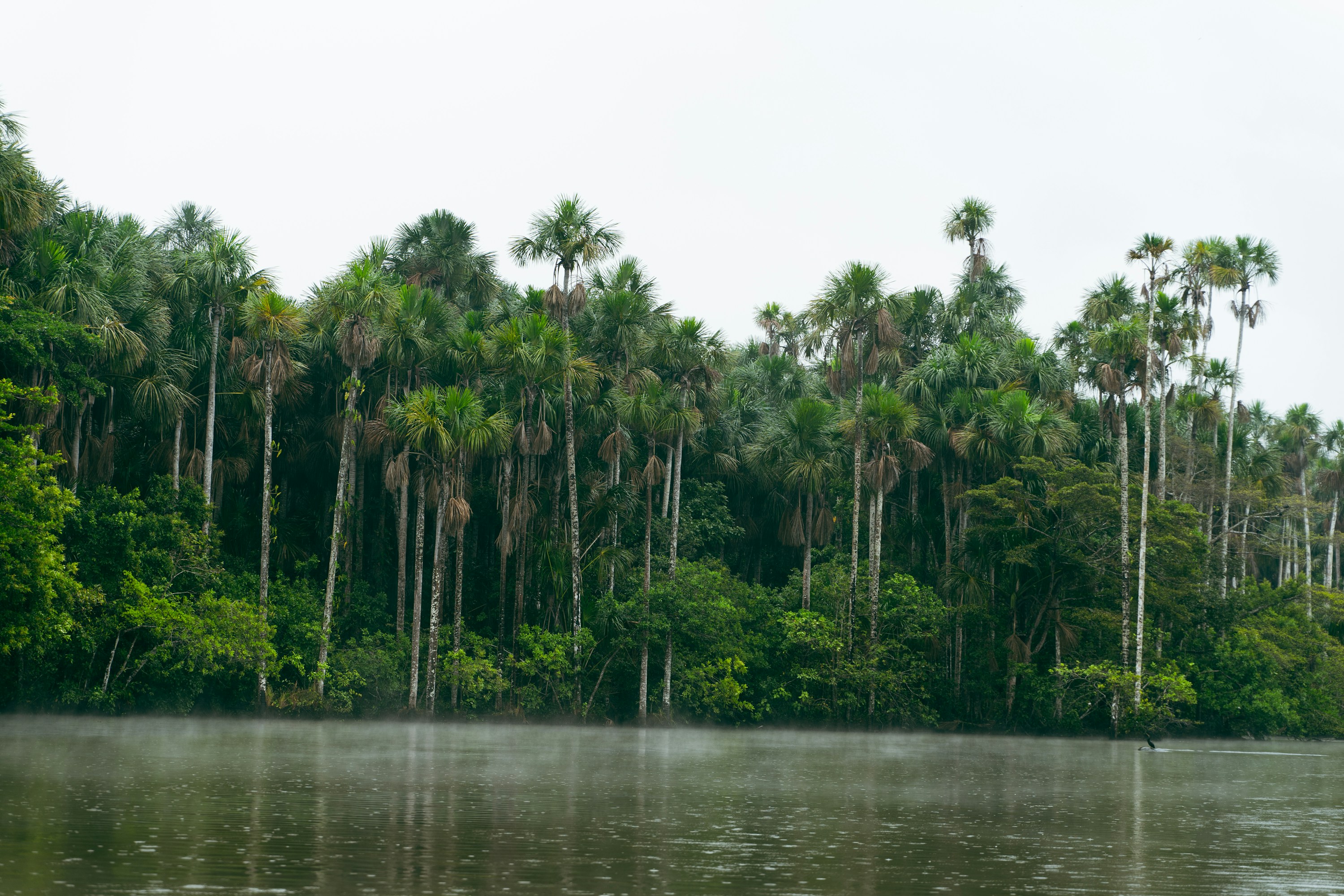
Tambopata protects lowland Amazon rainforest in southeastern Peru, reached by boat from Puerto Maldonado.
Jungle lodges put visitors within reach of oxbow lakes, giant otters, and one of the Amazon's largest macaw clay licks, where hundreds of parrots gather at dawn.
Guided walks and night boat rides turn up a density of wildlife hard to match elsewhere in Peru, though it costs real time and money to reach.
How does it rate
CrowdsRomanceCash RequiredDangerAccessibilityWhy you should go
One of the Amazon's best macaw clay licks, plus genuinely high odds of otters, caimans and monkeys.
Why you shouldn't go
Getting to the good lodges means a flight to Puerto Maldonado plus hours by boat, and it isn't cheap.
Plan your visit
Best time to visitMay-October (dry season) for easier trails and reliable clay-lick activityBest time of dayDawn for the macaw clay lick; dusk and after dark for caiman and nocturnal wildlifeGetting thereFly to Puerto Maldonado, then 1-4 hours by boat depending on the lodgeEntry costReserve entry fee ~$20-30; lodge packages from roughly $250 for 3 daysTime needed3-4 days including travelInsider tip — Stay at least three nights - the clay licks aren't guaranteed daily, and lodges further upriver see far less boat traffic than those near Puerto Maldonado. -
 #979 /100
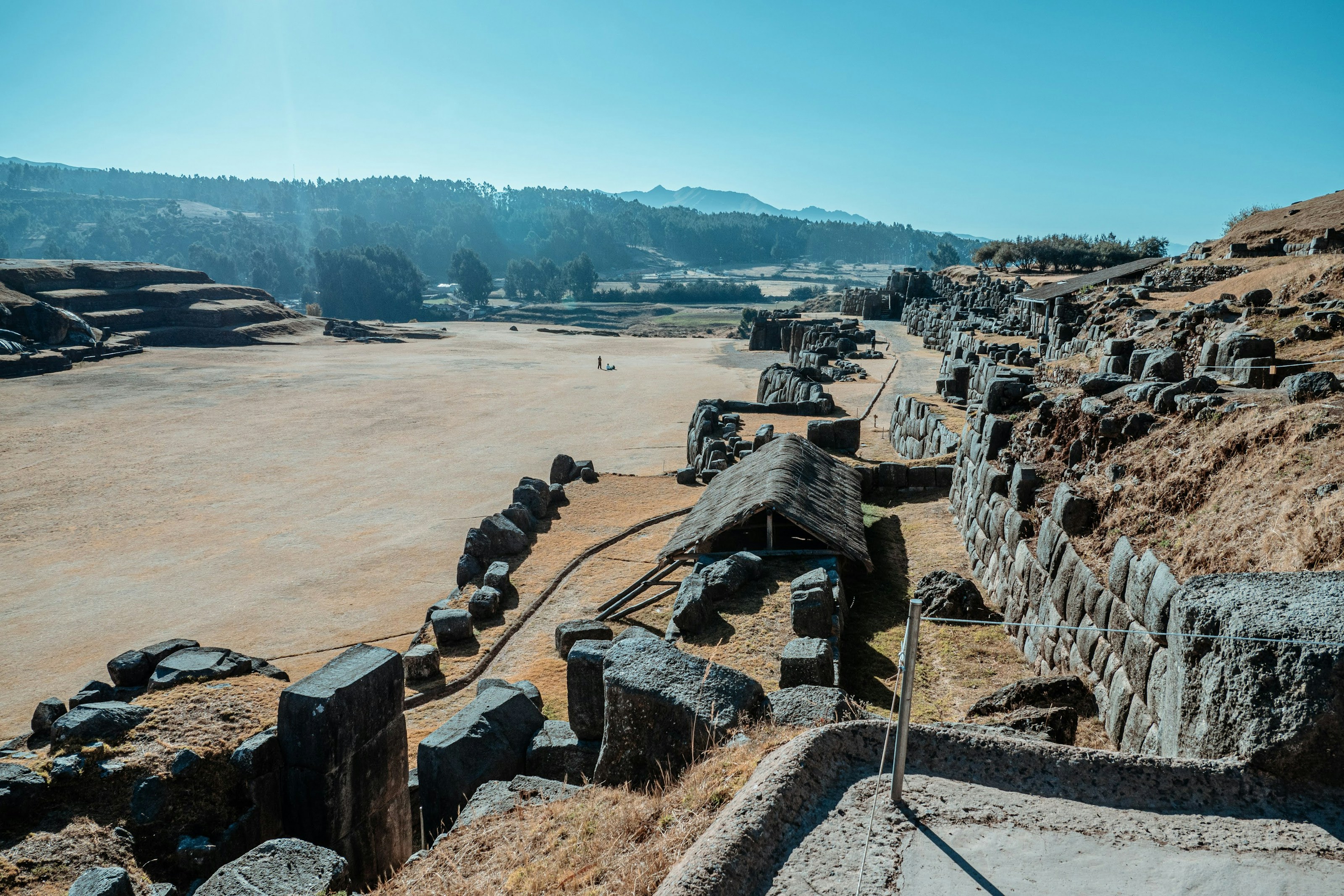
Each June, Cusco re-enacts the Inca Empire's Festival of the Sun with a procession from the Qorikancha temple to Sacsayhuaman's fortress ruins above the city, where hundreds of performers in Inca dress stage a reenactment for the Inca sun god Inti.
Rooted in a real Inca festival banned by colonial authorities and revived in 1944, it's now Cusco's biggest annual event, drawing crowds to Sacsayhuaman's grassy amphitheatre for the main ceremony.
How does it rate
CrowdsRomanceCash RequiredDangerAccessibilityWhy you should go
Cusco re-enacts the Inca Empire's Festival of the Sun with hundreds of performers staging a ceremony at the Sacsayhuaman ruins.
Why you shouldn't go
Sacsayhuaman sits at over 3,700m altitude, so altitude sickness is a real risk without a few days to acclimatise in Cusco first.
Plan your visit
Best time to visit24 June each year.Best time of dayLate morning into afternoon, when the main ceremony at Sacsayhuaman takes place.Getting thereFly into Cusco, then a taxi or walk up to Sacsayhuaman, about 20 minutes from the centre.Entry costStreet viewing is free; ticketed grandstand seating at Sacsayhuaman costs extra.Time neededA full day to follow the procession and main ceremony.Insider tip — Watch the earlier Qorikancha ceremony in the city centre for a closer, less crowded view before the main event moves up to Sacsayhuaman. -
 #1068 /100
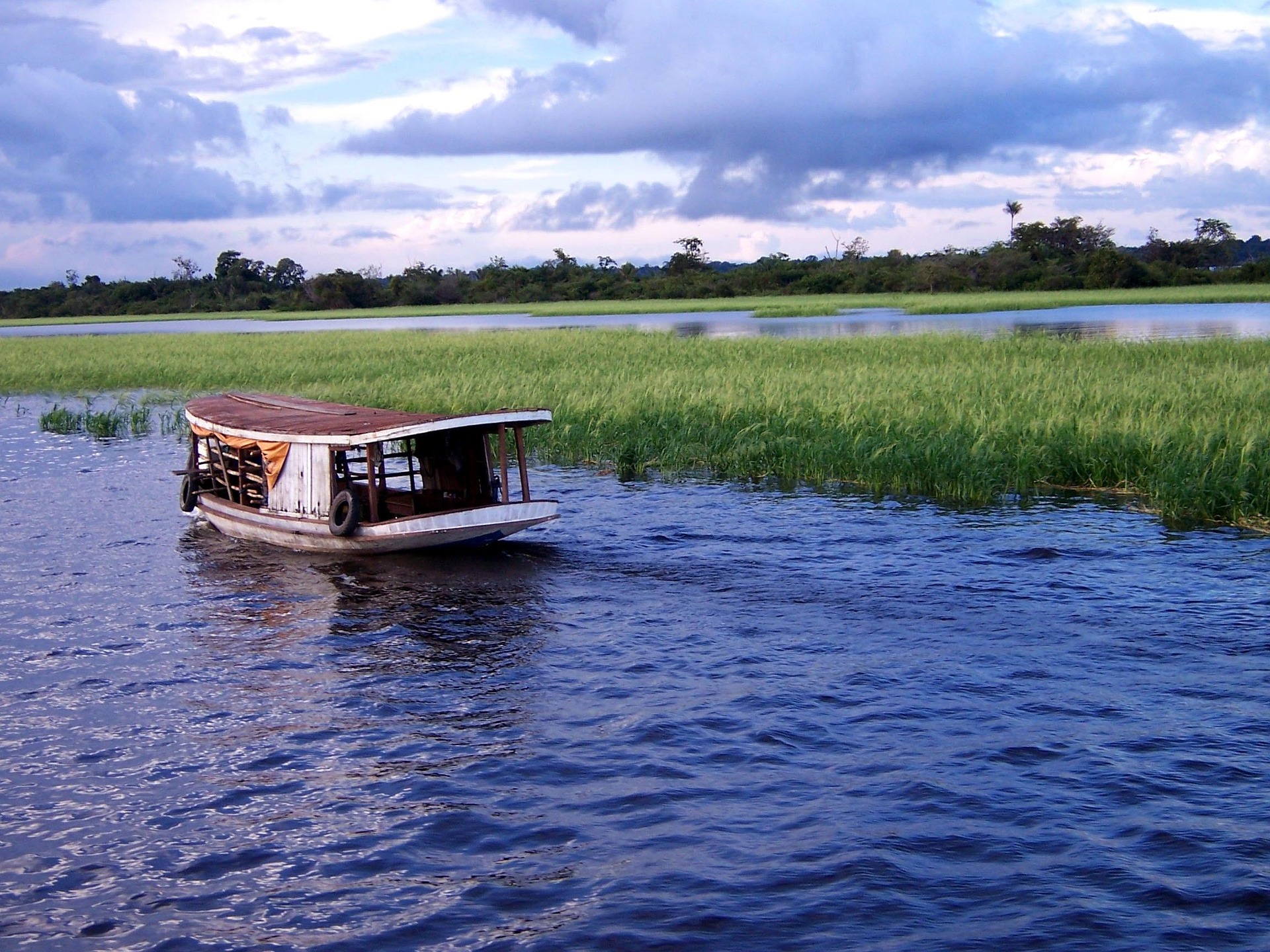
A slow river cruise from Iquitos into the Peruvian Amazon, where guided skiff excursions reveal pink river dolphins, caimans, and a canopy full of macaws.
Days follow the rainforest's rhythm: dawn birdwatching, midday heat, and night walks for nocturnal wildlife.
Small riverboats reach tributaries larger vessels can't, guided by locals from villages along the route.
It's a wildlife trip first, with river sunsets as a scenic bonus.
How does it rate
CrowdsRomanceCash RequiredDangerAccessibilityWhy you should go
Close encounters with pink river dolphins, caimans, and rainforest wildlife most visitors never reach independently.
Why you shouldn't go
Humidity, insects, and basic medical access mean this suits travellers comfortable with genuine remoteness.
Plan your visit
Best time to visitYear-round destination; June-October (low water) for walking trails, December-May for flooded-forest boat access.Best time of dayDawn and dusk, when birds and monkeys are most active along the riverbanks.Getting thereFly to Lima, then on to Iquitos; riverboats embark from Iquitos port or nearby Nauta.Entry costIndicative $1,500-$4,000pp for a 4-7 night cruise, meals includedTime needed4-7 night cruiseInsider tip — Bring long sleeves, strong insect repellent, and binoculars; ask for an early skiff slot, as wildlife retreats once the sun is high. -
 #1166 /100
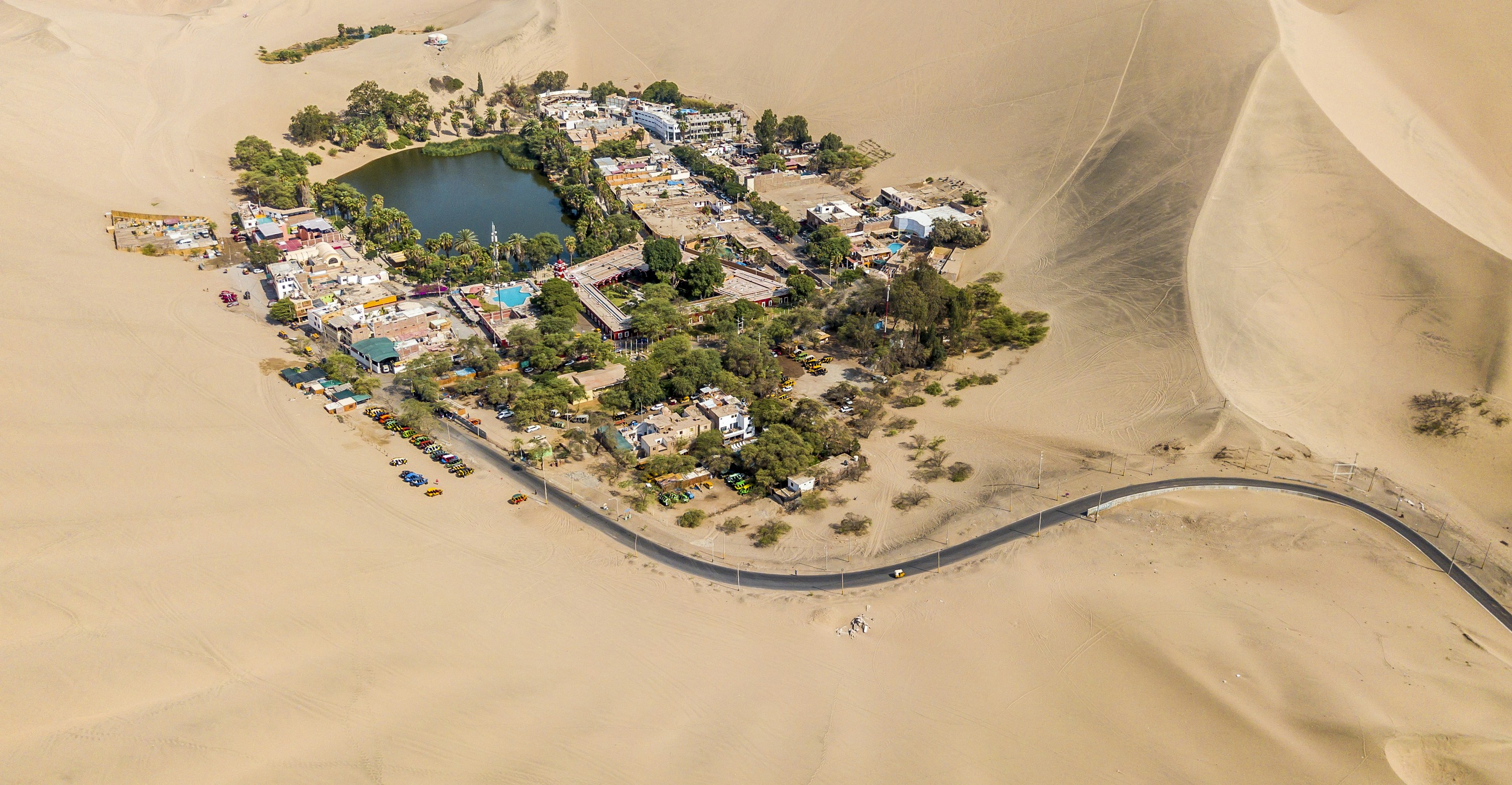
Huacachina is a small palm-ringed lagoon swallowed by towering sand dunes on the edge of the Peruvian desert, a short detour off the Pan-American Highway.
The village is just a few streets and a handful of hostels around the lagoon; dune buggies and sandboarding on the surrounding dunes are the real draw.
It's a loud, high-energy stop rather than a place with much depth.
How does it rate
CrowdsRomanceCash RequiredDangerAccessibilityWhy you should go
High-speed dune buggy rides and sandboarding on genuinely huge dunes, right at the edge of town.
Why you shouldn't go
It's a small, thin destination built almost entirely around one activity - don't expect much beyond it.
Plan your visit
Best time to visitYear-round; afternoons are hot, so many tours run at sunsetBest time of dayLate afternoon into sunset, when the heat eases and buggy tours runGetting there3.5hr bus or drive south from Lima to Ica, then a 10-min taxi to HuacachinaEntry costSmall desert access fee (~S/4); buggy and sandboarding tours from ~S/40-100Time neededHalf a day to overnightInsider tip — Book the buggy tour through your hostel rather than street touts - prices are similar but the vehicles and guides are more reliably maintained.


How a score is built
One score out of 100, five criteria behind it
Every place is rated 1–5 on each of the criteria below, then combined into a single score out of 100. It's calculated by us, the same way every time — not an average of traveller reviews or social votes.
Crowds
How many people you'll be sharing it with, and at what time of day.
Romance
How well it suits a couple, a proposal, or a quiet moment together.
Cash required
Entry fees, permits, guides, rentals — what it actually costs to do it.
Danger
Physical risk involved, from a slippery viewpoint to genuine hazard.
Accessibility
How far off the beaten path it is, and how hard it is to actually reach.