-
 #178 /100
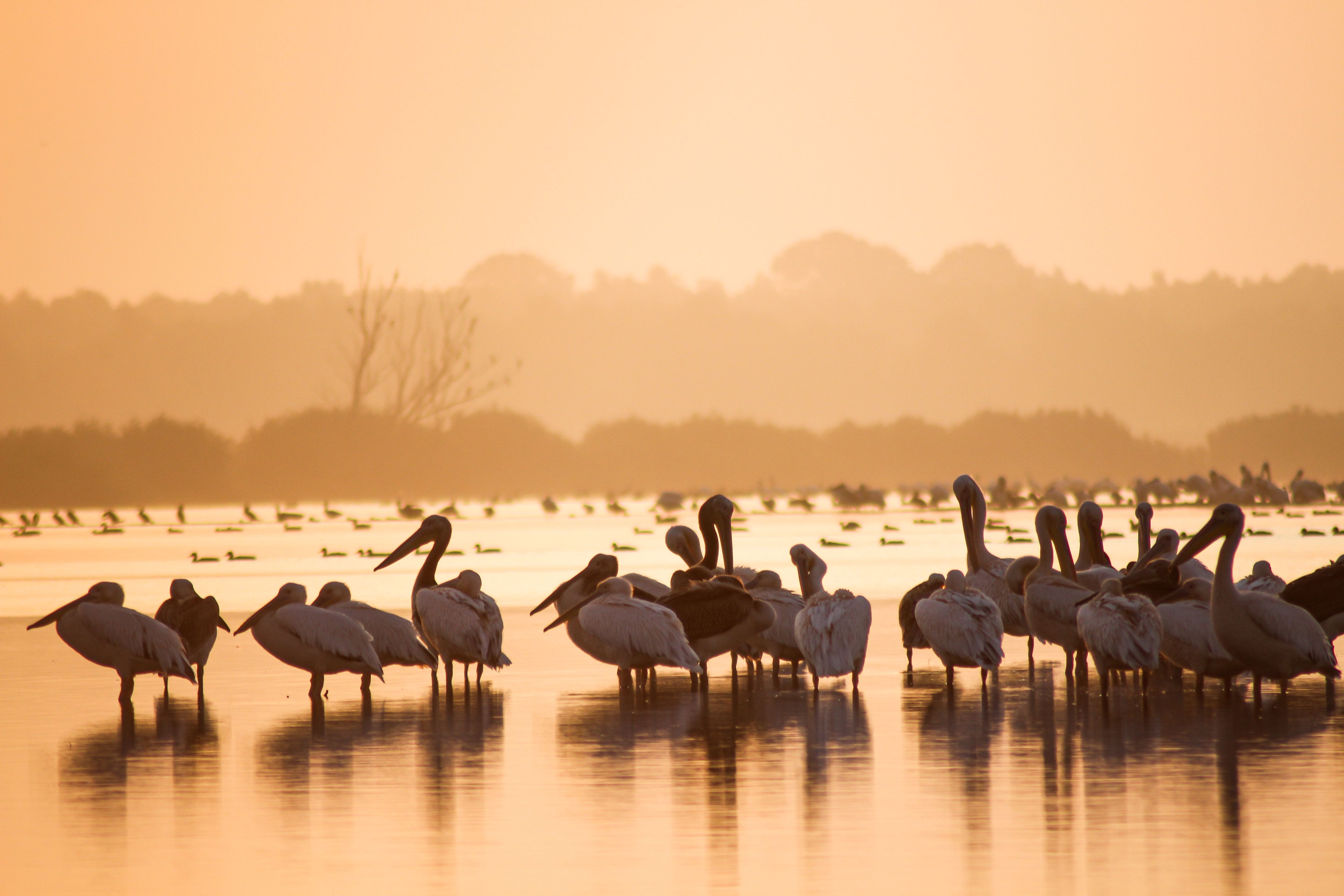
Europe's largest and best-preserved river delta is a maze of reed-lined channels, lakes and marshland where the Danube meets the Black Sea.
Boat trips glide past pelicans, herons and over 300 other bird species in a UNESCO-protected wilderness.
Traditional fishing villages built on stilts add a lived-in texture to the wildlife-watching, and the sheer scale of untouched wetland is rare anywhere in Europe.
How does it rate
CrowdsRomanceCash RequiredDangerAccessibilityWhy you should go
Untouched wetland wilderness with Europe's richest concentration of birdlife.
Why you shouldn't go
Getting deep into the delta requires a guided boat and more than a day trip to do justice.
Plan your visit
Best time to visitMay–June for peak birdlife and mild weather, before summer heat and mosquitoes.Best time of dayEarly morning, when birds are most active and the water is calm.Getting thereFly or drive to Tulcea, then transfer onto a guided boat into the delta channels.Entry costFree to enter; guided boat tours from around €40 per person.Time neededFull day, or 2–3 days to explore properly.Insider tip — Book a small private boat rather than a large tour vessel — it can reach narrower channels where the wildlife actually is. -
 #276 /100
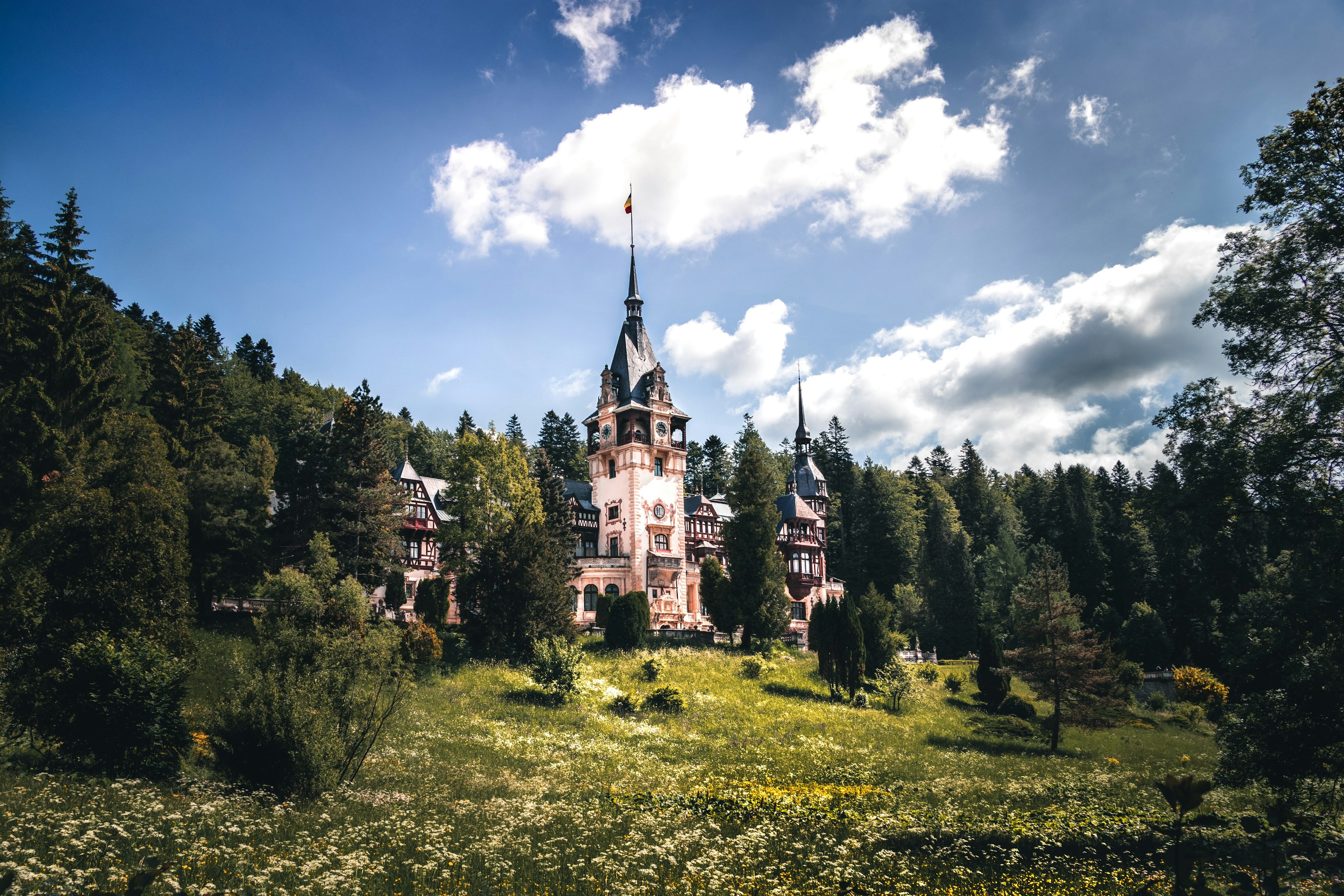
Built for King Carol I in the 1880s, Peleș is widely considered Romania's most beautiful castle — a fairy-tale confection of turrets, timber galleries and terraced gardens in the foothills of the Carpathians.
The interiors are even more elaborate than the exterior, with over 170 rooms decorated in Moorish, Florentine and German Renaissance styles, hand-carved woodwork, and one of Europe's finest armor collections.
How does it rate
CrowdsRomanceCash RequiredDangerAccessibilityWhy you should go
One of Europe's most opulent late-19th-century royal interiors, still fully furnished.
Why you shouldn't go
Interior visits are guided-tour only and can sell out on summer weekends.
Plan your visit
Best time to visitSeptember for fewer crowds and autumn color in the surrounding forest.Best time of dayFirst tour slot of the morning, before tour buses from Bucharest arrive.Getting thereTrain or drive to Sinaia, then a short walk uphill to the castle grounds.Entry costGrounds free; interior tour around 60 RON (~€12).Time needed2–3 hours.Insider tip — Buy the combined ticket with neighboring Pelișor Castle — it's smaller but has a more intimate, art-nouveau interior. -
 #374 /100
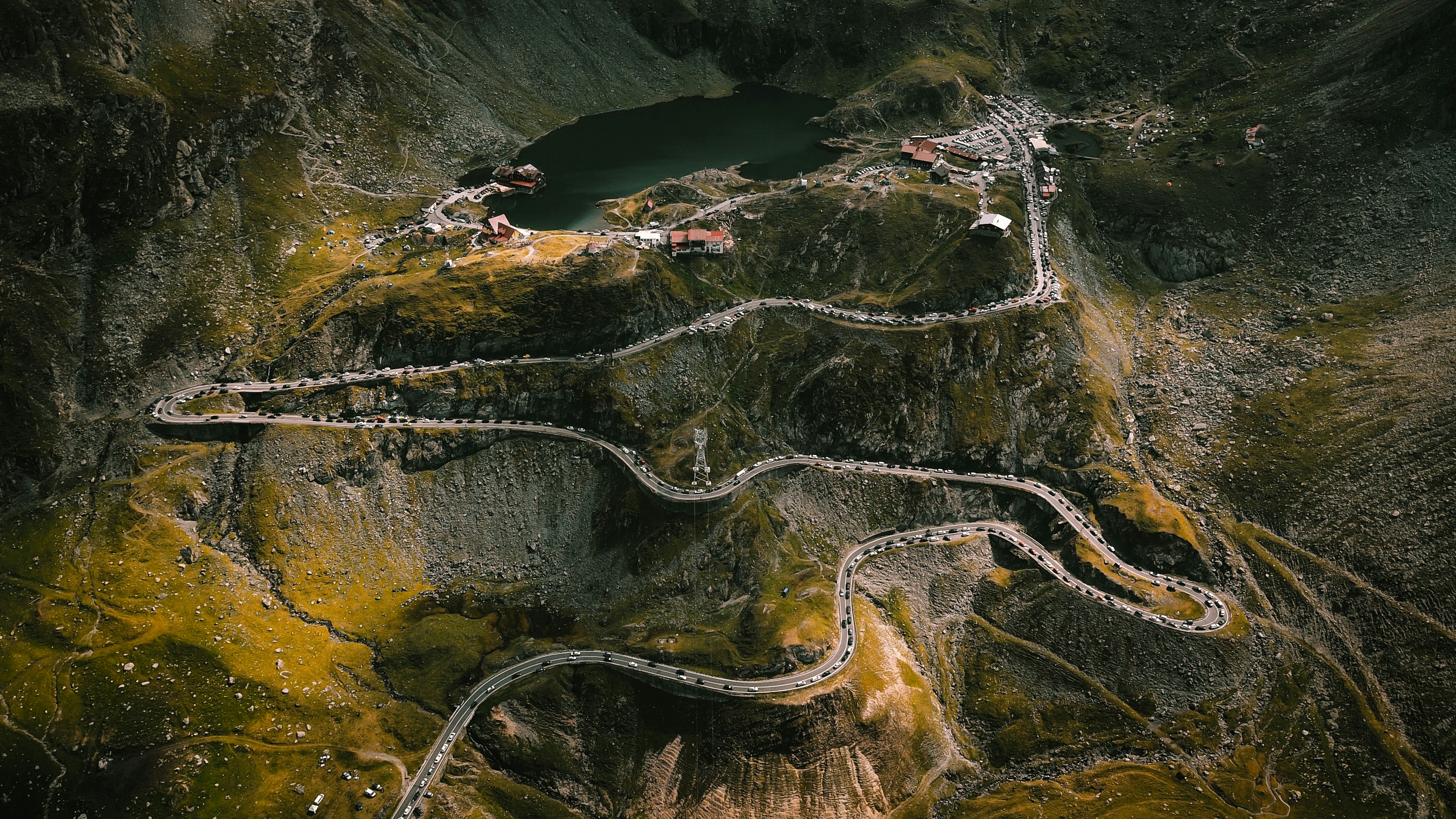
The Transfagarasan climbs 90 kilometres through the southern Carpathians, switchbacking up granite faces to Balea Lake at over 2,000 metres, beneath Romania's highest peak, Moldoveanu.
Hairpin bends, stone viaducts, and a mile-long tunnel make it a favourite of driving shows and motorcyclists alike.
Vidraru Dam and its reservoir sit at the southern approach, flanked by forest that erupts with autumn colour before the snow closes the road again.
How does it rate
CrowdsRomanceCash RequiredDangerAccessibilityWhy you should go
Widely rated one of the world's best driving roads, with hairpin switchbacks and high alpine views.
Why you shouldn't go
Only open roughly late June to October; closed by snow the rest of the year.
Plan your visit
Best time to visitJuly-August for full access and clear skies; weekdays to dodge weekend driving-enthusiast traffic.Best time of dayEarly morning for clear light over Balea Lake and quieter hairpins.Getting thereDrive from Sibiu or Curtea de Arges; both roughly 2.5-3 hours from Bucharest by car.Entry costFree; a toll applies for the Balea tunnel, plus fuelTime needed1 day, or 2 with a night at Balea LakeBookingBook ahead →Insider tip — Take the cable car up to Balea Lake if you'd rather not drive the steepest switchbacks, and watch for brown bears near the forested lower sections. -
 #473 /100
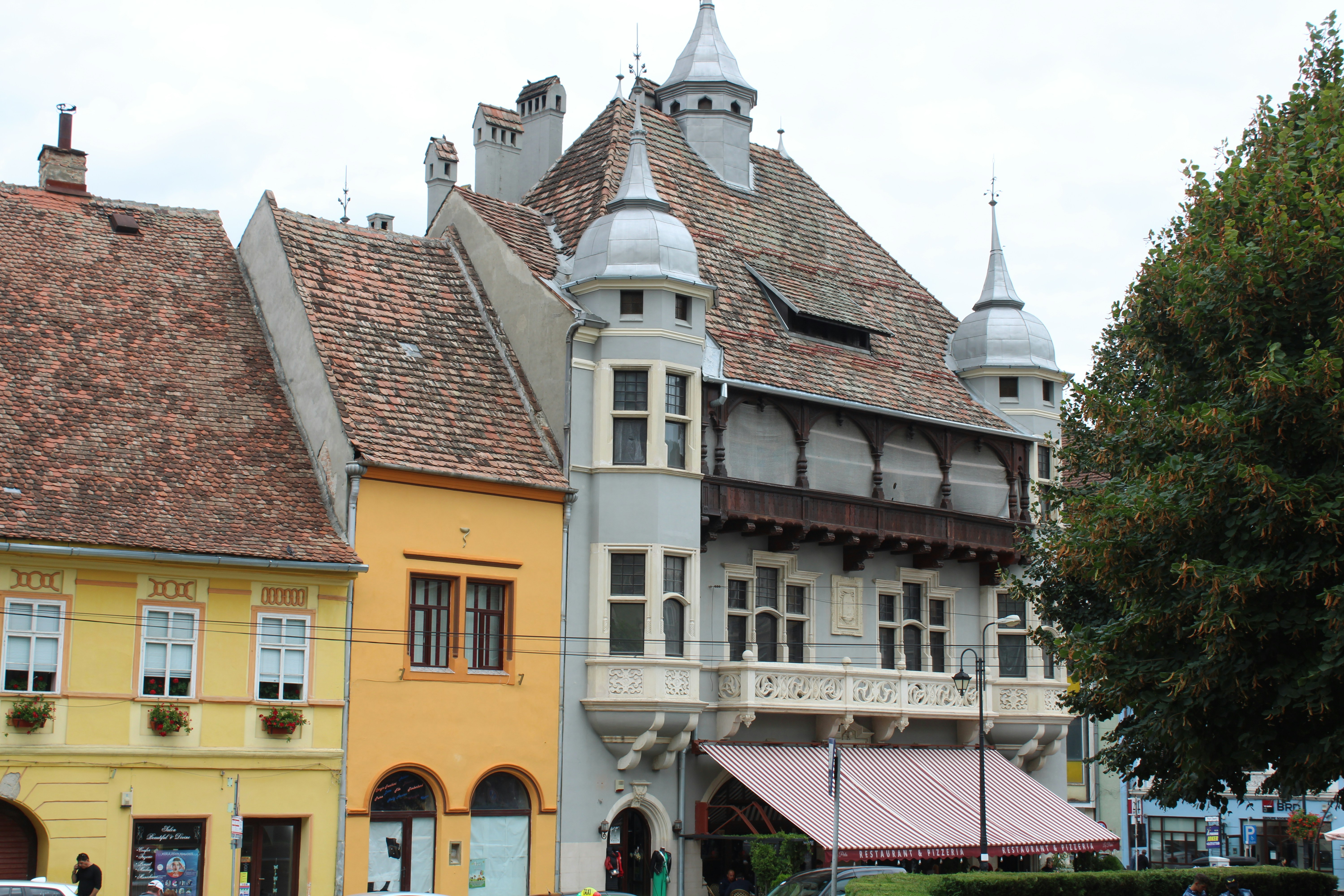
This UNESCO-listed citadel is one of the last inhabited medieval walled towns in Europe, its cobbled lanes lined with pastel-colored burgher houses beneath nine surviving watchtowers.
Vlad the Impaler was reportedly born here, and the citadel's Gothic clock tower and covered stairway give it a genuinely lived-in medieval atmosphere rather than a restored film set.
Locals still run shops and cafés inside the walls.
How does it rate
CrowdsRomanceCash RequiredDangerAccessibilityWhy you should go
A real, still-inhabited medieval citadel, not a reconstruction.
Why you shouldn't go
Small enough that a couple of hours covers the whole old town.
Plan your visit
Best time to visitMay or September for pleasant weather without peak-summer crowds.Best time of dayEvening, once day-tripping coach groups have left.Getting thereDirect train from Brașov or Bucharest to Sighișoara station, then a 10-minute walk uphill.Entry costFree to walk the citadel; Clock Tower museum around 15 RON.Time needed2–4 hours.Insider tip — Climb the Covered Stairway (all 175 steps) to the Church on the Hill for the best rooftop views, away from the main square crowds. -
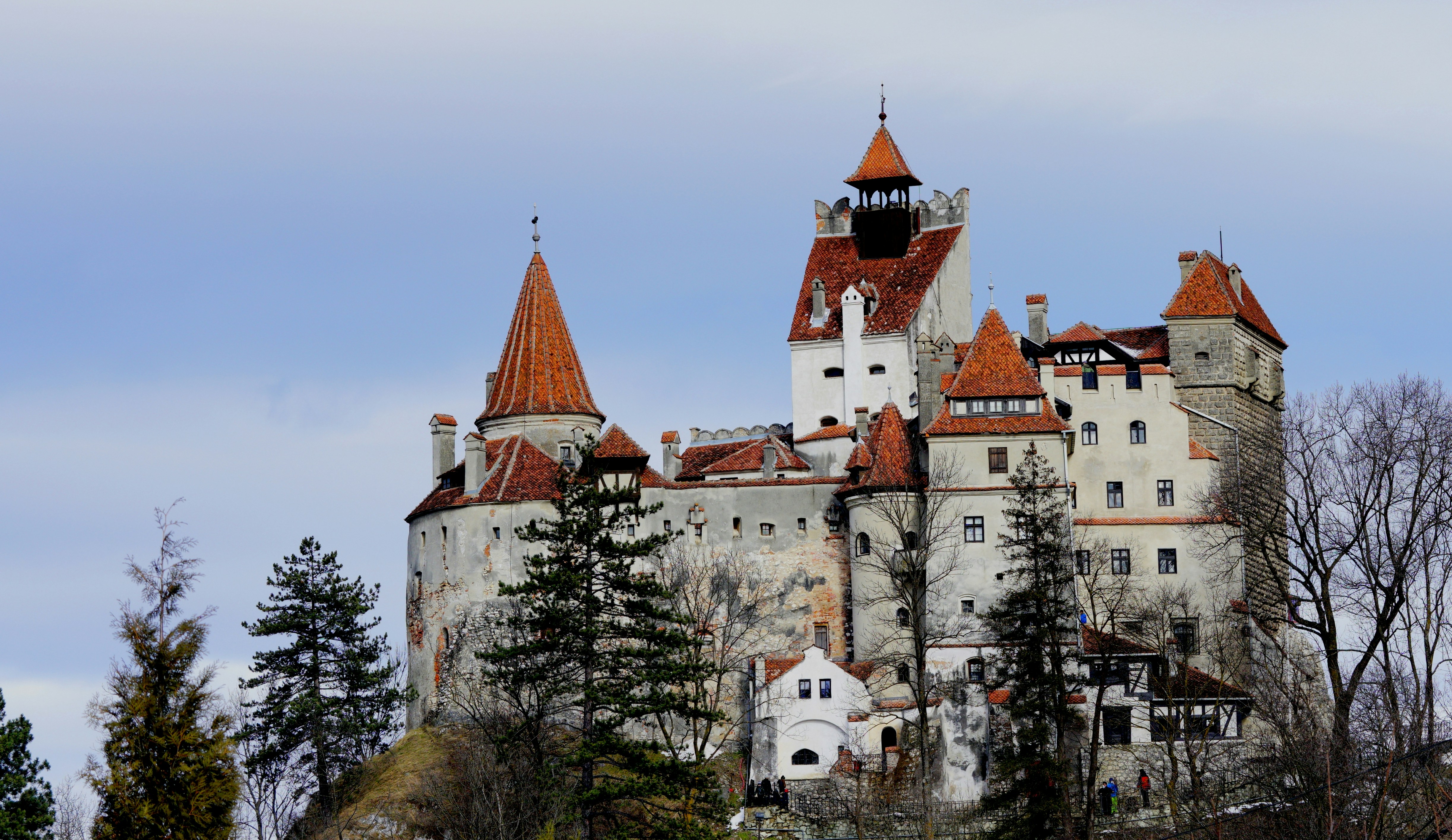 #571 /100
A clifftop fortress in Transylvania whose turrets and narrow windows made it the visual inspiration for Bram Stoker's Dracula, even though Vlad the Impaler likely never lived here.
The real building is a genuinely striking 14th-century fortress with a maze of narrow stairways, hidden passages, and period furnishings, marketed heavily around the vampire legend.
The surrounding Carpathian foothills add to the gothic atmosphere, especially in autumn mist.
How does it rate
CrowdsRomanceCash RequiredDangerAccessibilityWhy you should go
The castle that inspired Dracula's lair, a genuinely atmospheric 14th-century fortress set in misty Carpathian foothills.
Why you shouldn't go
The Dracula branding is heavy-handed and the gift shops lean hard into kitsch, which undercuts the actual history on offer.
Plan your visit
Best time to visitOctober for the Halloween atmosphere, or May-June for fewer crowds and blooming countryside.Best time of dayMorning, before tour buses from Brasov arrive.Getting thereFly to Brasov or Bucharest; a 30-minute drive or bus from Brasov to Bran.Entry costAround 60 RON for adult entry.Time needed2-3 hours.BookingBook ahead →Insider tip — Skip the crowded main courtyard photo spot and walk the castle's rear garden path for a quieter angle on the turrets. -
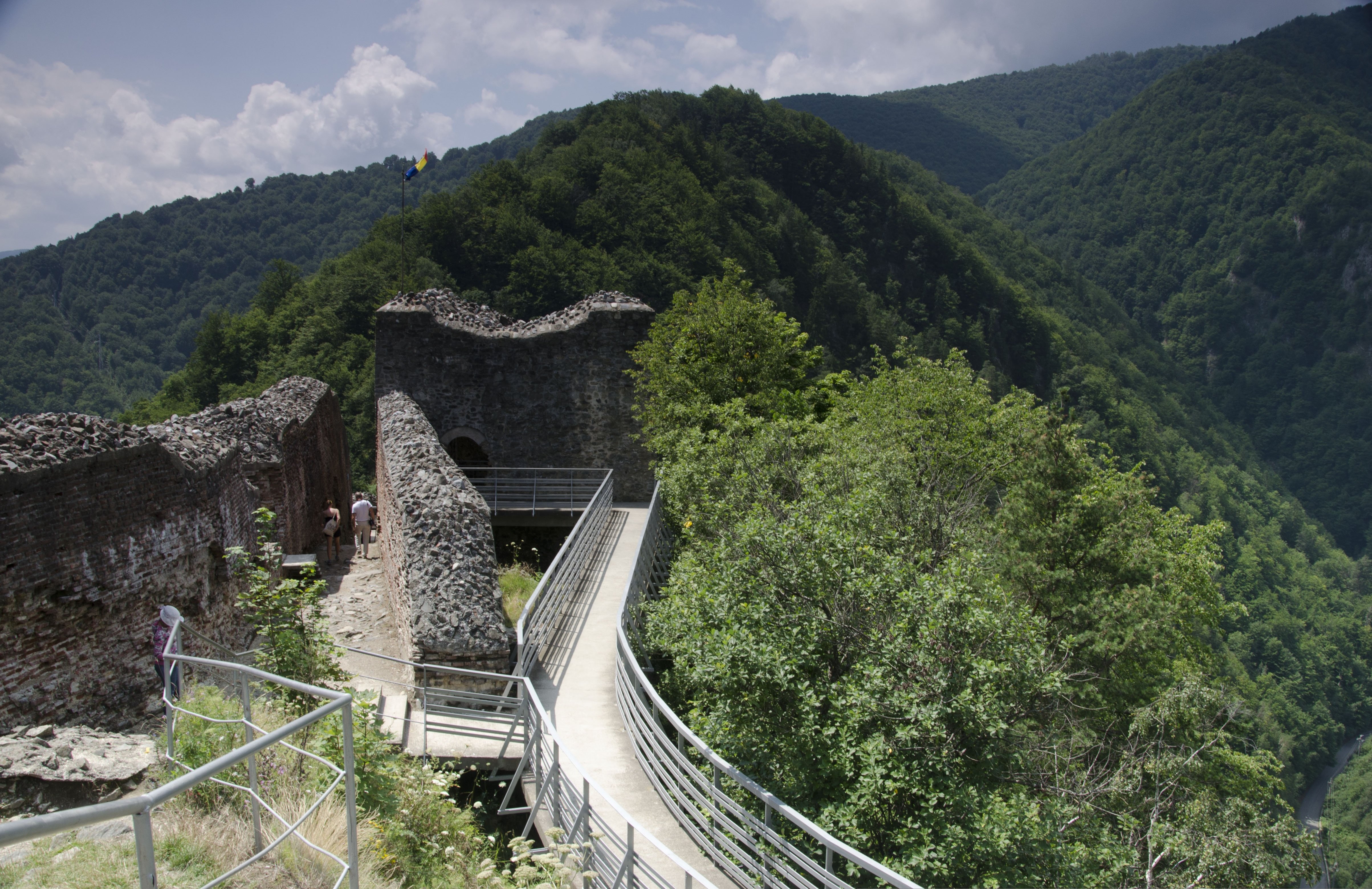 #669 /100
The real mountaintop fortress of Vlad the Impaler, reached by climbing over 1,400 steps up a steep ridge above the Argeș River valley.
Less restored and far less visited than Bran Castle, its crumbling stone walls and sweeping Făgăraș Mountains views feel genuinely earned.
How does it rate
CrowdsRomanceCash RequiredDangerAccessibilityWhy you should go
Vlad the Impaler's real mountaintop fortress, reached via a brutal 1,400-step climb with sweeping Carpathian views.
Why you shouldn't go
The climb is genuinely strenuous with uneven, exposed steps; very limited facilities; can close in bad weather.
Plan your visit
Best time to visitMay–September for dry steps and clear mountain views.Best time of dayMorning, to climb before the day heats up and while the light is soft on the valley.Getting thereDrive the Transfăgărășan road from Curtea de Argeș (roughly 45 minutes); car park at the base of the steps.Entry costRON ~10 (~$2) entrance fee.Time needed2–3 hours including the climb.Insider tip — Wear proper hiking shoes — the steps are steep, uneven, and often wet. Combine with a drive along the Transfăgărășan, one of Europe's great mountain roads, on the same trip. -
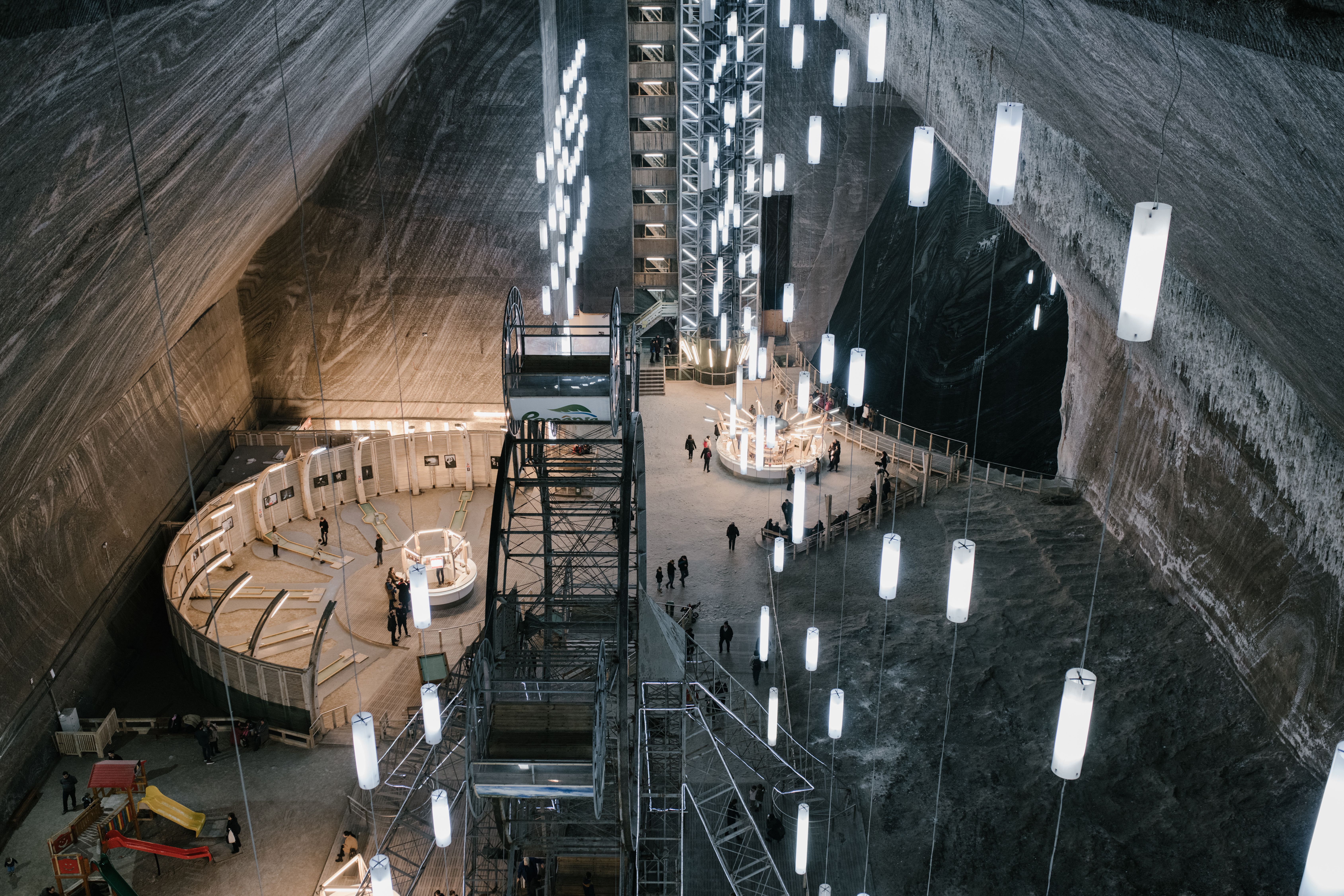 #768 /100
A working salt mine for centuries, Turda has been converted into one of the world's strangest amusement parks — a vast underground chamber 120 meters below ground with a Ferris wheel, mini-golf course, bowling alley and an underground lake with rowboats, all carved from salt.
The cool, still air and echoing acoustics make it feel like an opera house hollowed from rock, unlike any other mine attraction in Europe.
How does it rate
CrowdsRomanceCash RequiredDangerAccessibilityWhy you should go
A genuinely surreal underground amusement park, unlike anywhere else.
Why you shouldn't go
The novelty factor means it can feel more like a theme park than a natural or historic site.
Plan your visit
Best time to visitYear-round — the underground temperature stays a constant 10–12°C regardless of the season.Best time of dayWeekday mornings to avoid family groups and school trips.Getting thereDrive or bus to Turda, 30km from Cluj-Napoca, then a lift or 172 steps down into the mine.Entry costAround 40 RON (~€8) for adults.Time needed2–3 hours.Insider tip — Take the glass lift down rather than the stairs — it opens onto the full scale of the chamber in one dramatic reveal. -
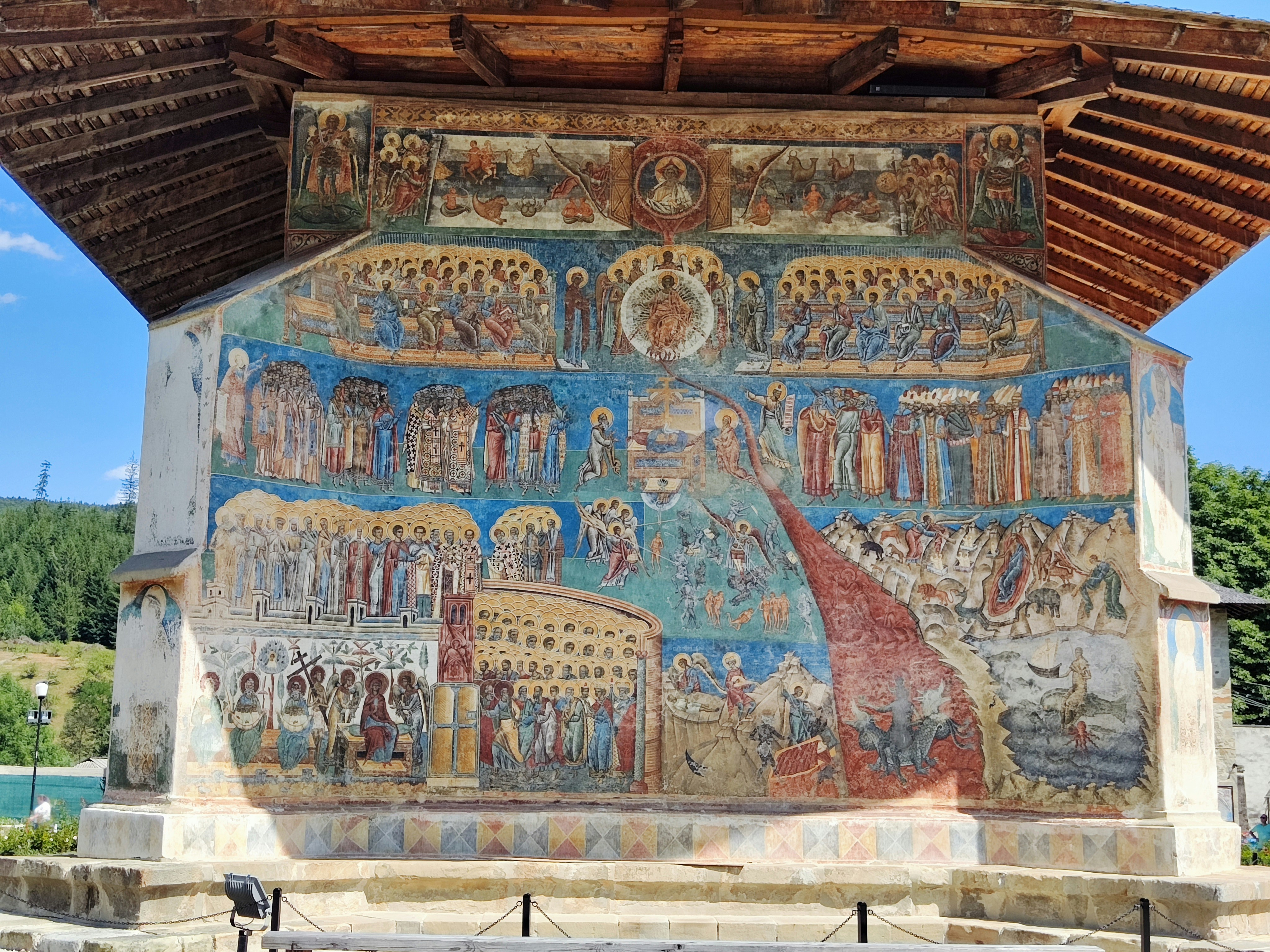 #865 /100
Scattered across the hills of northern Moldavia, these 15th- and 16th-century Orthodox monasteries are covered — inside and out — in vivid frescoes depicting biblical scenes, painted onto the exterior stone walls and still remarkably vibrant after 500 years of weather.
Voroneț is famous for its dense, luminous blue background; each has its own dominant palette, together forming a UNESCO ensemble found nowhere else in Europe.
How does it rate
CrowdsRomanceCash RequiredDangerAccessibilityWhy you should go
Exterior fresco painting found nowhere else in this scale or condition.
Why you shouldn't go
The monasteries are spread across a wide rural area, so seeing several means a full day of driving.
Plan your visit
Best time to visitLate spring or early autumn, when the countryside is green but roads are quiet.Best time of dayMidday, when direct sunlight brings out the fresco colors best.Getting thereFly to Suceava, then rent a car to tour the monastery route through the surrounding villages.Entry costSmall entry fee at each monastery, typically 5–10 RON.Time neededFull day for a circuit of 3–4 monasteries.Insider tip — Voroneț gets the most visitors — see it first thing, then spend more unhurried time at quieter Humor or Sucevița. -
 #958 /100
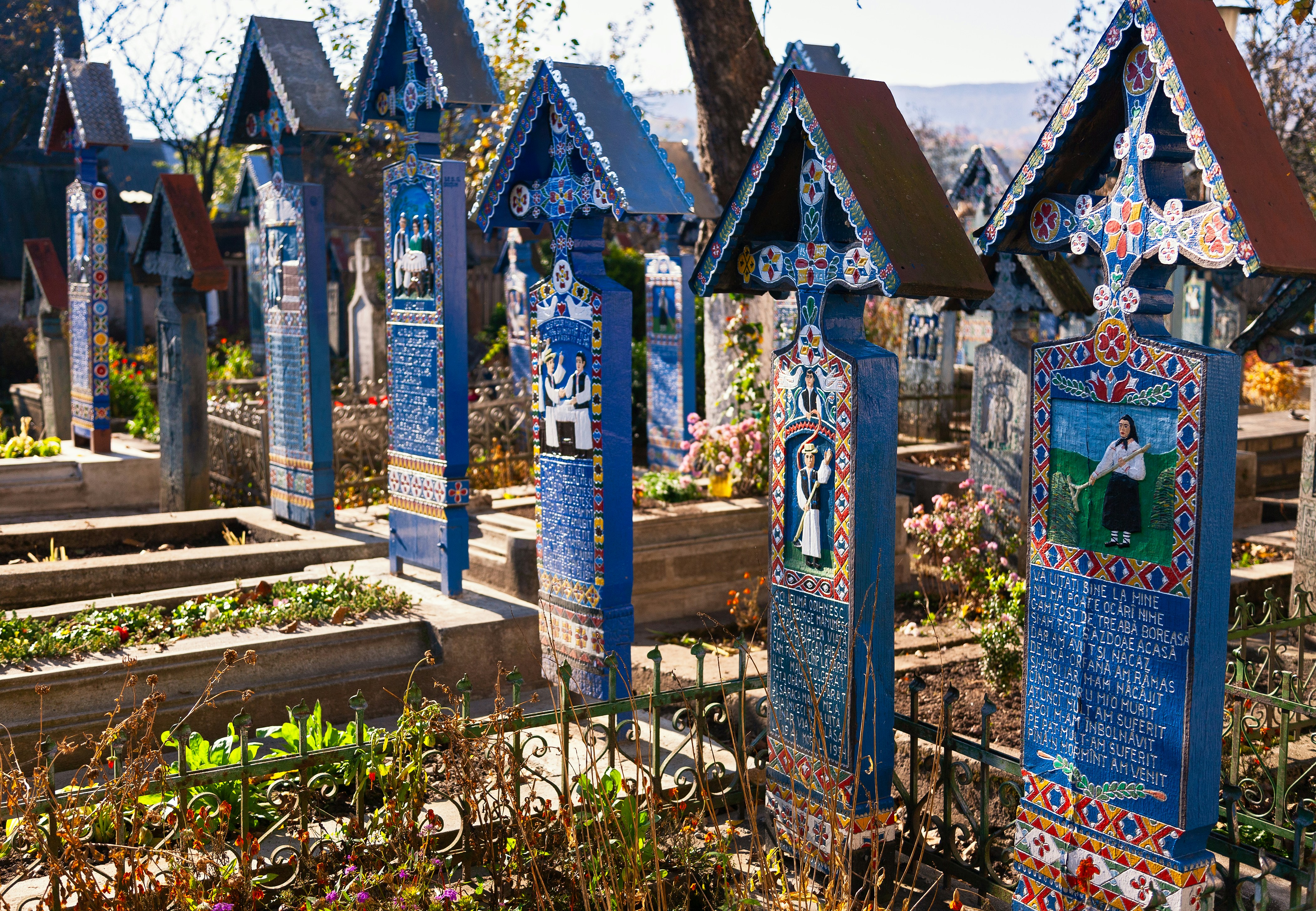
In the village of Săpânța, hundreds of carved wooden crosses replace somber gravestones with brightly painted scenes of the deceased's life and death, topped with witty, sometimes blunt epitaphs written in the first person.
Started by a local artist in 1935, the tradition continues today, turning the cemetery into an open-air folk-art gallery that treats death with humor rather than gloom.
How does it rate
CrowdsRomanceCash RequiredDangerAccessibilityWhy you should go
A one-of-a-kind folk-art tradition, unlike any other cemetery in the world.
Why you shouldn't go
It's a single small site — worth the detour only if you're already in Maramureș.
Plan your visit
Best time to visitSpring through autumn, when the region's wooden churches route is also open.Best time of dayMorning, for good light on the painted crosses.Getting thereDrive to Săpânța in Maramureș county, near the Ukrainian border; nearest airport is Baia Mare.Entry costSmall entry fee, around 10 RON.Time needed1 hour.Insider tip — Ask locally about the small museum house of the cemetery's founder, Stan Ioan Pătraș — it explains the epitaphs' local dialect and humor. -
 #1040 /100
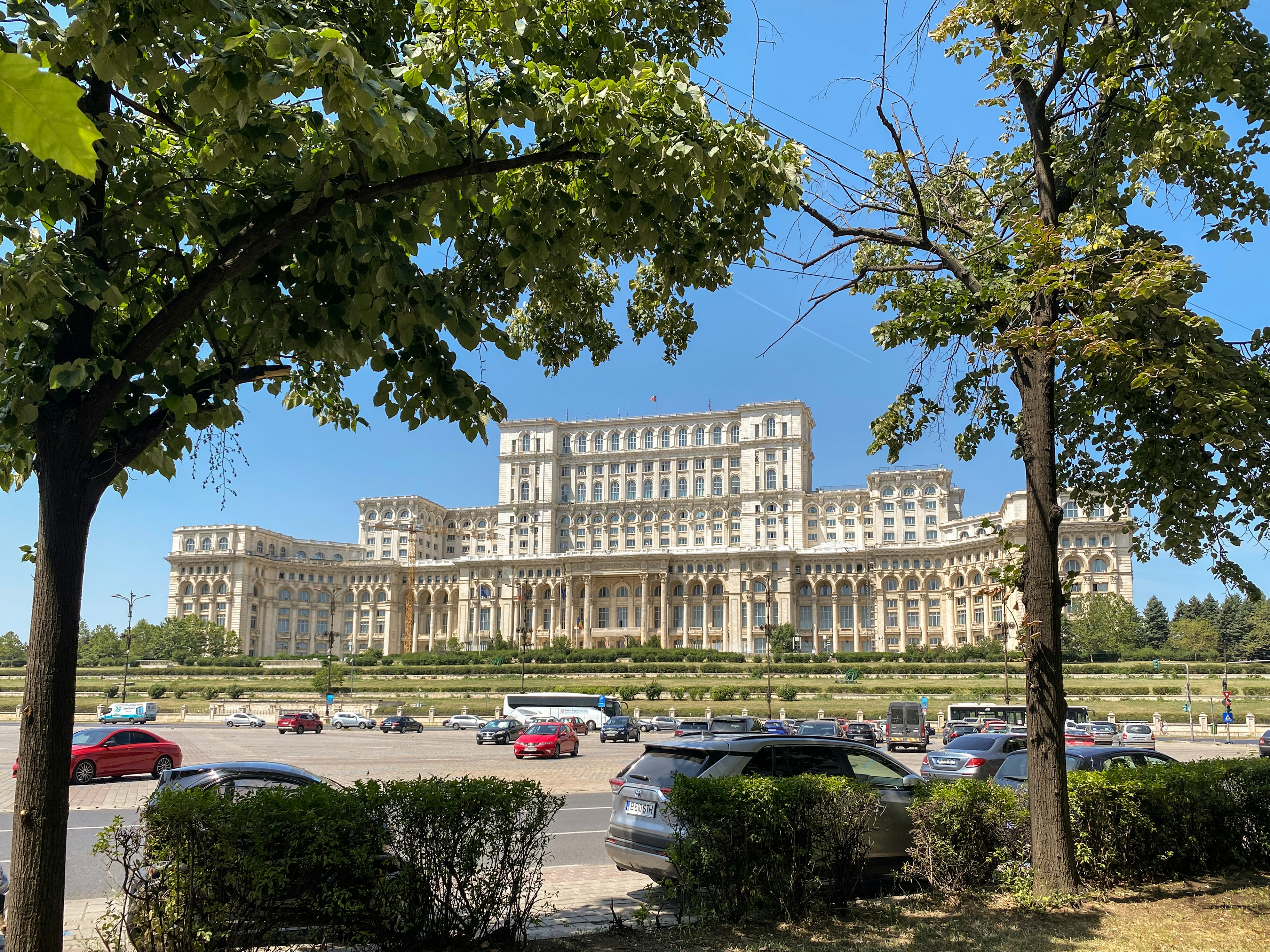
Nicolae Ceausescu's Palace of the Parliament is the heaviest building on Earth and, after the Pentagon, the largest administrative building anywhere: 1,100 rooms over twelve storeys, with eight more levels underground.
It was finished only after his execution, and building it flattened a fifth of Bucharest's historic centre.
Guided tours cover a fraction of the interior, all marble, crystal and corridors built to a scale that never made sense.
How does it rate
CrowdsRomanceCash RequiredDangerAccessibilityWhy you should go
Nothing else conveys the scale of Ceausescu's ambition so directly - the size of the building genuinely has to be seen to be believed.
Why you shouldn't go
Only a fraction of the interior is open, tours must be booked ahead with ID required at the door, and the history behind it is a bleak one.
Plan your visit
Best time to visitSpring or autumnBest time of daySunset, when it is floodlitGetting thereCentral Bucharest, walkable from Unirii SquareEntry costGuided tour ~$10Time needed1-2 hoursInsider tip — Book the guided tour in advance; it is the only way to see the ornate interior


How a score is built
One score out of 100, five criteria behind it
Every place is rated 1–5 on each of the criteria below, then combined into a single score out of 100. It's calculated by us, the same way every time — not an average of traveller reviews or social votes.
Crowds
How many people you'll be sharing it with, and at what time of day.
Romance
How well it suits a couple, a proposal, or a quiet moment together.
Cash required
Entry fees, permits, guides, rentals — what it actually costs to do it.
Danger
Physical risk involved, from a slippery viewpoint to genuine hazard.
Accessibility
How far off the beaten path it is, and how hard it is to actually reach.