-
 #188 /100
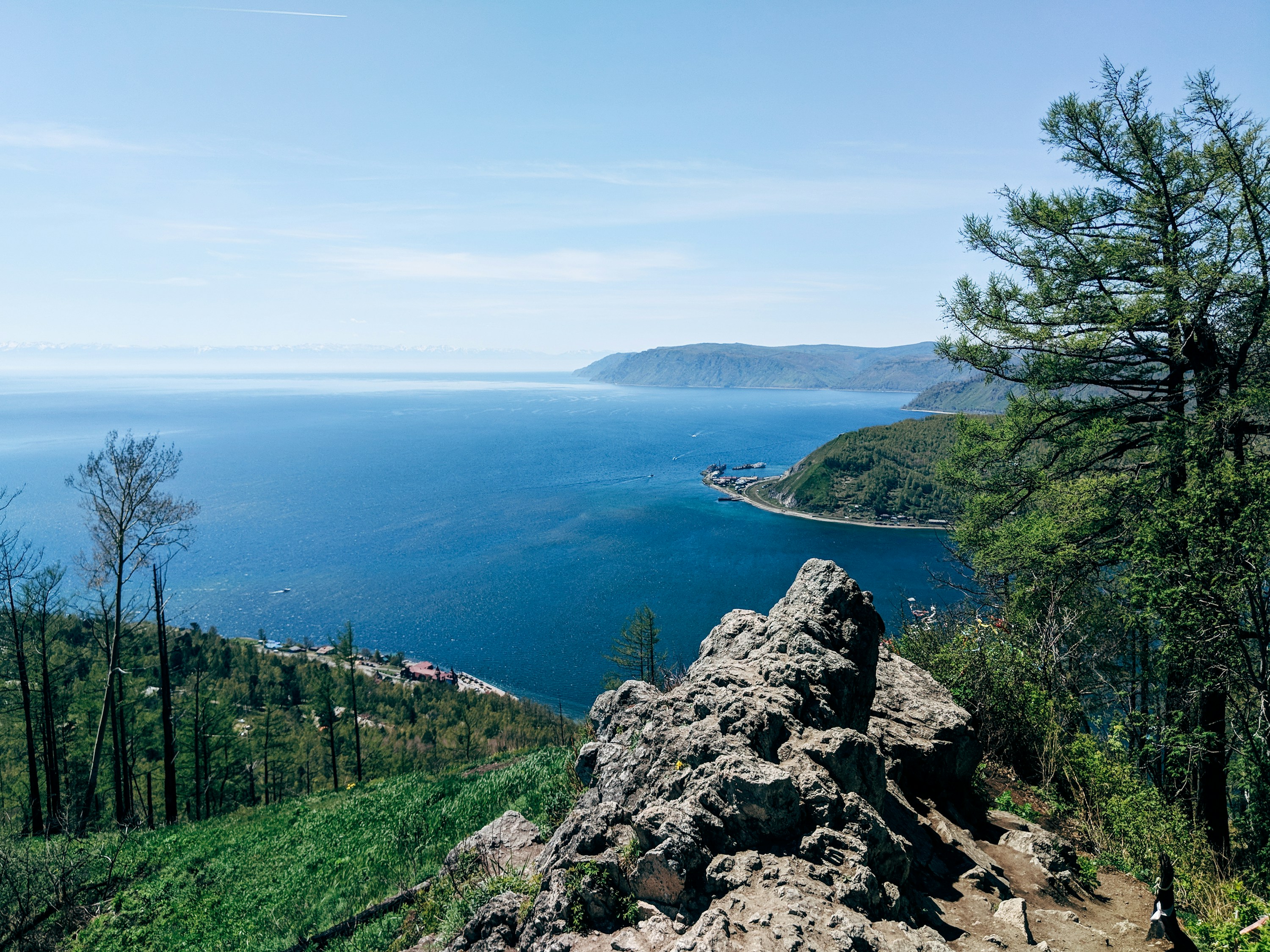
Lake Baikal holds a fifth of the planet's unfrozen fresh water and is both the world's deepest and oldest lake, ringed by taiga forest and mountains in Siberia.
Its clarity lets you see many metres down in summer, while in winter the surface freezes into clear blue ice sheets thick enough to drive on.
Most visitors base themselves in Listvyanka or on Olkhon Island to explore the shoreline and villages.
How does it rate
CrowdsRomanceCash RequiredDangerAccessibilityWhy you should go
The world's deepest, oldest and clearest lake — a fifth of Earth's unfrozen fresh water in one place.
Why you shouldn't go
Deep Siberia is genuinely remote — expect a long flight connection and further travel just to reach the shore.
Plan your visit
Best time to visitLate June–August for open water and hiking; February–March for the clear ice seasonBest time of dayMorning, before wind picks up on the open water in the afternoonGetting thereFly to Irkutsk via a transit hub (no direct Western routes); Listvyanka on the shore is about an hour's bus or taxi ride from the airport.Entry costFree to view the shoreline; boat trips and excursions from around 1,500 RUBTime needed2–3 days to see the shore properly; a week or more for Olkhon Island and the ice seasonInsider tip — Skip the crowded main pier in Listvyanka and walk or taxi a few kilometres along the shore for quieter viewpoints; the Chersky Stone viewpoint above the village gives the best overview of the lake and the Angara River's source. -
 #286 /100
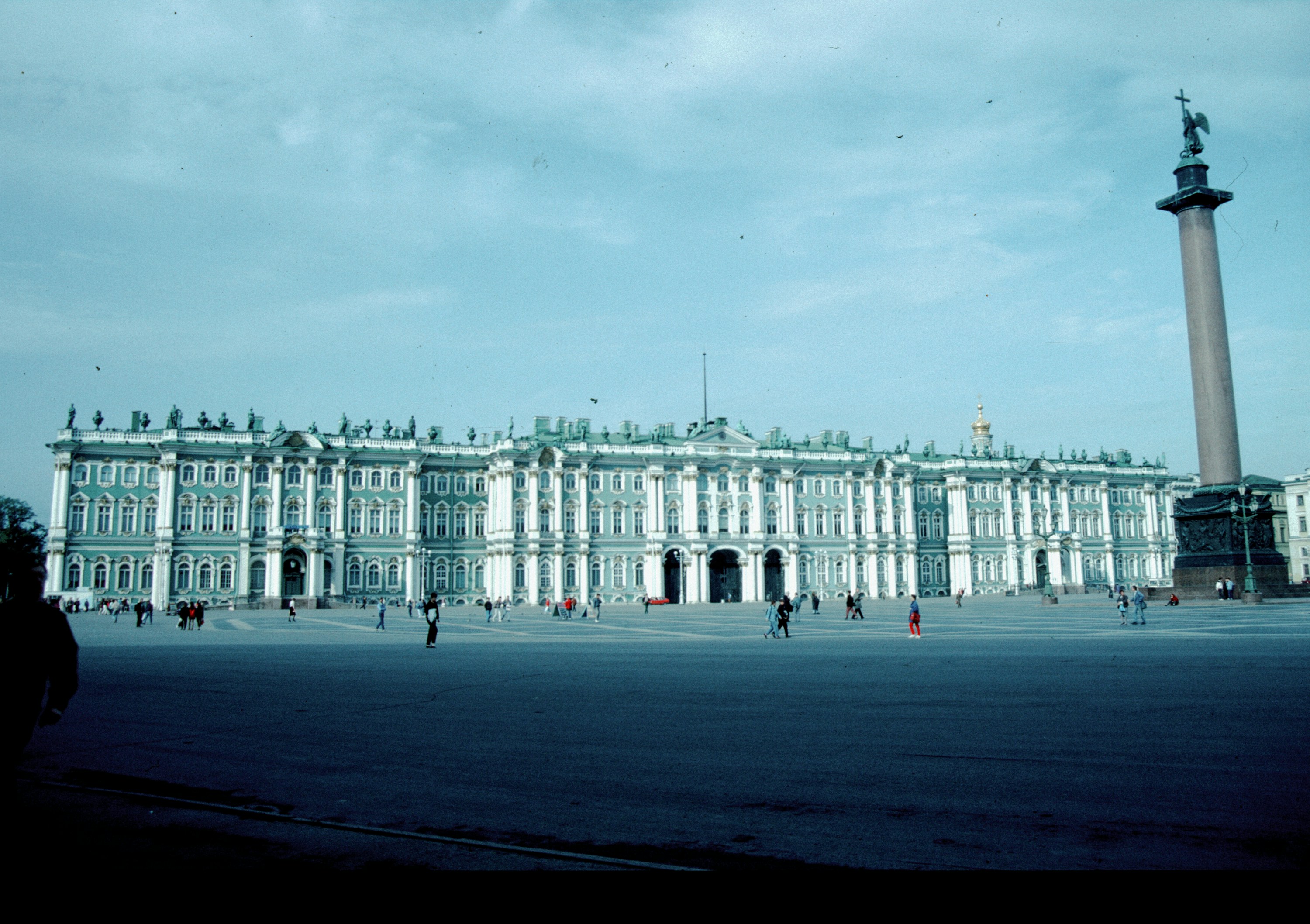
The State Hermitage occupies the Winter Palace and four adjoining buildings on Palace Square, holding one of the world's largest art collections — over three million objects spanning Rembrandt, da Vinci and Impressionist masterpieces inside gilded Romanov staterooms.
A full circuit covers roughly 20 kilometres of galleries, so most visitors pick a handful of wings rather than attempt everything in one visit.
How does it rate
CrowdsRomanceCash RequiredDangerAccessibilityWhy you should go
Three million artworks inside the Romanov Winter Palace, from da Vinci to the Impressionists.
Why you shouldn't go
So vast that seeing the highlights properly takes a full day, and peak-season same-day queues can run two hours.
Plan your visit
Best time to visitMay–June or September for mild weather and shorter queues than the summer peakBest time of dayOpening time on a weekday; galleries fill steadily through the afternoonGetting thereFly into St Petersburg via a transit hub (Istanbul, Belgrade, Dubai — no direct EU/US routes); the museum sits on Palace Square, walkable from the centre.Entry cost1,000 RUB for foreign visitors; General Staff Building wing extraTime neededHalf a day minimum; a full day to see the major wingsBookingBook ahead →Insider tip — Book timed entry online in advance — same-day ticket lines can exceed two hours in summer; enter via the main Palace Square entrance, not the riverside one. -
 #382 /100
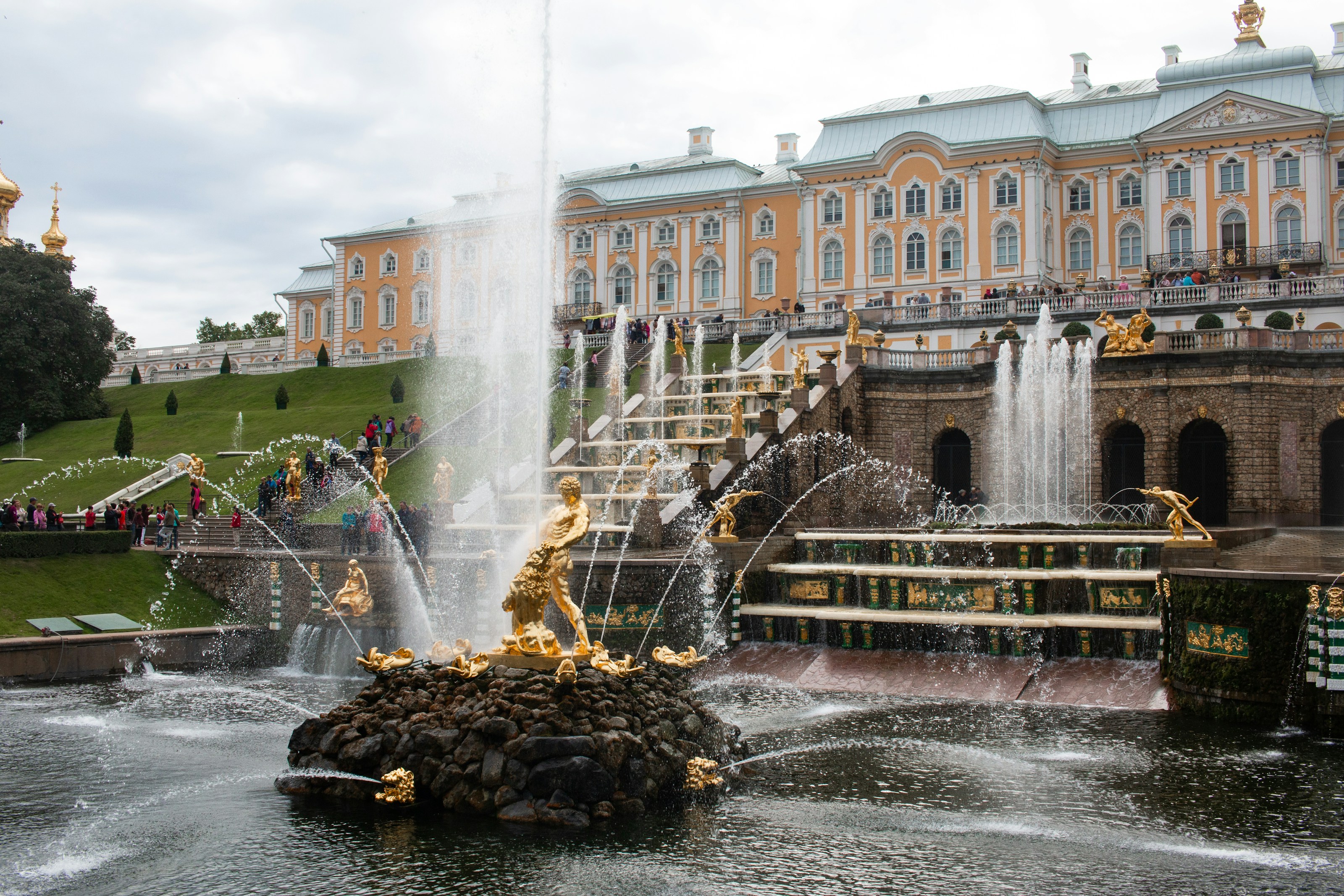
Peter the Great's answer to Versailles on the Gulf of Finland, where a Grand Cascade of 64 fountains and 200 gilded statues drops from the palace terrace into a canal running out to the sea.
The whole system is gravity fed and uses no pumps at all.
The fountains are switched on with ceremony each spring and shut off in October.
How does it rate
CrowdsRomanceCash RequiredDangerAccessibilityWhy you should go
The Grand Cascade at full flow is one of the great set pieces in Europe.
Why you shouldn't go
The fountains only run from late spring to mid-autumn - out of season it is a different place entirely.
Plan your visit
Best time to visitLate May to September, while the fountains are runningBest time of dayThe 11am switch-on, then the upper gardens once the crowd dispersesGetting thereHydrofoil from central St Petersburg in 30 minutes, or bus from Avtovo metroEntry costAround RUB 1,000 for the lower park; palace interiors extraTime neededHalf a dayBookingBook ahead →Insider tip — Take the hydrofoil out and the bus back - arriving from the sea and up the canal is exactly how the approach was designed to be seen. -
 #480 /100
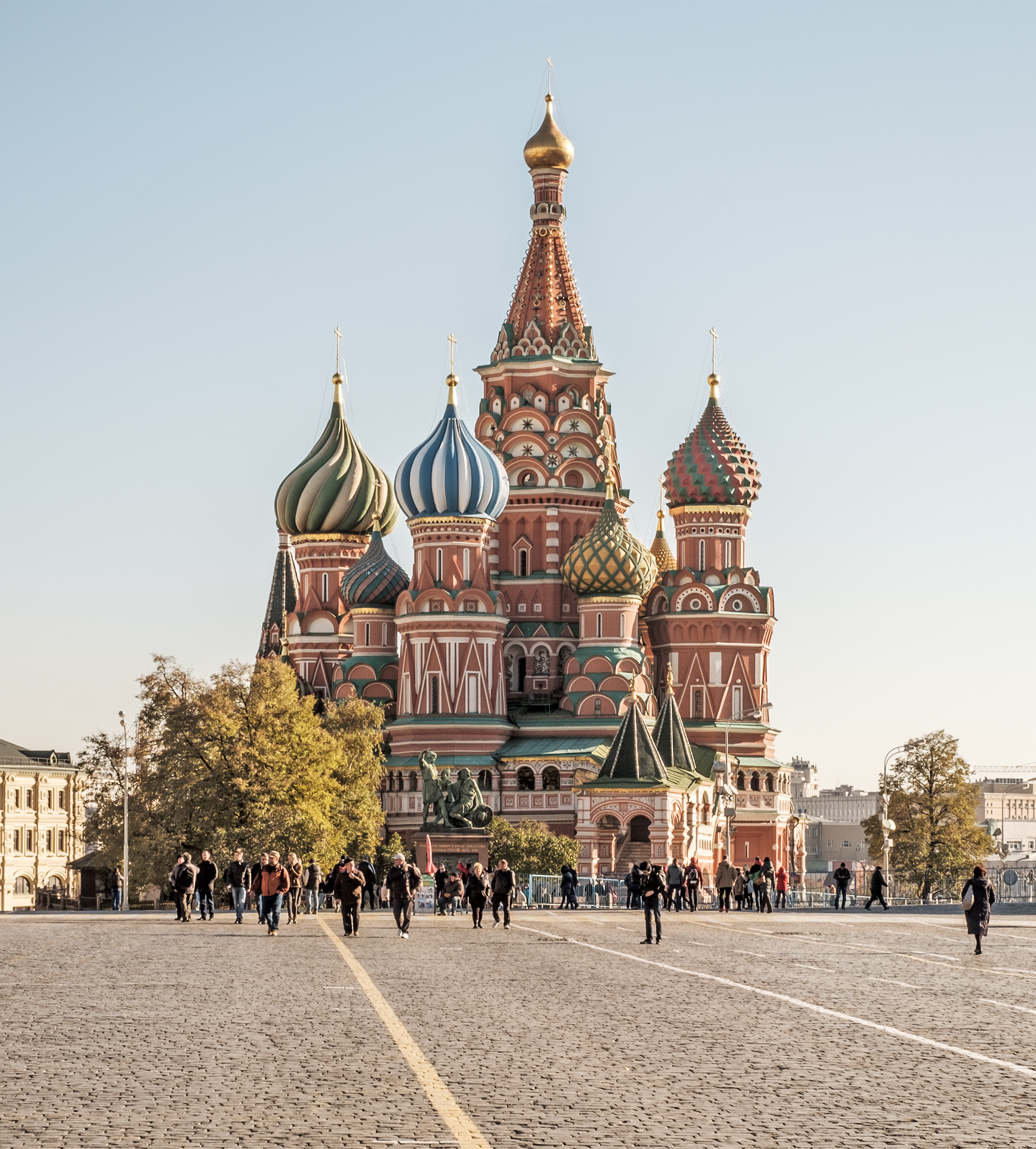
The iconic multicoloured onion domes of St Basil's Cathedral have made it one of the most recognisable buildings in the world.
Built by Ivan the Terrible between 1555 and 1561, the cathedral sits at the southern end of Red Square and is now a museum.
How does it rate
CrowdsRomanceCash RequiredDangerAccessibilityWhy you should go
The kaleidoscopic domes are unlike anything else in the world and make for extraordinary photographs at any time of day.
Why you shouldn't go
Red Square can be extremely crowded, especially in summer, making it difficult to get a clear shot without tourists in the background.
Plan your visit
Best time to visitLate spring to early autumnBest time of dayLate afternoon for warm light on the domesGetting thereOn Red Square, central MoscowEntry costMuseum entry ~$6Time needed1 hourInsider tip — The view from across the Moskva River captures all the domes together -
 #579 /100
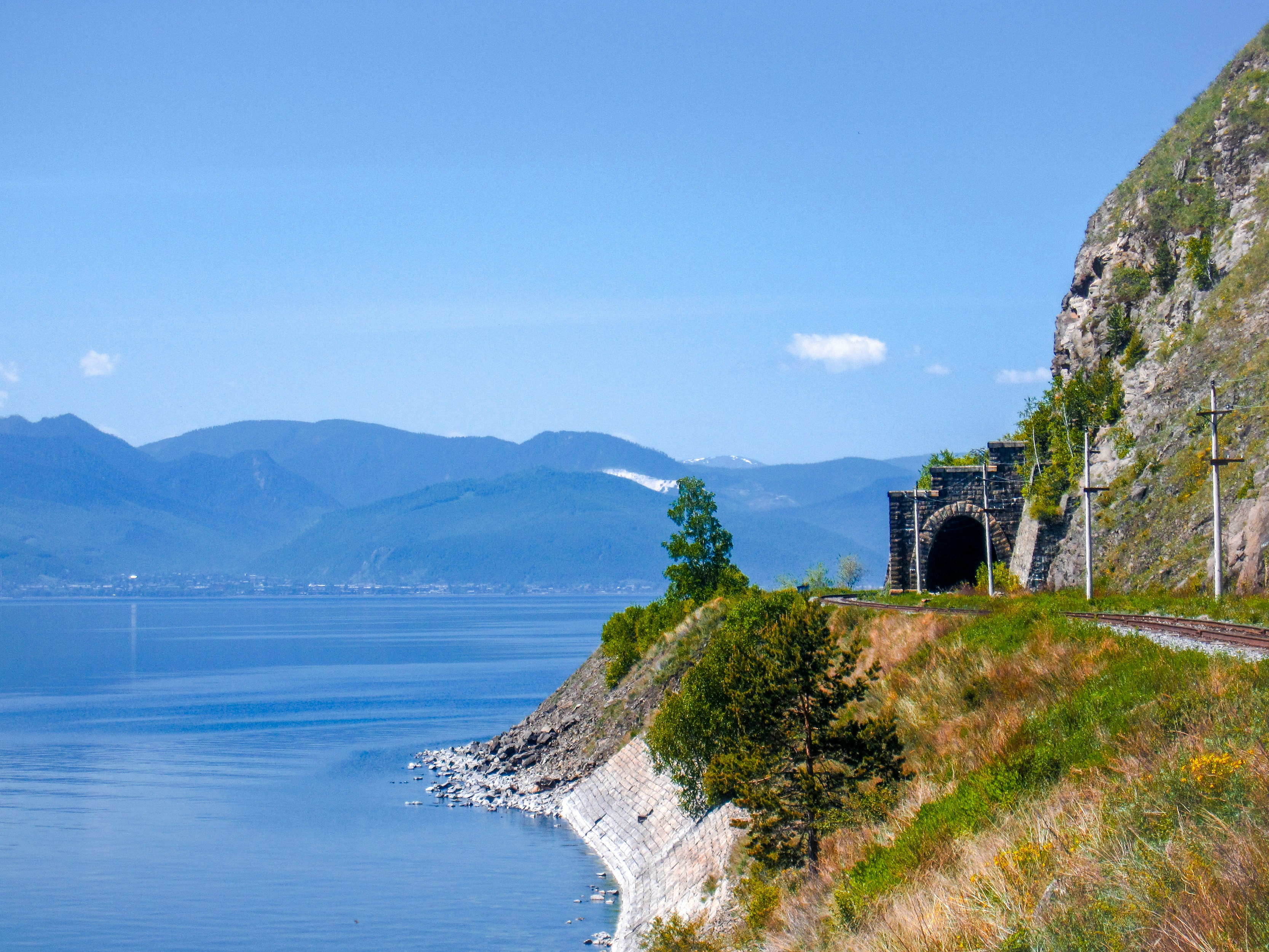
The world's longest railway line runs just under 9,300km from Moscow to Vladivostok, crossing seven time zones and skirting Lake Baikal, the world's deepest lake, over a journey that can take a full week without stopovers.
Most travellers break the trip into stages, stopping in cities like Irkutsk and Ulan-Ude before rejoining a later train.
How does it rate
CrowdsRomanceCash RequiredDangerAccessibilityWhy you should go
The world's longest rail line, crossing seven time zones and nearly 9,300km of Siberian forest and steppe between Moscow and Vladivostok.
Why you shouldn't go
The full route takes the better part of a week, and current travel advisories mean this trip needs careful, up-to-date research before booking.
Plan your visit
Best time to visitMay-September for milder weather along the Siberian sections of the route.Best time of dayAny time; the journey's scale is experienced across days rather than a single moment.Getting thereBoard at Moscow's Yaroslavsky station, reachable by the Moscow Metro.Entry costFull-route tickets vary widely by class, from budget platskart bunks to private compartments.Time needed5-7 days for the full route, or shorter multi-day segments.Insider tip — Break the journey into stages with stopovers in Irkutsk for Lake Baikal, rather than attempting the full week nonstop. -
 #679 /100
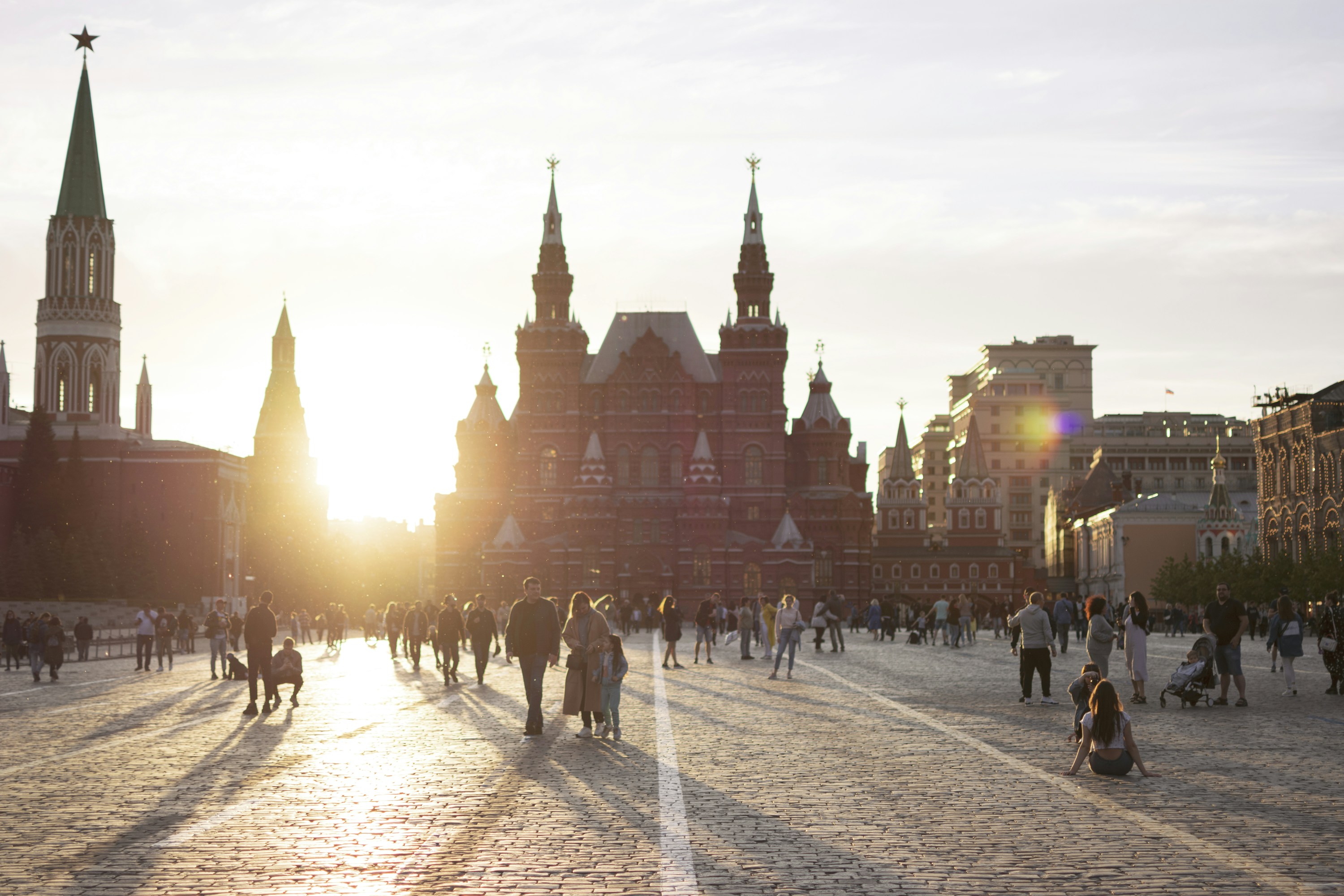
Red Square is Moscow's central plaza, framed by the Kremlin's fortified walls, the red-brick towers of the State Historical Museum, the glass-roofed GUM arcade and Lenin's Mausoleum.
It has staged state parades, revolutions and coronations for over five centuries and remains the city's default gathering point — a vast cobbled space distinct from the single view of St Basil's Cathedral at its southern end.
How does it rate
CrowdsRomanceCash RequiredDangerAccessibilityWhy you should go
The stage for five centuries of Russian history, ringed by the Kremlin walls, GUM and the Historical Museum.
Why you shouldn't go
Always busy, and security checks or occasional closures for state events can restrict access without notice.
Plan your visit
Best time to visitSpring or autumn for mild weather; avoid state holidays when access is restricted for paradesBest time of dayEarly morning or around sunset, for the emptiest square and softest lightGetting thereFly into Moscow via a transit hub (no direct EU/US routes); the square is a short walk from Okhotny Ryad or Ploshchad Revolyutsii metro.Entry costFree to enter the square; Lenin's Mausoleum and GUM are separateTime needed1–2 hours for the square; longer combined with the Kremlin and St Basil'sInsider tip — Security screening is standard at the entrances — carry your passport, as ID checks happen here more often than elsewhere in the city. -
 #775 /100
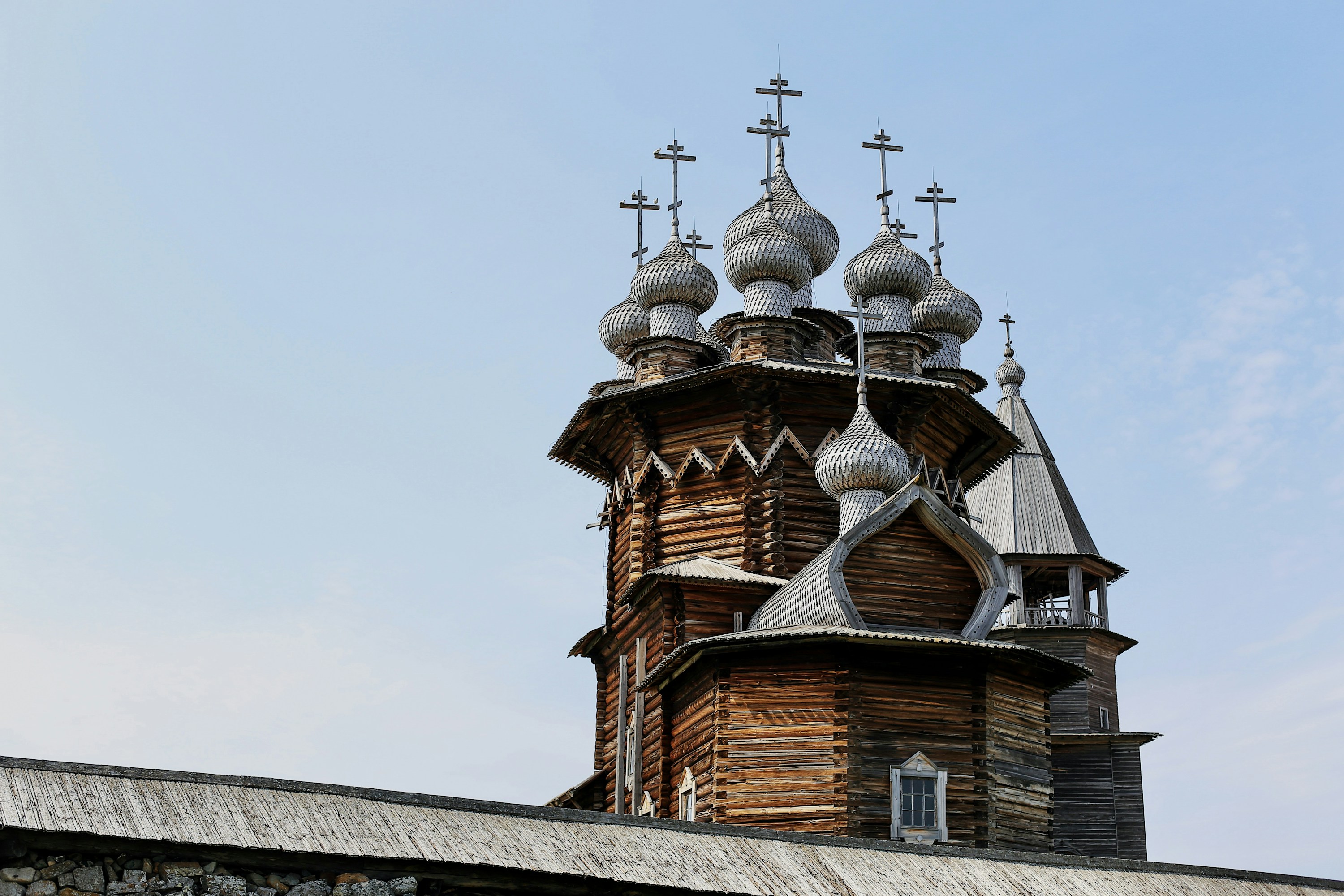
Kizhi Pogost is an open-air ensemble of wooden churches on a small island in Lake Onega, built with traditional log construction and no iron nails in the original structure.
The 22-domed Church of the Transfiguration, raised in 1714, is the centrepiece of a wider museum-reserve of relocated wooden chapels, houses and windmills from across Karelia.
It's reachable only by boat in summer or over ice in winter, keeping it genuinely quiet.
How does it rate
CrowdsRomanceCash RequiredDangerAccessibilityWhy you should go
A 22-domed wooden church built without iron nails, on a remote island in Lake Onega.
Why you shouldn't go
Only reachable by hydrofoil or winter ice transport — no roads, and the easy-access season is short.
Plan your visit
Best time to visitJune–August, when hydrofoils run from Petrozavodsk and the restored church interior is openBest time of dayLate morning, once the first hydrofoil crowd has spread out across the islandGetting thereFly or train to Petrozavodsk; hydrofoil to Kizhi Island takes about 1.5 hours and only runs mid-May to mid-October.Entry costAround 1,000 RUB museum entry, plus the hydrofoil fare (several thousand RUB return)Time needed3–4 hours, matching the standard hydrofoil round tripInsider tip — Book the hydrofoil ticket a day ahead in peak summer, since sailings sell out, and check which chapels are open — some of the museum's wooden buildings rotate through restoration. -
 #872 /100
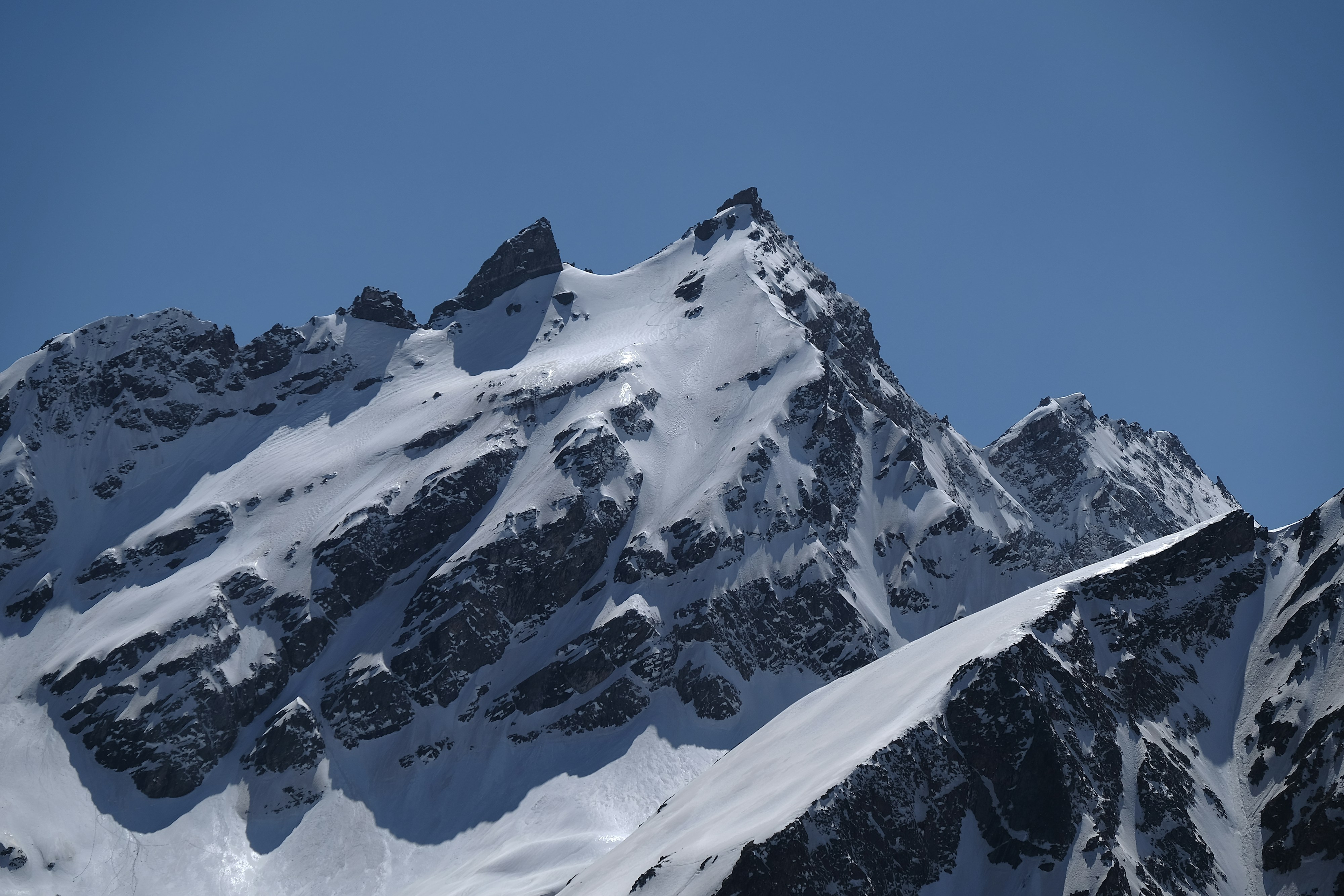
Europe's highest point is a dormant twin-peaked volcano in the Caucasus, its snow-capped summit visible from the surrounding valleys long before you arrive.
Cable cars now climb much of the lower mountain, opening sweeping glacier views to more than just summit climbers.
The upper slopes remain a serious high-altitude route, glaciated and genuinely hazardous in poor weather.
How does it rate
CrowdsRomanceCash RequiredDangerAccessibilityWhy you should go
Europe's highest summit, with cable-car access to glacier views most mountaineering peaks don't offer.
Why you shouldn't go
The summit route above the cable-car stations is a real high-altitude climb with real risk.
Plan your visit
Best time to visitMay-September for climbing; cable cars run for viewing most of the year.Best time of dayMorning, before afternoon cloud builds over the Caucasus ridgeline.Getting thereFly to Mineralnye Vody, drive to Azau in the Baksan valley, then cable car up the lower slopes.Entry costCable car tickets around $20-30; summit climbing permits and guides priced separately.Time neededHalf a day for the cable car; 7+ days for a summit attemptInsider tip — Ride the cable car to the top Garabashi station for glacier views without any climbing gear at all. -
 #970 /100
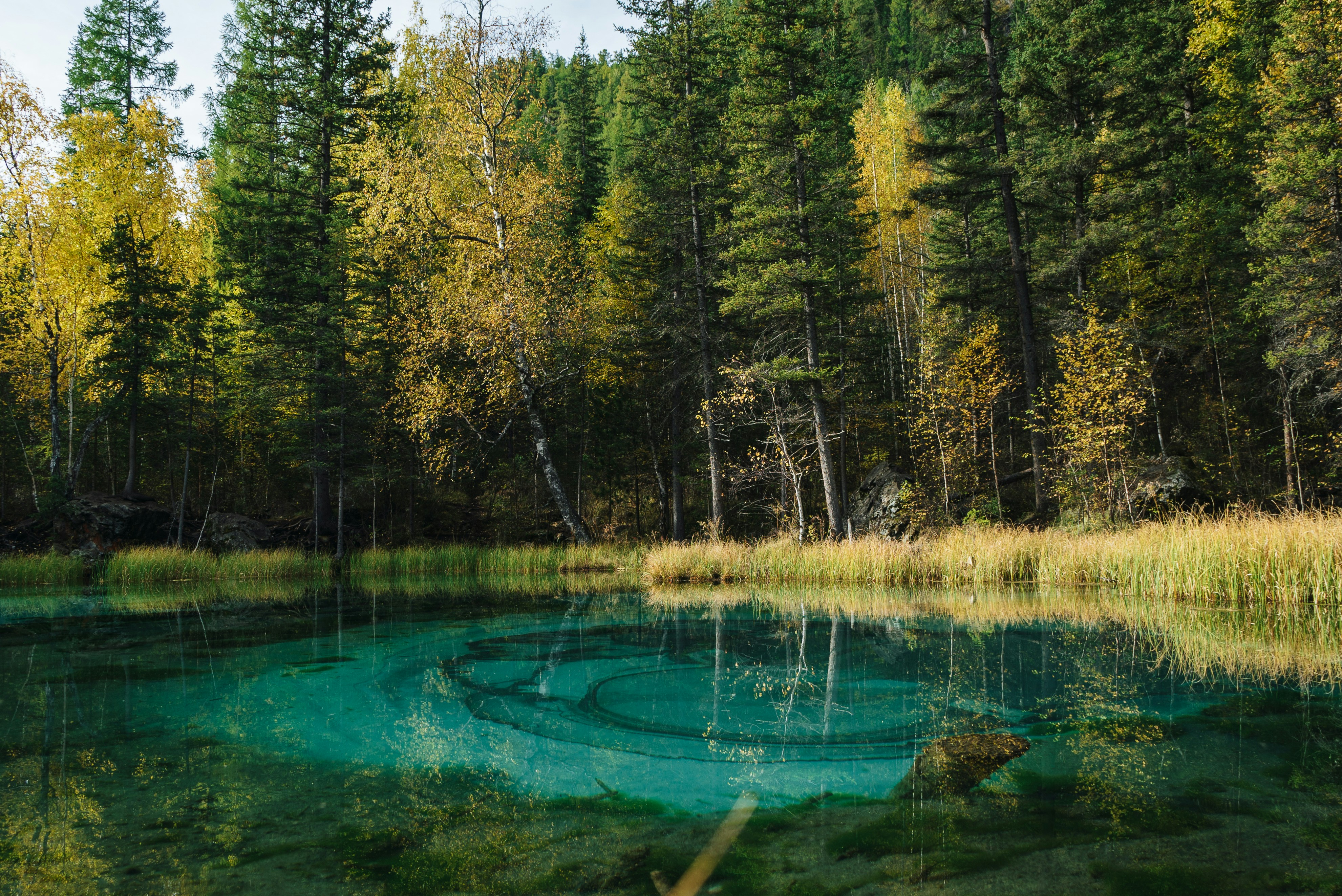
A small thermally-warmed lake in the Altai Mountains, where underground springs stir blue clay into constantly shifting turquoise swirls against a backdrop of pine forest.
Never freezes even in the Siberian winter, staying an otherworldly warm turquoise year-round.
How does it rate
CrowdsRomanceCash RequiredDangerAccessibilityWhy you should go
A small forest lake where underground springs swirl blue clay into constantly shifting turquoise patterns.
Why you shouldn't go
Genuinely remote with a long overland journey; minimal signage or facilities; limited English on the ground.
Plan your visit
Best time to visitJune–September for accessible roads; the lake itself is visitable year-round since it doesn't freeze.Best time of dayMidday sun brings out the turquoise color most vividly.Getting thereFly to Gorno-Altaysk, then a multi-hour drive along the Chuysky Trakt into the Altai Republic.Entry costFree; guided tours from nearby villages roughly $30–50 USD.Time neededHalf day including travel from the nearest village.Insider tip — Hire a local guide — the lake is easy to miss without one, and road conditions vary by season. It sits right beside the road, so it's an easy stop if you're already driving the Chuysky Trakt. -
 #1070 /100
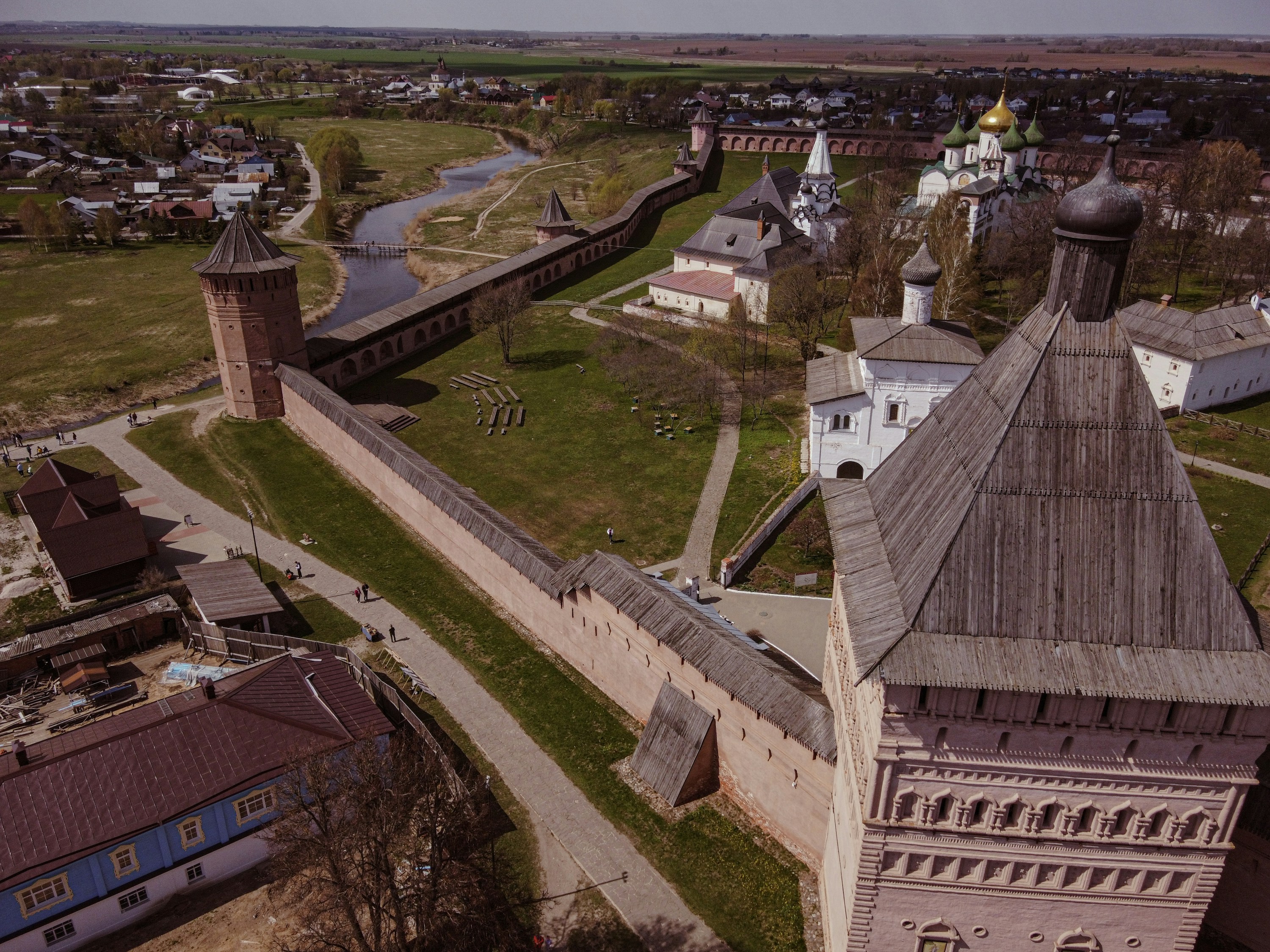
Suzdal is a Golden Ring town that never industrialised, leaving a skyline of onion domes and log houses largely unchanged since the 18th century.
Its walled kremlin, the Nativity Cathedral's blue star-studded domes and a wooden Church of St Nicholas moved here from another village sit alongside a working monastery and open-air museum.
No building rises above two storeys, so the whole town reads as one continuous historic scene.
How does it rate
CrowdsRomanceCash RequiredDangerAccessibilityWhy you should go
An entire pre-industrial Russian town, kremlin and monasteries intact, with no modern skyline to break it.
Why you shouldn't go
No train station of its own — every route in involves a bus or taxi transfer from Vladimir or a long drive from Moscow.
Plan your visit
Best time to visitMay–September for warm weather and local festivals; snow adds its own appeal in winterBest time of dayEarly morning along the river, before day-trip coach groups from Moscow arriveGetting thereTrain from Moscow's Kursky station to Vladimir (about 2.5hrs), then a local bus or taxi (40km) to Suzdal; no direct rail into town.Entry costFree to walk the town; kremlin and monastery museums charge small separate feesTime neededFull day trip, or overnight to see it without the coach groupsInsider tip — Climb the Kremlin's bell tower or the Monastery of Saint Euthymius walls for a view over the whole town at once — most day-trippers never look up from ground level.


How a score is built
One score out of 100, five criteria behind it
Every place is rated 1–5 on each of the criteria below, then combined into a single score out of 100. It's calculated by us, the same way every time — not an average of traveller reviews or social votes.
Crowds
How many people you'll be sharing it with, and at what time of day.
Romance
How well it suits a couple, a proposal, or a quiet moment together.
Cash required
Entry fees, permits, guides, rentals — what it actually costs to do it.
Danger
Physical risk involved, from a slippery viewpoint to genuine hazard.
Accessibility
How far off the beaten path it is, and how hard it is to actually reach.