-
 #188 /100
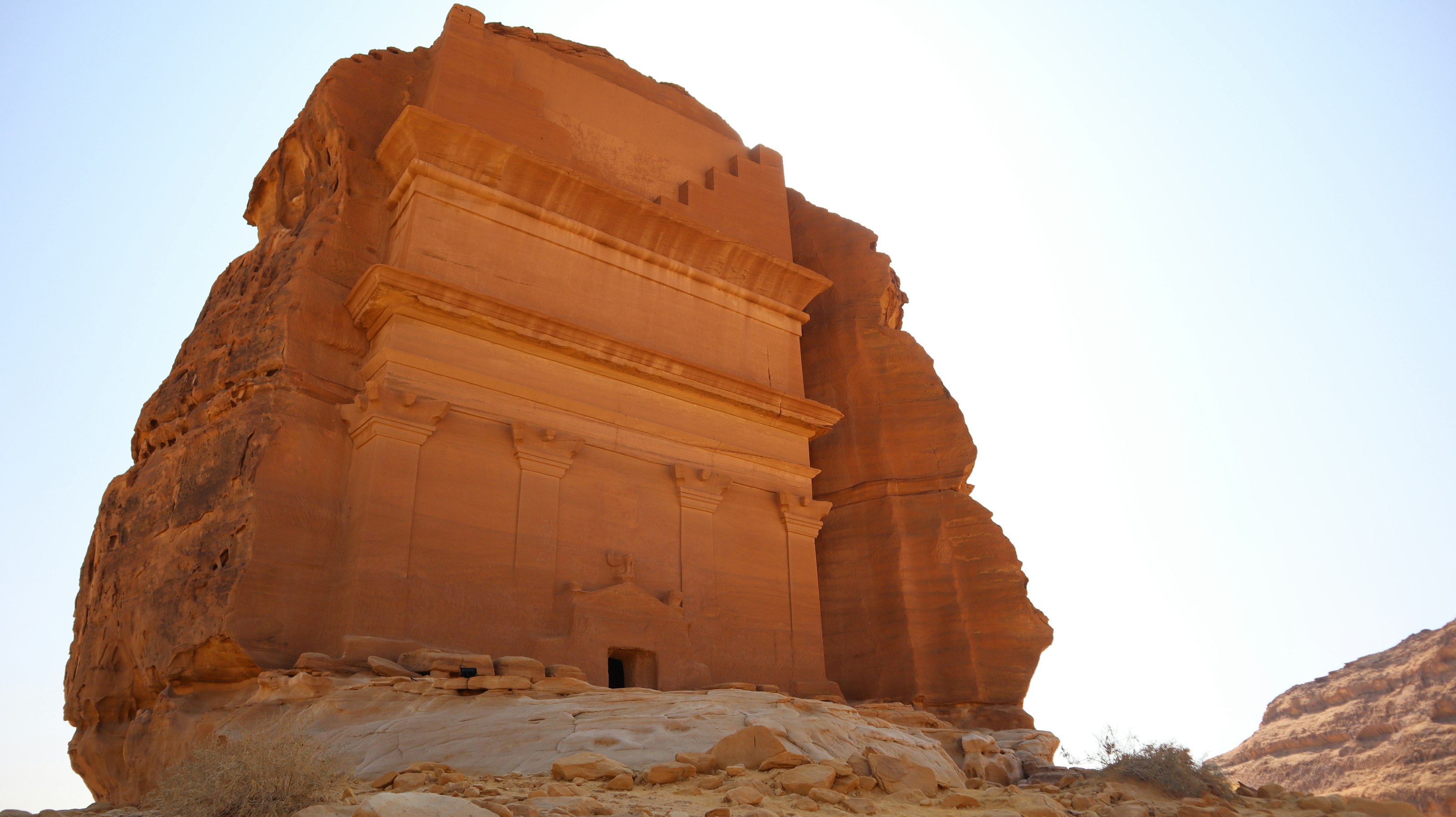
Hegra was the second city of the ancient Nabataean kingdom after Petra, and its more than 100 monumental tombs, carved into sandstone outcrops across a desert plain, survive in far better condition than their Jordanian counterpart.
Saudi Arabia's first UNESCO World Heritage site opened to tourism only in 2019, and the tombs still show sharp carved detail after two thousand years in the desert.
How does it rate
CrowdsRomanceCash RequiredDangerAccessibilityWhy you should go
Tombs as monumental as Petra's, carved into standalone desert rock, but with almost none of Petra's crowds.
Why you shouldn't go
Independent visits aren't possible — access requires a booked guided tour, which limits spontaneity and adds cost.
Plan your visit
Best time to visitNovember–March, avoiding the extreme heat of the Arabian summer.Best time of dayEarly morning or late afternoon, when desert light is softer and temperatures are lower.Getting thereFly to AlUla's own airport, or to Medina and drive roughly 1.5 hours north.Entry costPaid guided tour, booked in advance through AlUla's official tourism operator.Time needed3–4 hoursInsider tip — Book the earliest available tour slot — both the light for photos and the temperature are noticeably better before mid-morning. -
 #282 /100
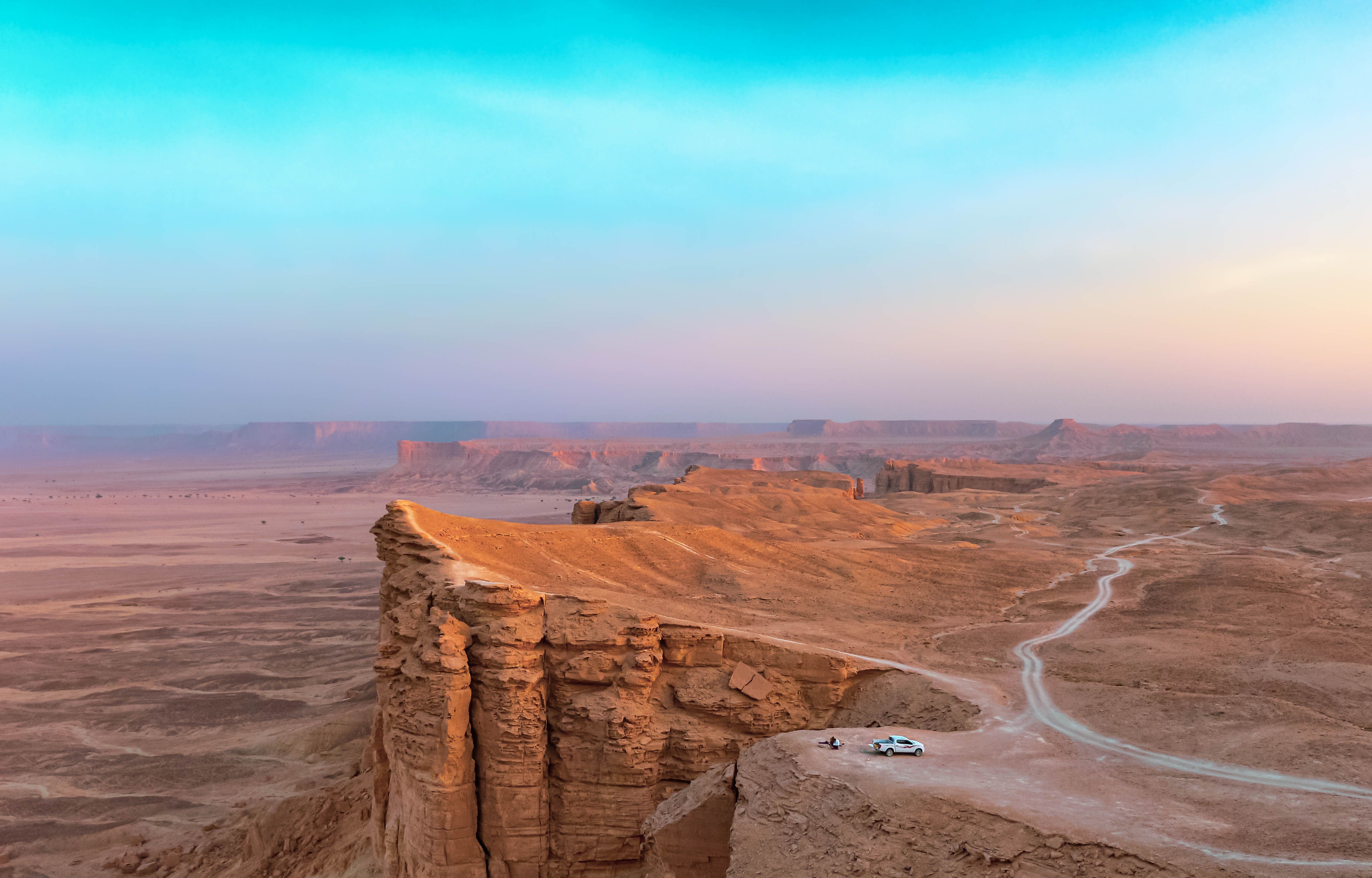
Jebel Fihrayn, known as the Edge of the World, is a sheer escarpment roughly 1,100 metres above the desert floor, part of the Tuwaiq Mountains that once formed the shoreline of an ancient sea.
A rough 4x4 track and a short walk lead to a cliff edge with no barriers, looking out over a flat desert plain stretching to the horizon, and it has become one of the most visited natural landmarks near Riyadh since the country opened to tourism.
How does it rate
CrowdsRomanceCash RequiredDangerAccessibilityWhy you should go
Standing at an unguarded cliff edge with a completely flat desert stretching to the horizon feels like reaching the literal edge of the map.
Why you shouldn't go
There are no safety barriers at the cliff edge, and the last stretch of track requires a 4x4 and an experienced driver.
Plan your visit
Best time to visitNovember–March, avoiding summer heat that makes the exposed cliff top dangerous by midday.Best time of dayLate afternoon into sunset, when the escarpment and desert plain both light up gold.Getting thereFly to Riyadh; roughly 1.5–2-hour drive northwest, the final stretch on an unpaved desert track requiring 4x4.Entry costFree; most visitors join a paid tour that includes 4x4 transport.Time neededHalf a day including travelInsider tip — Go with an organised tour rather than a rental car — the final approach track is easy to get stuck on without local knowledge. -
 #3
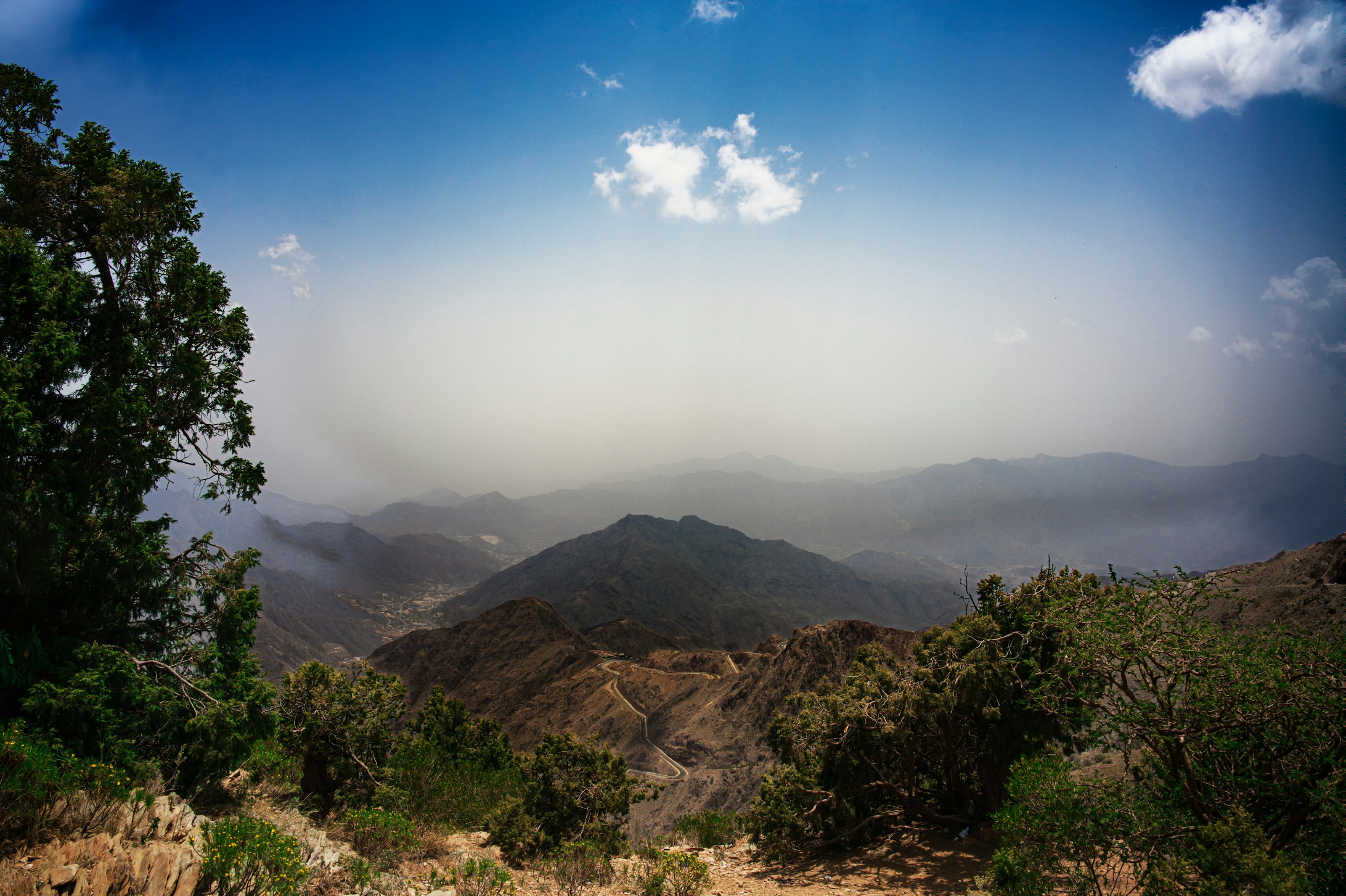
#3Al Soudah sits near Jabal Sawda, Saudi Arabia's highest point, in the green, cool Asir highlands near Abha — a striking contrast to the desert most visitors expect.
Juniper forests cling to terraced mountainsides, mist regularly rolls through the valleys, and a cable car descends from the plateau edge down toward the valley floor thousands of metres below.
How does it rate
CrowdsRomanceCash RequiredDangerAccessibilityWhy you should go
Misty juniper forests and genuinely cool mountain air are the last thing most visitors expect to find in Saudi Arabia.
Why you shouldn't go
The high-altitude roads can close in poor weather, and facilities are more limited than in the country's bigger cities.
Plan your visit
Best time to visitMarch–May or September–November for mild weather and clearer mountain views.Best time of dayEarly morning, when mist often fills the valleys below the plateau edge.Getting thereFly to Abha; roughly 30–45-minute drive up into the mountains to Al Soudah.Entry costFree to explore; the cable car down the escarpment charges a fee.Time needed1 dayInsider tip — Take the cable car down toward the valley floor even just partway — the view back up at the escarpment is better than anything from the plateau itself. -
 #4
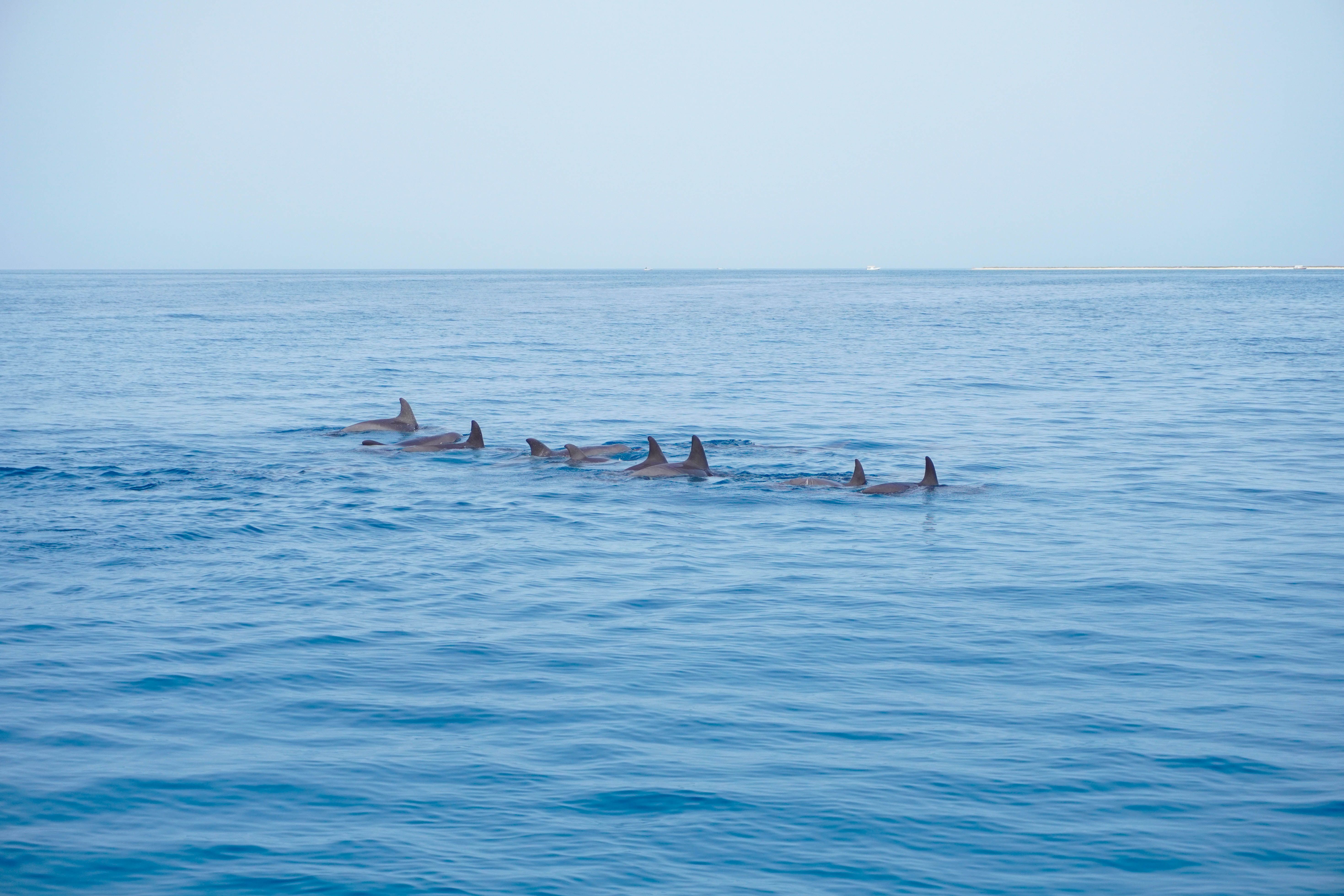
#4Umluj sits on Saudi Arabia's northern Red Sea coast, where a scattering of uninhabited islands and sandbars sit in water shallow and clear enough to earn the coastline the nickname 'the Maldives of Saudi Arabia'.
Boat trips out to islands like Jabal Hassan reach coral reefs largely untouched by mass tourism, and the coastline remains quiet even as new mega-resort developments rise further south along the same coast.
How does it rate
CrowdsRomanceCash RequiredDangerAccessibilityWhy you should go
Genuinely Maldives-clear water and coral reefs, reachable by a short boat ride, with almost no other tourists around.
Why you shouldn't go
Infrastructure is still limited outside a few boat operators and basic hotels, so it takes more planning than an established beach destination.
Plan your visit
Best time to visitNovember–April, avoiding the intense heat of the Red Sea summer.Best time of dayMorning, for the calmest boat crossings and best underwater visibility.Getting thereFly to Yanbu or Tabuk; roughly 1.5–2-hour drive to Umluj, then a boat to the islands.Entry costFree coastline; island boat trips and snorkelling gear are paid extras.Time needed1 dayInsider tip — Book a boat trip a day ahead through a local operator in Umluj town rather than turning up expecting one on the spot — options are still limited. -
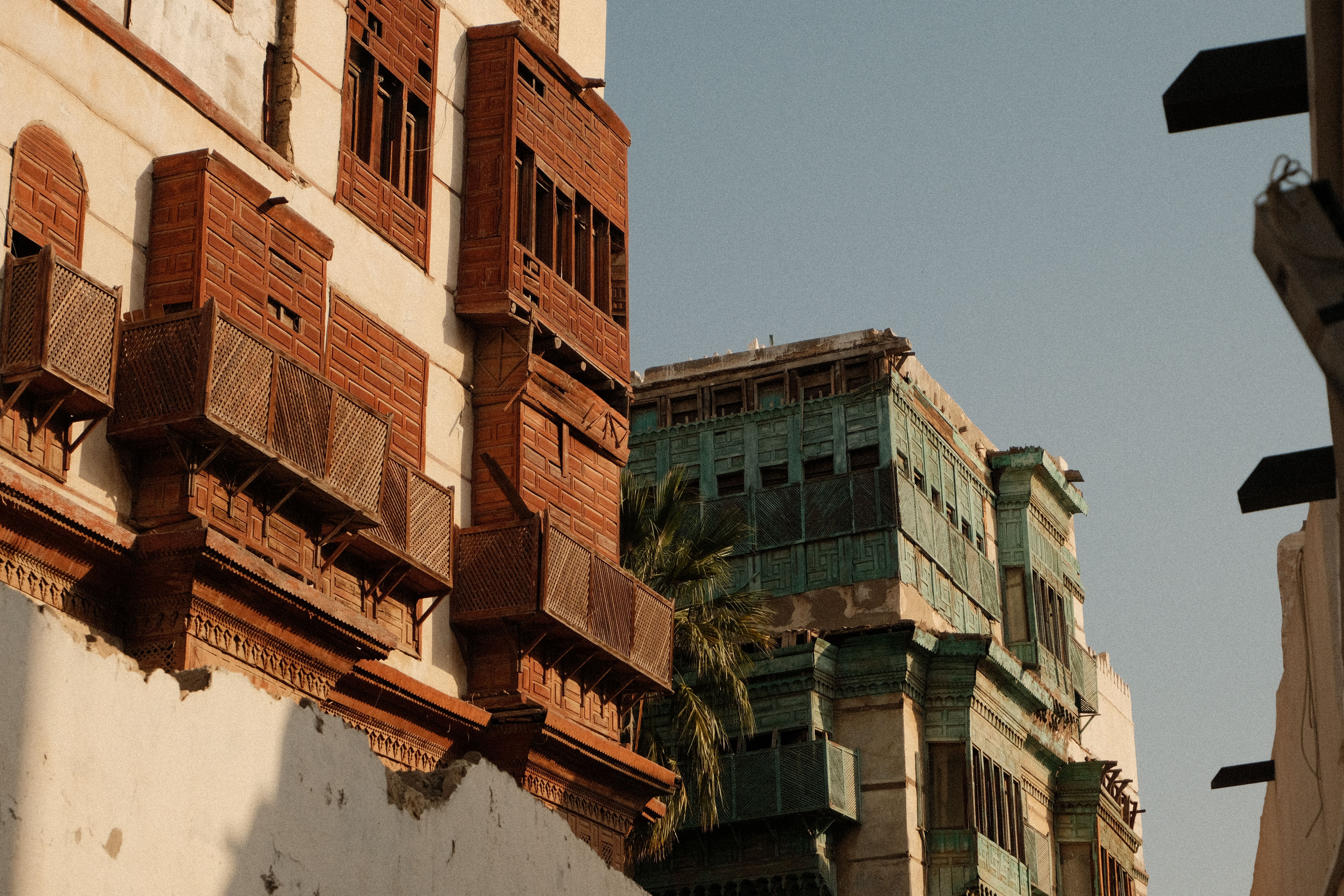 #579 /100
Al-Balad is Jeddah's old town, a UNESCO-listed maze of coral-stone merchant houses several storeys tall, their facades covered in ornately carved wooden latticework called rawasheen that once let residents watch the street below without being seen.
For centuries this was the gateway for pilgrims arriving by sea for Mecca and Medina, and the district's souqs, mosques, and courtyard houses still carry that trading-port history.
How does it rate
CrowdsRomanceCash RequiredDangerAccessibilityWhy you should go
The carved wooden latticework balconies on centuries-old coral-stone houses are unlike any other old town architecture in the Gulf.
Why you shouldn't go
Some buildings are still in disrepair despite ongoing restoration, and the district can feel patchy between renovated and neglected blocks.
Plan your visit
Best time to visitNovember–March, for comfortable evening walking temperatures.Best time of dayEvening, when the souqs are busiest and the heat of the day has passed.Getting thereFly to Jeddah; Al-Balad sits close to the city centre, a short taxi ride from most hotels.Entry costFree to walk; some restored houses and galleries charge small entry fees.Time needed2–3 hoursInsider tip — Look up, not just ahead — the best rawasheen latticework detail is on the upper floors, easy to miss while browsing the street-level souqs. -
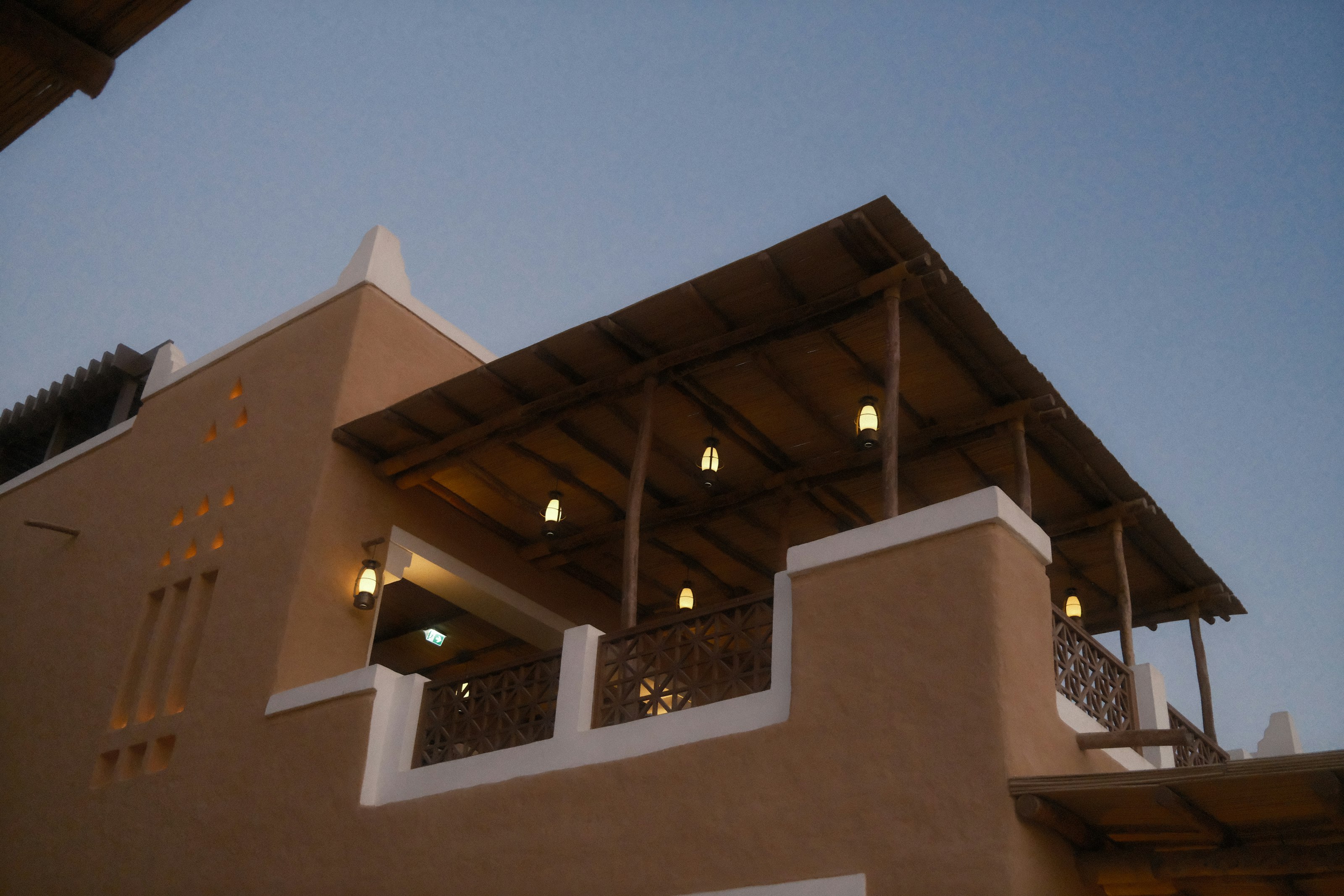 #678 /100
Diriyah was the original capital of the first Saudi state, and the mudbrick palaces and towers of its At-Turaif district, restored and UNESCO-listed, sit above the green Wadi Hanifa valley on the edge of modern Riyadh.
Najdi architecture — thick clay walls, small windows, geometric details — survives across the old quarter, now paired with new museums, cafes, and walking paths along the wadi.
How does it rate
CrowdsRomanceCash RequiredDangerAccessibilityWhy you should go
Walking the restored mudbrick streets of the birthplace of the Saudi state, right on Riyadh's edge, is a striking contrast to the capital's glass towers.
Why you shouldn't go
Many of the district's museums and interior spaces are still being completed as part of an ongoing, long-term restoration project.
Plan your visit
Best time to visitNovember–March, for comfortable walking temperatures.Best time of dayEvening, when the mudbrick walls are floodlit and restaurant terraces along the wadi open.Getting thereFly to Riyadh; roughly 30-minute drive northwest to Diriyah.Entry costFree to walk the district; specific museums charge separate entry.Time needed2–3 hoursInsider tip — Walk the Wadi Hanifa path below At-Turaif at dusk for the best view of the floodlit mudbrick towers against the sky. -
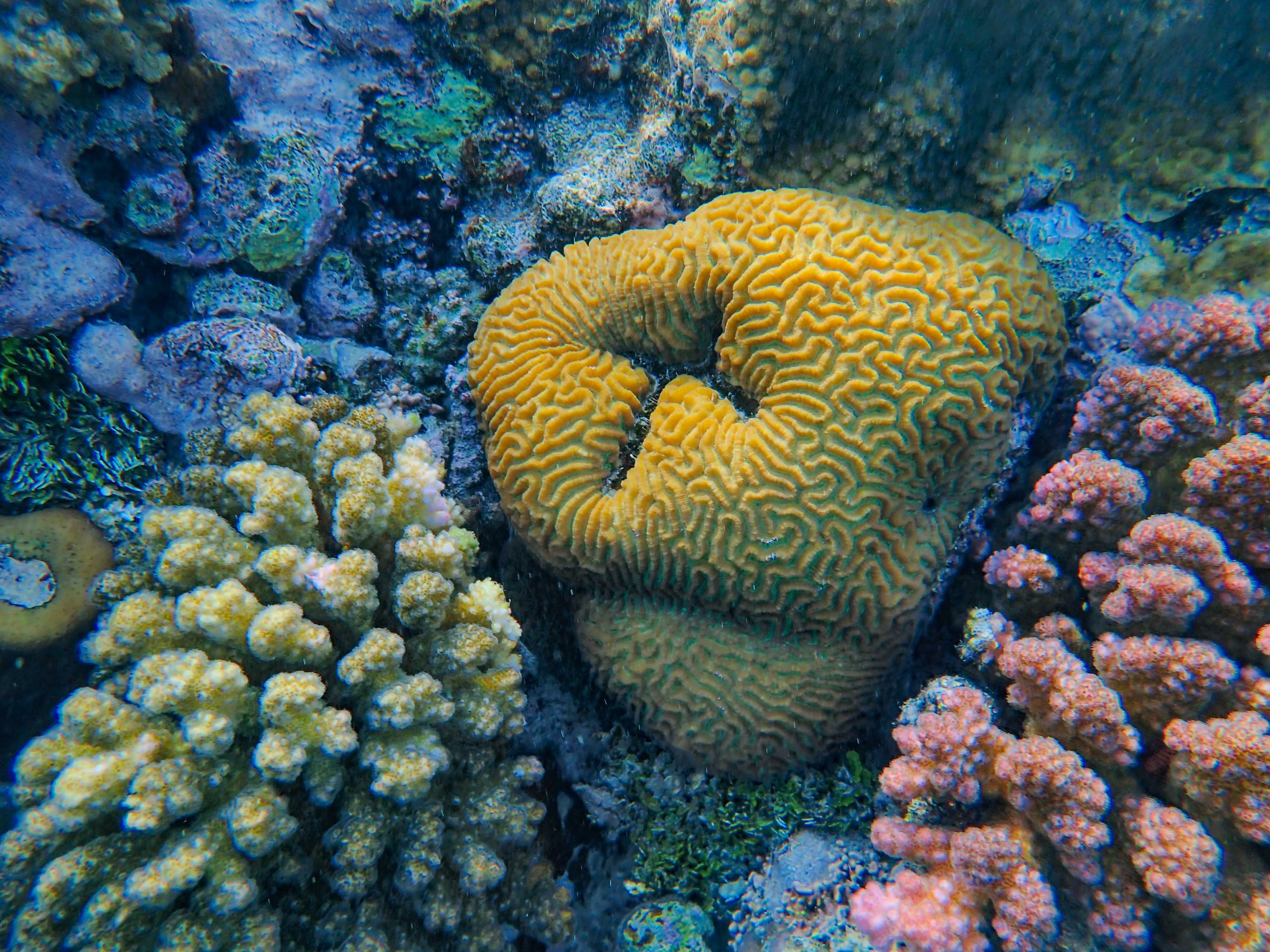 #777 /100
The Farasan Islands are a low-lying Red Sea archipelago off Saudi Arabia's southern coast, ringed by coral reefs that draw divers and snorkellers to waters that see whale sharks pass through seasonally.
The main island holds crumbling coral-stone merchant houses from an Ottoman-era pearling boom, now mostly abandoned, alongside mangrove channels sheltering gazelles found nowhere else, with ferries from Jazan the only way in.
How does it rate
CrowdsRomanceCash RequiredDangerAccessibilityWhy you should go
Diving reefs that see almost no other visitors, alongside crumbling Ottoman-era pearling houses, makes for a genuinely uncommon combination.
Why you shouldn't go
Ferry schedules are limited and infrastructure is basic, so it takes more planning than a typical island trip.
Plan your visit
Best time to visitOctober–April, avoiding the most intense Red Sea summer heat and humidity.Best time of dayMorning, for the calmest seas for diving and the ferry crossing.Getting thereFly to Jazan; a roughly 1.5–2-hour ferry crosses to the main Farasan island.Entry costFerry ticket plus any diving or snorkelling tour costs.Time needed1–2 daysInsider tip — Arrange diving trips in advance through an operator in Jazan — options on the islands themselves are limited and can sell out. -
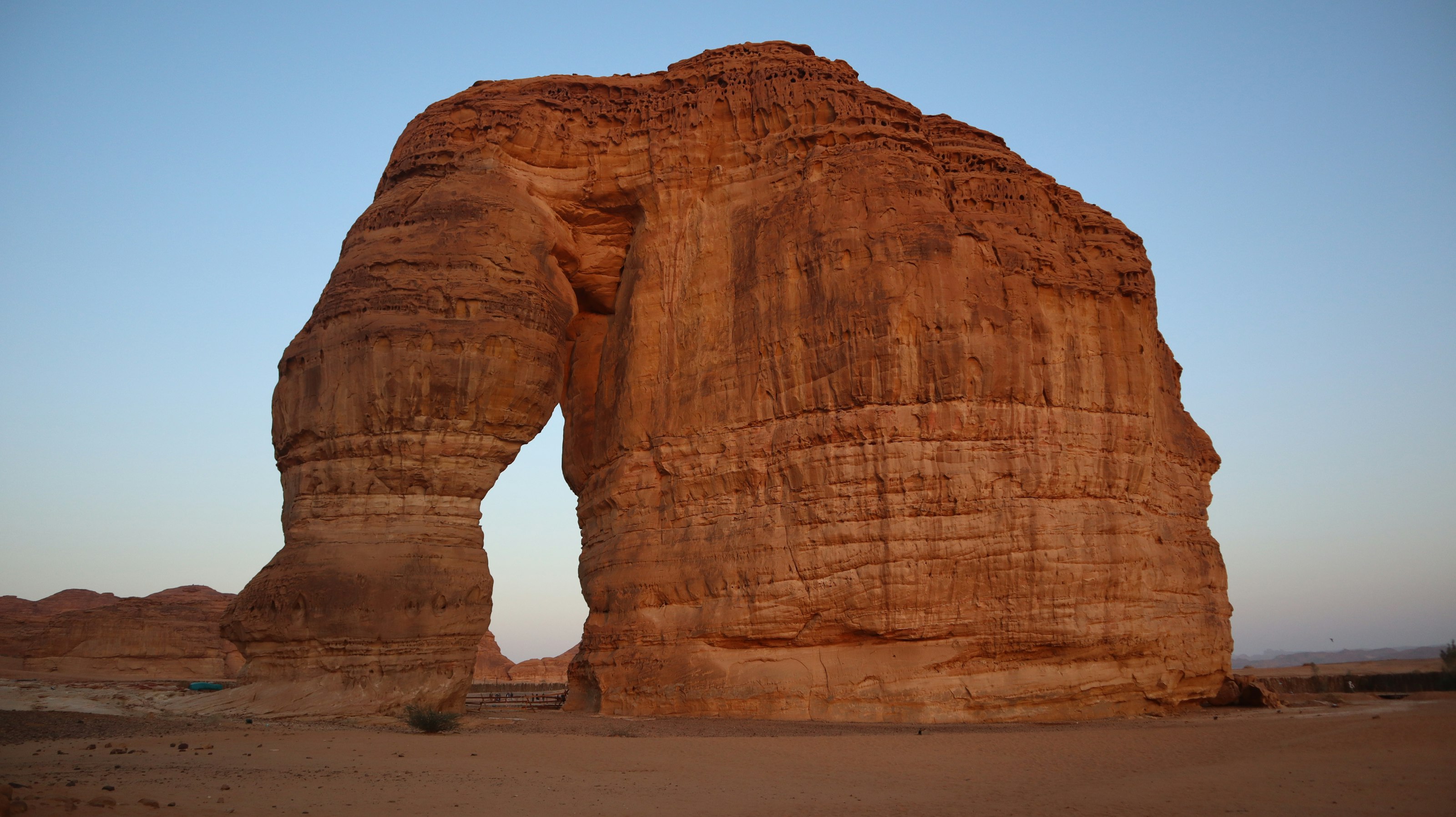 #876 /100
Jabal AlFil, or Elephant Rock, is a sandstone formation carved by wind erosion into the unmistakable shape of an elephant with its trunk lowered to the desert floor.
It's one of the most recognisable landmarks of the AlUla region, set in an open desert valley that turns gold and red as the sun drops, with a small amphitheatre of seating built facing the rock for evening visitors.
How does it rate
CrowdsRomanceCash RequiredDangerAccessibilityWhy you should go
A short, free stop with one of the most striking natural rock formations in the country, especially as sunset colours the sandstone.
Why you shouldn't go
There's little else at the site itself beyond the rock and desert view, so it's a quick visit rather than a half-day outing.
Plan your visit
Best time to visitNovember–March, avoiding the extreme heat of the Arabian summer.Best time of daySunset, when the sandstone turns deep gold and red.Getting thereFly to AlUla's own airport; roughly 30-minute drive from AlUla Old Town.Entry costFree entry.Time needed1 hourInsider tip — Bring a chair or blanket and arrive an hour before sunset — the seating area fills up but the desert floor around it has plenty of room. -
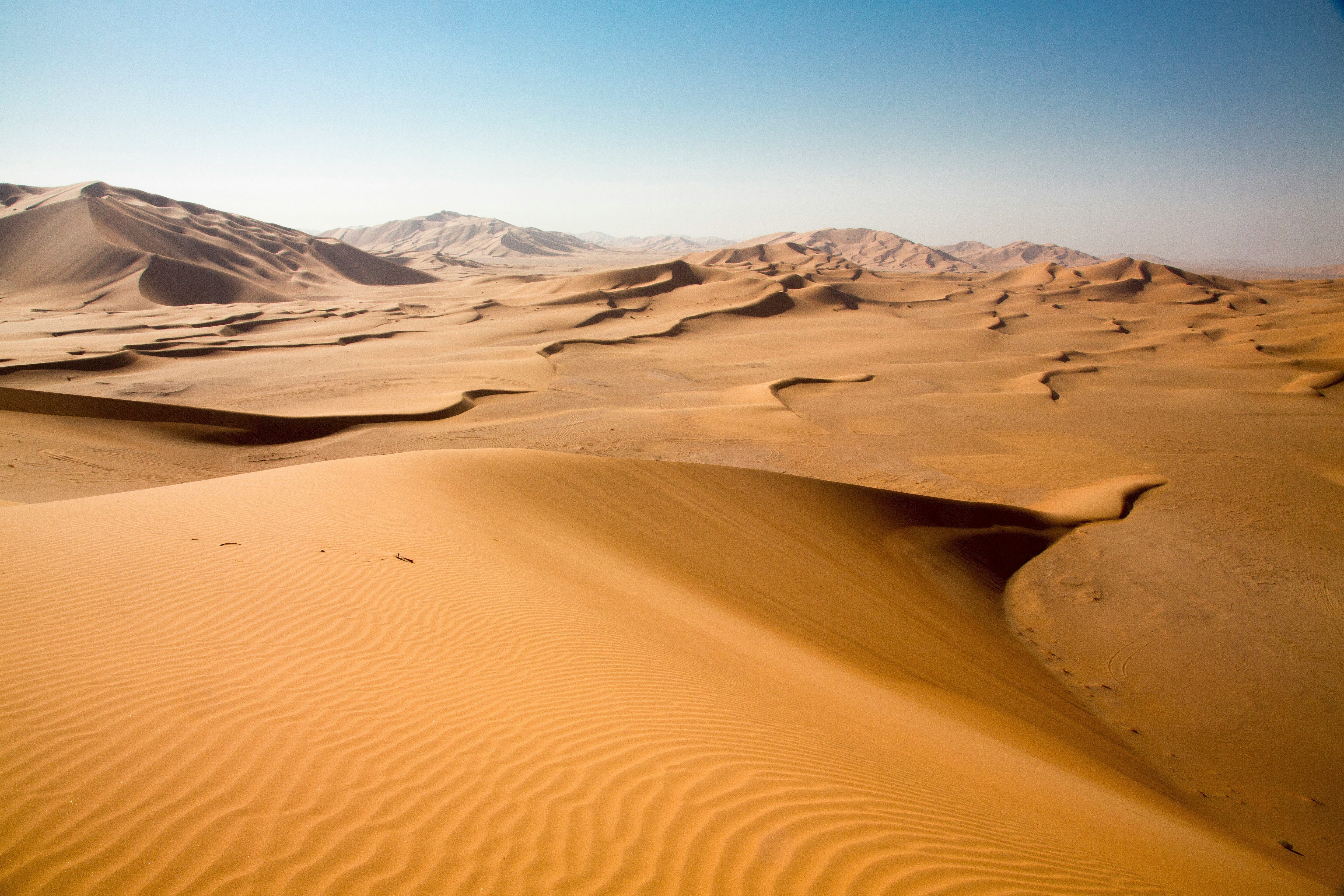 #975 /100
The largest continuous sand desert on Earth, an ocean of dunes covering an area bigger than France across the southern Arabian Peninsula.
Some dunes rise over 250 metres, their ridgelines shifting constantly and revealing fossilised lakebeds and ancient artefacts as the sand moves.
Overnight desert camps run by Bedouin-guided outfitters, mostly out of Saudi Arabia's Empty Quarter fringes, are the realistic way to experience its scale without a full expedition crossing.
How does it rate
CrowdsRomanceCash RequiredDangerAccessibilityWhy you should go
The largest sand desert on Earth, with dunes over 250 metres high and almost no infrastructure to break the horizon.
Why you shouldn't go
Access is genuinely limited - most of the interior requires a specialised expedition operator, and summer heat makes travel dangerous.
Plan your visit
Best time to visitNovember-February, the only realistically comfortable window.Best time of daySunrise or sunset, when the dune ridgelines throw long shadows across the sand.Getting thereFly to Riyadh or Najran; overnight camps near the desert's edge are reached by 4x4 from either city.Entry costGuided overnight desert camp trips typically run USD150-300+ per person.Time neededOvernight, or 3+ days for a deeper expedition.Insider tip — Stick to an edge-of-desert camp near Najran or Sharurah unless you're booking a proper multi-day expedition - the true interior is not for casual visitors. -
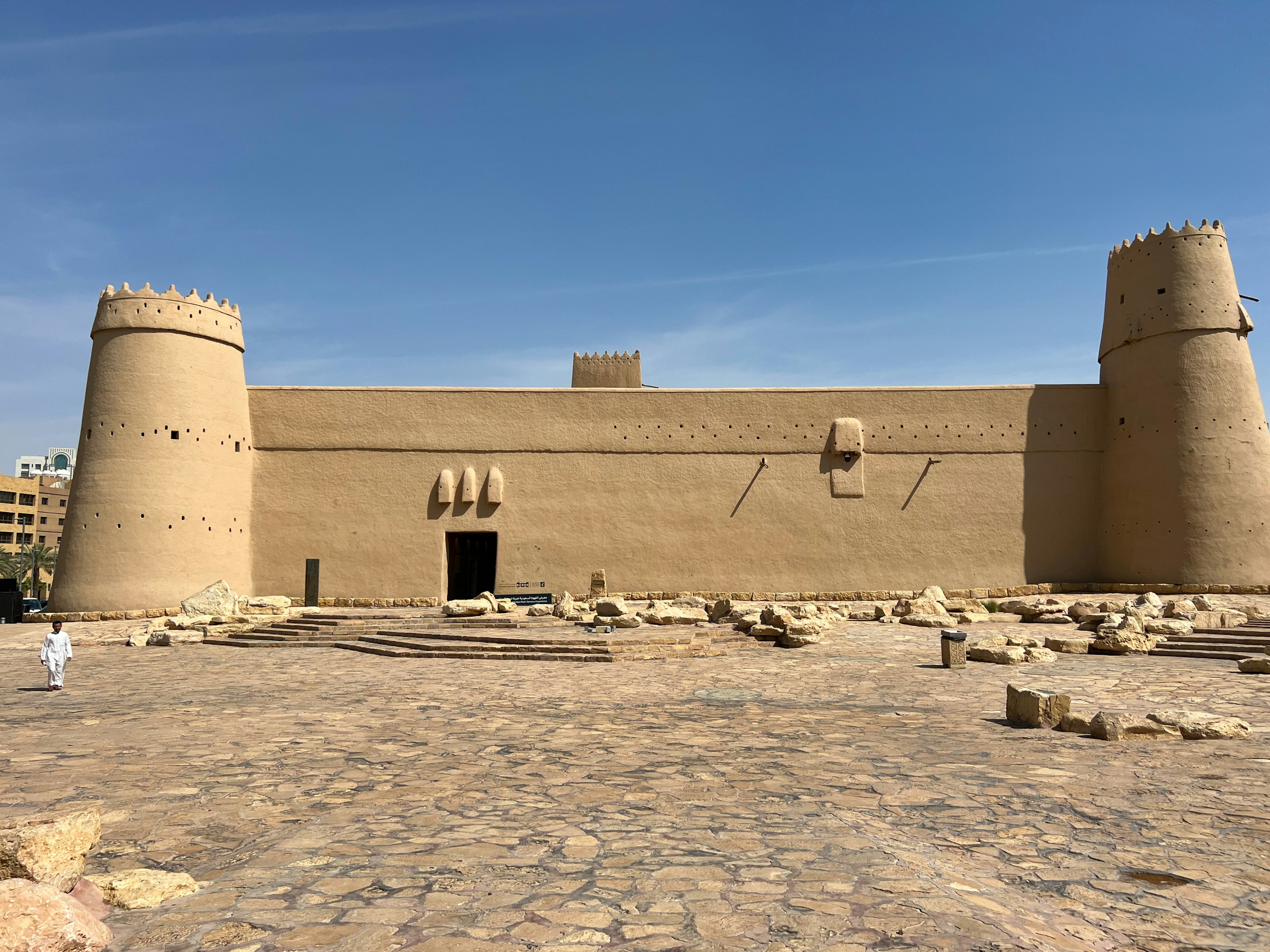 #1072 /100
Masmak Fortress is a squat clay-and-mudbrick fort in the middle of old Riyadh, built in the 1860s and the site of the 1902 raid that let a young Abdulaziz Ibn Saud retake the city and begin building what became modern Saudi Arabia.
A spear mark from that battle is still visible in one of the main gate's doors, and small museum rooms inside display weapons, historic photographs, and traditional Najdi architecture around a central courtyard.
How does it rate
CrowdsRomanceCash RequiredDangerAccessibilityWhy you should go
A single fortress gate, still marked from the 1902 battle that founded the modern state, makes the country's history feel immediate.
Why you shouldn't go
The museum itself is small and can be seen thoroughly in well under an hour.
Plan your visit
Best time to visitYear-round, since the fort is fully indoors and air-conditioned; cooler months make the surrounding old Riyadh walk more pleasant.Best time of dayLate afternoon, combined with a walk through the adjacent Souq Al Zal market.Getting thereFly to Riyadh; the fortress sits in the historic centre, reachable by taxi or metro.Entry costFree entry.Time needed45 minutes–1 hourInsider tip — Combine the visit with Souq Al Zal next door for antiques and traditional crafts — most visitors skip it despite it being a two-minute walk.


How a score is built
One score out of 100, five criteria behind it
Every place is rated 1–5 on each of the criteria below, then combined into a single score out of 100. It's calculated by us, the same way every time — not an average of traveller reviews or social votes.
Crowds
How many people you'll be sharing it with, and at what time of day.
Romance
How well it suits a couple, a proposal, or a quiet moment together.
Cash required
Entry fees, permits, guides, rentals — what it actually costs to do it.
Danger
Physical risk involved, from a slippery viewpoint to genuine hazard.
Accessibility
How far off the beaten path it is, and how hard it is to actually reach.