-
 #1
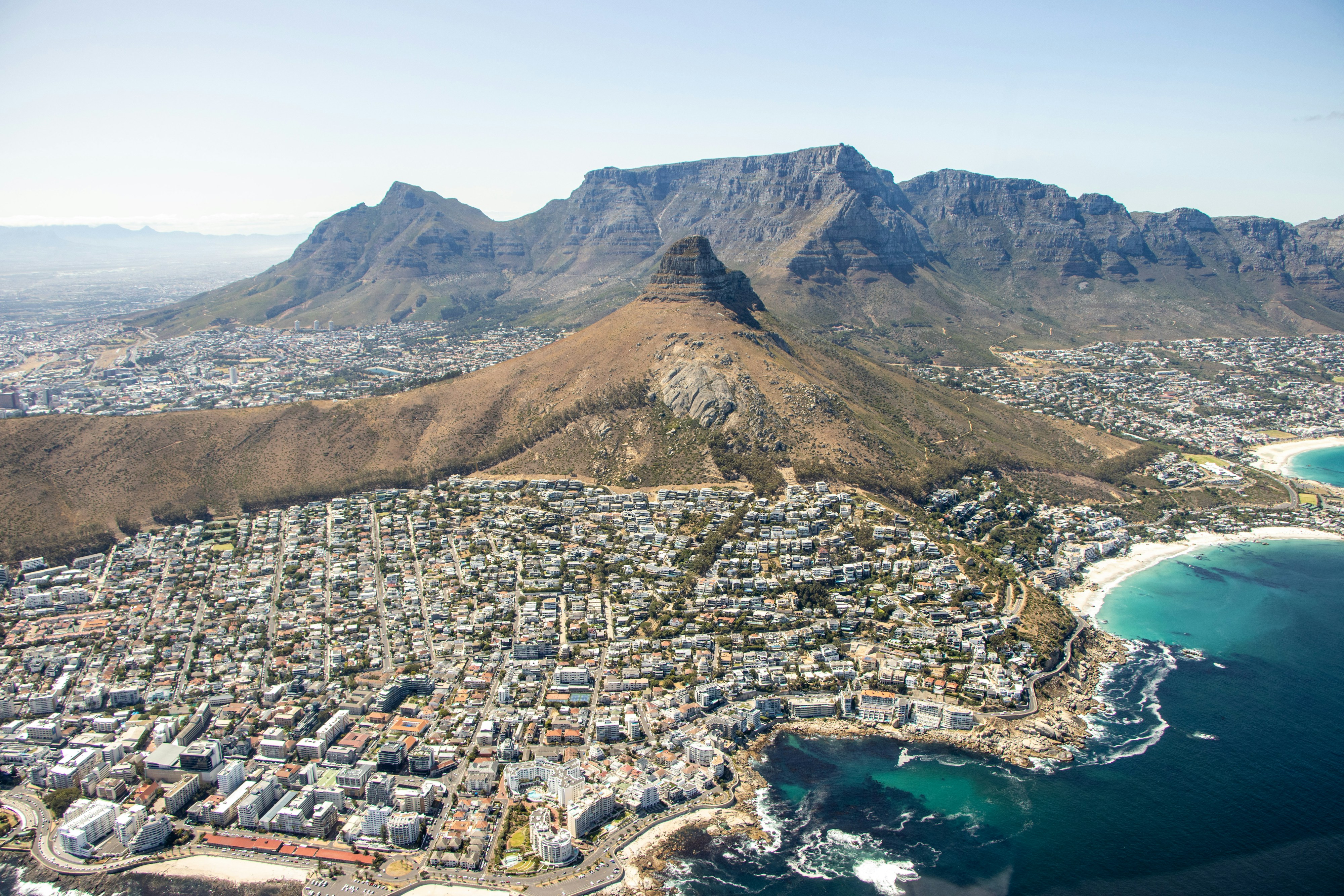
#1Table Mountain's flat-topped silhouette looms directly over the city bowl, often capped by a rolling cloud locals call the tablecloth.
A cable car reaches the summit in minutes, but the classic view is looking back at the mountain from Bloubergstrand or Signal Hill, with the city spread out beneath it.
Penguins waddle across a public beach at Boulders just outside the city.
How does it rate
CrowdsRomanceCash RequiredDangerAccessibilityWhy you should go
A flat-topped mountain looming directly over the city, often capped by its own private cloud.
Why you shouldn't go
The cable car and mountain views depend entirely on weather - cloud cover cancels the trip more often than visitors expect.
Plan your visit
Best time to visitNovember-March (dry summer) for the most reliable clear views of the mountain.Best time of dayLate afternoon into sunset, from Signal Hill or Bloubergstrand.Getting thereFly into Cape Town International Airport, about 20 minutes from the city centre.Entry costTable Mountain cable car around $30 return; Boulders Beach small entry fee.Time needed3-4 daysBookingBook ahead →Insider tip — Check the cable car's live webcam before heading up - cloud cover is common and a wasted trip is easy to avoid with five minutes of checking. -
 #284 /100
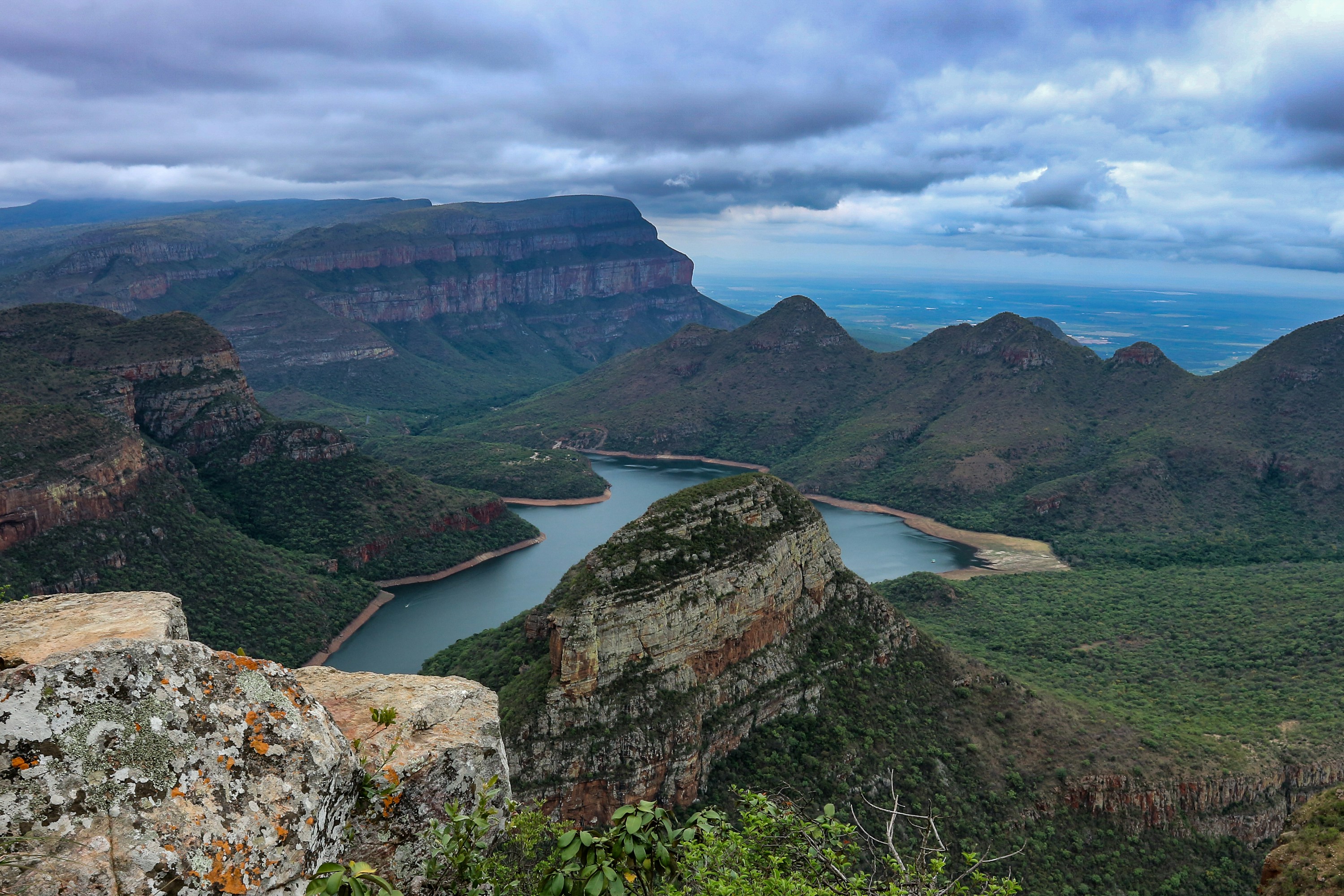
Blyde River Canyon is one of the largest canyons in the world, the centrepiece of South Africa's Panorama Route, a red-rock gorge cut through the Mpumalanga escarpment.
Viewpoints along the rim look down on the Three Rondavels rock formations and the canyon's dammed river bend, while short walks lead to Bourke's Luck Potholes and God's Window.
It is a self-drive destination best covered over a full day of short stops rather than one overlook.
How does it rate
CrowdsRomanceCash RequiredDangerAccessibilityWhy you should go
One of the world's largest canyons, with cliff-top viewpoints over the Three Rondavels and the river below.
Why you shouldn't go
Requires a full day of driving between viewpoints, and the best outlooks can be clouded out by escarpment mist.
Plan your visit
Best time to visitApril-September (dry winter) for clear long-range views; summer brings mist and afternoon storms.Best time of dayMorning, before cloud builds up over the escarpment.Getting thereFly to Kruger Mpumalanga International Airport; about 1-1.5 hours' drive to the Panorama Route viewpoints.Entry costFree to view from most roadside points; Bourke's Luck Potholes charges a small entry fee.Time neededHalf a day to a full day.Insider tip — The main Three Rondavels viewpoint gets tour-bus crowds by mid-morning - stop at God's Window or Bourke's Luck Potholes first and save the busiest lookout for later. -
 #382 /100
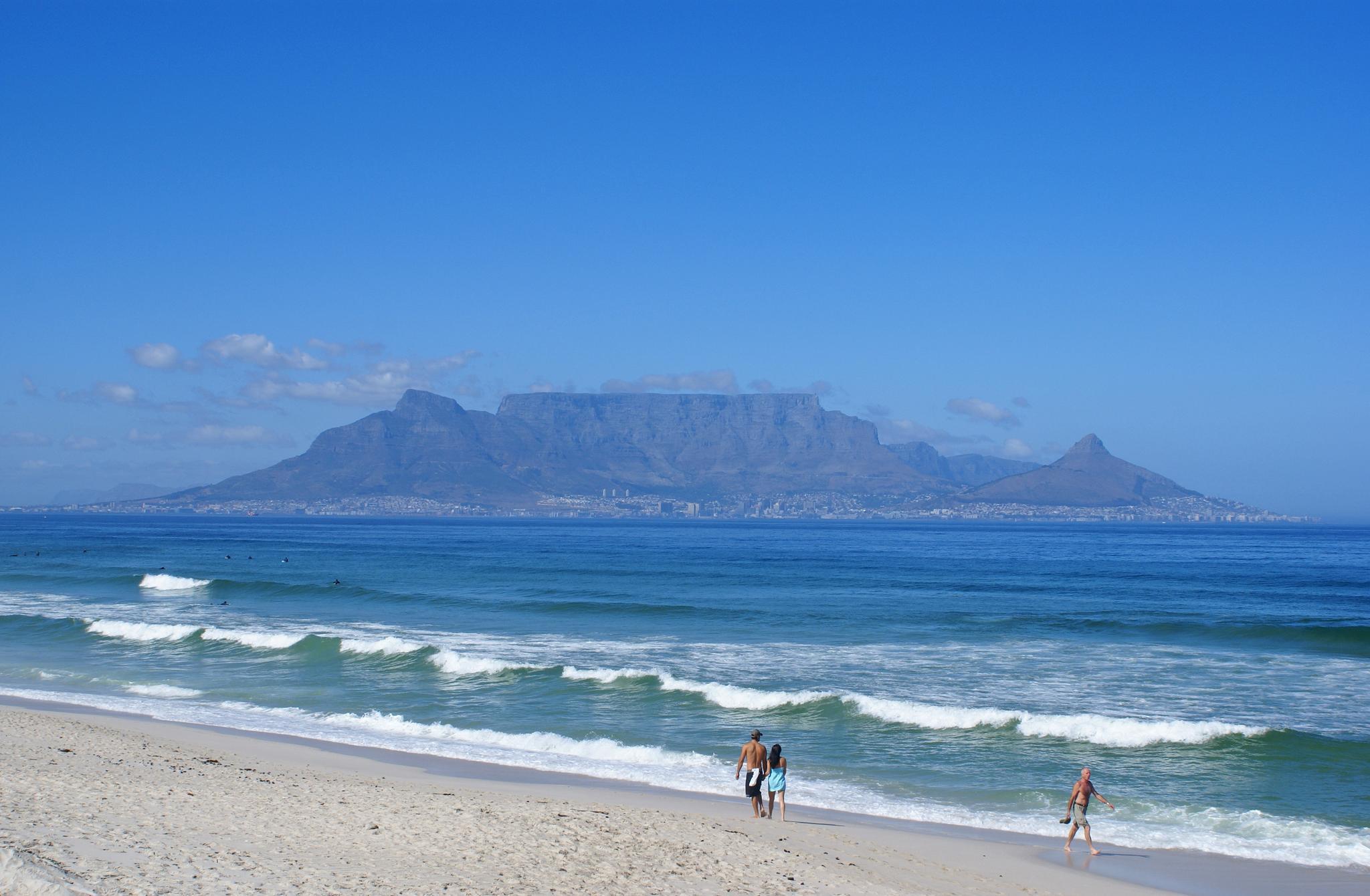
Table Mountain's flat-topped summit, draped in its famous tablecloth of cloud, presides over Cape Town and offers 360-degree panoramas stretching from the Cape of Good Hope to the Winelands.
The mountain is home to an extraordinary number of endemic plant species found nowhere else on earth.
How does it rate
CrowdsRomanceCash RequiredDangerAccessibilityWhy you should go
The cable car provides easy access to the summit and the views over Cape Town, Table Bay, and the surrounding peninsula are among Africa's finest.
Why you shouldn't go
The mountain is frequently shrouded in cloud and high winds regularly cause the cable car to close; always have a backup plan.
Plan your visit
Best time to visitYear-round; check for the "tablecloth" cloud coverBest time of dayLate afternoon for the city and sunset viewsGetting thereCableway from Tafelberg Road, Cape TownEntry costCableway ~$20-25 returnTime needed2-3 hoursInsider tip — Check the cableway website first; it closes in high wind, common in summer -
 #479 /100
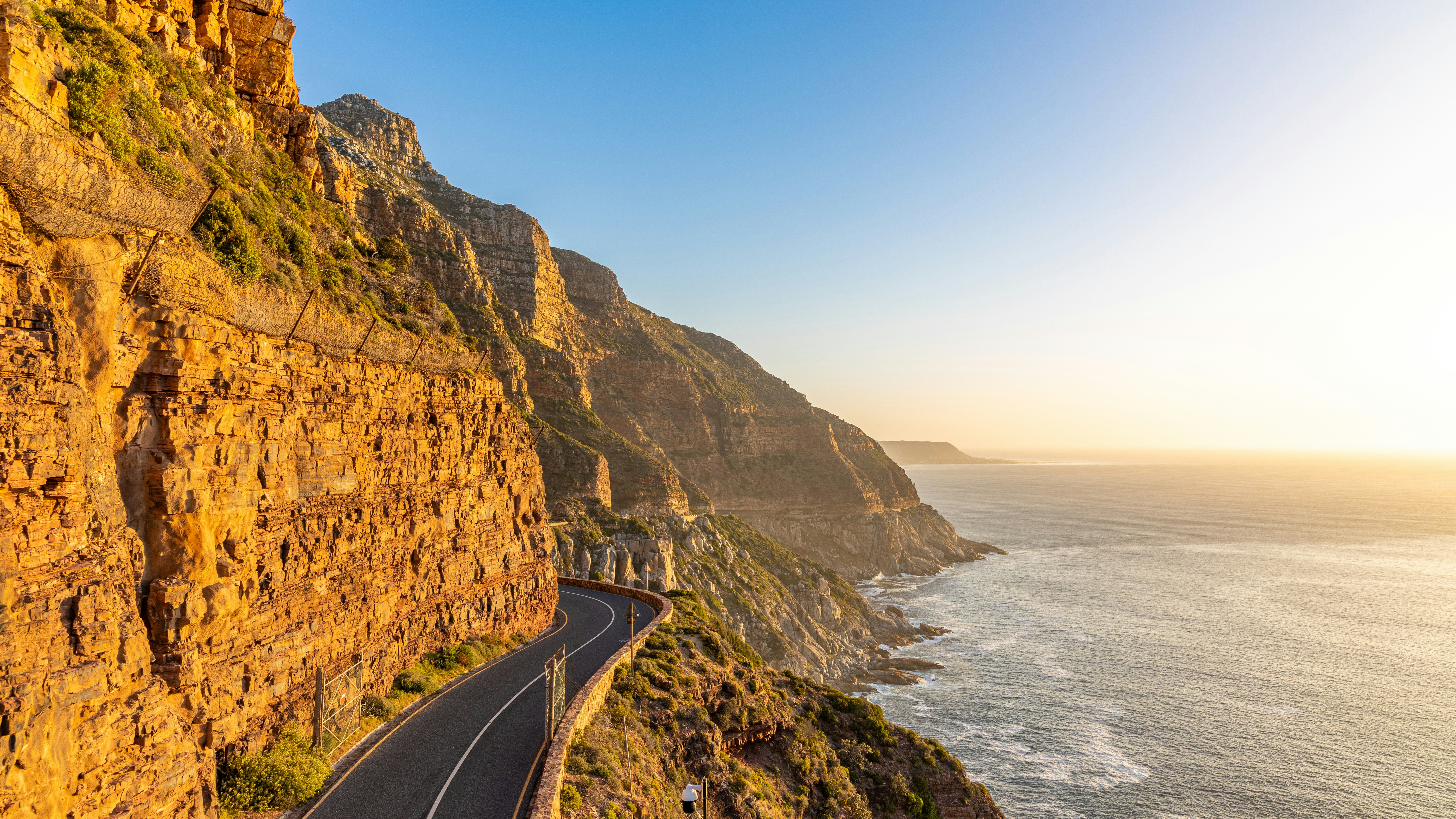
Chapman's Peak Drive carves along sheer cliffs between Noordhoek and Hout Bay, the scenic centrepiece of a wider ride around the Cape Peninsula past Boulders Beach's penguins and the fynbos slopes near Cape Point.
The full loop, ridden each March by 35,000 cyclists in the Cape Town Cycle Tour, mixes ocean-cliff drama with quiet vineyard roads on the return leg.
Wind and open cliff edges make it a serious ride outside the closed-road race day.
How does it rate
CrowdsRomanceCash RequiredDangerAccessibilityWhy you should go
Few rides anywhere combine sheer ocean cliffs, penguins and vineyard roads in one loop.
Why you shouldn't go
Chapman's Peak Drive has a toll, gets strong crosswinds, and shares narrow lanes with tour traffic outside race day.
Plan your visit
Best time to visitNov-Mar for dry summer weather; the Cape Town Cycle Tour itself runs each March.Best time of dayEarly morning for calmer wind and cooler temperatures on exposed cliff sections.Getting thereFly to Cape Town; hire a road bike in the city or join a guided Peninsula tour with vehicle support.Entry costChapman's Peak toll approx ZAR 55/car (cyclists often free); bike rental from ZAR 350/dayTime neededFull day for the full Peninsula loopBookingBook ahead →Insider tip — Ride Chapman's Peak from Hout Bay toward Noordhoek for the classic tailwind direction, and check the toll road's status first, since it closes after heavy rain or rockfall risk. -
 #578 /100
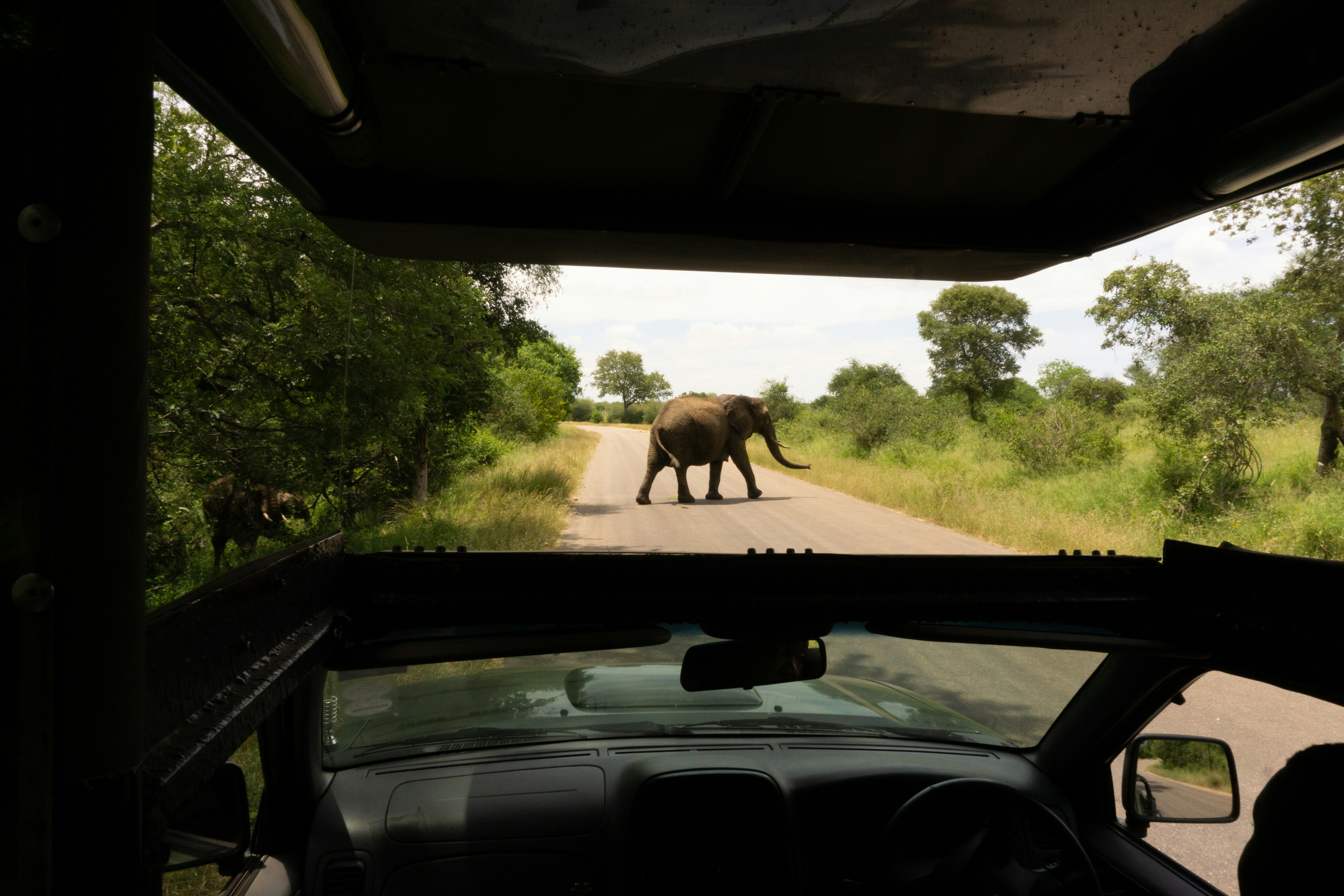
One of Africa's largest and most accessible game reserves, Kruger offers a realistic chance at all of the Big Five without a bush plane or a multi-thousand-dollar package.
Self-drive routes on paved and gravel roads reach the watering holes and riverbeds where lions, elephants and giraffe gather, particularly through the dry season.
Rest camps inside the park range from basic campsites to air-conditioned bungalows.
How does it rate
CrowdsRomanceCash RequiredDangerAccessibilityWhy you should go
Africa's most accessible Big Five safari - reachable and drivable without a specialist guide.
Why you shouldn't go
Wildlife sightings are never guaranteed; a quiet game drive is a real possibility on any given day.
Plan your visit
Best time to visitMay-September, the dry winter, when animals gather at limited water sources.Best time of dayEarly morning and late afternoon game drives, when animals are most active.Getting thereFly to Skukuza or Kruger Mpumalanga airports, or self-drive from Johannesburg (about 5 hours).Entry costDaily conservation fee around $25-30 per person for self-drive visitors.Time needed3-4 daysBookingBook ahead →Insider tip — Self-drive slowly along riverbank roads at dawn - the paid guided drives don't have exclusive access to the best sightings. -
 #676 /100
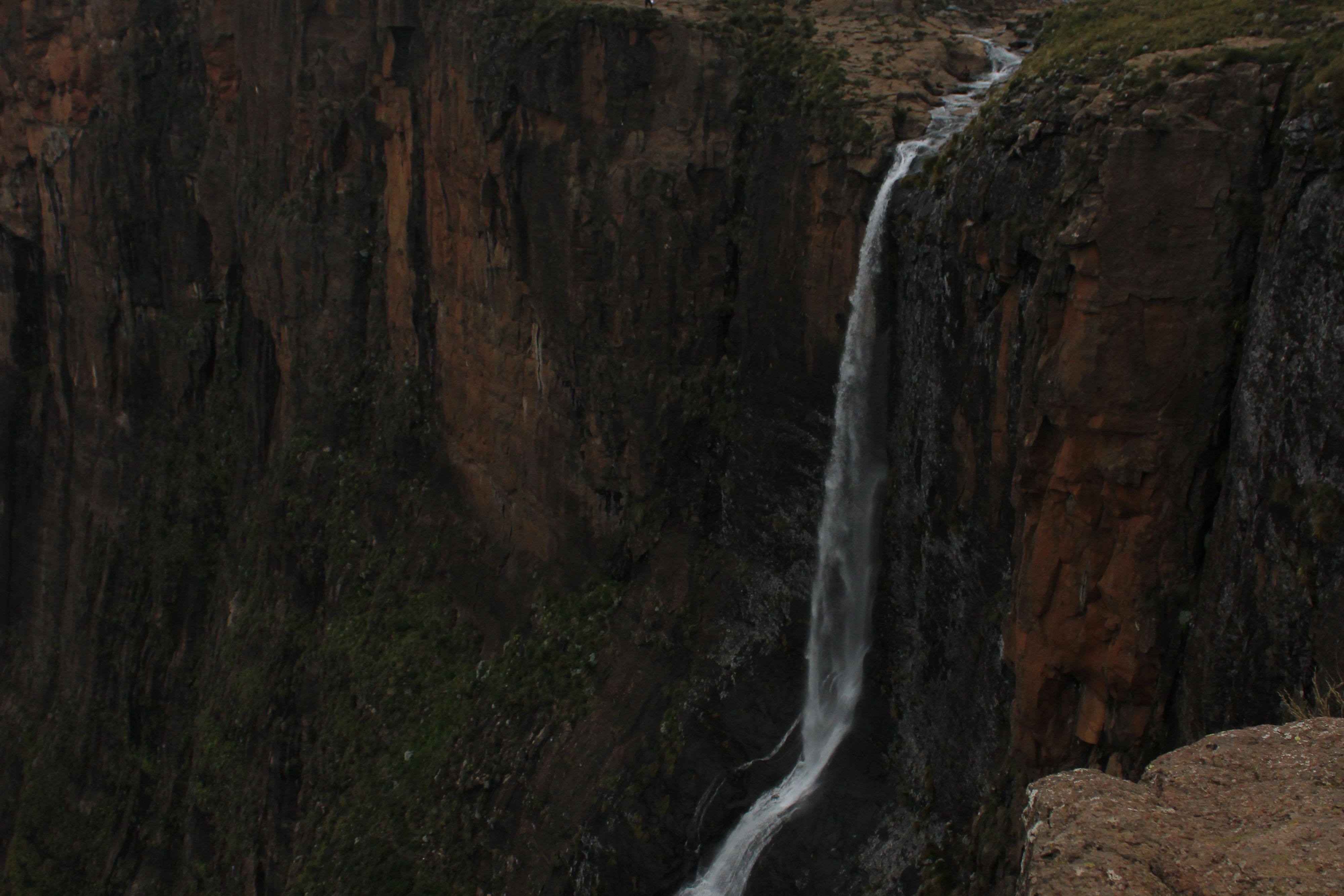
The world's second-tallest waterfall drops in five free-falling stages down the Drakensberg escarpment, deep in the Royal Natal National Park.
Reaching the top requires a full-day hike including a stretch up two connected chain ladders bolted to the cliff face.
On a clear day after rain, the full 948-metre drop is visible from the valley floor without any hiking at all.
How does it rate
CrowdsRomanceCash RequiredDangerAccessibilityWhy you should go
The world's second-tallest waterfall, visible in full from the valley floor on a clear day.
Why you shouldn't go
The top-of-the-falls hike involves exposed chain ladders that aren't for anyone uneasy with heights.
Plan your visit
Best time to visitOctober-March (wet season) for the strongest flow.Best time of dayMorning, before afternoon Drakensberg cloud typically rolls in.Getting thereDrive to Royal Natal National Park (about 4 hours from Johannesburg); park at the Tendele trailhead.Entry costPark entry fee, a few dollars per person.Time neededFull day for the summit hike; 1 hour for the valley-floor viewInsider tip — Skip the chain-ladder hike and drive instead to the Amphitheatre viewpoint for a full, satisfying view of the falls without the climb. -
 #776 /100
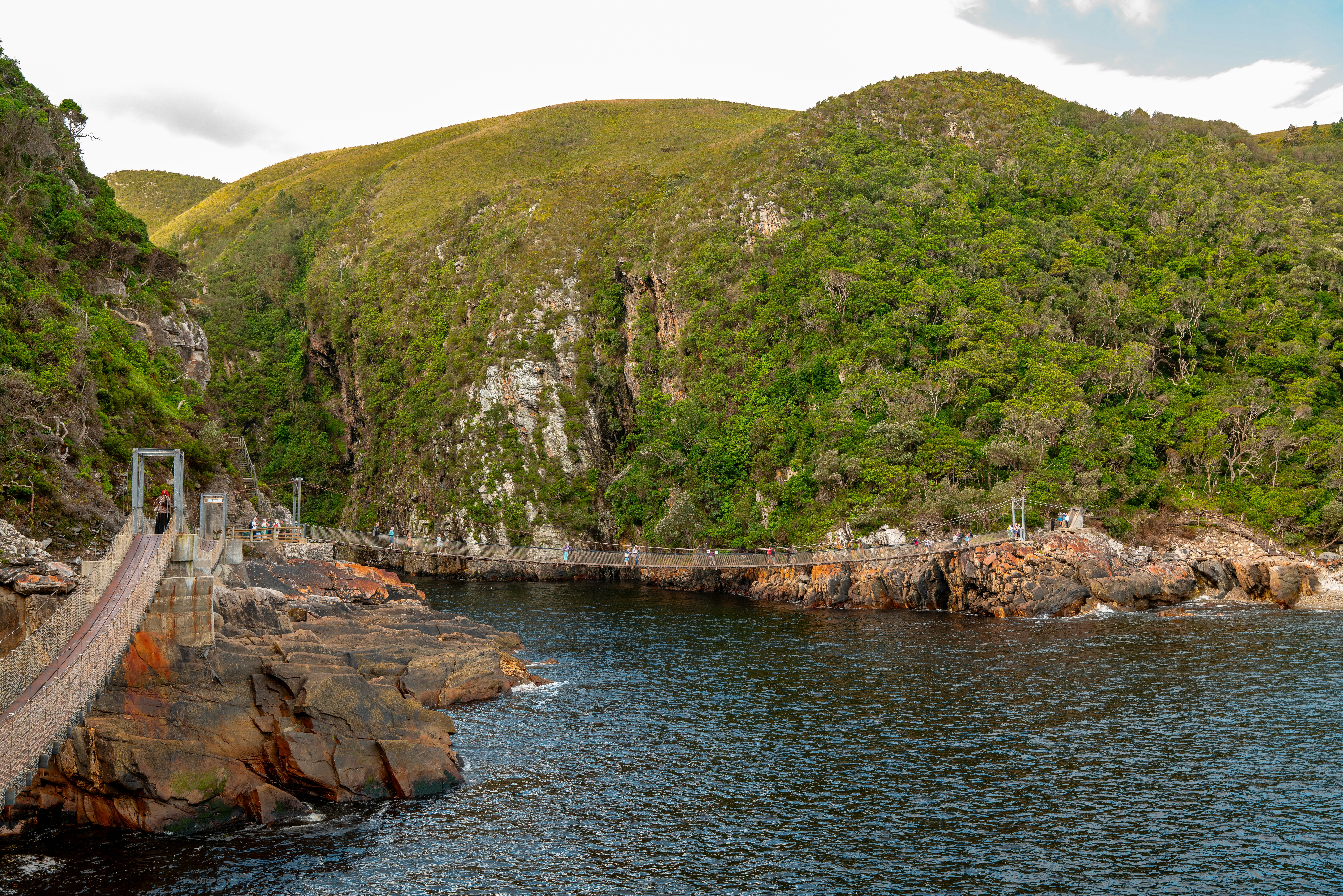
The Garden Route traces roughly 300 kilometres of South Africa's southern coast between Mossel Bay and Storms River, crossing indigenous forest, lagoons, and dramatic sea cliffs.
Knysna's lagoon and oyster shacks, Plettenberg Bay's beaches, and the canopy walkways of Tsitsikamma National Park make for constant stops.
Southern right whales gather off Plettenberg Bay for much of the year on this smooth, well-signed, easy self-drive route.
How does it rate
CrowdsRomanceCash RequiredDangerAccessibilityWhy you should go
Forests, lagoons, cliffs and whale-watching coastline packed into one easy, well-paved self-drive route.
Why you shouldn't go
Peak summer (Dec-Jan) sees the coastal towns and roads become crowded with domestic holidaymakers.
Plan your visit
Best time to visitOctober-November or February-March for good weather without peak-season crowds.Best time of dayMorning departures avoid afternoon coastal fog and leave time for stops before dusk.Getting thereFly into Cape Town or George, hire a car, and join the N2 highway heading east or west.Entry costFree to drive; Tsitsikamma and other park activities charge separate entry feesTime needed3-5 daysBookingBook ahead →Insider tip — Book a sunset oyster platter at a Knysna lagoon-front shack, and detour to Robberg Nature Reserve near Plettenberg Bay for whale sightings. -
 #876 /100
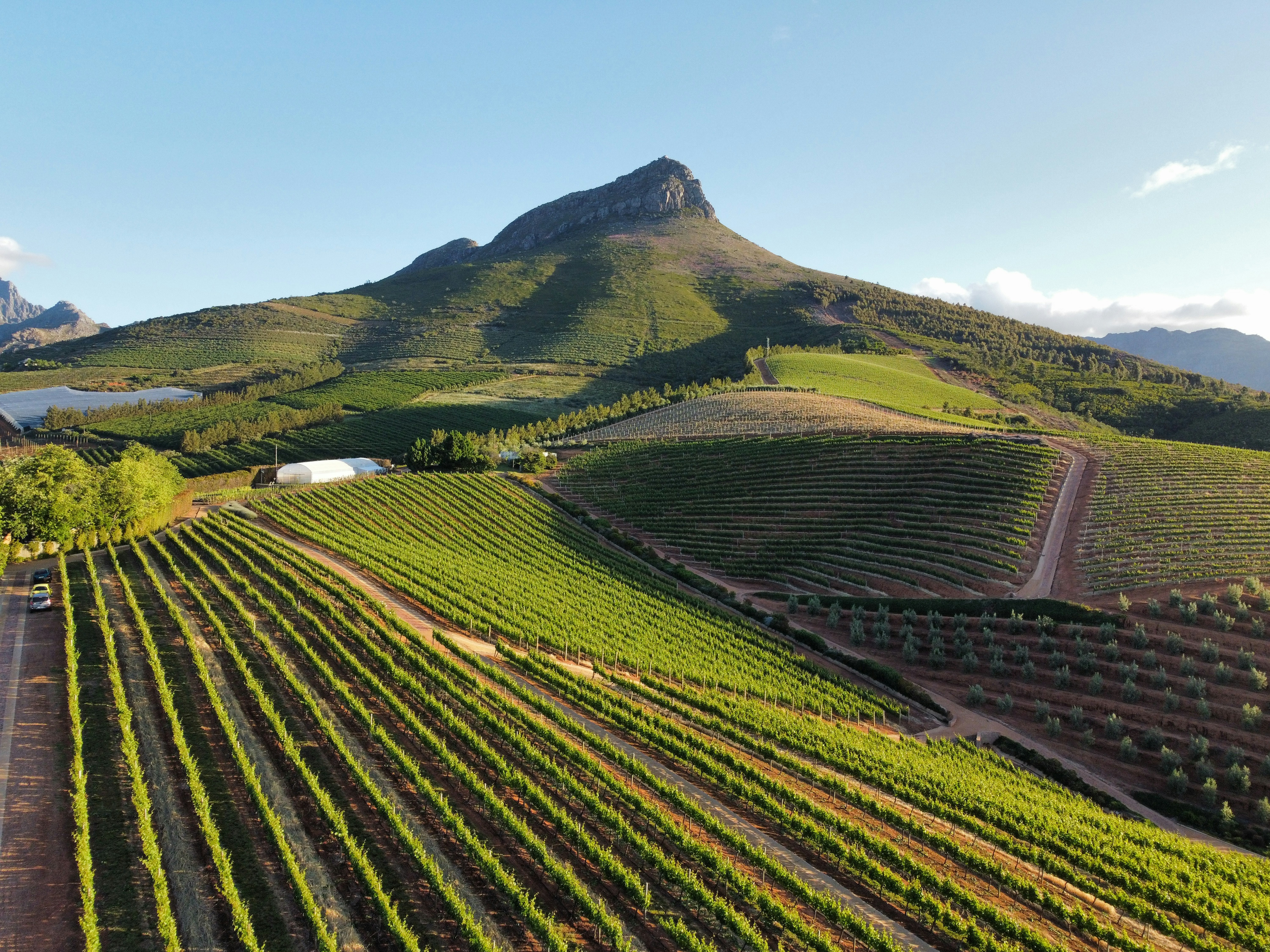
South Africa's oldest wine region, founded in 1679, surrounds a university town of oak-lined streets and whitewashed Cape Dutch buildings, its vineyards framed by the granite peaks of the Jonkershoek and Helderberg mountains.
Historic estates like Boschendal and Vergelegen pair centuries-old architecture with wine tastings and mountain views.
How does it rate
CrowdsRomanceCash RequiredDangerAccessibilityWhy you should go
South Africa's oldest wine region, Cape Dutch estates and mountain-backed vineyards around a historic university town.
Why you shouldn't go
The most scenic mountain-backed estates sit outside town and are easiest reached with a rental car or organised tour.
Plan your visit
Best time to visitMarch-April for harvest (South Africa's autumn) or September-October for spring wildflowers.Best time of dayLate afternoon, when the Jonkershoek mountains behind the vineyards catch golden light.Getting thereFly into Cape Town International Airport, then a roughly 45-minute drive east to Stellenbosch.Entry costTastings typically run ZAR80-150 per estate.Time neededA full day for a wine-estate tour.Insider tip — Combine a wine tasting with a stop at one of the historic Cape Dutch manor houses, several of which are open for tours alongside their cellar doors. -
 #9
#9Rated #9 of 11
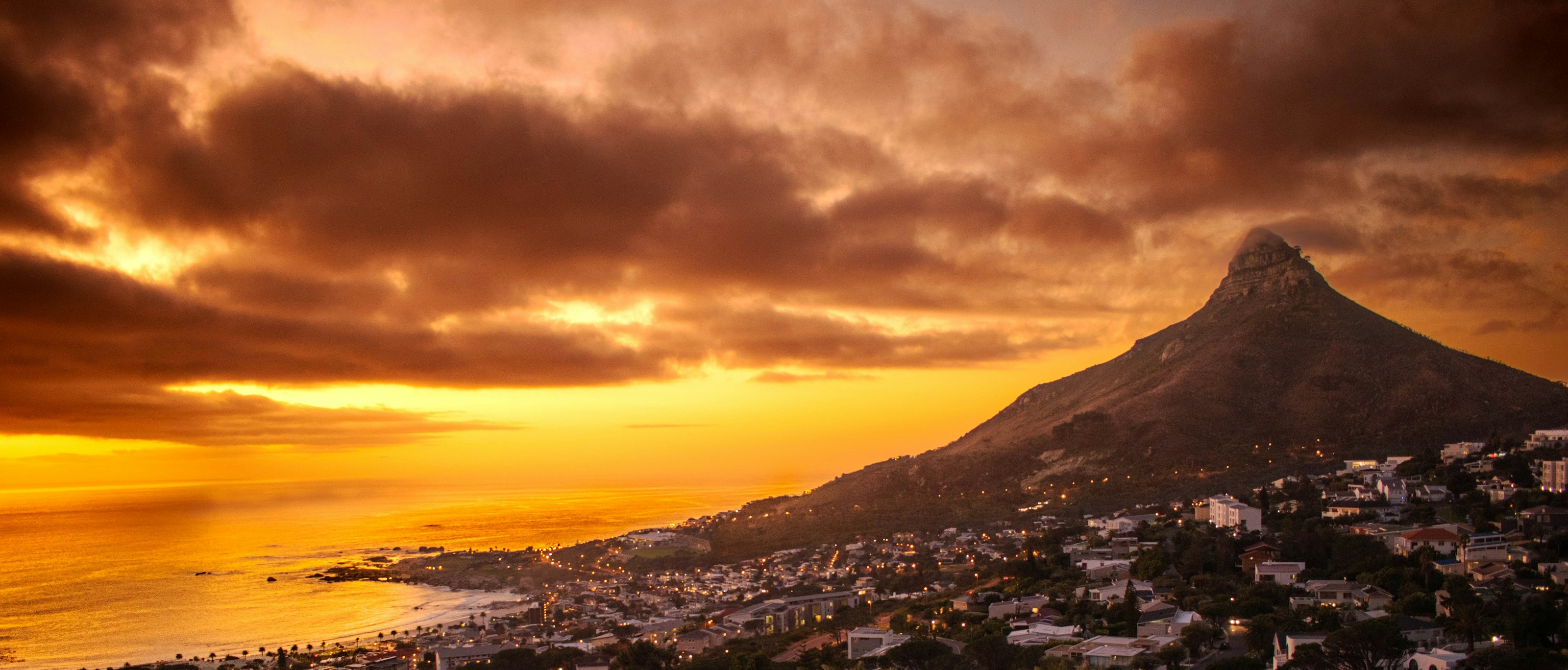
Cape Town International Jazz Festival
#capetowninternationaljazzfestival ◆ Music Festivals75 /100Billed as 'Africa's Grandest Gathering', Cape Town's jazz festival fills the Cape Town International Convention Centre with five stages over two nights, mixing South African jazz greats with international headliners.
A free open-air concert the day before opens the festival to the wider public, and the indoor programme's overlapping sets encourage wandering between stages rather than committing to one act all night.
How does it rate
CrowdsRomanceCash RequiredDangerAccessibilityWhy you should go
Africa's largest jazz festival: five indoor stages over two nights, plus a free open-air concert the day before.
Why you shouldn't go
The main two-night programme is ticketed and tends to sell out, so the free concert is the only guaranteed-entry option.
Plan your visit
Best time to visitLate March or early April, over a single weekend.Best time of dayEvening into night for the ticketed indoor stages.Getting thereFly into Cape Town International Airport, about 20 minutes from the Convention Centre by car.Entry costTwo-night passes run roughly ZAR 2,000-2,500; the opening concert is free.Time neededOne or both nights, plus the free concert the day before.BookingBook ahead →Insider tip — Buy a rover pass rather than committing to one stage - the overlapping set times are designed for moving between all five rooms over the night. -
 #1072 /100
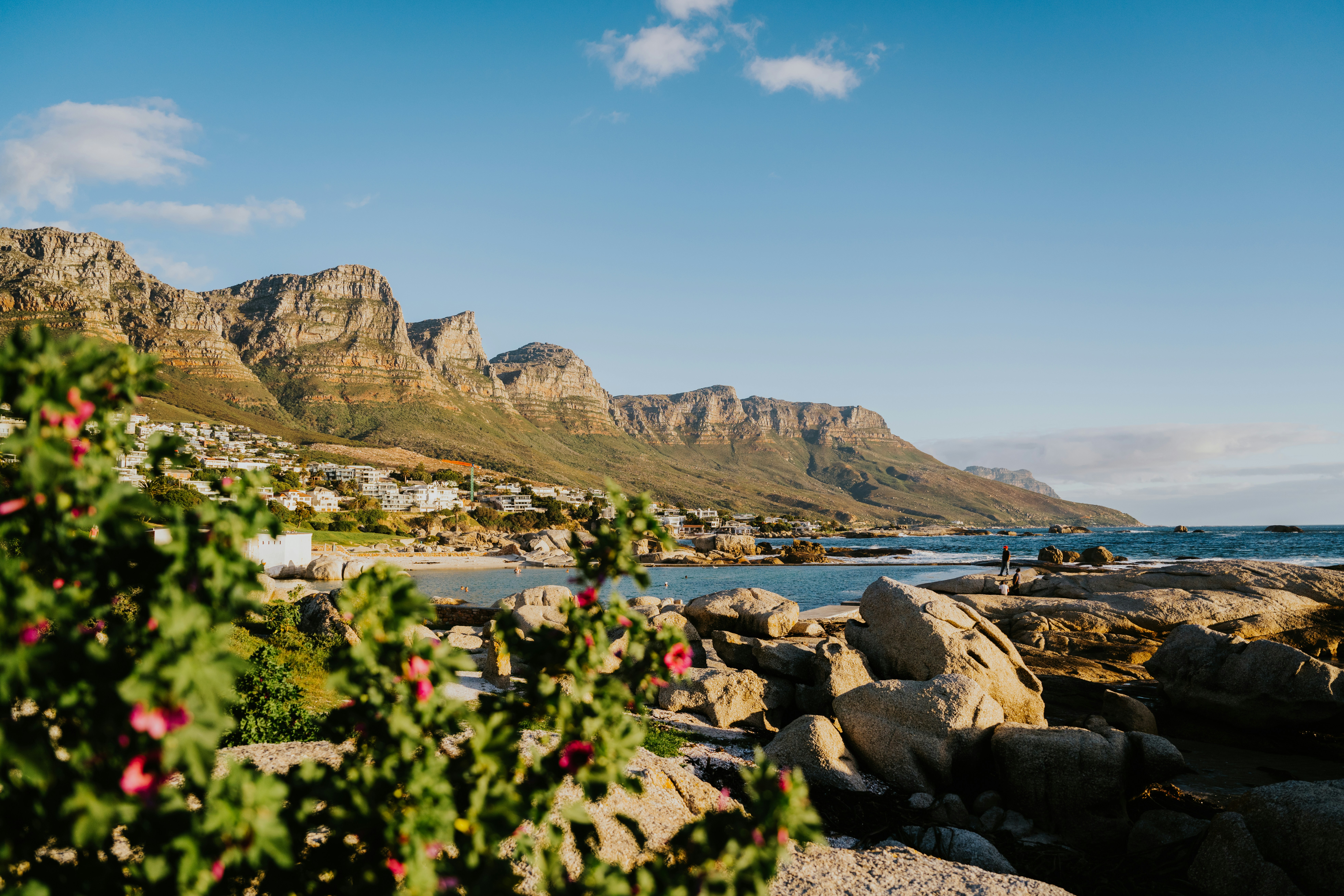
A white-sand beach a ten-minute drive from central Cape Town, backed by the granite spine of the Twelve Apostles and lined with a busy strip of palm-fringed restaurants and bars.
The water is bracingly cold thanks to the Atlantic's Benguela current, so most visitors come for the setting, the sunset and the promenade scene rather than long swims.
Few city beaches anywhere have a backdrop like it.
How does it rate
CrowdsRomanceCash RequiredDangerAccessibilityWhy you should go
The Twelve Apostles mountain range rises straight up behind the sand, giving it one of the most dramatic backdrops of any city beach.
Why you shouldn't go
The Atlantic water here is cold year-round, and the beachfront strip gets loud and packed on warm evenings.
Plan your visit
Best time to visitDecember-March for the warmest, driest weather.Best time of daySunset, when the mountains turn deep orange behind the beach.Getting thereA short taxi or drive from central Cape Town over Kloof Nek or along Victoria Road.Entry costFree.Time needed2-3 hours.Insider tip — Walk to the rocks at the beach's southern end for a photo with both the mountains and the full curve of sand in frame. -
 #1164 /100
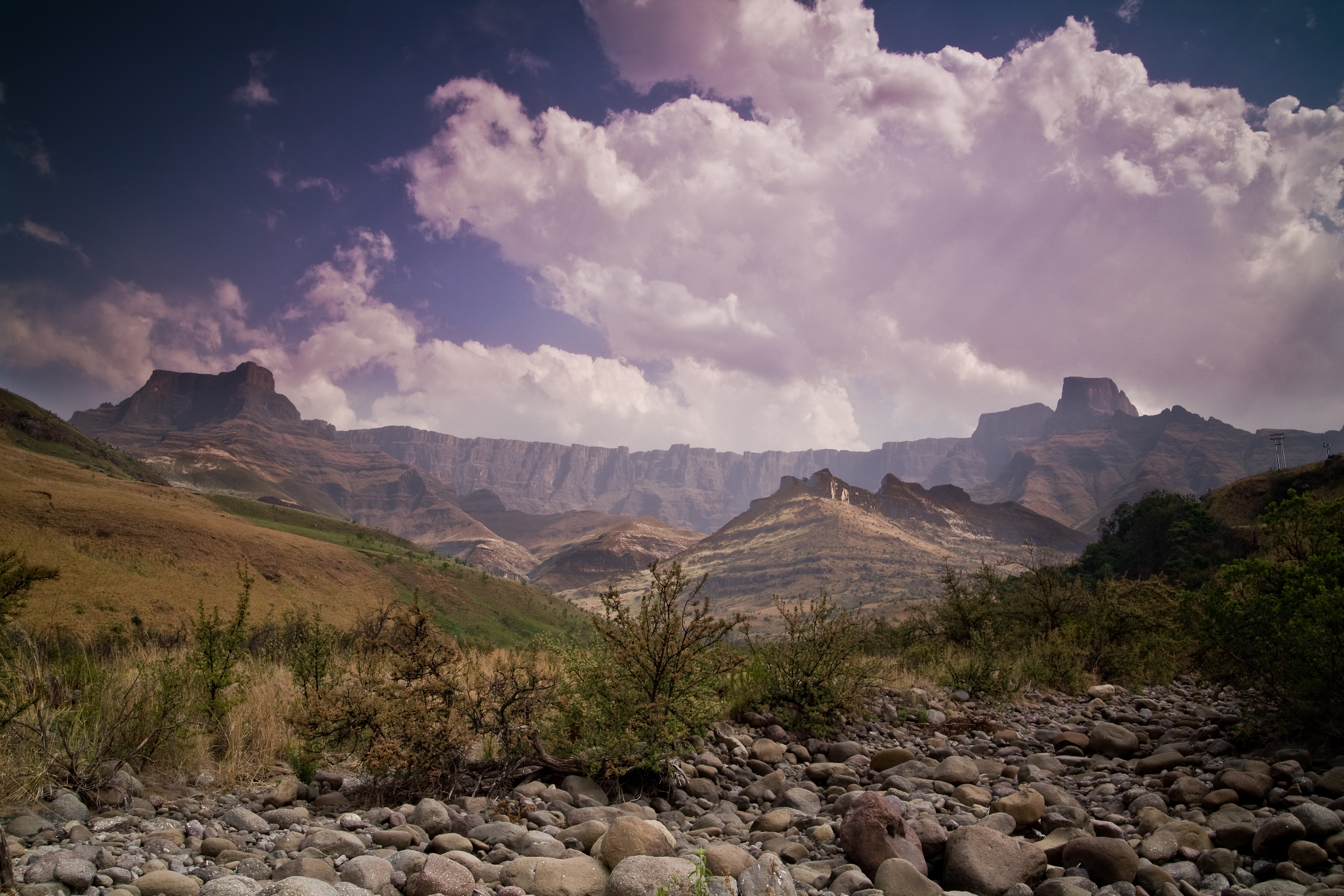
A chain-ladder ascent to the top of the Amphitheatre, a 5km basalt wall in the northern Drakensberg where the Tugela River tips over the escarpment as the world's second-highest waterfall.
The trail climbs steep gullies from Sentinel Car Park before two vertical chain ladders haul hikers onto the plateau, opening onto sweeping views over KwaZulu-Natal.
Weather turns fast near 3,000m, and the ladders close in lightning or ice.
How does it rate
CrowdsRomanceCash RequiredDangerAccessibilityWhy you should go
Standing at the top of a 5km cliff wall with Tugela Falls dropping almost a kilometre just past your feet.
Why you shouldn't go
The chain ladders are exposed and get closed in lightning, high wind or ice, sometimes with no warning.
Plan your visit
Best time to visitOctober-April for clearer summer weather, though afternoon thunderstorms are common.Best time of dayEarly morning start to summit and descend before afternoon storms build.Getting thereDrive to Royal Natal National Park; the Sentinel Car Park trailhead is reached via a gravel access road.Entry costPark gate fee about R60, plus R90 hiking permit, both paid in cash at the car park.Time needed6-7 hours round tripInsider tip — Check the ladders' status with the car park attendant before setting out - wind or ice can shut them for the day.


How a score is built
One score out of 100, five criteria behind it
Every place is rated 1–5 on each of the criteria below, then combined into a single score out of 100. It's calculated by us, the same way every time — not an average of traveller reviews or social votes.
Crowds
How many people you'll be sharing it with, and at what time of day.
Romance
How well it suits a couple, a proposal, or a quiet moment together.
Cash required
Entry fees, permits, guides, rentals — what it actually costs to do it.
Danger
Physical risk involved, from a slippery viewpoint to genuine hazard.
Accessibility
How far off the beaten path it is, and how hard it is to actually reach.