-
 #192 /100
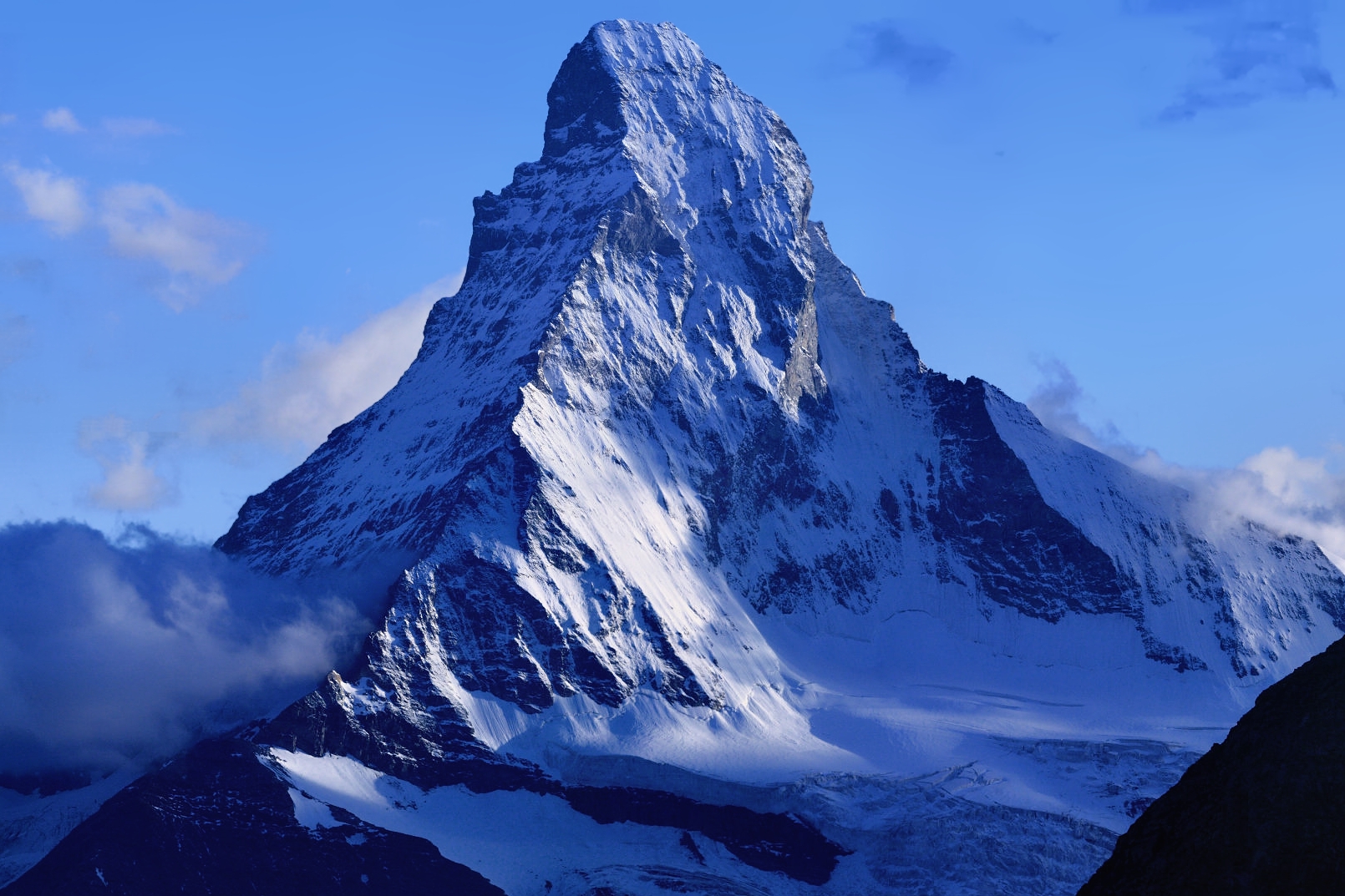
The Matterhorn's near-perfect pyramidal peak has made it one of the most recognised mountains in the world and the symbol of the Swiss Alps.
Rising 4,478 metres above the car-free village of Zermatt, it is reflected in the Riffelsee lake during clear summer mornings.
How does it rate
CrowdsRomanceCash RequiredDangerAccessibilityWhy you should go
The Matterhorn's symmetrical profile is spectacular from every angle and the reflection in the Riffelsee on a calm morning is one of the great Alpine photographs.
Why you shouldn't go
The mountain is notoriously cloud-covered; visiting Zermatt can be expensive and clear views are never guaranteed.
Plan your visit
Best time to visitJune-September for hiking, winter for snowBest time of daySunrise or sunset for alpenglow on the peakGetting thereTrain to Zermatt, a car-free villageEntry costFree to view; cable cars extraTime needed1-2 daysInsider tip — The reflection shot at Stellisee lake needs an early, still morning; go before 7am -
 #290 /100
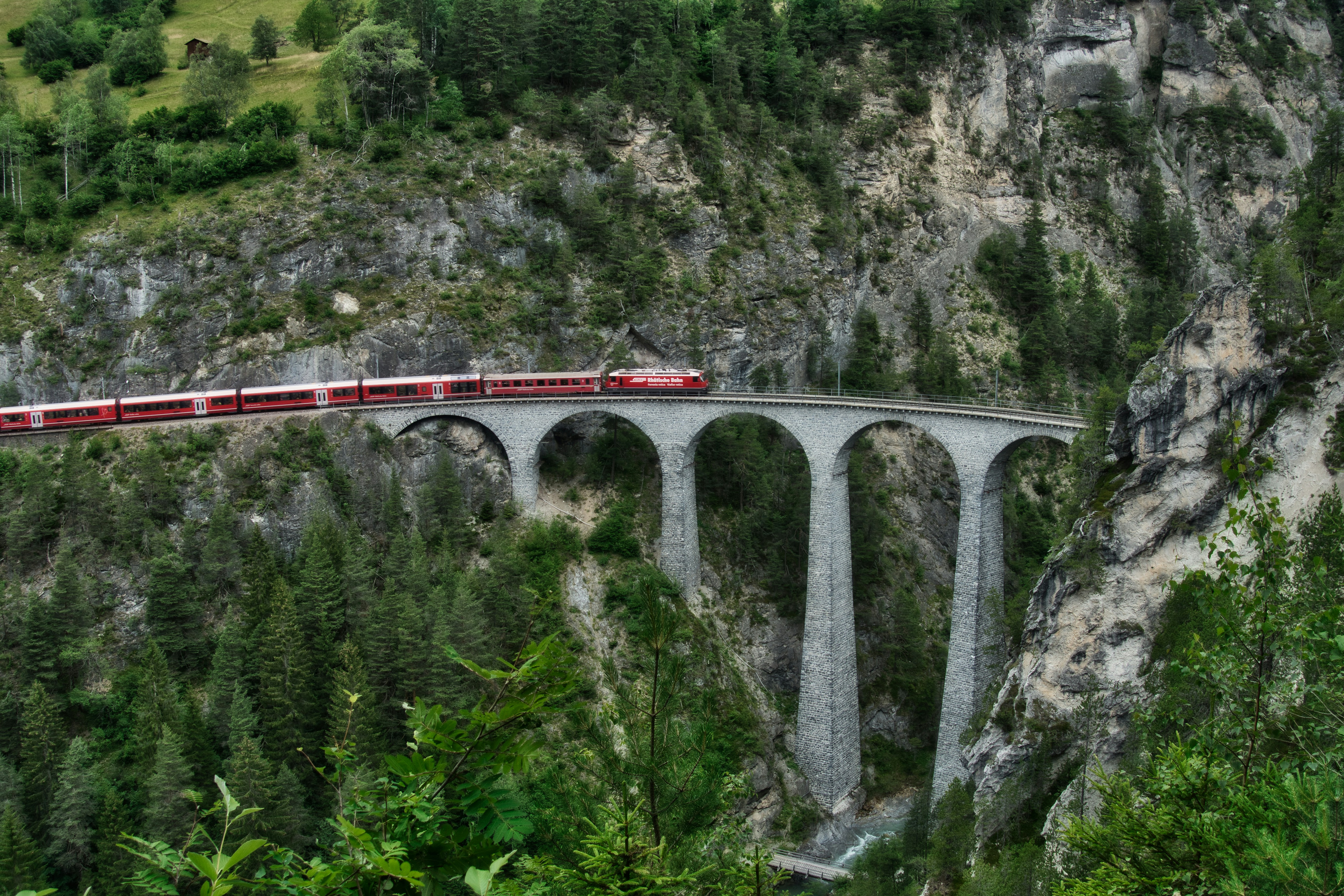
Billed as the world's slowest express train, the Glacier Express takes almost eight hours to cross the Swiss Alps between Zermatt and St Moritz, crossing 291 bridges and 91 tunnels while never exceeding 45 km/h, deliberately slow enough for the panoramic windows to take in the full scale of the Alps.
The curved Landwasser Viaduct is the journey's single most famous moment.
How does it rate
CrowdsRomanceCash RequiredDangerAccessibilityWhy you should go
An eight-hour panoramic train crossing 291 bridges and 91 tunnels through the Swiss Alps, deliberately slow enough to take it all in.
Why you shouldn't go
Panoramic-carriage seats need booking well in advance for peak summer and winter travel dates.
Plan your visit
Best time to visitJune-September for full alpine scenery, or winter for a snow-covered version of the same route.Best time of dayMorning departure, giving the best light across the mountain passes for most of the journey.Getting thereBoard at Zermatt or St Moritz, both reachable by connecting Swiss rail from Zurich or Geneva.Entry costSeats start around CHF150-160 one-way in second class, plus a compulsory seat reservation.Time neededThe full journey takes just under 8 hours.BookingBook ahead →Insider tip — Book a window seat on the train's right-hand side travelling from Zermatt to St Moritz for the best views of the Landwasser Viaduct. -
 #387 /100
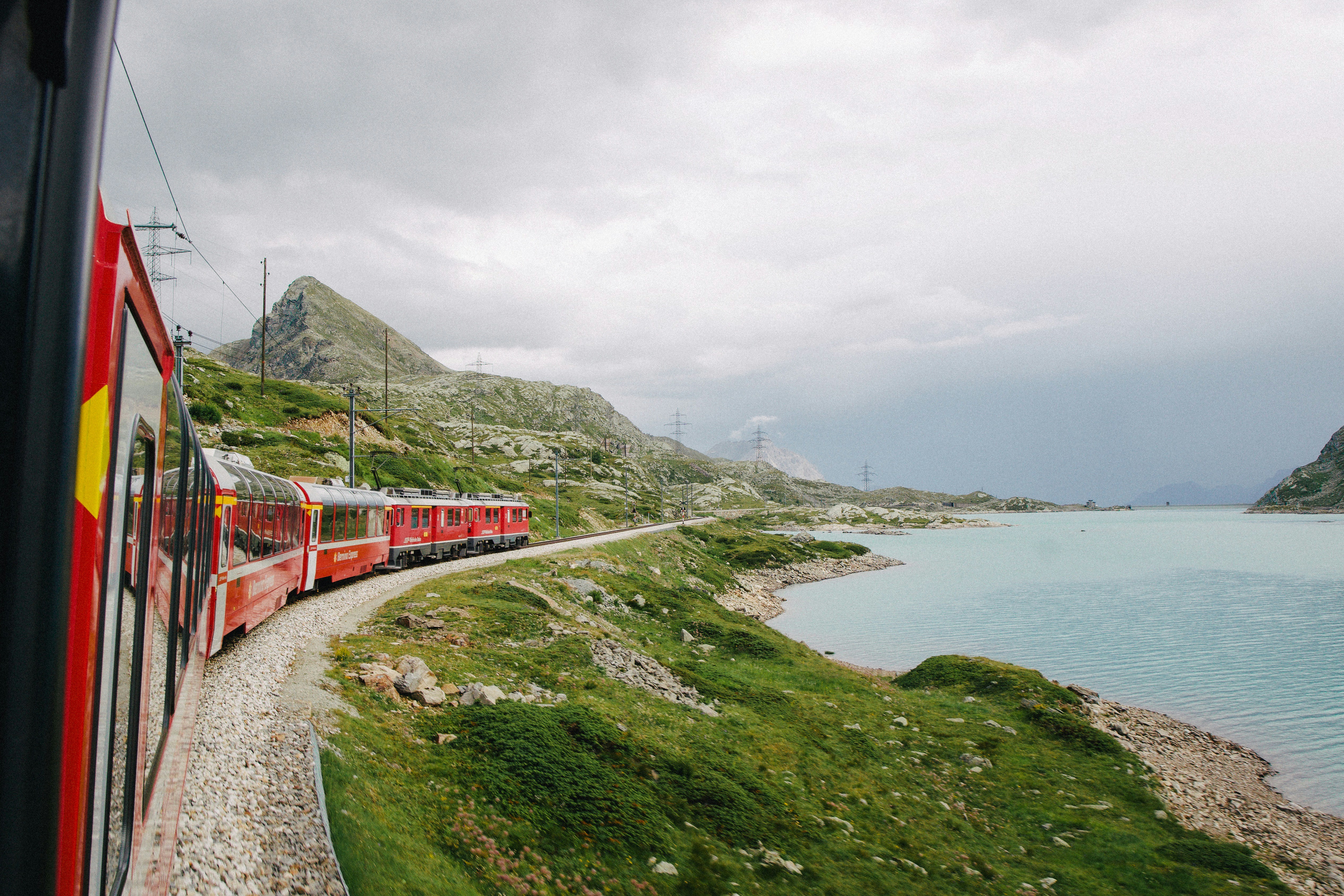
A UNESCO World Heritage rail line, the Bernina Express climbs from Chur in Switzerland over the Bernina Pass into Tirano, Italy, crossing the open-air Brusio spiral viaduct, a corkscrewing loop of stone arches built to gain altitude without a tunnel, and passing directly beside the glaciers of the Bernina massif at over 2,200m.
How does it rate
CrowdsRomanceCash RequiredDangerAccessibilityWhy you should go
A UNESCO-listed alpine train crossing a spiral stone viaduct and glacier-lined passes between Switzerland and Italy.
Why you shouldn't go
Panoramic carriage seats sell out on clear summer days, and winter journeys depend heavily on weather and visibility.
Plan your visit
Best time to visitJune-September for full alpine scenery, or a clear winter day for a snow-covered version of the route.Best time of dayMidday, for the clearest light over the glaciers near the Bernina Pass summit.Getting thereBoard at Chur, reachable by connecting Swiss rail from Zurich.Entry costSeats start around CHF70-80 one-way, plus a seat reservation for panoramic carriages.Time neededThe full journey takes around 4 hours.BookingBook ahead →Insider tip — Sit on the train's left-hand side travelling south from Chur for the best views of the Brusio spiral viaduct. -
 #487 /100
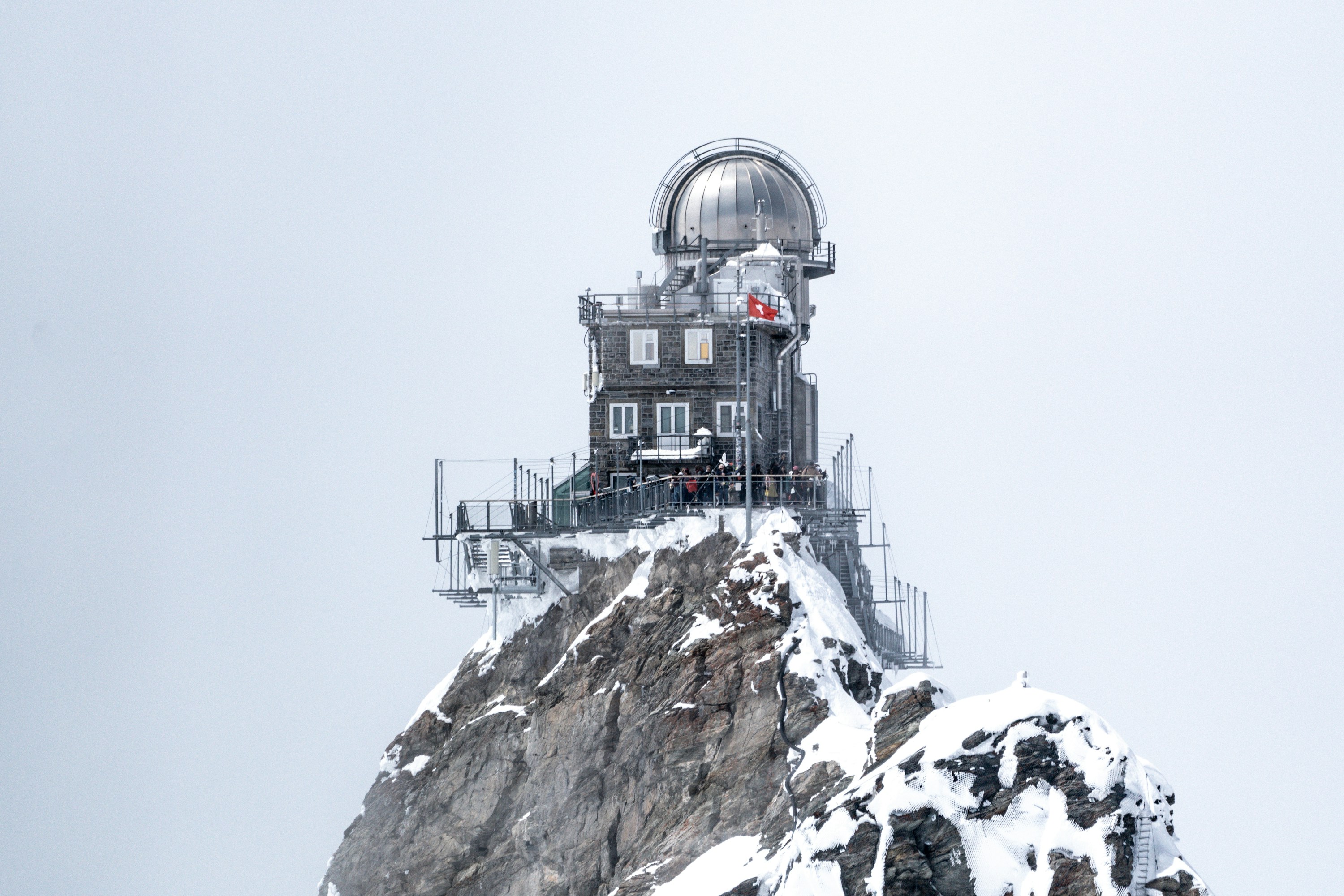
A cogwheel railway climbs through solid rock to a saddle between the Eiger and Mönch, 3,454 metres up, where the "Top of Europe" station opens onto the Aletsch Glacier, the largest ice stream in the Alps.
An ice palace, observation deck, and snow terrace fill out the visit, though thin air and shifting weather can erase the view without warning.
How does it rate
CrowdsRomanceCash RequiredDangerAccessibilityWhy you should go
The Alps' most complete high-altitude experience reachable entirely by train, glacier included.
Why you shouldn't go
Among the most expensive single excursions in Switzerland, and cloud can close in and erase the view with no refund.
Plan your visit
Best time to visitMay–October for the clearest weather; book the mandatory seat reservation well ahead in summer.Best time of dayFirst train of the day, before cloud typically builds up over the peaks by midday.Getting thereTrain from Interlaken Ost via Grindelwald or Lauterbrunnen/Wengen to Jungfraujoch; no road access.Entry costRound-trip train from Interlaken roughly CHF 220–260 depending on season.Time neededHalf a dayBookingBook ahead →Insider tip — Sit on the right-hand side of the train from Interlaken for the best glacier views on the way up. -
 #5
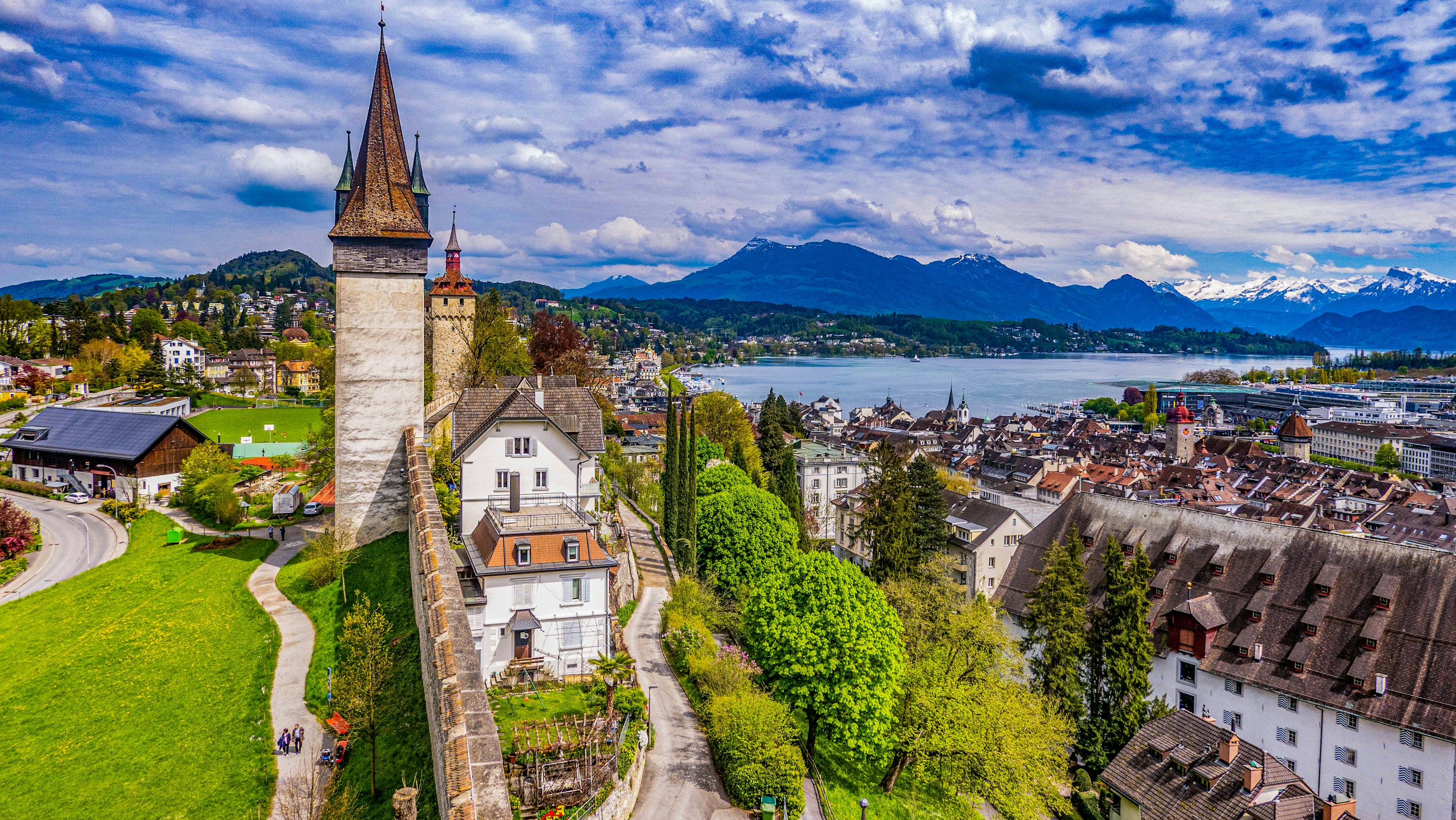
#5A compact old town of frescoed buildings wraps around the Reuss River where it leaves Lake Lucerne, crossed by the wooden, gabled Chapel Bridge that has linked both banks since the 14th century.
Mount Pilatus and Mount Rigi rise directly behind the rooftops, reachable by cogwheel train, cable car, or lake steamer, making Lucerne as much a gateway to the mountains as a destination of its own.
How does it rate
CrowdsRomanceCash RequiredDangerAccessibilityWhy you should go
City, lake, and mountains genuinely converge here — few Swiss towns pack this much into a walkable old town.
Why you shouldn't go
It's one of Switzerland's most visited towns, and the old town and Chapel Bridge get uncomfortably packed by midday in summer.
Plan your visit
Best time to visitMay–September for lake steamers and mountain excursions to run their full schedules.Best time of dayEarly morning around the Chapel Bridge and old town, before day-trippers arrive from Zurich.Getting thereDirect train from Zurich Airport (about 1 hour 10 minutes) or from Zurich, Basel, or Geneva.Entry costFree to explore the old town; Pilatus and Rigi excursions are separately ticketed.Time needed1–2 daysInsider tip — Climb the covered Musegg Wall for free views over the old town's rooftops — most visitors never make it up there. -
 #682 /100
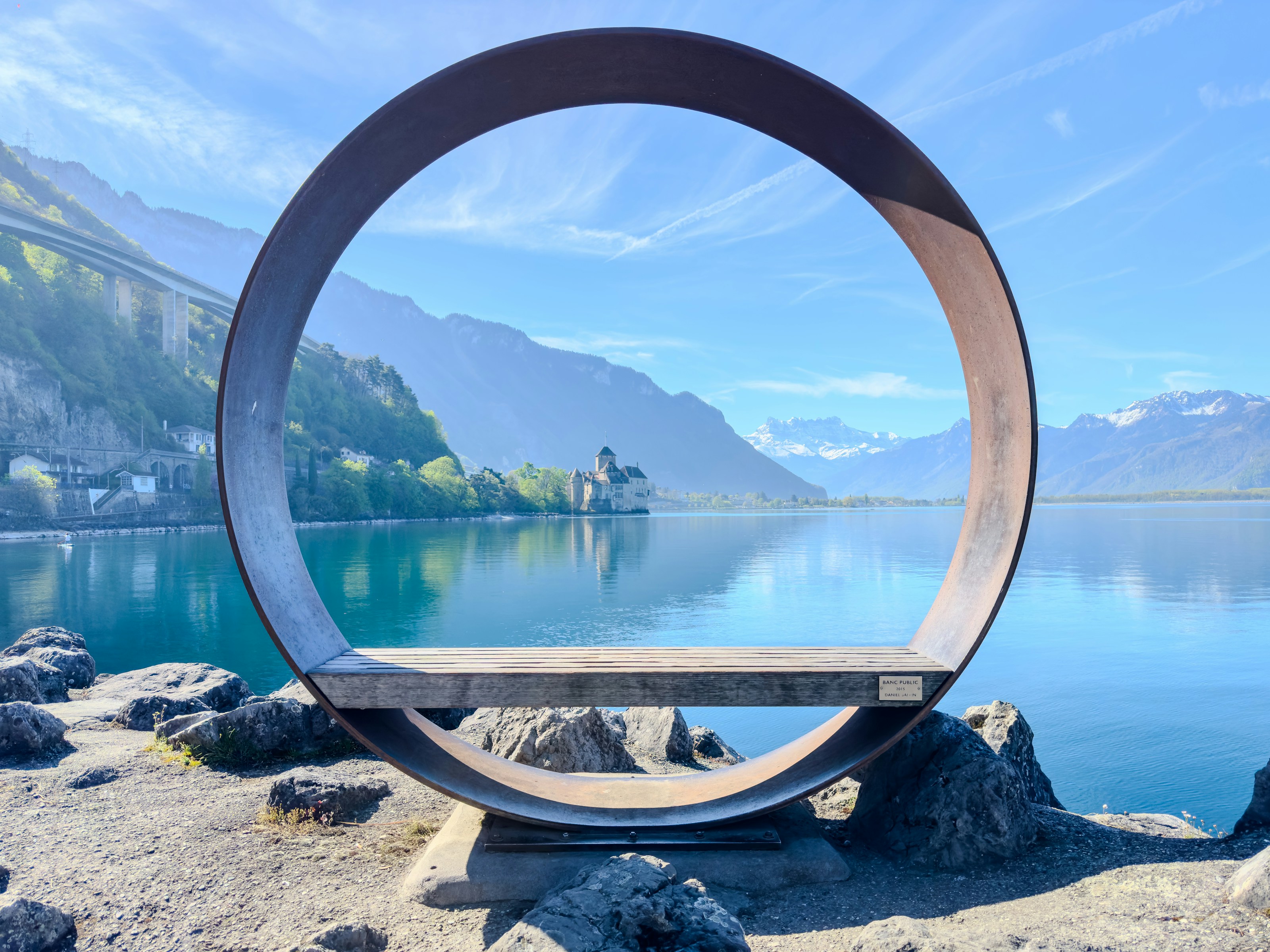
Held on the shore of Lake Geneva since 1967, Montreux built its reputation on landmark live recordings by artists from Miles Davis to Deep Purple, whose fire at the 1971 show inspired 'Smoke on the Water'.
Despite the name, the programme now spans well beyond jazz into pop, soul, and electronic music across indoor venues and free lakeside stages, with the mountains rising directly behind the promenade.
How does it rate
CrowdsRomanceCash RequiredDangerAccessibilityWhy you should go
A historic lakeside music festival since 1967, home to landmark live recordings and a programme now spanning far beyond jazz.
Why you shouldn't go
Ticketed indoor shows for top acts sell out early and Switzerland's prices make the two-week stay an expensive one.
Plan your visit
Best time to visitTwo weeks from late June into early July.Best time of dayEvening for the ticketed concerts; the free lakeside stages run through the afternoon too.Getting thereFly into Geneva Airport, then a direct train to Montreux, about an hour away.Entry costFree lakeside stages; ticketed concert hall shows from around CHF80.Time neededA day or two covers the atmosphere; the full programme runs two weeks.BookingBook ahead →Insider tip — Even without concert tickets, the free lakeside stages and promenade atmosphere in the evening capture most of the festival's character. -
 #779 /100
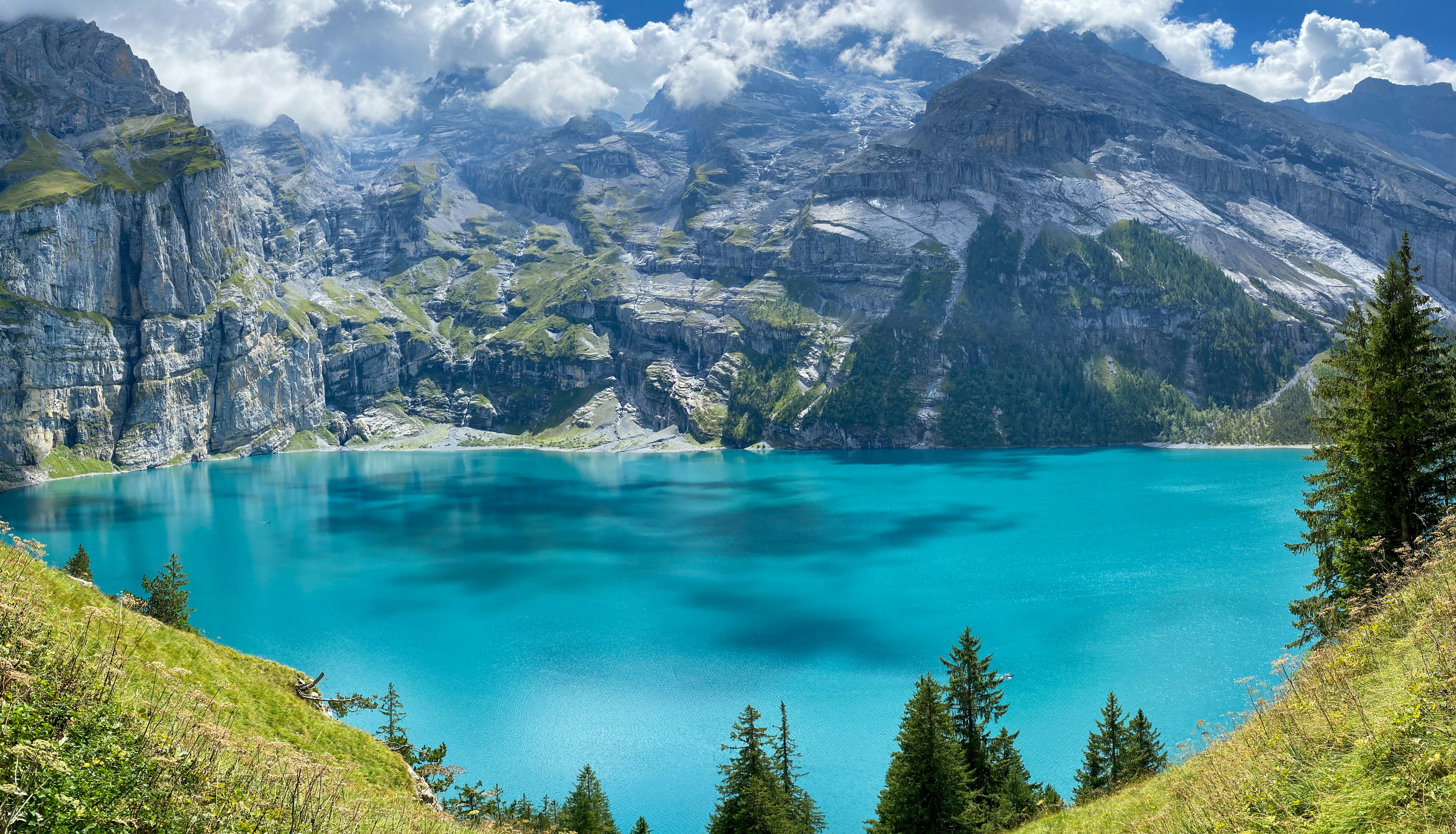
A vivid turquoise alpine lake at 1,578 meters, ringed by sheer limestone cliffs and wildflower meadows below the Blüemlisalp glacier.
Reached by cable car and a short walk, it's one of the Bernese Oberland's most spectacular — and comparatively uncrowded — spots.
How does it rate
CrowdsRomanceCash RequiredDangerAccessibilityWhy you should go
A turquoise alpine lake ringed by sheer cliffs, reached by cable car and a short wildflower-meadow walk.
Why you shouldn't go
Cable car capacity limits visitor numbers on busy summer days; weather in the mountains can change quickly.
Plan your visit
Best time to visitJune–August for wildflower bloom and open trails; September for quieter, golden light.Best time of dayAfternoon light brings out the cliffs; early morning offers the calmest water for reflections.Getting thereTrain to Kandersteg, then the Oeschinensee cable car, followed by a 30–45 minute walk down to the lake.Entry costCable car CHF 30 round trip (often covered by the Swiss Travel Pass).Time needed3–4 hours including the cable car and walk.BookingBook ahead →Insider tip — Visit on a weekday or outside peak August dates for a noticeably quieter lake. There's no food service lakeside, so bring your own lunch. -
 #878 /100
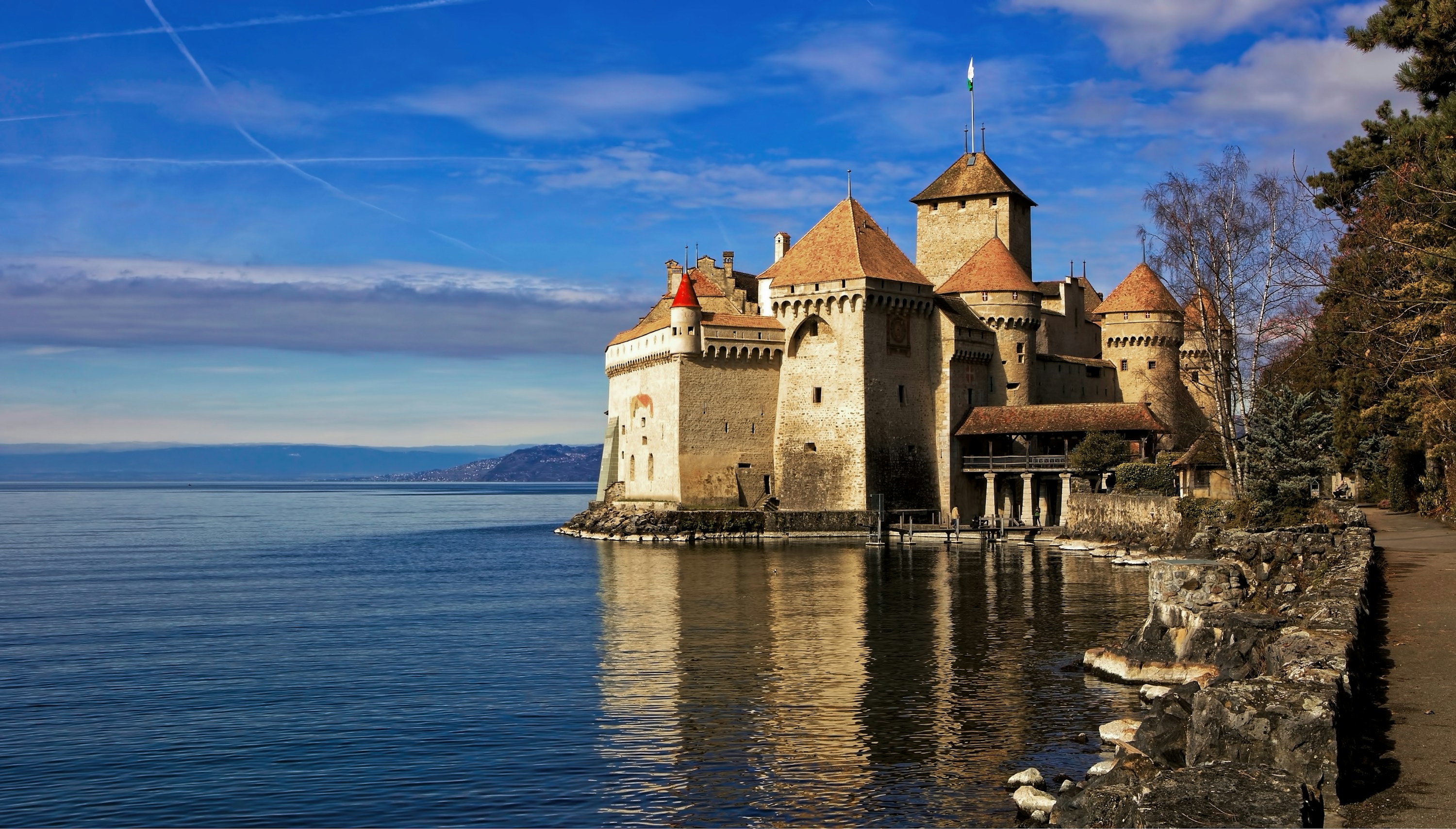
Switzerland's largest lake curves along the base of the Alps between Geneva and Montreux, its mild microclimate supporting palm-lined promenades, terraced vineyards, and the turreted, moated Château de Chillon rising straight out of the water.
Lakeside towns like Montreux and Vevey give it a genteel, resort-town character, and paddle-steamers still cross between them much as they did a century ago.
How does it rate
CrowdsRomanceCash RequiredDangerAccessibilityWhy you should go
A rare combination of Alpine backdrop, mild climate, and a genuinely striking lakeside medieval castle.
Why you shouldn't go
The lake itself is mostly a scenic backdrop rather than an activity — most of the "doing" happens at specific stops like Chillon.
Plan your visit
Best time to visitMay–September for warm weather and full paddle-steamer schedules.Best time of dayLate afternoon light along the Montreux promenade, or morning to beat Chillon's tour groups.Getting thereTrain to Montreux from Geneva (about 1 hour) or Lausanne; Chillon is a lakeside walk or boat ride away.Entry costPromenades are free; Château de Chillon entry is a paid ticket.Time needed1–2 daysBookingBook ahead →Insider tip — Take the CGN boat rather than the train between Montreux and Chillon — the castle looks its best approached from the water. -
 #977 /100
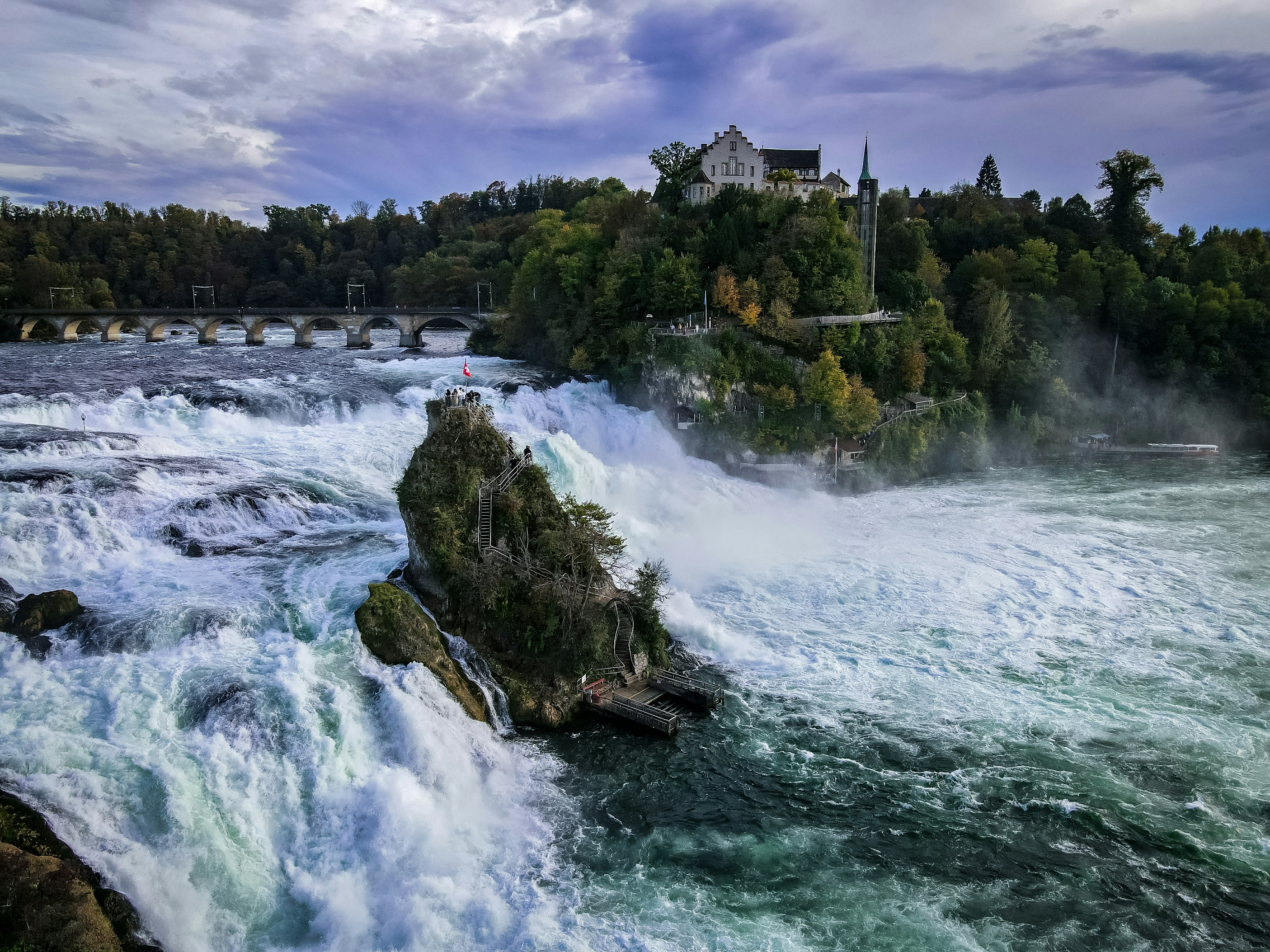
Europe's largest waterfall by volume thunders over a 150-metre-wide limestone ledge near Schaffhausen, where the Rhine drops about 23 metres in a broad, permanent roar rather than a single dramatic drop.
Viewing platforms reach out over the spray from both banks, boats motor right up to the central rock, and the free riverside paths make it an easy stop rather than a planned expedition.
How does it rate
CrowdsRomanceCash RequiredDangerAccessibilityWhy you should go
Free, easy access to one of Europe's most powerful waterfalls, viewable from multiple angles in under an hour.
Why you shouldn't go
It's wide and powerful rather than tall or dramatic — expect a short, popular stop rather than a full day out.
Plan your visit
Best time to visitLate spring through summer, when snowmelt keeps water volume and spray at their peak.Best time of dayMorning or weekday visits avoid the tour-bus crowds that build through the afternoon.Getting thereTrain to Schaffhausen or Neuhausen Rheinfall station, then a short walk to the viewing points.Entry costFree from the riverbank; Laufen Castle viewing platforms cost a small fee; boat rides extra.Time needed1–2 hoursBookingBook ahead →Insider tip — The Känzeli platform, reached by stairs from Laufen Castle, gets you close enough to feel the spray on your face. -
 #1074 /100
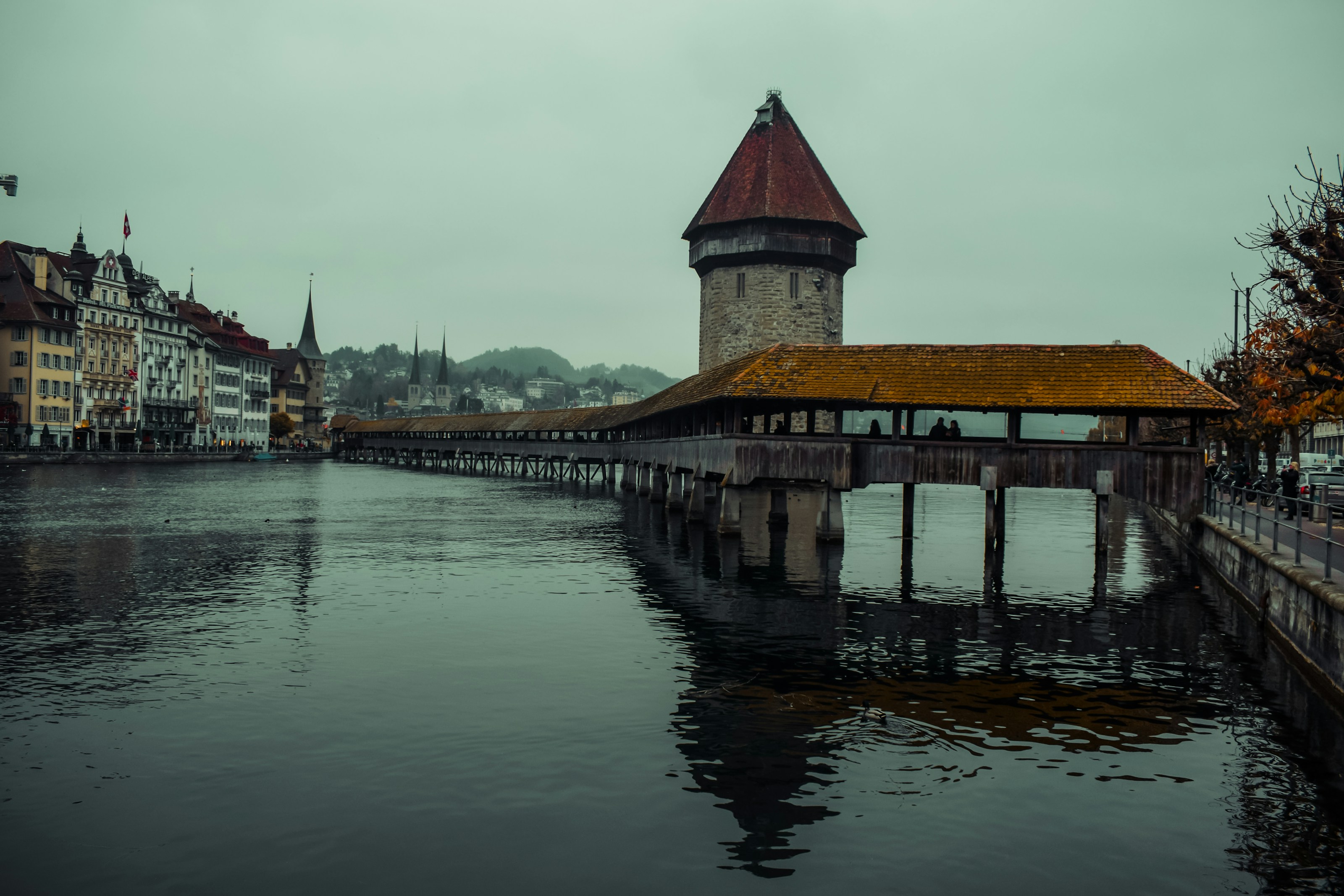
A covered timber footbridge zigzagging across the Reuss in Lucerne, built in 1333 and hung with painted gable panels telling the city's history.
The octagonal stone water tower beside it is the image on every Lucerne postcard.
Much of the bridge was rebuilt after a fire in 1993, but the effect from the riverbank is unchanged.
How does it rate
CrowdsRomanceCash RequiredDangerAccessibilityWhy you should go
Europe's oldest surviving covered wooden bridge, free to cross and beautifully lit at dusk.
Why you shouldn't go
Its fame is out of proportion to its size - most visitors have seen everything in ten minutes.
Plan your visit
Best time to visitMay-September, when the flower boxes along the rails are in bloomBest time of dayBlue hour, when the lamps come on and the water goes stillGetting thereFive minutes on foot from Lucerne station, straight down to the riverEntry costFreeTime needed30 minutesInsider tip — Shoot from the Rathaussteg downstream to get the bridge, the water tower and the Pilatus massif behind it all in one frame. -
 #1172 /100
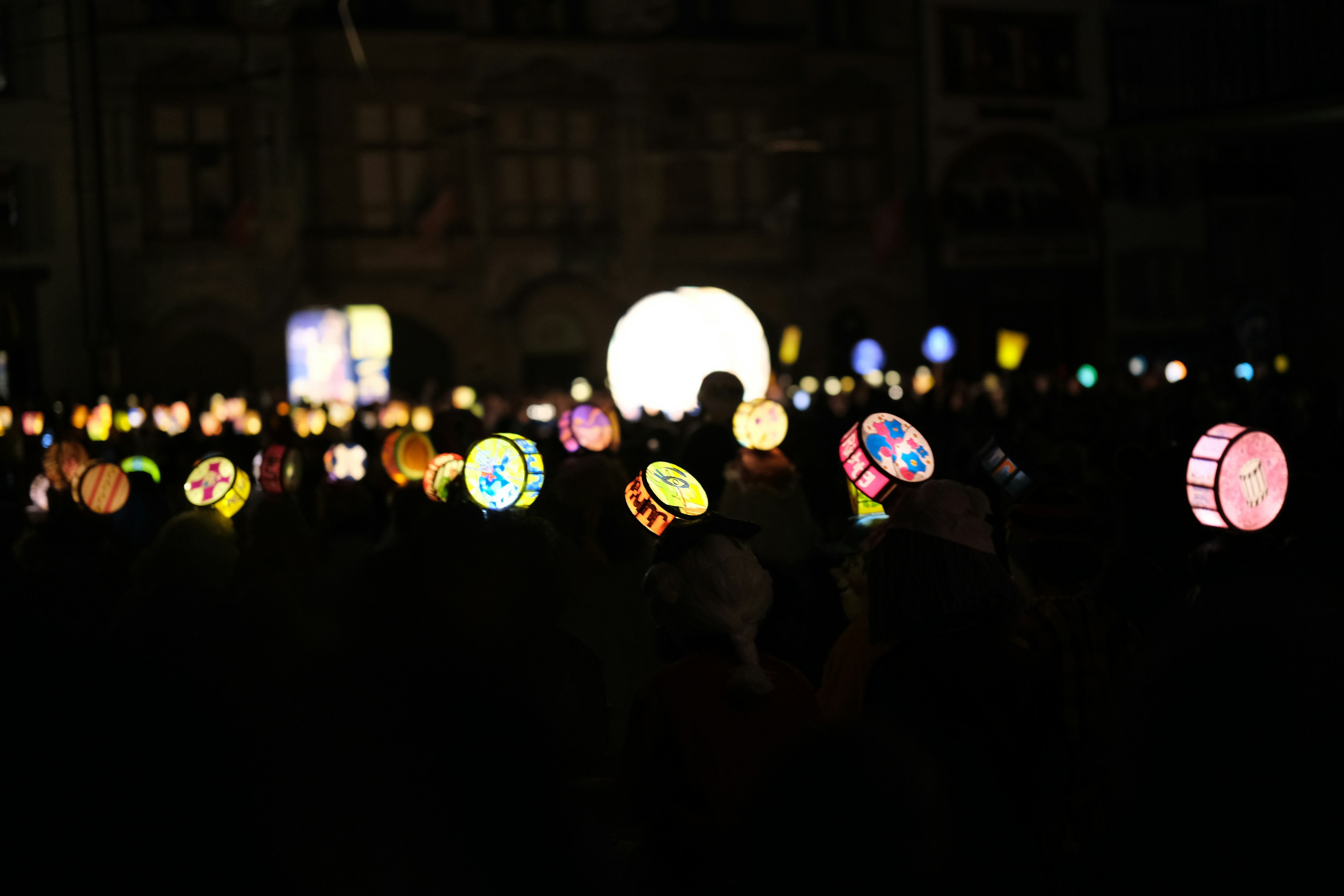
Basel's carnival opens at exactly 4am with the Morgestraich: every streetlight in the old town switches off, and thousands of costumed marchers set out through darkness lit only by hand-painted lanterns worn on their heads.
Three days of fife-and-drum cliques and satirical floats follow, built around a different secret theme each year.
UNESCO listed it as intangible heritage in 2017; it remains a local event run by the same societies.
How does it rate
CrowdsRomanceCash RequiredDangerAccessibilityWhy you should go
A carnival that opens in total darkness at 4am, when Basel's streetlights switch off for thousands of hand-painted lanterns to lead the parade.
Why you shouldn't go
It runs for exactly 72 hours, Monday 4am to Thursday 4am, so mistiming a visit by even a day means missing it entirely.
Plan your visit
Best time to visitThe Monday-Wednesday after Ash Wednesday, in February or March; exact dates shift yearly.Best time of day4am on the opening Monday for the Morgestraich lantern procession, the event's signature moment.Getting thereFly into EuroAirport Basel, or take a direct train from Zurich, Geneva, or Paris; the old town is walkable from Basel SBB station.Entry costFree to watch on the streets; grandstand seats for the daytime Cortege parade can be booked ahead.Time neededA full day covers the highlights; the complete experience takes the full 72 hours.Insider tip — Claim a spot on Marktplatz well before 4am for the Morgestraich - the lights cut out on the exact minute with no countdown, and the best viewing spots fill early. -
 #1271 /100
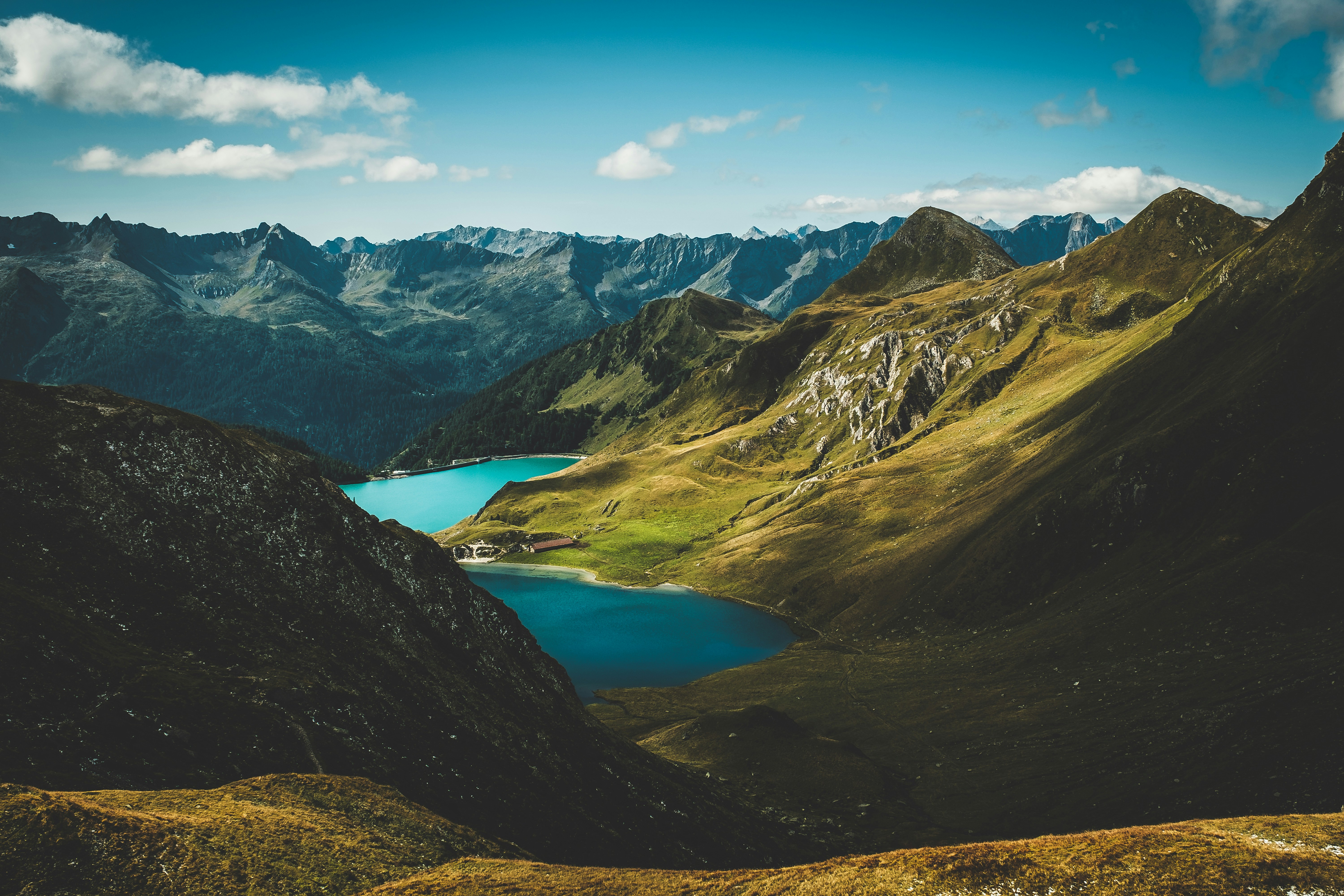
A quiet alpine reservoir in Ticino reached by one of Europe's steepest funicular railways, climbing to a plateau ringed by peaks and pine forest.
Far quieter than the Bernese Oberland lakes, with hiking trails that see only a fraction of the region's tourists.
How does it rate
CrowdsRomanceCash RequiredDangerAccessibilityWhy you should go
A hidden alpine reservoir reached by one of Europe's steepest funicular railways — virtually unknown to tourists.
Why you shouldn't go
Limited services at the top; the funicular has restricted operating hours and seasonal closures; cold water year-round.
Plan your visit
Best time to visitJuly–September, when the funicular runs on its full schedule and wildflowers bloom.Best time of dayMorning for calm-water reflections; late afternoon for warm light on the surrounding peaks.Getting thereTrain to Piotta on the Gotthard line, then the Ritom funicular up to the lake plateau.Entry costFunicular round trip roughly CHF 20–25.Time needed3–4 hours including the funicular ride and a lakeside walk.Insider tip — Check the funicular's seasonal timetable before travelling — it doesn't run year-round. The Ritom funicular is itself a highlight: one of the steepest standard-gauge funiculars in Europe.


How a score is built
One score out of 100, five criteria behind it
Every place is rated 1–5 on each of the criteria below, then combined into a single score out of 100. It's calculated by us, the same way every time — not an average of traveller reviews or social votes.
Crowds
How many people you'll be sharing it with, and at what time of day.
Romance
How well it suits a couple, a proposal, or a quiet moment together.
Cash required
Entry fees, permits, guides, rentals — what it actually costs to do it.
Danger
Physical risk involved, from a slippery viewpoint to genuine hazard.
Accessibility
How far off the beaten path it is, and how hard it is to actually reach.