-
 #1
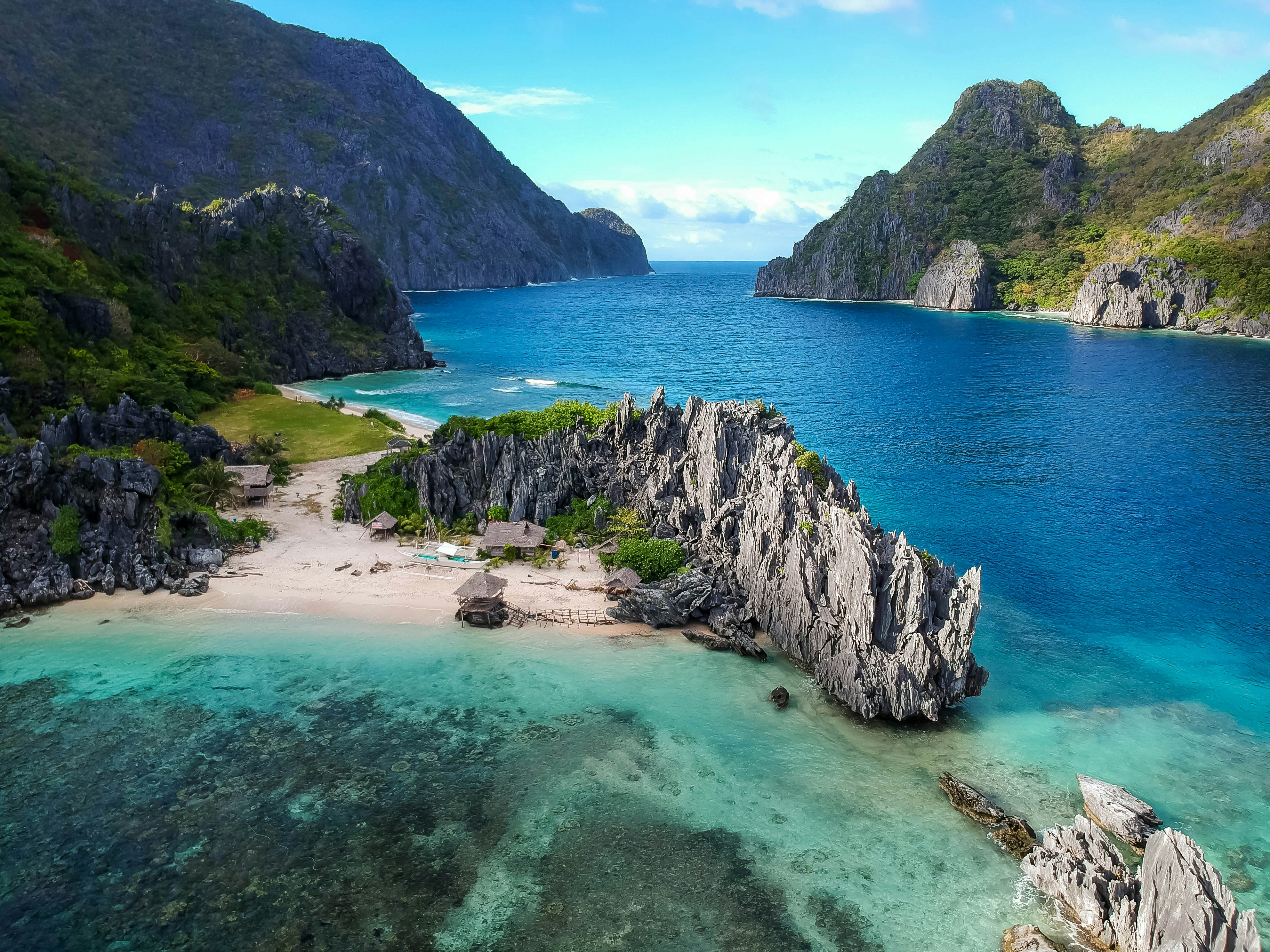
#1Sheer limestone karsts rise straight out of turquoise lagoons around this Palawan town, often ranked among the world's most beautiful island landscapes.
Hidden lagoons reachable only by kayak or narrow swim-throughs open onto still, mirror-flat water walled in by cliffs.
Island-hopping boat tours string together beaches, lagoons, and reefs that are rarely anything less than spectacular.
How does it rate
CrowdsRomanceCash RequiredDangerAccessibilityWhy you should go
Some of the most dramatic limestone-karst island scenery anywhere on Earth.
Why you shouldn't go
Popular lagoons get crowded with tour boats by mid-morning.
Plan your visit
Best time to visitNovember-May, the dry season, for calm water and clear skies.Best time of dayEarly morning, before the first wave of island-hopping tour boats arrives.Getting thereFly to El Nido or Puerto Princesa airport; boats depart from El Nido town for the lagoons.Entry costEnvironmental fee applies; island-hopping tours priced separately, from around $20.Time needed3-4 daysInsider tip — Book a private or small-group tour departing before 7am to reach Big Lagoon ahead of the crowds. -
 #281 /100
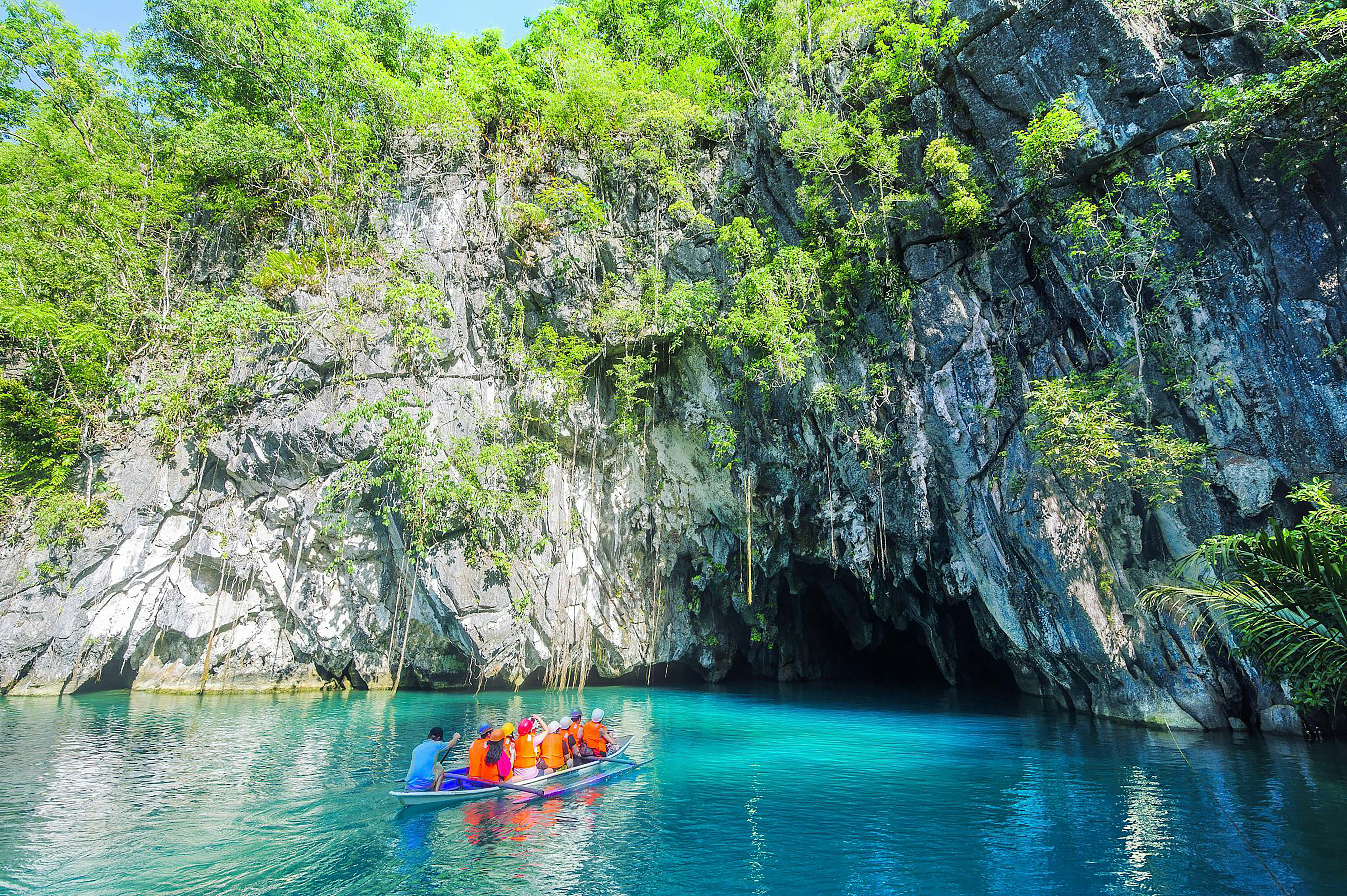
A navigable underground river winds more than 8 kilometers through a limestone karst cave system before reaching the sea, its chambers hung with stalactite formations and home to colonies of bats and swiftlets.
Paddled by small boat with a guide, the first kilometer open to visitors passes through cavernous chambers where the ceiling occasionally opens into shafts of light.
Its scale earned it a spot among the New7Wonders of Nature.
How does it rate
CrowdsRomanceCash RequiredDangerAccessibilityWhy you should go
A genuinely navigable underground river through dramatic limestone cave chambers.
Why you shouldn't go
Daily visitor permits are capped, so entry requires advance booking, especially in peak season.
Plan your visit
Best time to visitNovember–May, the dry season, for calmer water and easier access.Best time of dayEarly morning for the first boat slots and to beat the day-trip crowds.Getting thereFly to Puerto Princesa, then a road and boat transfer of about 1.5–2 hours to Sabang.Entry costAround ₱440 (~€7) plus mandatory permit; usually bundled into tour packages.Time neededHalf a day including transfers.Insider tip — Book your permit through a Puerto Princesa tour operator at least a few days ahead — walk-up slots often sell out. -
 #380 /100
Four kilometres of powder-fine white sand lined with resorts, beach bars, and sunset boat cruises, split into three "stations" by how developed each stretch is.
It's the Philippines' most famous beach and one of Southeast Asia's busiest, powdery enough that the sand squeaks underfoot.
A government-mandated cleanup and visitor cap in recent years has kept water quality noticeably better than its reputation from a decade ago.
How does it rate
CrowdsRomanceCash RequiredDangerAccessibilityWhy you should go
Squeaky-fine white sand along a four-kilometre stretch, with some of the best sunset views in Southeast Asia.
Why you shouldn't go
It's a genuinely busy resort strip, not a quiet escape, and gets more crowded by the year despite visitor caps.
Plan your visit
Best time to visitNovember-April, the dry season.Best time of daySunset, when boats fill the bay in front of Station 2.Getting thereFly to Caticlan or Kalibo, then a short boat crossing to Boracay Island.Entry costFree to access; a small environmental fee is charged on arrival.Time neededHalf a day to a full day.Insider tip — Station 1's stretch has the finest sand and thins out fastest after sunset dinner rush - walk there for photos once Station 2 empties. -
 #4
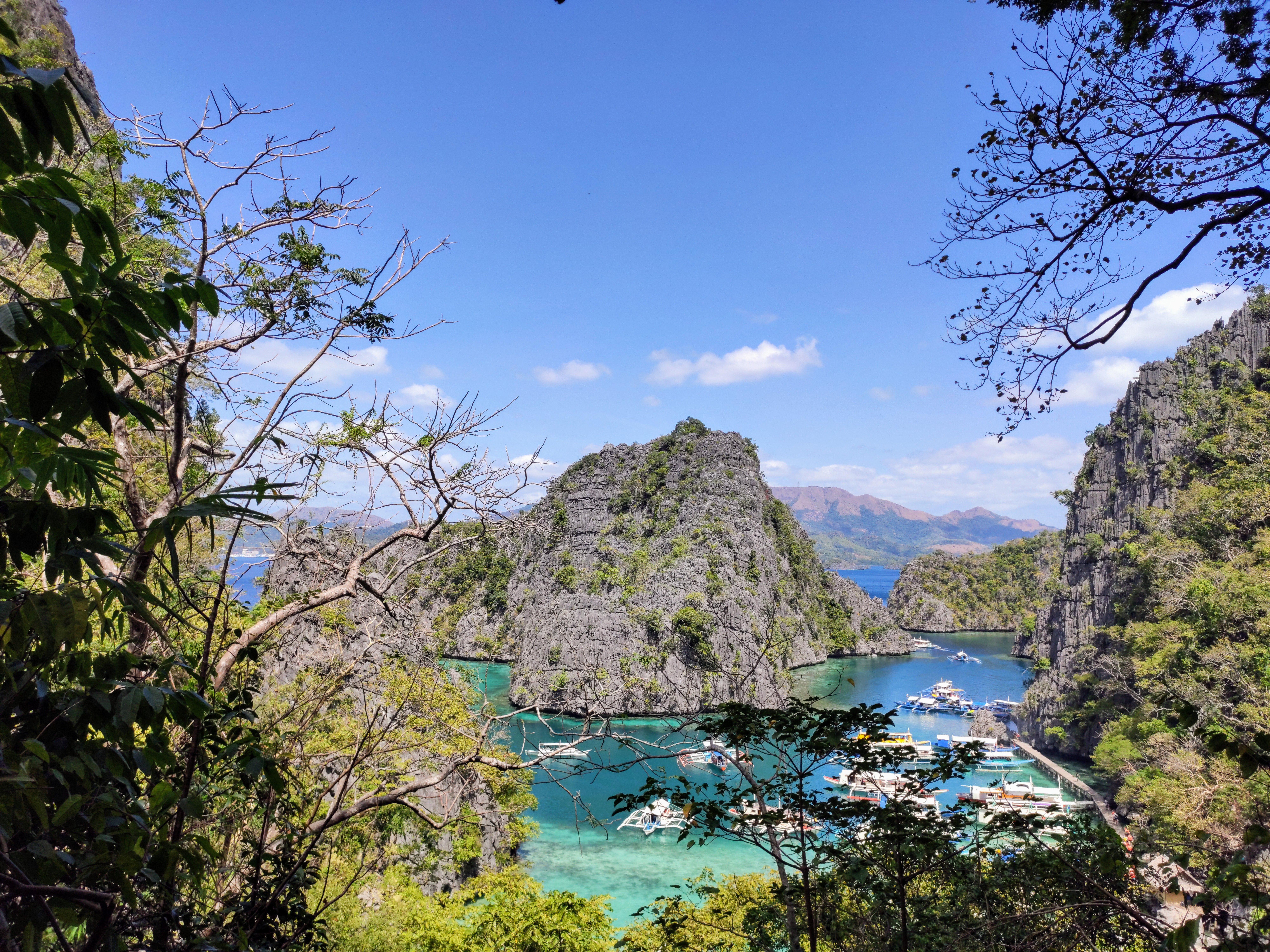
#4Ringed by limestone cliffs and turquoise lagoons, Coron is best known for some of the world's best wreck diving — a dozen Japanese naval ships sunk here in a single 1944 raid now sit intact on the seabed, accessible to both certified divers and snorkelers.
Above water, Kayangan Lake's cliff-top viewpoint and the island's hot springs round out a destination built around striking limestone-and-water scenery.
How does it rate
CrowdsRomanceCash RequiredDangerAccessibilityWhy you should go
World-class WWII wreck diving alongside some of the Philippines' most striking limestone lagoons.
Why you shouldn't go
Getting around the island group requires chartering boats, which adds up over a multi-day stay.
Plan your visit
Best time to visitNovember–May, dry season, for the clearest water and calmest seas.Best time of dayEarly morning at Kayangan Lake, before tour boats arrive in numbers.Getting thereFly directly to Busuanga/Coron airport, or take a ferry from Manila or El Nido.Entry costIsland-hopping tours from around ₱1,200 (~€19); wreck diving from ₱3,500 (~€56).Time needed2–3 days.Insider tip — Book a private rather than shared island-hopping boat if diving Kayangan Lake — shared tours often rush the best viewpoint. -
 #578 /100
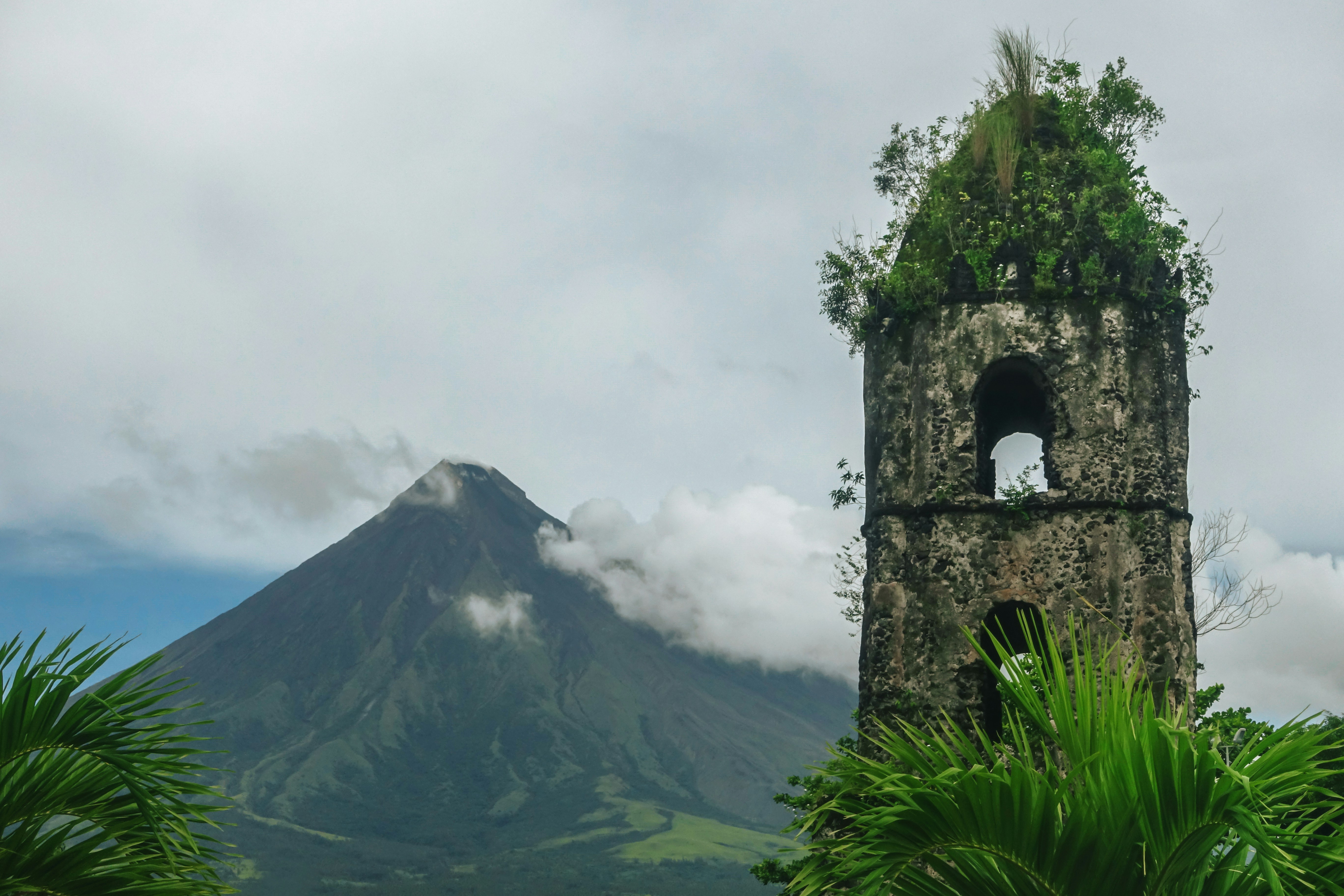
Famous for having the most perfectly symmetrical cone of any volcano on Earth, rising in a flawless triangle above rice paddies and palm groves in the Bicol region.
It remains one of the Philippines' most active volcanoes, with periodic eruptions that occasionally force evacuations from surrounding villages, adding genuine drama to its postcard-perfect profile.
The best views come from a distance - from Daraga Church's ruins or the ATV trails around its lower slopes - rather than any close approach to the crater itself.
How does it rate
CrowdsRomanceCash RequiredDangerAccessibilityWhy you should go
Widely considered the most perfectly symmetrical volcanic cone in the world, framed by rice paddies and church ruins.
Why you shouldn't go
It's genuinely active with a history of sudden eruptions, so close-approach access is often restricted for safety.
Plan your visit
Best time to visitDecember-May (dry season) for the clearest, cloud-free views of the cone.Best time of dayEarly morning, before afternoon cloud typically wraps the summit.Getting thereFly to Legazpi; the classic viewpoints are a short drive from the city.Entry costViewpoint access is generally free; ATV tours on the lower slopes cost around 500-800 PHP.Time neededHalf a day.Insider tip — Cagsawa Ruins is the classic photo spot, but Daraga Church's hilltop churchyard gives the same cone view with a fraction of the tour-bus crowd. -
 #676 /100
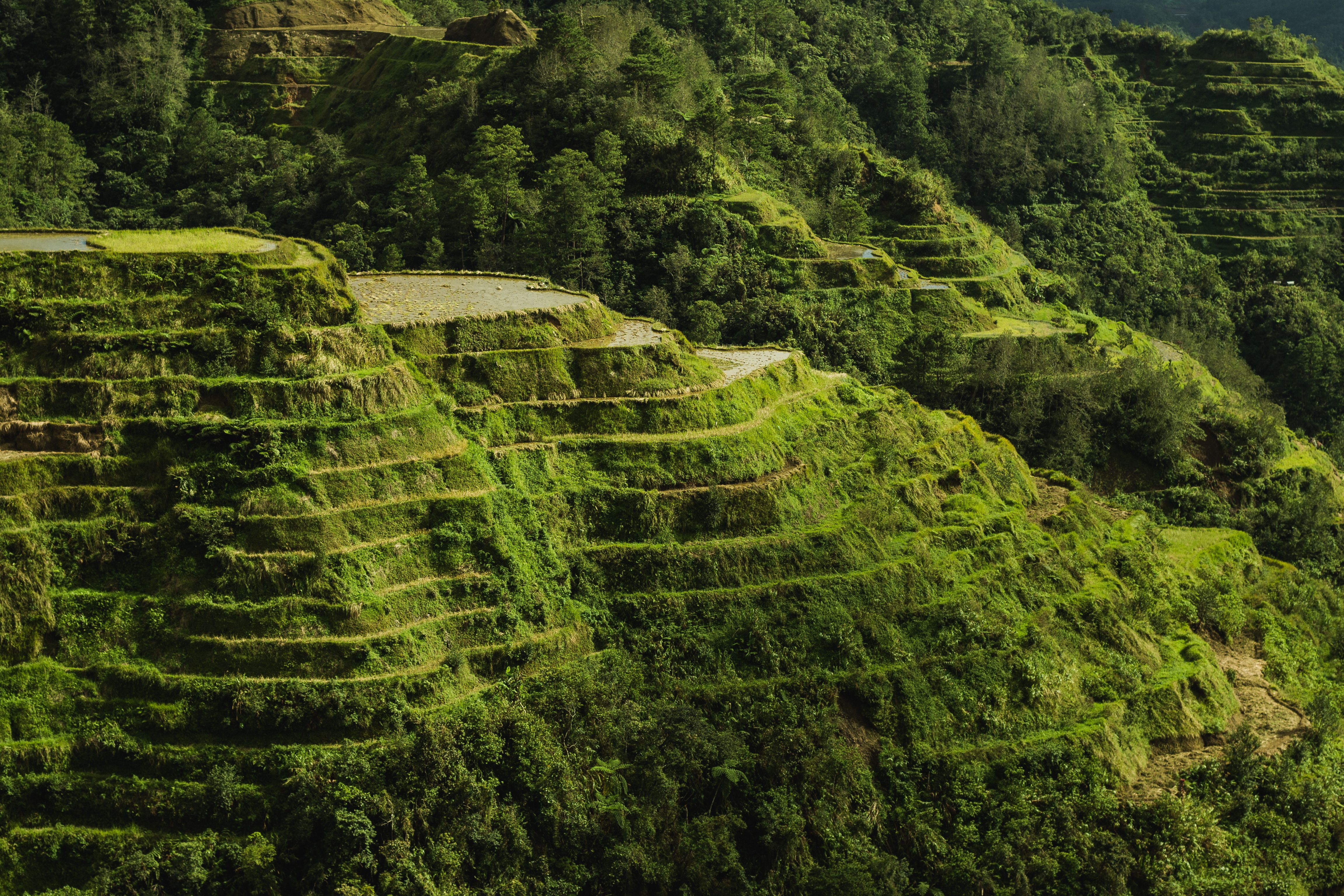
Carved into the Cordillera mountains some 2,000 years ago by the Ifugao people using only hand tools, these terraces climb the hillsides in contour lines that follow the land, still irrigated by an ancient engineered system fed from the forests above.
Locals still farm rice here, so the terraces are a living agricultural landscape rather than a preserved relic — often called the 'eighth wonder of the world.
'
How does it rate
CrowdsRomanceCash RequiredDangerAccessibilityWhy you should go
A 2,000-year-old engineered landscape still actively farmed the same way today.
Why you shouldn't go
The core Banaue viewpoint area is well-touristed; reaching the more dramatic Batad terraces needs a further hike.
Plan your visit
Best time to visitMarch–May for lush green terraces before typhoon season; June–September brings rain.Best time of daySunrise, when mist often sits in the valley below the terraces.Getting thereOvernight bus from Manila (about 9 hours) to Banaue town, then jeepney to the viewpoints.Entry costFree to view; small fees at specific lookout points.Time needed1–2 days, more if hiking to Batad.Insider tip — Hire a local Ifugao guide to hike down into Batad's amphitheater terraces — a far less-visited experience than the roadside Banaue viewpoint. -
 #774 /100
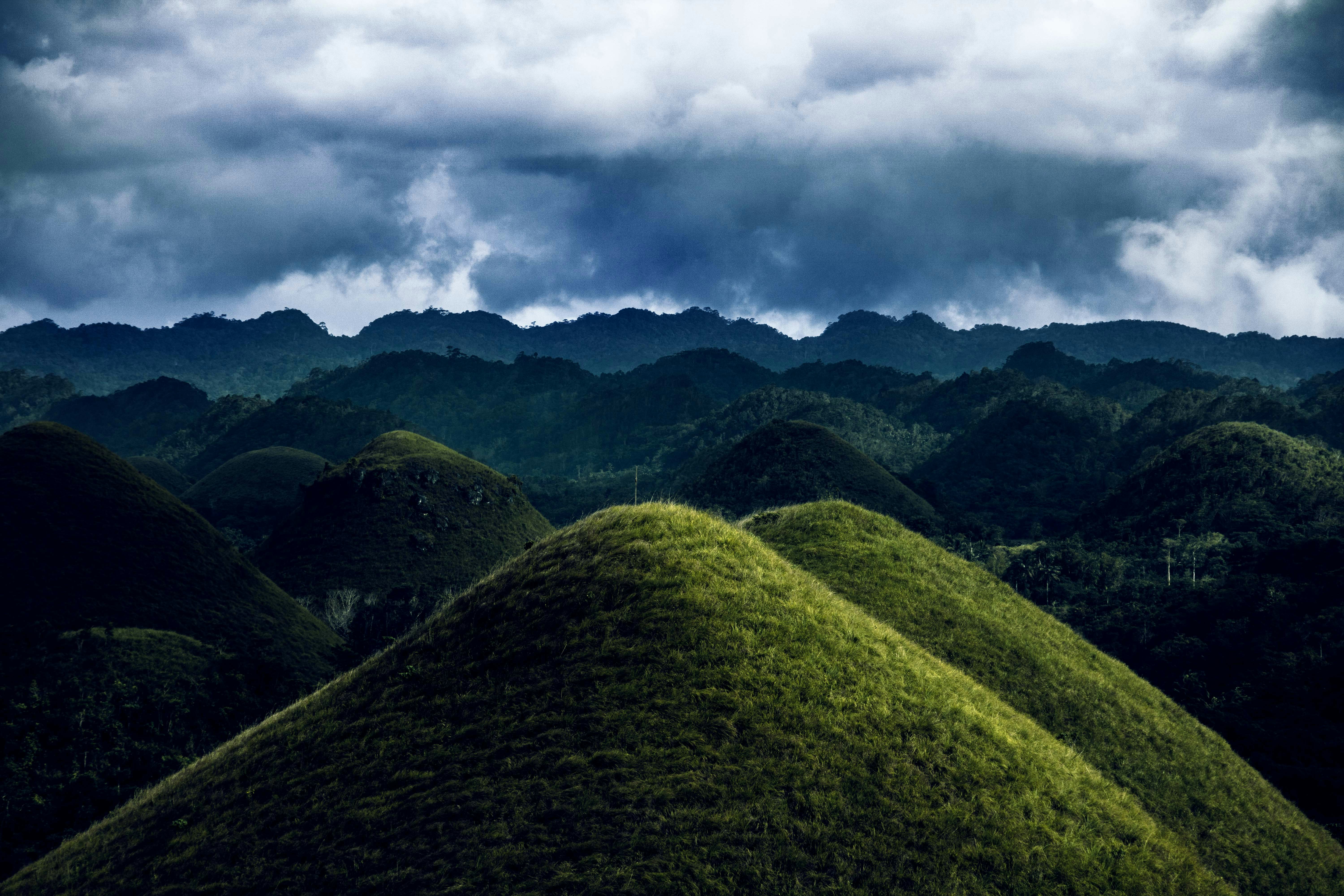
Over 1,200 near-perfectly conical grass-covered hills spread across Bohol island, turning chocolate-brown in the dry season.
A geological oddity of uncertain origin, best appreciated from the Chocolate Hills Complex viewing deck at sunrise or sunset.
How does it rate
CrowdsRomanceCash RequiredDangerAccessibilityWhy you should go
Over 1,200 symmetrical grassy hills that turn chocolate-brown in dry season, a geological one-of-a-kind.
Why you shouldn't go
The famous "chocolate" brown color only appears in dry season (Dec–May); green the rest of the year.
Plan your visit
Best time to visitMarch–May (dry season) for the brown hue the hills are named for.Best time of dayEarly morning for cooler temperatures and softer light on the viewing deck.Getting thereFly to Tagbilaran, Bohol; 1-hour drive to Carmen town viewing complex.Entry costPHP 50 (~$1) entrance fee.Time needed1–2 hoursInsider tip — Combine with a Loboc River cruise and the nearby tarsier sanctuary the same day. Climb the 214 steps to the deck for the full panorama. -
 #8
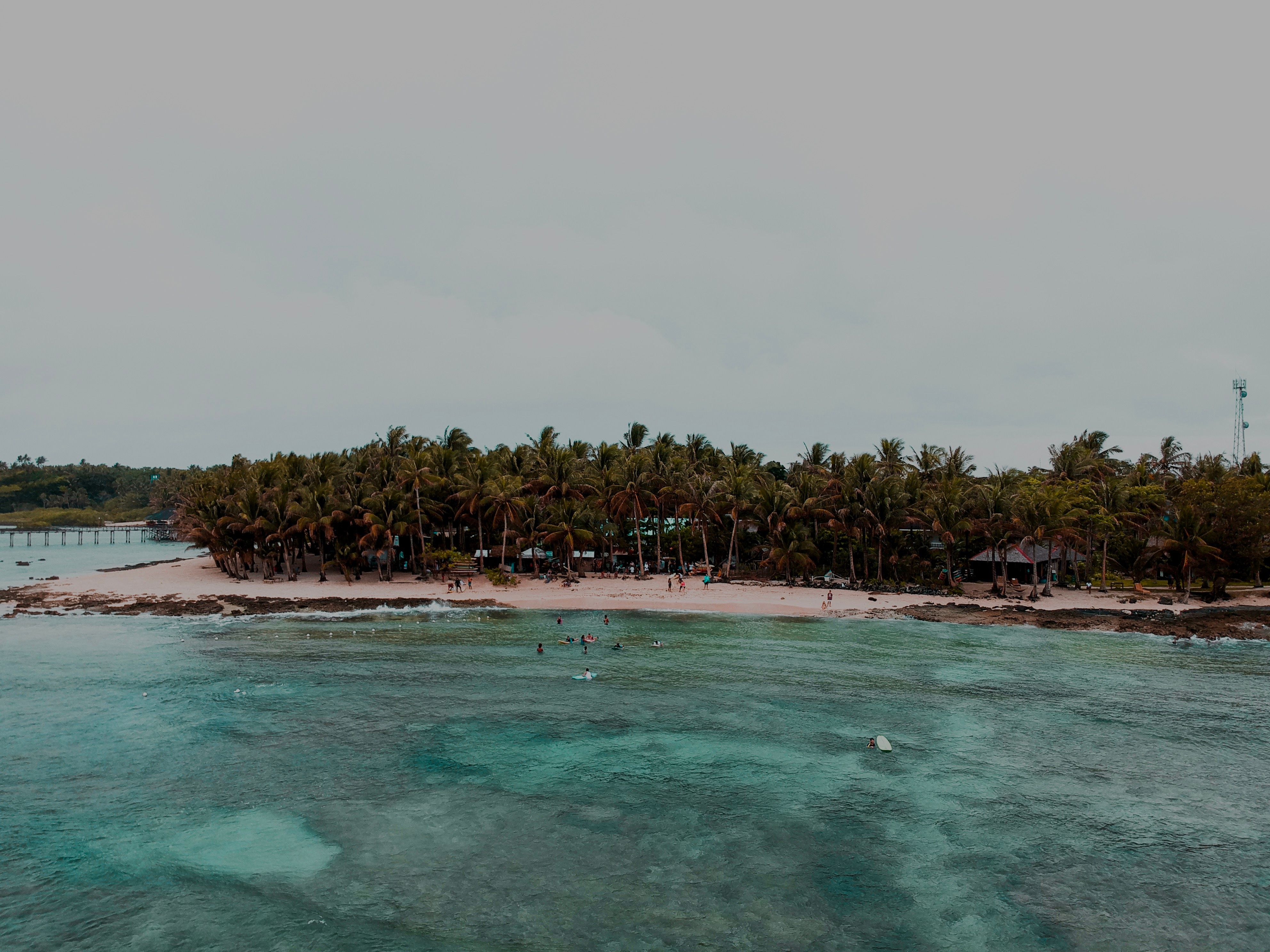
#8The Philippines' surfing capital centers on Cloud 9, a powerful reef break that draws competitive surfers from around the world, but the teardrop-shaped island has plenty beyond the waves — the tidal Magpupungko rock pools, palm-lined lagoons, and a laid-back beach-town scene around General Luna.
Island-hopping trips reach nearby uninhabited islets with genuinely empty white-sand beaches.
How does it rate
CrowdsRomanceCash RequiredDangerAccessibilityWhy you should go
World-class surf at Cloud 9, plus genuinely uncrowded island-hopping beaches nearby.
Why you shouldn't go
The best surf swells (August–November) bring rough water that's unsuitable for casual swimming.
Plan your visit
Best time to visitMarch–October for calmer seas; August–November for the biggest surf swells.Best time of dayDawn patrol surf sessions, before the wind picks up and crowds arrive at Cloud 9.Getting thereFly directly to Siargao (Sayak) airport from Manila or Cebu.Entry costFree beaches; surf lessons from around ₱1,000 (~€16); island-hopping tours from ₱1,500.Time needed3–4 days.Insider tip — Rent a scooter to reach Magpupungko rock pools at low tide on a weekday — far quieter than the main surf beaches. -
 #965 /100
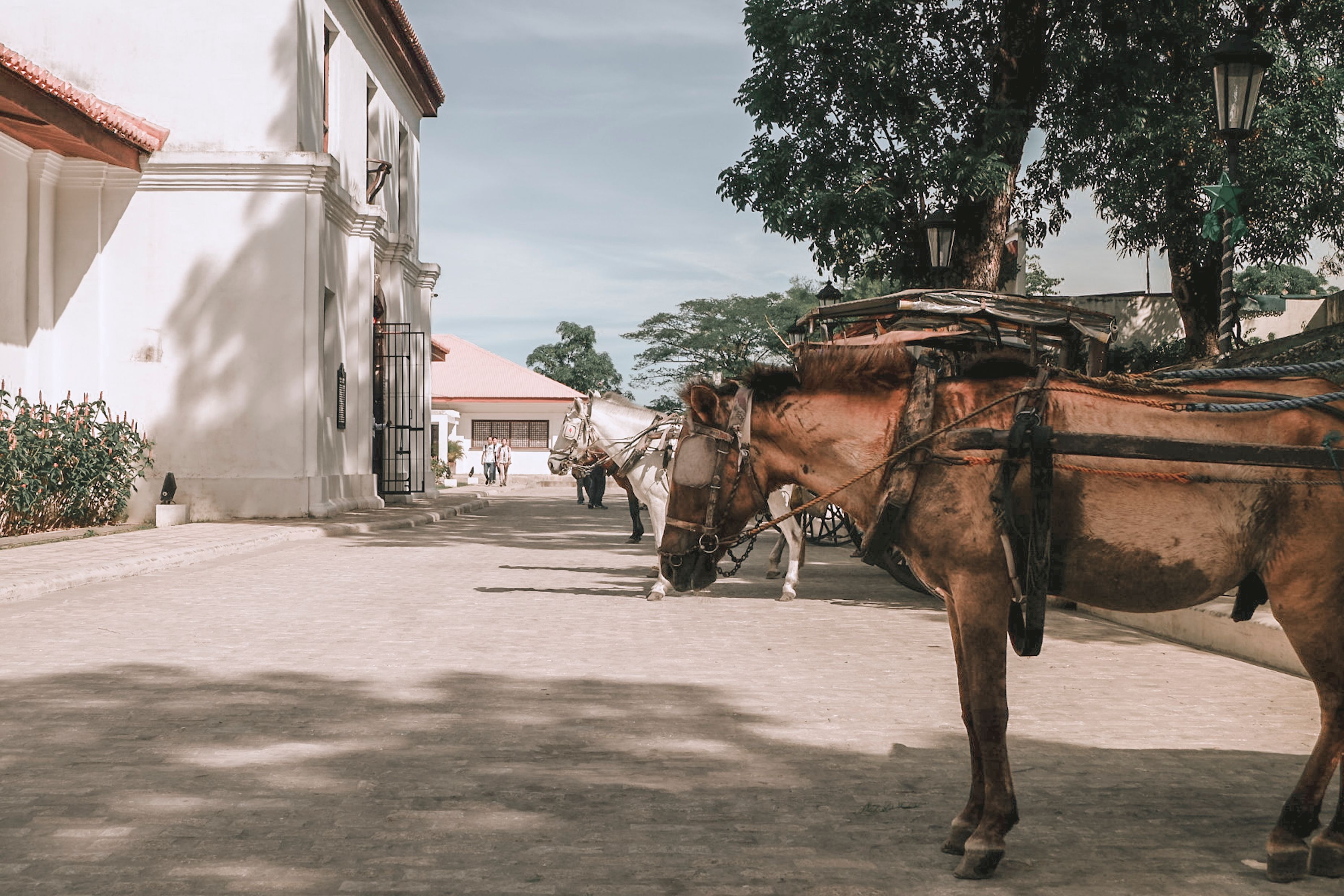
One of the best-preserved Spanish colonial towns in Asia, Vigan's cobblestone Calle Crisologo is lined with centuries-old ancestral houses combining Chinese, Spanish and Filipino styles, still occupied and largely unrestored-to-a-fault.
Horse-drawn calesa carriages clatter down the same streets locals actually use, and the town's pottery and abel-weaving workshops keep traditional crafts alive rather than staged for tourists.
How does it rate
CrowdsRomanceCash RequiredDangerAccessibilityWhy you should go
One of Asia's most intact Spanish colonial towns, still lived in rather than roped off.
Why you shouldn't go
It's primarily a walking/browsing destination — sights are limited beyond the streetscape itself.
Plan your visit
Best time to visitNovember–February, the cool dry season.Best time of dayEarly evening, when Calle Crisologo's gas lamps are lit and day-trippers have left.Getting thereFly to Laoag, then a 1-hour drive south, or an overnight bus from Manila (about 8–9 hours).Entry costFree to walk; calesa rides around ₱150 (~€2.40).Time needed1 day.Insider tip — Skip the daytime calesa queues on Calle Crisologo and instead take one after dinner, when the street is lamp-lit and nearly empty. -
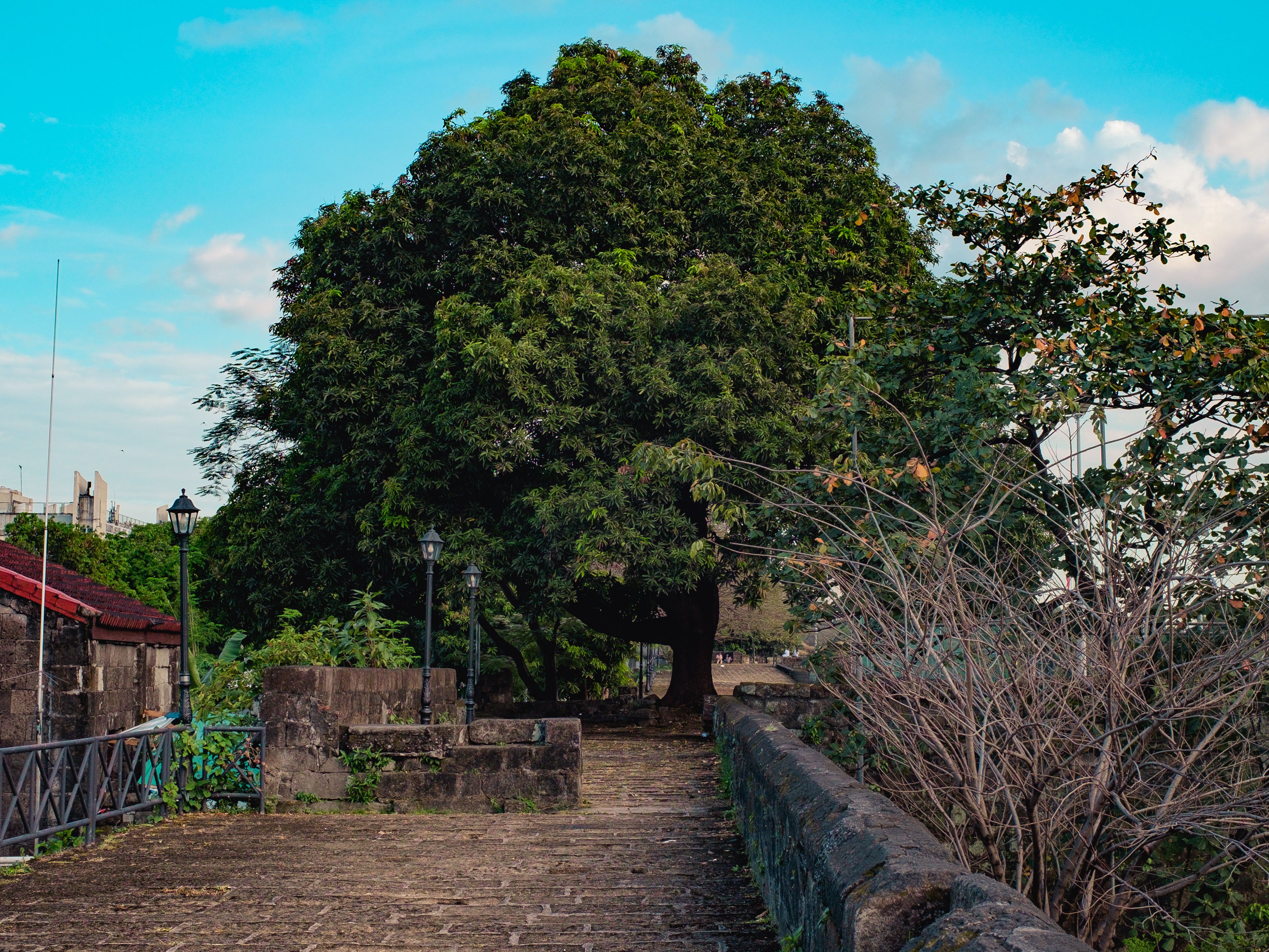 #1061 /100
The old walled Spanish city at the heart of Manila, Intramuros holds the country's colonial-era core: Fort Santiago's parade grounds and dungeons, the baroque San Agustin Church (a UNESCO site), and cobbled streets enclosed by their original stone fortifications.
Large sections were destroyed in WWII and rebuilt, so what remains is a mix of genuine ruins and reconstruction, a stark contrast to Manila's modern sprawl outside the walls.
How does it rate
CrowdsRomanceCash RequiredDangerAccessibilityWhy you should go
A walled colonial-era district offering a completely different atmosphere from modern Manila outside it.
Why you shouldn't go
Heavy WWII damage means much of what's seen is reconstruction rather than original fabric.
Plan your visit
Best time to visitNovember–February for cooler, drier weather to walk the district.Best time of dayMorning, before the heat and crowds build around Fort Santiago.Getting thereTaxi, ride-hail or LRT to Manila's Intramuros district, easily reached from anywhere in the city.Entry costFree to walk the district; Fort Santiago entry around ₱75 (~€1.20).Time neededHalf a day.Insider tip — Rent a bike from the visitor center rather than walking — the district is larger and hotter than it looks on a map.


How a score is built
One score out of 100, five criteria behind it
Every place is rated 1–5 on each of the criteria below, then combined into a single score out of 100. It's calculated by us, the same way every time — not an average of traveller reviews or social votes.
Crowds
How many people you'll be sharing it with, and at what time of day.
Romance
How well it suits a couple, a proposal, or a quiet moment together.
Cash required
Entry fees, permits, guides, rentals — what it actually costs to do it.
Danger
Physical risk involved, from a slippery viewpoint to genuine hazard.
Accessibility
How far off the beaten path it is, and how hard it is to actually reach.