-
 #190 /100
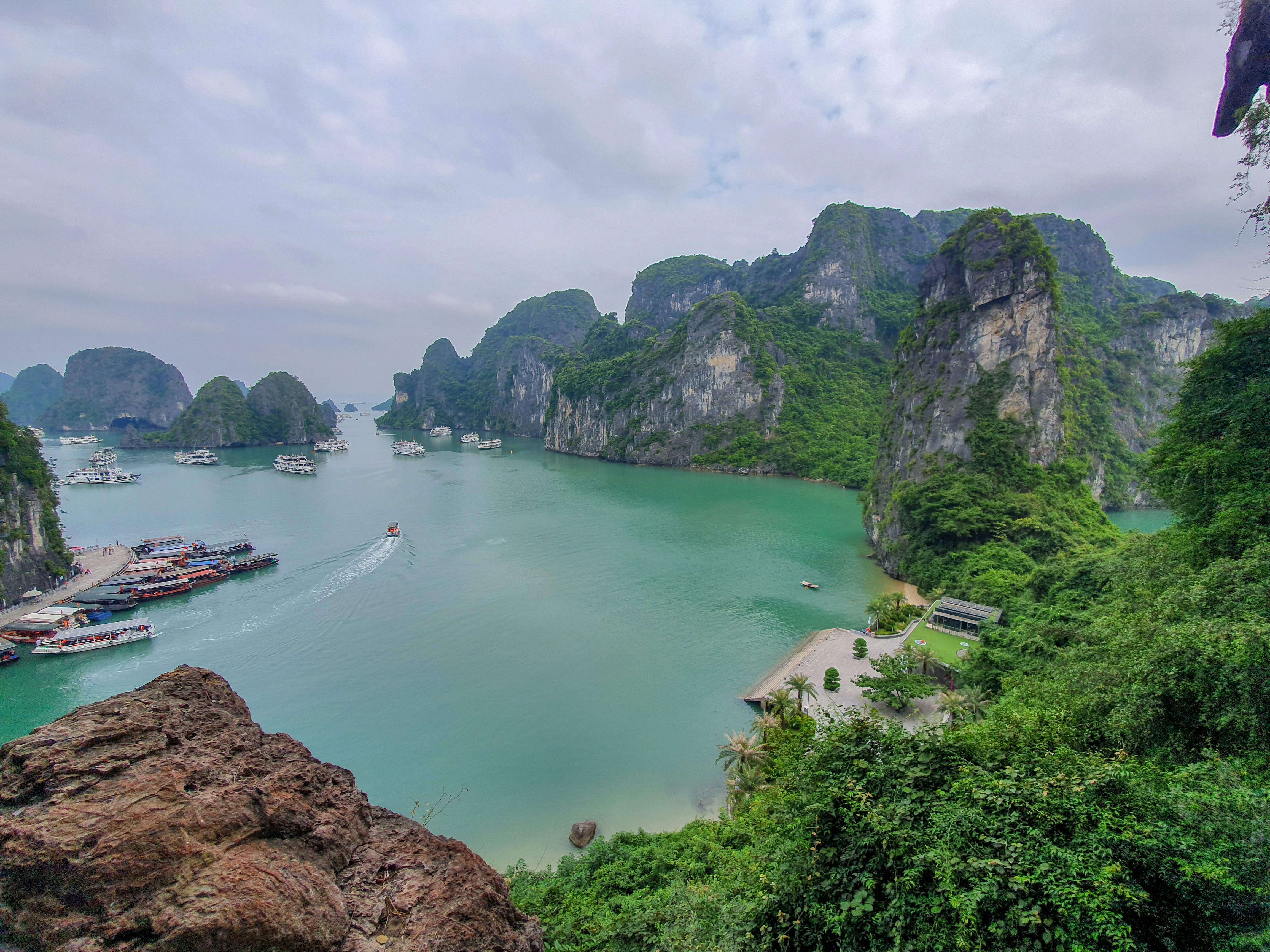
Halong Bay's emerald-green waters are scattered with thousands of limestone islands and karsts rising sheer from the sea.
Traditional junk boats still work the channels between the towering formations, while caves, floating fishing villages and hidden lagoons fill the bay's quieter corners.
The misty, ethereal atmosphere, especially at sunrise, gives the bay an almost mystical beauty.
How does it rate
CrowdsRomanceCash RequiredDangerAccessibilityWhy you should go
The unique scenery, boat tours, and calm waters make Halong Bay an unforgettable nature escape with plenty of adventure options.
Why you shouldn't go
Weather can be unpredictable, impacting visibility and photos, and certain areas are crowded with tourist boats, diminishing the serene experience.
Plan your visit
Best time to visitOctober-December, dry and clearBest time of daySunrise, before the tour boats arriveGetting there~3.5hr drive or ferry from HanoiEntry costDay cruise ~$20-40Time neededHalf day, or overnight cruiseInsider tip — Book an overnight boat to see the bay in golden morning light without the day-trippers -
 #289 /100
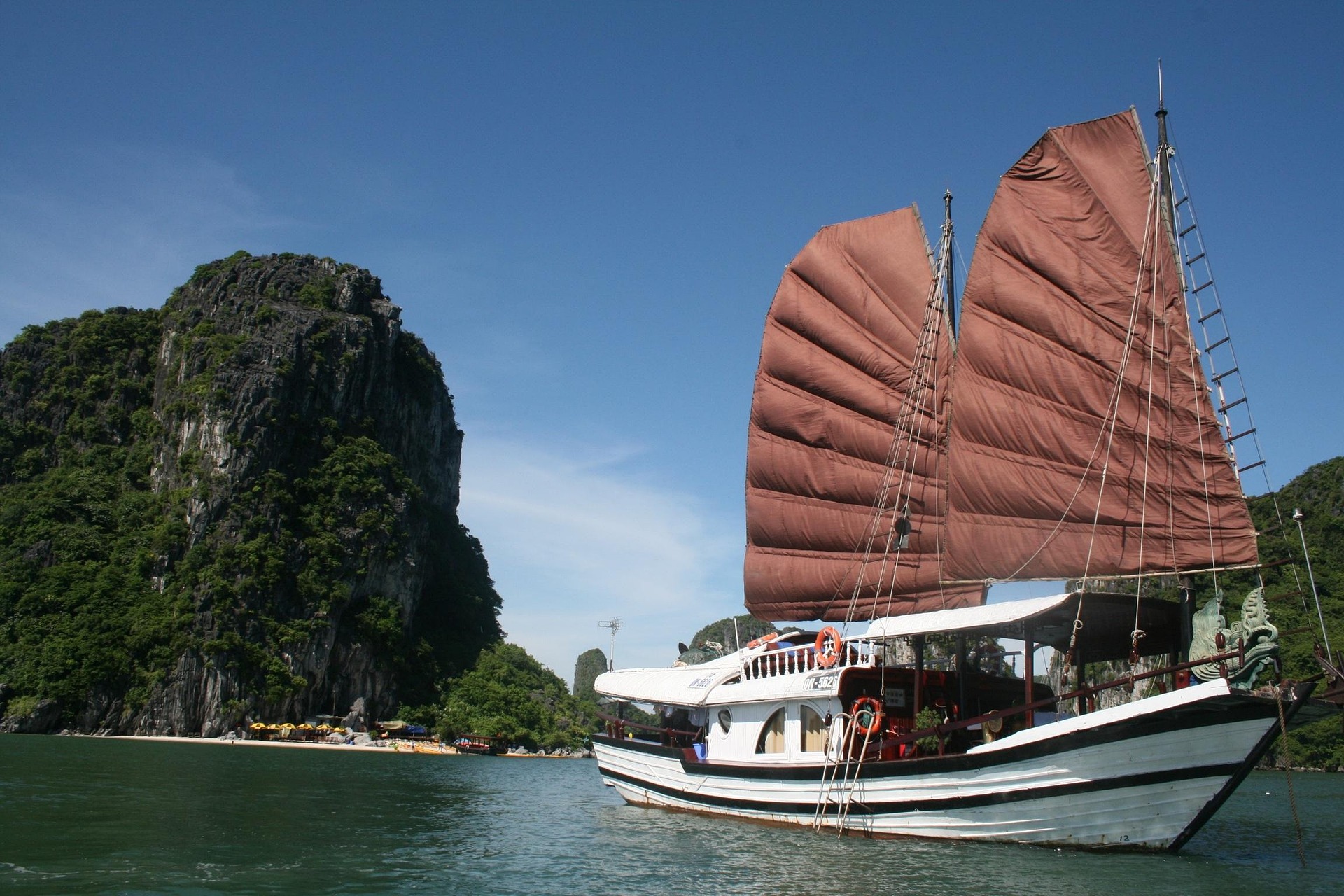
An overnight junk-boat cruise through thousands of limestone karsts rising from emerald water, one of Vietnam's defining landscapes.
Days include kayaking into hidden lagoons, cave visits, and swimming off the boat's stern, with meals fresh-cooked on board.
Traditional red-sailed junks still appear among the modern steel-hulled boats.
Karst silhouettes at sunrise and sunset are the reason most people book the trip in the first place.
How does it rate
CrowdsRomanceCash RequiredDangerAccessibilityWhy you should go
Thousands of limestone karsts and hidden lagoons seen from the deck of an overnight junk boat.
Why you shouldn't go
The bay gets crowded with boats in peak season, and lower-priced cruises vary widely in comfort.
Plan your visit
Best time to visitOctober-December for clear skies and cool temperatures; avoid the humid, rainy summer months.Best time of daySunrise, when mist clings to the karsts before the day-boats arrive.Getting thereFly into Hanoi; a 2.5-3 hour transfer reaches Tuan Chau Harbour, where most overnight cruises depart.Entry costIndicative $120-$700pp for a 1-3 night cruise depending on boat classTime needed1-3 night cruiseInsider tip — Book a 2-night cruise rather than a day trip to reach the quieter Lan Ha Bay section, and request a cabin on the upper deck for better karst views. -
 #387 /100
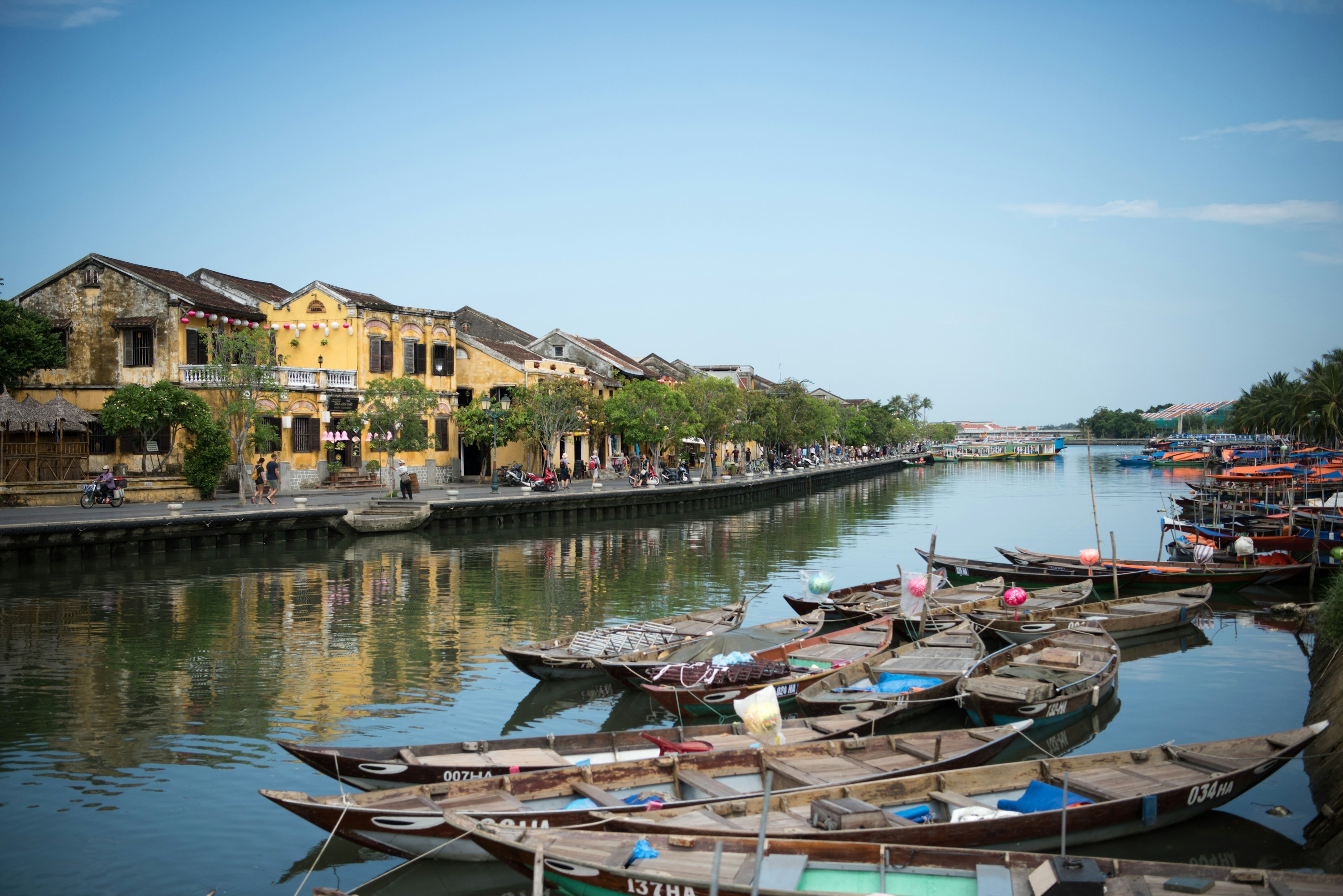
Hoi An's Old Town is a remarkably intact 15th-19th century trading port, its ochre-walled shophouses, Chinese assembly halls, and the Japanese Covered Bridge lining the Thu Bon River.
By day it's a working town of tailors and lantern-makers; after dark the riverside glows with silk lanterns and candlelit boats.
UNESCO-listed and largely traffic-free, it rewards slow wandering more than a checklist visit.
How does it rate
CrowdsRomanceCash RequiredDangerAccessibilityWhy you should go
A beautifully preserved 15th-century trading port, lantern-lit at night, with tailors, food stalls, and a slow, walkable riverside core.
Why you shouldn't go
Old Town gets crowded by mid-morning, and the ticket system funnels you toward the same handful of paid houses.
Plan your visit
Best time to visitFebruary-April for cooler, drier weather; mid-month around the full moon for the lantern festival.Best time of dayEarly morning before tour buses, or after dusk when lanterns are lit and day-trip crowds thin out.Getting thereFly to Da Nang; Hoi An is a 45-minute taxi or bus south along the coast.Entry cost120,000 VND (~$5) covers entry to 5 heritage sites of your choiceTime neededHalf a day for the old town; 2 days to include tailoring and nearby beachesInsider tip — Buy the old town ticket at an official booth near the entrances, not from touts; keep it, since spot checks happen through the day. Cross the river to An Hoi for cheaper food with the same lantern views. -
 #484 /100
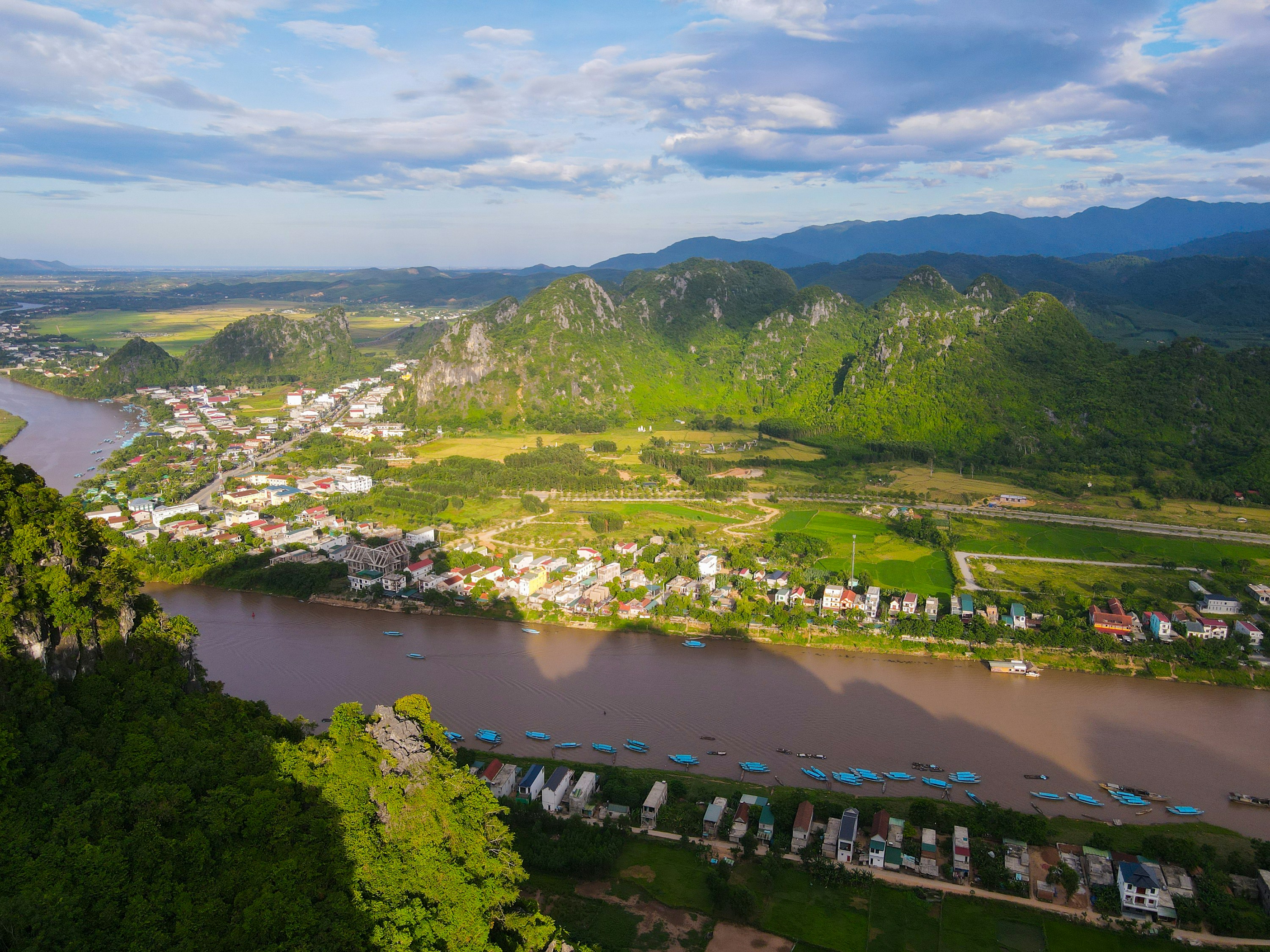
Phong Nha-Ke Bang protects one of the world's largest karst regions, its jungle-covered limestone hiding thousands of caves, including Son Doong, the largest cave passage on Earth, and Paradise Cave's vast chambers of stalactites.
Most visitors explore by boat along the Son River into Phong Nha Cave itself, or walk the lit boardwalks of Paradise Cave.
It's Vietnam's premier caving destination, still largely undeveloped outside the main sites.
How does it rate
CrowdsRomanceCash RequiredDangerAccessibilityWhy you should go
Home to some of the planet's largest and most spectacular cave systems, from boat-accessible grottoes to multi-day expedition caving.
Why you shouldn't go
The headline cave, Son Doong, requires a costly multi-day expedition booked a year ahead; day-trip caves get busy with tour groups.
Plan your visit
Best time to visitFebruary-August, dry season; avoid September-November when typhoon flooding can close the caves.Best time of dayEarly morning at Paradise Cave, before tour buses arrive mid-morning.Getting thereFly to Dong Hoi; Phong Nha town is a 45-minute drive, with cave entrances a further 20-40 minutes on.Entry costPhong Nha Cave boat trip and Paradise Cave each charge separate entry fees, roughly $8-10Time needed1 day for the main caves; Son Doong expeditions run 4-7 daysBookingBook ahead →Insider tip — Visit Paradise Cave right at opening to get the boardwalk to yourself before tour buses arrive; the boat ride into Phong Nha Cave itself is included in a single ticket and needs no separate booking. -
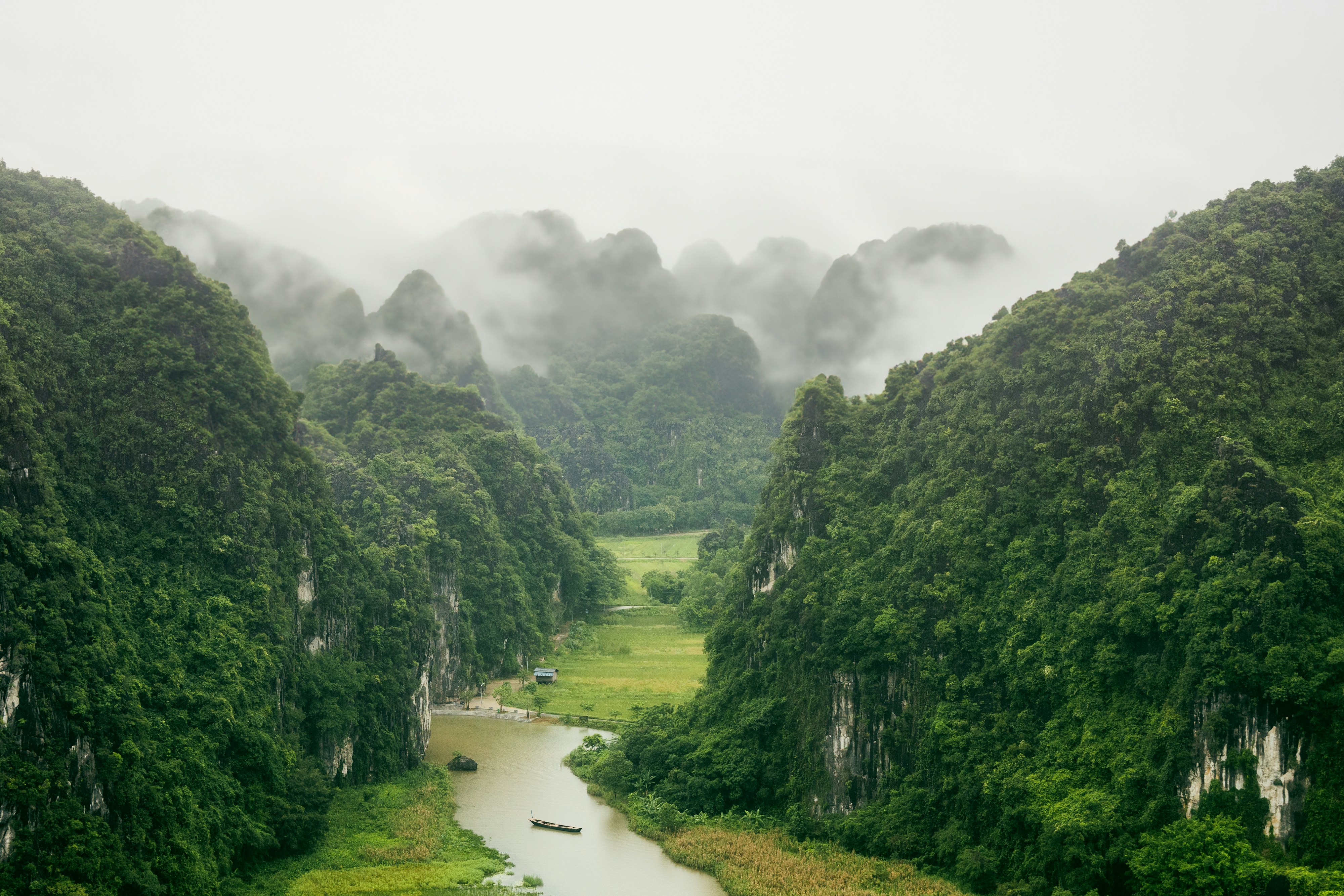 #583 /100
Limestone karst towers rise straight out of flooded rice paddies along the Ngo Dong River, toured by small rowboats often paddled with the feet.
Rowers guide boats through low limestone caves where the ceiling nearly touches the water, then back out into open paddy fields ringed by peaks.
It's frequently billed as Halong Bay on land and delivers a similarly dramatic skyline at a fraction of the cost.
How does it rate
CrowdsRomanceCash RequiredDangerAccessibilityWhy you should go
Halong Bay's dramatic limestone skyline, recreated on a quiet river through rice paddies.
Why you shouldn't go
Rowers commonly expect a tip on top of the ticket price, which isn't always made clear upfront.
Plan your visit
Best time to visitMay-June, when the rice paddies are vivid green; September-October for the golden harvest.Best time of dayEarly morning, for calm water and soft light on the karsts.Getting thereDrive or bus from Hanoi (about 2 hours) to Ninh Binh, then to the Tam Coc boat dock.Entry costBoat tour ticket, typically $10-15 per person.Time needed2-3 hoursInsider tip — Go on a weekday morning - weekend boat queues at the dock can run well past an hour. -
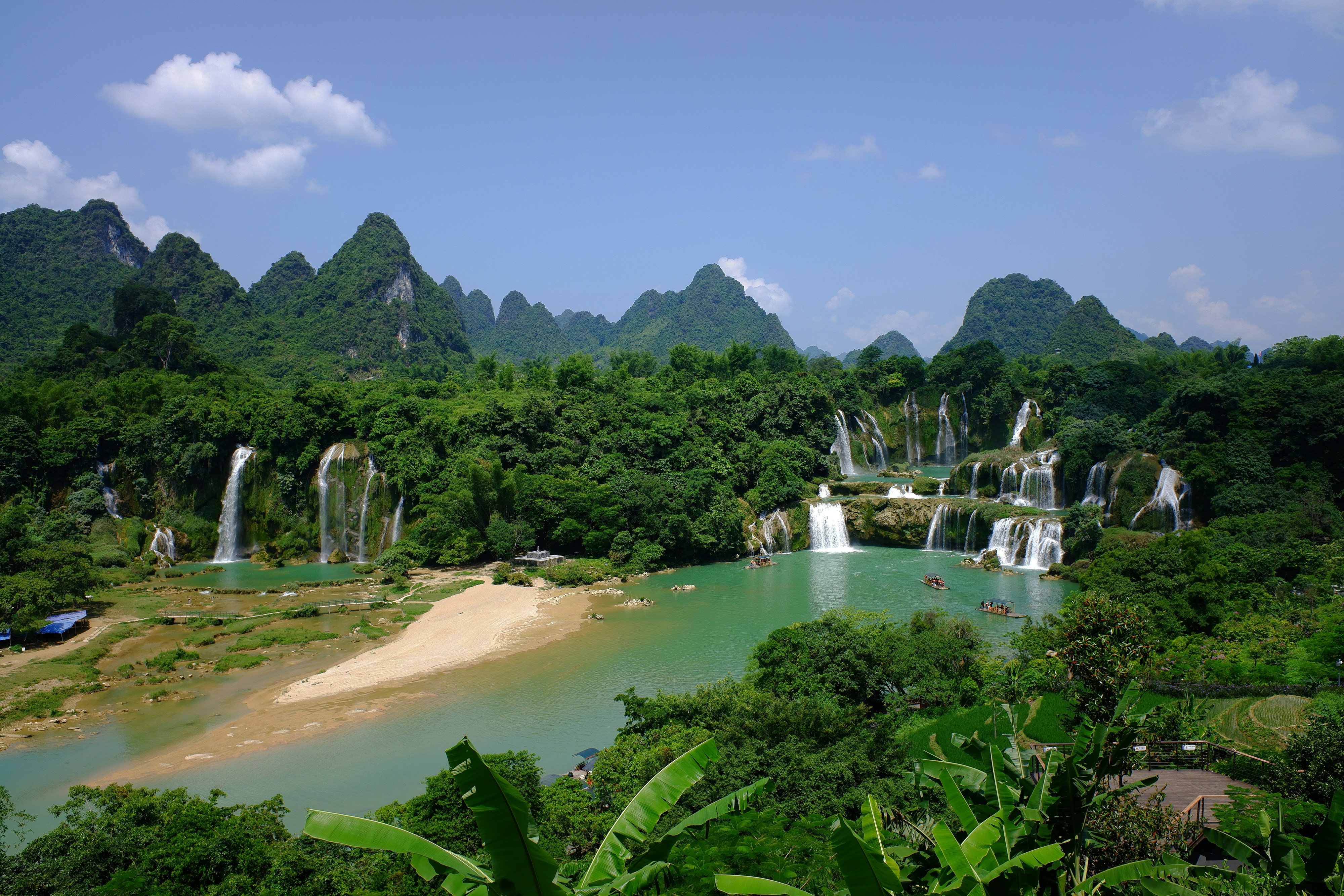 #682 /100
Southeast Asia's largest transnational waterfall spills over limestone terraces straddling the Vietnam-China border, wide enough that bamboo rafts drift right up to its base.
Rice paddies and karst peaks frame the Vietnamese side, while mist rises constantly off the wide, multi-tiered drop, especially heavy after summer rains.
How does it rate
CrowdsRomanceCash RequiredDangerAccessibilityWhy you should go
A wide, multi-tiered transnational waterfall you can raft right up to the base of.
Why you shouldn't go
The best straight-on view is technically from the Chinese side, requiring a separate border crossing and visa.
Plan your visit
Best time to visitJune-September for maximum water flow, though rice paddies are greenest in spring.Best time of dayMorning, for calm water and soft light on the karst backdrop.Getting thereDrive from Cao Bang (about 3 hours) or Hanoi (about 6-7 hours) to the Ban Gioc viewpoint.Entry costEntry fee plus optional bamboo raft ride, together around $10-15.Time neededHalf a dayInsider tip — Take the bamboo raft ride to get right up to the base of the falls - the road viewpoint alone undersells the scale. -
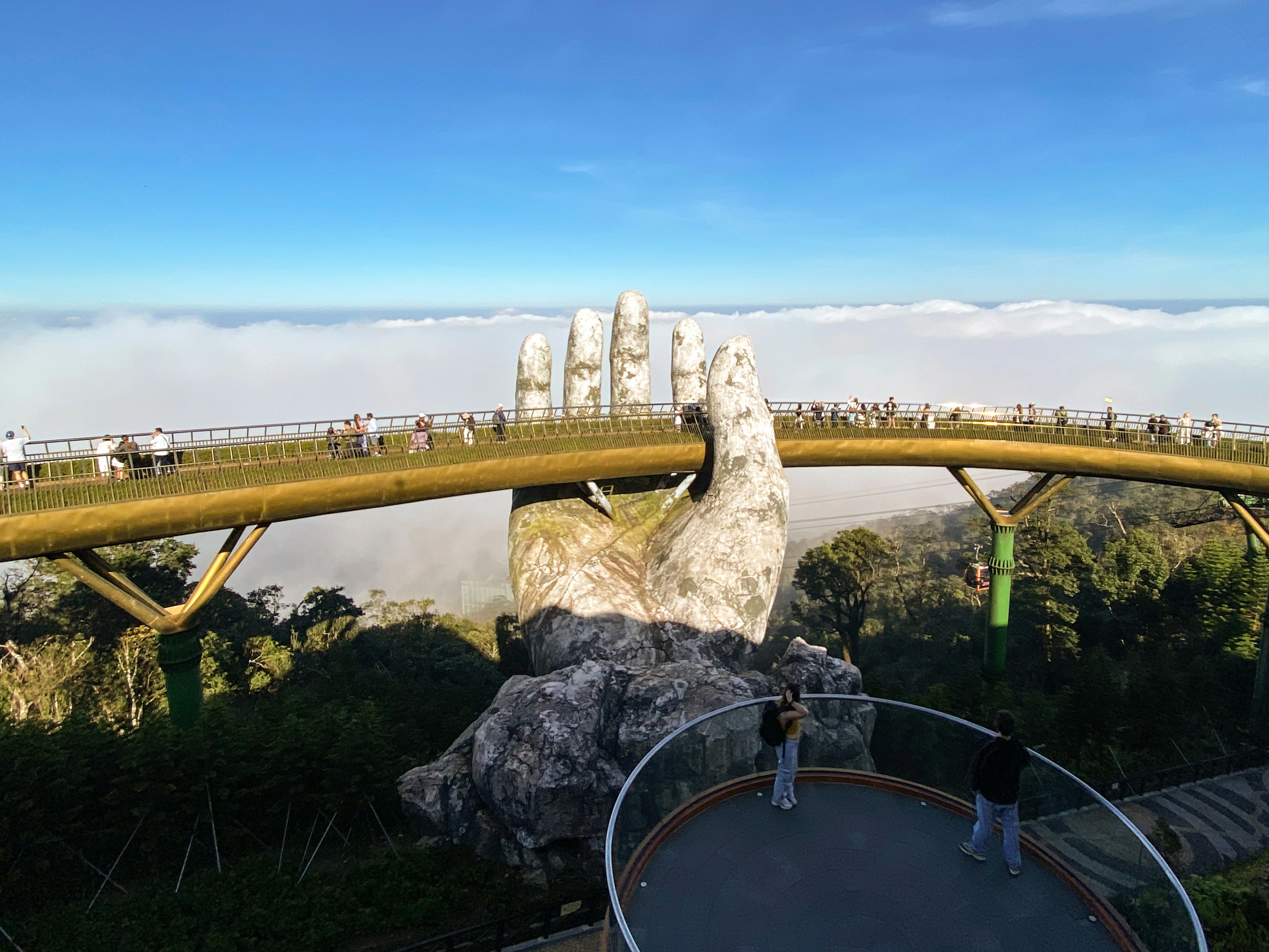 #779 /100
A 150-metre gold walkway in the hills above Da Nang, apparently held aloft by two giant weathered stone hands.
It sits at 1,400 metres inside the Ba Na Hills resort, reached by one of the longest cable cars in the world, and on clear mornings the whole walkway floats above a sea of cloud.
How does it rate
CrowdsRomanceCash RequiredDangerAccessibilityWhy you should go
The cloud inversion beneath the hands is one of the most striking sights in Southeast Asia.
Why you shouldn't go
It sits inside a busy theme-park resort, so the ticket buys far more than the bridge whether you want it or not.
Plan your visit
Best time to visitFebruary-May for the clearest mornings and the least rainBest time of dayFirst cable car of the day, before the cloud burns off and the crowds arriveGetting thereCable car from Ba Na Hills station, about 45 minutes by road from Da NangEntry costAround VND 900,000 including cable car and park entryTime neededHalf a dayBookingBook ahead →Insider tip — Walk to the far end and shoot back towards the hands - from the near side the thumbs block most of the walkway. -
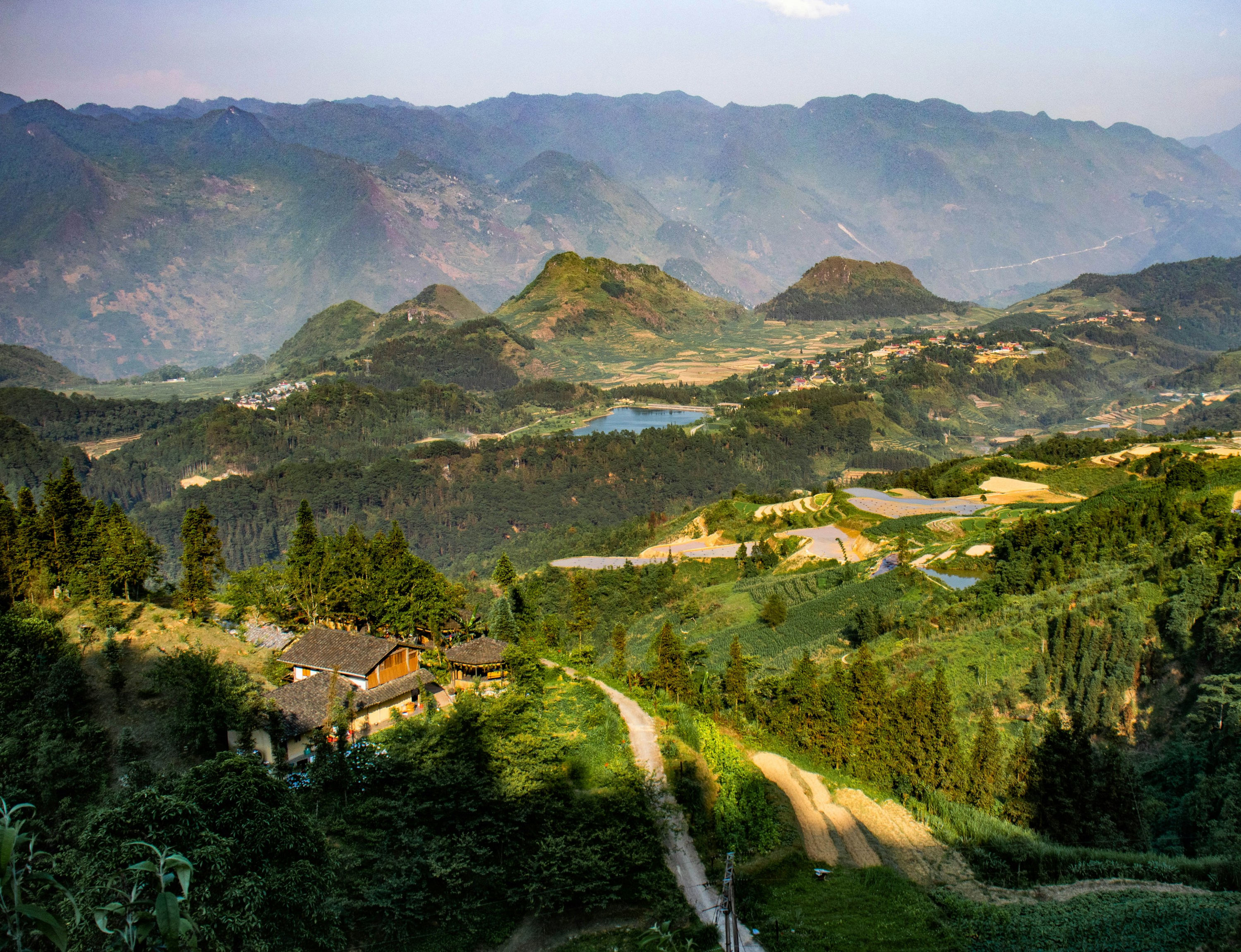 #878 /100
The Ha Giang Loop is northern Vietnam's classic multi-day motorbike route, threading through the limestone peaks of the Dong Van Karst Plateau past terraced fields, H'mong and Tay villages, and the Ma Pi Leng Pass above the Nho Que River.
Most riders cover the roughly 350km circuit over 3-4 days, self-driving or riding pillion with a local guide.
It's demanding and occasionally hair-raising, but consistently rated among Southeast Asia's best road trips.
How does it rate
CrowdsRomanceCash RequiredDangerAccessibilityWhy you should go
Dramatic karst mountain scenery and one of Asia's great road trips, especially the cliff-hugging Ma Pi Leng Pass.
Why you shouldn't go
Mountain roads are genuinely dangerous for inexperienced riders, and a border-area permit is required for foreign visitors.
Plan your visit
Best time to visitSeptember-November and March-May, for clear skies and dry roads.Best time of dayRide mid-morning to mid-afternoon; mountain fog and cold set in early and late.Getting thereOvernight bus or shared van from Hanoi to Ha Giang city (6-7 hours), where loop rentals and guides start.Entry costFree to ride; motorbike rental or guided tours from roughly $25-50/day, plus a border permitTime needed3-4 daysInsider tip — Arrange a border-area permit and, if you're not an experienced rider, an "easy rider" driver in Ha Giang city before setting off; the Ma Pi Leng Pass viewpoint gets busy by mid-morning with day-tour minivans from Dong Van. -
 #974 /100
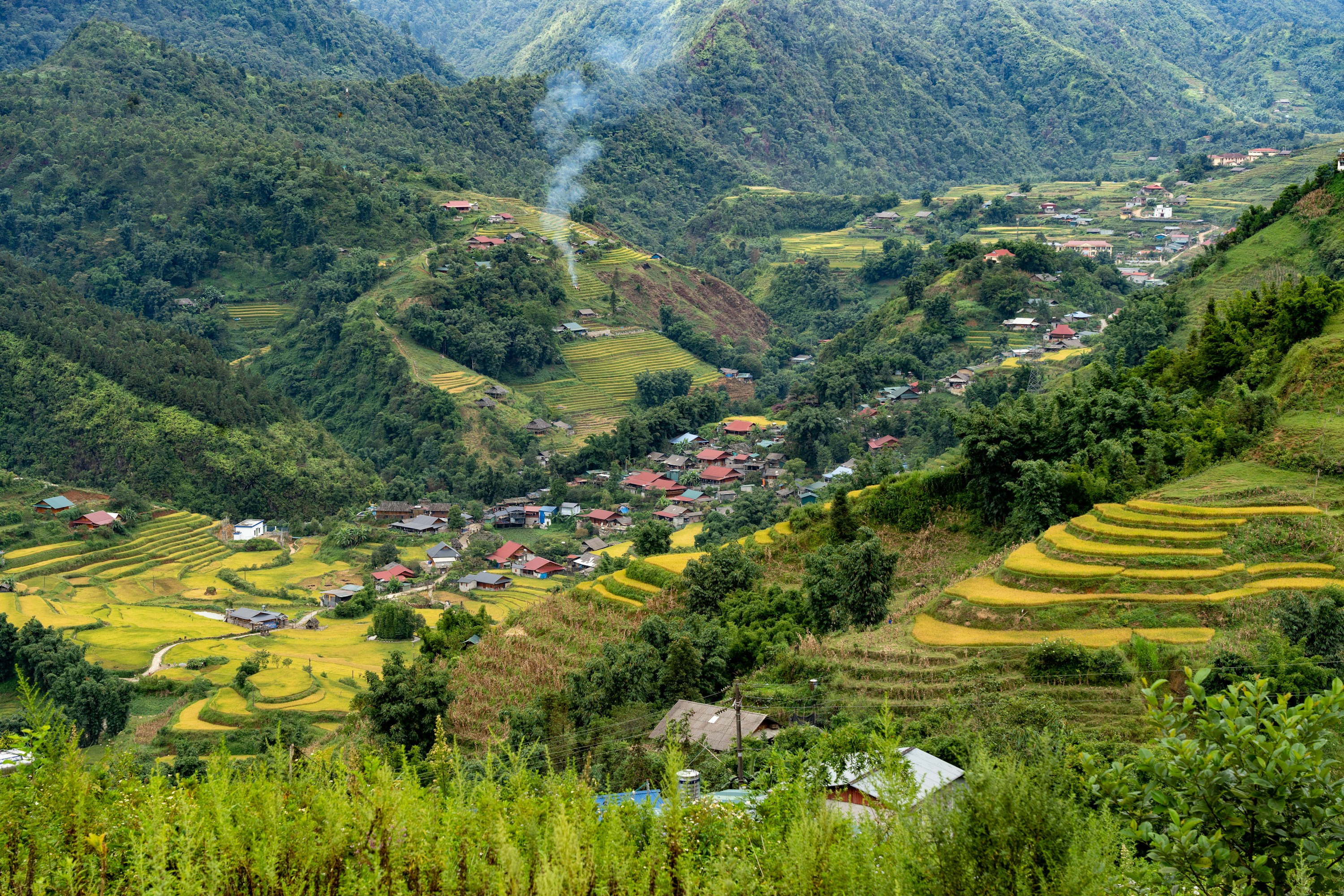
Sapa's mountainsides are carved into thousands of stepped rice terraces, farmed for generations by H'mong, Dao, and Tay communities in the Muong Hoa Valley below Fansipan, Indochina's highest peak.
The fields turn brilliant green after May planting and gold at the September-October harvest.
Most visitors trek between hilltop villages, though a cable car now reaches Fansipan's summit in minutes for those who'd rather skip the climb.
How does it rate
CrowdsRomanceCash RequiredDangerAccessibilityWhy you should go
Some of Southeast Asia's most dramatic terraced-farming scenery, walkable through working hill-tribe villages.
Why you shouldn't go
Trails get muddy and slippery in the rainy season, and the town itself has become fairly built-up and touristy.
Plan your visit
Best time to visitSeptember-October for golden harvest terraces, or May-June for flooded, mirror-like planting season.Best time of dayEarly morning, before valley mist burns off and trekking groups set out.Getting thereOvernight train or bus from Hanoi to Lao Cai, then a 1-hour transfer up to Sapa town.Entry costFree to view; guided village treks typically $20-40 per dayTime needed2-3 daysInsider tip — Hire a local H'mong or Dao guide in town rather than a Hanoi-based operator; the money stays in the villages you're walking through, and their trails avoid the busiest routes. -
 #1070 /100
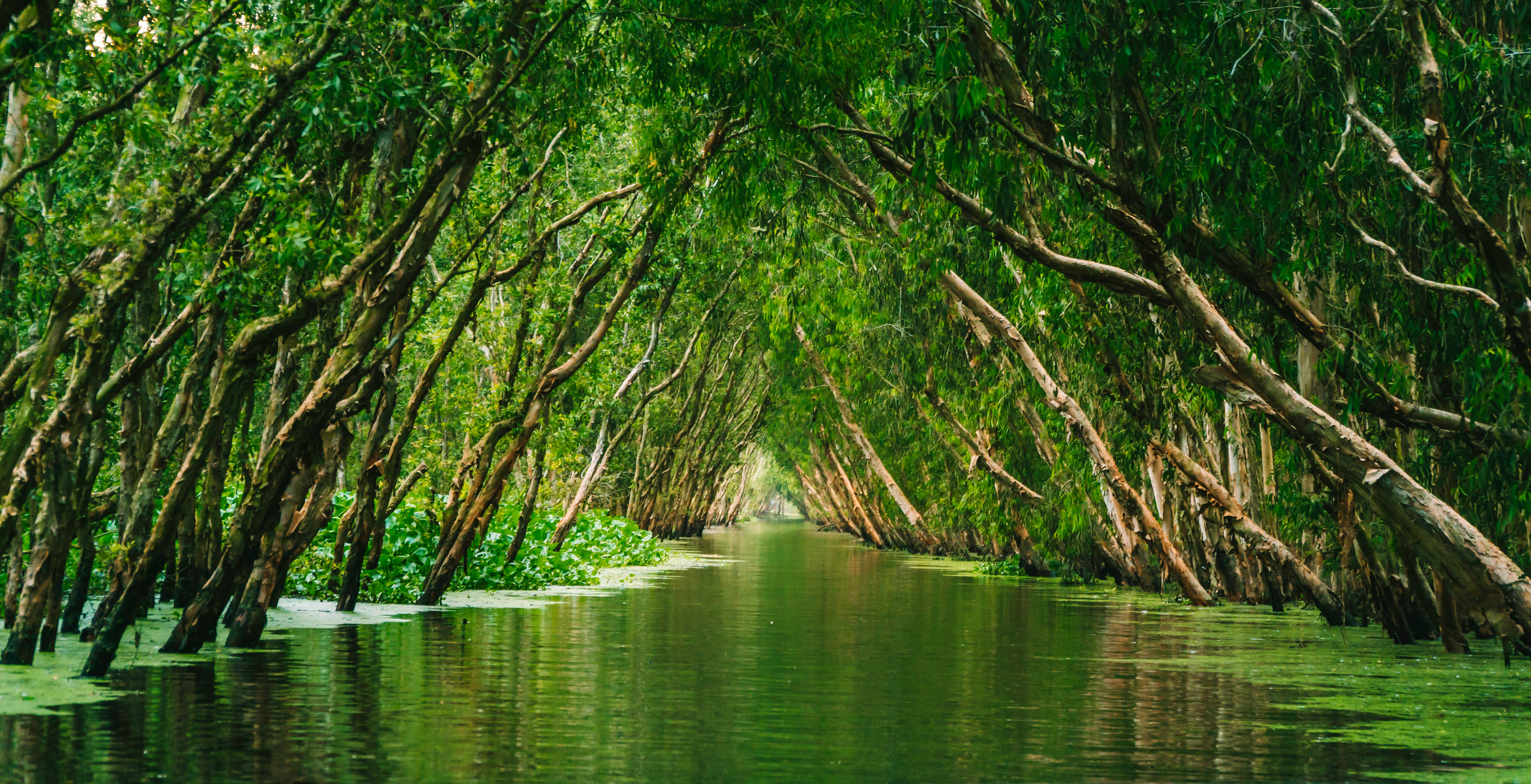
Quiet dyke-top lanes and narrow village paths thread through the rice paddies, fruit orchards and canal towns of the Mekong Delta around Vinh Long, Can Tho and Cai Be.
Riders pedal between traditional stilt houses, brick kilns and coconut-candy workshops, crossing narrow bridges and taking short boat hops between islands.
Life along the water, from floating markets to fishing boats, unfolds at close range the whole way.
How does it rate
CrowdsRomanceCash RequiredDangerAccessibilityWhy you should go
An up-close, slow-paced look at rural Vietnamese river life that's impossible to see from a bus.
Why you shouldn't go
Narrow paths, unpredictable local traffic and tropical heat and humidity demand caution and stamina.
Plan your visit
Best time to visitDec-Apr dry season, avoiding the Jun-Nov rains.Best time of dayEarly morning to catch floating markets and cooler temperatures.Getting thereFly or drive to Ho Chi Minh City; most rides start with a 1.5-2 hour transfer to Vinh Long or Cai Be.Entry costGuided day tours from USD 30-50, bikes includedTime neededFull day, or 3-5 days for a multi-stage tourInsider tip — Book a tour that visits the Cai Rang floating market by boat first thing, since it winds down by mid-morning, before switching to bikes for the villages.


How a score is built
One score out of 100, five criteria behind it
Every place is rated 1–5 on each of the criteria below, then combined into a single score out of 100. It's calculated by us, the same way every time — not an average of traveller reviews or social votes.
Crowds
How many people you'll be sharing it with, and at what time of day.
Romance
How well it suits a couple, a proposal, or a quiet moment together.
Cash required
Entry fees, permits, guides, rentals — what it actually costs to do it.
Danger
Physical risk involved, from a slippery viewpoint to genuine hazard.
Accessibility
How far off the beaten path it is, and how hard it is to actually reach.