-
 #189 /100
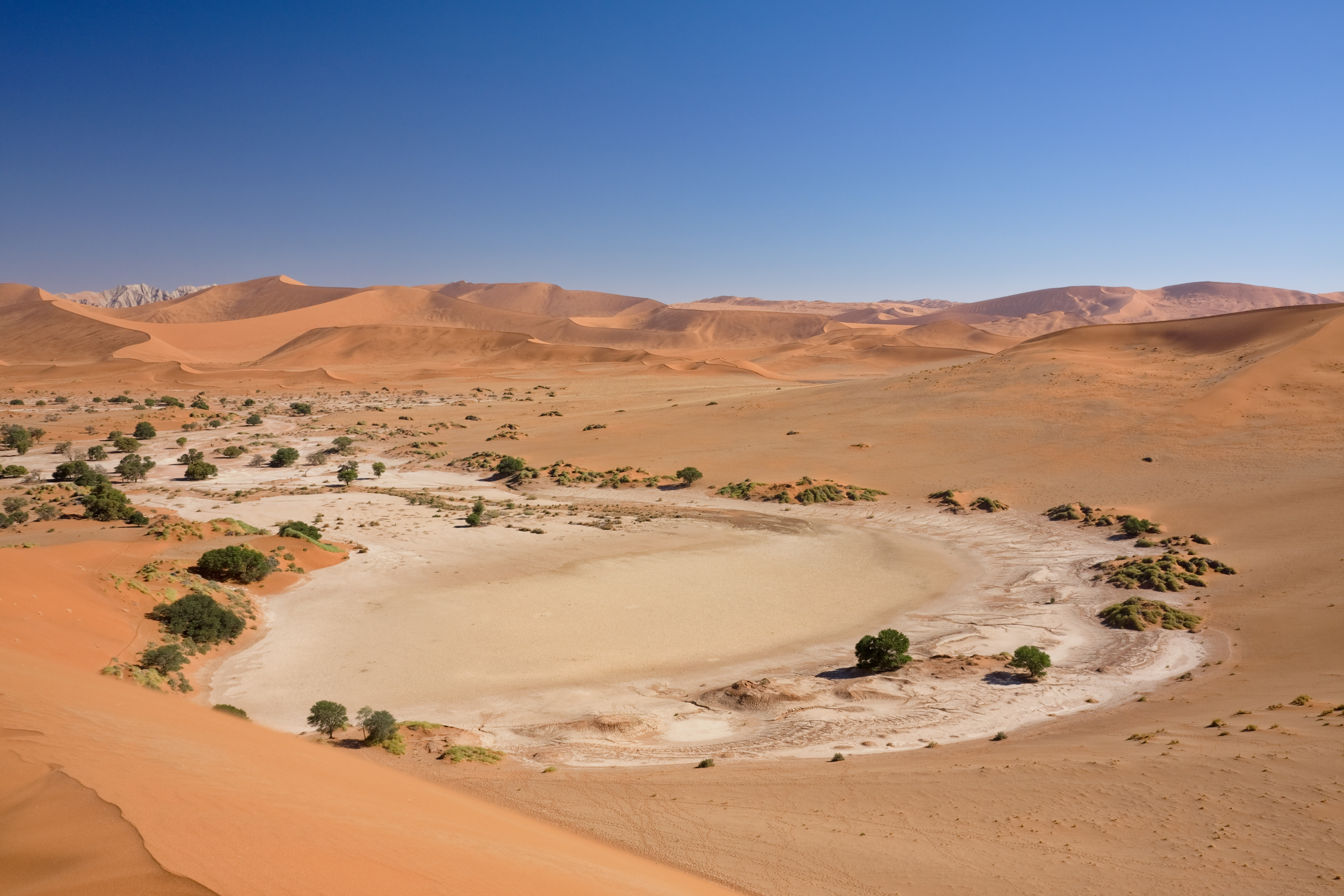
Sossusvlei is a salt and clay pan in the Namib-Naukluft National Park in Namibia, surrounded by massive red sand dunes — among the tallest in the world at over 300 metres.
The dead white camelthorn trees in the Deadvlei pan, set against deep orange sand and cobalt sky, have become one of Africa's most iconic landscapes.
How does it rate
CrowdsRomanceCash RequiredDangerAccessibilityWhy you should go
The contrast between the white cracked clay pan, the black dead trees, the towering red dunes, and the vivid blue sky creates a landscape of extraordinary abstract beauty.
Why you shouldn't go
The dunes must be climbed before sunrise to avoid the intense heat; the nearest accommodation in Sesriem is basic and the site is very remote.
Plan your visit
Best time to visitMay-October (dry season, cooler)Best time of daySunrise, when the dunes cast long shadows and colours are richestGetting there~5-6hr drive from Windhoek, or fly to a nearby airstripEntry costPark entry ~N$150-350Time neededFull dayInsider tip — Get to the gate right at sunrise opening; Dune 45 and Deadvlei both photograph best in the first hour of light -
 #287 /100
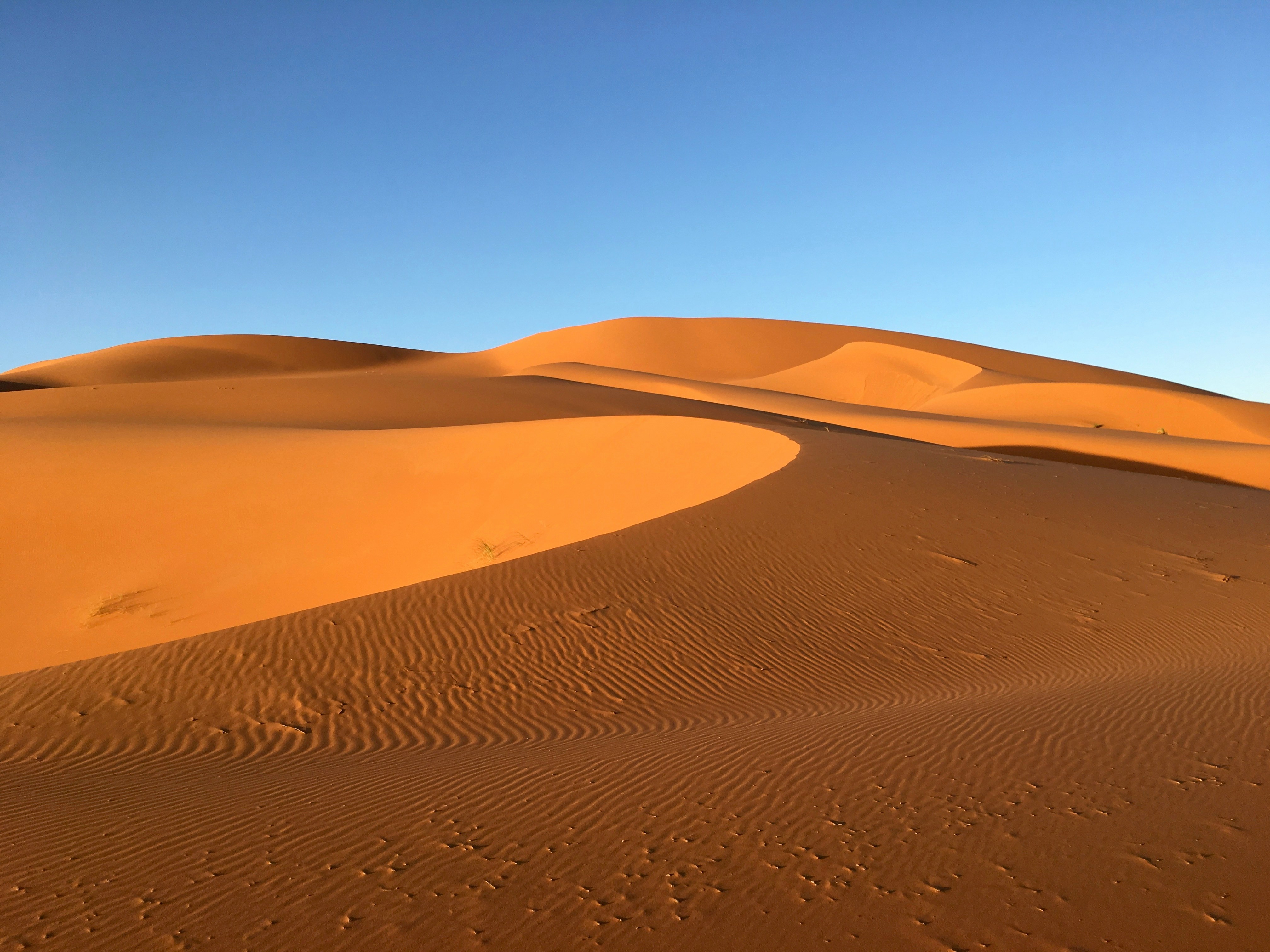
A sea of orange dunes rising up to 150 metres at the edge of the Sahara, the most accessible major dune field in Morocco and the base for camel treks and overnight desert camps.
The dunes shift constantly with the wind, and sunrise and sunset turn the sand from deep gold to burnt red.
Nights in a Berber camp under an unpolluted sky are as much the draw as the dunes themselves.
How does it rate
CrowdsRomanceCash RequiredDangerAccessibilityWhy you should go
Towering orange dunes right at the Sahara's edge, with overnight Berber camps and some of the clearest night skies in North Africa.
Why you shouldn't go
Reaching Merzouga is a long drive from Marrakech (8+ hours), and sandstorms can shut down camel treks with no warning.
Plan your visit
Best time to visitOctober-April, avoiding the brutal summer desert heat.Best time of daySunrise or sunset, when the dunes shift from gold to deep red.Getting thereFly to Fes or Marrakech, then a 6-9 hour drive or organised desert tour to Merzouga.Entry costCamel trek and overnight camp packages generally run EUR40-100 per person.Time neededOvernight (1-2 days including transport).Insider tip — Book a camp further from Merzouga village - the closest ones are cheaper but suffer light pollution that ruins the stargazing. -
 #384 /100
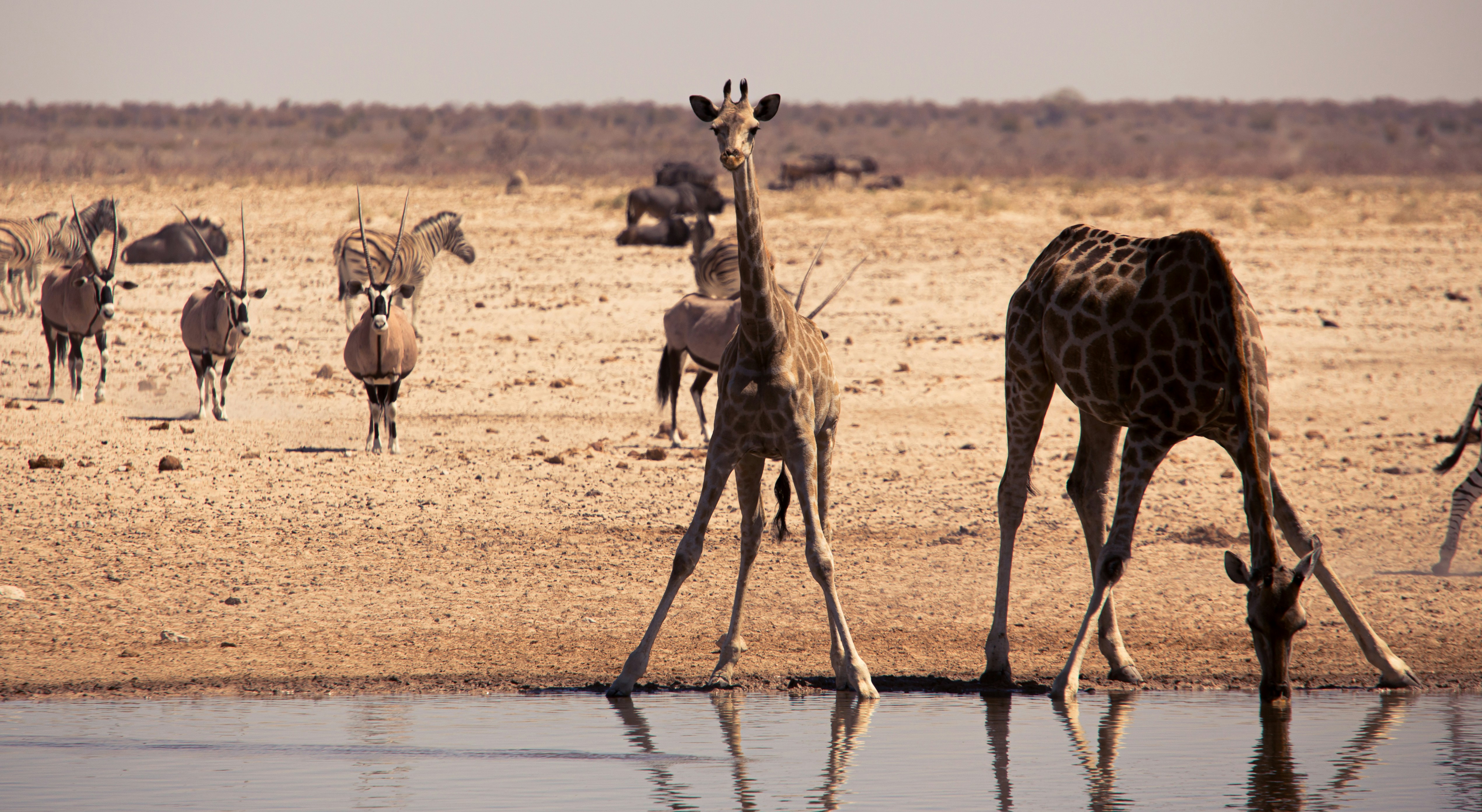
A vast, shimmering salt pan visible from space anchors this national park, where waterholes along its edges concentrate wildlife in a way few other African parks match, especially in the dry season when animals converge to drink.
Self-drive visitors can park at floodlit waterholes after dark and watch elephants, rhinos and predators arrive, without needing a guide.
The pan itself is striking even without the wildlife around its rim.
How does it rate
CrowdsRomanceCash RequiredDangerAccessibilityWhy you should go
One of Africa's best self-drive safari parks, with floodlit waterholes offering wildlife viewing after dark.
Why you shouldn't go
Dry-season dust and heat are intense, and the pan itself offers little shade for extended stops.
Plan your visit
Best time to visitMay–October (dry season), when wildlife concentrates densely at waterholes.Best time of dayLate afternoon into dusk at a floodlit waterhole, as nocturnal animals begin arriving.Getting thereAbout 4-5 hours' drive from Windhoek, or fly into a nearby airstrip.Entry costPark entry around N$150 (~€8) per person per day, plus vehicle fees.Time needed2–3 days.Insider tip — Stay inside the park at a rest camp with a floodlit waterhole (like Okaukuejo) rather than outside the gates — night sightings there are the trip's highlight. -
 #484 /100
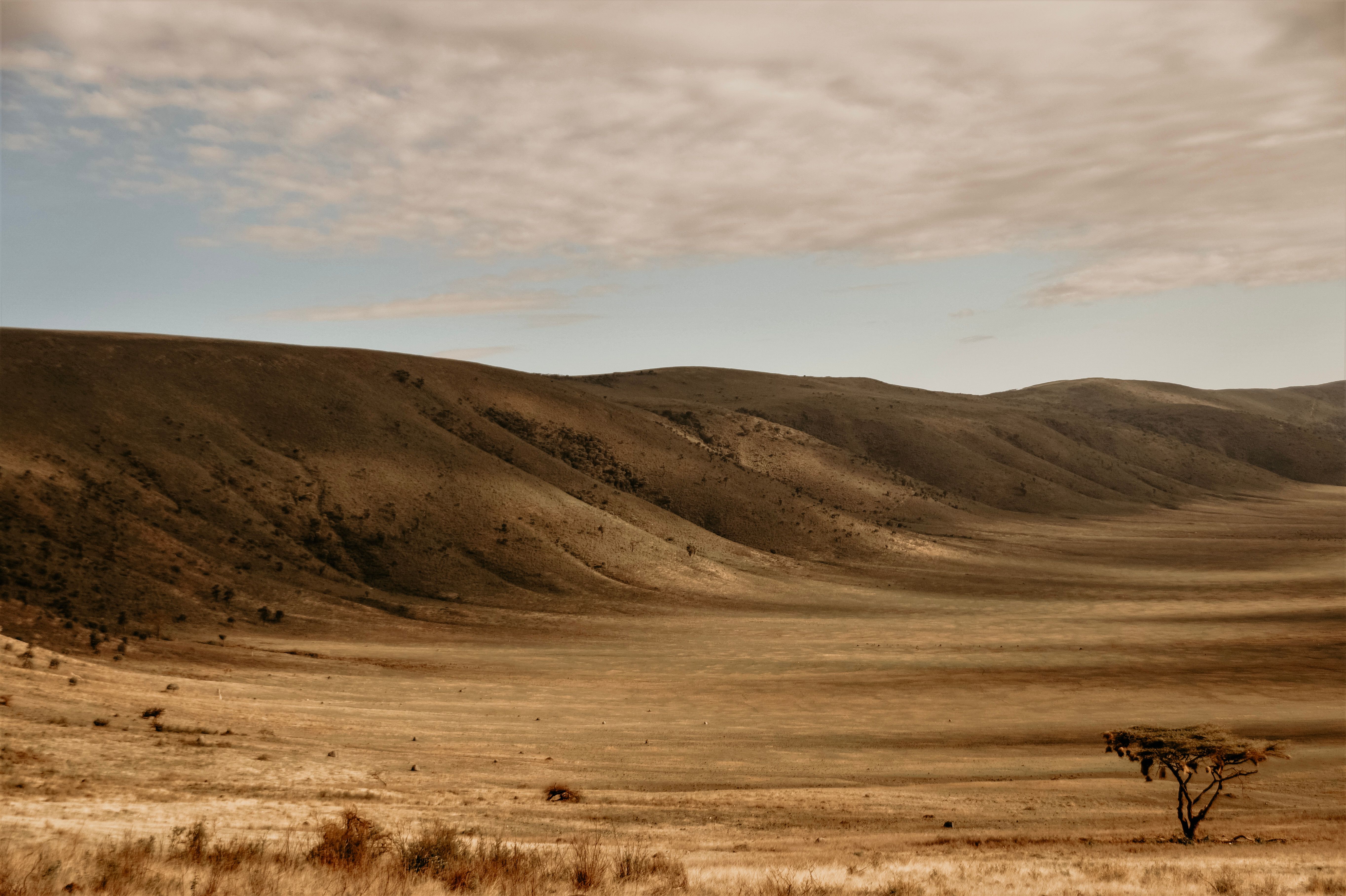
The world's largest intact volcanic caldera holds an entire self-contained ecosystem within its walls, its crater floor packed with one of Africa's densest concentrations of wildlife, including the 'Big Five' all visible on a single day's game drive.
Unlike the Serengeti's open plains, animals here rarely migrate beyond the crater's rim, making sightings unusually reliable year-round.
How does it rate
CrowdsRomanceCash RequiredDangerAccessibilityWhy you should go
One of Africa's most reliable wildlife-viewing sites, with all of the Big Five often visible in a single day.
Why you shouldn't go
Vehicle numbers on the crater floor can feel congested at popular sightings during peak season.
Plan your visit
Best time to visitJune–September (dry season) for the easiest wildlife viewing and clearer roads.Best time of dayEarly morning descent onto the crater floor, when predators are most active.Getting thereDrive from Arusha, about 3.5–4 hours, often combined with a Serengeti safari circuit.Entry costConservation area fees around $70+ per person per day, typically bundled into safari packages.Time needed1 full day, or an overnight stay on the crater rim.Insider tip — Stay overnight on the rim rather than day-tripping from Arusha — it gets you onto the crater floor at first light, before day-tour vehicles arrive. -
 #584 /100
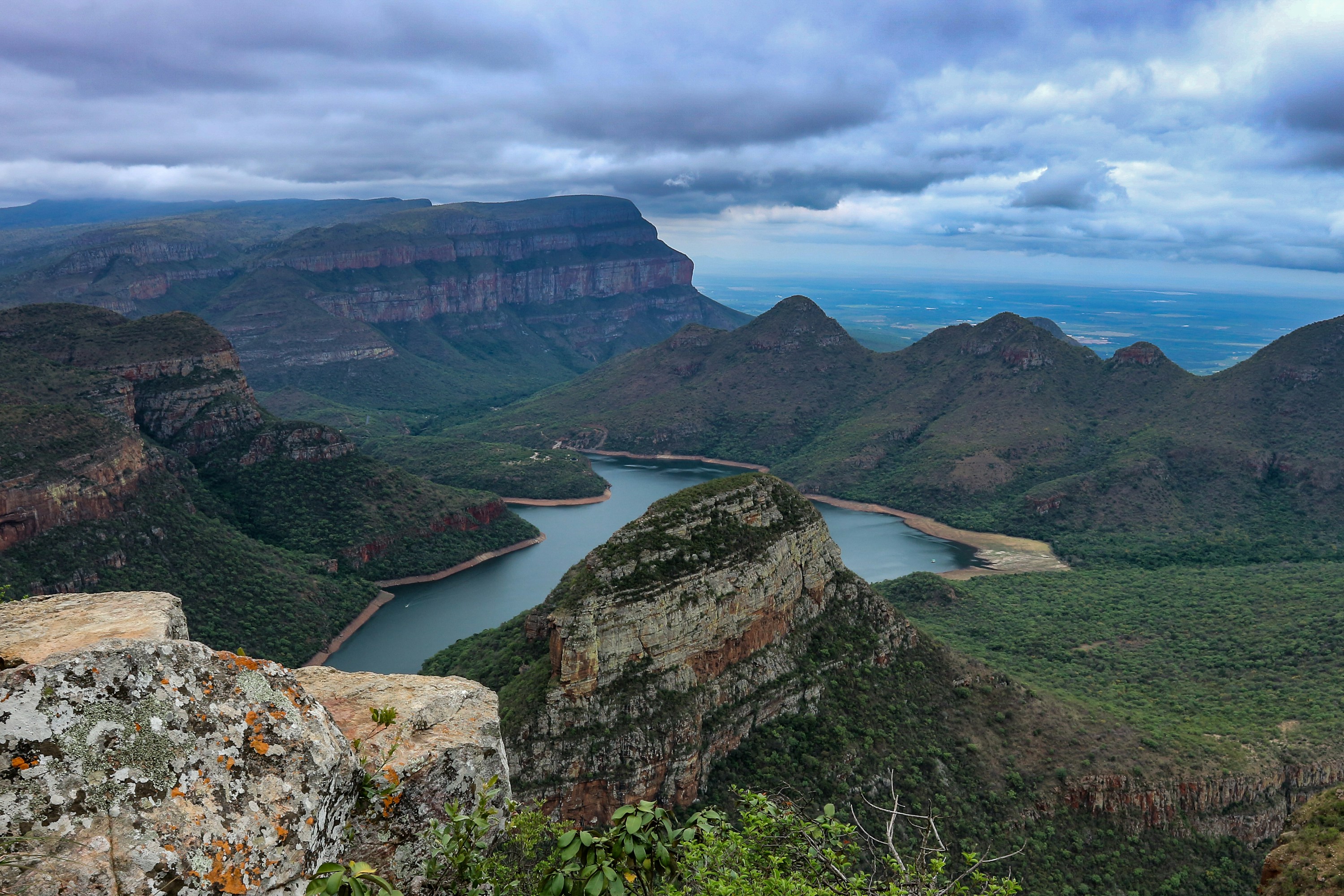
Blyde River Canyon is one of the largest canyons in the world, the centrepiece of South Africa's Panorama Route, a red-rock gorge cut through the Mpumalanga escarpment.
Viewpoints along the rim look down on the Three Rondavels rock formations and the canyon's dammed river bend, while short walks lead to Bourke's Luck Potholes and God's Window.
It is a self-drive destination best covered over a full day of short stops rather than one overlook.
How does it rate
CrowdsRomanceCash RequiredDangerAccessibilityWhy you should go
One of the world's largest canyons, with cliff-top viewpoints over the Three Rondavels and the river below.
Why you shouldn't go
Requires a full day of driving between viewpoints, and the best outlooks can be clouded out by escarpment mist.
Plan your visit
Best time to visitApril-September (dry winter) for clear long-range views; summer brings mist and afternoon storms.Best time of dayMorning, before cloud builds up over the escarpment.Getting thereFly to Kruger Mpumalanga International Airport; about 1-1.5 hours' drive to the Panorama Route viewpoints.Entry costFree to view from most roadside points; Bourke's Luck Potholes charges a small entry fee.Time neededHalf a day to a full day.Insider tip — The main Three Rondavels viewpoint gets tour-bus crowds by mid-morning - stop at God's Window or Bourke's Luck Potholes first and save the busiest lookout for later. -
 #683 /100
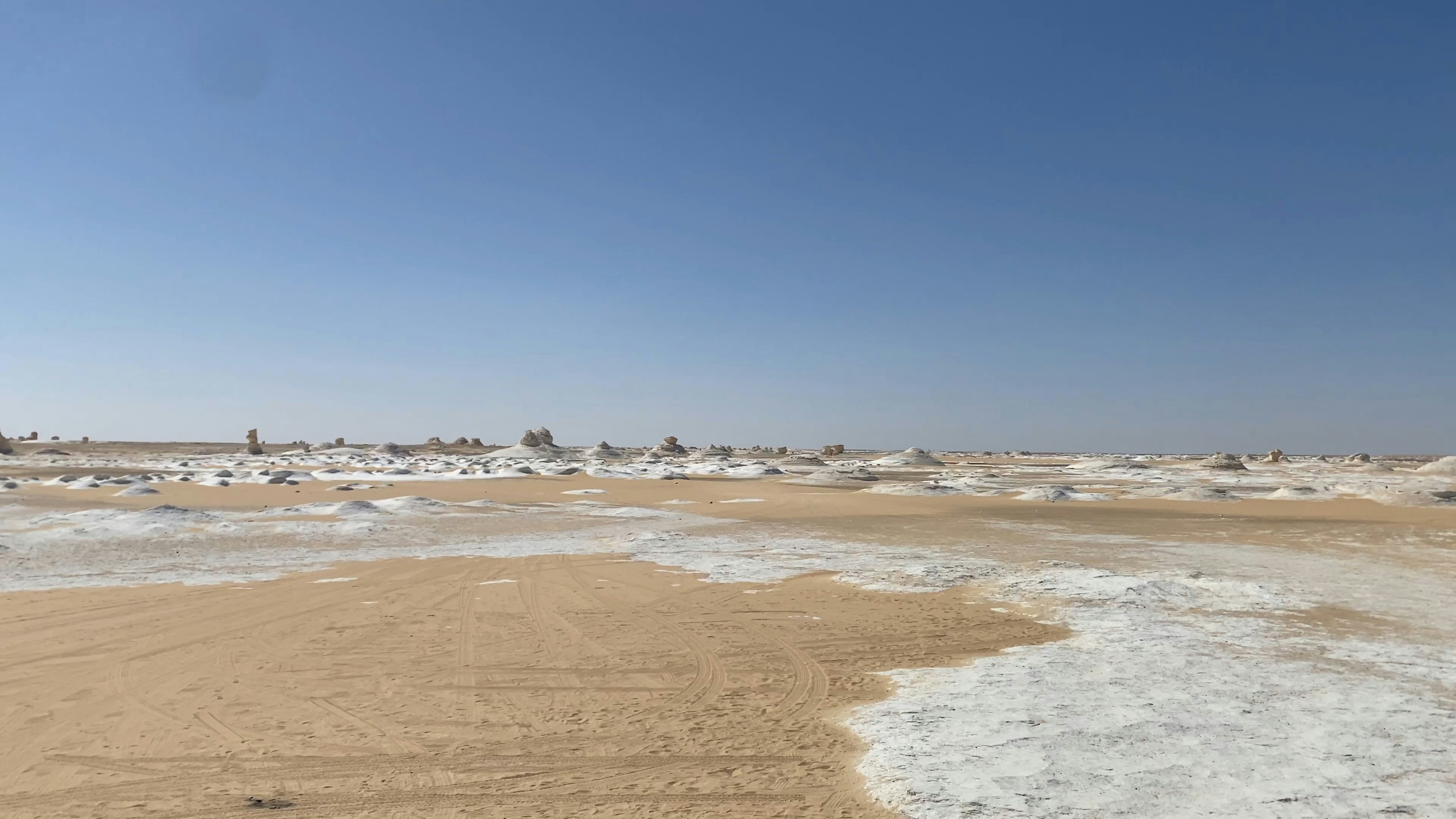
A surreal expanse of chalk-white rock formations near Farafra Oasis, carved by millennia of sand-wind erosion into shapes resembling mushrooms, camels, and icebergs scattered across pale desert sand.
Camping overnight among the formations, with no artificial light for miles, is the main way to see it - the white rock glows almost blue under a full moon.
It remains one of the least-visited major landscapes in Egypt outside the Nile corridor.
How does it rate
CrowdsRomanceCash RequiredDangerAccessibilityWhy you should go
Chalk-white rock sculptures scattered across open desert, glowing almost blue under moonlight with zero light pollution.
Why you shouldn't go
It's remote even by Egyptian desert standards - a long drive from Cairo through the Western Desert with minimal facilities en route.
Plan your visit
Best time to visitOctober-April, avoiding summer desert heat that can exceed 40C.Best time of daySunset and again after moonrise, when the white rock formations change character completely.Getting thereFly to Cairo, then a 5-6 hour drive (often via Bahariya Oasis) to Farafra and the White Desert.Entry costOvernight camping tours typically run USD50-100 per person, all-inclusive.Time neededOvernight (2-day trip typical).Insider tip — Time the trip around a full moon if possible - the white formations under moonlight are the single most photographed sight here. -
 #783 /100
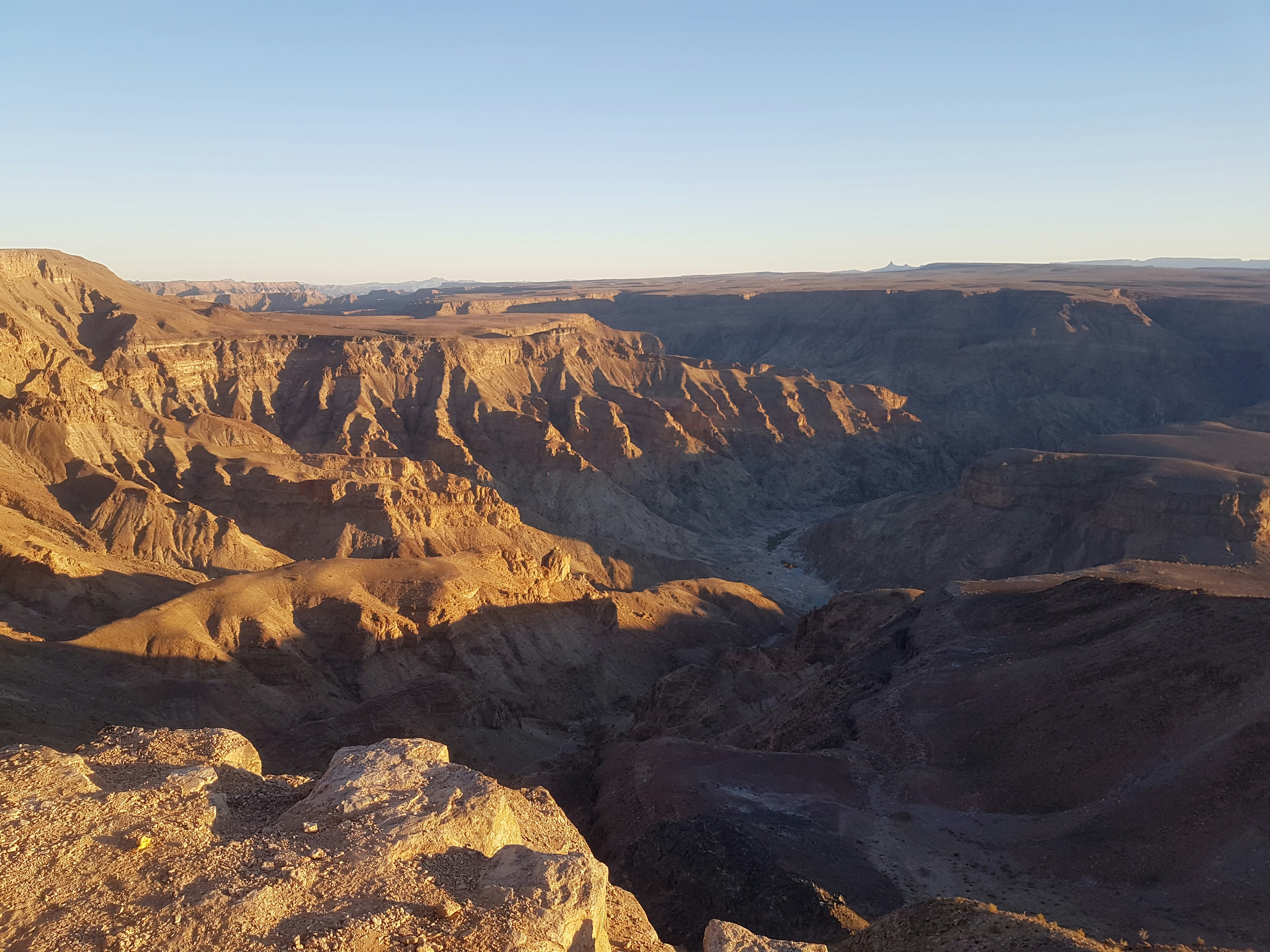
The second-largest canyon on Earth cuts a 160km gash through the Namibian desert, its layered rock walls dropping 550 metres to the seasonal Fish River below.
A multi-day hike along the canyon floor is one of Southern Africa's classic treks, but the main viewpoint at Hobas delivers the scale in a single sweeping look without any walking required.
Sunset turns the canyon's rust-red rock a deep orange.
How does it rate
CrowdsRomanceCash RequiredDangerAccessibilityWhy you should go
The world's second-largest canyon, with a sweeping viewpoint that needs no hiking at all.
Why you shouldn't go
The multi-day canyon-floor hike is only permitted May-September and requires a medical certificate to book.
Plan your visit
Best time to visitMay-September, the cooler dry season (also the only window the multi-day hike is permitted).Best time of daySunset, when the canyon walls turn deep orange-red.Getting thereSelf-drive from Windhoek (about 5.5 hours) or fly to Keetmanshoop and drive onward.Entry costPark entry fee, a few dollars per person.Time needed1-2 hours for the viewpoint; 5 days for the full hikeInsider tip — Even without doing the multi-day hike, walk 15-20 minutes along the rim from the main viewpoint for a less crowded angle. -
 #882 /100
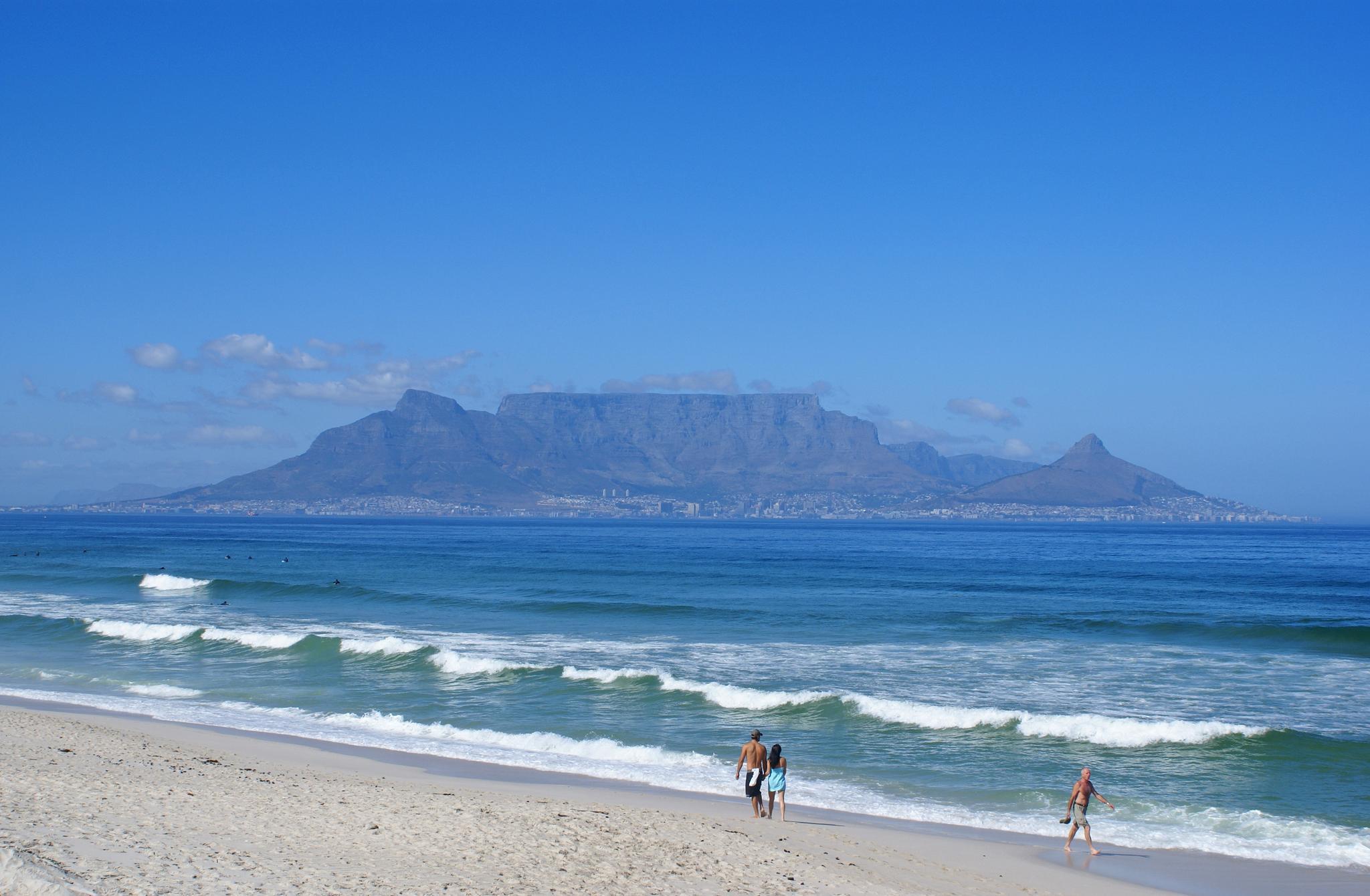
Table Mountain's flat-topped summit, draped in its famous tablecloth of cloud, presides over Cape Town and offers 360-degree panoramas stretching from the Cape of Good Hope to the Winelands.
The mountain is home to an extraordinary number of endemic plant species found nowhere else on earth.
How does it rate
CrowdsRomanceCash RequiredDangerAccessibilityWhy you should go
The cable car provides easy access to the summit and the views over Cape Town, Table Bay, and the surrounding peninsula are among Africa's finest.
Why you shouldn't go
The mountain is frequently shrouded in cloud and high winds regularly cause the cable car to close; always have a backup plan.
Plan your visit
Best time to visitYear-round; check for the "tablecloth" cloud coverBest time of dayLate afternoon for the city and sunset viewsGetting thereCableway from Tafelberg Road, Cape TownEntry costCableway ~$20-25 returnTime needed2-3 hoursInsider tip — Check the cableway website first; it closes in high wind, common in summer -
 #982 /100
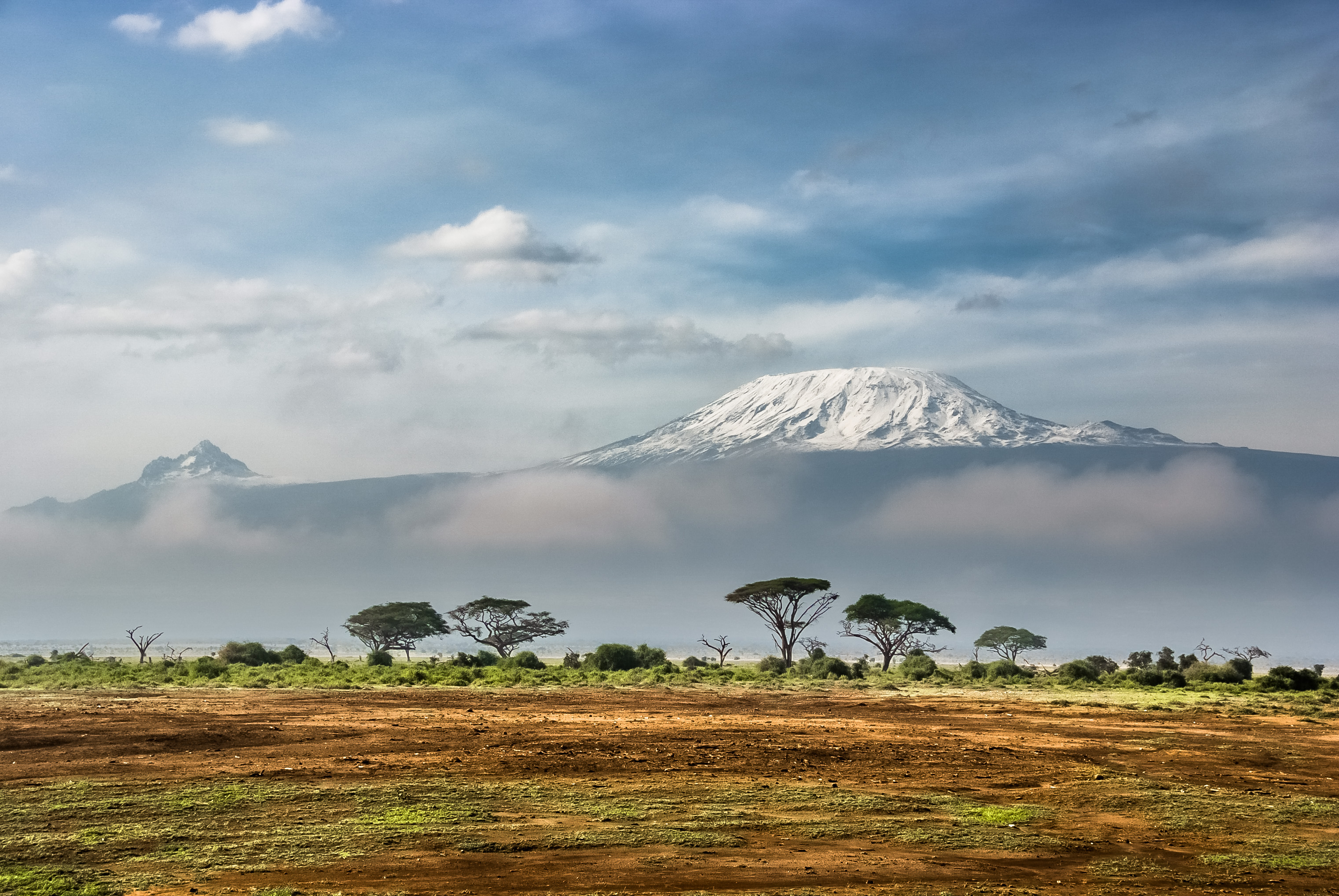
Africa's highest mountain stands alone on the Tanzanian plains, rising 5,895 metres above sea level as the world's tallest free-standing mountain.
Its snow-capped volcanic summit, increasingly threatened by climate change, can be reached by non-technical trekkers via several routes through dramatically changing ecosystems.
How does it rate
CrowdsRomanceCash RequiredDangerAccessibilityWhy you should go
Reaching the Roof of Africa is an extraordinary achievement and the views from the summit at sunrise across the clouds below are unforgettable.
Why you shouldn't go
Summit success is not guaranteed; altitude sickness affects many climbers and the trek requires at least five to seven days which significantly adds to the cost.
Plan your visit
Best time to visitJanuary-March or June-October (dry seasons)Best time of daySunrise from the summit or a lower viewpointGetting thereFly into Kilimanjaro International AirportEntry costClimbing permits and guide ~$1,500-2,500 for a multi-day trekTime needed5-9 days to summitInsider tip — You don't have to climb it - Amboseli National Park in Kenya has the classic elephant-with-Kilimanjaro shot -
 #1081 /100
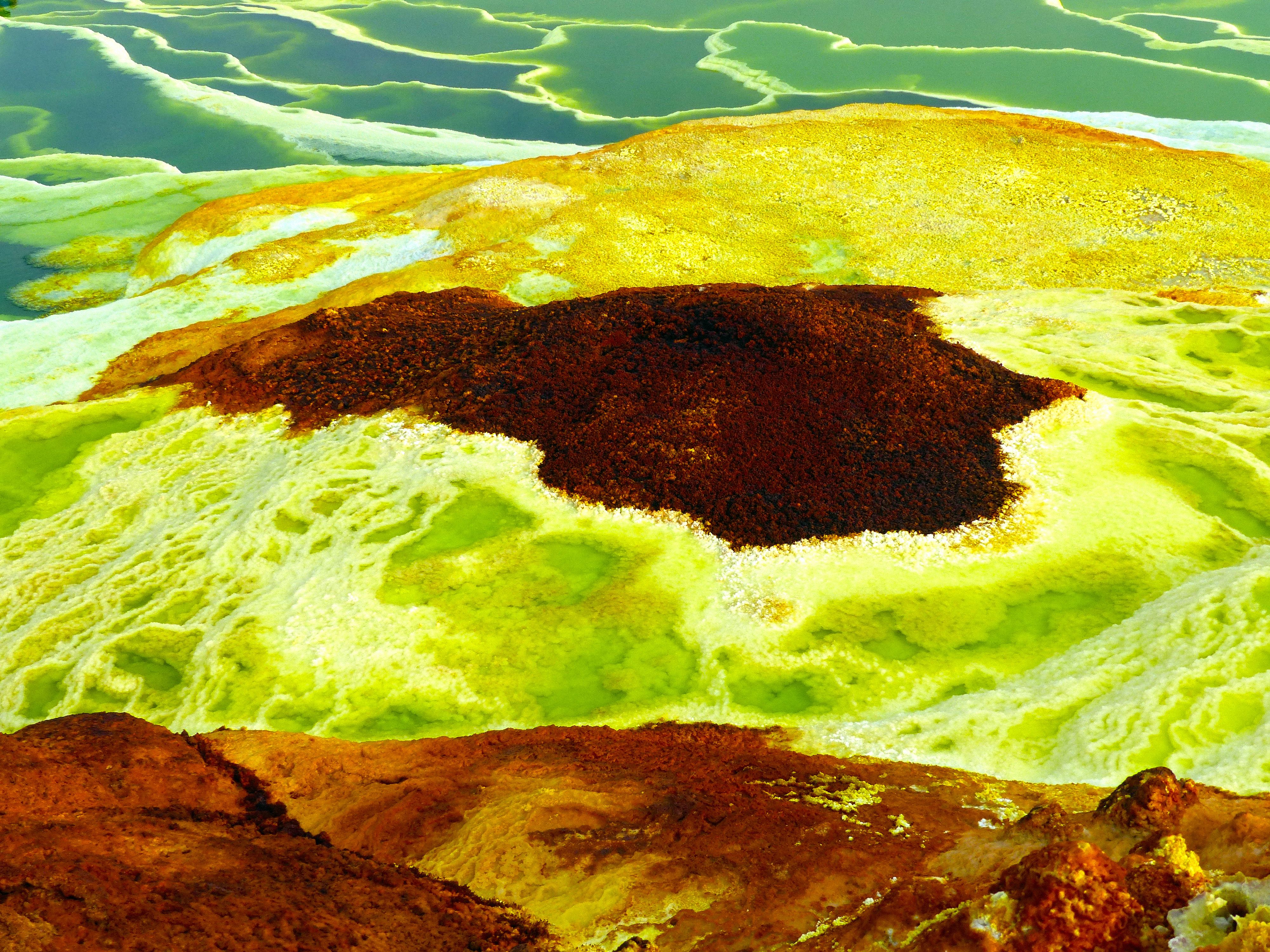
One of the hottest, lowest, and strangest inhabited places on Earth, a volcanic depression over 100 metres below sea level where sulphur springs bubble in acid-yellow and electric-green pools beside the active Erta Ale lava lake.
Camel caravans still cross the adjoining Danakil salt flats to mine slabs of salt by hand, much as they have for centuries.
The colours and scale look almost entirely artificial, which is exactly why people make the brutal trip.
How does it rate
CrowdsRomanceCash RequiredDangerAccessibilityWhy you should go
Acid-yellow sulphur pools and an active lava lake in one of the most alien landscapes on the planet.
Why you shouldn't go
Genuinely dangerous and physically demanding - extreme heat, toxic gases, and a history of security incidents mean an armed local guide is mandatory.
Plan your visit
Best time to visitNovember-March, avoiding the deadliest summer heat (which can exceed 50C).Best time of daySunrise at the sulphur springs; night for the glowing Erta Ale lava lake, reached by an overnight hike.Getting thereFly to Mekele, then a multi-day 4x4 expedition with a mandatory guide and security escort into the depression.Entry costMulti-day guided expeditions typically run USD400-700+ per person, all-inclusive.Time needed3+ days.Insider tip — Only go with an established, reputable local operator - this is one of the few places where the standing caution about safety and guides genuinely matters. -
 #1179 /100
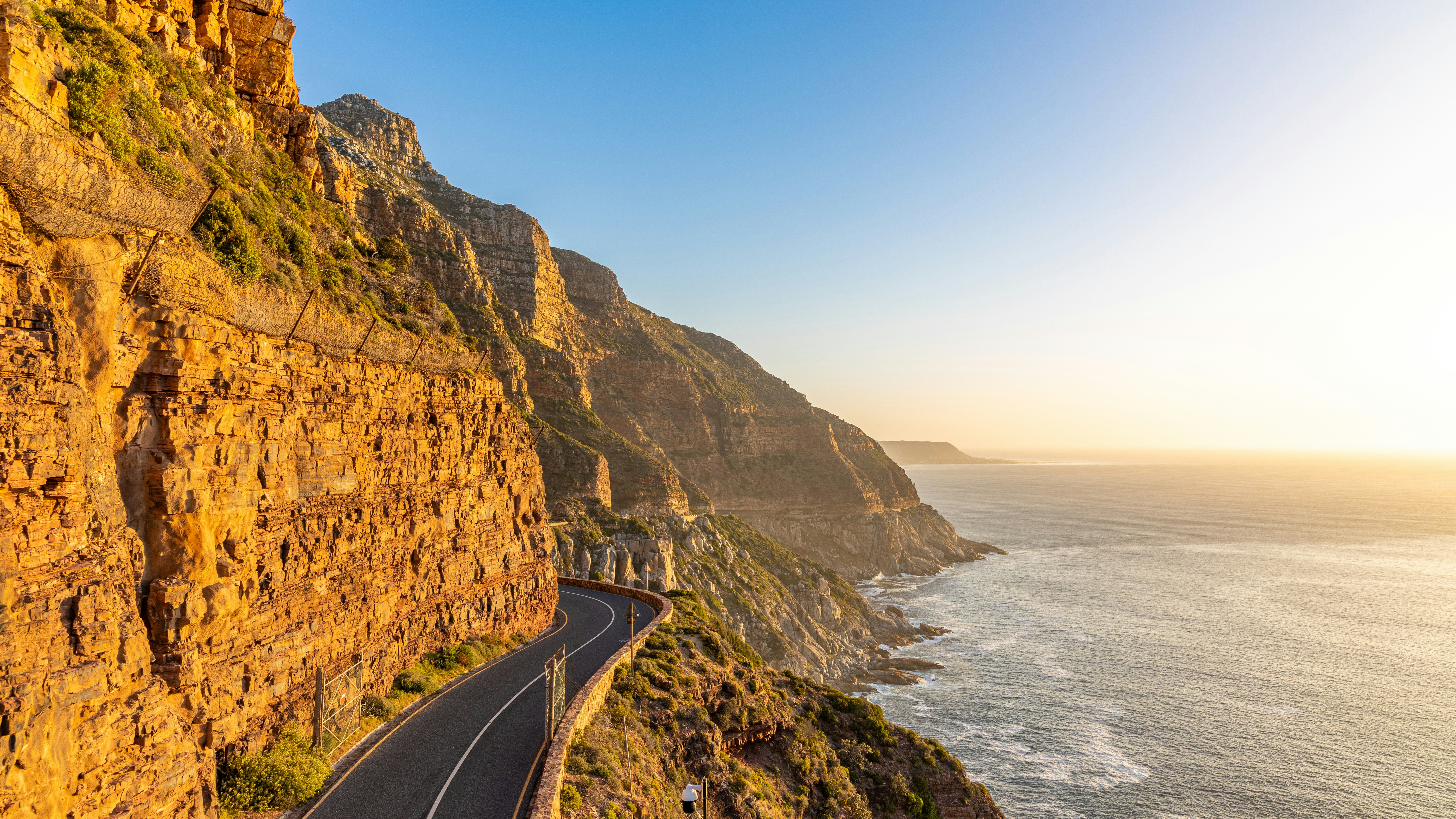
Chapman's Peak Drive carves along sheer cliffs between Noordhoek and Hout Bay, the scenic centrepiece of a wider ride around the Cape Peninsula past Boulders Beach's penguins and the fynbos slopes near Cape Point.
The full loop, ridden each March by 35,000 cyclists in the Cape Town Cycle Tour, mixes ocean-cliff drama with quiet vineyard roads on the return leg.
Wind and open cliff edges make it a serious ride outside the closed-road race day.
How does it rate
CrowdsRomanceCash RequiredDangerAccessibilityWhy you should go
Few rides anywhere combine sheer ocean cliffs, penguins and vineyard roads in one loop.
Why you shouldn't go
Chapman's Peak Drive has a toll, gets strong crosswinds, and shares narrow lanes with tour traffic outside race day.
Plan your visit
Best time to visitNov-Mar for dry summer weather; the Cape Town Cycle Tour itself runs each March.Best time of dayEarly morning for calmer wind and cooler temperatures on exposed cliff sections.Getting thereFly to Cape Town; hire a road bike in the city or join a guided Peninsula tour with vehicle support.Entry costChapman's Peak toll approx ZAR 55/car (cyclists often free); bike rental from ZAR 350/dayTime neededFull day for the full Peninsula loopBookingBook ahead →Insider tip — Ride Chapman's Peak from Hout Bay toward Noordhoek for the classic tailwind direction, and check the toll road's status first, since it closes after heavy rain or rockfall risk. -
 #1276 /100
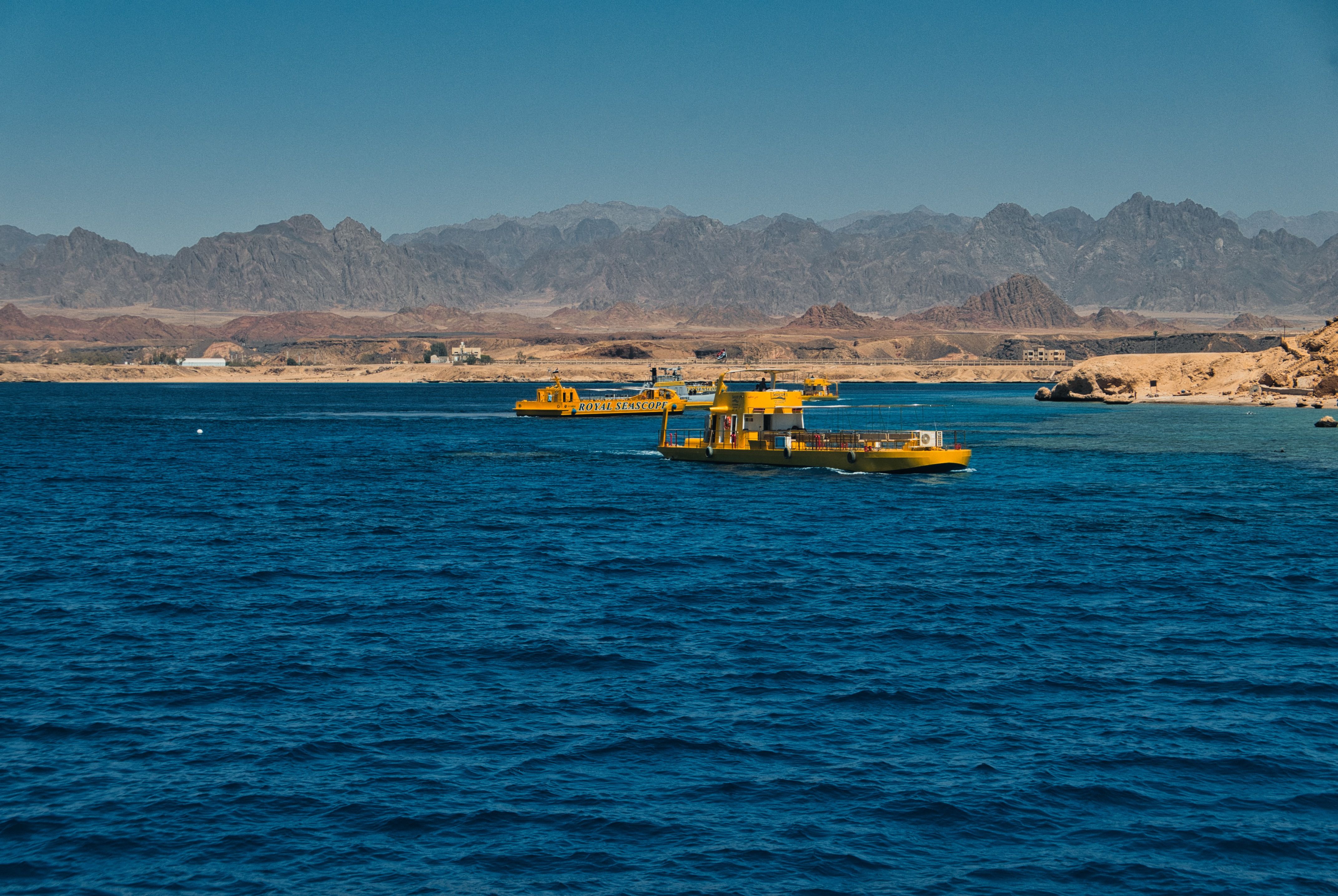
At the southern tip of the Sinai Peninsula, where the Gulf of Suez meets the Gulf of Aqaba, Ras Mohammed protects some of the Red Sea's most vivid coral reef, with underwater visibility regularly exceeding 20 meters and walls that drop dramatically into deep blue water just offshore.
The Shark and Yolanda Reef dive sites are considered among the best in the world for the sheer density and variety of reef fish.
How does it rate
CrowdsRomanceCash RequiredDangerAccessibilityWhy you should go
World-class coral reef diving with exceptional visibility, accessible to snorkelers as well as divers.
Why you shouldn't go
The best dive sites (Shark and Yolanda Reef) involve deeper, current-exposed diving suited to experienced divers.
Plan your visit
Best time to visitMarch–May and September–November for the calmest water and best visibility.Best time of dayMorning boat trips, before afternoon wind picks up on the open water.Getting thereAbout 30-45 minutes by boat or road from Sharm el-Sheikh.Entry costPark entry around $10; dive trips typically $50-90.Time needed1 day.Insider tip — Snorkel the shallow reef at Ras Mohammed's shore access points if you're not diving — the coral and fish density rivals many dive-only sites. -
 #1376 /100
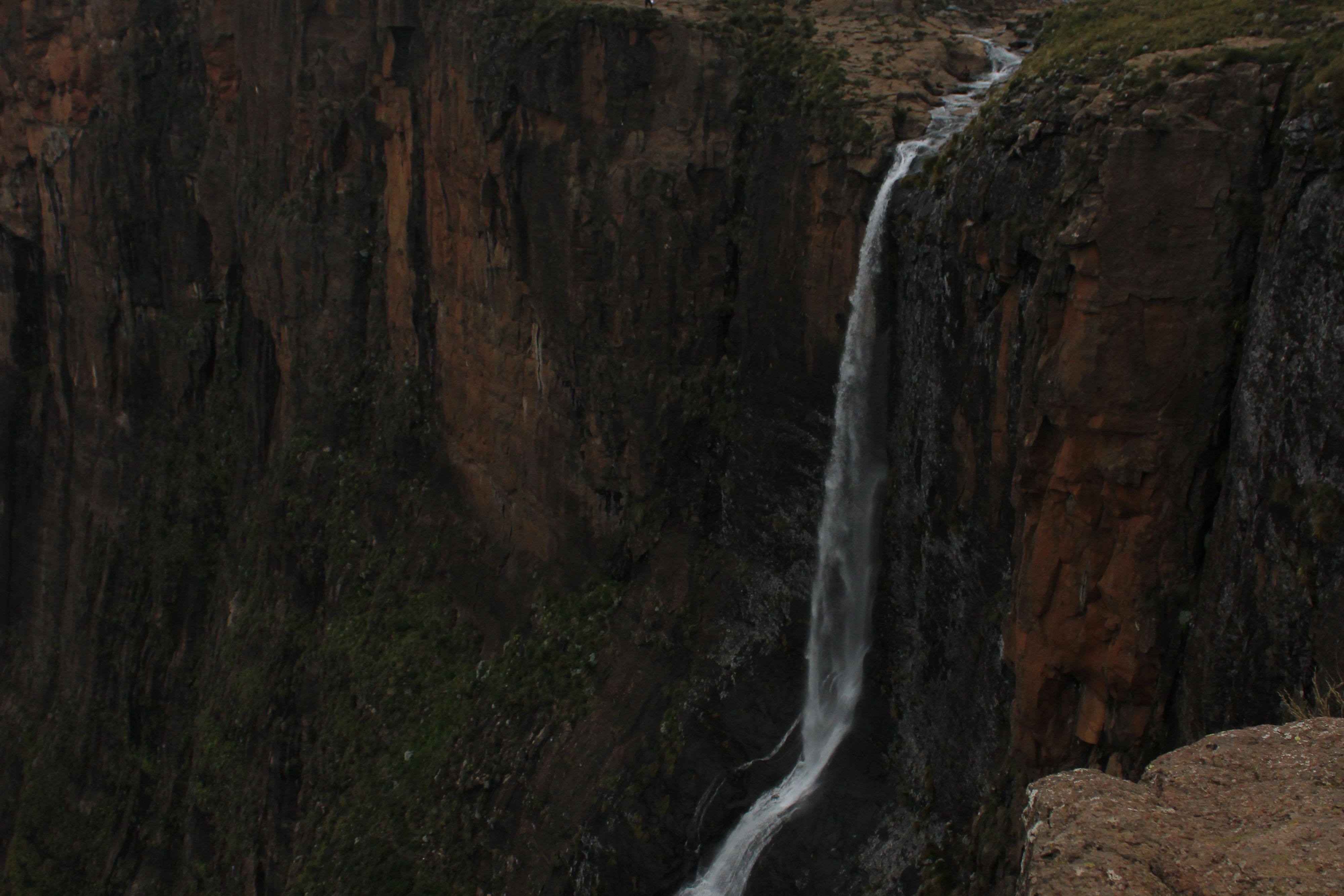
The world's second-tallest waterfall drops in five free-falling stages down the Drakensberg escarpment, deep in the Royal Natal National Park.
Reaching the top requires a full-day hike including a stretch up two connected chain ladders bolted to the cliff face.
On a clear day after rain, the full 948-metre drop is visible from the valley floor without any hiking at all.
How does it rate
CrowdsRomanceCash RequiredDangerAccessibilityWhy you should go
The world's second-tallest waterfall, visible in full from the valley floor on a clear day.
Why you shouldn't go
The top-of-the-falls hike involves exposed chain ladders that aren't for anyone uneasy with heights.
Plan your visit
Best time to visitOctober-March (wet season) for the strongest flow.Best time of dayMorning, before afternoon Drakensberg cloud typically rolls in.Getting thereDrive to Royal Natal National Park (about 4 hours from Johannesburg); park at the Tendele trailhead.Entry costPark entry fee, a few dollars per person.Time neededFull day for the summit hike; 1 hour for the valley-floor viewInsider tip — Skip the chain-ladder hike and drive instead to the Amphitheatre viewpoint for a full, satisfying view of the falls without the climb. -
 #1474 /100
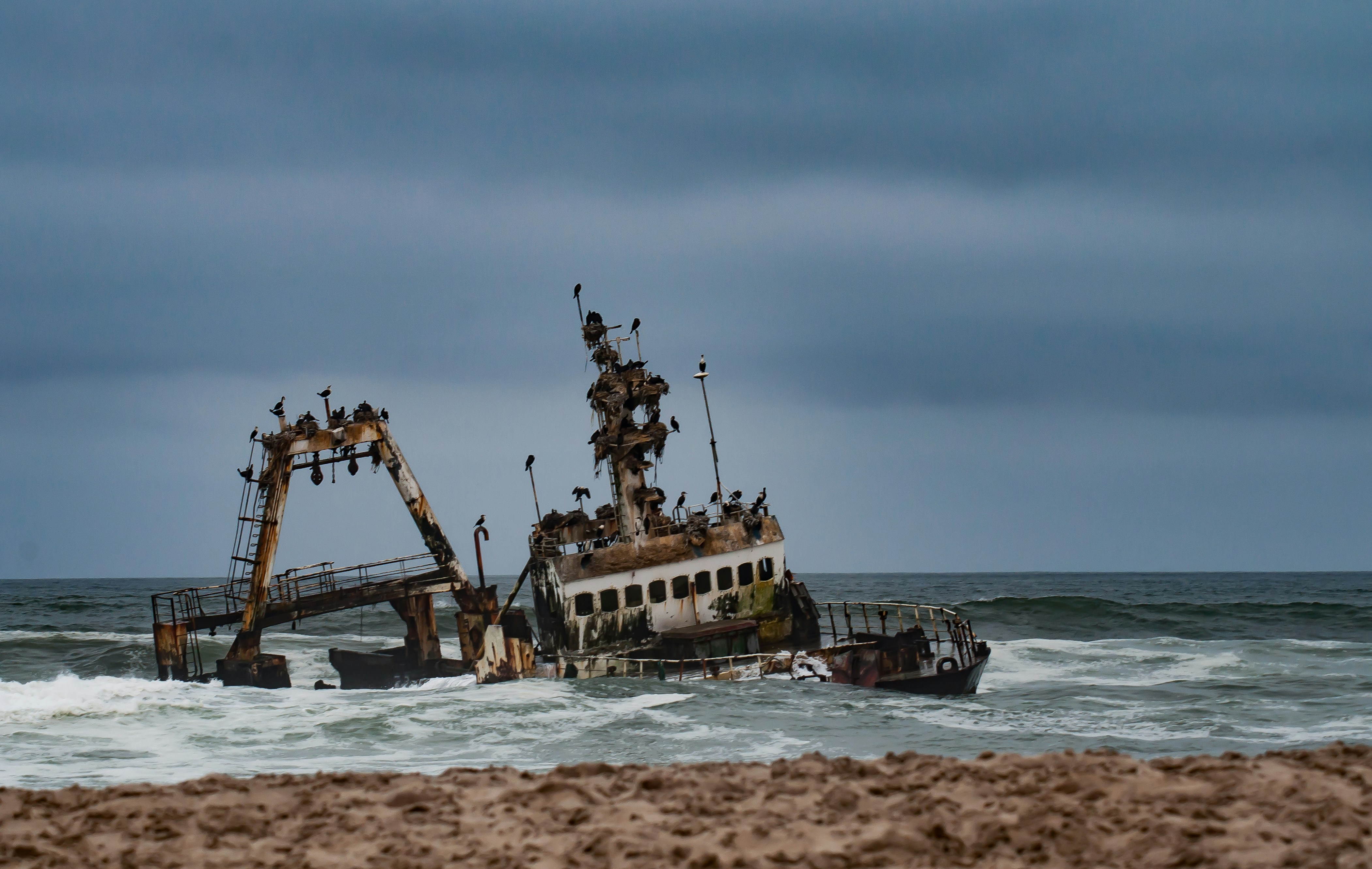
Named for the whale bones once littering its shore and the shipwrecks still rusting in its surf, this remote stretch of Atlantic coastline is where the Namib Desert's dunes meet a cold, fog-shrouded ocean in a landscape that feels genuinely otherworldly.
Seal colonies numbering in the thousands gather at Cape Cross, while the fog sustains desert-adapted wildlife found nowhere else, including elephants that wander dry riverbeds toward the coast.
How does it rate
CrowdsRomanceCash RequiredDangerAccessibilityWhy you should go
A starkly beautiful, genuinely remote desert coastline littered with shipwrecks and desert-adapted wildlife.
Why you shouldn't go
It's extremely remote, with long distances between fuel, services and any settlement.
Plan your visit
Best time to visitMay–October (dry season) for the clearest access along desert tracks.Best time of dayMorning, before the coastal fog typically burns off.Getting thereSelf-drive or fly-in safari from Swakopmund, several hours north along the coast.Entry costPark permits typically N$80-150 depending on the section visited.Time needed2–3 days for a proper exploration.Insider tip — Visit Cape Cross seal colony early in the morning — both the smell and the sheer noise are much more manageable before midday heat intensifies both. -
 #1570 /100
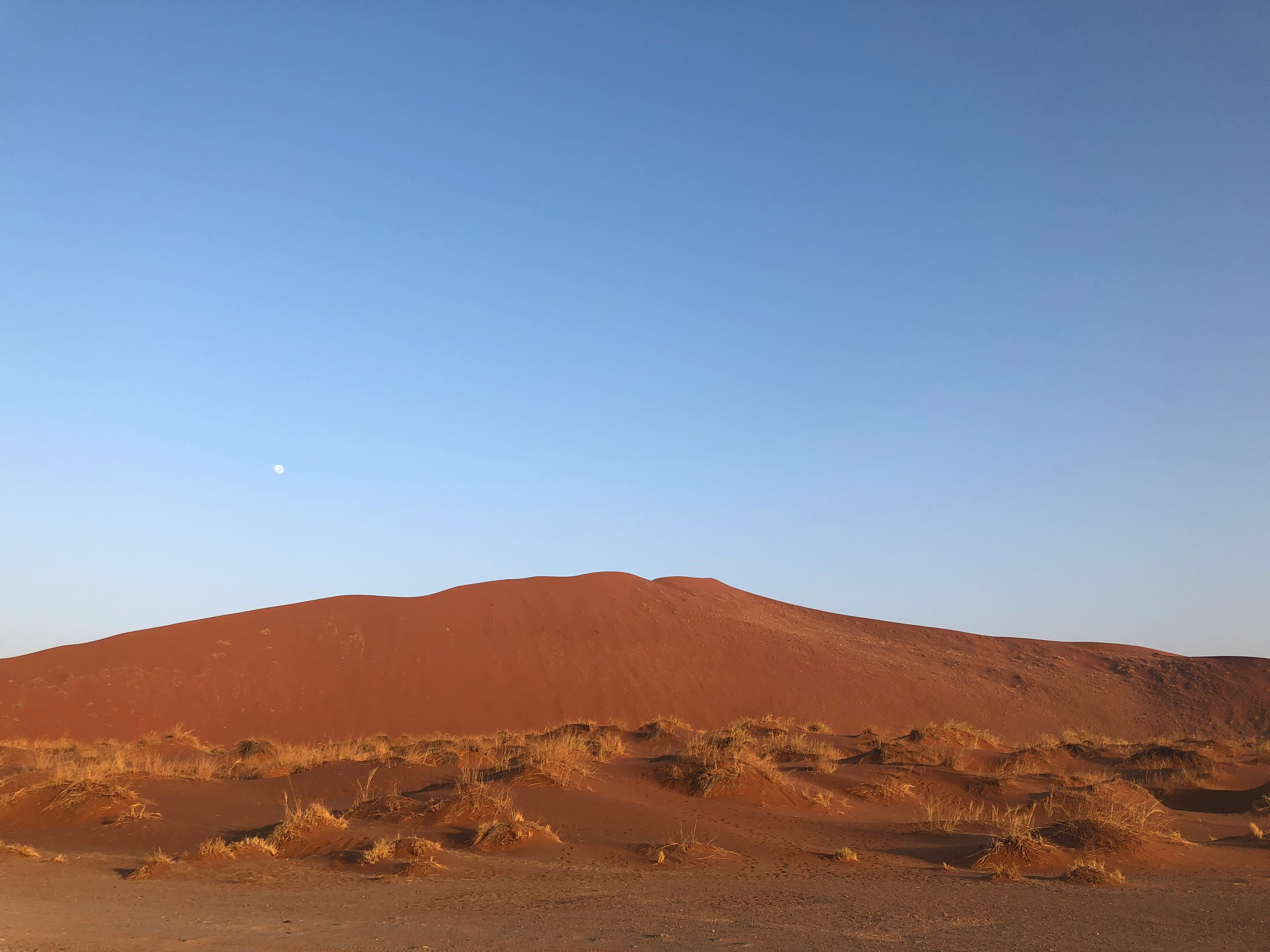
A semi-arid expanse of red sand and scrubby grassland covering much of Botswana, home to the Central Kalahari Game Reserve's black-maned lions, meerkats, and San Bushmen communities with millennia-old tracking traditions.
It lacks the dune drama of the Sahara or Namib, but its vast, flat horizons and dark, unpolluted skies make for some of the best stargazing safaris in Africa.
Wildlife encounters here feel genuinely remote rather than staged.
How does it rate
CrowdsRomanceCash RequiredDangerAccessibilityWhy you should go
Red-sand plains with black-maned Kalahari lions and some of the darkest, clearest night skies for safari stargazing in Africa.
Why you shouldn't go
It's expensive and logistically demanding to reach - most lodges require a light aircraft transfer from Maun or Gaborone.
Plan your visit
Best time to visitJune-October (dry season), when wildlife concentrates around remaining waterholes.Best time of dayDawn game drives, before the heat sets in and animals retreat to shade.Getting thereFly to Maun, then a light aircraft or 4x4 transfer into the Central Kalahari Game Reserve.Entry costLodge and safari packages typically run USD300-700+ per person per night, all-inclusive.Time needed3+ days.Insider tip — Ask your guide about a San Bushmen walking tour - several community-run options teach traditional tracking and plant knowledge firsthand. -
 #1670 /100
Morocco's tallest waterfall drops around 110 meters in a series of cascades through red sandstone cliffs, with wild Barbary macaque monkeys often seen in the olive groves along the approach trail.
Paths wind down to the pool at the base, where small boats ferry visitors close enough to feel the spray, and mule owners offer rides back up for those who'd rather skip the climb.
How does it rate
CrowdsRomanceCash RequiredDangerAccessibilityWhy you should go
Morocco's tallest waterfall, with wild monkeys along the approach trail.
Why you shouldn't go
The descent and climb back up involve steep, sometimes slippery paths.
Plan your visit
Best time to visitSpring, when snowmelt keeps the falls at full flow.Best time of dayMorning, for the best light through the spray and before day-trip crowds peak.Getting thereAbout 3 hours' drive from Marrakech; most visitors go via an organized day tour.Entry costFree to view; small boat rides around 20 MAD (~€2).Time neededHalf a day including travel.Insider tip — Keep food out of sight on the trail — the Barbary macaques are used to tourists and will grab snacks from open bags. -
 #1768 /100
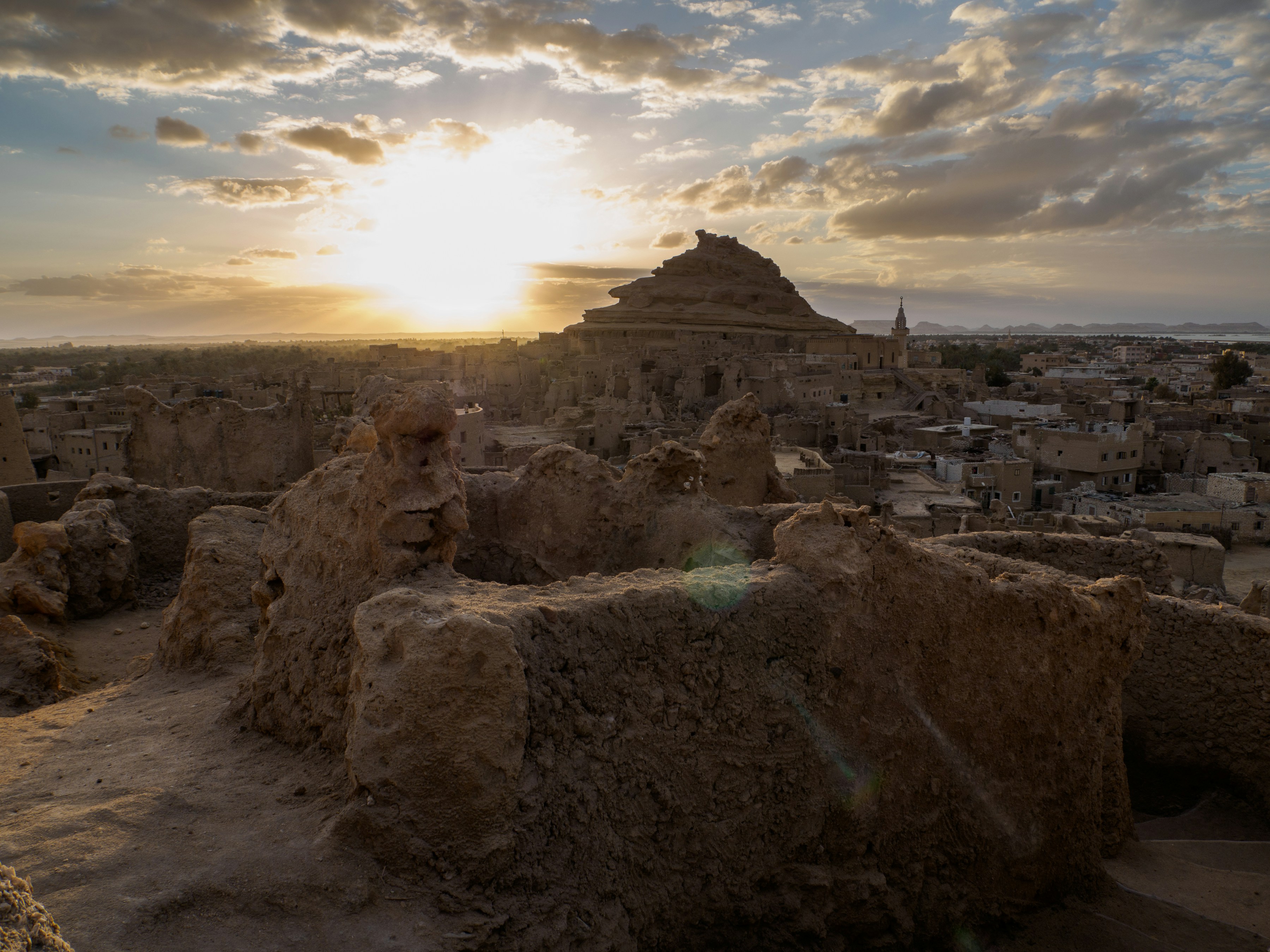
Isolated deep in Egypt's Western Desert near the Libyan border, Siwa is a genuine oasis town of mudbrick ruins, freshwater springs and palm groves surrounded by dunes, significant enough that Alexander the Great made the arduous journey to consult its oracle temple.
The ruined hilltop fortress of Shali, built entirely from local salt-clay, dominates the town, while nearby salt lakes and hot and cold springs offer a stark contrast.
How does it rate
CrowdsRomanceCash RequiredDangerAccessibilityWhy you should go
A remote desert oasis with its own distinct culture, salt-clay ruins and a temple Alexander the Great once visited.
Why you shouldn't go
It's a long, remote journey — roughly 8-10 hours' drive from Cairo, with limited onward transport options.
Plan your visit
Best time to visitOctober–April, avoiding extreme summer desert heat.Best time of daySunset from the top of the Shali fortress ruins, overlooking the palm groves and desert beyond.Getting thereAbout 8-10 hours' drive from Cairo, or a shorter route via Marsa Matruh on the coast.Entry costFree to explore the town; Shali fortress and springs have small entry fees.Time needed2–3 days.Insider tip — Float in one of the salt lakes outside town at sunset — like the Dead Sea, the water's density makes swimming effortless, and it's far quieter than the main springs. -
 #1868 /100
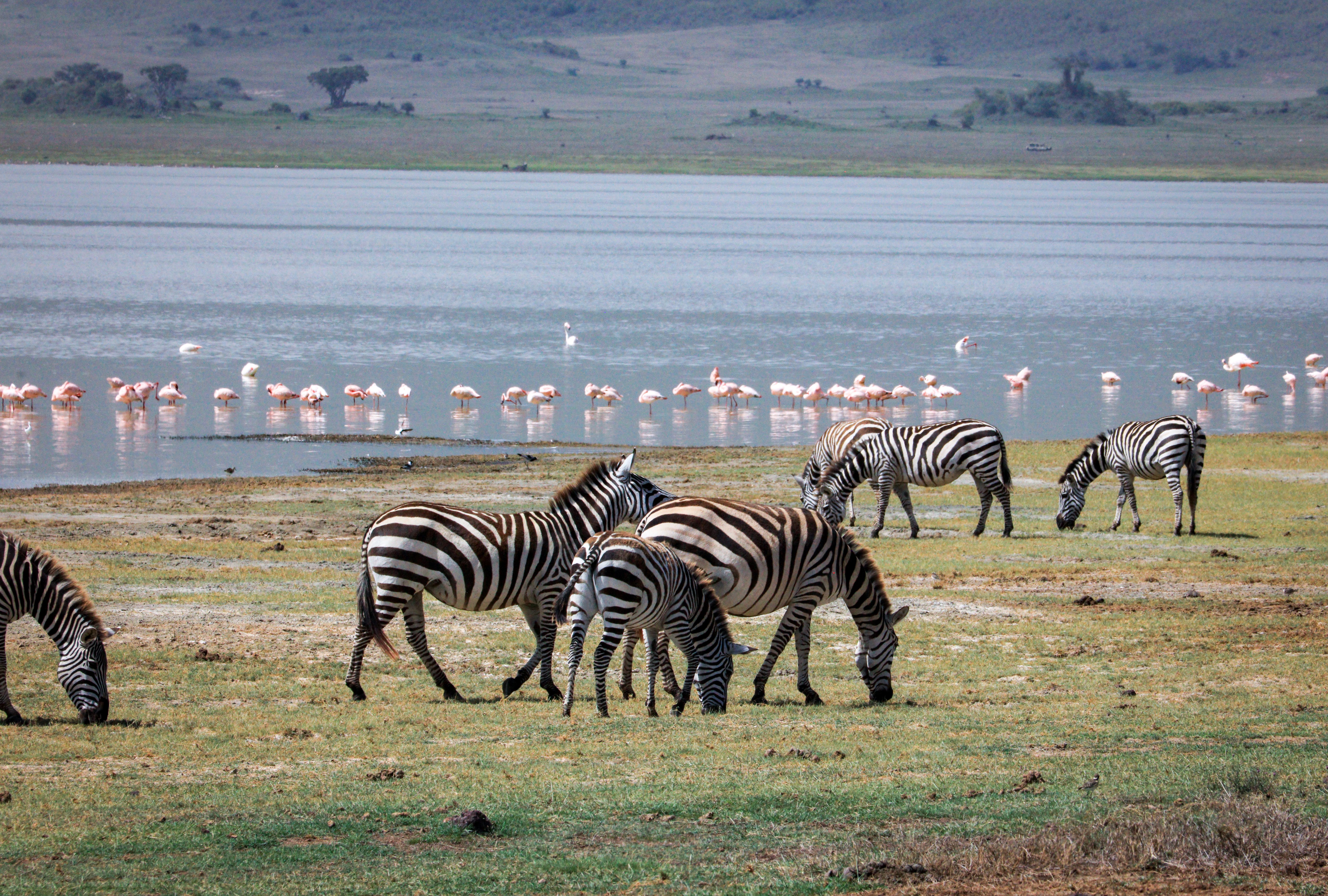
Compact compared to the Serengeti or Ngorongoro, Lake Manyara packs groundwater forest, acacia woodland, a soda lake and open grassland into a single park, known especially for tree-climbing lions and vast flamingo flocks along the alkaline shoreline.
The variety of habitat in a small area means a shorter game drive can still turn up a genuinely diverse range of wildlife.
How does it rate
CrowdsRomanceCash RequiredDangerAccessibilityWhy you should go
A compact park with unusually varied habitat, known for its rare tree-climbing lions.
Why you shouldn't go
The tree-climbing lion behavior isn't guaranteed on any given visit — sightings depend on the day.
Plan your visit
Best time to visitJune–October (dry season) or November–December for the best flamingo numbers on the lake.Best time of dayLate afternoon, when animals move toward the lake to drink.Getting thereAbout 2 hours' drive from Arusha, on the road toward Ngorongoro.Entry costPark fees typically $50-60 per person per day, usually bundled into safari packages.Time neededHalf a day to 1 day.Insider tip — Ask your driver to head for the acacia woodland near the lake edge first — that's where the tree-climbing lions are most often spotted. -
 #1967 /100
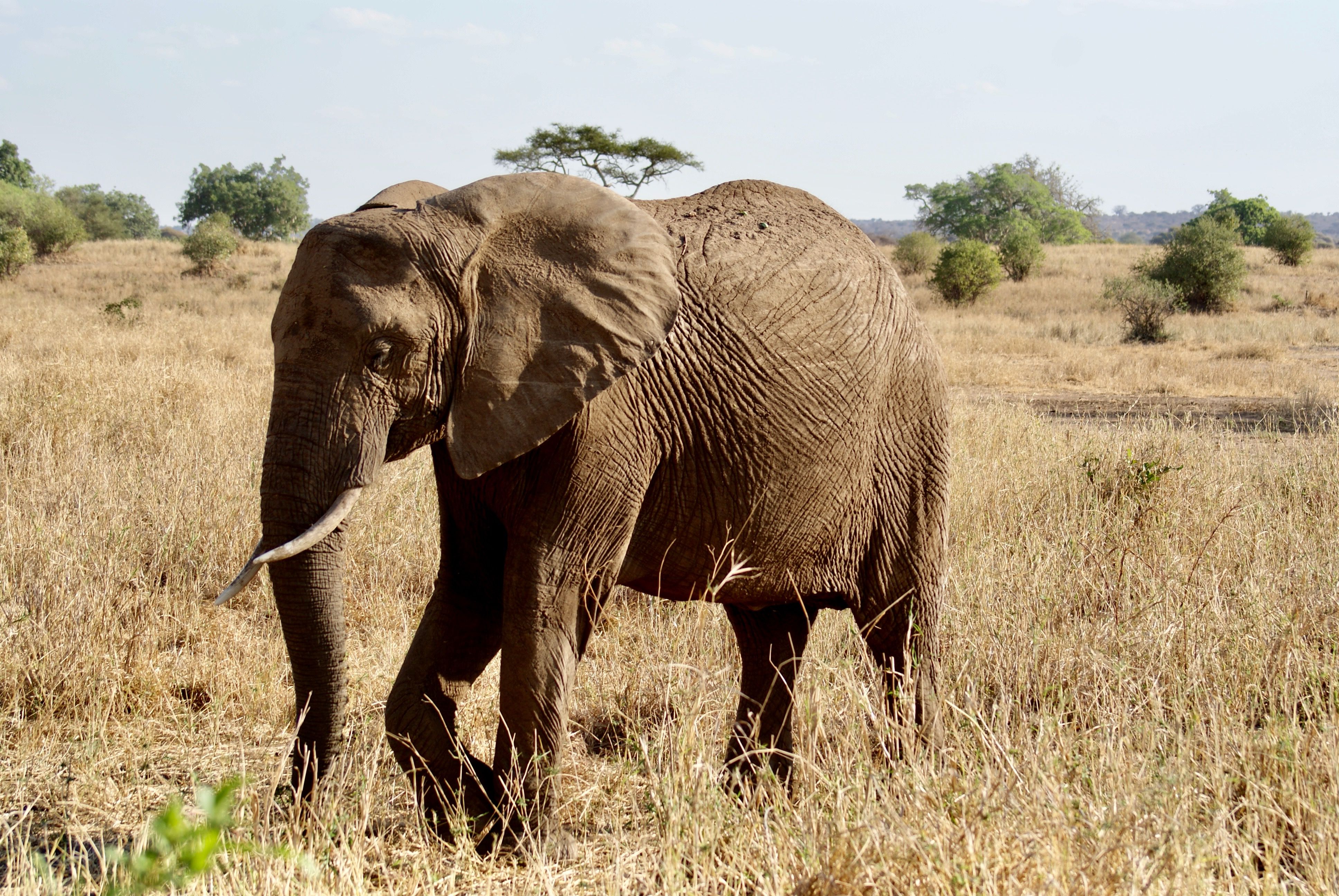
Best known for enormous elephant herds — among the largest concentrations anywhere in Tanzania — Tarangire's landscape is dotted with iconic ancient baobab trees rising above golden grassland along the Tarangire River.
It draws far fewer visitors than the Serengeti-Ngorongoro circuit despite comparably strong wildlife density in the dry season, when animals converge on the river as other water sources dry up.
How does it rate
CrowdsRomanceCash RequiredDangerAccessibilityWhy you should go
Some of Tanzania's largest elephant herds against a landscape of iconic ancient baobab trees.
Why you shouldn't go
Wildlife concentrations drop noticeably outside the dry season, when animals disperse more widely.
Plan your visit
Best time to visitJune–October (dry season), when wildlife concentrates densely along the river.Best time of dayMorning game drive, before the day's heat sends animals into shaded cover.Getting thereAbout 2 hours' drive from Arusha.Entry costPark fees typically $50-60 per person per day, usually bundled into safari packages.Time neededHalf a day to 1 day.Insider tip — Visit in September, at the peak of the dry season, for the highest concentration of elephants along the river before the rains return. -
 #20
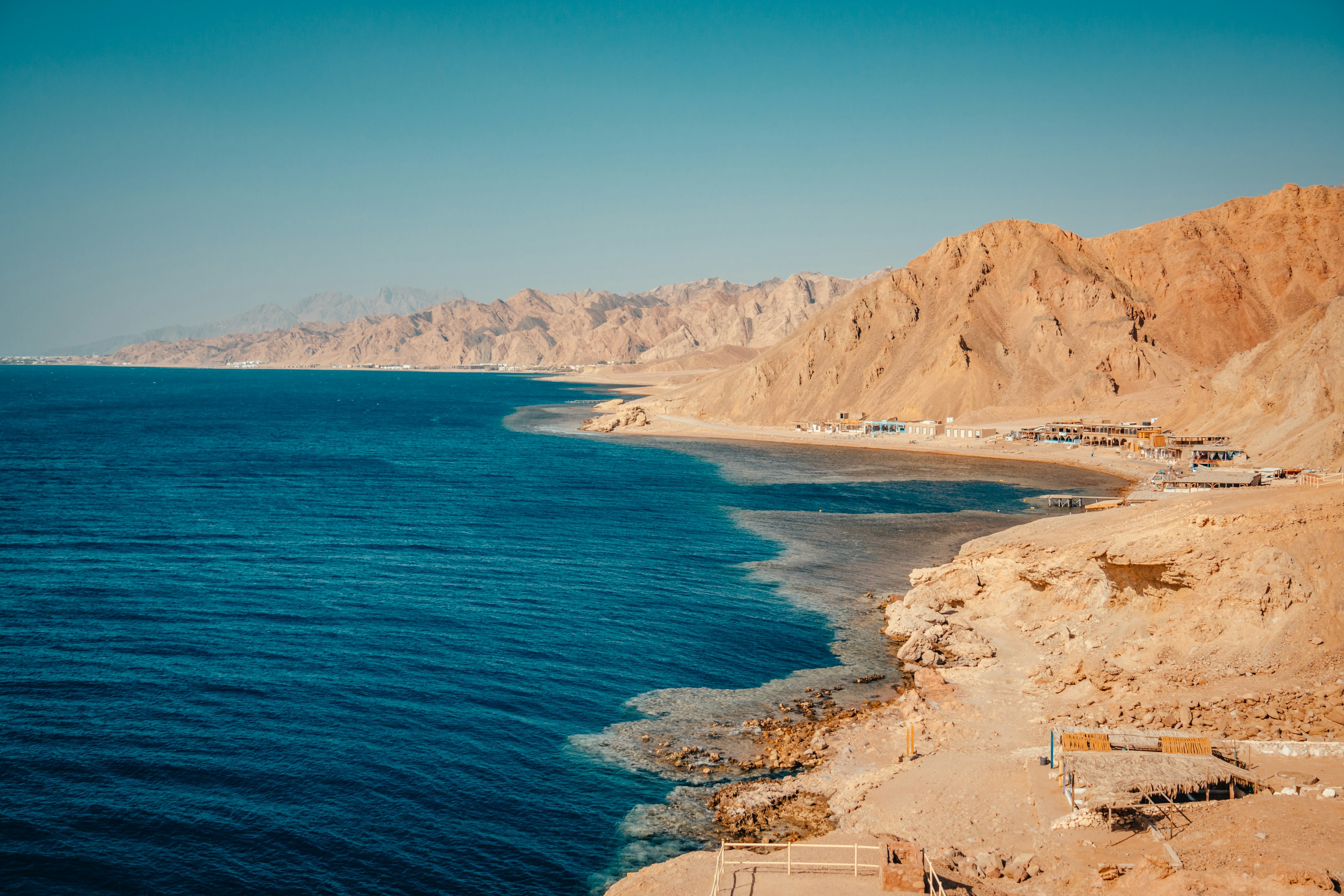
#20A laid-back diving town on the Gulf of Aqaba, Dahab trades Sharm el-Sheikh's resort scale for a mellow, backpacker-friendly waterfront lined with low-key restaurants right on the reef edge.
It's best known for the Blue Hole, a dramatic underwater sinkhole that's become one of the world's most famous — and most dangerous for unqualified divers — dive sites, alongside gentler reef diving and snorkeling directly off the shore in town.
How does it rate
CrowdsRomanceCash RequiredDangerAccessibilityWhy you should go
A relaxed, budget-friendly dive town with genuinely excellent reef access right off the shore.
Why you shouldn't go
The famous Blue Hole dive site has a serious accident history for divers who exceed their training limits.
Plan your visit
Best time to visitMarch–May and September–November for pleasant temperatures and calm water.Best time of dayEarly morning for the clearest water and quietest shore-diving conditions.Getting thereAbout 1.5 hours' drive from Sharm el-Sheikh, or a longer transfer from Cairo.Entry costFree beach access; diving trips typically $30-60.Time needed2–4 days.Insider tip — Dive the Blue Hole's rim (the shallow 'Saucer' area) rather than attempting the deep arch — all the same striking visuals without the technical-diving risk. -
 #2165 /100
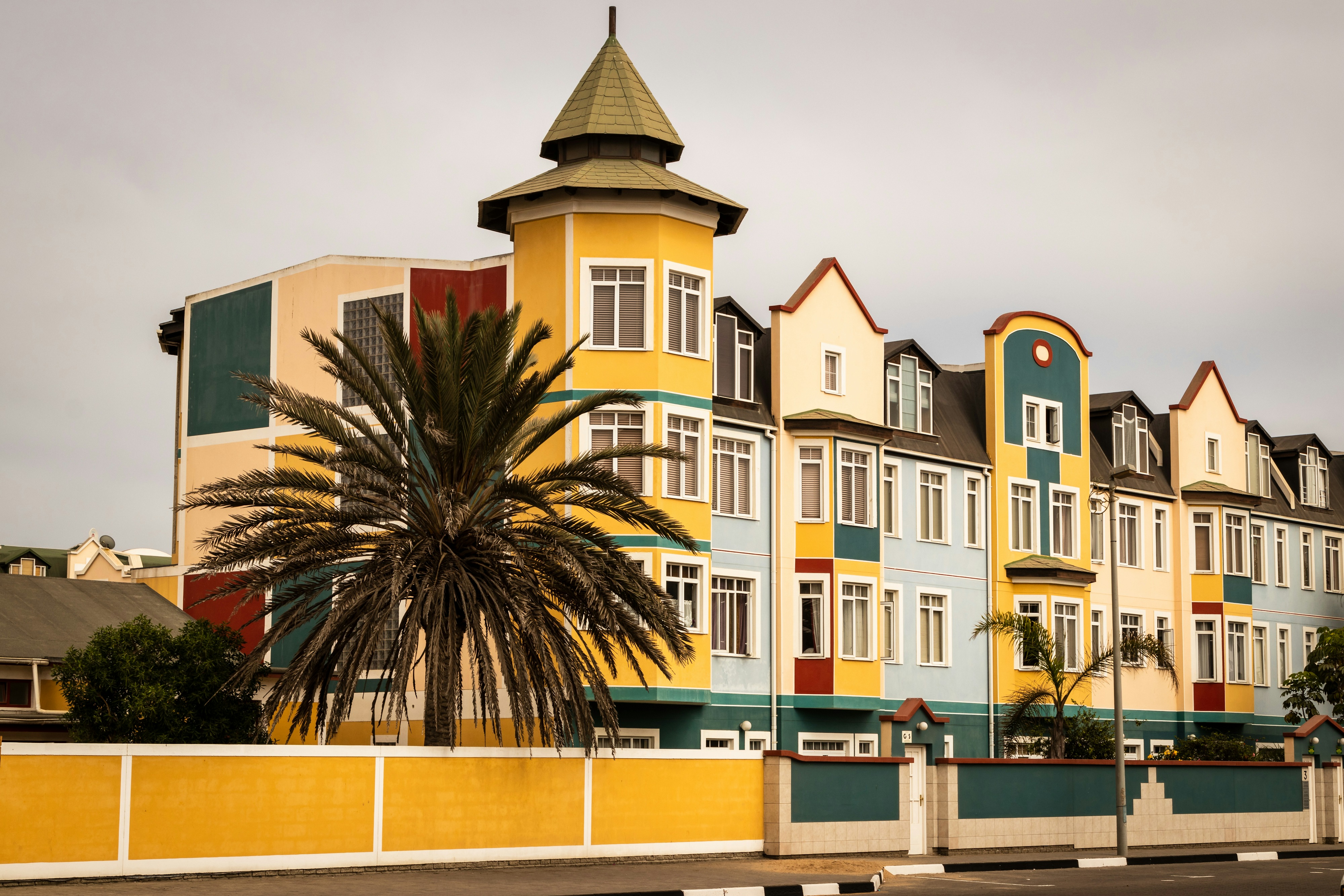
A distinctly German-colonial coastal town where half-timbered buildings sit oddly against Atlantic surf and encroaching Namib dunes, Swakopmund has become Namibia's adventure-sports hub.
Sandboarding and quad-biking on the dunes at the town's edge, alongside skydiving and dolphin cruises, give it a livelier, more activity-driven scene than its quiet colonial streets suggest.
It's also the natural staging point for trips to the Skeleton Coast.
How does it rate
CrowdsRomanceCash RequiredDangerAccessibilityWhy you should go
A German-colonial coastal town that's become Namibia's base for dune sandboarding and adventure sports.
Why you shouldn't go
The town's colonial architecture and history sit uneasily alongside Namibia's colonial-era violence, which isn't addressed on-site.
Plan your visit
Best time to visitSeptember–March for warmer, sunnier weather away from winter coastal fog.Best time of dayMorning for dune activities, before onshore wind picks up in the afternoon.Getting thereAbout 4 hours' drive from Windhoek, or a short domestic flight.Entry costFree to walk the town; sandboarding and quad-biking typically N$400-900.Time needed1–2 days.Insider tip — Book dune activities directly with local operators rather than through hotel concierges — prices are often noticeably lower without the markup. -
 #2264 /100
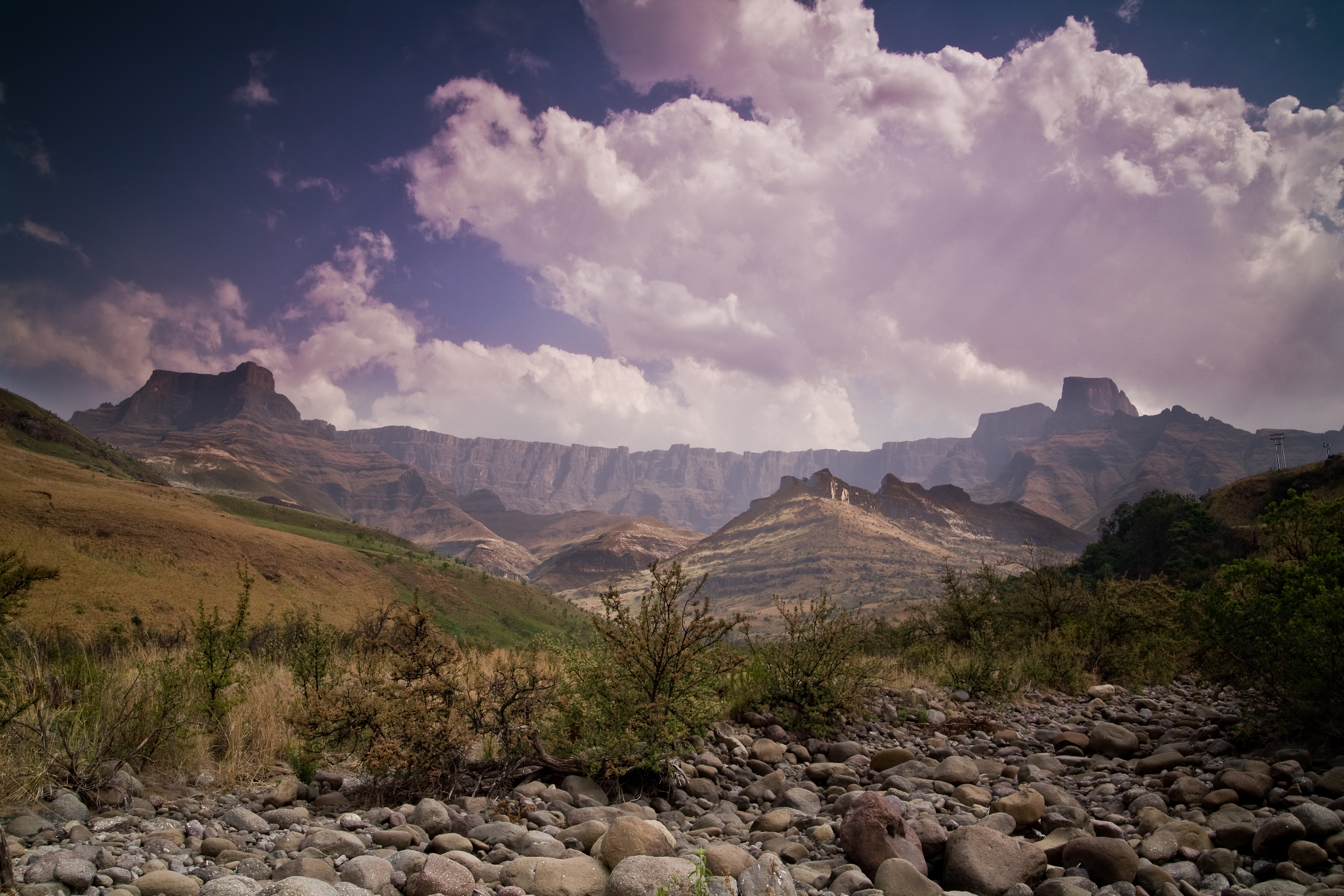
A chain-ladder ascent to the top of the Amphitheatre, a 5km basalt wall in the northern Drakensberg where the Tugela River tips over the escarpment as the world's second-highest waterfall.
The trail climbs steep gullies from Sentinel Car Park before two vertical chain ladders haul hikers onto the plateau, opening onto sweeping views over KwaZulu-Natal.
Weather turns fast near 3,000m, and the ladders close in lightning or ice.
How does it rate
CrowdsRomanceCash RequiredDangerAccessibilityWhy you should go
Standing at the top of a 5km cliff wall with Tugela Falls dropping almost a kilometre just past your feet.
Why you shouldn't go
The chain ladders are exposed and get closed in lightning, high wind or ice, sometimes with no warning.
Plan your visit
Best time to visitOctober-April for clearer summer weather, though afternoon thunderstorms are common.Best time of dayEarly morning start to summit and descend before afternoon storms build.Getting thereDrive to Royal Natal National Park; the Sentinel Car Park trailhead is reached via a gravel access road.Entry costPark gate fee about R60, plus R90 hiking permit, both paid in cash at the car park.Time needed6-7 hours round tripInsider tip — Check the ladders' status with the car park attendant before setting out - wind or ice can shut them for the day. -
 #2360 /100
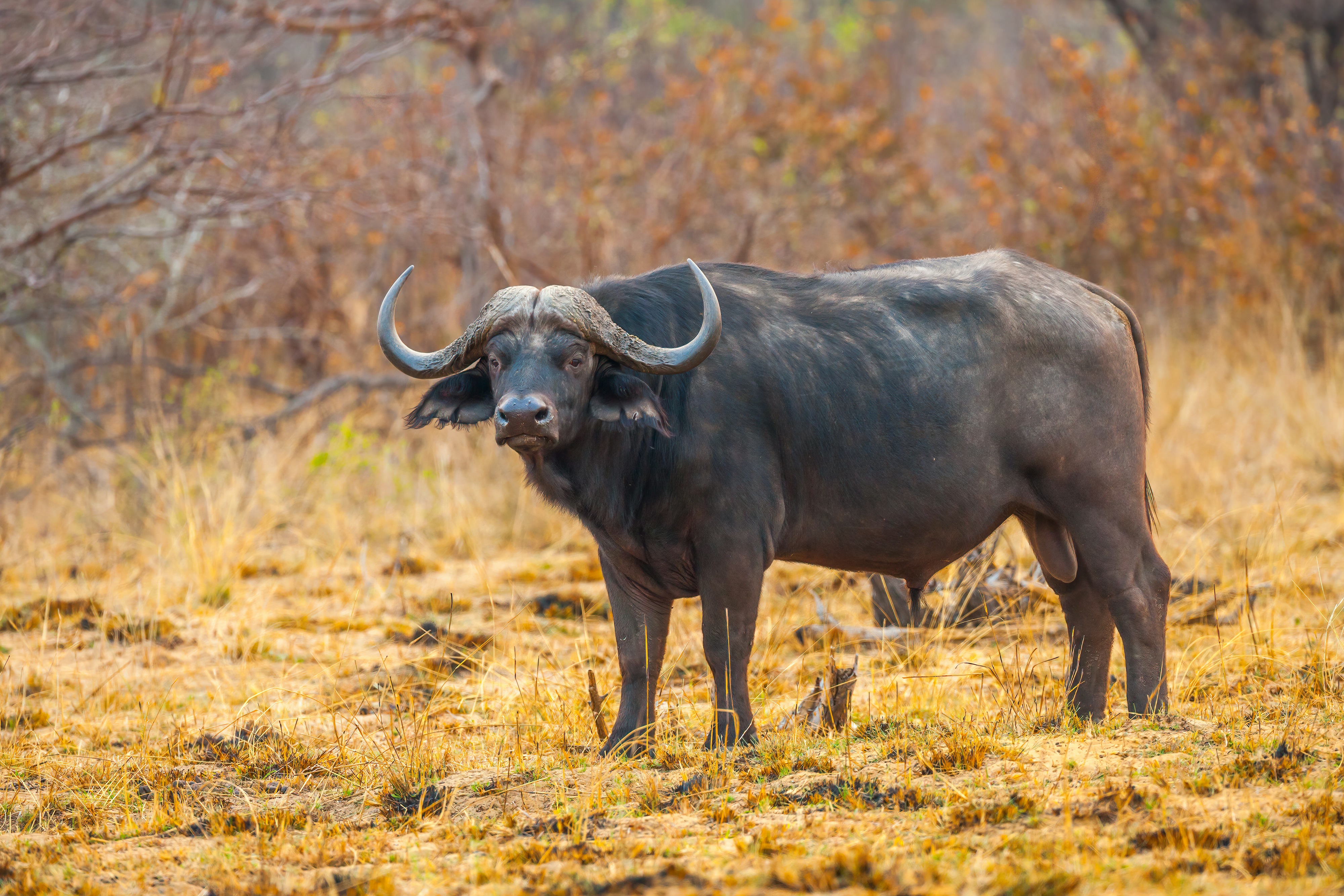
Straddling the lush Zambezi and Kwando rivers in Namibia's Caprivi Strip, Bwabwata is a wetter, greener contrast to the desert scenery most visitors associate with Namibia, with elephant, buffalo, hippo and crocodile populations typical of Botswana or Zambia just across the border.
River cruises and game drives along the floodplains draw far fewer visitors than Etosha, giving it an off-the-beaten-path feel in a country already light on crowds.
How does it rate
CrowdsRomanceCash RequiredDangerAccessibilityWhy you should go
Namibia's lush river-and-wetland park, with wildlife density rivaling Botswana's Okavango region but far fewer visitors.
Why you shouldn't go
It's a long detour from Namibia's main tourist circuit in the south and center of the country.
Plan your visit
Best time to visitMay–October (dry season) for the best wildlife concentration along the rivers.Best time of dayLate afternoon river cruise, when hippos and elephants move to the water's edge.Getting thereAbout 1.5-2 days' drive from Windhoek via the Caprivi Strip, or fly into Katima Mulilo.Entry costPark entry around N$80-100 per person per day.Time needed2–3 days.Insider tip — Combine it with a stop across the border in Botswana's Chobe National Park — the two parks share the same river ecosystem and wildlife populations. -
 #2460 /100
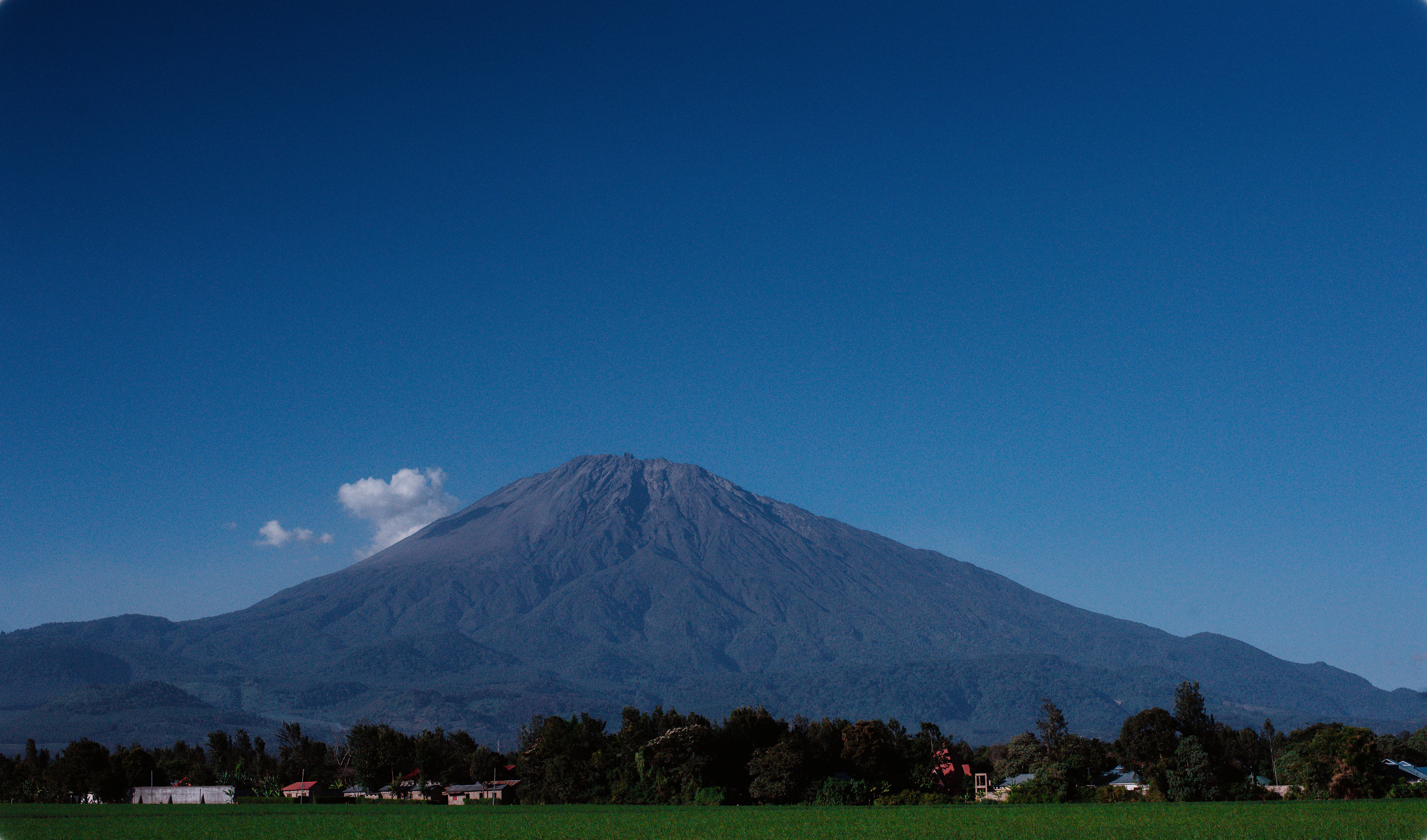
Tanzania's second-highest peak is frequently climbed as acclimatization practice for Kilimanjaro, but stands as a serious, rewarding trek in its own right, with a technical scramble near the summit that Kilimanjaro's standard routes don't require.
The ascent passes through montane forest thick with colobus monkeys and buffalo before opening onto an ash cone and crater rim, with views across to Kilimanjaro on clear mornings.
How does it rate
CrowdsRomanceCash RequiredDangerAccessibilityWhy you should go
A serious, technical trek with views of Kilimanjaro itself, at a fraction of its crowds.
Why you shouldn't go
The final summit push involves exposed scrambling that's more technical than most Kilimanjaro routes.
Plan your visit
Best time to visitJune–October or December–February, the driest trekking windows.Best time of dayPre-dawn summit push to reach the top for sunrise views of Kilimanjaro.Getting thereBase in Arusha; the Momella Gate trailhead is about 1 hour's drive away.Entry costPark and guiding fees typically $200-400 for the 3-4 day trek.Time needed3–4 days.Insider tip — Climb it as a Kilimanjaro warm-up a week before your main trek — the altitude adaptation measurably improves summit success rates.


More from Africa
-
More Adventure spots
-
How a score is built
One score out of 100, five criteria behind it
Every place is rated 1–5 on each of the criteria below, then combined into a single score out of 100. It's calculated by us, the same way every time — not an average of traveller reviews or social votes.
Crowds
How many people you'll be sharing it with, and at what time of day.
Romance
How well it suits a couple, a proposal, or a quiet moment together.
Cash required
Entry fees, permits, guides, rentals — what it actually costs to do it.
Danger
Physical risk involved, from a slippery viewpoint to genuine hazard.
Accessibility
How far off the beaten path it is, and how hard it is to actually reach.


