-
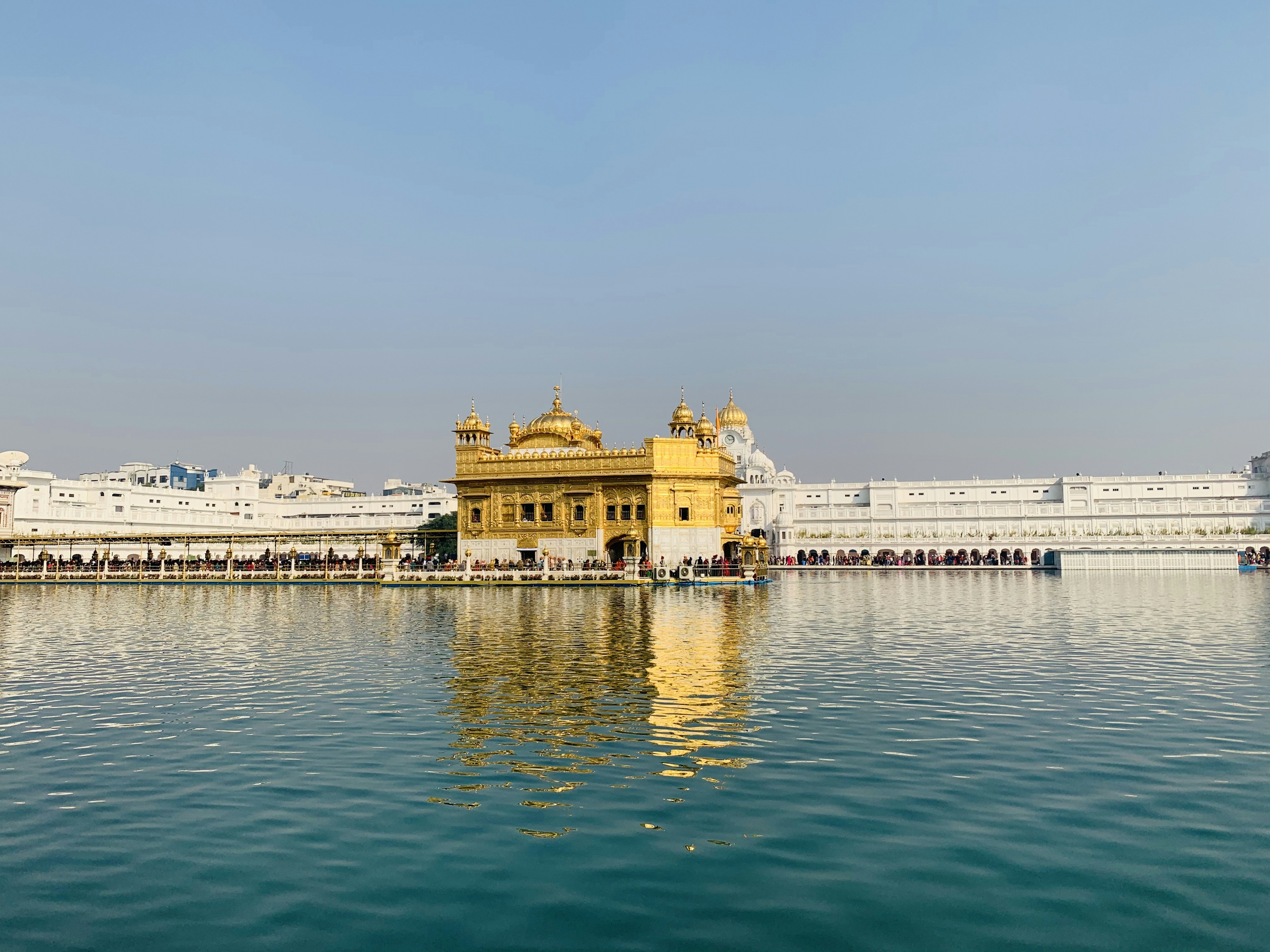 #188 /100
The holiest site in Sikhism sits at the centre of a large square pool, its upper floors gilded in real gold and doubled by a near-perfect reflection in the still water.
Pilgrims circle the marble walkway at all hours, and the temple runs one of the world's largest free communal kitchens, feeding tens of thousands daily.
Lit at night, the gold dome and its reflection form one symmetrical image.
How does it rate
CrowdsRomanceCash RequiredDangerAccessibilityWhy you should go
A gold temple perfectly mirrored in a still pool, open to visitors of every faith.
Why you shouldn't go
It's a functioning, deeply sacred pilgrimage site, not a tourist attraction - dress and behaviour expectations are strict.
Plan your visit
Best time to visitOctober-March, avoiding the summer heat.Best time of dayEarly morning or after dark, when the gold dome is lit and crowds thin.Getting thereFly or train to Amritsar; the temple is centrally located and walkable from the old city.Entry costFree; head covering required and provided at the entrance.Time needed2-3 hoursInsider tip — Join the free communal meal (langar) in the dining hall - it's open to all visitors and a core part of the experience, not just the photos. -
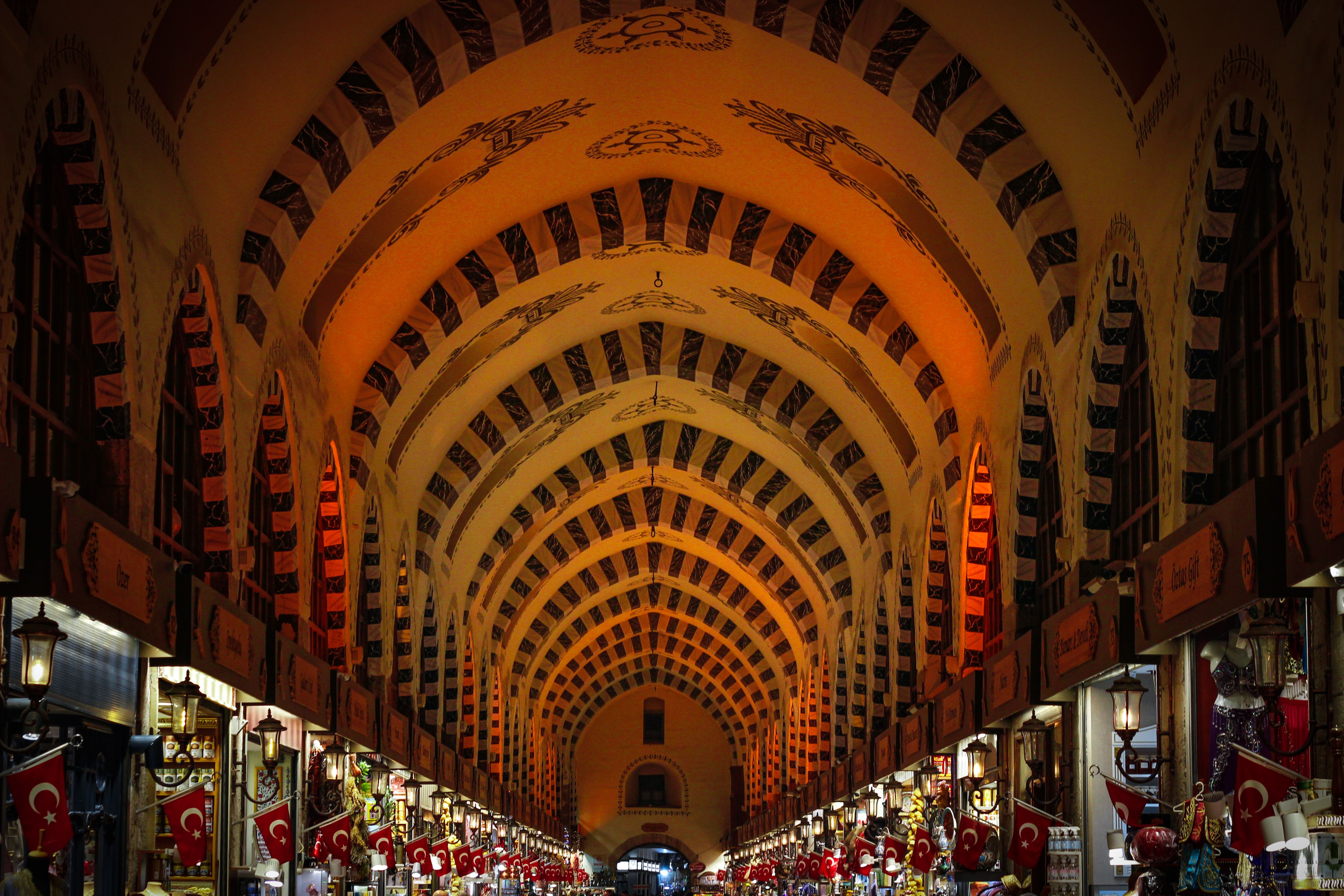 #287 /100
One of the world's oldest and largest covered markets, Istanbul's Grand Bazaar has traded continuously since 1461 across more than 4,000 shops lining 60 vaulted, hand-painted streets.
Copper lanterns, hand-woven carpets, gold jewellery and spice stalls spill into each other beneath domed ceilings that have survived earthquakes and fires for over five centuries.
How does it rate
CrowdsRomanceCash RequiredDangerAccessibilityWhy you should go
A 560-year-old covered market of over 4,000 shops beneath vaulted, hand-painted domes.
Why you shouldn't go
It's a genuine maze, easy to get disoriented in, and persistent shopkeepers can make browsing feel pressured.
Plan your visit
Best time to visitWeekday mornings, when the bazaar is open but tour groups haven't yet arrived in force.Best time of dayMid-morning, for the best light through the domed skylights before peak crowds.Getting thereTake the T1 tram to Beyazit-Kapalicarsi or Cemberlitas stations, both a short walk from the bazaar's gates.Entry costFree to enter; prices for goods are negotiable and vary widely by item.Time needed2-3 hours, longer for serious shopping.Insider tip — Always negotiate, starting around half the asking price, and accept the offered tea without feeling obligated to buy. -
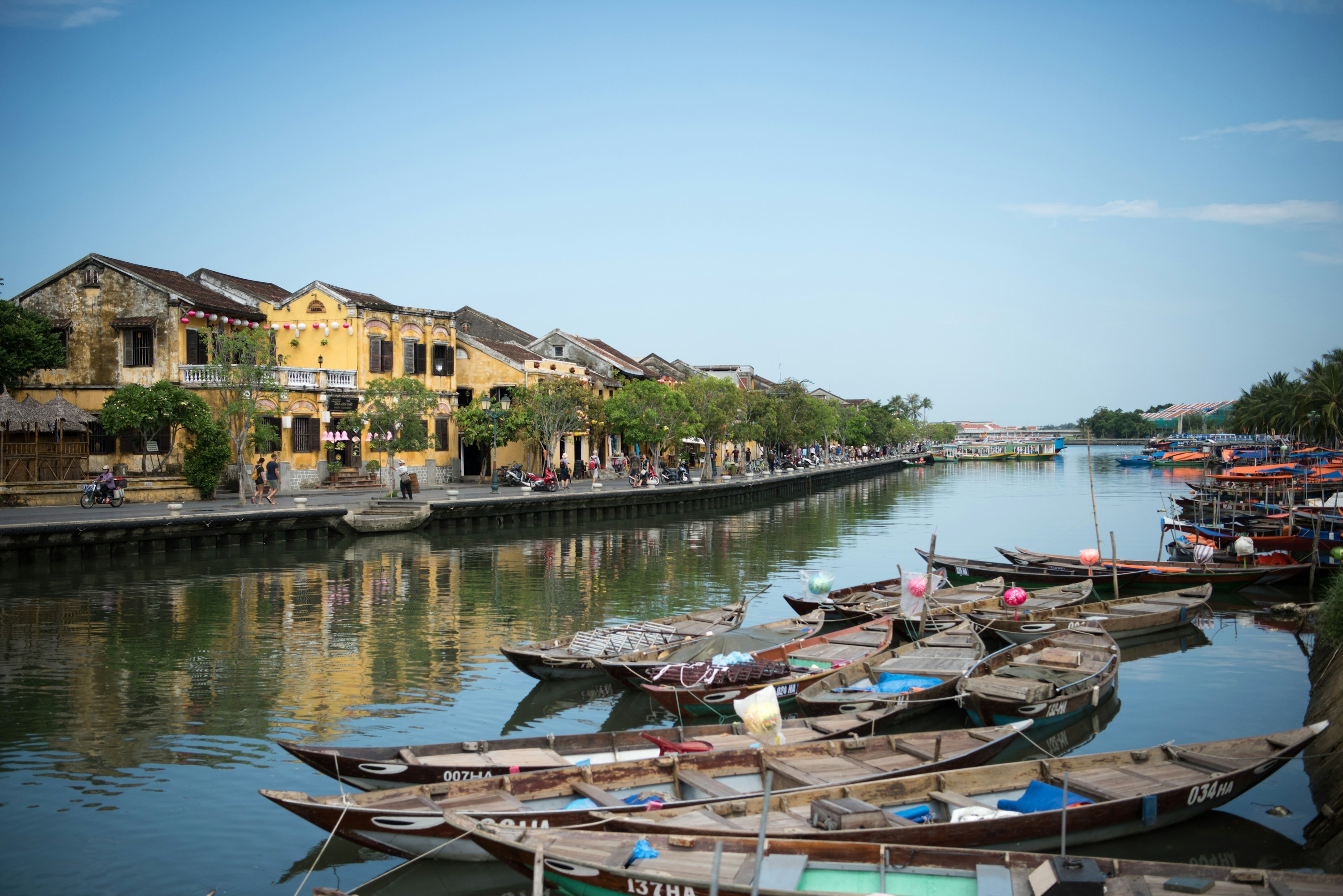 #387 /100
Hoi An's Old Town is a remarkably intact 15th-19th century trading port, its ochre-walled shophouses, Chinese assembly halls, and the Japanese Covered Bridge lining the Thu Bon River.
By day it's a working town of tailors and lantern-makers; after dark the riverside glows with silk lanterns and candlelit boats.
UNESCO-listed and largely traffic-free, it rewards slow wandering more than a checklist visit.
How does it rate
CrowdsRomanceCash RequiredDangerAccessibilityWhy you should go
A beautifully preserved 15th-century trading port, lantern-lit at night, with tailors, food stalls, and a slow, walkable riverside core.
Why you shouldn't go
Old Town gets crowded by mid-morning, and the ticket system funnels you toward the same handful of paid houses.
Plan your visit
Best time to visitFebruary-April for cooler, drier weather; mid-month around the full moon for the lantern festival.Best time of dayEarly morning before tour buses, or after dusk when lanterns are lit and day-trip crowds thin out.Getting thereFly to Da Nang; Hoi An is a 45-minute taxi or bus south along the coast.Entry cost120,000 VND (~$5) covers entry to 5 heritage sites of your choiceTime neededHalf a day for the old town; 2 days to include tailoring and nearby beachesInsider tip — Buy the old town ticket at an official booth near the entrances, not from touts; keep it, since spot checks happen through the day. Cross the river to An Hoi for cheaper food with the same lantern views. -
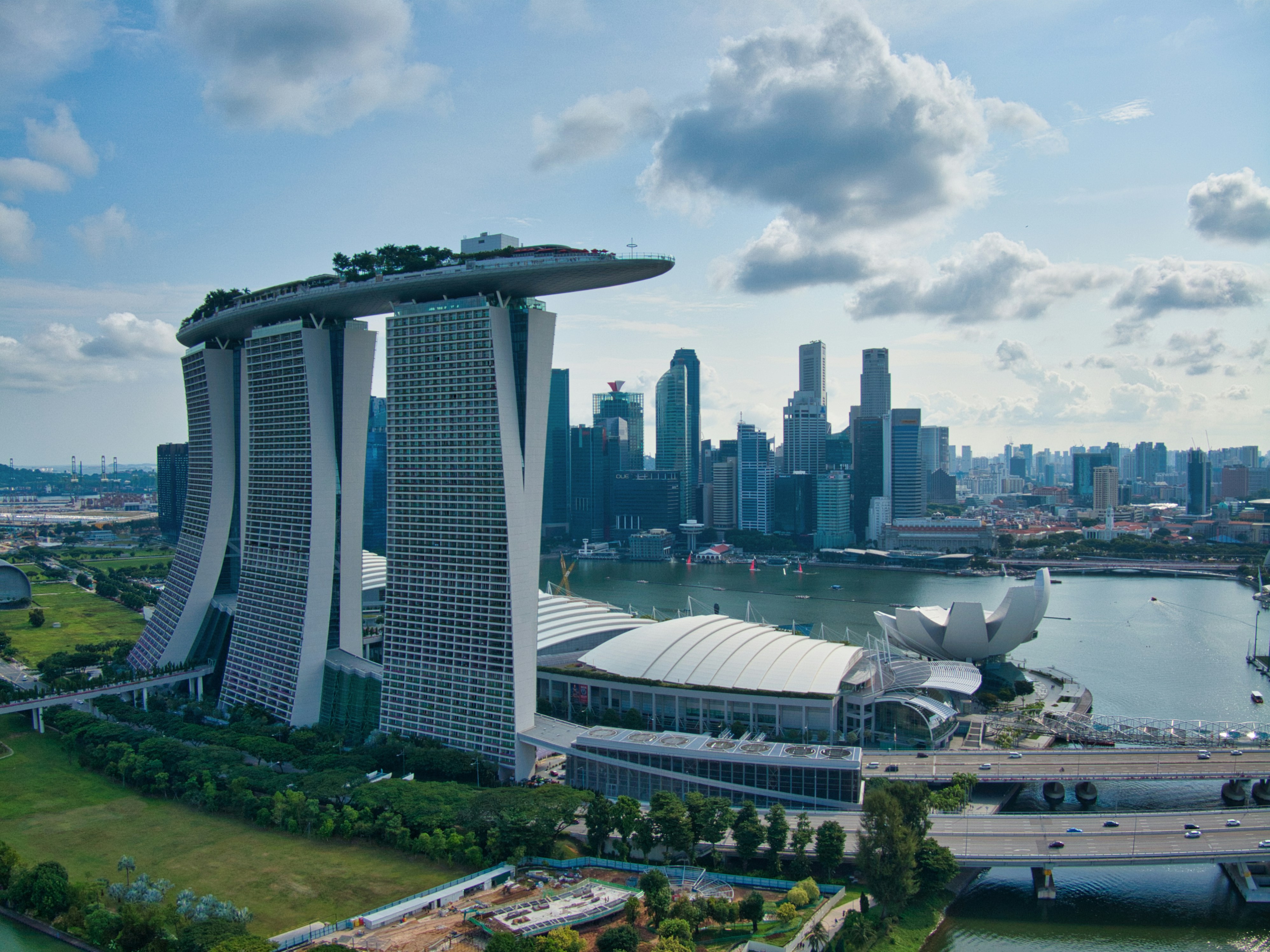 #486 /100
Three connected towers topped by a ship-shaped rooftop pool anchor this city-state's skyline, reflected in Marina Bay alongside a garden of illuminated Supertrees.
The city's obsessive approach to greenery and cleanliness has made it one of the most striking modern skylines anywhere.
Hawker centres serving Michelin-recognised street food sit near some of the world's most expensive real estate.
How does it rate
CrowdsRomanceCash RequiredDangerAccessibilityWhy you should go
A futuristic skyline with a rooftop infinity pool and a garden of illuminated 'trees' after dark.
Why you shouldn't go
It's genuinely one of the most expensive cities in the world to eat and sleep in outside the hawker centres.
Plan your visit
Best time to visitFebruary-April, slightly drier months in a tropical, humid year-round climate.Best time of daySunset into blue hour, when the Supertrees light show and skyline both come alive.Getting thereFly into Changi Airport; the MRT metro reaches almost everywhere in the city.Entry costGardens by the Bay conservatories charge entry; Supertree Grove and the skyline views are free.Time needed2-3 daysBookingBook ahead →Insider tip — Watch the free Garden Rhapsody light show at the Supertree Grove after dark rather than paying for the Skyway walkway during the day. -
 #586 /100
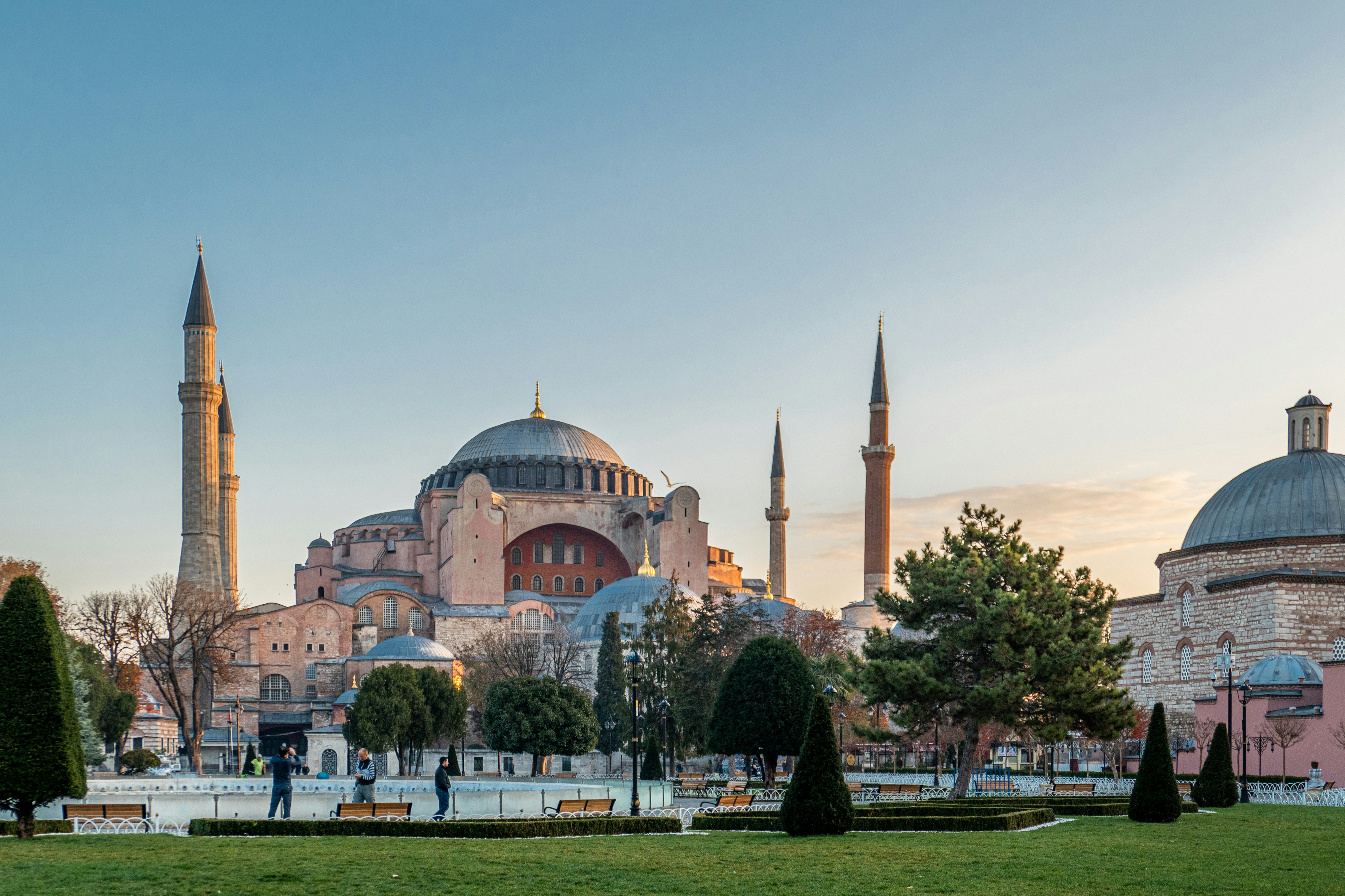
Nearly 1,500 years old, this Byzantine cathedral-turned-mosque carries a vast dome that dominated the ancient world's skyline for centuries.
Gold mosaics of Christian saints sit alongside Islamic calligraphy inside, a rare visible record of the building's several religious lives.
Dozens of windows ringing the dome's base light the vast interior.
How does it rate
CrowdsRomanceCash RequiredDangerAccessibilityWhy you should go
1,500 years of Byzantine and Ottoman history under a single vast dome.
Why you shouldn't go
It's one of Istanbul's single busiest sites - expect real queues most of the day.
Plan your visit
Best time to visitYear-round; spring and autumn avoid both summer heat and peak crowds.Best time of dayRight at opening, to see the interior before tour groups fill it.Getting thereCentral Istanbul, walkable from Sultanahmet tram stop.Entry costEntry fee required (reinstated as a mosque with paid tourist visiting hours).Time needed1-2 hoursInsider tip — Visit right at opening or in the last hour before close - the queue outside is shortest at both ends of the day. -
 #686 /100
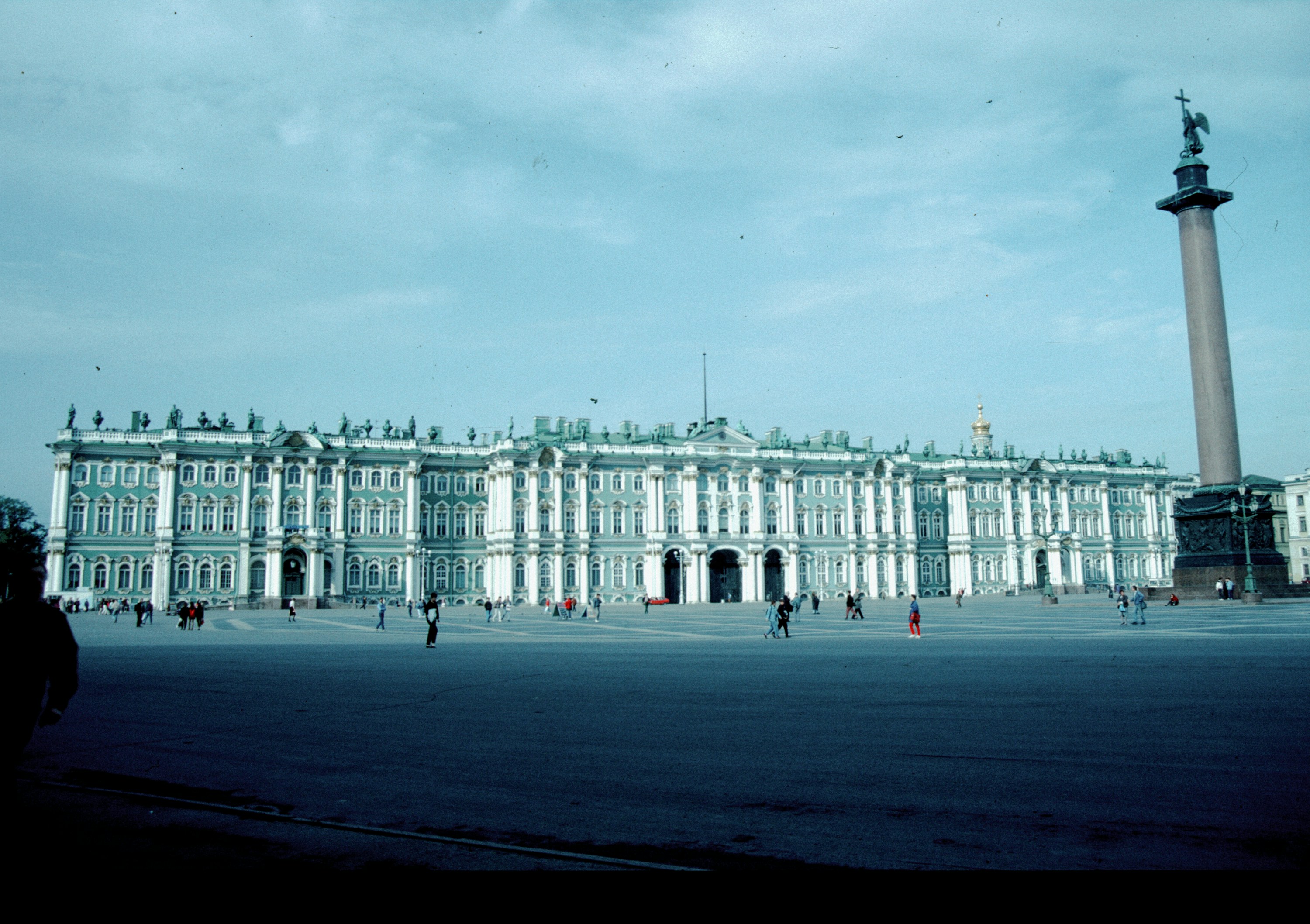
The State Hermitage occupies the Winter Palace and four adjoining buildings on Palace Square, holding one of the world's largest art collections — over three million objects spanning Rembrandt, da Vinci and Impressionist masterpieces inside gilded Romanov staterooms.
A full circuit covers roughly 20 kilometres of galleries, so most visitors pick a handful of wings rather than attempt everything in one visit.
How does it rate
CrowdsRomanceCash RequiredDangerAccessibilityWhy you should go
Three million artworks inside the Romanov Winter Palace, from da Vinci to the Impressionists.
Why you shouldn't go
So vast that seeing the highlights properly takes a full day, and peak-season same-day queues can run two hours.
Plan your visit
Best time to visitMay–June or September for mild weather and shorter queues than the summer peakBest time of dayOpening time on a weekday; galleries fill steadily through the afternoonGetting thereFly into St Petersburg via a transit hub (Istanbul, Belgrade, Dubai — no direct EU/US routes); the museum sits on Palace Square, walkable from the centre.Entry cost1,000 RUB for foreign visitors; General Staff Building wing extraTime neededHalf a day minimum; a full day to see the major wingsBookingBook ahead →Insider tip — Book timed entry online in advance — same-day ticket lines can exceed two hours in summer; enter via the main Palace Square entrance, not the riverside one. -
 #784 /100
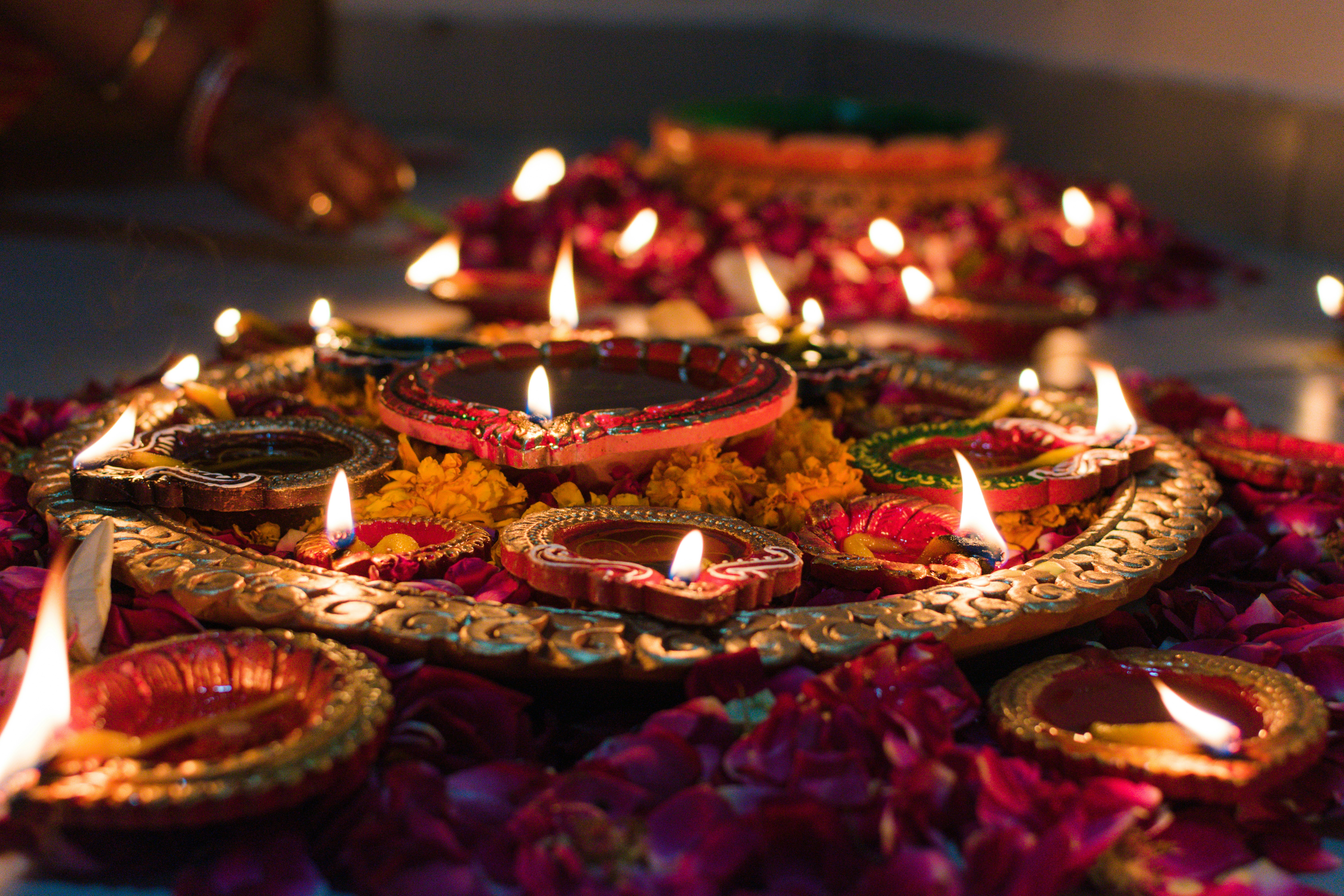
Jaipur, the Pink City, commits harder to Diwali than almost anywhere in India: the old city and its bazaars are strung with thousands of clay oil lamps and fairy lights for over a week, and the illuminated pink sandstone facades of Johari Bazaar are considered among the country's best Diwali displays, fireworks lighting the sky above the City Palace.
How does it rate
CrowdsRomanceCash RequiredDangerAccessibilityWhy you should go
A whole pink-sandstone city strung with lamps and lights for the biggest festival on the Hindu calendar.
Why you shouldn't go
Fireworks and firecrackers run late into the night across the city, which can be overwhelming and smoky for several days.
Plan your visit
Best time to visitOctober or November, timed to the Hindu lunar calendar (exact date shifts yearly).Best time of dayAfter sunset, once the oil lamps and fairy lights are lit across the old city bazaars.Getting thereFly into Jaipur International Airport, a short taxi ride from the old city.Entry costFree to walk the illuminated bazaars; some hotels charge for rooftop Diwali events.Time neededAn evening, across several days if staying for the build-up.Insider tip — Walk Johari Bazaar just after dusk, before the crowds peak, for the clearest view of the lit sandstone facades. -
 #883 /100
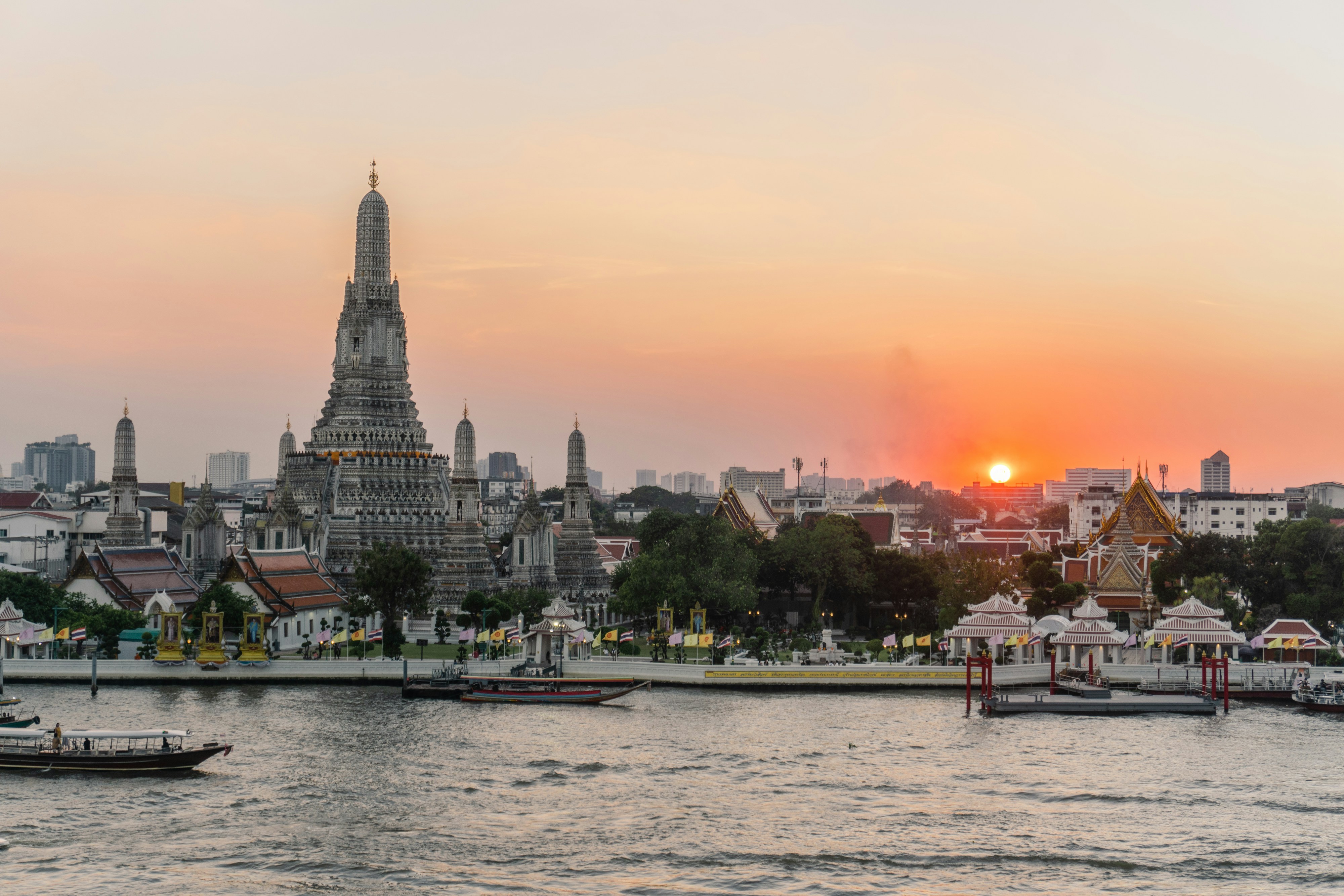
The Temple of Dawn rises in a steep, porcelain-and-seashell-encrusted spire directly on the bank of Bangkok's Chao Phraya River.
Its silhouette against a sunset sky, seen from the river or the opposite bank, is one of the most recognisable images of the city.
Close up, the tower is covered in thousands of tiny inlaid ceramic fragments, a texture that only shows up on approach.
How does it rate
CrowdsRomanceCash RequiredDangerAccessibilityWhy you should go
Bangkok's most photogenic riverside silhouette, especially from a boat at sunset.
Why you shouldn't go
The steep central steps up the spire are narrow and can queue badly at peak times.
Plan your visit
Best time to visitNovember-February, the cooler, drier season.Best time of daySunset, ideally viewed from a boat or the river's opposite bank.Getting thereRiver taxi or cross-river ferry from Tha Tien pier in central Bangkok.Entry costSmall entry fee, around $3.Time needed1-2 hoursInsider tip — Cross the river to Wat Arun itself for the close-up texture, but take a separate boat out onto the river at sunset for the classic silhouette shot. -
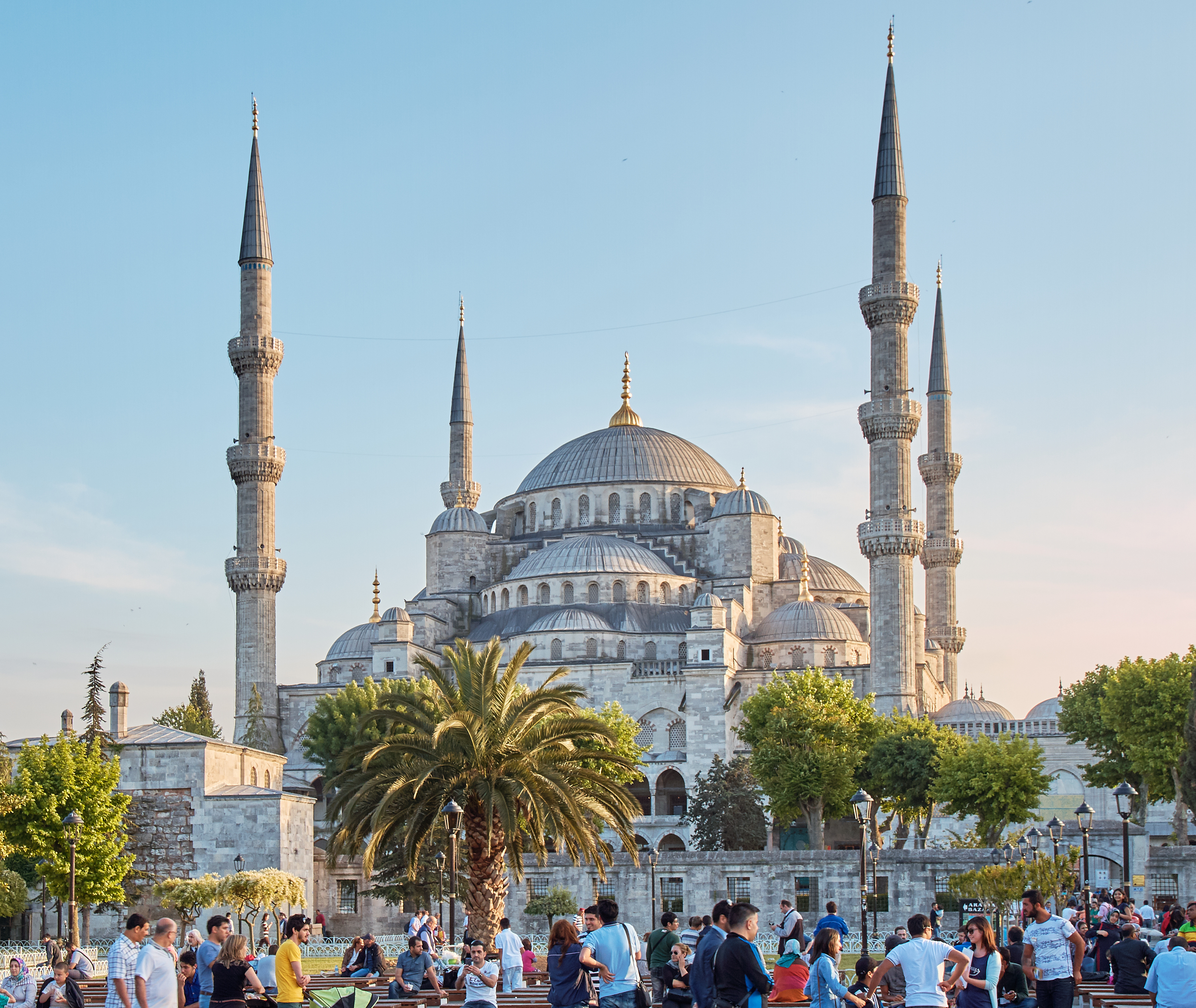 #982 /100
The Sultan Ahmed Mosque, universally known as the Blue Mosque for its Iznik tile-clad interior, is Istanbul's most iconic building.
Completed in 1616, it is the only mosque in Turkey with six minarets and its cascading domes and slender minarets form one of the world's most beautiful skylines.
How does it rate
CrowdsRomanceCash RequiredDangerAccessibilityWhy you should go
The exterior silhouette of domes and minarets against the Istanbul skyline is magnificent, and the interior blue tile work is one of the most beautiful in the Islamic world.
Why you shouldn't go
The mosque is an active place of worship and is closed to tourists during the five daily prayer times, which can disrupt sightseeing plans.
Plan your visit
Best time to visitSpring or autumnBest time of daySunset for the exterior lit against the skyGetting thereSultanahmet tram stopEntry costFree (donations welcome); closed to visitors during prayer timesTime needed1 hourInsider tip — Visit early morning to catch it before tour groups and prayer-time closures -
 #1080 /100
Four kilometres of powder-fine white sand lined with resorts, beach bars, and sunset boat cruises, split into three "stations" by how developed each stretch is.
It's the Philippines' most famous beach and one of Southeast Asia's busiest, powdery enough that the sand squeaks underfoot.
A government-mandated cleanup and visitor cap in recent years has kept water quality noticeably better than its reputation from a decade ago.
How does it rate
CrowdsRomanceCash RequiredDangerAccessibilityWhy you should go
Squeaky-fine white sand along a four-kilometre stretch, with some of the best sunset views in Southeast Asia.
Why you shouldn't go
It's a genuinely busy resort strip, not a quiet escape, and gets more crowded by the year despite visitor caps.
Plan your visit
Best time to visitNovember-April, the dry season.Best time of daySunset, when boats fill the bay in front of Station 2.Getting thereFly to Caticlan or Kalibo, then a short boat crossing to Boracay Island.Entry costFree to access; a small environmental fee is charged on arrival.Time neededHalf a day to a full day.Insider tip — Station 1's stretch has the finest sand and thins out fastest after sunset dinner rush - walk there for photos once Station 2 empties. -
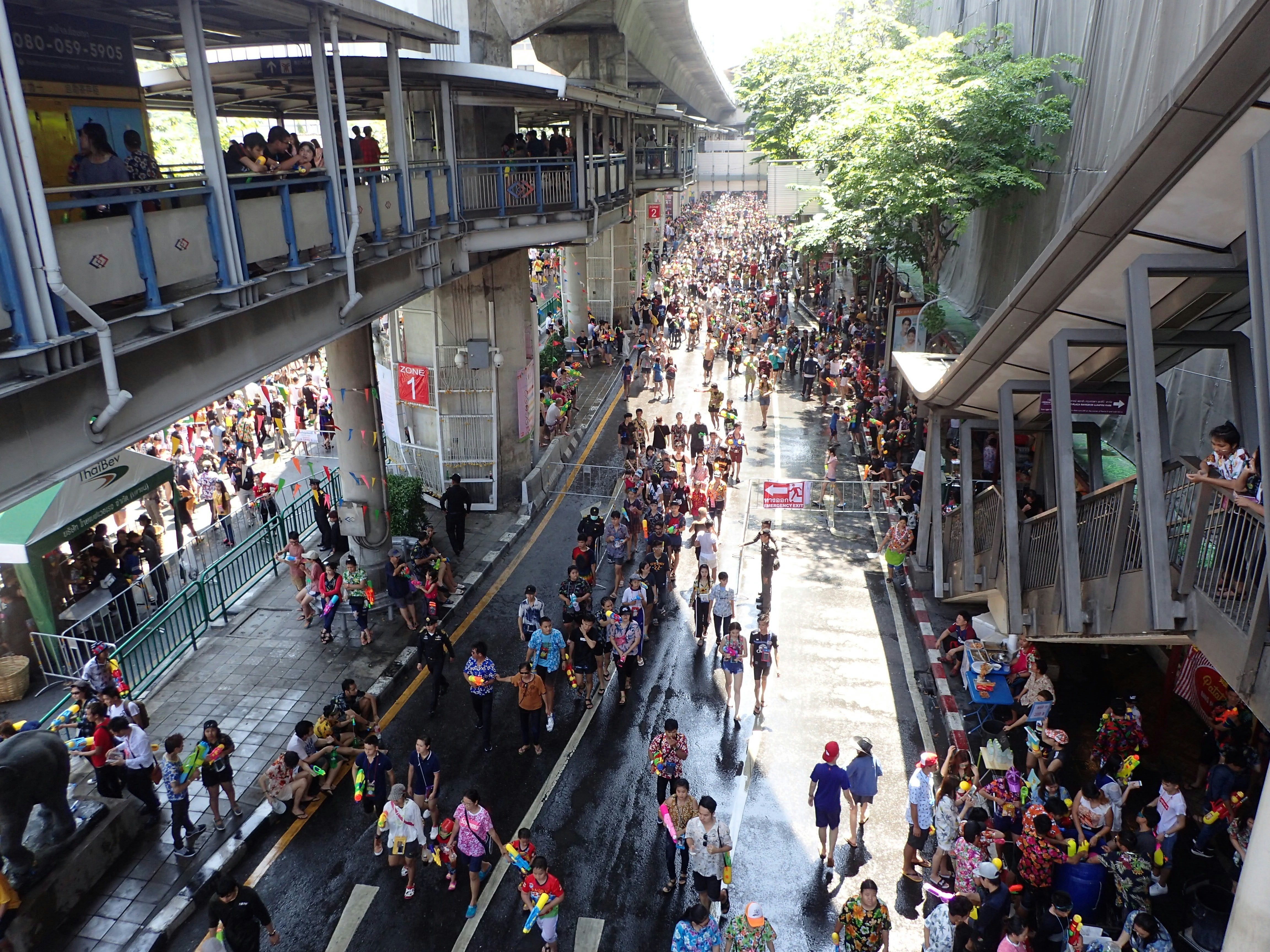 #1180 /100
Thailand's traditional New Year erupts across Chiang Mai's old city moat every April, when the custom of pouring water over elders' hands to bless them expands into a citywide water fight, with super-soakers, hoses and buckets thrown from pickup trucks.
Locals and travellers alike end up soaked head to toe against a backdrop of ancient brick gates and temples.
How does it rate
CrowdsRomanceCash RequiredDangerAccessibilityWhy you should go
A whole city turned into a joyful, days-long water fight, framed by the old city's ancient gates and moat.
Why you shouldn't go
Everything and everyone gets soaked, so phones, cash and anything electronic need to stay sealed or left behind.
Plan your visit
Best time to visitApril 13-15, the fixed Thai New Year dates, though celebrations often run a few days either side.Best time of dayMidday, when the water fights along the moat are at their most crowded and energetic.Getting thereFly into Chiang Mai International Airport, a short taxi or tuk-tuk ride from the old city moat.Entry costFree to join in the streets; water guns and ponchos can be bought cheaply from street vendors.Time neededA full day, repeatable across the festival's multiple days.Insider tip — Wear clothes and shoes you don't mind ruining, and seal your phone in a waterproof pouch before you leave your hotel. -
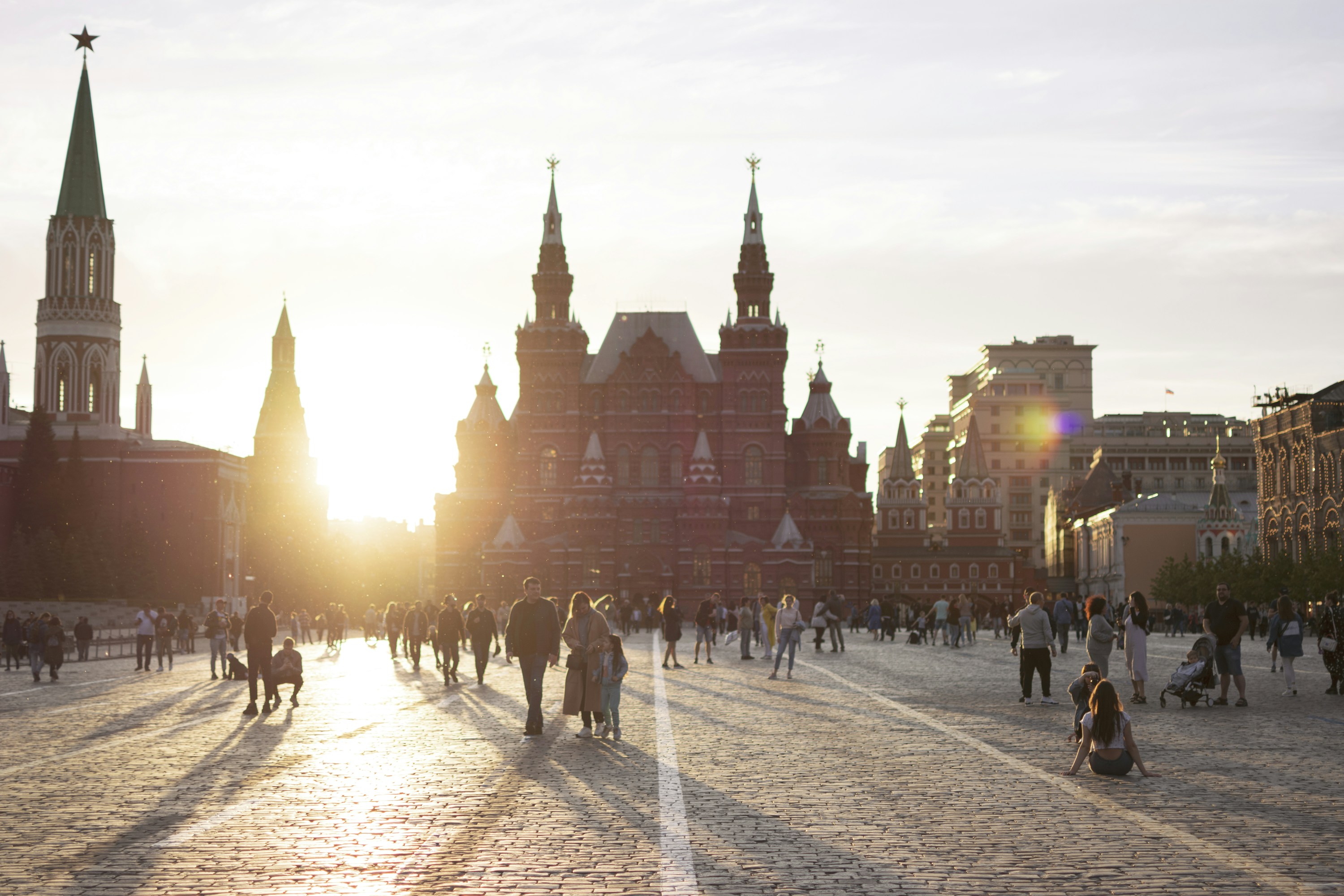 #1279 /100
Red Square is Moscow's central plaza, framed by the Kremlin's fortified walls, the red-brick towers of the State Historical Museum, the glass-roofed GUM arcade and Lenin's Mausoleum.
It has staged state parades, revolutions and coronations for over five centuries and remains the city's default gathering point — a vast cobbled space distinct from the single view of St Basil's Cathedral at its southern end.
How does it rate
CrowdsRomanceCash RequiredDangerAccessibilityWhy you should go
The stage for five centuries of Russian history, ringed by the Kremlin walls, GUM and the Historical Museum.
Why you shouldn't go
Always busy, and security checks or occasional closures for state events can restrict access without notice.
Plan your visit
Best time to visitSpring or autumn for mild weather; avoid state holidays when access is restricted for paradesBest time of dayEarly morning or around sunset, for the emptiest square and softest lightGetting thereFly into Moscow via a transit hub (no direct EU/US routes); the square is a short walk from Okhotny Ryad or Ploshchad Revolyutsii metro.Entry costFree to enter the square; Lenin's Mausoleum and GUM are separateTime needed1–2 hours for the square; longer combined with the Kremlin and St Basil'sInsider tip — Security screening is standard at the entrances — carry your passport, as ID checks happen here more often than elsewhere in the city. -
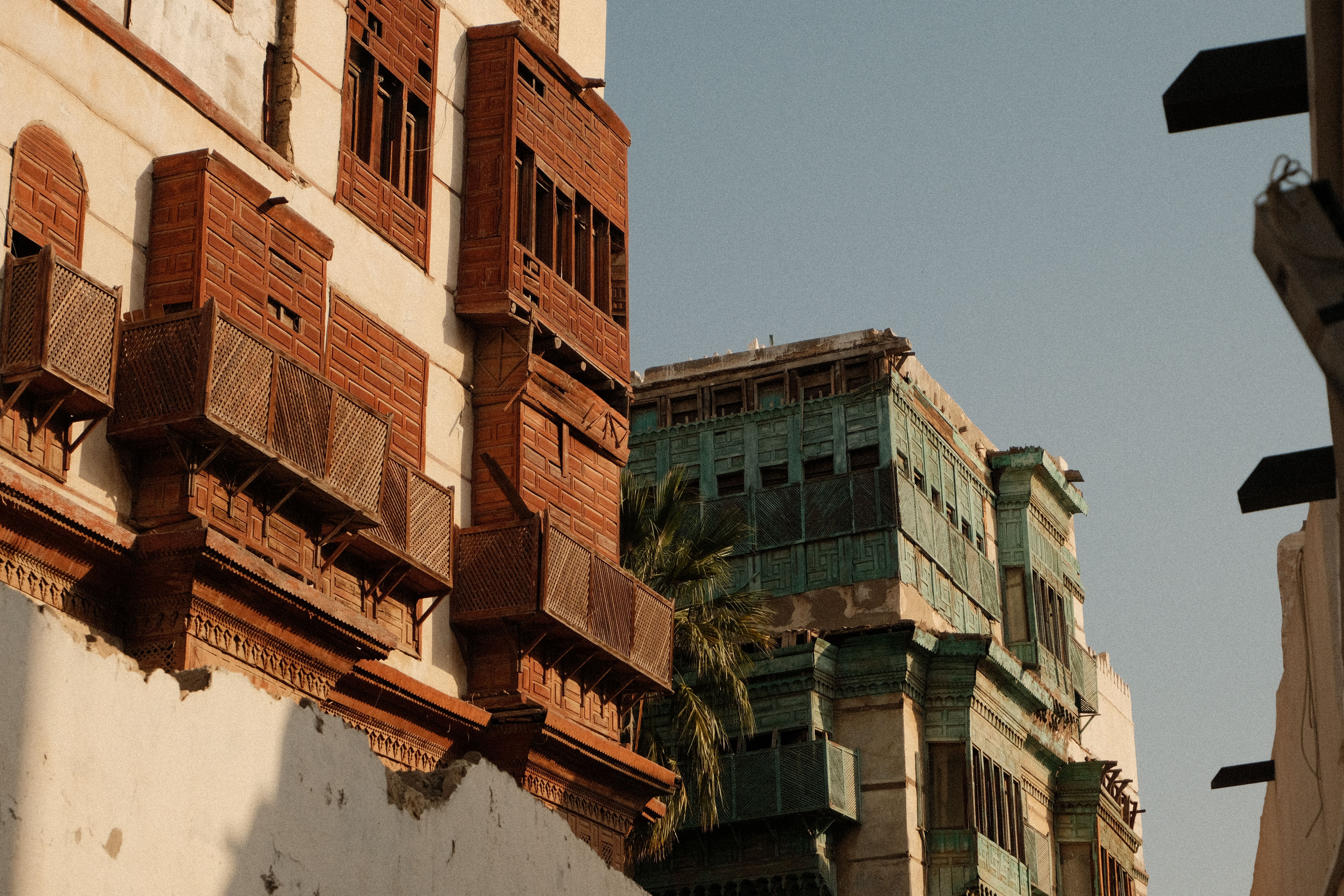 #1379 /100
Al-Balad is Jeddah's old town, a UNESCO-listed maze of coral-stone merchant houses several storeys tall, their facades covered in ornately carved wooden latticework called rawasheen that once let residents watch the street below without being seen.
For centuries this was the gateway for pilgrims arriving by sea for Mecca and Medina, and the district's souqs, mosques, and courtyard houses still carry that trading-port history.
How does it rate
CrowdsRomanceCash RequiredDangerAccessibilityWhy you should go
The carved wooden latticework balconies on centuries-old coral-stone houses are unlike any other old town architecture in the Gulf.
Why you shouldn't go
Some buildings are still in disrepair despite ongoing restoration, and the district can feel patchy between renovated and neglected blocks.
Plan your visit
Best time to visitNovember–March, for comfortable evening walking temperatures.Best time of dayEvening, when the souqs are busiest and the heat of the day has passed.Getting thereFly to Jeddah; Al-Balad sits close to the city centre, a short taxi ride from most hotels.Entry costFree to walk; some restored houses and galleries charge small entry fees.Time needed2–3 hoursInsider tip — Look up, not just ahead — the best rawasheen latticework detail is on the upper floors, easy to miss while browsing the street-level souqs. -
 #14
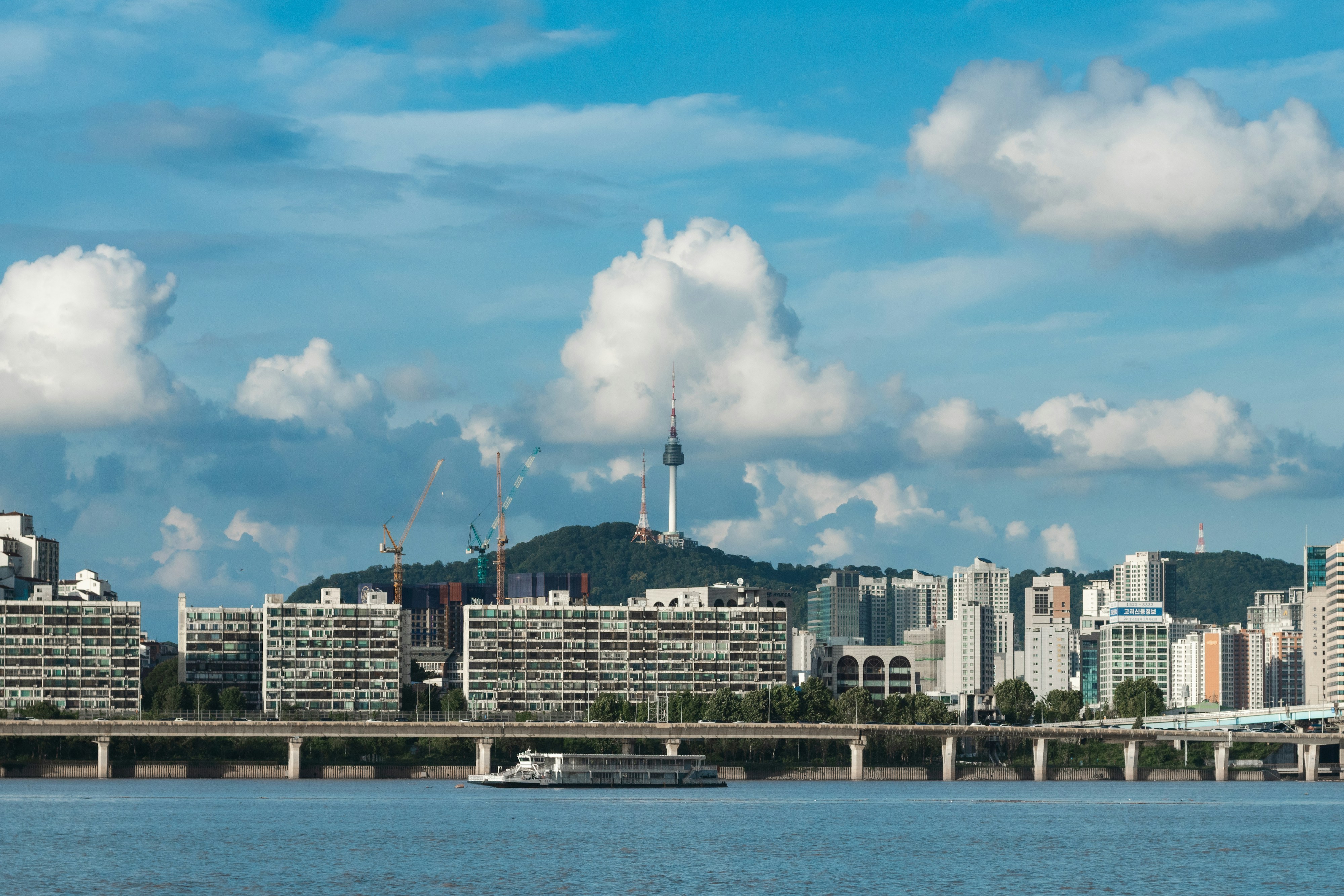
#14Traditional hanok tiled-roof houses cluster in the Bukchon district within sight of glass skyscrapers, a centuries-old palace, and a mountain that rises straight out of the city centre.
Gyeongbokgung Palace's guard-changing ceremony still runs daily in period costume against a backdrop of modern high-rises.
Cable cars up Namsan Mountain give a full skyline view at night, when the whole city lights up at once.
How does it rate
CrowdsRomanceCash RequiredDangerAccessibilityWhy you should go
A palace guard-changing ceremony in period costume, directly backed by a modern glass skyline.
Why you shouldn't go
The city is vast and spread out - seeing both the traditional and modern sides properly takes real time.
Plan your visit
Best time to visitApril-May or September-November, for mild weather and (in spring) cherry blossoms.Best time of dayLate afternoon into evening, for Namsan Tower's night skyline view.Getting thereFly into Incheon Airport; the AREX express train reaches central Seoul in about 45 minutes.Entry costGyeongbokgung Palace entry a few dollars; Namsan cable car separately priced.Time needed3-4 daysInsider tip — Wear rented hanbok (traditional dress) to Gyeongbokgung Palace - it's inexpensive, common practice, and gets free palace entry as a bonus. -
 #1578 /100
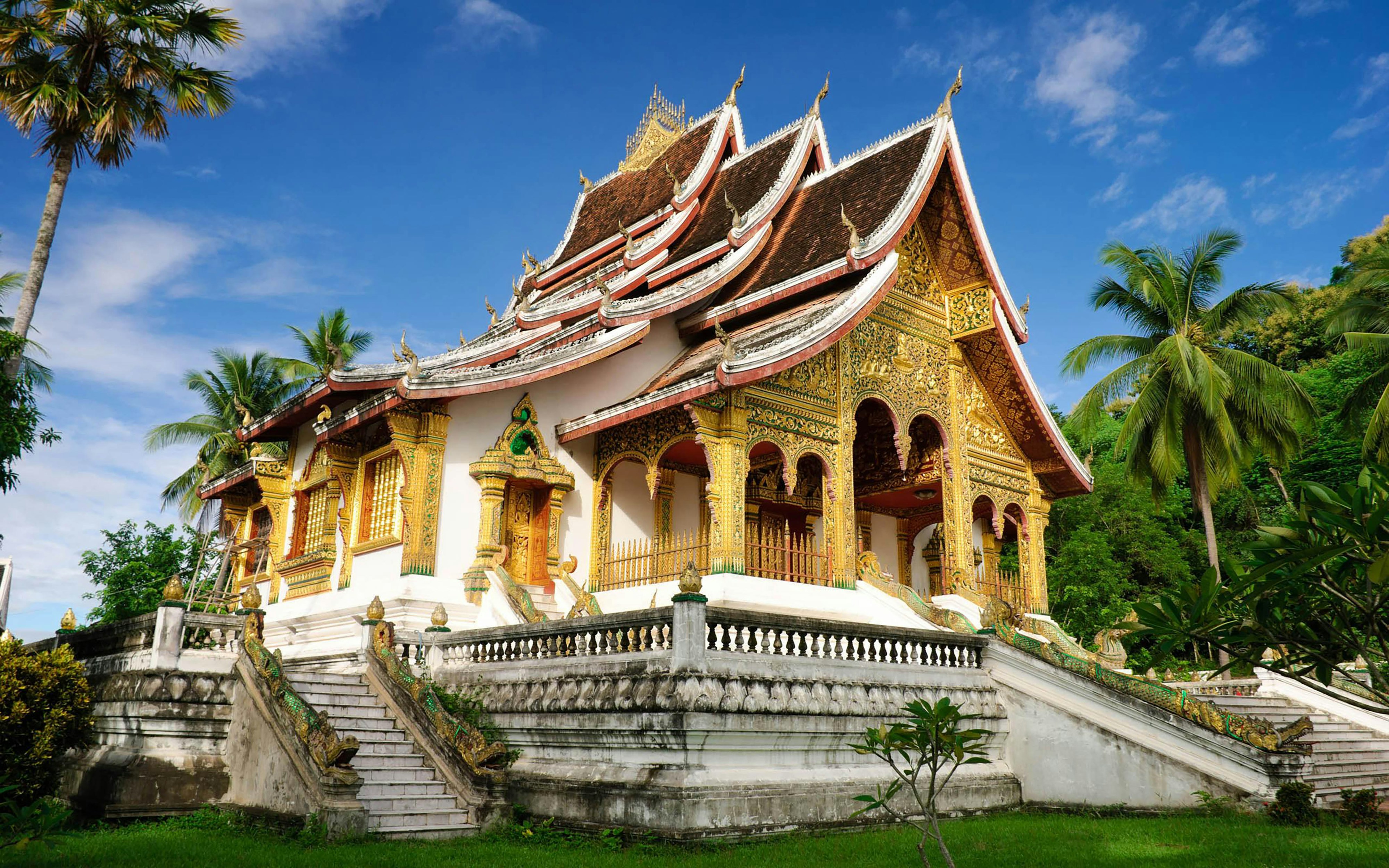
Saffron-robed monks file silently through the streets at dawn to collect alms, a centuries-old ritual that still happens daily in this Mekong River town.
Gilded temple roofs and French colonial shopfronts sit side by side along streets largely protected from development by UNESCO status.
It also serves as the natural base for visiting Kuang Si Falls' turquoise pools nearby.
How does it rate
CrowdsRomanceCash RequiredDangerAccessibilityWhy you should go
A dawn alms-giving ritual that's continued unchanged in the streets for centuries.
Why you shouldn't go
The alms ceremony is a genuine religious practice, not a photo op - flash photography and getting too close are considered disrespectful.
Plan your visit
Best time to visitNovember-February, the cool dry season.Best time of daySunrise, around 5:30-6am, for the alms-giving procession.Getting thereFly into Luang Prabang, or take the slow boat from the Thai border (2 days).Entry costTemples charge small entry fees, typically $1-3.Time needed2-3 daysInsider tip — Watch the alms ceremony from a respectful distance without joining in unless you understand the etiquette - buy sticky rice from a local vendor, not a tourist-facing seller, if you do want to participate. -
 #1678 /100
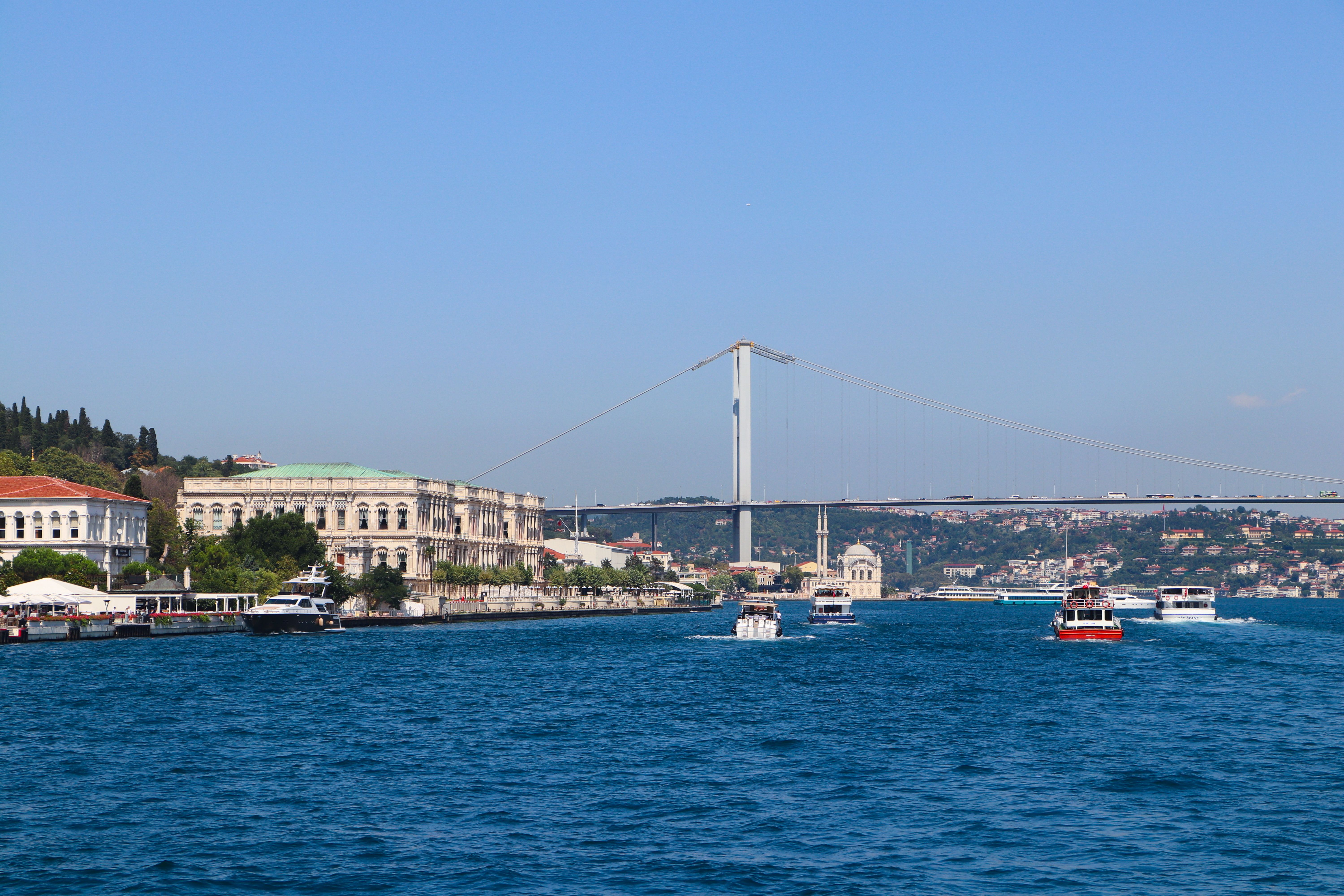
A boat trip up the Bosphorus is the easiest way to see how Istanbul straddles two continents, passing Ottoman waterfront palaces, fortified castles, and the suspension bridges linking Europe and Asia.
Ferries run the full length from the old city to the mouth of the Black Sea, or shorter tourist cruises loop back after a couple of hours — either way, it's a relaxed, scenic break from the city's crowded streets and hills.
How does it rate
CrowdsRomanceCash RequiredDangerAccessibilityWhy you should go
One ticket, two continents — few cities let you cross from Europe to Asia and back on a single boat ride.
Why you shouldn't go
Tourist boats can be crowded and the commentary formulaic; the public ferry is calmer but has none of it.
Plan your visit
Best time to visitLate spring or early autumn for clear skies without summer's heat and haze.Best time of dayLate afternoon into sunset, when the waterfront palaces catch the light.Getting thereBoard at Eminönü or Kabataş pier in central Istanbul; both are on the tram line.Entry costPublic ferry is inexpensive; tourist cruise tickets cost more for commentary and a longer loop.Time needed1.5–3 hours depending on routeInsider tip — Skip the tourist boats and take the public Şehir Hatları ferry to Anadolu Kavağı — same views, a fraction of the price, and you can get off to eat. -
 #1776 /100
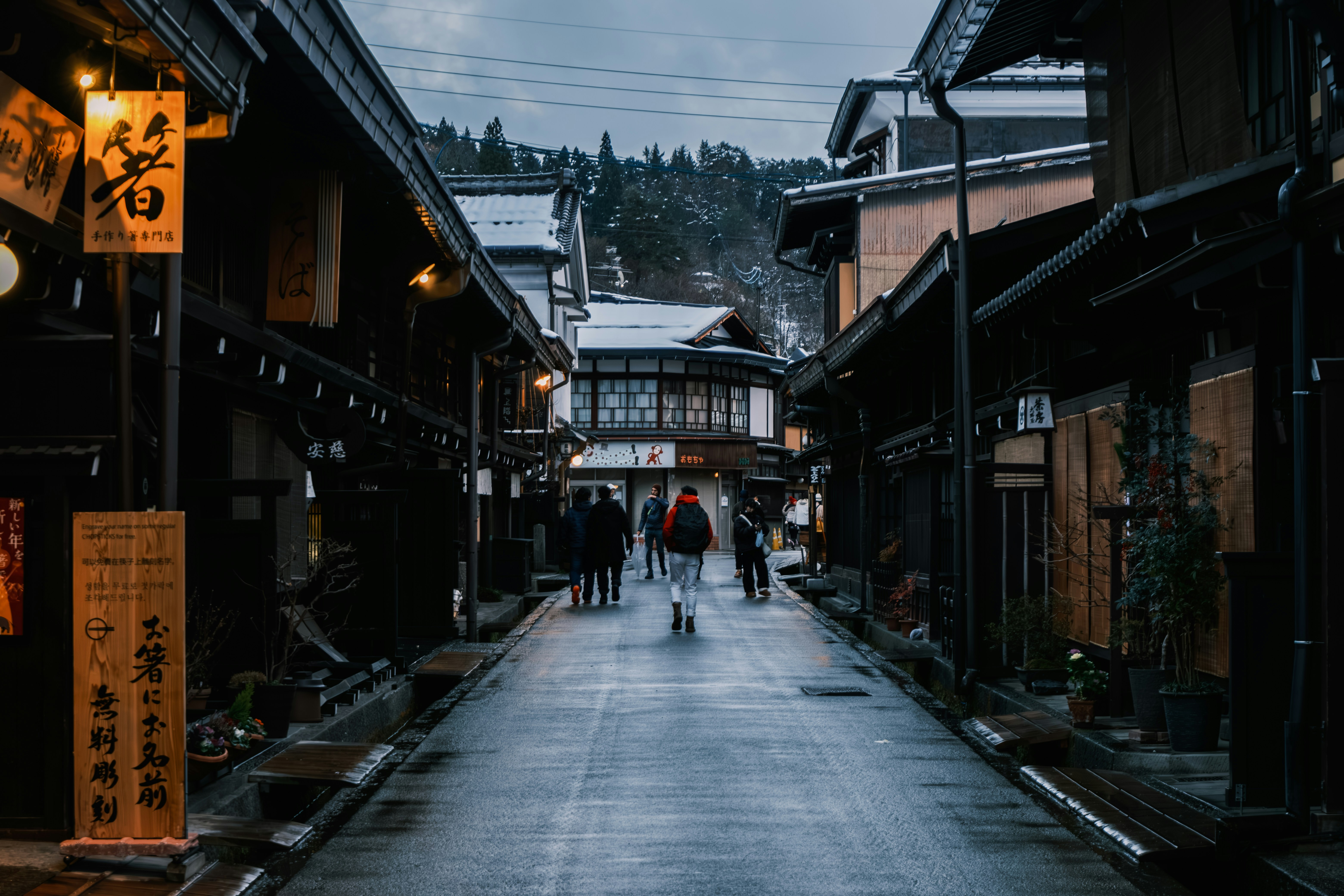
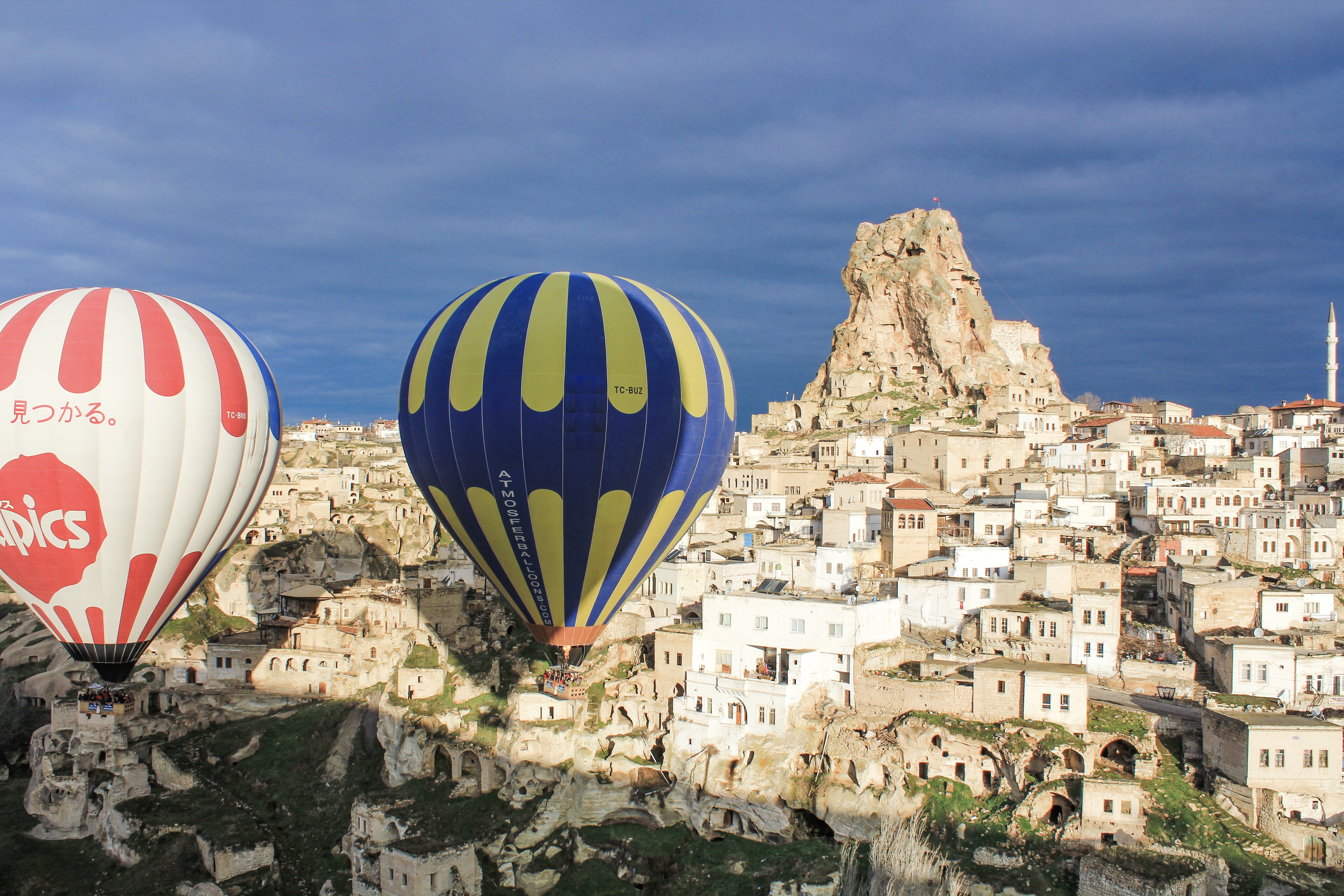
An intact Edo-period merchant district with preserved wooden machiya townhouses, working sake breweries, and morning markets, set against a backdrop of the Japanese Alps.
One of the country's best-preserved old towns outside Kyoto, and considerably less crowded.
How does it rate
CrowdsRomanceCash RequiredDangerAccessibilityWhy you should go
A pristine Edo-period merchant town with wooden machiya houses, sake breweries, and a mountain backdrop.
Why you shouldn't go
Feels touristy through midday in peak seasons; narrow streets and small shops get congested; limited English outside the tourist core.
Plan your visit
Best time to visitOctober–November for fall colors, or April for cherry blossoms and the spring Takayama Festival.Best time of dayEarly morning (7–8am), before day-trippers arrive and while the morning markets are freshest.Getting thereTrain from Nagoya (roughly 2.5 hours) or Toyama (1.5 hours) direct to Takayama Station.Entry costFree to walk the streets; individual museums and sake tastings ¥300–500 each.Time needed1–2 days.Insider tip — Stay overnight to see the old town after the day-trip crowds clear out in the evening. Sample Hida beef and local sake — several breweries offer tastings right on the main street. -
 #1876 /100
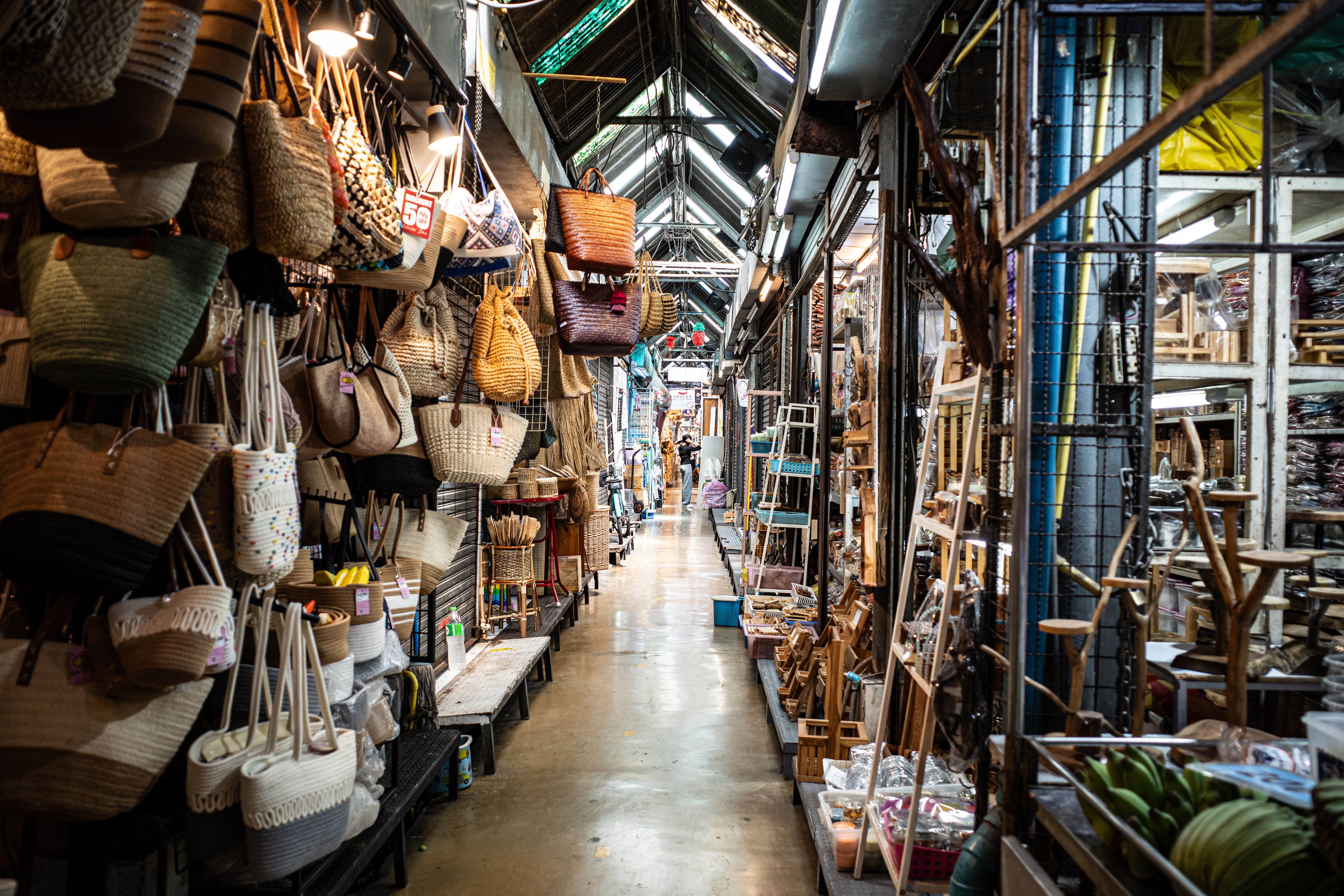
Bangkok's Chatuchak is one of the world's largest weekend markets, spreading across more than 8,000 stalls and 35 acres selling everything from vintage clothing and antiques to exotic plants and street food, packed into a dense grid of covered lanes.
It's as much a local institution as a tourist draw, and the market only runs Saturdays and Sundays.
How does it rate
CrowdsRomanceCash RequiredDangerAccessibilityWhy you should go
8,000-plus stalls across 35 acres, Bangkok's biggest weekend market for everything from antiques to street food.
Why you shouldn't go
It's genuinely vast and hot, and the covered lanes trap heat and crowds, especially by early afternoon.
Plan your visit
Best time to visitSaturday or Sunday morning, before the afternoon heat and crowds peak (the market's only open days).Best time of dayEarly morning, for cooler temperatures and thinner aisles before the midday rush.Getting thereTake the BTS Skytrain to Mo Chit or the MRT to Chatuchak Park station, both a short walk from the market entrance.Entry costFree to enter; goods are cheap and often negotiable.Time needed3-4 hours, longer for thorough browsing.Insider tip — Download the market's zone map before arriving, since even regular visitors get lost in the maze of stalls without one. -
 #1975 /100
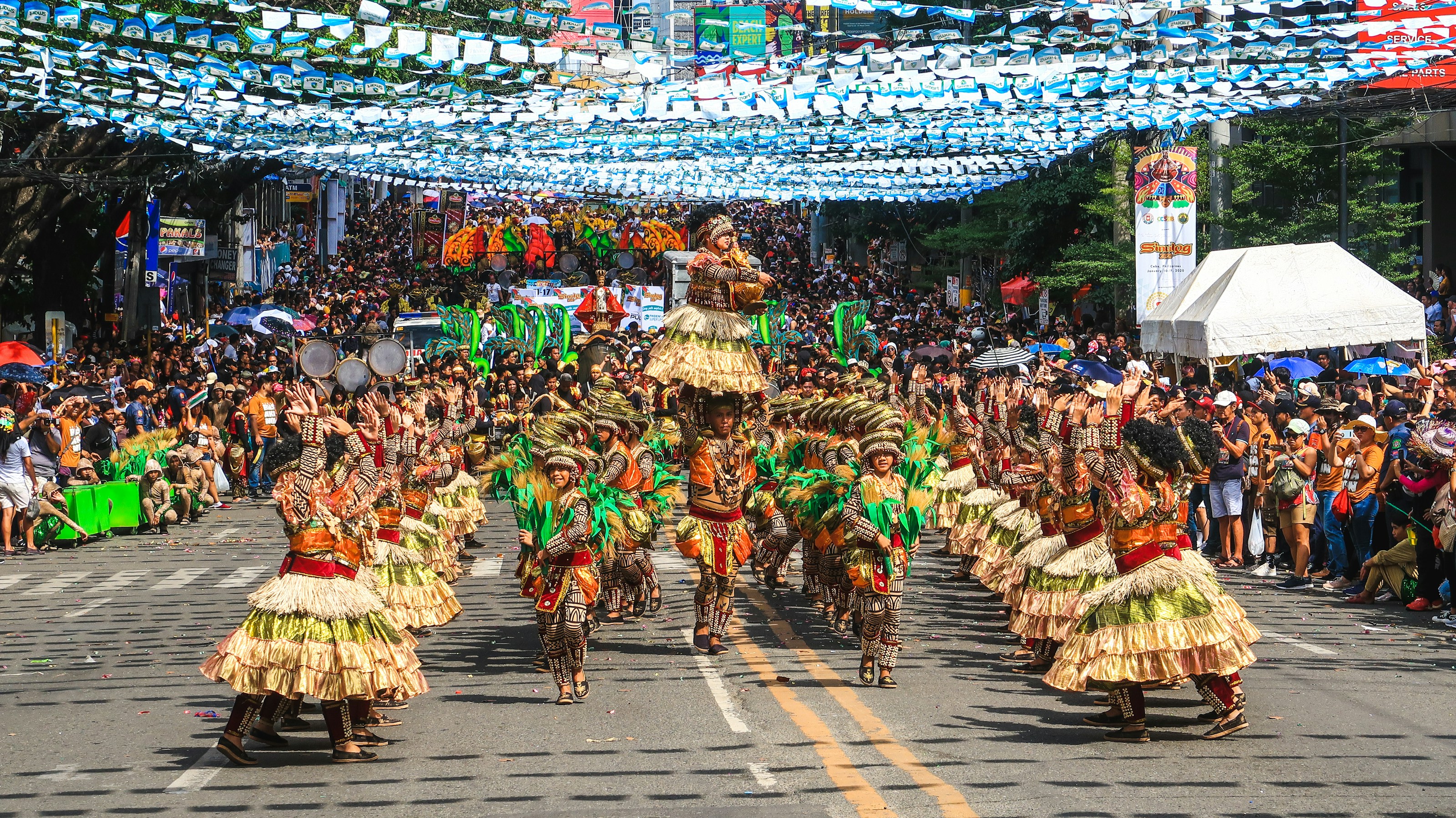
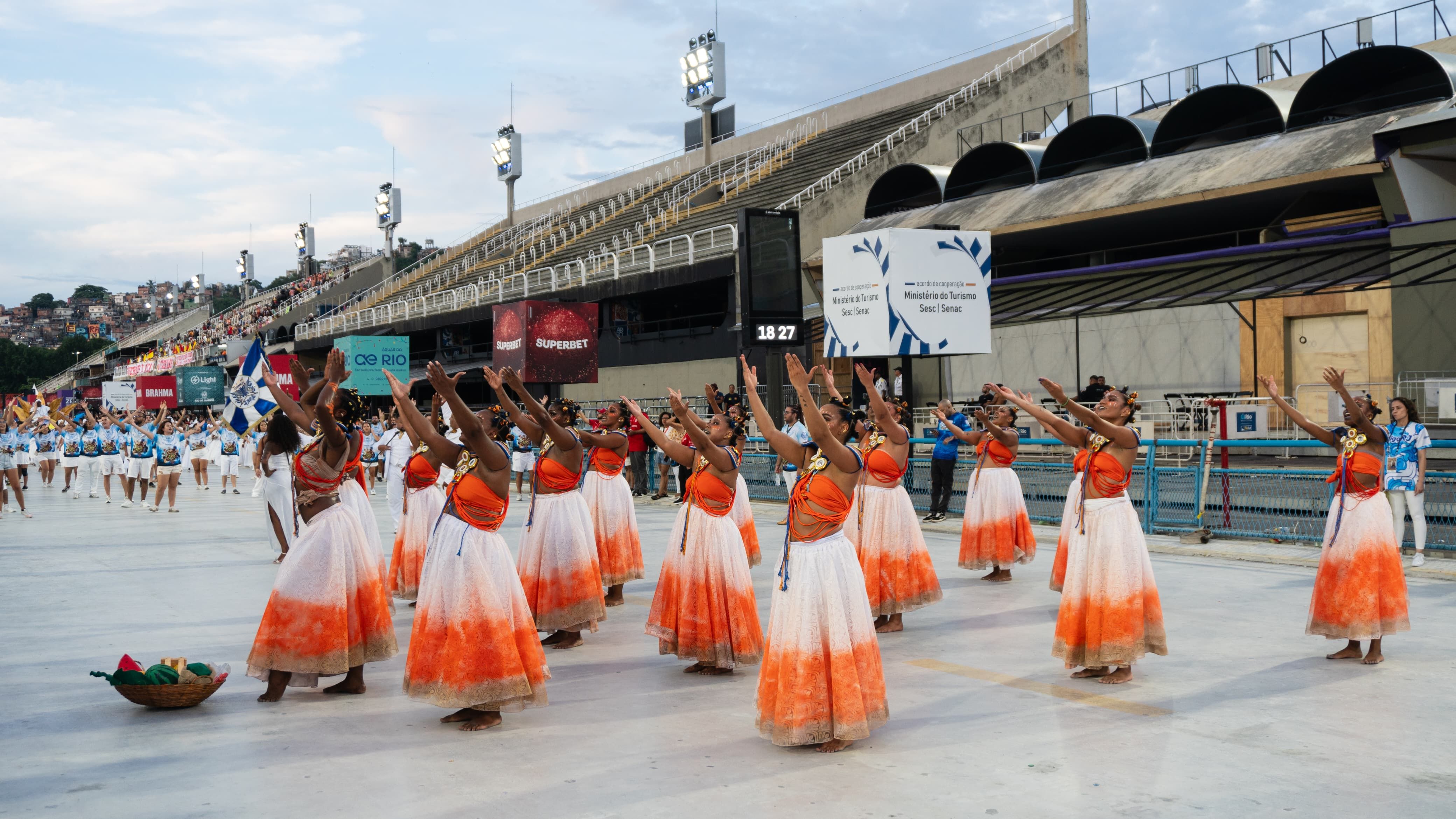
Cebu City's Sinulog honours the Santo Nino with the festival's namesake dance - two steps forward, one step back - performed by thousands of costumed dancers moving to non-stop drumbeats along a route lined with several million spectators.
It grew from the same Santo Nino devotion as Kalibo's Ati-Atihan but has become the country's largest festival, climaxing in a grand parade on the third Sunday of January.
How does it rate
CrowdsRomanceCash RequiredDangerAccessibilityWhy you should go
Thousands of costumed dancers perform the festival's namesake two-steps-forward, one-step-back dance to non-stop drumbeats.
Why you shouldn't go
Cebu City's streets become almost impassable on the main parade day, with several million spectators packed along the route.
Plan your visit
Best time to visitThe third Sunday of January, the date of the grand parade.Best time of dayMid-morning into afternoon, when the main parade contingents pass.Getting thereFly into Mactan-Cebu International Airport, about 30 minutes from the parade route in Cebu City.Entry costFree to watch from the street.Time neededA full day for the grand parade.Insider tip — Watch near the Basilica del Santo Nino end of the route rather than the grandstand area - it's less packed and the dancers' energy is still at its peak that early on. -
 #2075 /100
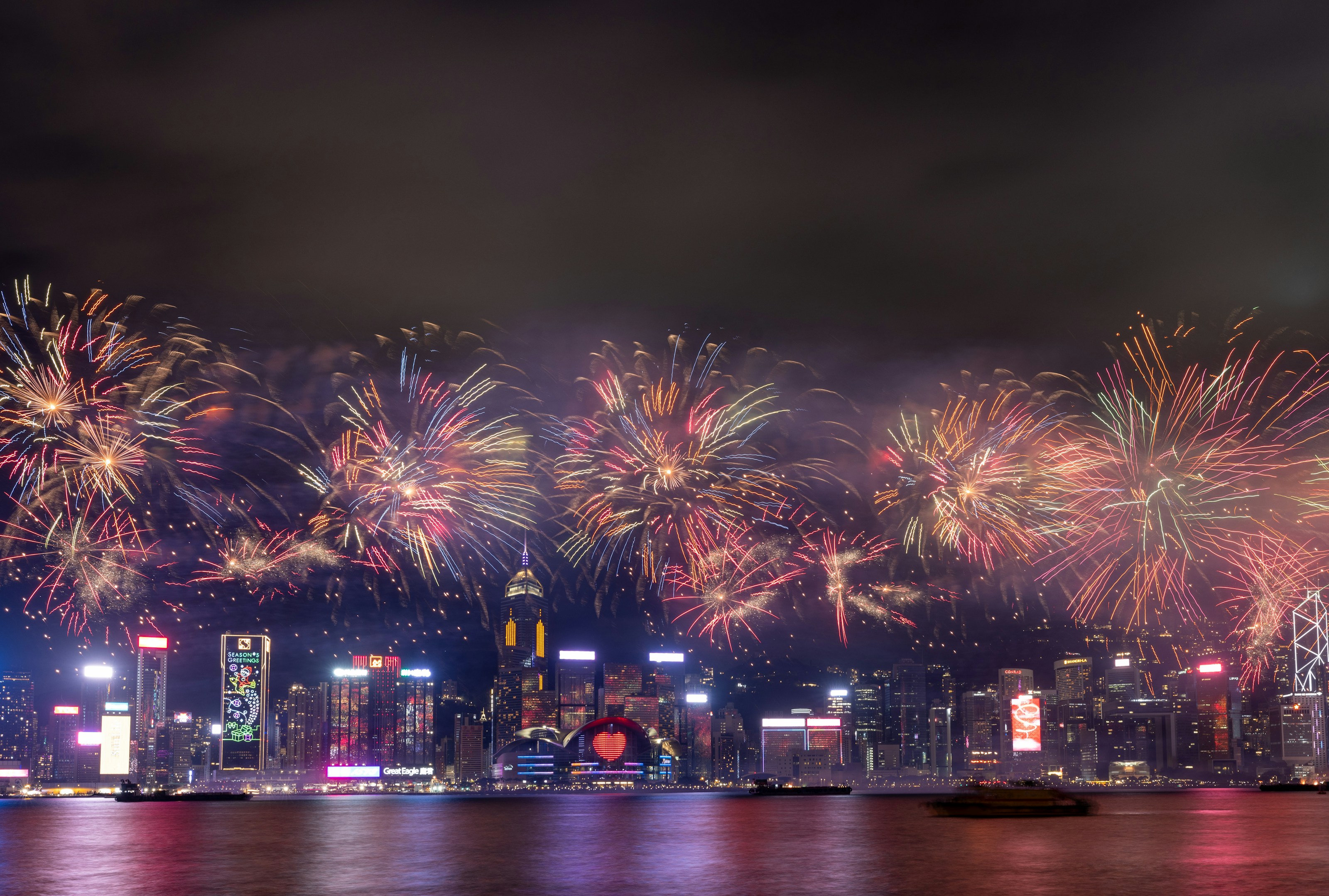
Hong Kong's Lunar New Year is marked by a mile-long night parade through Tsim Sha Tsui, with illuminated floats, international marching bands, and lion and dragon dance troupes performing for crowds packed along the harbourfront.
The festivities culminate two nights later in a fireworks display over Victoria Harbour, one of the most-watched pyrotechnic shows in Asia, visible from vantage points on both sides of the water.
How does it rate
CrowdsRomanceCash RequiredDangerAccessibilityWhy you should go
A mile-long illuminated night parade through Kowloon, followed by a major fireworks display over Victoria Harbour.
Why you shouldn't go
Prime harbourfront viewing spots for both the parade and fireworks fill up hours in advance.
Plan your visit
Best time to visitLunar New Year's Day itself, in late January or February depending on the lunar calendar.Best time of dayEvening for the parade; the fireworks follow two nights later after dark.Getting thereThe parade route runs through Tsim Sha Tsui, walkable from the MTR station of the same name.Entry costFree to watch from the street; ticketed grandstand seating is also available.Time neededOne evening for the parade; a separate evening for the fireworks.Insider tip — Watch the fireworks from the Kowloon side facing Hong Kong Island - the skyline backdrop makes for a better view than looking back from the Island side. -
 #2174 /100
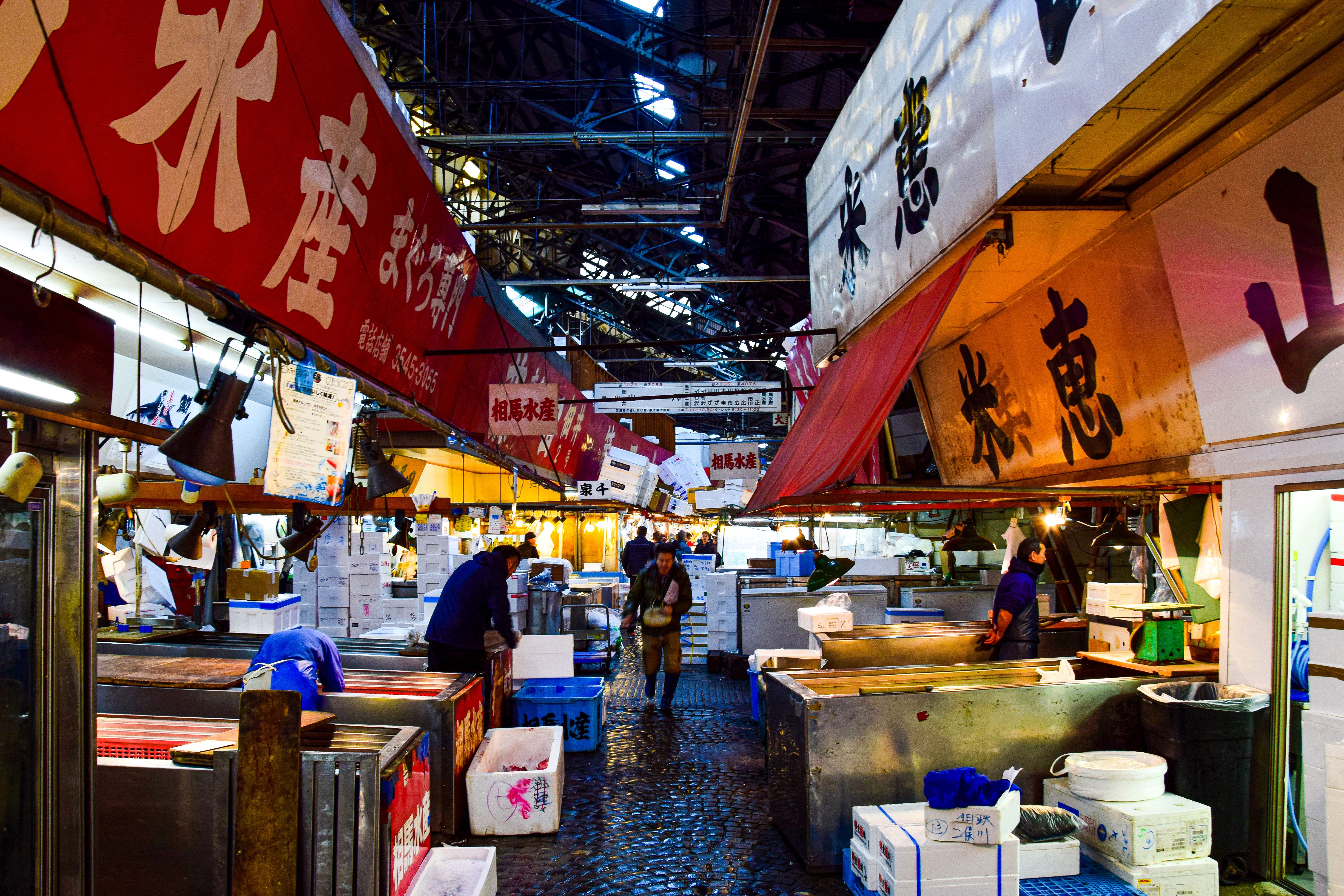
After Tokyo's famous wholesale tuna auctions moved to Toyosu in 2018, Tsukiji's original outer market stayed put, its narrow lanes still packed with over 400 shops selling fresh seafood, knives, dried goods and some of the city's best breakfast sushi.
Vendors grill scallops and tamagoyaki right on the street, the smell of tuna and charcoal drifting between stalls.
How does it rate
CrowdsRomanceCash RequiredDangerAccessibilityWhy you should go
400-plus stalls of fresh seafood, sushi breakfasts and street food in Tokyo's original fish market district.
Why you shouldn't go
The famous tuna auctions themselves have moved to Toyosu, so visitors expecting that spectacle here will be disappointed.
Plan your visit
Best time to visitWeekday mornings, when stalls are freshest and crowds thinner than weekends.Best time of dayEarly morning (7-9am), when seafood is freshest and breakfast sushi queues are shortest.Getting thereTake the Tokyo Metro Hibiya Line to Tsukiji station, a short walk to the outer market.Entry costFree to browse; street food snacks typically run JPY300-1,500.Time needed1-2 hours.Insider tip — Eat breakfast sushi at one of the small counter shops rather than a sit-down restaurant, both cheaper and closer to how locals eat here. -
 #2272 /100
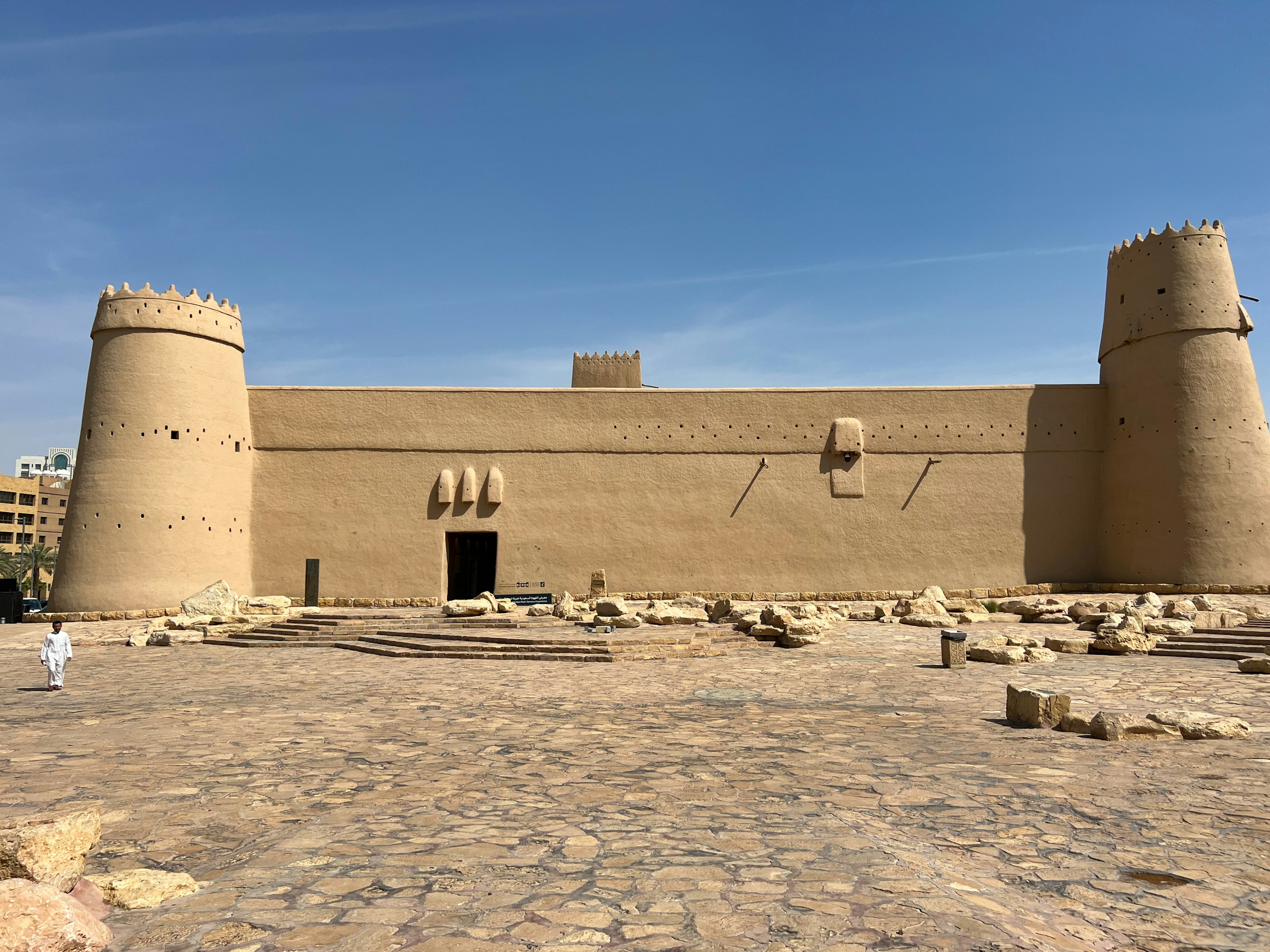
Masmak Fortress is a squat clay-and-mudbrick fort in the middle of old Riyadh, built in the 1860s and the site of the 1902 raid that let a young Abdulaziz Ibn Saud retake the city and begin building what became modern Saudi Arabia.
A spear mark from that battle is still visible in one of the main gate's doors, and small museum rooms inside display weapons, historic photographs, and traditional Najdi architecture around a central courtyard.
How does it rate
CrowdsRomanceCash RequiredDangerAccessibilityWhy you should go
A single fortress gate, still marked from the 1902 battle that founded the modern state, makes the country's history feel immediate.
Why you shouldn't go
The museum itself is small and can be seen thoroughly in well under an hour.
Plan your visit
Best time to visitYear-round, since the fort is fully indoors and air-conditioned; cooler months make the surrounding old Riyadh walk more pleasant.Best time of dayLate afternoon, combined with a walk through the adjacent Souq Al Zal market.Getting thereFly to Riyadh; the fortress sits in the historic centre, reachable by taxi or metro.Entry costFree entry.Time needed45 minutes–1 hourInsider tip — Combine the visit with Souq Al Zal next door for antiques and traditional crafts — most visitors skip it despite it being a two-minute walk. -
 #2370 /100
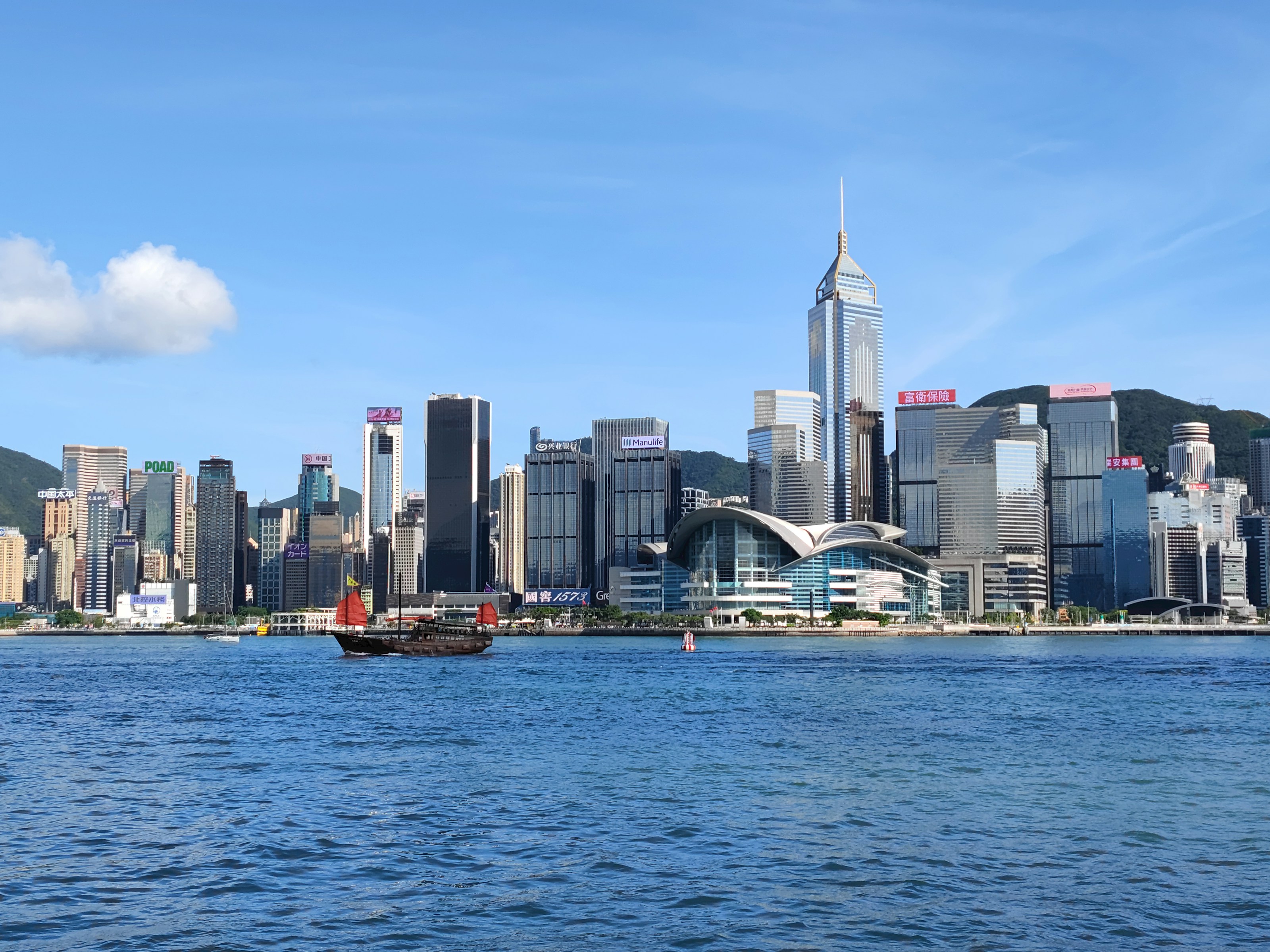
Every February and March, Hong Kong Arts Festival brings international opera, theatre, and dance companies to venues across the city alongside new work by local artists, positioning itself as a bridge between Western and Chinese performing arts traditions.
Programming spans the grand Cultural Centre auditorium to smaller black-box theatres, with commissioned pieces that often blend Cantonese opera technique with contemporary staging.
How does it rate
CrowdsRomanceCash RequiredDangerAccessibilityWhy you should go
International opera, theatre, and dance staged alongside new work blending Cantonese opera with contemporary performance.
Why you shouldn't go
The programme is dense and spread across the city, so advance planning is needed to catch specific must-see shows.
Plan your visit
Best time to visitFebruary and March each year.Best time of dayEvening for most main-stage performances.Getting thereFly into Hong Kong International Airport, then the Airport Express train into the city centre, about 25 minutes.Entry costTickets run roughly HKD 200-800 depending on the show and venue.Time neededOne evening per show; the full festival runs about six weeks.BookingBook ahead →Insider tip — Student and preview-night discounts cut ticket prices significantly and are open to festival visitors, not just locals. -
 #2468 /100
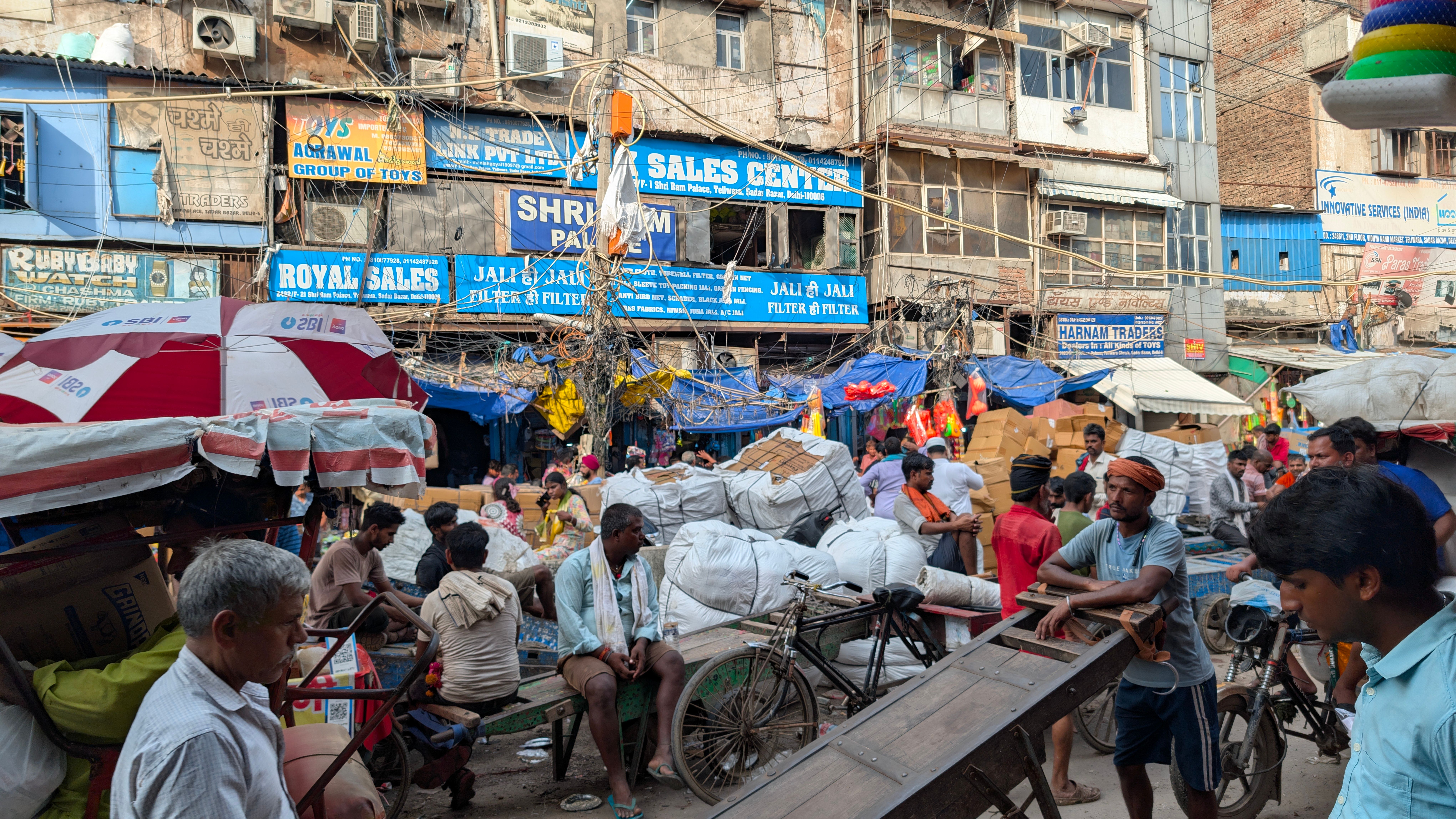
Old Delhi's Chandni Chowk has operated as one of India's busiest markets since the 17th century, built as a moonlit shopping square for the Mughal court outside the Red Fort.
Its narrow lanes are a dense tangle of spice merchants, wedding-sari shops and some of Delhi's most famous street food, navigated by foot, cycle-rickshaw and the occasional cow.
How does it rate
CrowdsRomanceCash RequiredDangerAccessibilityWhy you should go
A 17th-century Mughal-era market of tangled lanes, spice traders and Delhi's most famous street food.
Why you shouldn't go
Traffic, crowds and narrow lanes make it genuinely overwhelming, and petty theft is a real risk in the densest sections.
Plan your visit
Best time to visitWinter months (November to February) for cooler, more comfortable walking conditions.Best time of dayMorning, before midday heat and crowds are at their most intense.Getting thereTake the Delhi Metro to Chandni Chowk station on the Yellow Line, a short walk from the market's main gate.Entry costFree to browse; street food and goods are inexpensive.Time needed2-3 hours.Insider tip — Take a cycle-rickshaw through the narrowest lanes rather than walking, both for the experience and to avoid getting lost. -
 #2561 /100
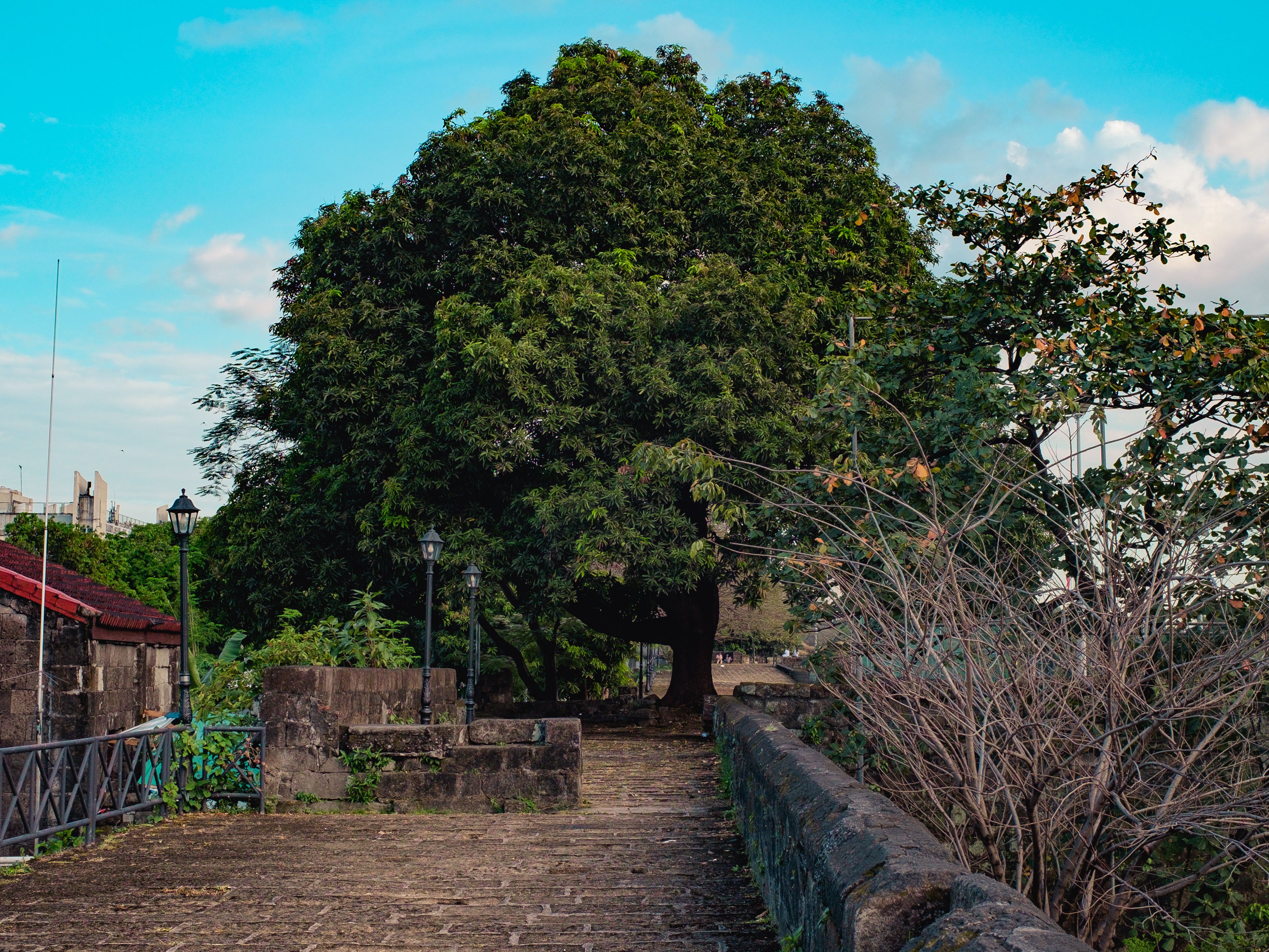
The old walled Spanish city at the heart of Manila, Intramuros holds the country's colonial-era core: Fort Santiago's parade grounds and dungeons, the baroque San Agustin Church (a UNESCO site), and cobbled streets enclosed by their original stone fortifications.
Large sections were destroyed in WWII and rebuilt, so what remains is a mix of genuine ruins and reconstruction, a stark contrast to Manila's modern sprawl outside the walls.
How does it rate
CrowdsRomanceCash RequiredDangerAccessibilityWhy you should go
A walled colonial-era district offering a completely different atmosphere from modern Manila outside it.
Why you shouldn't go
Heavy WWII damage means much of what's seen is reconstruction rather than original fabric.
Plan your visit
Best time to visitNovember–February for cooler, drier weather to walk the district.Best time of dayMorning, before the heat and crowds build around Fort Santiago.Getting thereTaxi, ride-hail or LRT to Manila's Intramuros district, easily reached from anywhere in the city.Entry costFree to walk the district; Fort Santiago entry around ₱75 (~€1.20).Time neededHalf a day.Insider tip — Rent a bike from the visitor center rather than walking — the district is larger and hotter than it looks on a map.


More from Asia
-
More City Life spots
-
How a score is built
One score out of 100, five criteria behind it
Every place is rated 1–5 on each of the criteria below, then combined into a single score out of 100. It's calculated by us, the same way every time — not an average of traveller reviews or social votes.
Crowds
How many people you'll be sharing it with, and at what time of day.
Romance
How well it suits a couple, a proposal, or a quiet moment together.
Cash required
Entry fees, permits, guides, rentals — what it actually costs to do it.
Danger
Physical risk involved, from a slippery viewpoint to genuine hazard.
Accessibility
How far off the beaten path it is, and how hard it is to actually reach.


