-
 #195 /100
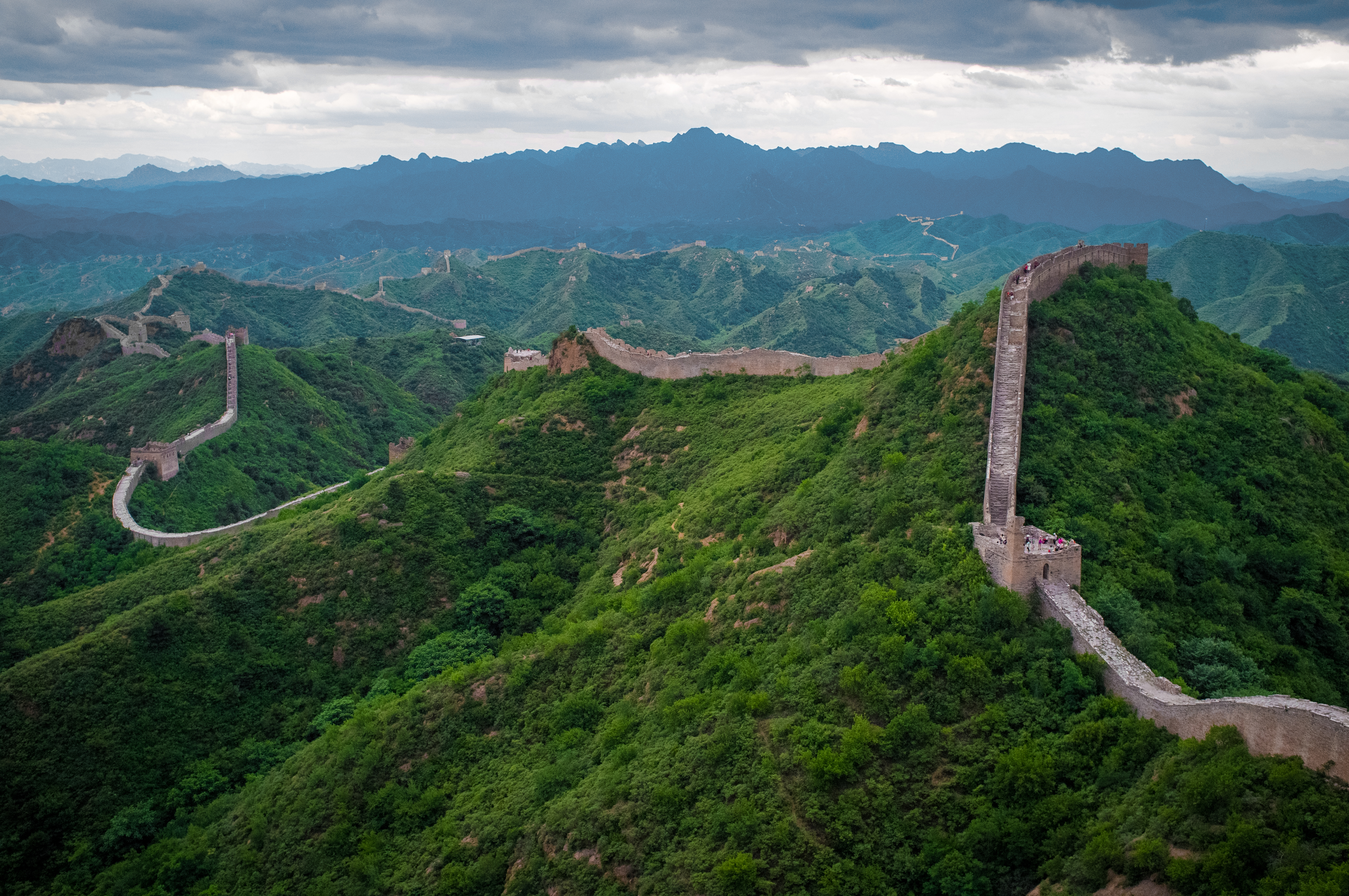
Stretching over 21,000 kilometres across northern China, the Great Wall is one of the greatest architectural achievements in human history.
The restored sections near Beijing, such as Mutianyu and Jinshanling, wind dramatically across steep mountain ridges and can be walked in a few hours.
Further out, unrestored stretches crumble into the hillsides largely unvisited.
How does it rate
CrowdsRomanceCash RequiredDangerAccessibilityWhy you should go
Watching the wall snake over mountain ridge after ridge into the distant haze is a truly humbling experience that conveys the wall's immense scale.
Why you shouldn't go
The most accessible sections near Beijing are heavily restored and extremely crowded; reaching the more dramatic wild sections requires significant effort.
Plan your visit
Best time to visitSpring or autumn, avoiding summer heat and crowdsBest time of dayEarly morningGetting thereMutianyu or Jinshanling sections, ~1.5-2hrs from BeijingEntry cost~$10 entry plus transportTime neededHalf dayInsider tip — Skip Badaling; Mutianyu or Jinshanling are quieter and just as spectacular -
 #291 /100
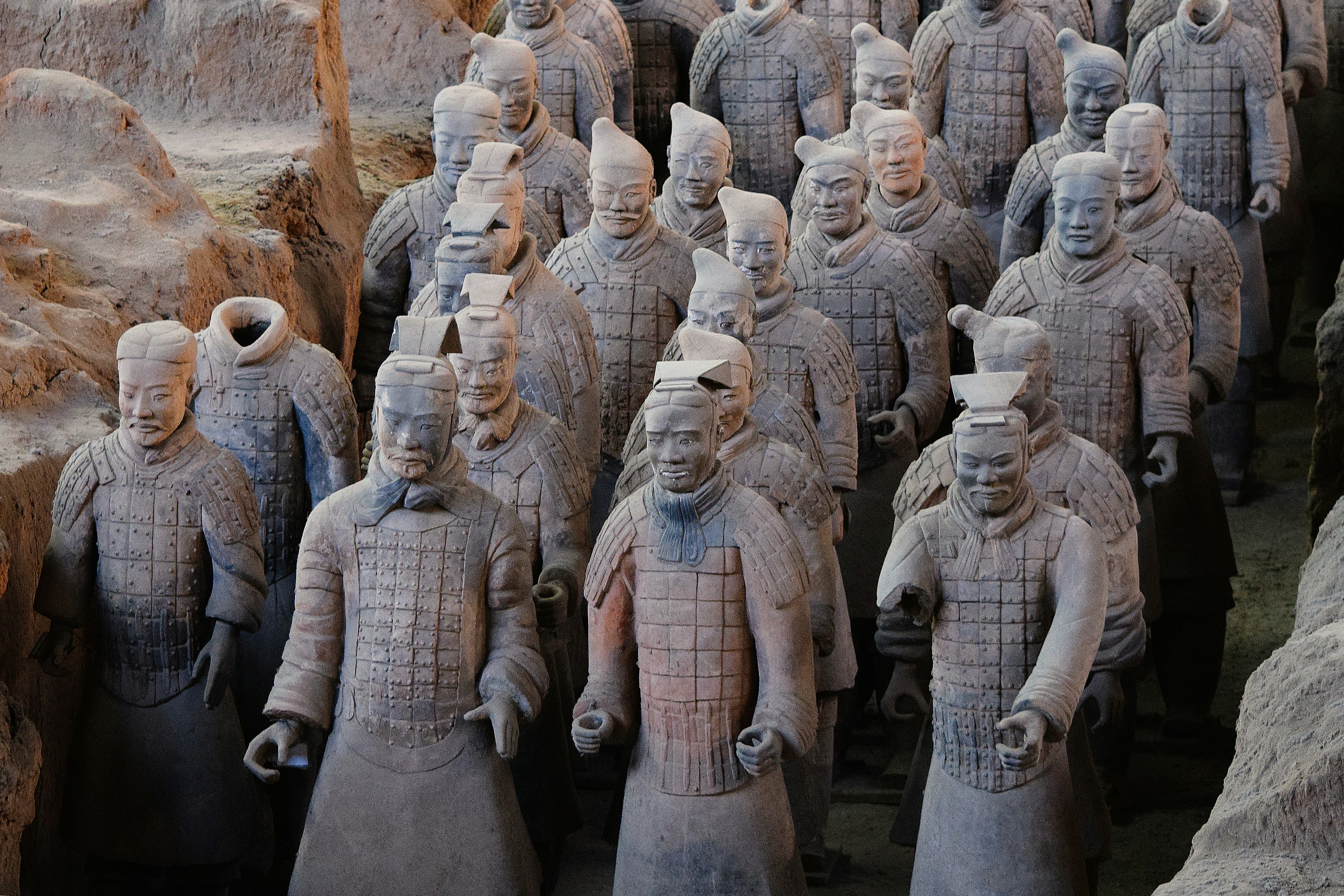
Buried for over two thousand years to guard the tomb of China's first emperor, the Terracotta Army was discovered by farmers digging a well in 1974 and remains one of the most significant archaeological finds of the twentieth century.
More than 8,000 life-sized soldiers, each with individually sculpted facial features, stand in battle formation inside three vast excavation pits, alongside horses, chariots, and officers.
How does it rate
CrowdsRomanceCash RequiredDangerAccessibilityWhy you should go
Standing over the excavation pit and seeing thousands of individually detailed soldiers stretching into the distance is unforgettable.
Why you shouldn't go
It draws enormous crowds year-round, and much of the view is from a raised gallery rather than up close.
Plan your visit
Best time to visitMarch–May or September–November for mild weather outside the summer heat and winter cold.Best time of dayOpening time, ahead of tour groups that build steadily through the morning.Getting thereFly to Xi'an; roughly 1-hour drive or bus east from the city centre.Entry costPaid entry.Time needed3–4 hoursInsider tip — Head straight to Pit 1, the largest, before the crowds arrive, then work backward through Pits 2 and 3 and the museum once it fills up. -
 #390 /100
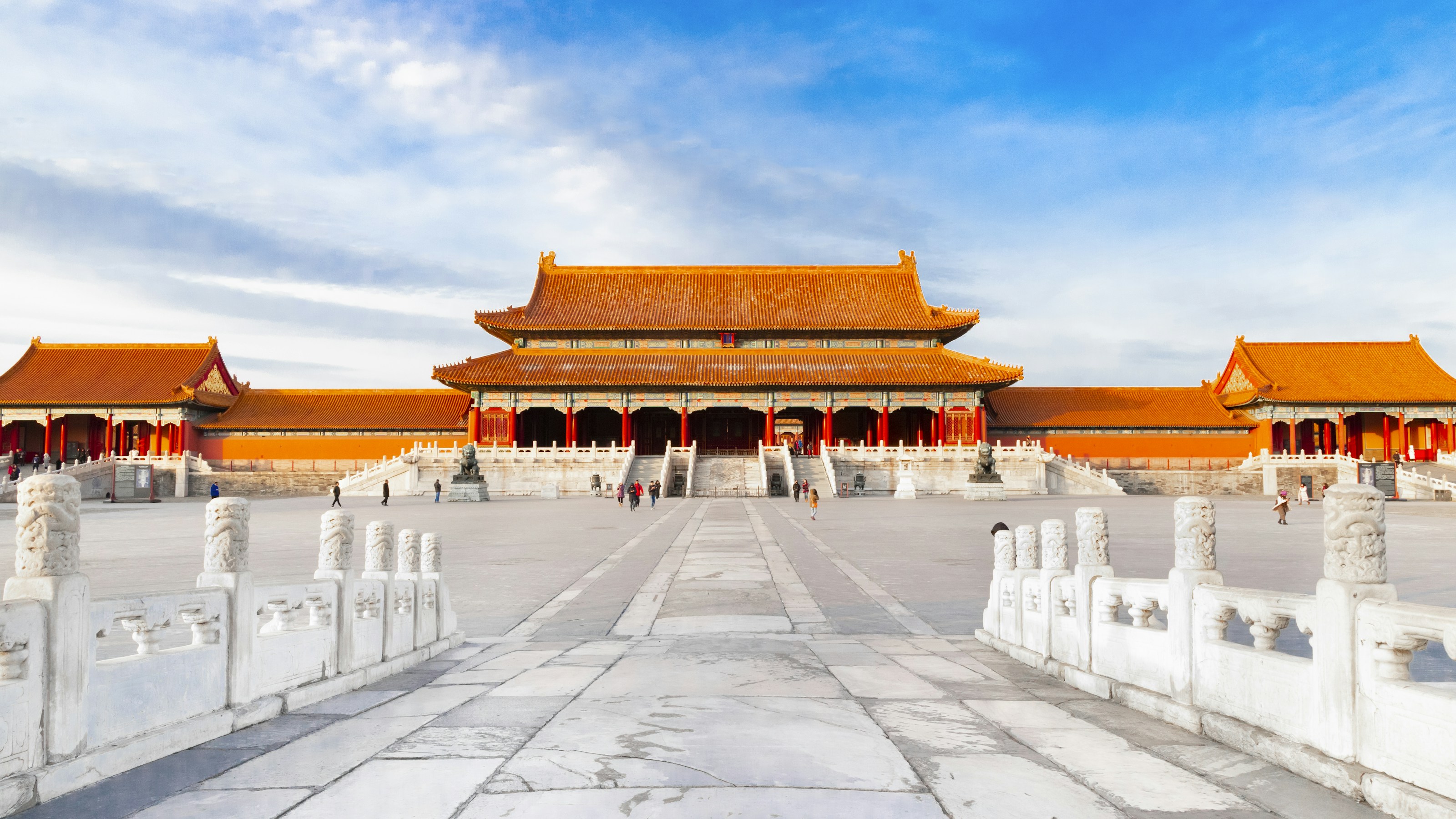
The imperial palace at the centre of Beijing, 180 acres of vermilion walls and yellow-tiled roofs that housed twenty-four emperors across the Ming and Qing dynasties.
Nearly a thousand surviving buildings run along a single axis from the Meridian Gate to the Hall of Supreme Harmony.
Daily numbers are capped and tickets routinely sell out.
How does it rate
CrowdsRomanceCash RequiredDangerAccessibilityWhy you should go
The scale is unmatched - half a day inside and you still will not have seen all of it.
Why you shouldn't go
Tickets must be booked days ahead against a passport, and the route runs one way only.
Plan your visit
Best time to visitSeptember-October, Beijings clearest and most comfortable monthsBest time of dayFirst entry slot; the axial halls are solid by mid-morningGetting thereSubway line 1 to Tiananmen East, then in through the Meridian GateEntry costAround CNY 60 in peak seasonTime neededHalf a dayBookingBook ahead →Insider tip — Climb the hill in Jingshan Park straight after leaving by the north gate - it is the only place you see the entire roofscape at once. -
 #489 /100
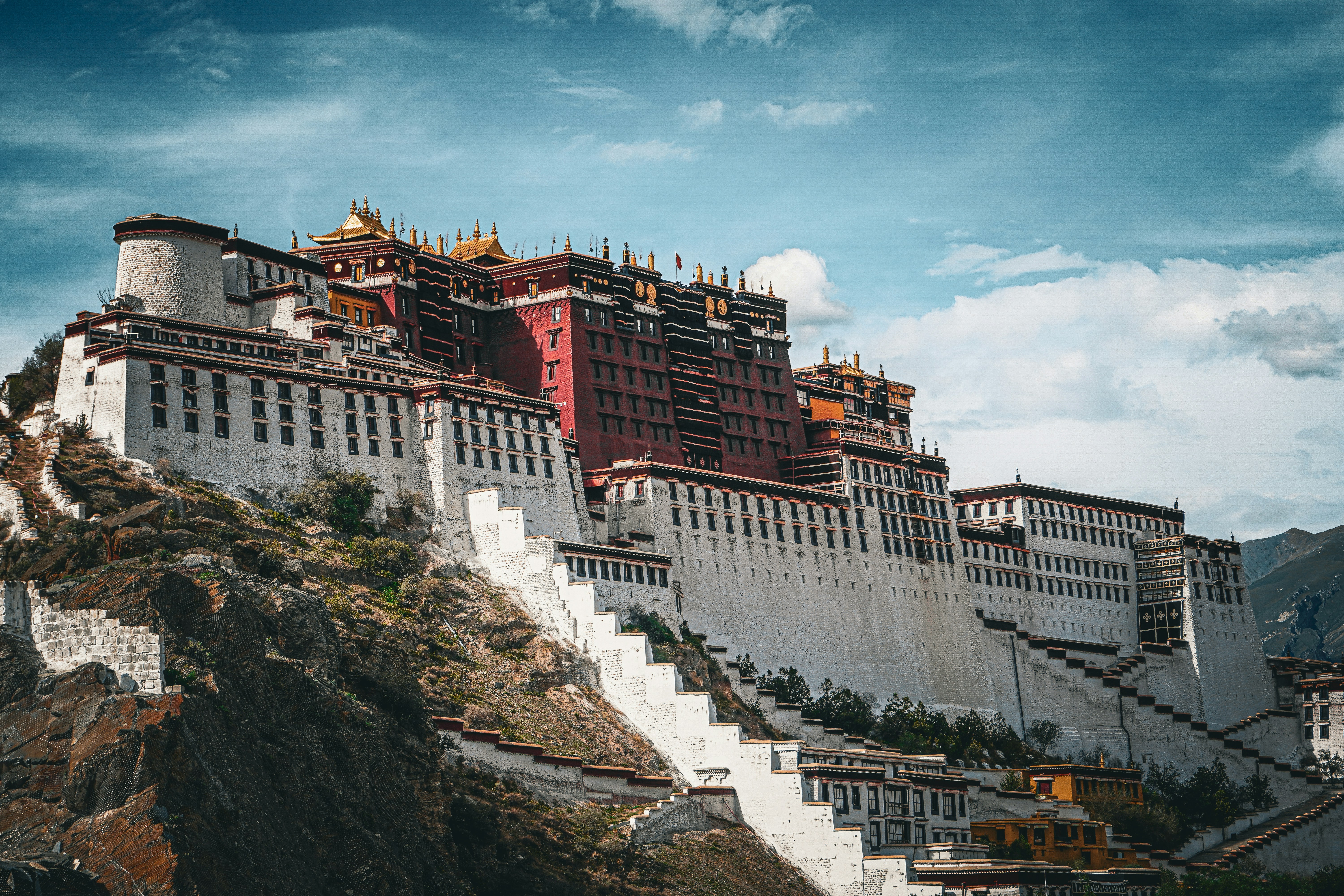
The Potala Palace towers over Lhasa from a hilltop, over a thousand rooms across thirteen storeys that once served as winter residence of the Dalai Lamas and seat of Tibetan government.
Its white and red buildings hold chapels, tombs, and murals spanning centuries of Tibetan Buddhist art, reached by a steep climb genuinely taxing at the city's 3,700-metre altitude.
Visitor numbers are capped, and a special travel permit is required.
How does it rate
CrowdsRomanceCash RequiredDangerAccessibilityWhy you should go
A thousand-room hilltop palace and the historic seat of the Dalai Lamas, one of the world's great religious landmarks.
Why you shouldn't go
Tibet requires a separate travel permit beyond a Chinese visa, and the altitude makes the palace's stairs genuinely tough.
Plan your visit
Best time to visitApril-October, when Tibet's high-altitude weather is most stableBest time of dayMorning, when timed-entry slots are less oversubscribed than afternoonGetting thereFly or take the train into Lhasa (a Tibet Travel Permit is required in advance)Entry costAround CNY200 in peak season, less in winterTime needed2-3 hours (visits are time-limited by ticket)Insider tip — Spend at least a day or two in Lhasa acclimatising before visiting; the palace's stairs at this altitude catch out visitors who fly in and go straight there. -
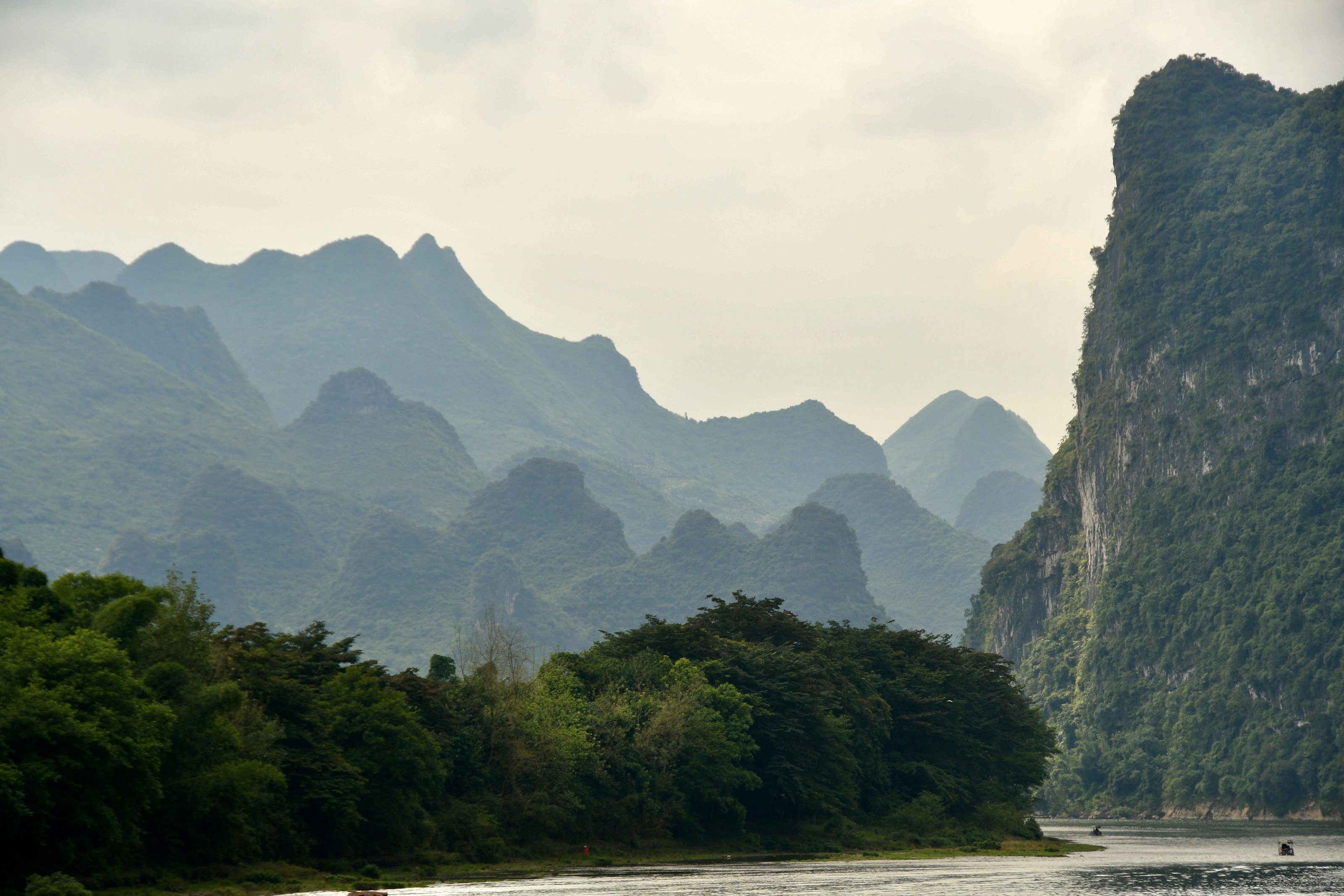 #5
#5The stretch of the Li River between Guilin and Yangshuo is lined with thousands of karst limestone peaks rising straight out of the water, scenery that has appeared on China's 20-yuan banknote and inspired centuries of Chinese landscape painting.
A slow cruise or bamboo raft ride down the river passes fishing villages, water buffalo, and cormorant fishermen, the peaks growing more dramatic the closer you get to Yangshuo.
How does it rate
CrowdsRomanceCash RequiredDangerAccessibilityWhy you should go
Drifting past thousands of karst peaks that have inspired Chinese landscape painting for a thousand years is a genuinely different kind of scenery.
Why you shouldn't go
Large tourist cruise boats can be crowded and slow-moving, especially in peak summer months.
Plan your visit
Best time to visitApril–October for the greenest scenery, though light rain and mist can add to the atmosphere.Best time of dayMorning departures, when mist often still clings to the peaks.Getting thereFly to Guilin; cruise boats depart from Zhujiang pier, arriving in Yangshuo after 4–5 hours, or drive directly to Yangshuo in about 1.5 hours.Entry costPaid cruise ticket; bamboo raft trips on shorter sections cost separately.Time neededHalf a day for the cruise, or several days based in YangshuoInsider tip — Skip the full Guilin-to-Yangshuo cruise and instead take a short bamboo raft trip on the Yulong River near Yangshuo — same karst scenery, far fewer people, and a fraction of the cost. -
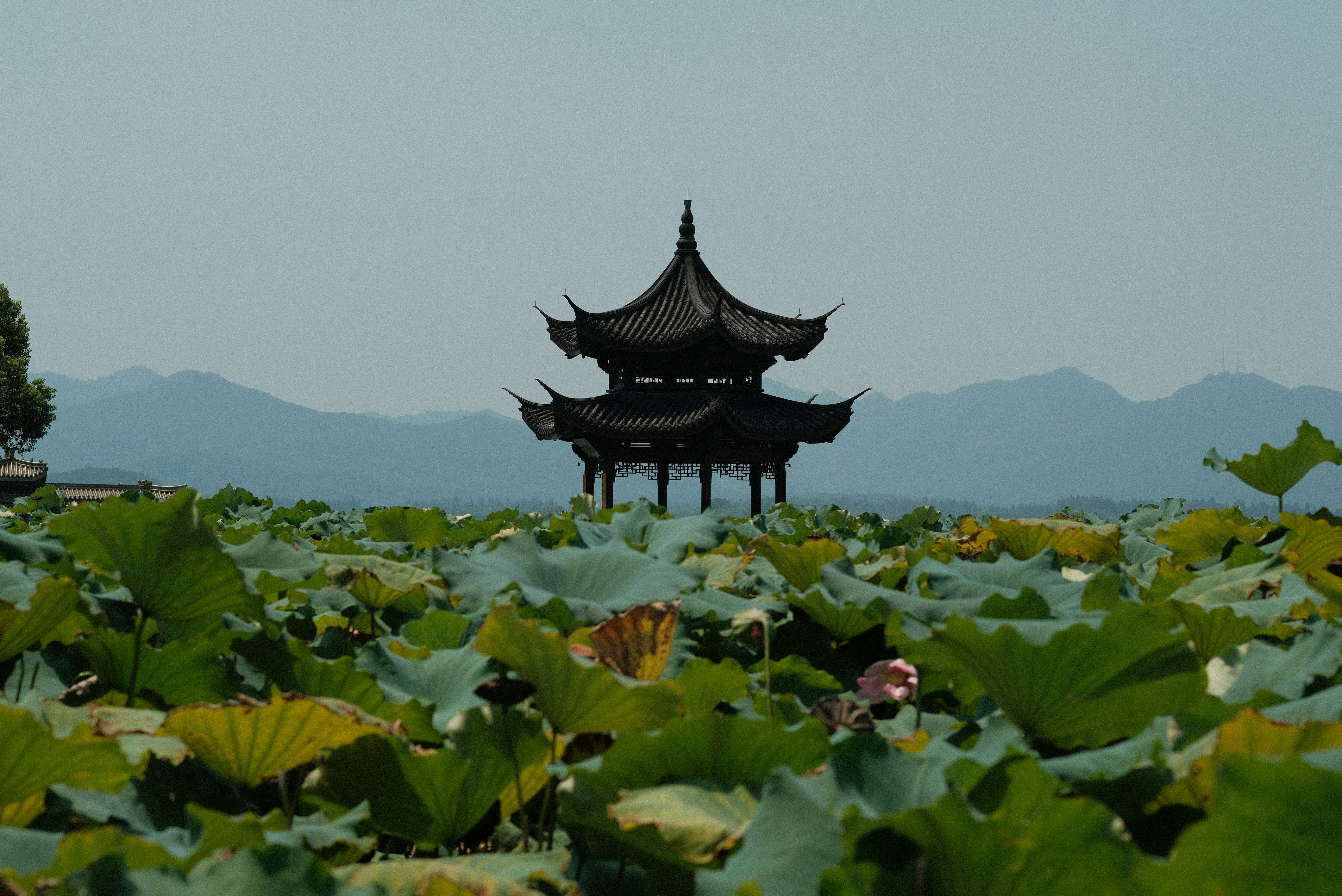 #6
#6West Lake has been celebrated in Chinese poetry and painting for over a thousand years, a freshwater lake in Hangzhou ringed by pagodas, temples, arched bridges, and willow-lined causeways.
Ten classic viewpoints, with names like "Autumn Moon over the Calm Lake," have been fixed in the cultural imagination since imperial times, visited on foot, by bike, or by traditional boat.
Free access and a genuinely beautiful setting make it a place locals use daily.
How does it rate
CrowdsRomanceCash RequiredDangerAccessibilityWhy you should go
A lake celebrated in Chinese art for a thousand years, ringed by pagodas, bridges, and willow-lined causeways.
Why you shouldn't go
It's a major domestic tourist destination, so the most famous viewpoints and causeways get crowded on weekends.
Plan your visit
Best time to visitMarch-May or September-November for mild weather and good lightBest time of dayEarly morning or after sunset, when locals rather than tour groups fill the pathsGetting thereTake the high-speed train into Hangzhou (around 45 minutes from Shanghai); the lake is a short taxi from the stationEntry costFree (lakeside park access); some pavilions and boat rides charge separatelyTime neededHalf a day to a full dayInsider tip — Rent a bike for the full lakeside loop rather than walking; it's around 15km around and a bike covers it comfortably in a couple of hours. -
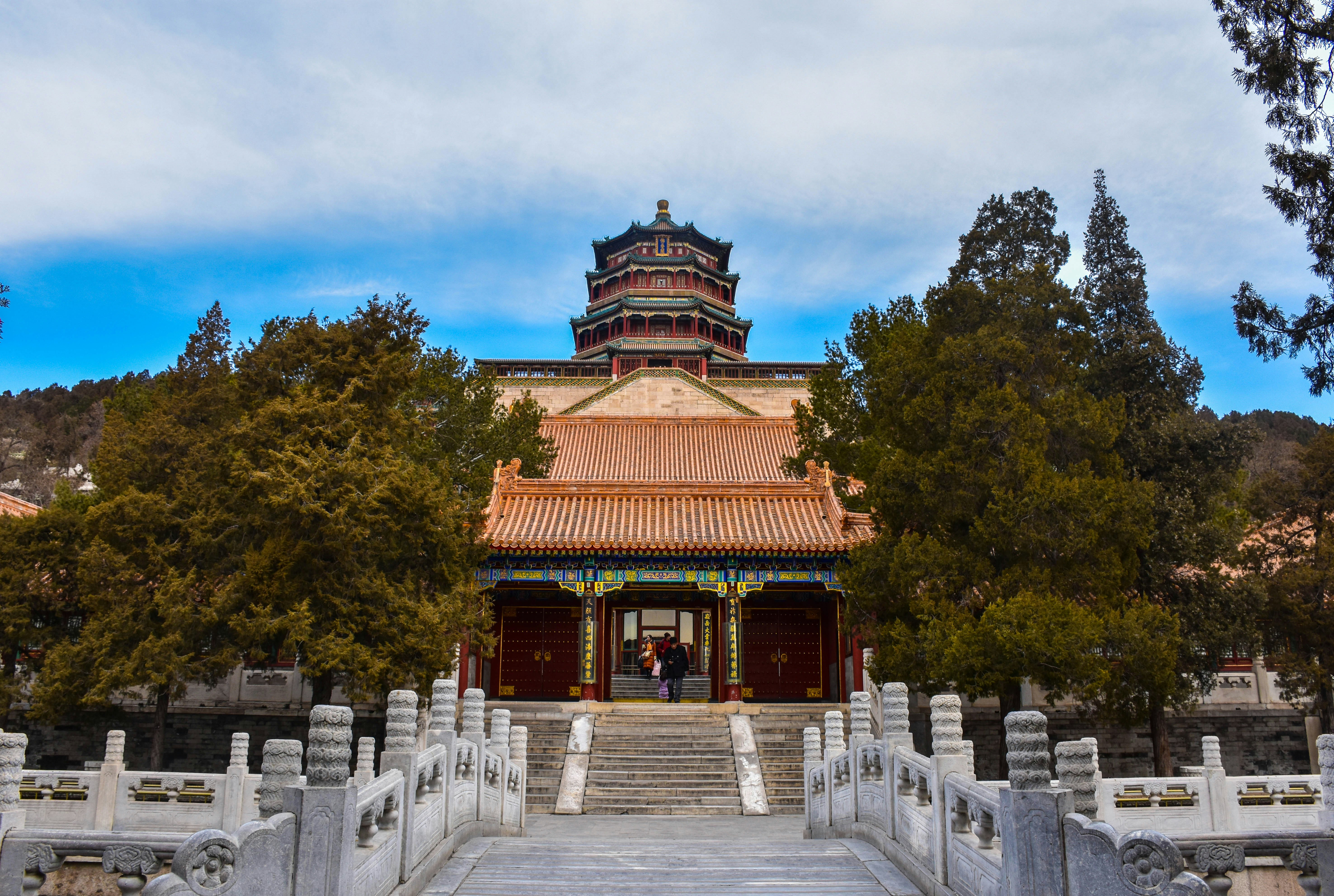 #783 /100
The Summer Palace is a vast imperial garden retreat on Beijing's edge, built around the artificial Kunming Lake and Longevity Hill, where Qing dynasty emperors escaped the summer heat of the Forbidden City.
A 728-metre covered walkway painted with thousands of scenes lines the lakeshore, leading to a marble boat pavilion and pagodas climbing the hillside.
It's less rigidly formal than the Forbidden City, popular with local families for a relaxed day out.
How does it rate
CrowdsRomanceCash RequiredDangerAccessibilityWhy you should go
A vast imperial lake garden on Beijing's edge, painted walkways and pagodas included.
Why you shouldn't go
It's large enough that seeing the full grounds properly takes real time, more than a rushed stop allows.
Plan your visit
Best time to visitApril-May or September-October for pleasant weatherBest time of dayMorning, before the lakeside walkway fills with the day's visitorsGetting thereTake the Beijing subway (Line 4) directly to the Summer PalaceEntry costAround CNY30, more with combined ticket for all buildingsTime needed3-4 hoursInsider tip — Rent a rowboat on Kunming Lake for an hour; it's a genuinely different, quieter way to see the palace than walking the shore. -
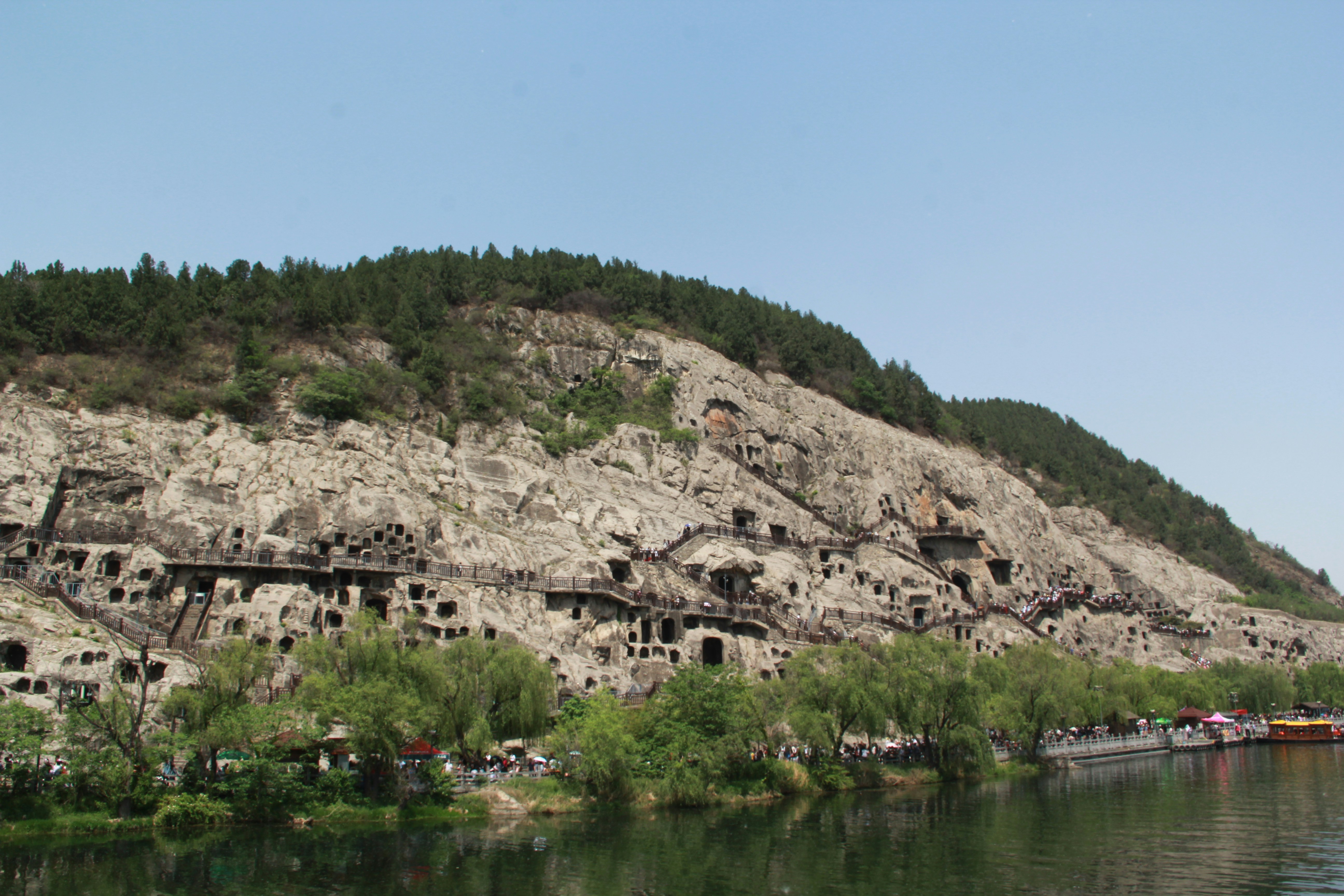 #882 /100
The Longmen Grottoes hold tens of thousands of Buddhist statues and carvings, from finger-sized figures to a 17-metre Buddha, cut into limestone cliffs along the Yi River over roughly 400 years starting in the 5th century.
It's one of China's three great ancient sculptural sites, and the riverside setting makes it easy to view carvings from a boat as well as on foot.
Many statues were damaged or looted over the centuries, visible alongside what survives.
How does it rate
CrowdsRomanceCash RequiredDangerAccessibilityWhy you should go
Tens of thousands of Buddhist carvings cut into riverside cliffs over four centuries.
Why you shouldn't go
Many figures show damage from historical looting and the Cultural Revolution; not everything is intact.
Plan your visit
Best time to visitApril-May or September-October for mild weatherBest time of dayLate afternoon, when the low sun lights the west-facing cliff carvingsGetting thereFly or take the high-speed train into Luoyang; a 20-minute drive reaches the siteEntry costAround CNY90Time needed2-3 hoursInsider tip — Cross to the east bank of the river for the best photographs of the main Fengxian Temple Buddha, rather than viewing it only from directly below. -
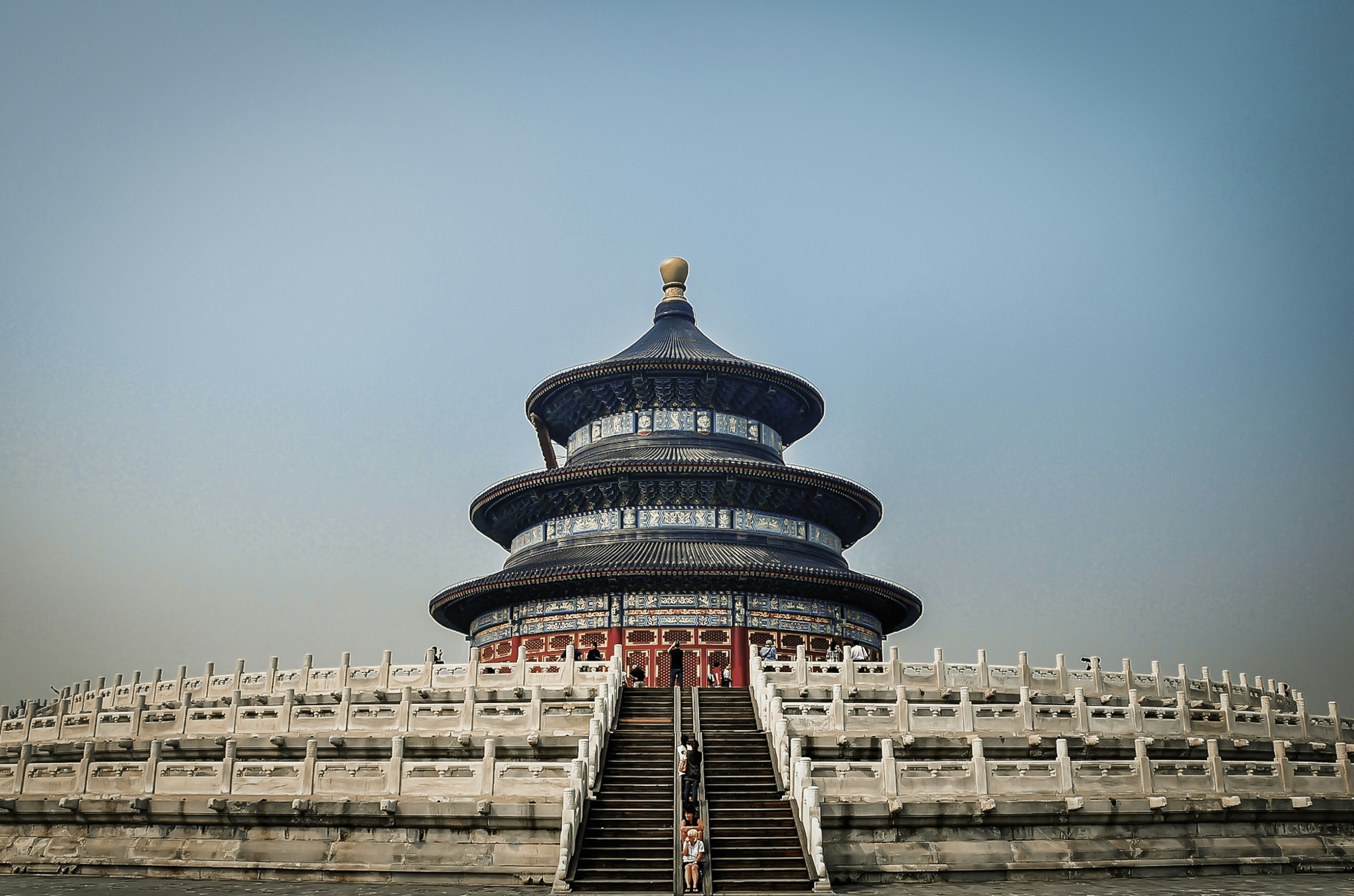 #981 /100
The Temple of Heaven is a Ming-dynasty complex where emperors once prayed for a good harvest, its circular Hall of Prayer built without nails, a blue-roofed structure that's become one of Beijing's defining silhouettes.
The surrounding park is as much a local institution as a tourist site, filled every morning with residents practising tai chi and chess.
The symbolic layout, round heaven above square earth below, runs through it all.
How does it rate
CrowdsRomanceCash RequiredDangerAccessibilityWhy you should go
Beijing's iconic circular Ming-dynasty temple, set in a park full of locals practising tai chi each morning.
Why you shouldn't go
The main hall's interior is roped off and viewed from the doorway only, not entered.
Plan your visit
Best time to visitApril-May or September-October for mild weatherBest time of dayEarly morning, to see the park's tai chi and dance groups alongside the temple itselfGetting thereTake the Beijing subway (Line 5 or 8) directly to the Temple of HeavenEntry costAround CNY15, more with combined ticket for all buildingsTime needed2-3 hoursInsider tip — Enter from the north gate and walk south; it follows the historical processional route the emperor once used and ends at the main hall. -
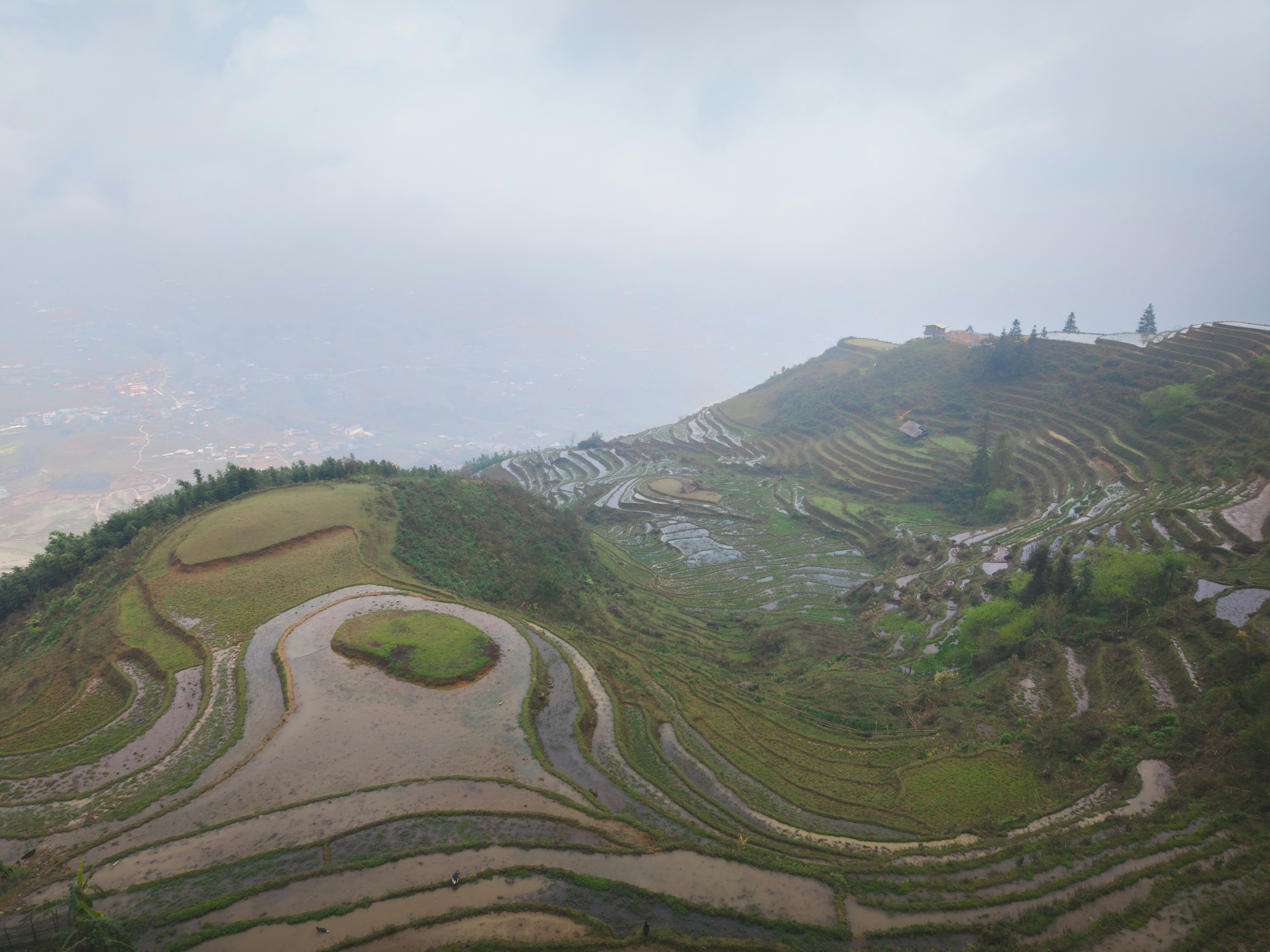 #1080 /100
The Yuanyang rice terraces cascade down mountainsides across thousands of stepped fields, shaped over centuries by the Hani people using a water-management system fed by cloud forest above.
Once flooded ahead of spring planting, each terrace mirrors the sky like shattered glass, especially at sunrise and sunset.
Villages of traditional mushroom-shaped thatched houses sit among the terraces, still lived in rather than preserved as a display.
How does it rate
CrowdsRomanceCash RequiredDangerAccessibilityWhy you should go
Thousands of stepped, water-filled rice terraces that mirror the sky at sunrise, shaped by the Hani people over centuries.
Why you shouldn't go
The terraces only hold their mirror-like reflection when flooded, roughly December through March; the rest of the year they're green fields instead.
Plan your visit
Best time to visitDecember-March, when fields are flooded and reflective before plantingBest time of daySunrise at Duoyishu viewpoint, or sunset at BadaGetting thereFly into Kunming; a 5-6 hour drive reaches YuanyangEntry costCombined viewpoint ticket around CNY100Time needed2 days to catch both sunrise and sunset viewpointsInsider tip — Stay overnight in Yuanyang itself rather than day-tripping from Kunming; the best light is at dawn and dusk, both awkward for a same-day round trip. -
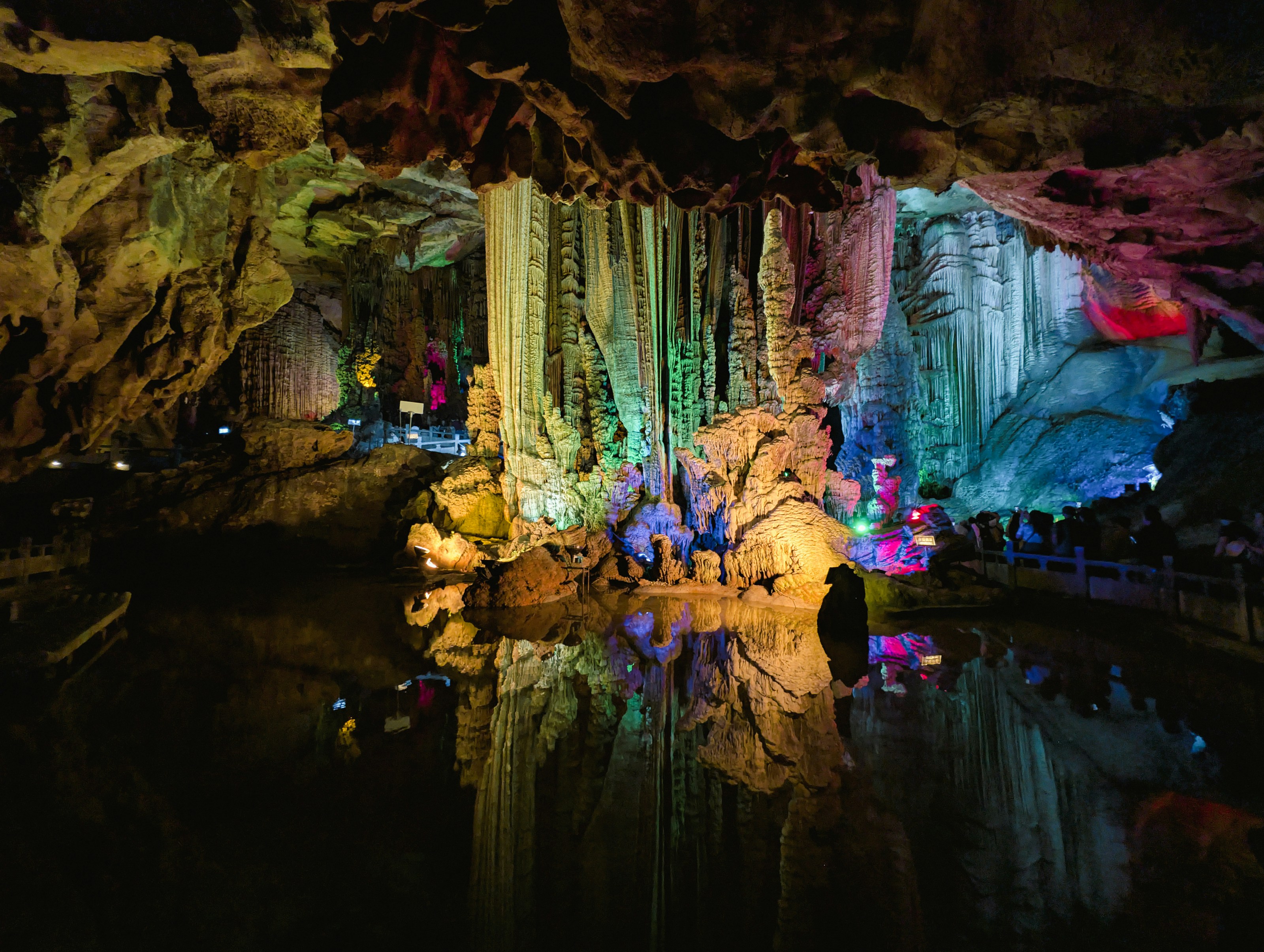 #1174 /100
A 240-metre limestone cave in the hills of Guilin, lit throughout in saturated reds, greens and blues that turn the stalactites into something closer to stage design than geology.
A still pool near the end doubles every formation above it.
Ink inscriptions on the walls date back to the Tang dynasty.
How does it rate
CrowdsRomanceCash RequiredDangerAccessibilityWhy you should go
The coloured lighting and the mirror pool make it the most photogenic show cave in China.
Why you shouldn't go
The lighting is entirely artificial, which strikes some visitors as gaudy rather than natural.
Plan your visit
Best time to visitApril-October, alongside the Li River cruises Guilin is known forBest time of dayEarly afternoon on a weekday, between the domestic tour groupsGetting thereBus or taxi from central Guilin, about 20 minutesEntry costAround CNY 110Time needed1-2 hoursInsider tip — The mirror pool near the exit is the shot - let the group ahead move on and photograph it before anyone disturbs the surface.


More from China
-


More Cultural spots
-

How a score is built
One score out of 100, five criteria behind it
Every place is rated 1–5 on each of the criteria below, then combined into a single score out of 100. It's calculated by us, the same way every time — not an average of traveller reviews or social votes.
Crowds
How many people you'll be sharing it with, and at what time of day.
Romance
How well it suits a couple, a proposal, or a quiet moment together.
Cash required
Entry fees, permits, guides, rentals — what it actually costs to do it.
Danger
Physical risk involved, from a slippery viewpoint to genuine hazard.
Accessibility
How far off the beaten path it is, and how hard it is to actually reach.
