-
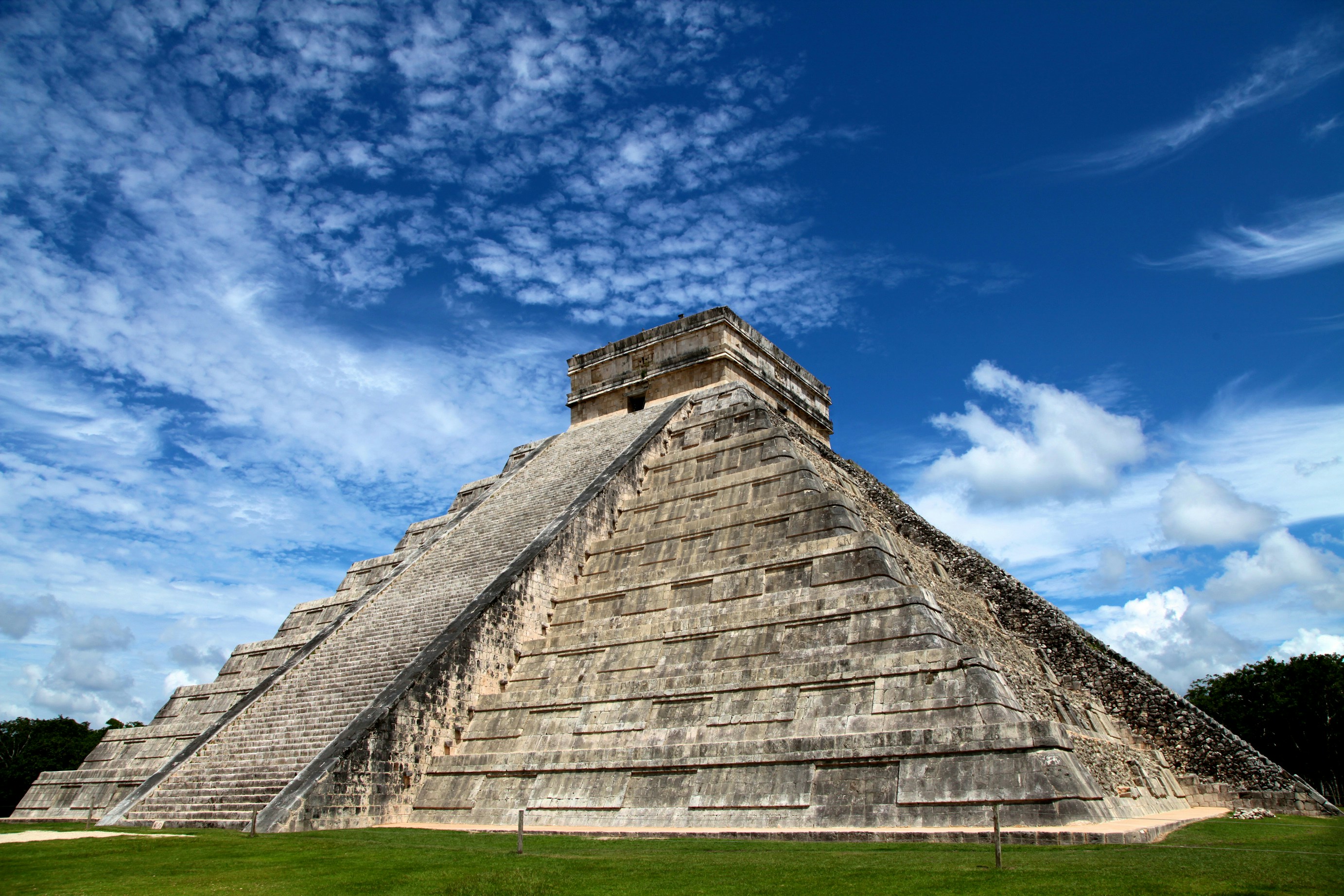 #189 /100
Chichen Itza was one of the great cities of the Maya world, and its restored centrepiece, the stepped pyramid of El Castillo, is the image of pre-Columbian Mexico.
The temple is a stone calendar: at the equinoxes the afternoon sun casts a serpent of shadow down its northern staircase.
Beyond it sprawl the Great Ball Court, the Temple of the Warriors and a thousand columns.
How does it rate
CrowdsRomanceCash RequiredDangerAccessibilityWhy you should go
El Castillo is one of the most striking and historically loaded buildings in the Americas.
Why you shouldn't go
Tour buses from Cancun arrive by mid-morning, bringing serious crowds, heat and souvenir stalls.
Plan your visit
Best time to visitNovember-March for cooler, drier weather; equinoxes for the serpent shadowBest time of dayOpening time (8am), two hours before the buses arriveGetting there2-hour drive from Cancun or 45 minutes from ValladolidEntry costAbout MX$700 entryTime neededHalf a dayInsider tip — Sleep in Valladolid and be at the gate at 8am sharp - you'll have an hour of near-empty ruins before the coast tours arrive -
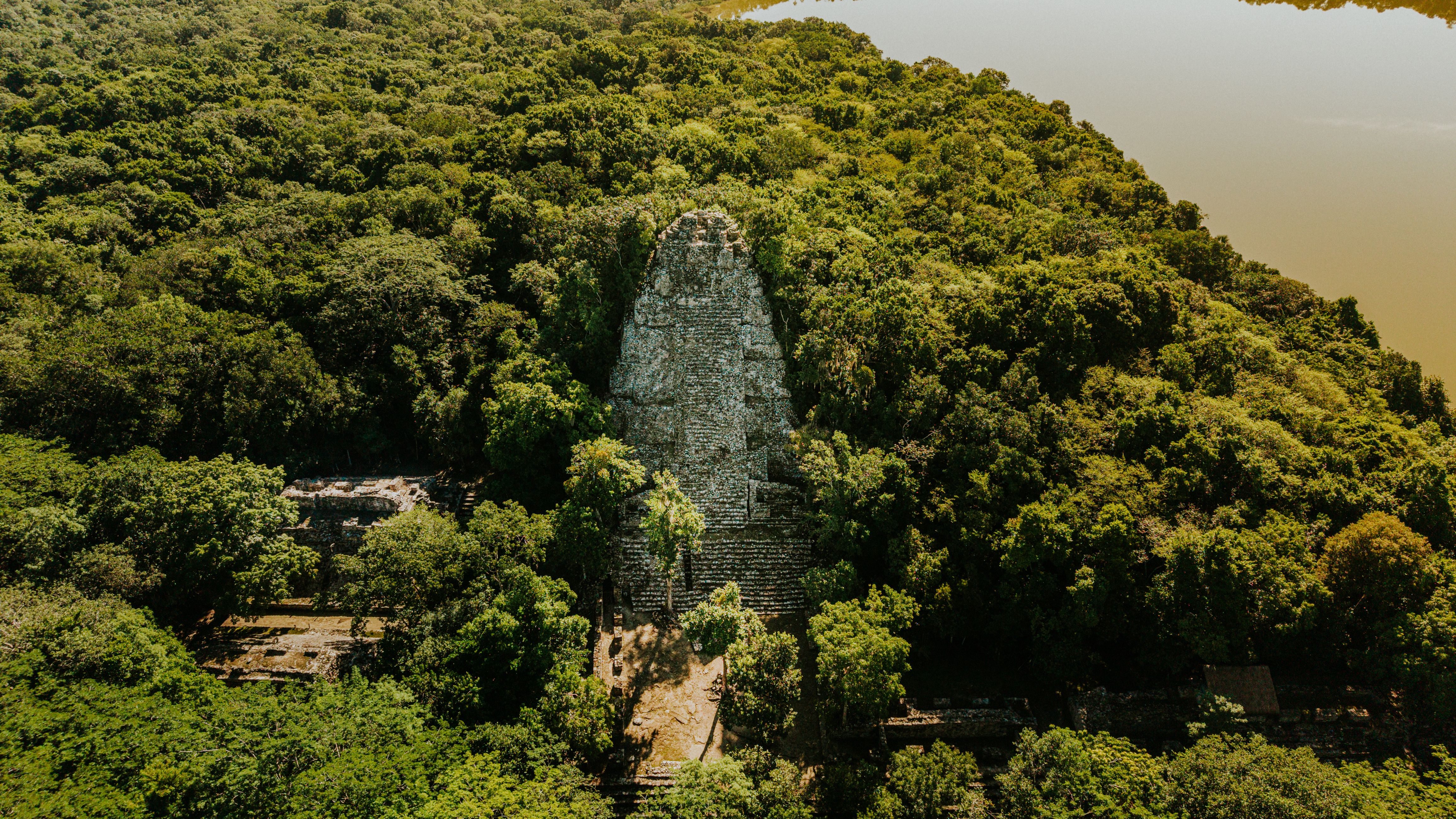 #286 /100
Towering limestone pyramids rise straight out of dense rainforest canopy at this former Maya city-state, once home to an estimated 90,000 people at its peak around 800 CE.
Howler monkeys and toucans fill the surrounding jungle, and climbing Temple IV at dawn puts visitors above the canopy to watch other temple roofs emerge from mist.
Far less restored than Mexico's Chichen Itza, Tikal feels genuinely like a lost city rather than a manicured park.
How does it rate
CrowdsRomanceCash RequiredDangerAccessibilityWhy you should go
Maya pyramids rising straight out of jungle canopy, with a genuinely spectacular sunrise view from Temple IV.
Why you shouldn't go
Reaching the site requires a flight or long drive to the remote Petén region, adding real travel time.
Plan your visit
Best time to visitNovember–April, the dry season, for easier jungle trail conditions.Best time of daySunrise from Temple IV, above the canopy before day-trip crowds arrive.Getting thereFly to Flores, then about 1 hour's drive to the park entrance.Entry costAround Q150 (~€18) for standard entry, plus extra for the sunrise access permit.Time neededFull day, or a sunrise-to-sunset day for the complete site.Insider tip — Pay the extra sunrise-access fee and enter before official opening — the pre-dawn canopy view from Temple IV is worth arranging in advance. -
 #386 /100
The walled heart of Quebec City is the only fortified colonial city north of Mexico still standing, its narrow cobblestone streets climbing from the St.
Lawrence River up to the castle-like Chateau Frontenac hotel.
Founded by French settlers in 1608, the Old Town's stone houses and ramparts earned it UNESCO World Heritage status, and the Dufferin Terrace boardwalk gives sweeping river views.
How does it rate
CrowdsRomanceCash RequiredDangerAccessibilityWhy you should go
A genuinely walkable, centuries-old walled city with cobblestone streets and river views unlike anywhere else in North America.
Why you shouldn't go
Many small sites and the funicular are cash-preferred; winters are long and cold, though they add their own charm.
Plan your visit
Best time to visitJune-September for mild weather; February for the Winter CarnivalBest time of dayMorning for Petit-Champlain before crowds; evening for Dufferin Terrace at sunsetGetting thereFly to Quebec City Jean Lesage International Airport, or take the train from Montreal (about 3 hours).Entry costFree to walk the Old Town; funicular ~CA$4-6; individual sites charge separatelyTime needed2-3 daysInsider tip — Walk down the Casse-Cou ("Breakneck") stairs from Upper to Lower Town rather than only riding the funicular; it's the old fastest route between the two and skips the funicular queue entirely. -
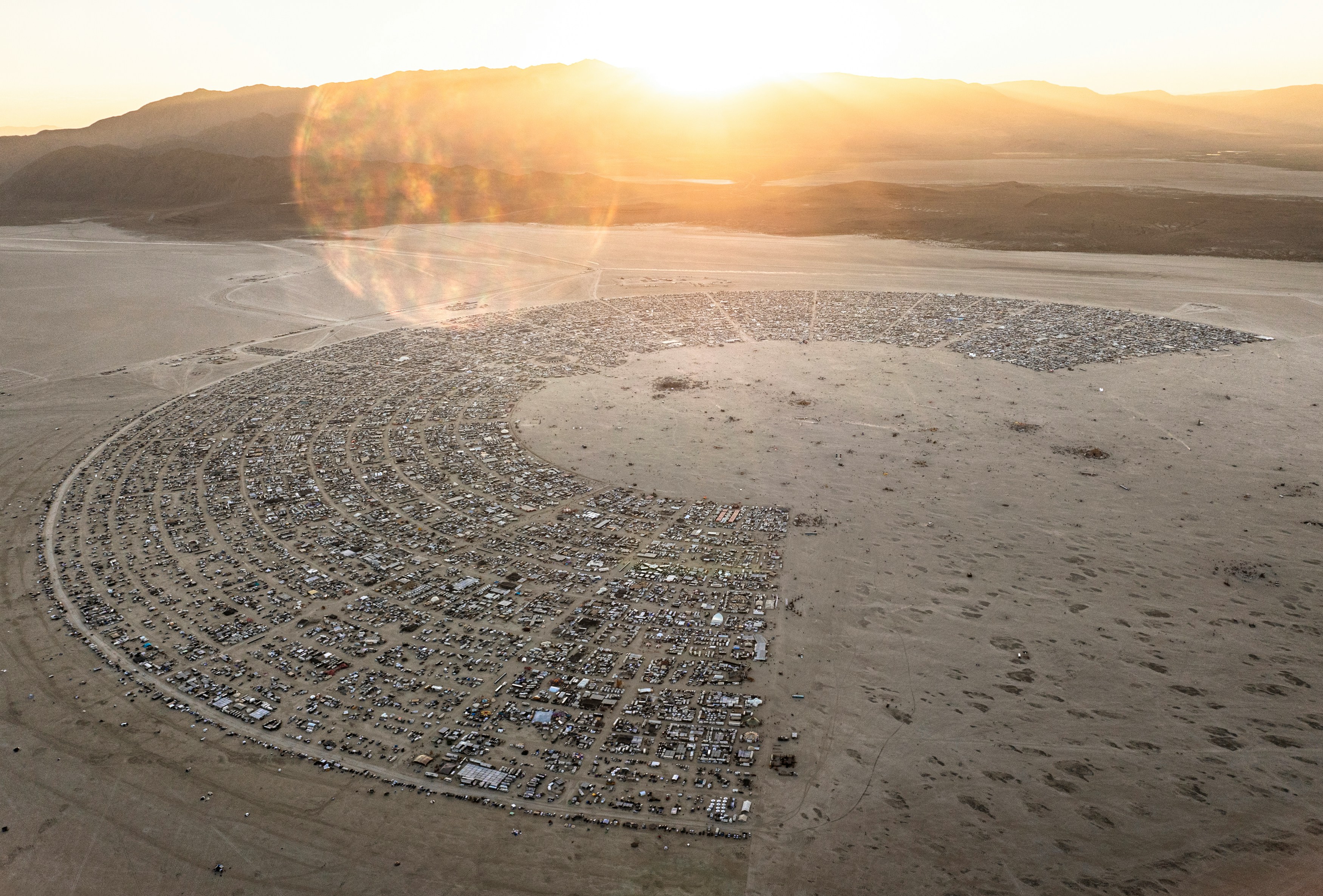 #485 /100
For one week every year, Nevada's Black Rock Desert hosts Black Rock City, a temporary metropolis of over 70,000 people built from scratch and dismantled without trace afterward.
Towering art installations, mutant art cars and elaborate theme camps fill the white playa, leading to the ceremonial burning of a giant wooden effigy on the penultimate night.
How does it rate
CrowdsRomanceCash RequiredDangerAccessibilityWhy you should go
A temporary art city of 70,000 built from nothing on a Nevada desert playa, then burned and erased without a trace.
Why you shouldn't go
Extreme desert conditions, dust storms and daytime heat swinging to freezing nights, demand serious self-sufficiency.
Plan your visit
Best time to visitLate August into early September, the festival's fixed annual week.Best time of daySunset onward, when the art cars light up and the playa's temperature drops to bearable.Getting thereFly to Reno, then a roughly 2.5-hour drive to Black Rock City near Gerlach, Nevada.Entry costTickets run around USD575-650, and attendees must bring all food, water and shelter.Time neededThe full week; day visits are impractical given the desert's remoteness.BookingBook ahead →Insider tip — Bring far more water than you think you need, and goggles plus a dust mask for the frequent whiteout dust storms. -
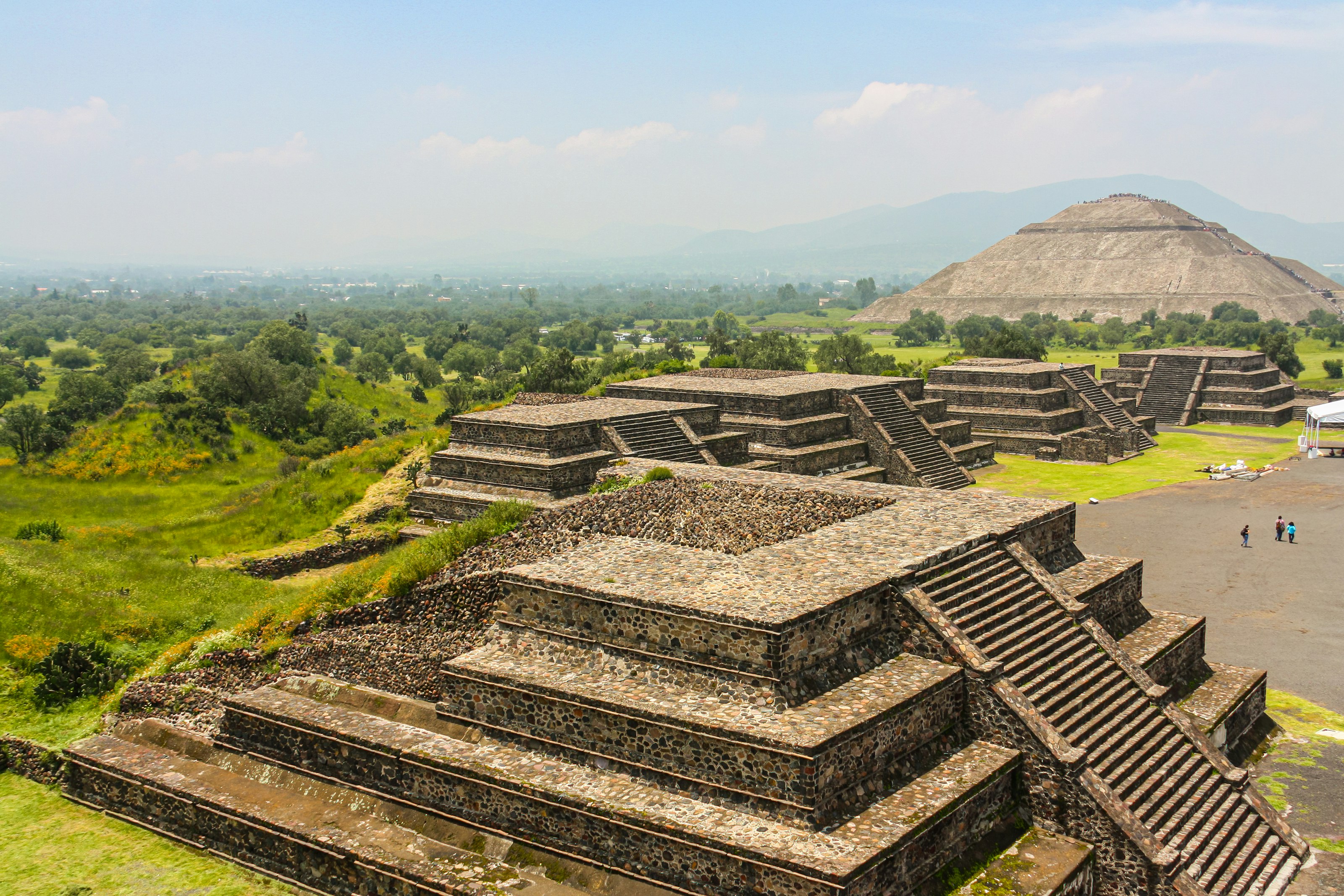 #584 /100
Teotihuacan was one of the largest cities in the ancient world, and its two great pyramids — the Sun and the Moon — still dominate the Mexican plateau just outside the capital.
The Avenue of the Dead runs more than two kilometres between them, past palace complexes decorated with faded murals.
Both main pyramids can be climbed, and the view from the top of the Pyramid of the Sun takes in the whole site and the mountains beyond.
How does it rate
CrowdsRomanceCash RequiredDangerAccessibilityWhy you should go
Climbing the Pyramid of the Sun for a view down the full length of the Avenue of the Dead is genuinely awe-inspiring.
Why you shouldn't go
The steps up both pyramids are steep and uneven, and there's almost no shade across the whole site.
Plan your visit
Best time to visitNovember–March, dry season with cooler daytime temperatures.Best time of dayEarly morning, both for cooler climbing weather and thinner crowds.Getting thereFly to Mexico City; 1-hour drive or direct bus from the capital's Central del Norte terminal.Entry costPaid entry; extra optional hot-air balloon rides at sunrise.Time neededHalf a dayInsider tip — Enter at Gate 1 near the Pyramid of the Moon and walk the avenue toward the Pyramid of the Sun — it saves the best climb for when you've warmed up. -
 #6
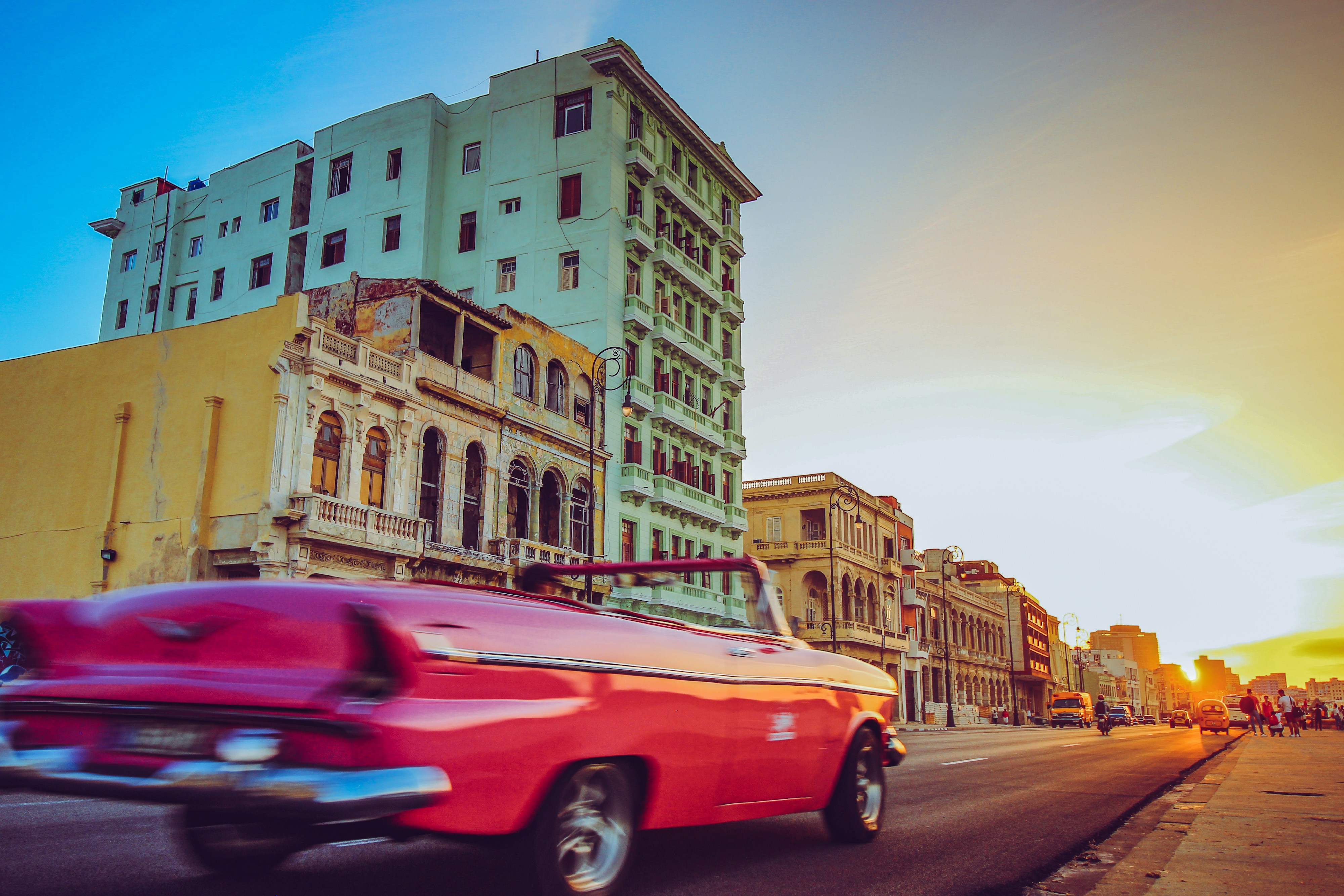
#6Pastel colonial facades line the streets of Old Havana, many crumbling in ways that somehow add to the city's atmosphere rather than detract from it.
Vintage American cars from before the 1959 revolution, kept alive through decades of improvised repairs, still work as everyday taxis along the seafront Malecon.
Live salsa and son music spills from bars most nights.
How does it rate
CrowdsRomanceCash RequiredDangerAccessibilityWhy you should go
1950s American cars still working as everyday taxis along a crumbling, colourful seafront.
Why you shouldn't go
Havana's infrastructure genuinely struggles - expect power cuts, patchy internet and limited supplies.
Plan your visit
Best time to visitNovember-April, the dry season.Best time of daySunset along the Malecon, when the sea wall fills with locals and the light turns golden.Getting thereFly into Jose Marti International Airport; Old Havana is walkable from most central hotels.Entry costFree to walk; classic car tours and museums charge separately, often in cash only.Time needed2-3 daysInsider tip — Book a vintage convertible car tour along the Malecon at sunset - it's a cliche for a reason and genuinely delivers the classic Havana photo. -
 #781 /100
Guanajuato is a former silver-mining city built into a ravine, its brightly painted houses stacked up impossibly steep hillsides and connected by a maze of underground tunnels and narrow alleys.
The centre is a UNESCO World Heritage site of baroque churches and plazas, and the Callejón del Beso — an alley so narrow that neighbouring balconies almost touch — draws crowds for its star-crossed-lovers legend.
How does it rate
CrowdsRomanceCash RequiredDangerAccessibilityWhy you should go
The view from the Pípila monument at dusk, with the whole hillside city lit up below, is one of Mexico's best skylines.
Why you shouldn't go
The steep alleys and stairs throughout the city are hard going for anyone with mobility issues.
Plan your visit
Best time to visitOctober, for the Cervantino arts festival, or the drier November–April months generally.Best time of dayDusk, when the funicular up to the Pípila monument gets you there for sunset over the city.Getting thereFly to León/Guanajuato airport (Del Bajío); 30-minute drive or shuttle into the city.Entry costFree to explore; funicular and some museums charge a small fee.Time needed1–2 daysInsider tip — Walk (or ride) through the underground Subterráneo tunnels, originally built to divert flood water, now used as traffic roads beneath the city. -
 #8
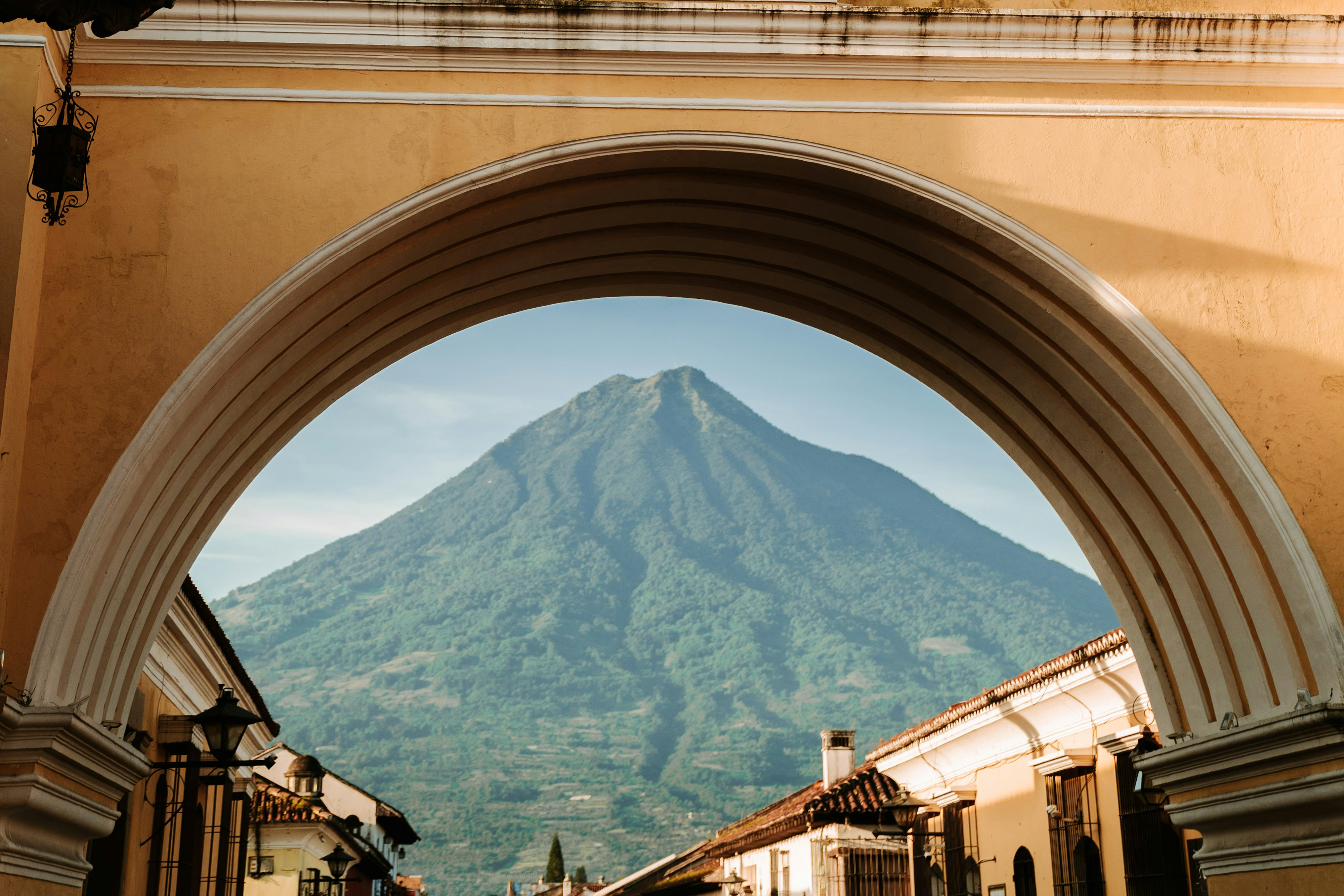
#8Pastel-painted colonial buildings and crumbling Spanish Baroque church ruins fill this former capital, framed on clear days by the smoking cone of Volcan de Fuego.
Cobblestone streets laid out in a strict grid by 16th-century Spanish planners still define the town today.
Climbing a nearby volcano for sunrise, with Antigua's rooftops spread out below, is the classic local excursion.
How does it rate
CrowdsRomanceCash RequiredDangerAccessibilityWhy you should go
A colonial town with an active volcano smoking gently in the background on clear days.
Why you shouldn't go
Volcan de Fuego erupts regularly with ash and lava; check current activity before planning a summit hike nearby.
Plan your visit
Best time to visitNovember-April, the dry season.Best time of dayLate afternoon, for warm light on the colonial facades and church ruins.Getting thereDrive or shuttle from Guatemala City (about 1-1.5 hours).Entry costFree to walk the town; church ruins and volcano hikes charge separate small fees.Time needed2 daysInsider tip — Book the Acatenango or Pacaya volcano sunrise hike a day ahead - spots fill up and the view over Antigua and Fuego from the summit is worth the early start. -
 #980 /100
New Orleans' Mardi Gras builds for weeks through parades run by dozens of krewes, social clubs that design elaborate floats and toss beads, cups and doubloons to crowds along St Charles Avenue and through the French Quarter.
By Fat Tuesday the city is in full costume, with the Krewe of Zulu and Krewe of Rex parades considered the day's centrepiece events.
How does it rate
CrowdsRomanceCash RequiredDangerAccessibilityWhy you should go
Weeks of bead-throwing krewe parades through New Orleans, building to a costumed, citywide Fat Tuesday.
Why you shouldn't go
Bourbon Street gets extremely crowded and rowdy by evening, which won't suit anyone wanting a calmer experience.
Plan your visit
Best time to visitFat Tuesday itself, the day before Ash Wednesday (exact date shifts yearly, with parades starting weeks earlier).Best time of dayMidday, for the Krewe of Rex parade along St Charles Avenue on Fat Tuesday.Getting thereFly into Louis Armstrong New Orleans International Airport, a roughly 20-minute taxi to the French Quarter.Entry costFree to watch parades along public routes.Time neededA full day, or several weeks if following the lead-up parades.Insider tip — Watch parades along St Charles Avenue rather than Bourbon Street for a more family-friendly, less crowded view of the floats. -
 #1080 /100
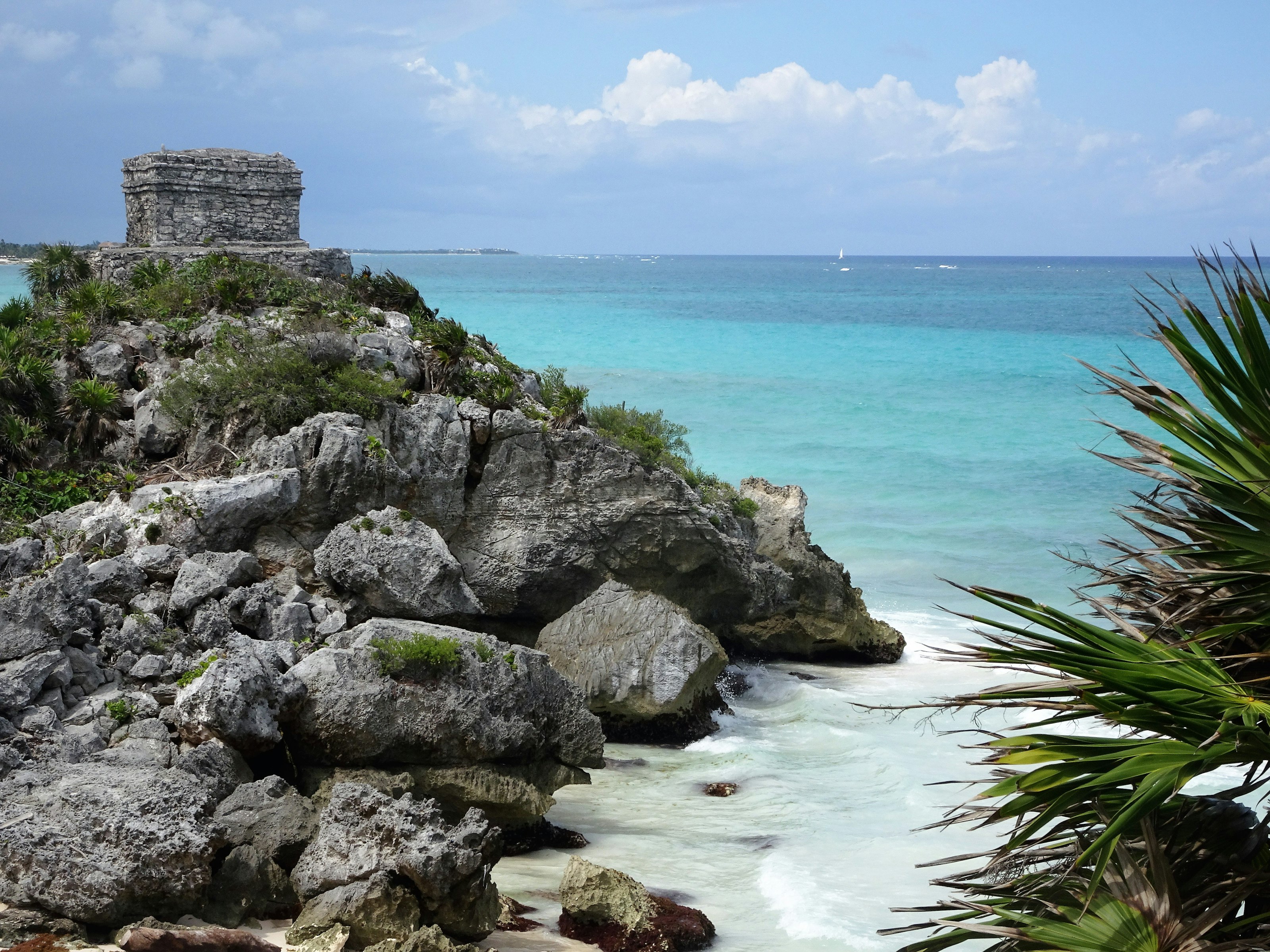
Tulum is the only major Maya city built directly on the coast, its stone temples and watchtowers standing on a low cliff above a beach of white sand and turquoise water.
The site is small compared to Chichén Itzá, but the setting — walled ruins on one side, Caribbean Sea on the other — is unmatched.
Visitors can walk the perimeter path in under an hour, then head down the wooden stairs to swim below the cliffs.
How does it rate
CrowdsRomanceCash RequiredDangerAccessibilityWhy you should go
Nowhere else lets you swim in the Caribbean directly beneath a Maya temple wall.
Why you shouldn't go
It's one of the most crowded ruins in Mexico by mid-morning, with tour buses arriving in a steady stream.
Plan your visit
Best time to visitDecember–April for dry weather, or arrive right at opening to beat the day-trippers.Best time of dayOpening time (8am), before tour groups from Cancún and Playa del Carmen arrive.Getting thereFly to Cancún; 1.5-hour drive or bus south to Tulum town, then a short taxi to the ruins entrance.Entry costPaid entry; parking and shuttle from the visitor centre cost extra.Time needed1–2 hoursInsider tip — Bring swimwear under your clothes — the small beach below the ruins is one of the few places you can swim right at an archaeological site. -
 #11
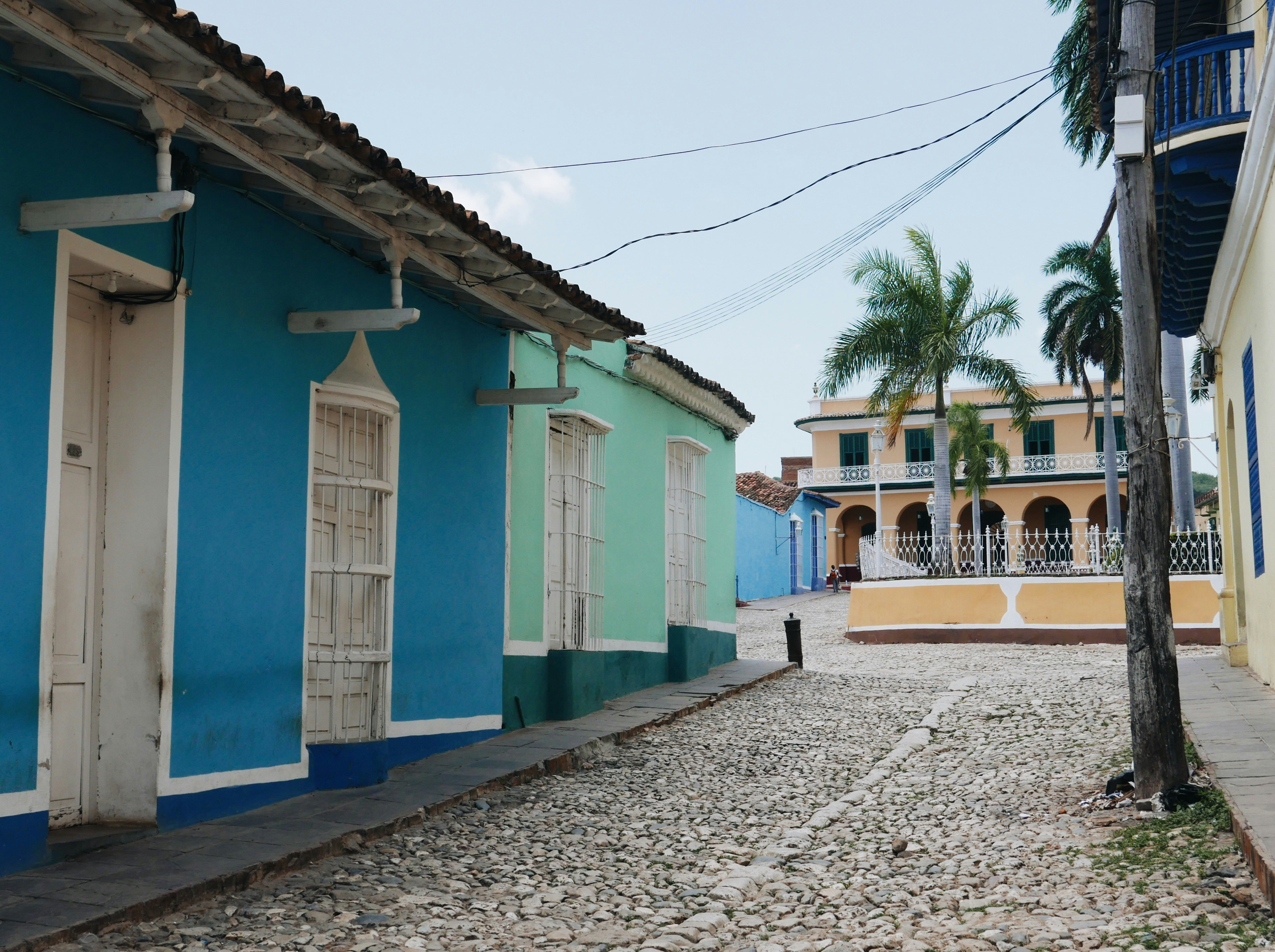
#11Cobblestone streets in this 16th-century sugar-trade town are lined with candy-coloured colonial houses, many still lived in by the families who've owned them for generations.
Vintage American cars from the 1950s, kept running through decades of improvisation, cruise past pastel facades and a crumbling bell tower overlooking the town.
Live music spills from open doorways most evenings.
How does it rate
CrowdsRomanceCash RequiredDangerAccessibilityWhy you should go
A colonial sugar-trade town frozen in pastel colour, with 1950s cars still doing the driving.
Why you shouldn't go
The cobblestones are uneven and genuinely hard on ankles and wheeled luggage alike.
Plan your visit
Best time to visitNovember-April, the dry season.Best time of dayLate afternoon, for warm light on the pastel facades and fewer tour groups.Getting thereDrive or bus from Havana (about 5-6 hours) or fly into nearby Cienfuegos.Entry costFree to walk the town; the bell tower and museums charge small fees.Time needed1-2 daysInsider tip — Climb the Convento de San Francisco bell tower for the best rooftop view over the town's terracotta roofs. -
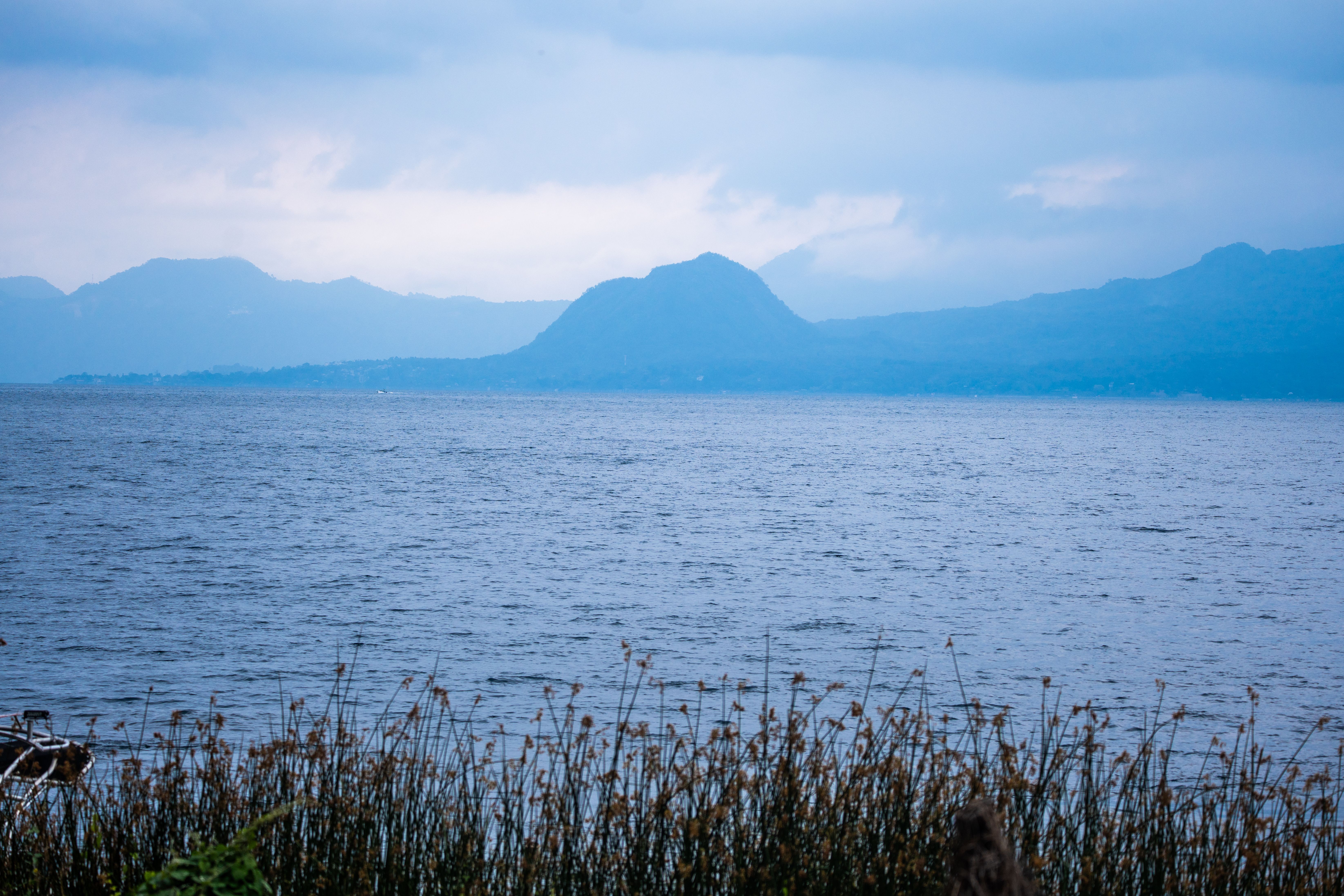 #1279 /100
Ringed by three volcanoes and a dozen distinct Maya villages, each with its own dialect, dress and market traditions, Lake Atitlán fills a volcanic caldera with water famously described by Aldous Huxley as almost too beautiful.
Boats shuttle between lakeside towns like laid-back Panajachel, spiritual San Marcos and traditional Santiago Atitlán, each offering a genuinely different pace and character rather than interchangeable lake stops.
How does it rate
CrowdsRomanceCash RequiredDangerAccessibilityWhy you should go
A volcano-ringed lake surrounded by a dozen distinct Maya villages, each with its own character and traditions.
Why you shouldn't go
Boat schedules between villages are informal and can mean unpredictable waits, especially after dark.
Plan your visit
Best time to visitNovember–April, the dry season, for the clearest volcano views.Best time of dayEarly morning, when the lake is calmest and volcano reflections are sharpest.Getting thereAbout 3 hours' drive from Guatemala City or Antigua to Panajachel, the main lakeside hub.Entry costFree to visit; boat taxis between villages typically Q10-25 (~€1-3) each.Time needed2–4 days.Insider tip — Base yourself in a quieter village like San Marcos or San Pedro rather than busier Panajachel, and boat into Pana only for supplies or connections. -
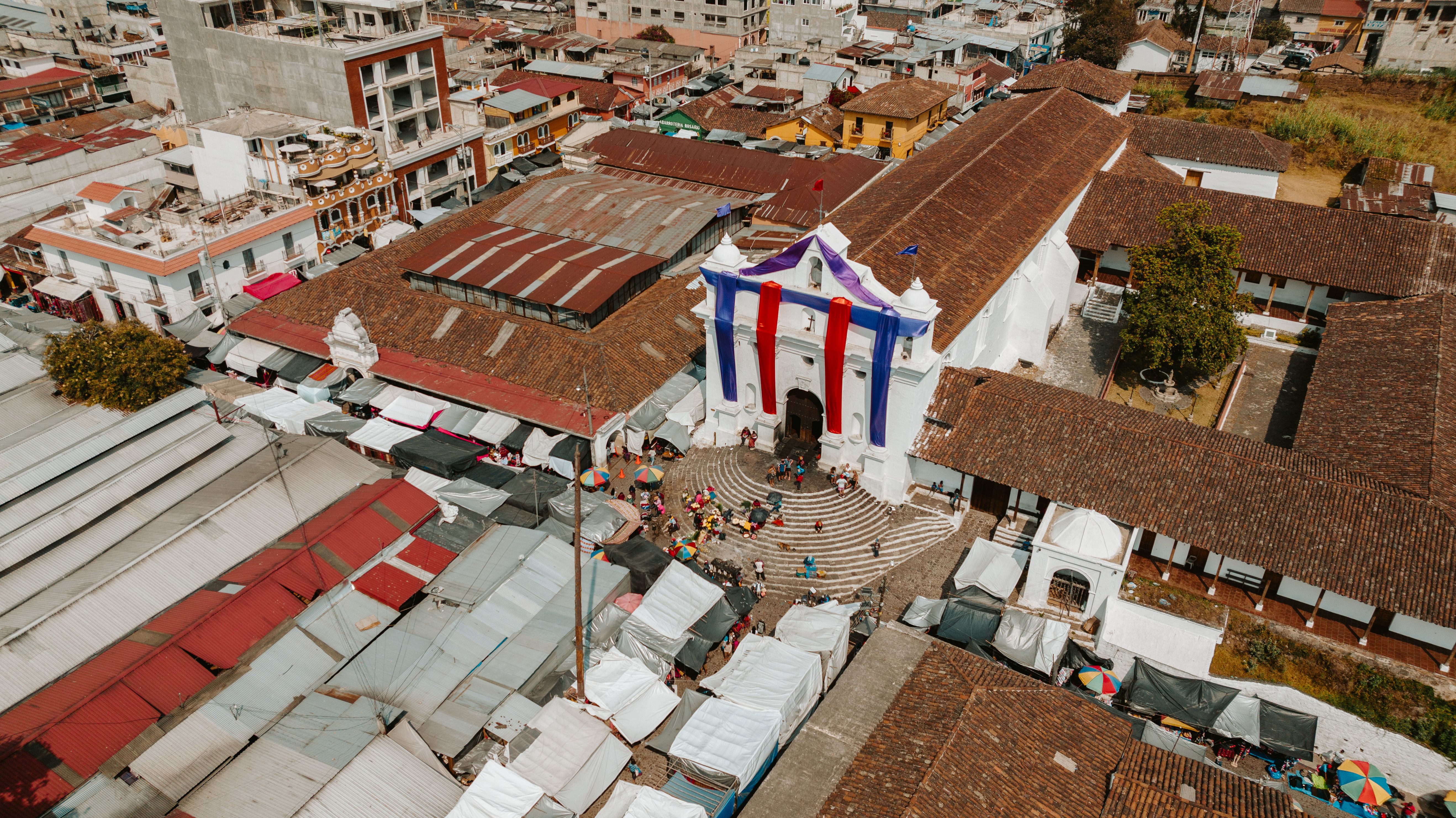 #1371 /100
Twice a week, the highland town of Chichicastenango fills with Maya K'iche' vendors from surrounding villages selling hand-woven textiles, wooden masks and pottery in one of Central America's most vividly colourful markets.
The steps of Santo Tomas church, where Maya rituals still take place alongside Catholic worship, form the market's unofficial centrepiece.
How does it rate
CrowdsRomanceCash RequiredDangerAccessibilityWhy you should go
A highland Maya textile market held twice weekly on the steps of a colonial church still used for indigenous ritual.
Why you shouldn't go
The town's mountain roads and altitude make it a genuine day trip from Guatemala City or Antigua, not a quick stop.
Plan your visit
Best time to visitThursday or Sunday, the market's only two trading days.Best time of dayMid-morning, once vendors are fully set up but before tour buses arrive.Getting thereDrive or take a shuttle roughly 2.5-3 hours from Guatemala City or Antigua.Entry costFree to browse; textiles and crafts are negotiable, typically GTQ50-300.Time needed2-4 hours.Insider tip — Watch (respectfully, without photographing up close) the Maya rituals on Santo Tomas church's steps rather than just browsing the stalls below them. -
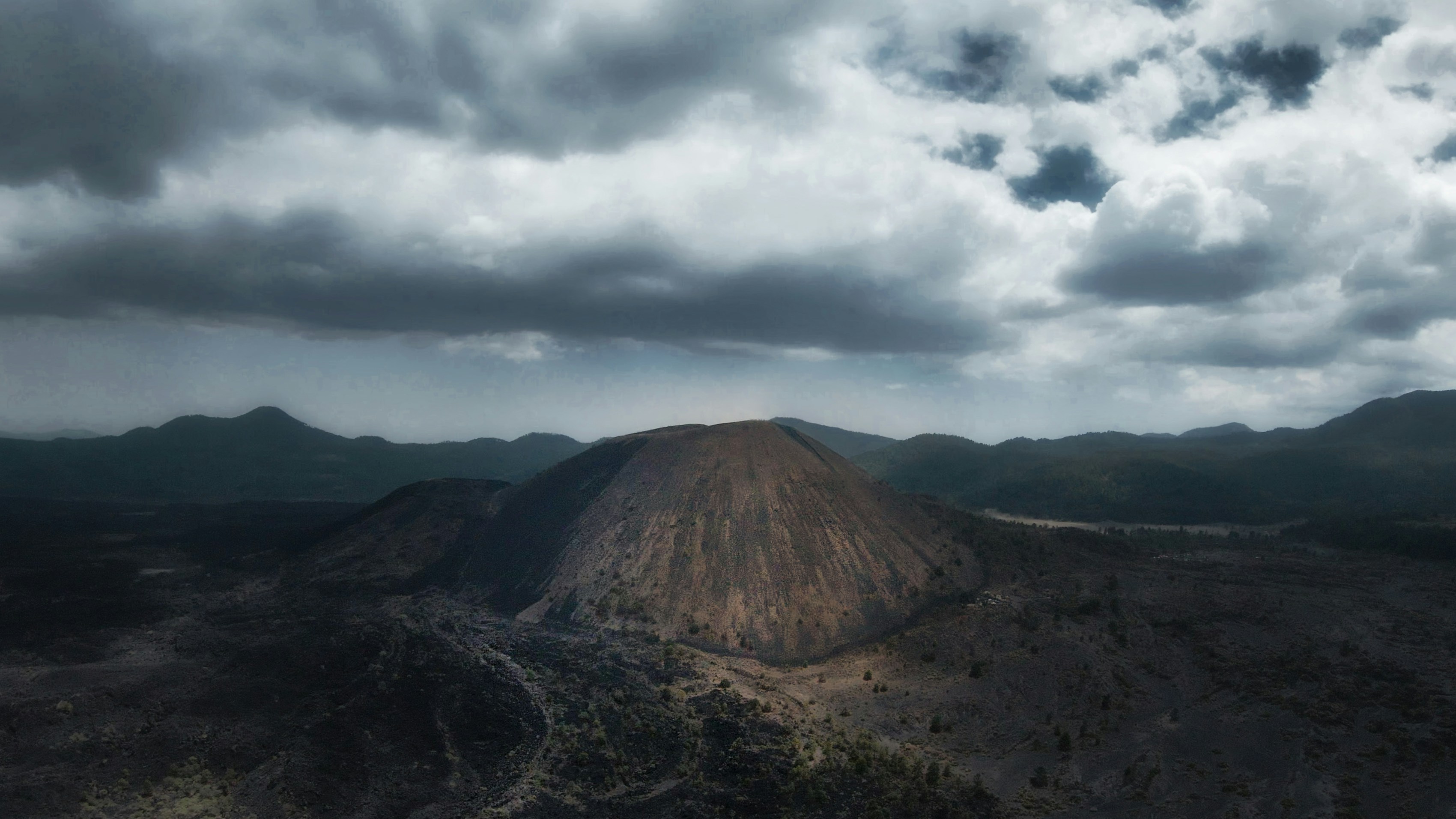 #1468 /100
A cinder cone volcano that famously erupted from a level cornfield in 1943, growing to over 400 metres within a decade and burying two villages under lava - one of the few volcanoes in the world whose entire life cycle has been documented from birth.
The half-buried bell tower of San Juan Parangaricutiro's church still protrudes from the hardened lava field, an eerie, singular sight.
Horseback rides across the black lava field to the church ruins, followed by a hike up the cinder cone itself, make for a genuinely unusual full day out.
How does it rate
CrowdsRomanceCash RequiredDangerAccessibilityWhy you should go
The only volcano whose entire birth and growth was scientifically documented - and a church tower still rising from its lava field.
Why you shouldn't go
It's a fairly remote day trip from Mexico City or Guadalajara, and the summit hike across loose cinder is tiring.
Plan your visit
Best time to visitNovember-April (dry season) for firmer trail conditions.Best time of dayMorning, to allow a full day for the horseback ride and cinder-cone hike combined.Getting thereA 3.5-4 hour drive from Guadalajara or Morelia to the town of Angahuan, the main trailhead.Entry costHorse rental and guide typically cost around 400-600 MXN per person.Time neededA full day.Insider tip — Hire a local Purepecha guide in Angahuan rather than booking ahead online - it directly supports the community whose ancestors were displaced by the eruption. -
 #15
#15Rated #15 of 20
Jacob's Pillow Dance Festival, the United States
#jacob'spillowdancefestival ◆ Performing Arts Festivals68 /100Tucked into the Berkshire hills of Massachusetts, Jacob's Pillow has hosted a summer dance festival on the same rural farmstead since 1933, making it the longest-running dance festival in the United States.
Companies spanning ballet, contemporary, and world dance perform across an intimate wooden theatre and outdoor stages, with free daily talks and showings that make top-tier dance accessible without a ticket.
How does it rate
CrowdsRomanceCash RequiredDangerAccessibilityWhy you should go
The longest-running dance festival in the US, staging ballet and contemporary companies on a rural Massachusetts farmstead since 1933.
Why you shouldn't go
The rural Berkshires location means a car is effectively required; there's no practical way to reach it by public transport.
Plan your visit
Best time to visitTen weeks from June through August.Best time of dayEvening for ticketed main-stage performances; daytime for free talks and showings.Getting thereFly into Albany or Hartford, then a rental car roughly 1-1.5 hours to Becket, Massachusetts.Entry costTicketed performances run roughly USD40-90; many daytime events are free.Time neededA day or two to see a performance and explore the grounds.BookingBook ahead →Insider tip — Show up for the free outdoor Inside/Out performances even without a main-stage ticket - the quality rivals the paid programme. -
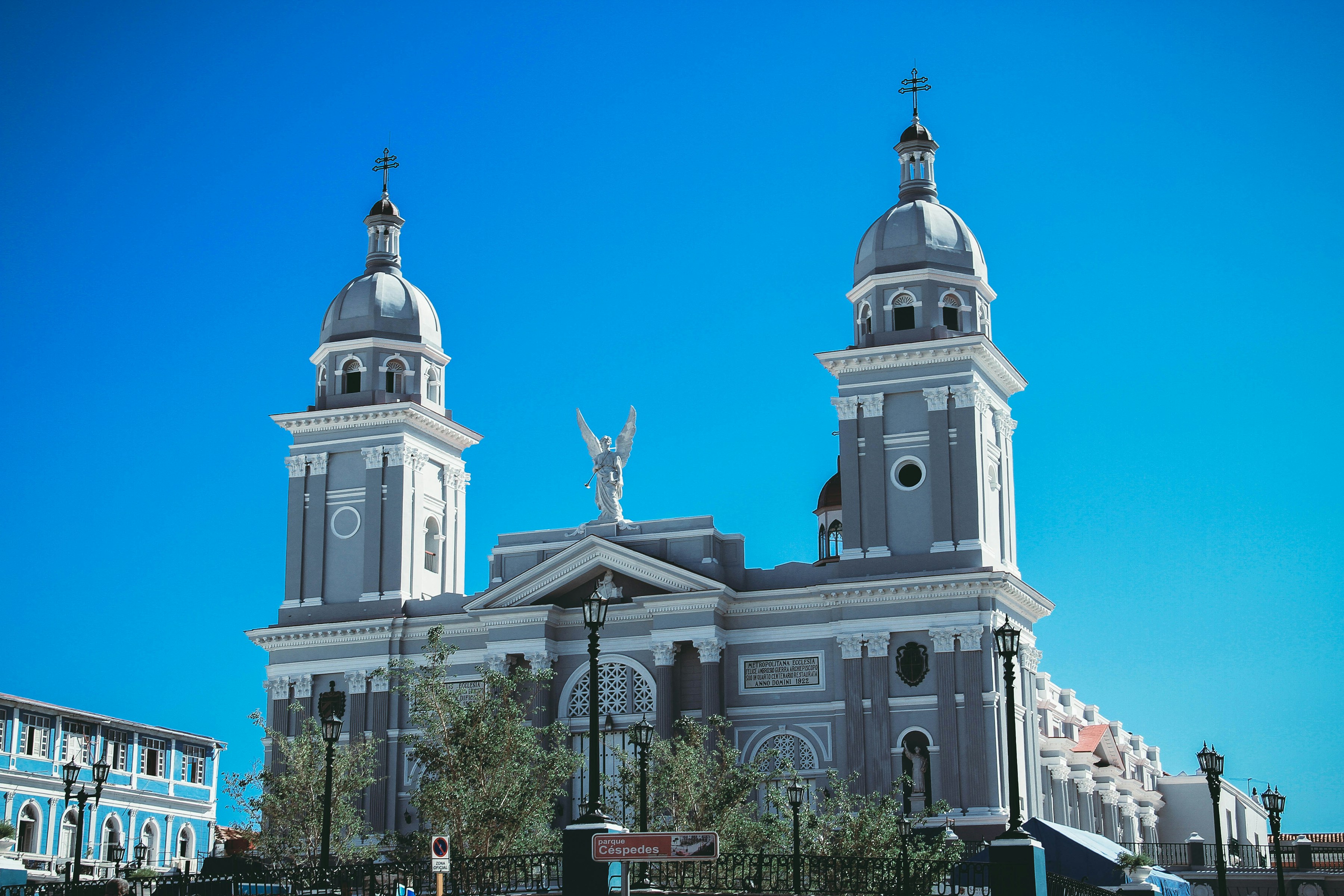 #1664 /100
Cuba's second city and historic revolutionary heartland has a distinctly different feel from Havana — hillier, hotter, and steeped in Afro-Cuban culture that shows up in its music, religion and the country's biggest Carnival celebration each July.
Landmarks include the Moncada Barracks, site of Castro's failed 1953 attack that kicked off the revolution, and the hilltop Castillo del Morro fortress guarding the harbor mouth.
How does it rate
CrowdsRomanceCash RequiredDangerAccessibilityWhy you should go
Cuba's Afro-Caribbean cultural heartland, with revolutionary history and the country's biggest Carnival.
Why you shouldn't go
Tourist infrastructure and restoration are noticeably less polished here than in Havana or Trinidad.
Plan your visit
Best time to visitNovember–April for cooler, drier weather; late July for Carnival, though it's intensely crowded.Best time of dayEvening for live music in Casa de la Trova, the city's historic music venue.Getting thereFly directly to Santiago, or a long overnight bus or train from Havana (around 12-15 hours).Entry costFree to walk; Moncada Barracks museum entry a few CUC/USD equivalent.Time needed2 days.Insider tip — Visit Casa de la Trova in the evening rather than during the day — a genuine, unstaged live-music venue at night, quiet and touristy by day. -
 #1763 /100
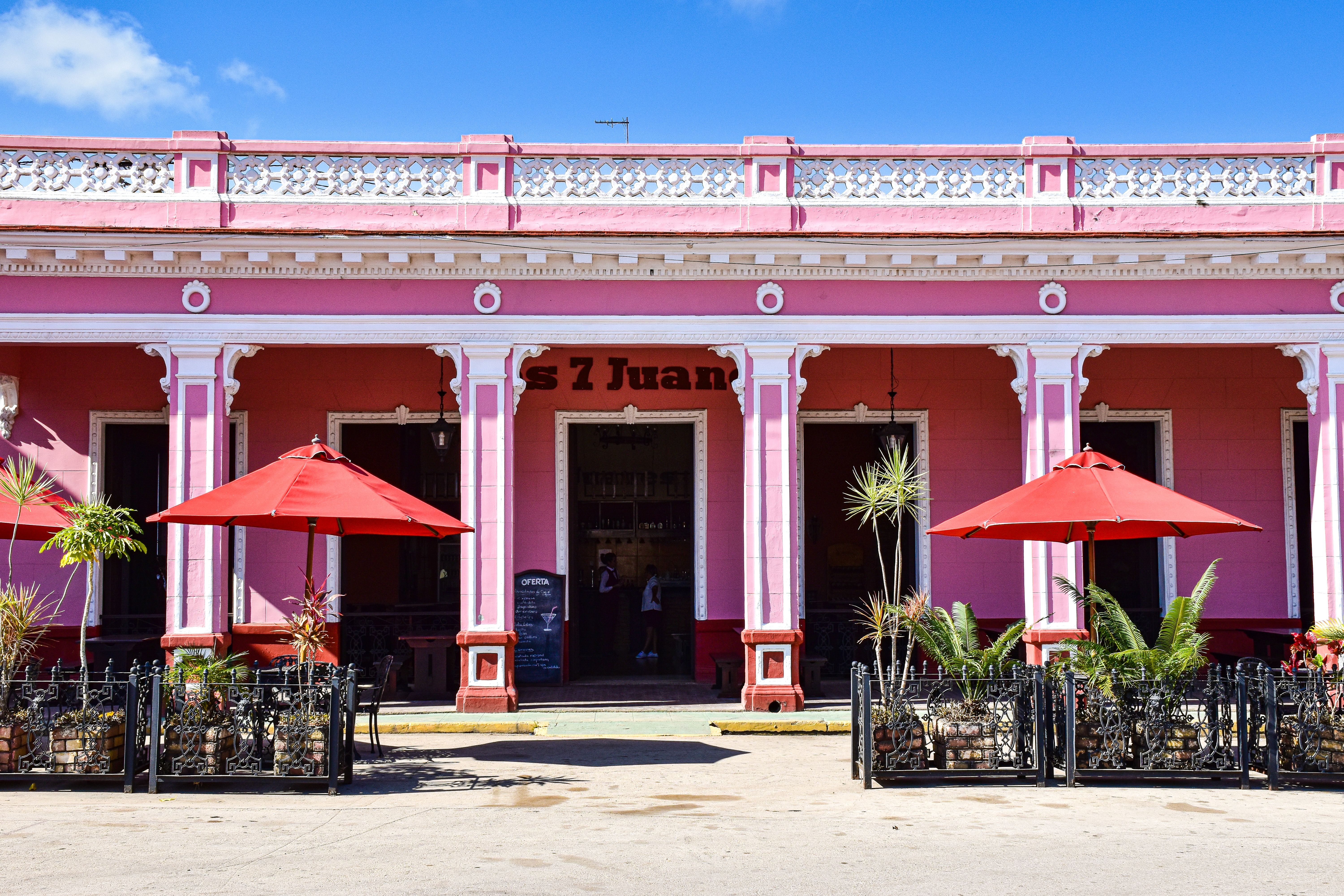
One of Cuba's oldest towns, founded in the 1500s, Remedios is a pocket-sized colonial gem that sees a fraction of the visitors that flock to Trinidad.
Pastel-painted arcaded buildings ring a central plaza dominated by two churches, including one with an extraordinary gilded baroque altar.
Its quiet daily calm gives no hint that it hosts Las Parrandas, one of Cuba's wildest festivals, every Christmas Eve.
How does it rate
CrowdsRomanceCash RequiredDangerAccessibilityWhy you should go
One of Cuba's oldest colonial towns, with a stunning gilded church interior and a fraction of Trinidad's crowds.
Why you shouldn't go
Outside of Las Parrandas in December, the town is very quiet, with limited evening dining options.
Plan your visit
Best time to visitDecember for Las Parrandas festival, or November–April for comfortable daytime weather.Best time of dayLate afternoon, when the light on the pastel facades around the plaza is best.Getting thereAbout 45 minutes by road from Santa Clara, or 3.5 hours from Havana.Entry costFree to walk; small entry fee for the main church's gilded altar.Time neededHalf a day.Insider tip — Ask locally about visiting in early December — the parranda rehearsals build for weeks before the main event and are worth catching even off-season. -
 #1862 /100
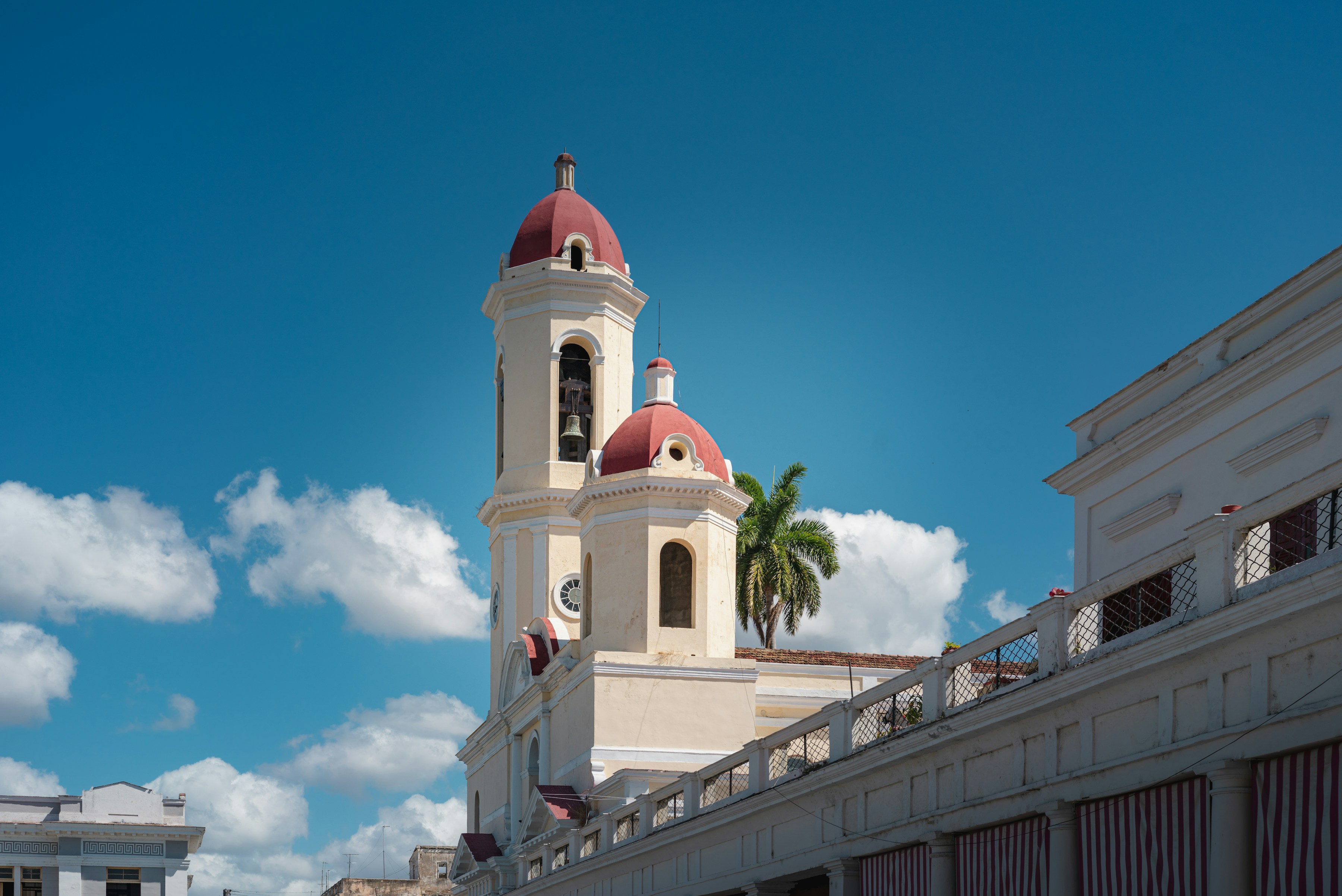
Founded by French settlers rather than the Spanish, Cienfuegos carries a distinctly different architectural character from the rest of Cuba, its neoclassical Parque José Martí and grand Tomás Terry Theatre earning it the nickname 'Pearl of the South' and UNESCO status.
Set on a wide, protected bay, the city has a more orderly, less weathered feel than Havana's crumbling grandeur, with a genuinely pleasant waterfront Malecón for evening walks.
How does it rate
CrowdsRomanceCash RequiredDangerAccessibilityWhy you should go
Cuba's most orderly, French-influenced colonial city, set on a scenic protected bay.
Why you shouldn't go
It has fewer standout individual attractions than Havana or Trinidad — the appeal is mostly architectural and atmospheric.
Plan your visit
Best time to visitNovember–April, the dry season.Best time of dayEvening along the Malecón, when the bay-front promenade is at its most relaxed.Getting thereAbout 3.5 hours' drive from Havana, or 1.5 hours from Trinidad.Entry costFree to walk; Tomás Terry Theatre entry a small fee.Time needed1 day.Insider tip — Catch a performance at the Tomás Terry Theatre if the schedule allows — one of Cuba's most beautiful 19th-century theaters and rarely crowded. -
 #1962 /100
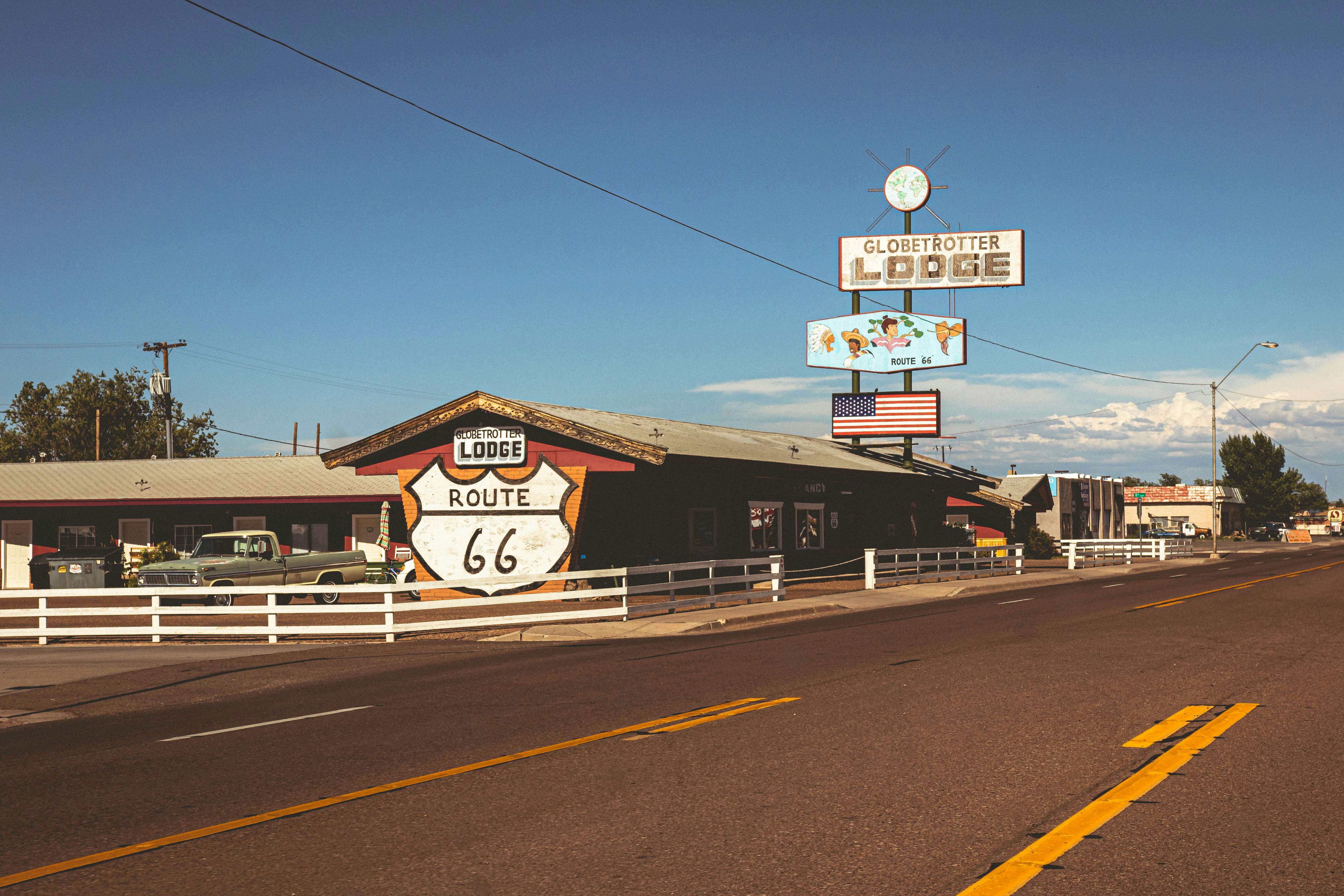
Route 66 is America's original cross-country highway, and its Arizona stretch preserves the longest unbroken original section still open to traffic.
Neon-lit diners, vintage motor courts, and hand-painted signs line the road through Seligman, Kingman, and Oatman, where wild burros wander the main street.
The 191-bend Oatman Highway climbs through the Black Mountains into the Mojave Desert - a rolling time capsule of mid-century road culture.
How does it rate
CrowdsRomanceCash RequiredDangerAccessibilityWhy you should go
A rolling time capsule of neon diners, vintage motels and small towns that built the American road-trip myth.
Why you shouldn't go
Long, flat and repetitive between towns; the nostalgia is the main draw, not the scenery.
Plan your visit
Best time to visitApril-June or September-October, avoiding August's 100°F+ heat and monsoon flash floods.Best time of dayLate afternoon, when low light warms the desert and neon signs start switching on.Getting thereFly into Phoenix or Las Vegas, then drive to Kingman or Topock to pick up the historic alignment.Entry costFree; just fuel, food and motels along the wayTime needed3-7 daysBookingBook ahead →Insider tip — Stop in Seligman, the town credited with saving Route 66, and time Oatman for midday to see the wild burros on Main Street. -
 #20
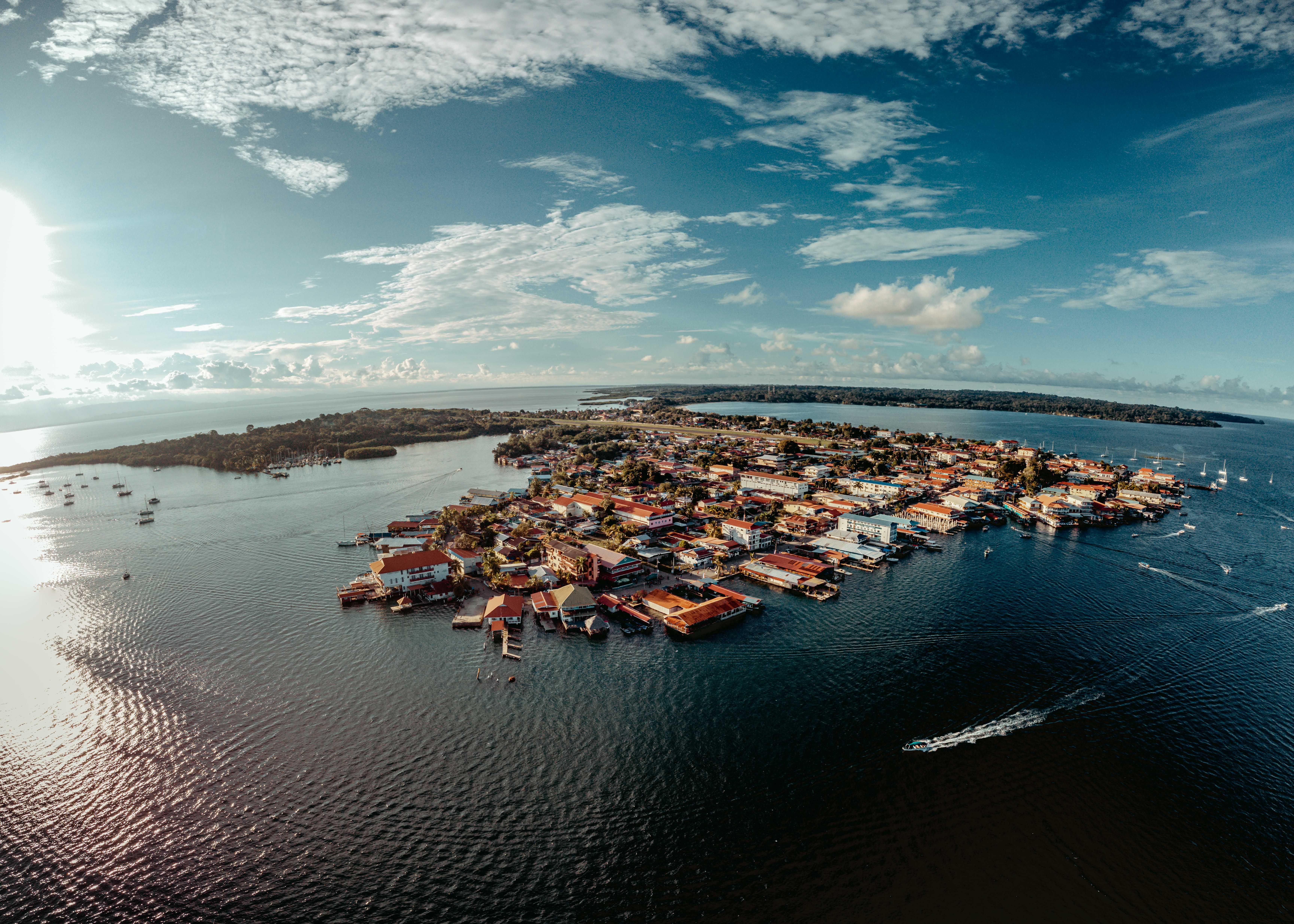
#20A small colorful island town connected to the mainland by a short causeway, Flores serves as the main gateway to Tikal but has enough charm — cobbled streets, lakeside cafés, pastel buildings — to justify a night or two beyond being a transit stop.
Built on the site of the last independent Maya kingdom to fall to conquest, in 1697, it sits on Lake Petén Itzá, where sunset boat rides round out a low-key stay before or after the ruins.
How does it rate
CrowdsRomanceCash RequiredDangerAccessibilityWhy you should go
A charming lake island town, and the natural, laid-back base for visiting Tikal.
Why you shouldn't go
Its own sights are limited — most visitors treat it as a gateway rather than a destination in itself.
Plan your visit
Best time to visitNovember–April, the dry season.Best time of daySunset boat ride on Lake Petén Itzá, looking back at the town's colorful skyline.Getting thereFly directly to Flores/Santa Elena airport, or a long bus ride from Guatemala City (about 8-10 hours).Entry costFree to walk the town; boat rides typically Q20-40 (~€2.50-5).Time needed1–2 days.Insider tip — Stay a night in Flores before an early Tikal departure, then return for one more relaxed night after — splitting the visit beats a rushed round trip.


More from North America
-
More Cultural spots
-
How a score is built
One score out of 100, five criteria behind it
Every place is rated 1–5 on each of the criteria below, then combined into a single score out of 100. It's calculated by us, the same way every time — not an average of traveller reviews or social votes.
Crowds
How many people you'll be sharing it with, and at what time of day.
Romance
How well it suits a couple, a proposal, or a quiet moment together.
Cash required
Entry fees, permits, guides, rentals — what it actually costs to do it.
Danger
Physical risk involved, from a slippery viewpoint to genuine hazard.
Accessibility
How far off the beaten path it is, and how hard it is to actually reach.


