-
 #197 /100
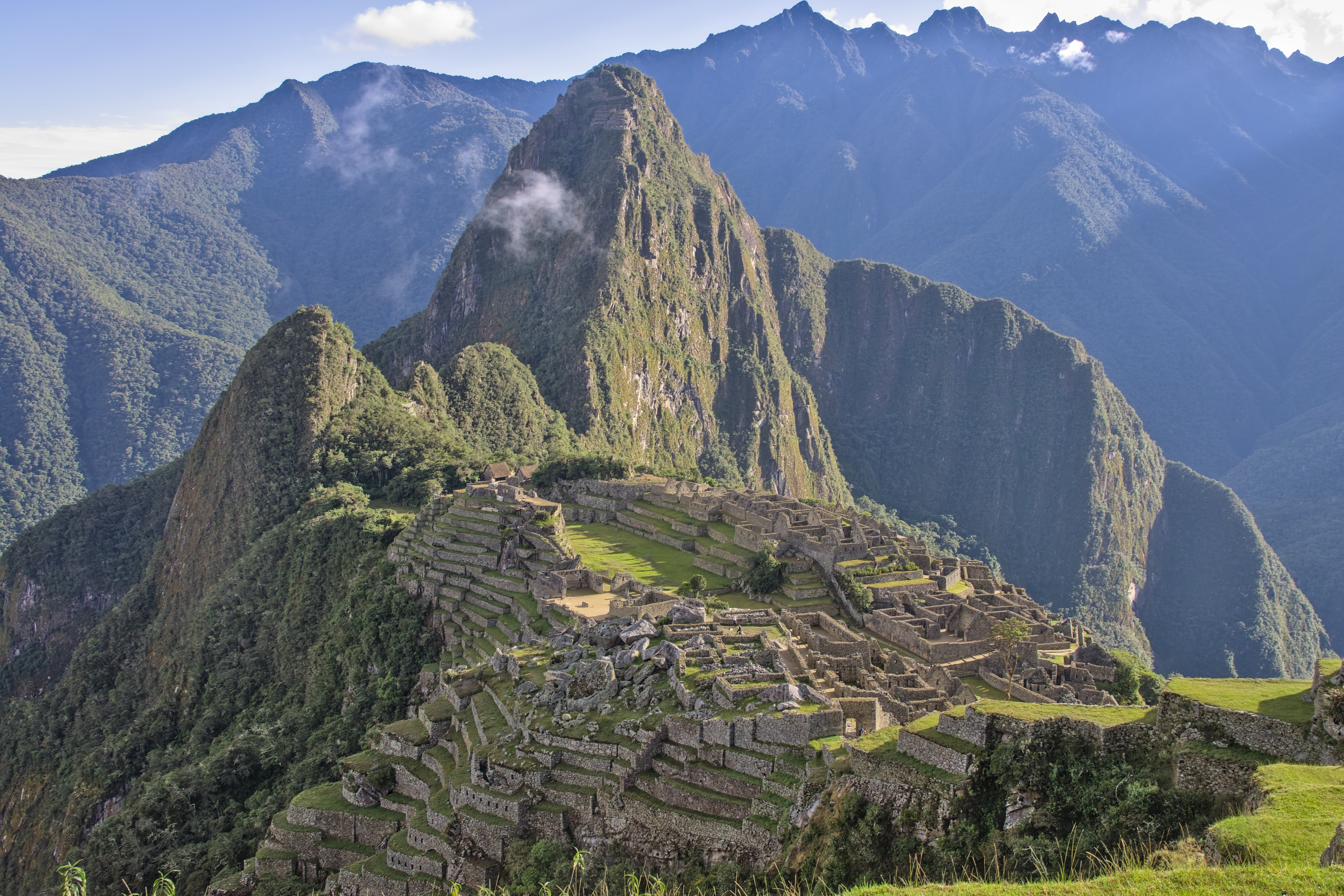
Machu Picchu is the 15th-century Inca citadel set high in the Andes at 2,430 metres, concealed from the Spanish conquistadors and unknown to the outside world until Hiram Bingham III's expedition in 1911.
Its stone temples, terraced agricultural land, and mountain setting create one of the world's most atmospheric ancient sites.
How does it rate
CrowdsRomanceCash RequiredDangerAccessibilityWhy you should go
The combination of Inca architecture, cloud-draped mountain peaks, and the sense of discovery make Machu Picchu one of the world's most emotionally resonant ancient sites.
Why you shouldn't go
Visitor numbers are restricted and permits for the classic Inca Trail must be booked months in advance; altitude sickness affects many visitors at this elevation.
Plan your visit
Best time to visitMay-September (dry season)Best time of daySunrise, when clouds often part dramatically over the ruinsGetting thereTrain to Aguas Calientes, then bus up to the siteEntry cost~$45-80 depending on route/circuitTime neededHalf dayInsider tip — Book tickets months ahead as daily visitor numbers are strictly limited; the Sun Gate hike gives the classic elevated view -
 #288 /100
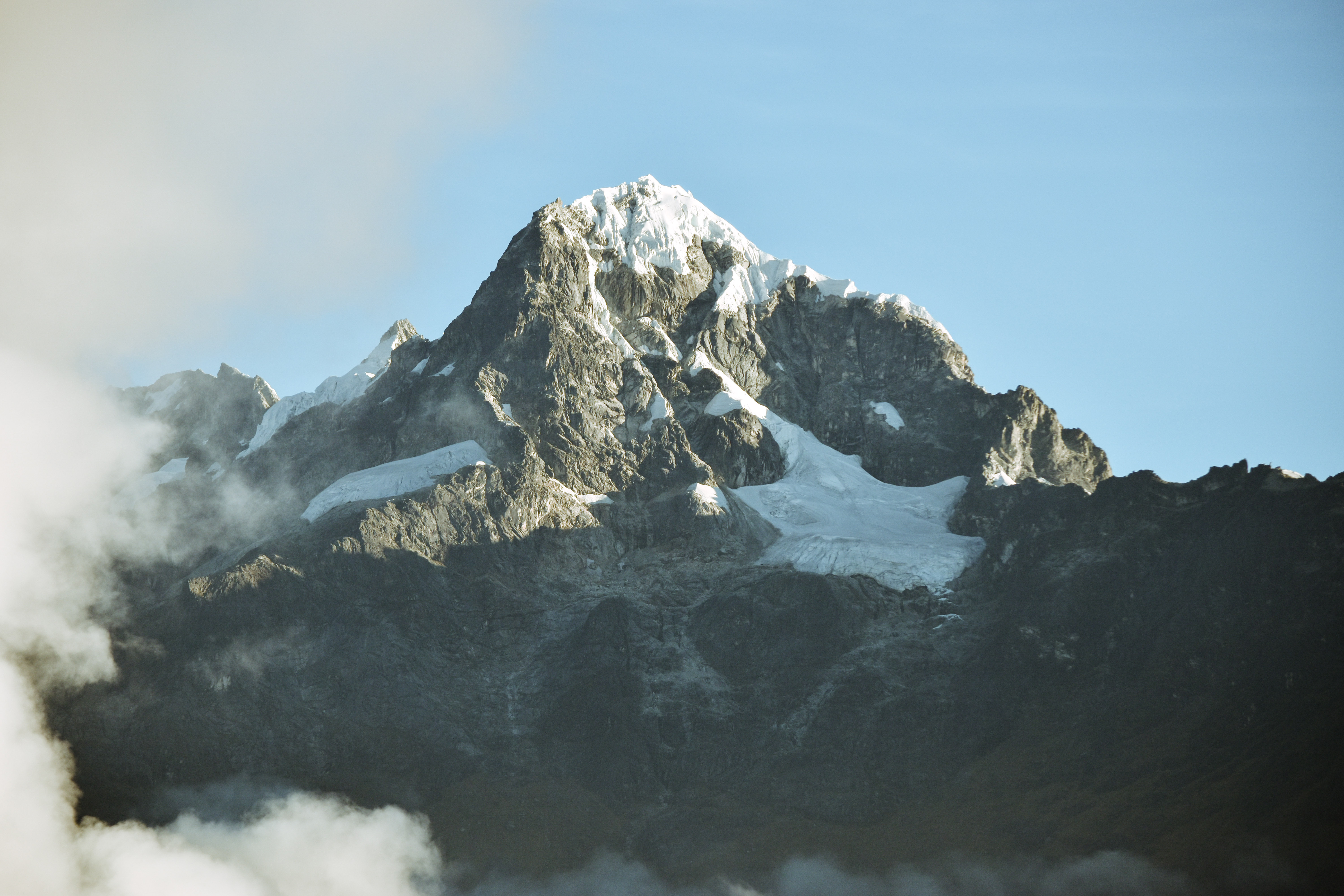
A four-day trek along Inca-built stone steps, climbing over the 4,215m Dead Woman's Pass and threading cloud forest to reach ruins at Sayacmarca and Winay Wayna.
The final pre-dawn push through the Sun Gate delivers the classic first view of Machu Picchu below.
Campsites sit on terraced mountainsides ringed by snow-streaked Andean peaks.
Permits are capped at 500 a day, and a guide is mandatory.
How does it rate
CrowdsRomanceCash RequiredDangerAccessibilityWhy you should go
Arriving at the Sun Gate at sunrise for the first, unobstructed view of Machu Picchu below.
Why you shouldn't go
Permits sell out months ahead and a licensed guide is mandatory - no independent hiking allowed.
Plan your visit
Best time to visitMay-September (dry season); the trail closes every February for maintenance.Best time of dayPre-dawn start on day four to reach the Sun Gate at sunrise, before crowds arrive.Getting thereFly to Cusco; drive or train to the Km 82 trailhead via Ollantaytambo, about 2-3 hours away.Entry costFrom about $600-900 for a guided 4-day package (permit, guide, camping included).Time needed4 days / 3 nightsInsider tip — Book with a licensed operator 5-6 months ahead for June-August; permits are tied to your passport number and are non-transferable. -
 #388 /100
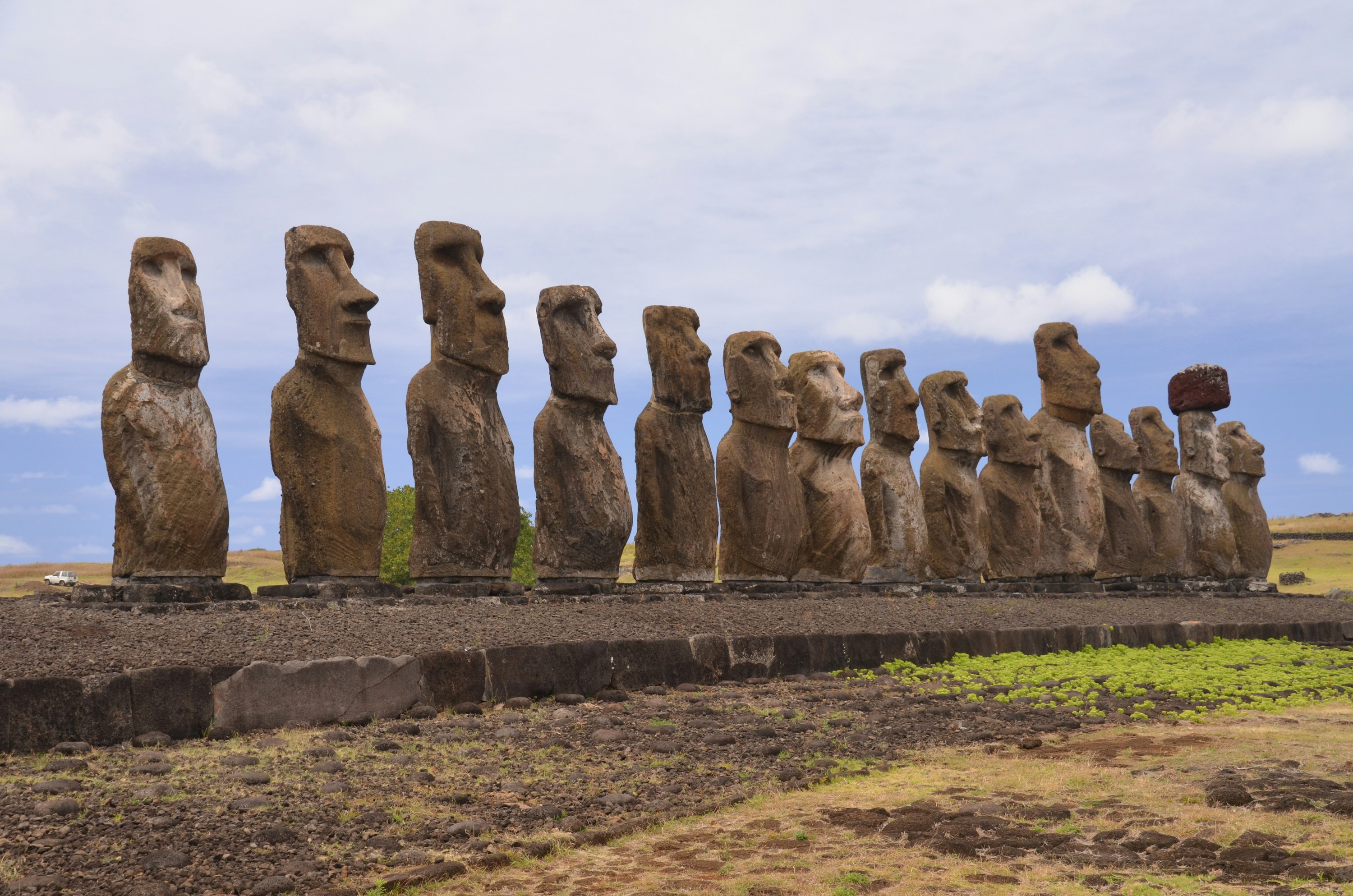
Roughly 900 moai, the monumental stone figures carved by the Rapa Nui between the 13th and 16th centuries, are scattered across this small volcanic island 3,700km from mainland Chile.
The best-known cluster, fifteen restored moai at Ahu Tongariki, catches the sunrise directly behind it.
Elsewhere, the Rano Raraku quarry has dozens of unfinished statues still half-buried in the hillside where their carvers left them.
How does it rate
CrowdsRomanceCash RequiredDangerAccessibilityWhy you should go
Hundreds of monumental stone figures scattered across a landscape found nowhere else on Earth.
Why you shouldn't go
Getting there costs a small fortune and eats up two travel days each way for what's usually a 3-4 day stay.
Plan your visit
Best time to visitYear-round, mild climate; December-March is driest and warmest.Best time of daySunrise at Ahu Tongariki, when the fifteen moai are lit from behind.Getting thereFly to Mataveri Airport (IPC) from Santiago, about 5 hours; only a handful of flights operate each week.Entry costRapa Nui National Park pass ~US$80, valid 10 daysTime needed3-4 daysInsider tip — Hire a local guide for at least one day - many lesser-known ahu and petroglyph sites are unmarked and easy to walk straight past without one. -
 #487 /100
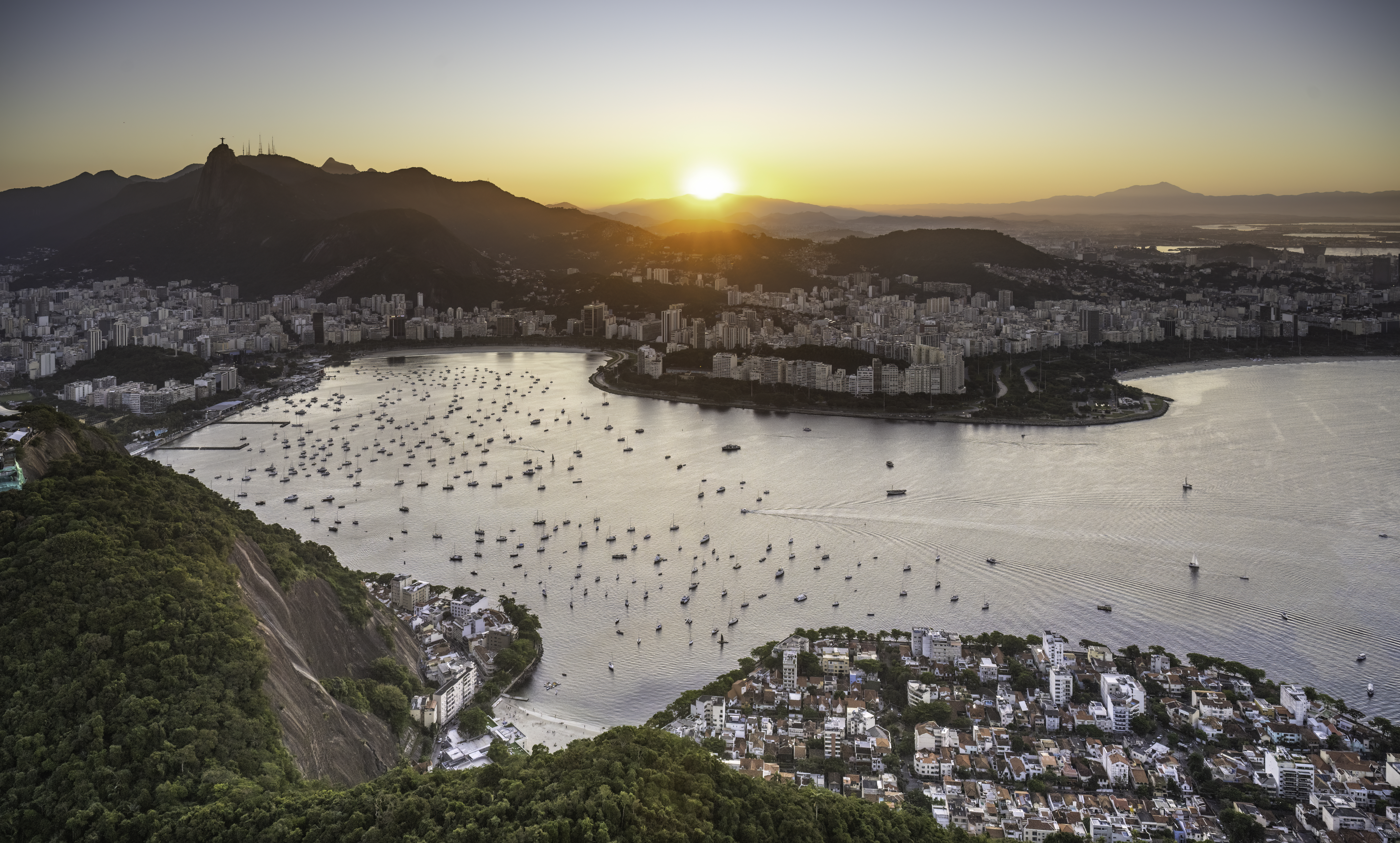
Christ the Redeemer spreads its arms 38 metres wide above Rio from the 700-metre summit of Corcovado, and no statue on Earth has a better backdrop: Sugarloaf, Guanabara Bay and miles of beach-fringed city far below.
The Art Deco figure is impressive up close, but it's the view, in both directions, that makes the trip unmissable.
How does it rate
CrowdsRomanceCash RequiredDangerAccessibilityWhy you should go
The panorama over Rio from the statue's feet is among the world's great city views.
Why you shouldn't go
Clouds regularly swallow the summit, and the platform is shoulder-to-shoulder by late morning.
Plan your visit
Best time to visitMay-October, Rio's drier months, on a clear-forecast dayBest time of dayFirst train up (8am) for soft light and thin crowdsGetting thereCog train or official van from Copacabana or Paineiras to the summitEntry costTrain and entry roughly R$100Time neededHalf a dayInsider tip — Check the summit webcam before committing - if Corcovado is in cloud, flip your day and do Sugarloaf instead -
 #586 /100
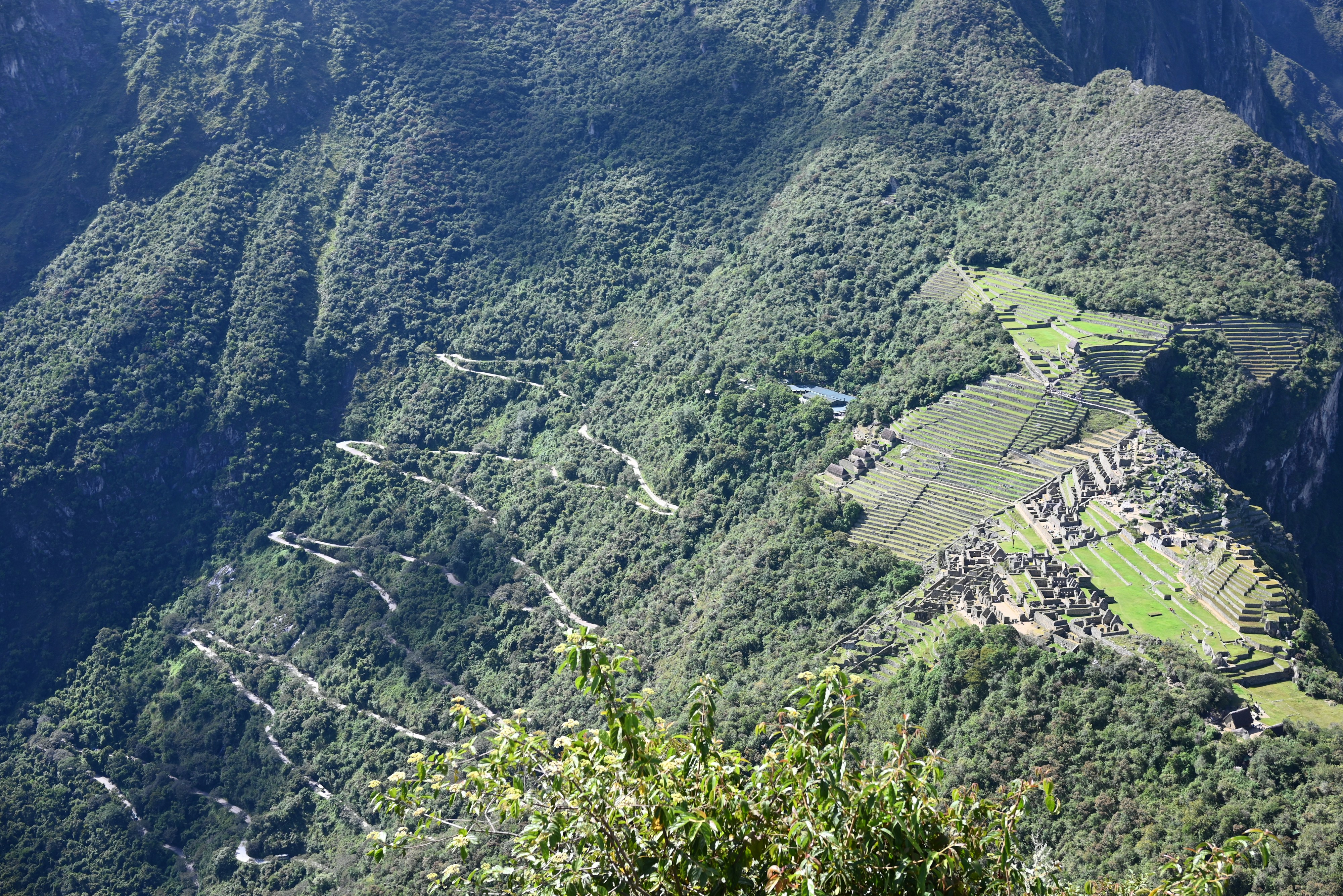
The steep peak rising behind Machu Picchu is a climbable mountain in its own right, with narrow Inca-built stone steps switchbacking up its face.
From the summit the entire citadel unfolds below, terraces and all, with the Urubamba river winding through the valley beyond.
Only 200 permits are issued per morning slot, which keeps the trail genuinely uncrowded but means booking months ahead.
How does it rate
CrowdsRomanceCash RequiredDangerAccessibilityWhy you should go
The exact aerial angle over Machu Picchu that appears on every postcard, reached on foot.
Why you shouldn't go
The stone steps are narrow, steep and exposed - not a casual walk, and permits are strictly limited.
Plan your visit
Best time to visitMay-September, the dry season, for clear views over the citadel.Best time of dayFirst entry slot, 7am, for the clearest light and thinnest crowds.Getting thereTrain or trek to Aguas Calientes, then bus up to Machu Picchu; Huayna Picchu tickets are a separate add-on.Entry costRequires a separate Huayna Picchu permit on top of the Machu Picchu ticket, booked months ahead.Time needed2-3 hours for the climbBookingBook ahead →Insider tip — Book Huayna Picchu tickets 3-4 months in advance - the 200 morning permits sell out first. -
 #6
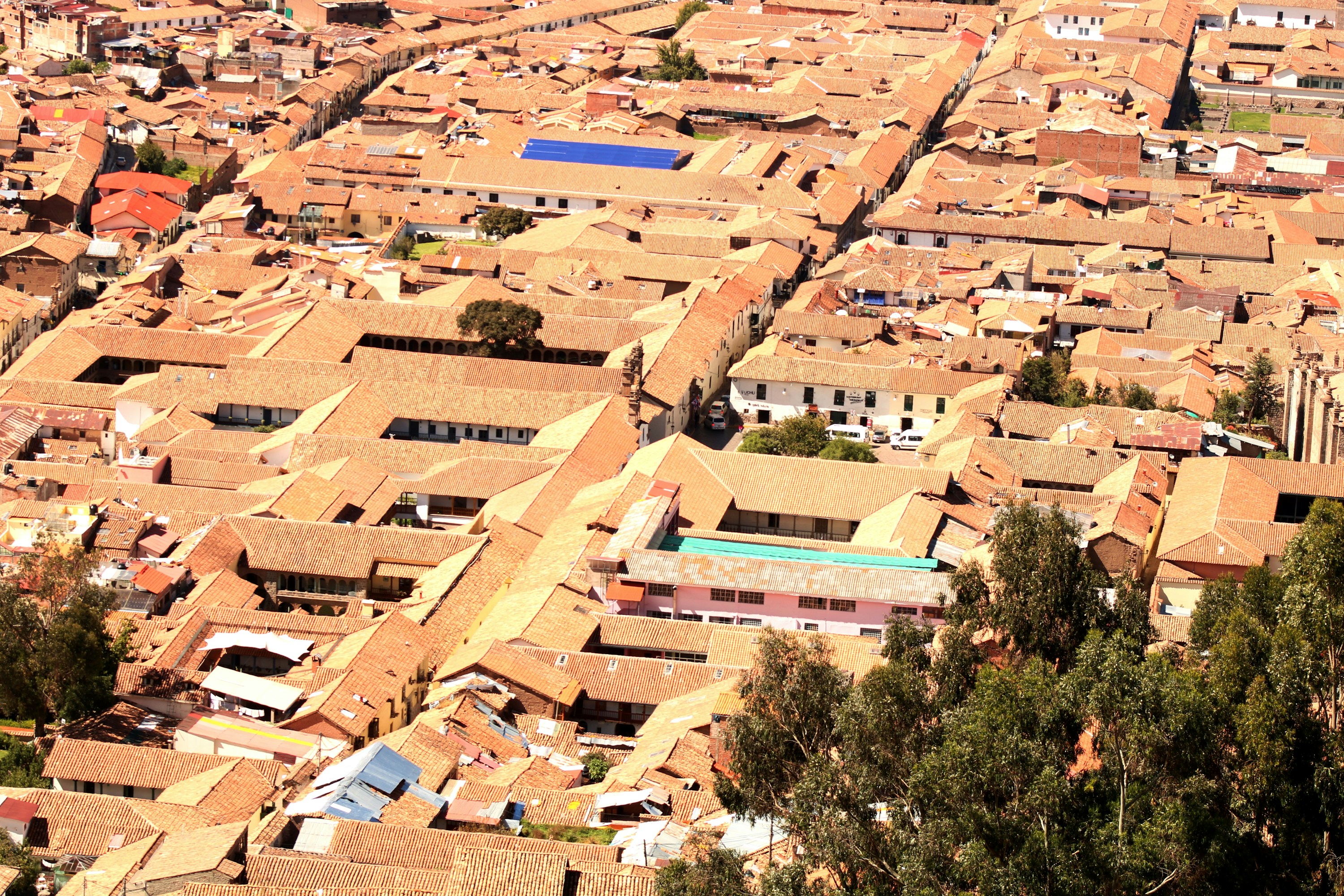
#6Cusco was the capital of the Inca Empire, and the history still shows: Inca stonework underpins colonial churches along cobbled streets radiating from Plaza de Armas.
It's a living Andean city of nearly half a million people, not a museum piece, with markets and restaurants layered over centuries of rebuilding.
Most visitors use it as a base before Machu Picchu, but it easily holds its own for two or three days.
How does it rate
CrowdsRomanceCash RequiredDangerAccessibilityWhy you should go
Inca stonework and colonial architecture layered together in one living, walkable city.
Why you shouldn't go
Altitude (3,400m) hits many visitors hard for the first day or two; expect breathlessness and headaches.
Plan your visit
Best time to visitMay-September (dry season); avoid heaviest rain Jan-FebBest time of dayEarly morning at Plaza de Armas and San Pedro Market, before tour groups arriveGetting thereFly into Alejandro Velasco Astete Airport (CUZ) from Lima (1.5hr); historic center is a 15-min taxi rideEntry costFree to walk; boleto turistico for major sites from S/70Time needed2-3 daysInsider tip — Buy the partial boleto turistico, not the full 16-site version, if you're short on time - it covers Sacsayhuaman and the other in-city ruins for a fraction of the cost. -
 #783 /100
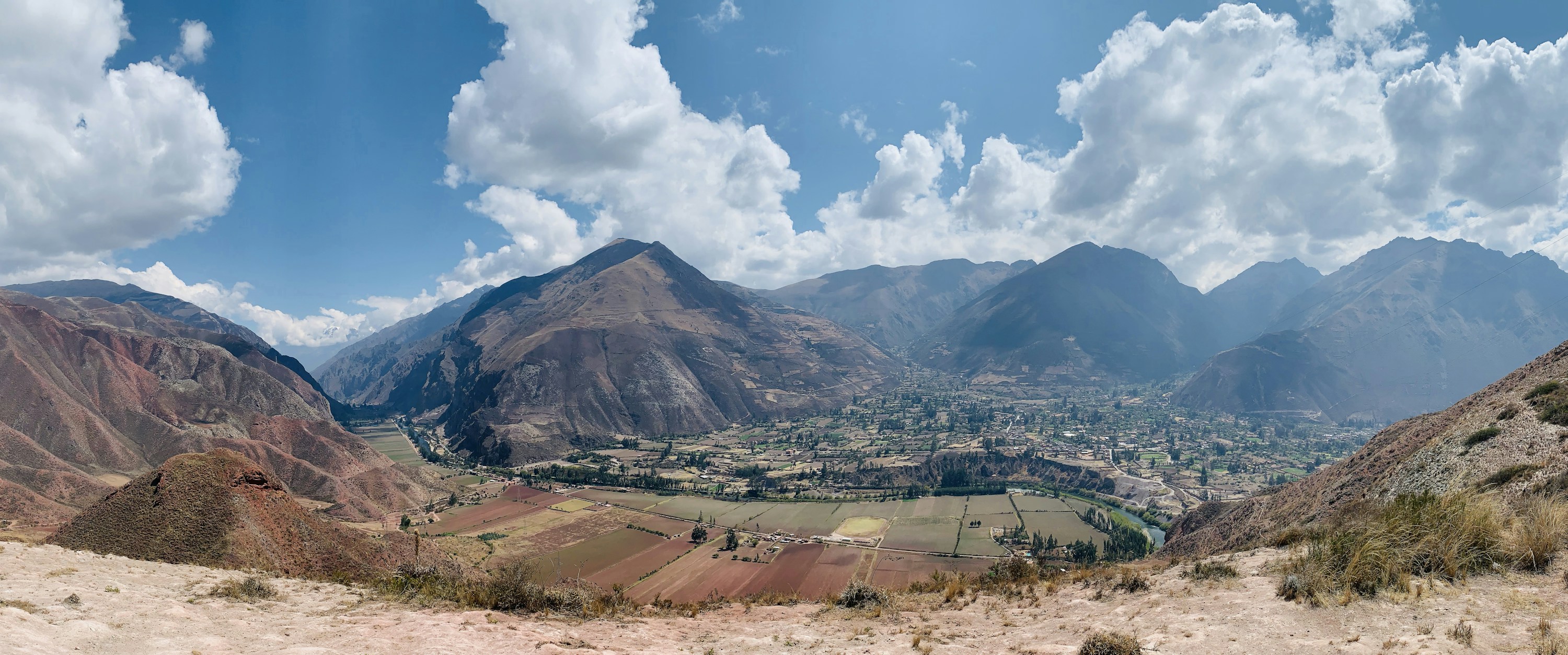
Strung along the Urubamba River between Cusco and Machu Picchu, the Sacred Valley was the Inca empire's farming heartland and still works the same terraced hillsides.
In a day you can walk the Pisac ruins above their market, climb Ollantaytambo's fortress terraces, and see the circular agricultural bowl at Moray.
Lower and gentler than Cusco, it rewards a slower, multi-stop visit.
How does it rate
CrowdsRomanceCash RequiredDangerAccessibilityWhy you should go
Four or five distinct Inca sites and living Andean villages within one easy valley.
Why you shouldn't go
Seeing it properly means several separate entry tickets and a full day of driving between stops.
Plan your visit
Best time to visitApril-October, dry season; Pisac's market is liveliest on SundaysBest time of dayMorning, before afternoon cloud builds over the mountainsGetting there40-60 min by road from Cusco to Pisac or Urubamba; most visitors join a tour or hire a driverEntry costBoleto turistico parcial ~S/70 covers Pisac, Ollantaytambo, Chinchero, Moray; Maras extra ~$8Time needed1-2 daysInsider tip — Base yourself overnight in Ollantaytambo rather than day-tripping from Cusco - it's the only Inca town still inhabited on its original foundations, and you get the ruins to yourself at opening time. -
 #882 /100
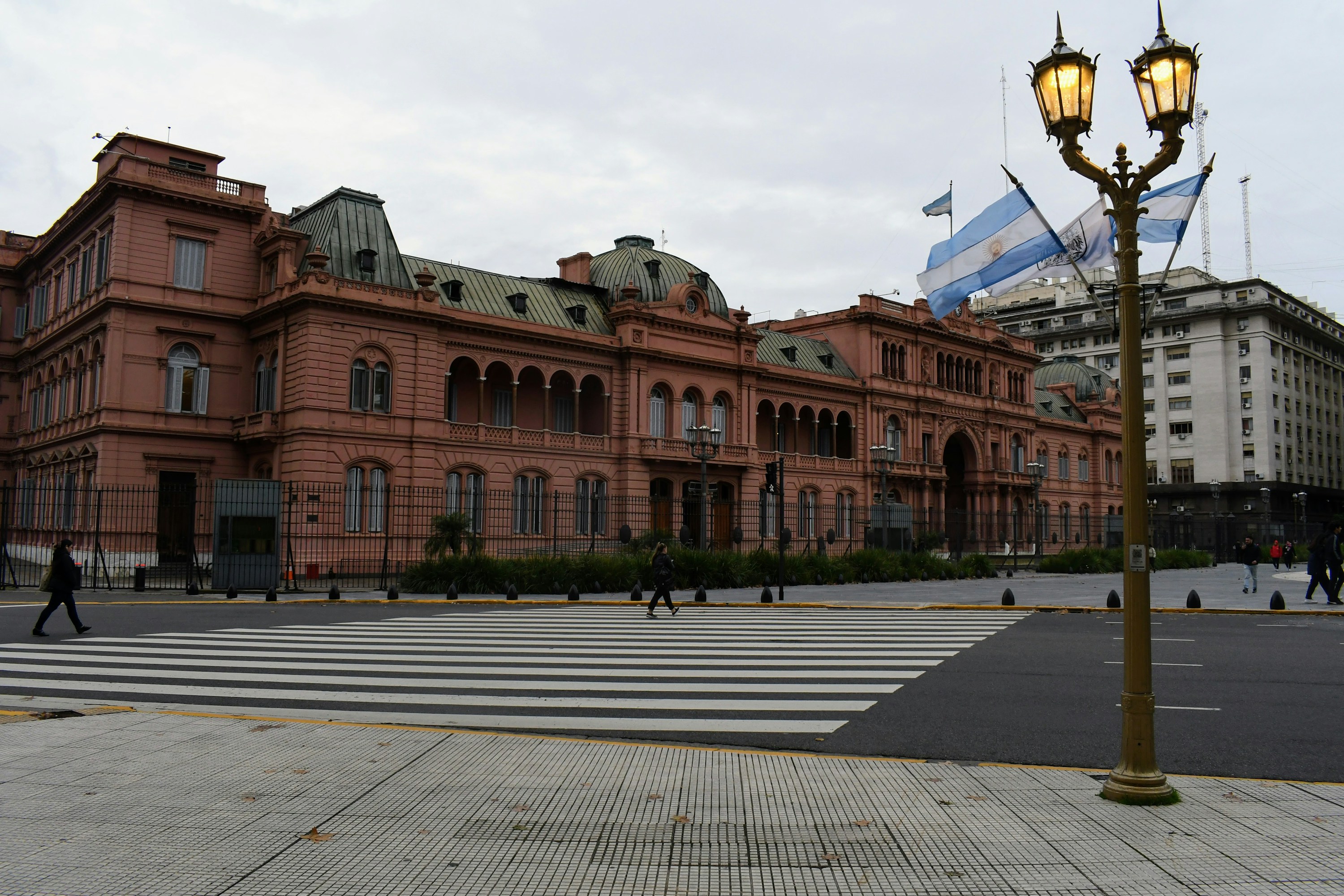
Buenos Aires pairs wide, Parisian-style boulevards with the pulse of a Latin American capital: tango danced in San Telmo squares, steak houses running late into the night, and the pink Casa Rosada overlooking Plaza de Mayo.
Neighborhoods vary sharply, from elegant Recoleta's cafes and cemetery to La Boca's brightly painted tenements.
It's a walkable city built for lingering, not checklist sightseeing.
How does it rate
CrowdsRomanceCash RequiredDangerAccessibilityWhy you should go
A genuinely distinct capital - European architecture, Latin American energy, tango everywhere.
Why you shouldn't go
Petty theft and scams target tourists in busy areas; stay alert with phones and bags.
Plan your visit
Best time to visitMarch-May or September-November, for mild weather outside the humid summerBest time of dayEvening - the city eats dinner from 9pm and tango milongas run lateGetting thereFly into Ezeiza International Airport; taxis or the Tienda Leon bus run downtown in 40-60 minEntry costFree to walk; museums and tango shows charge separately, from a few dollars to $50+Time needed3-4 daysInsider tip — Skip the touristy dinner-and-show tango packages and catch a milonga instead - cheaper, and it's real locals dancing, not a stage act. -
 #979 /100
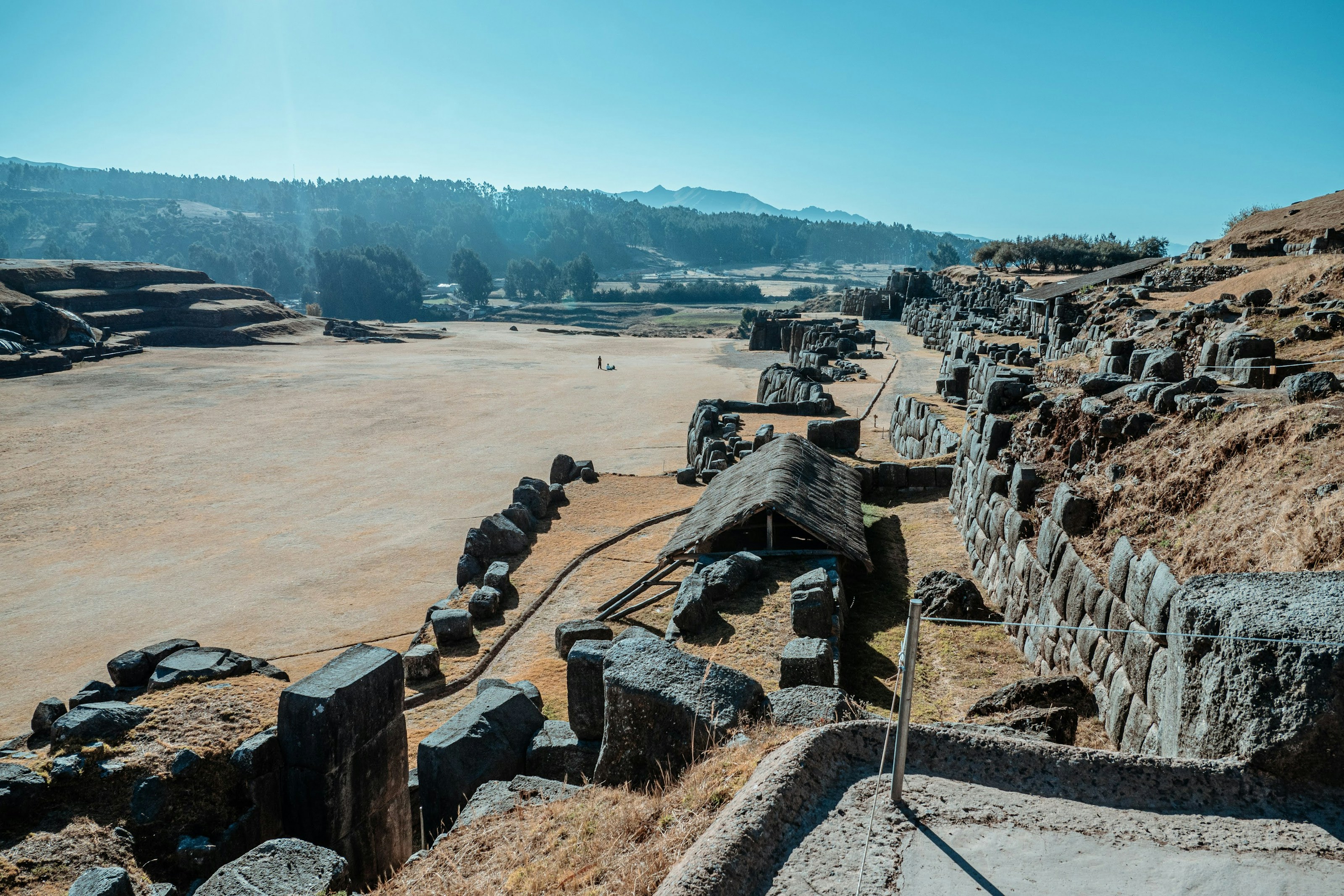
Each June, Cusco re-enacts the Inca Empire's Festival of the Sun with a procession from the Qorikancha temple to Sacsayhuaman's fortress ruins above the city, where hundreds of performers in Inca dress stage a reenactment for the Inca sun god Inti.
Rooted in a real Inca festival banned by colonial authorities and revived in 1944, it's now Cusco's biggest annual event, drawing crowds to Sacsayhuaman's grassy amphitheatre for the main ceremony.
How does it rate
CrowdsRomanceCash RequiredDangerAccessibilityWhy you should go
Cusco re-enacts the Inca Empire's Festival of the Sun with hundreds of performers staging a ceremony at the Sacsayhuaman ruins.
Why you shouldn't go
Sacsayhuaman sits at over 3,700m altitude, so altitude sickness is a real risk without a few days to acclimatise in Cusco first.
Plan your visit
Best time to visit24 June each year.Best time of dayLate morning into afternoon, when the main ceremony at Sacsayhuaman takes place.Getting thereFly into Cusco, then a taxi or walk up to Sacsayhuaman, about 20 minutes from the centre.Entry costStreet viewing is free; ticketed grandstand seating at Sacsayhuaman costs extra.Time neededA full day to follow the procession and main ceremony.Insider tip — Watch the earlier Qorikancha ceremony in the city centre for a closer, less crowded view before the main event moves up to Sacsayhuaman. -
 #1078 /100
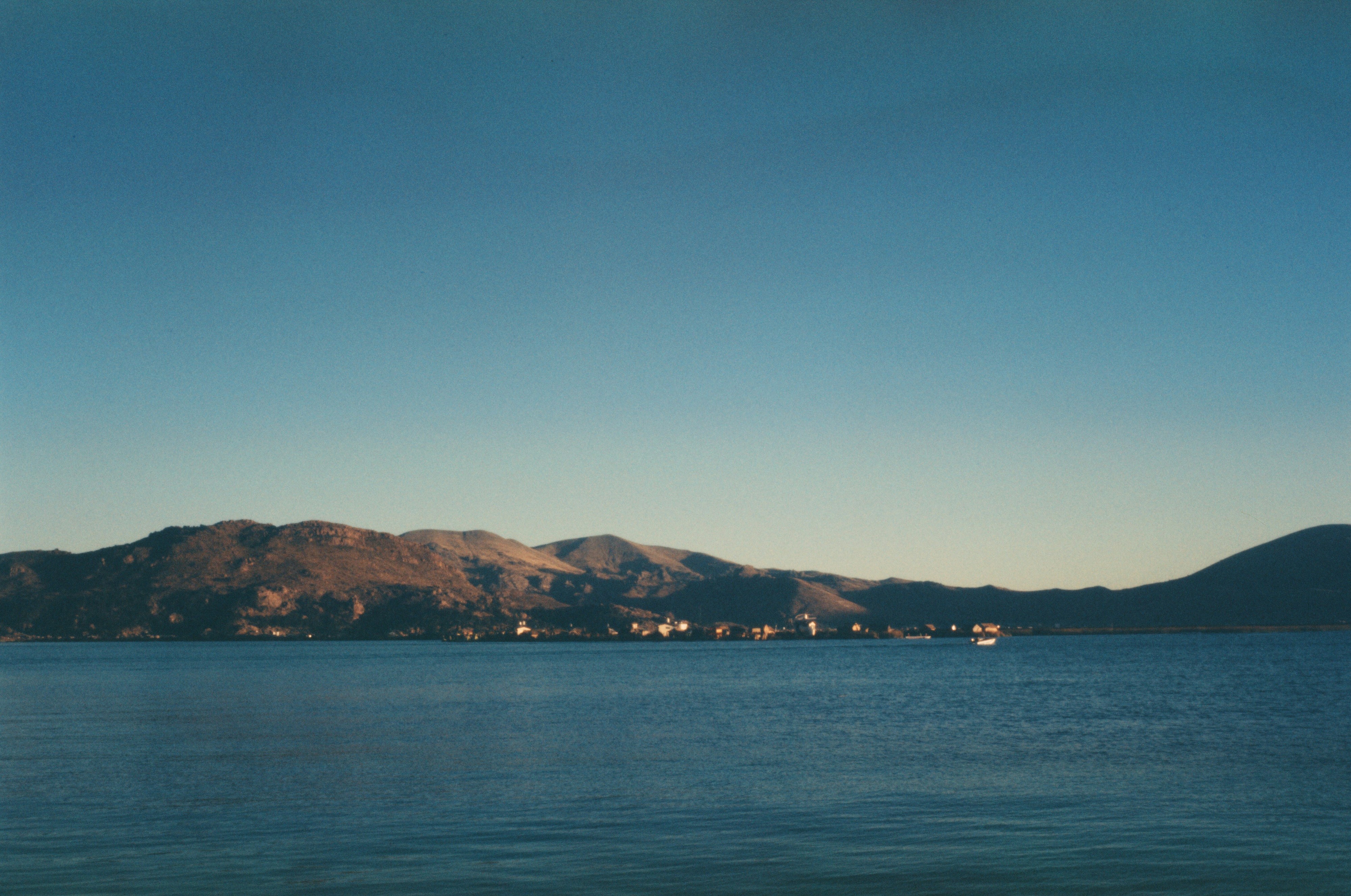
The world's highest navigable lake stretches across the Bolivia-Peru border at 3,812m, its cobalt water dotted with the Uros people's hand-woven reed islands.
Traditional wooden boats still work the shallows beneath distant snow-capped peaks.
Copacabana's lakeside promenade and Isla del Sol's Inca ruins give it real cultural depth beyond the scenery, though the altitude takes a day or two to adjust to.
How does it rate
CrowdsRomanceCash RequiredDangerAccessibilityWhy you should go
A cobalt-blue Andean lake with floating reed islands found nowhere else on Earth.
Why you shouldn't go
Thin air at 3,800m leaves many visitors breathless for the first day or two.
Plan your visit
Best time to visitMay-October (dry season) for clear skies and calm water.Best time of dayEarly morning, when the lake is glassy and boat traffic is light.Getting thereFly to La Paz or Juliaca; bus to Copacabana (Bolivia) or Puno (Peru), then boat to the islands.Entry costFree to view; boat tours and island visits charge separately.Time needed1-2 daysInsider tip — Stay overnight on Isla del Sol rather than day-tripping - sunset and sunrise over the lake from the island are far better than anything from the mainland shore. -
 #1178 /100
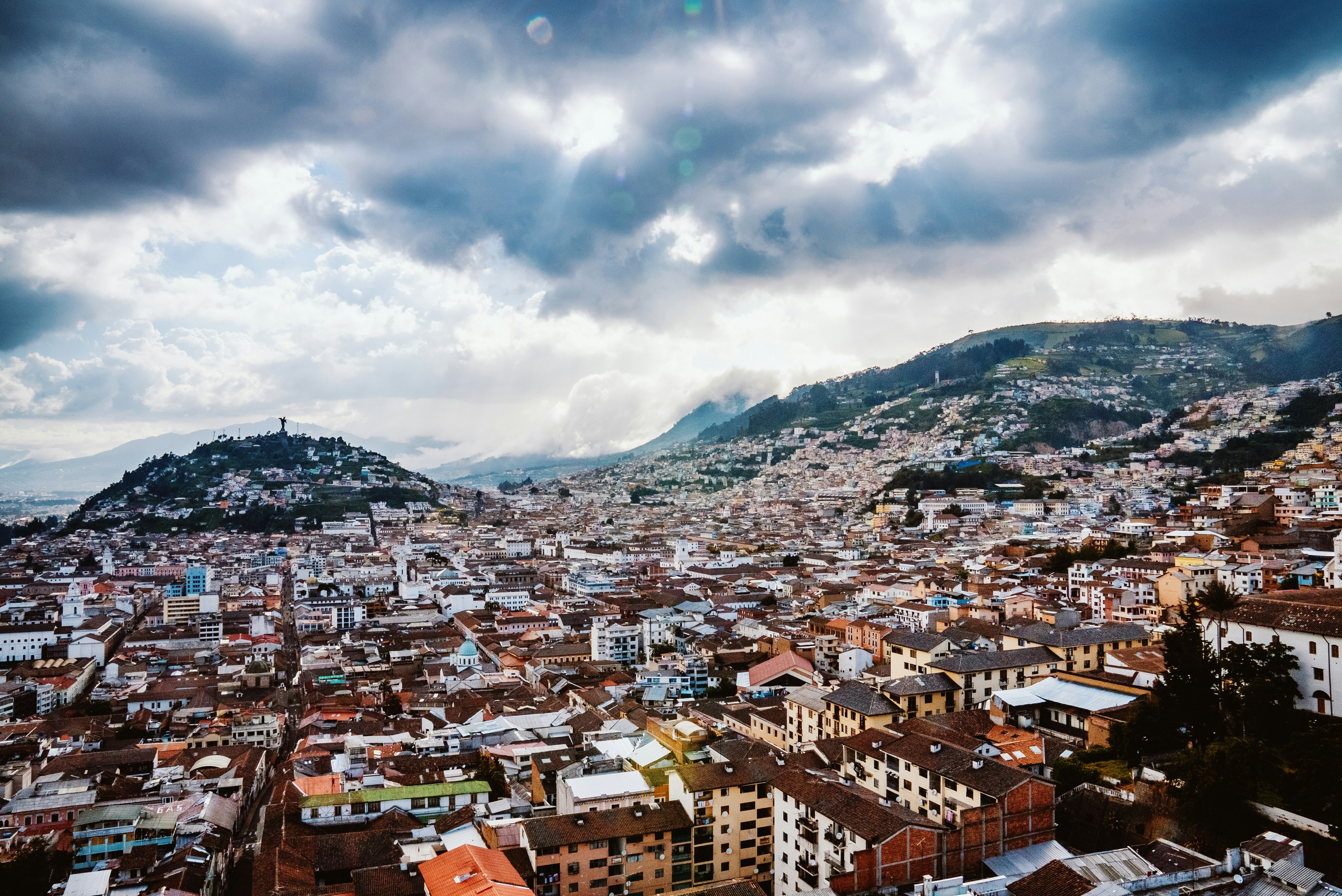
Quito's historic center was the first UNESCO World Heritage Site ever designated, and remains the largest, best-preserved colonial-era old town in Latin America.
Baroque churches like La Compañía de Jesús drip with gold leaf inside plain stone exteriors, while plazas and narrow streets climb the Andean foothills at over 2,800 meters of altitude.
The Basílica del Voto Nacional's towers offer views across the whole old town.
How does it rate
CrowdsRomanceCash RequiredDangerAccessibilityWhy you should go
Latin America's largest and best-preserved colonial old town, set at dramatic Andean altitude.
Why you shouldn't go
The high altitude (2,850m) leaves many visitors short of breath for the first day or two.
Plan your visit
Best time to visitJune–September, the drier season, though Quito's climate is mild year-round.Best time of dayMorning, before afternoon rain showers common at altitude.Getting thereFly into Quito's Mariscal Sucre Airport, about 40 minutes from the old town.Entry costFree to walk; church interiors and towers typically $2-5.Time needed1–2 days.Insider tip — Climb the Basílica's towers via the wooden ladders in the roof space, not just the main tower lift — a more adventurous, less crowded route to the top. -
 #1277 /100
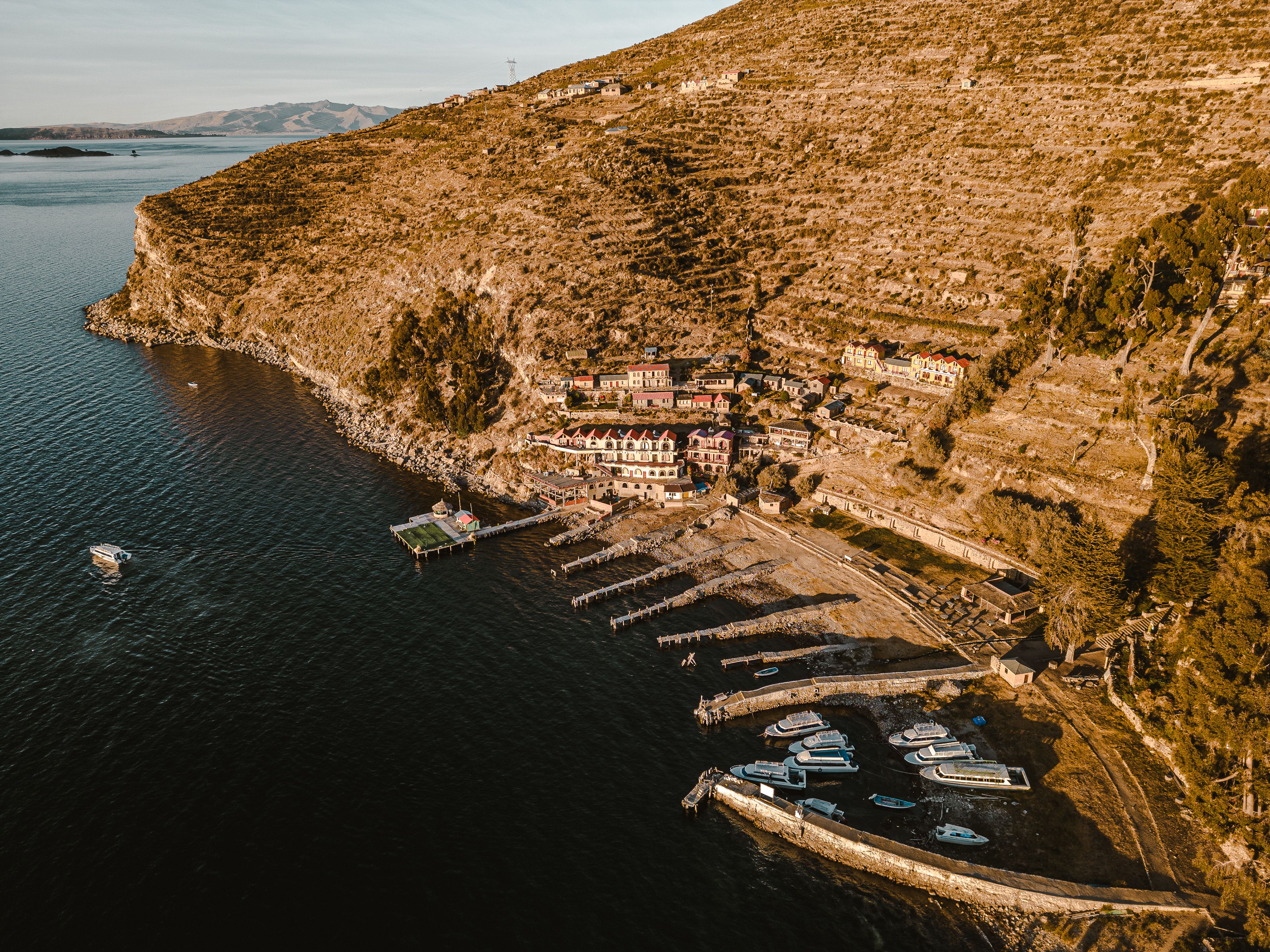
Bolivia's most sacred island sits in the middle of Lake Titicaca, the birthplace of the sun in Inca mythology and home to ruins that predate the Inca themselves.
No cars or paved roads cross it — Inca-era stone paths link small villages, terraced hillsides and ancient sites like the Chinkana labyrinth.
At over 3,800 meters, the walk between villages rewards visitors with some of the clearest lake and mountain views in South America.
How does it rate
CrowdsRomanceCash RequiredDangerAccessibilityWhy you should go
A car-free sacred island on Lake Titicaca with Inca ruins and some of Bolivia's most dramatic lake views.
Why you shouldn't go
High altitude and steep stone paths make the walk between villages genuinely tiring without acclimatization.
Plan your visit
Best time to visitMay–September (dry season) for clear skies and firmer trails.Best time of dayMorning, before afternoon winds pick up on the lake crossing.Getting thereBoat from Copacabana (about 1.5–2.5 hours) to Yumani or Challapampa village.Entry costSmall community entry fees (a few bolivianos) at village checkpoints.Time neededFull day, or overnight to see both ends of the island.Insider tip — Stay overnight in Yumani rather than day-tripping — the island empties out after the afternoon boats leave, and sunset over the lake is worth it. -
 #1375 /100
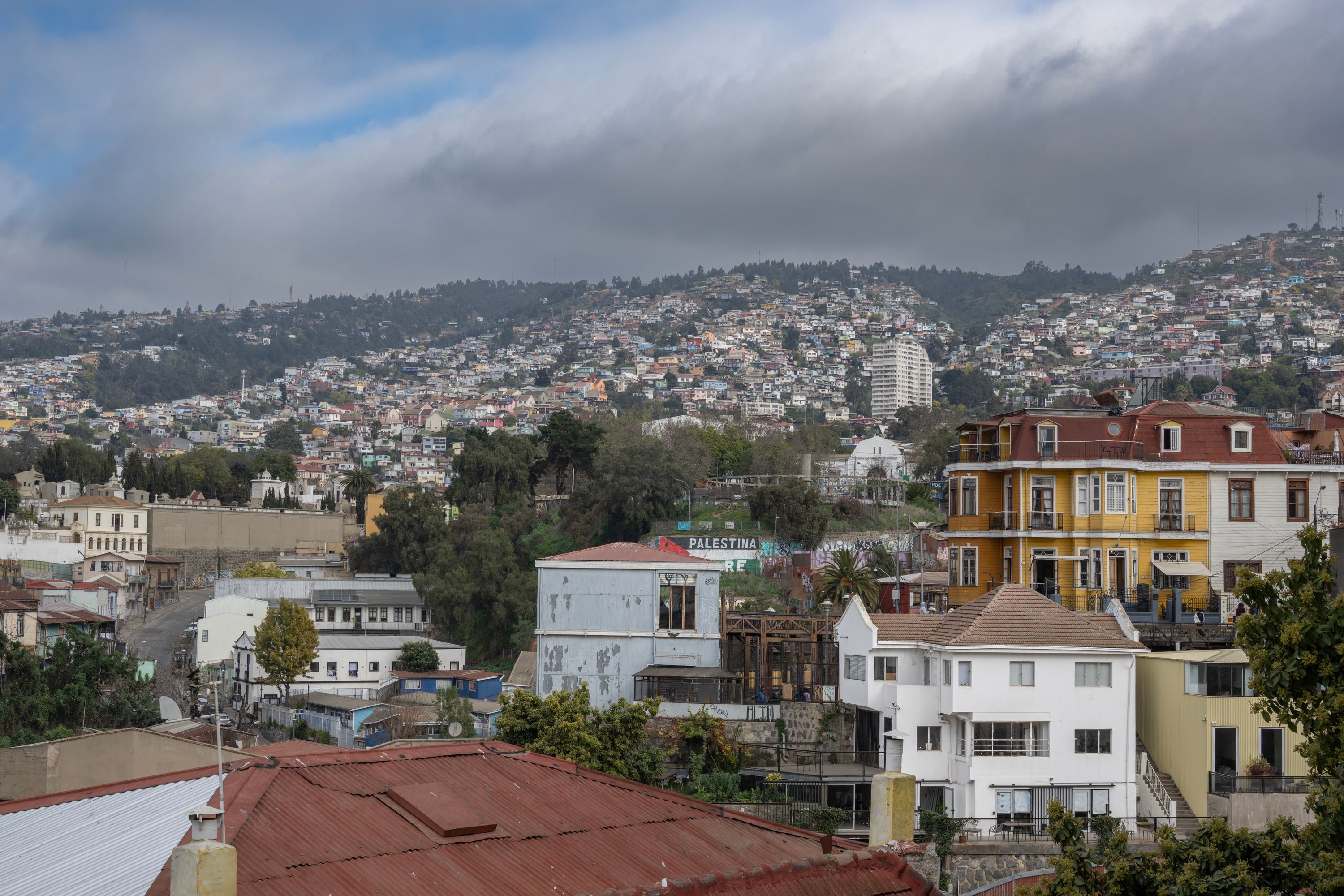
Chile's main historic port climbs steep hills above the Pacific, linked by century-old funiculars and dense with painted houses and street art.
UNESCO listed the old quarter for its unplanned layout, and wandering the stairways of Cerro Alegre and Cerro Concepción, plus Pablo Neruda's clifftop house La Sebastiana, is the main activity.
Parts of the city have visibly declined, and the port is still working, not polished.
How does it rate
CrowdsRomanceCash RequiredDangerAccessibilityWhy you should go
A maze of hillside stairways, funiculars and street art with no real equivalent elsewhere in Chile.
Why you shouldn't go
Parts of the city have declined and pickpocketing is a real risk - stick to the touristed hills after dark.
Plan your visit
Best time to visitSeptember-November or March-May, for mild weather and thinner crowds than summer.Best time of dayDaytime for exploring the hills; sunset from Paseo Gervasoni or Paseo Atkinson.Getting thereFly to Santiago, then about a 90-minute bus or drive west to Valparaíso.Entry costFree to explore; funiculars ~CLP 300-800 each wayTime neededHalf a day to a full dayInsider tip — Ride the Ascensor Concepción, Chile's oldest funicular, up to Paseo Gervasoni for the classic hillside-and-harbour view, then walk down through Cerro Alegre. -
 #1474 /100
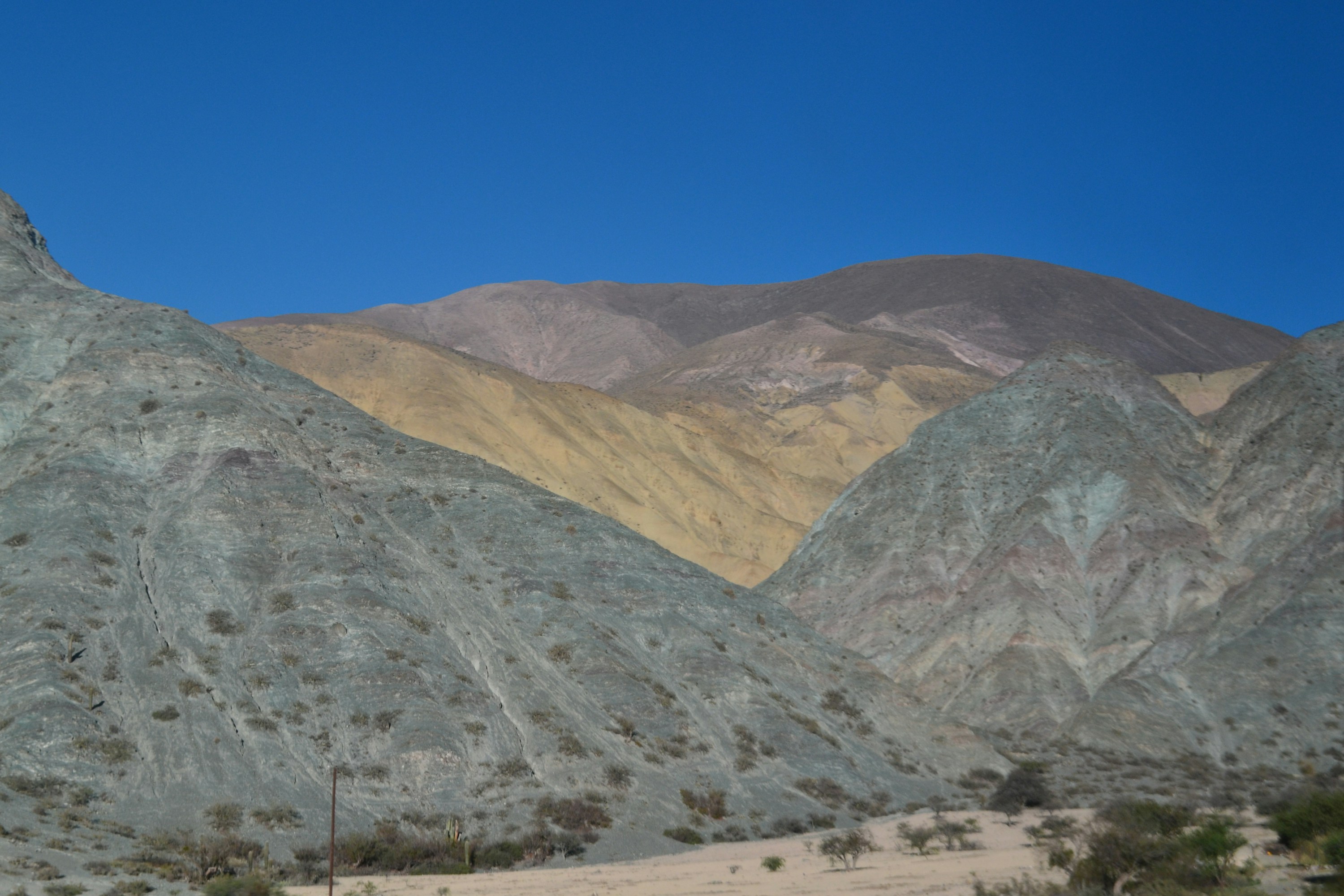
This 155-kilometre gorge in Argentina's arid northwest has been a travel corridor since long before the Inca, its adobe villages and banded red-and-ochre rock now UNESCO-listed.
Purmamarca sits beneath the striped Cerro de los Siete Colores, while Humahuaca and Tilcara keep colonial churches and pre-Columbian ruins within walking distance.
It rewards slow travel along Ruta 9, not a single stop.
How does it rate
CrowdsRomanceCash RequiredDangerAccessibilityWhy you should go
Multicolored mountain geology and centuries-old adobe villages, without the crowds of Salta's sights.
Why you shouldn't go
It's remote - a long drive or bus ride from Salta, and services thin out fast outside the main villages.
Plan your visit
Best time to visitApril-October (dry season); winter nights are cold at this altitudeBest time of dayLate afternoon, when low sun deepens the colors in the rockGetting thereFly to Salta or San Salvador de Jujuy, then drive or bus north on Ruta Nacional 9Entry costFree to drive through and visit villages; some sites charge small entry feesTime needed1-2 daysInsider tip — Stop in Tilcara rather than only Purmamarca - its pre-Inca pucara hilltop fort ruins get a fraction of the visitors. -
 #1573 /100
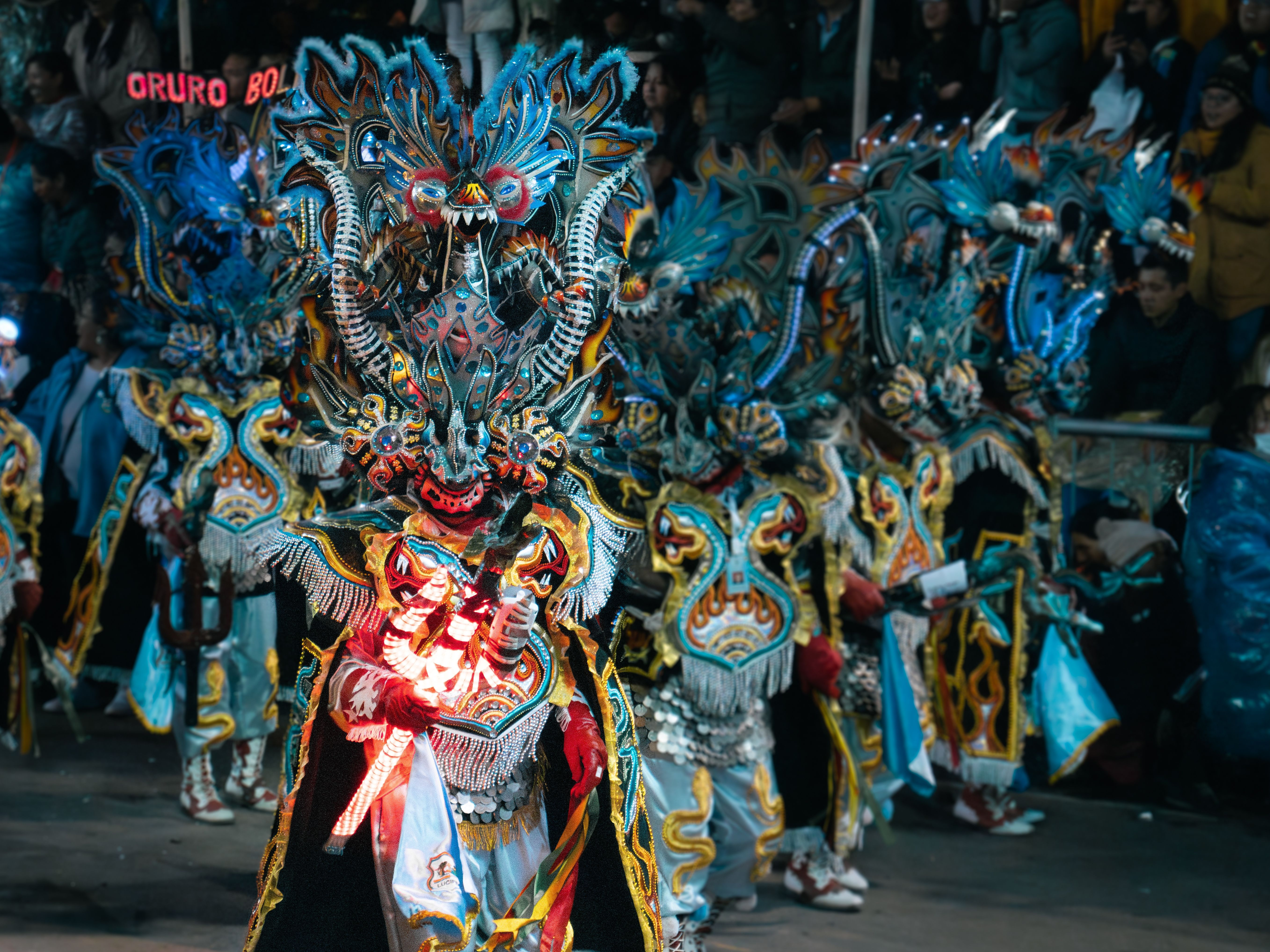
High in the Bolivian Andes, Oruro's carnival is built around the Diablada, an elaborate devil dance performed by dancers in ornate horned masks and embroidered costumes depicting the battle between good and evil.
UNESCO recognised the event in 2001 for how deeply its folklore and costume-making traditions are woven into the city's identity.
How does it rate
CrowdsRomanceCash RequiredDangerAccessibilityWhy you should go
An Andean devil-dance carnival, danced in ornate horned masks along a 20-hour processional route at high altitude.
Why you shouldn't go
Oruro sits at over 3,700m altitude, so altitude sickness is a real risk for visitors arriving without acclimatisation.
Plan your visit
Best time to visitFebruary or March, the weekend before Ash Wednesday (exact dates shift yearly).Best time of dayMorning, when the main Diablada procession begins along its fixed route.Getting thereFly into La Paz, then a bus or train roughly 3-4 hours south to Oruro.Entry costGrandstand seating along the route runs roughly USD15-40.Time neededA full day for the main procession.Insider tip — Spend a day or two in La Paz beforehand to acclimatise to the altitude before travelling on to Oruro. -
 #16
#16Rated #16 of 23
Vina del Mar International Song Festival, Chile
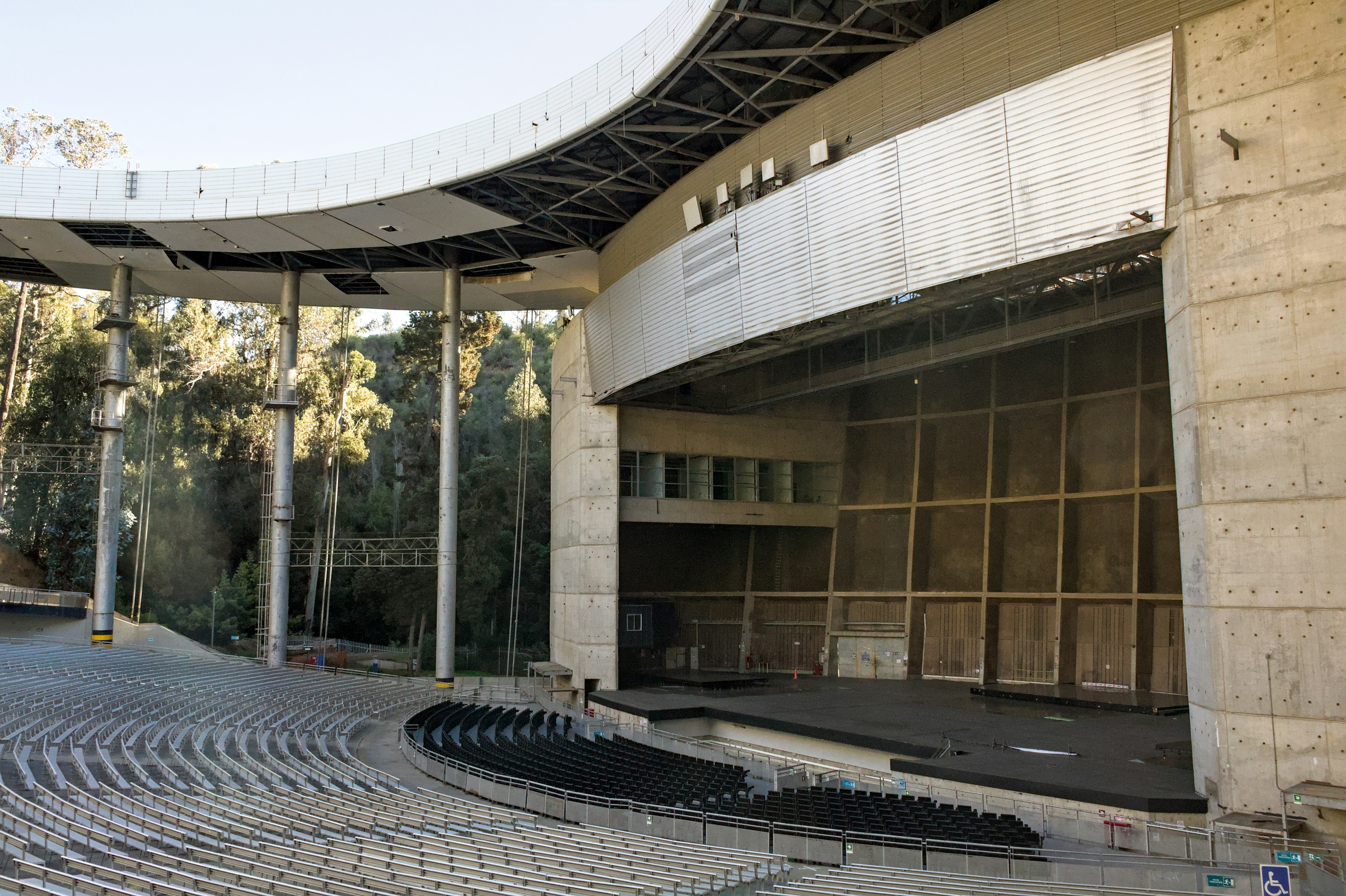
#vinadelmarinternationalsongfestival ◆ Music Festivals73 /100Running since 1960, this is Latin America's oldest and largest music festival, staged each February in the open-air Quinta Vergara amphitheatre and broadcast live to millions across the region.
Beyond the competing new songs it's named for, its nightly bill of major Spanish-language headliners has made it a career-defining stage, alongside a notoriously blunt audience known for booing acts off stage.
How does it rate
CrowdsRomanceCash RequiredDangerAccessibilityWhy you should go
Latin America's oldest music festival, broadcast live to millions from an open-air amphitheatre since 1960.
Why you shouldn't go
The famously tough crowd at the Quinta Vergara has booed underprepared acts off stage on live television more than once.
Plan your visit
Best time to visitThe last week of February each year.Best time of dayEvening, when the nightly televised concerts run.Getting thereFly into Santiago and take a bus or car roughly 90 minutes to Vina del Mar on the coast.Entry costTickets range from roughly USD30 for upper seating to several hundred for front rows.Time neededOne evening covers a full night's programme; the festival runs five to six nights total.Insider tip — Book Quinta Vergara seating well in advance online - queuing at the venue on the night rarely finds anything but the cheapest, farthest seats. -
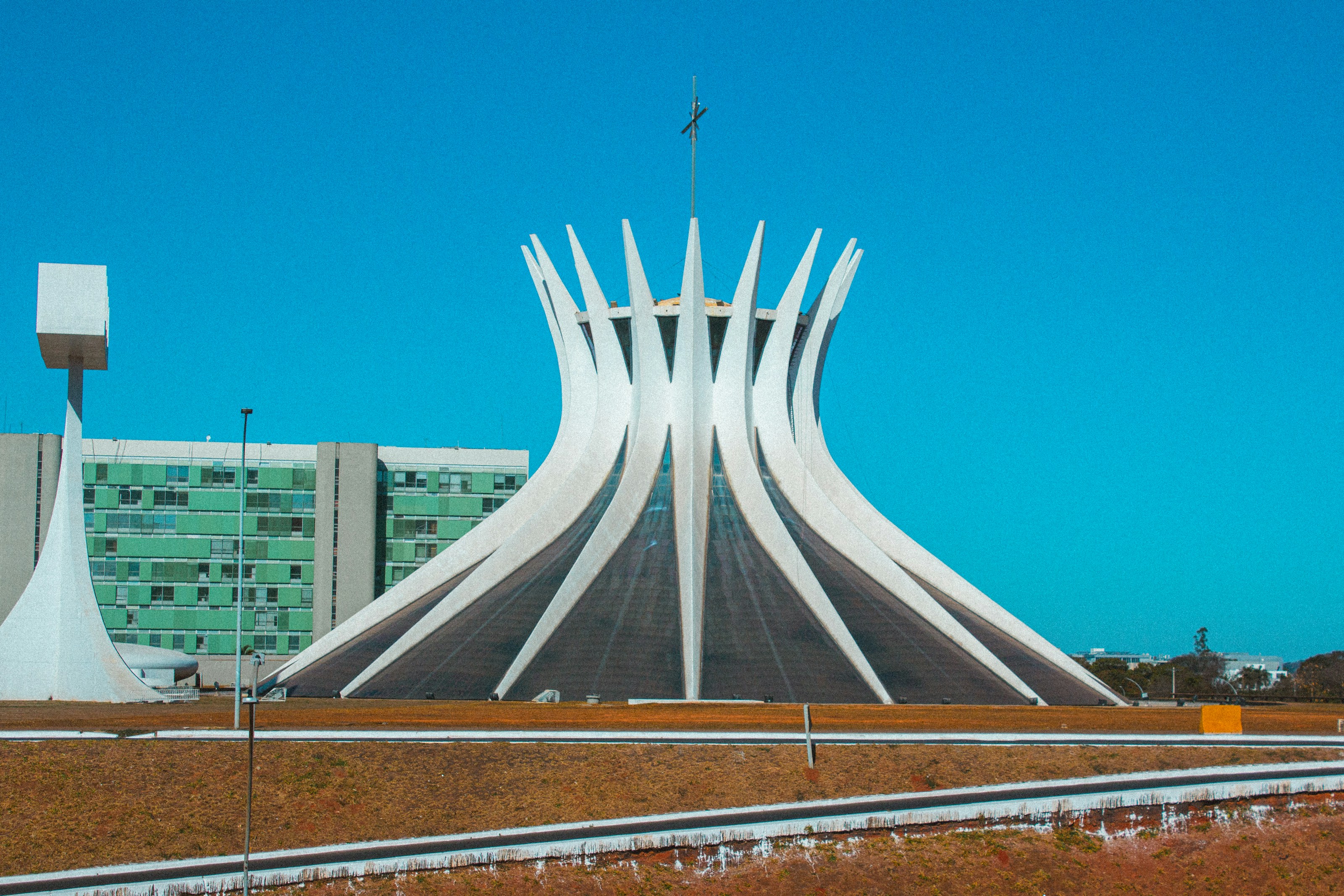 #1772 /100
Oscar Niemeyer's hyperboloid of sixteen concrete columns, opened in 1970, that reads from outside as a crown and from inside as a sky of blue and green glass.
Visitors descend a dark ramp and emerge under the light, a sequence Niemeyer designed deliberately.
Three bronze angels hang suspended from the roof above the nave.
How does it rate
CrowdsRomanceCash RequiredDangerAccessibilityWhy you should go
One of the few modernist churches whose interior genuinely lifts you as you walk in.
Why you shouldn't go
Brasilia's monumental axis is built for cars, so moving between sights is a slog on foot.
Plan your visit
Best time to visitMay-September, during Brasilias dry seasonBest time of dayLate afternoon, when the low sun saturates the stained glassGetting thereOn the Eixo Monumental in central Brasilia; taxi or rideshare is the practical optionEntry costFreeTime needed1 hourInsider tip — Go inside before photographing the exterior - the dark entry ramp is what makes the burst of coloured light work. -
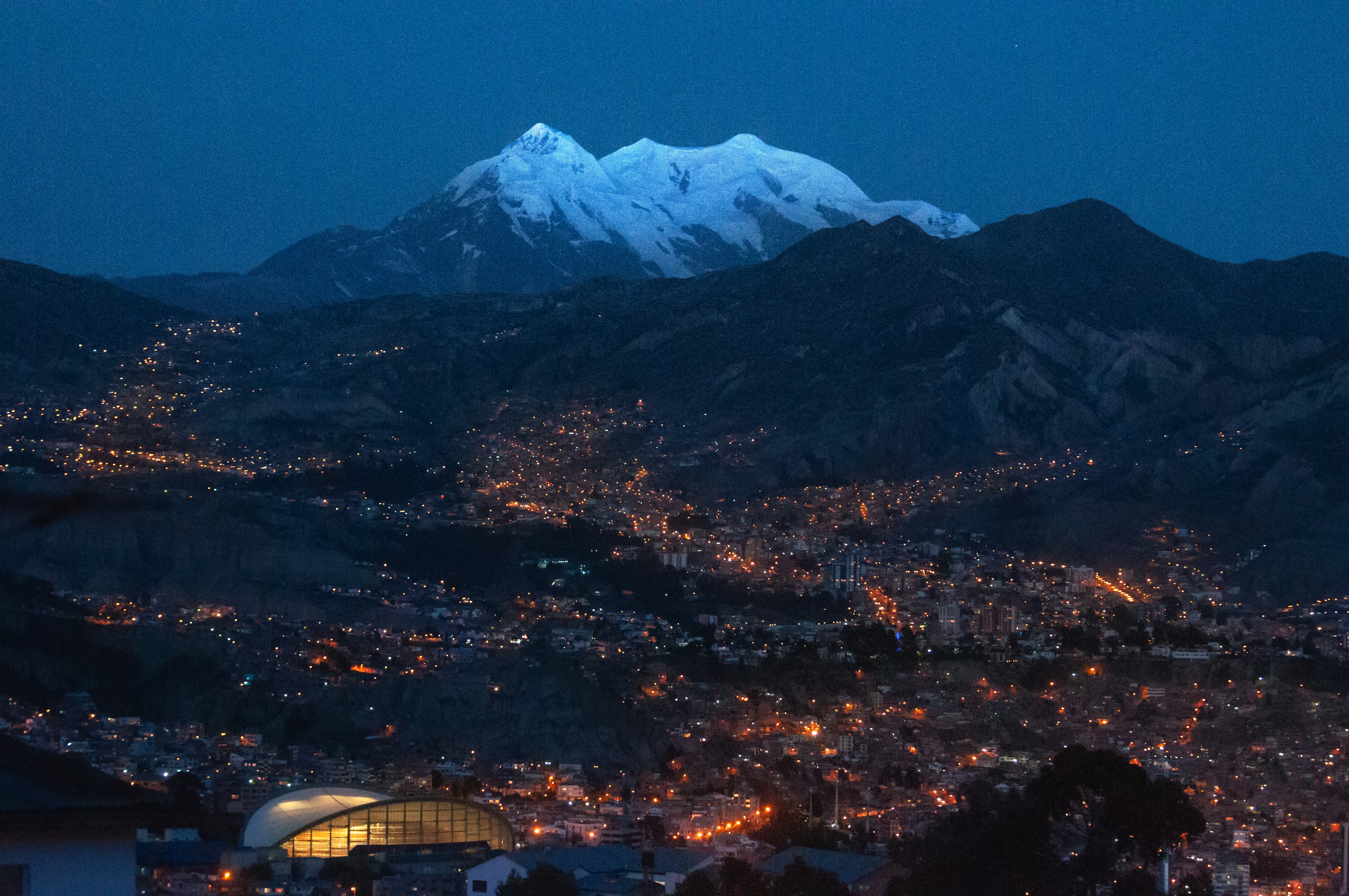 #18
#18The world's highest administrative capital spills down a canyon at over 3,600 meters, with the wealthier neighborhoods lower in the bowl and poorer areas climbing toward the thin air of the rim — a layout the city's cable-car network, the world's largest urban Teleférico system, makes spectacularly visible from above.
The Witches' Market sells traditional Andean remedies alongside colonial-era churches and a lively street-food scene.
How does it rate
CrowdsRomanceCash RequiredDangerAccessibilityWhy you should go
The world's highest capital, with a spectacular cable-car network offering views most cities can't match.
Why you shouldn't go
The altitude (3,600m+) hits many visitors hard in the first day or two, especially with any exertion.
Plan your visit
Best time to visitMay–October (dry season) for the clearest mountain views.Best time of dayLate afternoon Teleférico ride, when the setting sun lights up the canyon and Illimani.Getting thereFly into El Alto International Airport, one of the world's highest, then descend into the city.Entry costFree to walk; Teleférico rides around 3 Bolivianos (~€0.40) per line.Time needed2 days.Insider tip — Ride the full Teleférico network rather than just one line — the red and yellow lines especially give the best overview of the canyon city's layout. -
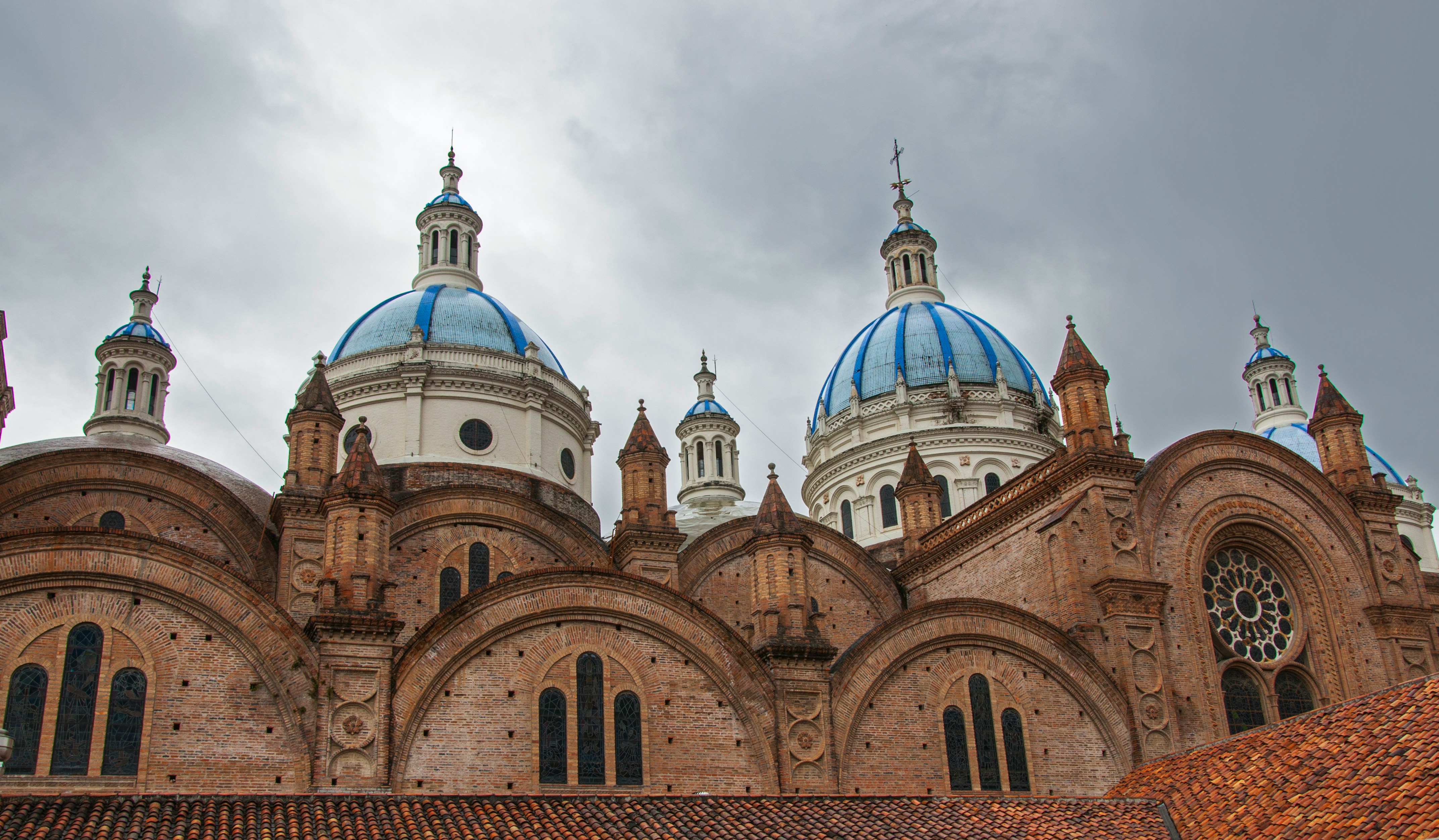 #19
#19Ecuador's third-largest city is also its most polished colonial one, with blue-domed cathedrals, riverside promenades along the Tomebamba, and a compact historic core awarded UNESCO status for its well-preserved Spanish colonial grid.
It's also the traditional home of the (misleadingly named) Panama hat, and workshops around the city still weave them by hand.
How does it rate
CrowdsRomanceCash RequiredDangerAccessibilityWhy you should go
Ecuador's most polished colonial city, with a slower pace and strong café culture.
Why you shouldn't go
It has fewer must-see individual sights than Quito — the appeal is more atmosphere than landmarks.
Plan your visit
Best time to visitYear-round mild climate; June–September for the driest weather.Best time of dayLate afternoon along the Tomebamba riverside promenade.Getting thereFly directly to Cuenca, or drive/bus about 8 hours from Quito.Entry costFree to walk the city; museum entries typically $2-5.Time needed1–2 days.Insider tip — Visit a Panama hat workshop outside the main tourist shops (ask locally) for a real demonstration and better prices. -
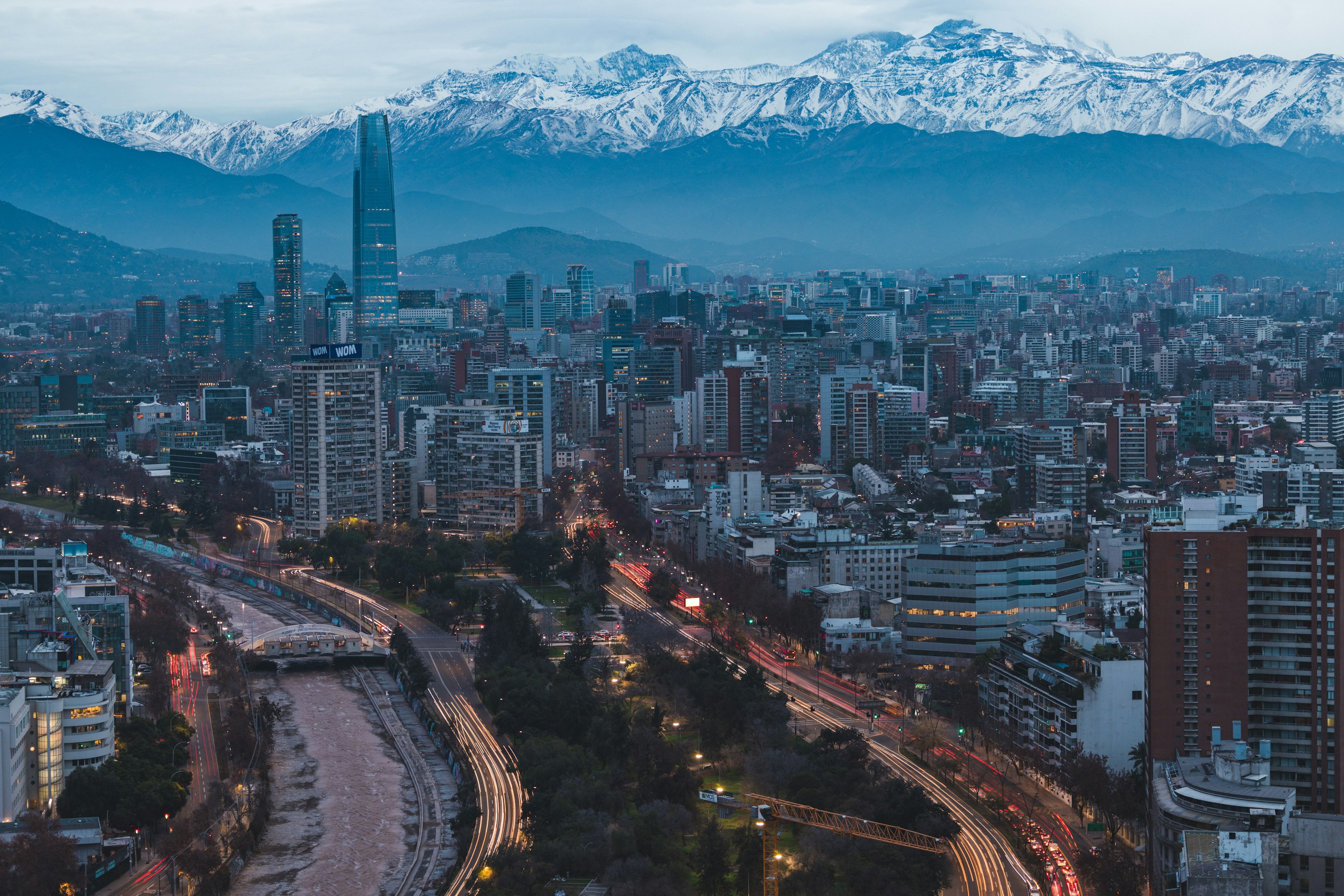 #20
#20Chile's capital sits in a wide valley with the snow-capped Andes rising directly behind its skyline, a backdrop few capitals can match on a clear day.
The colonial core around Plaza de Armas, the funicular up Cerro San Cristóbal, and the restaurants of Bellavista give it a couple of solid days' worth of things to do.
Most travellers treat it as a stopover before Atacama or Patagonia rather than a destination itself.
How does it rate
CrowdsRomanceCash RequiredDangerAccessibilityWhy you should go
The Andes rise straight up behind the skyline, one of the most dramatic urban backdrops in South America.
Why you shouldn't go
Winter smog inversions can hide the mountain view for days, and most visitors only stay a night or two.
Plan your visit
Best time to visitOctober-April, for clearer skies and warmer weather; winter (Jun-Aug) brings smog inversions.Best time of dayClear mornings, for the best Andes visibility before afternoon haze builds.Getting thereArturo Merino Benítez International Airport (SCL) is Chile's main international gateway; the metro reaches most of the centre.Entry costFree to explore the city; Cerro San Cristóbal funicular ~CLP 3,000Time needed1-2 daysInsider tip — Take the funicular, not the cable car, up Cerro San Cristóbal in late afternoon - it's cheaper and the summit holds the light longer. -
 #21
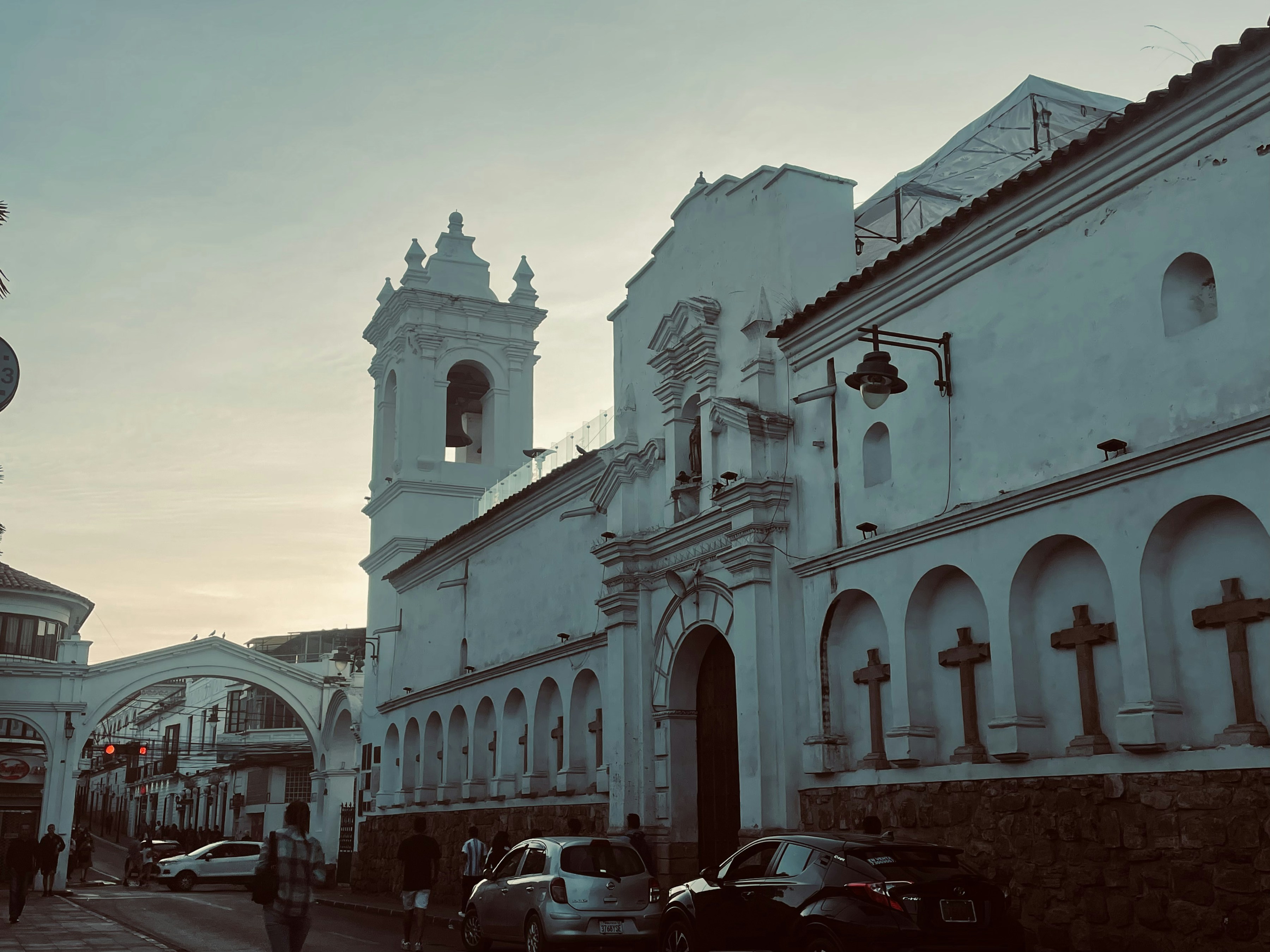
#21Bolivia's constitutional capital is a UNESCO-listed city of whitewashed colonial buildings under a strict preservation code, giving it a cleaner, more uniform look than most Bolivian cities.
Its plazas, churches and the Casa de la Libertad — where Bolivia's independence was declared — reflect its history, while nearby Cal Orck'o holds one of the world's largest dinosaur-footprint collections, on a nearly vertical limestone wall.
How does it rate
CrowdsRomanceCash RequiredDangerAccessibilityWhy you should go
Bolivia's cleanest, most uniformly preserved colonial city, with dinosaur footprints on the outskirts.
Why you shouldn't go
It has fewer major individual attractions than La Paz — the appeal is mostly architectural atmosphere.
Plan your visit
Best time to visitMay–October (dry season) for the most comfortable walking weather.Best time of dayMorning at Cal Orck'o, when the dinosaur-footprint wall is best lit.Getting thereFly directly to Sucre, or an overnight bus from La Paz (about 12-14 hours).Entry costFree to walk; Cal Orck'o dinosaur park entry around 30 Bolivianos (~€4).Time needed1–2 days.Insider tip — Visit Cal Orck'o's dinosaur footprint wall via the cement factory viewing platform, not just the park museum — the closest vantage point to the tracks. -
 #2260 /100
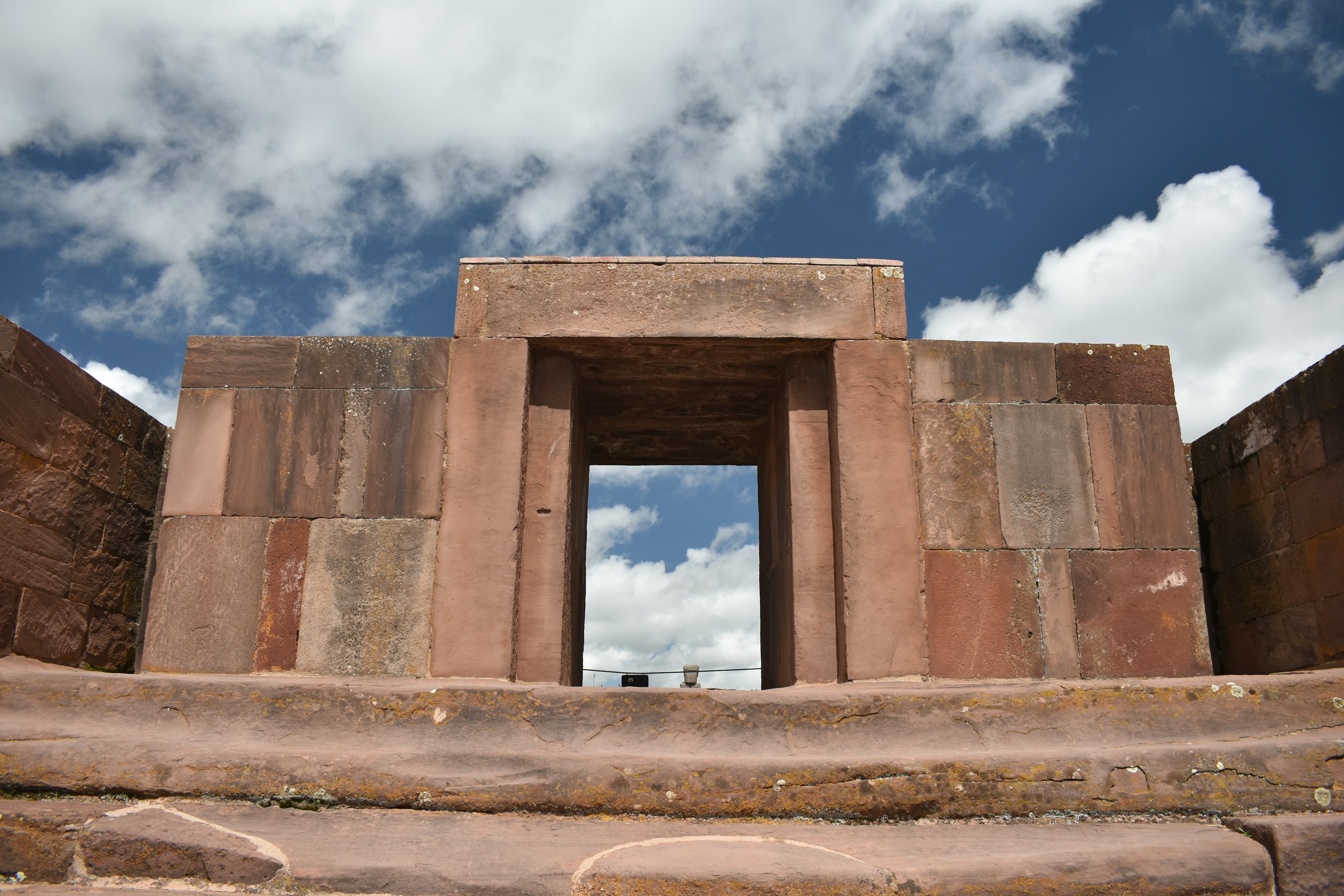
Predating the Inca by centuries, Tiwanaku was the ceremonial center of a civilization that shaped much of Andean religious and architectural tradition, including monumental gateways, sunken temples and precisely cut stonework whose engineering isn't fully understood.
Much of the site remains unexcavated, and what's been uncovered — including the carved Gateway of the Sun — shows precision that later influenced Inca sites like Machu Picchu.
How does it rate
CrowdsRomanceCash RequiredDangerAccessibilityWhy you should go
A pre-Inca ceremonial capital with precisely engineered stonework that shaped later Andean civilizations.
Why you shouldn't go
Much of the site is still ruins and foundations rather than intact standing structures, requiring some imagination.
Plan your visit
Best time to visitMay–October (dry season) for easier travel and clearer weather.Best time of dayMorning, before the site gets exposed to strong midday Altiplano sun.Getting thereAbout 1.5-2 hours' drive from La Paz.Entry costAround 80 Bolivianos (~€11), including the on-site museum.Time needed2–3 hours.Insider tip — Hire a local guide at the entrance — the significance of the stonework and astronomical alignments isn't obvious without explanation. -
 #23
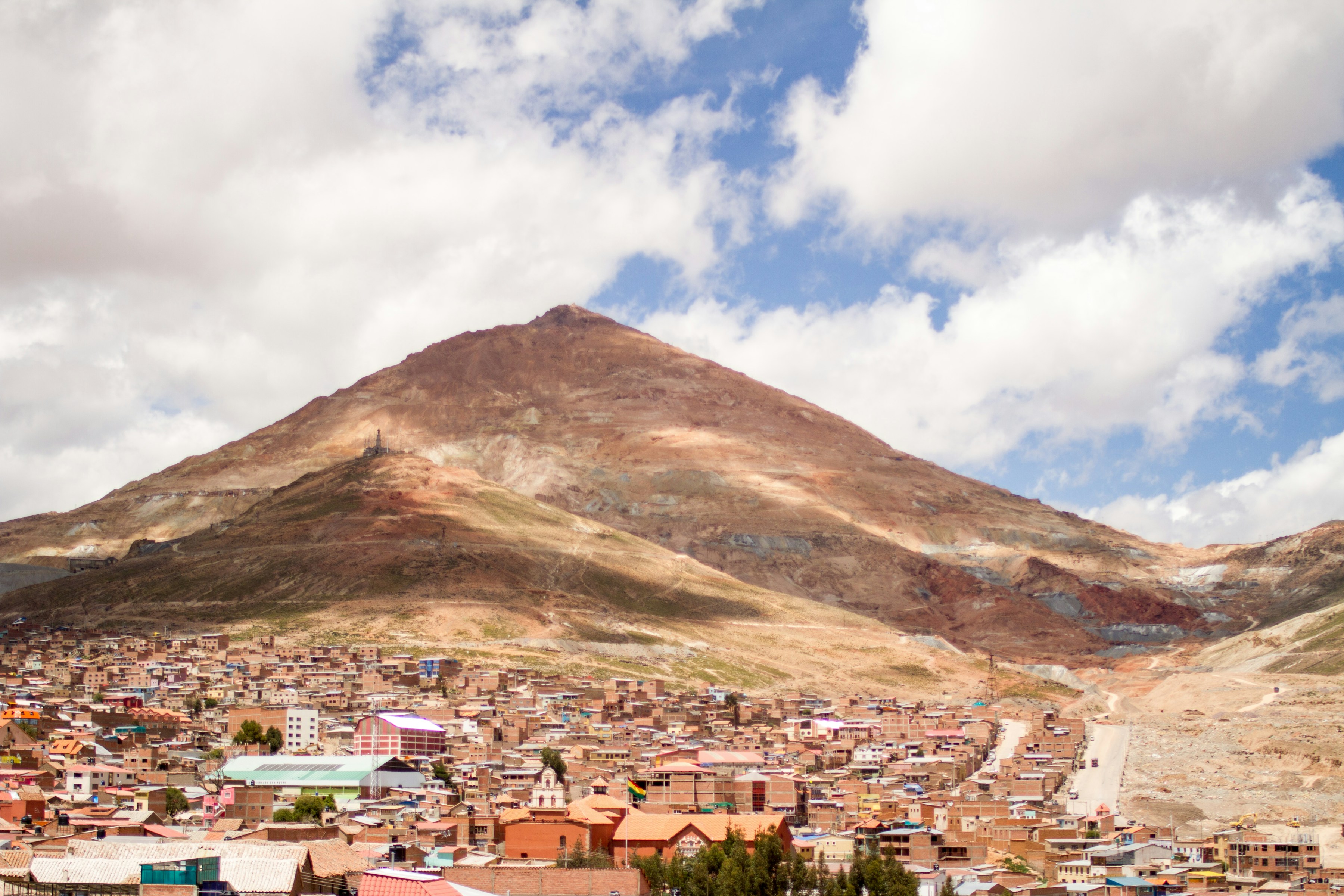
#23Once one of the richest cities on Earth thanks to silver extracted from Cerro Rico, the mountain looming over it, Potosí's colonial wealth built ornate churches and mints that sit at odds with the mine's grim ongoing history — miners, some still teenagers, work the same tunnels using techniques barely changed in centuries.
Guided tours into the active mine are genuinely sobering, an unfiltered look at conditions few visitors ever encounter.
How does it rate
CrowdsRomanceCash RequiredDangerAccessibilityWhy you should go
A UNESCO colonial city built on silver wealth, with mine tours offering an unfiltered look at conditions miners still work under today.
Why you shouldn't go
Mine tours involve genuinely hazardous, cramped, poorly ventilated tunnels still in active use.
Plan your visit
Best time to visitMay–October (dry season) for easier travel to and around the city.Best time of dayMorning mine tours, when miners are most active underground.Getting thereAbout 2.5-3 hours' drive from Sucre, or an overnight bus from La Paz.Entry costMine tours typically $15-25; city sights largely free or low-cost.Time needed1–2 days.Insider tip — Bring small gifts (coca leaves, juice, work gloves) for the miners if joining a mine tour — the customary way visitors are welcomed into active work areas.


More from South America
-
More Cultural spots
-
How a score is built
One score out of 100, five criteria behind it
Every place is rated 1–5 on each of the criteria below, then combined into a single score out of 100. It's calculated by us, the same way every time — not an average of traveller reviews or social votes.
Crowds
How many people you'll be sharing it with, and at what time of day.
Romance
How well it suits a couple, a proposal, or a quiet moment together.
Cash required
Entry fees, permits, guides, rentals — what it actually costs to do it.
Danger
Physical risk involved, from a slippery viewpoint to genuine hazard.
Accessibility
How far off the beaten path it is, and how hard it is to actually reach.


