-
 #193 /100
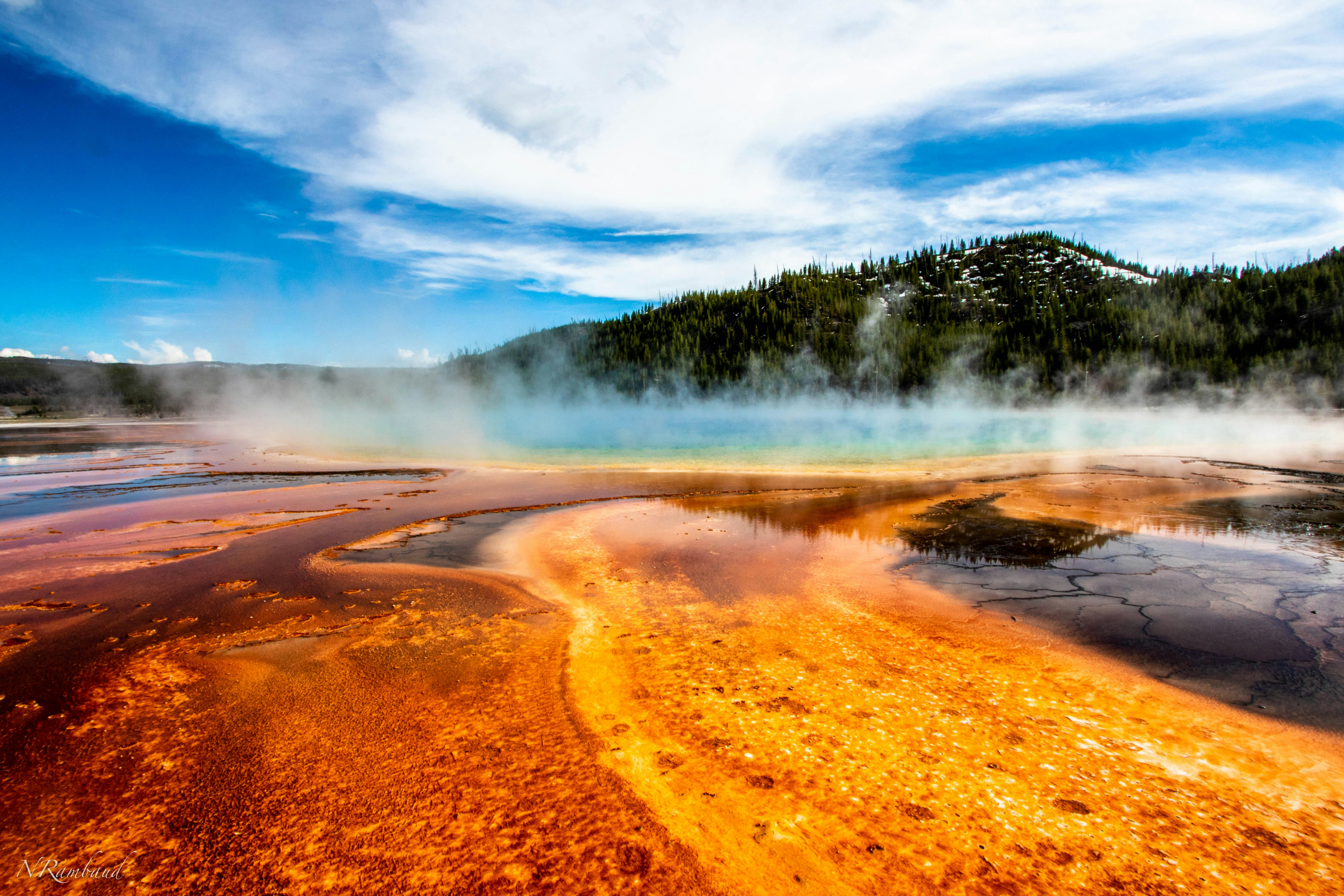
Yellowstone is the world's first national park and still its strangest, sitting atop a supervolcano that surfaces as thousands of geysers, hot springs, and mudpots.
Old Faithful erupts on a near-hourly schedule, while the Grand Prismatic Spring's rainbow colours come from heat-loving bacteria.
Beyond the geothermal basins, the park holds free-roaming bison, elk, wolves, and grizzly bears across nearly 9,000 square kilometres of forest and canyon.
How does it rate
CrowdsRomanceCash RequiredDangerAccessibilityWhy you should go
Nowhere else combines a supervolcano's geysers and hot springs with free-roaming bison, wolves, and grizzly bears in one park.
Why you shouldn't go
Peak summer brings gridlock traffic and packed boardwalks at the famous geyser basins.
Plan your visit
Best time to visitLate May-June or September for wildlife and thinner crowds; many roads close in winter.Best time of dayEarly morning for wildlife viewing and quieter geyser basins before tour buses arrive.Getting thereFly to Jackson Hole or Bozeman; 1.5-3 hour drive to the nearest park entrance.Entry cost$35 per vehicle, valid 7 daysTime needed3+ daysInsider tip — Watch Old Faithful from the Observation Point trail above the boardwalk to skip the crowd at ground level. -
 #291 /100
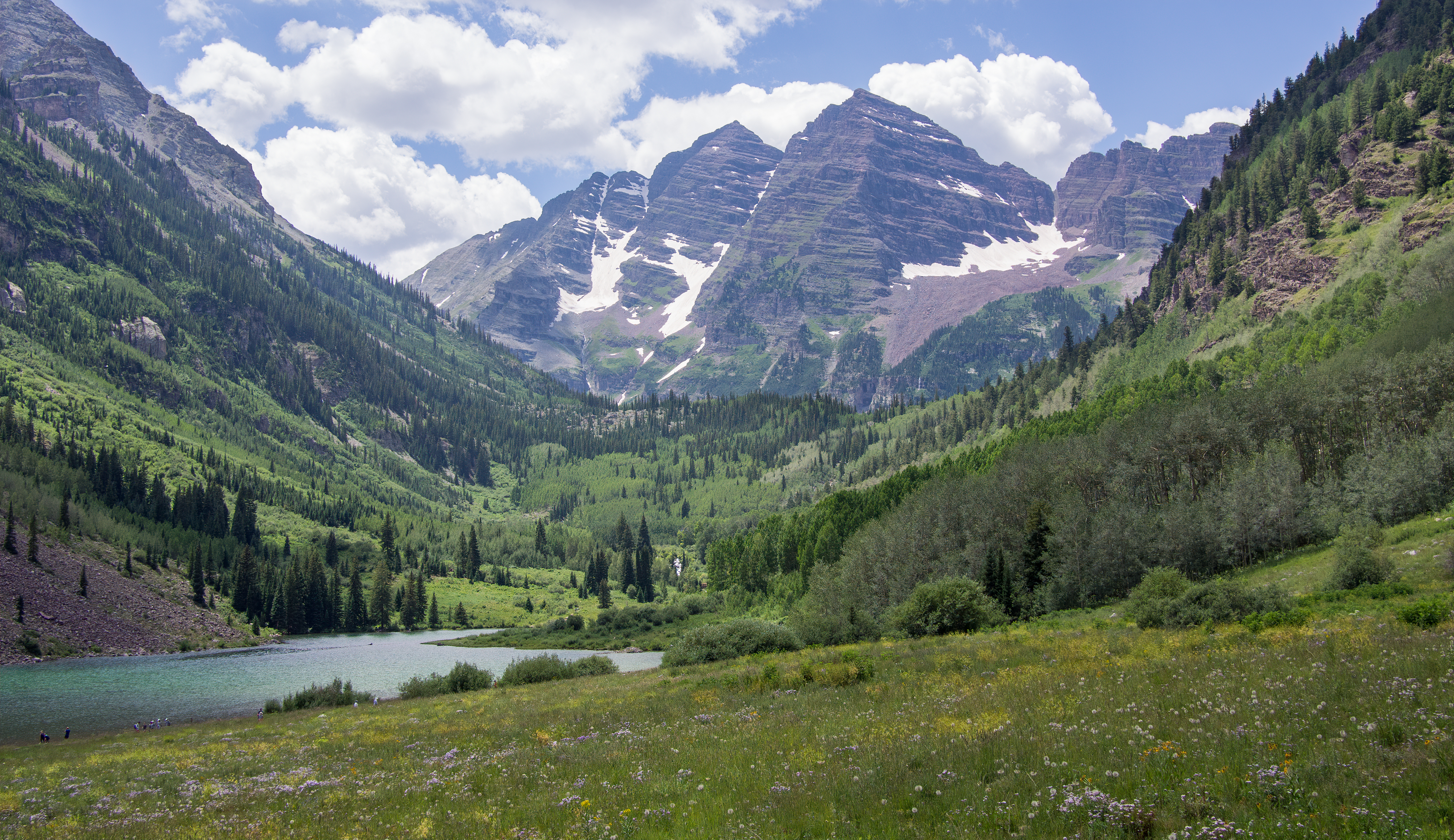
The Maroon Bells are two peaks — Maroon Peak and North Maroon Peak — in the Elk Mountains of Colorado, rising to 4,317 and 4,273 metres respectively.
The reflection of the burgundy-coloured peaks in the still waters of Maroon Lake, particularly in autumn when the surrounding aspen trees turn gold, is one of the classic sights of the American Rockies.
How does it rate
CrowdsRomanceCash RequiredDangerAccessibilityWhy you should go
The autumn reflection of the Maroon Bells in Maroon Lake, with the aspens turning gold around the shoreline, is one of the great landscape photographs of the American West.
Why you shouldn't go
Access by private vehicle is restricted and requires a shuttle bus from Aspen; the autumn season brings the most colour but also the most visitors.
Plan your visit
Best time to visitLate September for aspen gold, or July for wildflowersBest time of daySunrise for the reflection in Maroon Lake before wind picks upGetting thereShuttle bus required from Aspen Highlands in peak seasonEntry costShuttle/entry fee ~$10-16Time needed2-3 hoursInsider tip — Early shuttle reservations sell out; book ahead for the classic still-water reflection shot -
 #391 /100
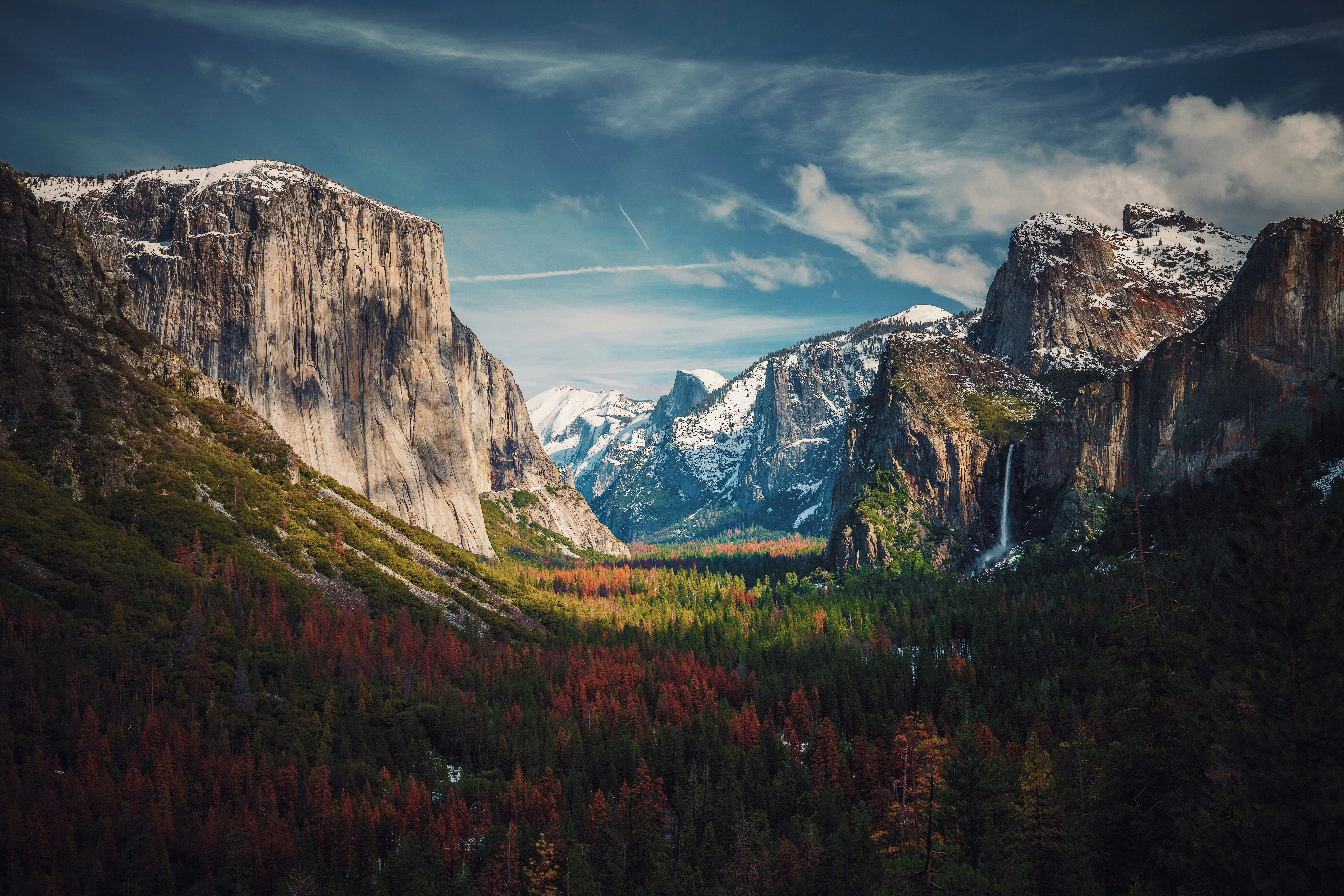
Yosemite Valley is a granite gorge cut by glaciers, with El Capitan and Half Dome rising thousands of feet above the valley floor and waterfalls dropping straight off the rim.
Beyond the valley, the park holds giant sequoia groves, alpine meadows, and high-country lakes reached by the seasonal Tioga Road.
It's one of the birthplaces of American rock climbing, and climbers on El Capitan's face are visible from the valley floor with binoculars.
How does it rate
CrowdsRomanceCash RequiredDangerAccessibilityWhy you should go
Few places pack granite cliffs, giant sequoias, and waterfalls into one valley visible from a single viewpoint.
Why you shouldn't go
Yosemite Valley's roads gridlock in summer, and a timed-entry reservation is often required.
Plan your visit
Best time to visitMay-June for waterfalls at full flow, or September for thinner crowds.Best time of daySunrise at Tunnel View for the valley before the roads fill up.Getting thereFly to Fresno or San Francisco; roughly 2.5-4 hour drive to the valley.Entry cost$35 per vehicle, valid 7 daysTime needed2-3 daysInsider tip — Book the free valley shuttle instead of driving once inside the park - parking fills by mid-morning. -
 #490 /100
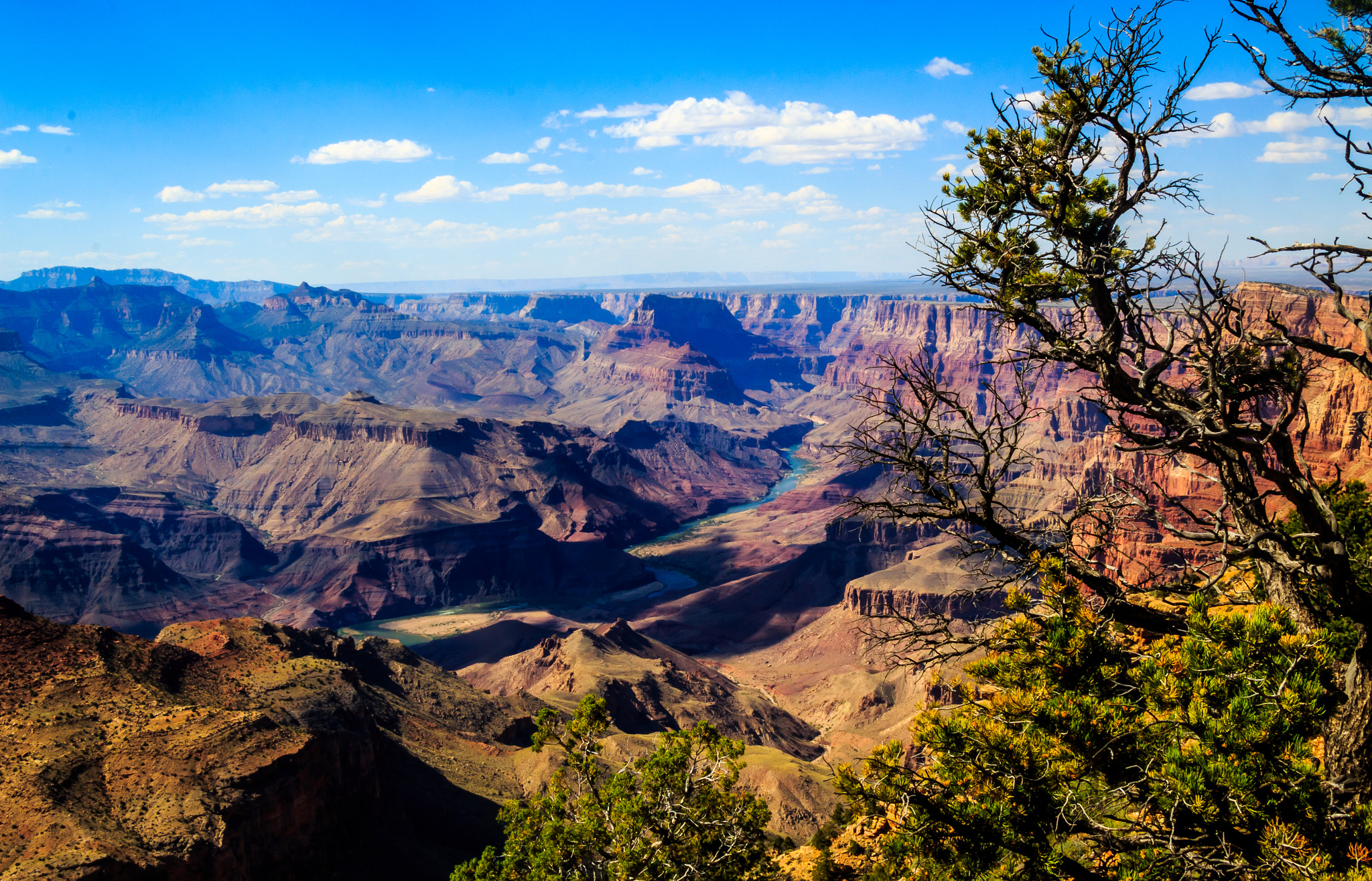
The Grand Canyon is one of the world's great natural wonders — 446 kilometres long, up to 29 kilometres wide, and over 1,800 metres deep, carved over millions of years by the Colorado River.
The layered bands of red rock reveal two billion years of geological history and glow with extraordinary colour at sunrise and sunset.
How does it rate
CrowdsRomanceCash RequiredDangerAccessibilityWhy you should go
The scale of the Grand Canyon is simply incomprehensible until you stand at the rim; the light at golden hour transforms the canyon into something that seems to glow from within.
Why you shouldn't go
The South Rim is very crowded and the most dramatic inner canyon viewpoints require strenuous and potentially dangerous hikes in extreme heat.
Plan your visit
Best time to visitMarch-May or September-NovemberBest time of daySunrise or sunset for the canyon's changing coloursGetting thereFly to Phoenix or Las Vegas, then drive (~3.5-4.5hrs to South Rim)Entry cost~$35/vehicle park entryTime needed1-2 daysInsider tip — The South Rim has the easiest access; go for sunset specifically at Hopi Point -
 #589 /100
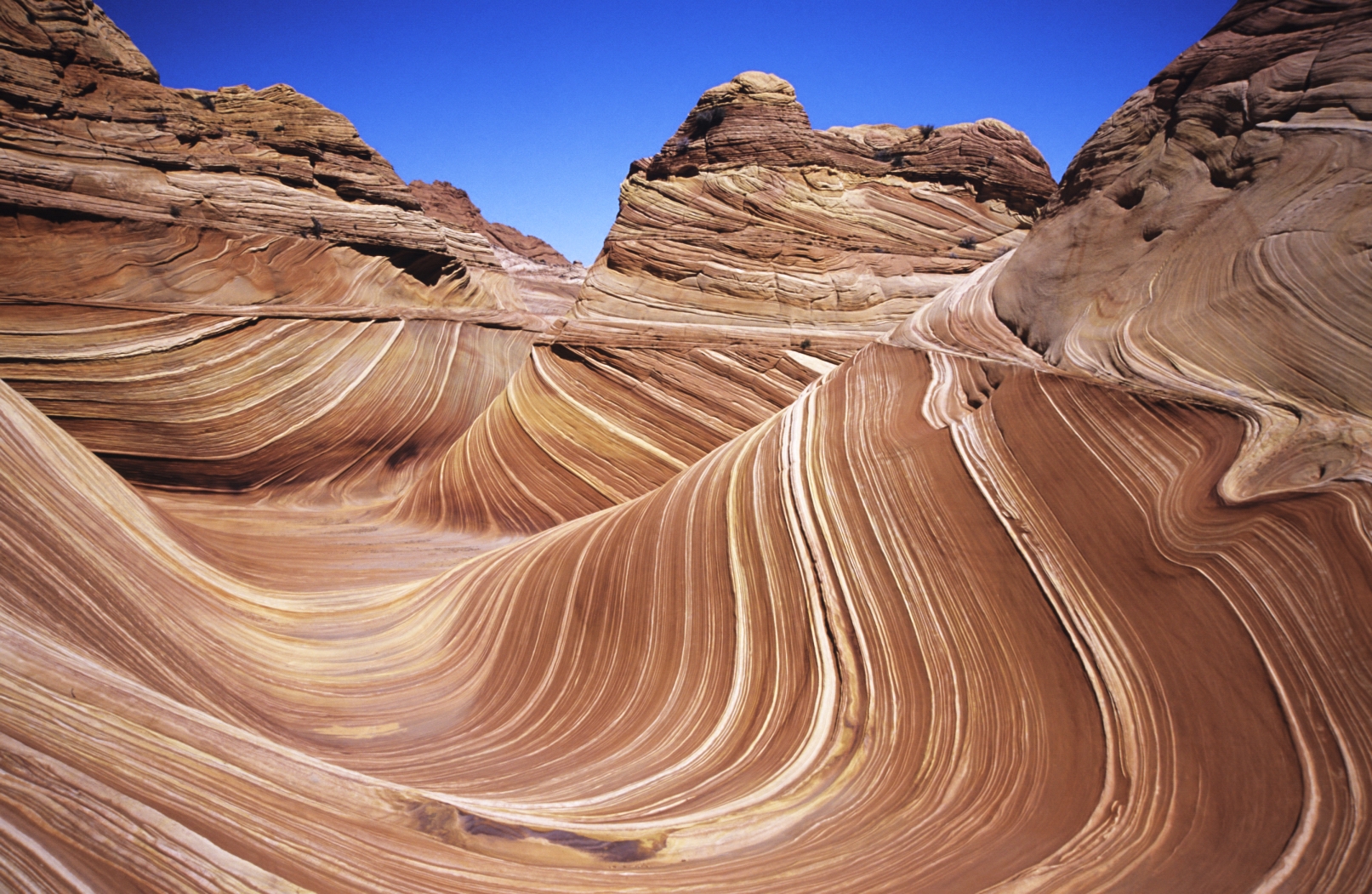
The Wave is a sandstone rock formation in the Coyote Buttes area of the Paria Canyon-Vermilion Cliffs Wilderness in Arizona, famous for its colourful, undulating forms created by 190-million-year-old Jurassic sand dunes.
The swirling bands of red, orange, and pink sandstone make it one of the world's most extraordinary geological formations.
How does it rate
CrowdsRomanceCash RequiredDangerAccessibilityWhy you should go
The Wave's swirling, almost liquid-looking sandstone surface is genuinely unlike anything else on earth; photographed in good light it is one of nature's most abstract landscapes.
Why you shouldn't go
Entry is strictly limited by lottery — only 64 people per day are permitted — and most applicants do not win; the terrain requires navigation skills and has no trail markers.
Plan your visit
Best time to visitMarch-May or September-NovemberBest time of dayMidday for the light bringing out the sandstone coloursGetting thereRemote trailhead near Kanab, Utah; permit requiredEntry costPermit lottery, small feeTime needed5-6 hours round trip hikeInsider tip — Permits are extremely limited via a daily lottery; apply months ahead online -
 #688 /100
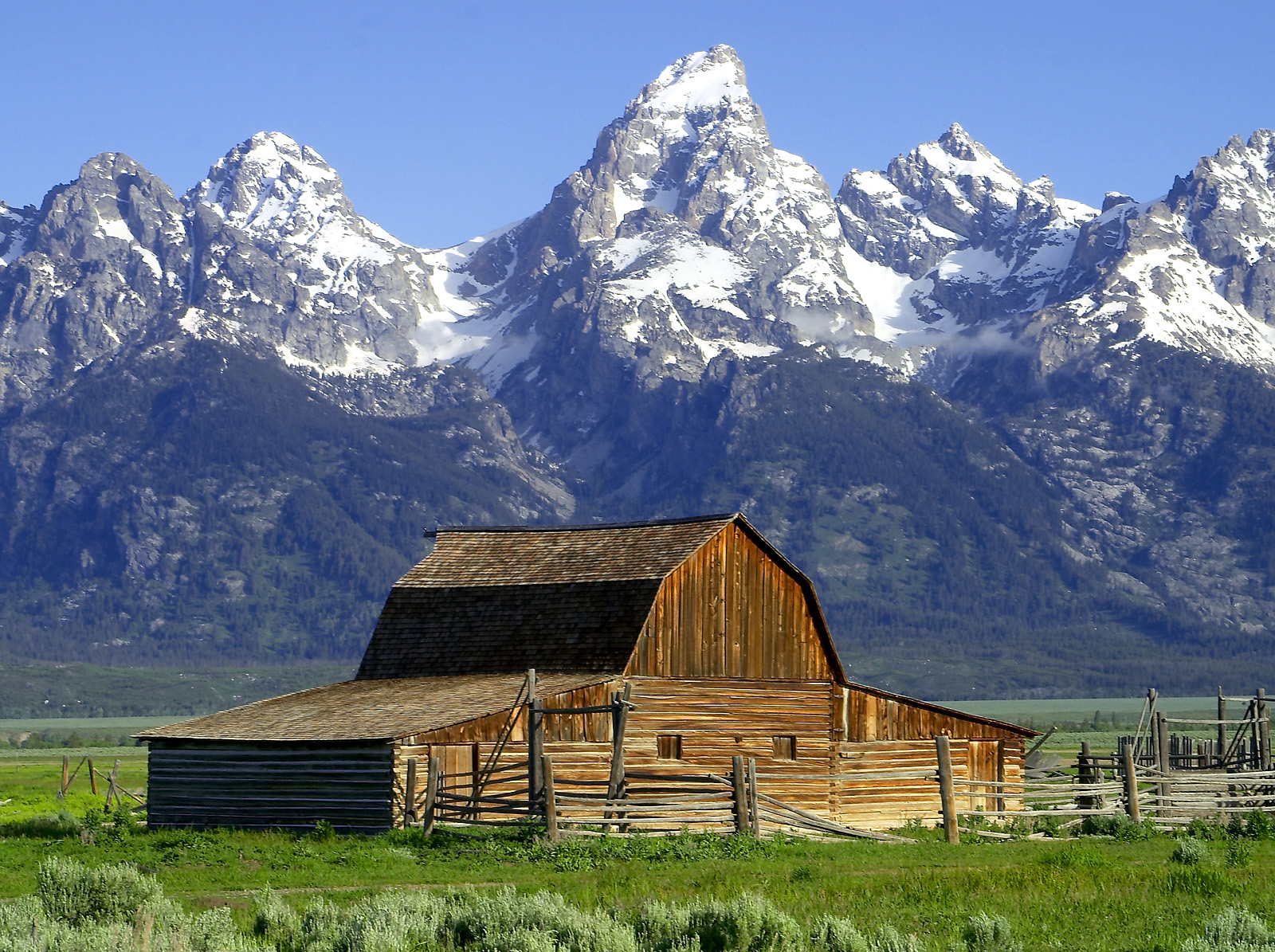
The Teton Range rises abruptly and without foothills from the flat valley floor of Jackson Hole, creating one of the most dramatic mountain frontages in the Americas.
Below it, the Snake River, a chain of glacial lakes and open sagebrush flats hold moose, elk, bison and both black and grizzly bears.
Trails range from flat lakeshore loops to serious alpine climbs within the same few miles of road.
How does it rate
CrowdsRomanceCash RequiredDangerAccessibilityWhy you should go
The Tetons rising directly from the valley floor create an unobstructed mountain wall that produces some of America's most dramatic landscape photographs.
Why you shouldn't go
Wildlife watching opportunities are excellent but not guaranteed; the park is large and distances between key viewpoints are significant.
Plan your visit
Best time to visitJune-SeptemberBest time of daySunrise at Schwabacher Landing or Oxbow Bend for reflectionsGetting thereFly to Jackson Hole AirportEntry costPark pass ~$35/vehicleTime needed2-3 daysInsider tip — Oxbow Bend at dawn gives the classic Teton reflection shot, especially with autumn colour -
 #787 /100
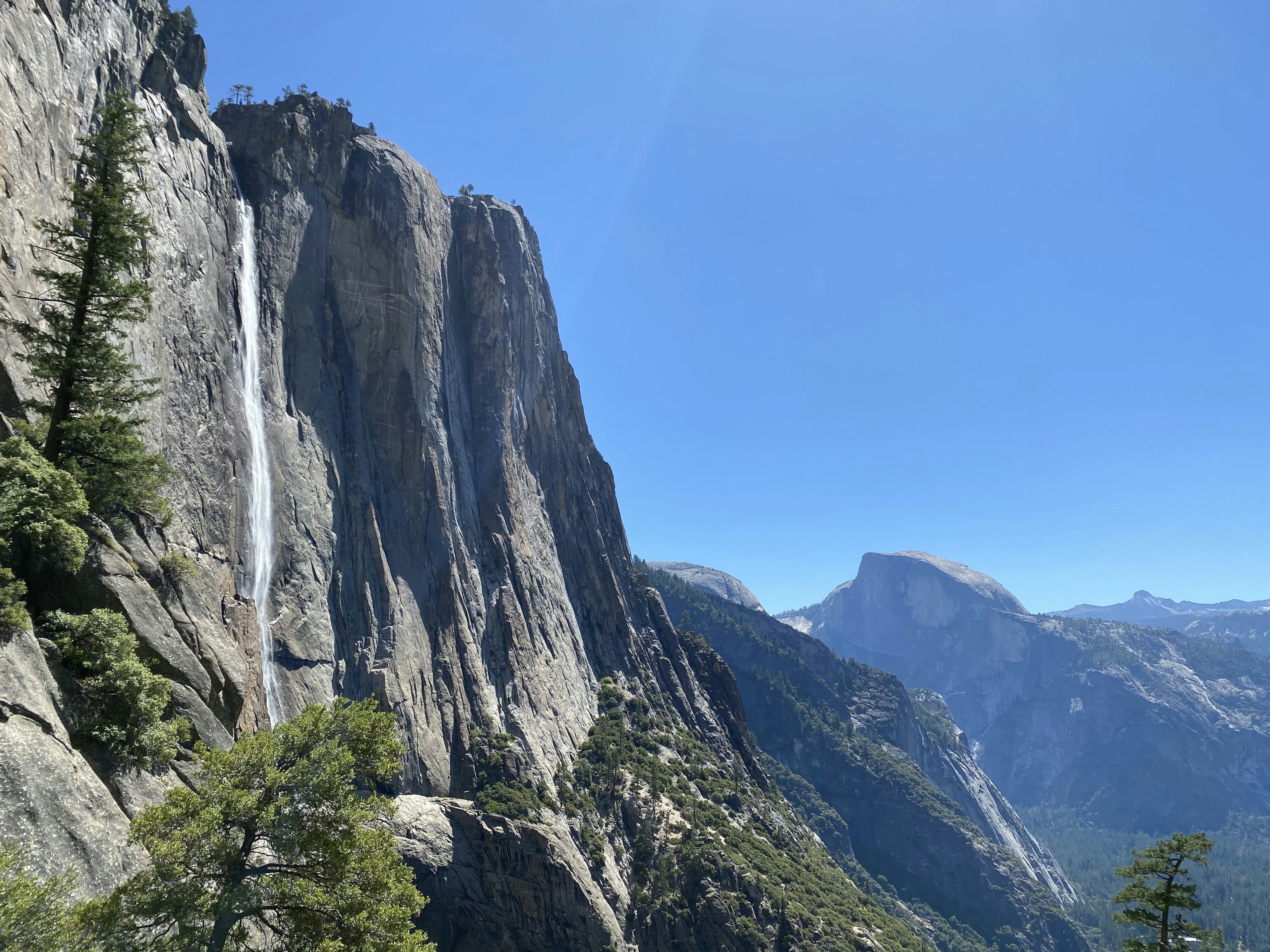
North America's tallest waterfall drops in three tiers down a granite cliff face in Yosemite Valley, at its thunderous peak each spring when snowmelt sends it roaring.
By late summer it can slow to a trickle or vanish entirely, so timing genuinely changes what you see.
The valley floor meadow below offers an open, unobstructed view, with El Capitan and Half Dome in sight at the same time.
How does it rate
CrowdsRomanceCash RequiredDangerAccessibilityWhy you should go
North America's tallest waterfall, framed by two of Yosemite's other icons in a single shot.
Why you shouldn't go
The falls often dry up completely by late summer - arrive in the wrong month and there's nothing to see.
Plan your visit
Best time to visitApril-June, during peak snowmelt; often dry by August-October.Best time of dayMorning, before Yosemite Valley's parking and crowds peak.Getting thereFly to Fresno or San Francisco; drive into Yosemite Valley (no rail or bus to the park itself).Entry costYosemite National Park entry fee; the falls viewpoint itself is free.Time needed1-2 hours from the valley floorBookingBook ahead →Insider tip — Check the park's waterfall flow reports online before visiting - timing a trip around peak snowmelt matters more here than at almost any other major waterfall. -
 #887 /100
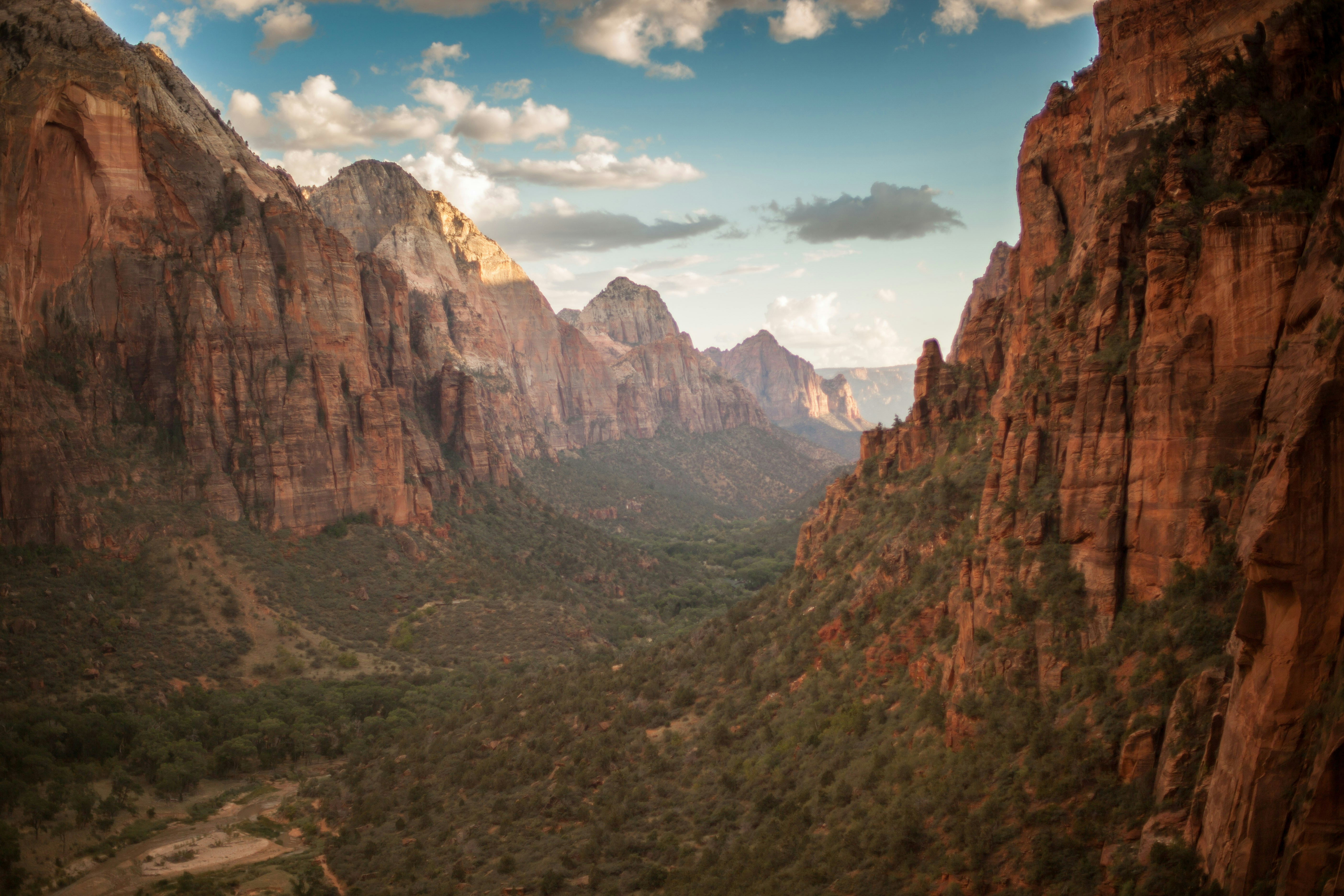
Zion's main canyon is a half-mile-deep slot of red and cream sandstone carved by the Virgin River, with the Narrows letting visitors wade upriver between walls that close in overhead.
The valley floor is reached only by a free shuttle in peak season, keeping the canyon quieter than the crowded parking lots suggest.
Angels Landing's chained final pitch is the park's signature scramble, but most of the canyon is accessible on flat paved trails.
How does it rate
CrowdsRomanceCash RequiredDangerAccessibilityWhy you should go
A narrow, towering sandstone canyon you can wade straight up the middle of via the Virgin River.
Why you shouldn't go
Angels Landing needs a lottery permit, and summer flash-flood risk can close the Narrows without notice.
Plan your visit
Best time to visitApril-May or September-October, avoiding summer flash-flood season and winter Narrows closures.Best time of dayEarly morning shuttle to beat both the heat and the crowds at the canyon trailheads.Getting thereFly to Las Vegas; roughly 2.5 hour drive to the park entrance at Springdale.Entry cost$35 per vehicle, valid 7 daysTime needed1-2 daysInsider tip — Rent canyoneering shoes and a walking stick in Springdale before hiking the Narrows - the river rocks are slick. -
 #985 /100
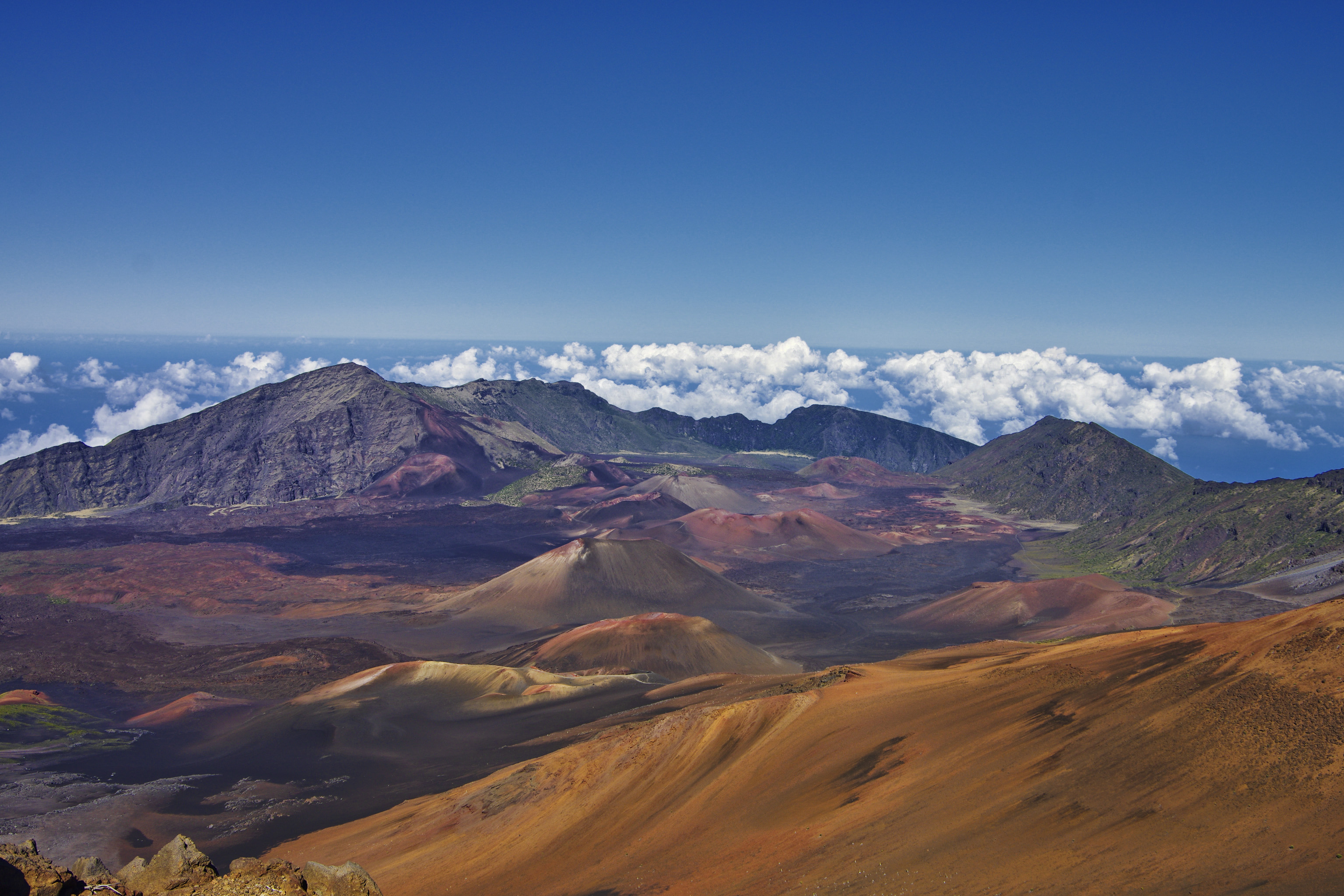
Haleakala's summit on Maui sits at 3,055 metres above sea level, placing it above the clouds for one of the world's most famous sunrise experiences.
The volcanic crater contains a moonlike landscape of cinder cones and lava flows extending 11 kilometres across and 800 metres deep.
How does it rate
CrowdsRomanceCash RequiredDangerAccessibilityWhy you should go
Watching the sun rise above the clouds from the summit crater rim is a spiritual experience; the volcanic landscape below and clouds stretching to the horizon are genuinely awe-inspiring.
Why you shouldn't go
Sunrise viewing requires an advance reservation, you must drive up before 3am, and the summit is bitterly cold even in Hawaiian summer.
Plan your visit
Best time to visitYear-roundBest time of daySunrise (needs advance reservation) or sunsetGetting there~1.5-2hr drive from Kahului, MauiEntry costPark entry ~$30/vehicle, sunrise reservation ~$1 extraTime neededHalf dayInsider tip — Book the sunrise reservation weeks ahead; it sells out, and bring warm layers, it is near freezing at the summit -
 #1083 /100
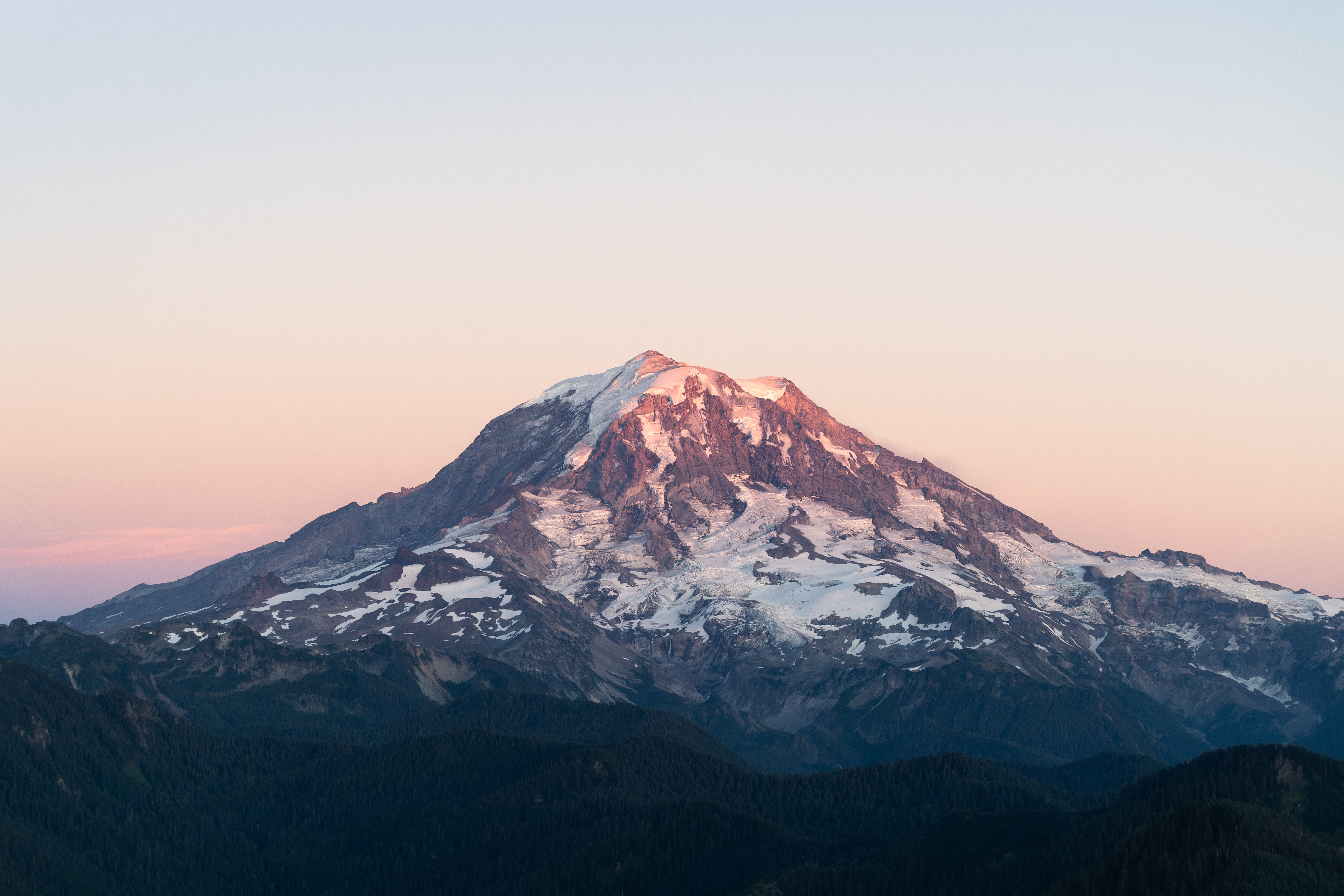
Mount Rainier is an active stratovolcano rising 4,392 metres above the Puget Sound lowlands of Washington State, making it the most topographically prominent peak in the contiguous United States.
In summer, its slopes are carpeted with wildflower meadows and it is reflected in the lakes of Paradise and Reflection Lakes.
How does it rate
CrowdsRomanceCash RequiredDangerAccessibilityWhy you should go
The wildflower meadows around Paradise in midsummer, with the glacier-clad volcano rising above, offer some of the most beautiful subalpine scenery in America.
Why you shouldn't go
Mount Rainier is frequently obscured by cloud or fog and the park roads close from October to May due to snow; summit attempts require technical mountaineering skills.
Plan your visit
Best time to visitJuly-September (wildflower season, most trails snow-free)Best time of daySunrise from Reflection Lakes for a mirror image of the peakGetting there~1.5-2hr drive from SeattleEntry costPark entry ~$30/vehicleTime neededFull dayInsider tip — Reflection Lakes needs a calm, windless morning; check conditions before making the early drive -
 #1182 /100
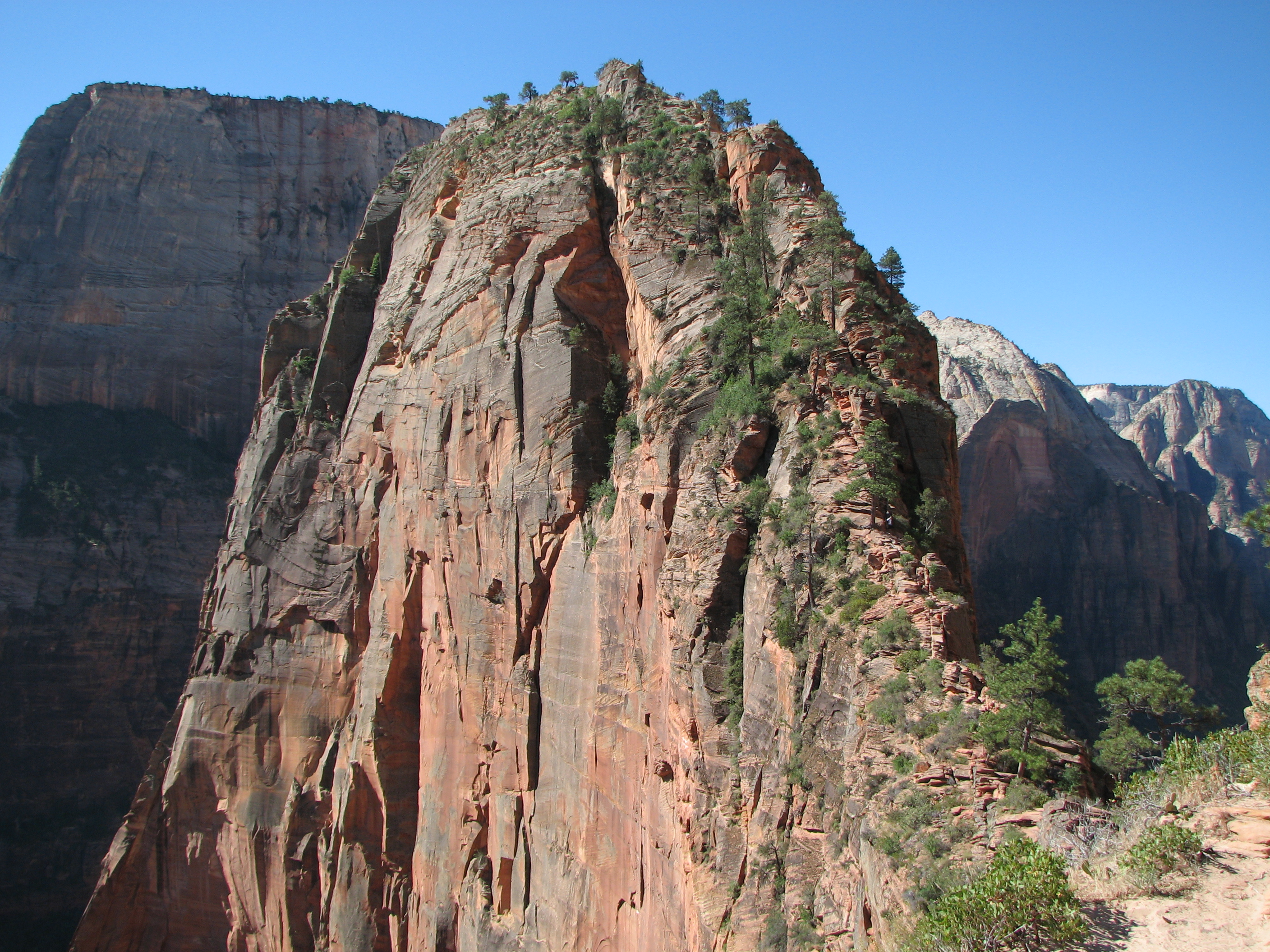
A steep 2.
5-mile round trip up Zion Canyon's sandstone spine, finishing on a knife-edge ridge with chain handholds and 1,200-foot drops on both sides.
The switchbacking approach up Walter's Wiggles gives way to an exposed scramble that rewards climbers with a sweeping view down Zion Canyon.
A permit lottery now limits how many hikers tackle the chains at once, since it's not for anyone uneasy with heights.
How does it rate
CrowdsRomanceCash RequiredDangerAccessibilityWhy you should go
The payoff view straight down Zion Canyon from a narrow sandstone ridge most visitors only see from below.
Why you shouldn't go
The final chained section is genuinely exposed and has recorded fatalities; a lottery permit is mandatory.
Plan your visit
Best time to visitSpring and autumn for mild temperatures; avoid the chains in wet or icy conditions.Best time of dayEarly morning to beat both the heat and the midday permit-holder crowds on the chains.Getting thereFly to Las Vegas or St George; drive to Zion, then shuttle to the Grotto trailhead.Entry costZion entry $35/vehicle; Angels Landing permit $6 application plus $3/person if selected.Time needed3-4 hours round tripBookingBook ahead →Insider tip — Enter both the seasonal lottery and the day-before lottery - the day-before draw has far better odds. -
 #1278 /100
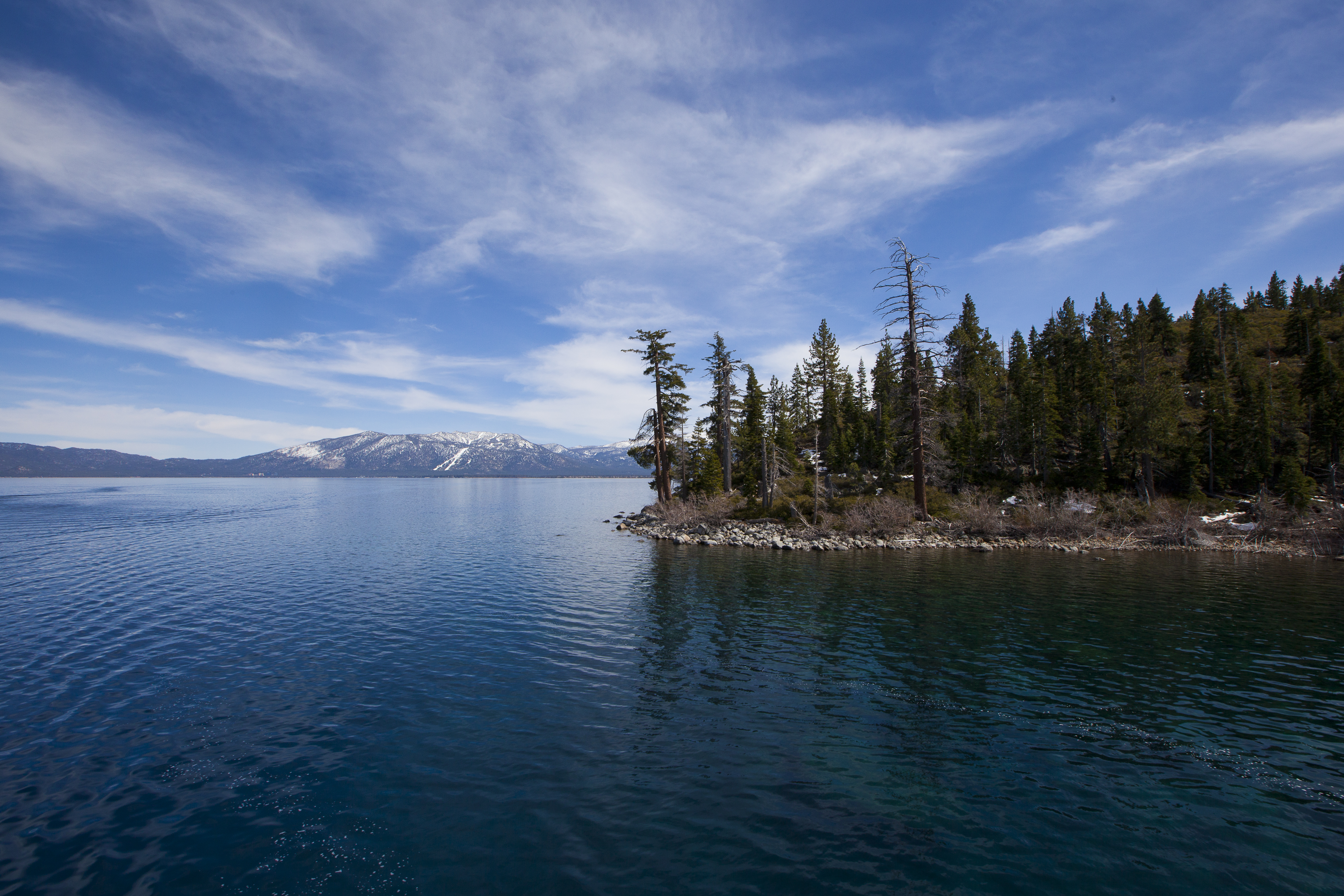
Lake Tahoe straddles the border between California and Nevada in the Sierra Nevada mountains, its remarkable clarity allowing visibility to a depth of over 20 metres.
Surrounded by ski resorts, pine forests, and granite peaks, it offers spectacular hiking and water sports in summer and world-class skiing in winter.
How does it rate
CrowdsRomanceCash RequiredDangerAccessibilityWhy you should go
The clarity of Lake Tahoe's water and the surrounding mountain scenery make it one of the most beautiful alpine lakes in North America; the sunsets across the lake are spectacular.
Why you shouldn't go
The lake is heavily developed on both the California and Nevada shores; traffic congestion and parking can be severe during summer weekends.
Plan your visit
Best time to visitJune-September for swimming/hiking, Dec-March for skiingBest time of daySunrise for calm, mirror-like waterGetting there~1hr drive from Reno, ~3.5hrs from San FranciscoEntry costFree; some beaches charge for parkingTime needed2-3 daysInsider tip — Emerald Bay viewpoint is the most photographed spot on the lake; get there early for parking in summer -
 #1374 /100
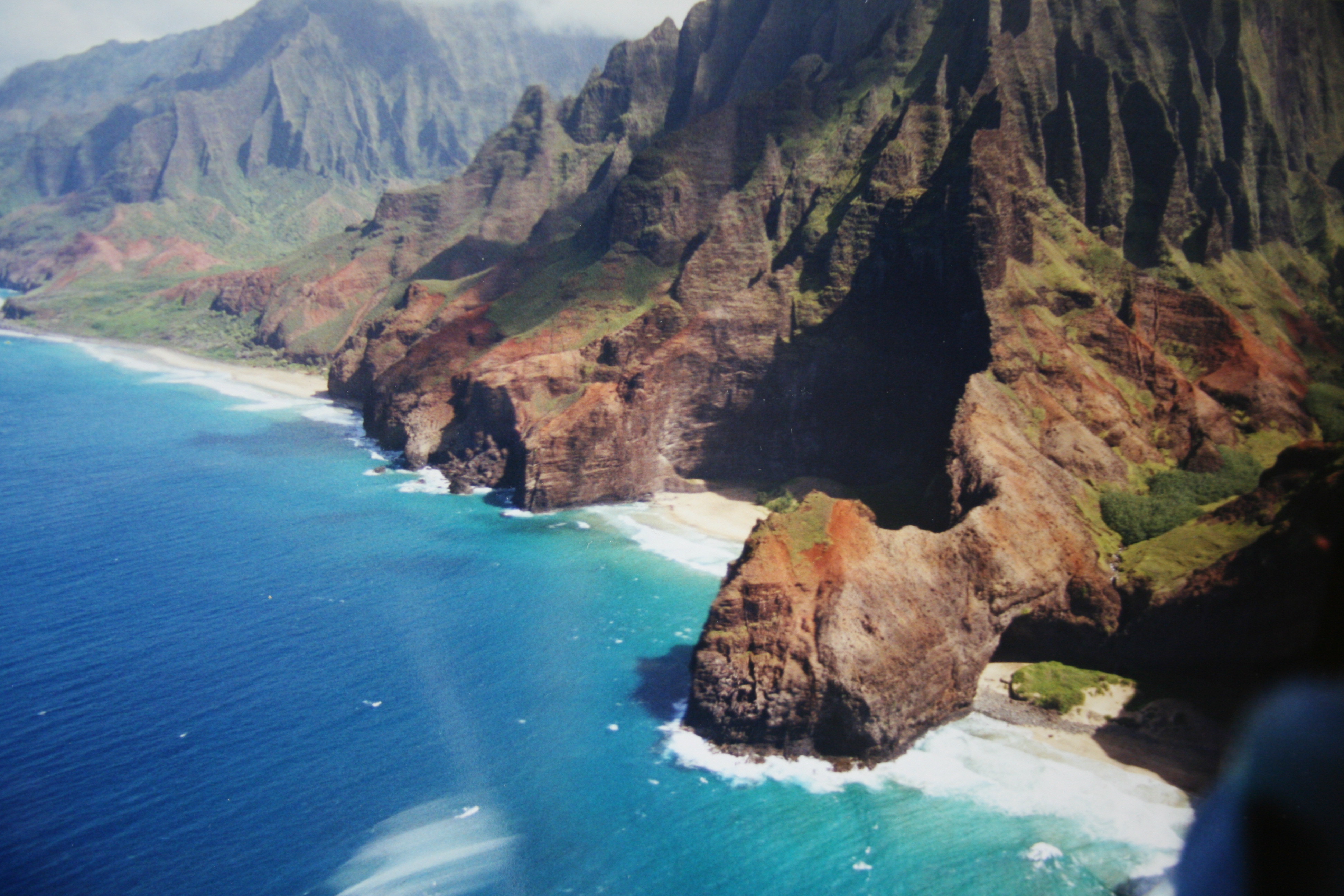
An 11-mile coastal trail along Kauai's Na Pali Coast, climbing in and out of fluted, jungle-green valleys with the Pacific breaking against sea cliffs far below.
The route crosses Hanakapiai Stream, skirts the exposed Crawler's Ledge, and ends at the remote Kalalau Valley and beach.
Permits are required past the two-mile mark and are famously hard to secure, often selling out within seconds of release.
How does it rate
CrowdsRomanceCash RequiredDangerAccessibilityWhy you should go
Sea cliffs, waterfalls and jungle valleys along one of the most dramatic coastlines in the Pacific.
Why you shouldn't go
Crawler's Ledge and several stream crossings turn genuinely dangerous in rain, and permits vanish in seconds.
Plan your visit
Best time to visitMay-September (drier season); stream crossings can become impassable in winter rains.Best time of dayEarly morning start to clear exposed sections before afternoon heat.Getting thereFly to Lihue; drive about an hour to the trailhead at Ke'e Beach, the end of the road.Entry costCamping permit $25/night (Hawaii residents) or $35/night (non-residents).Time needed2-3 days for the full trail; day hikers often turn back at Hanakapiai FallsBookingBook ahead →Insider tip — Permits release exactly 90 days ahead at midnight Hawaii time and go in seconds - have your account and dates ready beforehand. -
 #14
#14Rated #14 of 14
Napa Valley Wine Country Cycling Route
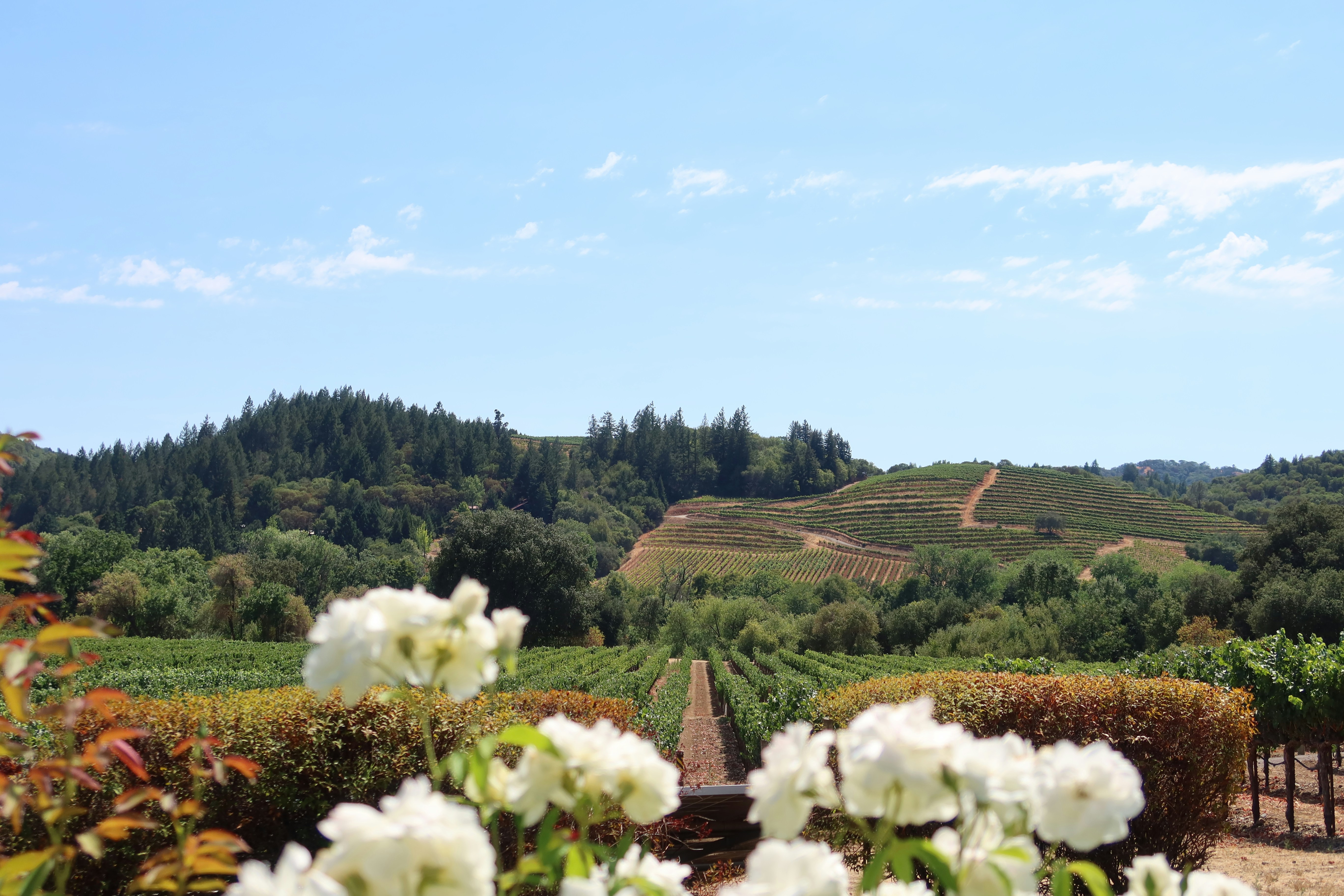
#napavalleywinecountrycyclingroute ◆ Cycling Tours62 /100The paved Vine Trail runs 12.
5 miles between downtown Napa and Yountville, weaving past manicured vineyard rows, stone wineries and oak-dotted hills.
Quieter backroads through Carneros add rolling, sheep-grazed vistas that turn yellow with wild mustard flowers each spring.
The route is flat enough for casual riders, with tasting rooms, bakeries and picnic stops built into most itineraries.
How does it rate
CrowdsRomanceCash RequiredDangerAccessibilityWhy you should go
Flat, paved trail through postcard vineyard scenery with wine-tasting stops built into the ride.
Why you shouldn't go
Summer weekend traffic on shared vineyard roads can be heavy, and tasting and rental costs add up fast.
Plan your visit
Best time to visitMar-May for mustard-flower bloom, or Sep-Oct for harvest colour.Best time of dayMorning, before afternoon heat and before tasting-room crowds peak.Getting thereFly to San Francisco or Oakland; drive or shuttle roughly 1 hour to downtown Napa.Entry costBike rental from USD 60-90/day; tastings extraTime neededHalf a day to a full dayBookingBook ahead →Insider tip — Ride the car-free Vine Trail itself, then loop back on quieter Carneros backroads instead of the busy Silverado Trail for winery views without traffic.


More from the United States
-


More Adventure spots
-
How a score is built
One score out of 100, five criteria behind it
Every place is rated 1–5 on each of the criteria below, then combined into a single score out of 100. It's calculated by us, the same way every time — not an average of traveller reviews or social votes.
Crowds
How many people you'll be sharing it with, and at what time of day.
Romance
How well it suits a couple, a proposal, or a quiet moment together.
Cash required
Entry fees, permits, guides, rentals — what it actually costs to do it.
Danger
Physical risk involved, from a slippery viewpoint to genuine hazard.
Accessibility
How far off the beaten path it is, and how hard it is to actually reach.

