-
 #192 /100
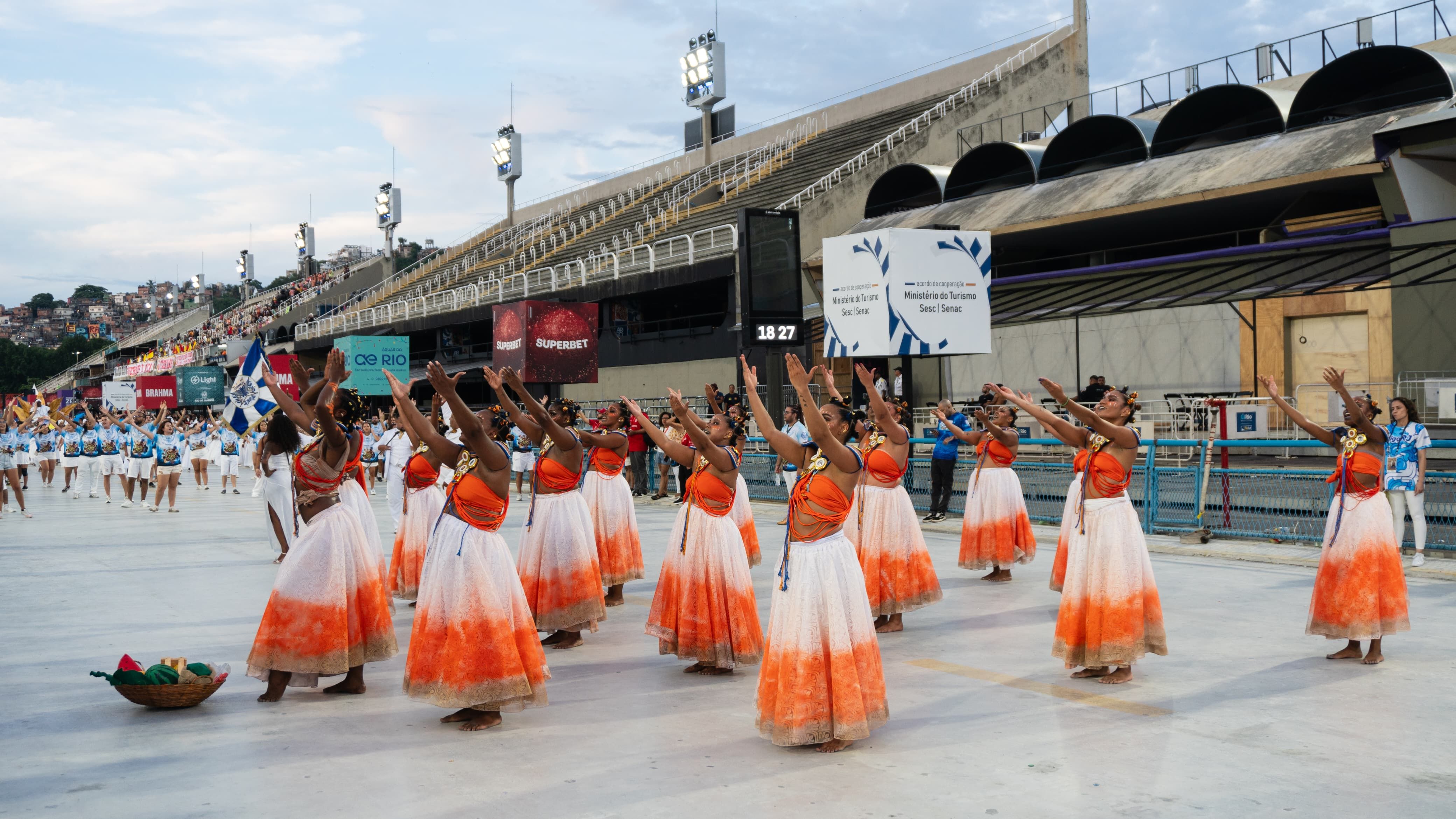
Rio de Janeiro's Carnival is the largest and most famous in the world, headlined by Sambadrome parades where the city's top samba schools compete through the night in elaborate feathered costumes and floats years in the making.
Beyond the Sambadrome, hundreds of free street parties called blocos take over neighbourhoods for days, open to anyone who wants to dance along.
How does it rate
CrowdsRomanceCash RequiredDangerAccessibilityWhy you should go
The world's biggest carnival: all-night samba school parades in a purpose-built stadium, plus hundreds of free street parties.
Why you shouldn't go
Sambadrome tickets and hotel prices spike hard during the week, and Rio's usual pickpocketing risks are heightened in dense crowds.
Plan your visit
Best time to visitFebruary or March, timed to the 40 days before Easter (exact dates shift yearly).Best time of dayLate night into early morning, when the top samba schools parade through the Sambadrome.Getting thereFly into Rio de Janeiro-Galeao International Airport, a roughly 30-minute taxi to the Sambadrome or city centre.Entry costSambadrome grandstand seats start around USD75-100; street blocos are free.Time neededA full night for the Sambadrome, or several days to catch multiple street blocos.BookingBook ahead →Insider tip — Join a free street bloco in the days before the Sambadrome parades for a more relaxed, local taste of the carnival without the ticket cost. -
 #288 /100
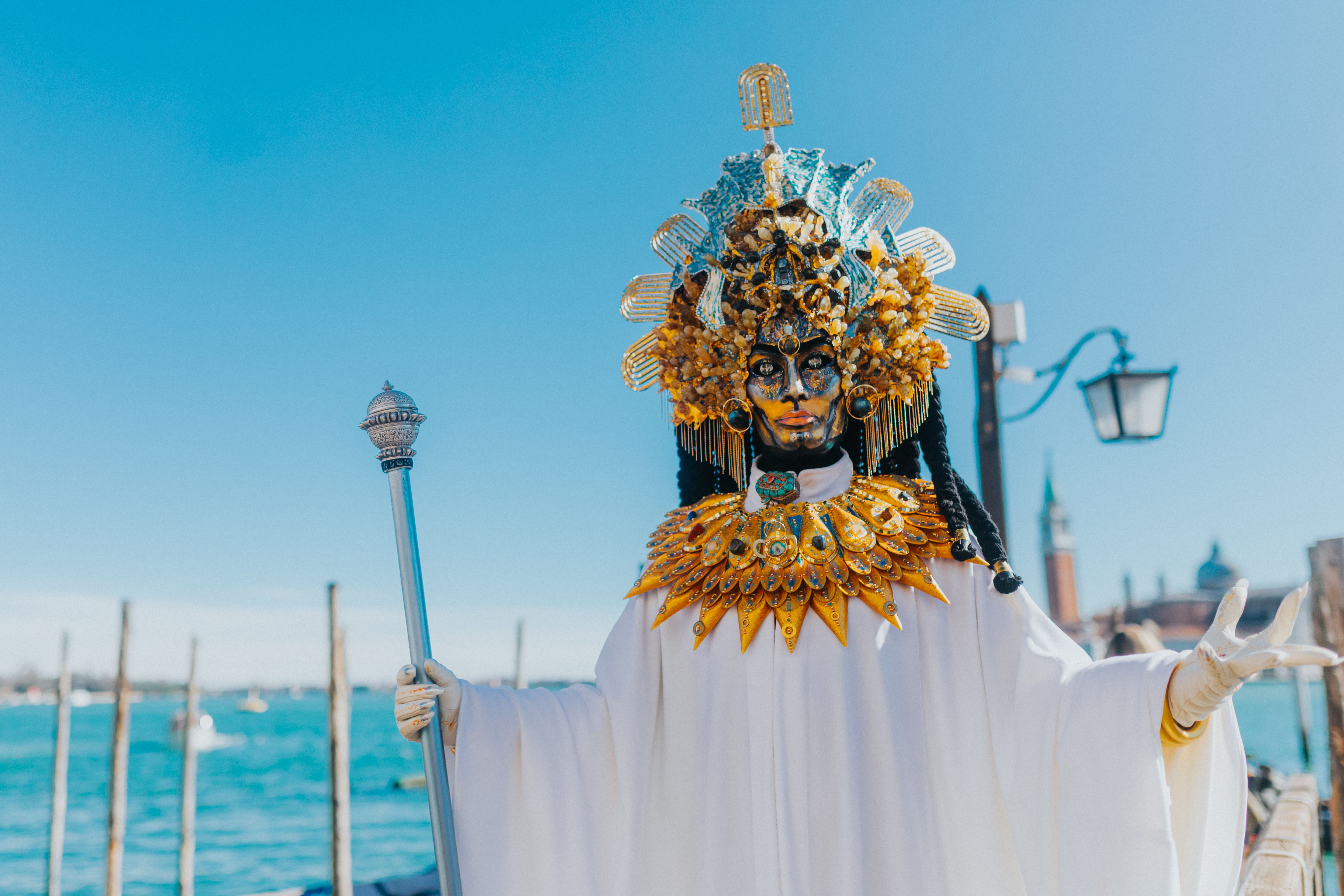
For over a thousand years, Venice has marked the weeks before Lent with elaborate porcelain masks and Baroque-era costumes, worn by visitors who pose motionless along the canals and in St Mark's Square as if stepped from a painting.
The Flight of the Angel, where a costumed performer descends by wire from the Campanile into the square, opens the festival each year.
How does it rate
CrowdsRomanceCash RequiredDangerAccessibilityWhy you should go
Centuries-old masked costumes worn like living paintings against Venice's canals and Baroque squares.
Why you shouldn't go
Hotel and mask-costume rental prices both climb steeply during the festival's two-and-a-half-week run.
Plan your visit
Best time to visitTen days ending on Shrove Tuesday, the day before Ash Wednesday (exact dates shift yearly with Easter).Best time of dayLate afternoon in St Mark's Square, when the soft light and costumed crowds are at their most photogenic.Getting thereFly to Venice Marco Polo Airport, then a water bus or taxi into the historic centre.Entry costFree to watch in the streets and squares; renting a full costume runs roughly EUR150-400.Time neededA full day, or several for the festival's opening and closing events.BookingBook ahead →Insider tip — Arrive at St Mark's Square in the hour after sunrise, before the day's crowds, for the clearest photos of costumed figures against empty backdrops. -
 #382 /100
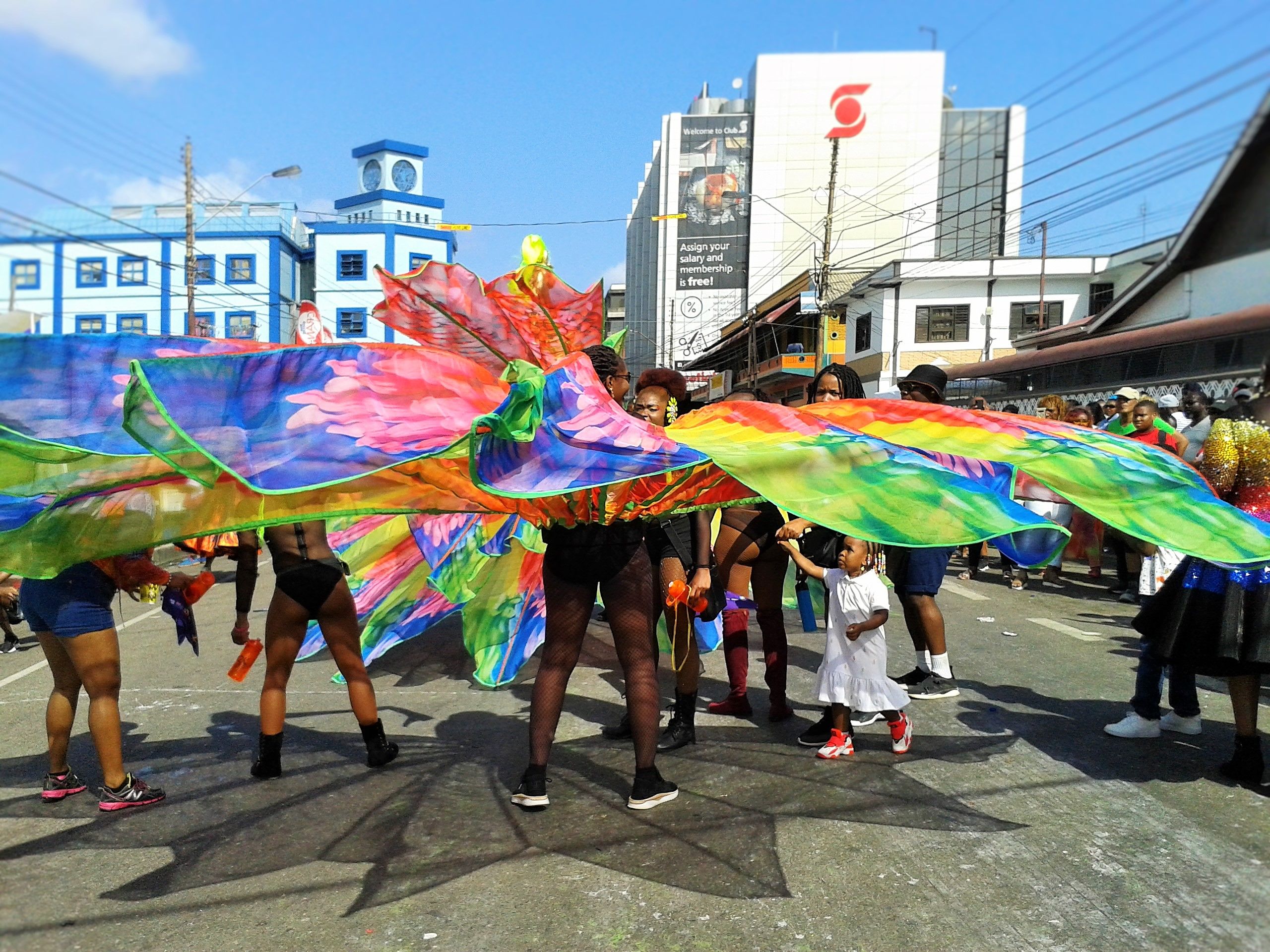
Widely credited as the origin point for Caribbean carnival culture, Trinidad's celebration in Port of Spain centres on 'mas', costumed bands of thousands moving through the streets in elaborate beaded and feathered designs to soca and steelpan music.
J'ouvert, the pre-dawn paint-and-mud opening event, kicks off the main carnival days in deliberately chaotic contrast.
How does it rate
CrowdsRomanceCash RequiredDangerAccessibilityWhy you should go
The Caribbean's original carnival: elaborate feathered 'mas' bands and steelpan music through the streets of Port of Spain.
Why you shouldn't go
Costume-band registration and flights both need booking many months ahead, since the event draws a large diaspora crowd.
Plan your visit
Best time to visitFebruary or March, the two days before Ash Wednesday (exact dates shift yearly).Best time of dayDawn, for J'ouvert, the paint-and-mud opening event that kicks off the main carnival days.Getting thereFly into Piarco International Airport, a roughly 30-minute taxi to Port of Spain.Entry costCostume-band packages to join a mas band run roughly USD400-1,000+.Time neededThe full two main carnival days.Insider tip — Join a mas band rather than just watching if budget allows, since Trinidad Carnival is built as a participatory event rather than a spectator parade. -
 #480 /100
New Orleans' Mardi Gras builds for weeks through parades run by dozens of krewes, social clubs that design elaborate floats and toss beads, cups and doubloons to crowds along St Charles Avenue and through the French Quarter.
By Fat Tuesday the city is in full costume, with the Krewe of Zulu and Krewe of Rex parades considered the day's centrepiece events.
How does it rate
CrowdsRomanceCash RequiredDangerAccessibilityWhy you should go
Weeks of bead-throwing krewe parades through New Orleans, building to a costumed, citywide Fat Tuesday.
Why you shouldn't go
Bourbon Street gets extremely crowded and rowdy by evening, which won't suit anyone wanting a calmer experience.
Plan your visit
Best time to visitFat Tuesday itself, the day before Ash Wednesday (exact date shifts yearly, with parades starting weeks earlier).Best time of dayMidday, for the Krewe of Rex parade along St Charles Avenue on Fat Tuesday.Getting thereFly into Louis Armstrong New Orleans International Airport, a roughly 20-minute taxi to the French Quarter.Entry costFree to watch parades along public routes.Time neededA full day, or several weeks if following the lead-up parades.Insider tip — Watch parades along St Charles Avenue rather than Bourbon Street for a more family-friendly, less crowded view of the floats. -
 #578 /100
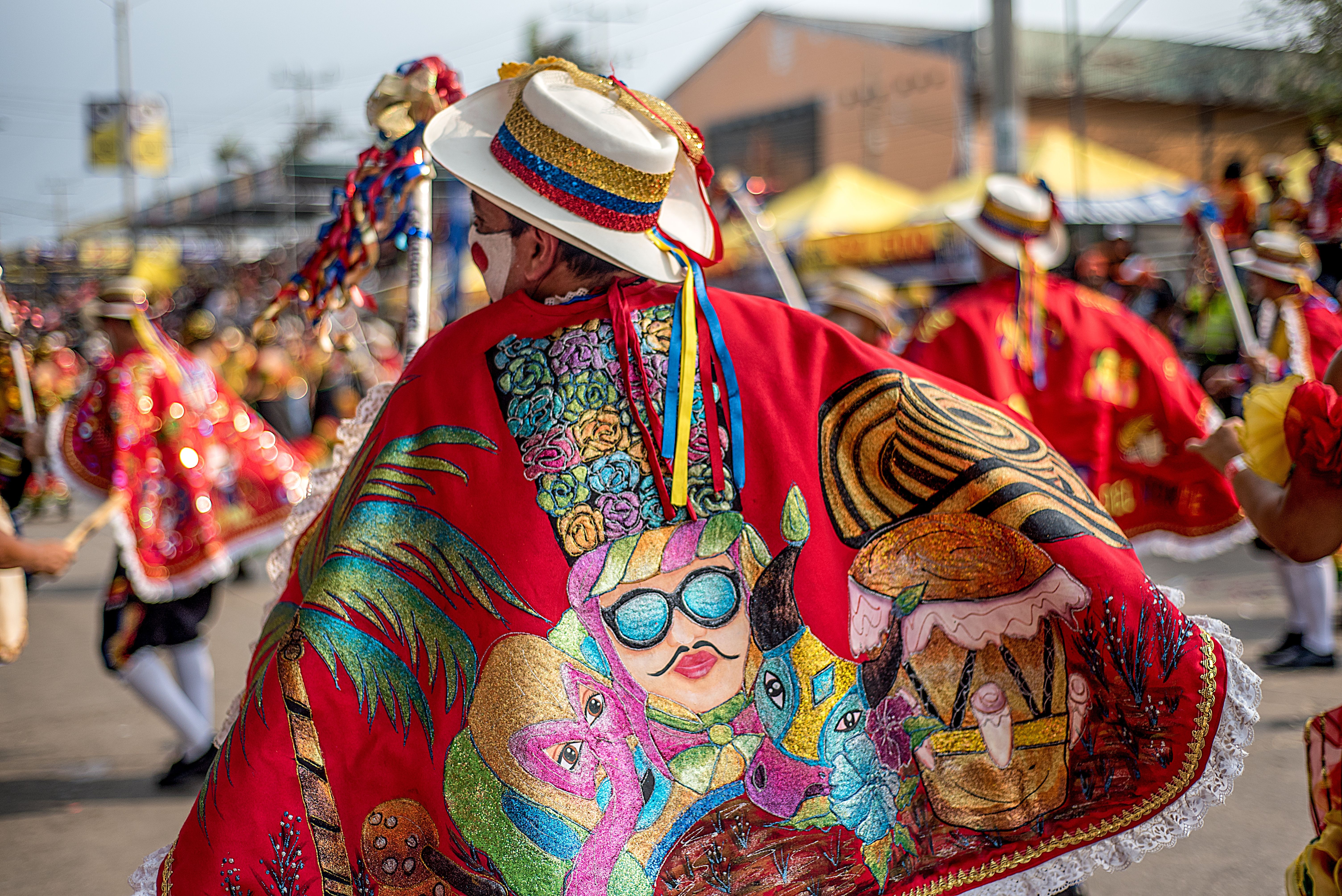
Colombia's biggest carnival and, by most measures, the second-largest in the world after Rio, Barranquilla's four-day celebration blends African, Indigenous and Spanish traditions into parades of cumbia dancers and marimonda figures with their signature long-nosed masks.
UNESCO recognised it in 2003 for how intact its folkloric traditions remain.
How does it rate
CrowdsRomanceCash RequiredDangerAccessibilityWhy you should go
Colombia's biggest carnival, blending Indigenous, African and Spanish traditions into parades considered among the most folklorically authentic anywhere.
Why you shouldn't go
Barranquilla has fewer international flight connections than Bogota or Cartagena, so travel usually needs a connecting flight.
Plan your visit
Best time to visitFebruary or March, the four days before Ash Wednesday (exact dates shift yearly).Best time of daySaturday morning, for the Battle of the Flowers parade that opens the carnival.Getting thereFly into Ernesto Cortissoz International Airport, a roughly 30-minute taxi to central Barranquilla.Entry costGrandstand seating for main parades runs roughly USD20-50; street viewing is free.Time neededA full day, or the full four days for the complete carnival.Insider tip — Book grandstand seats for the Battle of the Flowers well ahead, since it's the carnival's most attended single event. -
 #675 /100
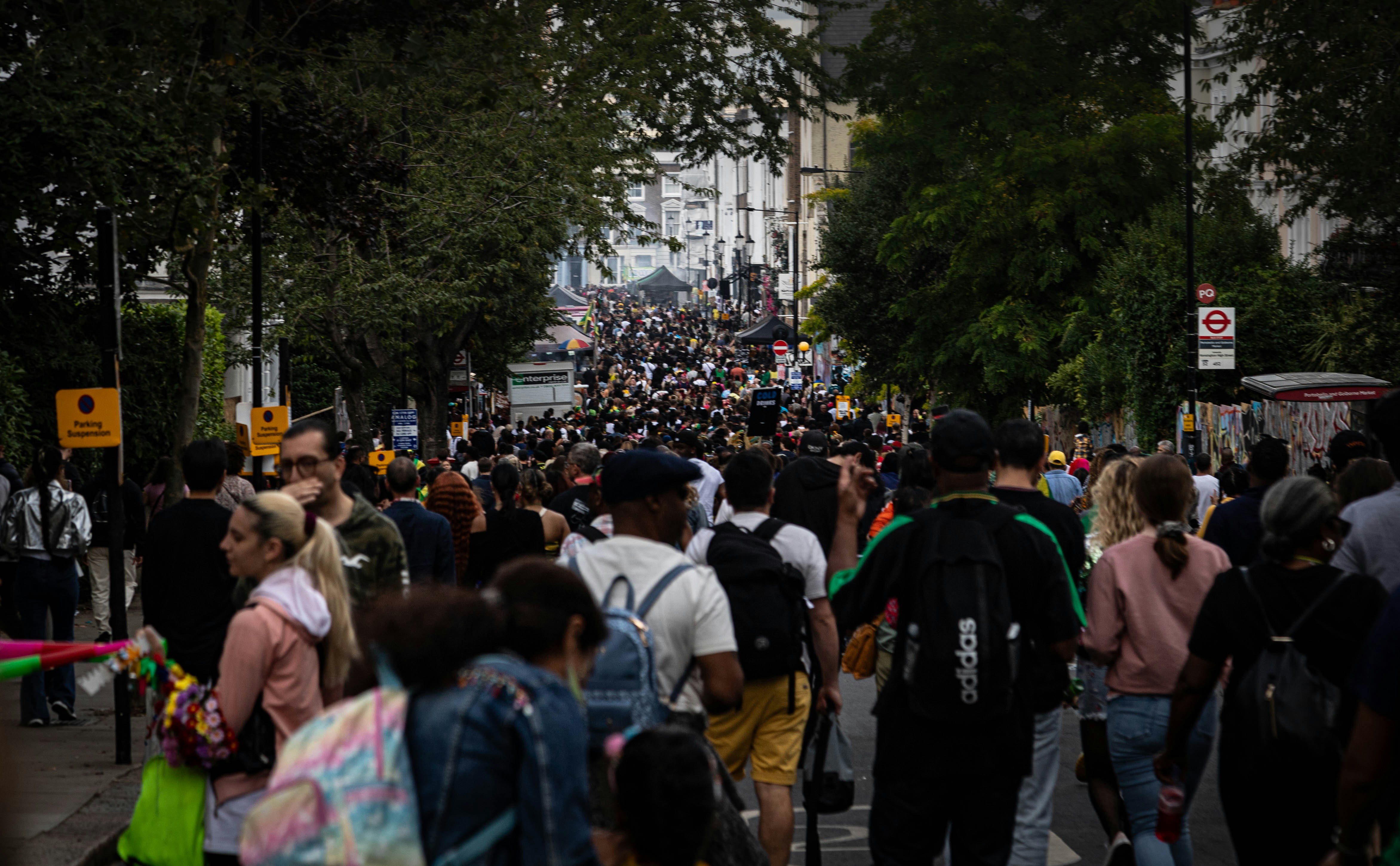
Europe's largest street festival takes over west London every August bank holiday, born from Notting Hill's Caribbean community in the 1960s and now drawing over a million people to watch steel bands, soca floats and dancers in feathered, sequinned costumes wind through the neighbourhood's terraced streets, sound systems blasting reggae and dancehall late into the evening.
How does it rate
CrowdsRomanceCash RequiredDangerAccessibilityWhy you should go
Europe's biggest street carnival, born from London's Caribbean community, filling Notting Hill with steel bands and feathered costumes.
Why you shouldn't go
Crowds are dense enough that pickpocketing and crush points are a real concern in the afternoon peak.
Plan your visit
Best time to visitAugust bank holiday weekend, the carnival's fixed annual dates.Best time of dayMidday to late afternoon on the parade's second, main day, when the main procession is in full swing.Getting thereTake the London Underground to Notting Hill Gate, Ladbroke Grove or Westbourne Park stations.Entry costFree to attend in the streets.Time neededA full day.Insider tip — Follow the parade route rather than staying static, since the crowd thins noticeably a block or two off the main road. -
 #773 /100
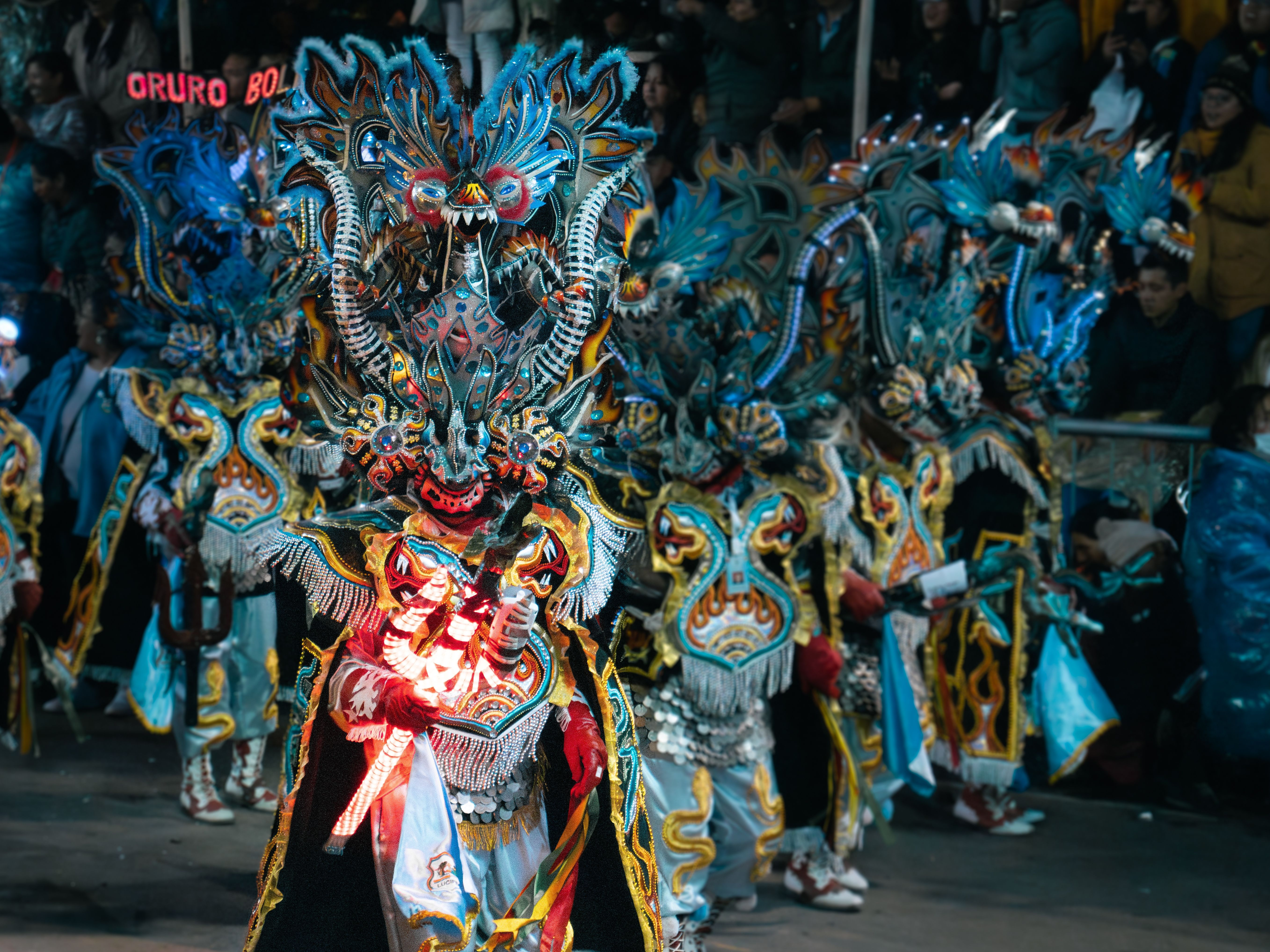
High in the Bolivian Andes, Oruro's carnival is built around the Diablada, an elaborate devil dance performed by dancers in ornate horned masks and embroidered costumes depicting the battle between good and evil.
UNESCO recognised the event in 2001 for how deeply its folklore and costume-making traditions are woven into the city's identity.
How does it rate
CrowdsRomanceCash RequiredDangerAccessibilityWhy you should go
An Andean devil-dance carnival, danced in ornate horned masks along a 20-hour processional route at high altitude.
Why you shouldn't go
Oruro sits at over 3,700m altitude, so altitude sickness is a real risk for visitors arriving without acclimatisation.
Plan your visit
Best time to visitFebruary or March, the weekend before Ash Wednesday (exact dates shift yearly).Best time of dayMorning, when the main Diablada procession begins along its fixed route.Getting thereFly into La Paz, then a bus or train roughly 3-4 hours south to Oruro.Entry costGrandstand seating along the route runs roughly USD15-40.Time neededA full day for the main procession.Insider tip — Spend a day or two in La Paz beforehand to acclimatise to the altitude before travelling on to Oruro. -
 #872 /100
Basel's carnival opens at exactly 4am with the Morgestraich: every streetlight in the old town switches off, and thousands of costumed marchers set out through darkness lit only by hand-painted lanterns worn on their heads.
Three days of fife-and-drum cliques and satirical floats follow, built around a different secret theme each year.
UNESCO listed it as intangible heritage in 2017; it remains a local event run by the same societies.
How does it rate
CrowdsRomanceCash RequiredDangerAccessibilityWhy you should go
A carnival that opens in total darkness at 4am, when Basel's streetlights switch off for thousands of hand-painted lanterns to lead the parade.
Why you shouldn't go
It runs for exactly 72 hours, Monday 4am to Thursday 4am, so mistiming a visit by even a day means missing it entirely.
Plan your visit
Best time to visitThe Monday-Wednesday after Ash Wednesday, in February or March; exact dates shift yearly.Best time of day4am on the opening Monday for the Morgestraich lantern procession, the event's signature moment.Getting thereFly into EuroAirport Basel, or take a direct train from Zurich, Geneva, or Paris; the old town is walkable from Basel SBB station.Entry costFree to watch on the streets; grandstand seats for the daytime Cortege parade can be booked ahead.Time neededA full day covers the highlights; the complete experience takes the full 72 hours.Insider tip — Claim a spot on Marktplatz well before 4am for the Morgestraich - the lights cut out on the exact minute with no countdown, and the best viewing spots fill early. -
 #970 /100
Recognised by UNESCO as a Masterpiece of Oral and Intangible Heritage, Binche's carnival centres on the Gilles, several hundred local men who don wax masks, ostrich-feather hats and bell-covered costumes to dance through the small Belgian town on Shrove Tuesday, throwing blood oranges into the crowd for luck.
The tradition is fiercely protected, passed down through families.
How does it rate
CrowdsRomanceCash RequiredDangerAccessibilityWhy you should go
UNESCO-listed Gilles in wax masks and towering ostrich-feather hats, dancing through a small Belgian town while throwing oranges.
Why you shouldn't go
Binche is a small town with limited accommodation, so day-tripping from Brussels or Mons is usually the practical option.
Plan your visit
Best time to visitFebruary or March, on Shrove Tuesday itself (exact date shifts yearly with Easter).Best time of dayAfternoon, when the Gilles parade through the town centre in full costume throwing oranges.Getting thereTake a train from Brussels or Mons to Binche station, a short walk from the town centre.Entry costFree to watch in the streets.Time neededA full day.Insider tip — Stand well back from the Gilles or catch the oranges deliberately, since they're thrown with real force and considered good luck to receive. -
 #1063 /100
Cologne takes carnival more seriously than almost any other German city, its 'fifth season' building to its real climax on Rose Monday, when satirical floats and marching bands parade through the city centre while crowds shout 'Kolle Alaaf' and scramble for thrown sweets.
Costumed carnival societies, some dating to the 1820s, organise much of the festivities.
How does it rate
CrowdsRomanceCash RequiredDangerAccessibilityWhy you should go
A boisterous German street carnival built around satirical parade floats and a citywide, week-long party.
Why you shouldn't go
The core carnival days are extremely crowded and drinking-heavy, which won't suit visitors looking for a quieter cultural event.
Plan your visit
Best time to visitRose Monday, the carnival's parade peak (falls in February or early March, shifting yearly with Easter).Best time of dayEarly afternoon, for the Rose Monday parade through the city centre.Getting thereFly to Cologne Bonn Airport, then a train roughly 20 minutes to Cologne Hauptbahnhof.Entry costFree to watch the parade in the streets.Time neededA full day.Insider tip — Bring a bag to catch the sweets and small gifts thrown from the floats, a genuine local tradition rather than just for kids.


More from The World
-

How a score is built
One score out of 100, five criteria behind it
Every place is rated 1–5 on each of the criteria below, then combined into a single score out of 100. It's calculated by us, the same way every time — not an average of traveller reviews or social votes.
Crowds
How many people you'll be sharing it with, and at what time of day.
Romance
How well it suits a couple, a proposal, or a quiet moment together.
Cash required
Entry fees, permits, guides, rentals — what it actually costs to do it.
Danger
Physical risk involved, from a slippery viewpoint to genuine hazard.
Accessibility
How far off the beaten path it is, and how hard it is to actually reach.

