-
 #186 /100
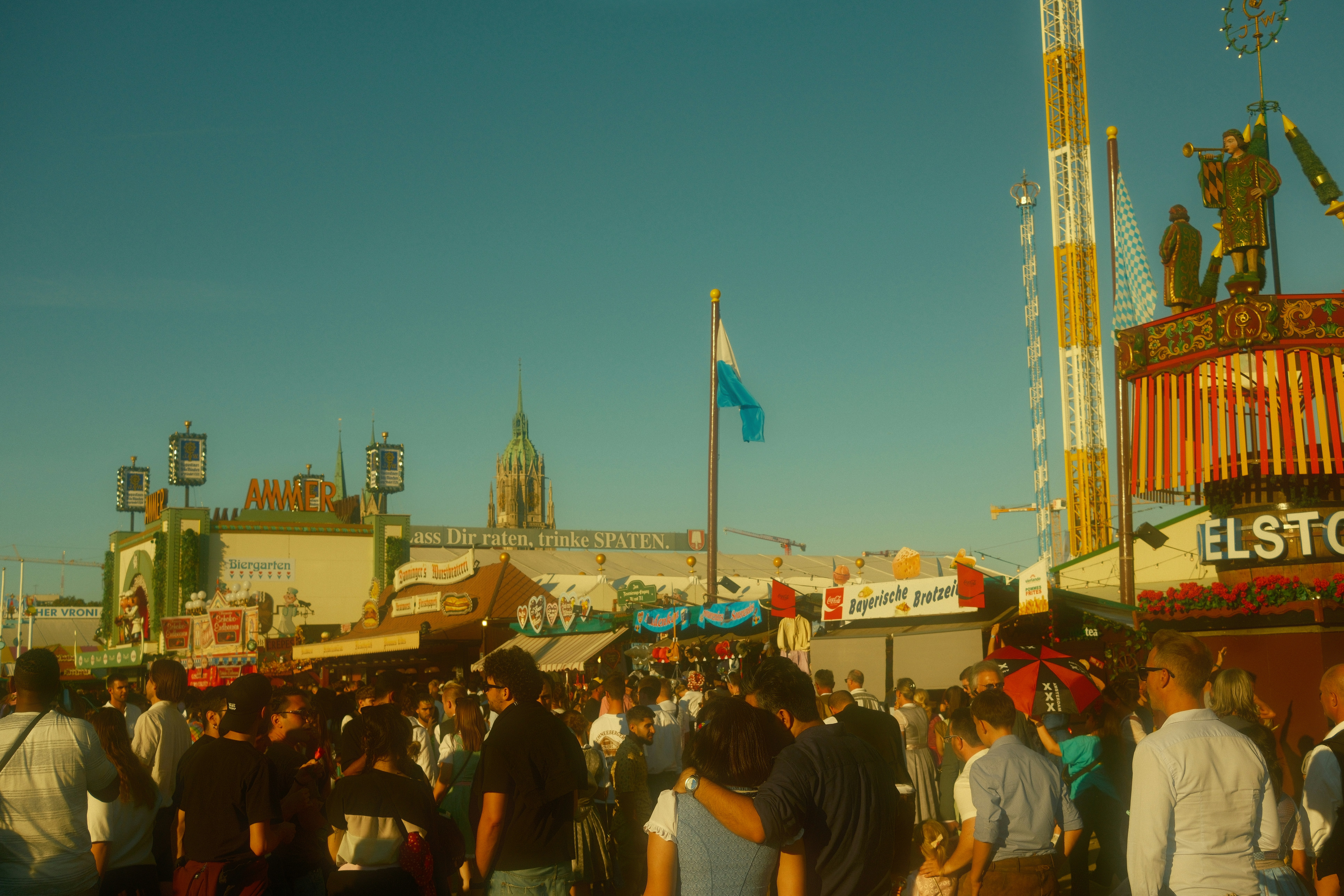
The world's largest beer festival, held on Munich's Theresienwiese since 1810, where tents run by the city's traditional breweries fill each day with brass bands, dirndls and lederhosen, and steins raised in unison.
Beyond the beer it's a proper folk festival, with fairground rides and grounds that hold over 100,000 people at once.
How does it rate
CrowdsRomanceCash RequiredDangerAccessibilityWhy you should go
Sixteen days of Bavarian beer-tent tradition on a fairground scale that has to be seen to be believed.
Why you shouldn't go
Tents fill fast; without a reservation, arriving after mid-morning on weekends often means standing outside.
Plan your visit
Best time to visitLate September to the first Sunday in October, the festival's fixed annual window.Best time of dayA weekday lunchtime, when tents are calmer and tables are easier to find without a booking.Getting thereFly to Munich Airport, then S-Bahn to Hauptbahnhof and a short walk or tram to Theresienwiese.Entry costFree entry to the grounds; a stein of beer runs roughly EUR12-14.Time neededHalf a day, or a full day to properly rotate between tents.BookingBook ahead →Insider tip — Reserve a tent table online months ahead for weekends, or arrive right at the 9am opening on a weekday for a walk-in seat. -
 #285 /100
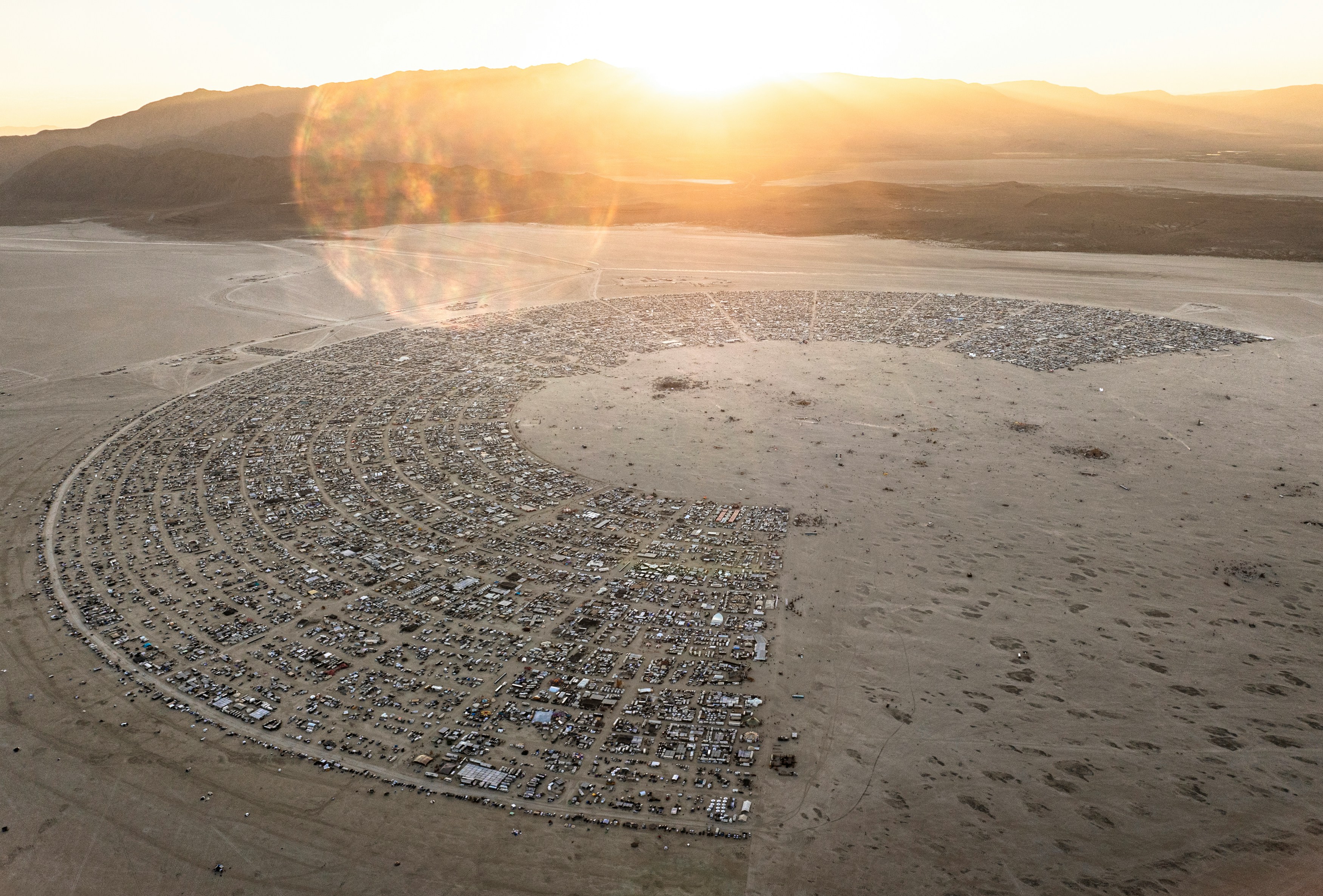
For one week every year, Nevada's Black Rock Desert hosts Black Rock City, a temporary metropolis of over 70,000 people built from scratch and dismantled without trace afterward.
Towering art installations, mutant art cars and elaborate theme camps fill the white playa, leading to the ceremonial burning of a giant wooden effigy on the penultimate night.
How does it rate
CrowdsRomanceCash RequiredDangerAccessibilityWhy you should go
A temporary art city of 70,000 built from nothing on a Nevada desert playa, then burned and erased without a trace.
Why you shouldn't go
Extreme desert conditions, dust storms and daytime heat swinging to freezing nights, demand serious self-sufficiency.
Plan your visit
Best time to visitLate August into early September, the festival's fixed annual week.Best time of daySunset onward, when the art cars light up and the playa's temperature drops to bearable.Getting thereFly to Reno, then a roughly 2.5-hour drive to Black Rock City near Gerlach, Nevada.Entry costTickets run around USD575-650, and attendees must bring all food, water and shelter.Time neededThe full week; day visits are impractical given the desert's remoteness.BookingBook ahead →Insider tip — Bring far more water than you think you need, and goggles plus a dust mask for the frequent whiteout dust storms. -
 #383 /100
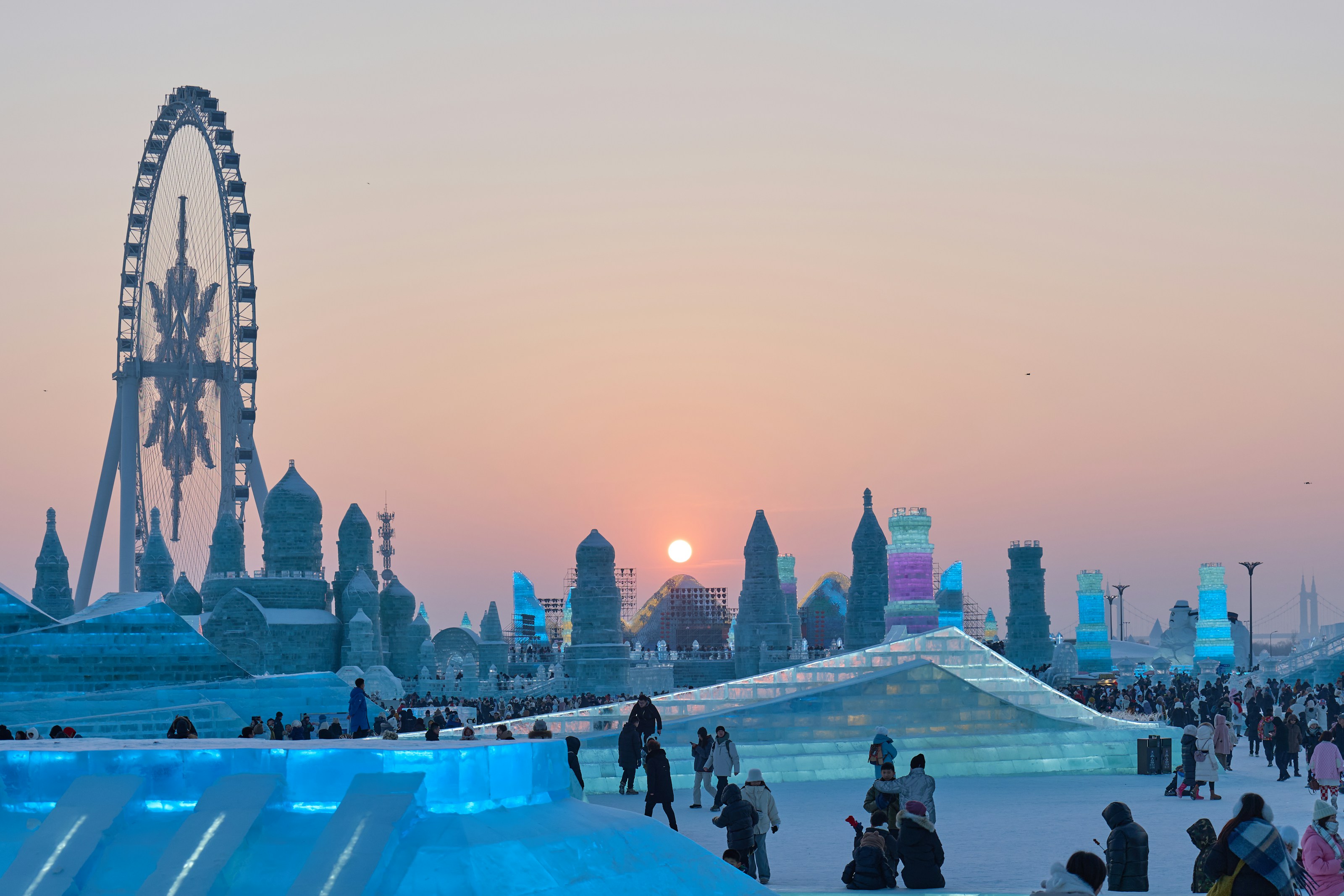
China's northernmost major city turns into a full-scale ice city each winter, with entire illuminated castles, pagodas, and slides built from blocks cut straight from the frozen Songhua River.
The Harbin Ice and Snow World park alone uses over a hundred thousand cubic metres of ice, lit from within after dark to become the festival's signature spectacle, while a separate snow-sculpture park nearby carves monumental figures from packed snow.
How does it rate
CrowdsRomanceCash RequiredDangerAccessibilityWhy you should go
An entire illuminated ice city built each winter from blocks cut from a frozen river, with castles, slides, and towers lit from within.
Why you shouldn't go
Nighttime temperatures regularly drop below -20C, and proper cold-weather gear is essential rather than optional.
Plan your visit
Best time to visitEarly January through February, before the spring thaw.Best time of dayAfter dark, when the ice structures are lit from within.Getting thereFly into Harbin Taiping International Airport, then a taxi about 40 minutes to Ice and Snow World.Entry costIce and Snow World entry runs roughly CNY 300-400.Time neededAn evening for Ice and Snow World; a full day to add the snow-sculpture park.Insider tip — Rent thermal boot covers and hand warmers at the entrance rather than relying on regular winter clothing - the cold is more extreme than most visitors expect. -
 #4
#4Rated #4 of 10
Albuquerque International Balloon Fiesta, the United States
#albuquerqueinternationalballoonfiesta ◆ Cultural Festivals80 /100Each October, the skies above New Mexico's high desert fill with hundreds of hot air balloons at once, launched in a mass dawn ascension that's become the most photographed hot air balloon event on Earth.
The valley's unique wind pattern, known locally as the Albuquerque Box, lets balloons rise, drift, and return to nearly the same spot, making the display more predictable and repeatable than almost anywhere else.
How does it rate
CrowdsRomanceCash RequiredDangerAccessibilityWhy you should go
Hundreds of hot air balloons launch together at dawn over the New Mexico desert, in the world's most photographed ballooning event.
Why you shouldn't go
Dawn launch times mean an early start, and the Fiesta Park site gets seriously congested with traffic in the pre-dawn hours.
Plan your visit
Best time to visitNine days in early October each year.Best time of dayDawn, for the mass ascension launches.Getting thereFly into Albuquerque International Sunport, about 15 minutes from Balloon Fiesta Park.Entry costGeneral admission runs roughly USD15-20 per session.Time neededOne morning covers a mass ascension; enthusiasts return across several days.BookingBook ahead →Insider tip — Arrive well before dawn and walk the field during Balloon Glow the evening before - the illuminated balloons at night are as striking as the morning launch. -
 #579 /100
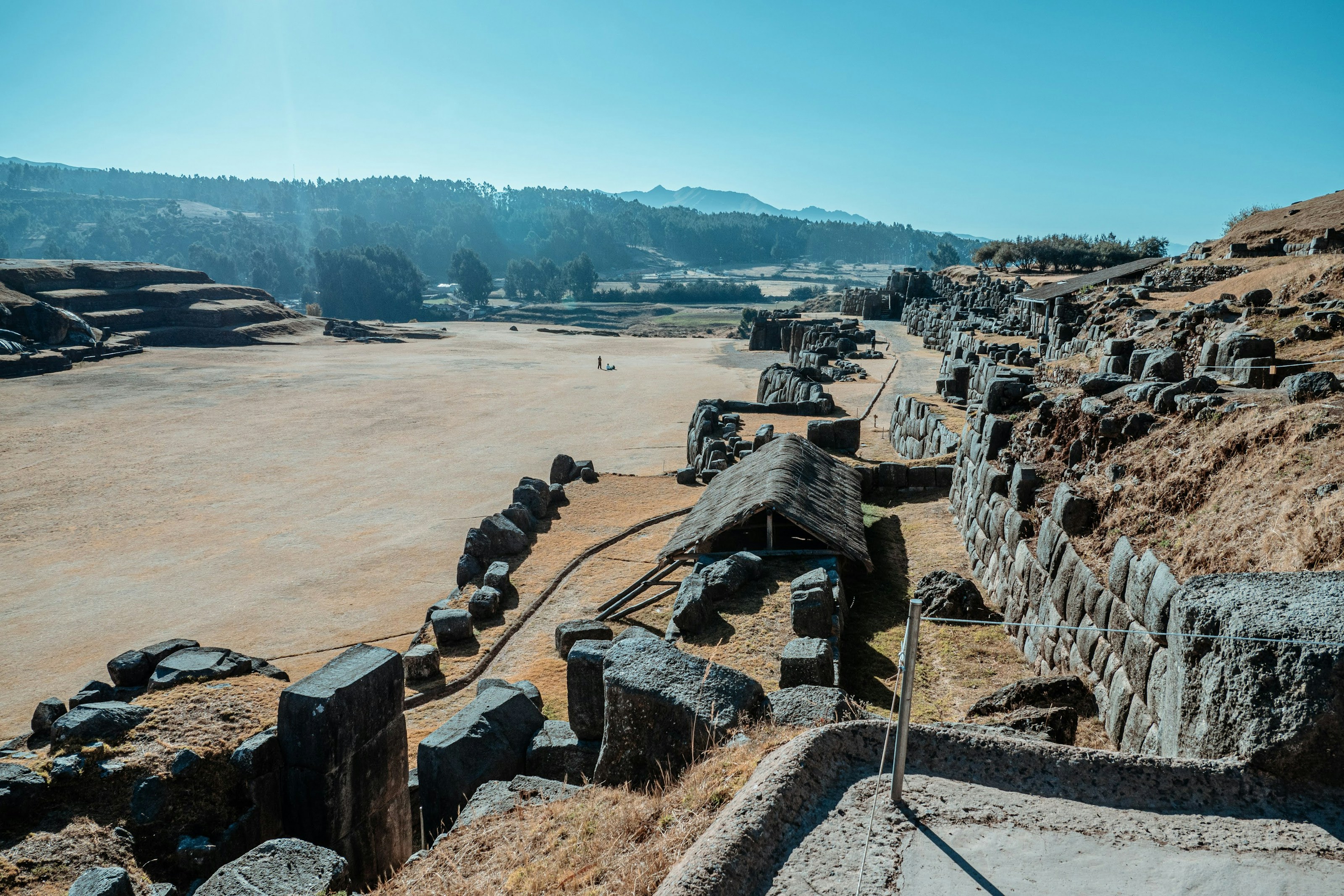
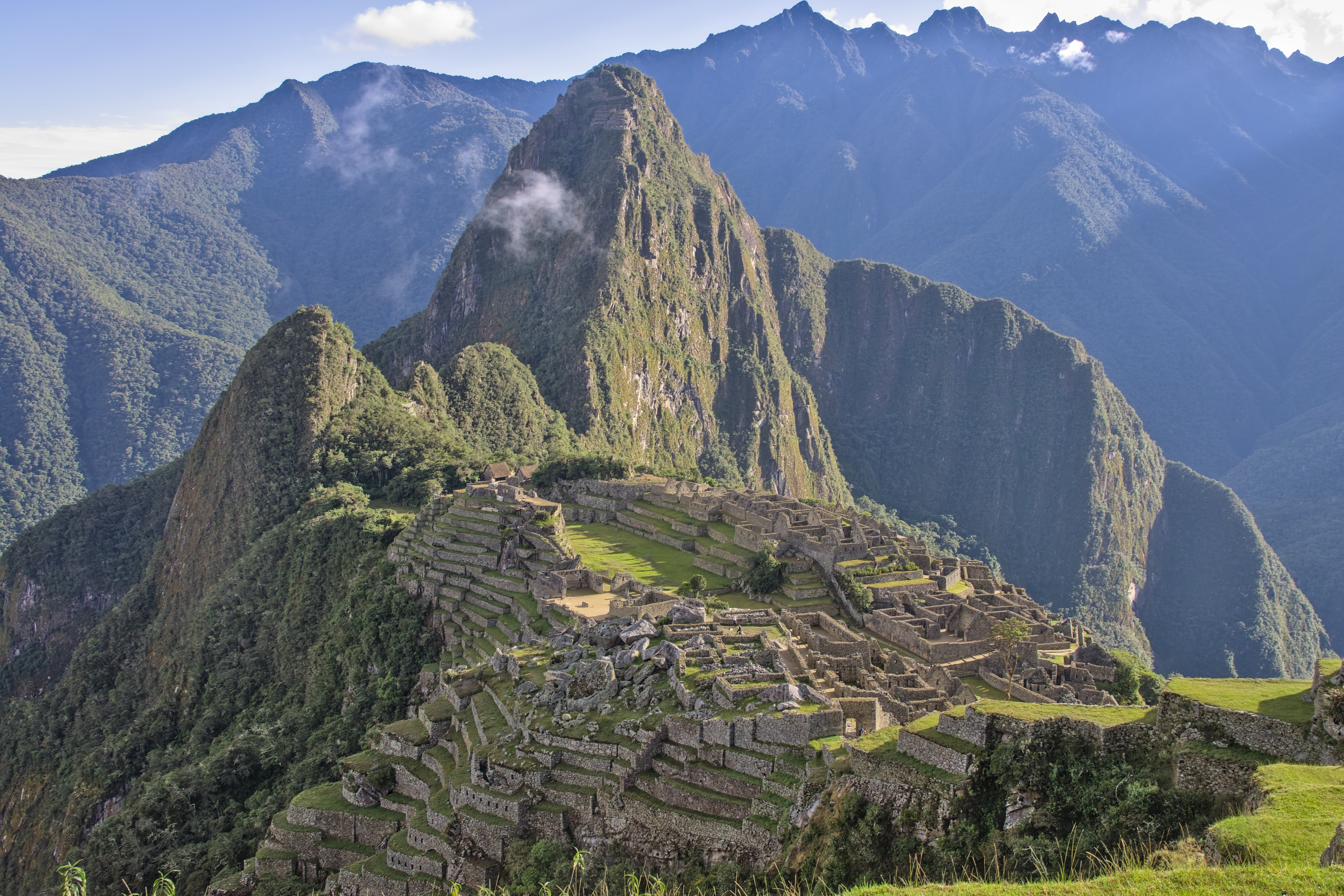
Each June, Cusco re-enacts the Inca Empire's Festival of the Sun with a procession from the Qorikancha temple to Sacsayhuaman's fortress ruins above the city, where hundreds of performers in Inca dress stage a reenactment for the Inca sun god Inti.
Rooted in a real Inca festival banned by colonial authorities and revived in 1944, it's now Cusco's biggest annual event, drawing crowds to Sacsayhuaman's grassy amphitheatre for the main ceremony.
How does it rate
CrowdsRomanceCash RequiredDangerAccessibilityWhy you should go
Cusco re-enacts the Inca Empire's Festival of the Sun with hundreds of performers staging a ceremony at the Sacsayhuaman ruins.
Why you shouldn't go
Sacsayhuaman sits at over 3,700m altitude, so altitude sickness is a real risk without a few days to acclimatise in Cusco first.
Plan your visit
Best time to visit24 June each year.Best time of dayLate morning into afternoon, when the main ceremony at Sacsayhuaman takes place.Getting thereFly into Cusco, then a taxi or walk up to Sacsayhuaman, about 20 minutes from the centre.Entry costStreet viewing is free; ticketed grandstand seating at Sacsayhuaman costs extra.Time neededA full day to follow the procession and main ceremony.Insider tip — Watch the earlier Qorikancha ceremony in the city centre for a closer, less crowded view before the main event moves up to Sacsayhuaman. -
 #677 /100
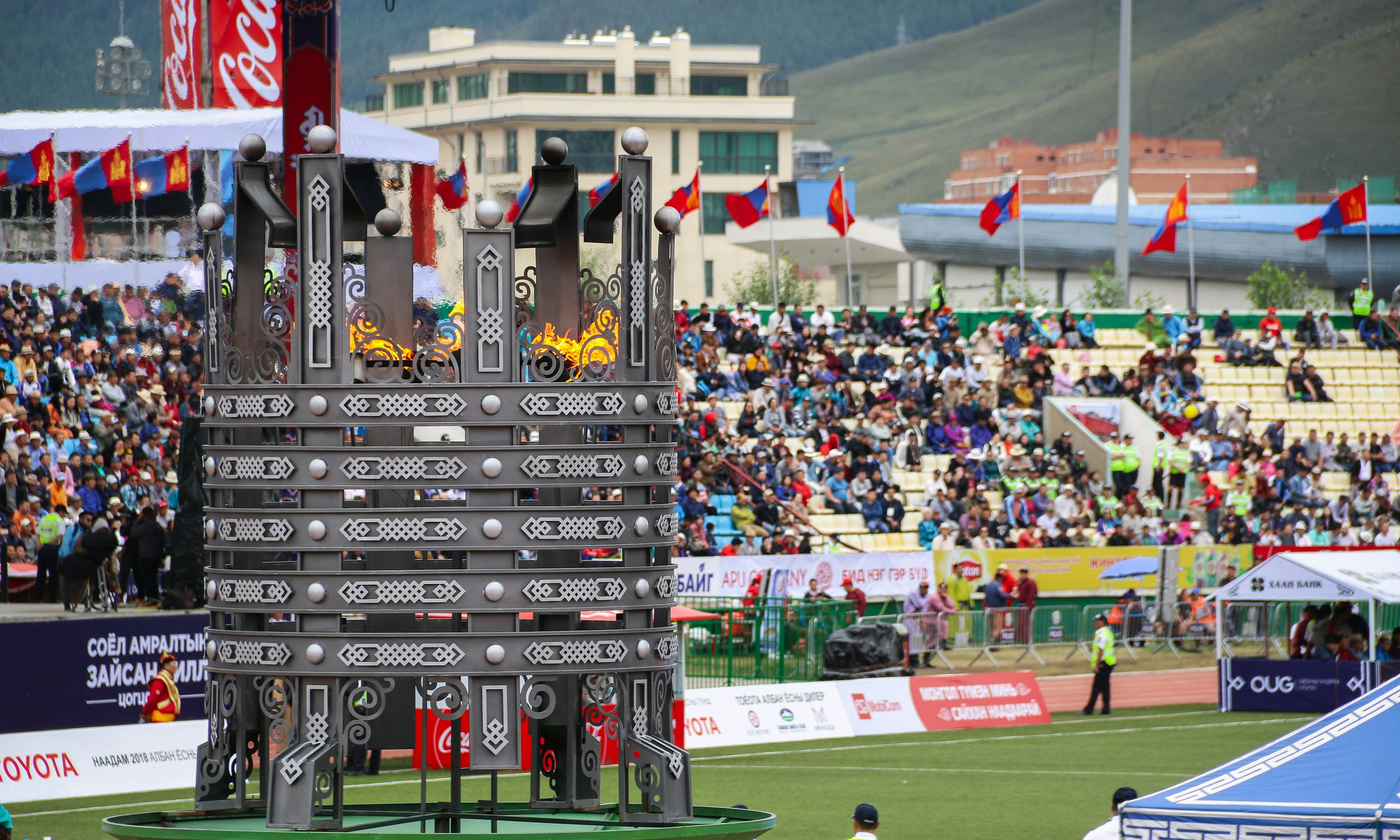
Mongolia's biggest holiday centres on the 'three manly games' - wrestling, horse racing, and archery - contested each July in Ulaanbaatar's national stadium and on the open steppe beyond it.
Wrestlers in traditional dress compete in a bout with no weight classes or time limit, child jockeys race horses across miles of open grassland, and the festival marks the same summer gathering Mongolians have held since the days of Genghis Khan.
How does it rate
CrowdsRomanceCash RequiredDangerAccessibilityWhy you should go
Mongolia's biggest festival: traditional wrestling, child jockey horse racing, and archery contested across the open steppe.
Why you shouldn't go
The best steppe horse-racing action happens outside Ulaanbaatar, requiring extra transport beyond the stadium events in the capital.
Plan your visit
Best time to visit11-13 July each year, Mongolia's national holiday.Best time of dayMorning through afternoon, when the wrestling and racing events run.Getting thereFly into Chinggis Khaan International Airport in Ulaanbaatar; stadium events are a short taxi ride from the city centre.Entry costStadium tickets run roughly USD20-50; steppe race viewing is generally free.Time neededOne to two days to see the main stadium events and a horse race.Insider tip — Arrange a countryside horse-race excursion through a local guide - the open-steppe races are more authentic than the stadium's opening ceremony crowds. -
 #775 /100
Hong Kong's Lunar New Year is marked by a mile-long night parade through Tsim Sha Tsui, with illuminated floats, international marching bands, and lion and dragon dance troupes performing for crowds packed along the harbourfront.
The festivities culminate two nights later in a fireworks display over Victoria Harbour, one of the most-watched pyrotechnic shows in Asia, visible from vantage points on both sides of the water.
How does it rate
CrowdsRomanceCash RequiredDangerAccessibilityWhy you should go
A mile-long illuminated night parade through Kowloon, followed by a major fireworks display over Victoria Harbour.
Why you shouldn't go
Prime harbourfront viewing spots for both the parade and fireworks fill up hours in advance.
Plan your visit
Best time to visitLunar New Year's Day itself, in late January or February depending on the lunar calendar.Best time of dayEvening for the parade; the fireworks follow two nights later after dark.Getting thereThe parade route runs through Tsim Sha Tsui, walkable from the MTR station of the same name.Entry costFree to watch from the street; ticketed grandstand seating is also available.Time neededOne evening for the parade; a separate evening for the fireworks.Insider tip — Watch the fireworks from the Kowloon side facing Hong Kong Island - the skyline backdrop makes for a better view than looking back from the Island side. -
 #871 /100
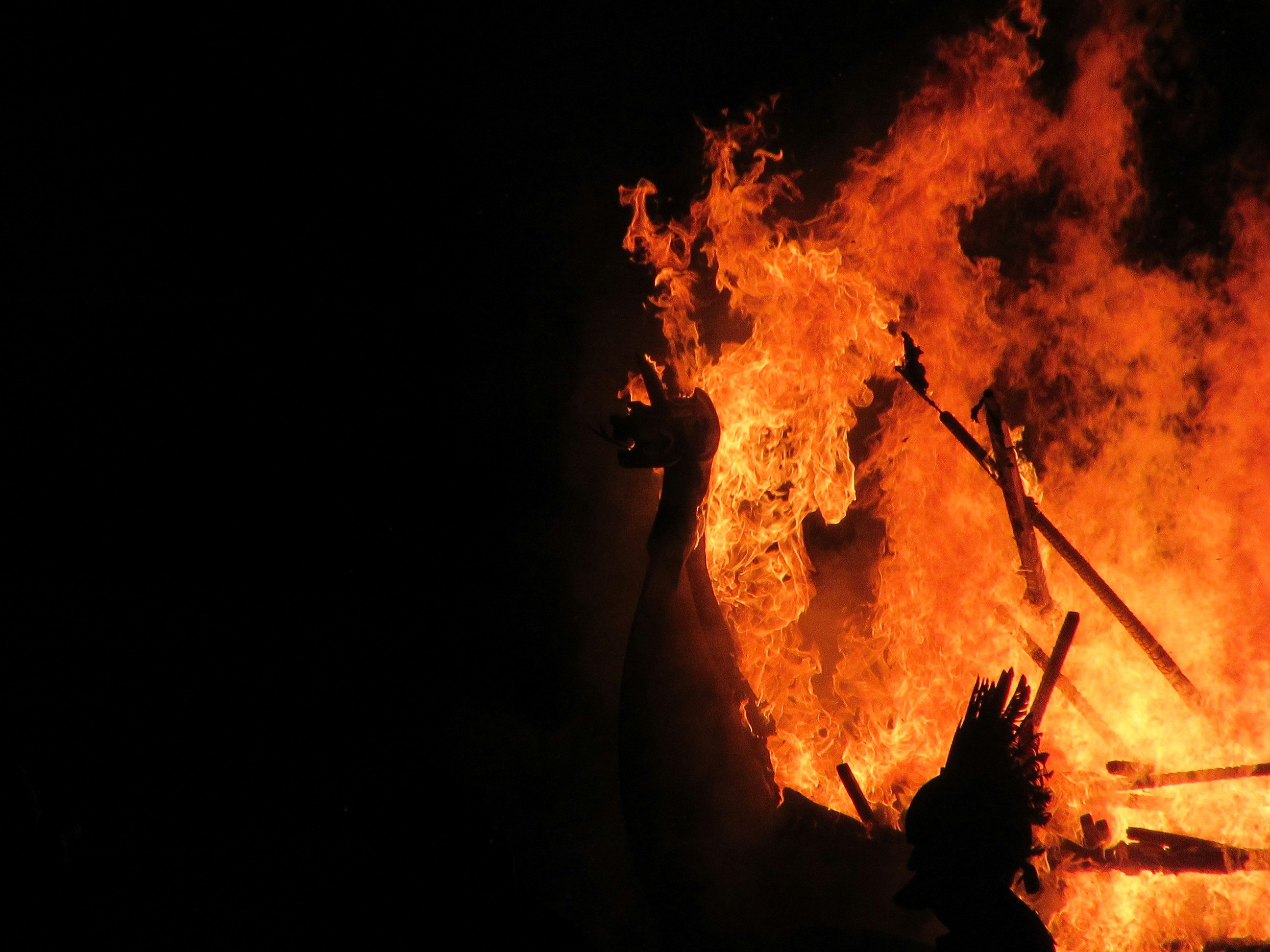
On the last Tuesday of January, Shetland's capital Lerwick stages Europe's largest fire festival, when nearly a thousand costumed 'guizers' march a Viking longship through torch-lit streets before ceremonially burning it in a floodlit square.
The night continues with guizer squads touring local halls performing sketches and dances until dawn, a marathon of hospitality unique to Shetland's Norse heritage.
How does it rate
CrowdsRomanceCash RequiredDangerAccessibilityWhy you should go
Nearly a thousand costumed guizers march a Viking longship through torch-lit streets before burning it in Shetland's biggest festival.
Why you shouldn't go
It's held in the depths of a Shetland January, so expect cold, dark, and often wild North Atlantic weather.
Plan your visit
Best time to visitThe last Tuesday of January each year.Best time of dayEvening into night, when the torchlit procession and longship burning happen.Getting thereFly into Sumburgh Airport or take the overnight ferry from Aberdeen to Lerwick.Entry costFree to watch the procession and burning from the street.Time neededOne evening for the main procession and burning.Insider tip — Book Shetland accommodation many months ahead - the island's limited beds sell out fast for the one night of the year everyone wants to be there. -
 #968 /100
Every last Wednesday of August, the small town of Bunol erupts into a full-scale tomato fight, as trucks dump over a hundred tonnes of overripe tomatoes into the streets for an hour of pure chaos.
What began in 1945 as a spontaneous food fight between friends has grown into a ticketed, capped-attendance event, with the town's fire department hosing down both streets and participants once the hour is up.
How does it rate
CrowdsRomanceCash RequiredDangerAccessibilityWhy you should go
An hour-long, hundred-tonne tomato fight that turns a small Spanish town's streets into a sea of pulp every August.
Why you shouldn't go
Attendance is capped and tickets sell out months ahead, and the crush of slipping, tomato-soaked crowds needs real care.
Plan your visit
Best time to visitThe last Wednesday of August each year.Best time of dayLate morning, when the tomato trucks arrive and the hour-long fight begins.Getting thereFly into Valencia, then a train or bus about 40 minutes to Bunol.Entry costA capped-number ticket is required, running roughly EUR15.Time neededA morning covers the fight and the town's pre-party atmosphere.BookingBook ahead →Insider tip — Wear old clothes and shoes you can throw away afterward, and squash tomatoes before throwing them - whole ones can genuinely hurt at close range. -
 #1058 /100
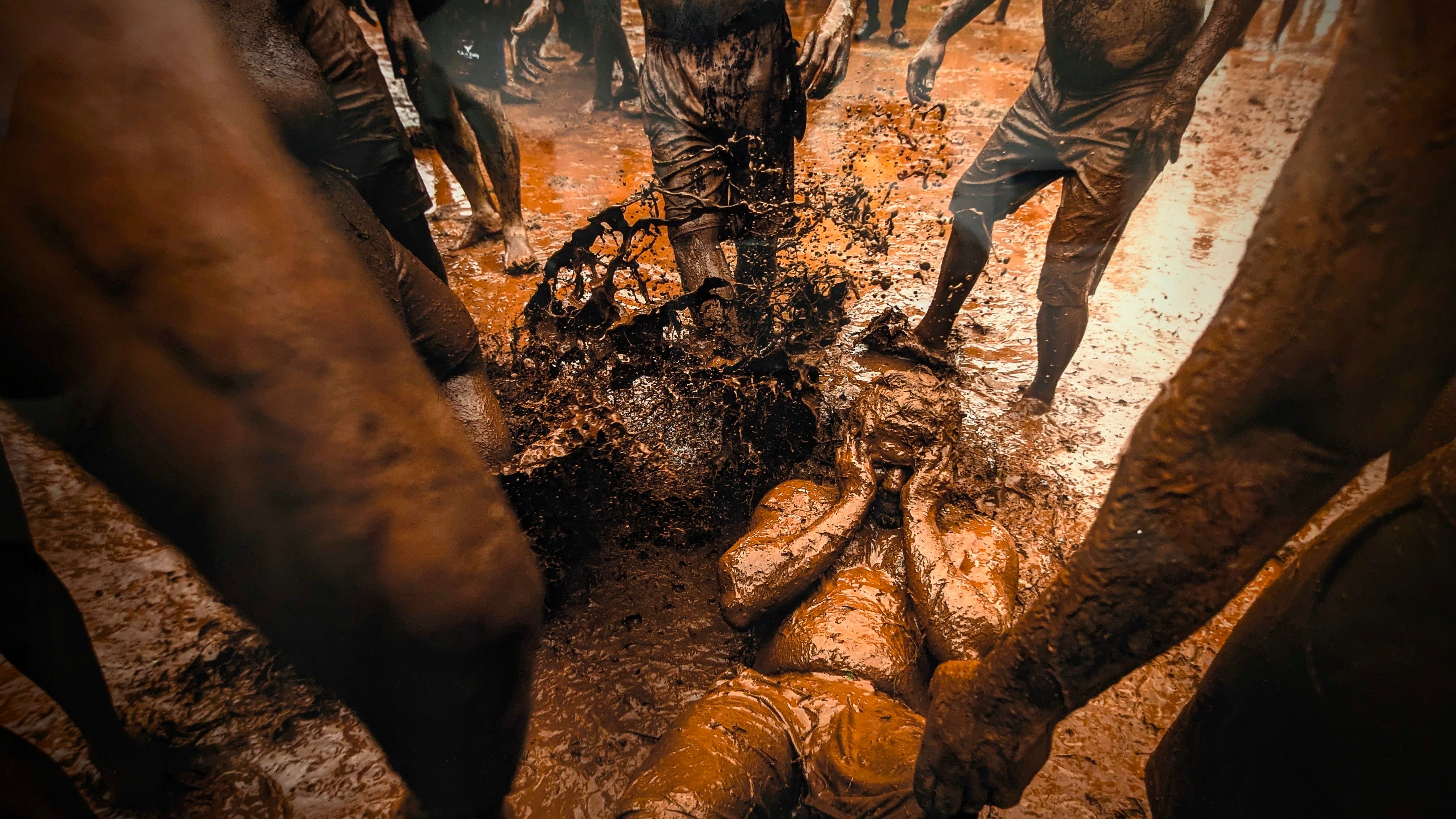
Daecheon Beach on South Korea's west coast turns into a giant open-air mud playground every July, when mineral-rich mud trucked in from nearby tidal flats fills pools, slides and wrestling rings along the sand.
What began in the 1990s as a marketing push for local cosmetics has grown into one of Asia's biggest foreign-visitor festivals, unpretentious and genuinely messy fun.
How does it rate
CrowdsRomanceCash RequiredDangerAccessibilityWhy you should go
A beach turned into a giant mud playground, with mud slides, wrestling pits and body-painting for two weeks every July.
Why you shouldn't go
You will be covered in mud for most of the day, so it's worth packing spare clothes and forgetting about staying clean.
Plan your visit
Best time to visitMid-to-late July, the festival's fixed two-week annual run.Best time of dayAfternoon, when the mud pools and stages are at their most active.Getting thereTake the KTX train from Seoul to Boryeong, then a short bus or taxi to Daecheon Beach.Entry costFree entry to the beach and most mud activities; a few paid attractions inside the festival grounds.Time neededA half to full day.Insider tip — Bring a cheap change of clothes and flip-flops, since the mud stains and the free shower facilities get long queues.


More from The World
-
How a score is built
One score out of 100, five criteria behind it
Every place is rated 1–5 on each of the criteria below, then combined into a single score out of 100. It's calculated by us, the same way every time — not an average of traveller reviews or social votes.
Crowds
How many people you'll be sharing it with, and at what time of day.
Romance
How well it suits a couple, a proposal, or a quiet moment together.
Cash required
Entry fees, permits, guides, rentals — what it actually costs to do it.
Danger
Physical risk involved, from a slippery viewpoint to genuine hazard.
Accessibility
How far off the beaten path it is, and how hard it is to actually reach.

