-
 #1
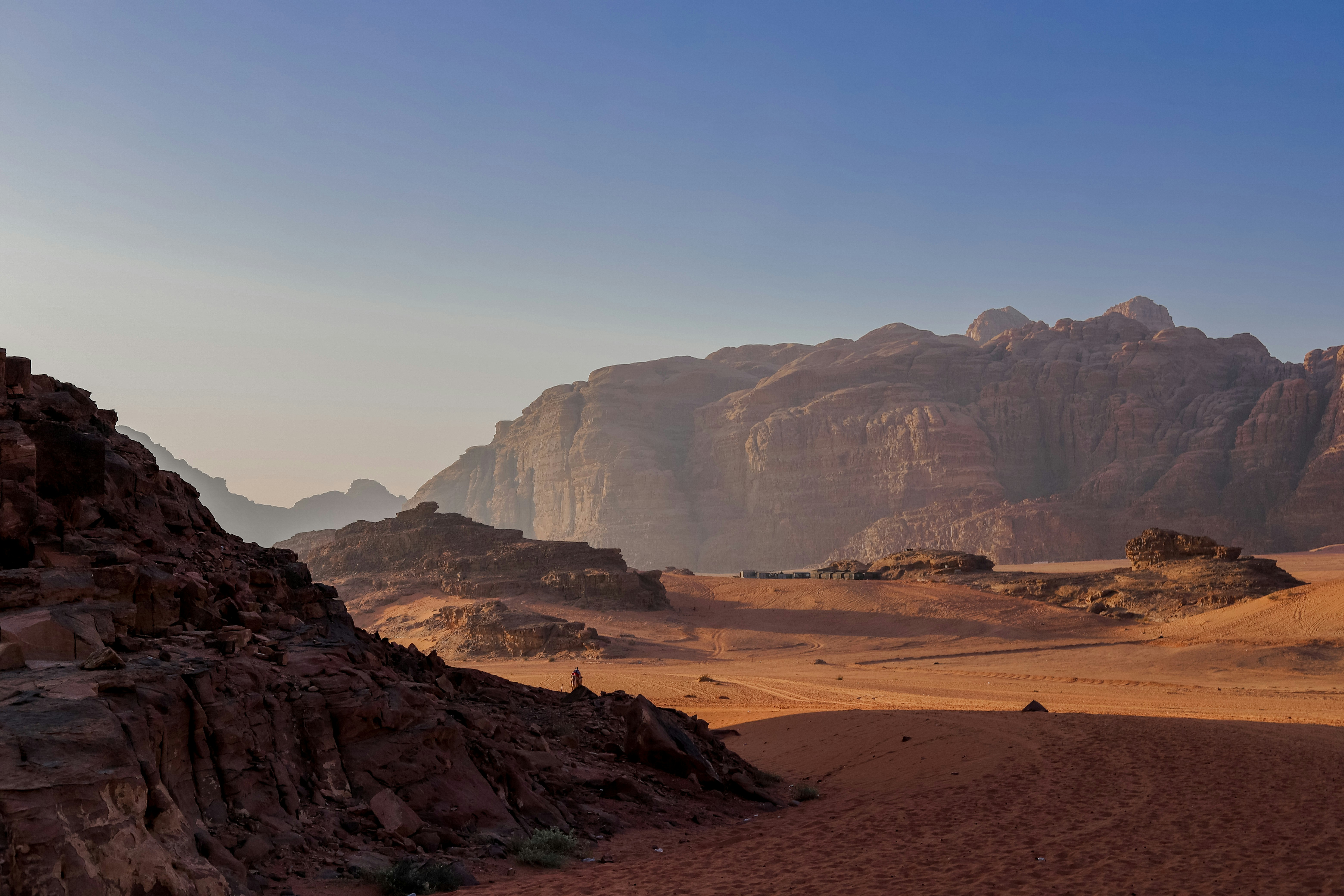
#1A vast valley of red sand and towering sandstone mountains so otherworldly it has stood in for Mars in multiple films, including The Martian and The Rise of Skywalker.
Bedouin-guided 4x4 tours and camel treks weave between weathered rock arches, ancient petroglyphs, and canyons, ending most days at a Bedouin camp under some of the darkest skies in the Middle East.
The scale and silence of the place are as striking as its colour.
How does it rate
CrowdsRomanceCash RequiredDangerAccessibilityWhy you should go
Mars-red sand and towering rock formations so cinematic they've repeatedly stood in for the actual planet on screen.
Why you shouldn't go
Daytime desert heat is extreme for much of the year, and most of the site is only accessible with a Bedouin guide or 4x4.
Plan your visit
Best time to visitOctober-April for manageable daytime temperatures.Best time of daySunset, when the sandstone mountains glow deep red before the stars come out.Getting thereFly to Aqaba or Amman; Wadi Rum village is about an hour's drive from either.Entry costEntry plus a half-day 4x4 tour runs roughly 30-50 JD per person.Time neededA full day, or overnight in a desert camp.Insider tip — Book an overnight camp rather than a day trip - the night sky here, far from any city light, is the single best reason to come. -
 #289 /100
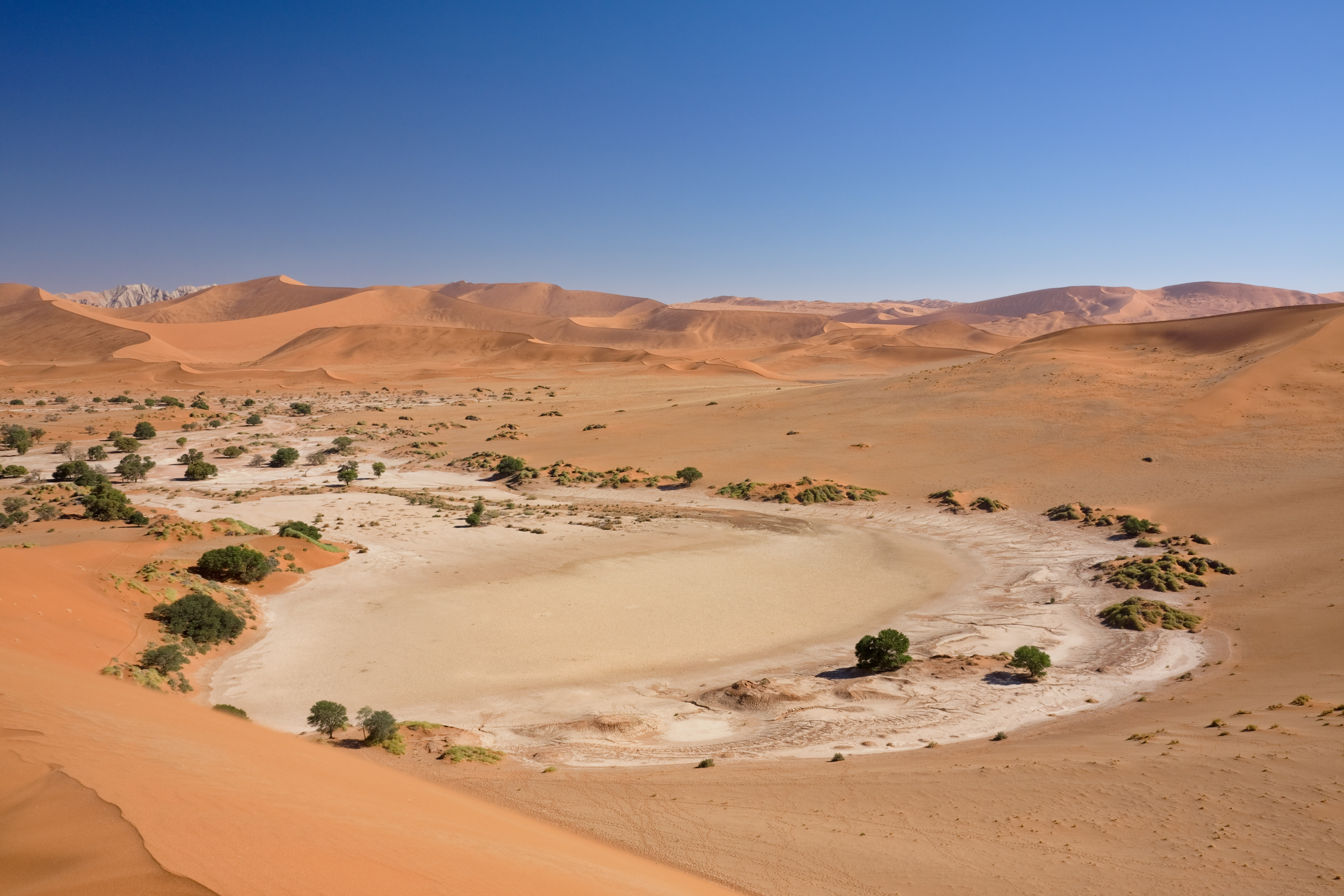
Sossusvlei is a salt and clay pan in the Namib-Naukluft National Park in Namibia, surrounded by massive red sand dunes — among the tallest in the world at over 300 metres.
The dead white camelthorn trees in the Deadvlei pan, set against deep orange sand and cobalt sky, have become one of Africa's most iconic landscapes.
How does it rate
CrowdsRomanceCash RequiredDangerAccessibilityWhy you should go
The contrast between the white cracked clay pan, the black dead trees, the towering red dunes, and the vivid blue sky creates a landscape of extraordinary abstract beauty.
Why you shouldn't go
The dunes must be climbed before sunrise to avoid the intense heat; the nearest accommodation in Sesriem is basic and the site is very remote.
Plan your visit
Best time to visitMay-October (dry season, cooler)Best time of daySunrise, when the dunes cast long shadows and colours are richestGetting there~5-6hr drive from Windhoek, or fly to a nearby airstripEntry costPark entry ~N$150-350Time neededFull dayInsider tip — Get to the gate right at sunrise opening; Dune 45 and Deadvlei both photograph best in the first hour of light -
 #387 /100
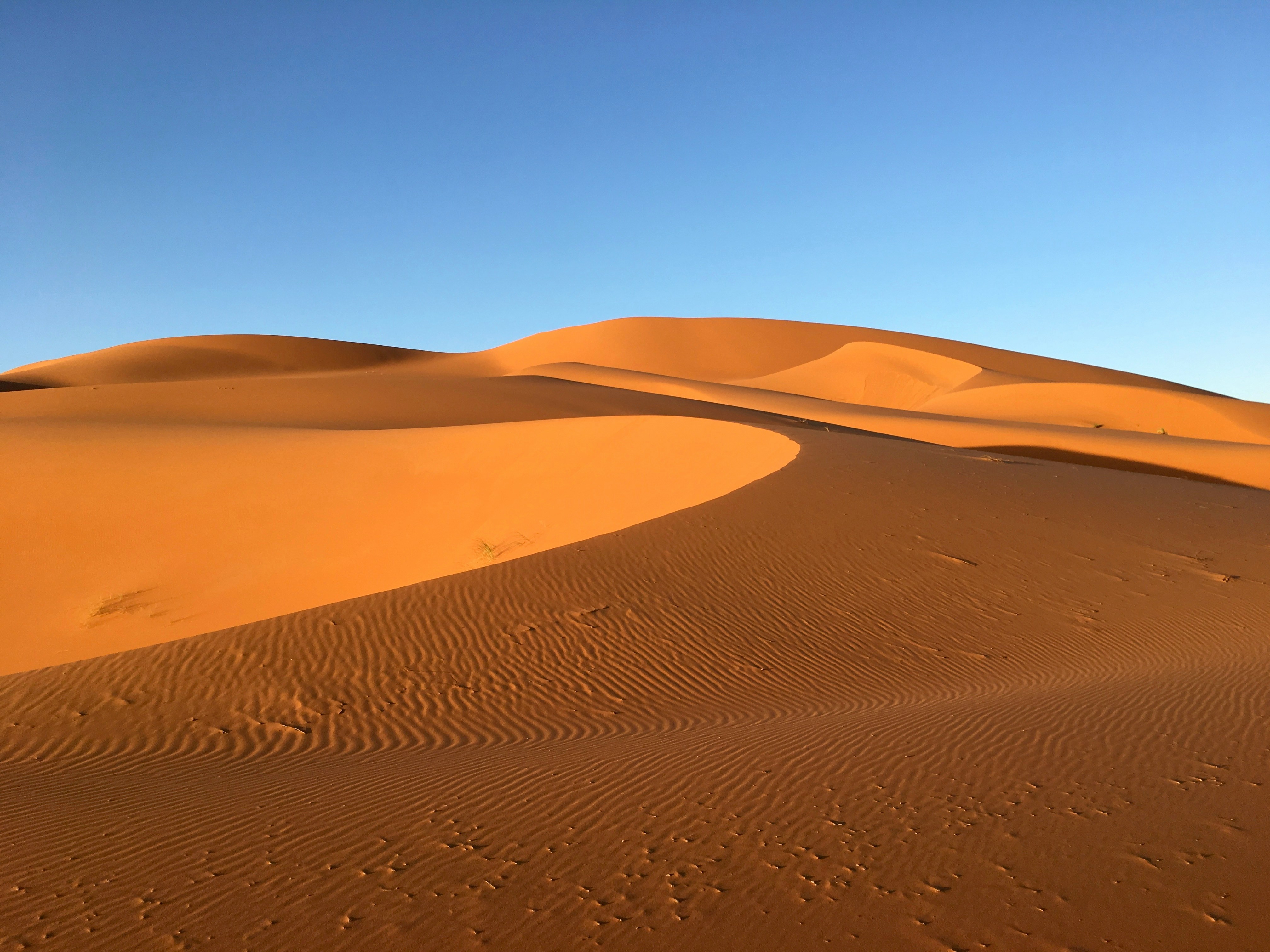
A sea of orange dunes rising up to 150 metres at the edge of the Sahara, the most accessible major dune field in Morocco and the base for camel treks and overnight desert camps.
The dunes shift constantly with the wind, and sunrise and sunset turn the sand from deep gold to burnt red.
Nights in a Berber camp under an unpolluted sky are as much the draw as the dunes themselves.
How does it rate
CrowdsRomanceCash RequiredDangerAccessibilityWhy you should go
Towering orange dunes right at the Sahara's edge, with overnight Berber camps and some of the clearest night skies in North Africa.
Why you shouldn't go
Reaching Merzouga is a long drive from Marrakech (8+ hours), and sandstorms can shut down camel treks with no warning.
Plan your visit
Best time to visitOctober-April, avoiding the brutal summer desert heat.Best time of daySunrise or sunset, when the dunes shift from gold to deep red.Getting thereFly to Fes or Marrakech, then a 6-9 hour drive or organised desert tour to Merzouga.Entry costCamel trek and overnight camp packages generally run EUR40-100 per person.Time neededOvernight (1-2 days including transport).Insider tip — Book a camp further from Merzouga village - the closest ones are cheaper but suffer light pollution that ruins the stargazing. -
 #483 /100
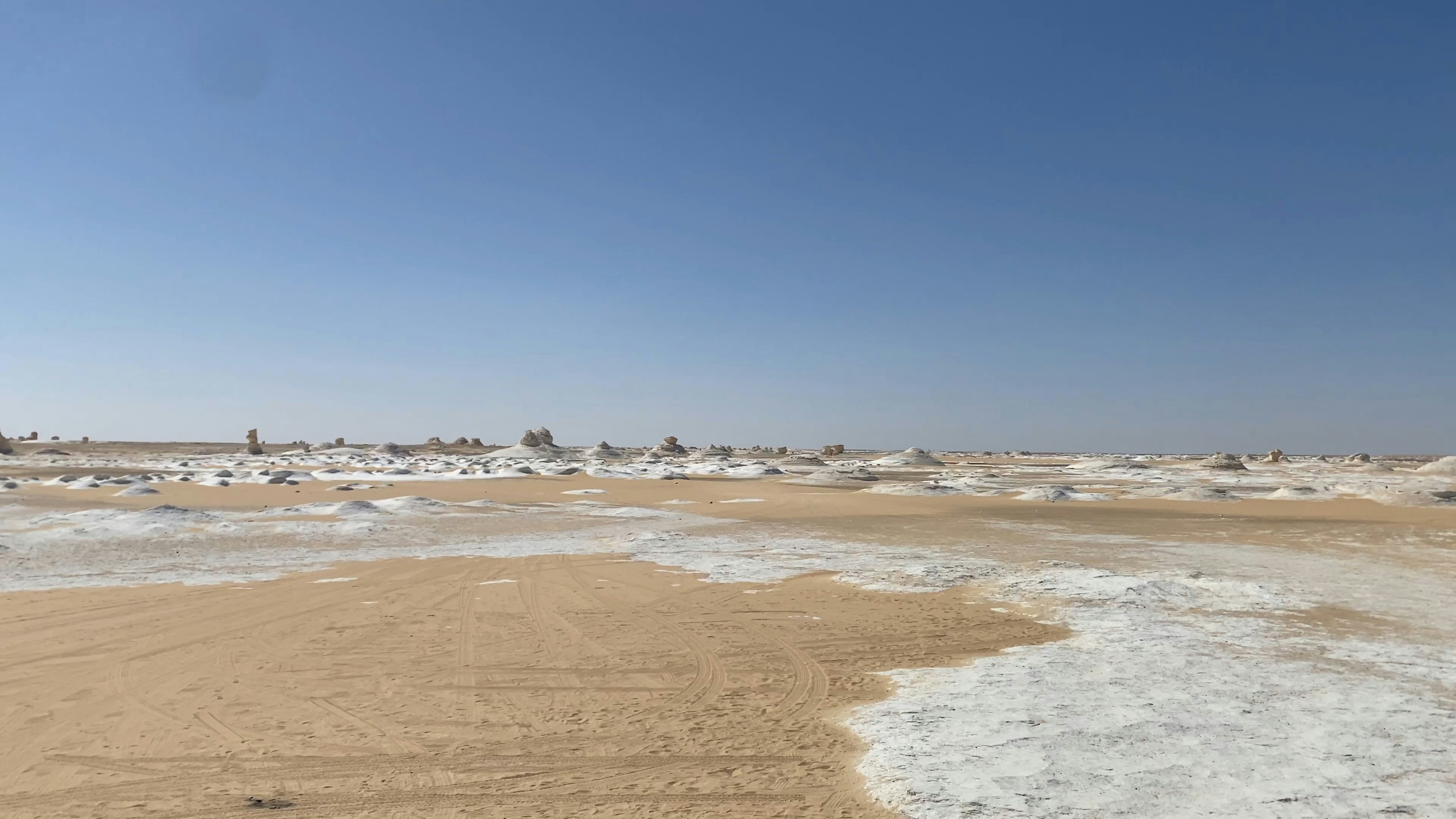
A surreal expanse of chalk-white rock formations near Farafra Oasis, carved by millennia of sand-wind erosion into shapes resembling mushrooms, camels, and icebergs scattered across pale desert sand.
Camping overnight among the formations, with no artificial light for miles, is the main way to see it - the white rock glows almost blue under a full moon.
It remains one of the least-visited major landscapes in Egypt outside the Nile corridor.
How does it rate
CrowdsRomanceCash RequiredDangerAccessibilityWhy you should go
Chalk-white rock sculptures scattered across open desert, glowing almost blue under moonlight with zero light pollution.
Why you shouldn't go
It's remote even by Egyptian desert standards - a long drive from Cairo through the Western Desert with minimal facilities en route.
Plan your visit
Best time to visitOctober-April, avoiding summer desert heat that can exceed 40C.Best time of daySunset and again after moonrise, when the white rock formations change character completely.Getting thereFly to Cairo, then a 5-6 hour drive (often via Bahariya Oasis) to Farafra and the White Desert.Entry costOvernight camping tours typically run USD50-100 per person, all-inclusive.Time neededOvernight (2-day trip typical).Insider tip — Time the trip around a full moon if possible - the white formations under moonlight are the single most photographed sight here. -
 #581 /100
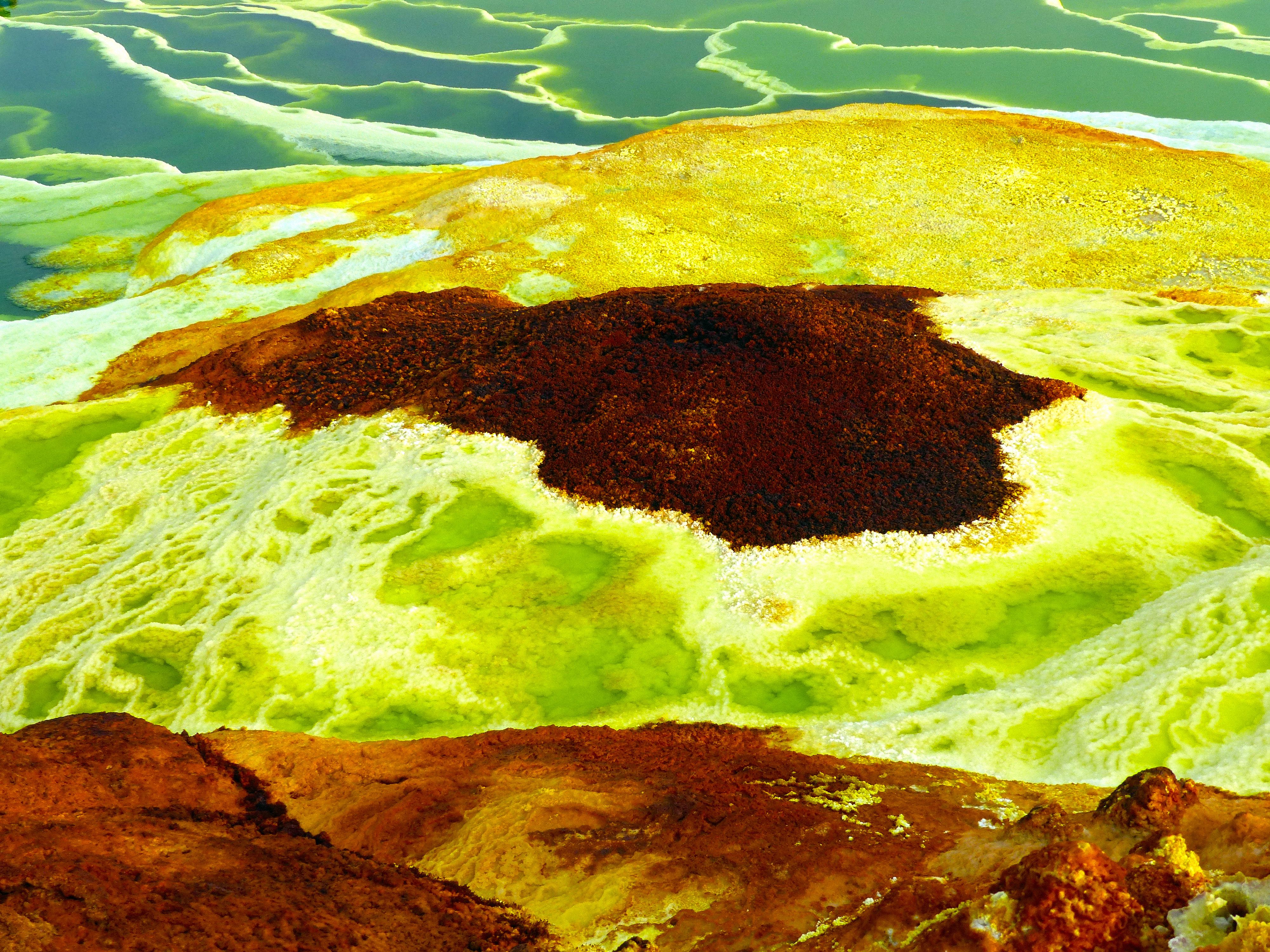
One of the hottest, lowest, and strangest inhabited places on Earth, a volcanic depression over 100 metres below sea level where sulphur springs bubble in acid-yellow and electric-green pools beside the active Erta Ale lava lake.
Camel caravans still cross the adjoining Danakil salt flats to mine slabs of salt by hand, much as they have for centuries.
The colours and scale look almost entirely artificial, which is exactly why people make the brutal trip.
How does it rate
CrowdsRomanceCash RequiredDangerAccessibilityWhy you should go
Acid-yellow sulphur pools and an active lava lake in one of the most alien landscapes on the planet.
Why you shouldn't go
Genuinely dangerous and physically demanding - extreme heat, toxic gases, and a history of security incidents mean an armed local guide is mandatory.
Plan your visit
Best time to visitNovember-March, avoiding the deadliest summer heat (which can exceed 50C).Best time of daySunrise at the sulphur springs; night for the glowing Erta Ale lava lake, reached by an overnight hike.Getting thereFly to Mekele, then a multi-day 4x4 expedition with a mandatory guide and security escort into the depression.Entry costMulti-day guided expeditions typically run USD400-700+ per person, all-inclusive.Time needed3+ days.Insider tip — Only go with an established, reputable local operator - this is one of the few places where the standing caution about safety and guides genuinely matters. -
 #680 /100
Death Valley National Park in California and Nevada is the lowest, driest, and hottest place in North America, where summer temperatures regularly exceed 50 degrees Celsius.
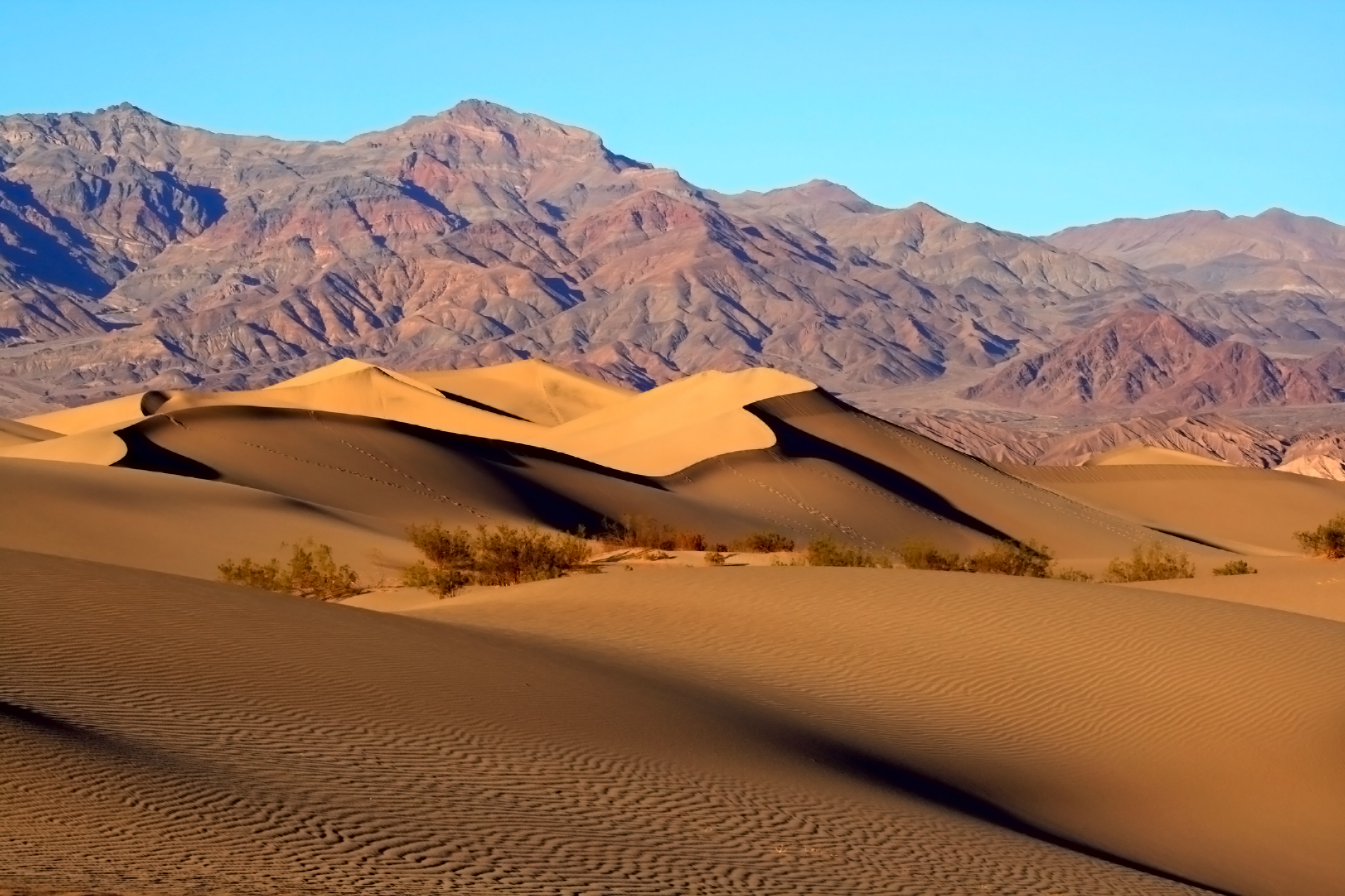
Yet within its 13,600 square kilometres lies extraordinary scenery — from the salt flats of Badwater Basin to the colourful Artist's Palette hills and the vast sand dunes of Mesquite Flat.
How does it rate
CrowdsRomanceCash RequiredDangerAccessibilityWhy you should go
The Mesquite Flat sand dunes at sunrise, the salt hexagons of Badwater Basin, and the multicoloured mineral hills of Artist's Palette create a desert landscape of extraordinary variety.
Why you shouldn't go
Death Valley lives up to its name in summer when it is simply dangerous; temperatures above 45 degrees Celsius make outdoor exploration genuinely life-threatening.
Plan your visit
Best time to visitNovember-March, avoiding lethal summer heatBest time of daySunrise or sunset for colour on the salt flats and dunesGetting there~2hr drive from Las VegasEntry cost~$30/vehicle park entryTime needed1-2 daysInsider tip — Zabriskie Point at sunrise and Mesquite Flat Dunes at sunset are the two classic combo shots -
 #775 /100
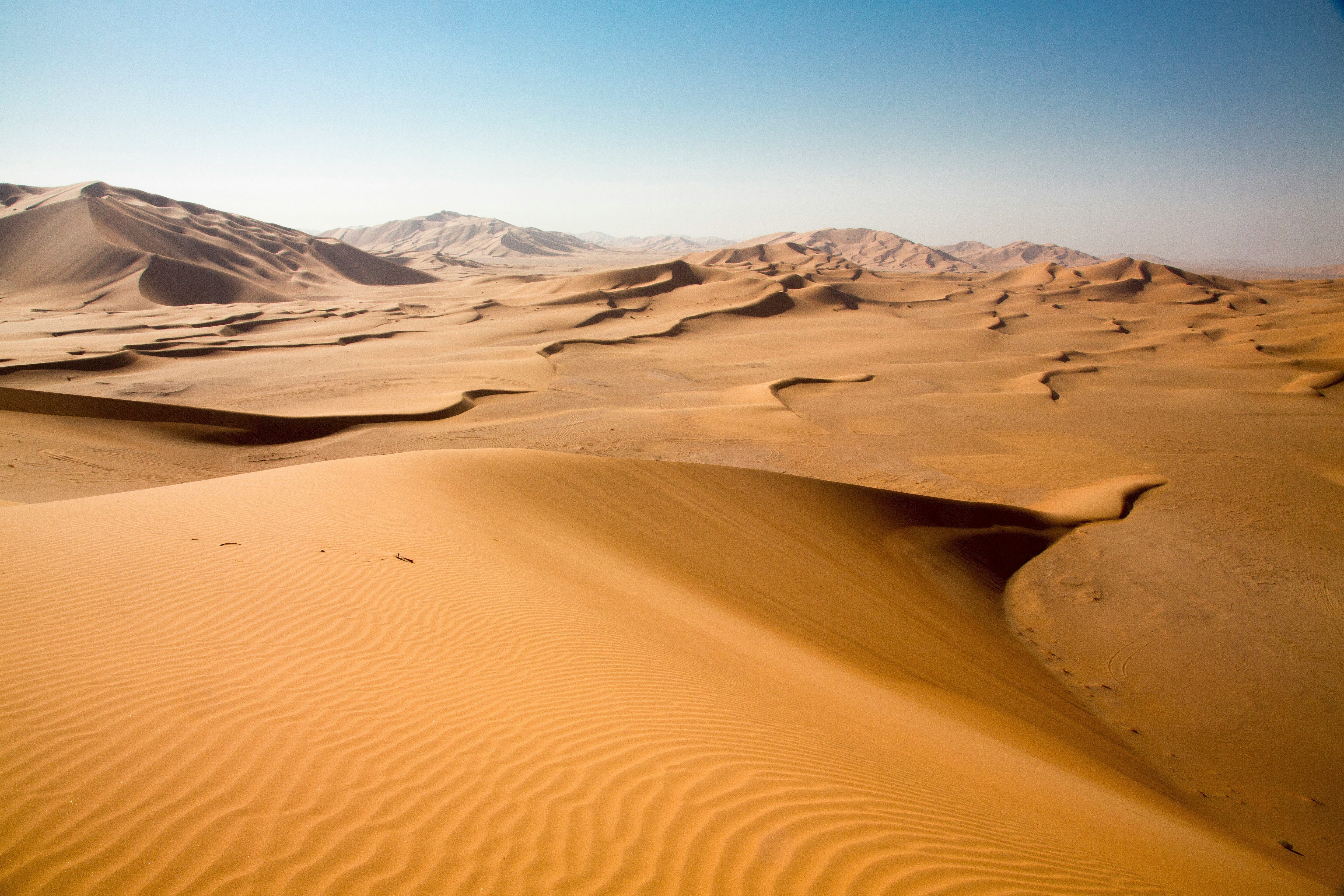
The largest continuous sand desert on Earth, an ocean of dunes covering an area bigger than France across the southern Arabian Peninsula.
Some dunes rise over 250 metres, their ridgelines shifting constantly and revealing fossilised lakebeds and ancient artefacts as the sand moves.
Overnight desert camps run by Bedouin-guided outfitters, mostly out of Saudi Arabia's Empty Quarter fringes, are the realistic way to experience its scale without a full expedition crossing.
How does it rate
CrowdsRomanceCash RequiredDangerAccessibilityWhy you should go
The largest sand desert on Earth, with dunes over 250 metres high and almost no infrastructure to break the horizon.
Why you shouldn't go
Access is genuinely limited - most of the interior requires a specialised expedition operator, and summer heat makes travel dangerous.
Plan your visit
Best time to visitNovember-February, the only realistically comfortable window.Best time of daySunrise or sunset, when the dune ridgelines throw long shadows across the sand.Getting thereFly to Riyadh or Najran; overnight camps near the desert's edge are reached by 4x4 from either city.Entry costGuided overnight desert camp trips typically run USD150-300+ per person.Time neededOvernight, or 3+ days for a deeper expedition.Insider tip — Stick to an edge-of-desert camp near Najran or Sharurah unless you're booking a proper multi-day expedition - the true interior is not for casual visitors. -
 #874 /100
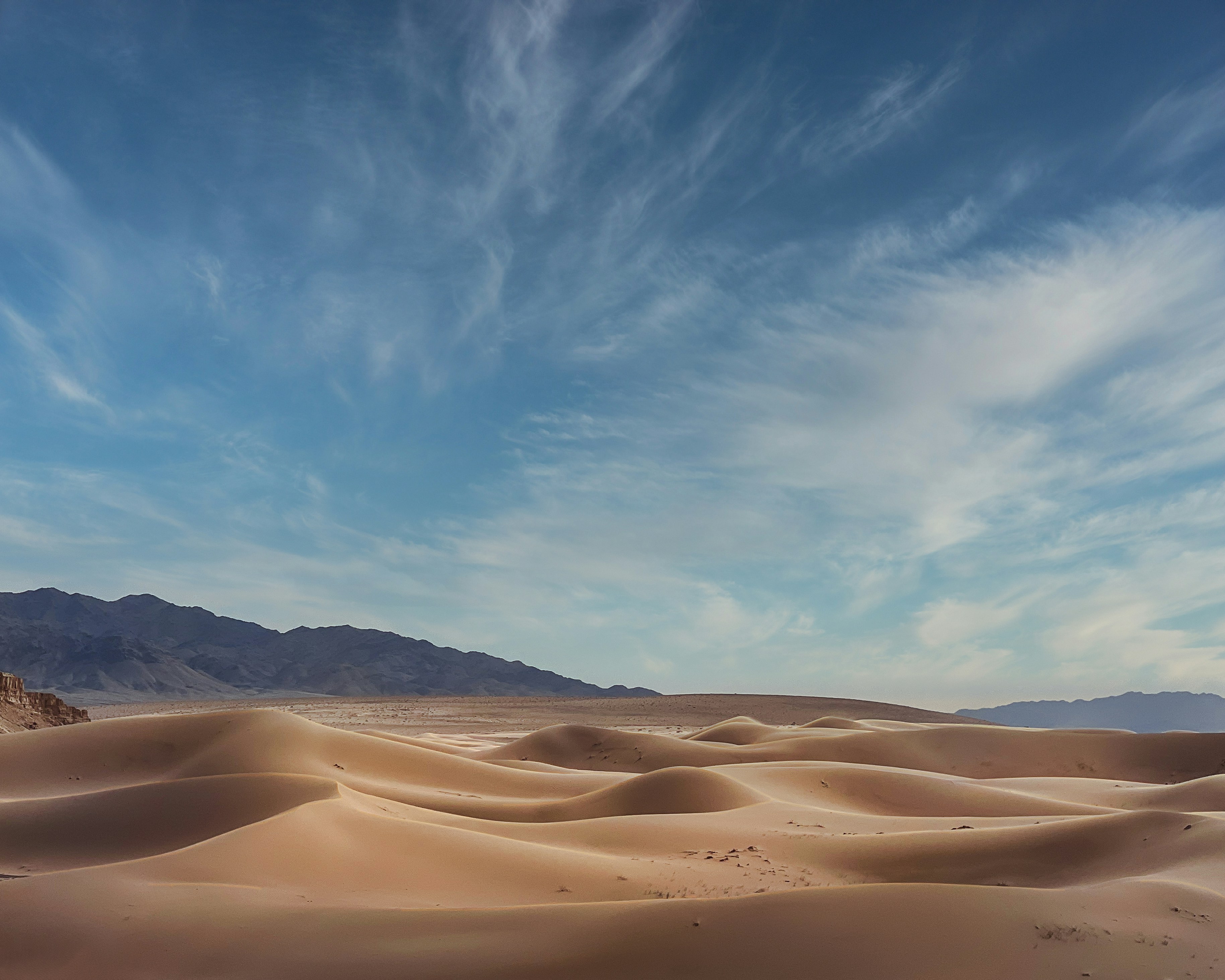
A vast, sparsely populated expanse of rock desert and singing sand dunes stretching across southern Mongolia, home to the towering Khongoryn Els dunes, dinosaur fossil beds at the Flaming Cliffs, and nomadic families still living in traditional gers.
The scale is almost incomprehensible - days of driving between landmarks across open steppe with barely another vehicle in sight.
It rewards travellers looking for genuine remoteness over polished infrastructure.
How does it rate
CrowdsRomanceCash RequiredDangerAccessibilityWhy you should go
Days of empty steppe, 300-metre singing sand dunes, and dinosaur fossil cliffs, with almost no other tourists in sight.
Why you shouldn't go
There's essentially no tourist infrastructure - trips require a guide, a 4x4, and multi-day overland travel between sights.
Plan your visit
Best time to visitJune-September, avoiding the brutal winter and unpredictable spring sandstorms.Best time of daySunset at the Khongoryn Els dunes, when the sand glows gold against the darkening steppe.Getting thereFly to Ulaanbaatar, then a multi-day 4x4 tour south into the Gobi (no scheduled public transport reaches most sites).Entry costMulti-day guided tours typically run USD60-120 per person per day, all-inclusive.Time needed3+ days.Insider tip — Climb Khongoryn Els at sunset rather than midday - the dunes genuinely "sing" as sand shifts underfoot once the heat breaks. -
 #972 /100
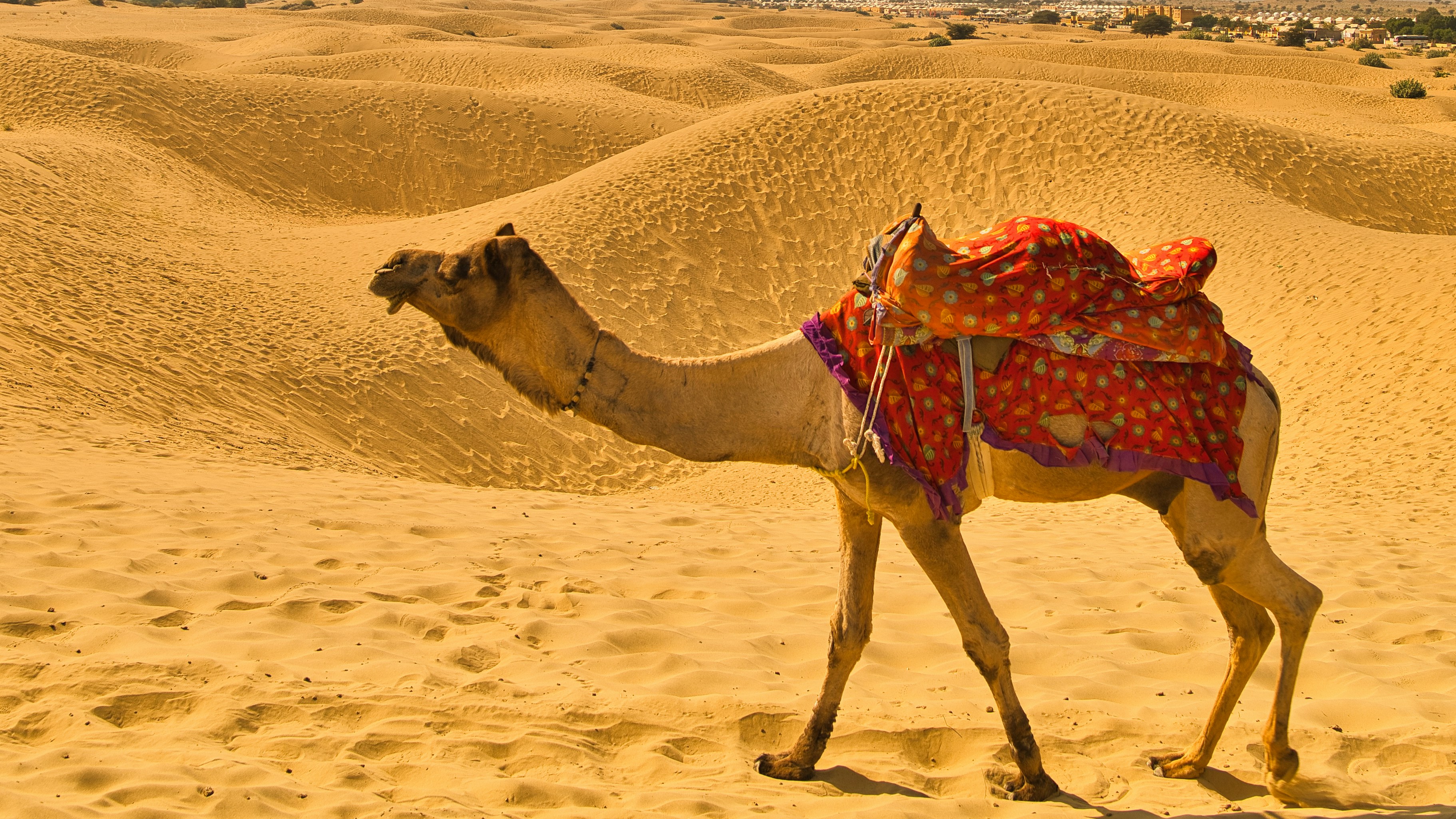
Golden dunes rolling out from Jaisalmer, the "Golden City," whose sandstone fort and havelis seem to rise directly from the sand itself.
Camel safaris into the Sam and Khuri dunes, overnight desert camps, and folk music around the campfire are the standard way to experience it, with the dunes turning deep gold at sunset.
It's India's most accessible desert experience, easily combined with Jaisalmer's fort and old city.
How does it rate
CrowdsRomanceCash RequiredDangerAccessibilityWhy you should go
Camel-trek dunes at sunset paired with Jaisalmer's golden sandstone fort rising straight out of the desert.
Why you shouldn't go
The most popular dune areas (Sam) get genuinely crowded with day-trip jeeps and tour groups by late afternoon.
Plan your visit
Best time to visitOctober-March, avoiding the extreme summer heat.Best time of daySunset over the Sam dunes, when day-trippers cluster for the classic camel-silhouette shot.Getting thereFly or take an overnight train to Jodhpur, then a 5-6 hour train or drive to Jaisalmer.Entry costCamel safari and overnight camp packages typically run INR1,500-4,000 per person.Time neededOvernight, or a full day.Insider tip — Push further to the quieter Khuri dunes rather than Sam if you want the classic dune photo without dozens of other camel trains in frame. -
 #1071 /100
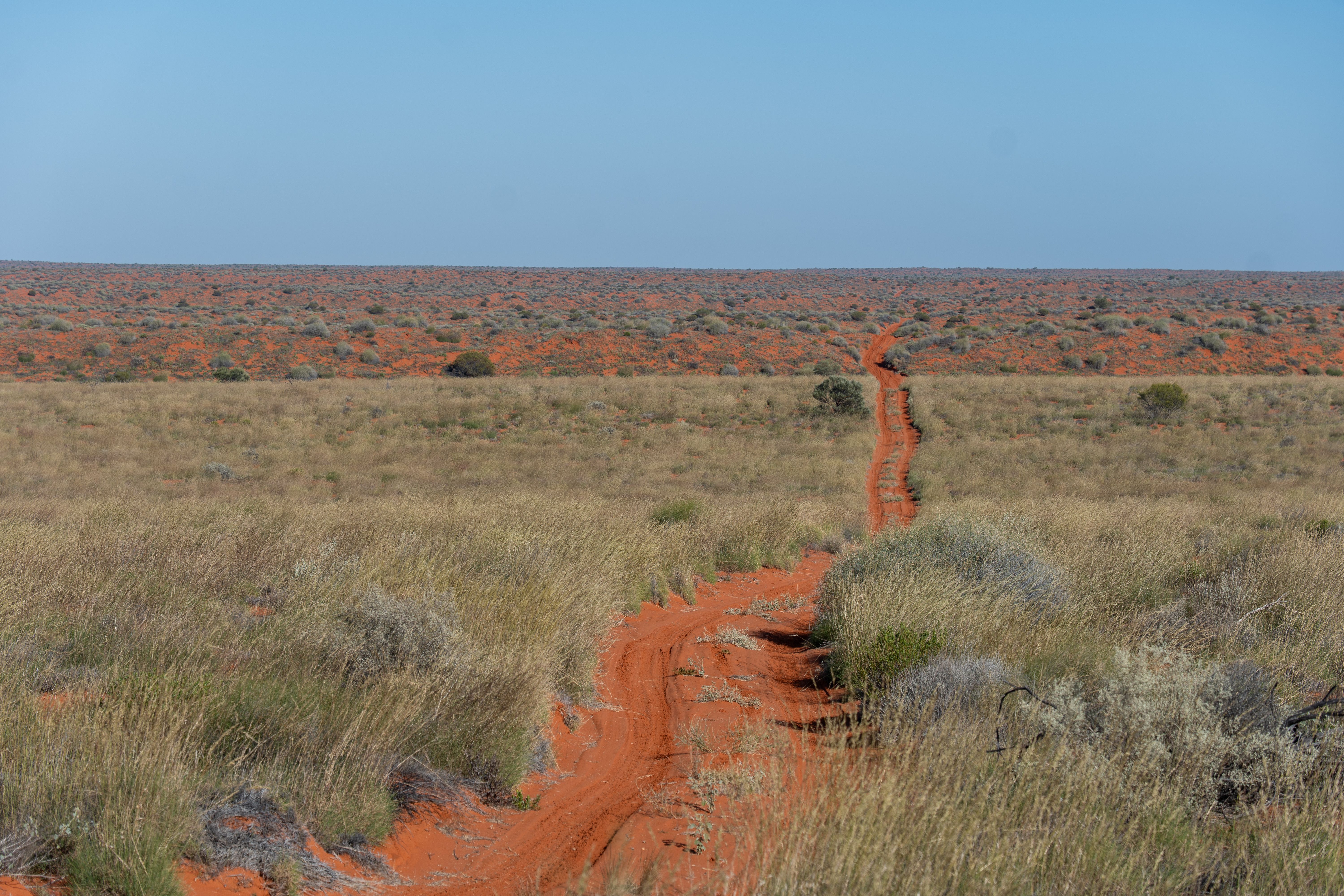
A vast field of parallel red sand dunes stretching across central Australia's outback, crossed by one of the country's classic 4x4 adventure routes via the notoriously steep Big Red dune outside Birdsville.
The dunes run in improbably straight lines for hundreds of kilometres, turning deep crimson at sunset against a sky with almost zero light pollution.
Crossing it is a genuine expedition, not a casual day out - self-sufficiency and proper 4x4 preparation are essential.
How does it rate
CrowdsRomanceCash RequiredDangerAccessibilityWhy you should go
Hundreds of parallel red dunes crossing the outback, capped by the legendary Big Red climb near Birdsville.
Why you shouldn't go
Crossing requires serious 4x4 experience, full self-sufficiency, and permits - this is not a casual detour.
Plan your visit
Best time to visitApril-September (the cooler dry season); the desert is dangerously hot and largely impassable in summer.Best time of dayLate afternoon at Big Red, when convoys gather to watch the sunset over the dune field.Getting thereFly to Birdsville (via Brisbane or Adelaide) or self-drive a 4x4 from Alice Springs or South Australia with full desert preparation.Entry costDesert crossing permits cost a small fee; most visitors join or book a guided 4x4 tour.Time needed3+ days for a full crossing.Insider tip — Time your visit around the Birdsville Races or Big Red Bash festival if you want company - otherwise this is one of the emptiest places in Australia. -
 #1170 /100
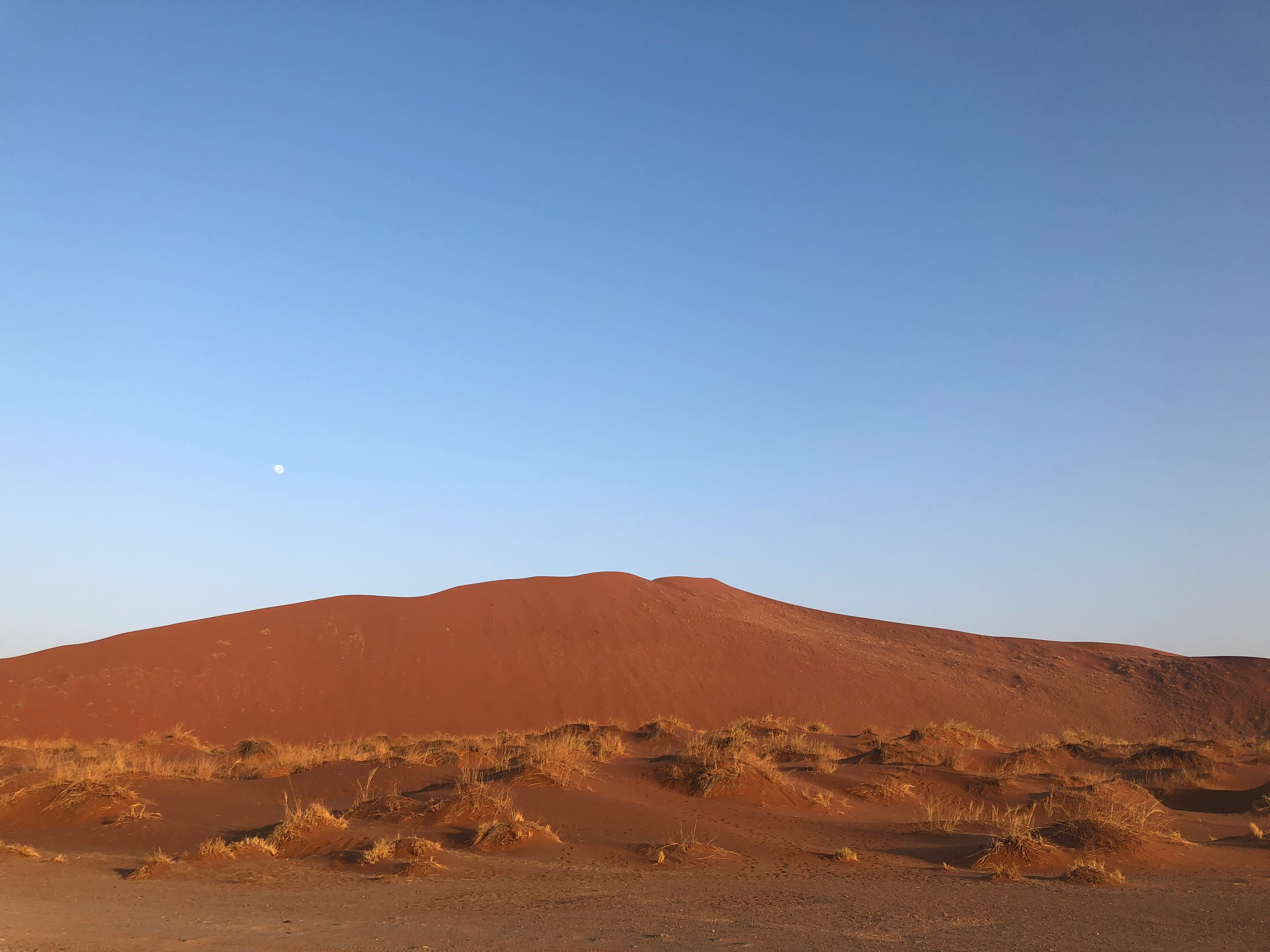
A semi-arid expanse of red sand and scrubby grassland covering much of Botswana, home to the Central Kalahari Game Reserve's black-maned lions, meerkats, and San Bushmen communities with millennia-old tracking traditions.
It lacks the dune drama of the Sahara or Namib, but its vast, flat horizons and dark, unpolluted skies make for some of the best stargazing safaris in Africa.
Wildlife encounters here feel genuinely remote rather than staged.
How does it rate
CrowdsRomanceCash RequiredDangerAccessibilityWhy you should go
Red-sand plains with black-maned Kalahari lions and some of the darkest, clearest night skies for safari stargazing in Africa.
Why you shouldn't go
It's expensive and logistically demanding to reach - most lodges require a light aircraft transfer from Maun or Gaborone.
Plan your visit
Best time to visitJune-October (dry season), when wildlife concentrates around remaining waterholes.Best time of dayDawn game drives, before the heat sets in and animals retreat to shade.Getting thereFly to Maun, then a light aircraft or 4x4 transfer into the Central Kalahari Game Reserve.Entry costLodge and safari packages typically run USD300-700+ per person per night, all-inclusive.Time needed3+ days.Insider tip — Ask your guide about a San Bushmen walking tour - several community-run options teach traditional tracking and plant knowledge firsthand. -
 #1269 /100
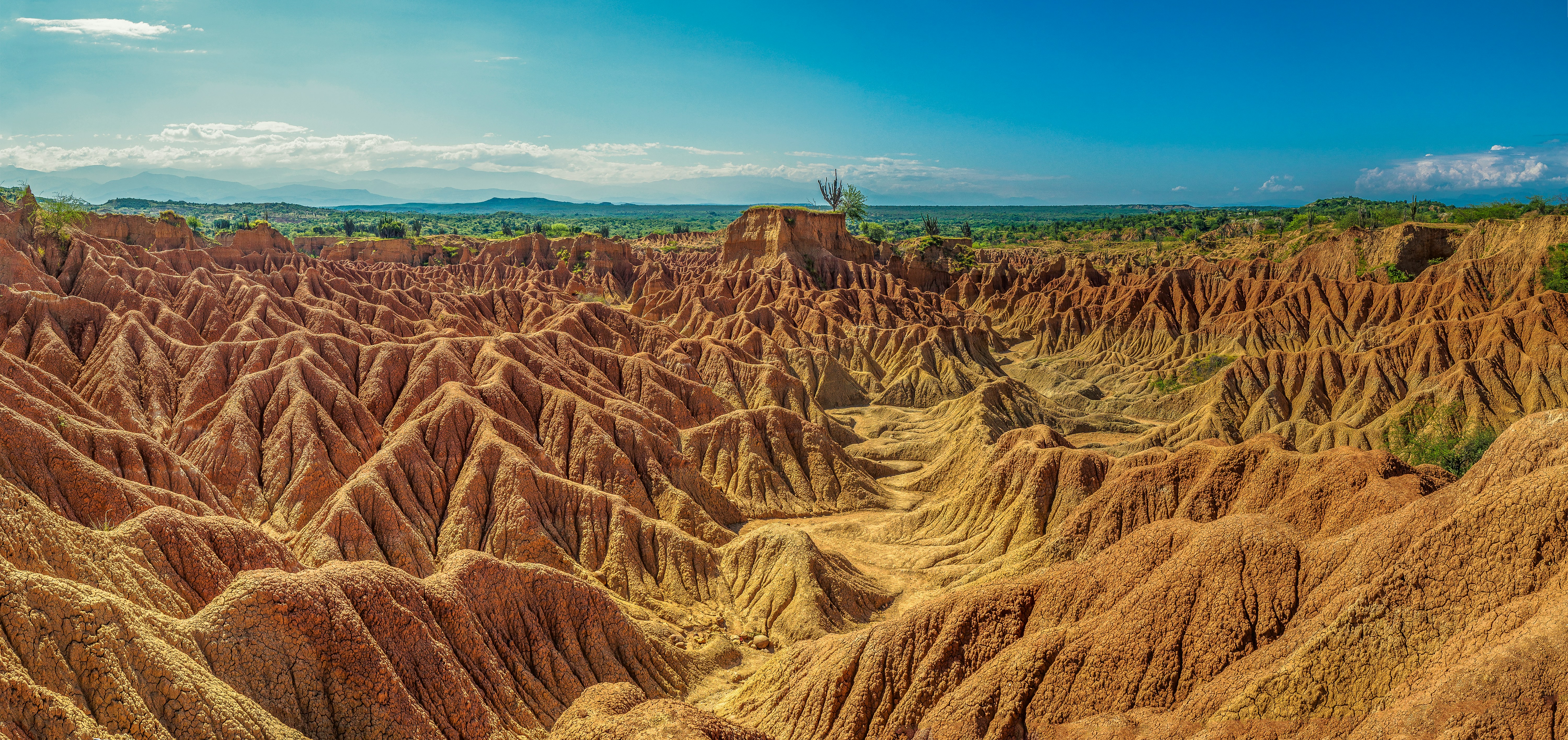
A dry tropical forest turned badlands, its grey and red-clay canyons carved into labyrinths of eroded pinnacles that look more like Utah than South America.
Split into a red zone (Cuzco) and a grey zone (Los Hoyos), it's one of the best stargazing spots in Colombia thanks to an astronomical observatory built specifically to take advantage of its clear, unpolluted skies.
Walking trails wind between the formations without requiring any technical hiking experience.
How does it rate
CrowdsRomanceCash RequiredDangerAccessibilityWhy you should go
Grey and red badland canyons that look transplanted from the American Southwest, with some of Colombia's clearest night skies.
Why you shouldn't go
There's very little shade and no real infrastructure between the two colour zones, and midday heat is intense.
Plan your visit
Best time to visitDecember-March or July-August (Colombia's dry seasons).Best time of dayLate afternoon light on the red-clay Cuzco zone, or after dark at the observatory.Getting thereFly or bus to Neiva, then a 30-40 minute drive or shared taxi to the desert entrance villages.Entry costFree to enter; observatory stargazing sessions cost a small fee.Time neededA full day, or overnight for stargazing.Insider tip — Book the night-time observatory session at Hoyos - it's inexpensive and pairs the desert's badland scenery with genuinely excellent telescope views. -
 #1368 /100
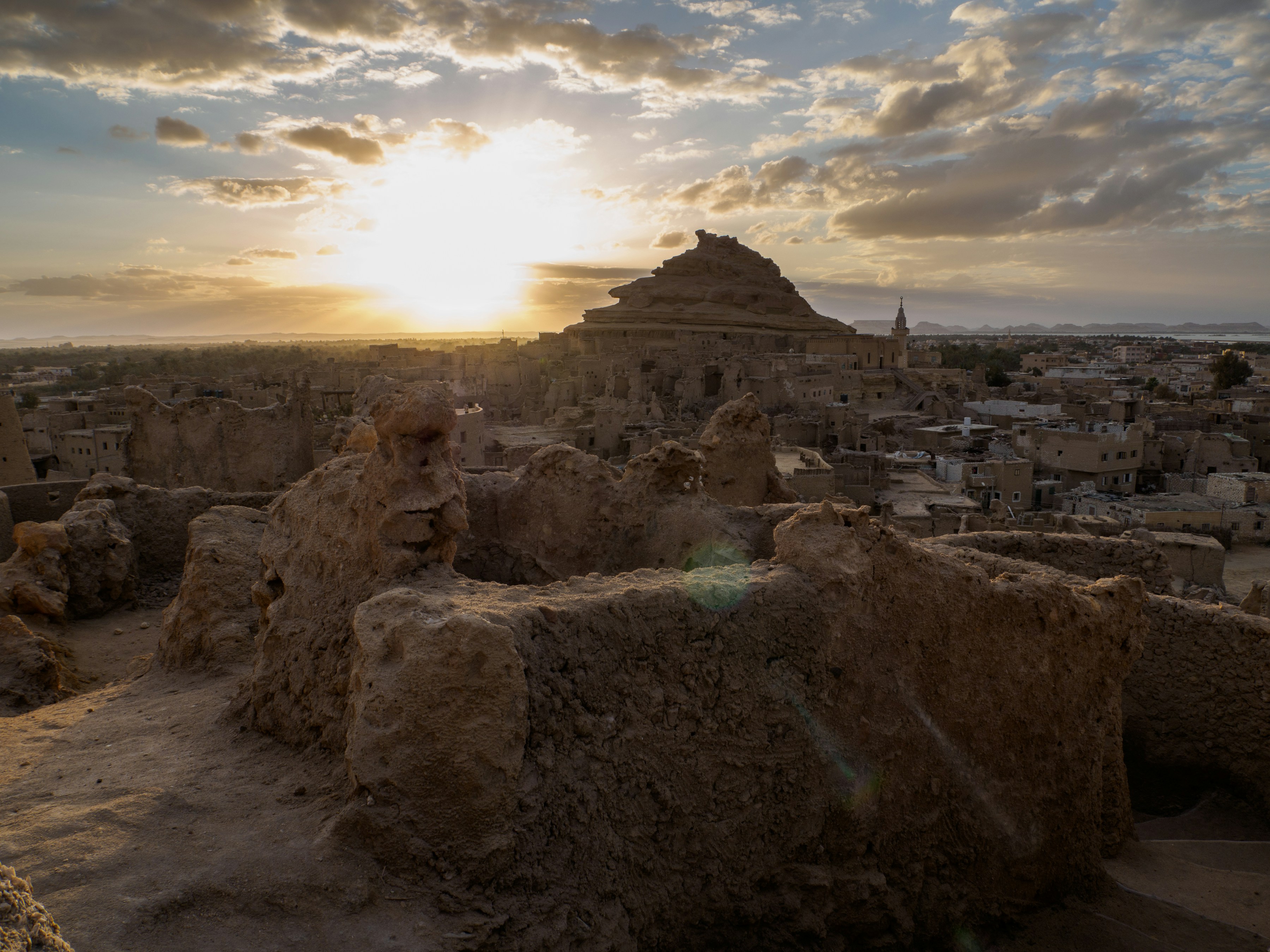
Isolated deep in Egypt's Western Desert near the Libyan border, Siwa is a genuine oasis town of mudbrick ruins, freshwater springs and palm groves surrounded by dunes, significant enough that Alexander the Great made the arduous journey to consult its oracle temple.
The ruined hilltop fortress of Shali, built entirely from local salt-clay, dominates the town, while nearby salt lakes and hot and cold springs offer a stark contrast.
How does it rate
CrowdsRomanceCash RequiredDangerAccessibilityWhy you should go
A remote desert oasis with its own distinct culture, salt-clay ruins and a temple Alexander the Great once visited.
Why you shouldn't go
It's a long, remote journey — roughly 8-10 hours' drive from Cairo, with limited onward transport options.
Plan your visit
Best time to visitOctober–April, avoiding extreme summer desert heat.Best time of daySunset from the top of the Shali fortress ruins, overlooking the palm groves and desert beyond.Getting thereAbout 8-10 hours' drive from Cairo, or a shorter route via Marsa Matruh on the coast.Entry costFree to explore the town; Shali fortress and springs have small entry fees.Time needed2–3 days.Insider tip — Float in one of the salt lakes outside town at sunset — like the Dead Sea, the water's density makes swimming effortless, and it's far quieter than the main springs. -
 #1466 /100
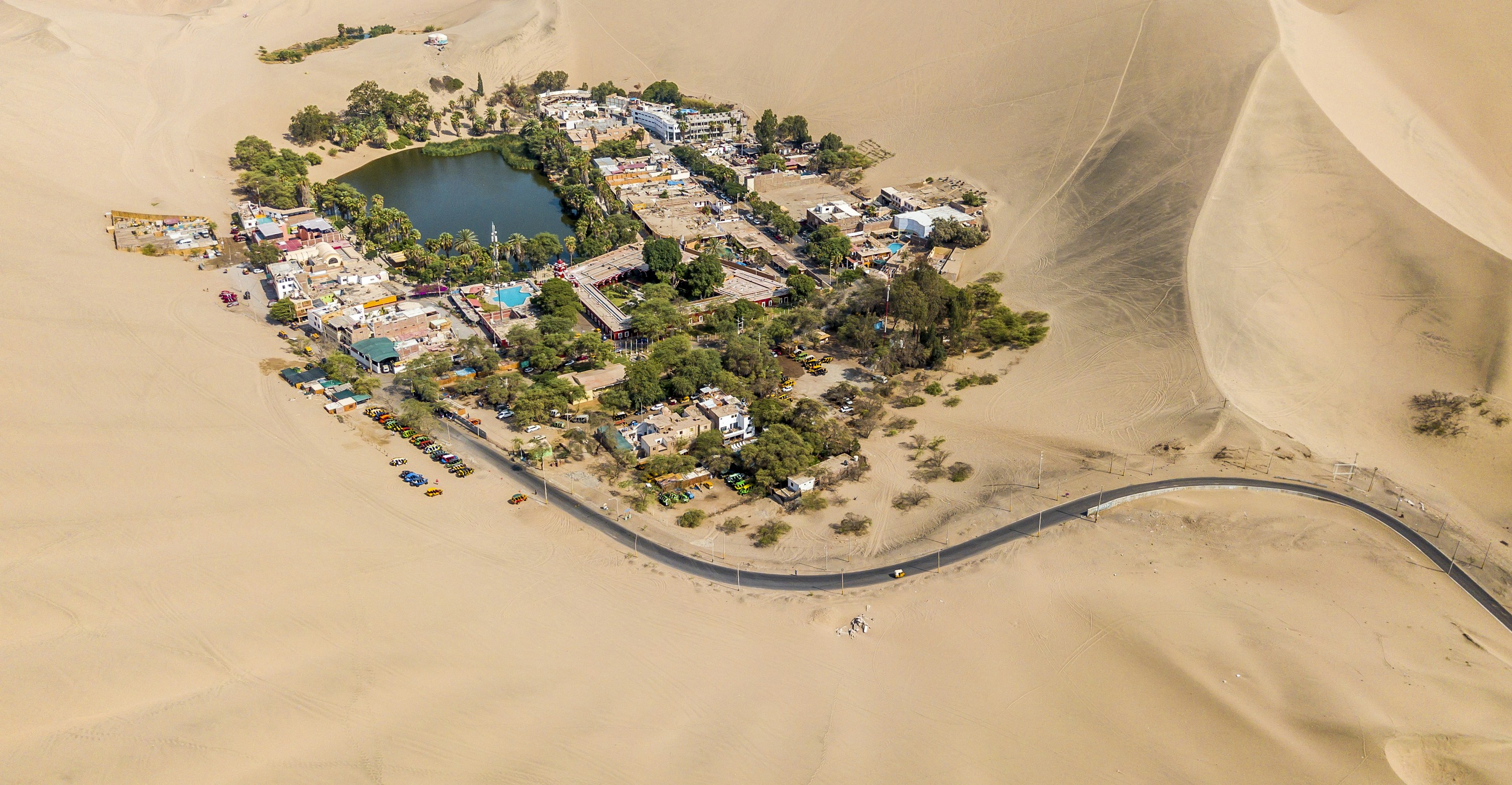
Huacachina is a small palm-ringed lagoon swallowed by towering sand dunes on the edge of the Peruvian desert, a short detour off the Pan-American Highway.
The village is just a few streets and a handful of hostels around the lagoon; dune buggies and sandboarding on the surrounding dunes are the real draw.
It's a loud, high-energy stop rather than a place with much depth.
How does it rate
CrowdsRomanceCash RequiredDangerAccessibilityWhy you should go
High-speed dune buggy rides and sandboarding on genuinely huge dunes, right at the edge of town.
Why you shouldn't go
It's a small, thin destination built almost entirely around one activity - don't expect much beyond it.
Plan your visit
Best time to visitYear-round; afternoons are hot, so many tours run at sunsetBest time of dayLate afternoon into sunset, when the heat eases and buggy tours runGetting there3.5hr bus or drive south from Lima to Ica, then a 10-min taxi to HuacachinaEntry costSmall desert access fee (~S/4); buggy and sandboarding tours from ~S/40-100Time neededHalf a day to overnightInsider tip — Book the buggy tour through your hostel rather than street touts - prices are similar but the vehicles and guides are more reliably maintained.


More from The World
-
How a score is built
One score out of 100, five criteria behind it
Every place is rated 1–5 on each of the criteria below, then combined into a single score out of 100. It's calculated by us, the same way every time — not an average of traveller reviews or social votes.
Crowds
How many people you'll be sharing it with, and at what time of day.
Romance
How well it suits a couple, a proposal, or a quiet moment together.
Cash required
Entry fees, permits, guides, rentals — what it actually costs to do it.
Danger
Physical risk involved, from a slippery viewpoint to genuine hazard.
Accessibility
How far off the beaten path it is, and how hard it is to actually reach.

