-
 #187 /100
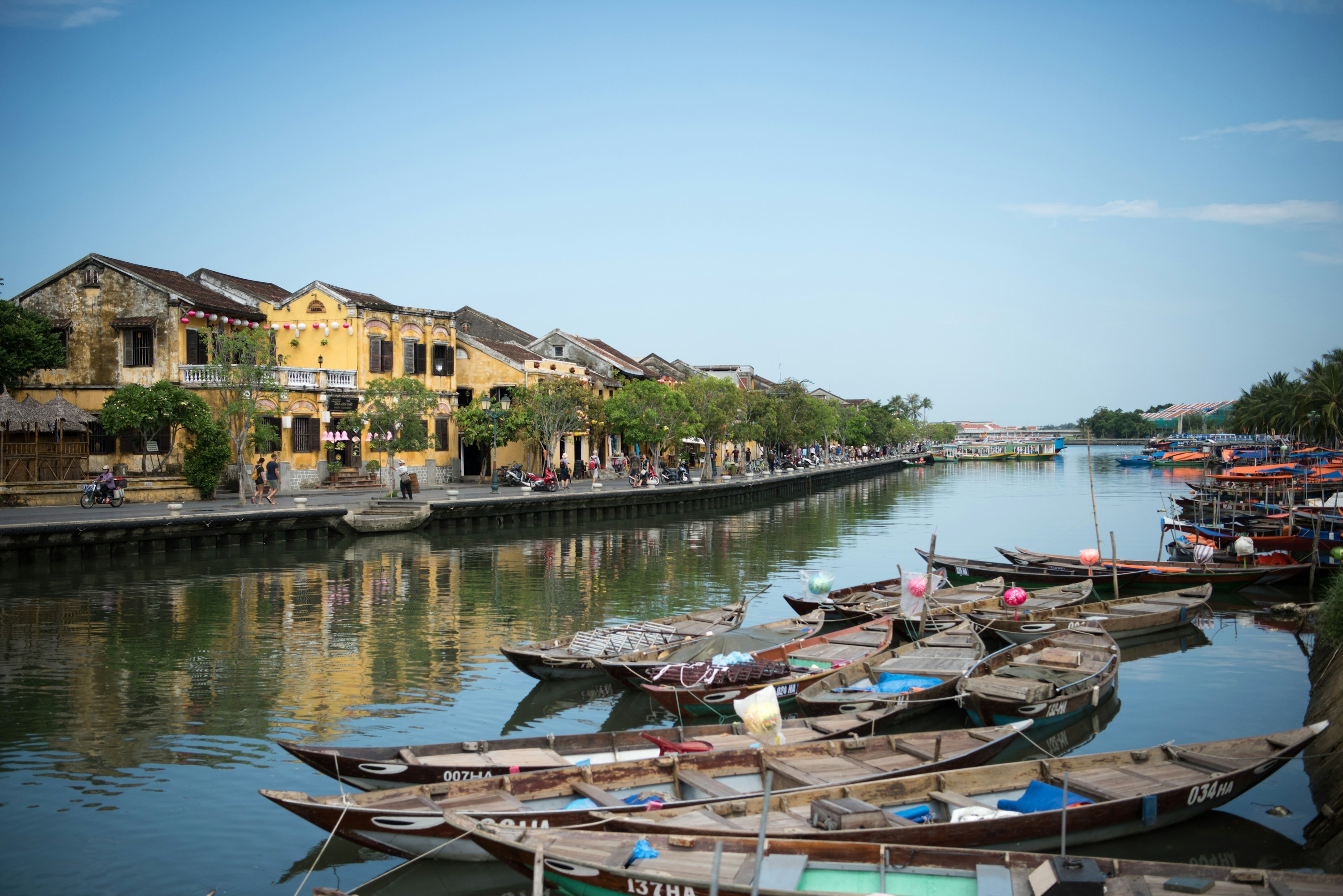
Hoi An's Old Town is a remarkably intact 15th-19th century trading port, its ochre-walled shophouses, Chinese assembly halls, and the Japanese Covered Bridge lining the Thu Bon River.
By day it's a working town of tailors and lantern-makers; after dark the riverside glows with silk lanterns and candlelit boats.
UNESCO-listed and largely traffic-free, it rewards slow wandering more than a checklist visit.
How does it rate
CrowdsRomanceCash RequiredDangerAccessibilityWhy you should go
A beautifully preserved 15th-century trading port, lantern-lit at night, with tailors, food stalls, and a slow, walkable riverside core.
Why you shouldn't go
Old Town gets crowded by mid-morning, and the ticket system funnels you toward the same handful of paid houses.
Plan your visit
Best time to visitFebruary-April for cooler, drier weather; mid-month around the full moon for the lantern festival.Best time of dayEarly morning before tour buses, or after dusk when lanterns are lit and day-trip crowds thin out.Getting thereFly to Da Nang; Hoi An is a 45-minute taxi or bus south along the coast.Entry cost120,000 VND (~$5) covers entry to 5 heritage sites of your choiceTime neededHalf a day for the old town; 2 days to include tailoring and nearby beachesInsider tip — Buy the old town ticket at an official booth near the entrances, not from touts; keep it, since spot checks happen through the day. Cross the river to An Hoi for cheaper food with the same lantern views. -
 #286 /100
The walled heart of Quebec City is the only fortified colonial city north of Mexico still standing, its narrow cobblestone streets climbing from the St.
Lawrence River up to the castle-like Chateau Frontenac hotel.
Founded by French settlers in 1608, the Old Town's stone houses and ramparts earned it UNESCO World Heritage status, and the Dufferin Terrace boardwalk gives sweeping river views.
How does it rate
CrowdsRomanceCash RequiredDangerAccessibilityWhy you should go
A genuinely walkable, centuries-old walled city with cobblestone streets and river views unlike anywhere else in North America.
Why you shouldn't go
Many small sites and the funicular are cash-preferred; winters are long and cold, though they add their own charm.
Plan your visit
Best time to visitJune-September for mild weather; February for the Winter CarnivalBest time of dayMorning for Petit-Champlain before crowds; evening for Dufferin Terrace at sunsetGetting thereFly to Quebec City Jean Lesage International Airport, or take the train from Montreal (about 3 hours).Entry costFree to walk the Old Town; funicular ~CA$4-6; individual sites charge separatelyTime needed2-3 daysInsider tip — Walk down the Casse-Cou ("Breakneck") stairs from Upper to Lower Town rather than only riding the funicular; it's the old fastest route between the two and skips the funicular queue entirely. -
 #385 /100
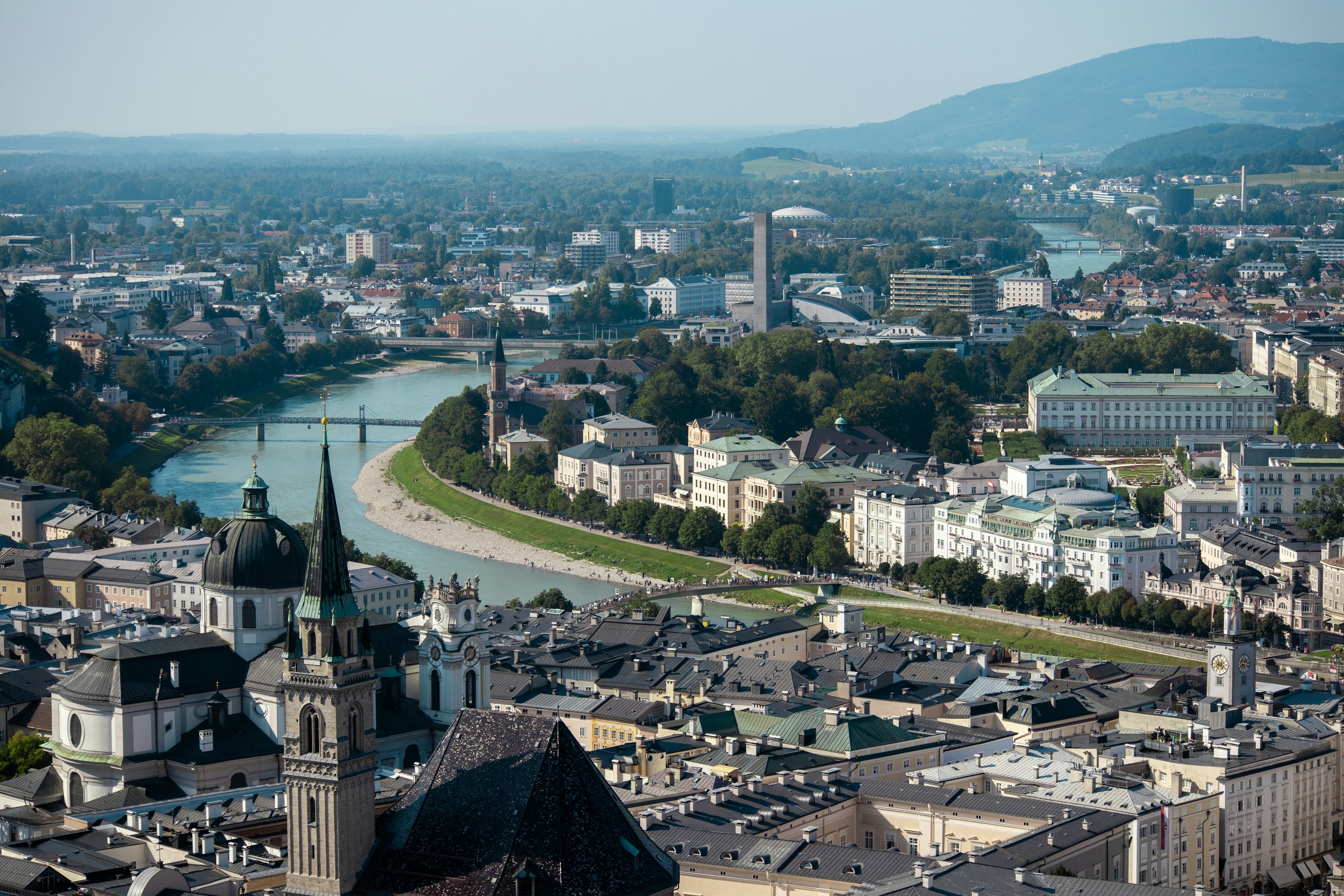
Salzburg's baroque old town sits below a hilltop fortress on the banks of the Salzach River, its narrow lanes lined with Mozart's birthplace, elaborate church facades, and the gardens used as filming locations for The Sound of Music.
The Hohensalzburg Fortress, one of Europe's largest surviving medieval castles, looms over the skyline and is reachable by funicular, and music runs through the city year-round.
How does it rate
CrowdsRomanceCash RequiredDangerAccessibilityWhy you should go
Walking streets that are simultaneously Mozart's birthplace and The Sound of Music's setting, under a medieval fortress, is a rare combination.
Why you shouldn't go
Sound of Music tour groups and summer festival crowds pack the old town's narrow streets in peak season.
Plan your visit
Best time to visitMay–June or September for mild weather; late July–August for the Salzburg Festival.Best time of dayEarly morning for quiet streets, or evening for a concert.Getting thereFly into Salzburg Airport, 20 minutes from the old town, or take a 2.5-hour train from Vienna.Entry costFree to walk the old town; Hohensalzburg Fortress and Mozart's birthplace charge entry.Time needed1–2 daysInsider tip — Take the funicular up to Hohensalzburg Fortress late in the day — the crowds thin out and the views over the old town at golden hour are the best of the day. -
 #483 /100
Bryggen is the old Hanseatic wharf on Bergen's harbour, a row of narrow, brightly painted wooden warehouses rebuilt after fires since the 14th century and listed by UNESCO since 1979.
The buildings now hold workshops, galleries and restaurants behind their tilted timber frames, and the wharf sits at the centre of a lively harbour city ringed by seven mountains.
Compact enough to explore in an hour, longer with the Hanseatic Museum.
How does it rate
CrowdsRomanceCash RequiredDangerAccessibilityWhy you should go
Six centuries of Hanseatic trading history packed into one unmistakably colourful waterfront row.
Why you shouldn't go
Small area that gets swamped when a cruise ship is in port; some interiors visibly lean with age.
Plan your visit
Best time to visitMay-September for daylight and open museums; September brings milder crowds than midsummer.Best time of dayEarly morning or after 5pm, once tour groups from the cruise terminal have thinned out.Getting thereFly to Bergen Airport Flesland; a 30-minute bus or taxi into the city centre, then walk to the harbour.Entry costFree to walk; Hanseatic Museum and Schøtstuene charge separate entry.Time needed1-2 hours, half a day with museumsInsider tip — Walk through to the narrow passageways between the front-row buildings - the tilted floors and old pulleys are more interesting than the harbour-facing facades everyone photographs from the quay. -
 #579 /100
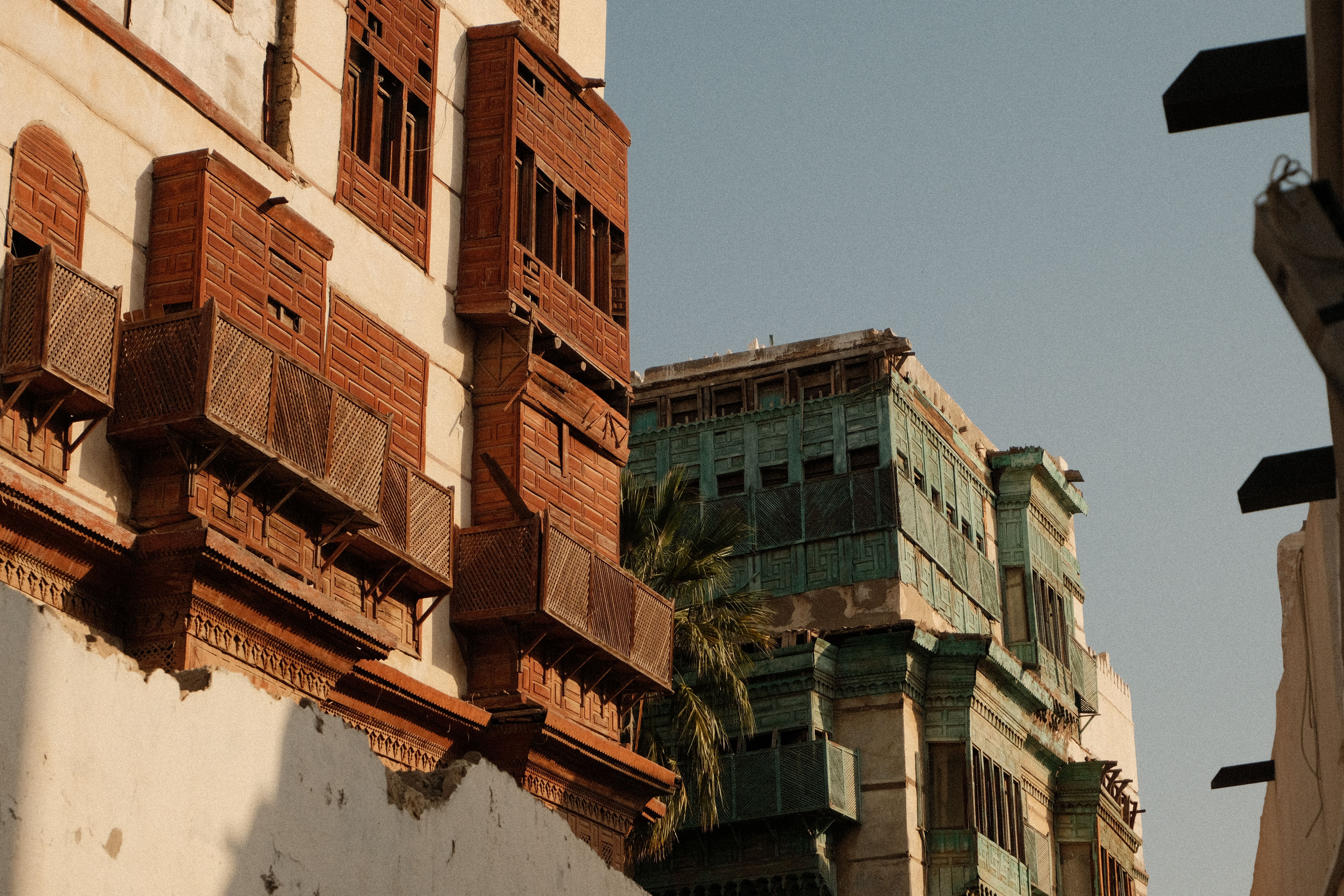
Al-Balad is Jeddah's old town, a UNESCO-listed maze of coral-stone merchant houses several storeys tall, their facades covered in ornately carved wooden latticework called rawasheen that once let residents watch the street below without being seen.
For centuries this was the gateway for pilgrims arriving by sea for Mecca and Medina, and the district's souqs, mosques, and courtyard houses still carry that trading-port history.
How does it rate
CrowdsRomanceCash RequiredDangerAccessibilityWhy you should go
The carved wooden latticework balconies on centuries-old coral-stone houses are unlike any other old town architecture in the Gulf.
Why you shouldn't go
Some buildings are still in disrepair despite ongoing restoration, and the district can feel patchy between renovated and neglected blocks.
Plan your visit
Best time to visitNovember–March, for comfortable evening walking temperatures.Best time of dayEvening, when the souqs are busiest and the heat of the day has passed.Getting thereFly to Jeddah; Al-Balad sits close to the city centre, a short taxi ride from most hotels.Entry costFree to walk; some restored houses and galleries charge small entry fees.Time needed2–3 hoursInsider tip — Look up, not just ahead — the best rawasheen latticework detail is on the upper floors, easy to miss while browsing the street-level souqs. -
 #678 /100
Quito's historic center was the first UNESCO World Heritage Site ever designated, and remains the largest, best-preserved colonial-era old town in Latin America.
Baroque churches like La Compañía de Jesús drip with gold leaf inside plain stone exteriors, while plazas and narrow streets climb the Andean foothills at over 2,800 meters of altitude.
The Basílica del Voto Nacional's towers offer views across the whole old town.
How does it rate
CrowdsRomanceCash RequiredDangerAccessibilityWhy you should go
Latin America's largest and best-preserved colonial old town, set at dramatic Andean altitude.
Why you shouldn't go
The high altitude (2,850m) leaves many visitors short of breath for the first day or two.
Plan your visit
Best time to visitJune–September, the drier season, though Quito's climate is mild year-round.Best time of dayMorning, before afternoon rain showers common at altitude.Getting thereFly into Quito's Mariscal Sucre Airport, about 40 minutes from the old town.Entry costFree to walk; church interiors and towers typically $2-5.Time needed1–2 days.Insider tip — Climb the Basílica's towers via the wooden ladders in the roof space, not just the main tower lift — a more adventurous, less crowded route to the top. -
 #776 /100
An intact Edo-period merchant district with preserved wooden machiya townhouses, working sake breweries, and morning markets, set against a backdrop of the Japanese Alps.
One of the country's best-preserved old towns outside Kyoto, and considerably less crowded.
How does it rate
CrowdsRomanceCash RequiredDangerAccessibilityWhy you should go
A pristine Edo-period merchant town with wooden machiya houses, sake breweries, and a mountain backdrop.
Why you shouldn't go
Feels touristy through midday in peak seasons; narrow streets and small shops get congested; limited English outside the tourist core.
Plan your visit
Best time to visitOctober–November for fall colors, or April for cherry blossoms and the spring Takayama Festival.Best time of dayEarly morning (7–8am), before day-trippers arrive and while the morning markets are freshest.Getting thereTrain from Nagoya (roughly 2.5 hours) or Toyama (1.5 hours) direct to Takayama Station.Entry costFree to walk the streets; individual museums and sake tastings ¥300–500 each.Time needed1–2 days.Insider tip — Stay overnight to see the old town after the day-trip crowds clear out in the evening. Sample Hida beef and local sake — several breweries offer tastings right on the main street. -
 #876 /100
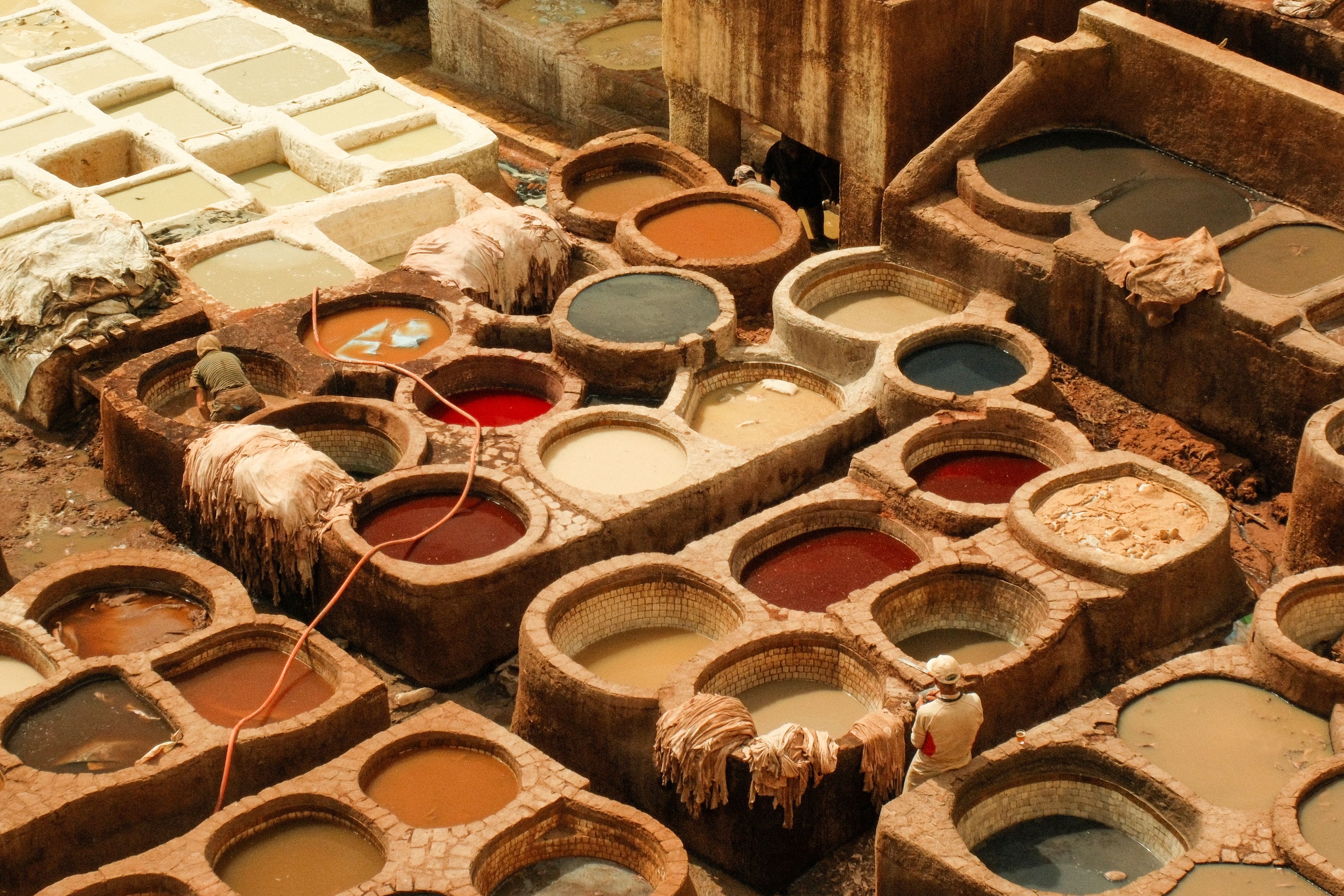
The old walled medina of Fes is the world's largest car-free urban area, a dense 9th-century labyrinth of over 9,000 narrow lanes where mules still haul goods past tanneries, madrasas and workshops largely unchanged for centuries.
The Chouara Tannery's terraced dye pits are the best-known sight, but the real experience is the medina itself — genuinely functioning, with artisans working leather, brass and textiles the same way for generations.
How does it rate
CrowdsRomanceCash RequiredDangerAccessibilityWhy you should go
The world's largest car-free medina, still a genuinely working craft city, not a tourist stage set.
Why you shouldn't go
Extremely easy to get lost in, and touts posing as guides are a persistent nuisance near the entrances.
Plan your visit
Best time to visitMarch–May or September–November for mild weather to explore on foot.Best time of dayMorning, when the tanneries and workshops are in full operation.Getting thereFly to Fes-Saïss Airport, 20 minutes from the medina, or train from Marrakech or Casablanca.Entry costFree to enter the medina; official guides around 300-400 MAD (~€30-38) for a half day.Time neededFull day.Insider tip — Hire an official guide from the tourist office rather than accepting one on the street — the only reliable way to avoid the leather-shop steering scams. -
 #973 /100
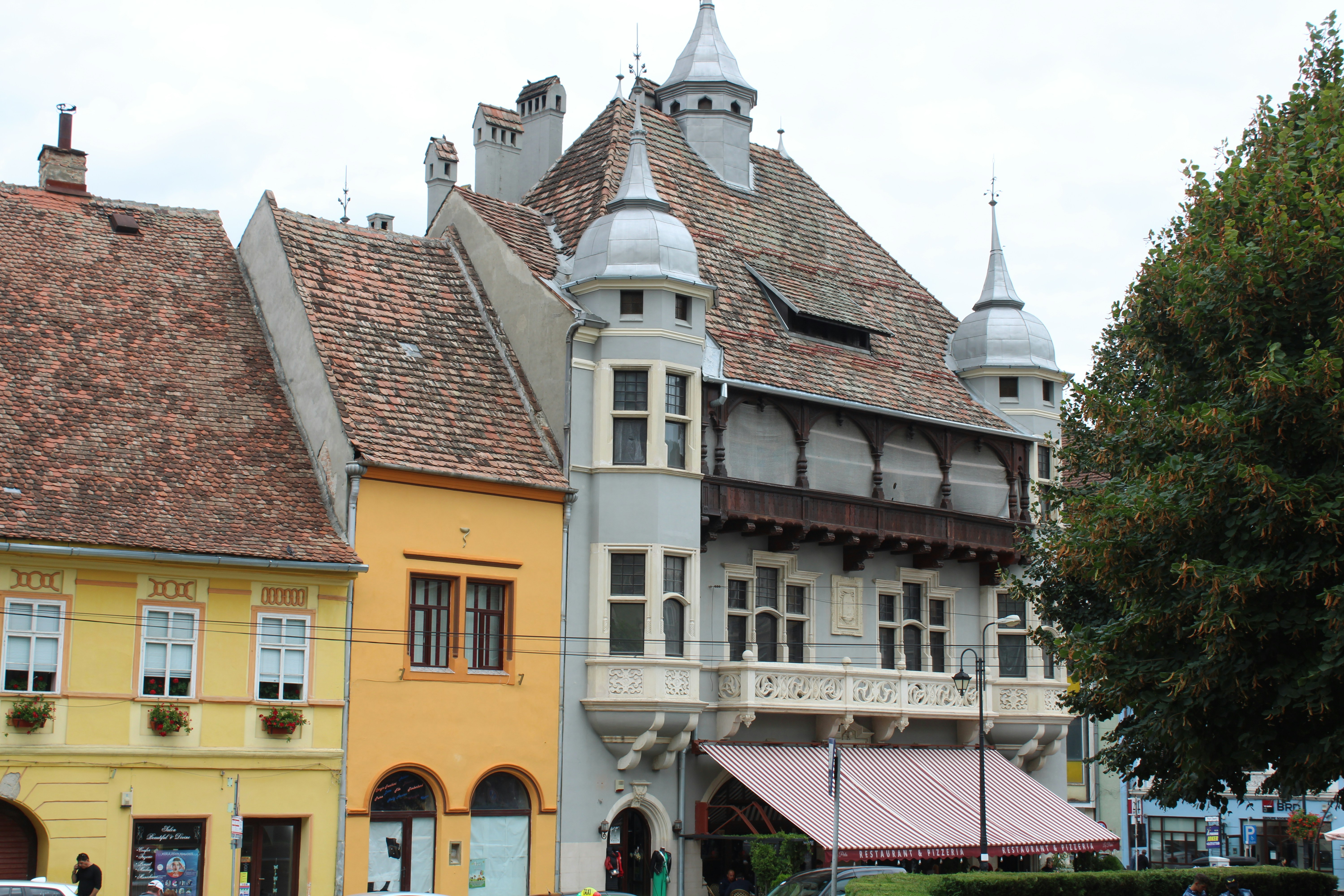
This UNESCO-listed citadel is one of the last inhabited medieval walled towns in Europe, its cobbled lanes lined with pastel-colored burgher houses beneath nine surviving watchtowers.
Vlad the Impaler was reportedly born here, and the citadel's Gothic clock tower and covered stairway give it a genuinely lived-in medieval atmosphere rather than a restored film set.
Locals still run shops and cafés inside the walls.
How does it rate
CrowdsRomanceCash RequiredDangerAccessibilityWhy you should go
A real, still-inhabited medieval citadel, not a reconstruction.
Why you shouldn't go
Small enough that a couple of hours covers the whole old town.
Plan your visit
Best time to visitMay or September for pleasant weather without peak-summer crowds.Best time of dayEvening, once day-tripping coach groups have left.Getting thereDirect train from Brașov or Bucharest to Sighișoara station, then a 10-minute walk uphill.Entry costFree to walk the citadel; Clock Tower museum around 15 RON.Time needed2–4 hours.Insider tip — Climb the Covered Stairway (all 175 steps) to the Church on the Hill for the best rooftop views, away from the main square crowds. -
 #1071 /100
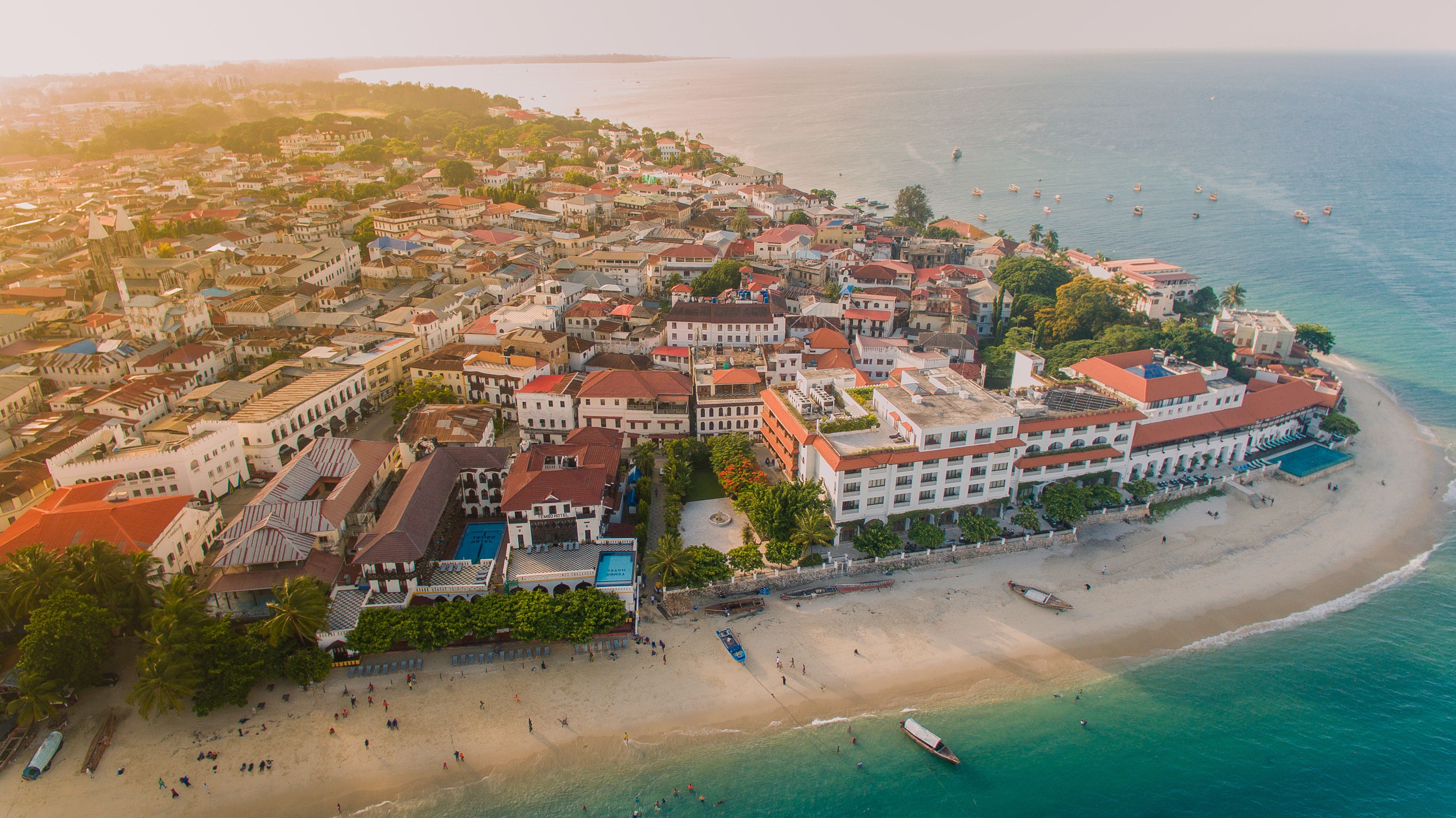
The historic heart of Zanzibar City is a dense maze of coral-stone buildings, carved wooden doors and narrow alleys shaped by centuries of Swahili, Arab, Persian and Indian trade and, more darkly, its role as East Africa's largest slave-trading port.
The old fort, sultan's palace and spice markets reflect that layered history, while rooftop restaurants and the Forodhani Gardens night market give it a genuinely lively present-day pulse.
How does it rate
CrowdsRomanceCash RequiredDangerAccessibilityWhy you should go
A UNESCO old town with genuinely intricate carved-door architecture and a complex, layered trading history.
Why you shouldn't go
The old town's alleys are a labyrinth, and the slave-trade history sites can be a heavy, sobering visit.
Plan your visit
Best time to visitJune–October, Zanzibar's dry season.Best time of dayEvening at Forodhani Gardens, when the night food market opens along the waterfront.Getting thereFly to Zanzibar's Abeid Amani Karume Airport, or ferry from Dar es Salaam (about 2 hours).Entry costFree to walk; museum and fort entries typically $5-10.Time needed1–2 days.Insider tip — Take a guided walking tour focused on the carved doors — each style signals the original owner's trading origin, invisible without explanation. -
 #1170 /100
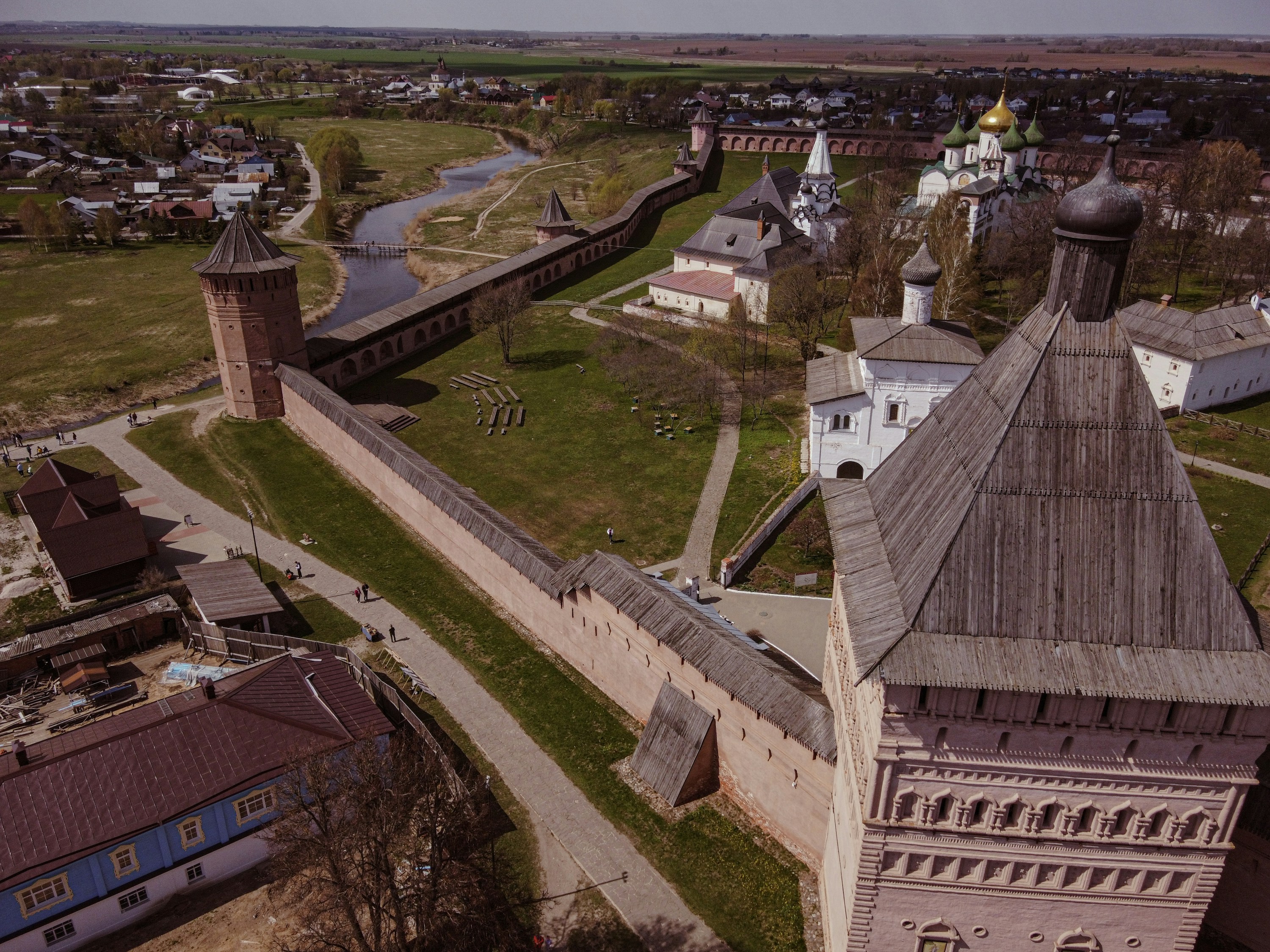
Suzdal is a Golden Ring town that never industrialised, leaving a skyline of onion domes and log houses largely unchanged since the 18th century.
Its walled kremlin, the Nativity Cathedral's blue star-studded domes and a wooden Church of St Nicholas moved here from another village sit alongside a working monastery and open-air museum.
No building rises above two storeys, so the whole town reads as one continuous historic scene.
How does it rate
CrowdsRomanceCash RequiredDangerAccessibilityWhy you should go
An entire pre-industrial Russian town, kremlin and monasteries intact, with no modern skyline to break it.
Why you shouldn't go
No train station of its own — every route in involves a bus or taxi transfer from Vladimir or a long drive from Moscow.
Plan your visit
Best time to visitMay–September for warm weather and local festivals; snow adds its own appeal in winterBest time of dayEarly morning along the river, before day-trip coach groups from Moscow arriveGetting thereTrain from Moscow's Kursky station to Vladimir (about 2.5hrs), then a local bus or taxi (40km) to Suzdal; no direct rail into town.Entry costFree to walk the town; kremlin and monastery museums charge small separate feesTime neededFull day trip, or overnight to see it without the coach groupsInsider tip — Climb the Kremlin's bell tower or the Monastery of Saint Euthymius walls for a view over the whole town at once — most day-trippers never look up from ground level. -
 #1268 /100
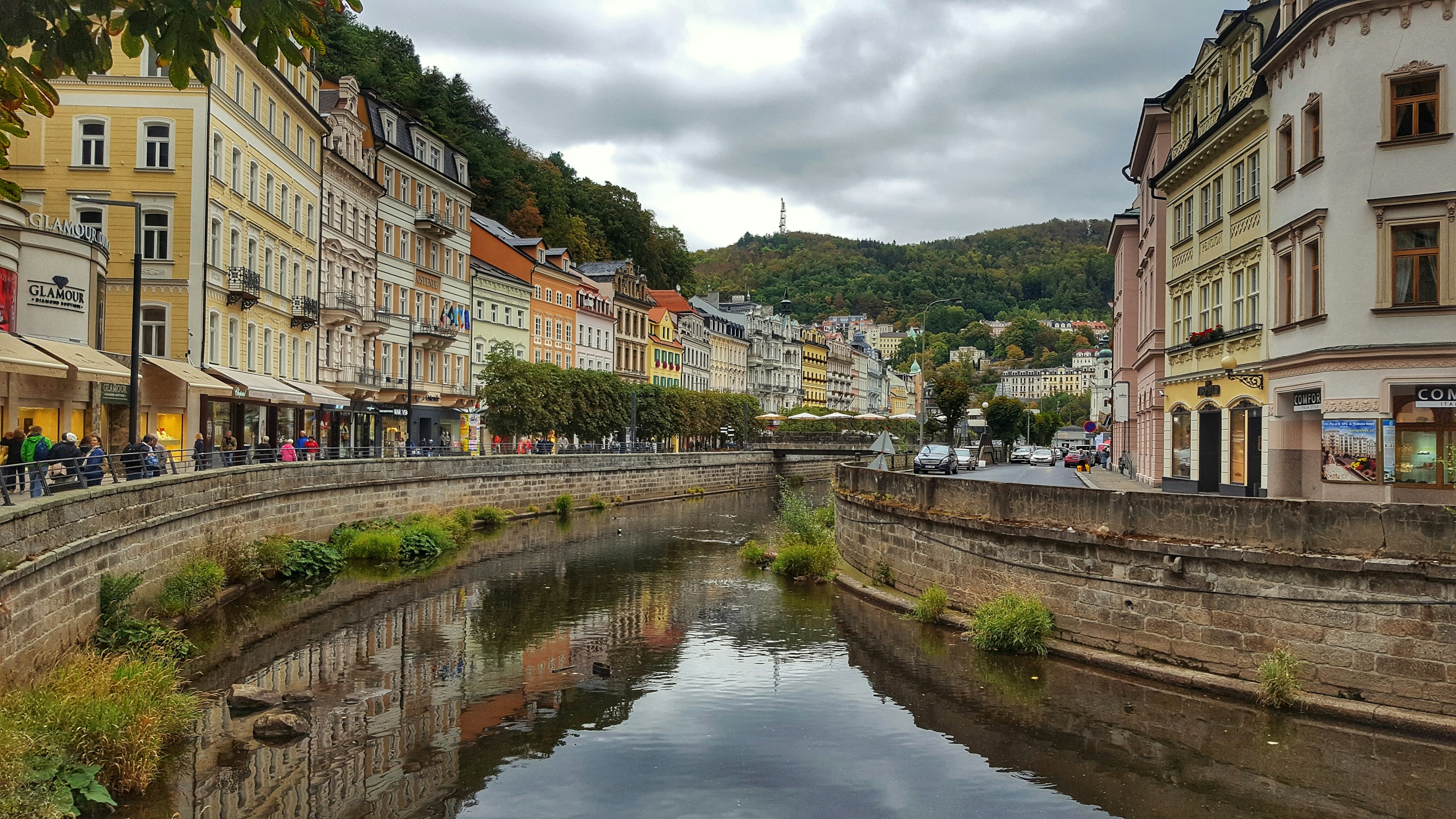
Karlovy Vary is Bohemia's grandest spa town, its curving colonnades and belle-époque facades built around thirteen mineral hot springs that locals have taken for their health since the 14th century.
Visitors sip the sulphurous water from porcelain spa cups while wandering the Teplá riverside promenade, and the wooded hills above hide viewpoints reachable by funicular.
It hosts a major film festival each July.
How does it rate
CrowdsRomanceCash RequiredDangerAccessibilityWhy you should go
Ornate 19th-century colonnades built around genuinely therapeutic hot springs, still in daily use.
Why you shouldn't go
The spa water itself is an acquired taste, and much of the grandest architecture is now fenced-off private clinics.
Plan your visit
Best time to visitMay-September for warm-weather promenading, or early July for the Film Festival if crowds don't bother you.Best time of dayLate afternoon, when the colonnade light softens and day-trip buses have thinned out.Getting thereRegioJet or FlixBus from Prague (~1hr 40min); the direct train takes closer to 3.5 hours.Entry costFree to walk the colonnades; spa cup and water tasting a few hundred CZKTime neededHalf a day, or overnight for a spa treatmentInsider tip — Buy a lázeňský pohárek (spa cup with a built-in straw spout) from any kiosk and refill it free at the different colonnade springs; each tastes distinctly different. -
 #1365 /100
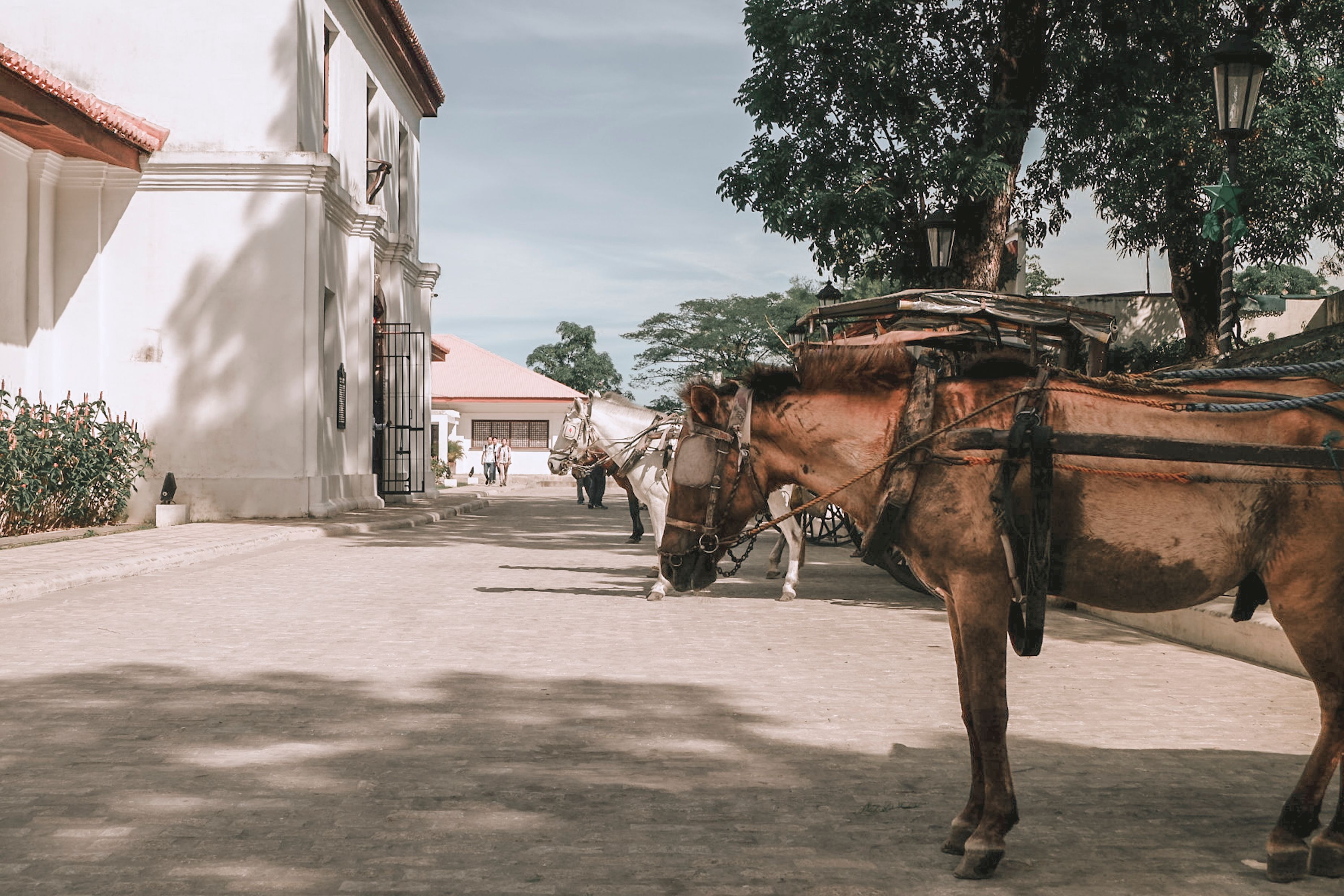
One of the best-preserved Spanish colonial towns in Asia, Vigan's cobblestone Calle Crisologo is lined with centuries-old ancestral houses combining Chinese, Spanish and Filipino styles, still occupied and largely unrestored-to-a-fault.
Horse-drawn calesa carriages clatter down the same streets locals actually use, and the town's pottery and abel-weaving workshops keep traditional crafts alive rather than staged for tourists.
How does it rate
CrowdsRomanceCash RequiredDangerAccessibilityWhy you should go
One of Asia's most intact Spanish colonial towns, still lived in rather than roped off.
Why you shouldn't go
It's primarily a walking/browsing destination — sights are limited beyond the streetscape itself.
Plan your visit
Best time to visitNovember–February, the cool dry season.Best time of dayEarly evening, when Calle Crisologo's gas lamps are lit and day-trippers have left.Getting thereFly to Laoag, then a 1-hour drive south, or an overnight bus from Manila (about 8–9 hours).Entry costFree to walk; calesa rides around ₱150 (~€2.40).Time needed1 day.Insider tip — Skip the daytime calesa queues on Calle Crisologo and instead take one after dinner, when the street is lamp-lit and nearly empty. -
 #1465 /100
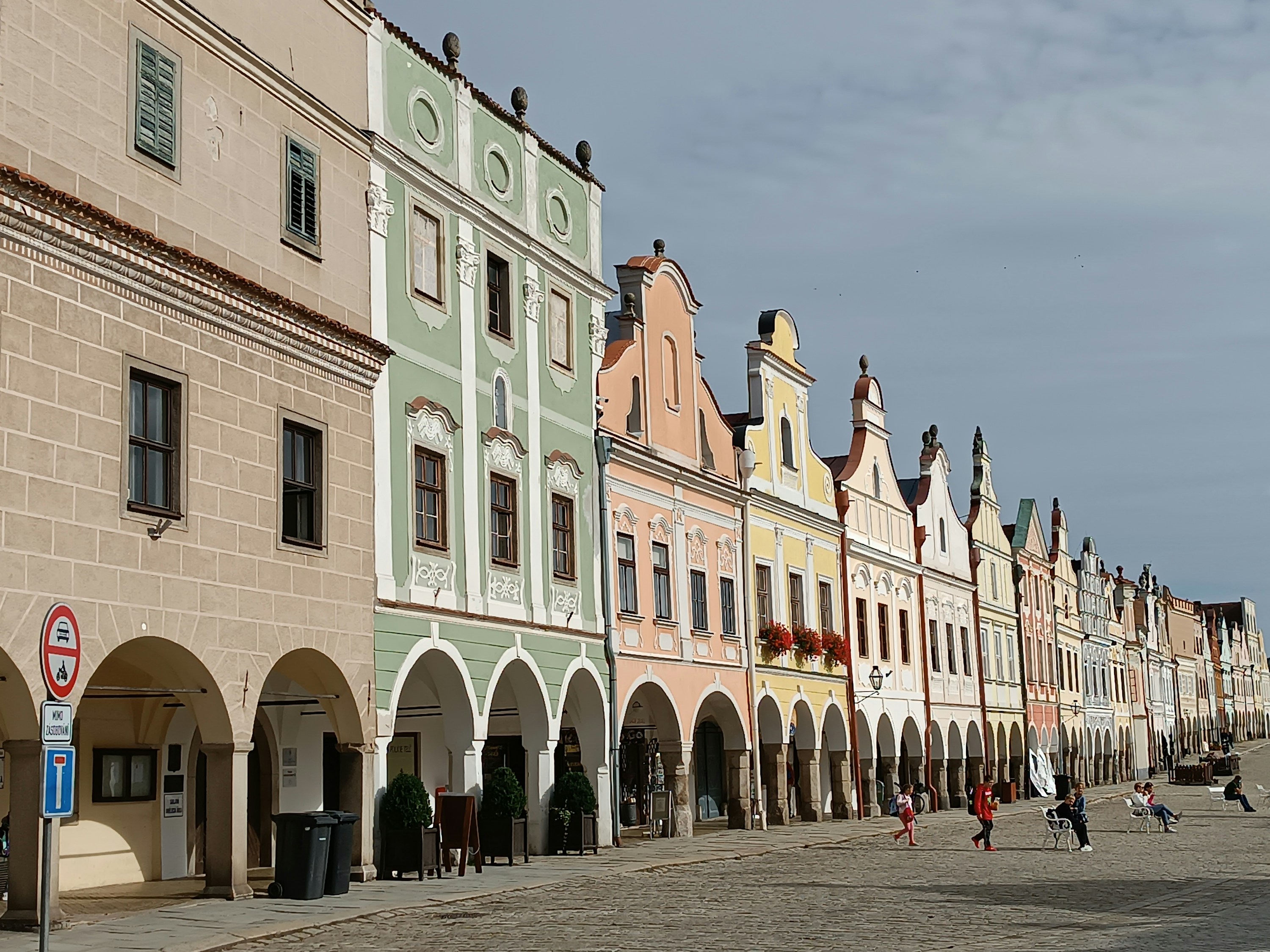
Telč's arcaded square is one of Europe's best-preserved Renaissance ensembles, a UNESCO World Heritage Site since 1992: dozens of gabled townhouses in pastel stucco line up around a long rectangular plaza, each in a slightly different pattern.
A moated chateau anchors one end, its English park and fishponds wrapping around the old town, rebuilt in stone after a 1530 fire destroyed its wooden houses.
How does it rate
CrowdsRomanceCash RequiredDangerAccessibilityWhy you should go
An entire Renaissance square preserved intact, arcade after arcade of individually decorated gabled houses.
Why you shouldn't go
No direct train from Prague; getting here takes a bus-and-train combination or a long drive.
Plan your visit
Best time to visitApril-October for the chateau's guided tours and outdoor cafes; the square itself is open year-round.Best time of dayEarly morning or early evening, once day-trip coach groups have left.Getting thereBus from Prague (~2.5hrs), or Flixbus to Jihlava then a connecting train (~1hr); the square is a 10-minute walk from the bus station.Entry costFree to walk the square; chateau tours from 90 CZKTime needed2–3 hours, half a day with the chateauBookingBook ahead →Insider tip — Climb the tower of the Church of the Holy Name of Jesus for a rooftop view down the length of the square; few day-trippers bother. -
 #1563 /100
One of Cuba's oldest towns, founded in the 1500s, Remedios is a pocket-sized colonial gem that sees a fraction of the visitors that flock to Trinidad.
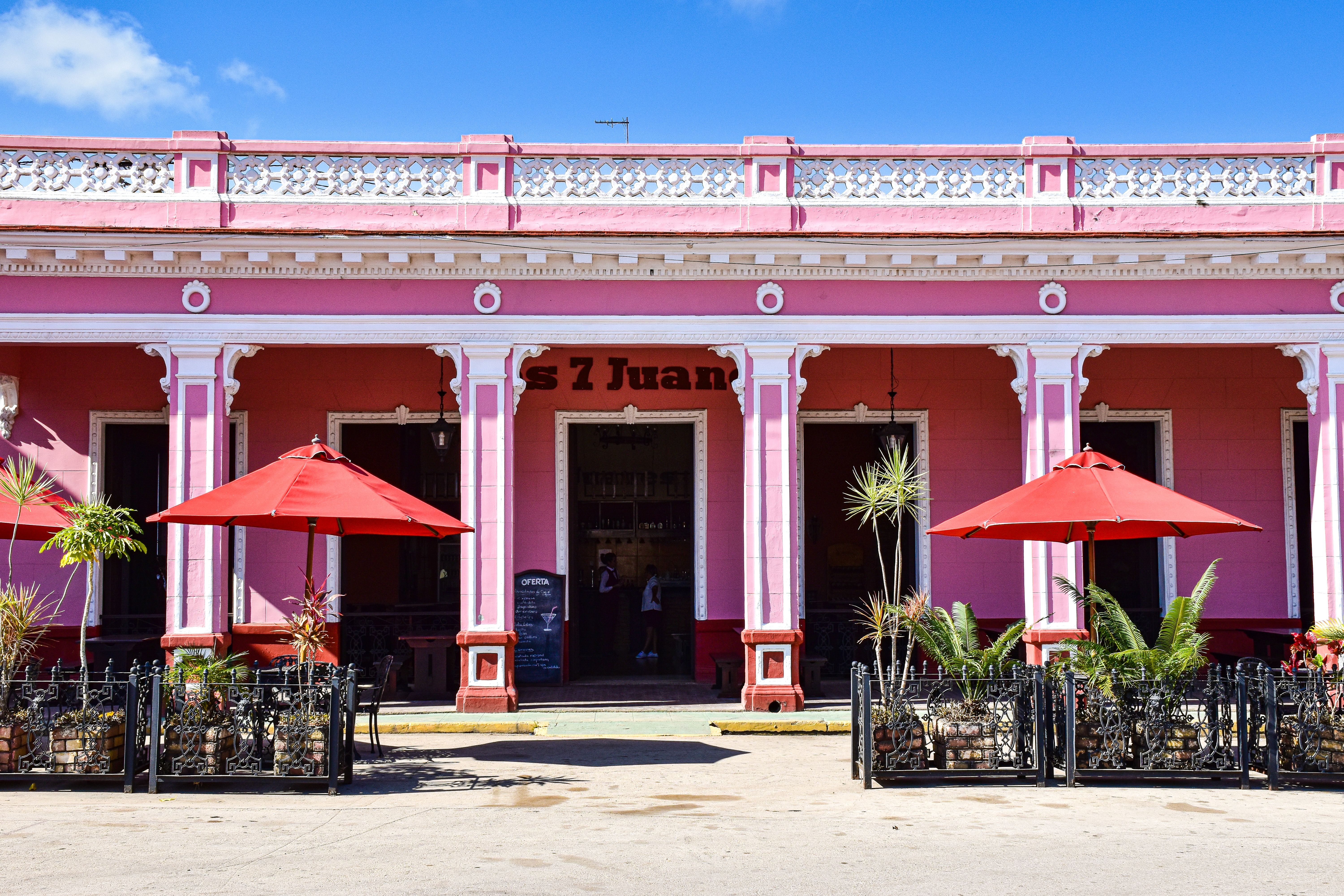
Pastel-painted arcaded buildings ring a central plaza dominated by two churches, including one with an extraordinary gilded baroque altar.
Its quiet daily calm gives no hint that it hosts Las Parrandas, one of Cuba's wildest festivals, every Christmas Eve.
How does it rate
CrowdsRomanceCash RequiredDangerAccessibilityWhy you should go
One of Cuba's oldest colonial towns, with a stunning gilded church interior and a fraction of Trinidad's crowds.
Why you shouldn't go
Outside of Las Parrandas in December, the town is very quiet, with limited evening dining options.
Plan your visit
Best time to visitDecember for Las Parrandas festival, or November–April for comfortable daytime weather.Best time of dayLate afternoon, when the light on the pastel facades around the plaza is best.Getting thereAbout 45 minutes by road from Santa Clara, or 3.5 hours from Havana.Entry costFree to walk; small entry fee for the main church's gilded altar.Time neededHalf a day.Insider tip — Ask locally about visiting in early December — the parranda rehearsals build for weeks before the main event and are worth catching even off-season. -
 #1661 /100
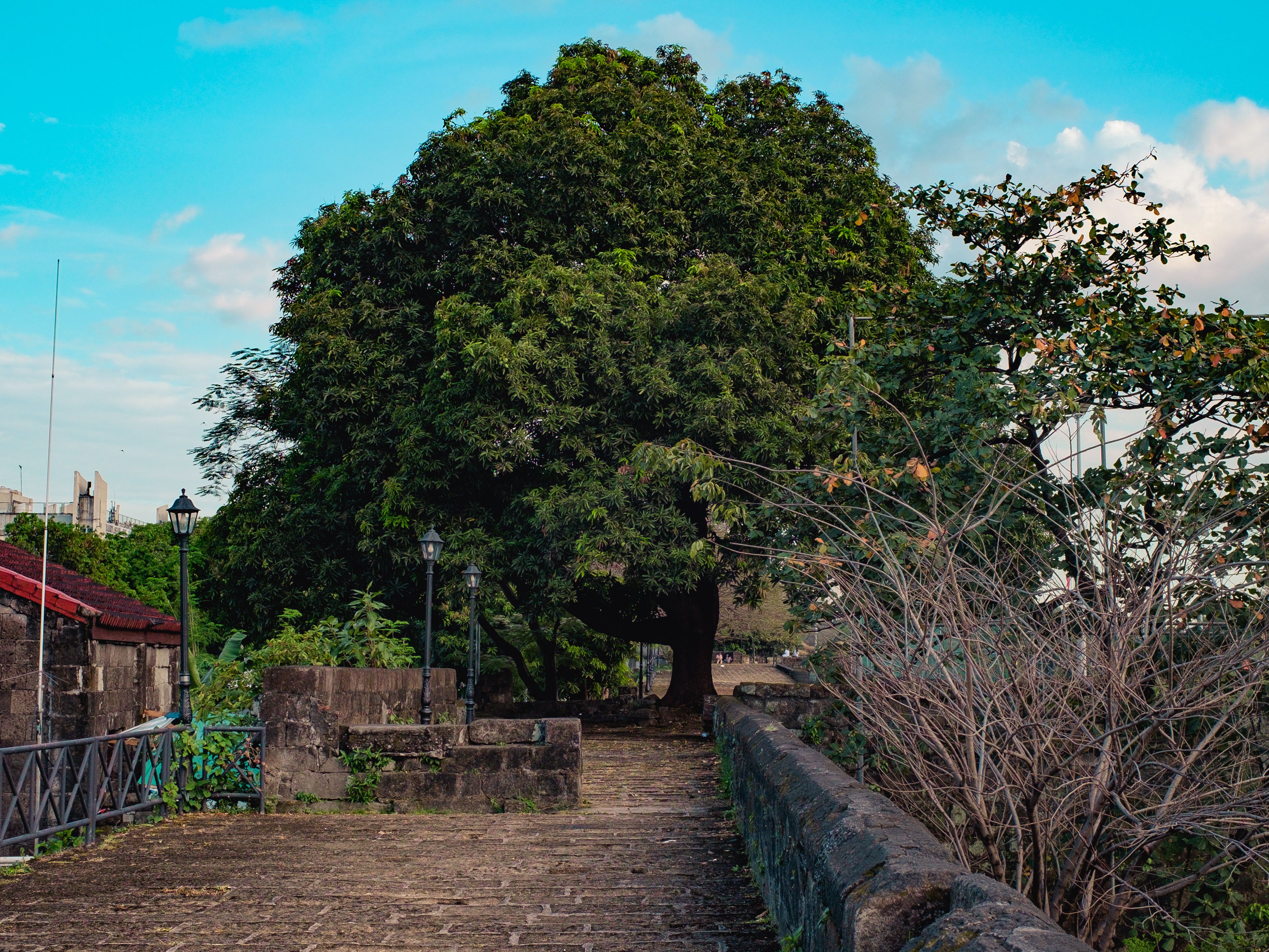
The old walled Spanish city at the heart of Manila, Intramuros holds the country's colonial-era core: Fort Santiago's parade grounds and dungeons, the baroque San Agustin Church (a UNESCO site), and cobbled streets enclosed by their original stone fortifications.
Large sections were destroyed in WWII and rebuilt, so what remains is a mix of genuine ruins and reconstruction, a stark contrast to Manila's modern sprawl outside the walls.
How does it rate
CrowdsRomanceCash RequiredDangerAccessibilityWhy you should go
A walled colonial-era district offering a completely different atmosphere from modern Manila outside it.
Why you shouldn't go
Heavy WWII damage means much of what's seen is reconstruction rather than original fabric.
Plan your visit
Best time to visitNovember–February for cooler, drier weather to walk the district.Best time of dayMorning, before the heat and crowds build around Fort Santiago.Getting thereTaxi, ride-hail or LRT to Manila's Intramuros district, easily reached from anywhere in the city.Entry costFree to walk the district; Fort Santiago entry around ₱75 (~€1.20).Time neededHalf a day.Insider tip — Rent a bike from the visitor center rather than walking — the district is larger and hotter than it looks on a map.


More from The World
-
How a score is built
One score out of 100, five criteria behind it
Every place is rated 1–5 on each of the criteria below, then combined into a single score out of 100. It's calculated by us, the same way every time — not an average of traveller reviews or social votes.
Crowds
How many people you'll be sharing it with, and at what time of day.
Romance
How well it suits a couple, a proposal, or a quiet moment together.
Cash required
Entry fees, permits, guides, rentals — what it actually costs to do it.
Danger
Physical risk involved, from a slippery viewpoint to genuine hazard.
Accessibility
How far off the beaten path it is, and how hard it is to actually reach.

