-
 #195 /100
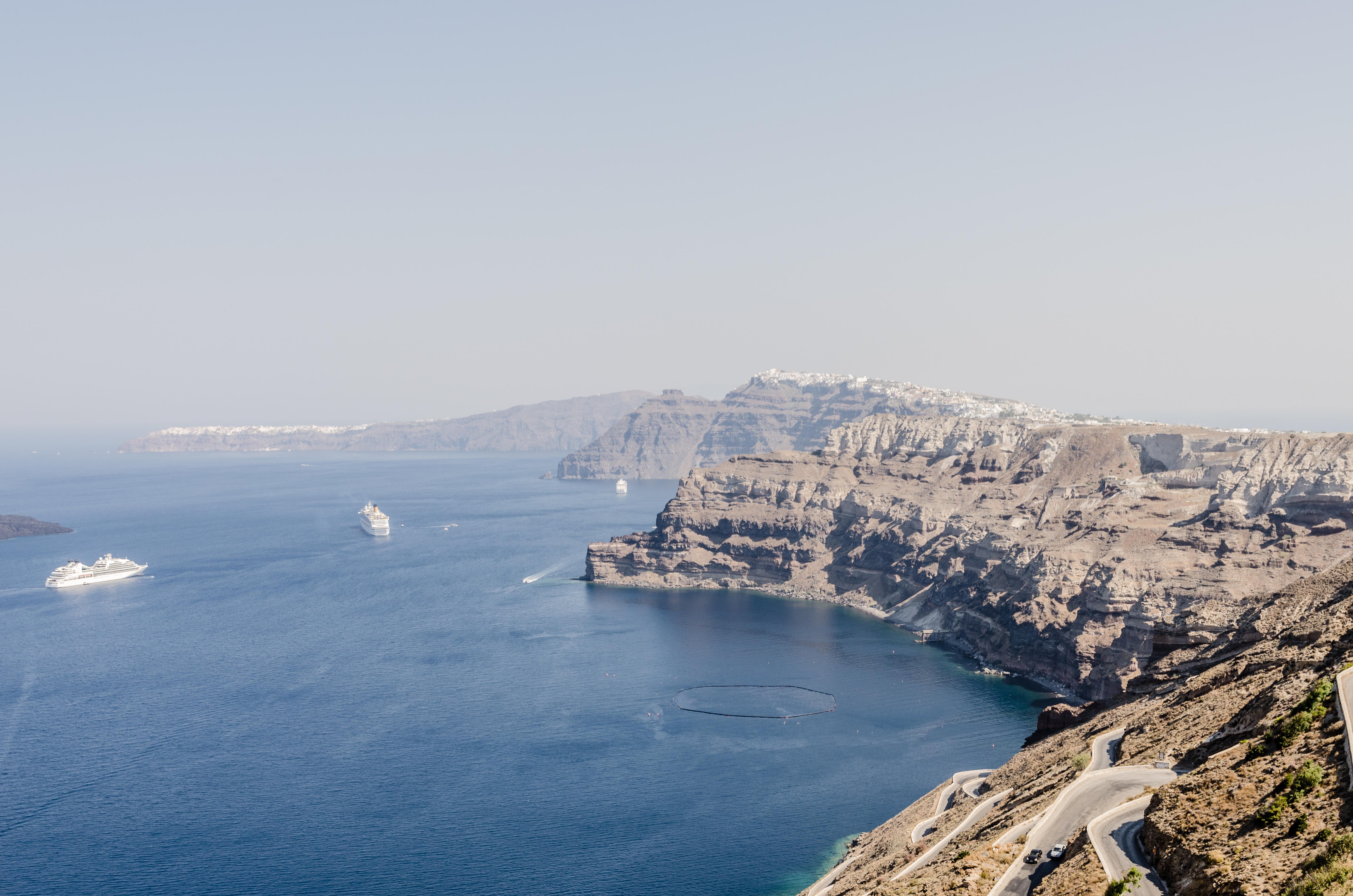
The crescent-shaped caldera of Santorini, formed by a massive volcanic eruption around 1600 BC, is a 12km-wide bay ringed by cliffs that rise up to 300 metres straight out of the sea.
White-washed cube houses and blue-domed churches line the rim at Fira, Imerovigli and Oia, and boat trips run out to the still-active volcanic islets at its centre.
It is one of the world's most recognisable islands, and priced accordingly.
How does it rate
CrowdsRomanceCash RequiredDangerAccessibilityWhy you should go
The combination of blue domes, white walls, and the deep blue sea is uniquely Santorini and produces images that are immediately recognisable worldwide.
Why you shouldn't go
Santorini's beauty is no secret and the island becomes genuinely overcrowded in July and August; accommodation is extremely expensive.
Plan your visit
Best time to visitLate April-June or September-OctoberBest time of daySunset in OiaGetting thereSantorini airport or ferry from AthensEntry costFree to exploreTime needed2-3 daysInsider tip — Watch sunset from Ammoudi Bay instead of the crowded Oia castle viewpoint -
 #295 /100
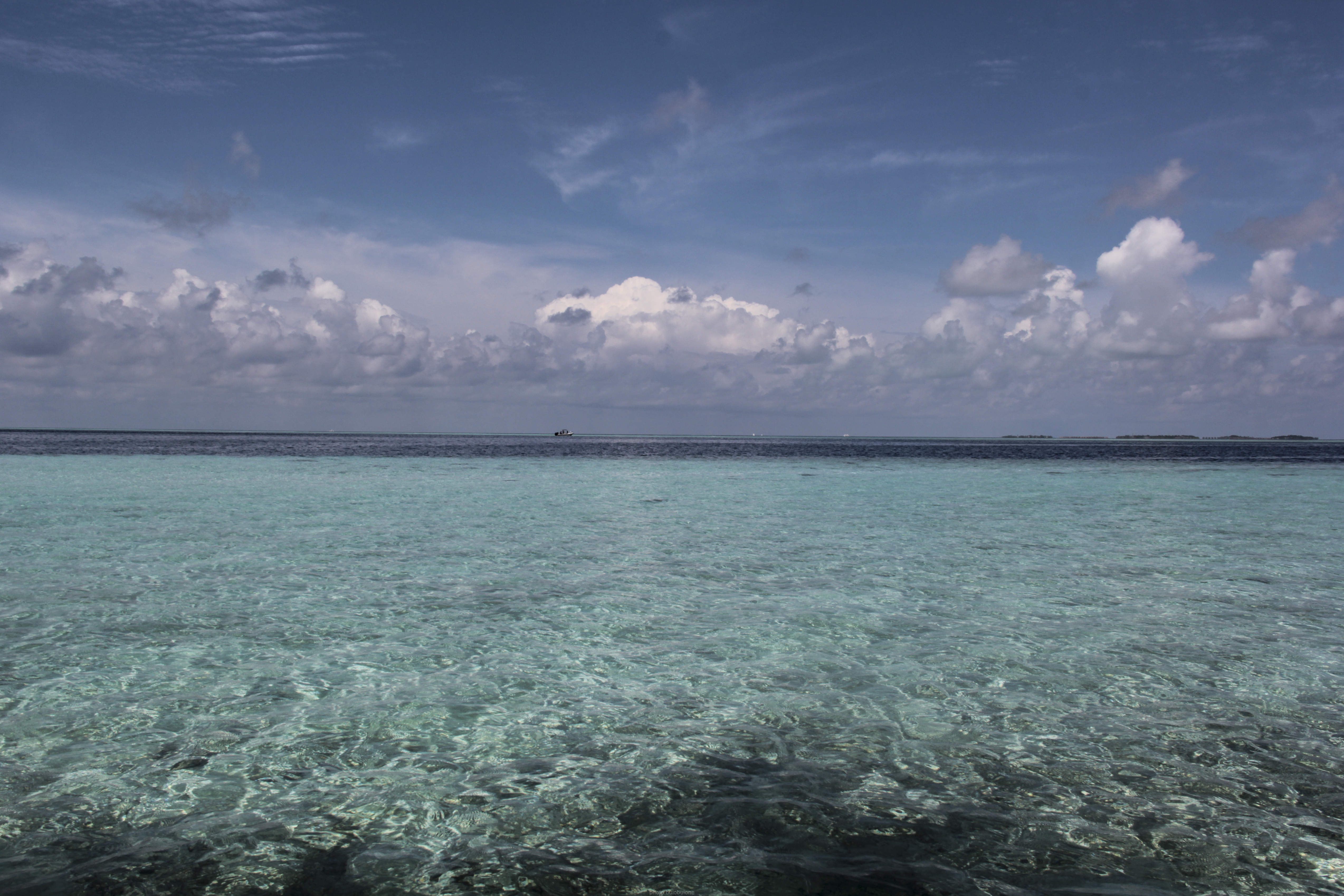
The Maldives is an archipelago of 1,200 coral islands scattered across the Indian Ocean, where pristine white sand, crystal-clear turquoise lagoons, and overwater bungalows create the archetypal tropical paradise.
The islands sit just above sea level, making them one of the world's most climate-vulnerable nations.
How does it rate
CrowdsRomanceCash RequiredDangerAccessibilityWhy you should go
The overwater bungalow experience, with direct access to lagoon water of extraordinary clarity teeming with marine life, is genuinely unmatched anywhere in the world.
Why you shouldn't go
The Maldives is one of the world's most expensive destinations and all-inclusive resort stays are almost obligatory; the island interiors are usually very limited.
Plan your visit
Best time to visitNovember-April (dry season)Best time of daySunset for the classic overwater bungalow shotGetting thereFly into Male, then seaplane or boat transfer to your resort islandEntry costResort-dependent, generally high-endTime needed4+ daysInsider tip — Book a seaplane transfer during daylight; the aerial view of the atolls is worth it on its own -
 #3
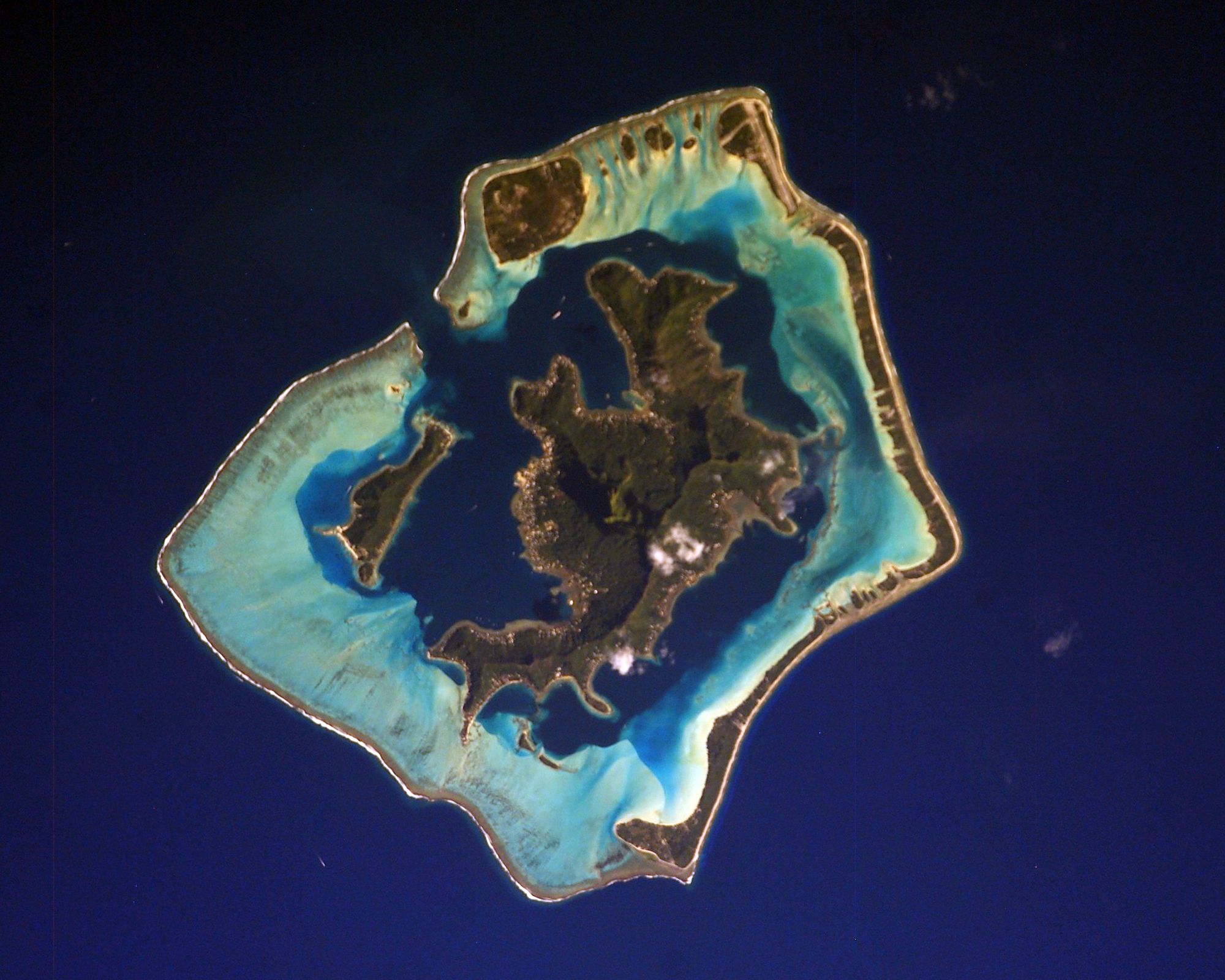
#3Bora Bora is a small volcanic island in the South Pacific surrounded by a technicolour lagoon of electric blues and greens enclosed within a coral reef.
The island's dramatic basalt peak, Mount Otemanu, rises 727 metres from the lagoon and is mirrored in the still waters below.
How does it rate
CrowdsRomanceCash RequiredDangerAccessibilityWhy you should go
The lagoon colour is genuinely unlike anything you will see elsewhere — the water shifts from pale aquamarine to deep turquoise to inky blue and you can see the seabed 30 metres below.
Why you shouldn't go
Bora Bora is extraordinarily expensive, primarily attracting honeymooners and luxury travellers; reaching it requires at least two flights from most countries.
Plan your visit
Best time to visitMay-October (dry season)Best time of daySunset over Mount OtemanuGetting thereFly to Tahiti, then a connecting flight to Bora BoraEntry costResort-dependent, generally high-endTime needed3-4 daysInsider tip — Book an overwater bungalow on the east side for sunrise or west side for sunset, depending which you want to photograph -
 #492 /100
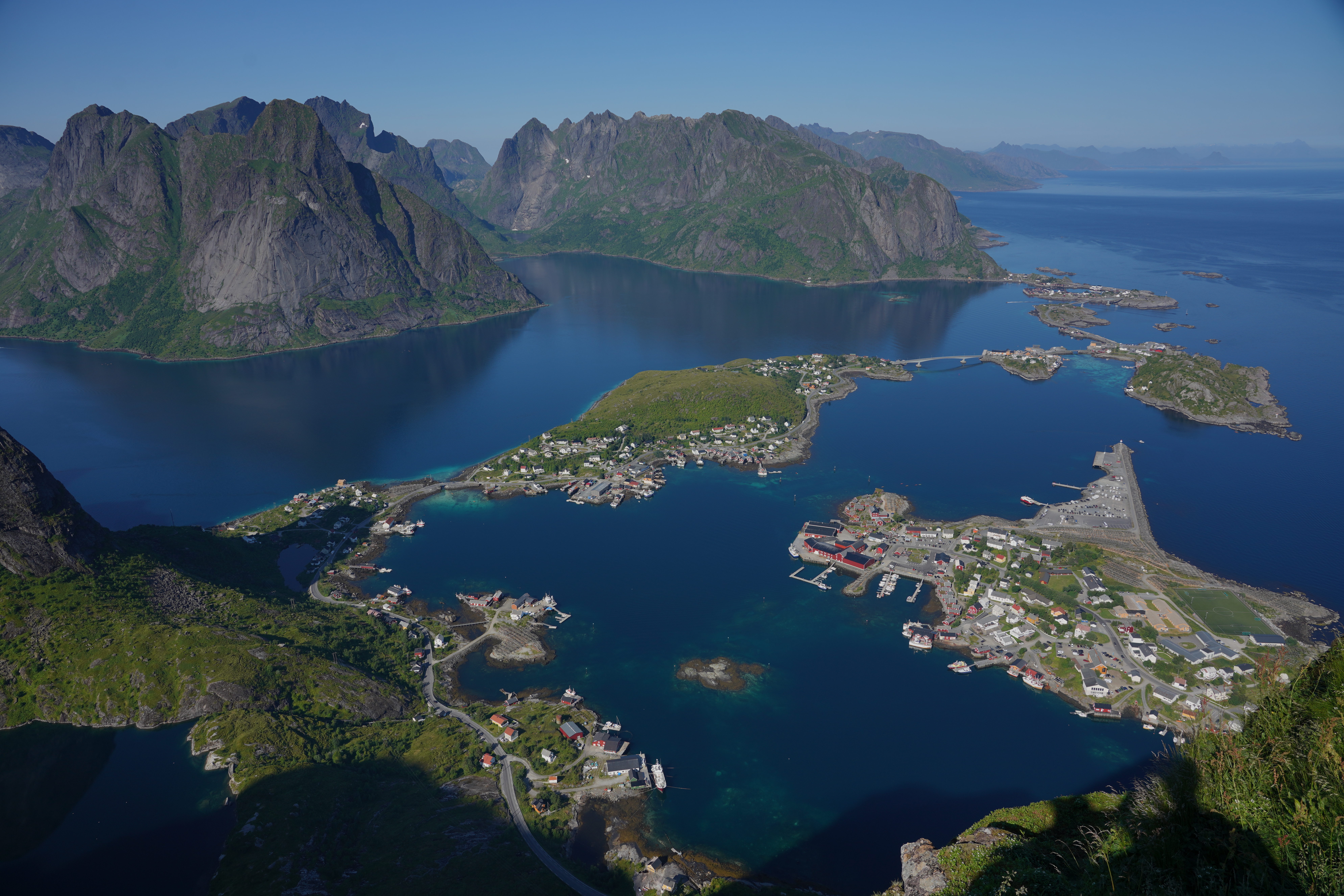
The Lofoten archipelago in northern Norway rises dramatically from the Norwegian Sea as a series of jagged peaks and sheltered bays.
Traditional red fishing cabins called rorbuer dot the shoreline against a backdrop of some of Europe's most spectacular mountain scenery, with the Northern Lights frequently visible in winter.
How does it rate
CrowdsRomanceCash RequiredDangerAccessibilityWhy you should go
The combination of dramatic mountains, Arctic light, colourful fishing villages, and frequent Northern Lights makes Lofoten one of the most photogenic places in Europe.
Why you shouldn't go
The islands are extremely remote, weather is frequently poor, and the Northern Lights are only visible during the dark winter months.
Plan your visit
Best time to visitJune-August for midnight sun, or Sept-March for Northern LightsBest time of dayMidnight sun in summer, or golden hourGetting thereFly to Harstad/Narvik or take the Bodo ferryEntry costFree to exploreTime needed4-5 daysInsider tip — The fishing village of Reine at sunset is the classic shot; go early to get the viewpoint to yourself -
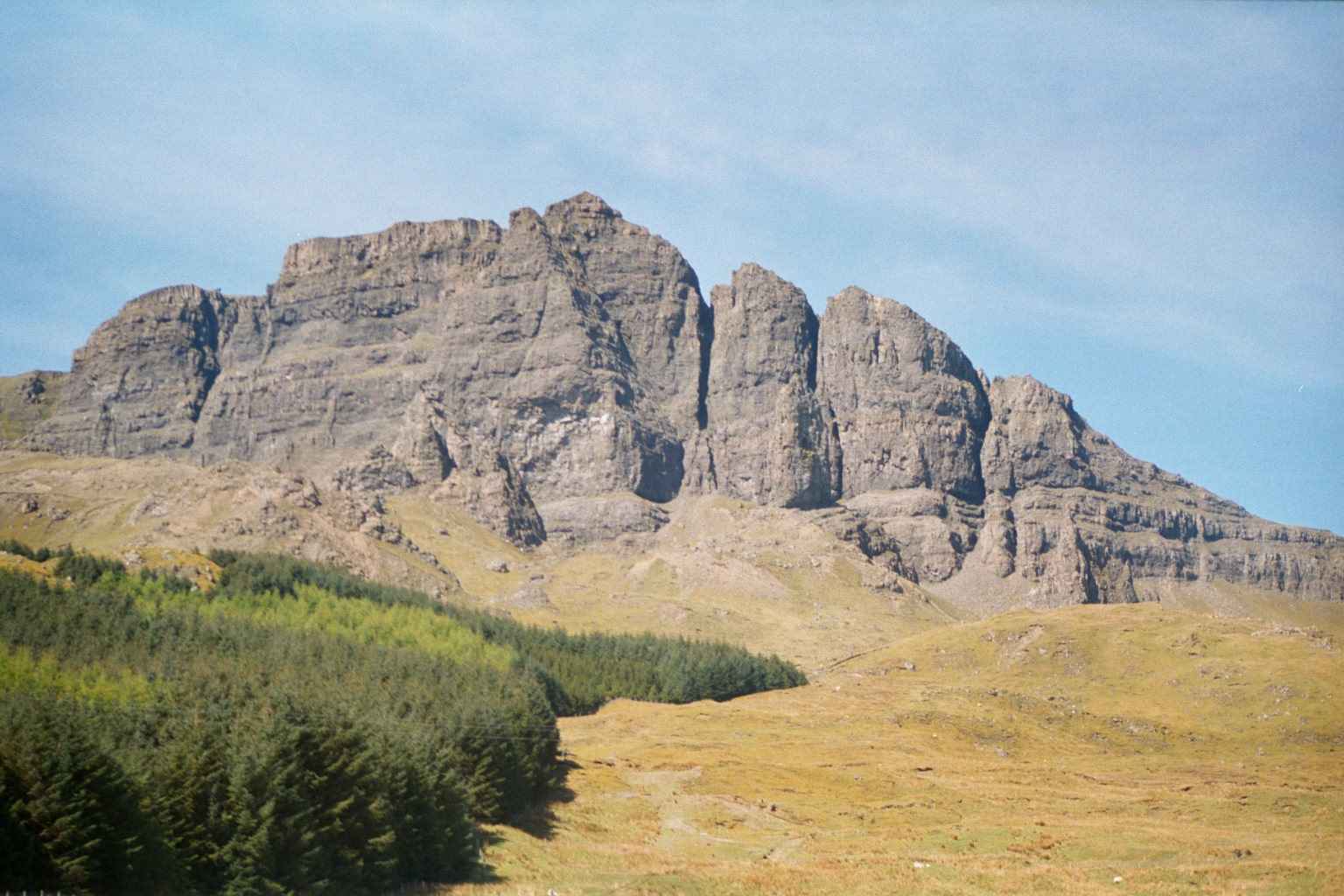 #590 /100
Scotland's largest and most dramatic island rises from the Inner Hebrides like a dark, brooding giant.
The jagged peaks of the Cuillin mountains, the eerie Quiraing landscape, the ancient Dunvegan Castle, and the famous Fairy Pools make Skye one of the UK's most spectacular destinations.
How does it rate
CrowdsRomanceCash RequiredDangerAccessibilityWhy you should go
The Fairy Pools and the Quiraing landscape are genuinely otherworldly and the island's dramatic skies make for extraordinary atmospheric photography.
Why you shouldn't go
Skye has become extremely popular and the single-track roads become very congested in summer; the weather is notoriously unreliable.
Plan your visit
Best time to visitMay-SeptemberBest time of dayGolden hour, especially at the Fairy Pools and Old Man of StorrGetting there~2.5hr drive from Inverness, or fly to Inverness/GlasgowEntry costFreeTime needed3+ daysInsider tip — Old Man of Storr is best at sunrise when light hits the pinnacles and the car park is not full -
 #6
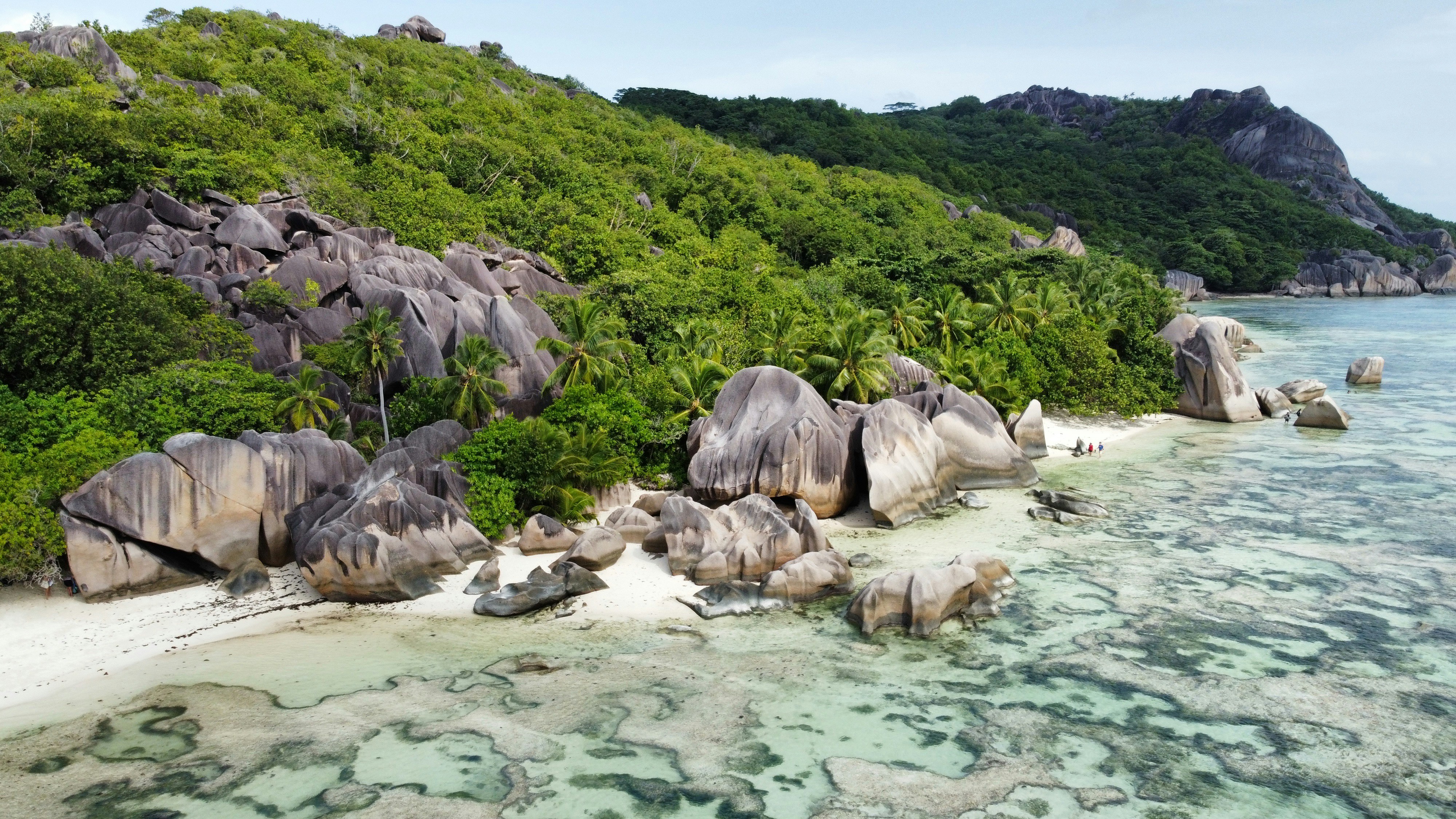
#6Giant pink-granite boulders line the pale sand and shallow turquoise water of Anse Source d'Argent, the best known of a string of coves along La Digue's coast.
The island moves at bicycle pace - there are barely any cars, and the whole place can be crossed in an hour on two wheels.
Development stays low-rise, and the interior is dense palm and takamaka forest.
How does it rate
CrowdsRomanceCash RequiredDangerAccessibilityWhy you should go
The single most photographed beach composition in the Indian Ocean - granite boulders meet pale sand.
Why you shouldn't go
Reaching La Digue and its best beaches takes two separate boat transfers and adds real cost.
Plan your visit
Best time to visitApril-May or October-November, between monsoon seasons.Best time of dayMid-to-late afternoon, when the light rakes across the granite boulders.Getting thereFly into Mahe, ferry to Praslin, then a second ferry to La Digue; bicycles are the main way to get around.Entry costSmall entry fee for Anse Source d'Argent via L'Union Estate.Time needed2 daysInsider tip — Walk past the first few boulder clusters near the entrance - the classic postcard framing is a further 10-minute walk down the beach. -
 #788 /100
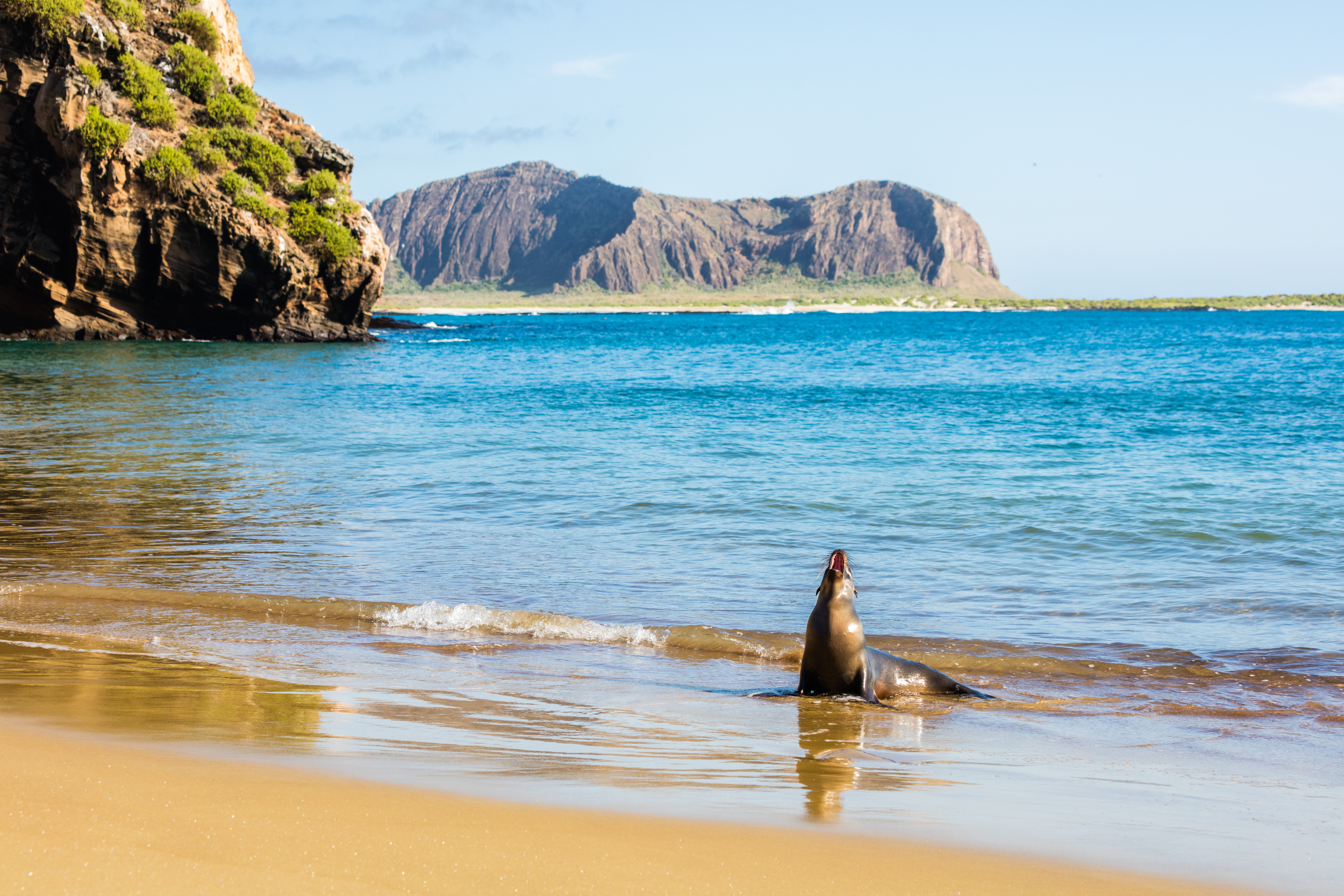
Six hundred miles off the Ecuadorian coast, the Galápagos archipelago is a living laboratory of evolution where wildlife shows no fear of humans.
Charles Darwin's observations here inspired his theory of natural selection, and today visitors can snorkel with sea lions and walk alongside giant tortoises.
How does it rate
CrowdsRomanceCash RequiredDangerAccessibilityWhy you should go
Nowhere else on earth can you get so close to such diverse and fearless wildlife; the experience of snorkelling alongside marine iguanas is unlike anything else.
Why you shouldn't go
The Galápagos is one of the most expensive travel destinations in Latin America, and strict visitor regulations limit where you can go and what you can do.
Plan your visit
Best time to visitJune-November for wildlife activity and cooler seasBest time of dayMorning for wildlife viewingGetting thereFly to Baltra or San Cristobal via Guayaquil or QuitoEntry cost$200 park entry fee plus cruise/tour costsTime needed5+ daysInsider tip — A licensed naturalist guide is required by law and makes a huge difference to what you see -
 #8
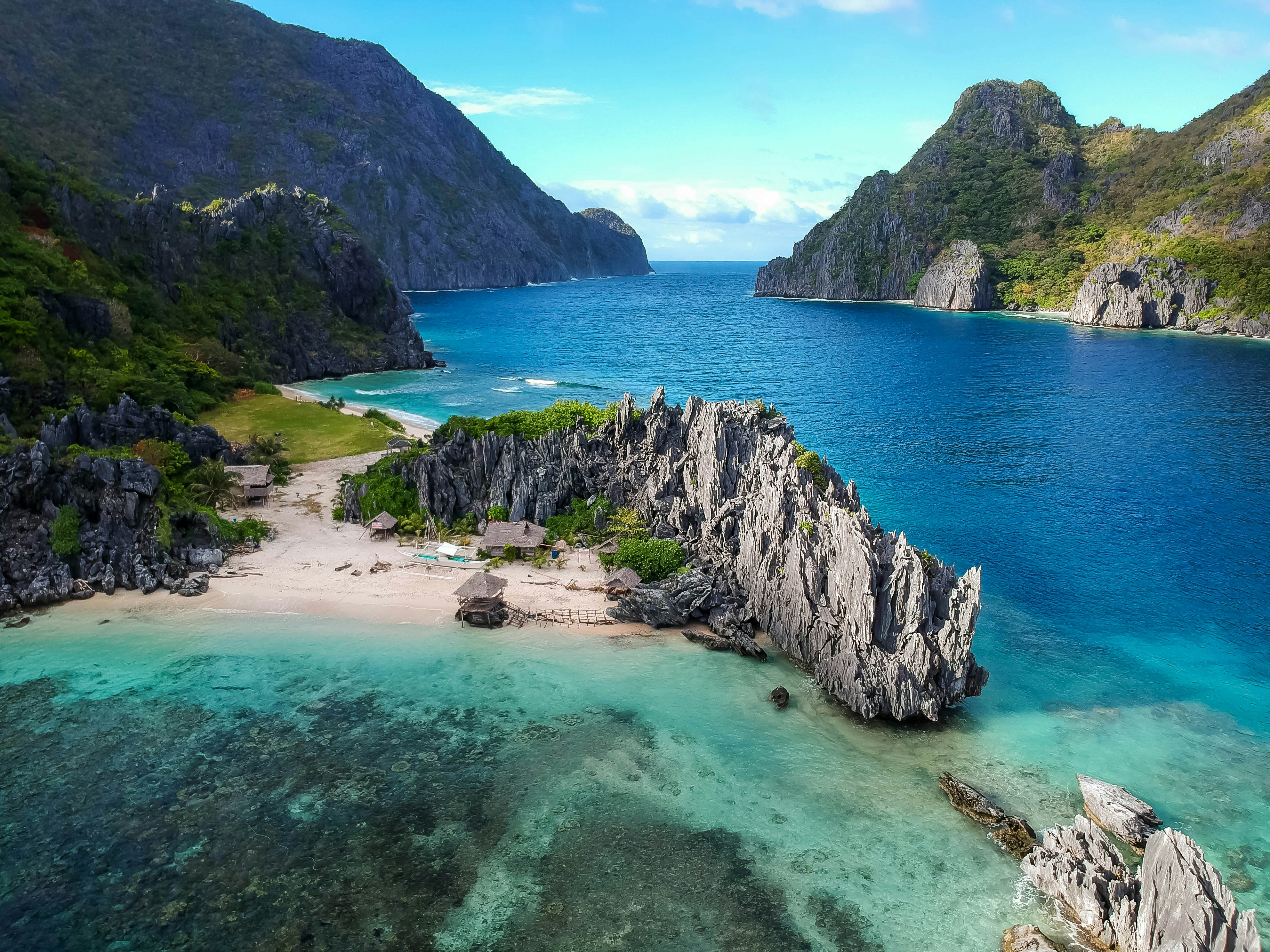
#8Sheer limestone karsts rise straight out of turquoise lagoons around this Palawan town, often ranked among the world's most beautiful island landscapes.
Hidden lagoons reachable only by kayak or narrow swim-throughs open onto still, mirror-flat water walled in by cliffs.
Island-hopping boat tours string together beaches, lagoons, and reefs that are rarely anything less than spectacular.
How does it rate
CrowdsRomanceCash RequiredDangerAccessibilityWhy you should go
Some of the most dramatic limestone-karst island scenery anywhere on Earth.
Why you shouldn't go
Popular lagoons get crowded with tour boats by mid-morning.
Plan your visit
Best time to visitNovember-May, the dry season, for calm water and clear skies.Best time of dayEarly morning, before the first wave of island-hopping tour boats arrives.Getting thereFly to El Nido or Puerto Princesa airport; boats depart from El Nido town for the lagoons.Entry costEnvironmental fee applies; island-hopping tours priced separately, from around $20.Time needed3-4 daysInsider tip — Book a private or small-group tour departing before 7am to reach Big Lagoon ahead of the crowds. -
 #985 /100
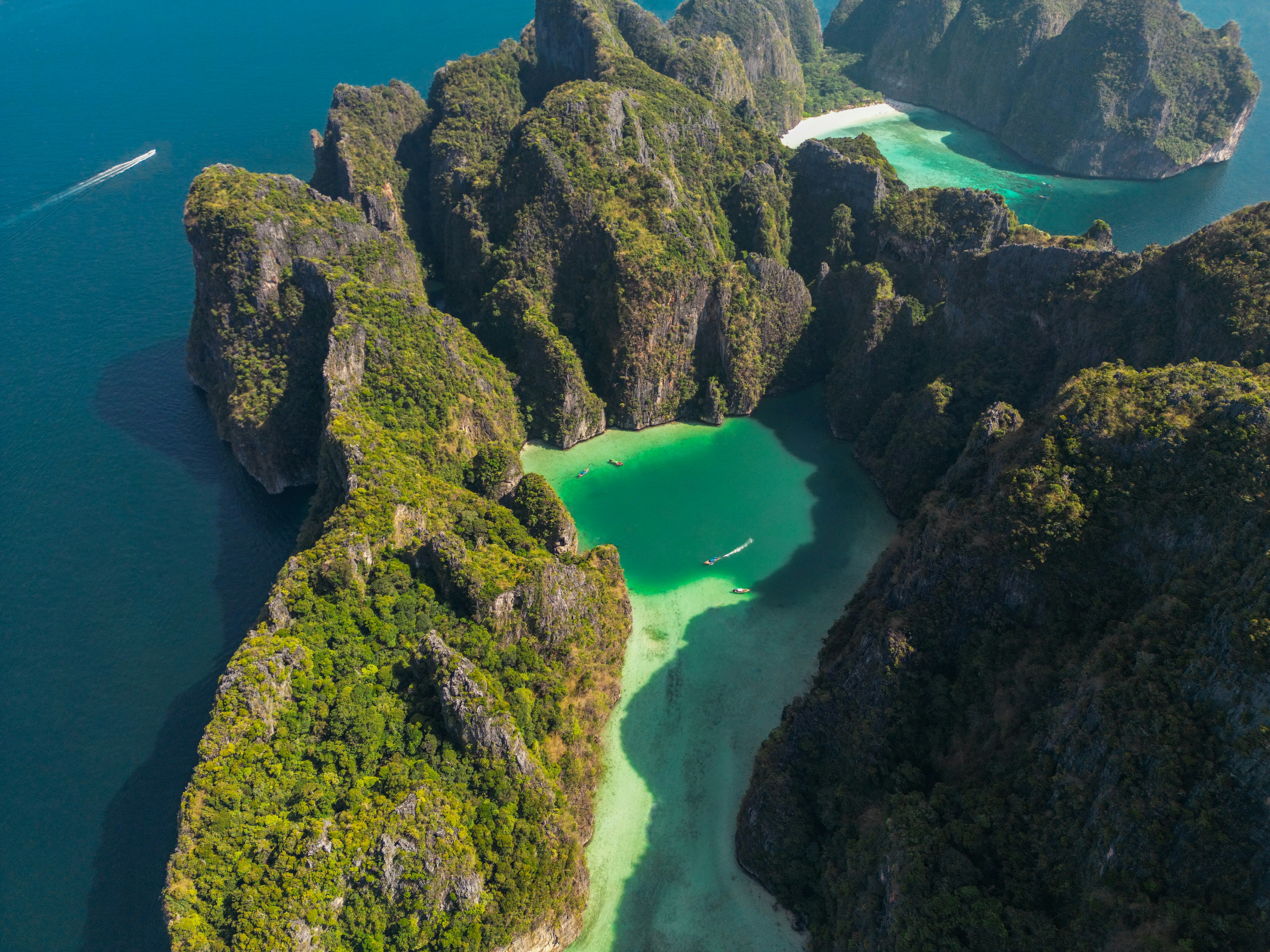
Limestone cliffs plunge into an impossibly turquoise bay at Maya Bay, made famous by the film The Beach and now managed with timed entry after years of coral damage.
The viewpoint above Tonsai village looks down on two curved beaches meeting either side of a single narrow isthmus.
Snorkelling among the karsts, longtail boat trips and a loud late-night bar scene make up the rest of the island.
How does it rate
CrowdsRomanceCash RequiredDangerAccessibilityWhy you should go
The postcard limestone-bay shot that put Southeast Asian island travel on the map.
Why you shouldn't go
Maya Bay's popularity led to swimming restrictions and timed entry after coral damage.
Plan your visit
Best time to visitNovember-April, dry season with the calmest seas.Best time of dayEarly morning for Maya Bay (before boat quotas fill); late afternoon for the viewpoint.Getting thereFerry from Phuket or Krabi; no airport on the island itself.Entry costNational park fee applies to Maya Bay; viewpoint hike is free.Time needed2-3 daysInsider tip — Climb the Phi Phi Viewpoint at sunrise before tour groups arrive - it's a steep 20-minute stair climb but empties out by 7am. -
 #10
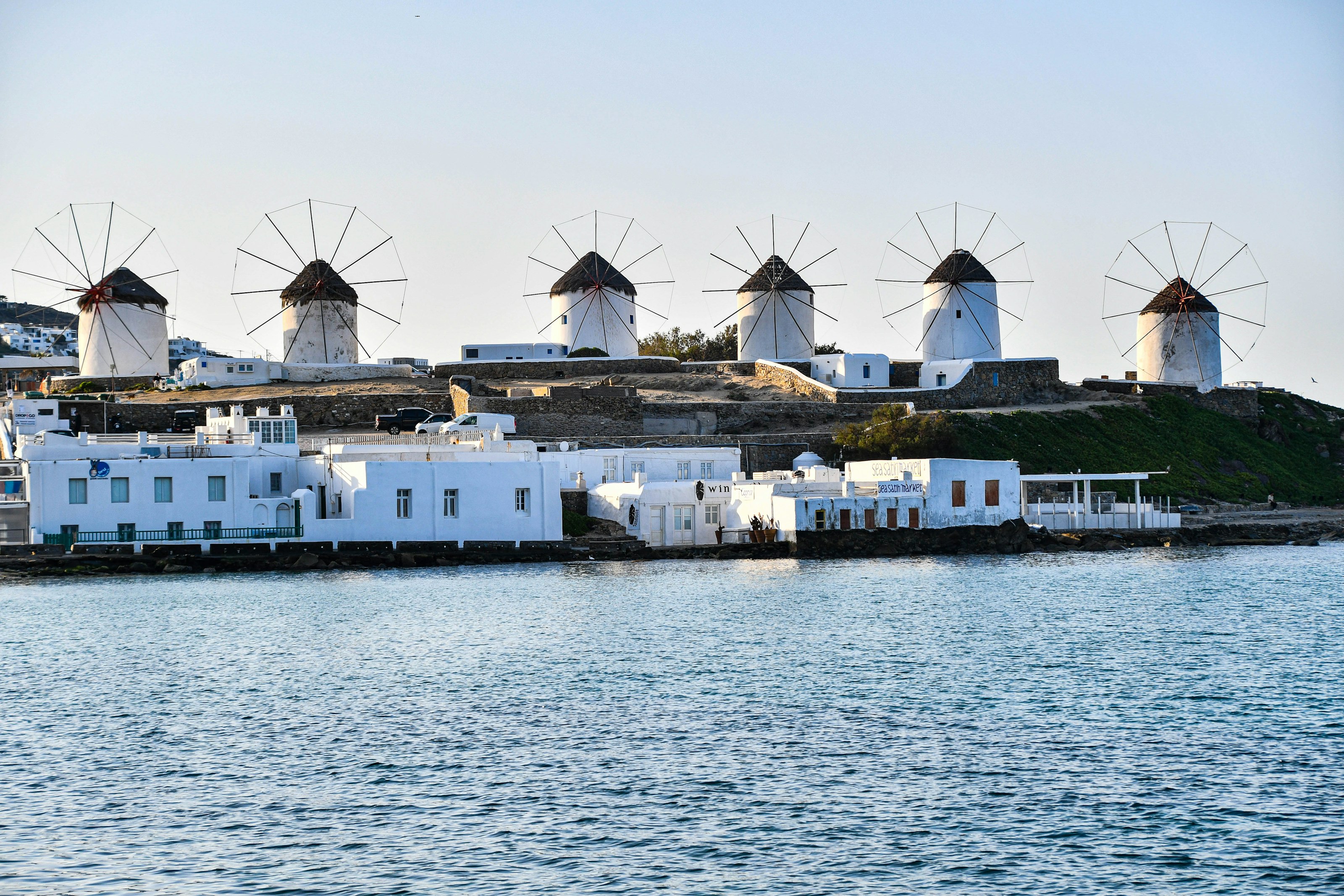
#10Mykonos built its reputation on whitewashed alleys, the row of windmills overlooking the harbour, and a nightlife scene that runs from beach clubs by day to bars in Chora by night.
Little Venice's balconied houses sit almost in the water, and beaches like Paradise and Psarou draw a see-and-be-seen crowd through the summer.
Away from the party scene, quieter coves and Cycladic villages inland offer a calmer version of the same island.
How does it rate
CrowdsRomanceCash RequiredDangerAccessibilityWhy you should go
The combination of postcard Cycladic architecture and genuinely lively nightlife makes Mykonos unlike any other Greek island.
Why you shouldn't go
Prices and crowds both spike hard in July and August, and the party reputation isn't for everyone.
Plan your visit
Best time to visitLate May–June or September for good weather without peak-season crowds and prices.Best time of daySunset over the windmills in Little Venice; night for the bar and club scene.Getting thereFly direct to Mykonos, or take a 2.5–5-hour ferry from Athens' Piraeus port.Entry costFree to walk the town and beaches; beach club sunbeds and nightlife are expensive.Time needed2–3 daysInsider tip — Stay in Chora but head to a quieter northern beach like Fokos for swimming — the crowds cluster almost entirely on the south coast. -
 #11
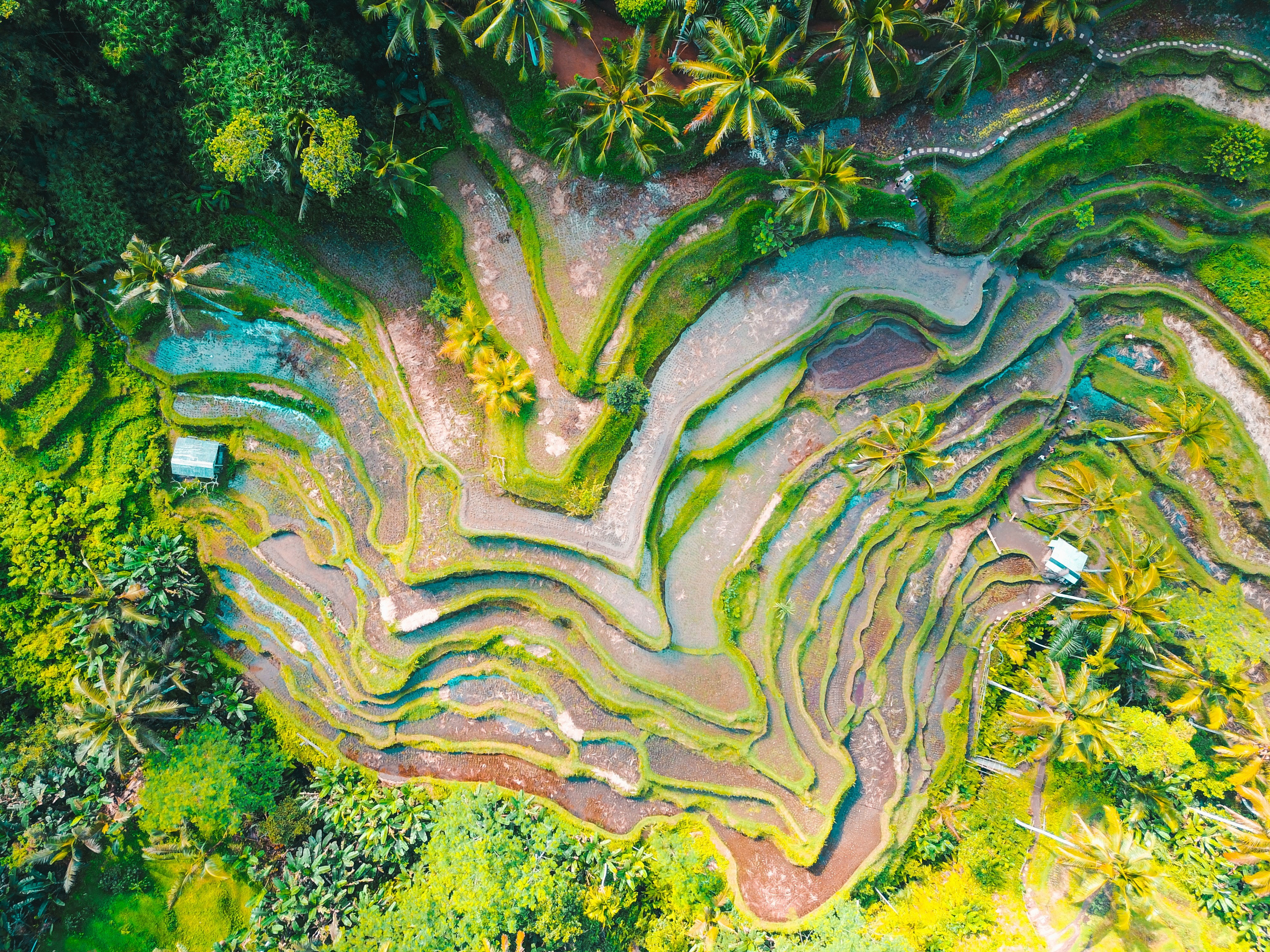
#11Emerald rice terraces cascade down hillsides at Tegalalang, ancient sea temples perch on offshore rock at Tanah Lot, and Mount Agung looms over the east of the island.
Bali packs jungle, volcano, temple and coast into an island small enough to cross in a day, with a Hindu ceremonial calendar running visibly through daily life.
The southern beach strip is heavily developed; the north and east still are not.
How does it rate
CrowdsRomanceCash RequiredDangerAccessibilityWhy you should go
An entire island of postcard shots - rice terraces, sea temples and a volcano backdrop within easy reach of each other.
Why you shouldn't go
The famous Gates of Heaven photo involves a real queue and a mirror trick, not an actual reflecting pool.
Plan your visit
Best time to visitApril-October, the dry season.Best time of daySunrise at Lempuyang Temple; late afternoon for the rice terraces.Getting thereFly into Denpasar (Ngurah Rai International Airport); scooters or hired drivers cover the island.Entry costTemple entries and terrace access typically a few dollars each.Time needed5-7 daysInsider tip — Book the Lempuyang Gates of Heaven visit for opening time, 7am, before the queue for the mirror-shot photo stretches past an hour. -
 #12
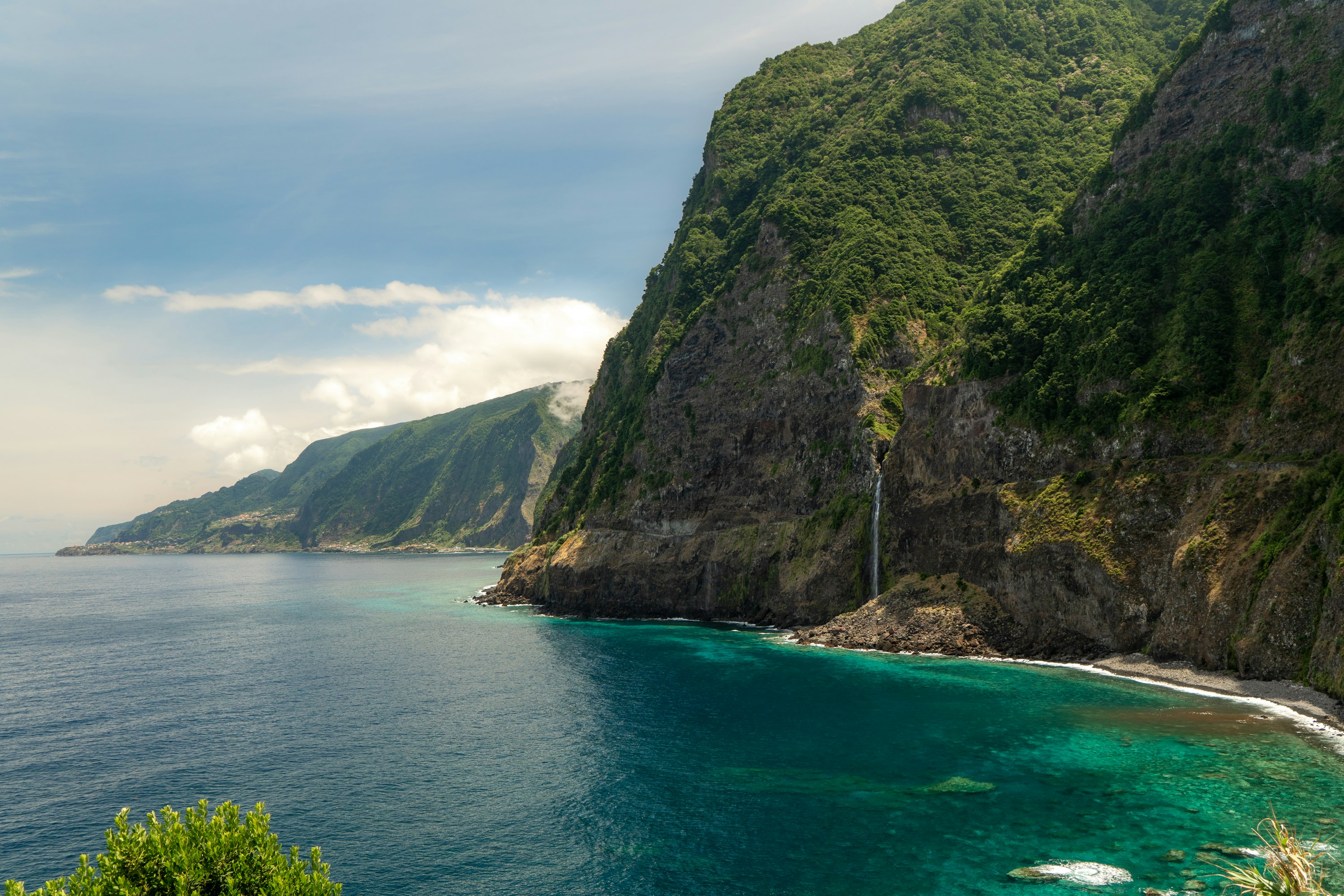
#12A volcanic island in the mid-Atlantic nicknamed the "floating garden," Madeira packs cloud forest, terraced vineyards, and sea cliffs over 500 metres tall into an area smaller than greater London.
A 19th-century irrigation network of levadas laces the interior with walking trails through laurel forest and past hidden waterfalls, while a glass skywalk cantilevers out over Cabo Girão, one of Europe's highest sea cliffs.
How does it rate
CrowdsRomanceCash RequiredDangerAccessibilityWhy you should go
Levada trails, laurel forest, and dramatic cliffs pack in more landscape variety than an island this size should have.
Why you shouldn't go
Terrain is steep throughout the interior; reaching the best trails and viewpoints generally requires a rental car.
Plan your visit
Best time to visitApril–October for reliably dry trails; the mild year-round climate also suits winter breaks.Best time of dayMorning, before afternoon cloud typically rolls in over the higher levadas and viewpoints.Getting thereFly directly to Madeira Airport near Funchal; a rental car is the practical way to reach most levadas and viewpoints.Entry costFree to hike most levadas; Cabo Girão skywalk and cable cars charge a small fee.Time needed3–5 daysInsider tip — Levada do Caldeirão Verde is one of the most rewarding walks — start early to beat tour groups and have the waterfall to yourself. -
 #13
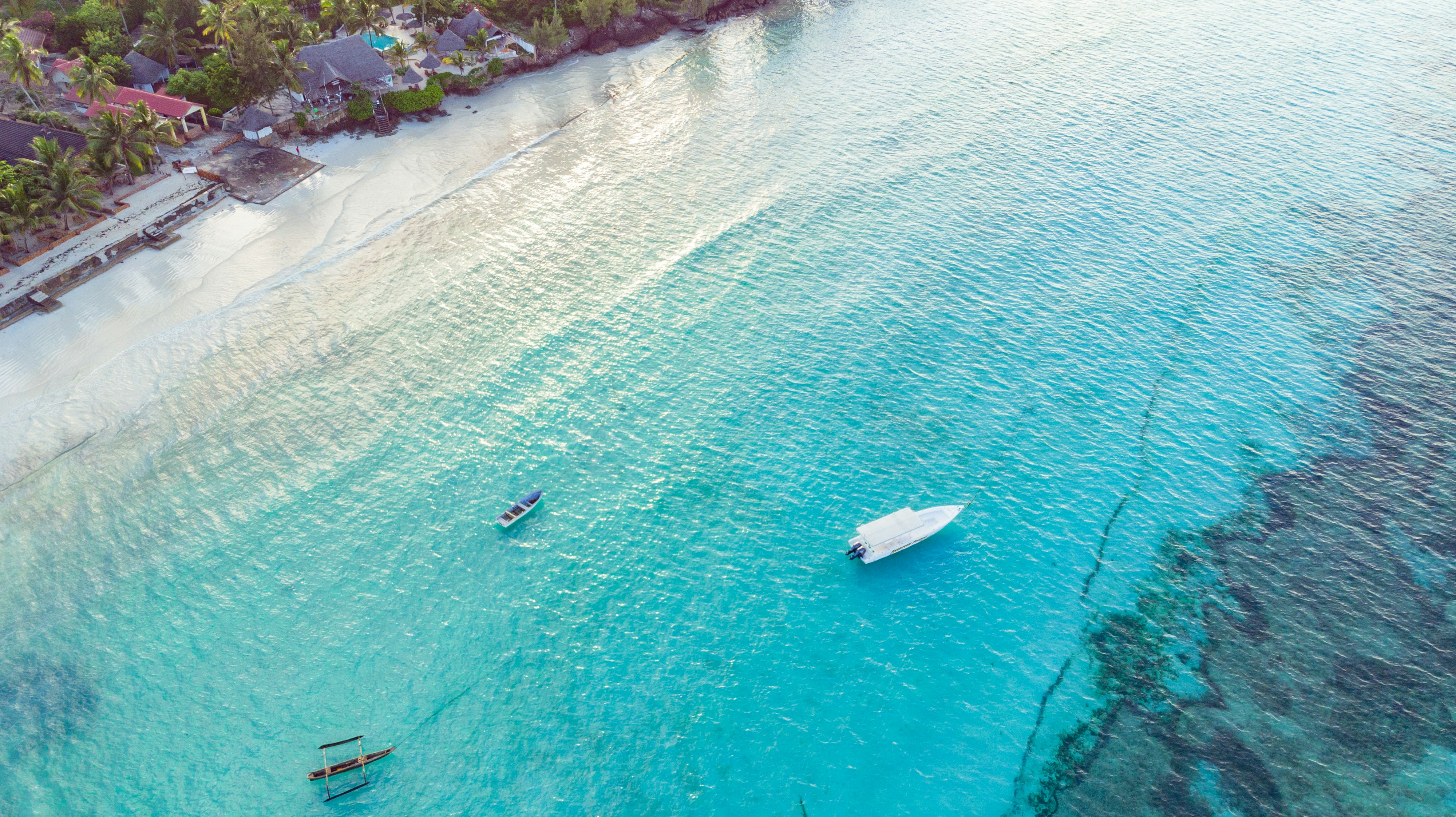
#13Powder-white beaches and turquoise Indian Ocean water ring this Swahili Coast island, while Stone Town's maze of coral-stone alleys and carved wooden doors holds centuries of trading-post history.
Sandbanks appear and vanish with the tide, and traditional dhows still work the horizon at sunset.
Spice farms, seaweed cultivation and a distinctive Omani-Swahili food culture fill out the days between beaches.
How does it rate
CrowdsRomanceCash RequiredDangerAccessibilityWhy you should go
Postcard Indian Ocean beaches paired with the genuinely unique architecture of Stone Town.
Why you shouldn't go
Seaweed farming and tidal shifts mean the perfect turquoise shallows aren't guaranteed at every beach, every time.
Plan your visit
Best time to visitJune-October or December-February, avoiding the long and short rains.Best time of dayLate afternoon for the beaches; golden hour for Stone Town's rooftops.Getting thereFly directly into Zanzibar (Abeid Amani Karume International Airport) or via a short hop from Dar es Salaam.Entry costFree beaches; Stone Town's House of Wonders and other sites charge small entry fees.Time needed3-5 daysInsider tip — Base yourself on the east coast (Paje or Jambiani) for the best sandbank and kitesurfing photos, not the busier Nungwi beaches. -
 #14
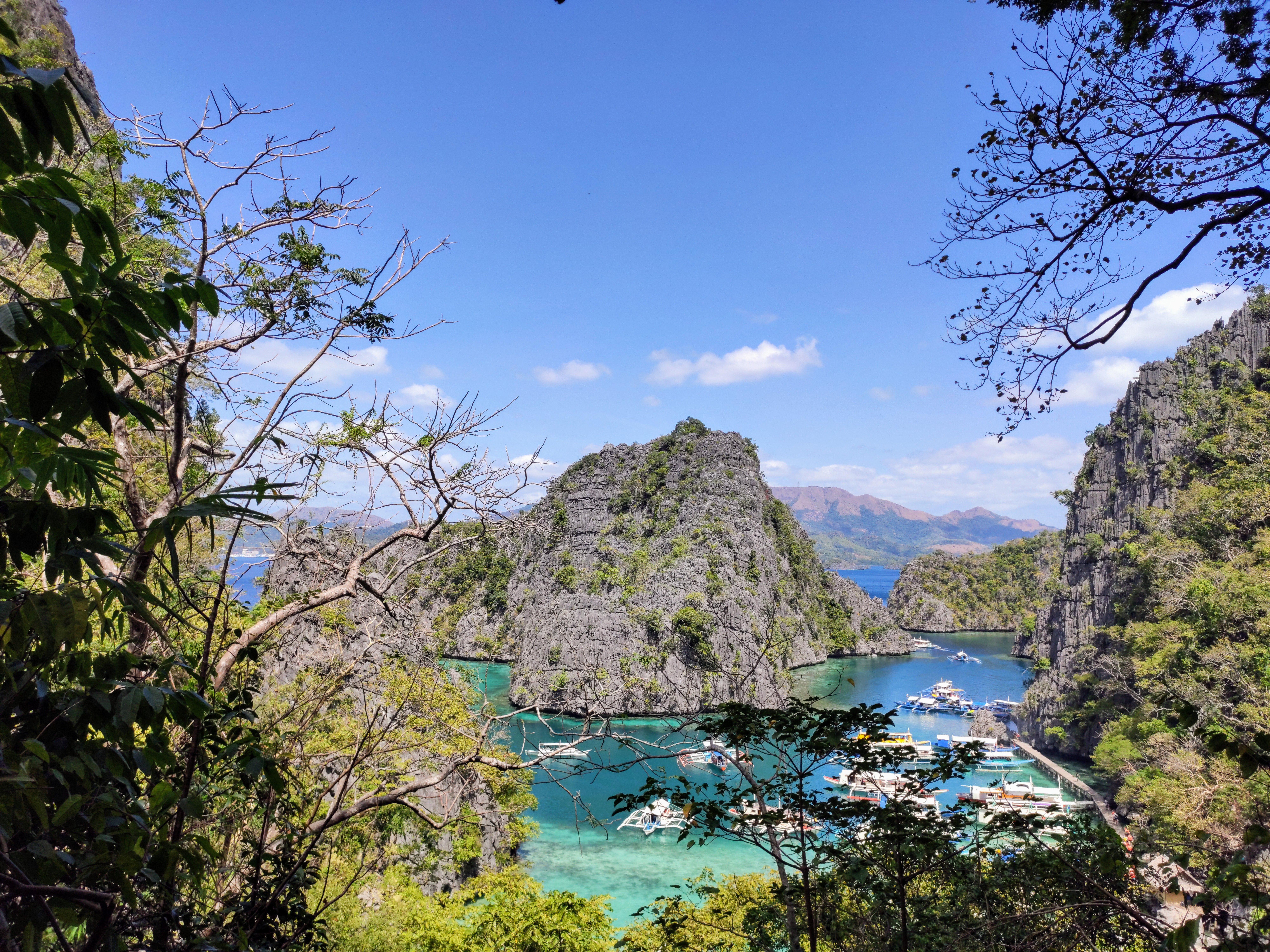
#14Ringed by limestone cliffs and turquoise lagoons, Coron is best known for some of the world's best wreck diving — a dozen Japanese naval ships sunk here in a single 1944 raid now sit intact on the seabed, accessible to both certified divers and snorkelers.
Above water, Kayangan Lake's cliff-top viewpoint and the island's hot springs round out a destination built around striking limestone-and-water scenery.
How does it rate
CrowdsRomanceCash RequiredDangerAccessibilityWhy you should go
World-class WWII wreck diving alongside some of the Philippines' most striking limestone lagoons.
Why you shouldn't go
Getting around the island group requires chartering boats, which adds up over a multi-day stay.
Plan your visit
Best time to visitNovember–May, dry season, for the clearest water and calmest seas.Best time of dayEarly morning at Kayangan Lake, before tour boats arrive in numbers.Getting thereFly directly to Busuanga/Coron airport, or take a ferry from Manila or El Nido.Entry costIsland-hopping tours from around ₱1,200 (~€19); wreck diving from ₱3,500 (~€56).Time needed2–3 days.Insider tip — Book a private rather than shared island-hopping boat if diving Kayangan Lake — shared tours often rush the best viewpoint. -
 #1577 /100
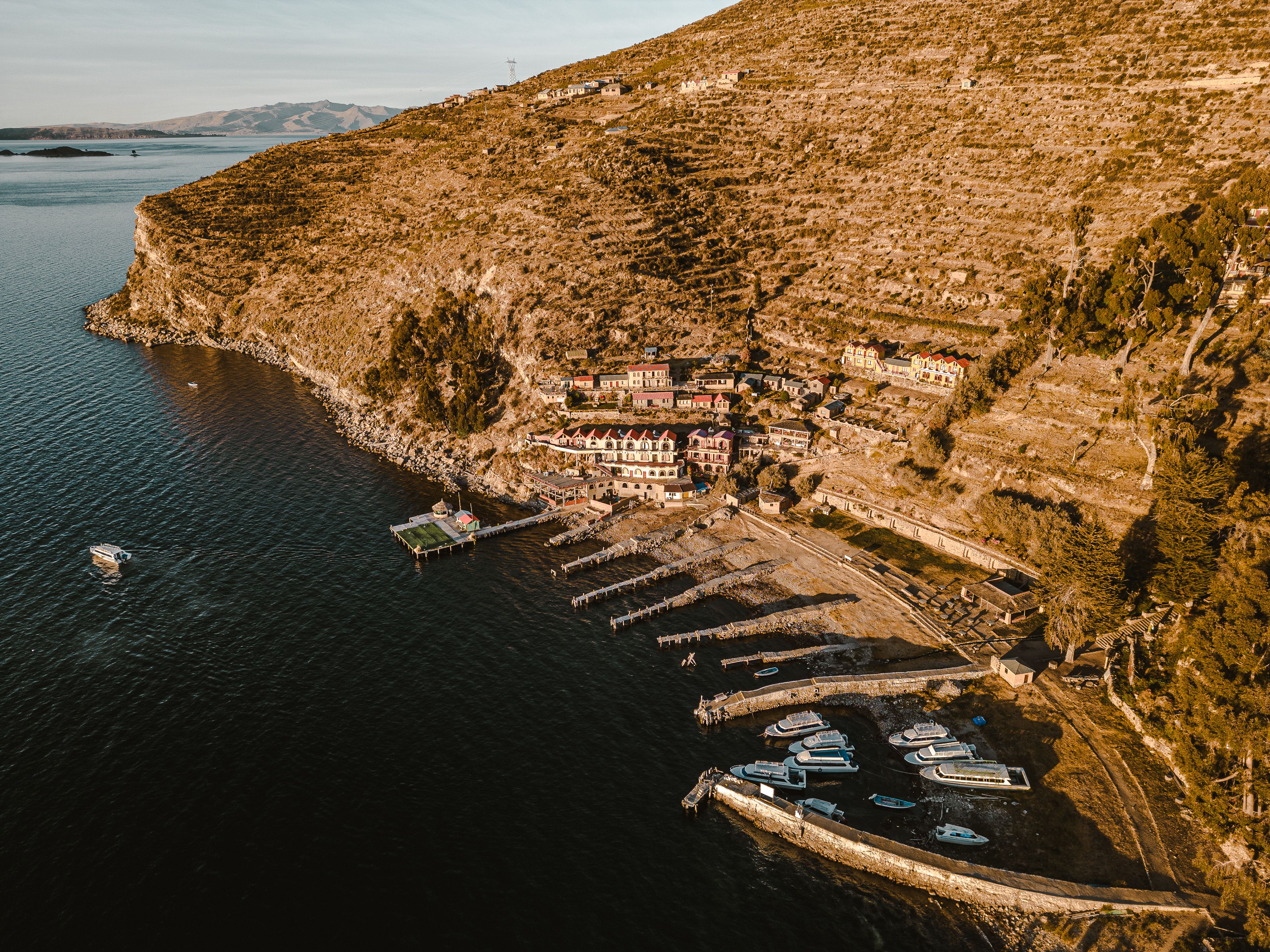
Bolivia's most sacred island sits in the middle of Lake Titicaca, the birthplace of the sun in Inca mythology and home to ruins that predate the Inca themselves.
No cars or paved roads cross it — Inca-era stone paths link small villages, terraced hillsides and ancient sites like the Chinkana labyrinth.
At over 3,800 meters, the walk between villages rewards visitors with some of the clearest lake and mountain views in South America.
How does it rate
CrowdsRomanceCash RequiredDangerAccessibilityWhy you should go
A car-free sacred island on Lake Titicaca with Inca ruins and some of Bolivia's most dramatic lake views.
Why you shouldn't go
High altitude and steep stone paths make the walk between villages genuinely tiring without acclimatization.
Plan your visit
Best time to visitMay–September (dry season) for clear skies and firmer trails.Best time of dayMorning, before afternoon winds pick up on the lake crossing.Getting thereBoat from Copacabana (about 1.5–2.5 hours) to Yumani or Challapampa village.Entry costSmall community entry fees (a few bolivianos) at village checkpoints.Time neededFull day, or overnight to see both ends of the island.Insider tip — Stay overnight in Yumani rather than day-tripping — the island empties out after the afternoon boats leave, and sunset over the lake is worth it. -
 #1677 /100
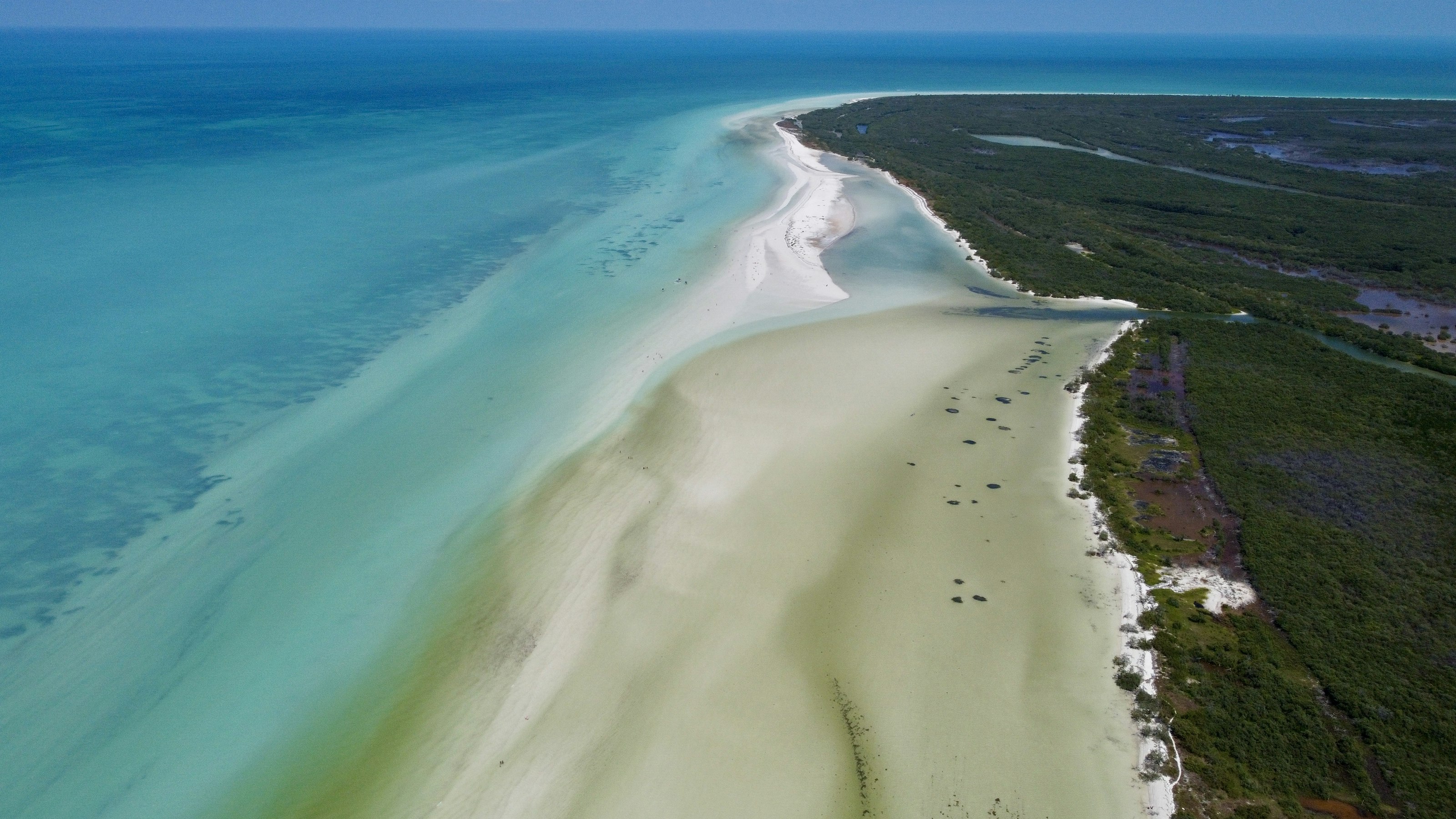
Isla Holbox is a car-free sandbar island off Mexico's Yucatán coast, reached only by boat, with sandy streets, pastel-painted guesthouses, and a slower pace than the resorts of Cancún.
Whale sharks gather in the surrounding waters from roughly June to September, drawing snorkel trips out to swim alongside them, and the island's shallow lagoon glows with bioluminescent plankton on dark nights.
How does it rate
CrowdsRomanceCash RequiredDangerAccessibilityWhy you should go
Snorkelling alongside whale sharks, the largest fish in the ocean, just offshore is a rare and genuinely gentle wildlife encounter.
Why you shouldn't go
It's seasonal — outside whale shark months and without a clear dark sky for bioluminescence, it's a much quieter draw.
Plan your visit
Best time to visitJune–September for whale sharks; new-moon nights any time of year for bioluminescence.Best time of daySunset on the north beach, and after dark (away from lights) for bioluminescent plankton.Getting thereFly to Cancún; 2-hour drive to Chiquilá, then a 20-minute passenger ferry to the island.Entry costFree to explore; whale shark tours and bioluminescence boat trips are paid extras.Time needed2–3 daysInsider tip — Book whale shark tours directly through a licensed local operator at the pier rather than a resort in Cancún — it's cheaper and the boats are smaller. -
 #1777 /100
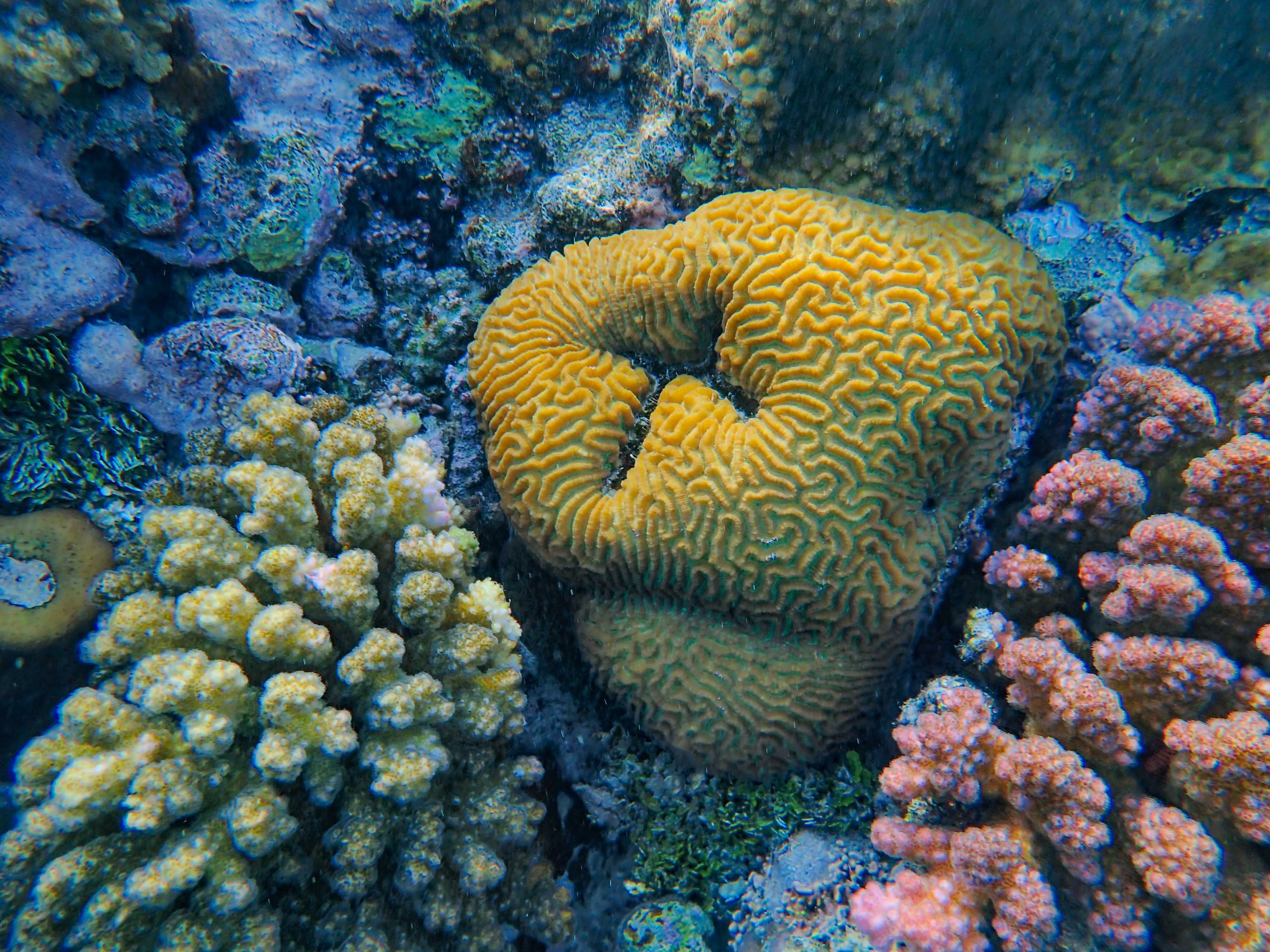
The Farasan Islands are a low-lying Red Sea archipelago off Saudi Arabia's southern coast, ringed by coral reefs that draw divers and snorkellers to waters that see whale sharks pass through seasonally.
The main island holds crumbling coral-stone merchant houses from an Ottoman-era pearling boom, now mostly abandoned, alongside mangrove channels sheltering gazelles found nowhere else, with ferries from Jazan the only way in.
How does it rate
CrowdsRomanceCash RequiredDangerAccessibilityWhy you should go
Diving reefs that see almost no other visitors, alongside crumbling Ottoman-era pearling houses, makes for a genuinely uncommon combination.
Why you shouldn't go
Ferry schedules are limited and infrastructure is basic, so it takes more planning than a typical island trip.
Plan your visit
Best time to visitOctober–April, avoiding the most intense Red Sea summer heat and humidity.Best time of dayMorning, for the calmest seas for diving and the ferry crossing.Getting thereFly to Jazan; a roughly 1.5–2-hour ferry crosses to the main Farasan island.Entry costFerry ticket plus any diving or snorkelling tour costs.Time needed1–2 daysInsider tip — Arrange diving trips in advance through an operator in Jazan — options on the islands themselves are limited and can sell out. -
 #18
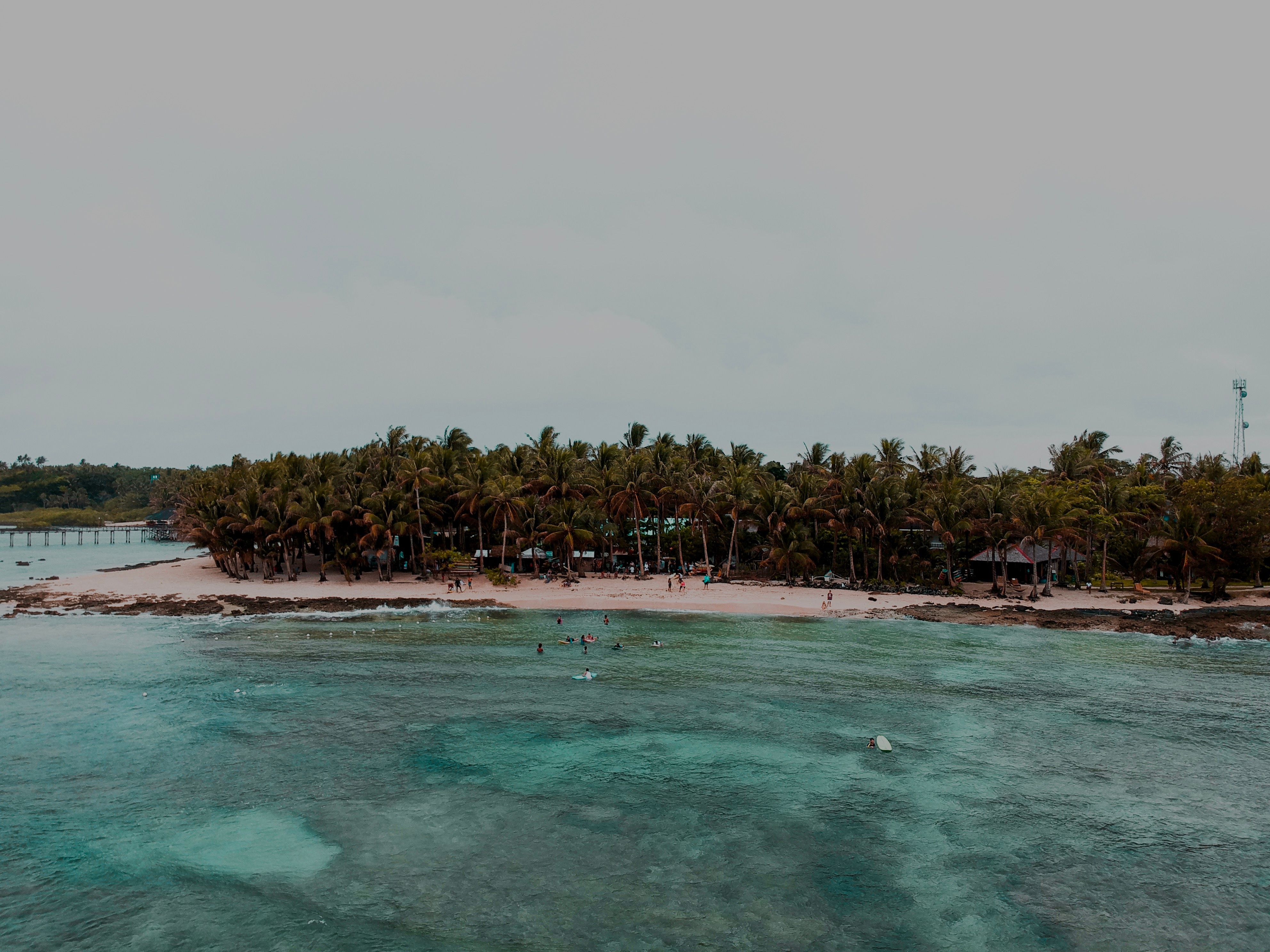
#18The Philippines' surfing capital centers on Cloud 9, a powerful reef break that draws competitive surfers from around the world, but the teardrop-shaped island has plenty beyond the waves — the tidal Magpupungko rock pools, palm-lined lagoons, and a laid-back beach-town scene around General Luna.
Island-hopping trips reach nearby uninhabited islets with genuinely empty white-sand beaches.
How does it rate
CrowdsRomanceCash RequiredDangerAccessibilityWhy you should go
World-class surf at Cloud 9, plus genuinely uncrowded island-hopping beaches nearby.
Why you shouldn't go
The best surf swells (August–November) bring rough water that's unsuitable for casual swimming.
Plan your visit
Best time to visitMarch–October for calmer seas; August–November for the biggest surf swells.Best time of dayDawn patrol surf sessions, before the wind picks up and crowds arrive at Cloud 9.Getting thereFly directly to Siargao (Sayak) airport from Manila or Cebu.Entry costFree beaches; surf lessons from around ₱1,000 (~€16); island-hopping tours from ₱1,500.Time needed3–4 days.Insider tip — Rent a scooter to reach Magpupungko rock pools at low tide on a weekday — far quieter than the main surf beaches. -
 #19
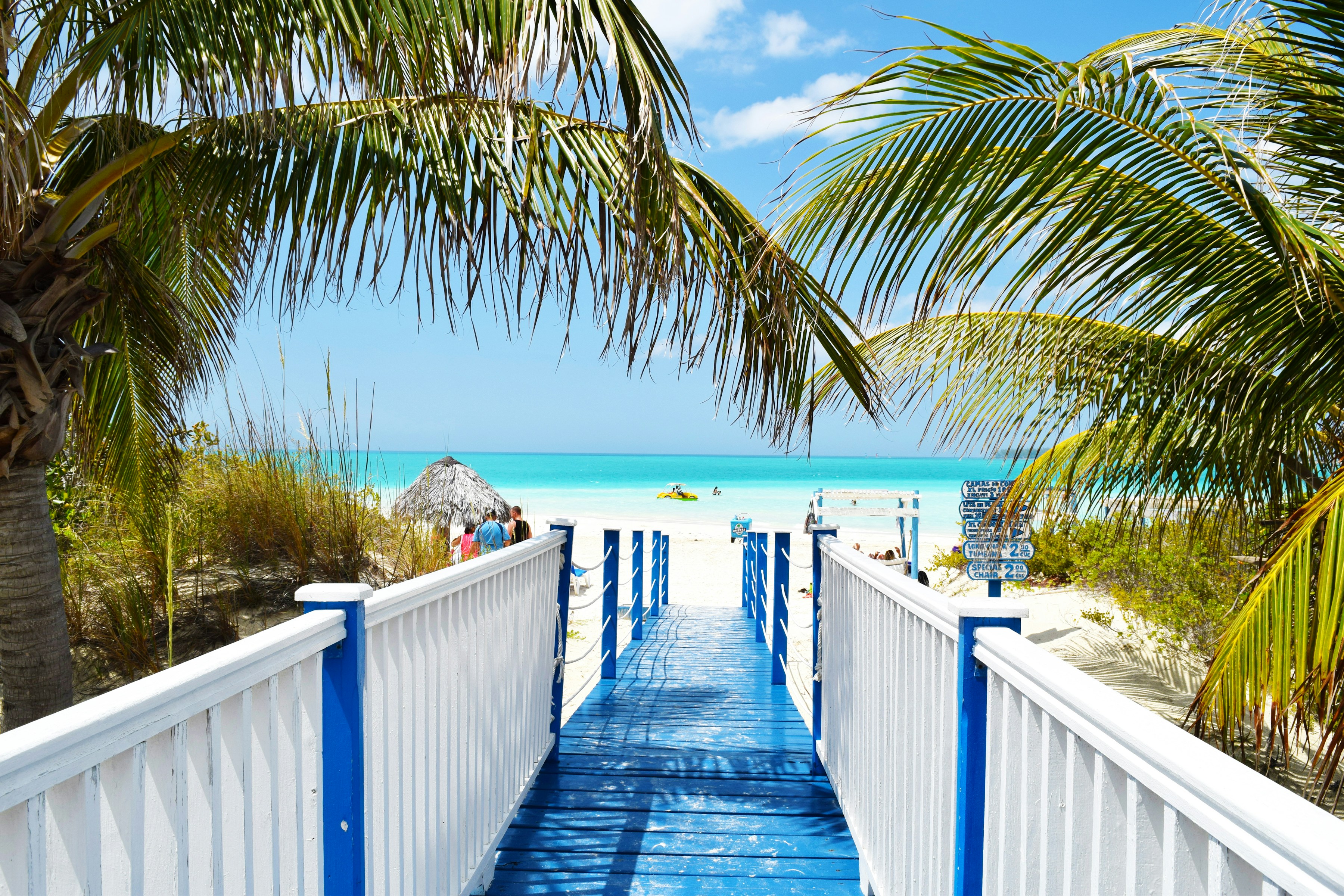
#19A causeway connects this low-lying coral island to the Cuban mainland, its shoreline mixing resort beaches with mangrove lagoons and salt flats that host large flamingo colonies, giving it noticeably more wildlife interest than Varadero's more developed strip.
Birdwatchers come specifically for the flamingos and other wading birds alongside sun-seekers drawn to its calm, shallow waters.
How does it rate
CrowdsRomanceCash RequiredDangerAccessibilityWhy you should go
A resort island with genuine wildlife interest — large flamingo colonies alongside calm Caribbean beaches.
Why you shouldn't go
The causeway and resort development have altered some of the mangrove ecosystem the island depends on.
Plan your visit
Best time to visitNovember–April, the dry season, for reliable weather and peak flamingo numbers.Best time of dayEarly morning for flamingo viewing in the lagoons before the heat of the day.Getting thereFly directly to Jardines del Rey Airport on the island, or drive about 5-6 hours from Havana.Entry costPublic beach access free; most stays are through all-inclusive resorts.Time needed2–4 days.Insider tip — Ask a local guide to take you to the flamingo lagoons on the mainland side of the causeway — resort tours often skip this in favor of beach time. -
 #2065 /100
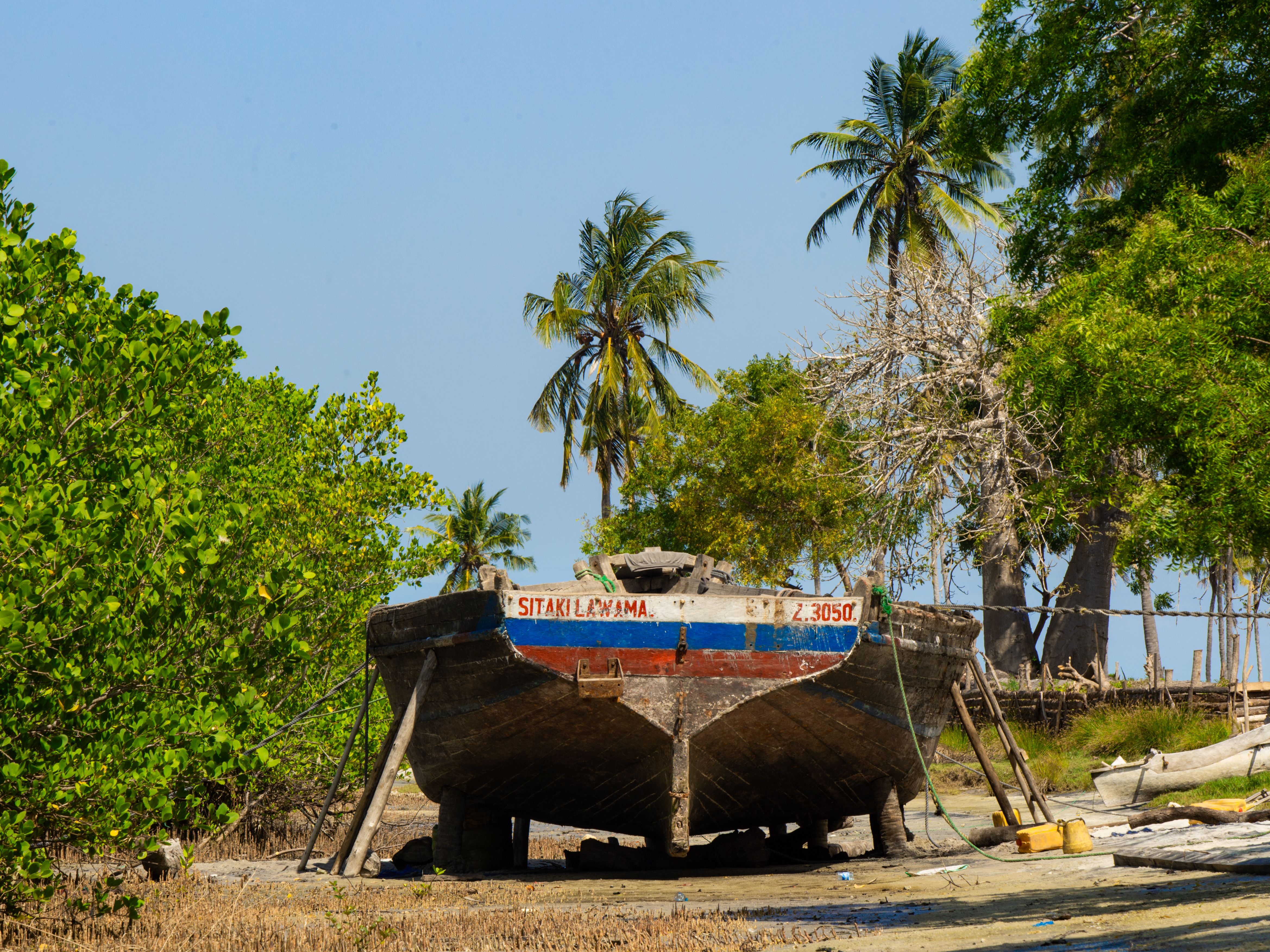
Far less developed than Zanzibar, Mafia Island sits within a marine park protecting some of East Africa's healthiest coral reefs and is one of the world's most reliable places to swim with whale sharks, which gather offshore between October and March.
The island's slow pace, quiet beaches and small-scale dive lodges attract a niche crowd of divers and snorkelers over the beach-resort tourists who head to Zanzibar instead.
How does it rate
CrowdsRomanceCash RequiredDangerAccessibilityWhy you should go
One of the world's most reliable whale shark swimming spots, in a marine park with minimal crowds.
Why you shouldn't go
Limited flight connections and lodge capacity mean it takes more planning and expense to reach than Zanzibar.
Plan your visit
Best time to visitOctober–March for the best whale shark encounters.Best time of dayEarly morning boat trips, when whale sharks feed nearer the surface.Getting thereFly from Dar es Salaam to Mafia Island, about 45 minutes.Entry costMarine park fees around $20-23 per day; whale shark tours typically $80-120.Time needed2–4 days.Insider tip — Book with an operator that limits swimmer numbers per whale shark encounter — some larger boats crowd a single animal.


More from The World
-
How a score is built
One score out of 100, five criteria behind it
Every place is rated 1–5 on each of the criteria below, then combined into a single score out of 100. It's calculated by us, the same way every time — not an average of traveller reviews or social votes.
Crowds
How many people you'll be sharing it with, and at what time of day.
Romance
How well it suits a couple, a proposal, or a quiet moment together.
Cash required
Entry fees, permits, guides, rentals — what it actually costs to do it.
Danger
Physical risk involved, from a slippery viewpoint to genuine hazard.
Accessibility
How far off the beaten path it is, and how hard it is to actually reach.

