-
 #193 /100
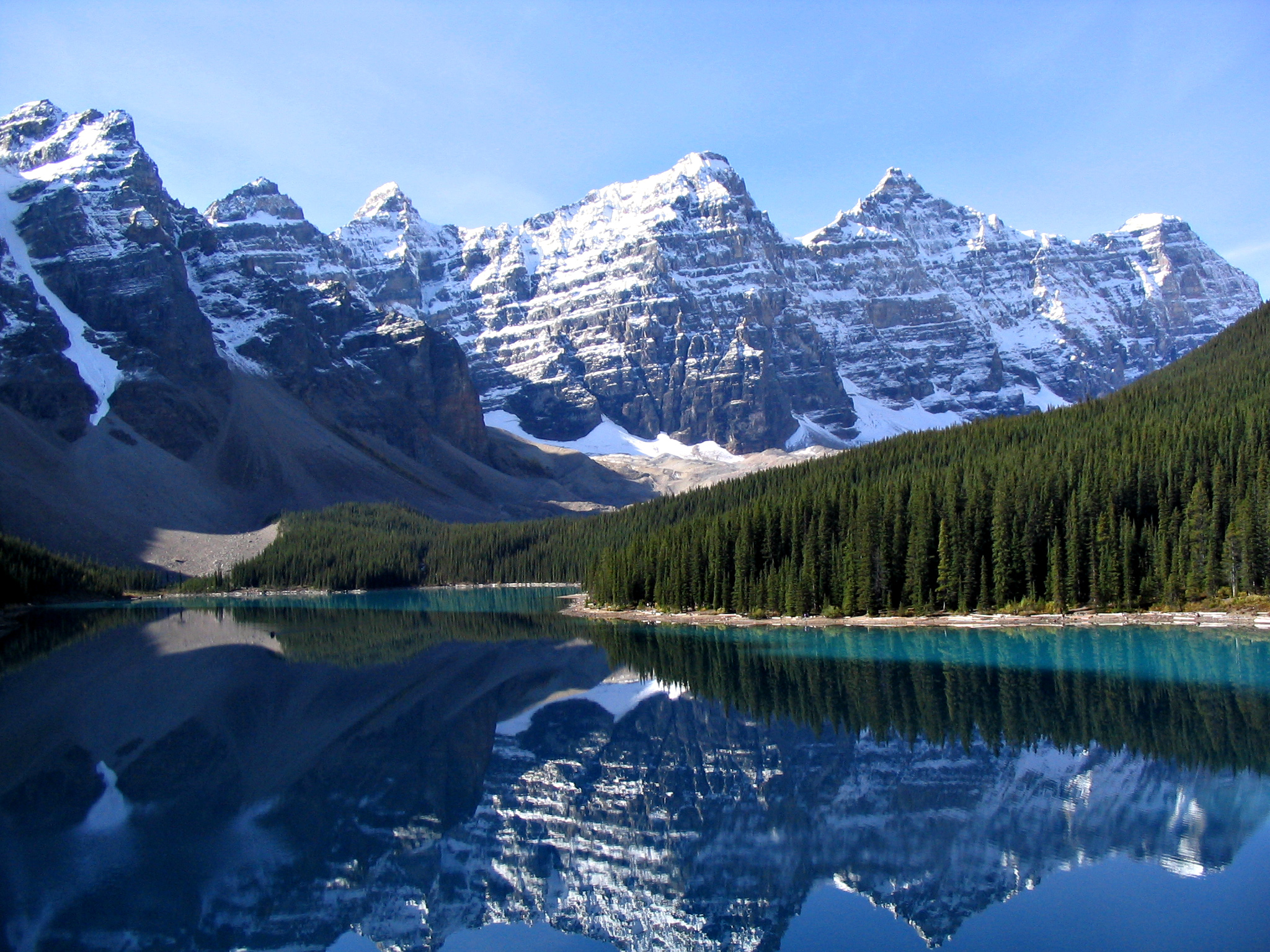
Hidden in the Valley of the Ten Peaks in Banff National Park, Moraine Lake is fed by glacial meltwater that gives it its extraordinary turquoise colour.
The classic view from the Rockpile overlook, with the lake reflecting the surrounding peaks, appeared on the Canadian twenty-dollar bill.
How does it rate
CrowdsRomanceCash RequiredDangerAccessibilityWhy you should go
The colour of the water is genuinely unbelievable in person and the surrounding ring of jagged peaks makes it one of the most dramatic lake settings in the world.
Why you shouldn't go
Access to Moraine Lake is now heavily controlled; visitors must book a shuttle bus in advance as private vehicles are prohibited.
Plan your visit
Best time to visitLate June-early July when the lake is at its bluestBest time of dayEarly morning, before the wind ripples the waterGetting thereShuttle bus required from Lake Louise in peak seasonEntry costFree; shuttle fare appliesTime needed2-3 hoursInsider tip — Arrive at first light; the Rockpile Trail view is why it was on the old Canadian $20 bill -
 #291 /100
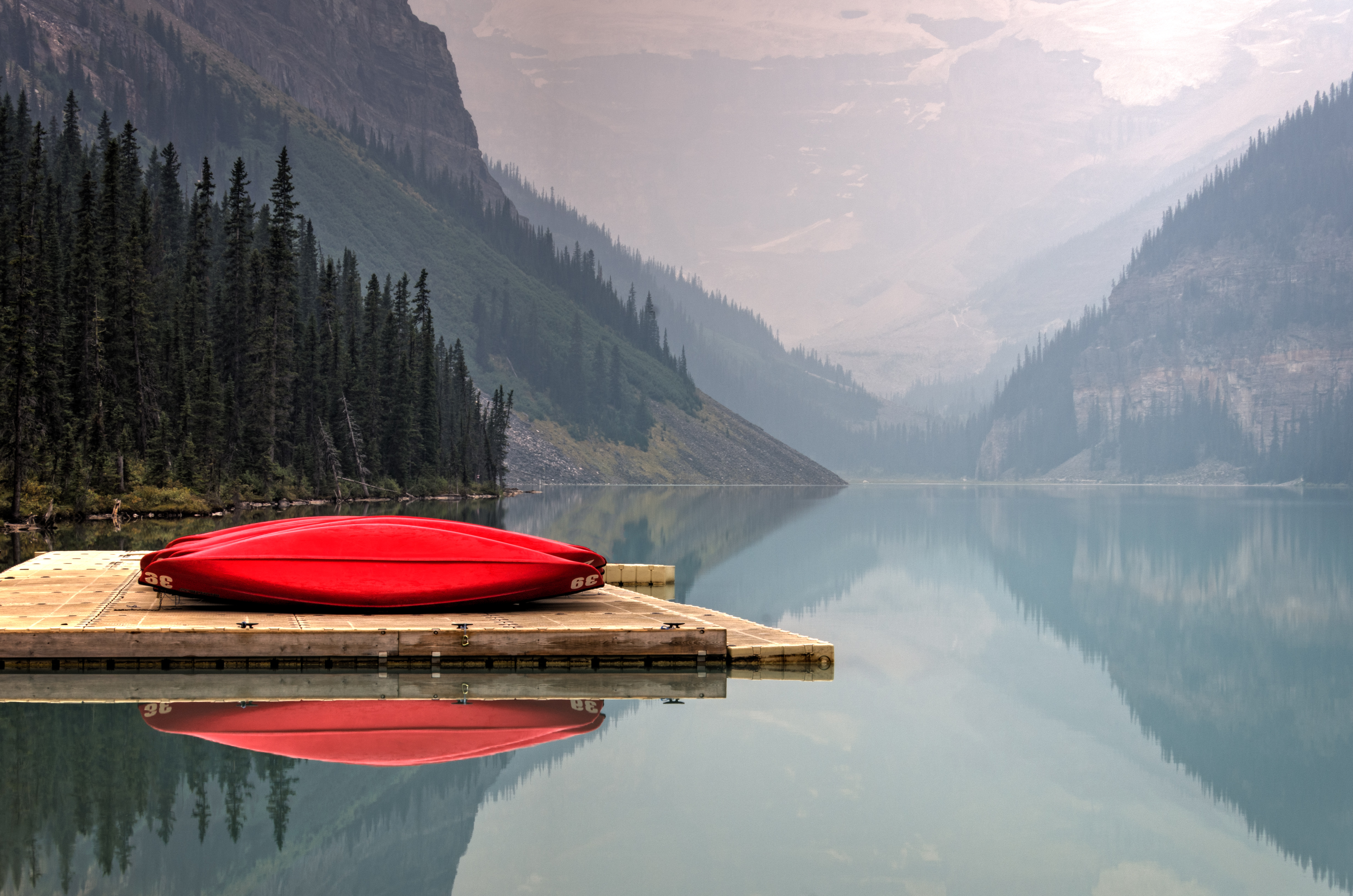
Lake Louise is the Canadian Rockies at their most theatrical: a milky turquoise lake framed by pine-clad ridges, with Victoria Glacier hanging at the far end and the famous red canoes gliding out from the boathouse dock.
The colour is real, glacial rock flour in the meltwater, and it shifts with every hour of light.
Easy lakeshore paths and grand teahouse hikes ring the water.
How does it rate
CrowdsRomanceCash RequiredDangerAccessibilityWhy you should go
One of the most photogenic lakes on Earth, with turquoise water, red canoes and glacier views in one frame.
Why you shouldn't go
Summer parking fills before sunrise and the shoreline gets extremely busy through the middle of the day.
Plan your visit
Best time to visitJune-September for open water; late September for golden larchesBest time of dayDawn, before the car park fills and the water is still glassyGetting thereFly to Calgary; 2-hour drive, then park-and-ride shuttle in summerEntry costBanff park pass about CA$11/day; canoe rental extraTime neededHalf a dayBookingBook ahead →Insider tip — Book the Parks Canada shuttle online weeks ahead - by mid-morning in July the lot is full and drop-ins are turned away -
 #3
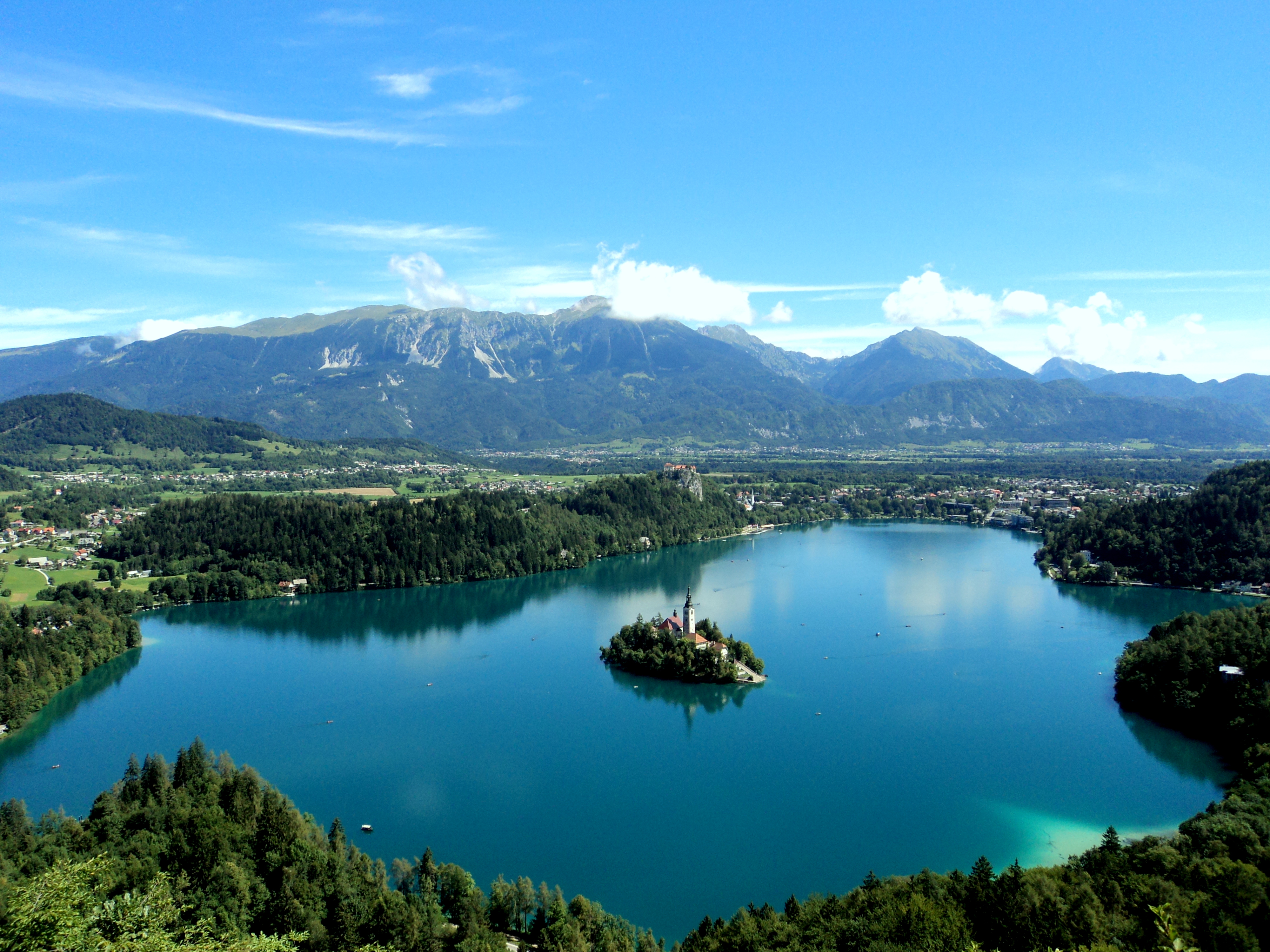
#3Lake Bled is Slovenia's most famous sight — a glacial lake of impossibly vivid turquoise water, a tiny island crowned with a baroque church, and a medieval castle perched on a sheer cliff above.
The surrounding Julian Alps complete a scene that seems almost too perfect to be real.
A traditional pletna boat is the only way out to the island's 99 steps.
How does it rate
CrowdsRomanceCash RequiredDangerAccessibilityWhy you should go
The combination of turquoise lake, island church, and clifftop castle is one of the most perfectly composed natural scenes in Europe.
Why you shouldn't go
Lake Bled can feel busy during summer and reaching the famous Ojstrica viewpoint requires a strenuous uphill walk.
Plan your visit
Best time to visitLate spring or early autumnBest time of daySunrise for mist over the lakeGetting there~40 min drive from LjubljanaEntry costFree; pletna boat to the island ~EUR14Time neededHalf dayInsider tip — Climb to Ojstrica viewpoint for the classic elevated shot of the island and castle -
 #488 /100
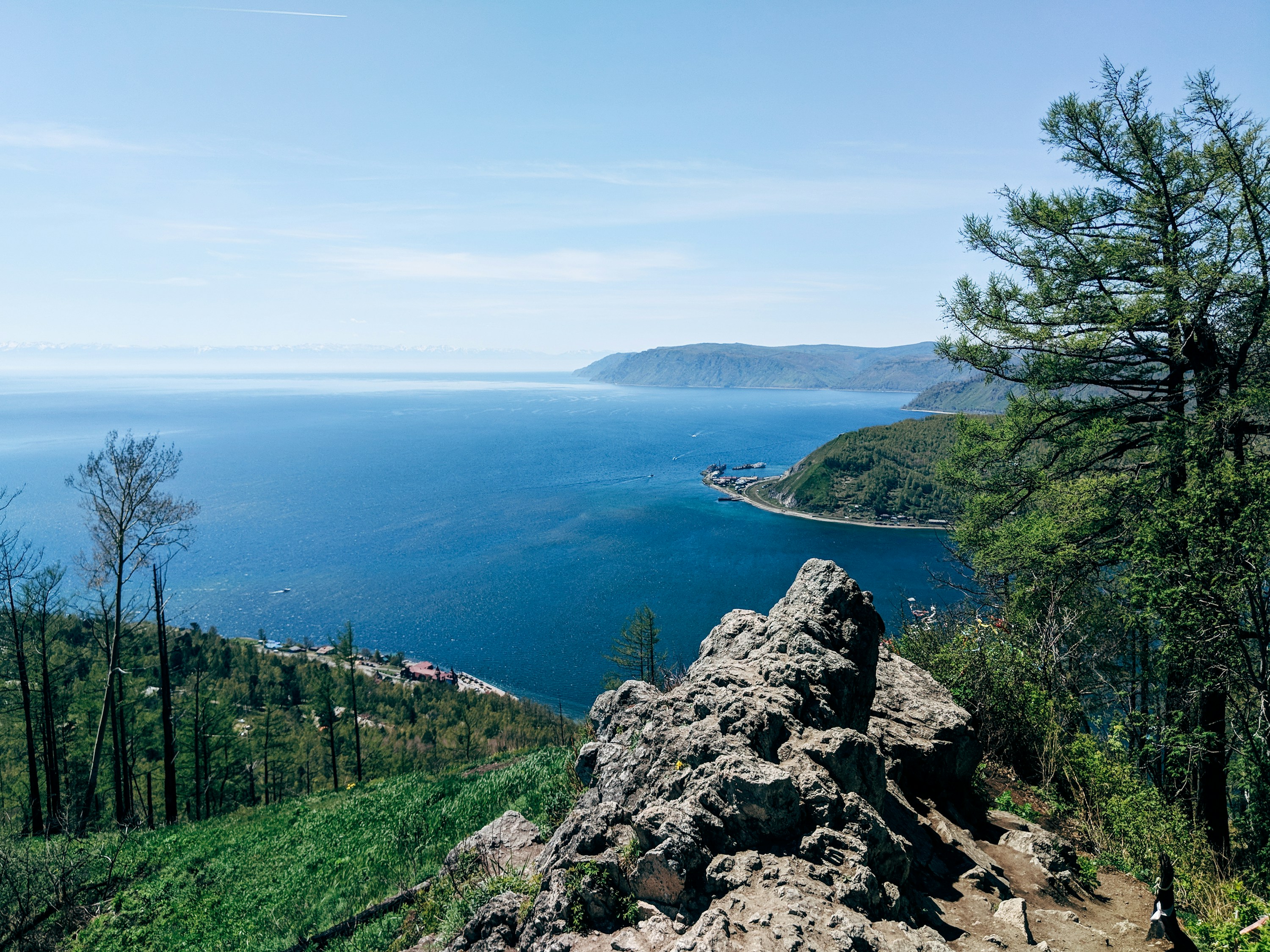
Lake Baikal holds a fifth of the planet's unfrozen fresh water and is both the world's deepest and oldest lake, ringed by taiga forest and mountains in Siberia.
Its clarity lets you see many metres down in summer, while in winter the surface freezes into clear blue ice sheets thick enough to drive on.
Most visitors base themselves in Listvyanka or on Olkhon Island to explore the shoreline and villages.
How does it rate
CrowdsRomanceCash RequiredDangerAccessibilityWhy you should go
The world's deepest, oldest and clearest lake — a fifth of Earth's unfrozen fresh water in one place.
Why you shouldn't go
Deep Siberia is genuinely remote — expect a long flight connection and further travel just to reach the shore.
Plan your visit
Best time to visitLate June–August for open water and hiking; February–March for the clear ice seasonBest time of dayMorning, before wind picks up on the open water in the afternoonGetting thereFly to Irkutsk via a transit hub (no direct Western routes); Listvyanka on the shore is about an hour's bus or taxi ride from the airport.Entry costFree to view the shoreline; boat trips and excursions from around 1,500 RUBTime needed2–3 days to see the shore properly; a week or more for Olkhon Island and the ice seasonInsider tip — Skip the crowded main pier in Listvyanka and walk or taxi a few kilometres along the shore for quieter viewpoints; the Chersky Stone viewpoint above the village gives the best overview of the lake and the Angara River's source. -
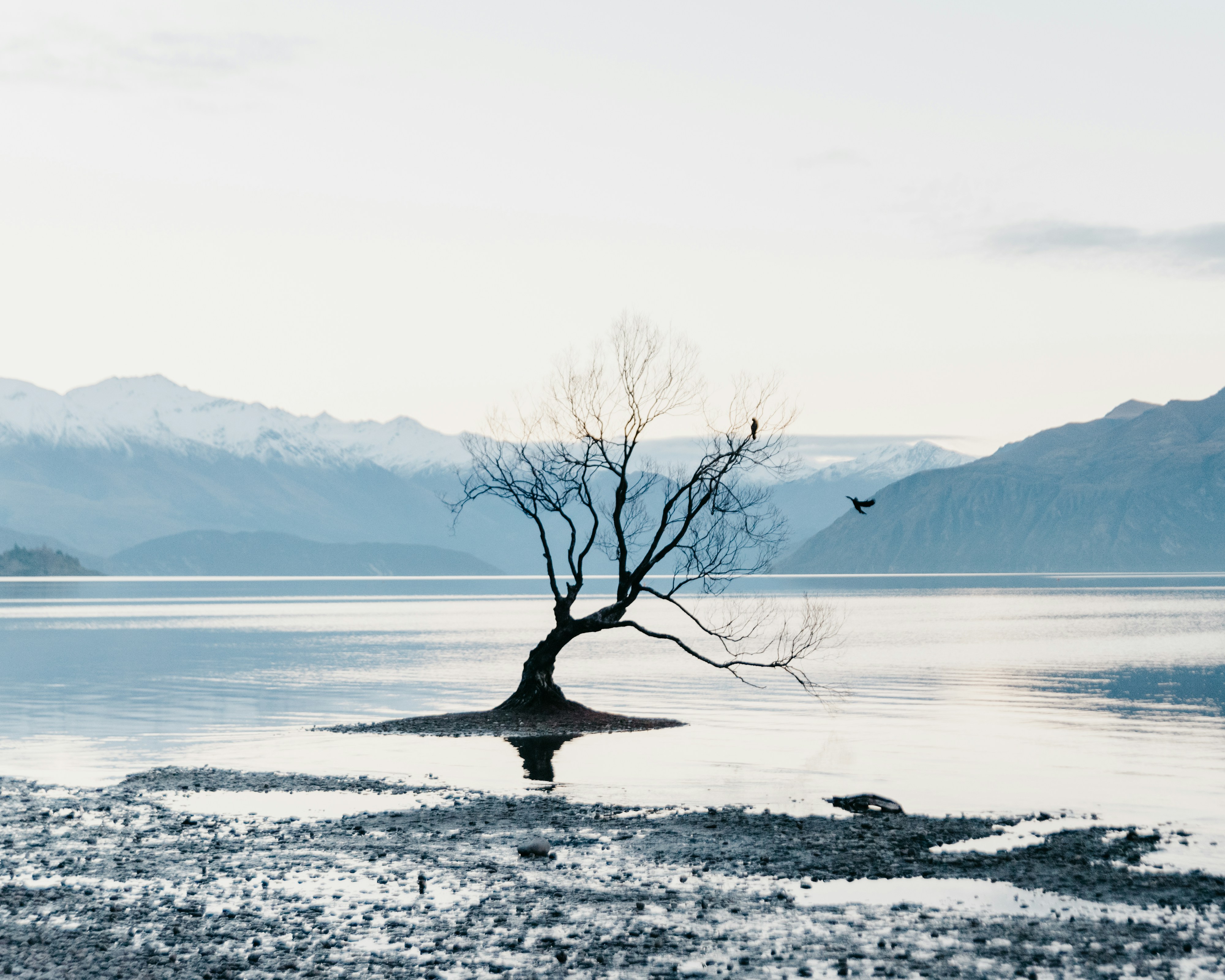 #582 /100
A single willow stands alone in the shallows of Lake Wanaka, backed by the Southern Alps - improbable, minimalist, and famous well beyond New Zealand.
The lake itself is a vast glacier-carved expanse ringed by mountains, with lakeside walks and the Roys Peak track nearby for anyone wanting more than a quick stop.
Still water at dawn doubles the tree in near-perfect reflection.
How does it rate
CrowdsRomanceCash RequiredDangerAccessibilityWhy you should go
One tree, one lake, one of the most replicated photographs in New Zealand.
Why you shouldn't go
It's genuinely just one tree - arrive expecting a brief photo stop, not a destination in itself.
Plan your visit
Best time to visitYear-round; autumn (April-May) adds golden foliage around the lakeshore.Best time of daySunrise, for still water and soft light with fewer other photographers in frame.Getting thereFly to Queenstown; 1-hour drive to Wanaka, then a short walk along the lakefront.Entry costFreeTime needed30 minutes-1 hourInsider tip — Walk 10 minutes further along the shore past the main crowd for a cleaner angle without other visitors wading in front of the tree. -
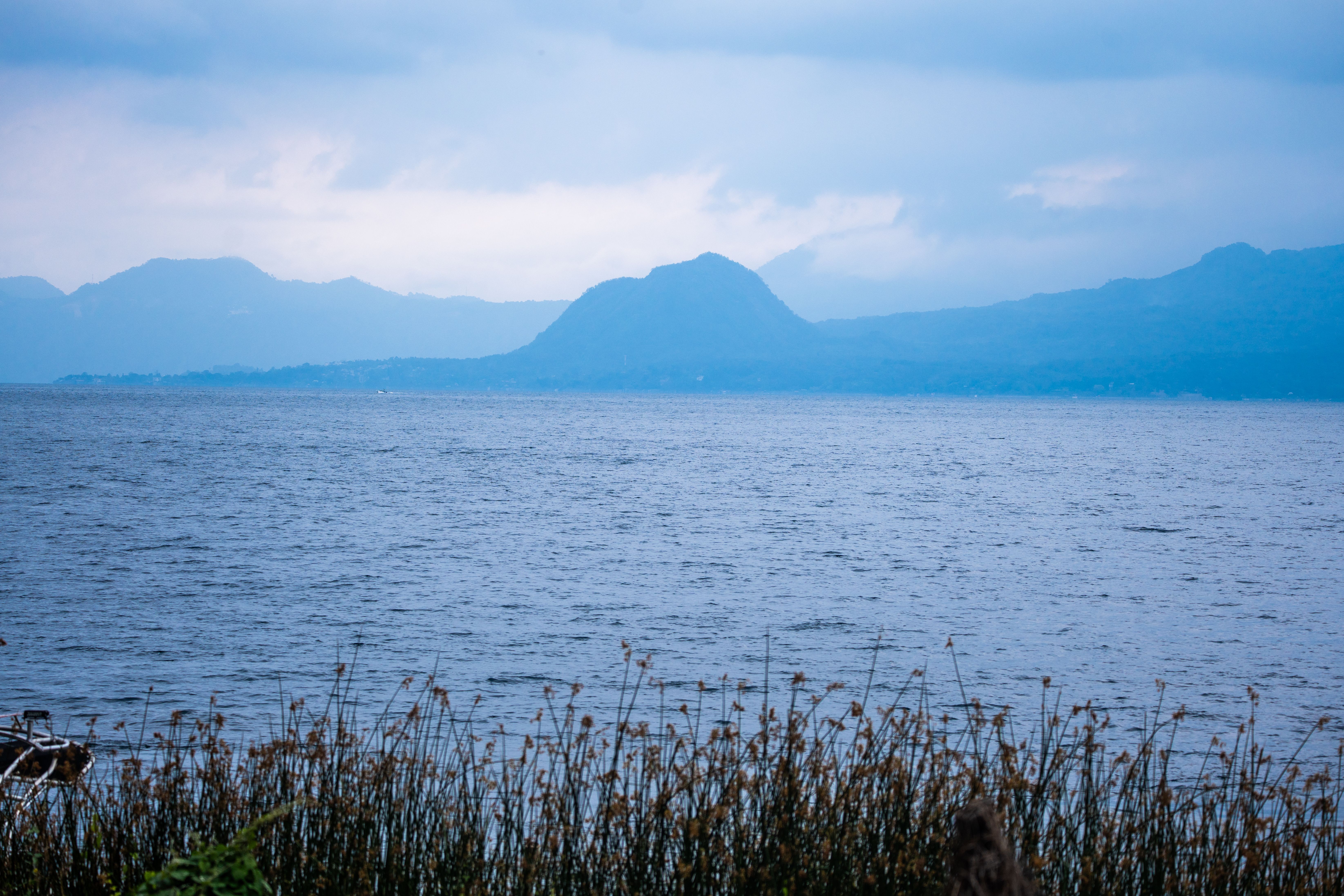 #679 /100
Ringed by three volcanoes and a dozen distinct Maya villages, each with its own dialect, dress and market traditions, Lake Atitlán fills a volcanic caldera with water famously described by Aldous Huxley as almost too beautiful.
Boats shuttle between lakeside towns like laid-back Panajachel, spiritual San Marcos and traditional Santiago Atitlán, each offering a genuinely different pace and character rather than interchangeable lake stops.
How does it rate
CrowdsRomanceCash RequiredDangerAccessibilityWhy you should go
A volcano-ringed lake surrounded by a dozen distinct Maya villages, each with its own character and traditions.
Why you shouldn't go
Boat schedules between villages are informal and can mean unpredictable waits, especially after dark.
Plan your visit
Best time to visitNovember–April, the dry season, for the clearest volcano views.Best time of dayEarly morning, when the lake is calmest and volcano reflections are sharpest.Getting thereAbout 3 hours' drive from Guatemala City or Antigua to Panajachel, the main lakeside hub.Entry costFree to visit; boat taxis between villages typically Q10-25 (~€1-3) each.Time needed2–4 days.Insider tip — Base yourself in a quieter village like San Marcos or San Pedro rather than busier Panajachel, and boat into Pana only for supplies or connections. -
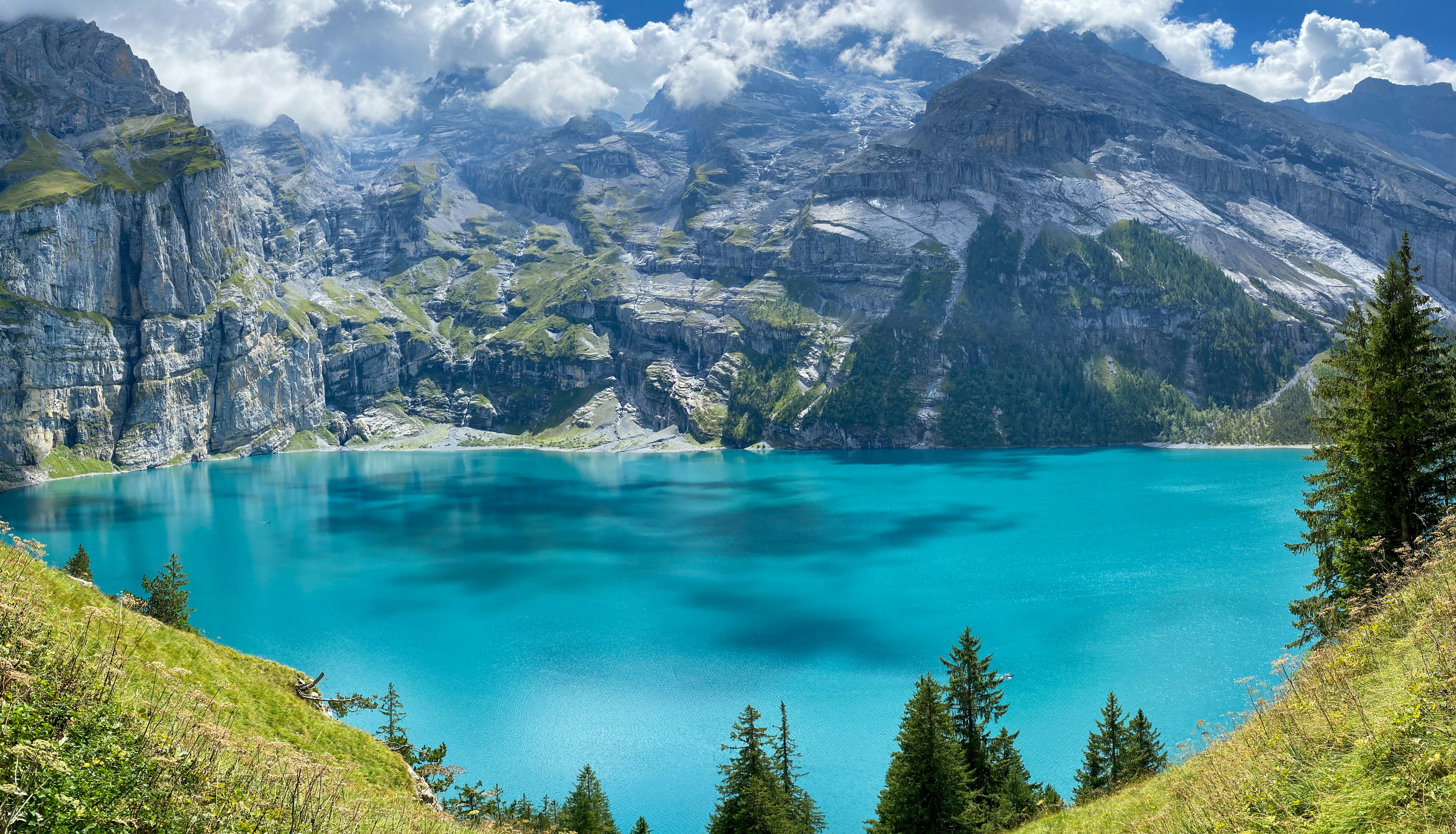 #779 /100
A vivid turquoise alpine lake at 1,578 meters, ringed by sheer limestone cliffs and wildflower meadows below the Blüemlisalp glacier.
Reached by cable car and a short walk, it's one of the Bernese Oberland's most spectacular — and comparatively uncrowded — spots.
How does it rate
CrowdsRomanceCash RequiredDangerAccessibilityWhy you should go
A turquoise alpine lake ringed by sheer cliffs, reached by cable car and a short wildflower-meadow walk.
Why you shouldn't go
Cable car capacity limits visitor numbers on busy summer days; weather in the mountains can change quickly.
Plan your visit
Best time to visitJune–August for wildflower bloom and open trails; September for quieter, golden light.Best time of dayAfternoon light brings out the cliffs; early morning offers the calmest water for reflections.Getting thereTrain to Kandersteg, then the Oeschinensee cable car, followed by a 30–45 minute walk down to the lake.Entry costCable car CHF 30 round trip (often covered by the Swiss Travel Pass).Time needed3–4 hours including the cable car and walk.BookingBook ahead →Insider tip — Visit on a weekday or outside peak August dates for a noticeably quieter lake. There's no food service lakeside, so bring your own lunch. -
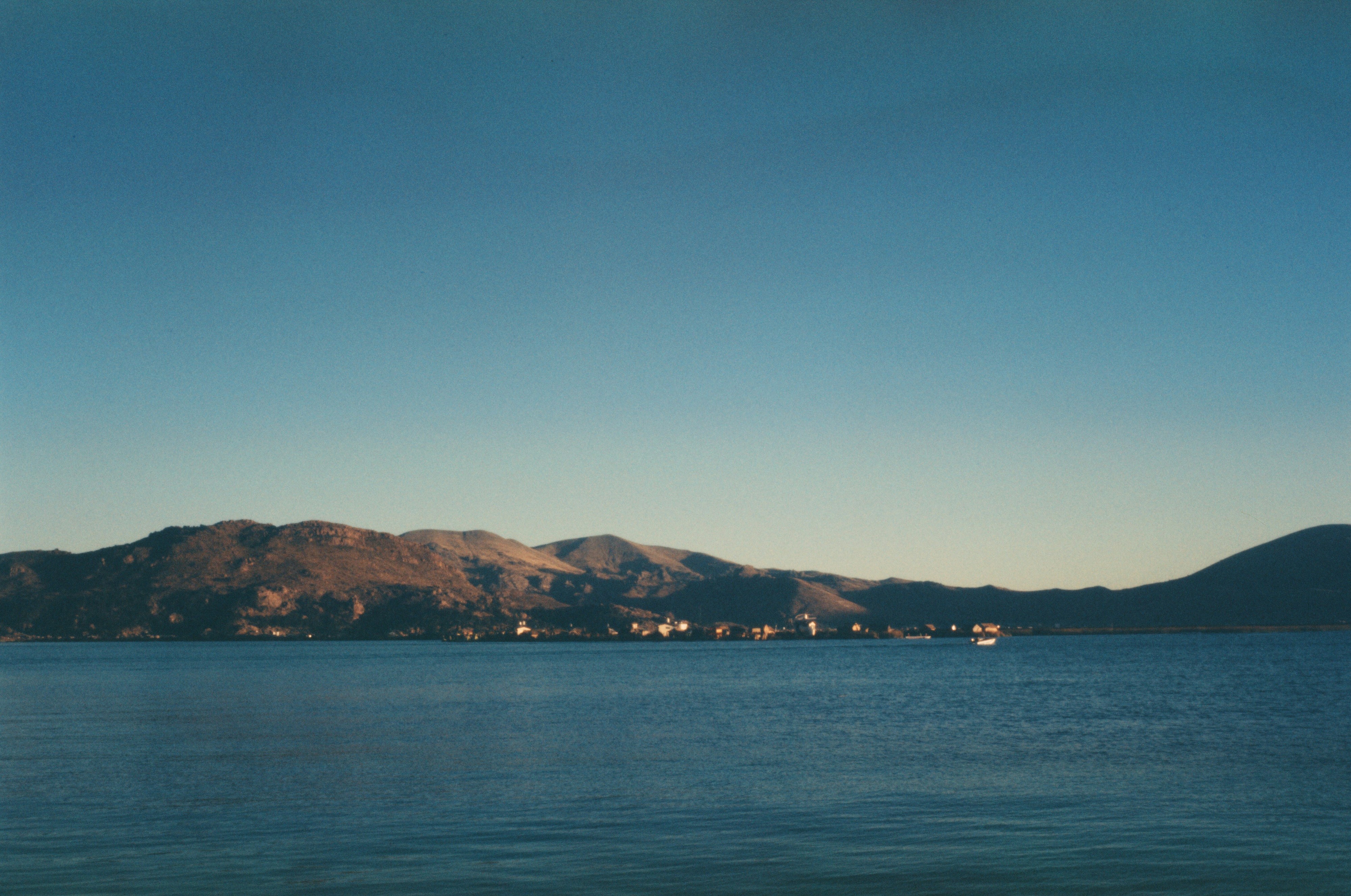 #878 /100
The world's highest navigable lake stretches across the Bolivia-Peru border at 3,812m, its cobalt water dotted with the Uros people's hand-woven reed islands.
Traditional wooden boats still work the shallows beneath distant snow-capped peaks.
Copacabana's lakeside promenade and Isla del Sol's Inca ruins give it real cultural depth beyond the scenery, though the altitude takes a day or two to adjust to.
How does it rate
CrowdsRomanceCash RequiredDangerAccessibilityWhy you should go
A cobalt-blue Andean lake with floating reed islands found nowhere else on Earth.
Why you shouldn't go
Thin air at 3,800m leaves many visitors breathless for the first day or two.
Plan your visit
Best time to visitMay-October (dry season) for clear skies and calm water.Best time of dayEarly morning, when the lake is glassy and boat traffic is light.Getting thereFly to La Paz or Juliaca; bus to Copacabana (Bolivia) or Puno (Peru), then boat to the islands.Entry costFree to view; boat tours and island visits charge separately.Time needed1-2 daysInsider tip — Stay overnight on Isla del Sol rather than day-tripping - sunset and sunrise over the lake from the island are far better than anything from the mainland shore. -
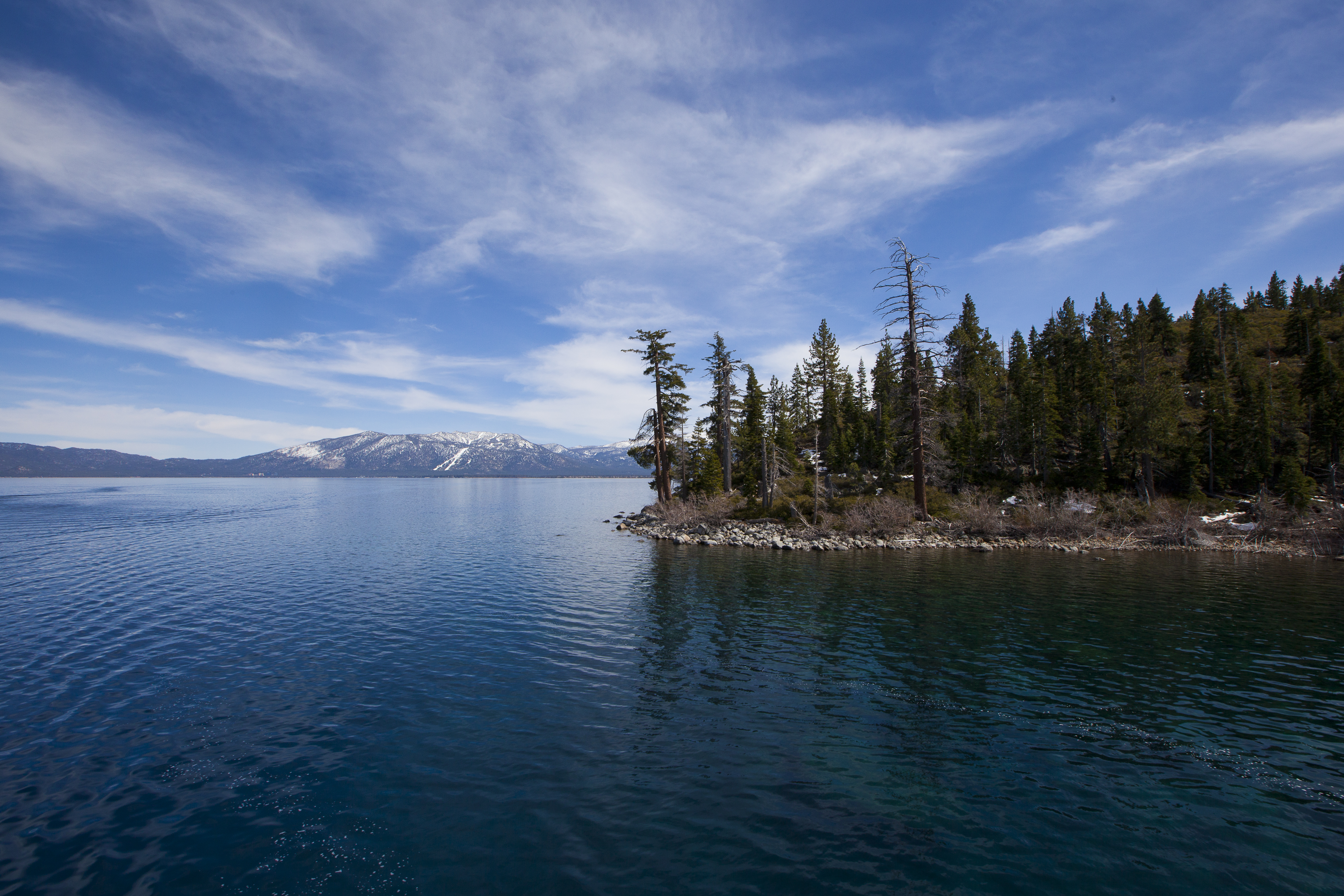 #978 /100
Lake Tahoe straddles the border between California and Nevada in the Sierra Nevada mountains, its remarkable clarity allowing visibility to a depth of over 20 metres.
Surrounded by ski resorts, pine forests, and granite peaks, it offers spectacular hiking and water sports in summer and world-class skiing in winter.
How does it rate
CrowdsRomanceCash RequiredDangerAccessibilityWhy you should go
The clarity of Lake Tahoe's water and the surrounding mountain scenery make it one of the most beautiful alpine lakes in North America; the sunsets across the lake are spectacular.
Why you shouldn't go
The lake is heavily developed on both the California and Nevada shores; traffic congestion and parking can be severe during summer weekends.
Plan your visit
Best time to visitJune-September for swimming/hiking, Dec-March for skiingBest time of daySunrise for calm, mirror-like waterGetting there~1hr drive from Reno, ~3.5hrs from San FranciscoEntry costFree; some beaches charge for parkingTime needed2-3 daysInsider tip — Emerald Bay viewpoint is the most photographed spot on the lake; get there early for parking in summer -
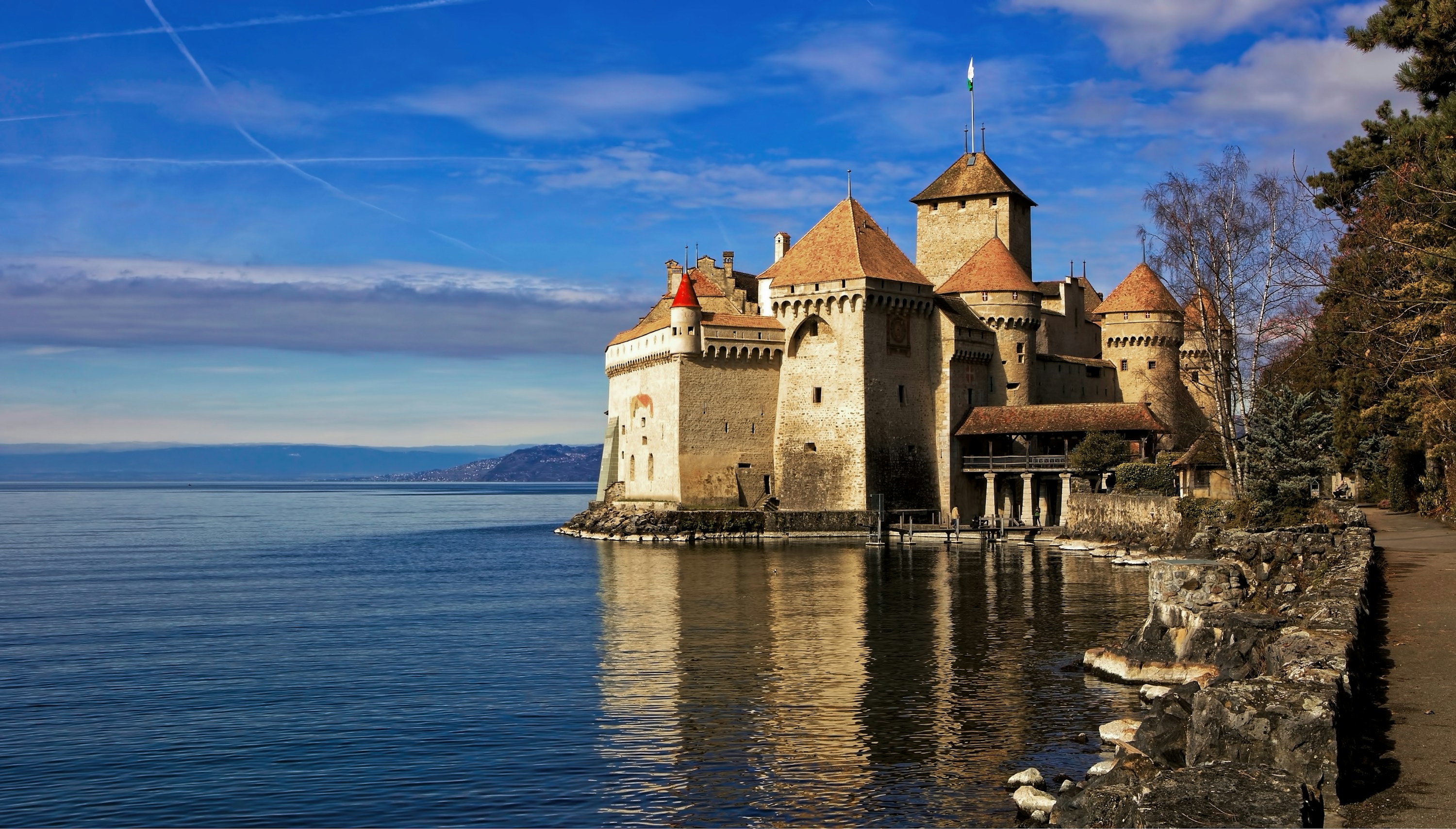 #1078 /100
Switzerland's largest lake curves along the base of the Alps between Geneva and Montreux, its mild microclimate supporting palm-lined promenades, terraced vineyards, and the turreted, moated Château de Chillon rising straight out of the water.
Lakeside towns like Montreux and Vevey give it a genteel, resort-town character, and paddle-steamers still cross between them much as they did a century ago.
How does it rate
CrowdsRomanceCash RequiredDangerAccessibilityWhy you should go
A rare combination of Alpine backdrop, mild climate, and a genuinely striking lakeside medieval castle.
Why you shouldn't go
The lake itself is mostly a scenic backdrop rather than an activity — most of the "doing" happens at specific stops like Chillon.
Plan your visit
Best time to visitMay–September for warm weather and full paddle-steamer schedules.Best time of dayLate afternoon light along the Montreux promenade, or morning to beat Chillon's tour groups.Getting thereTrain to Montreux from Geneva (about 1 hour) or Lausanne; Chillon is a lakeside walk or boat ride away.Entry costPromenades are free; Château de Chillon entry is a paid ticket.Time needed1–2 daysBookingBook ahead →Insider tip — Take the CGN boat rather than the train between Montreux and Chillon — the castle looks its best approached from the water. -
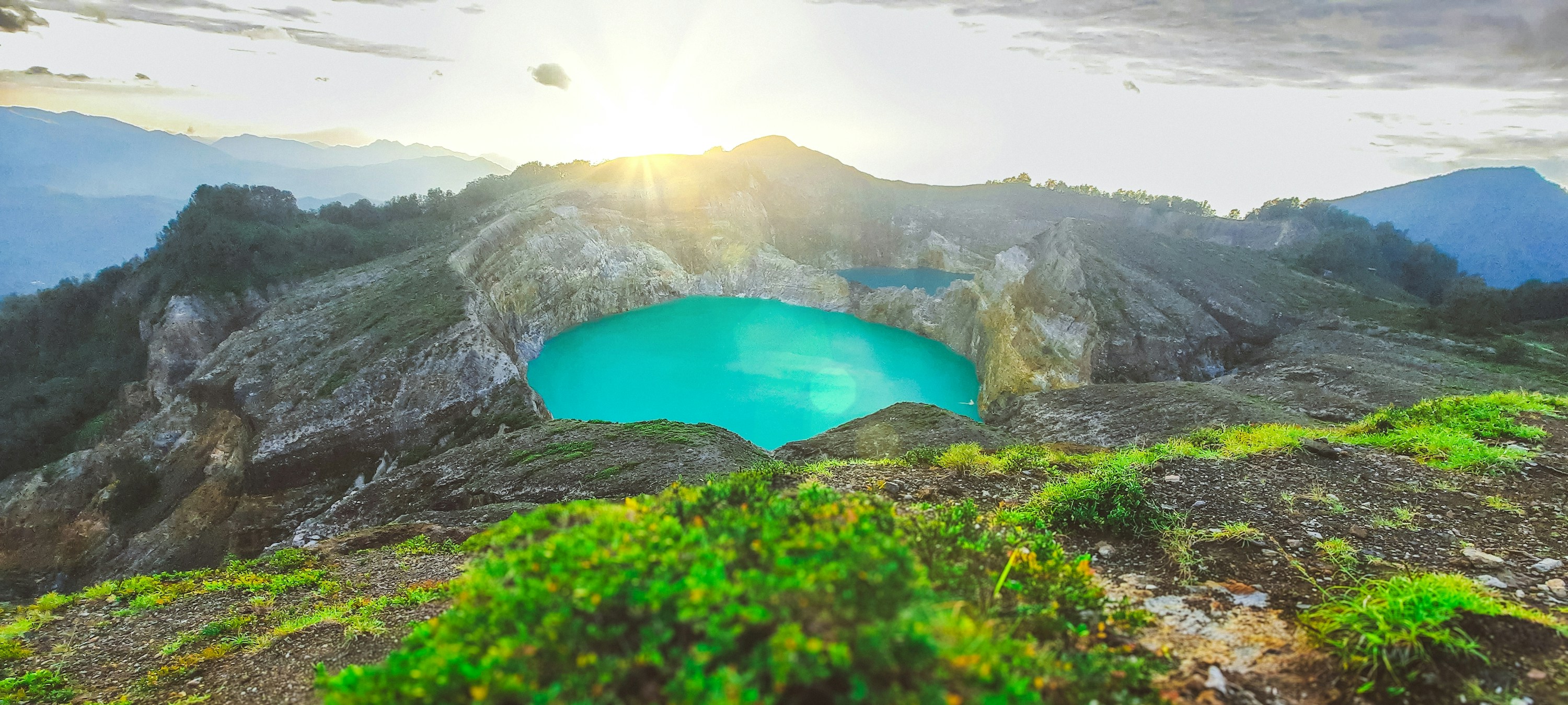 #11
#11Kelimutu volcano holds three crater lakes side by side, each a different color from mineral and gas activity below, ranging through turquoise, teal, and near-black depending on when you visit.
The lakes have shifted hue repeatedly over recorded history, a phenomenon still not fully explained.
Most visitors arrive before dawn to catch sunrise from the rim, then walk a short paved trail between viewpoints overlooking each lake.
How does it rate
CrowdsRomanceCash RequiredDangerAccessibilityWhy you should go
Three crater lakes of different, unexplained colors side by side, best seen glowing at sunrise.
Why you shouldn't go
Getting to remote central Flores takes real effort, and clouds often roll in and hide the lakes by mid-morning.
Plan your visit
Best time to visitMay-September, dry season, for the clearest views and lowest chance of cloud cover.Best time of daySunrise; arrive by 5am before clouds build up later in the morning.Getting thereFly to Ende, Flores; Kelimutu is a 1.5-hour drive, staying overnight in nearby Moni village.Entry cost150,000 IDR weekdays, 250,000 IDR Sundays/holidays (~$9-16)Time needed2-3 hours at the crater rimInsider tip — Stay in Moni the night before and arrange a pre-dawn ojek (motorbike taxi) to the gate; the viewpoint above the two closest lakes is far less crowded than the main platform. -
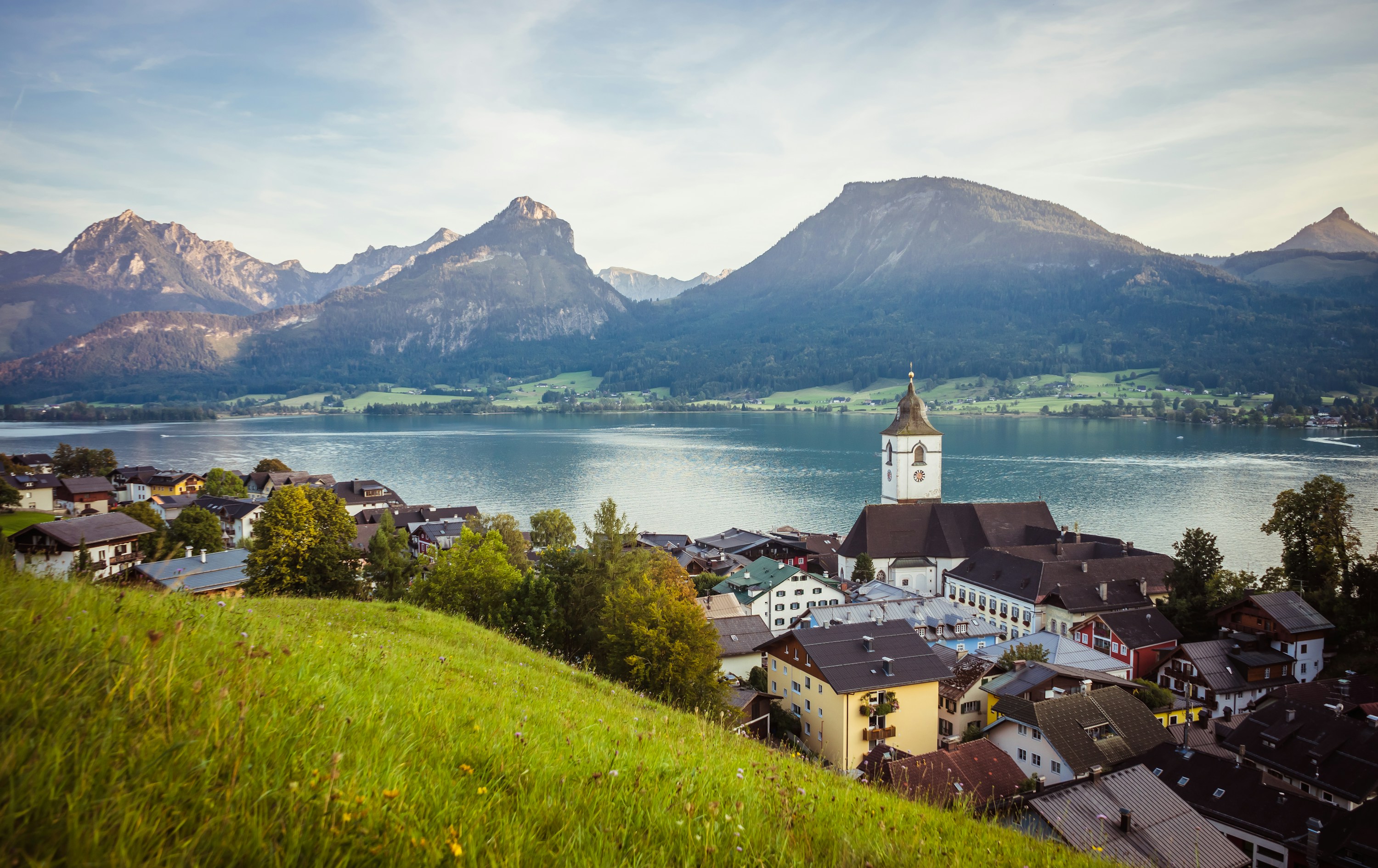 #1277 /100
A narrow alpine lake in Austria's Salzkammergut lake district is ringed by forested peaks and postcard villages, the best-known of which, St.
Wolfgang, grew up around the lakeside White Horse Inn made famous by a 20th-century operetta.
Passenger ferries still cross the lake between villages, a rack railway climbs the Schafberg for panoramic views, and swimming spots line much of the shore in summer.
How does it rate
CrowdsRomanceCash RequiredDangerAccessibilityWhy you should go
One of the Salzkammergut's classic lake-and-mountain villages, quieter and less crowded than Hallstatt.
Why you shouldn't go
No train station serves St. Wolfgang directly — getting there means a bus or ferry connection, which limits spontaneity.
Plan your visit
Best time to visitJune–September for swimming, ferries, and the Schafberg railway running full schedules.Best time of dayEarly evening, when day-trippers head back to Salzburg and the lakefront empties out.Getting thereBus from Salzburg or Bad Ischl to St. Wolfgang, or ferry across the lake from St. Gilgen or Strobl.Entry costFree to walk the lakefront; the Schafberg rack railway and boat rides are separately ticketed.Time needed1 dayInsider tip — Take the Schafberg rack railway up for sunset, then the last ferry back — the crowds thin dramatically after 5pm. -
 #1374 /100
A collapsed volcanic caldera holds this startlingly turquoise-green crater lake, its color shifting with the light and mineral content of the water below.
A rim trail circles the crater edge with views down to the lake and out across the Andean highlands, while a steep path descends to the shoreline for those who want to kayak or simply stand at the water's edge.
How does it rate
CrowdsRomanceCash RequiredDangerAccessibilityWhy you should go
A vivid turquoise crater lake at nearly 4,000 meters, with a rim trail and highland views.
Why you shouldn't go
High altitude makes the rim hike strenuous, and the descent-then-climb-back-up to the shore is tiring.
Plan your visit
Best time to visitJune–September for clearer skies and better visibility of the lake's color.Best time of dayMorning, before clouds typically roll in over the crater by early afternoon.Getting thereAbout 3.5 hours' drive from Quito via Latacunga, on the Quilotoa Loop route.Entry costSmall community entry fee, around $2.Time neededHalf a day, or longer if hiking the full crater rim.Insider tip — Hike counter-clockwise around the rim — it fronts the best lake views earlier and saves the steepest climb for when you're warmed up. -
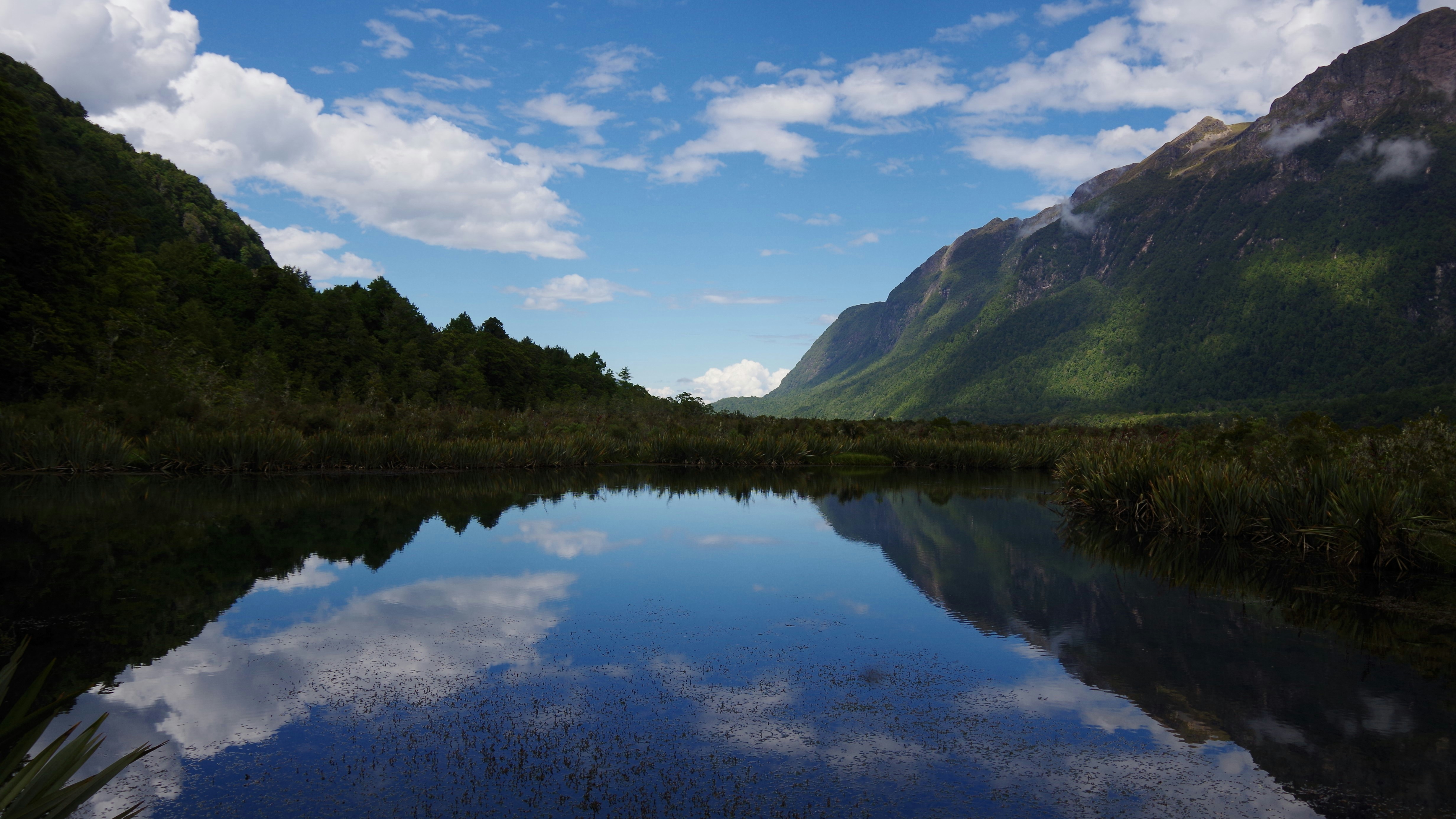 #1474 /100
A pair of small roadside lakes on the drive to Milford Sound that reflect the surrounding peaks and tussock grassland with near-perfect clarity on calm mornings.
A short boardwalk loop makes them one of the easiest stops on the whole Fiordland route.
How does it rate
CrowdsRomanceCash RequiredDangerAccessibilityWhy you should go
Roadside lakes that mirror the Fiordland peaks perfectly on a calm morning — a five-minute stop with a big payoff.
Why you shouldn't go
Reflection quality depends entirely on wind — many visitors arrive to a rippled, unremarkable lake.
Plan your visit
Best time to visitNovember–March (summer) for the best chance of calm, clear mornings.Best time of dayEarly morning before wind picks up, ideally right after sunrise.Getting thereOn the Milford Road (SH94), about 1 hour north of Te Anau; signposted roadside car park.Entry costFree.Time needed15–30 minutes.Insider tip — Check conditions the night before if possible — a still forecast morning is worth adjusting your itinerary for. The boardwalk loop takes only a few minutes. -
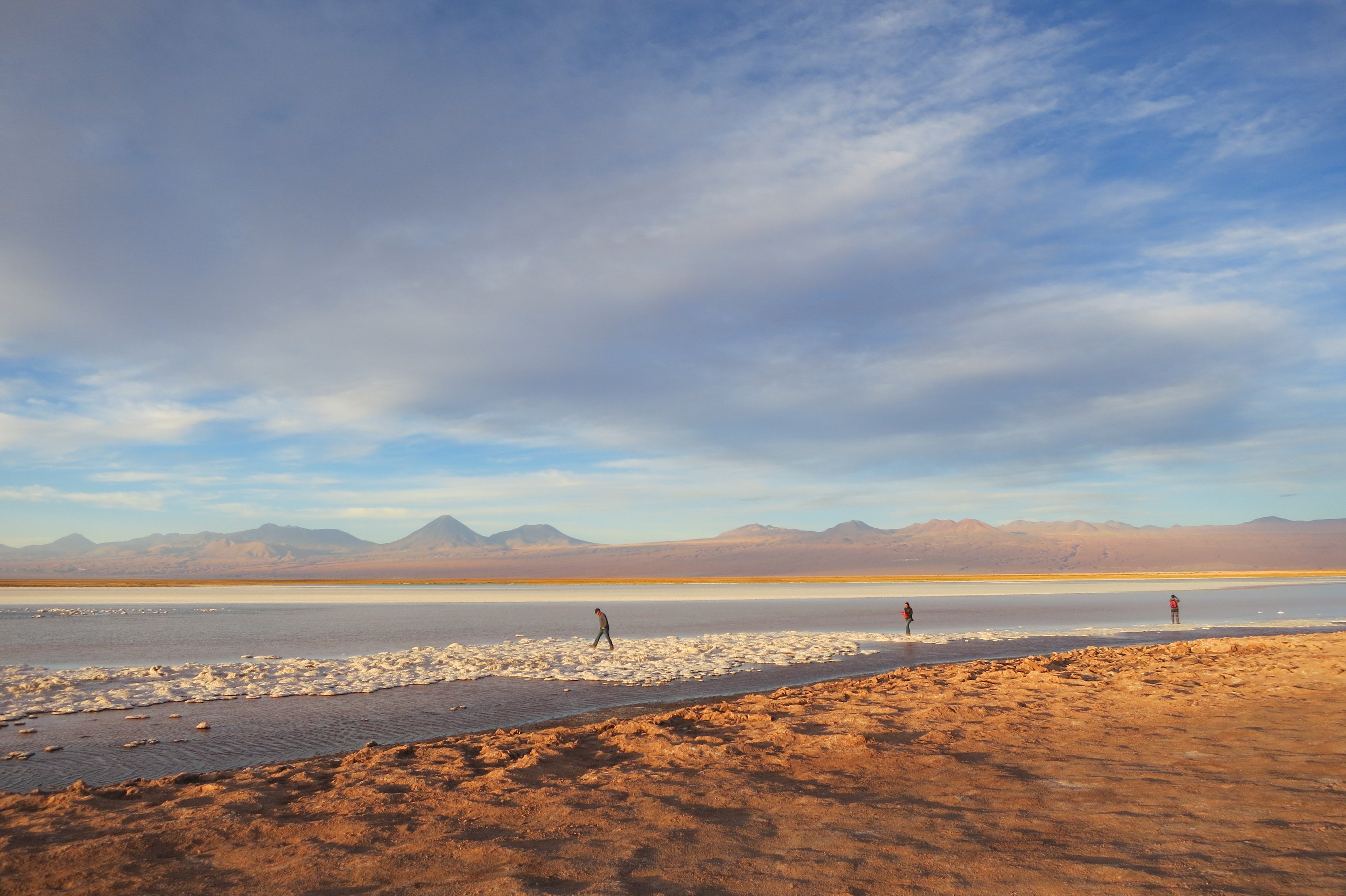 #1573 /100
A hypersaline lagoon in the Atacama salt flat, dense enough with dissolved minerals that swimmers float effortlessly, Dead Sea-style.
Ringed by pale salt crust and distant volcanoes, it's a strange, buoyant swim in one of the driest places on Earth, best paired with a freshwater rinse straight after.
How does it rate
CrowdsRomanceCash RequiredDangerAccessibilityWhy you should go
A hypersaline lagoon where you float effortlessly, ringed by salt crust and desert emptiness.
Why you shouldn't go
Popular with tour groups despite the remote setting; the salt water stings any small cuts or irritates eyes; strong midday sun.
Plan your visit
Best time to visitOctober–April (dry season); visit outside the busiest midday tour window if possible.Best time of dayLate afternoon for softer light and slightly thinner crowds.Getting thereTours depart from San Pedro de Atacama, roughly a 40-minute drive.Entry costIncluded in guided tour price, typically $40–60 USD.Time needed3–4 hours including transport.Insider tip — Bring a swimsuit and old clothes — the brine is hard on fabric. Freshwater rinse-off pools are available right next to the lagoon. -
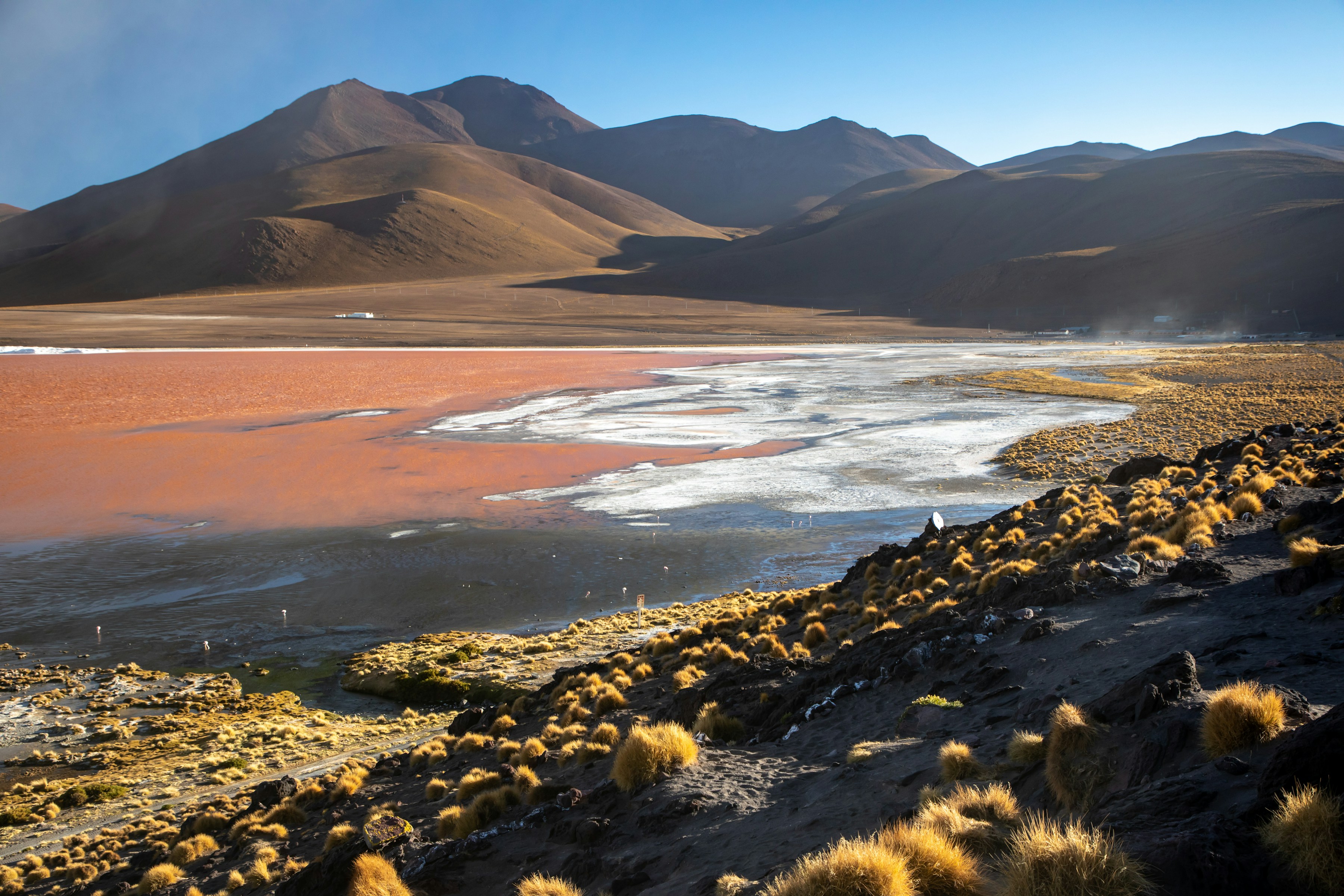 #1672 /100
High on the Bolivian Altiplano near the Chilean border, this shallow lake turns a vivid blood-red from algae and mineral sediment, its shores dotted with borax islands and thousands of James's flamingos feeding in the mineral-rich water.
At over 4,200 meters altitude, the surrounding landscape is a stark, otherworldly desert of volcanoes, geysers and rock formations typically visited as part of a multi-day Uyuni salt-flat circuit.
How does it rate
CrowdsRomanceCash RequiredDangerAccessibilityWhy you should go
A vivid red high-altitude lake packed with flamingos, deep in Bolivia's most surreal desert landscape.
Why you shouldn't go
Extreme altitude (over 4,200m) causes altitude sickness for many visitors without acclimatization.
Plan your visit
Best time to visitMay–October (dry season) for the clearest roads and skies.Best time of daySunrise, when calm water gives the sharpest reflections and flamingos are most active.Getting thereReached via a multi-day 4x4 tour typically starting from Uyuni, usually on day 2 or 3.Entry costIncluded in multi-day Uyuni salt-flat tour packages, typically $150-250 total.Time neededHalf a day as part of a longer circuit.Insider tip — Spend at least one night at altitude in Uyuni before setting out — arriving already partially acclimatized makes the route far more comfortable. -
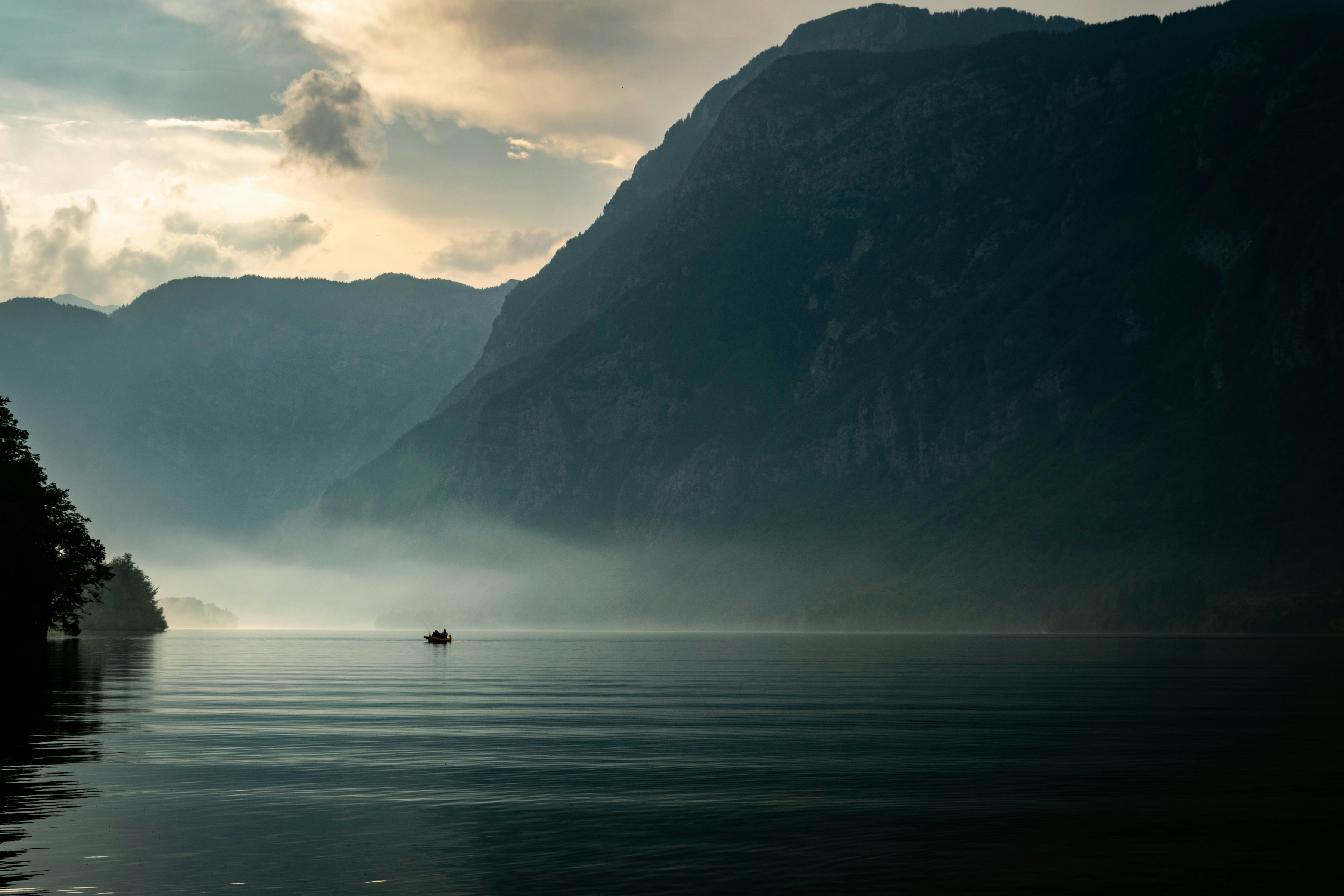 #1771 /100
Slovenia's largest permanent lake sits deeper inside Triglav National Park than its more famous neighbor Lake Bled, ringed by steep alpine peaks and largely free of the castle-and-island crowds that draw most day-trippers to Bled instead.
A cable car climbs to the Vogel ski area for panoramic views over the lake and surrounding mountains, while the Savica Waterfall trailhead sits at the lake's western end.
How does it rate
CrowdsRomanceCash RequiredDangerAccessibilityWhy you should go
Bled's calmer, wilder alpine sibling, with fewer crowds and a genuine mountain-wilderness feel.
Why you shouldn't go
It lacks Bled's island and castle centerpieces, so the appeal is scenery over singular landmarks.
Plan your visit
Best time to visitJune–September for swimming and hiking in warm weather.Best time of dayEarly morning for still, mirror-calm water and quiet trails.Getting thereAbout 30 minutes' drive beyond Lake Bled, or a connecting bus from Bled.Entry costFree to visit the lake; Vogel cable car around €18-20 round trip.Time neededHalf a day to a full day.Insider tip — Take the Vogel cable car up for the classic postcard view over the lake — most visitors never leave the shoreline. -
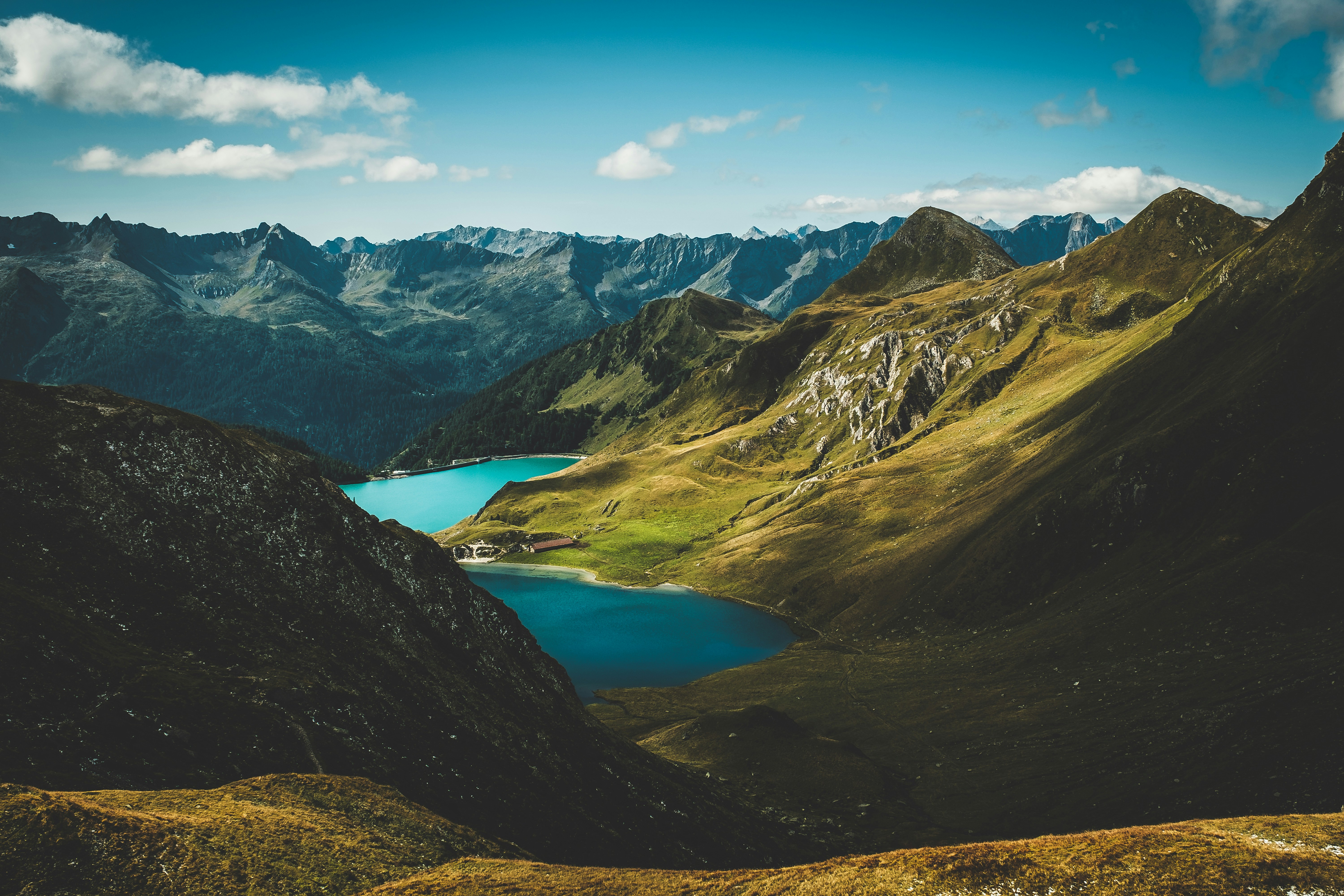 #1871 /100
A quiet alpine reservoir in Ticino reached by one of Europe's steepest funicular railways, climbing to a plateau ringed by peaks and pine forest.
Far quieter than the Bernese Oberland lakes, with hiking trails that see only a fraction of the region's tourists.
How does it rate
CrowdsRomanceCash RequiredDangerAccessibilityWhy you should go
A hidden alpine reservoir reached by one of Europe's steepest funicular railways — virtually unknown to tourists.
Why you shouldn't go
Limited services at the top; the funicular has restricted operating hours and seasonal closures; cold water year-round.
Plan your visit
Best time to visitJuly–September, when the funicular runs on its full schedule and wildflowers bloom.Best time of dayMorning for calm-water reflections; late afternoon for warm light on the surrounding peaks.Getting thereTrain to Piotta on the Gotthard line, then the Ritom funicular up to the lake plateau.Entry costFunicular round trip roughly CHF 20–25.Time needed3–4 hours including the funicular ride and a lakeside walk.Insider tip — Check the funicular's seasonal timetable before travelling — it doesn't run year-round. The Ritom funicular is itself a highlight: one of the steepest standard-gauge funiculars in Europe. -
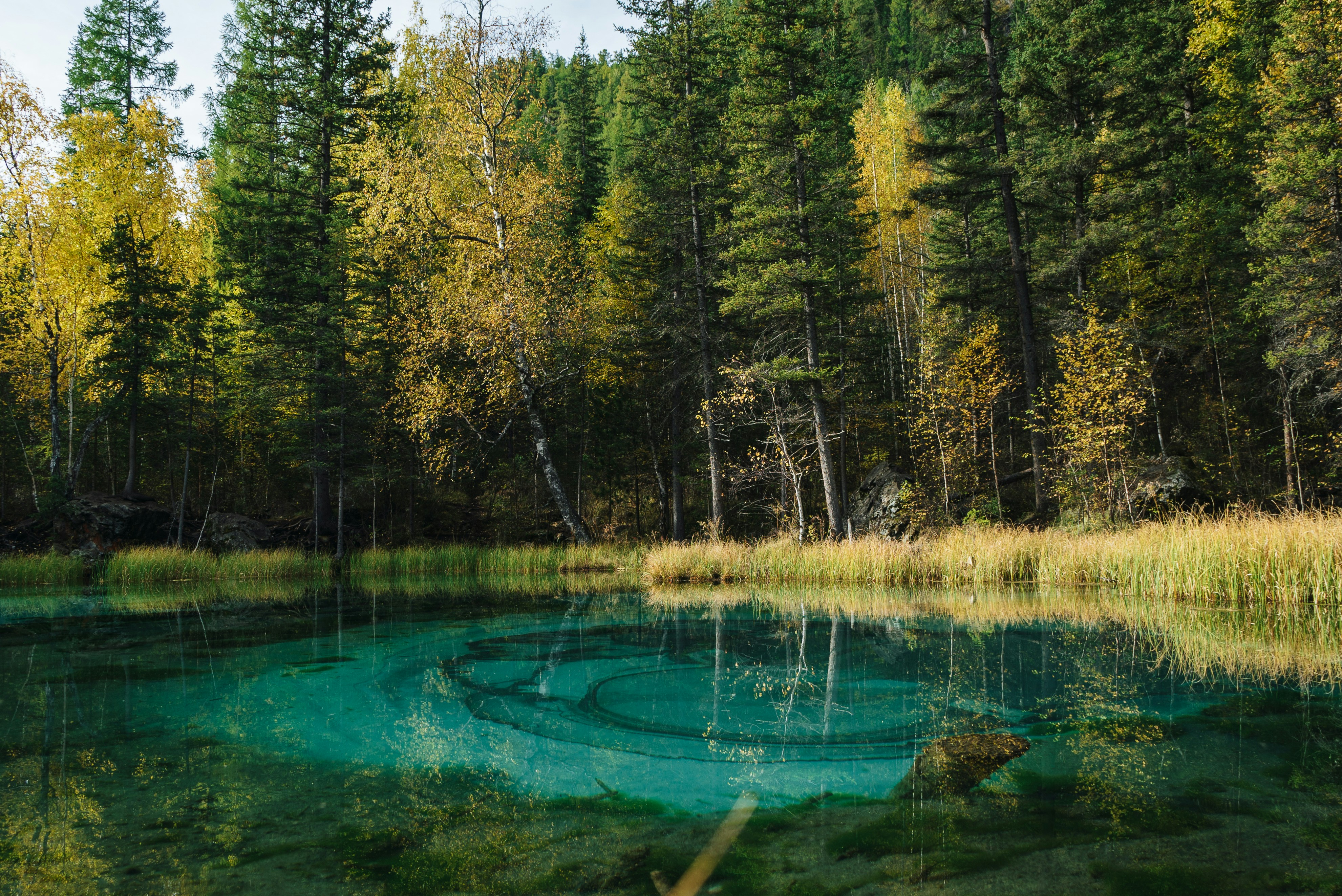 #1970 /100
A small thermally-warmed lake in the Altai Mountains, where underground springs stir blue clay into constantly shifting turquoise swirls against a backdrop of pine forest.
Never freezes even in the Siberian winter, staying an otherworldly warm turquoise year-round.
How does it rate
CrowdsRomanceCash RequiredDangerAccessibilityWhy you should go
A small forest lake where underground springs swirl blue clay into constantly shifting turquoise patterns.
Why you shouldn't go
Genuinely remote with a long overland journey; minimal signage or facilities; limited English on the ground.
Plan your visit
Best time to visitJune–September for accessible roads; the lake itself is visitable year-round since it doesn't freeze.Best time of dayMidday sun brings out the turquoise color most vividly.Getting thereFly to Gorno-Altaysk, then a multi-hour drive along the Chuysky Trakt into the Altai Republic.Entry costFree; guided tours from nearby villages roughly $30–50 USD.Time neededHalf day including travel from the nearest village.Insider tip — Hire a local guide — the lake is easy to miss without one, and road conditions vary by season. It sits right beside the road, so it's an easy stop if you're already driving the Chuysky Trakt. -
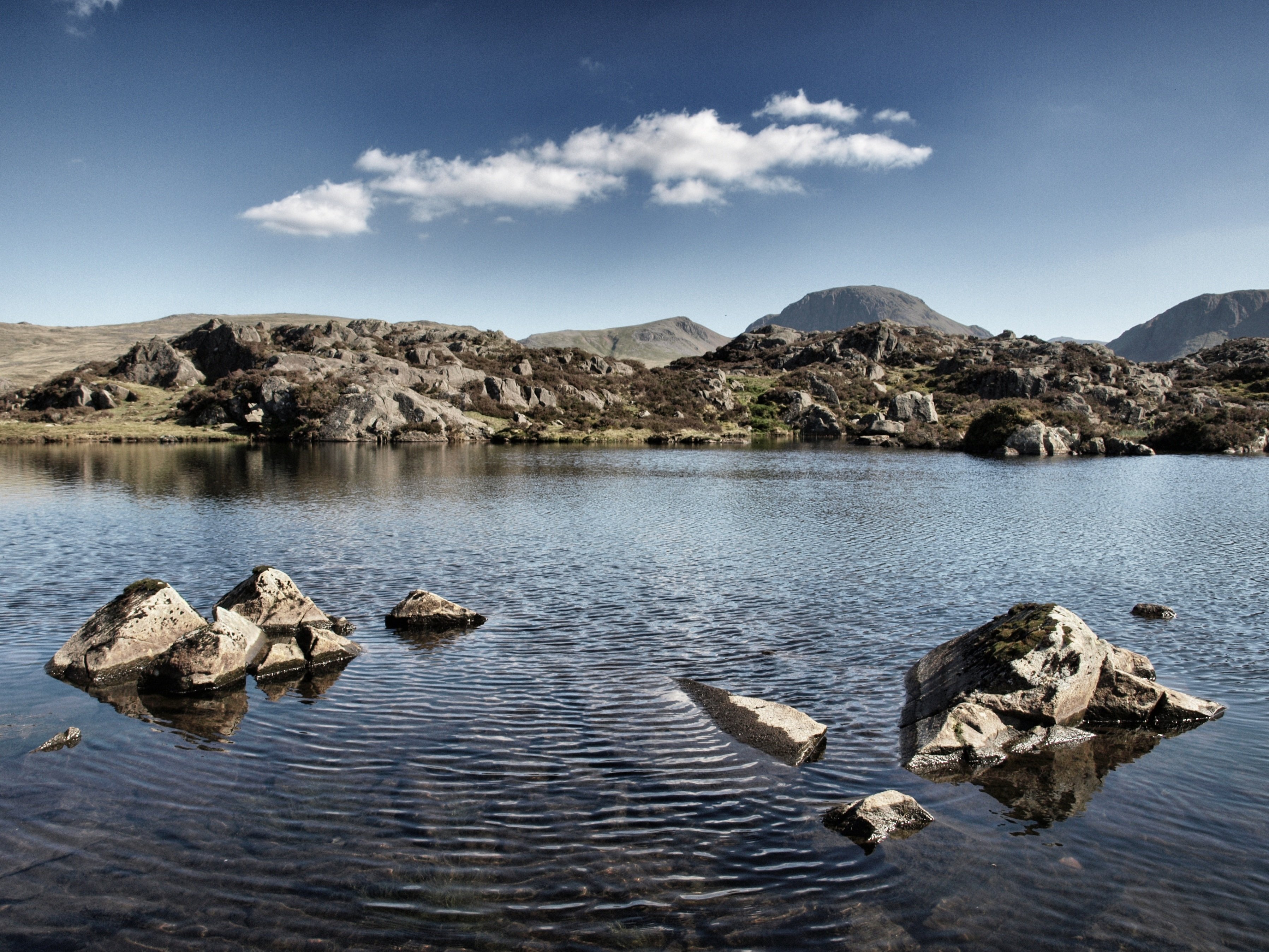 #2068 /100
A small, secluded tarn on the shoulder of Haystacks fell in the Lake District, where guidebook author Alfred Wainwright chose to have his ashes scattered.
Reached only on foot, it offers a quiet, mirror-still pool ringed by fells with none of the crowds of the district's bigger lakes.
How does it rate
CrowdsRomanceCash RequiredDangerAccessibilityWhy you should go
A secluded fell-top tarn on Haystacks, the favorite hill of guidebook legend Alfred Wainwright.
Why you shouldn't go
Requires a genuine hike with real elevation gain; exposed terrain that turns boggy and slippery after rain.
Plan your visit
Best time to visitMay–September for the most reliable weather and longest daylight for the return hike.Best time of dayLate afternoon light picks out the surrounding fells; avoid low cloud, which is common here.Getting thereBase in Buttermere or Keswick; hike from the Honister Pass or Gatesgarth car park (2–3 hours up).Entry costFree; car park fees ~£5–8.Time needed4–5 hours round trip including the summit of Haystacks.Insider tip — Bring a map or GPS — the tarn sits just off the main path and is easy to miss in poor visibility. Combine with the Haystacks summit for classic views over Buttermere.


More from The World
-
How a score is built
One score out of 100, five criteria behind it
Every place is rated 1–5 on each of the criteria below, then combined into a single score out of 100. It's calculated by us, the same way every time — not an average of traveller reviews or social votes.
Crowds
How many people you'll be sharing it with, and at what time of day.
Romance
How well it suits a couple, a proposal, or a quiet moment together.
Cash required
Entry fees, permits, guides, rentals — what it actually costs to do it.
Danger
Physical risk involved, from a slippery viewpoint to genuine hazard.
Accessibility
How far off the beaten path it is, and how hard it is to actually reach.

