-
 #187 /100
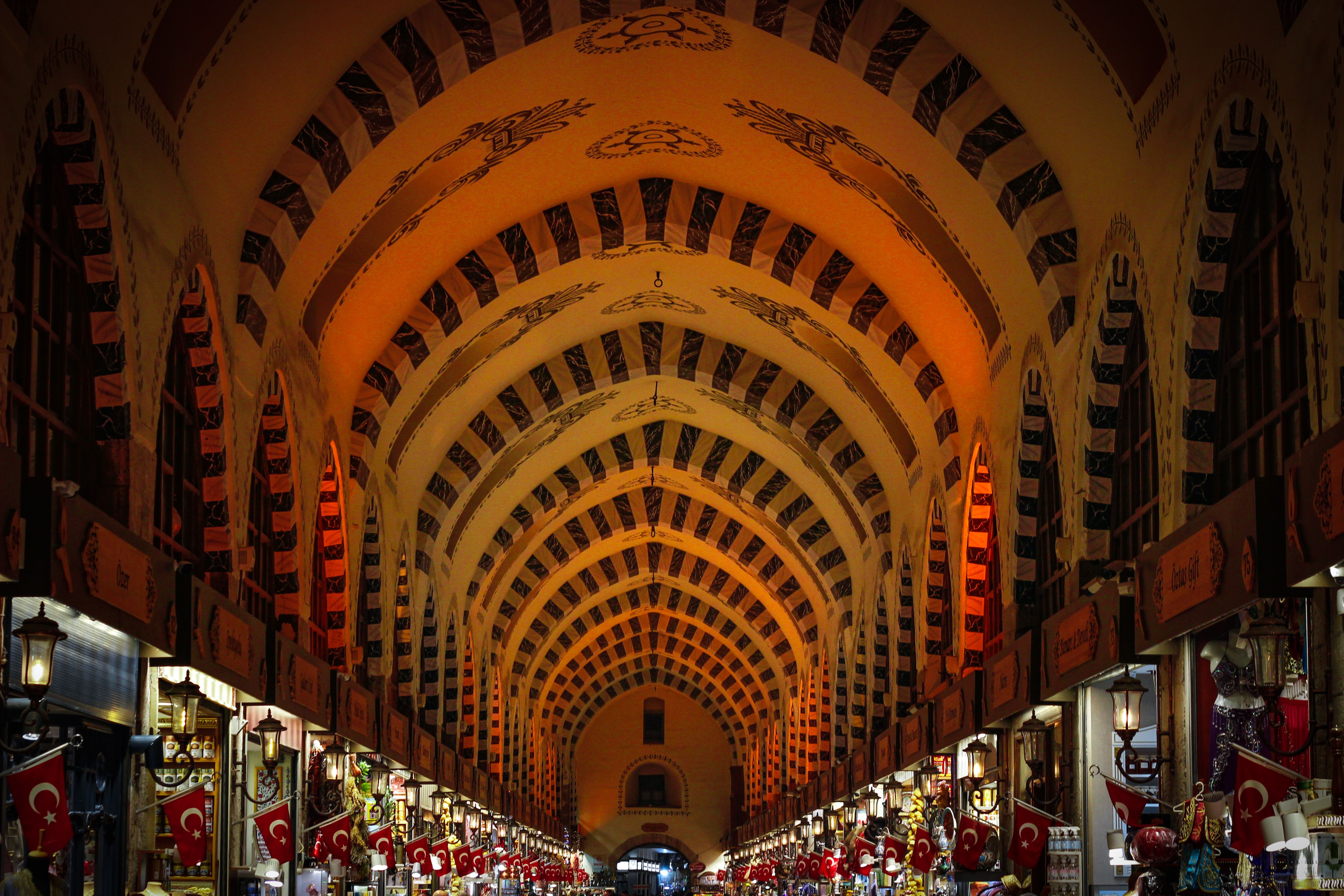
One of the world's oldest and largest covered markets, Istanbul's Grand Bazaar has traded continuously since 1461 across more than 4,000 shops lining 60 vaulted, hand-painted streets.
Copper lanterns, hand-woven carpets, gold jewellery and spice stalls spill into each other beneath domed ceilings that have survived earthquakes and fires for over five centuries.
How does it rate
CrowdsRomanceCash RequiredDangerAccessibilityWhy you should go
A 560-year-old covered market of over 4,000 shops beneath vaulted, hand-painted domes.
Why you shouldn't go
It's a genuine maze, easy to get disoriented in, and persistent shopkeepers can make browsing feel pressured.
Plan your visit
Best time to visitWeekday mornings, when the bazaar is open but tour groups haven't yet arrived in force.Best time of dayMid-morning, for the best light through the domed skylights before peak crowds.Getting thereTake the T1 tram to Beyazit-Kapalicarsi or Cemberlitas stations, both a short walk from the bazaar's gates.Entry costFree to enter; prices for goods are negotiable and vary widely by item.Time needed2-3 hours, longer for serious shopping.Insider tip — Always negotiate, starting around half the asking price, and accept the offered tea without feeling obligated to buy. -
 #285 /100
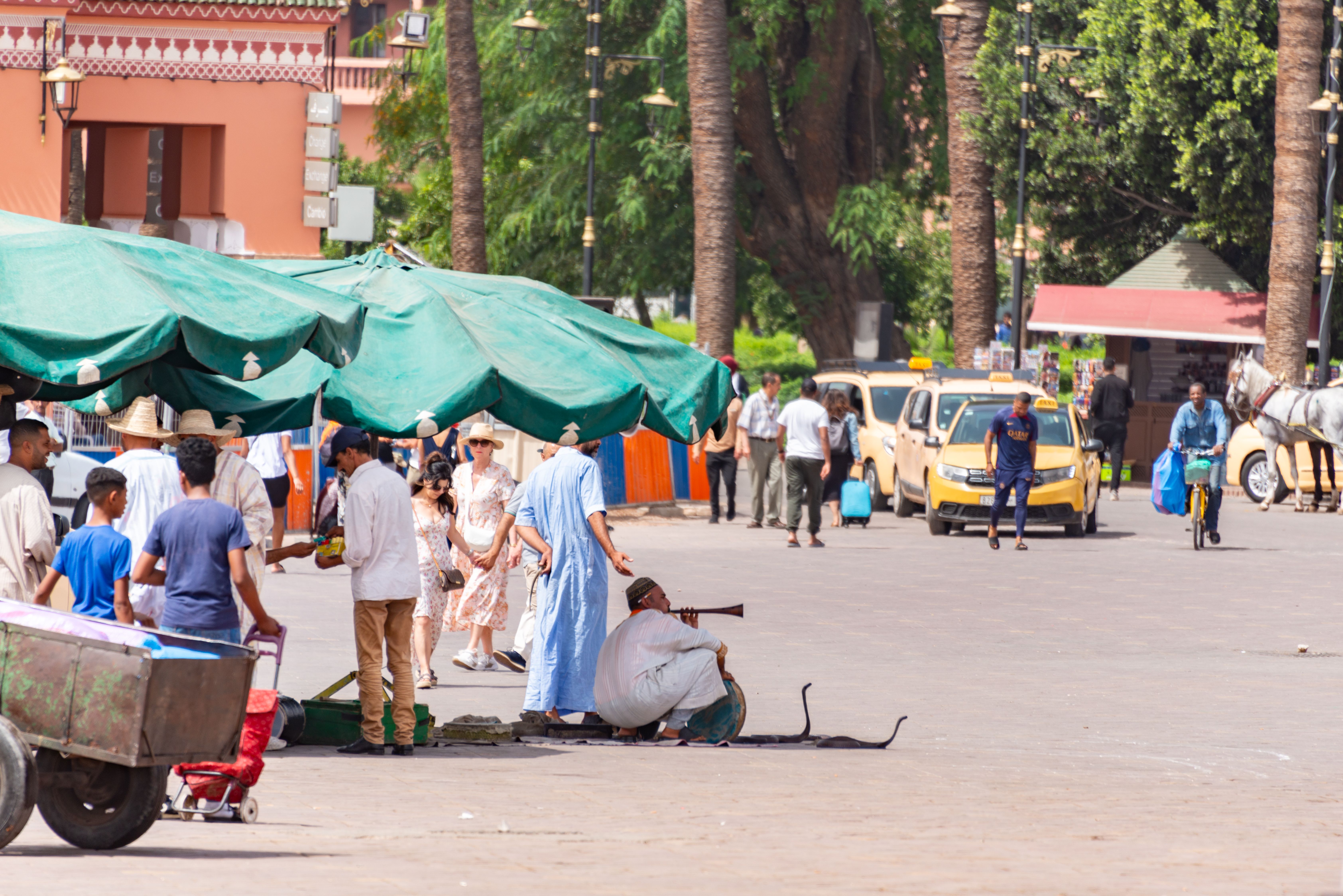
Marrakech's main square transforms completely between day and night: by afternoon it's snake charmers, henna artists and orange juice stalls, and by dusk it becomes one of the world's great open-air food markets, dozens of numbered stalls filling the square with smoke, spice and the calls of vendors.
UNESCO declared it a Masterpiece of Oral Heritage.
How does it rate
CrowdsRomanceCash RequiredDangerAccessibilityWhy you should go
Marrakech's legendary square, snake charmers and orange stalls by day, a vast open-air food market lit by smoke and lanterns by night.
Why you shouldn't go
Vendors, performers and guides can be persistent about payment for photos or attention, so agree prices before engaging.
Plan your visit
Best time to visitEvening, when the square transforms into its famous night food market.Best time of dayJust after sunset, as food stalls light up and the square reaches its most atmospheric.Getting thereWalk or take a short taxi from anywhere in the Marrakech medina; the square sits at its heart.Entry costFree to enter the square; street food typically runs MAD30-80 per dish.Time needed2-3 hours.Insider tip — Eat at stalls with the longest queues of locals rather than the most aggressively touted ones, a reliable sign of quality here. -
 #379 /100
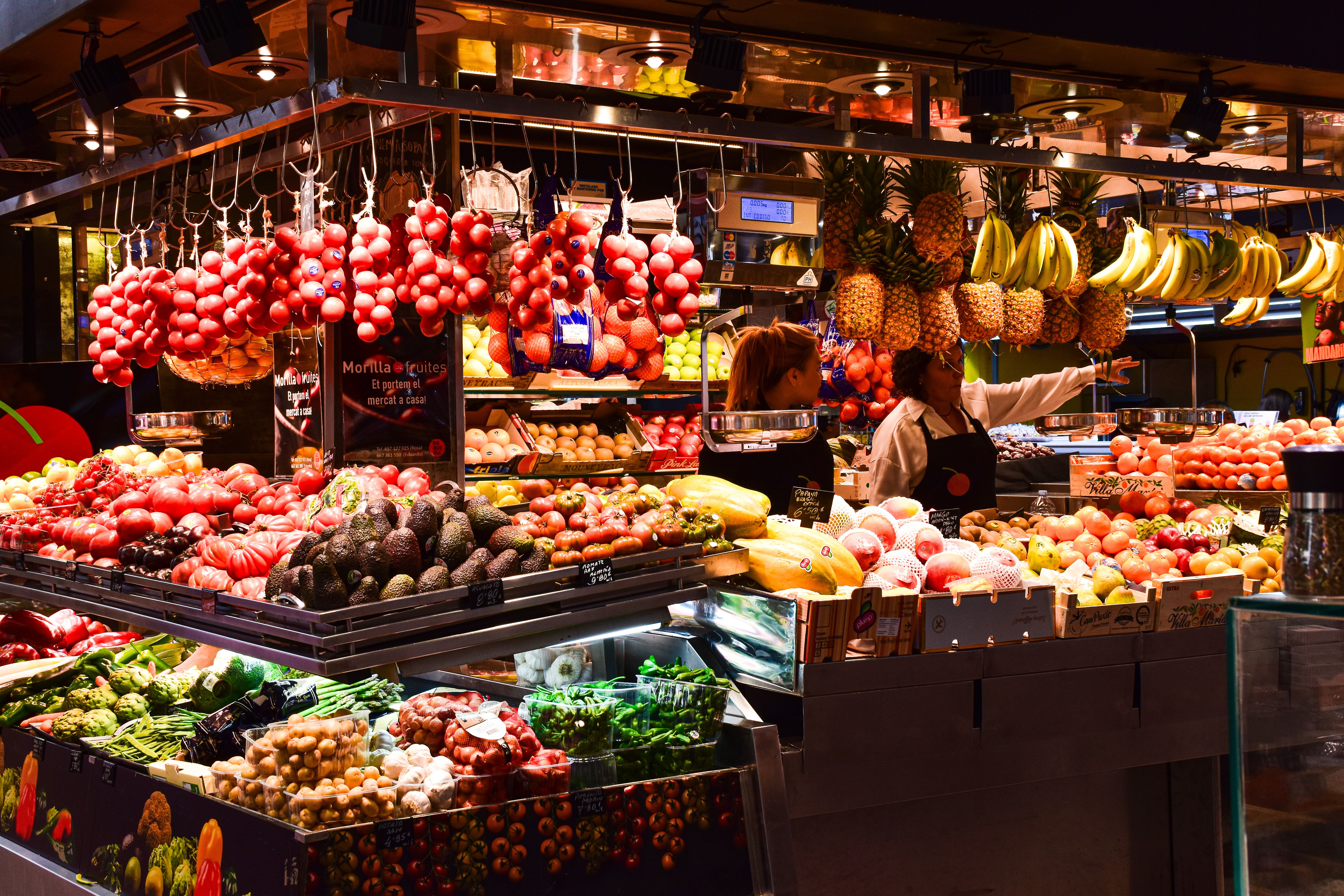
Just off Barcelona's Las Ramblas, La Boqueria has traded since the 13th century and sits behind a stained-glass modernist entrance.
Stalls run to jamon iberico, glistening seafood, cured cheeses and fruit cut and stacked for the counter, while several bars at the back serve cooked plates to whoever can claim a stool.
It works as both a genuine working market and a place to eat your way through lunch standing up.
How does it rate
CrowdsRomanceCash RequiredDangerAccessibilityWhy you should go
A 13th-century food market off Las Ramblas, its stalls of jamon and fresh seafood as photographed as any landmark in Barcelona.
Why you shouldn't go
Its fame means the stalls closest to the entrance are noticeably pricier and more tourist-oriented than the market's back sections.
Plan your visit
Best time to visitWeekday mornings, when the market is fully stocked but before tour groups arrive.Best time of dayMid-morning, for the best produce selection and manageable crowds.Getting thereTake the Barcelona Metro L3 (green line) to Liceu station, a short walk to the market entrance on Las Ramblas.Entry costFree to enter; tapas and produce prices vary by stall.Time needed1-2 hours.Insider tip — Walk past the busy front stalls to the market's quieter rear sections for better prices and a more local feel. -
 #476 /100
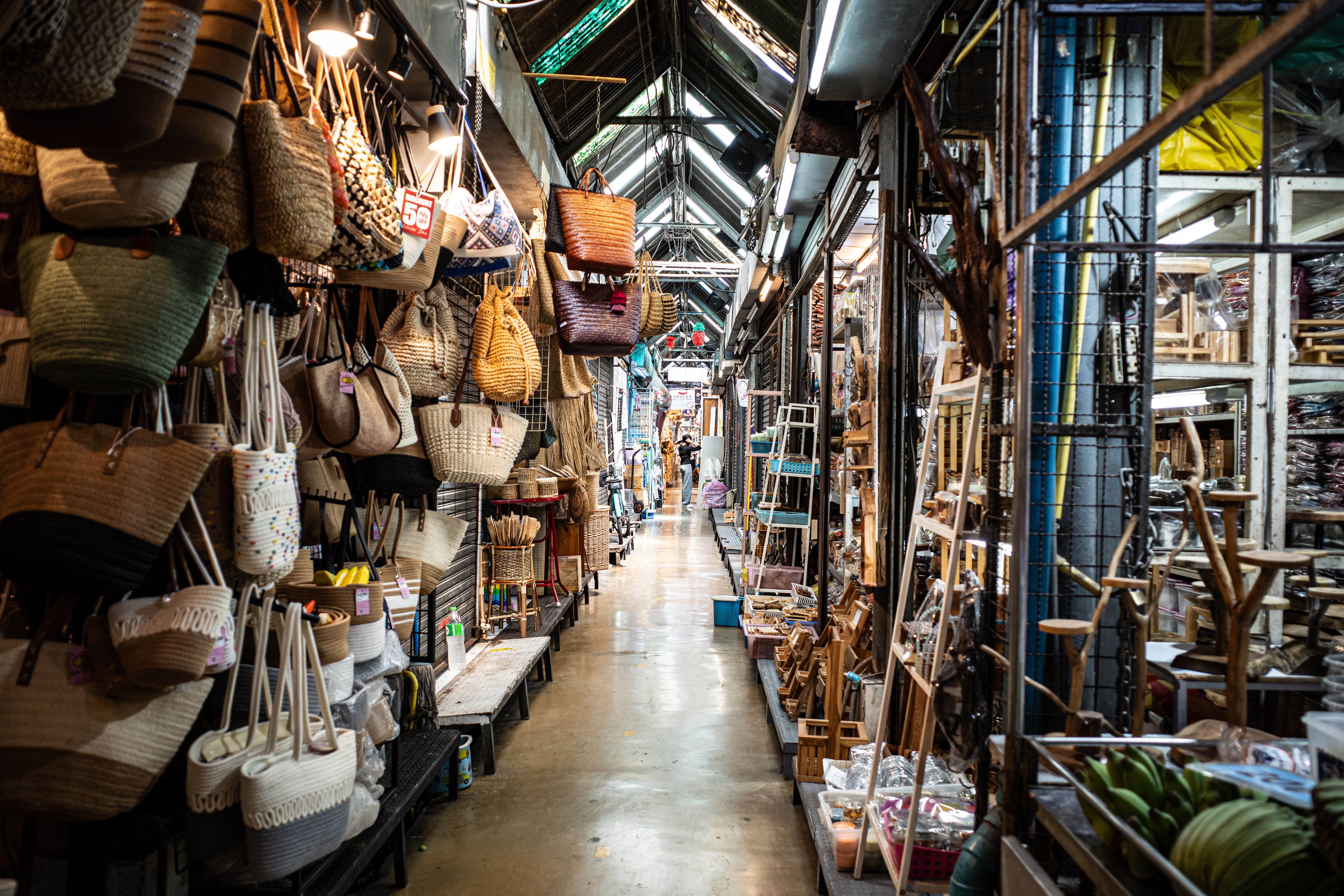
Bangkok's Chatuchak is one of the world's largest weekend markets, spreading across more than 8,000 stalls and 35 acres selling everything from vintage clothing and antiques to exotic plants and street food, packed into a dense grid of covered lanes.
It's as much a local institution as a tourist draw, and the market only runs Saturdays and Sundays.
How does it rate
CrowdsRomanceCash RequiredDangerAccessibilityWhy you should go
8,000-plus stalls across 35 acres, Bangkok's biggest weekend market for everything from antiques to street food.
Why you shouldn't go
It's genuinely vast and hot, and the covered lanes trap heat and crowds, especially by early afternoon.
Plan your visit
Best time to visitSaturday or Sunday morning, before the afternoon heat and crowds peak (the market's only open days).Best time of dayEarly morning, for cooler temperatures and thinner aisles before the midday rush.Getting thereTake the BTS Skytrain to Mo Chit or the MRT to Chatuchak Park station, both a short walk from the market entrance.Entry costFree to enter; goods are cheap and often negotiable.Time needed3-4 hours, longer for thorough browsing.Insider tip — Download the market's zone map before arriving, since even regular visitors get lost in the maze of stalls without one. -
 #574 /100
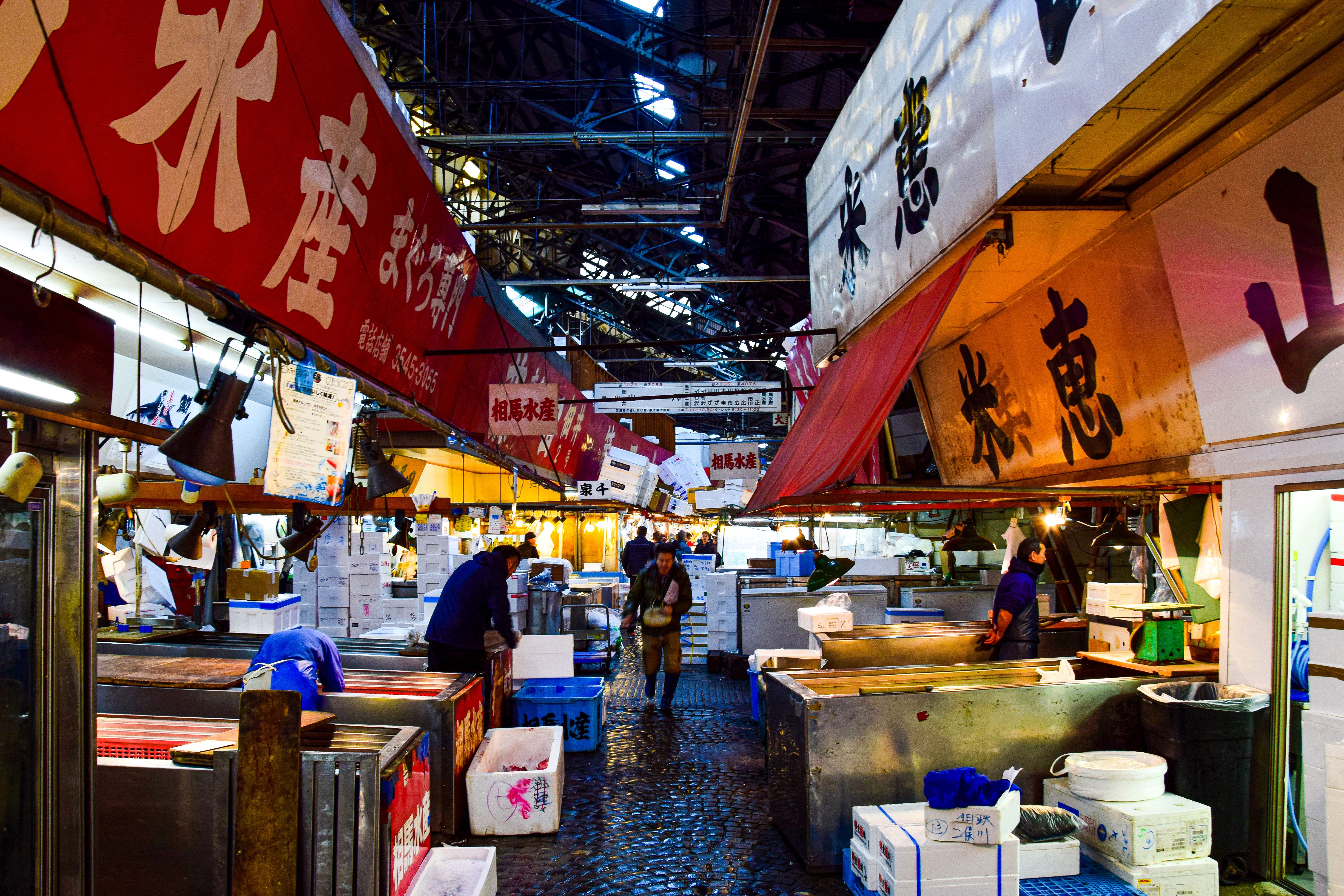
After Tokyo's famous wholesale tuna auctions moved to Toyosu in 2018, Tsukiji's original outer market stayed put, its narrow lanes still packed with over 400 shops selling fresh seafood, knives, dried goods and some of the city's best breakfast sushi.
Vendors grill scallops and tamagoyaki right on the street, the smell of tuna and charcoal drifting between stalls.
How does it rate
CrowdsRomanceCash RequiredDangerAccessibilityWhy you should go
400-plus stalls of fresh seafood, sushi breakfasts and street food in Tokyo's original fish market district.
Why you shouldn't go
The famous tuna auctions themselves have moved to Toyosu, so visitors expecting that spectacle here will be disappointed.
Plan your visit
Best time to visitWeekday mornings, when stalls are freshest and crowds thinner than weekends.Best time of dayEarly morning (7-9am), when seafood is freshest and breakfast sushi queues are shortest.Getting thereTake the Tokyo Metro Hibiya Line to Tsukiji station, a short walk to the outer market.Entry costFree to browse; street food snacks typically run JPY300-1,500.Time needed1-2 hours.Insider tip — Eat breakfast sushi at one of the small counter shops rather than a sit-down restaurant, both cheaper and closer to how locals eat here. -
 #672 /100
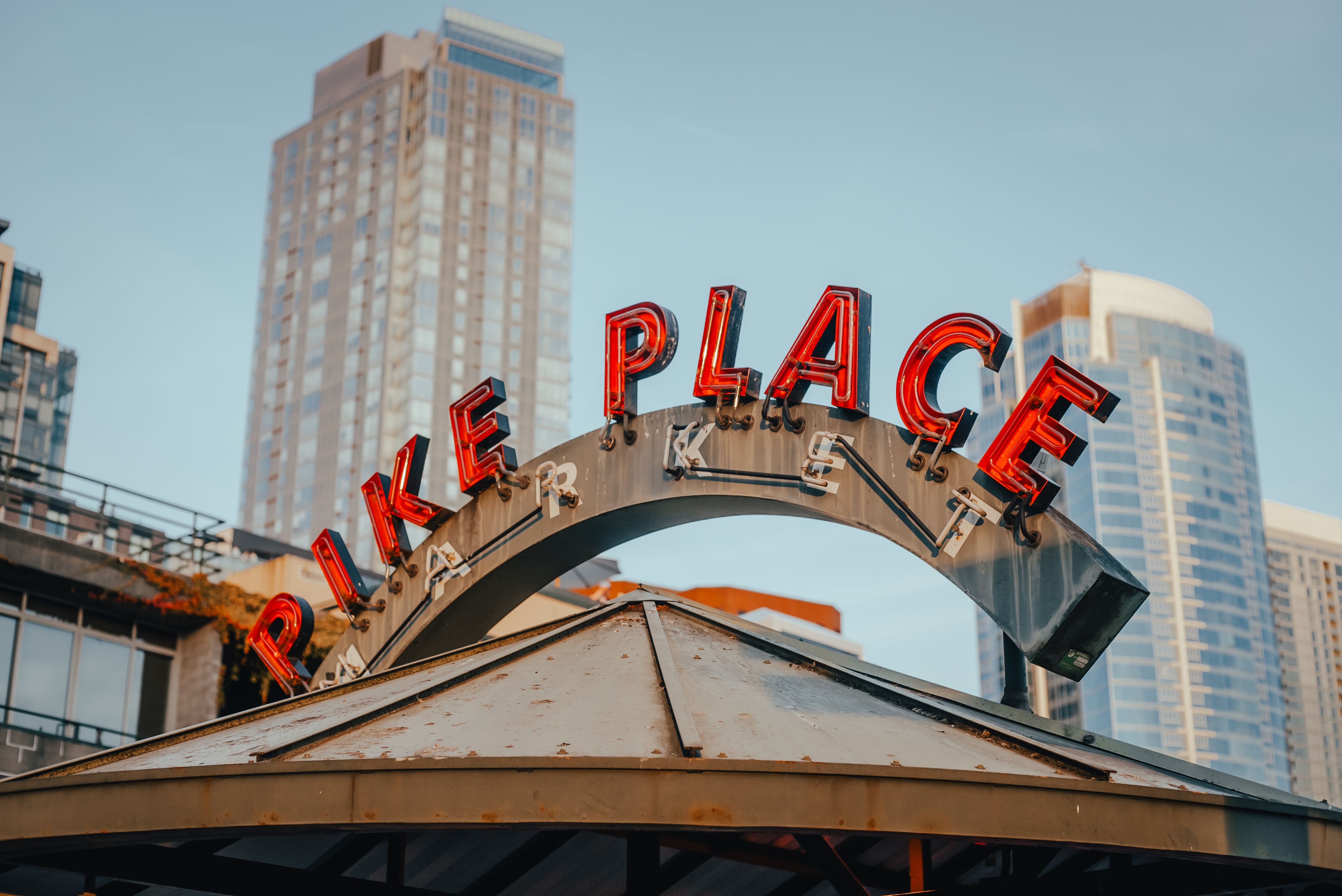
Operating continuously since 1907, Seattle's Pike Place Market is best known for the fishmongers at Pike Place Fish Market who throw whole salmon across the counter to each other before customers, a bit of theatre that's become one of the city's signature spectacles.
The market spans multiple levels of produce stalls and quirky curio shops above the waterfront.
How does it rate
CrowdsRomanceCash RequiredDangerAccessibilityWhy you should go
A century-old Seattle market famous for fishmongers throwing salmon across the counter, right above the Elliott Bay waterfront.
Why you shouldn't go
The fish-throwing and main arcade get very crowded by midday, especially with cruise ship passengers in summer.
Plan your visit
Best time to visitWeekday mornings, before cruise-ship crowds and weekend visitors peak.Best time of dayMorning (9-11am), when fish-throwing happens regularly and crowds are thinner.Getting thereTake a short walk or ride the Seattle Center Monorail toward downtown; the market sits at 1st Ave and Pike St.Entry costFree to enter; produce and food prices vary by stall.Time needed1-2 hours.Insider tip — Visit the original 1971 Starbucks store nearby, but skip the queue there and get coffee at a quieter stall inside the market itself. -
 #771 /100
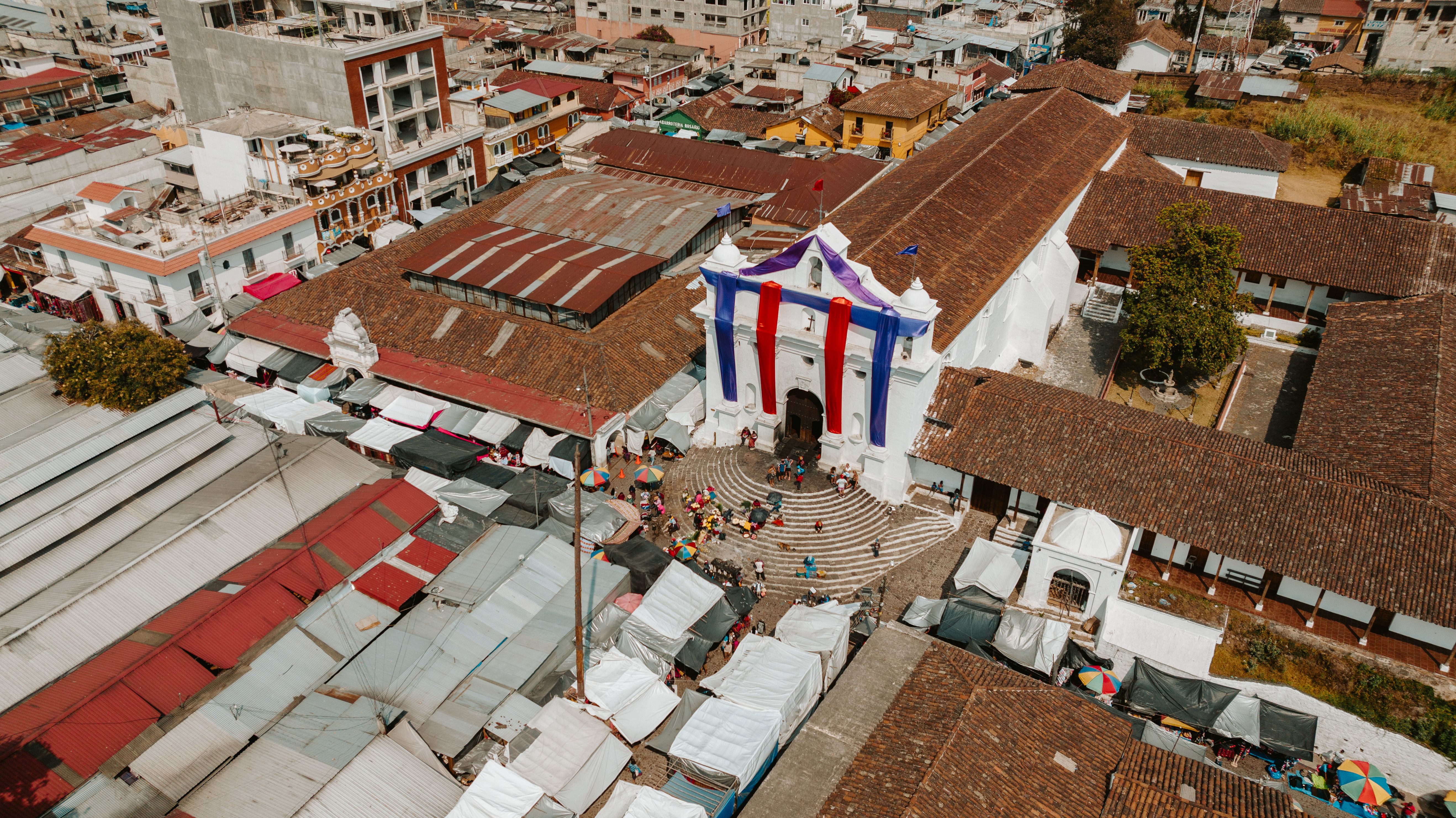
Twice a week, the highland town of Chichicastenango fills with Maya K'iche' vendors from surrounding villages selling hand-woven textiles, wooden masks and pottery in one of Central America's most vividly colourful markets.
The steps of Santo Tomas church, where Maya rituals still take place alongside Catholic worship, form the market's unofficial centrepiece.
How does it rate
CrowdsRomanceCash RequiredDangerAccessibilityWhy you should go
A highland Maya textile market held twice weekly on the steps of a colonial church still used for indigenous ritual.
Why you shouldn't go
The town's mountain roads and altitude make it a genuine day trip from Guatemala City or Antigua, not a quick stop.
Plan your visit
Best time to visitThursday or Sunday, the market's only two trading days.Best time of dayMid-morning, once vendors are fully set up but before tour buses arrive.Getting thereDrive or take a shuttle roughly 2.5-3 hours from Guatemala City or Antigua.Entry costFree to browse; textiles and crafts are negotiable, typically GTQ50-300.Time needed2-4 hours.Insider tip — Watch (respectfully, without photographing up close) the Maya rituals on Santo Tomas church's steps rather than just browsing the stalls below them. -
 #868 /100
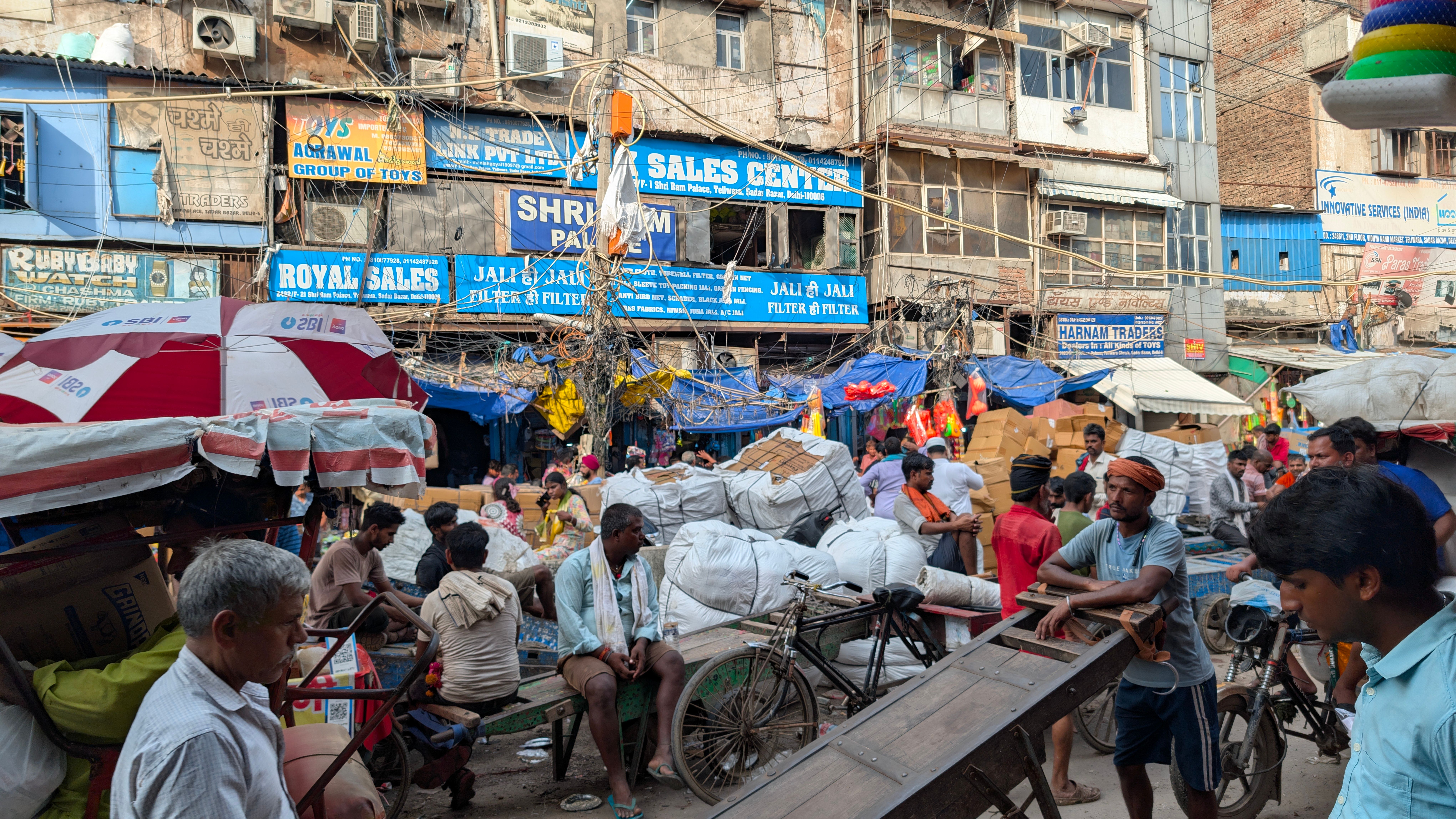
Old Delhi's Chandni Chowk has operated as one of India's busiest markets since the 17th century, built as a moonlit shopping square for the Mughal court outside the Red Fort.
Its narrow lanes are a dense tangle of spice merchants, wedding-sari shops and some of Delhi's most famous street food, navigated by foot, cycle-rickshaw and the occasional cow.
How does it rate
CrowdsRomanceCash RequiredDangerAccessibilityWhy you should go
A 17th-century Mughal-era market of tangled lanes, spice traders and Delhi's most famous street food.
Why you shouldn't go
Traffic, crowds and narrow lanes make it genuinely overwhelming, and petty theft is a real risk in the densest sections.
Plan your visit
Best time to visitWinter months (November to February) for cooler, more comfortable walking conditions.Best time of dayMorning, before midday heat and crowds are at their most intense.Getting thereTake the Delhi Metro to Chandni Chowk station on the Yellow Line, a short walk from the market's main gate.Entry costFree to browse; street food and goods are inexpensive.Time needed2-3 hours.Insider tip — Take a cycle-rickshaw through the narrowest lanes rather than walking, both for the experience and to avoid getting lost. -
 #964 /100
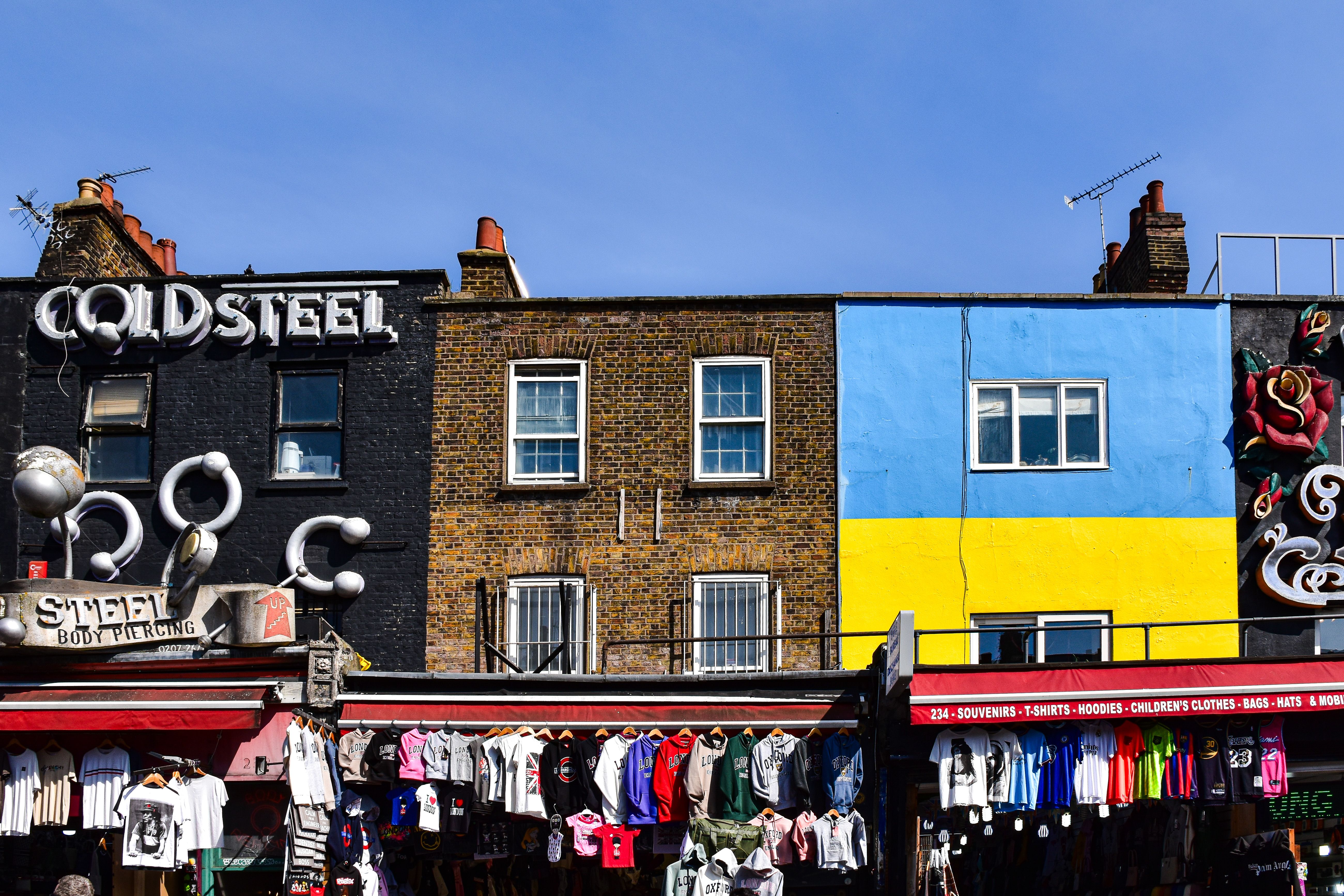
Camden's sprawling network of markets grew from a single lock-side crafts market in 1974 into one of London's most-visited attractions, a warren of stalls, food vendors and independent shops across the canalside Stables Market and Camden Lock.
Its identity has always leaned alternative - punk memorabilia, gothic fashion, tattoo studios - and the surrounding streets carry a live-music history running from punk through Britpop to Amy Winehouse.
How does it rate
CrowdsRomanceCash RequiredDangerAccessibilityWhy you should go
A canalside warren of alternative fashion, street food and independent stalls that's been London's countercultural market since the 1970s.
Why you shouldn't go
Weekends get extremely crowded, pickpocketing is common in the busiest lanes, and the market's edgier reputation has faded under heavy tourist footfall.
Plan your visit
Best time to visitWeekday mornings for a noticeably calmer visit than the packed weekends.Best time of dayLate morning, once stalls are fully open but before peak weekend crowds arrive.Getting thereTake the London Underground to Camden Town station, a short walk to the market entrance.Entry costFree to browse; food stalls and goods vary widely in price.Time needed2-3 hours.Insider tip — Walk the canal towpath from Camden Lock toward Regent's Park for a quieter, more scenic route away from the main stalls. -
 #1062 /100
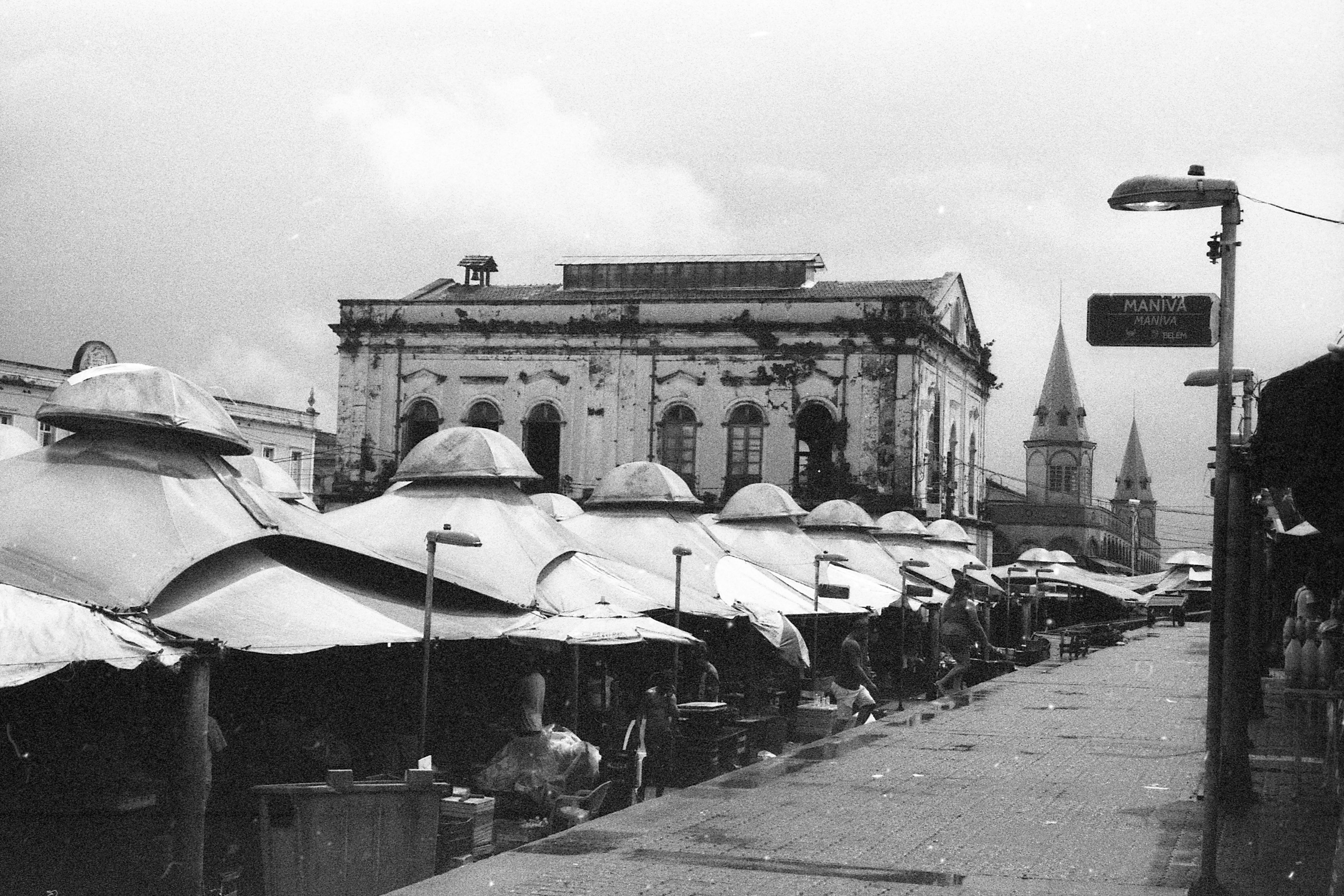
On the Belem waterfront where the Amazon meets the Guajara Bay, Ver-o-Peso has traded since the 17th century and remains South America's largest open-air market, its stalls piled with Amazonian fruit few outsiders can name, medicinal herbs, and fish hauled off boats at the adjoining cast-iron fish market pavilion.
The name means 'see the weight'.
How does it rate
CrowdsRomanceCash RequiredDangerAccessibilityWhy you should go
A 17th-century Amazon-riverfront market piled with fruit, herbs and fish few visitors outside Brazil will recognise.
Why you shouldn't go
Belem sees limited international tourism infrastructure compared to Rio or Sao Paulo, so English is rarely spoken here.
Plan your visit
Best time to visitMorning, when the fish market and fruit stalls are freshest.Best time of dayEarly morning (6-9am), when boats are still unloading the day's catch.Getting thereFly into Val de Cans International Airport in Belem, a roughly 20-minute taxi to the waterfront market.Entry costFree to browse; fruit and food prices are inexpensive.Time needed1-2 hours.Insider tip — Ask a stallholder to explain unfamiliar Amazonian fruits before buying, since many have no direct equivalent or English name.


More from The World
-
How a score is built
One score out of 100, five criteria behind it
Every place is rated 1–5 on each of the criteria below, then combined into a single score out of 100. It's calculated by us, the same way every time — not an average of traveller reviews or social votes.
Crowds
How many people you'll be sharing it with, and at what time of day.
Romance
How well it suits a couple, a proposal, or a quiet moment together.
Cash required
Entry fees, permits, guides, rentals — what it actually costs to do it.
Danger
Physical risk involved, from a slippery viewpoint to genuine hazard.
Accessibility
How far off the beaten path it is, and how hard it is to actually reach.

