-
 #192 /100
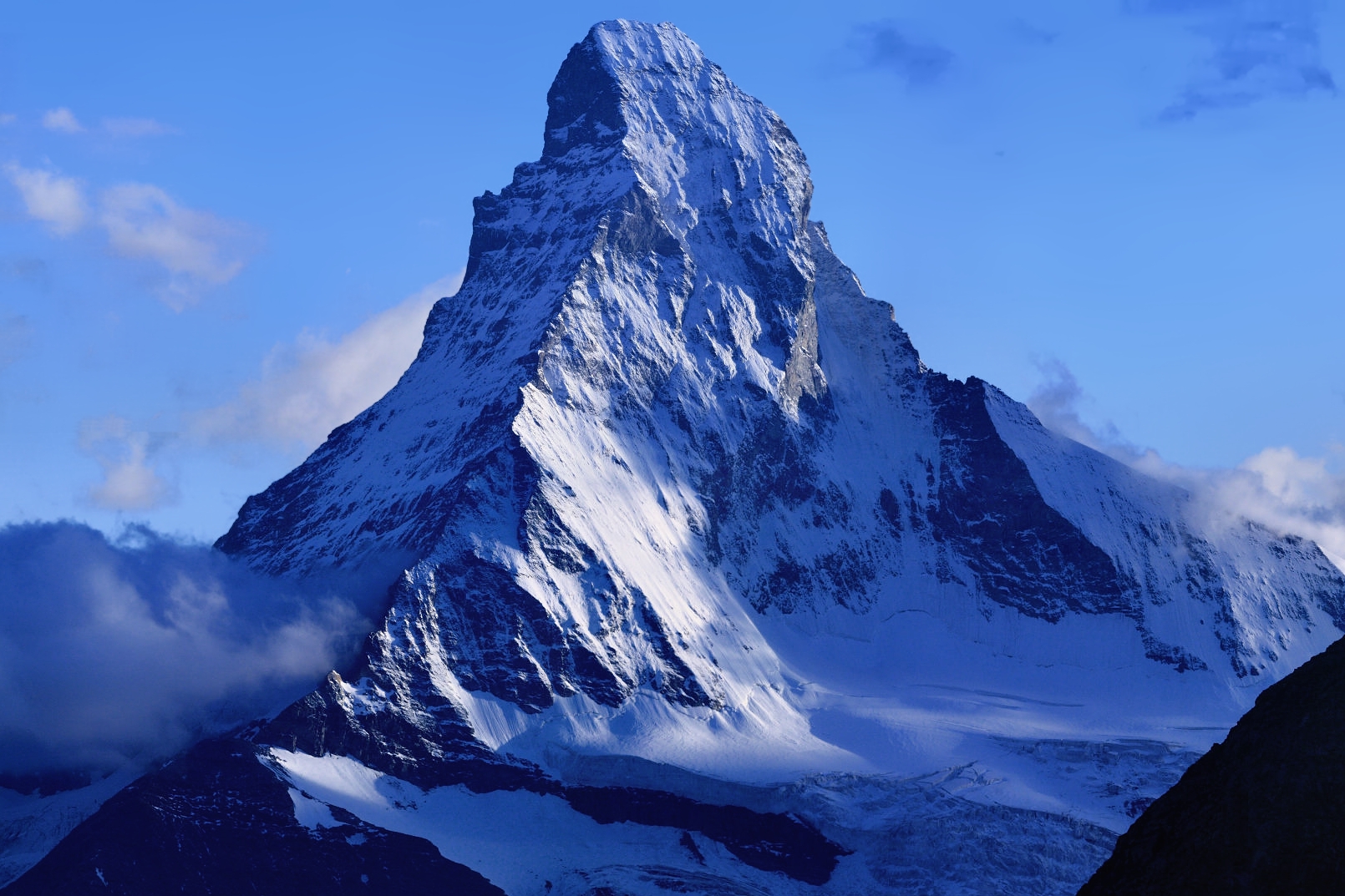
The Matterhorn's near-perfect pyramidal peak has made it one of the most recognised mountains in the world and the symbol of the Swiss Alps.
Rising 4,478 metres above the car-free village of Zermatt, it is reflected in the Riffelsee lake during clear summer mornings.
How does it rate
CrowdsRomanceCash RequiredDangerAccessibilityWhy you should go
The Matterhorn's symmetrical profile is spectacular from every angle and the reflection in the Riffelsee on a calm morning is one of the great Alpine photographs.
Why you shouldn't go
The mountain is notoriously cloud-covered; visiting Zermatt can be expensive and clear views are never guaranteed.
Plan your visit
Best time to visitJune-September for hiking, winter for snowBest time of daySunrise or sunset for alpenglow on the peakGetting thereTrain to Zermatt, a car-free villageEntry costFree to view; cable cars extraTime needed1-2 daysInsider tip — The reflection shot at Stellisee lake needs an early, still morning; go before 7am -
 #291 /100
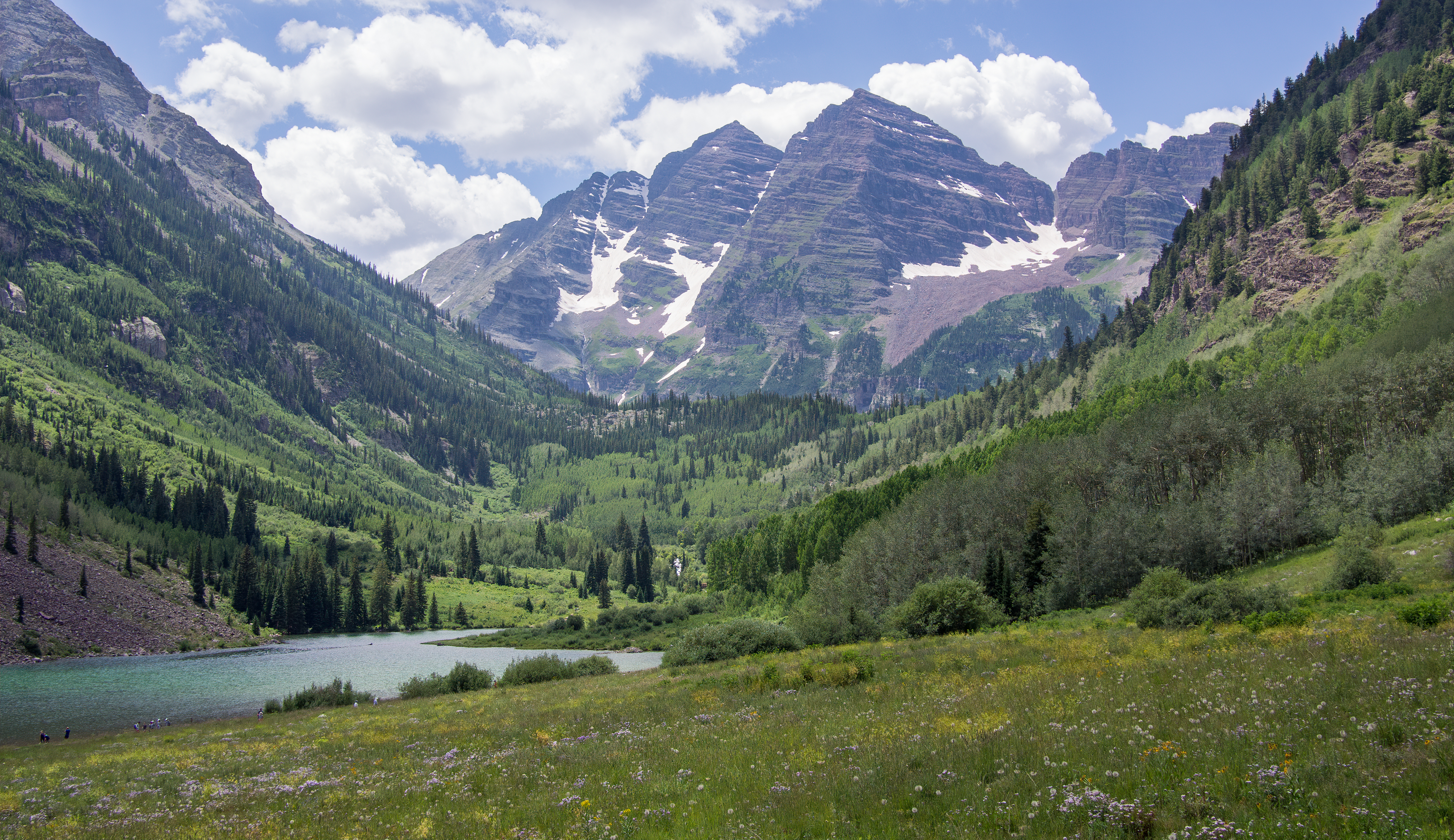
The Maroon Bells are two peaks — Maroon Peak and North Maroon Peak — in the Elk Mountains of Colorado, rising to 4,317 and 4,273 metres respectively.
The reflection of the burgundy-coloured peaks in the still waters of Maroon Lake, particularly in autumn when the surrounding aspen trees turn gold, is one of the classic sights of the American Rockies.
How does it rate
CrowdsRomanceCash RequiredDangerAccessibilityWhy you should go
The autumn reflection of the Maroon Bells in Maroon Lake, with the aspens turning gold around the shoreline, is one of the great landscape photographs of the American West.
Why you shouldn't go
Access by private vehicle is restricted and requires a shuttle bus from Aspen; the autumn season brings the most colour but also the most visitors.
Plan your visit
Best time to visitLate September for aspen gold, or July for wildflowersBest time of daySunrise for the reflection in Maroon Lake before wind picks upGetting thereShuttle bus required from Aspen Highlands in peak seasonEntry costShuttle/entry fee ~$10-16Time needed2-3 hoursInsider tip — Early shuttle reservations sell out; book ahead for the classic still-water reflection shot -
 #389 /100
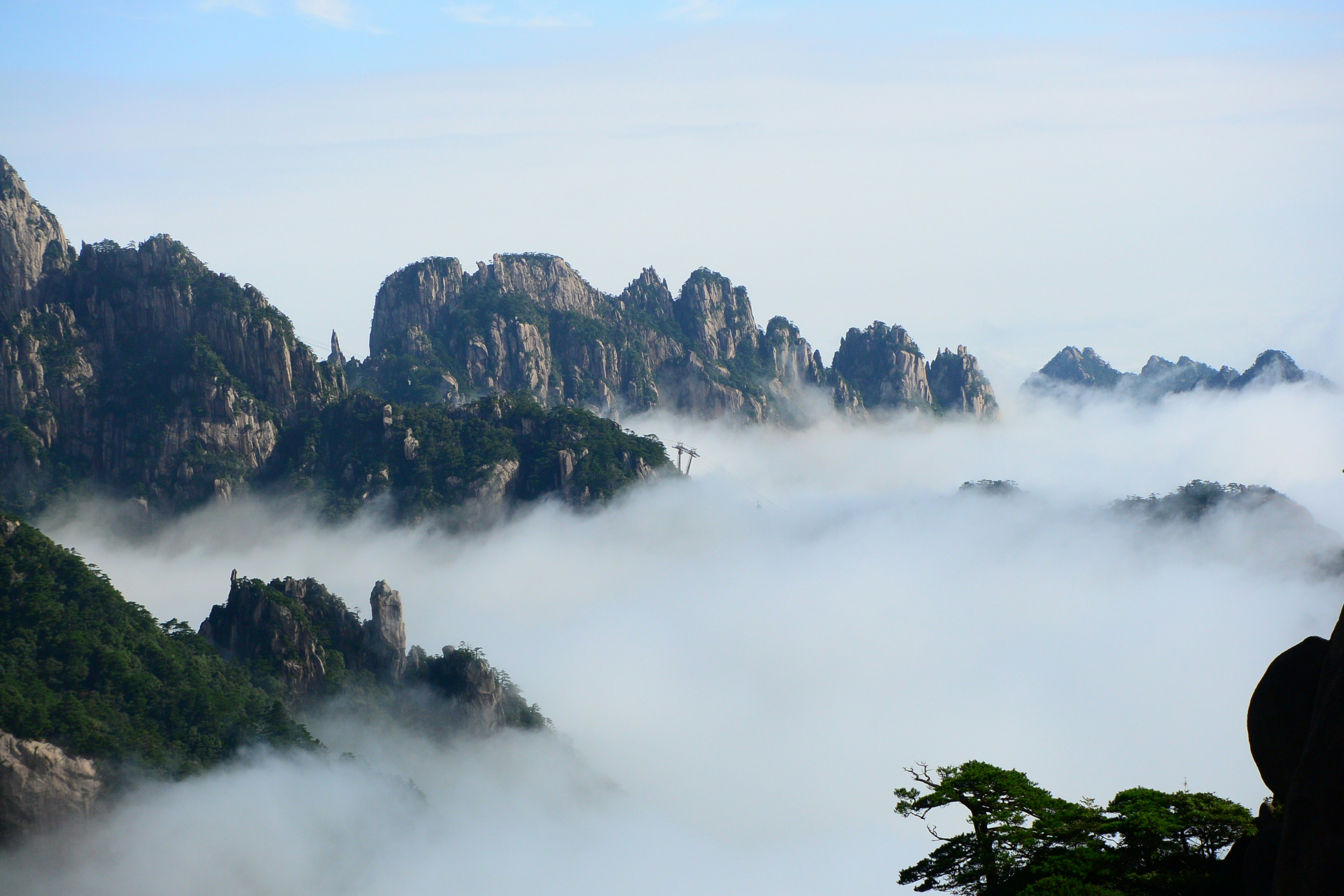
Granite pillars draped in twisted pines rise out of a sea of cloud at Yellow Mountain, the landscape that inspired centuries of Chinese ink painting.
Cable cars reach several viewpoints directly, so the classic misty-peaks view doesn't require a demanding climb.
Sunrise and sunset, when the cloud sea forms below the summits, are when the mountain looks most like the paintings it inspired.
How does it rate
CrowdsRomanceCash RequiredDangerAccessibilityWhy you should go
The misty granite-peak scenery behind centuries of Chinese landscape painting, real and climbable.
Why you shouldn't go
The cloud sea that makes the famous photos isn't guaranteed - it depends entirely on weather.
Plan your visit
Best time to visitNovember-April for the best chance of a cloud sea; spring for blooming pines.Best time of daySunrise from Bright Summit Peak or Lion Peak.Getting thereHigh-speed rail to Huangshan North station, then bus to the cable car base.Entry costEntry fee plus optional cable car, together roughly $50-60.Time needed2 days, 1 night on the mountainInsider tip — Stay overnight at one of the summit hotels - the best light comes before the first cable cars of the day bring up the crowds. -
 #4
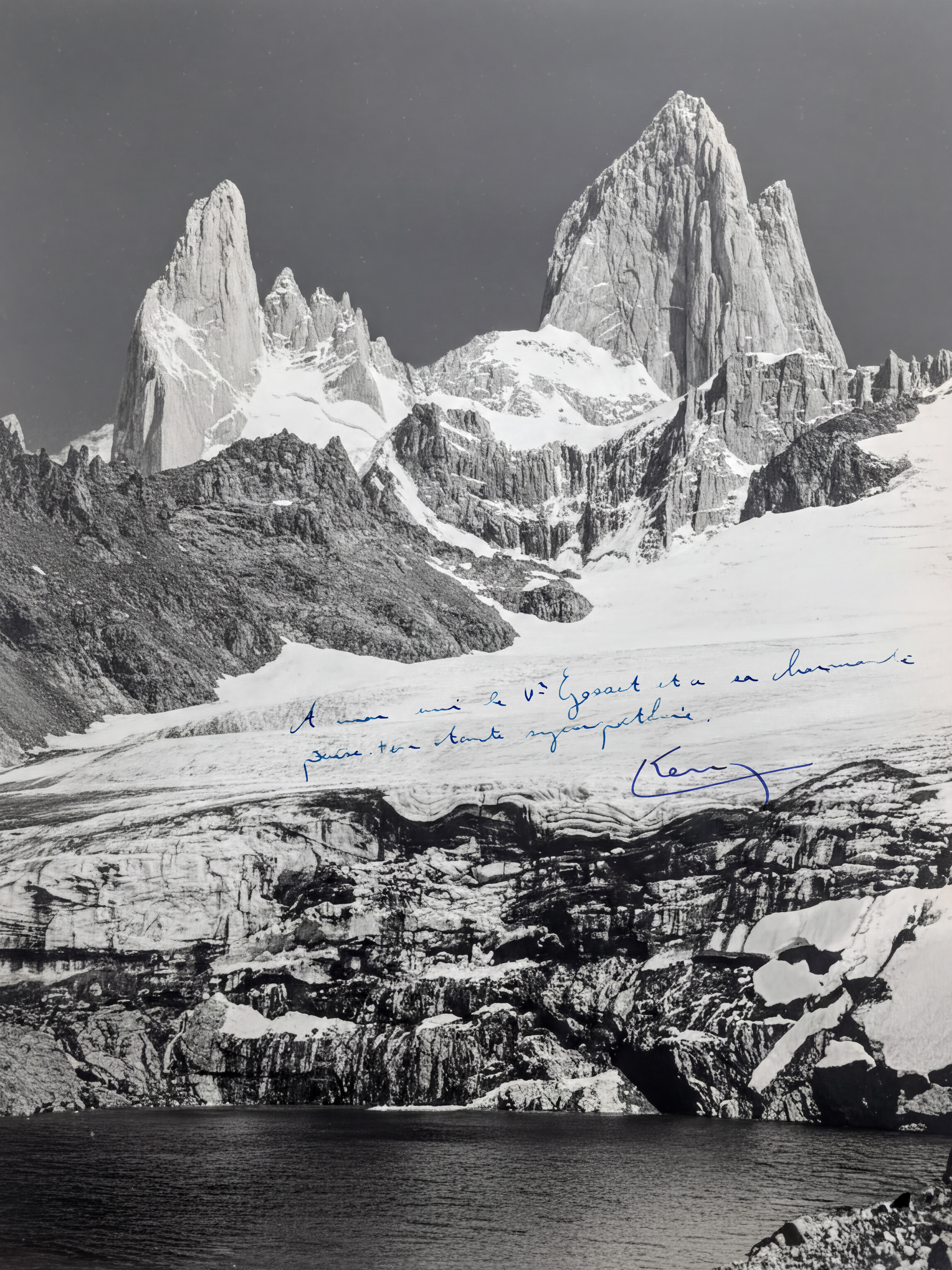
#4Mount Fitz Roy is a serrated granite peak on the border of Argentina and Chile in Patagonia, rising 3,405 metres above the Patagonian steppe.
Its distinctive jagged silhouette, often wreathed in cloud, inspired the Patagonia clothing brand logo and is considered one of the most technically challenging climbs in the world.
How does it rate
CrowdsRomanceCash RequiredDangerAccessibilityWhy you should go
The view of Fitz Roy reflected in Laguna de los Tres, with the jagged granite towers rising above the surrounding ice field, is one of the most dramatic mountain scenes in South America.
Why you shouldn't go
The classic Laguna de los Tres viewpoint requires a strenuous 22-kilometre return hike with 1,300 metres of elevation gain; the peak is notoriously cloud-covered.
Plan your visit
Best time to visitDecember-February (Southern Hemisphere summer) for best weather oddsBest time of daySunrise for the "fire" effect when the peak turns redGetting thereFly to El Calafate, then bus to El ChaltenEntry costFree, no permits neededTime neededFull day hike (~10hrs round trip)Insider tip — The famous red sunrise glow depends on clear skies; the peak is often cloud-covered, so budget extra days if you can -
 #588 /100
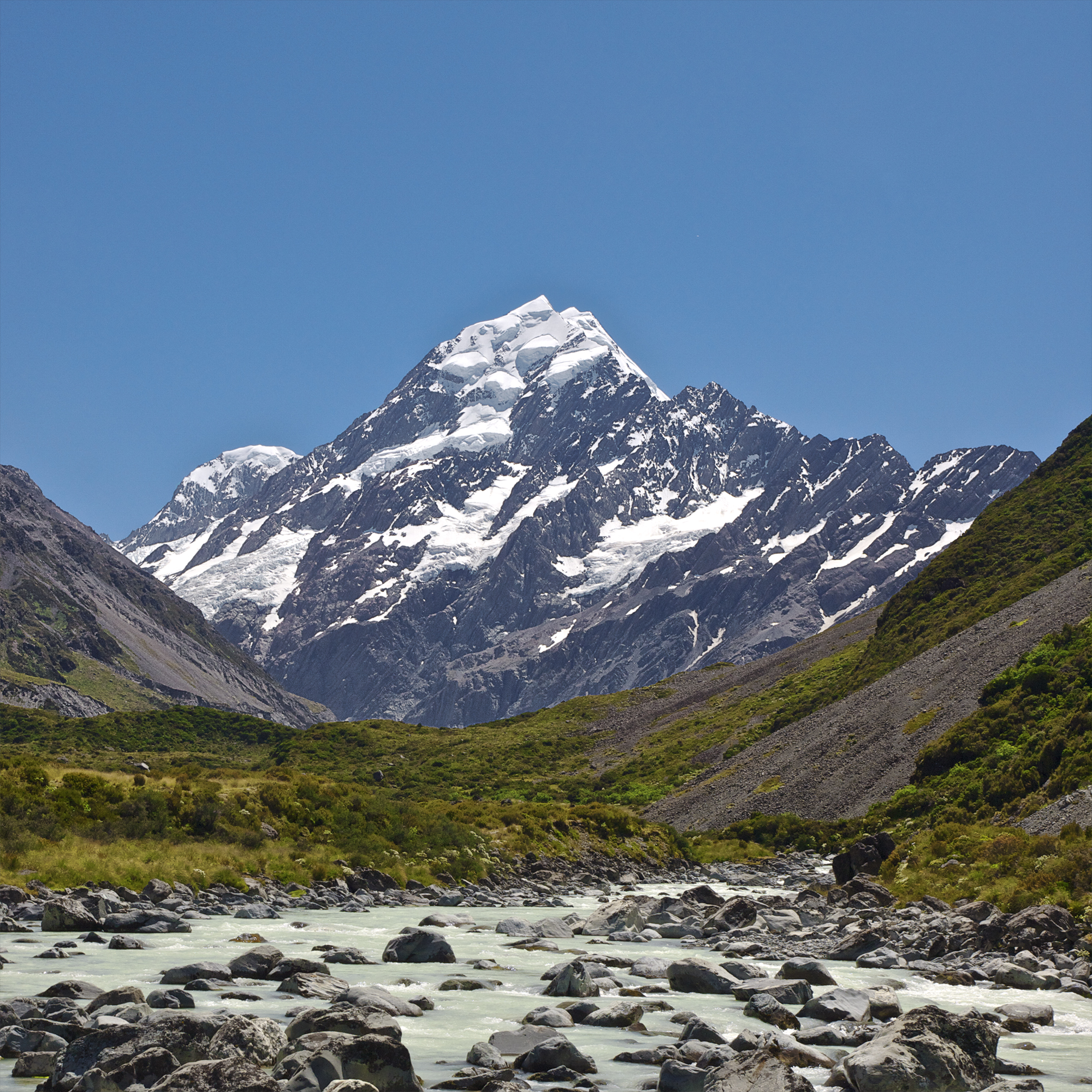
Aoraki/Mount Cook is New Zealand's highest peak at 3,724 metres, rising above the Mackenzie Basin surrounded by glaciers and turquoise lakes.
The Hooker Valley Track provides one of the most accessible and rewarding walks in the country, leading to views of the mountain across three swing bridges.
How does it rate
CrowdsRomanceCash RequiredDangerAccessibilityWhy you should go
The Hooker Valley walk is achievable for most fitness levels and delivers stunning close-up views of Mount Cook and its surrounding glaciers.
Why you shouldn't go
The weather in the Southern Alps changes extremely rapidly and cloud can obscure the mountain for days at a time, especially in winter.
Plan your visit
Best time to visitDecember-March (Southern Hemisphere summer)Best time of daySunriseGetting there~4hr drive from Christchurch or QueenstownEntry costFreeTime needed1-2 daysInsider tip — Hooker Valley Track is the easiest walk with the best views of the peak -
 #687 /100
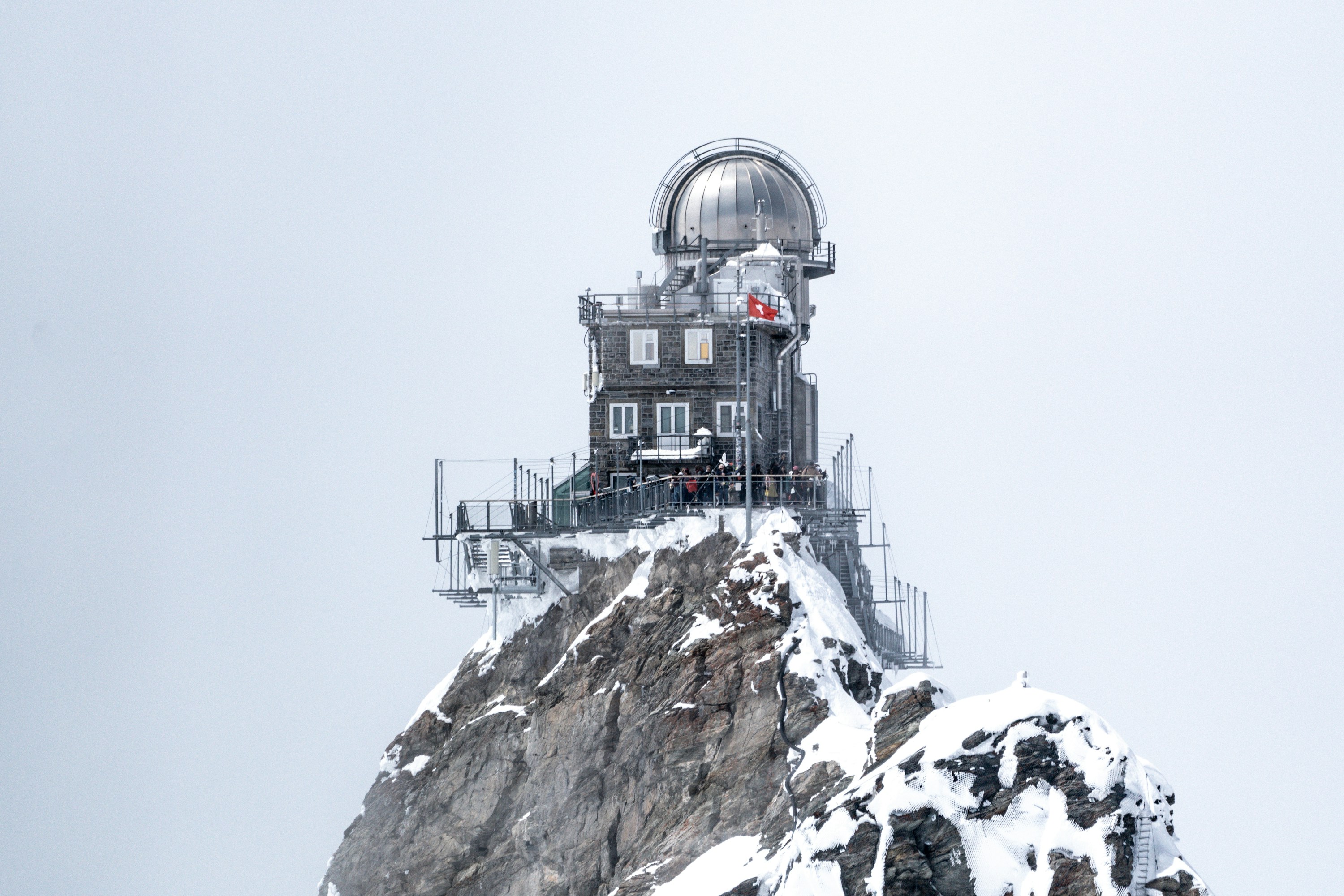
A cogwheel railway climbs through solid rock to a saddle between the Eiger and Mönch, 3,454 metres up, where the "Top of Europe" station opens onto the Aletsch Glacier, the largest ice stream in the Alps.
An ice palace, observation deck, and snow terrace fill out the visit, though thin air and shifting weather can erase the view without warning.
How does it rate
CrowdsRomanceCash RequiredDangerAccessibilityWhy you should go
The Alps' most complete high-altitude experience reachable entirely by train, glacier included.
Why you shouldn't go
Among the most expensive single excursions in Switzerland, and cloud can close in and erase the view with no refund.
Plan your visit
Best time to visitMay–October for the clearest weather; book the mandatory seat reservation well ahead in summer.Best time of dayFirst train of the day, before cloud typically builds up over the peaks by midday.Getting thereTrain from Interlaken Ost via Grindelwald or Lauterbrunnen/Wengen to Jungfraujoch; no road access.Entry costRound-trip train from Interlaken roughly CHF 220–260 depending on season.Time neededHalf a dayBookingBook ahead →Insider tip — Sit on the right-hand side of the train from Interlaken for the best glacier views on the way up. -
 #786 /100
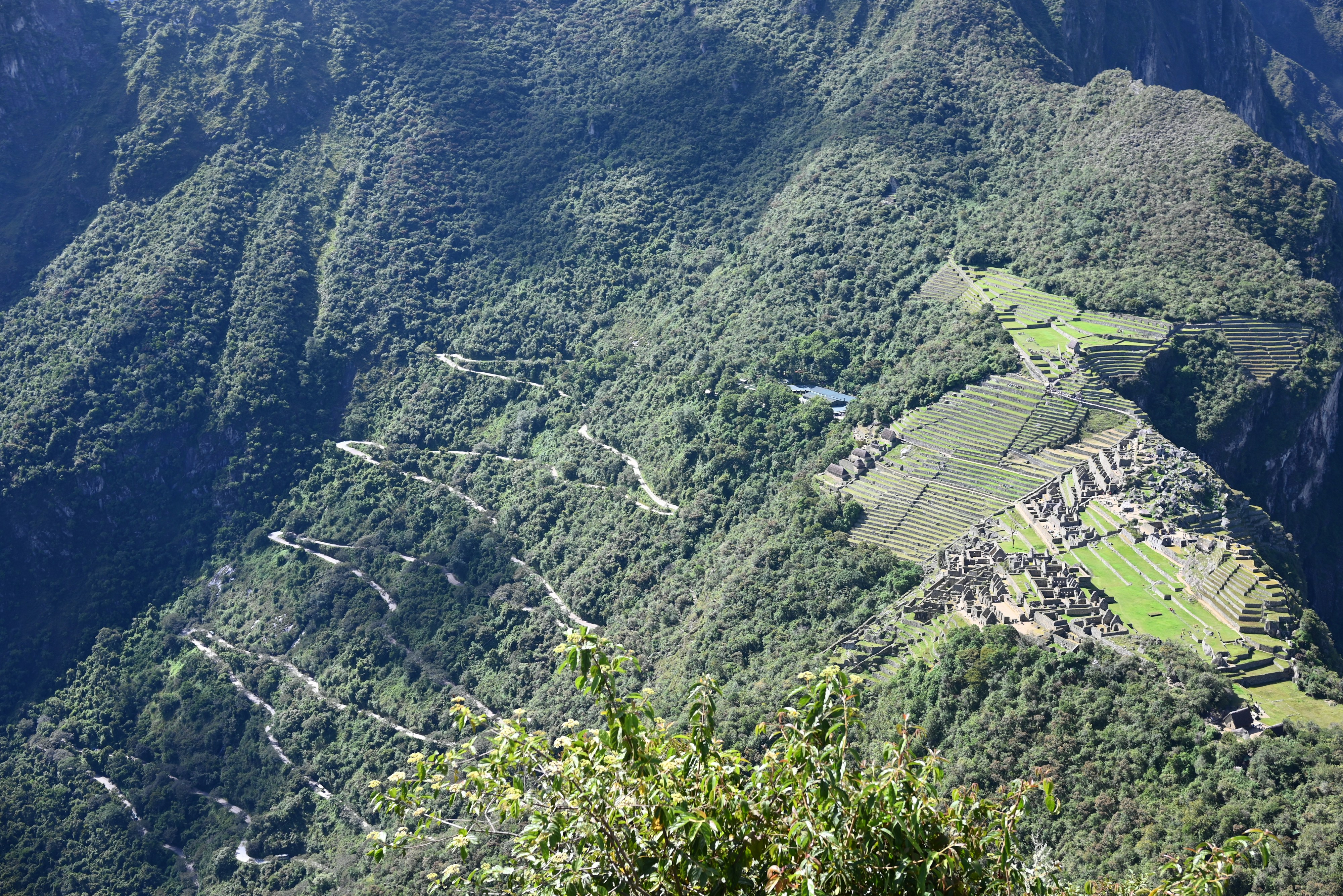
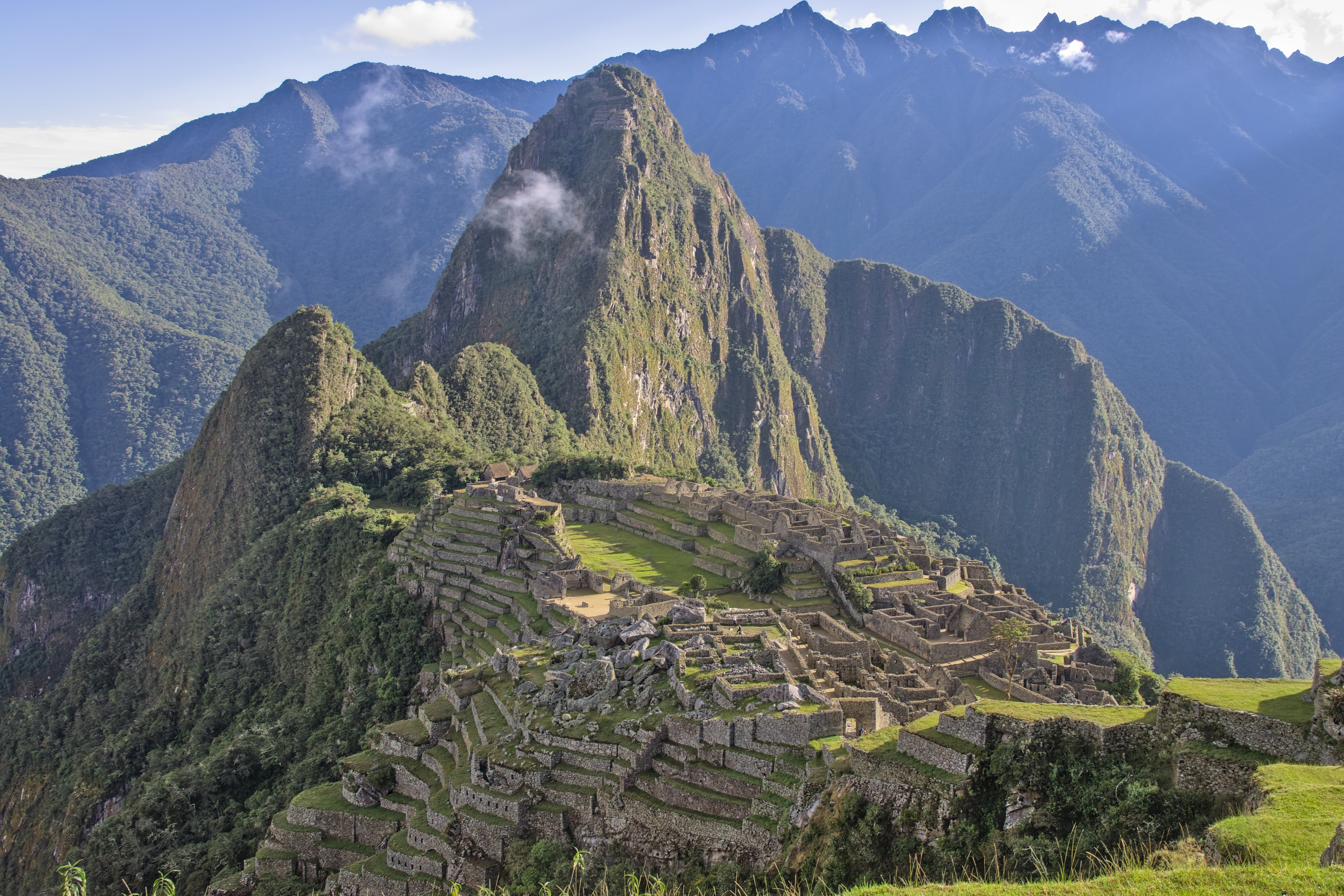
The steep peak rising behind Machu Picchu is a climbable mountain in its own right, with narrow Inca-built stone steps switchbacking up its face.
From the summit the entire citadel unfolds below, terraces and all, with the Urubamba river winding through the valley beyond.
Only 200 permits are issued per morning slot, which keeps the trail genuinely uncrowded but means booking months ahead.
How does it rate
CrowdsRomanceCash RequiredDangerAccessibilityWhy you should go
The exact aerial angle over Machu Picchu that appears on every postcard, reached on foot.
Why you shouldn't go
The stone steps are narrow, steep and exposed - not a casual walk, and permits are strictly limited.
Plan your visit
Best time to visitMay-September, the dry season, for clear views over the citadel.Best time of dayFirst entry slot, 7am, for the clearest light and thinnest crowds.Getting thereTrain or trek to Aguas Calientes, then bus up to Machu Picchu; Huayna Picchu tickets are a separate add-on.Entry costRequires a separate Huayna Picchu permit on top of the Machu Picchu ticket, booked months ahead.Time needed2-3 hours for the climbBookingBook ahead →Insider tip — Book Huayna Picchu tickets 3-4 months in advance - the 200 morning permits sell out first. -
 #883 /100
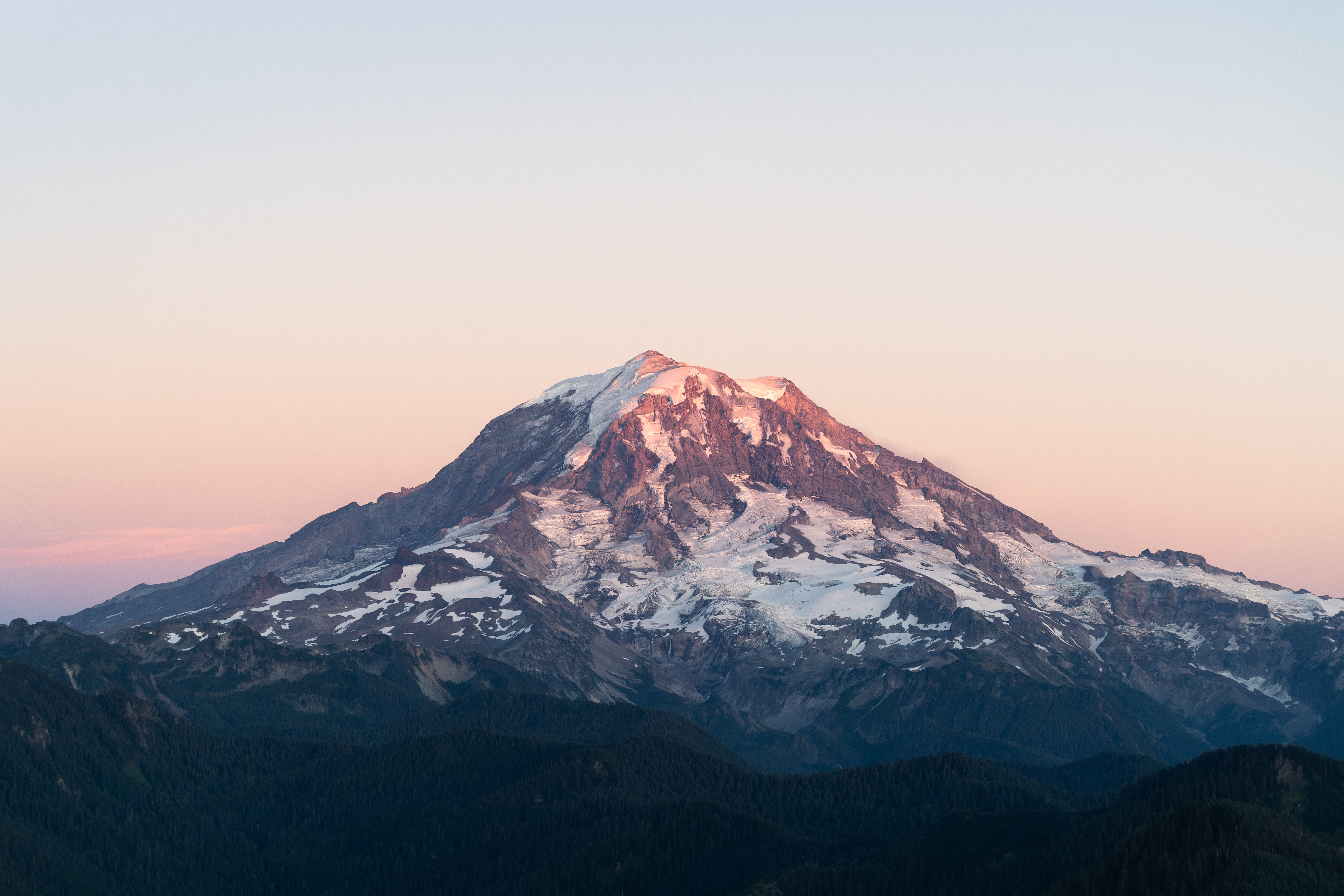
Mount Rainier is an active stratovolcano rising 4,392 metres above the Puget Sound lowlands of Washington State, making it the most topographically prominent peak in the contiguous United States.
In summer, its slopes are carpeted with wildflower meadows and it is reflected in the lakes of Paradise and Reflection Lakes.
How does it rate
CrowdsRomanceCash RequiredDangerAccessibilityWhy you should go
The wildflower meadows around Paradise in midsummer, with the glacier-clad volcano rising above, offer some of the most beautiful subalpine scenery in America.
Why you shouldn't go
Mount Rainier is frequently obscured by cloud or fog and the park roads close from October to May due to snow; summit attempts require technical mountaineering skills.
Plan your visit
Best time to visitJuly-September (wildflower season, most trails snow-free)Best time of daySunrise from Reflection Lakes for a mirror image of the peakGetting there~1.5-2hr drive from SeattleEntry costPark entry ~$30/vehicleTime neededFull dayInsider tip — Reflection Lakes needs a calm, windless morning; check conditions before making the early drive -
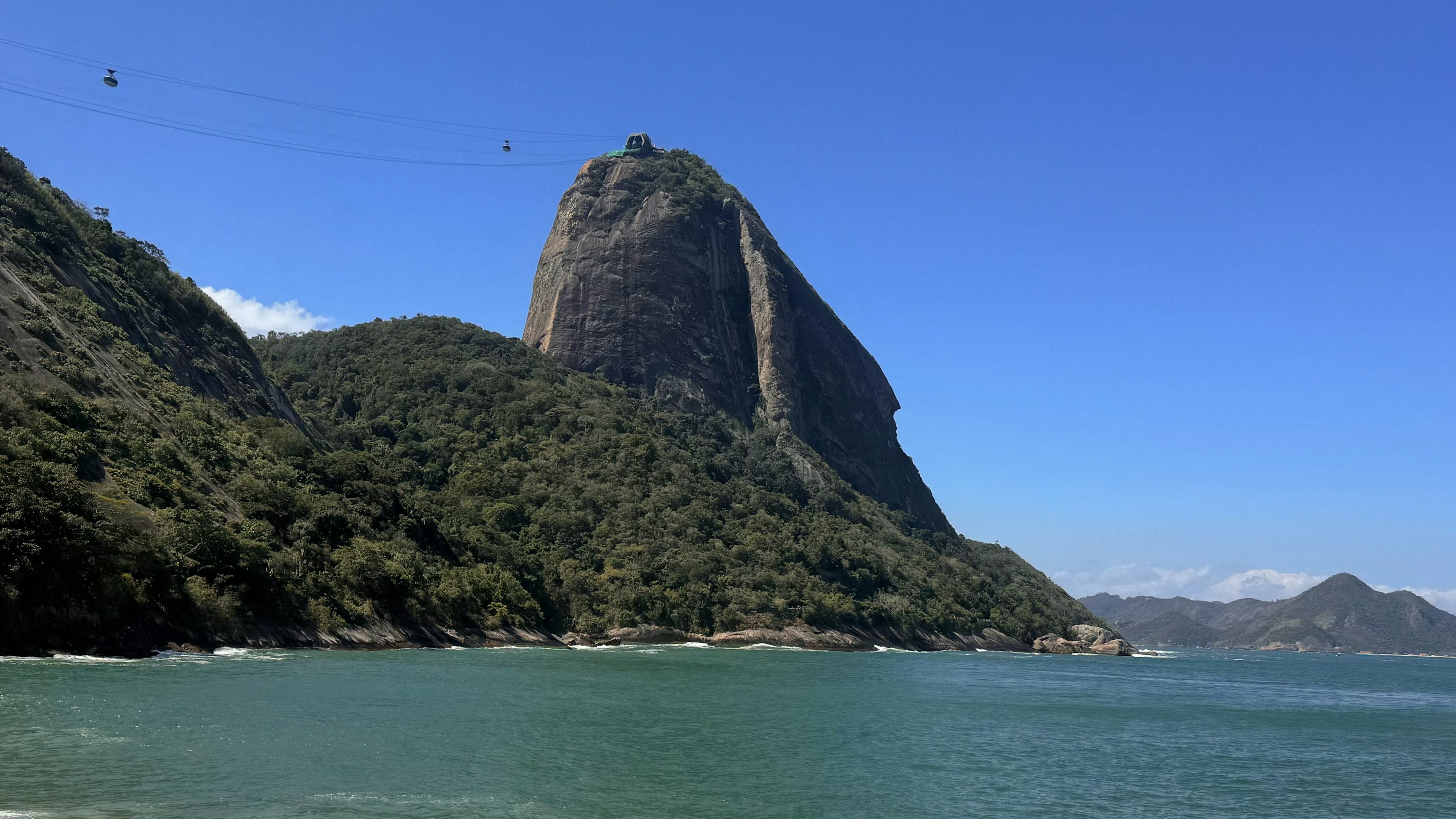 #983 /100
A two-stage cable car, the bondinho, carries visitors from Praia Vermelha up over the forested Morro da Urca to the bare granite summit of Pão de Açúcar, 396 metres above Guanabara Bay.
From the top, Rio unfolds in full: Copacabana's curve, Christ the Redeemer on Corcovado, and the bay's scattering of islands.
It's one stop, one ride, and one of the most complete views of the city available anywhere.
How does it rate
CrowdsRomanceCash RequiredDangerAccessibilityWhy you should go
One cable car ride delivers one of the most complete views of Rio available anywhere in the city.
Why you shouldn't go
Tickets are pricey for a return cable-car ride, and the view disappears entirely on overcast days.
Plan your visit
Best time to visitYear-round; clearest views June-September, avoid rainy Jan-March afternoons.Best time of dayLate afternoon into sunset, for golden light over the bay.Getting thereIn Rio's Urca neighbourhood; taxi or bus from Copacabana or Ipanema (about 20 min) to the Praia Vermelha cable car station.Entry costCable car round-trip ~R$110-205 (~US$20-35)Time needed2-3 hoursBookingBook ahead →Insider tip — Book the sunset time slot online in advance - it sells out first, and the light over the bay is the main reason to go. -
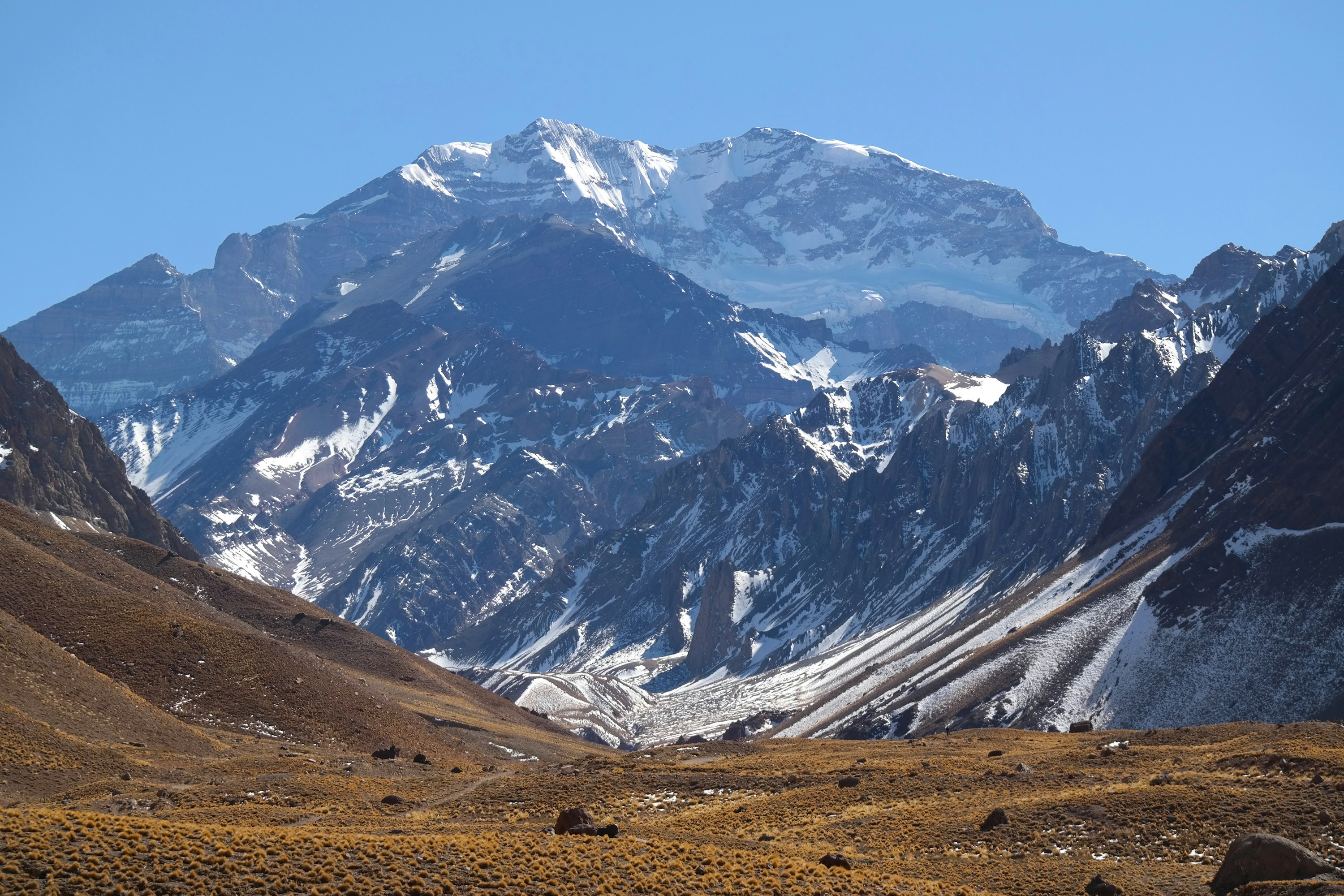 #1082 /100
Aconcagua rises 6,961 metres in Mendoza Province, the highest peak in both the Western and Southern Hemispheres and one of the Seven Summits.
Serious climbers spend two to three weeks on the standard Normal Route to the summit, but the mountain rewards a much shorter visit too: a half-day trek from the Horcones trailhead reaches Laguna de los Horcones, a glacial lake with a full view of the south face and glacier.
Aconcagua Provincial Park protects the surrounding high-altitude terrain.
How does it rate
CrowdsRomanceCash RequiredDangerAccessibilityWhy you should go
The highest mountain outside the Himalayas, viewable up close on an easy half-day trek without any climbing gear.
Why you shouldn't go
Summiting is a serious high-altitude expedition; most visitors only see the mountain from the valley trails below.
Plan your visit
Best time to visitDecember-March (Southern Hemisphere summer), when the park and climbing routes are openBest time of dayMorning, before afternoon wind picks up in the high valleyGetting thereFly to Mendoza, then about 3 hours by road to the Horcones entrance near Puente del IncaEntry costPark entry fee for the day-trek zone, a few thousand ARS; multi-week climbing permits cost several hTime neededHalf a day for the Laguna de los Horcones trek; 2-3 weeks for a summit expeditionInsider tip — The Confluencia trek (one day further in than Horcones) gets you a far closer view of the south face for only a little more effort. -
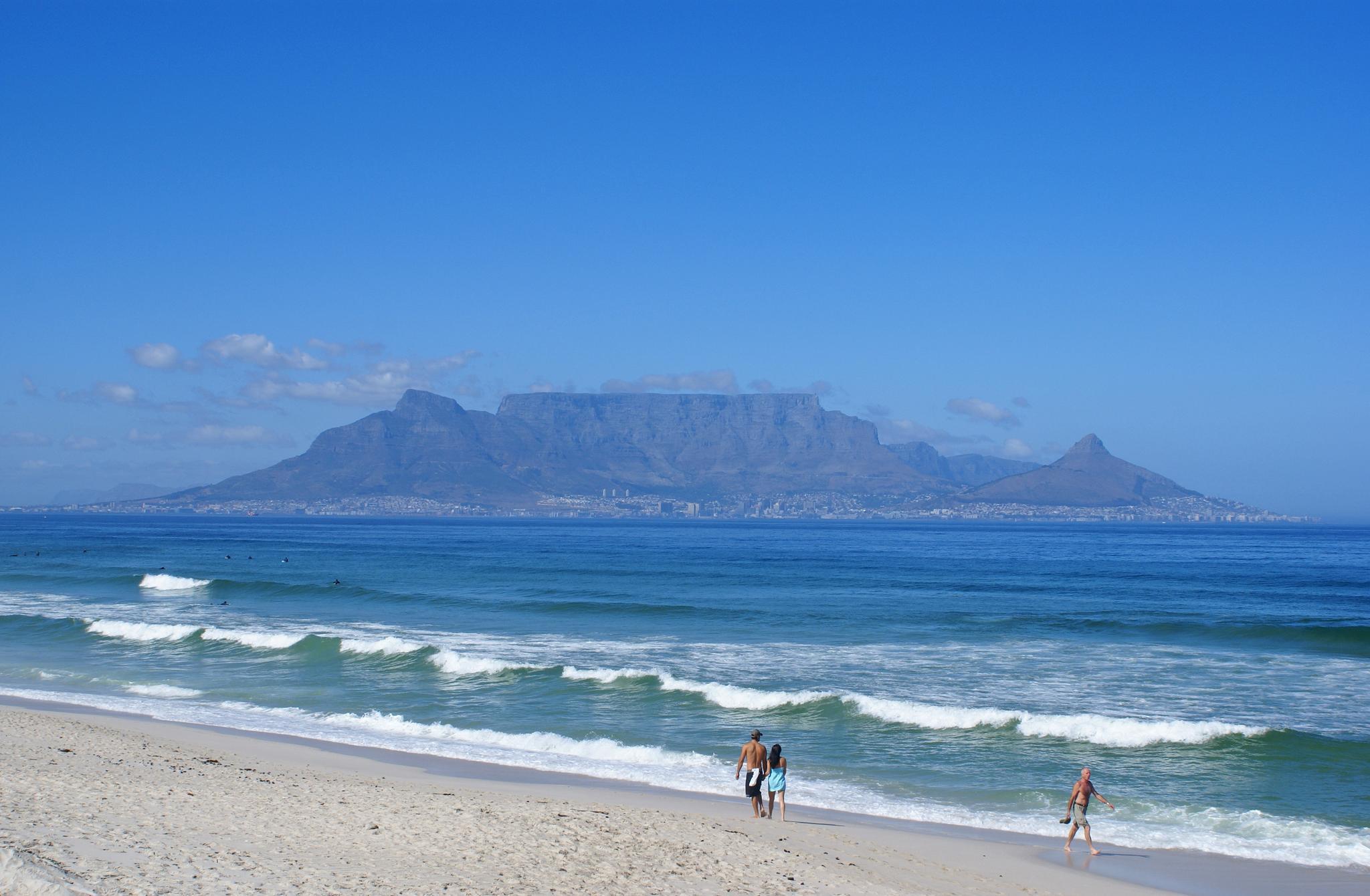 #1182 /100
Table Mountain's flat-topped summit, draped in its famous tablecloth of cloud, presides over Cape Town and offers 360-degree panoramas stretching from the Cape of Good Hope to the Winelands.
The mountain is home to an extraordinary number of endemic plant species found nowhere else on earth.
How does it rate
CrowdsRomanceCash RequiredDangerAccessibilityWhy you should go
The cable car provides easy access to the summit and the views over Cape Town, Table Bay, and the surrounding peninsula are among Africa's finest.
Why you shouldn't go
The mountain is frequently shrouded in cloud and high winds regularly cause the cable car to close; always have a backup plan.
Plan your visit
Best time to visitYear-round; check for the "tablecloth" cloud coverBest time of dayLate afternoon for the city and sunset viewsGetting thereCableway from Tafelberg Road, Cape TownEntry costCableway ~$20-25 returnTime needed2-3 hoursInsider tip — Check the cableway website first; it closes in high wind, common in summer -
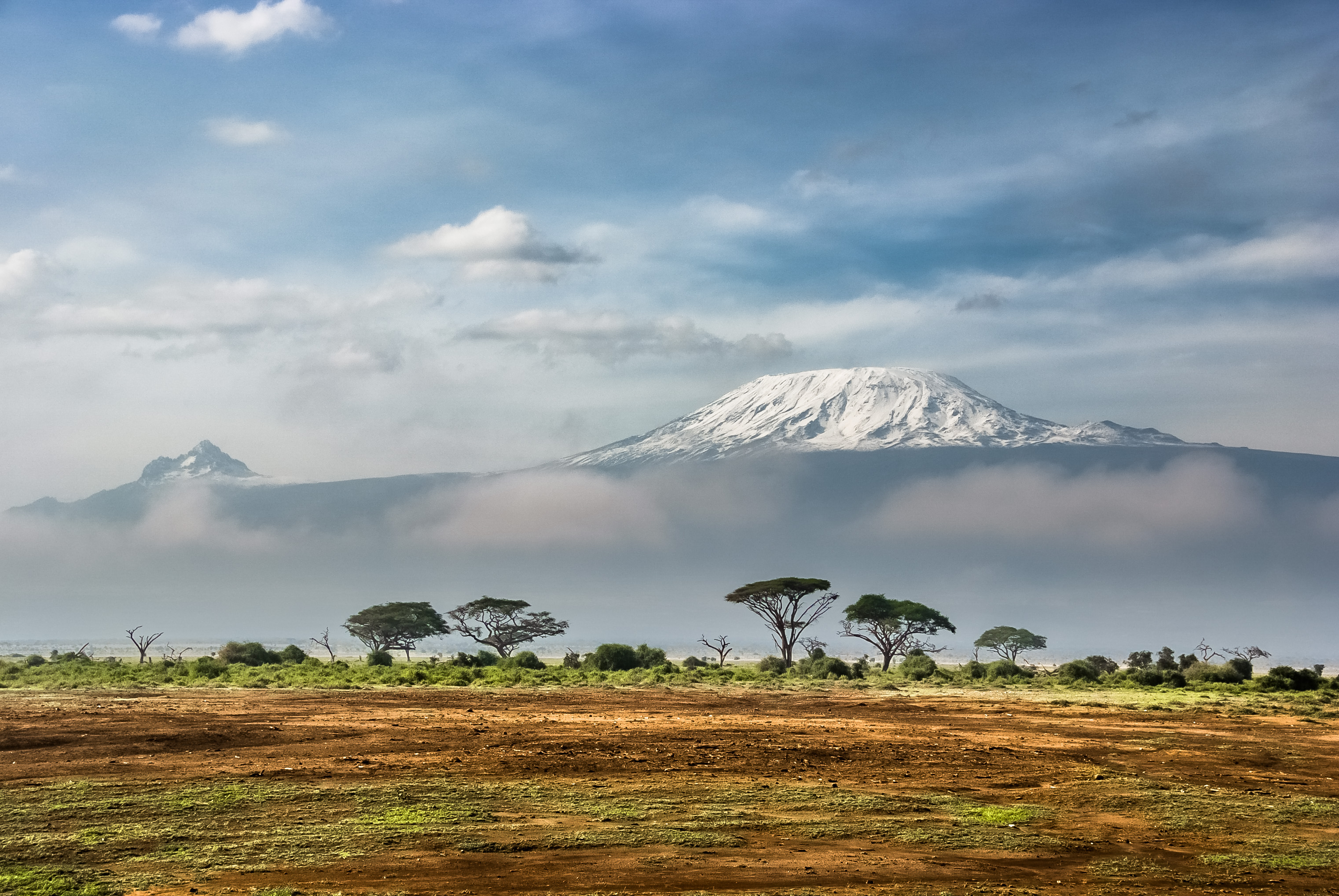 #1282 /100
Africa's highest mountain stands alone on the Tanzanian plains, rising 5,895 metres above sea level as the world's tallest free-standing mountain.
Its snow-capped volcanic summit, increasingly threatened by climate change, can be reached by non-technical trekkers via several routes through dramatically changing ecosystems.
How does it rate
CrowdsRomanceCash RequiredDangerAccessibilityWhy you should go
Reaching the Roof of Africa is an extraordinary achievement and the views from the summit at sunrise across the clouds below are unforgettable.
Why you shouldn't go
Summit success is not guaranteed; altitude sickness affects many climbers and the trek requires at least five to seven days which significantly adds to the cost.
Plan your visit
Best time to visitJanuary-March or June-October (dry seasons)Best time of daySunrise from the summit or a lower viewpointGetting thereFly into Kilimanjaro International AirportEntry costClimbing permits and guide ~$1,500-2,500 for a multi-day trekTime needed5-9 days to summitInsider tip — You don't have to climb it - Amboseli National Park in Kenya has the classic elephant-with-Kilimanjaro shot -
 #13
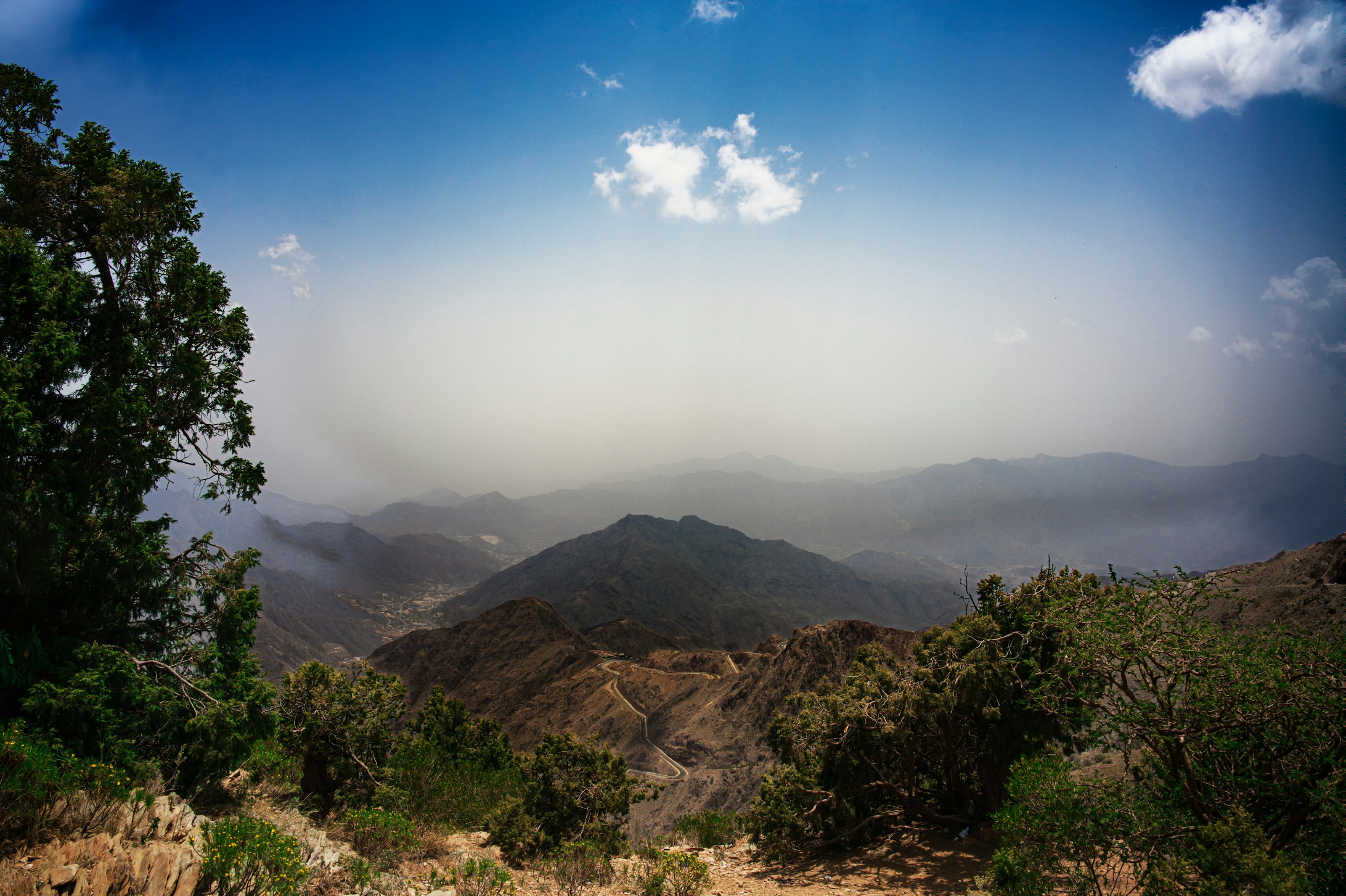
#13Al Soudah sits near Jabal Sawda, Saudi Arabia's highest point, in the green, cool Asir highlands near Abha — a striking contrast to the desert most visitors expect.
Juniper forests cling to terraced mountainsides, mist regularly rolls through the valleys, and a cable car descends from the plateau edge down toward the valley floor thousands of metres below.
How does it rate
CrowdsRomanceCash RequiredDangerAccessibilityWhy you should go
Misty juniper forests and genuinely cool mountain air are the last thing most visitors expect to find in Saudi Arabia.
Why you shouldn't go
The high-altitude roads can close in poor weather, and facilities are more limited than in the country's bigger cities.
Plan your visit
Best time to visitMarch–May or September–November for mild weather and clearer mountain views.Best time of dayEarly morning, when mist often fills the valleys below the plateau edge.Getting thereFly to Abha; roughly 30–45-minute drive up into the mountains to Al Soudah.Entry costFree to explore; the cable car down the escarpment charges a fee.Time needed1 dayInsider tip — Take the cable car down toward the valley floor even just partway — the view back up at the escarpment is better than anything from the plateau itself. -
 #1479 /100
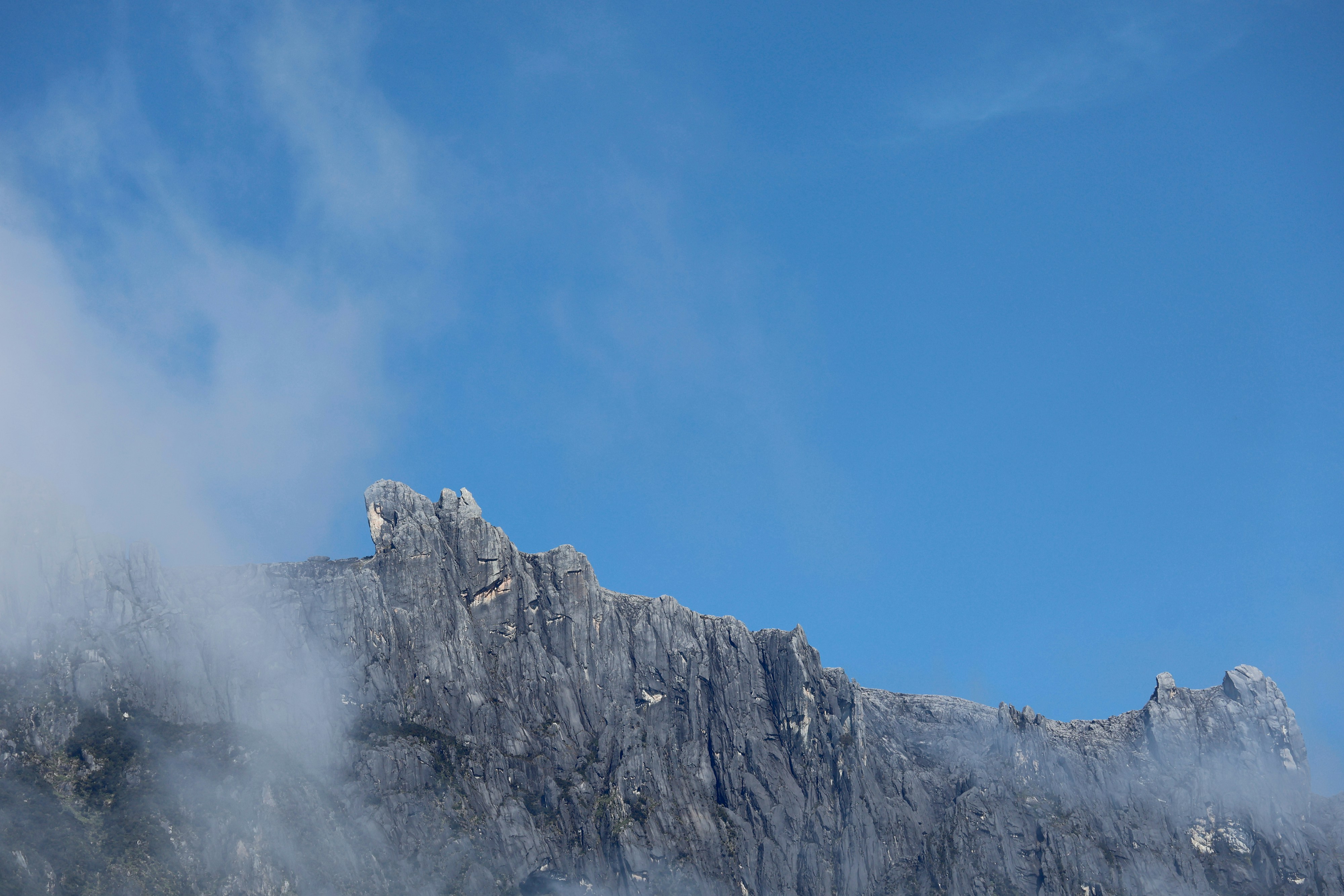
Southeast Asia's highest peak rises from Borneo's jungle in a single dramatic granite massif, its bare summit plateau catching sunrise light above a sea of cloud.
The two-day climb passes from rainforest through cloud forest into an alpine, almost lunar landscape near the top.
Via ferrata routes on the summit's granite face offer a far more exposed alternative to the standard trail.
How does it rate
CrowdsRomanceCash RequiredDangerAccessibilityWhy you should go
A sunrise summit above the clouds, reached through four distinct climate zones in two days.
Why you shouldn't go
The final pre-dawn push up bare granite in the dark and cold is genuinely tough, altitude included.
Plan your visit
Best time to visitMarch-August, the driest months.Best time of daySunrise from the summit plateau, before cloud rolls in.Getting thereFly to Kota Kinabalu; 2-hour drive to Kinabalu Park headquarters.Entry costPark entry, climbing permit and mandatory guide fees required, from around $150-250 total.Time needed2 days, 1 night on the mountainBookingBook ahead →Insider tip — Book at least 3 months ahead - daily climber numbers are capped and the mountain lodge sells out fast. -
 #1579 /100
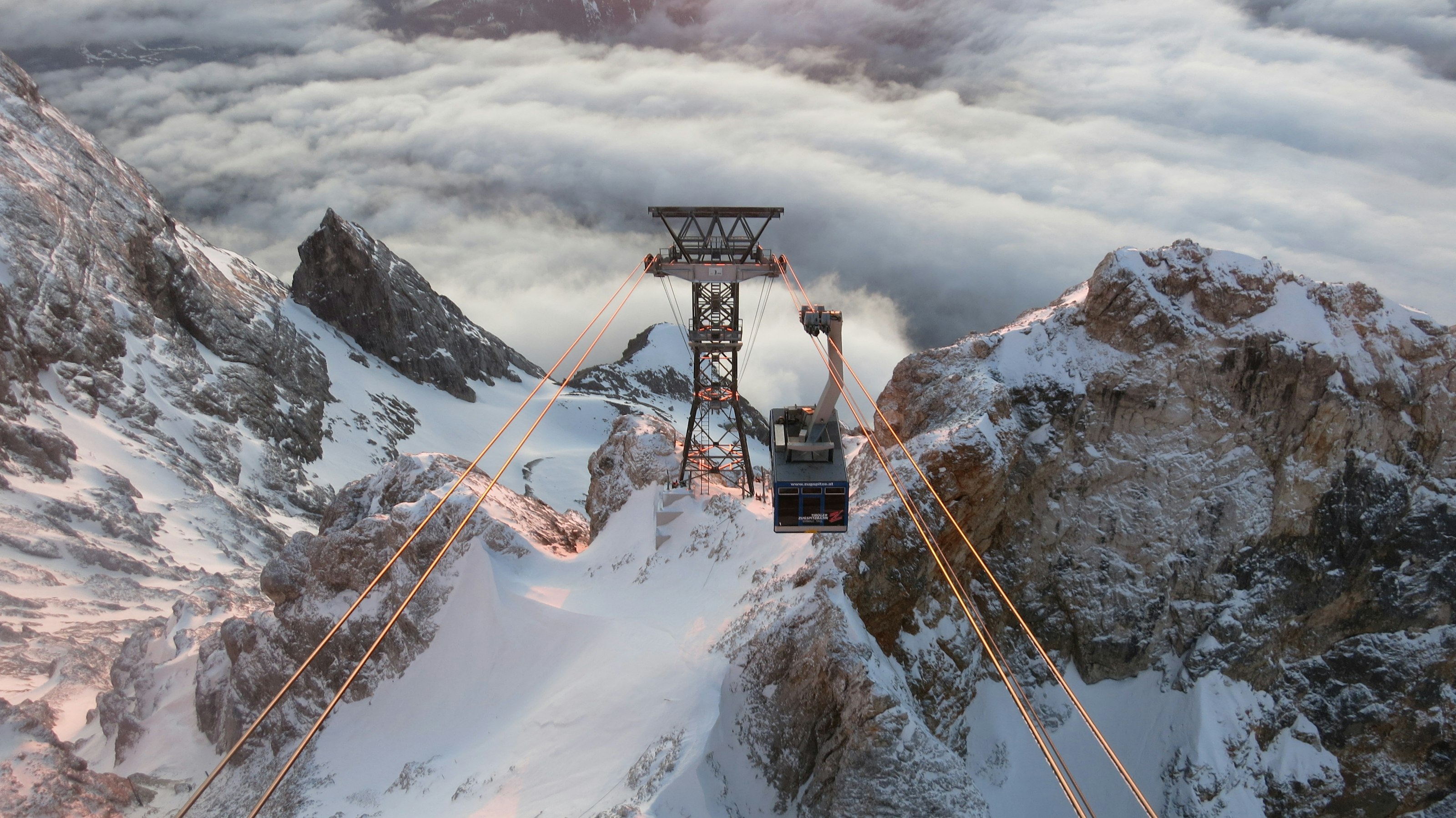
The Zugspitze is Germany's highest peak, and a cable car climbs almost straight from the valley town of Garmisch-Partenkirchen to its summit, where the view on a clear day takes in more than 400 peaks across Germany, Austria, Switzerland, and Italy.
A small glacier survives near the top, along with a ski area that operates into summer, and the border with Austria runs directly across the summit platform.
How does it rate
CrowdsRomanceCash RequiredDangerAccessibilityWhy you should go
Stepping out of a cable car onto a summit with views into four countries, with zero hiking required, is hard to beat.
Why you shouldn't go
Cloud cover rolls in quickly at altitude and can cut the four-country view down to whiteout without warning.
Plan your visit
Best time to visitJune–September for the clearest summit views; winter for skiing.Best time of dayEarly morning, for the clearest air before afternoon cloud builds around the peak.Getting thereFly to Munich; 1.5-hour train or drive to Garmisch-Partenkirchen, then the Zugspitze cable car.Entry costPaid cable car ticket; prices are higher in winter ski season.Time neededHalf a dayInsider tip — Ride up the newer Eibsee cable car and come down via the cogwheel railway (or vice versa) to see the mountain from two different angles. -
 #1678 /100
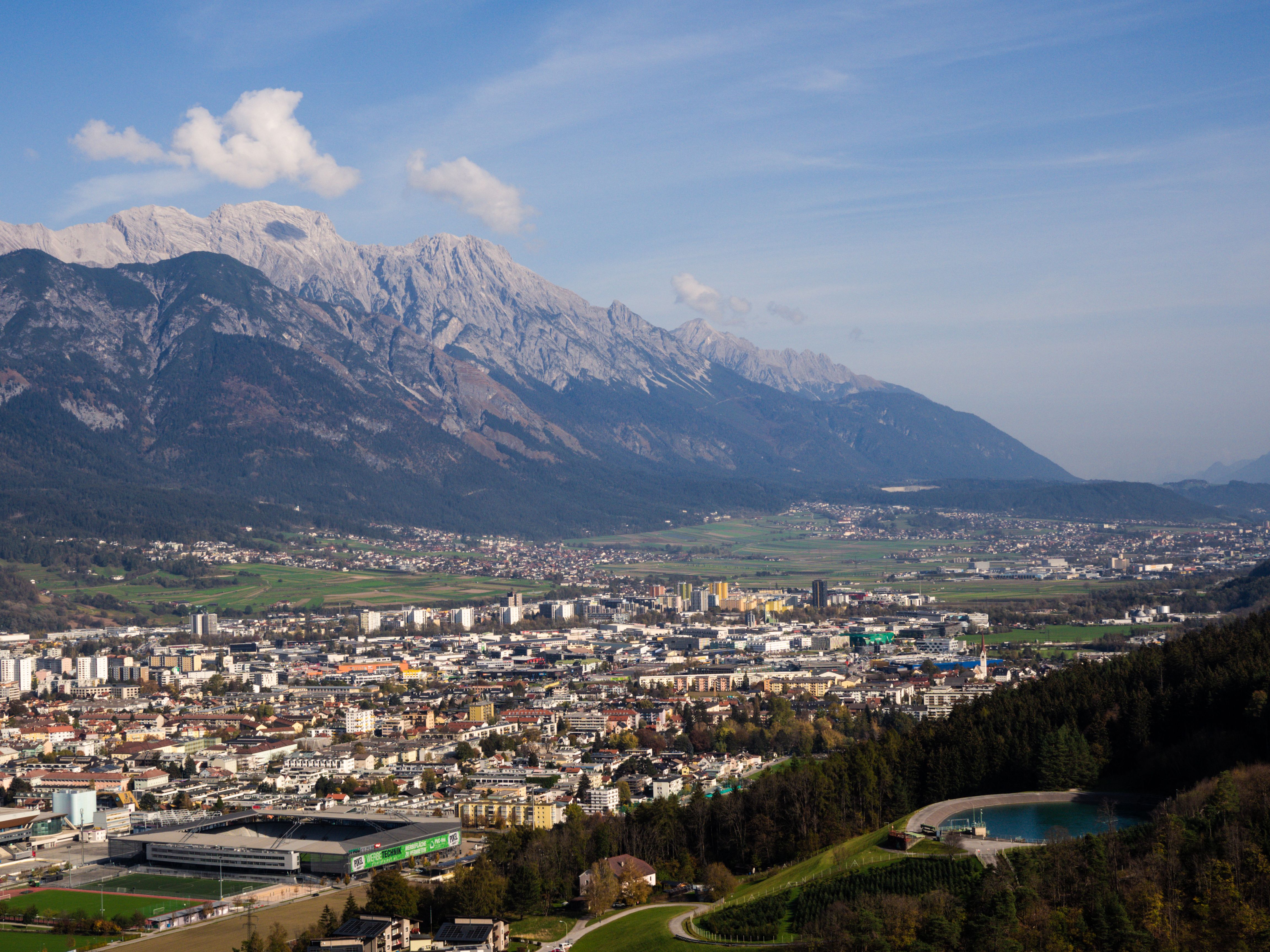
The Nordkette range rises so steeply above Innsbruck that a cable car runs directly from the edge of the old town to a mountain station above 2,300 metres in under 20 minutes.
From the top, the view takes in the Alpine capital below and rows of peaks stretching into Italy and Germany, and hiking trails and via ferrata routes continue further up the ridge.
How does it rate
CrowdsRomanceCash RequiredDangerAccessibilityWhy you should go
Going from café tables in the old town to a 2,300-metre alpine ridge in under 20 minutes, without leaving the city's public transport, is remarkable.
Why you shouldn't go
The upper station can be windy and much colder than the valley floor, so pack layers even on a warm city day.
Plan your visit
Best time to visitJune–September for hiking; December–March for skiing directly above the city.Best time of dayLate afternoon, for clear light on the peaks and fewer crowds on the cable car.Getting thereFly to Innsbruck; the Nordkettenbahn cable car station is a short walk or tram ride from the old town.Entry costPaid cable car ticket; return fares are cheaper than one-way plus return.Time neededHalf a dayInsider tip — Ride the funicular partway up to Hungerburg first for city views, then transfer to the second cable car stage for the full alpine panorama. -
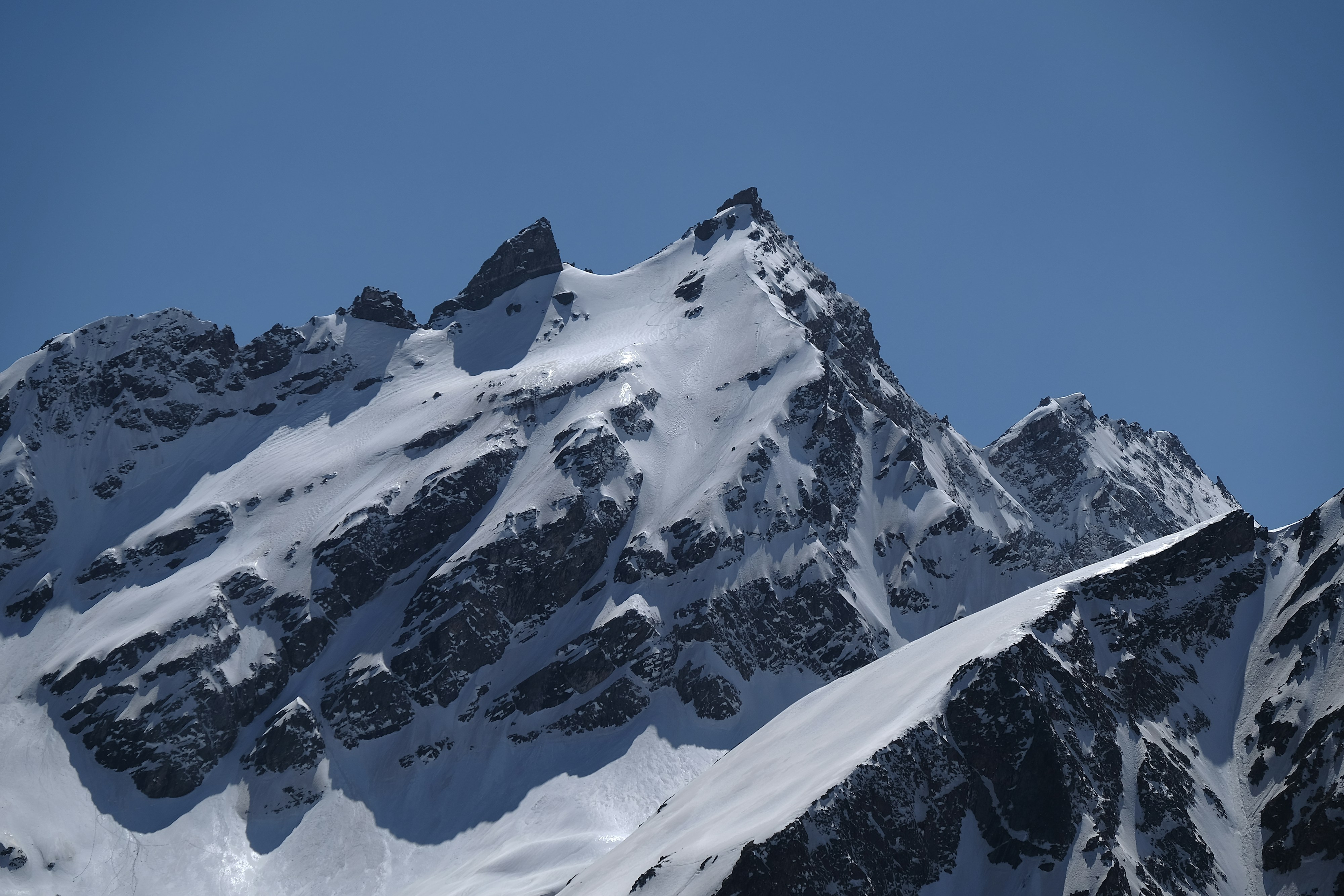 #1772 /100
Europe's highest point is a dormant twin-peaked volcano in the Caucasus, its snow-capped summit visible from the surrounding valleys long before you arrive.
Cable cars now climb much of the lower mountain, opening sweeping glacier views to more than just summit climbers.
The upper slopes remain a serious high-altitude route, glaciated and genuinely hazardous in poor weather.
How does it rate
CrowdsRomanceCash RequiredDangerAccessibilityWhy you should go
Europe's highest summit, with cable-car access to glacier views most mountaineering peaks don't offer.
Why you shouldn't go
The summit route above the cable-car stations is a real high-altitude climb with real risk.
Plan your visit
Best time to visitMay-September for climbing; cable cars run for viewing most of the year.Best time of dayMorning, before afternoon cloud builds over the Caucasus ridgeline.Getting thereFly to Mineralnye Vody, drive to Azau in the Baksan valley, then cable car up the lower slopes.Entry costCable car tickets around $20-30; summit climbing permits and guides priced separately.Time neededHalf a day for the cable car; 7+ days for a summit attemptInsider tip — Ride the cable car to the top Garabashi station for glacier views without any climbing gear at all. -
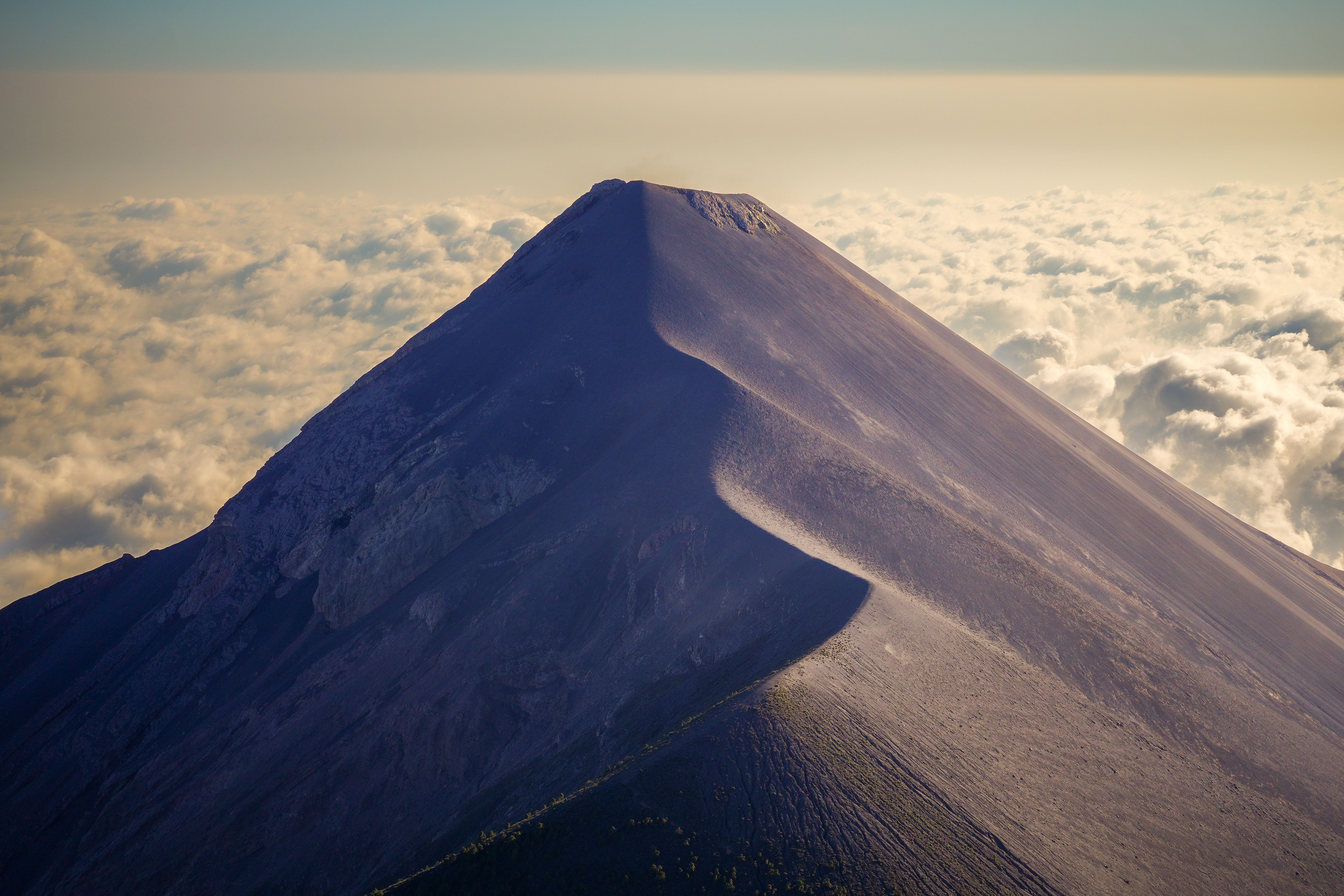 #1868 /100
A steep overnight trek up this dormant volcano rewards climbers with a front-row camp beside its base, facing directly at neighboring Fuego, one of Central America's most active volcanoes, erupting with visible lava and ash several times an hour after dark.
The climb is genuinely strenuous, gaining nearly 1,500 meters over loose scree, but reaching the summit at dawn for views over a sea of clouds is one of Guatemala's most rewarding treks.
How does it rate
CrowdsRomanceCash RequiredDangerAccessibilityWhy you should go
An overnight trek to camp directly across from an actively erupting volcano, visible after dark.
Why you shouldn't go
The steep, strenuous climb and cold overnight camp temperatures require real physical preparation.
Plan your visit
Best time to visitNovember–April, the dry season, for clearer skies and better Fuego visibility.Best time of dayAfter sunset at base camp, when Fuego's eruptions become clearly visible in the dark.Getting thereTour operators collect trekkers from Antigua for the drive to the trailhead.Entry costGuided overnight treks typically Q400-700 (~€48-84), including camping gear.Time needed2 days, 1 night.Insider tip — Pack far warmer clothing than Antigua's climate suggests — nighttime temperatures at the high-altitude base camp regularly drop below freezing. -
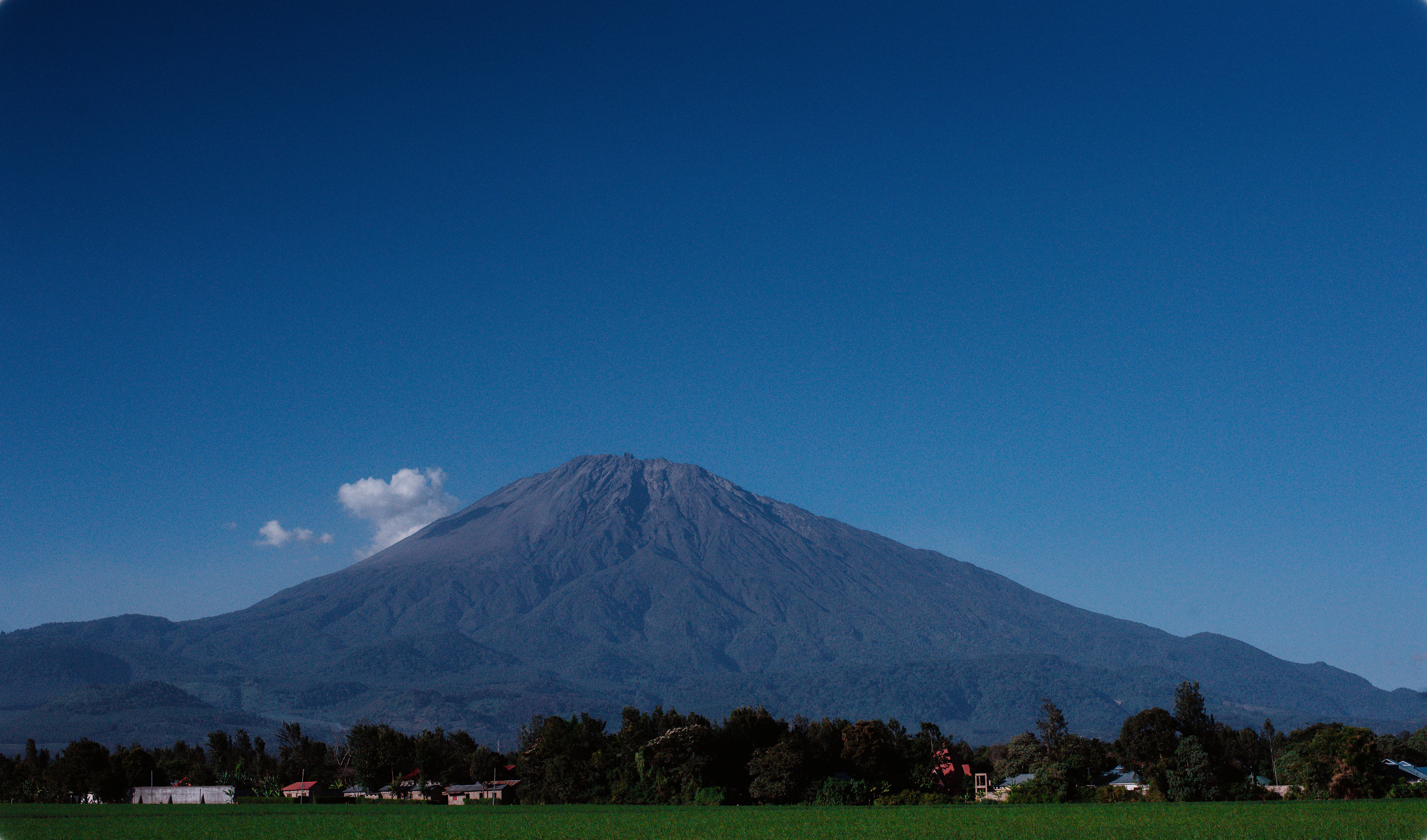 #1960 /100
Tanzania's second-highest peak is frequently climbed as acclimatization practice for Kilimanjaro, but stands as a serious, rewarding trek in its own right, with a technical scramble near the summit that Kilimanjaro's standard routes don't require.
The ascent passes through montane forest thick with colobus monkeys and buffalo before opening onto an ash cone and crater rim, with views across to Kilimanjaro on clear mornings.
How does it rate
CrowdsRomanceCash RequiredDangerAccessibilityWhy you should go
A serious, technical trek with views of Kilimanjaro itself, at a fraction of its crowds.
Why you shouldn't go
The final summit push involves exposed scrambling that's more technical than most Kilimanjaro routes.
Plan your visit
Best time to visitJune–October or December–February, the driest trekking windows.Best time of dayPre-dawn summit push to reach the top for sunrise views of Kilimanjaro.Getting thereBase in Arusha; the Momella Gate trailhead is about 1 hour's drive away.Entry costPark and guiding fees typically $200-400 for the 3-4 day trek.Time needed3–4 days.Insider tip — Climb it as a Kilimanjaro warm-up a week before your main trek — the altitude adaptation measurably improves summit success rates. -
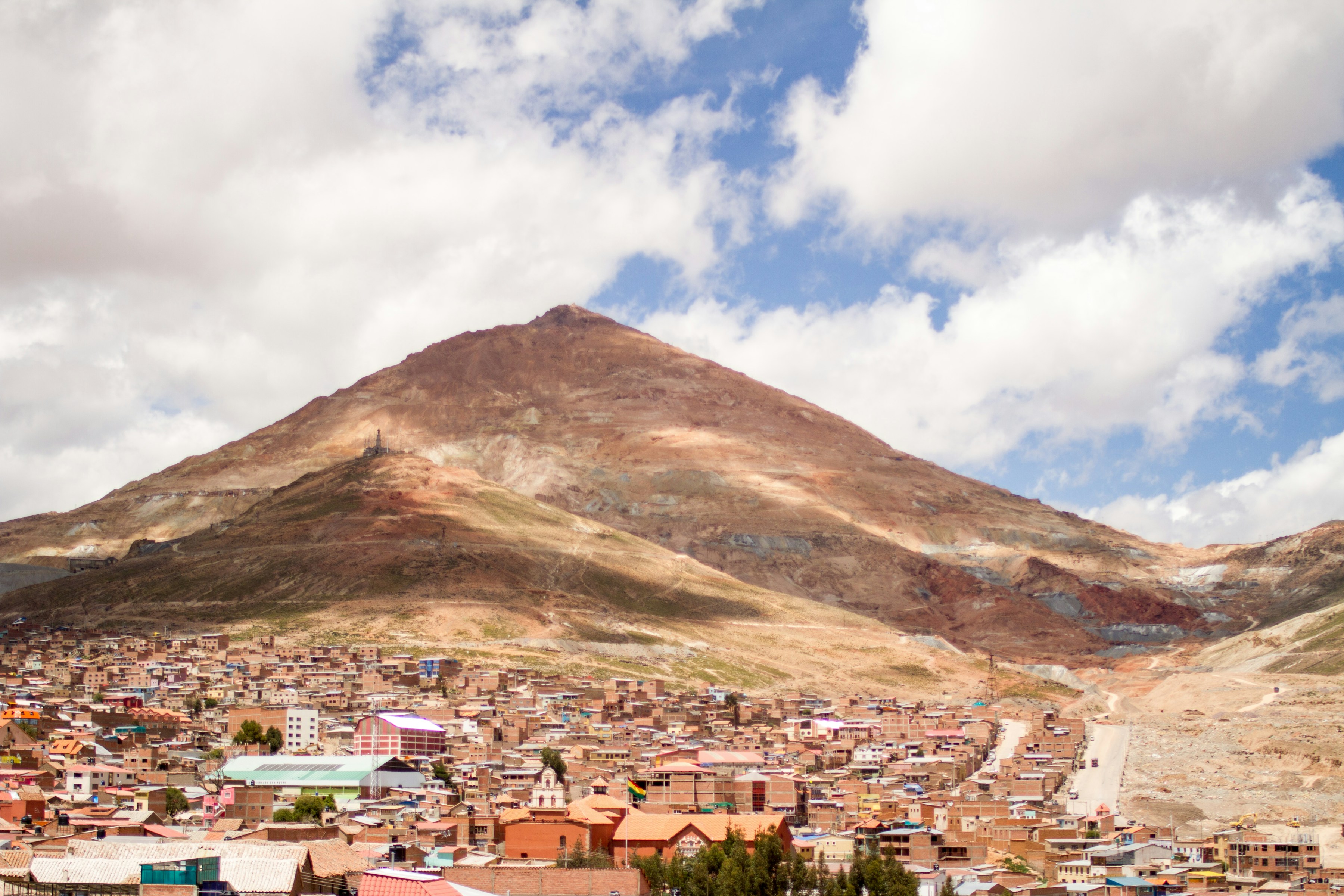 #20
#20Once one of the richest cities on Earth thanks to silver extracted from Cerro Rico, the mountain looming over it, Potosí's colonial wealth built ornate churches and mints that sit at odds with the mine's grim ongoing history — miners, some still teenagers, work the same tunnels using techniques barely changed in centuries.
Guided tours into the active mine are genuinely sobering, an unfiltered look at conditions few visitors ever encounter.
How does it rate
CrowdsRomanceCash RequiredDangerAccessibilityWhy you should go
A UNESCO colonial city built on silver wealth, with mine tours offering an unfiltered look at conditions miners still work under today.
Why you shouldn't go
Mine tours involve genuinely hazardous, cramped, poorly ventilated tunnels still in active use.
Plan your visit
Best time to visitMay–October (dry season) for easier travel to and around the city.Best time of dayMorning mine tours, when miners are most active underground.Getting thereAbout 2.5-3 hours' drive from Sucre, or an overnight bus from La Paz.Entry costMine tours typically $15-25; city sights largely free or low-cost.Time needed1–2 days.Insider tip — Bring small gifts (coca leaves, juice, work gloves) for the miners if joining a mine tour — the customary way visitors are welcomed into active work areas.


More from The World
-
How a score is built
One score out of 100, five criteria behind it
Every place is rated 1–5 on each of the criteria below, then combined into a single score out of 100. It's calculated by us, the same way every time — not an average of traveller reviews or social votes.
Crowds
How many people you'll be sharing it with, and at what time of day.
Romance
How well it suits a couple, a proposal, or a quiet moment together.
Cash required
Entry fees, permits, guides, rentals — what it actually costs to do it.
Danger
Physical risk involved, from a slippery viewpoint to genuine hazard.
Accessibility
How far off the beaten path it is, and how hard it is to actually reach.

