-
 #193 /100
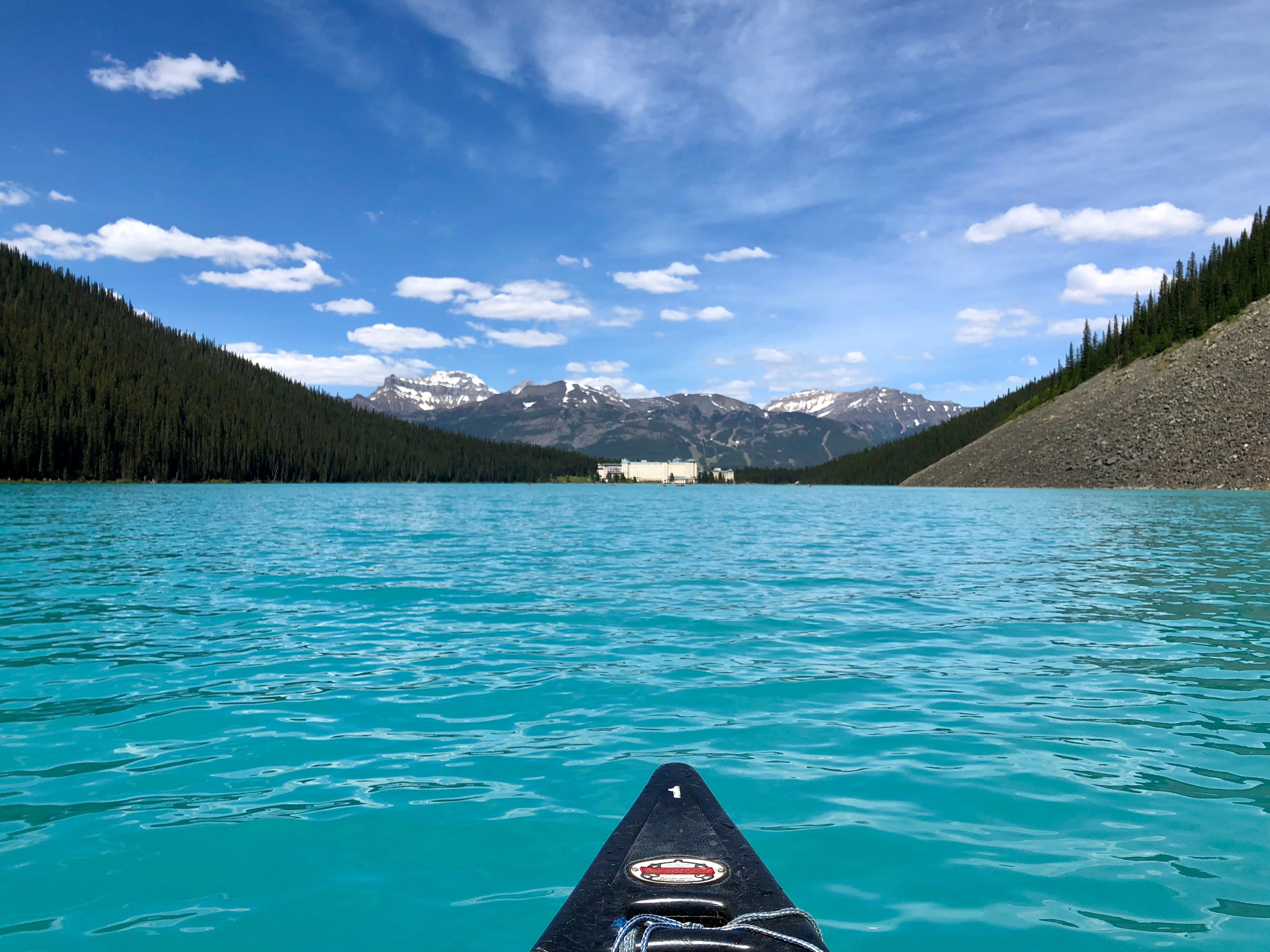
Established in 1885, Banff is Canada's oldest national park and one of the world's most spectacular.
Turquoise lakes, ancient glaciers, hot springs, abundant wildlife, and the postcard town of Banff itself make this an unmissable destination in the Canadian Rockies.
How does it rate
CrowdsRomanceCash RequiredDangerAccessibilityWhy you should go
The combination of turquoise glacial lakes, dramatic mountain scenery, and easy accessibility makes Banff one of the most photogenic national parks on earth.
Why you shouldn't go
Banff becomes very crowded in summer and key sites like Moraine Lake and Lake Louise require advance shuttle booking.
Plan your visit
Best time to visitJune-SeptemberBest time of dayEarly morning for wildlife and calm waterGetting there~1.5hr drive from CalgaryEntry costPark pass ~$10/dayTime needed3+ daysInsider tip — Get to Moraine Lake or Lake Louise before 7am in July/August or the parking lots fill and close -
 #2
#2Rated #2 of 16
Yellowstone National Park, the United States
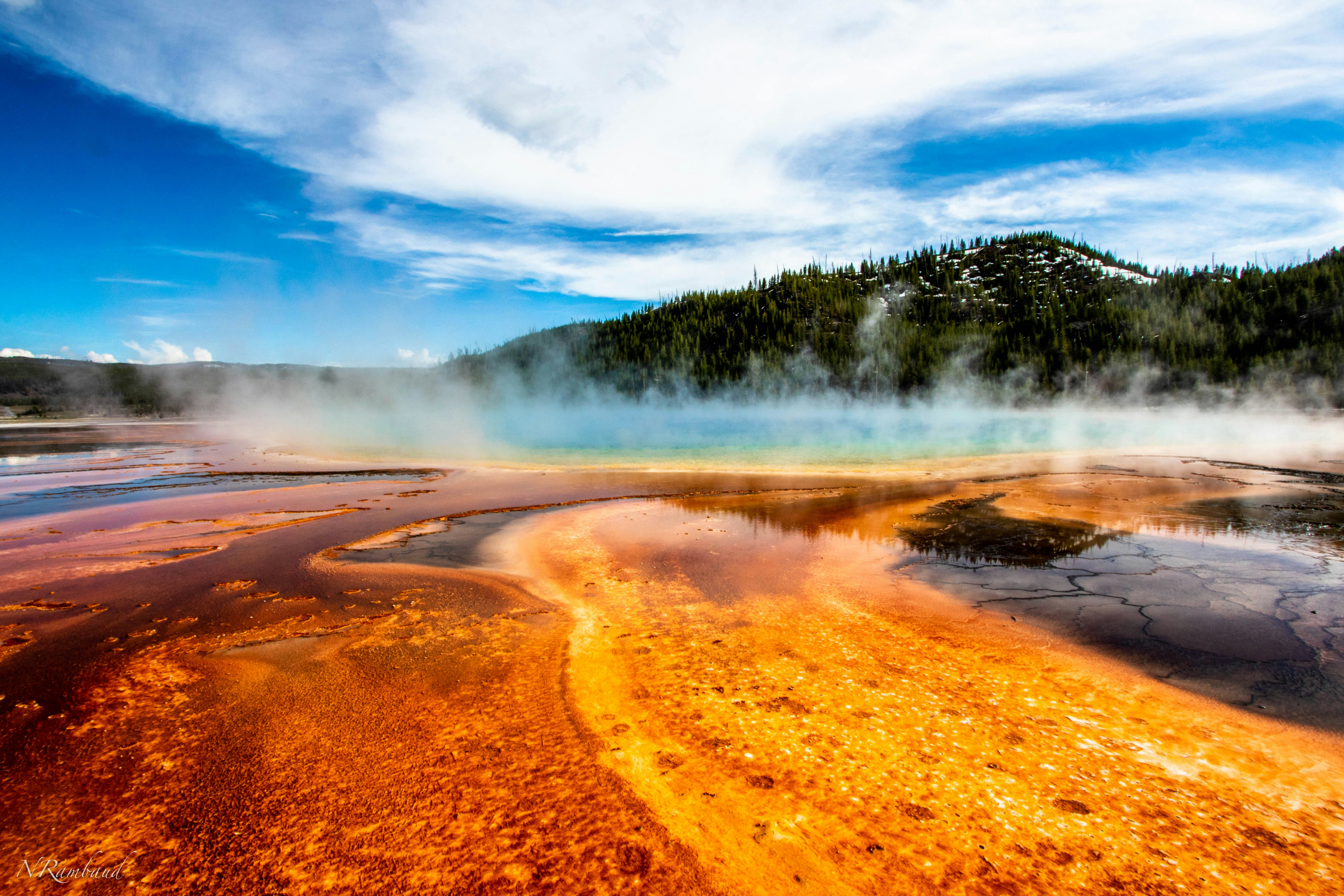
#yellowstonenationalpark ◆ National Parks93 /100Yellowstone is the world's first national park and still its strangest, sitting atop a supervolcano that surfaces as thousands of geysers, hot springs, and mudpots.
Old Faithful erupts on a near-hourly schedule, while the Grand Prismatic Spring's rainbow colours come from heat-loving bacteria.
Beyond the geothermal basins, the park holds free-roaming bison, elk, wolves, and grizzly bears across nearly 9,000 square kilometres of forest and canyon.
How does it rate
CrowdsRomanceCash RequiredDangerAccessibilityWhy you should go
Nowhere else combines a supervolcano's geysers and hot springs with free-roaming bison, wolves, and grizzly bears in one park.
Why you shouldn't go
Peak summer brings gridlock traffic and packed boardwalks at the famous geyser basins.
Plan your visit
Best time to visitLate May-June or September for wildlife and thinner crowds; many roads close in winter.Best time of dayEarly morning for wildlife viewing and quieter geyser basins before tour buses arrive.Getting thereFly to Jackson Hole or Bozeman; 1.5-3 hour drive to the nearest park entrance.Entry cost$35 per vehicle, valid 7 daysTime needed3+ daysInsider tip — Watch Old Faithful from the Observation Point trail above the boardwalk to skip the crowd at ground level. -
 #391 /100
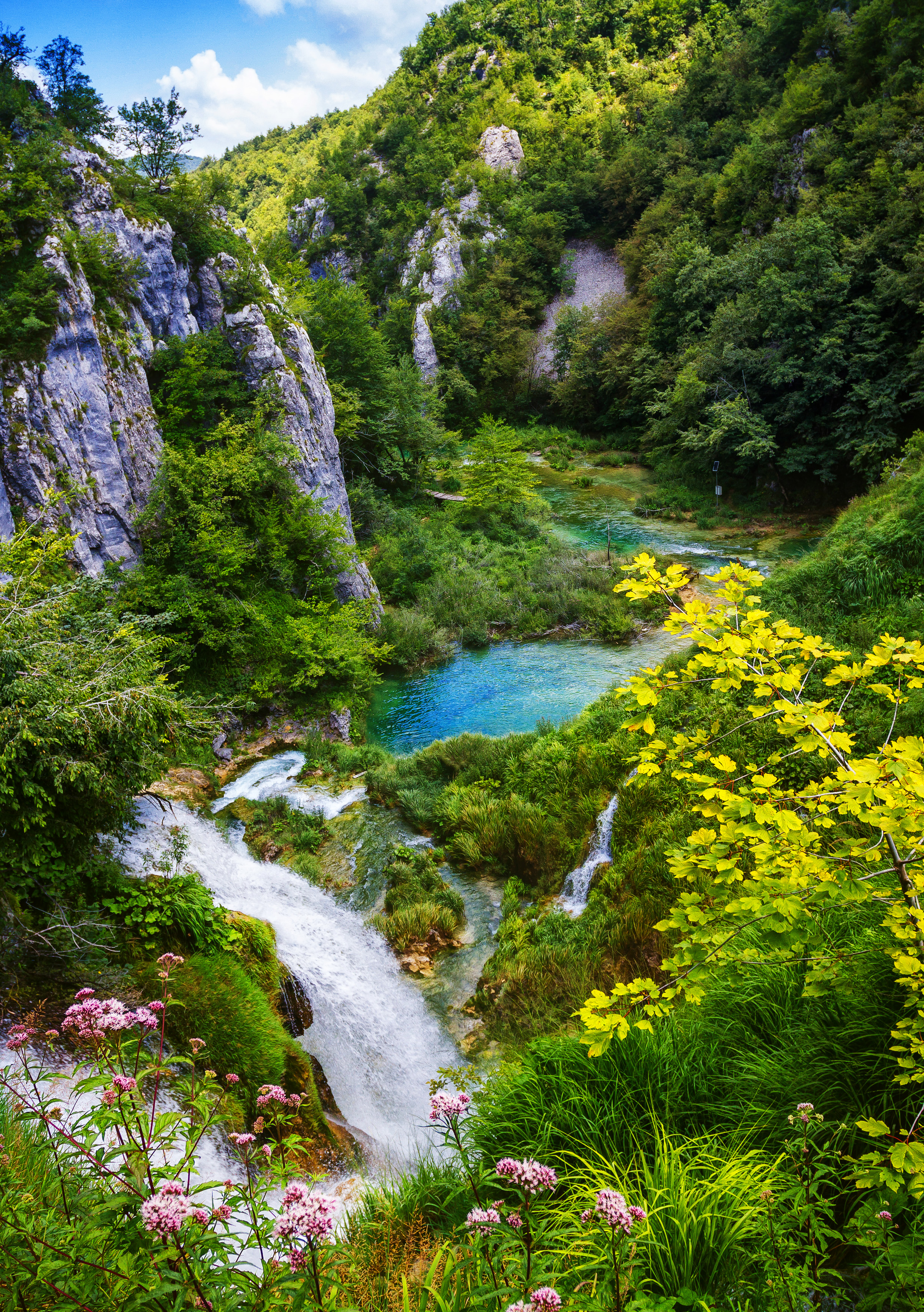
Plitvice Lakes National Park contains sixteen turquoise lakes connected by a series of waterfalls, cascades, and travertine barriers, all within an ancient beech forest.
The network of wooden boardwalks allows visitors to walk over and around the water in one of Europe's most enchanting natural landscapes.
How does it rate
CrowdsRomanceCash RequiredDangerAccessibilityWhy you should go
The boardwalks lead you directly over and beside the turquoise waters, creating intimate encounters with the waterfalls and the clear lake beds visible below.
Why you shouldn't go
Plitvice has become very popular and can be uncomfortably crowded in summer; entry is timed and must be booked online in advance.
Plan your visit
Best time to visitMay-June or September-OctoberBest time of dayEarly morning before tour buses arriveGetting there~2hr drive from ZagrebEntry cost~EUR25-40 depending on seasonTime neededFull dayInsider tip — Start at the upper lakes and walk down to the lower lakes for the best waterfall views with fewer crowds -
 #491 /100
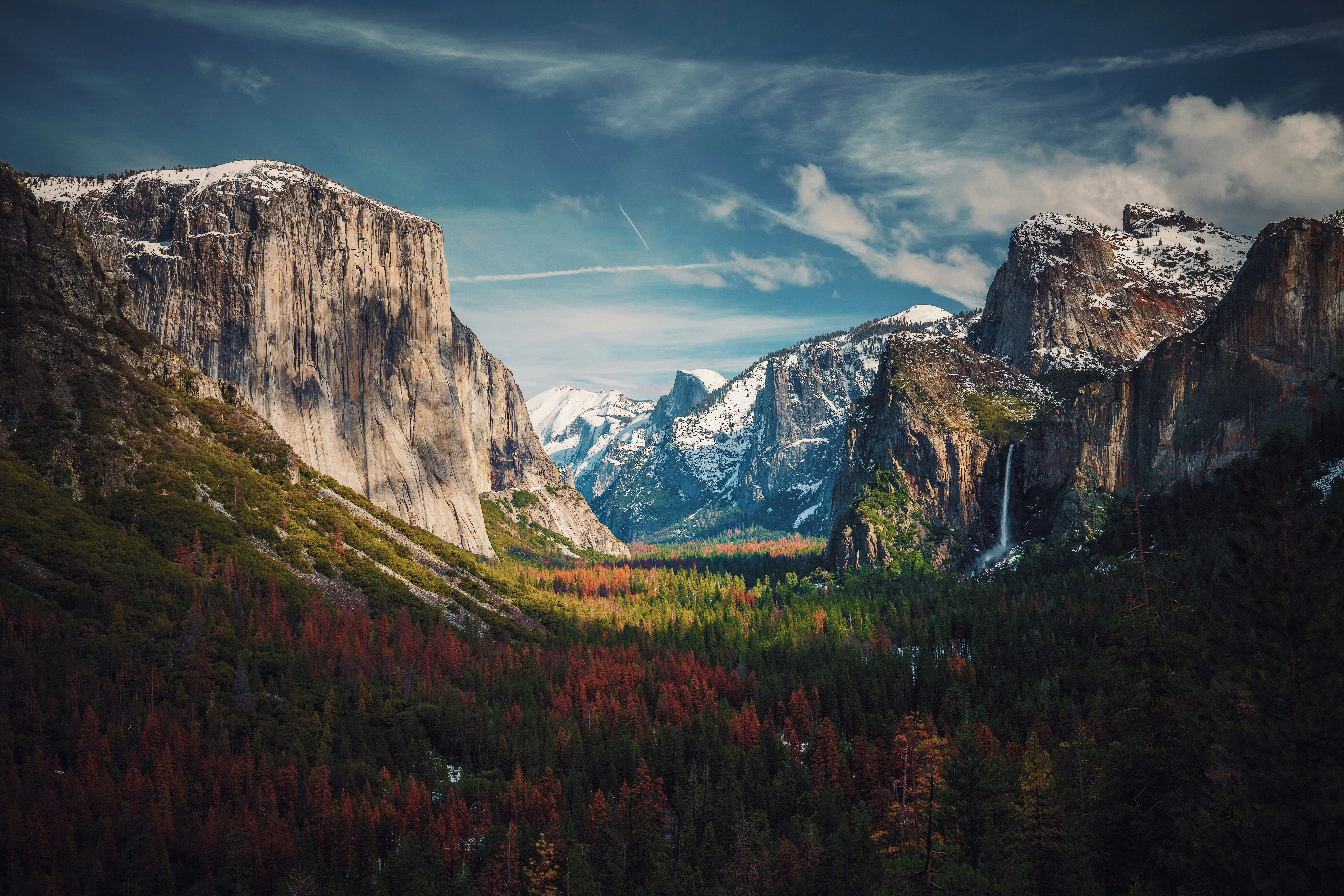
Yosemite Valley is a granite gorge cut by glaciers, with El Capitan and Half Dome rising thousands of feet above the valley floor and waterfalls dropping straight off the rim.
Beyond the valley, the park holds giant sequoia groves, alpine meadows, and high-country lakes reached by the seasonal Tioga Road.
It's one of the birthplaces of American rock climbing, and climbers on El Capitan's face are visible from the valley floor with binoculars.
How does it rate
CrowdsRomanceCash RequiredDangerAccessibilityWhy you should go
Few places pack granite cliffs, giant sequoias, and waterfalls into one valley visible from a single viewpoint.
Why you shouldn't go
Yosemite Valley's roads gridlock in summer, and a timed-entry reservation is often required.
Plan your visit
Best time to visitMay-June for waterfalls at full flow, or September for thinner crowds.Best time of daySunrise at Tunnel View for the valley before the roads fill up.Getting thereFly to Fresno or San Francisco; roughly 2.5-4 hour drive to the valley.Entry cost$35 per vehicle, valid 7 daysTime needed2-3 daysInsider tip — Book the free valley shuttle instead of driving once inside the park - parking fills by mid-morning. -
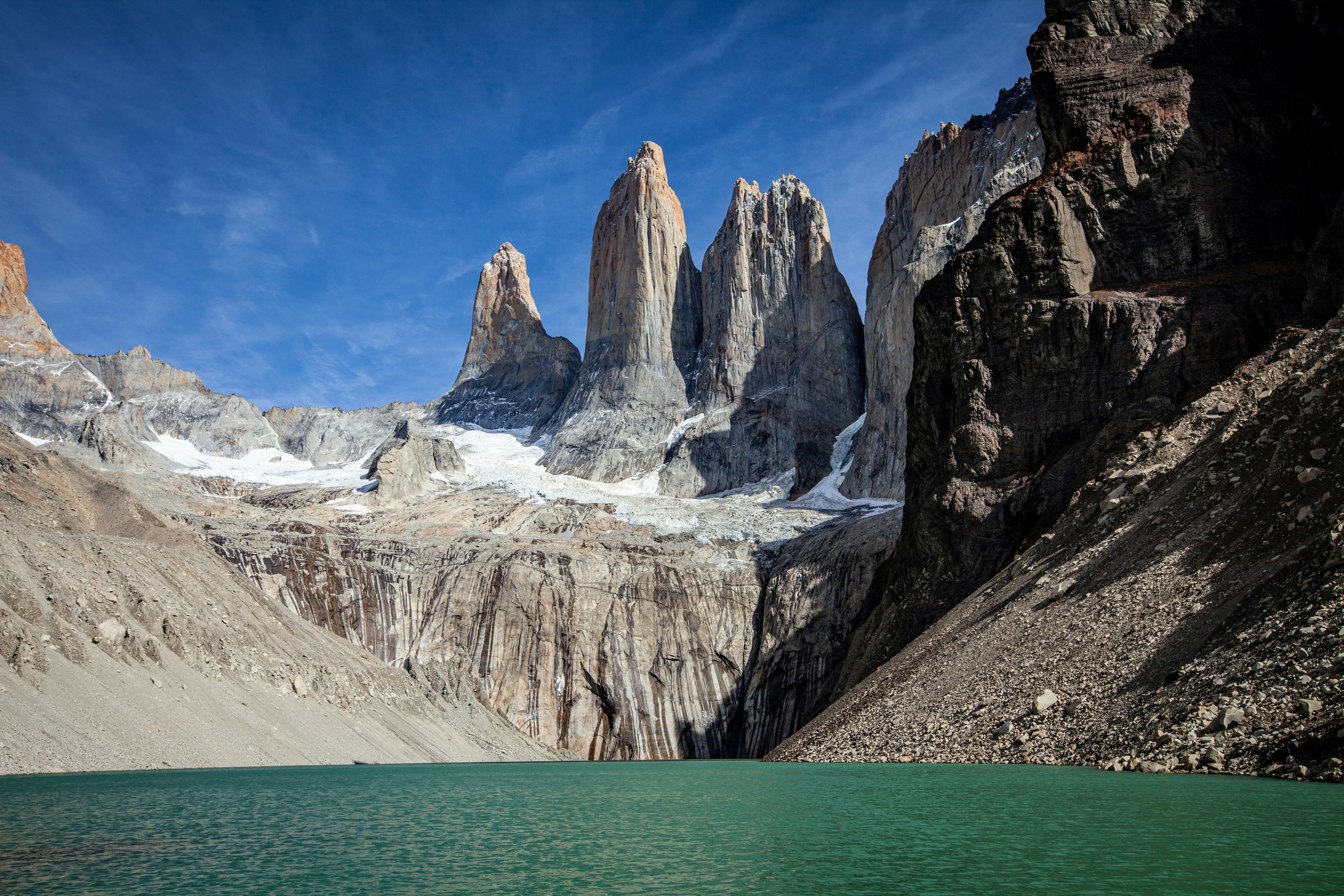 #590 /100
Three granite towers punch straight up out of Chilean Patagonia, reflected in turquoise glacial lakes that change colour with the light.
The full W trek links the towers with glaciers, wind-battered forests and the vivid blue of the Grey Glacier over several days.
Even a single day at the base-of-the-towers viewpoint delivers one of South America's most dramatic landscapes.
How does it rate
CrowdsRomanceCash RequiredDangerAccessibilityWhy you should go
Three granite spires over turquoise glacial lakes - Patagonia's single most iconic view.
Why you shouldn't go
Patagonian wind is relentless and can shut down trails or make photography genuinely difficult.
Plan your visit
Best time to visitNovember-March, the Southern Hemisphere summer.Best time of dayEarly morning, when the wind is calmest and the towers often clear of cloud.Getting thereFly to Punta Arenas, bus to Puerto Natales, then park shuttle to Torres del Paine.Entry costPark entry fee, roughly $35-45 for foreign visitors.Time needed3-5 days for the W trek; 1 day for the base viewpointBookingBook ahead →Insider tip — Base yourself near the park for a pre-dawn start on the Base Towers trail - the final viewpoint is worth reaching before the day's cloud builds. -
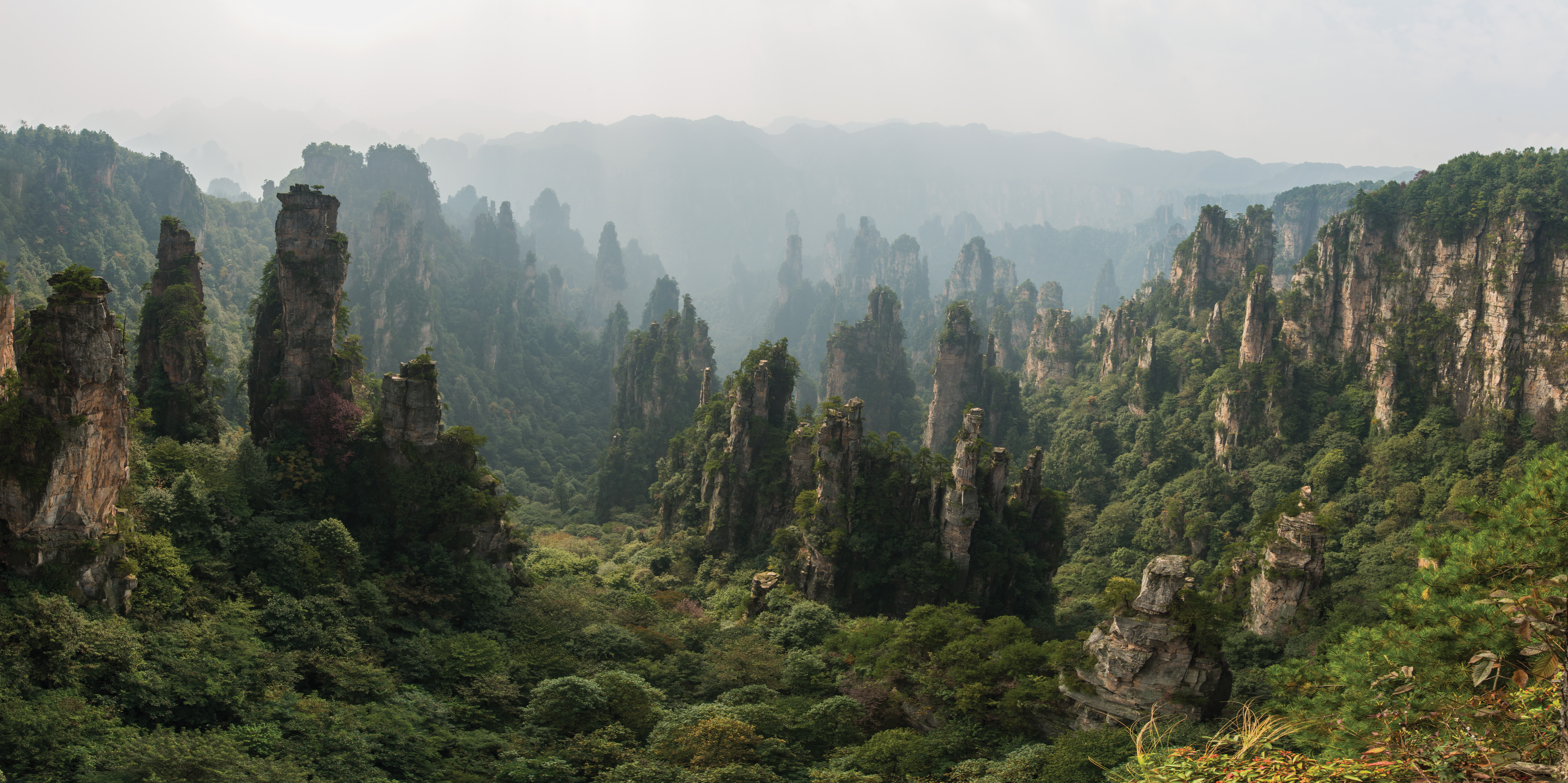 #6
#6Rated #6 of 16
Zhangjiajie National Forest Park, China
#zhangjiajienationalforestpark ◆ National Parks90 /100The towering sandstone pillars of Zhangjiajie National Forest Park inspired the floating Hallelujah Mountains in the film Avatar.
Over three thousand quartzite sandstone columns rise up through a sea of mist, draped in subtropical vegetation and connected by the world's longest and highest glass-bottomed bridge.
How does it rate
CrowdsRomanceCash RequiredDangerAccessibilityWhy you should go
The cloud-wreathed sandstone pillars rising from the valley floor create a genuinely otherworldly landscape unlike anywhere else on earth.
Why you shouldn't go
The park is very crowded, especially with domestic tourists, and the famous glass bridge requires a separate ticket and often has long queues.
Plan your visit
Best time to visitApril-June or September-NovemberBest time of dayMorning, when mist often lingers between the pillarsGetting thereFly to Zhangjiajie Hehua AirportEntry cost~$25 entry (multi-day pass)Time needed2-3 daysInsider tip — The Yuanjiajie area gets crowded; go early or take the Bailong elevator down instead of up -
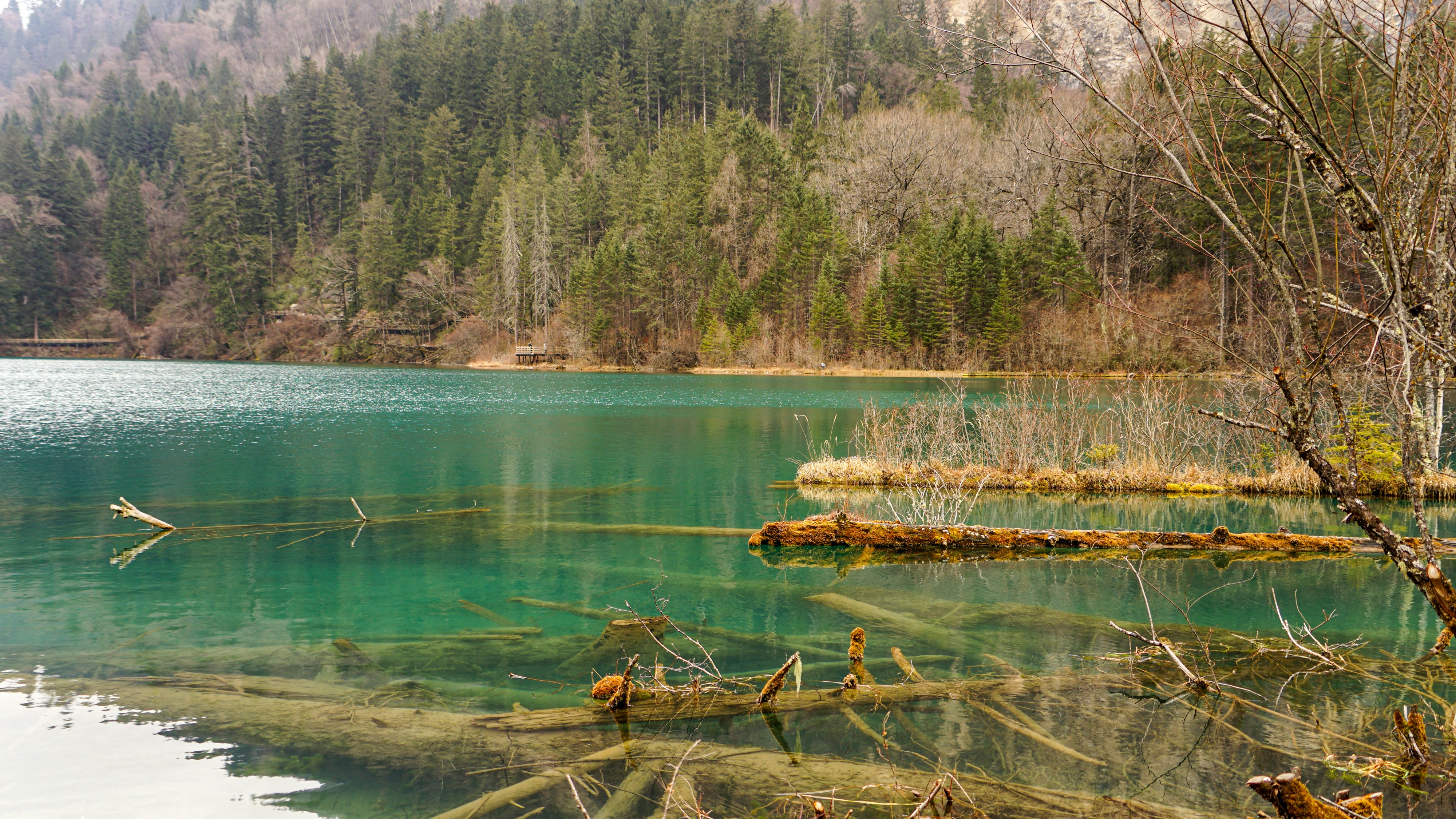 #788 /100
Mineral-rich water turns this Sichuan valley's lakes an almost unnatural turquoise and emerald, layered with travertine terraces and stacked waterfalls.
Fallen trees, preserved in the clear, mineral-hardened water, are visible metres below the surface in the calmest pools.
Snow-capped peaks and autumn foliage frame the lakes depending on season.
How does it rate
CrowdsRomanceCash RequiredDangerAccessibilityWhy you should go
Turquoise mineral lakes so clear that submerged fallen trees are visible metres down.
Why you shouldn't go
Access is tightly managed with shuttle buses only - private cars and free wandering aren't allowed inside.
Plan your visit
Best time to visitOctober, for peak autumn foliage against the turquoise lakes.Best time of dayEarly morning, before shuttle buses bring in the day's main crowds.Getting thereFly to Jiuzhaigou Huanglong Airport, then a shuttle to the park entrance.Entry costEntry fee plus mandatory shuttle bus, together around $40-50.Time needed1-2 daysInsider tip — Head straight for Five Flower Lake and Panda Lake first thing - they're the furthest from the entrance and the first to fill with tour groups. -
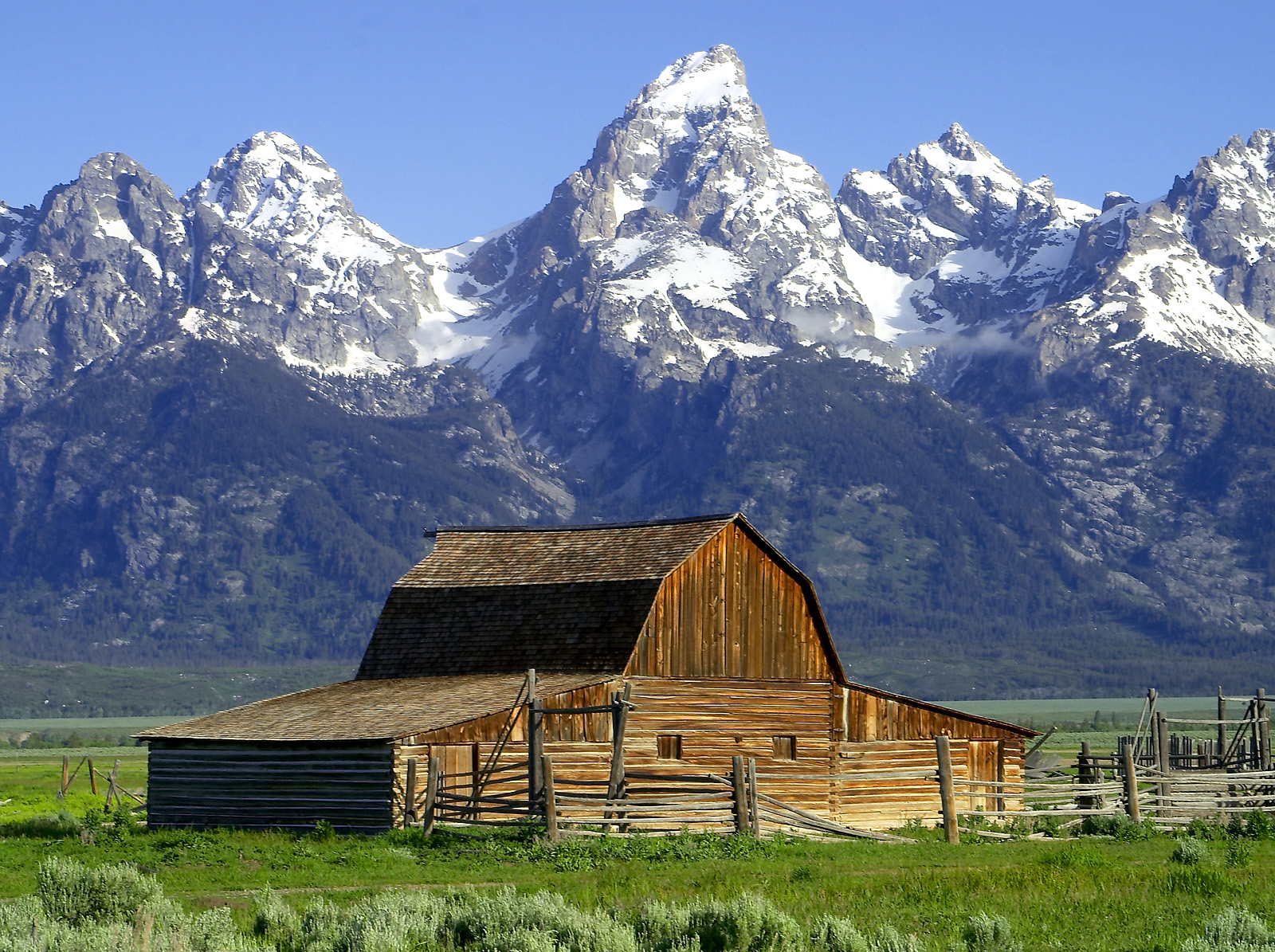 #8
#8Rated #8 of 16
Grand Teton National Park, the United States
#grandtetonnationalpark ◆ National Parks88 /100The Teton Range rises abruptly and without foothills from the flat valley floor of Jackson Hole, creating one of the most dramatic mountain frontages in the Americas.
Below it, the Snake River, a chain of glacial lakes and open sagebrush flats hold moose, elk, bison and both black and grizzly bears.
Trails range from flat lakeshore loops to serious alpine climbs within the same few miles of road.
How does it rate
CrowdsRomanceCash RequiredDangerAccessibilityWhy you should go
The Tetons rising directly from the valley floor create an unobstructed mountain wall that produces some of America's most dramatic landscape photographs.
Why you shouldn't go
Wildlife watching opportunities are excellent but not guaranteed; the park is large and distances between key viewpoints are significant.
Plan your visit
Best time to visitJune-SeptemberBest time of daySunrise at Schwabacher Landing or Oxbow Bend for reflectionsGetting thereFly to Jackson Hole AirportEntry costPark pass ~$35/vehicleTime needed2-3 daysInsider tip — Oxbow Bend at dawn gives the classic Teton reflection shot, especially with autumn colour -
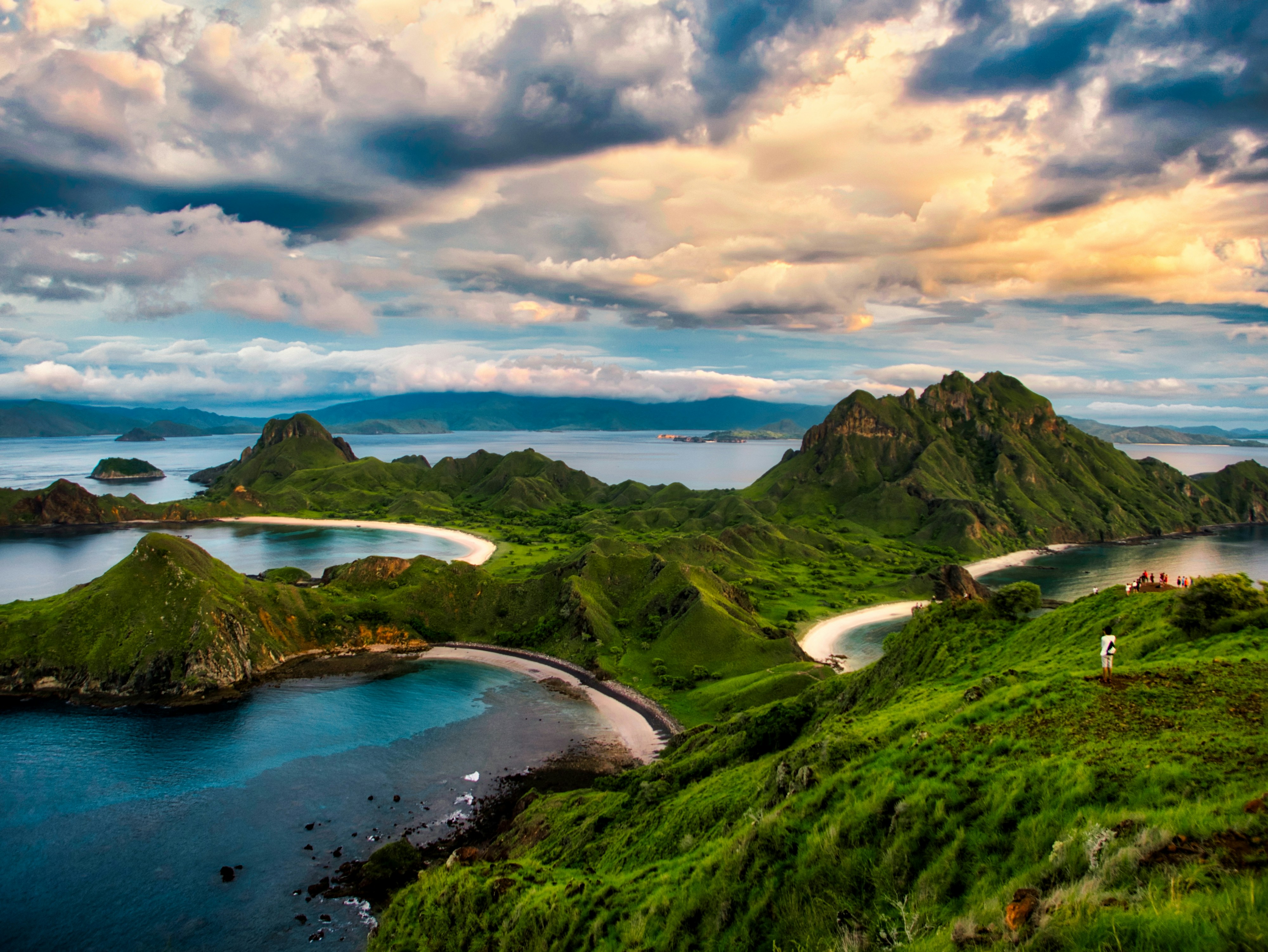 #987 /100
Volcanic islands rise steeply out of turquoise water in this remote Indonesian archipelago, the only place on Earth with wild Komodo dragons.
Padar Island's ridge walk looks down on three separate curved bays at once, and Pink Beach takes its colour from crushed red coral mixed through the sand.
The surrounding waters are among Indonesia's best for manta rays and drift diving.
How does it rate
CrowdsRomanceCash RequiredDangerAccessibilityWhy you should go
A single viewpoint over three turquoise bays, plus the only place on Earth to see wild Komodo dragons.
Why you shouldn't go
Only reachable by multi-day boat trip or a costly speedboat charter from Labuan Bajo.
Plan your visit
Best time to visitApril-June or September-November, outside the wettest and busiest peak months.Best time of daySunrise on Padar Island, before the heat and the day-trip crowds arrive.Getting thereFly into Labuan Bajo, then join a liveaboard or day boat into the park.Entry costPark entry and conservation fees, plus boat trip costs, typically $50-150+ per day.Time needed2-3 daysInsider tip — Book a liveaboard over a single-day speedboat trip - the best light on Padar and Pink Beach both fall outside typical day-trip hours. -
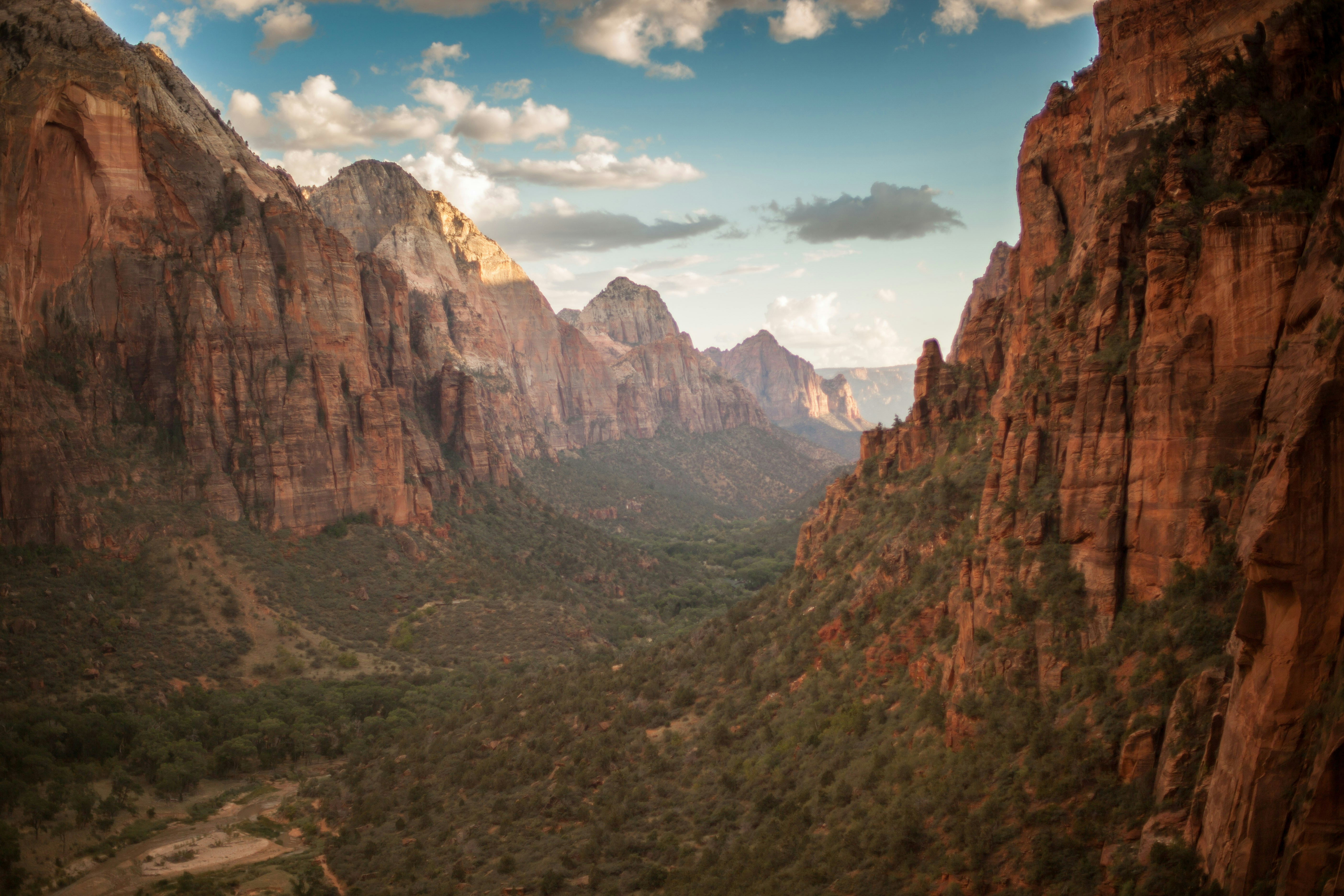 #1087 /100
Zion's main canyon is a half-mile-deep slot of red and cream sandstone carved by the Virgin River, with the Narrows letting visitors wade upriver between walls that close in overhead.
The valley floor is reached only by a free shuttle in peak season, keeping the canyon quieter than the crowded parking lots suggest.
Angels Landing's chained final pitch is the park's signature scramble, but most of the canyon is accessible on flat paved trails.
How does it rate
CrowdsRomanceCash RequiredDangerAccessibilityWhy you should go
A narrow, towering sandstone canyon you can wade straight up the middle of via the Virgin River.
Why you shouldn't go
Angels Landing needs a lottery permit, and summer flash-flood risk can close the Narrows without notice.
Plan your visit
Best time to visitApril-May or September-October, avoiding summer flash-flood season and winter Narrows closures.Best time of dayEarly morning shuttle to beat both the heat and the crowds at the canyon trailheads.Getting thereFly to Las Vegas; roughly 2.5 hour drive to the park entrance at Springdale.Entry cost$35 per vehicle, valid 7 daysTime needed1-2 daysInsider tip — Rent canyoneering shoes and a walking stick in Springdale before hiking the Narrows - the river rocks are slick. -
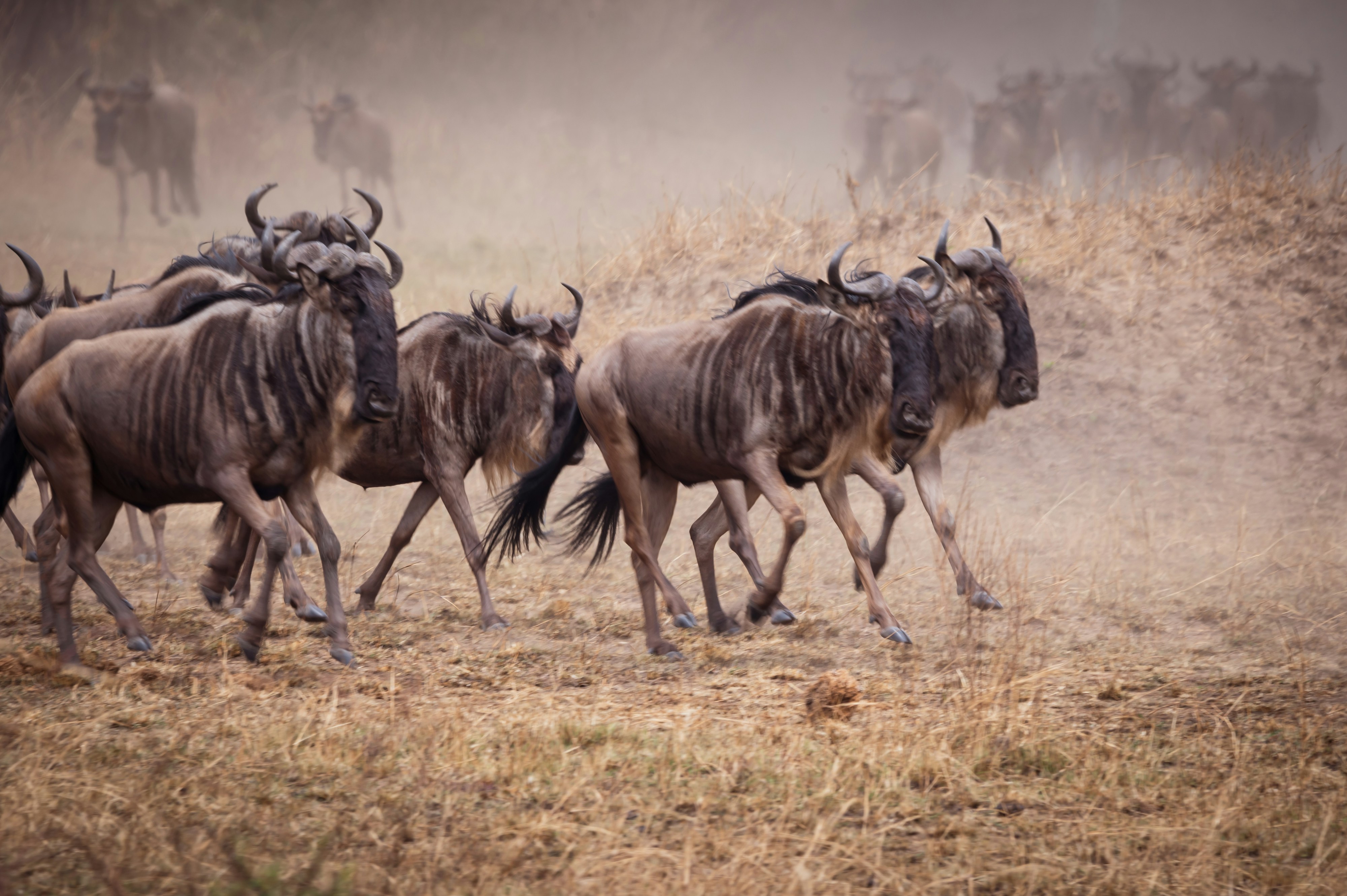 #1185 /100
Endless golden grassland stretches to the horizon across this legendary plain, home to the largest overland wildlife migration on Earth.
Wildebeest and zebra herds move across the landscape in numbers that make the scale of the place as much the subject as any single animal.
Hot-air balloon flights at dawn take in the migrating herds and scattered acacia trees from above.
How does it rate
CrowdsRomanceCash RequiredDangerAccessibilityWhy you should go
The largest wildlife migration on Earth, moving across a genuinely endless horizon.
Why you shouldn't go
A proper safari here is expensive once flights, park fees and guided game drives are all added up.
Plan your visit
Best time to visitJune-September for the river-crossing migration; year-round for general wildlife.Best time of dayEarly morning game drives, when animals are most active and light is softest.Getting thereFly into Kilimanjaro or Arusha, then a light aircraft or road transfer into the park.Entry costDaily park fees around $70+ per person, plus safari vehicle and guide costs.Time needed3-4 daysInsider tip — Time a visit to the Mara River crossings in July-August for the single most dramatic and most photographed migration moment. -
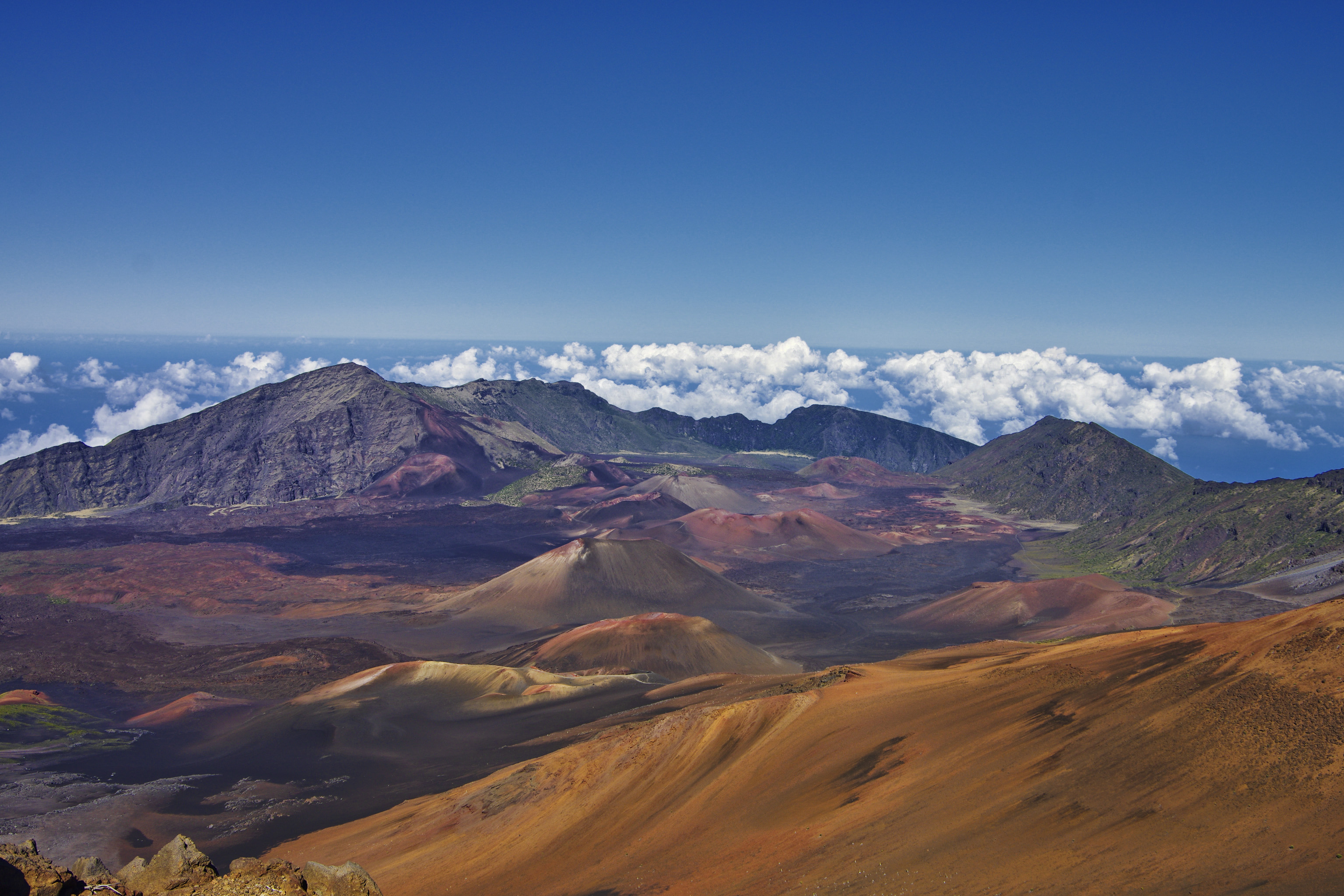 #1285 /100
Haleakala's summit on Maui sits at 3,055 metres above sea level, placing it above the clouds for one of the world's most famous sunrise experiences.
The volcanic crater contains a moonlike landscape of cinder cones and lava flows extending 11 kilometres across and 800 metres deep.
How does it rate
CrowdsRomanceCash RequiredDangerAccessibilityWhy you should go
Watching the sun rise above the clouds from the summit crater rim is a spiritual experience; the volcanic landscape below and clouds stretching to the horizon are genuinely awe-inspiring.
Why you shouldn't go
Sunrise viewing requires an advance reservation, you must drive up before 3am, and the summit is bitterly cold even in Hawaiian summer.
Plan your visit
Best time to visitYear-roundBest time of daySunrise (needs advance reservation) or sunsetGetting there~1.5-2hr drive from Kahului, MauiEntry costPark entry ~$30/vehicle, sunrise reservation ~$1 extraTime neededHalf dayInsider tip — Book the sunrise reservation weeks ahead; it sells out, and bring warm layers, it is near freezing at the summit -
 #13
#13Rated #13 of 16
Valley of Fire State Park, the United States
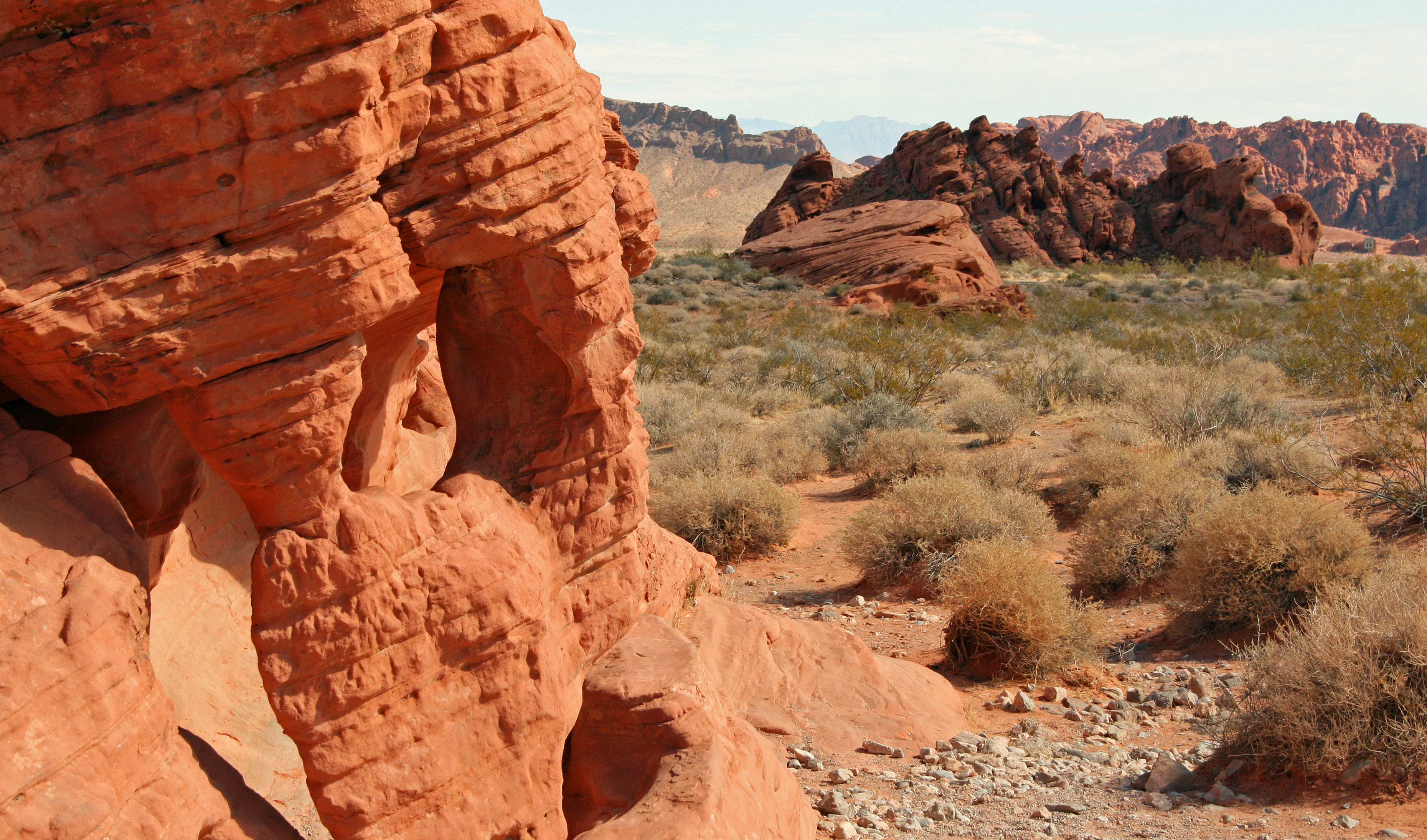
#valleyoffirestatepark ◆ National Parks84 /100The Valley of Fire State Park is Nevada's oldest and largest state park, containing extraordinary formations of bright red Aztec sandstone created from sand dunes 150 million years ago.
The intensely coloured rock glows with particular brilliance at sunrise and sunset when it appears almost to be lit from within.
How does it rate
CrowdsRomanceCash RequiredDangerAccessibilityWhy you should go
The vivid red sandstone formations, particularly at golden hour, create a landscape of extraordinary colour intensity; Wave Rock and Elephant Rock are among the most dramatic formations.
Why you shouldn't go
The park is in the Mojave Desert and temperatures exceed 40 degrees Celsius in summer; it is most accessible as a day trip from Las Vegas but there is limited accommodation within the park.
Plan your visit
Best time to visitOctober-April, avoiding extreme summer heatBest time of daySunrise or sunset when the red sandstone glowsGetting there~1hr drive from Las VegasEntry cost~$15/vehicleTime neededHalf dayInsider tip — Fire Wave formation is the most photographed spot in the park and best lit in late afternoon -
 #14
#14Rated #14 of 16
Phong Nha-Ke Bang National Park, Vietnam
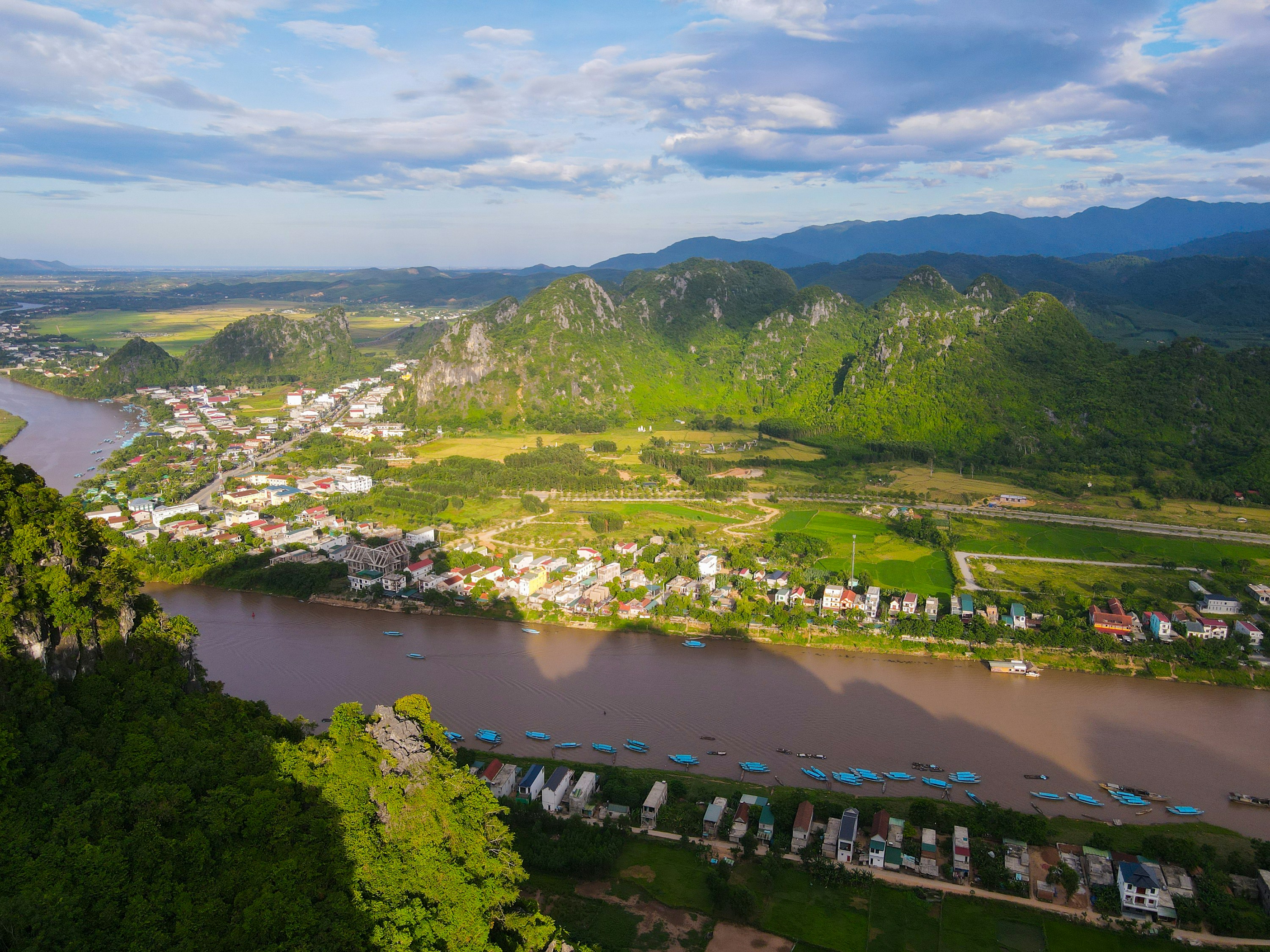
#phongnha-kebangnationalpark ◆ National Parks84 /100Phong Nha-Ke Bang protects one of the world's largest karst regions, its jungle-covered limestone hiding thousands of caves, including Son Doong, the largest cave passage on Earth, and Paradise Cave's vast chambers of stalactites.
Most visitors explore by boat along the Son River into Phong Nha Cave itself, or walk the lit boardwalks of Paradise Cave.
It's Vietnam's premier caving destination, still largely undeveloped outside the main sites.
How does it rate
CrowdsRomanceCash RequiredDangerAccessibilityWhy you should go
Home to some of the planet's largest and most spectacular cave systems, from boat-accessible grottoes to multi-day expedition caving.
Why you shouldn't go
The headline cave, Son Doong, requires a costly multi-day expedition booked a year ahead; day-trip caves get busy with tour groups.
Plan your visit
Best time to visitFebruary-August, dry season; avoid September-November when typhoon flooding can close the caves.Best time of dayEarly morning at Paradise Cave, before tour buses arrive mid-morning.Getting thereFly to Dong Hoi; Phong Nha town is a 45-minute drive, with cave entrances a further 20-40 minutes on.Entry costPhong Nha Cave boat trip and Paradise Cave each charge separate entry fees, roughly $8-10Time needed1 day for the main caves; Son Doong expeditions run 4-7 daysBookingBook ahead →Insider tip — Visit Paradise Cave right at opening to get the boardwalk to yourself before tour buses arrive; the boat ride into Phong Nha Cave itself is included in a single ticket and needs no separate booking. -
 #1579 /100
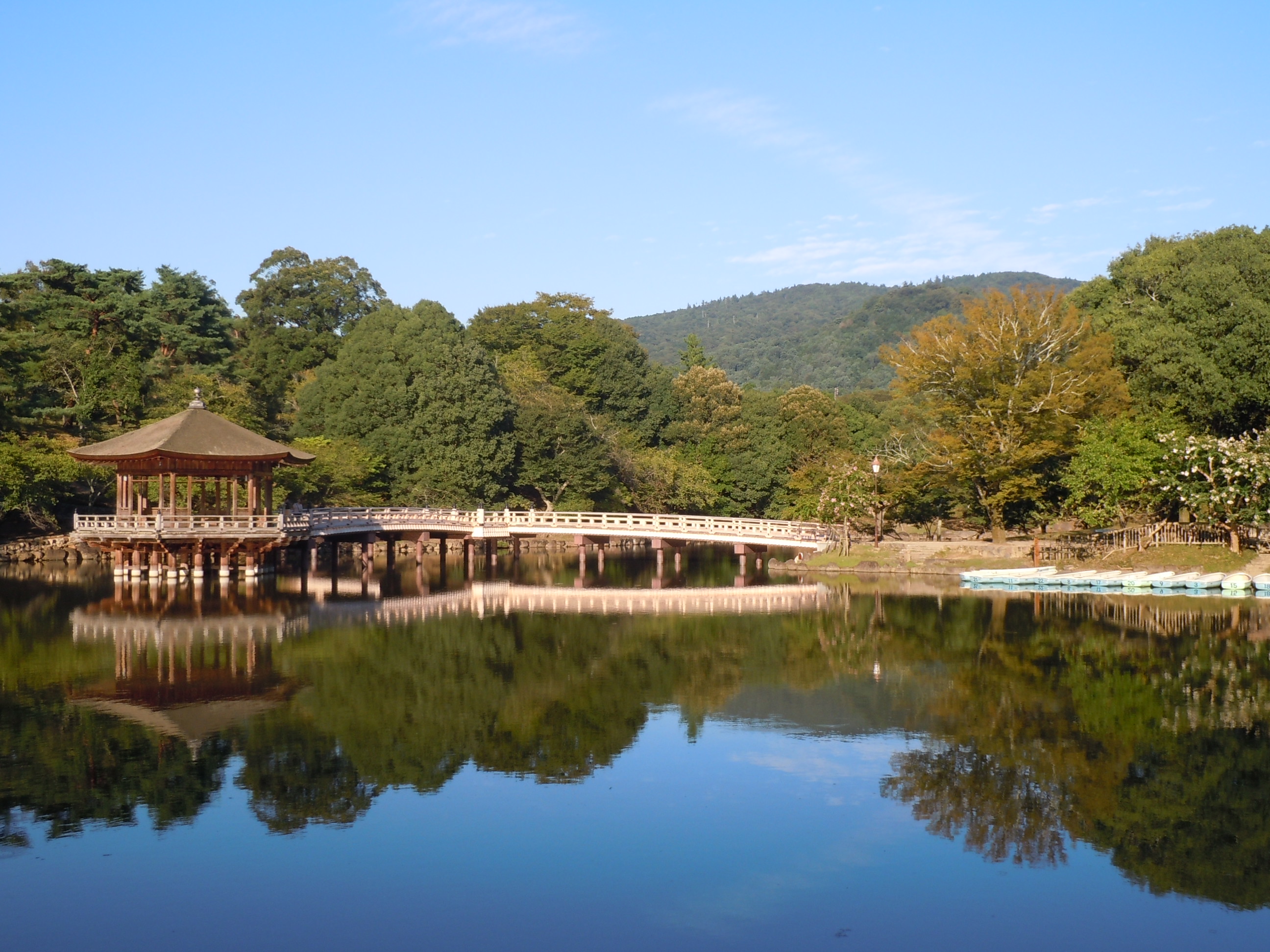
Nara Park is a large public park in the ancient city of Nara that is home to over 1,200 wild sika deer who roam freely among the park's temples, shrines, and wooded paths.
The deer are considered sacred messengers of the gods in the Shinto tradition and have been protected for 1,300 years.
How does it rate
CrowdsRomanceCash RequiredDangerAccessibilityWhy you should go
The experience of hand-feeding deer biscuits to the genuinely wild sika deer who approach you confidently in front of ancient temples is uniquely magical and unlike any other park in the world.
Why you shouldn't go
The deer, while charming, can be aggressive especially around food; deer biscuits must be purchased from approved vendors and the deer have been known to bite or headbutt visitors.
Plan your visit
Best time to visitYear-round; spring for cherry blossoms, autumn for maple coloursBest time of dayEarly morning before tour groups, when deer are most activeGetting thereNara Station, short walk/bus to the parkEntry costFree; deer crackers small feeTime needed2-3 hoursInsider tip — Buy deer crackers from a licensed vendor; the deer here are famous for bowing to visitors who have them -
 #1678 /100
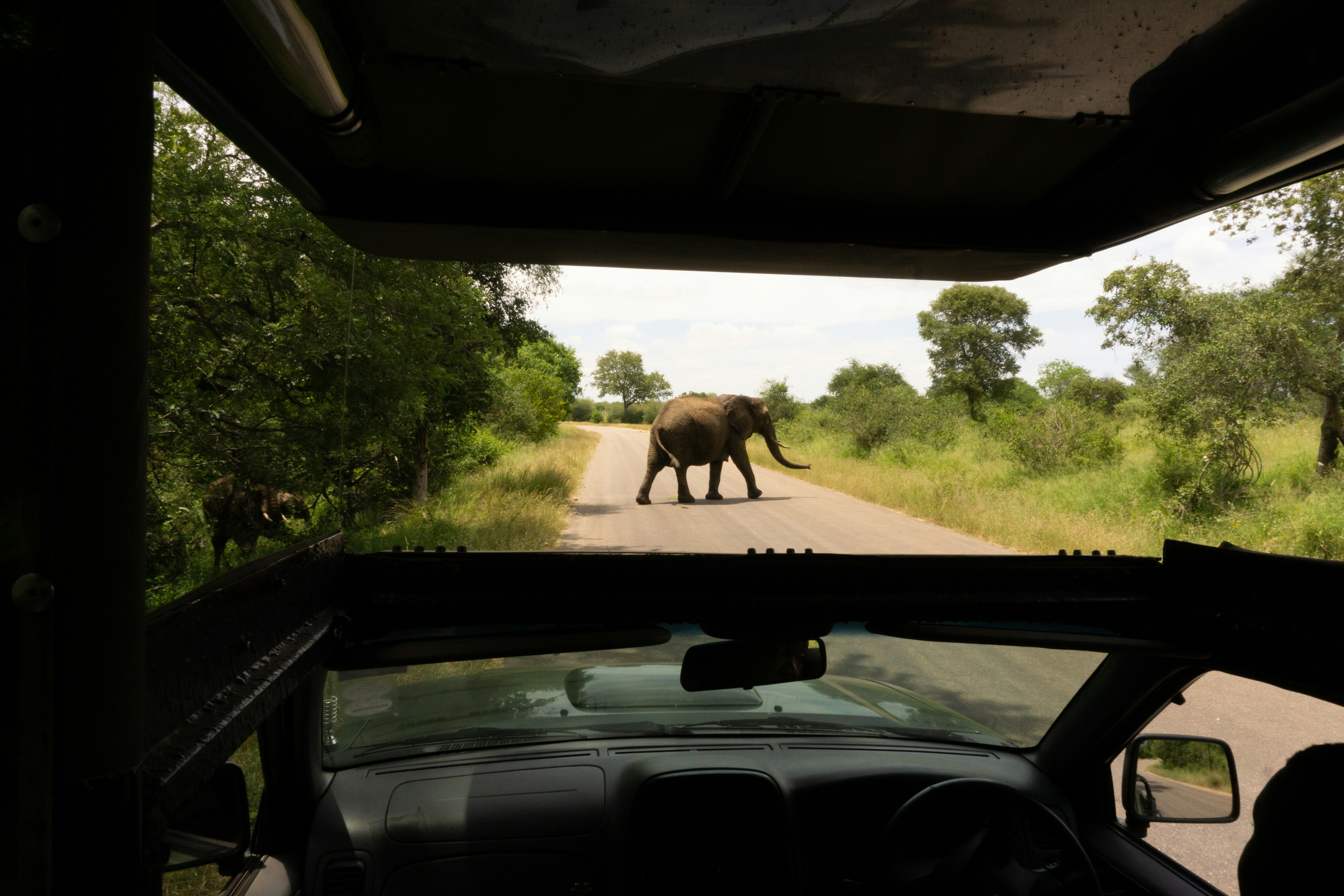
One of Africa's largest and most accessible game reserves, Kruger offers a realistic chance at all of the Big Five without a bush plane or a multi-thousand-dollar package.
Self-drive routes on paved and gravel roads reach the watering holes and riverbeds where lions, elephants and giraffe gather, particularly through the dry season.
Rest camps inside the park range from basic campsites to air-conditioned bungalows.
How does it rate
CrowdsRomanceCash RequiredDangerAccessibilityWhy you should go
Africa's most accessible Big Five safari - reachable and drivable without a specialist guide.
Why you shouldn't go
Wildlife sightings are never guaranteed; a quiet game drive is a real possibility on any given day.
Plan your visit
Best time to visitMay-September, the dry winter, when animals gather at limited water sources.Best time of dayEarly morning and late afternoon game drives, when animals are most active.Getting thereFly to Skukuza or Kruger Mpumalanga airports, or self-drive from Johannesburg (about 5 hours).Entry costDaily conservation fee around $25-30 per person for self-drive visitors.Time needed3-4 daysBookingBook ahead →Insider tip — Self-drive slowly along riverbank roads at dawn - the paid guided drives don't have exclusive access to the best sightings.


More from The World
-
How a score is built
One score out of 100, five criteria behind it
Every place is rated 1–5 on each of the criteria below, then combined into a single score out of 100. It's calculated by us, the same way every time — not an average of traveller reviews or social votes.
Crowds
How many people you'll be sharing it with, and at what time of day.
Romance
How well it suits a couple, a proposal, or a quiet moment together.
Cash required
Entry fees, permits, guides, rentals — what it actually costs to do it.
Danger
Physical risk involved, from a slippery viewpoint to genuine hazard.
Accessibility
How far off the beaten path it is, and how hard it is to actually reach.

