-
 #187 /100
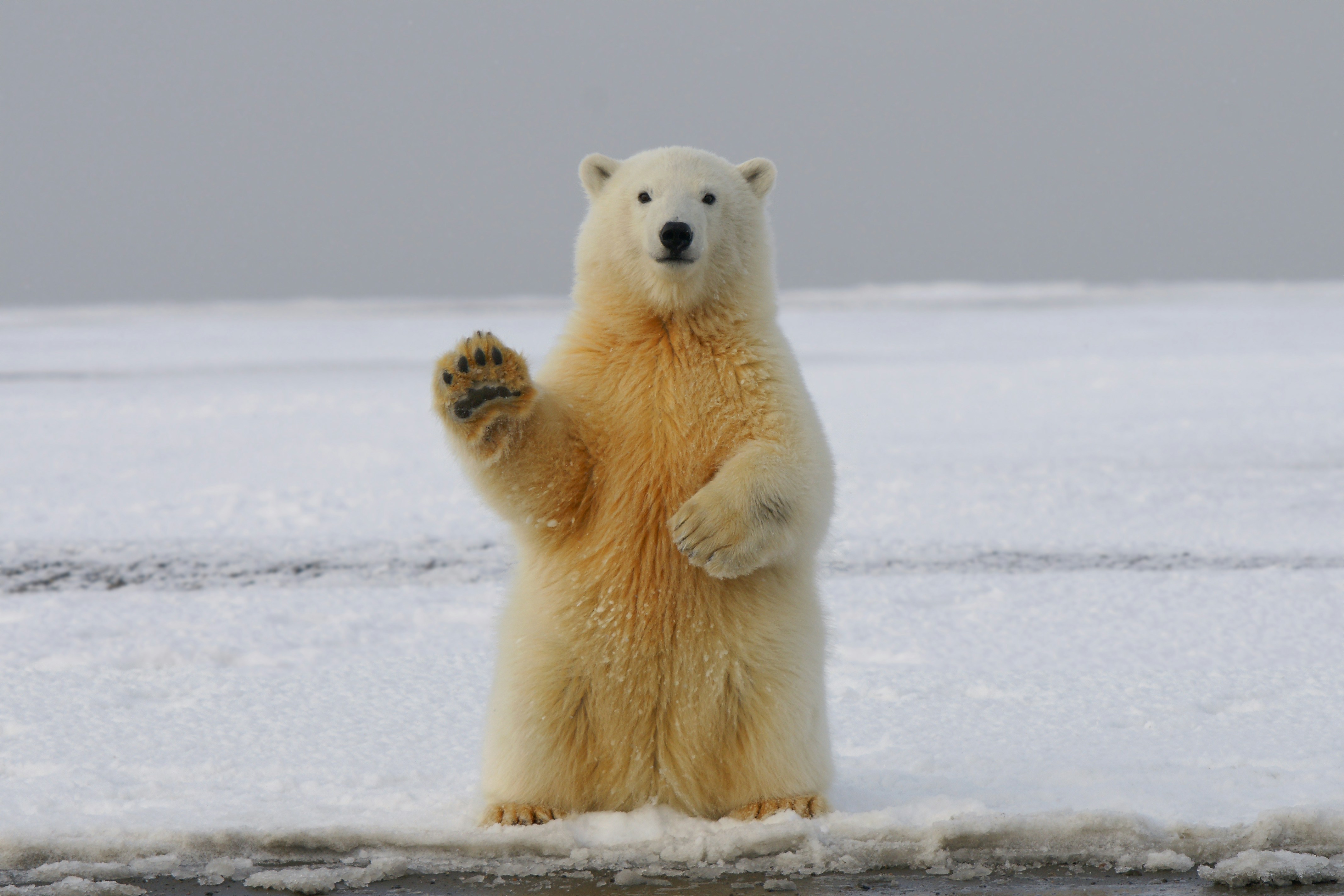
A sub-Arctic town on the Hudson Bay coast known as the polar bear capital of the world, where bears gather each autumn waiting for the sea ice to freeze.
Specially built tundra vehicles bring visitors safely within metres of wild bears, and the same stretch of coast offers beluga whale watching in summer and reliable northern lights viewing in winter.
No road connects Churchill to the rest of Manitoba.
How does it rate
CrowdsRomanceCash RequiredDangerAccessibilityWhy you should go
The most reliable place on Earth to see wild polar bears up close, from the safety of a purpose-built tundra vehicle.
Why you shouldn't go
Only reachable by plane or a two-day train; peak-season tours routinely cost thousands of dollars.
Plan your visit
Best time to visitLate October to mid-November for polar bears; July-August for beluga whales; Jan-March for auroraBest time of dayDaylight hours for bear viewing; clear, moonless nights for the northern lightsGetting thereFly from Winnipeg (about 2 hours) or take the 2-day VIA Rail train; no roads connect Churchill to the rest of Manitoba.Entry costTundra buggy tours from around CA$400/day; multi-day packages often CA$3,000+Time needed3-5 days for a bear-viewing tripBookingBook ahead →Insider tip — Book tundra buggy tours many months ahead for the first two weeks of November, when bear numbers along the coast are highest; shoulder-season dates are cheaper but far less certain. -
 #284 /100
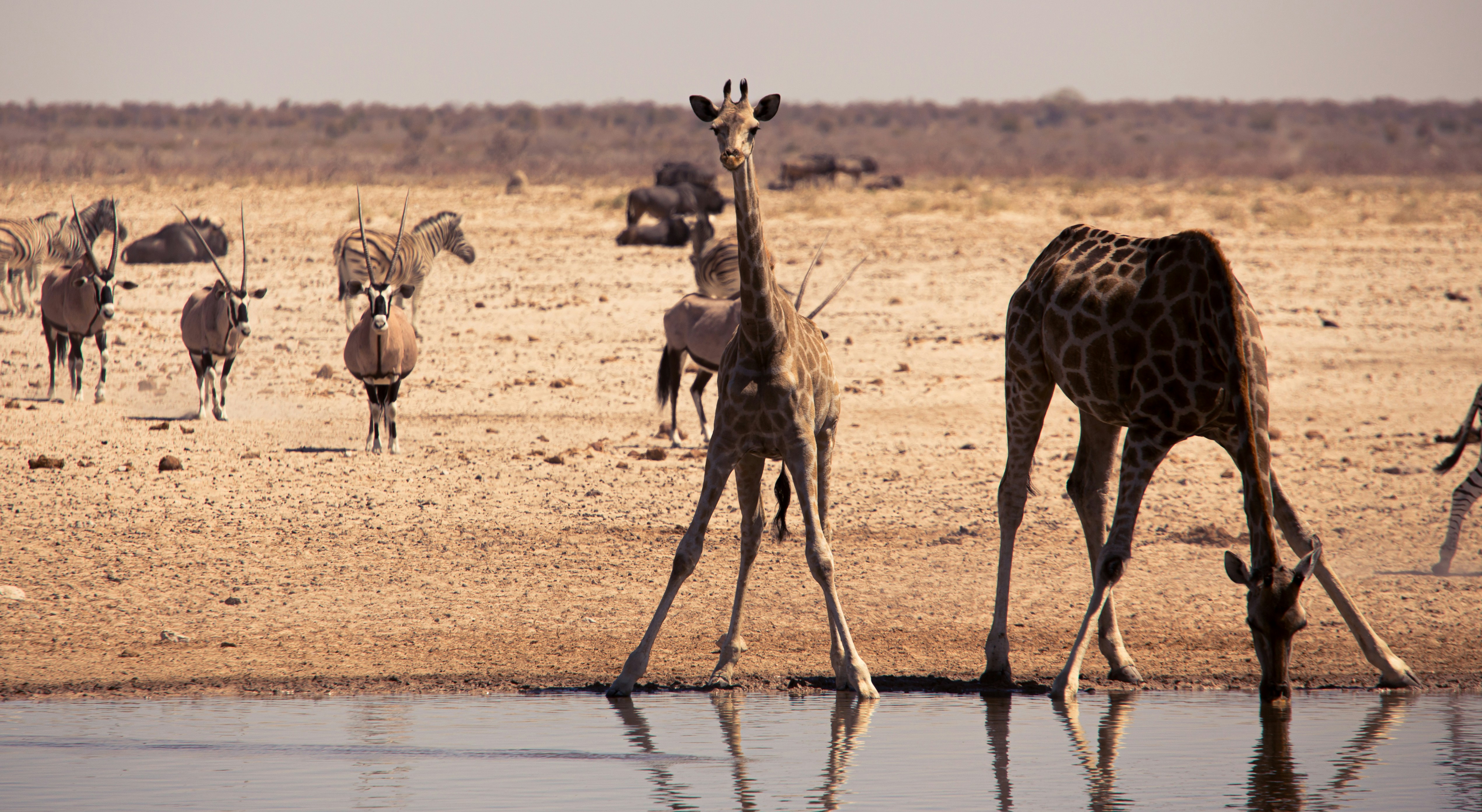
A vast, shimmering salt pan visible from space anchors this national park, where waterholes along its edges concentrate wildlife in a way few other African parks match, especially in the dry season when animals converge to drink.
Self-drive visitors can park at floodlit waterholes after dark and watch elephants, rhinos and predators arrive, without needing a guide.
The pan itself is striking even without the wildlife around its rim.
How does it rate
CrowdsRomanceCash RequiredDangerAccessibilityWhy you should go
One of Africa's best self-drive safari parks, with floodlit waterholes offering wildlife viewing after dark.
Why you shouldn't go
Dry-season dust and heat are intense, and the pan itself offers little shade for extended stops.
Plan your visit
Best time to visitMay–October (dry season), when wildlife concentrates densely at waterholes.Best time of dayLate afternoon into dusk at a floodlit waterhole, as nocturnal animals begin arriving.Getting thereAbout 4-5 hours' drive from Windhoek, or fly into a nearby airstrip.Entry costPark entry around N$150 (~€8) per person per day, plus vehicle fees.Time needed2–3 days.Insider tip — Stay inside the park at a rest camp with a floodlit waterhole (like Okaukuejo) rather than outside the gates — night sightings there are the trip's highlight. -
 #384 /100
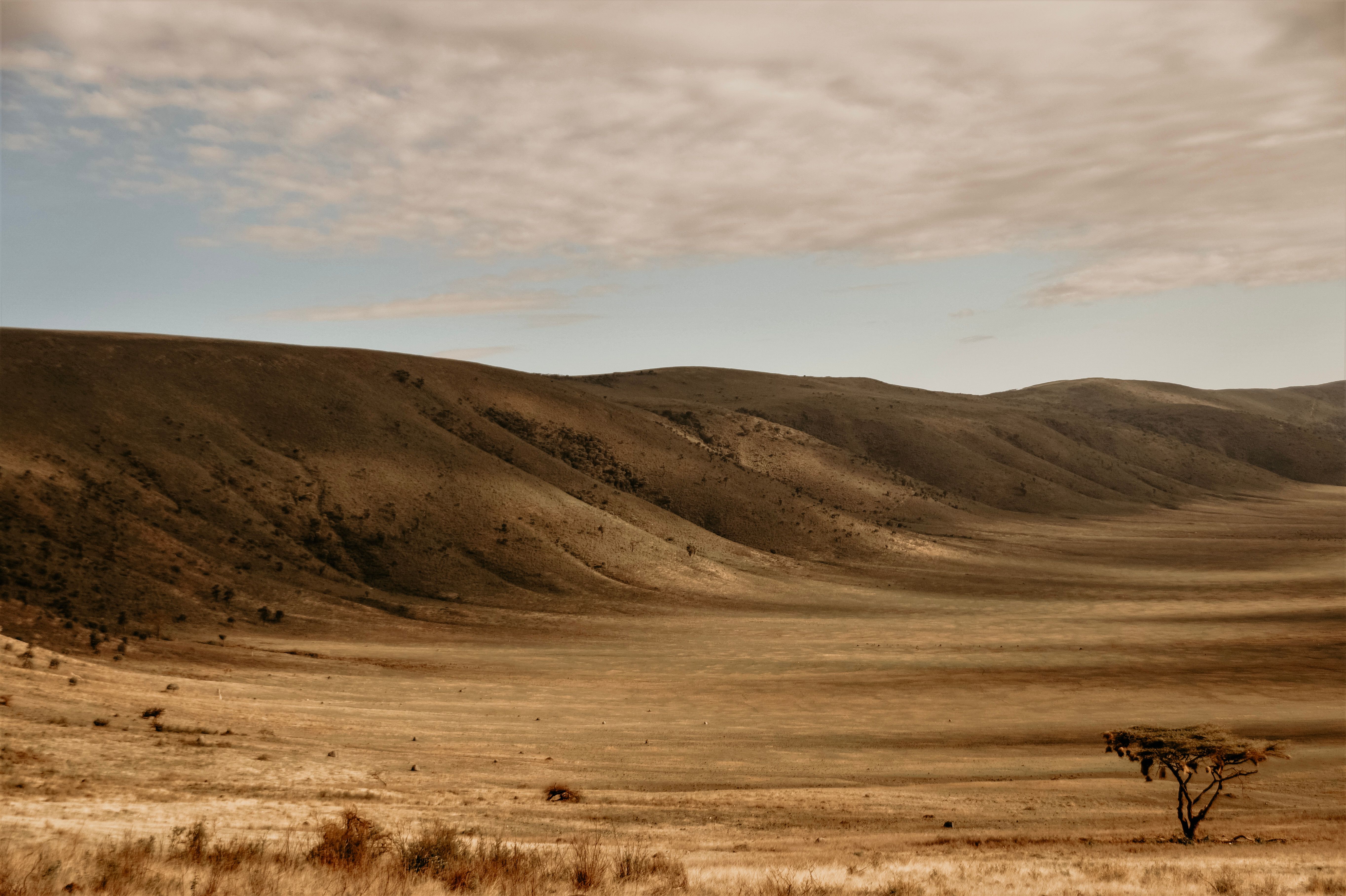
The world's largest intact volcanic caldera holds an entire self-contained ecosystem within its walls, its crater floor packed with one of Africa's densest concentrations of wildlife, including the 'Big Five' all visible on a single day's game drive.
Unlike the Serengeti's open plains, animals here rarely migrate beyond the crater's rim, making sightings unusually reliable year-round.
How does it rate
CrowdsRomanceCash RequiredDangerAccessibilityWhy you should go
One of Africa's most reliable wildlife-viewing sites, with all of the Big Five often visible in a single day.
Why you shouldn't go
Vehicle numbers on the crater floor can feel congested at popular sightings during peak season.
Plan your visit
Best time to visitJune–September (dry season) for the easiest wildlife viewing and clearer roads.Best time of dayEarly morning descent onto the crater floor, when predators are most active.Getting thereDrive from Arusha, about 3.5–4 hours, often combined with a Serengeti safari circuit.Entry costConservation area fees around $70+ per person per day, typically bundled into safari packages.Time needed1 full day, or an overnight stay on the crater rim.Insider tip — Stay overnight on the rim rather than day-tripping from Arusha — it gets you onto the crater floor at first light, before day-tour vehicles arrive. -
 #483 /100
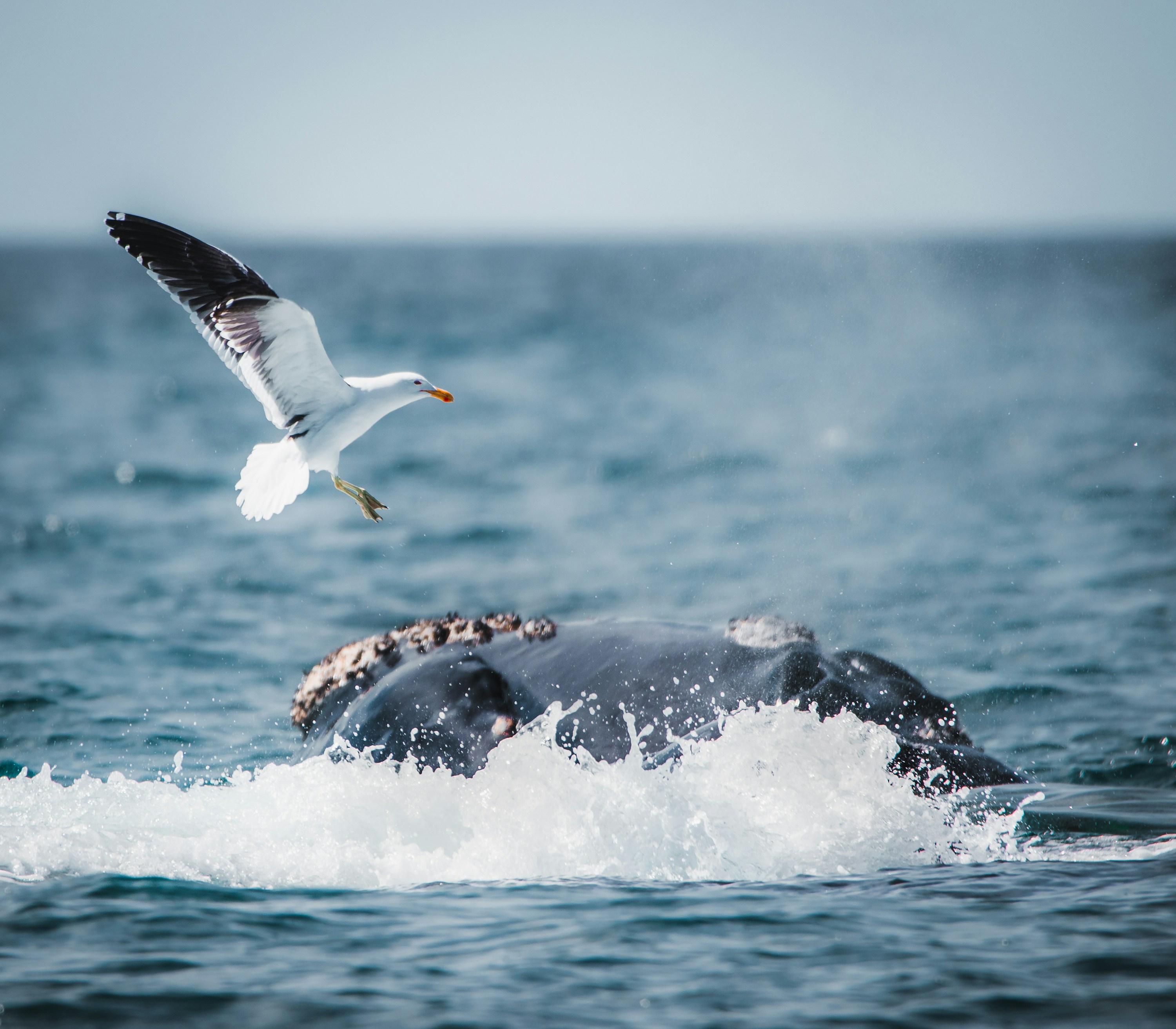
Peninsula Valdes juts into the South Atlantic off Argentine Patagonia and holds one of the continent's great wildlife spectacles: southern right whales calving close to shore, orcas that beach themselves hunting sea lion pups, and colonies of elephant seals and penguins.
A UNESCO site reached from Puerto Madryn, it's linked by unpaved roads between viewing points.
Sightings are seasonal, so timing matters.
How does it rate
CrowdsRomanceCash RequiredDangerAccessibilityWhy you should go
Southern right whales come close enough to watch from small boats or even the shore, in season.
Why you shouldn't go
Wildlife is seasonal and not guaranteed outside the main months - check the calendar before booking.
Plan your visit
Best time to visitJune-December for whales (peak Sept-Nov); Oct-Nov also for orca hunting behaviorBest time of dayMorning boat trips tend to have calmer water and more active whalesGetting thereFly to Trelew or Puerto Madryn, then 1-1.5hr drive onto the peninsulaEntry costReserve entrance fee ~$20-30; whale-watching boat trips separate, ~$70-100Time neededFull day; two days to cover more viewing pointsInsider tip — Book a boat trip from Puerto Piramides itself rather than a day tour from Puerto Madryn - you get more time on the water and less time on the bus. -
 #580 /100
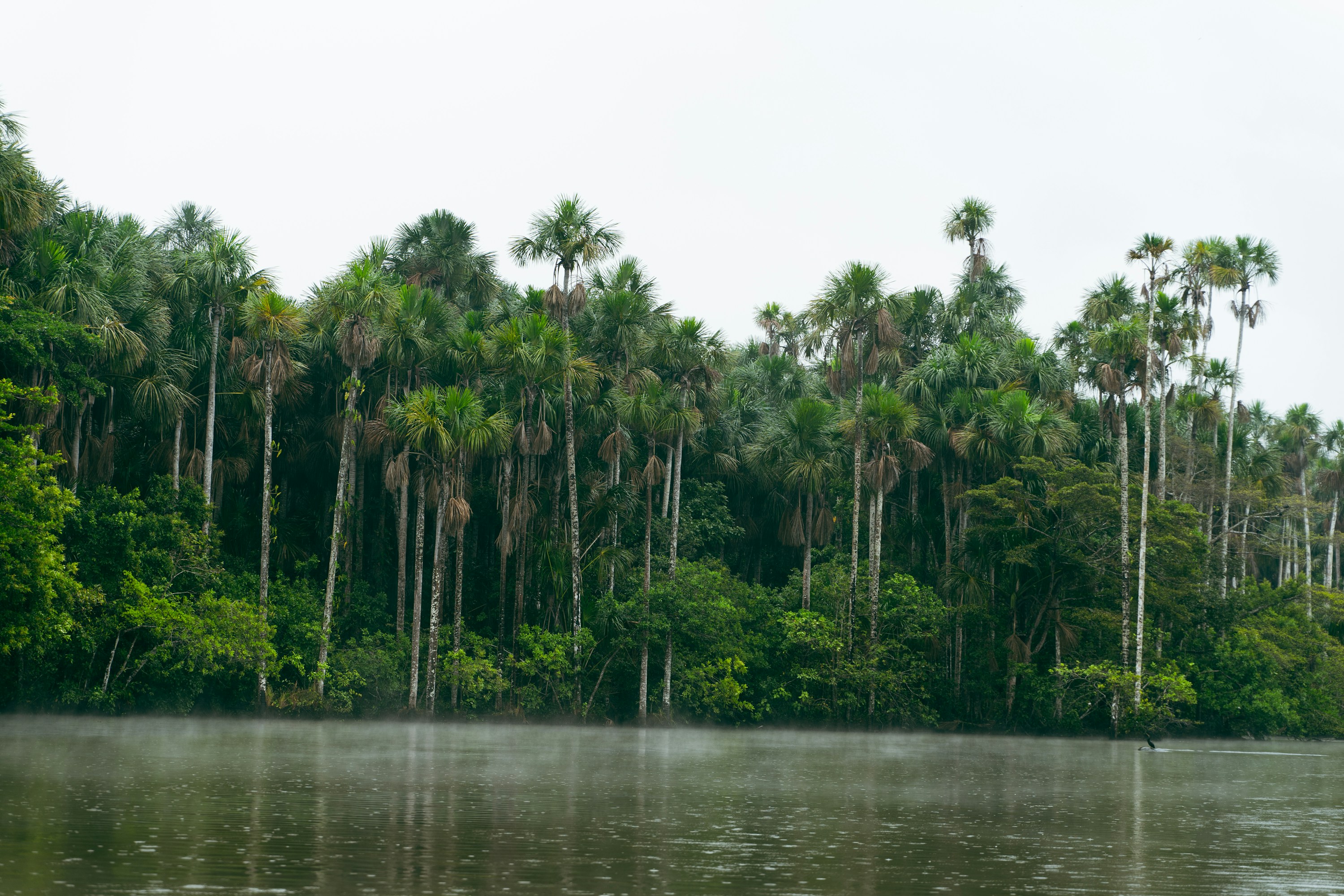
Tambopata protects lowland Amazon rainforest in southeastern Peru, reached by boat from Puerto Maldonado.
Jungle lodges put visitors within reach of oxbow lakes, giant otters, and one of the Amazon's largest macaw clay licks, where hundreds of parrots gather at dawn.
Guided walks and night boat rides turn up a density of wildlife hard to match elsewhere in Peru, though it costs real time and money to reach.
How does it rate
CrowdsRomanceCash RequiredDangerAccessibilityWhy you should go
One of the Amazon's best macaw clay licks, plus genuinely high odds of otters, caimans and monkeys.
Why you shouldn't go
Getting to the good lodges means a flight to Puerto Maldonado plus hours by boat, and it isn't cheap.
Plan your visit
Best time to visitMay-October (dry season) for easier trails and reliable clay-lick activityBest time of dayDawn for the macaw clay lick; dusk and after dark for caiman and nocturnal wildlifeGetting thereFly to Puerto Maldonado, then 1-4 hours by boat depending on the lodgeEntry costReserve entry fee ~$20-30; lodge packages from roughly $250 for 3 daysTime needed3-4 days including travelInsider tip — Stay at least three nights - the clay licks aren't guaranteed daily, and lodges further upriver see far less boat traffic than those near Puerto Maldonado. -
 #679 /100
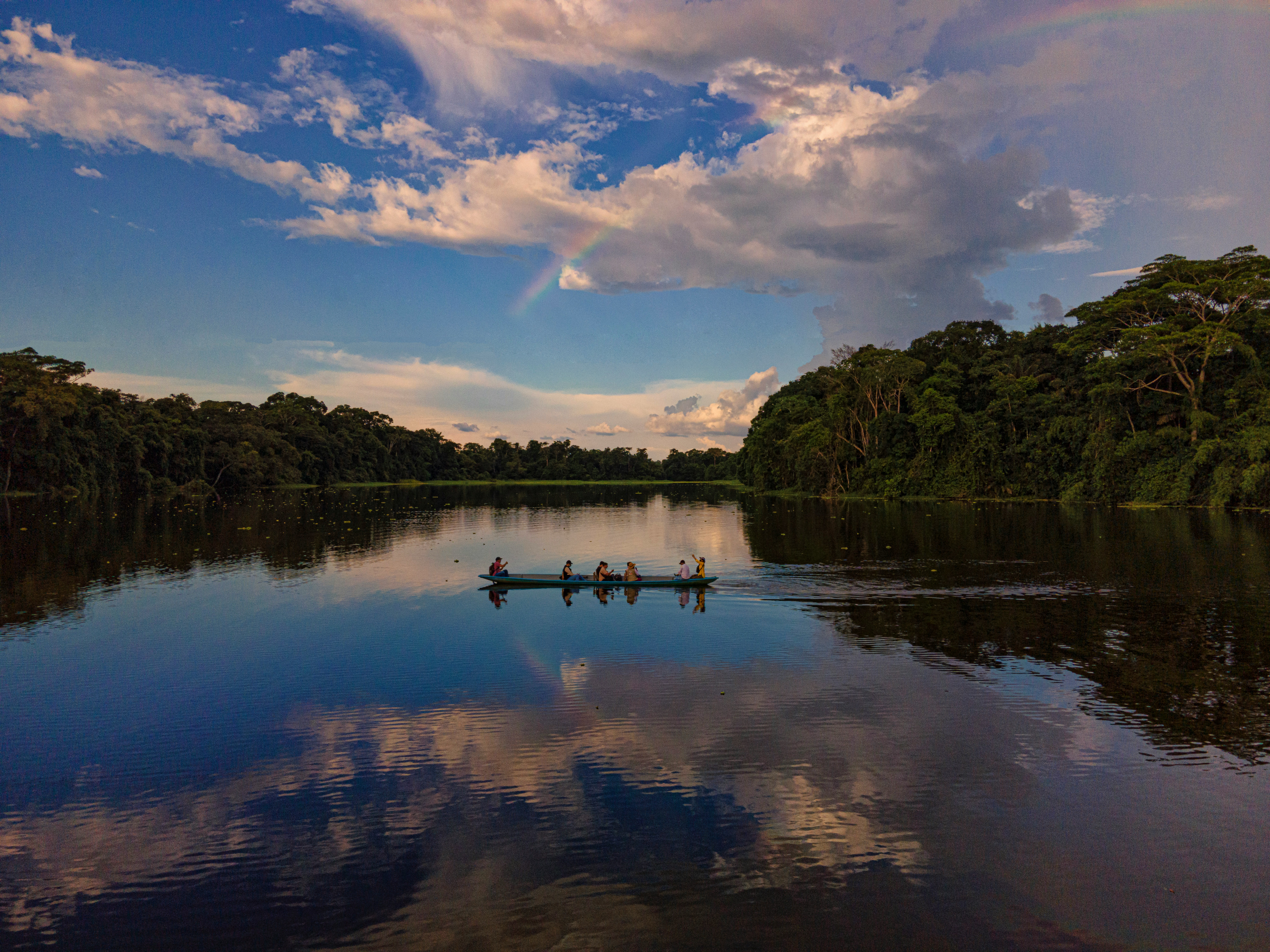
Deep in the Ecuadorian Amazon, Yasuní is one of the most biodiverse places on the planet, home to more tree species in a single hectare than in all of North America, alongside jaguars, giant otters, harpy eagles and several uncontacted indigenous groups.
Jungle lodges reached by dugout canoe offer guided hikes, canopy towers and night paddles where caiman eyes reflect torchlight across blackwater lagoons.
How does it rate
CrowdsRomanceCash RequiredDangerAccessibilityWhy you should go
Among the most biodiverse places on Earth, reached only by river and largely untouched.
Why you shouldn't go
Remote access means multi-day lodge stays are expensive and require significant travel time.
Plan your visit
Best time to visitDecember–February and June–August, the drier seasons, for easier trail walking.Best time of dayDawn canoe trips, when wildlife is most active before the heat sets in.Getting thereFly from Quito to Coca, then several hours by motorized canoe to a jungle lodge.Entry costMulti-day lodge packages typically €400-900+ including transport, food and guiding.Time needed3–5 days.Insider tip — Choose a lodge with an indigenous-run canopy tower — the platform views over the unbroken jungle canopy are the trip's highlight. -
 #778 /100
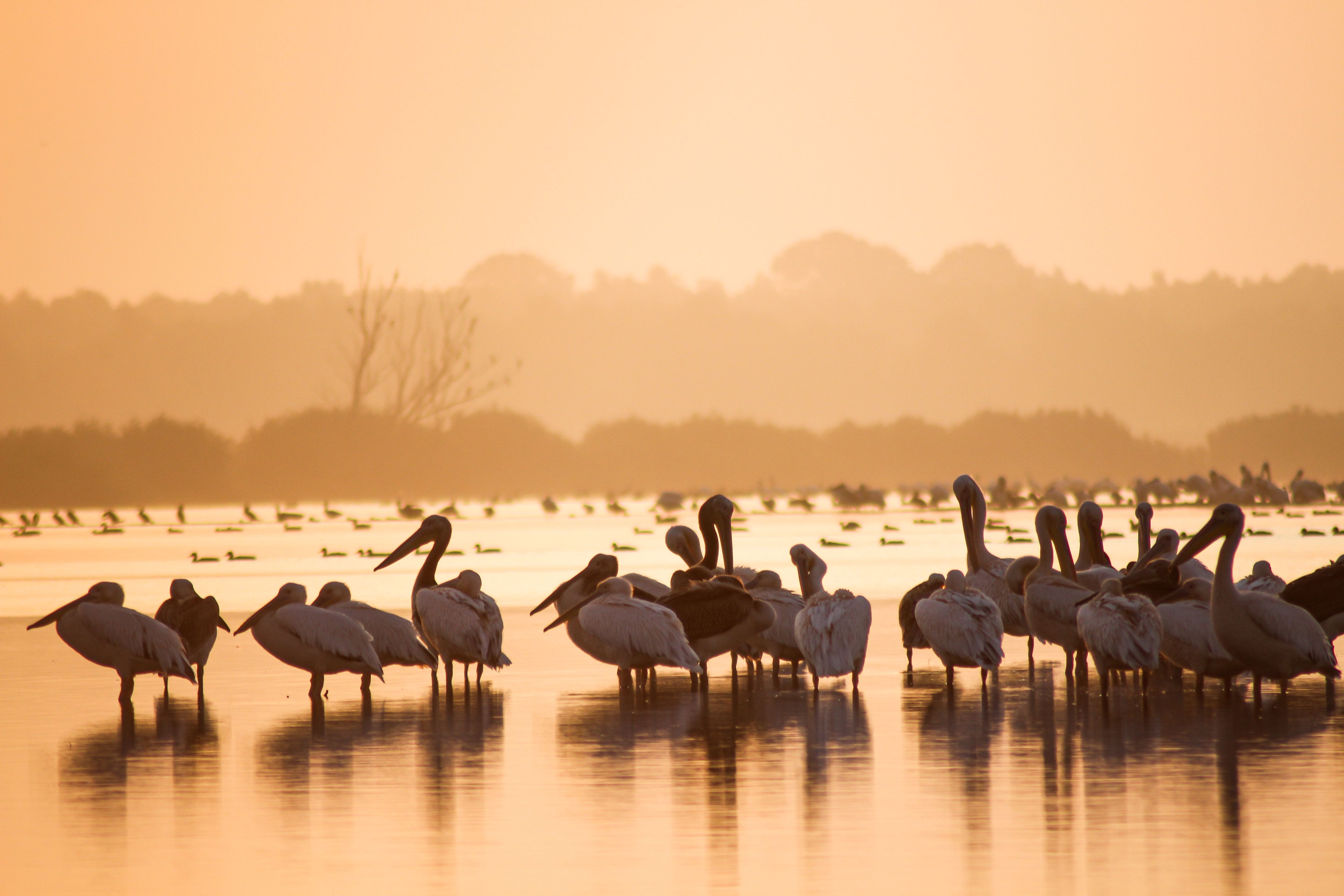
Europe's largest and best-preserved river delta is a maze of reed-lined channels, lakes and marshland where the Danube meets the Black Sea.
Boat trips glide past pelicans, herons and over 300 other bird species in a UNESCO-protected wilderness.
Traditional fishing villages built on stilts add a lived-in texture to the wildlife-watching, and the sheer scale of untouched wetland is rare anywhere in Europe.
How does it rate
CrowdsRomanceCash RequiredDangerAccessibilityWhy you should go
Untouched wetland wilderness with Europe's richest concentration of birdlife.
Why you shouldn't go
Getting deep into the delta requires a guided boat and more than a day trip to do justice.
Plan your visit
Best time to visitMay–June for peak birdlife and mild weather, before summer heat and mosquitoes.Best time of dayEarly morning, when birds are most active and the water is calm.Getting thereFly or drive to Tulcea, then transfer onto a guided boat into the delta channels.Entry costFree to enter; guided boat tours from around €40 per person.Time neededFull day, or 2–3 days to explore properly.Insider tip — Book a small private boat rather than a large tour vessel — it can reach narrower channels where the wildlife actually is. -
 #876 /100
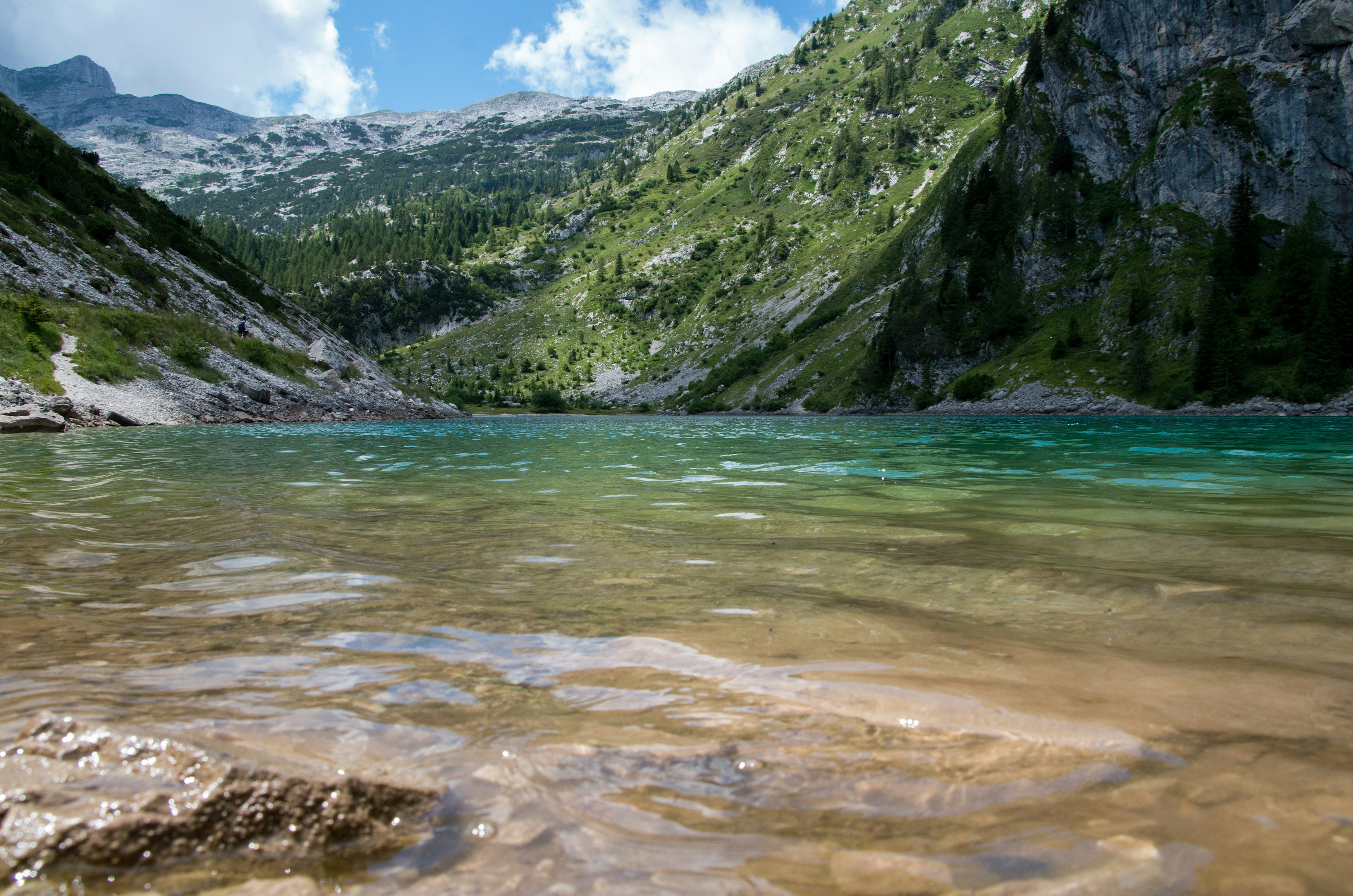
Slovenia's only national park protects nearly the entire Julian Alps range, centered on Mount Triglav, the country's highest peak and a genuine point of national identity.
Beyond the summit trek, the park holds the emerald Soča River valley, dramatic gorges, alpine lakes and the Vršič Pass's hairpin mountain road — the backbone of Slovenia's outdoor-adventure reputation, with hiking, rafting and via ferrata routes for every level.
How does it rate
CrowdsRomanceCash RequiredDangerAccessibilityWhy you should go
Slovenia's entire Julian Alps range in one park, from an iconic summit hike to alpine river valleys.
Why you shouldn't go
Summiting Triglav itself is a serious two-day mountaineering route, not a casual walk.
Plan your visit
Best time to visitJune–September for snow-free trails and mountain hut access.Best time of dayEarly morning starts for any serious hike, to avoid afternoon alpine thunderstorms.Getting thereBase yourself in Bovec or Kranjska Gora, both under 2 hours' drive from Ljubljana.Entry costFree to enter the park; mountain hut stays and guided treks add cost.Time needed2–4 days to see a meaningful cross-section.Insider tip — Drive the Vršič Pass's 50 hairpin bends yourself rather than joining a tour — pullouts at the top have some of the park's best panoramic views. -
 #968 /100
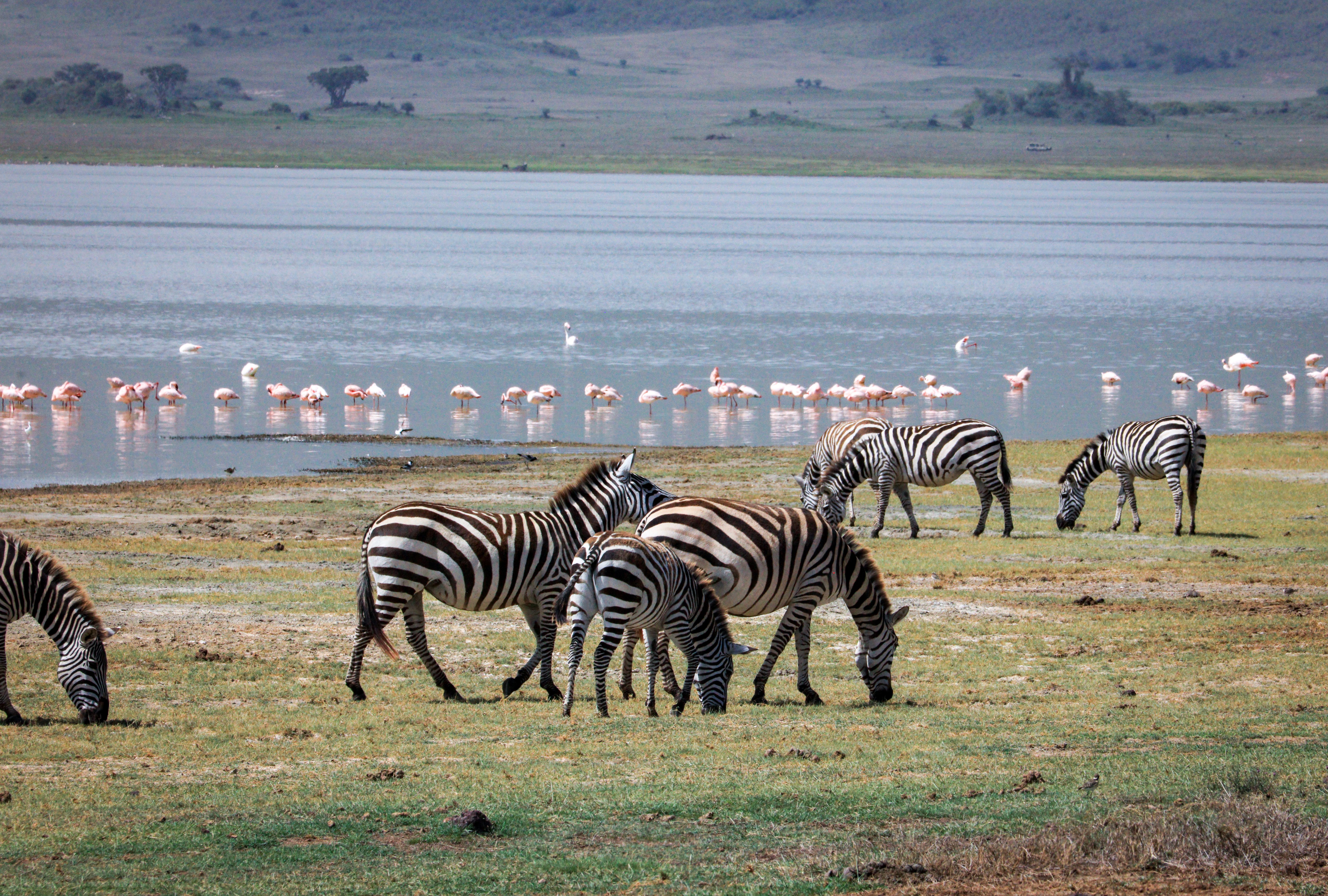
Compact compared to the Serengeti or Ngorongoro, Lake Manyara packs groundwater forest, acacia woodland, a soda lake and open grassland into a single park, known especially for tree-climbing lions and vast flamingo flocks along the alkaline shoreline.
The variety of habitat in a small area means a shorter game drive can still turn up a genuinely diverse range of wildlife.
How does it rate
CrowdsRomanceCash RequiredDangerAccessibilityWhy you should go
A compact park with unusually varied habitat, known for its rare tree-climbing lions.
Why you shouldn't go
The tree-climbing lion behavior isn't guaranteed on any given visit — sightings depend on the day.
Plan your visit
Best time to visitJune–October (dry season) or November–December for the best flamingo numbers on the lake.Best time of dayLate afternoon, when animals move toward the lake to drink.Getting thereAbout 2 hours' drive from Arusha, on the road toward Ngorongoro.Entry costPark fees typically $50-60 per person per day, usually bundled into safari packages.Time neededHalf a day to 1 day.Insider tip — Ask your driver to head for the acacia woodland near the lake edge first — that's where the tree-climbing lions are most often spotted. -
 #1067 /100
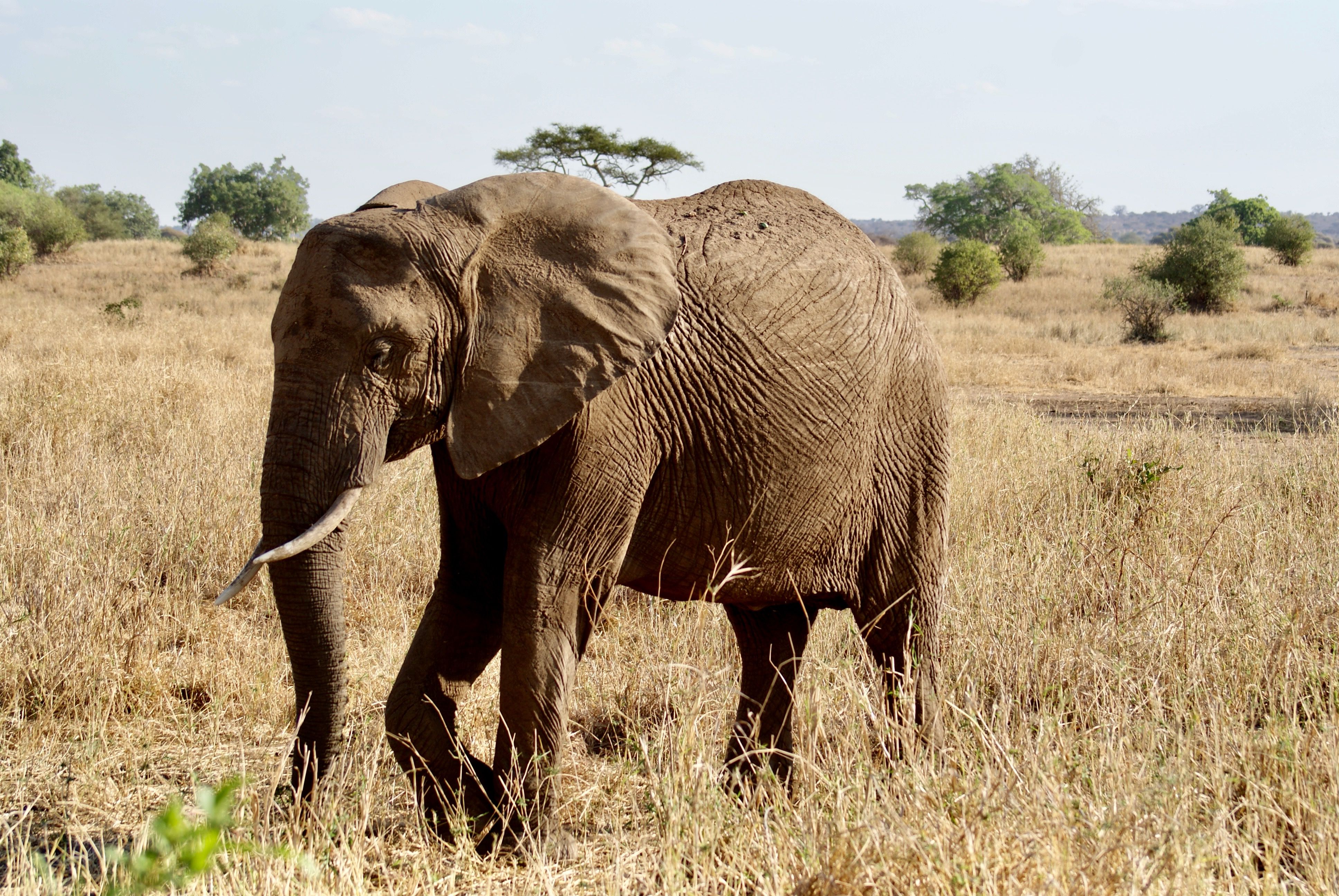
Best known for enormous elephant herds — among the largest concentrations anywhere in Tanzania — Tarangire's landscape is dotted with iconic ancient baobab trees rising above golden grassland along the Tarangire River.
It draws far fewer visitors than the Serengeti-Ngorongoro circuit despite comparably strong wildlife density in the dry season, when animals converge on the river as other water sources dry up.
How does it rate
CrowdsRomanceCash RequiredDangerAccessibilityWhy you should go
Some of Tanzania's largest elephant herds against a landscape of iconic ancient baobab trees.
Why you shouldn't go
Wildlife concentrations drop noticeably outside the dry season, when animals disperse more widely.
Plan your visit
Best time to visitJune–October (dry season), when wildlife concentrates densely along the river.Best time of dayMorning game drive, before the day's heat sends animals into shaded cover.Getting thereAbout 2 hours' drive from Arusha.Entry costPark fees typically $50-60 per person per day, usually bundled into safari packages.Time neededHalf a day to 1 day.Insider tip — Visit in September, at the peak of the dry season, for the highest concentration of elephants along the river before the rains return. -
 #1165 /100
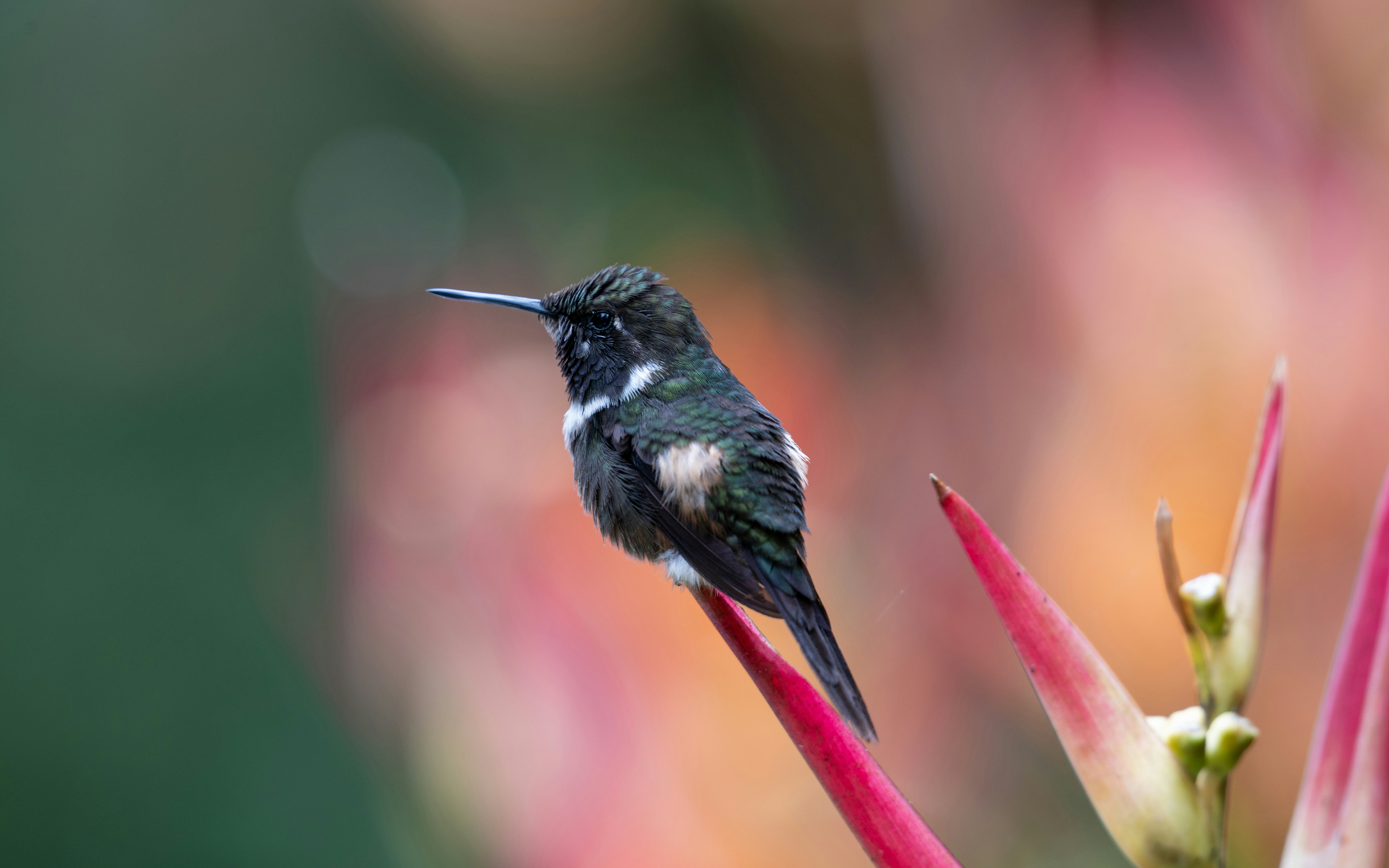
An hour's drive from Quito, Mindo drops into misty cloud forest thick with orchids, hummingbirds and over 500 recorded bird species, making it one of Ecuador's top birdwatching destinations without the remoteness of the Amazon.
Canopy zip-lines, tubing down the Mindo River and butterfly farms round out a more moderate adventure-tourism scene, geared as much toward wildlife-watching as adrenaline.
How does it rate
CrowdsRomanceCash RequiredDangerAccessibilityWhy you should go
Serious cloud-forest birdwatching — over 500 species — just an hour from Quito.
Why you shouldn't go
Frequent cloud cover and rain are part of the ecosystem's name and can limit visibility.
Plan your visit
Best time to visitJune–September for drier weather; birdwatching is good year-round.Best time of dayEarly morning, when hummingbird feeders and forest birds are most active.Getting thereAbout 1.5–2 hours' drive from Quito.Entry costReserve entries typically $5-10; guided birdwatching tours from $25.Time needed1–2 days.Insider tip — Visit a hummingbird feeder reserve first thing in the morning — activity drops off noticeably by mid-morning. -
 #1260 /100
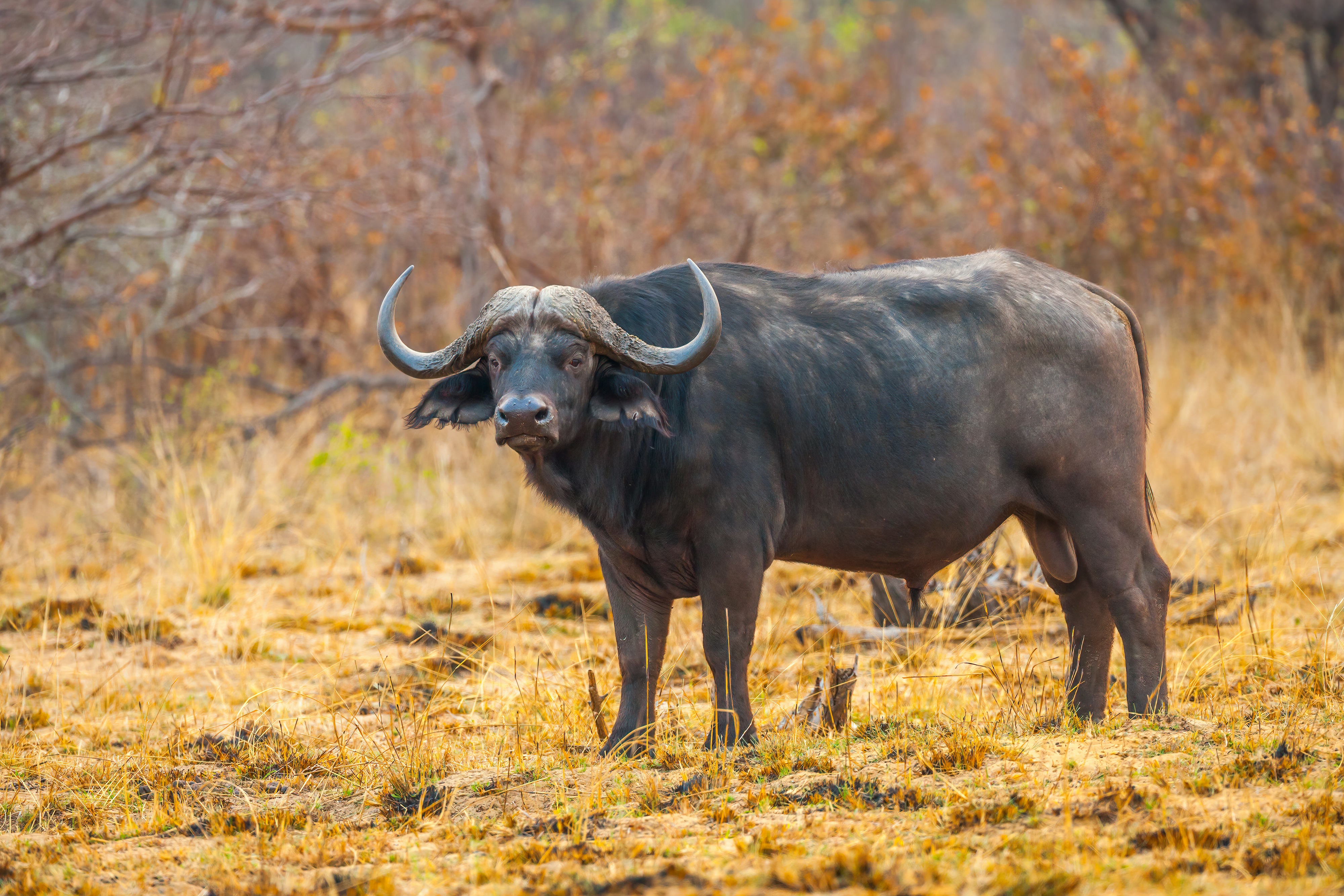
Straddling the lush Zambezi and Kwando rivers in Namibia's Caprivi Strip, Bwabwata is a wetter, greener contrast to the desert scenery most visitors associate with Namibia, with elephant, buffalo, hippo and crocodile populations typical of Botswana or Zambia just across the border.
River cruises and game drives along the floodplains draw far fewer visitors than Etosha, giving it an off-the-beaten-path feel in a country already light on crowds.
How does it rate
CrowdsRomanceCash RequiredDangerAccessibilityWhy you should go
Namibia's lush river-and-wetland park, with wildlife density rivaling Botswana's Okavango region but far fewer visitors.
Why you shouldn't go
It's a long detour from Namibia's main tourist circuit in the south and center of the country.
Plan your visit
Best time to visitMay–October (dry season) for the best wildlife concentration along the rivers.Best time of dayLate afternoon river cruise, when hippos and elephants move to the water's edge.Getting thereAbout 1.5-2 days' drive from Windhoek via the Caprivi Strip, or fly into Katima Mulilo.Entry costPark entry around N$80-100 per person per day.Time needed2–3 days.Insider tip — Combine it with a stop across the border in Botswana's Chobe National Park — the two parks share the same river ecosystem and wildlife populations. -
 #1360 /100
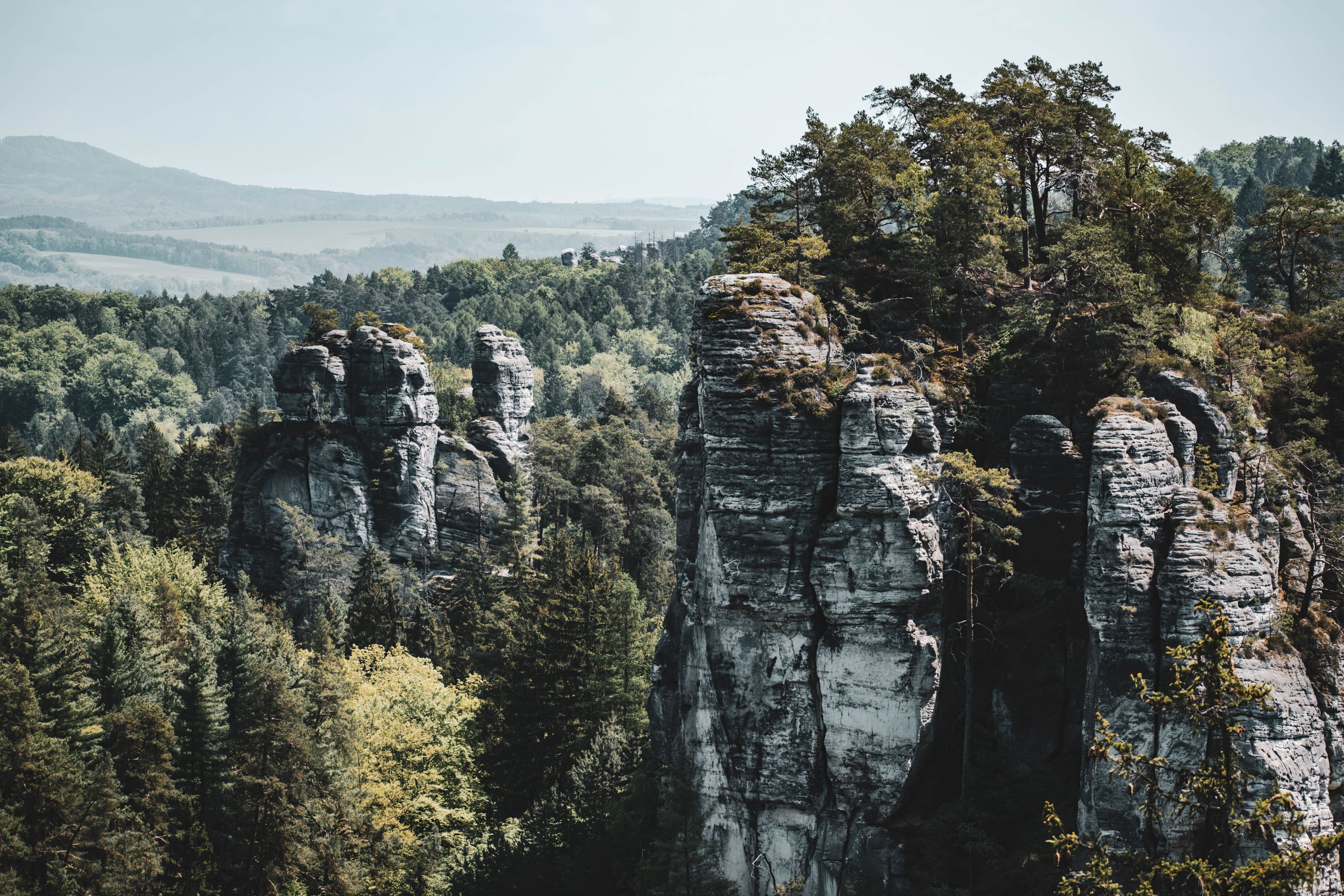
Český ráj (Bohemian Paradise) is the Czech Republic's oldest protected landscape, a UNESCO Global Geopark of sandstone rock towers, castle ruins and pine forest ninety minutes from Prague.
Its best-known corner, Prachovské skály, threads narrow rock corridors and wooden stairways past viewpoints over layered stone pinnacles, while the twin-peaked ruin of Trosky Castle marks the skyline for miles around.
How does it rate
CrowdsRomanceCash RequiredDangerAccessibilityWhy you should go
A maze of sandstone rock towers and forest trails, with an easy loop suitable for a half-day visit.
Why you shouldn't go
Public transport is patchy; without a car, reaching the best rock formations means a bus to Jičín plus a walk.
Plan your visit
Best time to visitSpring or autumn for cooler hiking temperatures and fewer weekend crowds from Prague.Best time of dayWeekday mornings, especially in the popular Prachovské skály section.Getting thereTrain or bus to Jičín, then a local bus to the Holín-Prachov stop and a short walk to the entrance.Entry cost60 CZK adult, 30 CZK child, for the Prachovské skály reserveTime needed2–4 hours for the main loop, longer for multi-site tripsInsider tip — Take the shorter 1.5km yellow loop if short on time; it hits the best viewpoints without the full 3.5km circuit's narrow squeezes. -
 #1458 /100
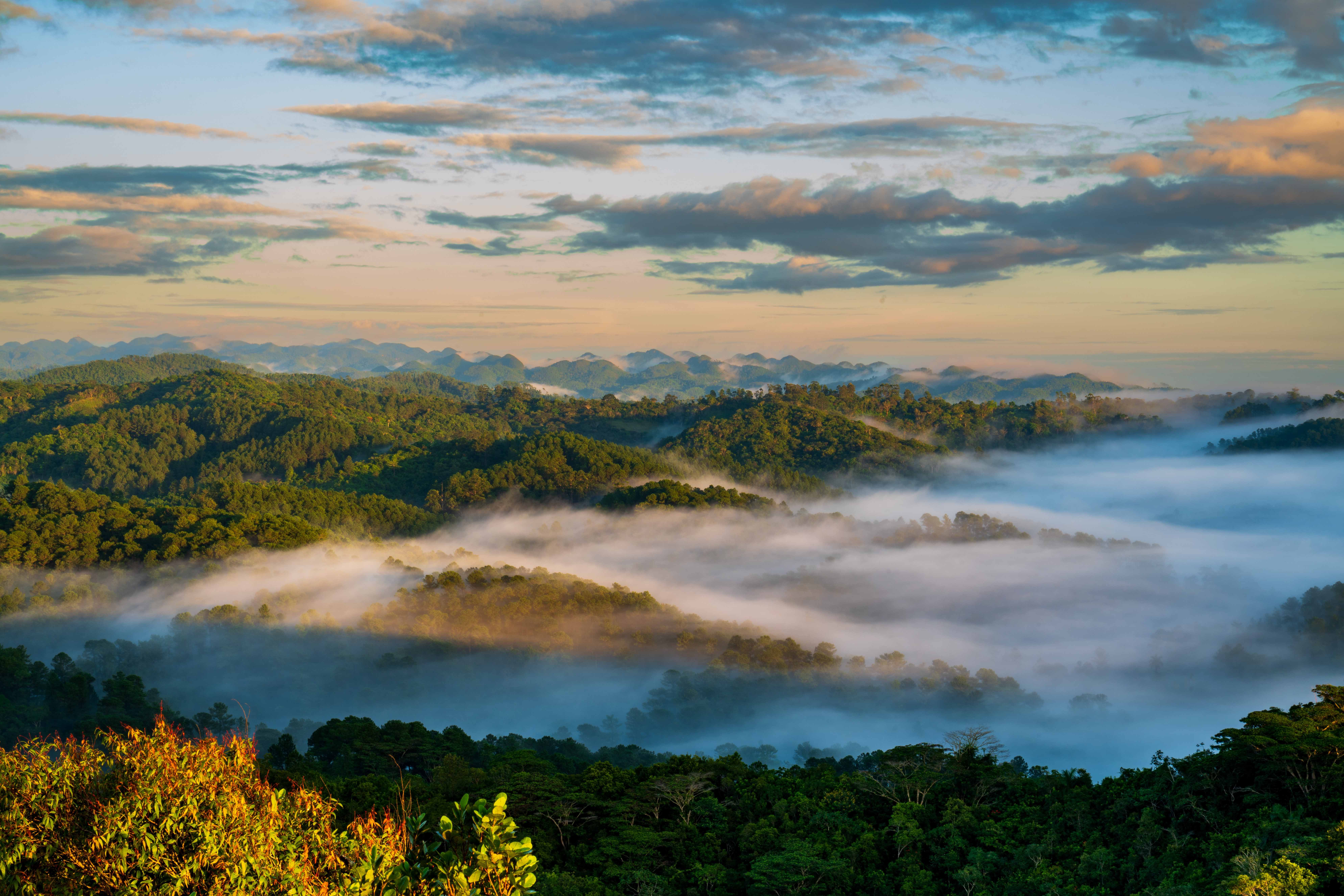
A mountain nature reserve in the Escambray range above Trinidad, Topes de Collantes offers a cooler, greener contrast to Cuba's coastal scenery, with hiking trails leading to waterfalls, natural swimming pools and coffee plantations tucked into the hills.
Caburní Falls is the reserve's best-known hike, a steep trail down to a swimmable waterfall pool, while the area's coffee-growing history adds a working-landscape element beyond pure scenery.
How does it rate
CrowdsRomanceCash RequiredDangerAccessibilityWhy you should go
A cool, green mountain reserve above Trinidad, with waterfall hikes most visitors skip entirely.
Why you shouldn't go
Trail conditions can be rough and poorly signed, making a local guide worthwhile.
Plan your visit
Best time to visitNovember–April, the dry season, for easier trail conditions.Best time of dayMorning start for the Caburní Falls hike, to allow a full day round trip.Getting thereAbout 45 minutes' drive from Trinidad into the Escambray mountains.Entry costSmall reserve entry fee, plus optional guide fees.Time neededFull day.Insider tip — Hire a local guide in Trinidad rather than attempting the Caburní Falls trail solo — signage is minimal and guides know the safer route down.


More from The World
-
How a score is built
One score out of 100, five criteria behind it
Every place is rated 1–5 on each of the criteria below, then combined into a single score out of 100. It's calculated by us, the same way every time — not an average of traveller reviews or social votes.
Crowds
How many people you'll be sharing it with, and at what time of day.
Romance
How well it suits a couple, a proposal, or a quiet moment together.
Cash required
Entry fees, permits, guides, rentals — what it actually costs to do it.
Danger
Physical risk involved, from a slippery viewpoint to genuine hazard.
Accessibility
How far off the beaten path it is, and how hard it is to actually reach.

