-
 #191 /100
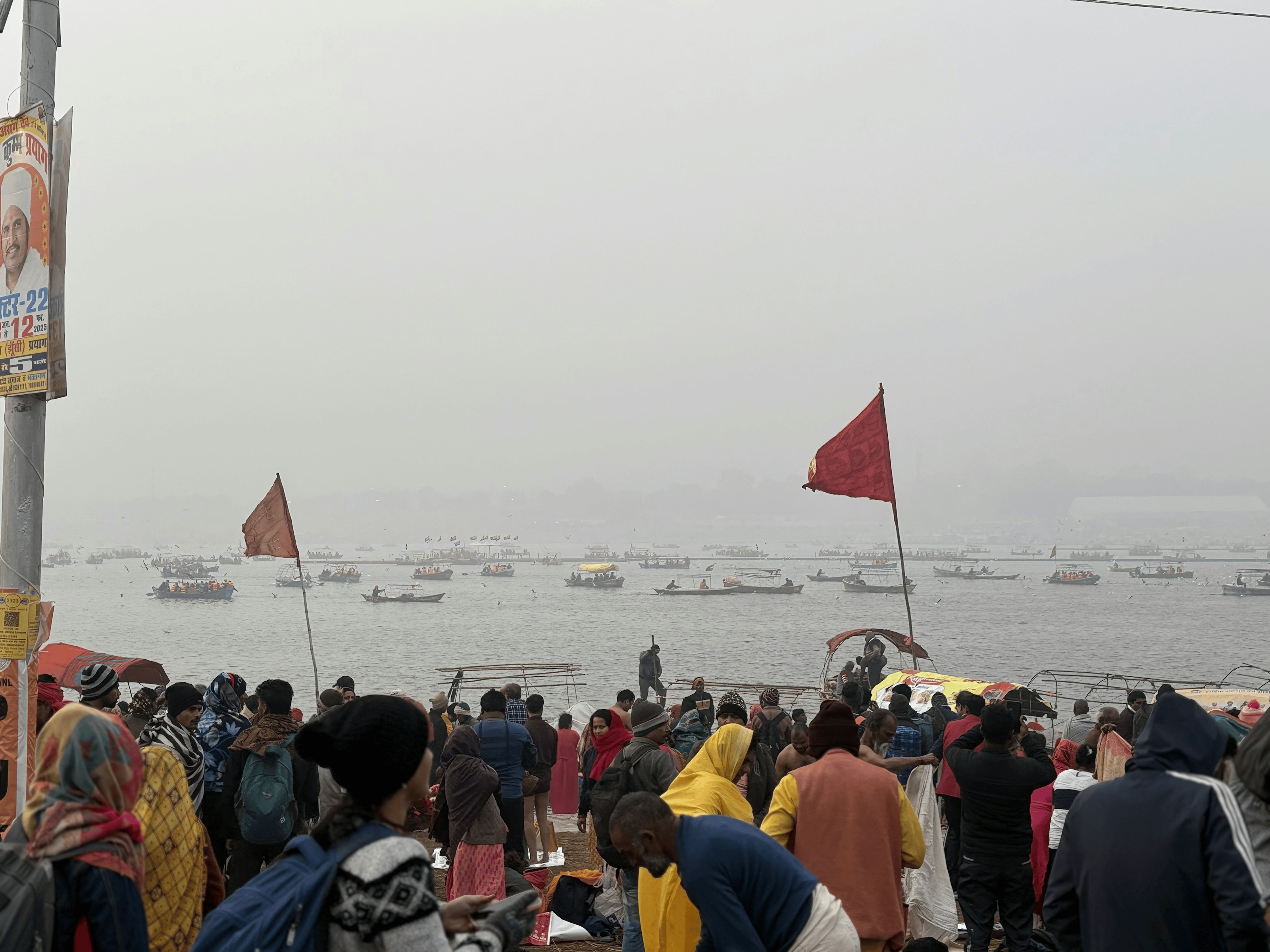
Held on a rotating cycle at four sacred river sites in India, the Kumbh Mela is the largest human gathering on Earth, drawing tens of millions of Hindu pilgrims to bathe at an astrologically precise moment believed to wash away sin.
Ash-covered sadhus lead the procession into the water, followed by ordinary pilgrims across weeks of ritual bathing and prayer in tent cities that briefly become some of the most populous places on the planet.
How does it rate
CrowdsRomanceCash RequiredDangerAccessibilityWhy you should go
The largest human gathering on Earth: tens of millions of Hindu pilgrims bathing together at a precise astrological moment.
Why you shouldn't go
Crowd density on the main bathing days has caused fatal stampedes in the past, and sanitation across the tent city is basic.
Plan your visit
Best time to visitThe main bathing days, set astrologically; the full Mela runs about six weeks.Best time of dayDawn on the main bathing days, when the most auspicious rituals happen.Getting thereFly into the nearest city to that year's host site (Prayagraj, Haridwar, Nashik, or Ujjain), then local transport to the riverbank.Entry costFree to attend; camps and guided access packages vary widely in price.Time neededA day or two for the atmosphere; pilgrims often stay for weeks.Insider tip — Stick to the outer bathing ghats rather than pushing toward the main one on peak days - the crowd crush risk is real and the ritual looks the same from anywhere in the water. -
 #289 /100
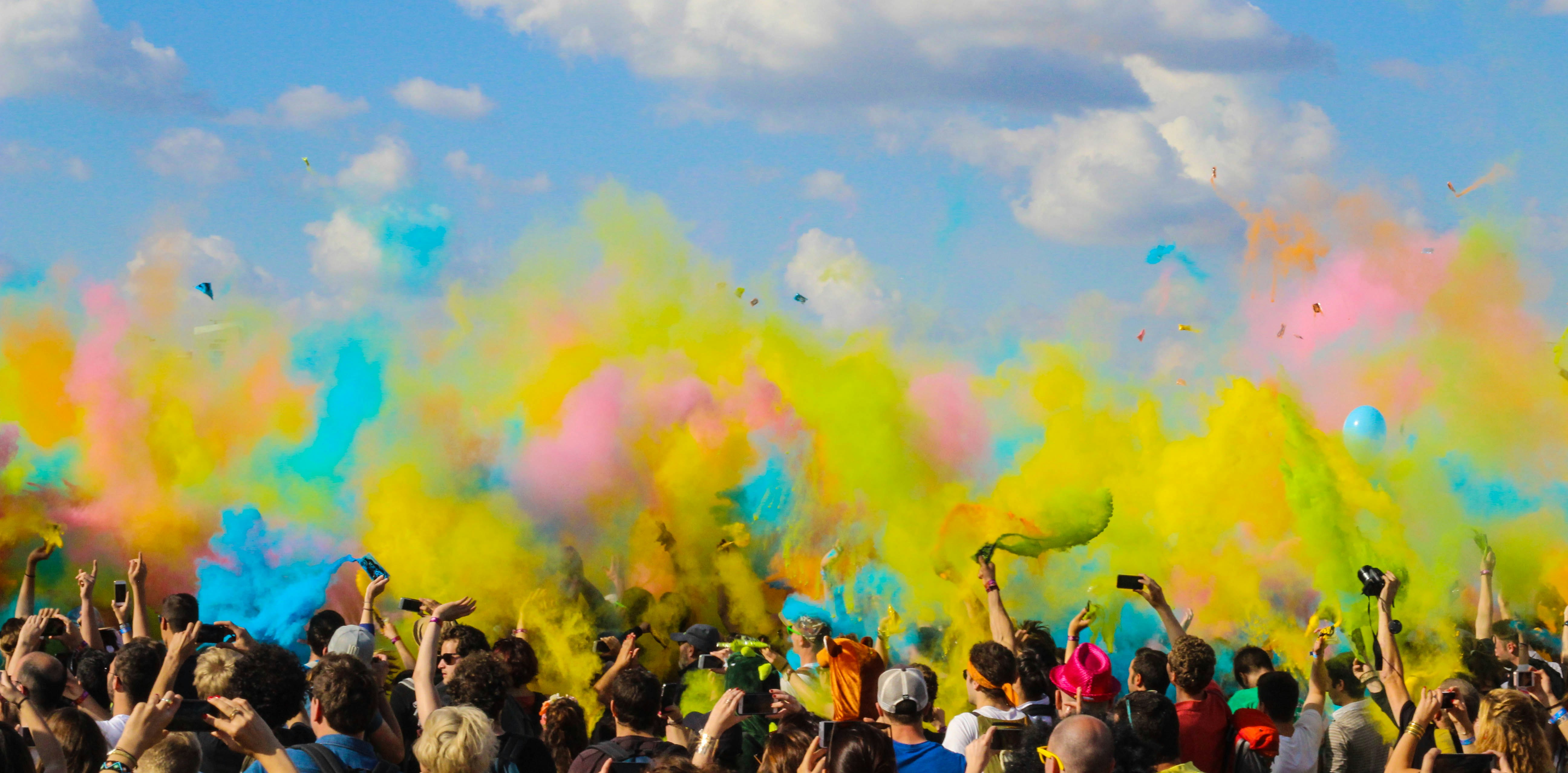
Mathura and neighbouring Vrindavan, revered as Krishna's birthplace, host India's most exuberant Holi celebrations, where temple courtyards and streets dissolve into clouds of pink, yellow and green powder thrown by everyone from small children to elderly priests.
It's the purest, wildest version of India's best-known festival, at the town where the tradition began.
How does it rate
CrowdsRomanceCash RequiredDangerAccessibilityWhy you should go
The purest version of India's most photographed festival, at the temple town where the tradition began.
Why you shouldn't go
Powder gets everywhere, on skin, hair and clothes for days afterwards, and the crush inside temple courtyards can get intense.
Plan your visit
Best time to visitMarch, timed to the full moon of the Hindu month of Phalguna (exact date shifts yearly).Best time of dayLate morning at Banke Bihari Temple in Vrindavan, when the main colour-throwing peaks.Getting thereFly to Delhi, then a train or car roughly 2-3 hours to Mathura.Entry costFree to join in the streets; some temple events request a small donation.Time neededA full day, across the festival's build-up and main colour-throwing.Insider tip — Wear old white clothes so the colours show up brightest in photos, and coat your hair and skin in oil beforehand to make the powder easier to wash out. -
 #384 /100
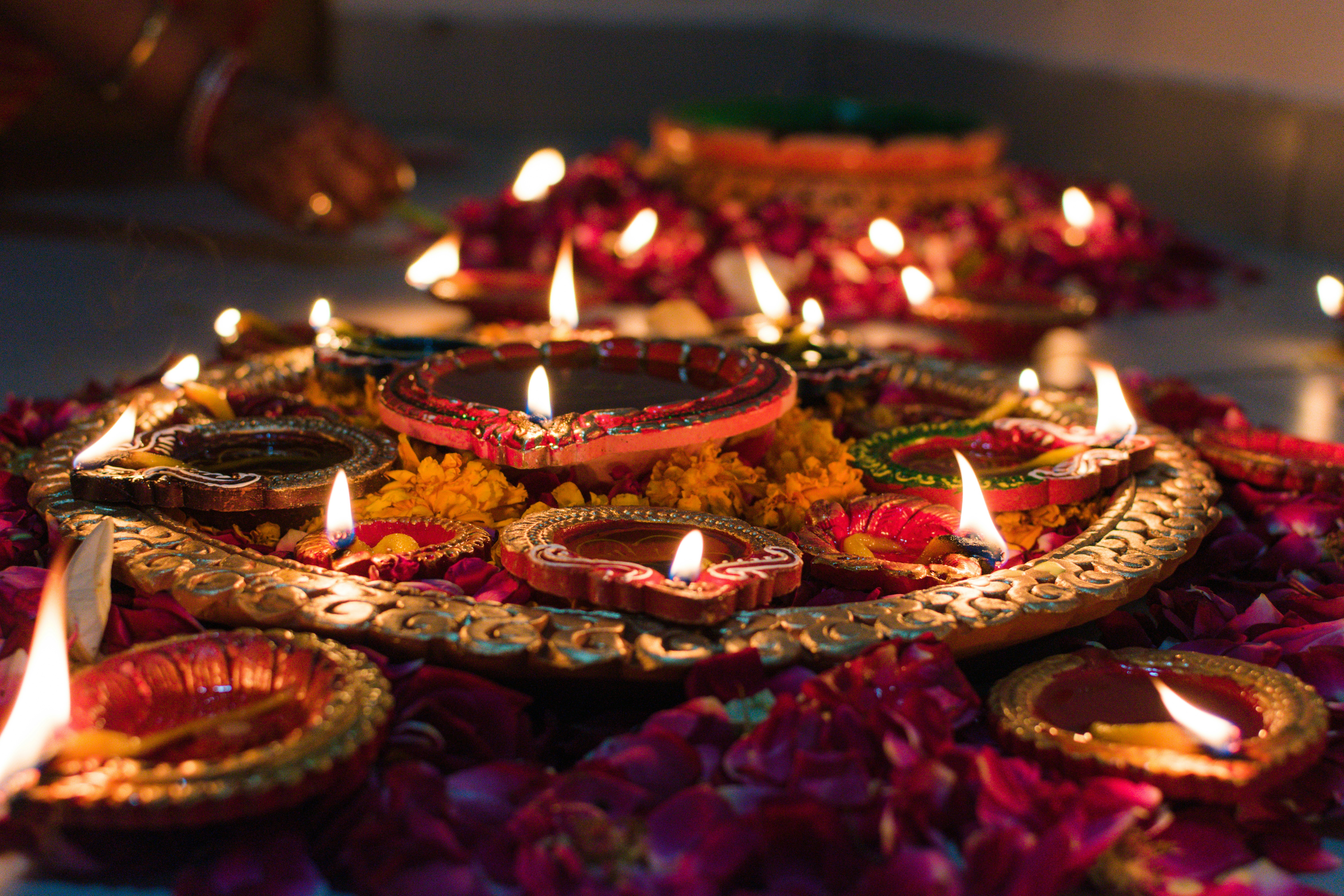
Jaipur, the Pink City, commits harder to Diwali than almost anywhere in India: the old city and its bazaars are strung with thousands of clay oil lamps and fairy lights for over a week, and the illuminated pink sandstone facades of Johari Bazaar are considered among the country's best Diwali displays, fireworks lighting the sky above the City Palace.
How does it rate
CrowdsRomanceCash RequiredDangerAccessibilityWhy you should go
A whole pink-sandstone city strung with lamps and lights for the biggest festival on the Hindu calendar.
Why you shouldn't go
Fireworks and firecrackers run late into the night across the city, which can be overwhelming and smoky for several days.
Plan your visit
Best time to visitOctober or November, timed to the Hindu lunar calendar (exact date shifts yearly).Best time of dayAfter sunset, once the oil lamps and fairy lights are lit across the old city bazaars.Getting thereFly into Jaipur International Airport, a short taxi ride from the old city.Entry costFree to walk the illuminated bazaars; some hotels charge for rooftop Diwali events.Time neededAn evening, across several days if staying for the build-up.Insider tip — Walk Johari Bazaar just after dusk, before the crowds peak, for the clearest view of the lit sandstone facades. -
 #483 /100
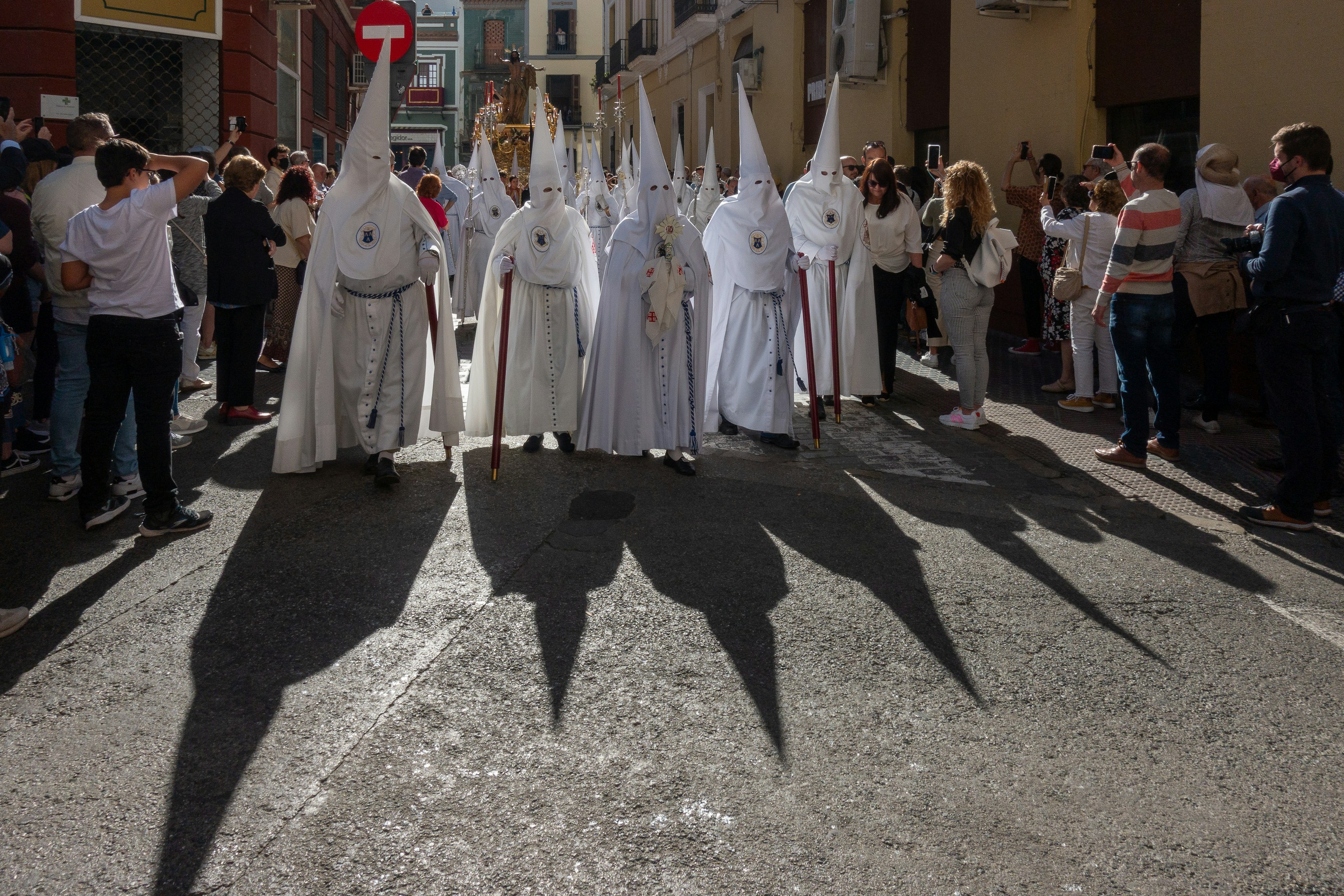
For a week before Easter, Seville's centuries-old religious brotherhoods carry ornate wooden floats bearing statues of Christ and the Virgin Mary through the streets on the shoulders of hidden bearers, accompanied by hooded penitents and mournful saeta singing.
Balconies fill and cafes stay open past midnight as processions cross the city continuously, culminating in the sleepless Madrugada from Maundy Thursday into Good Friday.
How does it rate
CrowdsRomanceCash RequiredDangerAccessibilityWhy you should go
Centuries-old brotherhoods carry ornate floats of Christ and the Virgin through Seville's streets for a week before Easter.
Why you shouldn't go
Hotels and flights sell out and prices spike across Andalusia during the week.
Plan your visit
Best time to visitThe week before Easter Sunday; dates shift with the church calendar each year.Best time of dayLate night into the small hours of Good Friday, for the Madrugada processions.Getting thereFly into Seville Airport, about 15 minutes from the historic centre where processions run.Entry costFree to watch from the street; paid grandstand seating is available along the route.Time neededOne evening captures a procession; the full week runs continuously.Insider tip — Watch from a side street near the cathedral rather than the main official route - the crowds are thinner and the floats pass just as close. -
 #581 /100
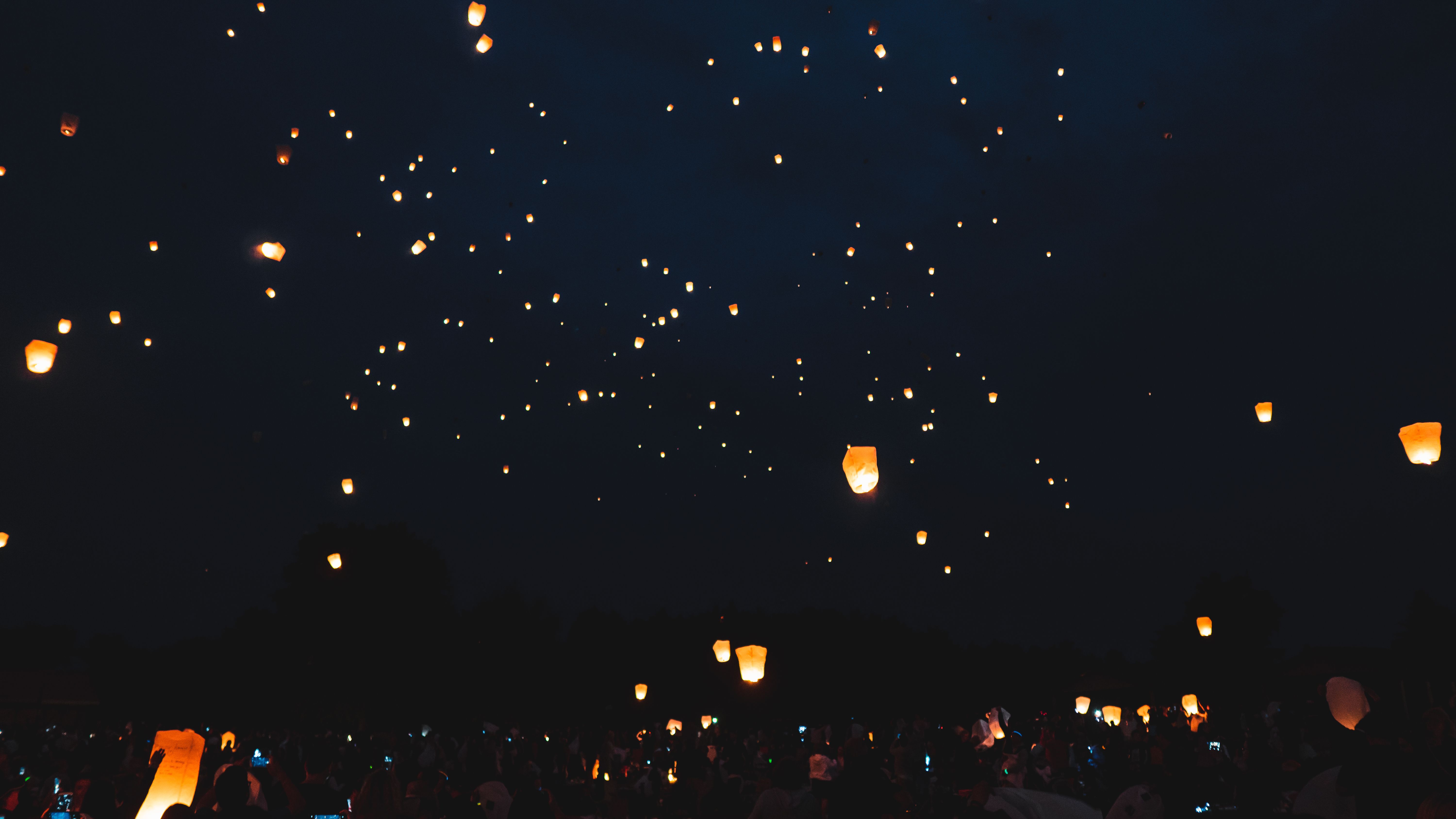
On the fifteenth day of the Lunar New Year, the old mining town of Pingxi in Taiwan's mountains fills with thousands of paper sky lanterns, hand-painted with wishes and released to drift over the narrow valley and its disused rail line.
The tradition began as an all-clear signal after bandits had passed, and is now one of Asia's most spectacular festival sights.
How does it rate
CrowdsRomanceCash RequiredDangerAccessibilityWhy you should go
Thousands of hand-painted paper lanterns released together into the night sky over a old mountain mining town.
Why you shouldn't go
Mass releases are timed and crowded, so getting a clear photo angle requires arriving well before the scheduled launch.
Plan your visit
Best time to visitFebruary, on the 15th day of the Lunar New Year (the festival's traditional date).Best time of dayAfter dark, for the main coordinated lantern releases.Getting thereTake the train from Taipei to Ruifang, then the branch-line Pingxi railway directly into town.Entry costLanterns cost around NT$150-200 each to write on and release.Time neededHalf a day, including the train journey from Taipei.Insider tip — Buy your lantern early in the day and write your wish before the crowds build, then find a spot along the old railway tracks for the release itself. -
 #680 /100
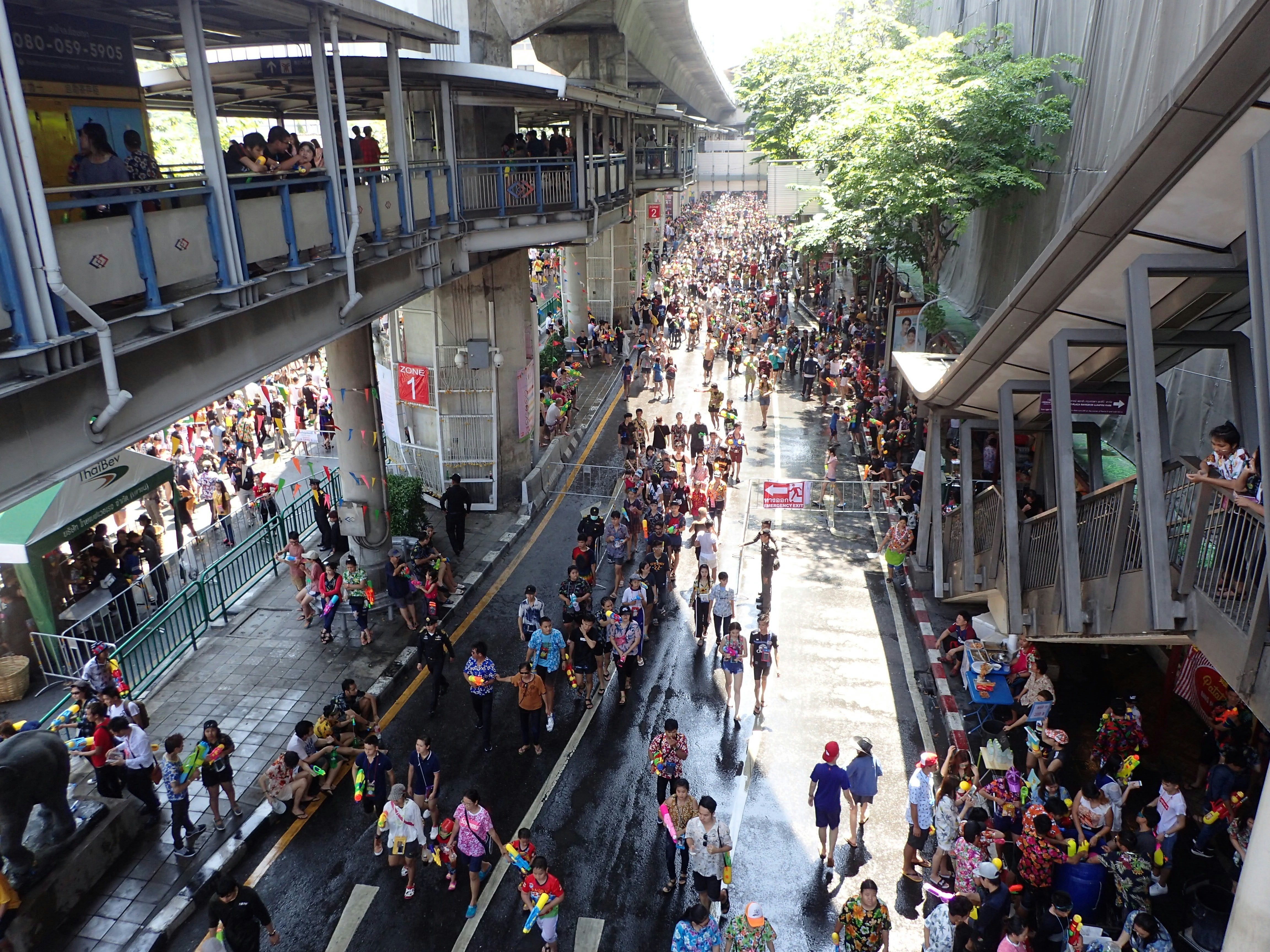
Thailand's traditional New Year erupts across Chiang Mai's old city moat every April, when the custom of pouring water over elders' hands to bless them expands into a citywide water fight, with super-soakers, hoses and buckets thrown from pickup trucks.
Locals and travellers alike end up soaked head to toe against a backdrop of ancient brick gates and temples.
How does it rate
CrowdsRomanceCash RequiredDangerAccessibilityWhy you should go
A whole city turned into a joyful, days-long water fight, framed by the old city's ancient gates and moat.
Why you shouldn't go
Everything and everyone gets soaked, so phones, cash and anything electronic need to stay sealed or left behind.
Plan your visit
Best time to visitApril 13-15, the fixed Thai New Year dates, though celebrations often run a few days either side.Best time of dayMidday, when the water fights along the moat are at their most crowded and energetic.Getting thereFly into Chiang Mai International Airport, a short taxi or tuk-tuk ride from the old city moat.Entry costFree to join in the streets; water guns and ponchos can be bought cheaply from street vendors.Time neededA full day, repeatable across the festival's multiple days.Insider tip — Wear clothes and shoes you don't mind ruining, and seal your phone in a waterproof pouch before you leave your hotel. -
 #779 /100
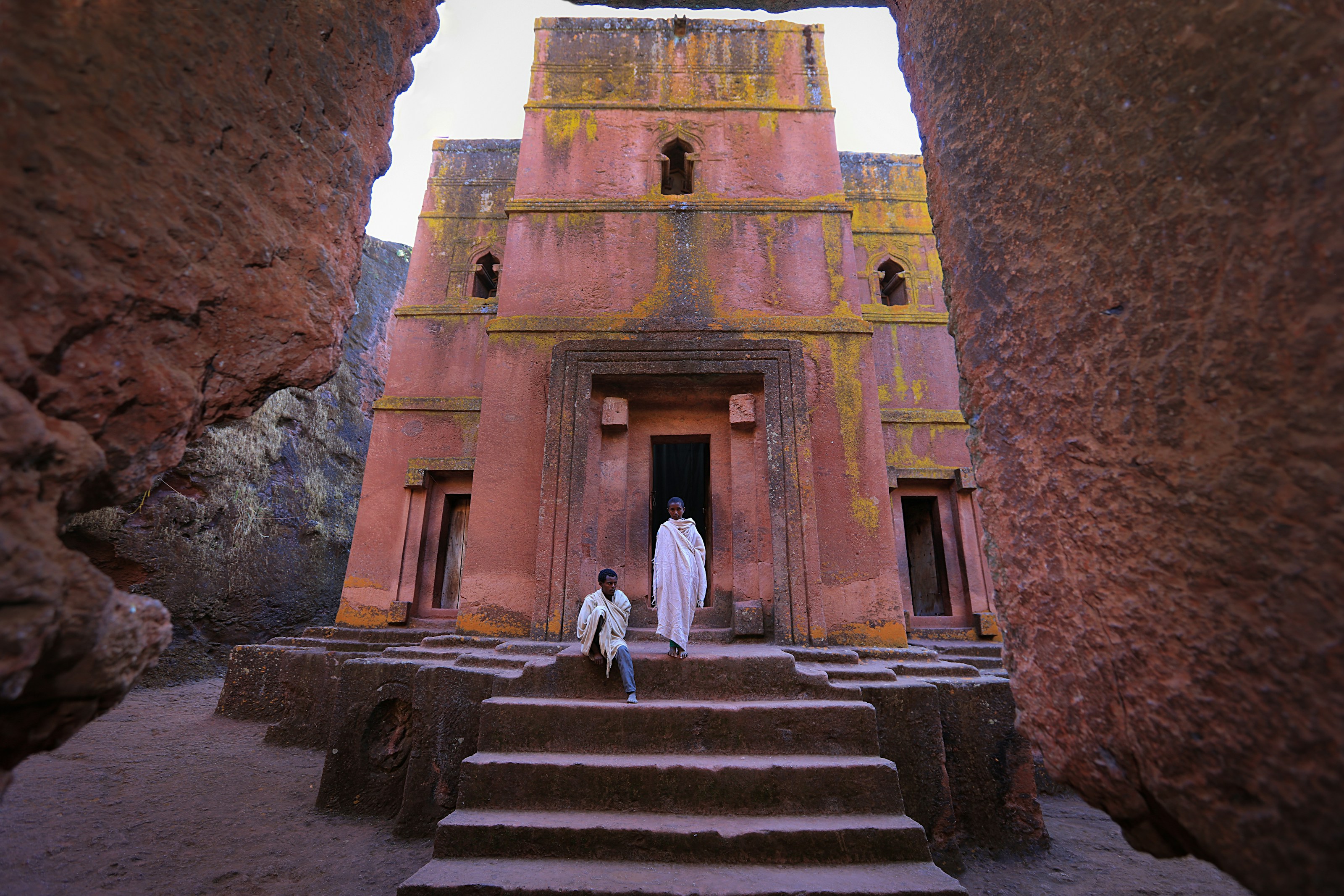
Ethiopian Orthodox Christians mark the Epiphany with Timkat, when replicas of the Ark of the Covenant, wrapped in cloth and carried by priests, are paraded from every church to a shared body of water the night before.
Crowds in white robes sing and dance through the night, and at dawn the water is blessed and the crowd surges in for a symbolic re-enactment of Christ's baptism.
Lalibela's rock-hewn churches make the most striking backdrop for it.
How does it rate
CrowdsRomanceCash RequiredDangerAccessibilityWhy you should go
Priests parade replica Arks of the Covenant to a shared pool for an overnight vigil and dawn baptism re-enactment.
Why you shouldn't go
Lalibela's Timkat crowds strain the town's limited tourist infrastructure, and accommodation books out far in advance.
Plan your visit
Best time to visit19 January (20 in leap years), Ethiopia's Timkat holiday.Best time of dayOvernight vigil into dawn, when the water blessing and immersion happen.Getting thereFly into Lalibela's small airport, or via Addis Ababa on a connecting domestic flight.Entry costFree to attend as a spectator.Time neededThe overnight vigil plus the following morning.Insider tip — Book Lalibela accommodation many months ahead - the town's small supply of hotels sells out for Timkat well before the date. -
 #878 /100
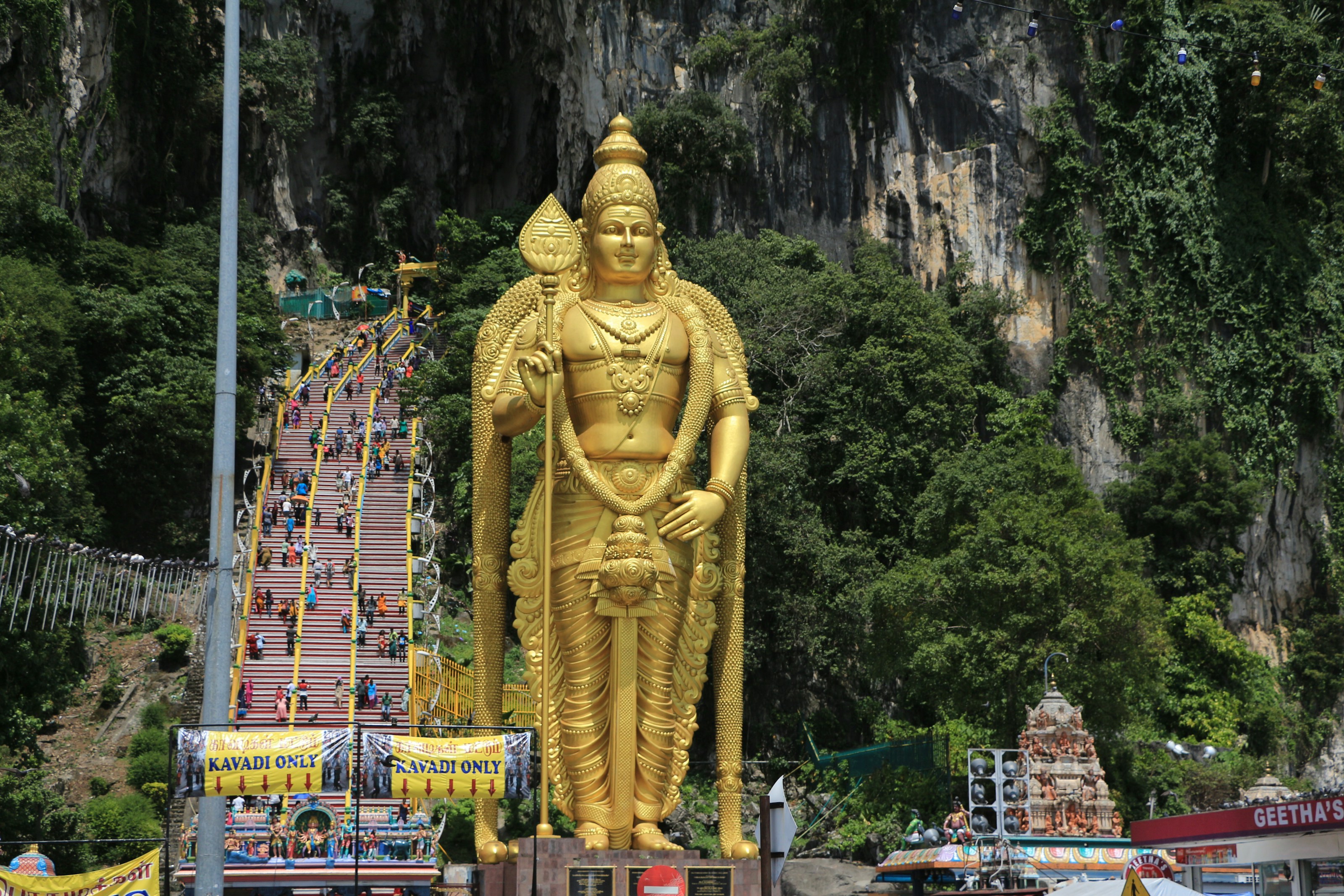
Malaysia's Thaipusam centres on Kuala Lumpur's Batu Caves, where Hindu devotees climb 272 steps carrying kavadi - ornate frames pierced through the skin with hooks and skewers, some towering overhead with peacock feathers and metal spikes.
The piercings are undertaken as a vow or thanksgiving, with devotees reporting no pain in a trance-like state, while millions of spectators line the route and cave temple above.
How does it rate
CrowdsRomanceCash RequiredDangerAccessibilityWhy you should go
Devotees climb 272 steps to a cave temple carrying pierced, ornate kavadi frames, watched by millions of spectators.
Why you shouldn't go
The piercing rituals are intense to witness up close, and the steps and cave get extremely crowded on the main day.
Plan your visit
Best time to visitThe Thaipusam full moon day, usually late January or February.Best time of dayEarly morning, when the procession from central Kuala Lumpur to Batu Caves begins.Getting thereTake the KTM Komuter train from central Kuala Lumpur directly to Batu Caves station.Entry costFree to attend and to enter the caves.Time neededHalf a day to see the procession and climb to the temple.Insider tip — Arrive before dawn to see the procession depart from the Sri Mahamariamman Temple in KL, hours before the crowds peak at Batu Caves. -
 #976 /100
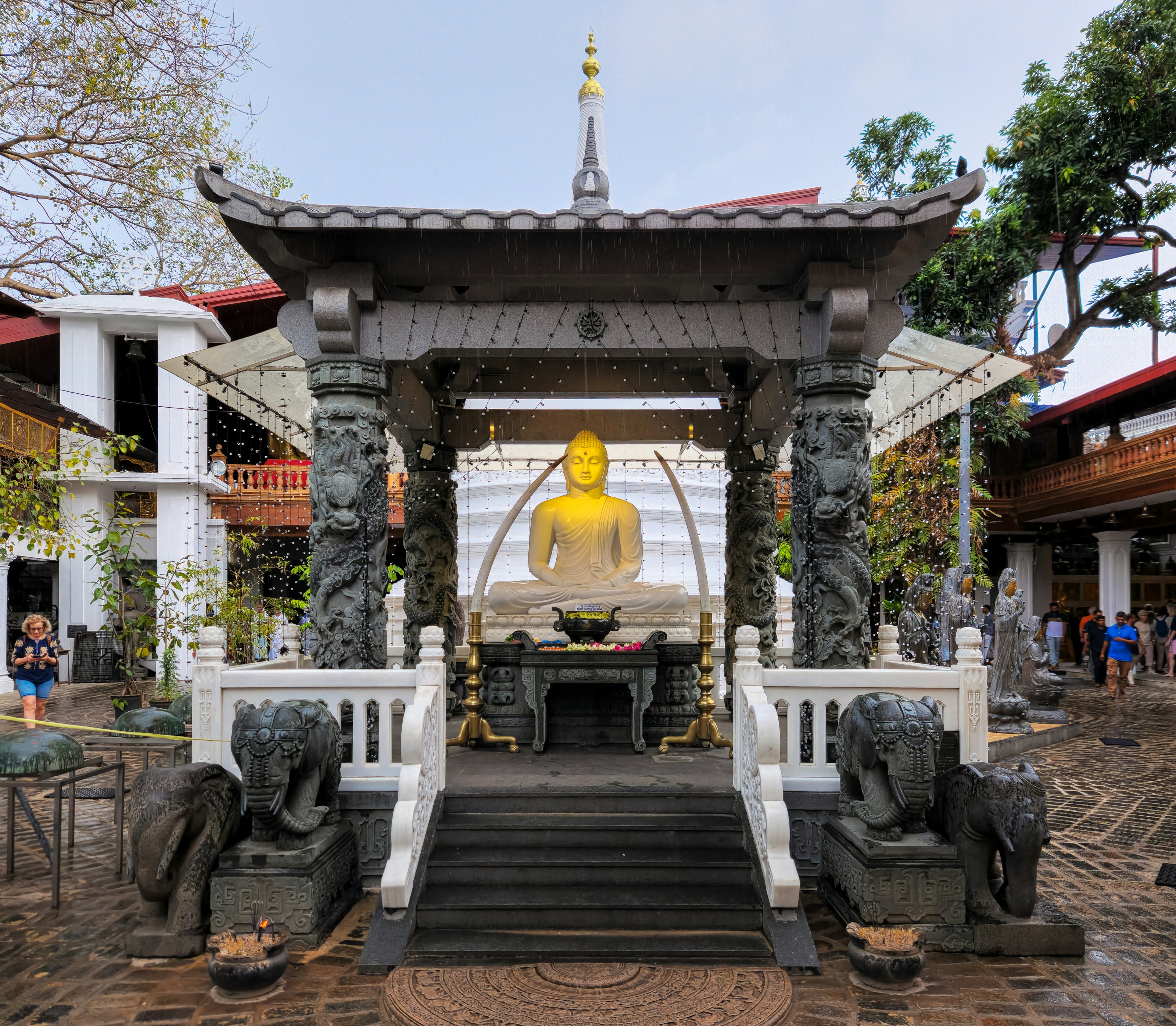
Sri Lanka marks the Buddha's birth, enlightenment, and death on a single full-moon day each May, when towns are strung with illuminated pandals depicting Buddhist Jataka tales and paper lanterns line every street.
Free food stalls called dansal appear on street corners run by volunteers, temples fill for all-night prayer and chanting, and Colombo's streets glow entirely on donated light rather than commercial decoration.
How does it rate
CrowdsRomanceCash RequiredDangerAccessibilityWhy you should go
A single full-moon day when Sri Lankan towns fill with illuminated lantern displays and free community food stalls.
Why you shouldn't go
Alcohol sales and slaughterhouses close nationwide for the day, which can catch visitors used to normal bar and restaurant hours off guard.
Plan your visit
Best time to visitThe full moon (Poya) day in May each year.Best time of dayAfter dusk, when the illuminated pandals and lanterns are lit citywide.Getting thereFly into Colombo, where the largest pandal displays are concentrated around the city centre.Entry costFree; dansal food stalls are also free, offered as merit-making by volunteers.Time neededOne evening to walk the main pandal and lantern displays.Insider tip — Walk rather than drive around central Colombo that evening - the best pandals cluster within walking distance and traffic snarls badly. -
 #1075 /100
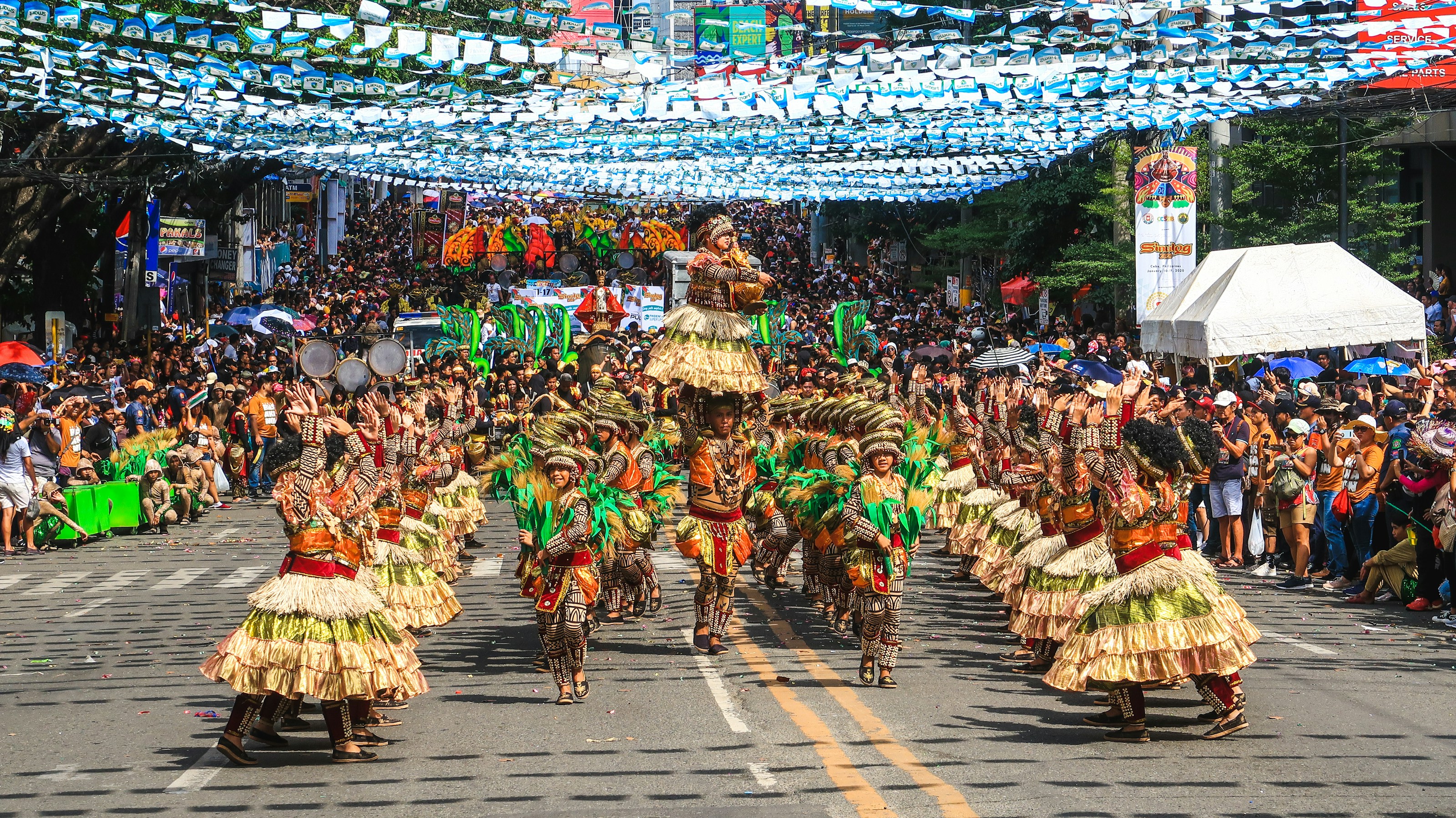
Cebu City's Sinulog honours the Santo Nino with the festival's namesake dance - two steps forward, one step back - performed by thousands of costumed dancers moving to non-stop drumbeats along a route lined with several million spectators.
It grew from the same Santo Nino devotion as Kalibo's Ati-Atihan but has become the country's largest festival, climaxing in a grand parade on the third Sunday of January.
How does it rate
CrowdsRomanceCash RequiredDangerAccessibilityWhy you should go
Thousands of costumed dancers perform the festival's namesake two-steps-forward, one-step-back dance to non-stop drumbeats.
Why you shouldn't go
Cebu City's streets become almost impassable on the main parade day, with several million spectators packed along the route.
Plan your visit
Best time to visitThe third Sunday of January, the date of the grand parade.Best time of dayMid-morning into afternoon, when the main parade contingents pass.Getting thereFly into Mactan-Cebu International Airport, about 30 minutes from the parade route in Cebu City.Entry costFree to watch from the street.Time neededA full day for the grand parade.Insider tip — Watch near the Basilica del Santo Nino end of the route rather than the grandstand area - it's less packed and the dancers' energy is still at its peak that early on.


More from The World
-
How a score is built
One score out of 100, five criteria behind it
Every place is rated 1–5 on each of the criteria below, then combined into a single score out of 100. It's calculated by us, the same way every time — not an average of traveller reviews or social votes.
Crowds
How many people you'll be sharing it with, and at what time of day.
Romance
How well it suits a couple, a proposal, or a quiet moment together.
Cash required
Entry fees, permits, guides, rentals — what it actually costs to do it.
Danger
Physical risk involved, from a slippery viewpoint to genuine hazard.
Accessibility
How far off the beaten path it is, and how hard it is to actually reach.

