-
 #196 /100
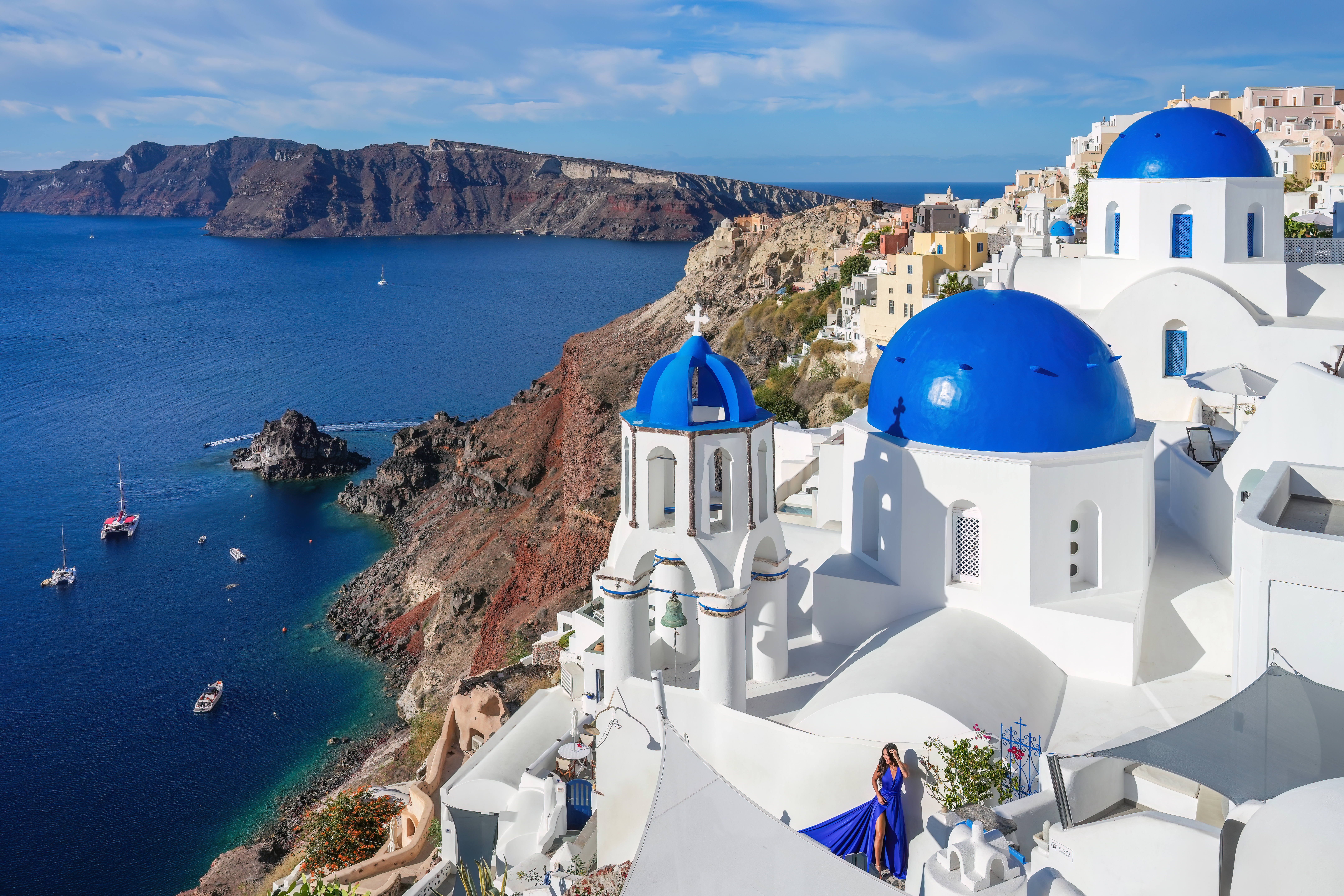
Oia is the northernmost village on Santorini and the best known, with its white-washed Cycladic architecture, blue-domed churches, and cliffside position above the caldera.
It is particularly famous for its sunset, which draws crowds from across the island to watch the sun sink into the Aegean.
How does it rate
CrowdsRomanceCash RequiredDangerAccessibilityWhy you should go
The view from Oia's castle ruins at sunset, with the caldera, the volcano island, and the whitewashed village all bathed in golden light, is one of the world's most spectacular.
Why you shouldn't go
Oia becomes extremely crowded at sunset and the famous viewpoints can be packed with hundreds of people; accommodation prices are among the highest in Europe.
Plan your visit
Best time to visitLate April-June or September-OctoberBest time of daySunset - this is THE sunset spot in GreeceGetting thereBus or taxi from Fira (~30 min)Entry costFreeTime needed2-3 hoursInsider tip — The Byzantine Castle viewpoint is famous and packed by 5pm in summer; arrive an hour early or find a quieter spot along the caldera path -
 #292 /100
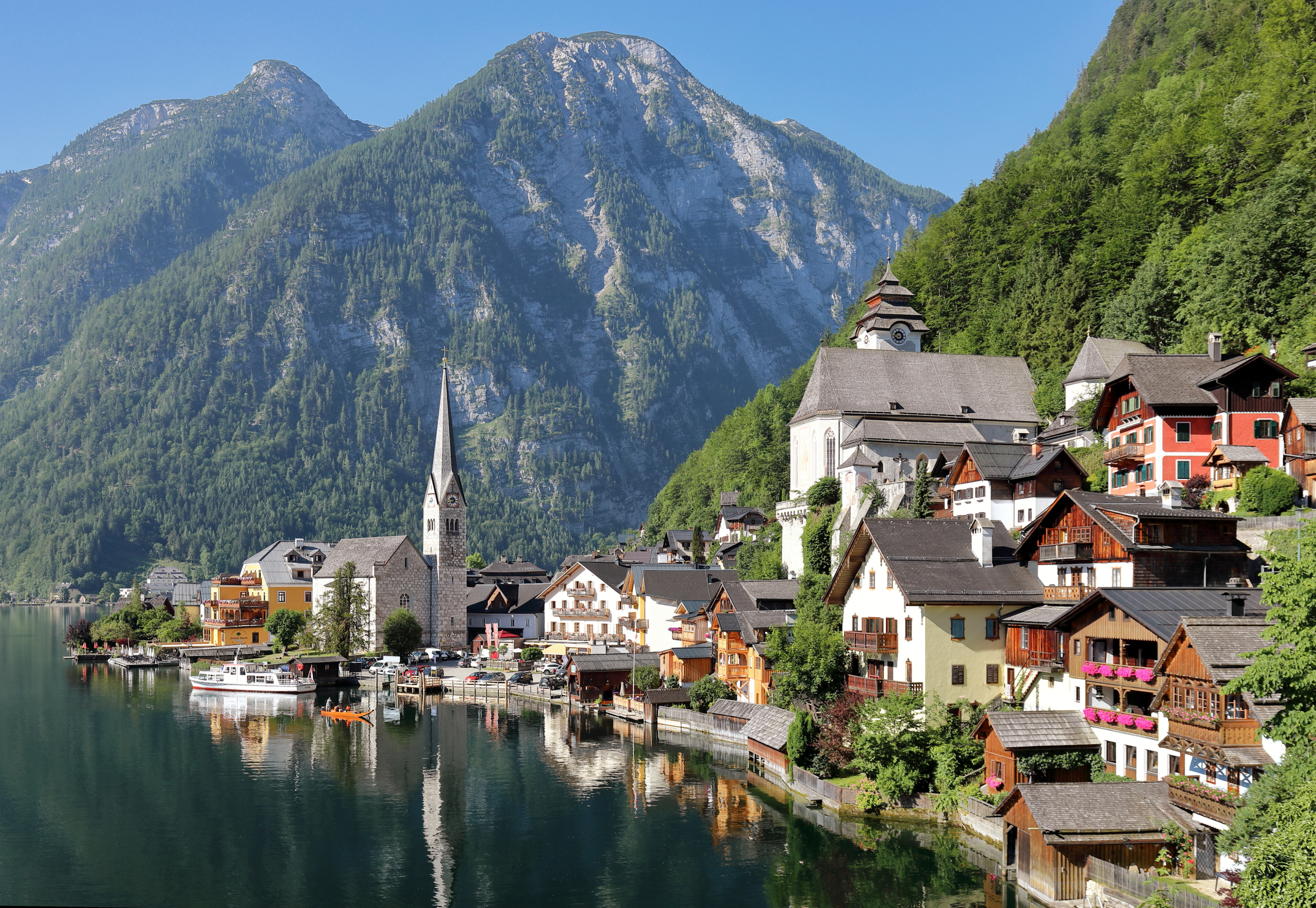
Hallstatt is a tiny lakeside village in the Austrian Salzkammergut, wedged onto a narrow shelf between steep mountains and the water.
Its salt mine has been worked for around 7,000 years, making it one of Europe's oldest continuously exploited industrial sites, and the Iron Age culture excavated here is named after the village.
Pastel Renaissance houses stack up from the shoreline in a place barely a few streets deep.
How does it rate
CrowdsRomanceCash RequiredDangerAccessibilityWhy you should go
The view of Hallstatt reflected in the lake with the mountains behind is one of Europe's most perfectly composed natural scenes — it is almost impossibly picturesque.
Why you shouldn't go
Hallstatt has been so thoroughly discovered by tourists that it can feel overwhelmed; day-tripper volumes have led to visitor restrictions being introduced.
Plan your visit
Best time to visitLate spring or early autumnBest time of dayEarly morning, before day-trip crowds and tour buses arriveGetting thereTrain to Hallstatt station then ferry across the lakeEntry costFree to exploreTime neededHalf dayInsider tip — The famous viewpoint above town gets very crowded by mid-morning in summer; go right at sunrise -
 #3
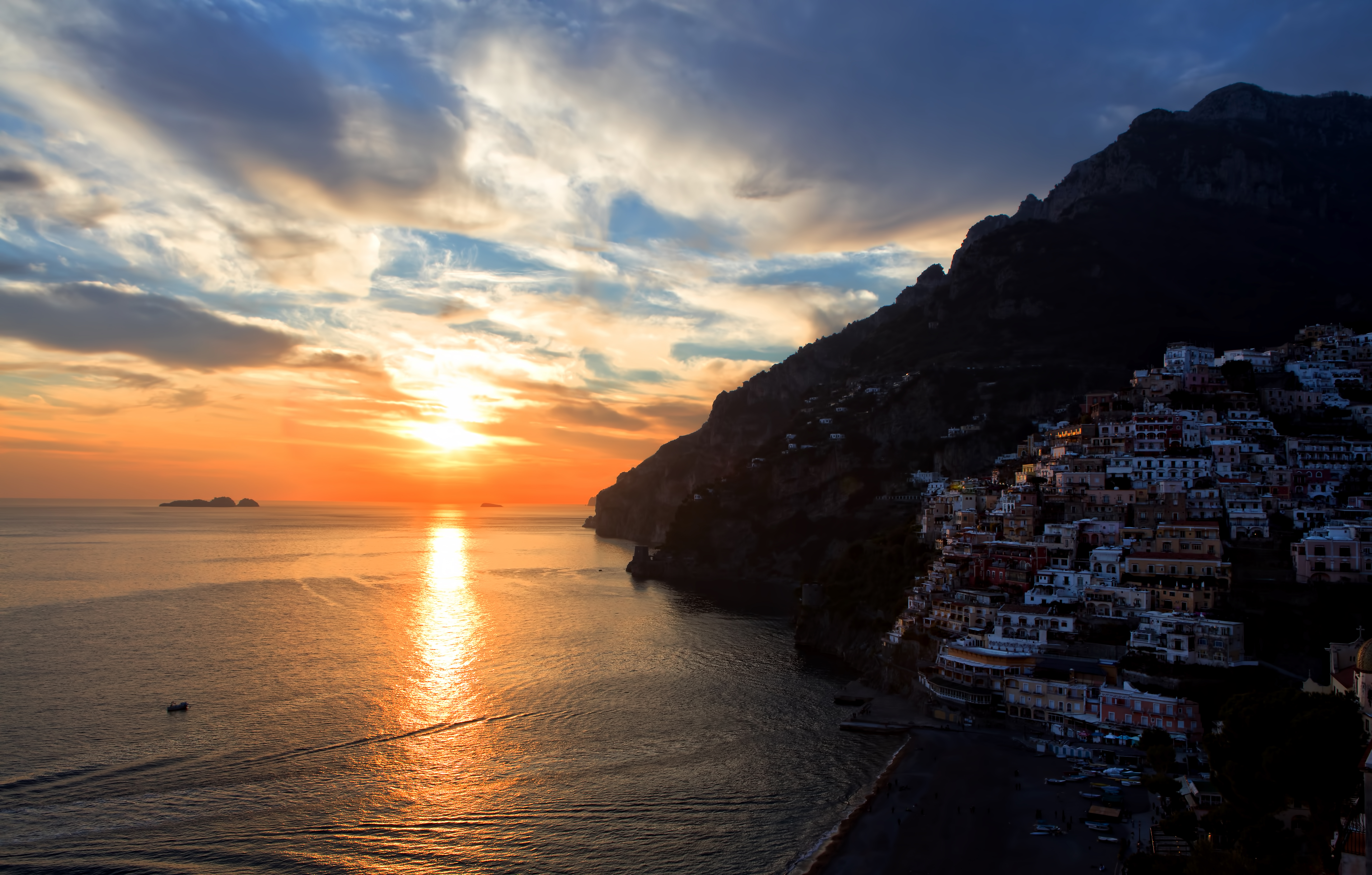
#3Positano is the Amalfi Coast's poster child: a wall of peach, rose and terracotta houses stacked impossibly steeply between the cliffs and a dark-sand beach.
The classic view, the whole town glowing above Spiaggia Grande, is best from the coast path or from the ferry pulling out.
Below the view it's all lemon groves, boutiques and long seafood lunches.
How does it rate
CrowdsRomanceCash RequiredDangerAccessibilityWhy you should go
The stacked pastel townscape above the beach is one of the Mediterranean's defining views.
Why you shouldn't go
Everything is steps, hundreds of them, and summer prices and crowds are ferocious.
Plan your visit
Best time to visitMay, June or September - warm seas without August's crushBest time of dayGolden hour, when the west light sets the facades glowingGetting thereFly to Naples; ferry from Salerno or Sorrento beats the coast road in summerEntry costFree to wander; beach clubs and parking cost plentyTime needed1-2 daysInsider tip — Arrive by ferry rather than road - the approach from the water is the photo, and you skip the SS163 traffic -
 #488 /100
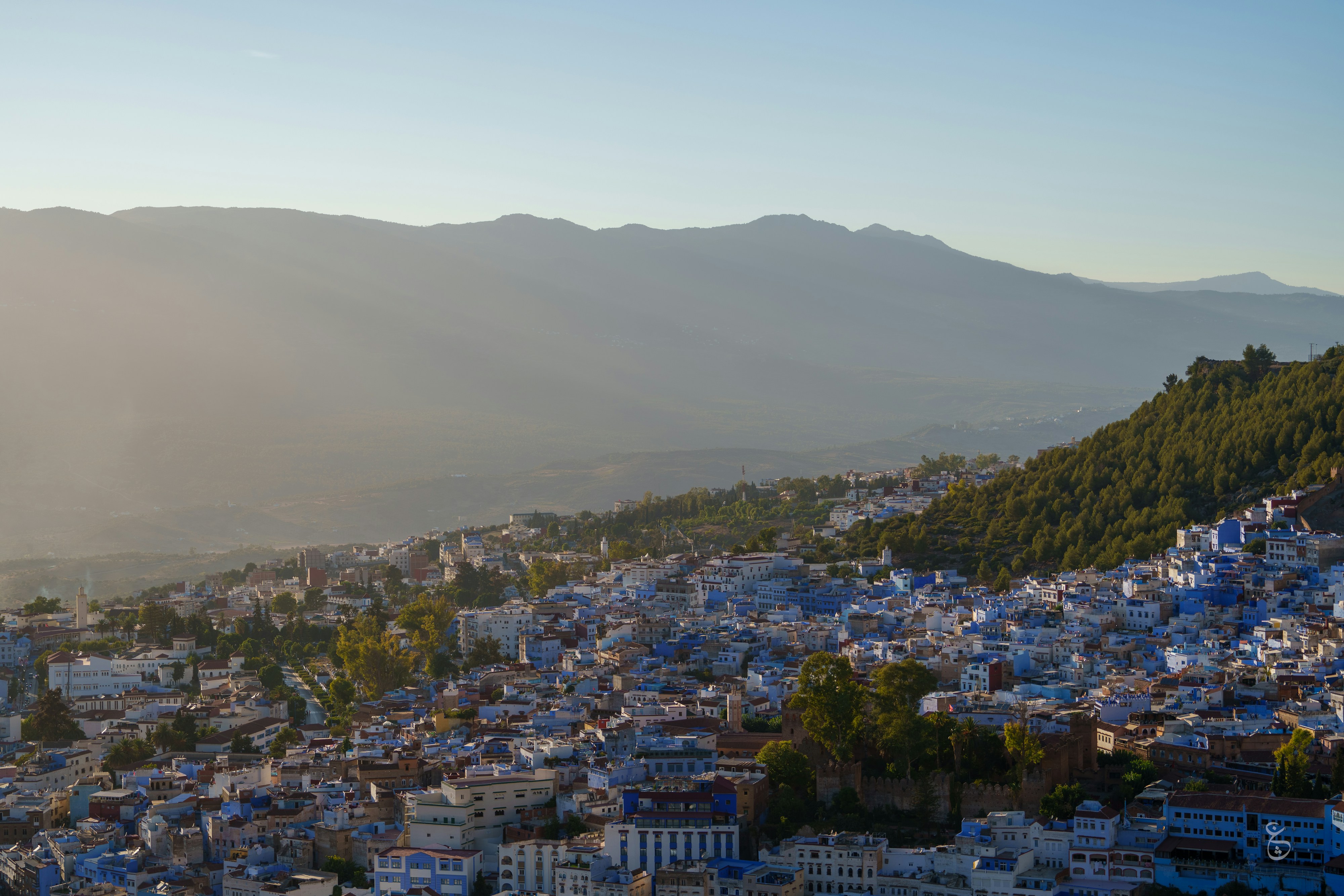
Every wall, staircase and doorway in this Rif Mountains town is washed in shades of blue, a tradition with disputed origins that's turned the entire medina into one continuous wash of colour.
Cats doze in doorways and potted plants spill over blue-painted steps, with barely a corner that doesn't reward a second look.
Founded as a 15th-century fortress town, its alleys were never built for cars.
How does it rate
CrowdsRomanceCash RequiredDangerAccessibilityWhy you should go
An entire town painted blue, with no bad angle anywhere in the medina.
Why you shouldn't go
The most photogenic alleys are narrow and now genuinely crowded with fellow photographers most mornings.
Plan your visit
Best time to visitMarch-May or September-November, for mild hiking and walking weather.Best time of dayEarly morning, before both the heat and the day-tripper crowds from Fes arrive.Getting thereDrive or take a bus from Fes (about 4 hours) or Tangier (about 2.5 hours).Entry costFree to wander; riads and cafes priced normally.Time needed1-2 daysInsider tip — Climb to the Spanish Mosque ruins above town at sunset for a view over the entire blue medina at once. -
 #587 /100
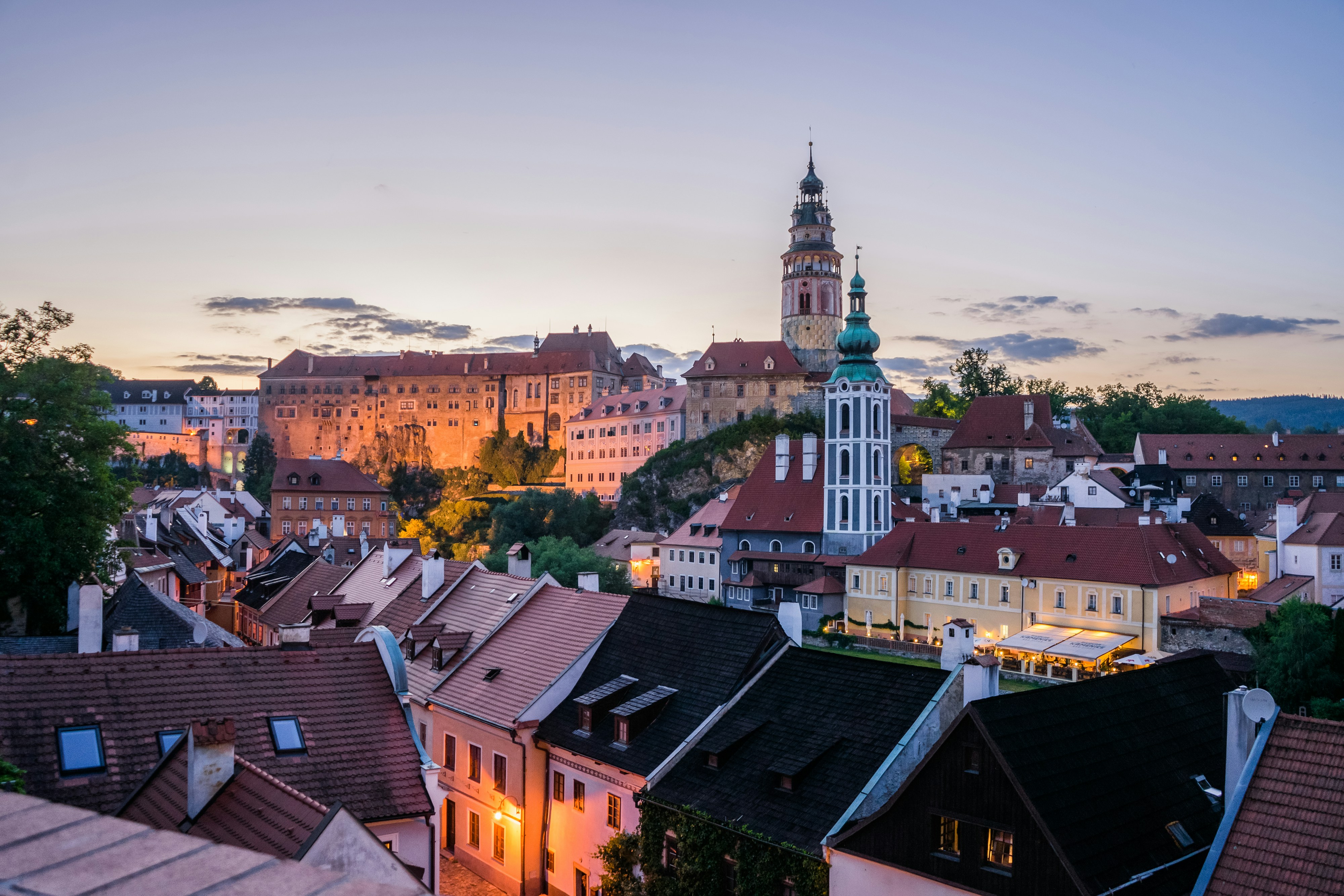
The Vltava River loops almost completely around this medieval town, wrapping its red-roofed old town and Renaissance castle in a natural moat.
A 13th-century castle tower rises above the rooftops, and its viewing gallery gives the single best angle over the whole horseshoe-shaped town below.
Narrow cobbled streets, largely untouched by wartime damage, still follow their original medieval layout.
How does it rate
CrowdsRomanceCash RequiredDangerAccessibilityWhy you should go
A medieval town wrapped almost entirely by a river, seen best from its own castle tower.
Why you shouldn't go
Summer weekends bring heavy day-tripper traffic from nearby Prague and Vienna.
Plan your visit
Best time to visitMay-June or September, for mild weather and thinner crowds than peak summer.Best time of dayEarly morning or after 5pm, once day-trip tour buses have left.Getting thereBus or train from Prague (about 2.5-3 hours).Entry costFree to walk the old town; castle tower entry a few dollars.Time needed1-2 daysBookingBook ahead →Insider tip — Climb the castle tower right at opening time for the classic horseshoe-bend view without other visitors in frame. -
 #6
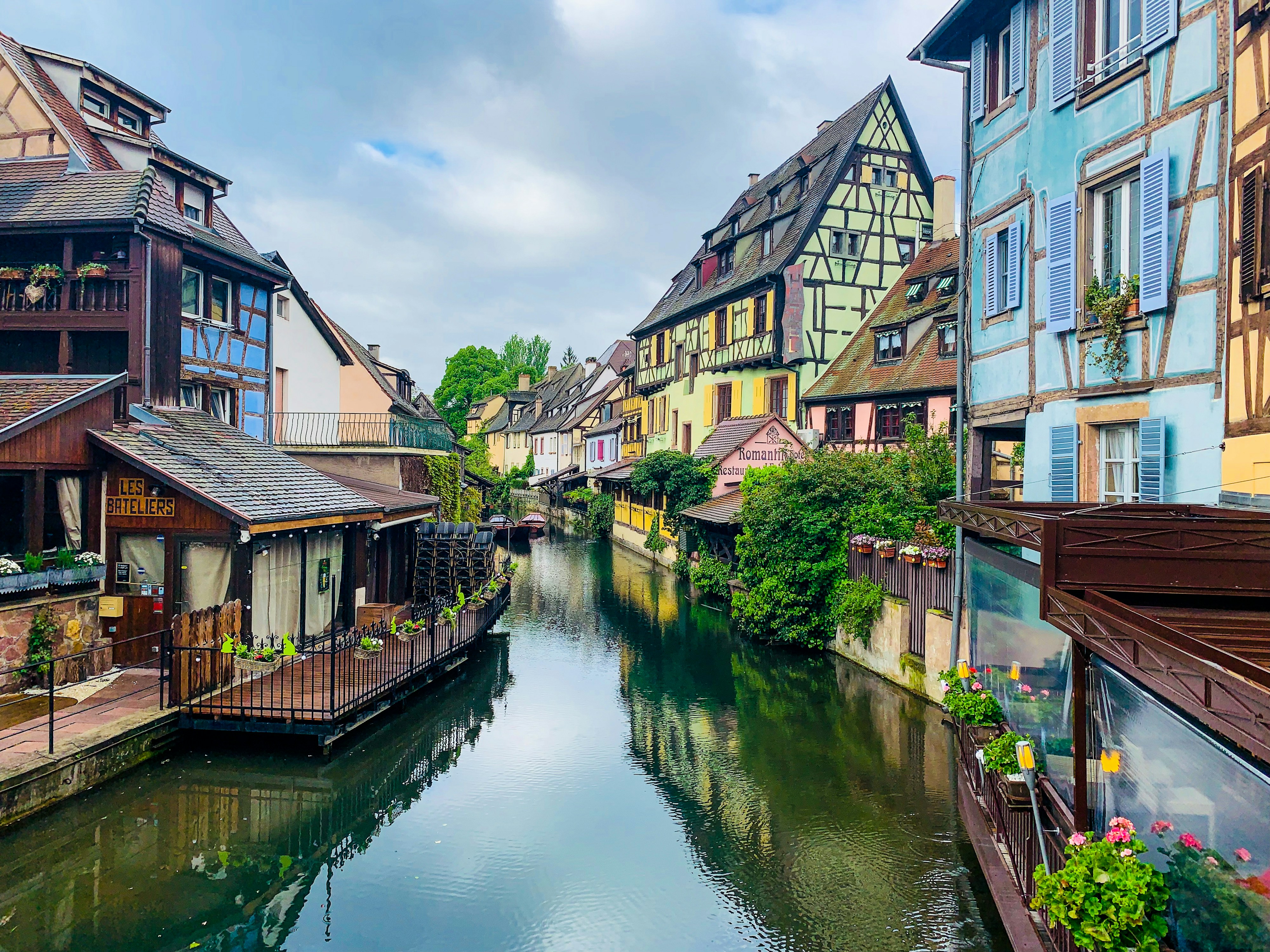
#6Half-timbered houses in candy-bright colours line the canals of this Alsatian town's La Petite Venise district, their upper floors leaning out over the water.
Flower boxes crowd almost every windowsill from spring through autumn, adding another layer of colour to the vivid facades.
The town's mix of French and German influence, a legacy of Alsace changing hands repeatedly, gives it a character unlike anywhere else in France.
How does it rate
CrowdsRomanceCash RequiredDangerAccessibilityWhy you should go
Canal-side half-timbered houses in every colour, especially vivid with the summer flower boxes.
Why you shouldn't go
The most photographed canal stretch is narrow and gets genuinely congested at midday in summer.
Plan your visit
Best time to visitMay-September for flower boxes in full bloom; December for the Christmas markets.Best time of dayEarly morning, before day-trip groups arrive from Strasbourg.Getting thereTrain from Strasbourg (about 30 minutes) or Paris (about 2.5 hours direct).Entry costFree to wander the old town.Time needed1 dayInsider tip — Take a short boat ride along La Petite Venise - the canal-level view of the leaning houses is better than any angle from the street. -
 #7
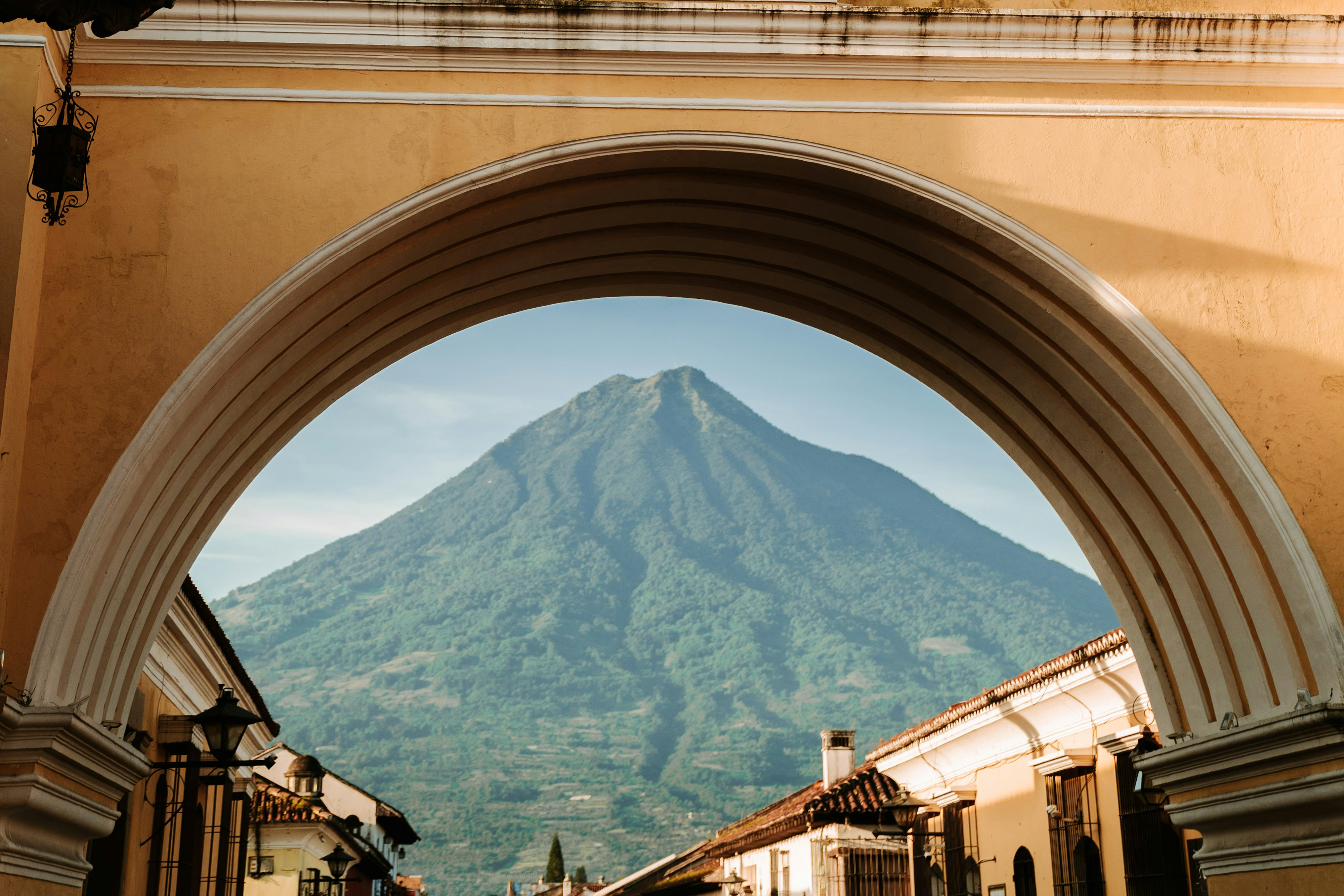
#7Pastel-painted colonial buildings and crumbling Spanish Baroque church ruins fill this former capital, framed on clear days by the smoking cone of Volcan de Fuego.
Cobblestone streets laid out in a strict grid by 16th-century Spanish planners still define the town today.
Climbing a nearby volcano for sunrise, with Antigua's rooftops spread out below, is the classic local excursion.
How does it rate
CrowdsRomanceCash RequiredDangerAccessibilityWhy you should go
A colonial town with an active volcano smoking gently in the background on clear days.
Why you shouldn't go
Volcan de Fuego erupts regularly with ash and lava; check current activity before planning a summit hike nearby.
Plan your visit
Best time to visitNovember-April, the dry season.Best time of dayLate afternoon, for warm light on the colonial facades and church ruins.Getting thereDrive or shuttle from Guatemala City (about 1-1.5 hours).Entry costFree to walk the town; church ruins and volcano hikes charge separate small fees.Time needed2 daysInsider tip — Book the Acatenango or Pacaya volcano sunrise hike a day ahead - spots fill up and the view over Antigua and Fuego from the summit is worth the early start. -
 #8
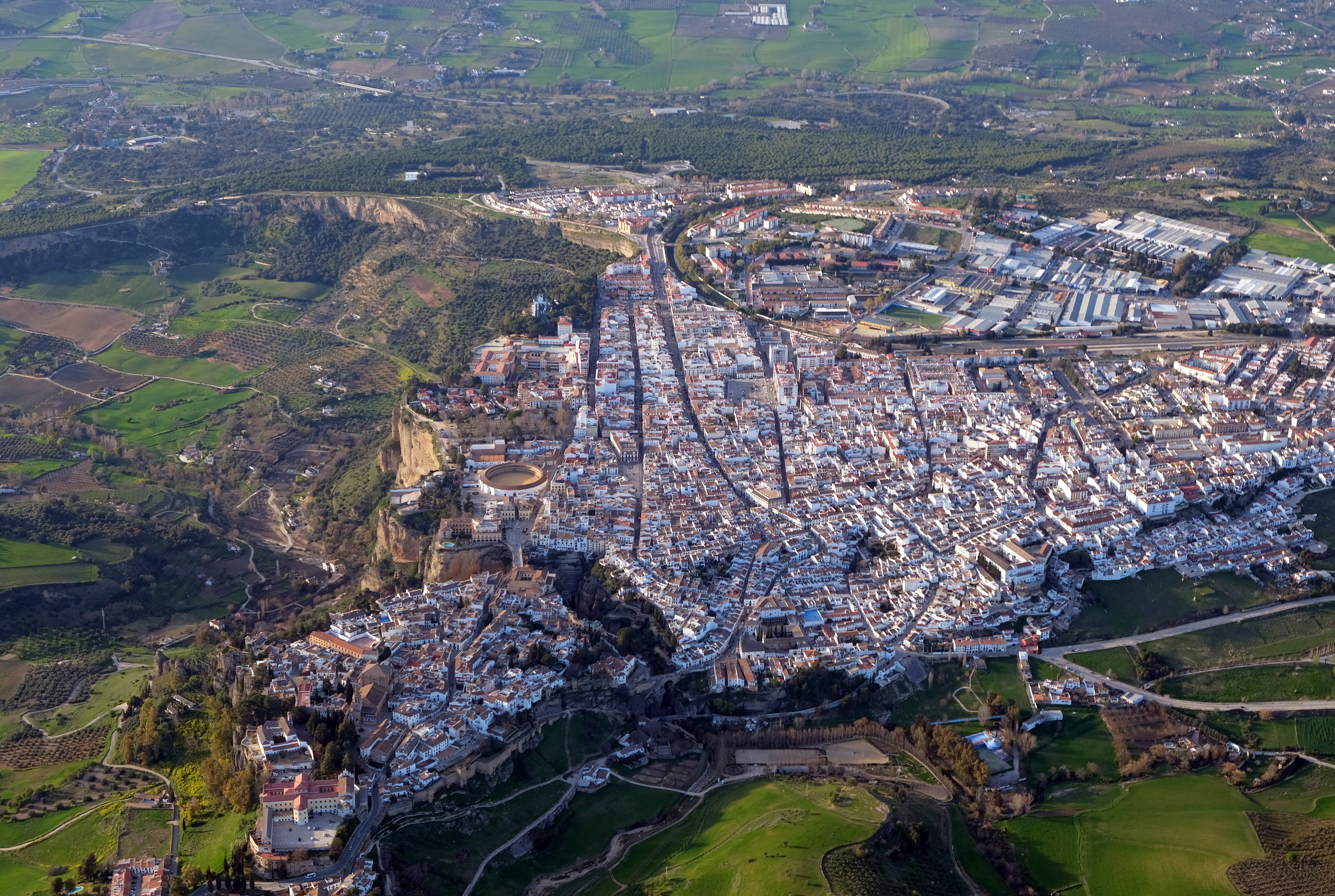
#8Ronda is a dramatic Andalusian city built on a rocky plateau divided by a 120-metre-deep gorge, over which the 18th-century Puente Nuevo bridge arches in an astonishing feat of engineering.
The combination of Moorish old town, bullring, and vertiginous cliff-edge position makes Ronda one of Spain's most striking cities.
How does it rate
CrowdsRomanceCash RequiredDangerAccessibilityWhy you should go
The Puente Nuevo bridge crossing the El Tajo gorge is one of Spain's most dramatic engineering achievements and the cliff-edge views from the Alameda del Tajo gardens are extraordinary.
Why you shouldn't go
Ronda is a day trip destination from Malaga and the coach parties that descend from late morning can make the bridge and old town very crowded; arrive early or late.
Plan your visit
Best time to visitSpring or autumnBest time of dayLate afternoon for light on the gorge and bridgeGetting thereTrain from Malaga or SevilleEntry costFree to viewTime neededHalf dayInsider tip — Walk down into El Tajo gorge for the classic upward shot of Puente Nuevo bridge -
 #9
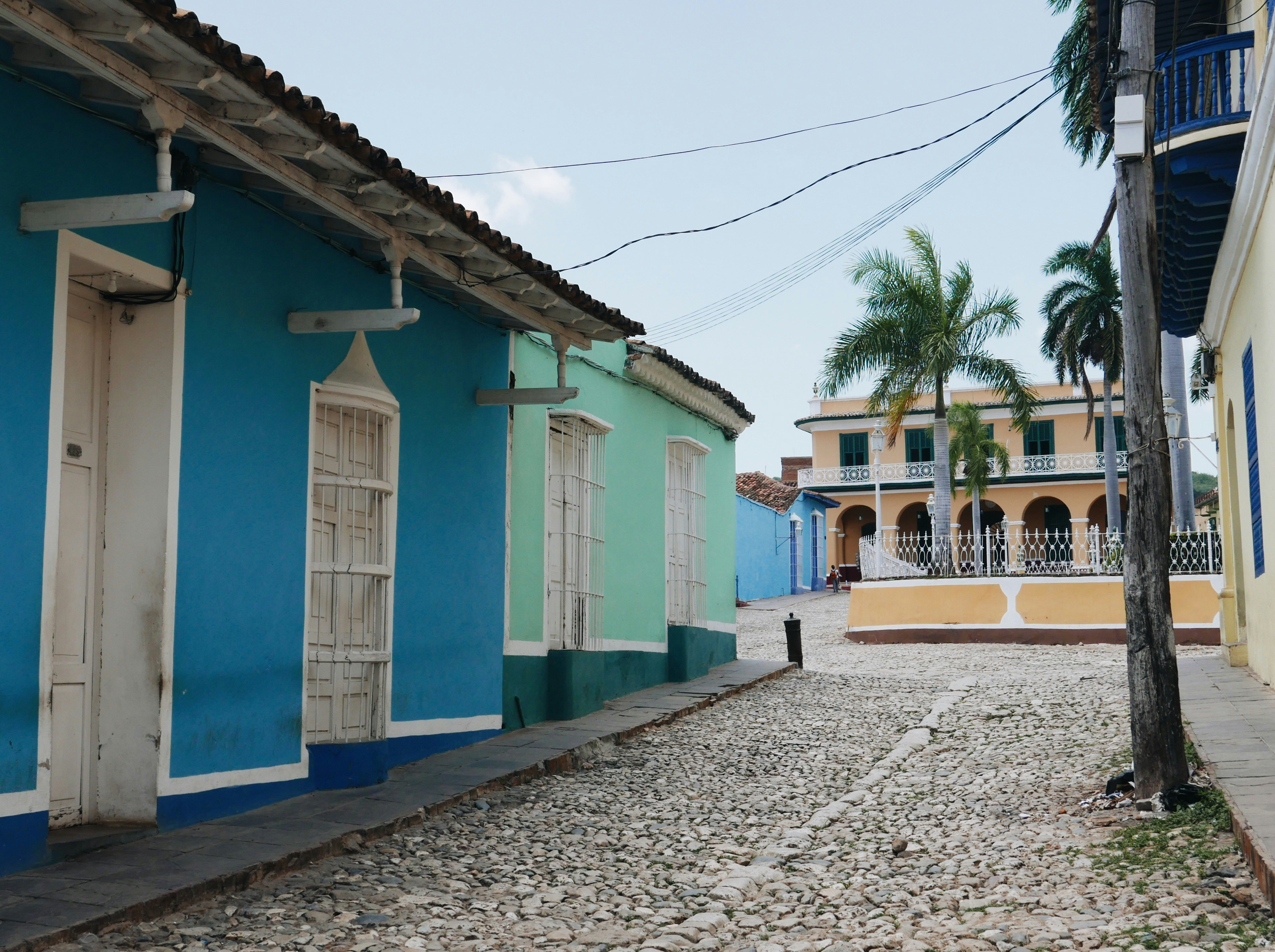
#9Cobblestone streets in this 16th-century sugar-trade town are lined with candy-coloured colonial houses, many still lived in by the families who've owned them for generations.
Vintage American cars from the 1950s, kept running through decades of improvisation, cruise past pastel facades and a crumbling bell tower overlooking the town.
Live music spills from open doorways most evenings.
How does it rate
CrowdsRomanceCash RequiredDangerAccessibilityWhy you should go
A colonial sugar-trade town frozen in pastel colour, with 1950s cars still doing the driving.
Why you shouldn't go
The cobblestones are uneven and genuinely hard on ankles and wheeled luggage alike.
Plan your visit
Best time to visitNovember-April, the dry season.Best time of dayLate afternoon, for warm light on the pastel facades and fewer tour groups.Getting thereDrive or bus from Havana (about 5-6 hours) or fly into nearby Cienfuegos.Entry costFree to walk the town; the bell tower and museums charge small fees.Time needed1-2 daysInsider tip — Climb the Convento de San Francisco bell tower for the best rooftop view over the town's terracotta roofs. -
 #10
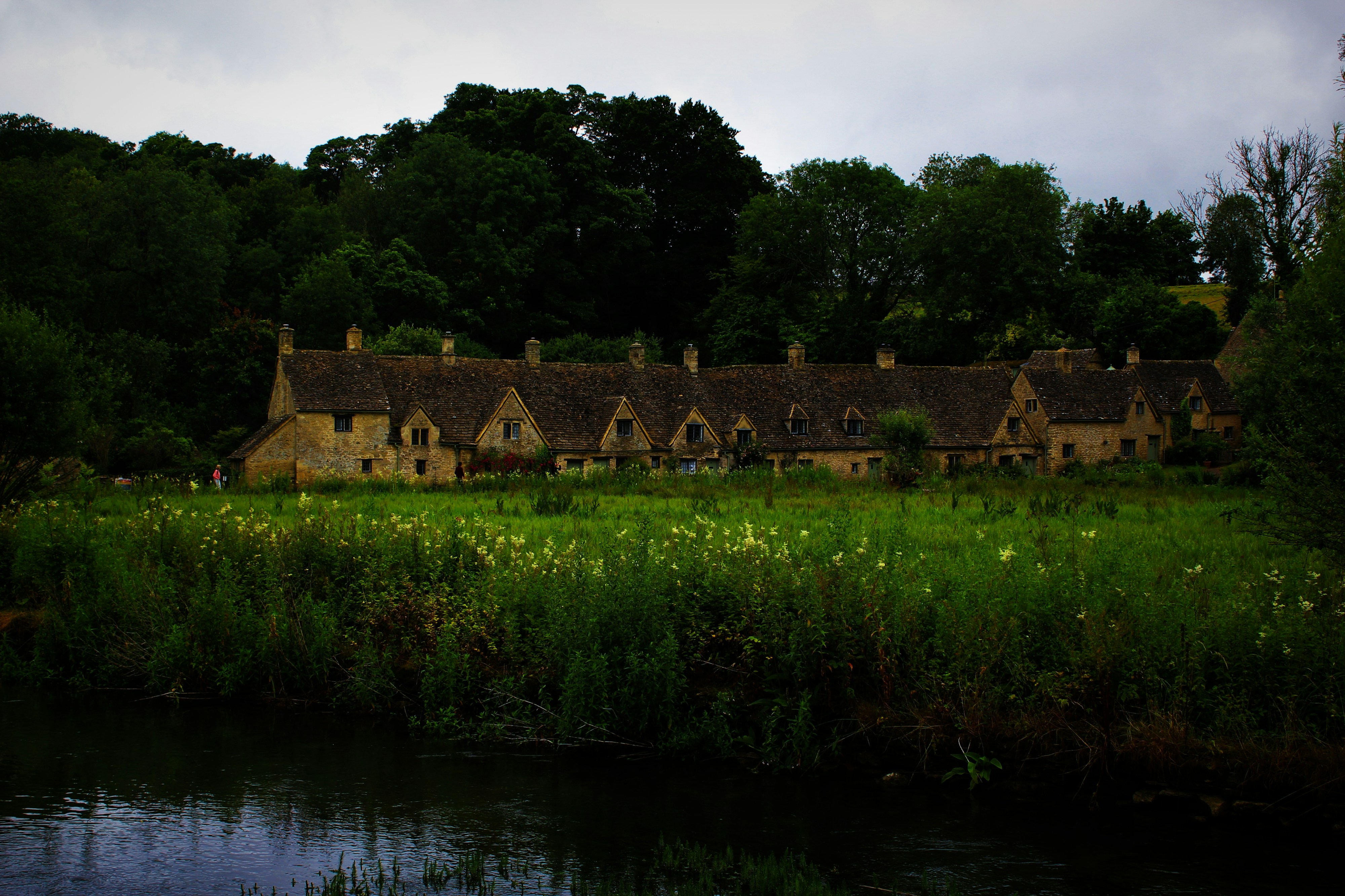
#10A row of 17th-century weavers' cottages called Arlington Row, built from honey-coloured Cotswold stone, forms one of the most famous streets in England.
A shallow trout stream runs directly alongside the row, with ducks and grazing sheep completing a scene that looks almost too tidy to be real.
William Morris once called Bibury the most beautiful village in England, and the description has stuck ever since.
How does it rate
CrowdsRomanceCash RequiredDangerAccessibilityWhy you should go
A single row of stone cottages beside a stream that's been called England's most beautiful street.
Why you shouldn't go
Arlington Row is genuinely tiny - most visits are a 20-minute photo stop, not a destination in itself.
Plan your visit
Best time to visitSpring or autumn, for soft light and fewer coach-tour crowds than summer.Best time of dayEarly morning, before the narrow lane fills with visitors and parked cars.Getting thereDrive from Cirencester (about 20 minutes) or Oxford (about 1 hour); no rail station in the village.Entry costFree (Arlington Row is a public street; cottages are private homes).Time needed30-60 minutesInsider tip — Park in the small public car park rather than on the lane itself - roadside parking near Arlington Row is extremely limited and often full. -
 #11
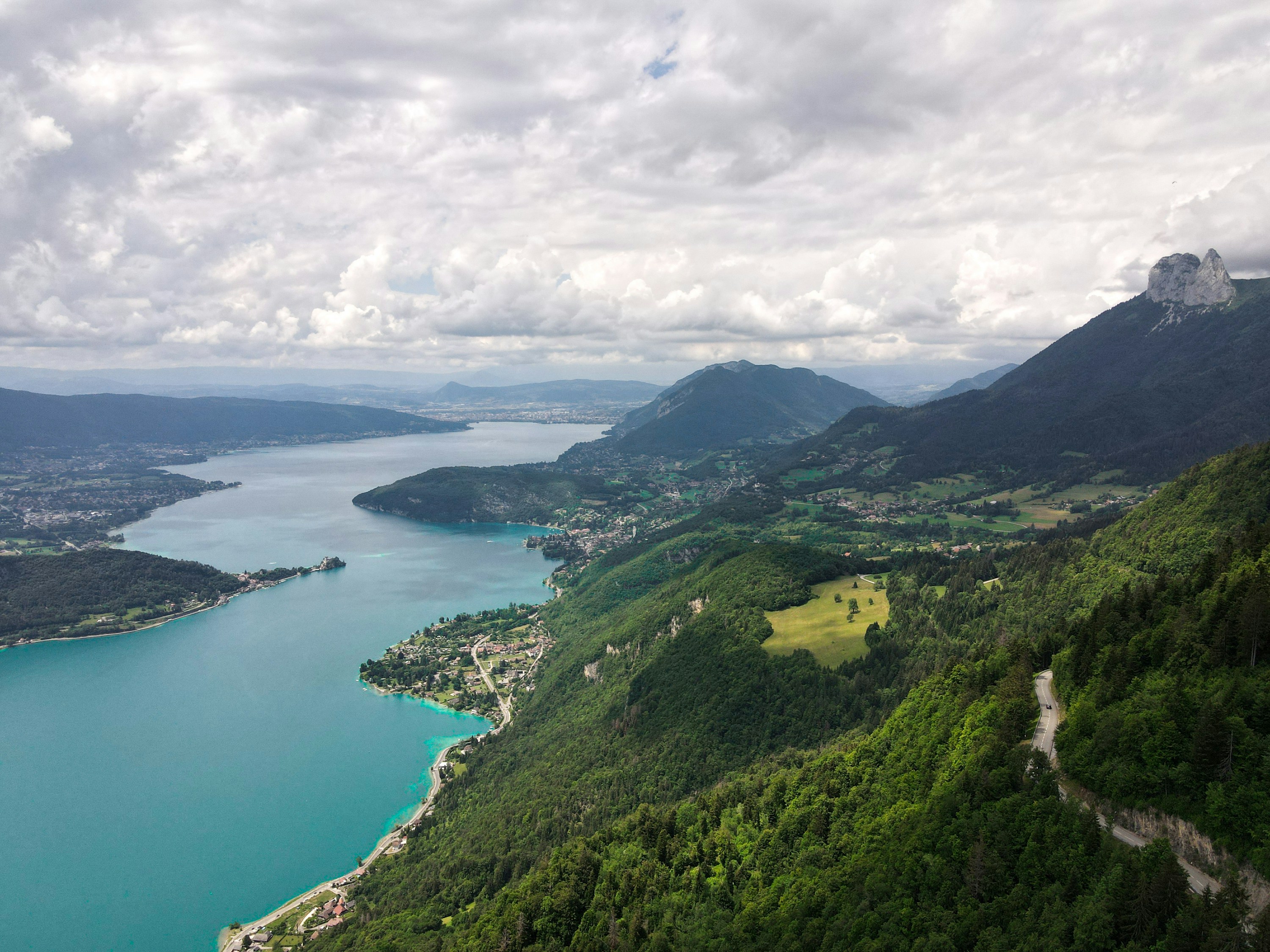
#11A canal-laced old town at the northern tip of one of Europe's cleanest lakes has earned Annecy the nickname "Venice of the Alps," its Thiou River canals lined with flower-draped, pastel houses and the small stone Palais de l'Île moored mid-stream.
Snow-capped peaks rise directly behind the water, and a lakeside path leads out to swimming spots and quieter viewpoints beyond the old town.
How does it rate
CrowdsRomanceCash RequiredDangerAccessibilityWhy you should go
Canals, flowers, and turquoise water backed by real mountains, in a compact old town easy to see on foot.
Why you shouldn't go
The old town's narrow lanes and lakeside path get very congested with day-trippers on summer weekends.
Plan your visit
Best time to visitJune or September for warm weather and swimmable water without peak-July crowds.Best time of dayEarly morning in the old town, before shops and crowds fill the canal-side lanes.Getting thereTrain from Geneva (about 1 hour) or Lyon (about 2 hours); Geneva Airport is the nearest major hub.Entry costFree to walk the old town and lakeshore; the Palais de l'Île museum charges a small entry fee.Time needed1 dayInsider tip — Rent a bike and follow the lakeside path south past the old town — the crowds thin out within fifteen minutes. -
 #1278 /100
Saffron-robed monks file silently through the streets at dawn to collect alms, a centuries-old ritual that still happens daily in this Mekong River town.
Gilded temple roofs and French colonial shopfronts sit side by side along streets largely protected from development by UNESCO status.
It also serves as the natural base for visiting Kuang Si Falls' turquoise pools nearby.
How does it rate
CrowdsRomanceCash RequiredDangerAccessibilityWhy you should go
A dawn alms-giving ritual that's continued unchanged in the streets for centuries.
Why you shouldn't go
The alms ceremony is a genuine religious practice, not a photo op - flash photography and getting too close are considered disrespectful.
Plan your visit
Best time to visitNovember-February, the cool dry season.Best time of daySunrise, around 5:30-6am, for the alms-giving procession.Getting thereFly into Luang Prabang, or take the slow boat from the Thai border (2 days).Entry costTemples charge small entry fees, typically $1-3.Time needed2-3 daysInsider tip — Watch the alms ceremony from a respectful distance without joining in unless you understand the etiquette - buy sticky rice from a local vendor, not a tourist-facing seller, if you do want to participate. -
 #13
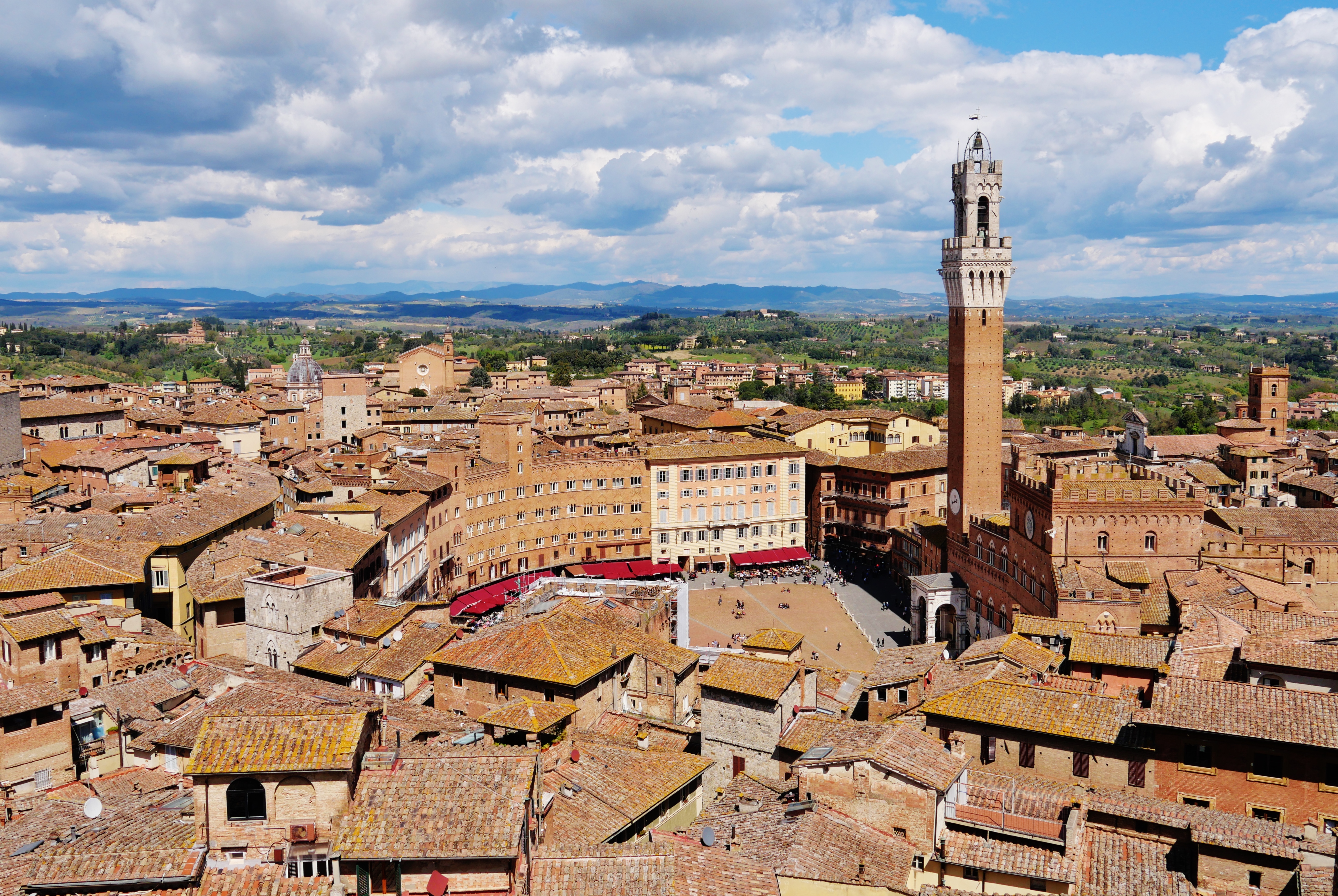
#13Siena is a medieval city in the heart of Tuscany that has preserved its Gothic character more completely than any other city in Italy.
Its fan-shaped main piazza, the Piazza del Campo, is the venue for the famous Palio horse race held twice yearly, and its cathedral, the Duomo, is considered one of the finest Gothic buildings in Italy.
How does it rate
CrowdsRomanceCash RequiredDangerAccessibilityWhy you should go
Siena's extraordinary Gothic atmosphere is one of Italy's most complete — the Piazza del Campo and the Cathedral combine to make this one of Europe's most satisfying medieval urban experiences.
Why you shouldn't go
Siena is a day trip destination from Florence and can be crowded during the Palio season in July and August; the steep streets require a reasonable level of fitness to navigate.
Plan your visit
Best time to visitSpring or autumn, or early July/August for the Palio horse raceBest time of daySunset from Torre del Mangia for the whole city in golden lightGetting there~1hr drive or bus from FlorenceEntry costTower climb ~EUR10Time neededHalf dayInsider tip — Piazza del Campo looks completely different, and much emptier, outside Palio race days in July/August -
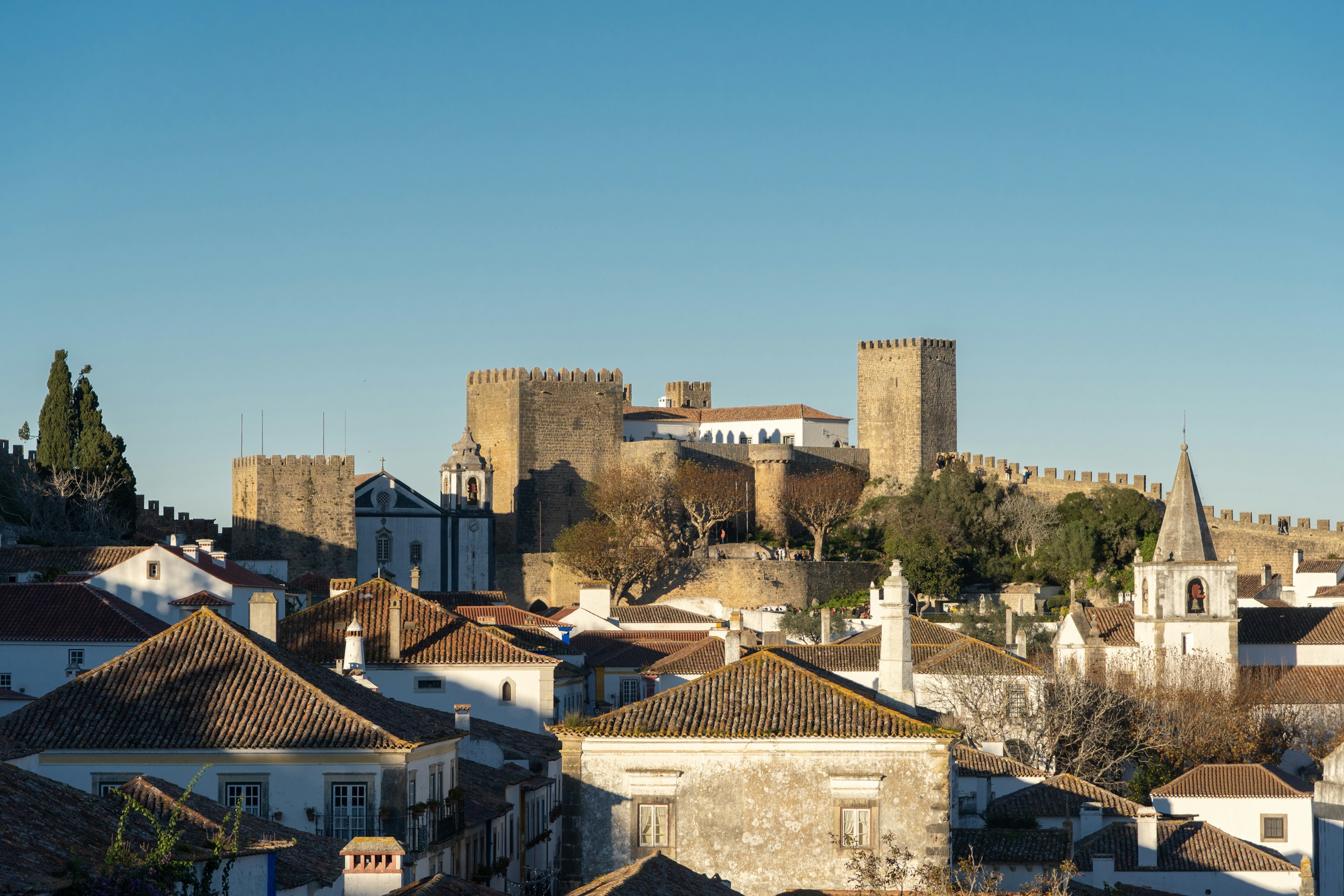 #14
#14A tiny medieval town entirely enclosed by 14th-century walls an hour north of Lisbon, Óbidos was once a traditional wedding gift from Portuguese kings to their queens.
A single cobbled main street runs between whitewashed, bougainvillea-draped houses to a hilltop castle, and the full circuit of the ramparts can be walked in under an hour for views over the surrounding countryside.
How does it rate
CrowdsRomanceCash RequiredDangerAccessibilityWhy you should go
A complete, walkable walled town — castle, ramparts, and cobbled streets — that takes half a day, not a full trip.
Why you shouldn't go
It's genuinely small: one main street and the walls are most of the sight, so it can feel thin without a wine-tasting stop.
Plan your visit
Best time to visitSpring or autumn for mild weather; October's chocolate festival and July's medieval fair draw big crowds.Best time of dayLate afternoon, after day-trip coach groups from Lisbon head back.Getting thereAbout an hour's drive or bus ride north of Lisbon; no train station in town.Entry costFree to enter and walk the walls.Time needed2–4 hoursInsider tip — Try ginjinha (cherry liqueur) served in an edible chocolate cup from one of the small stalls along the main street. -
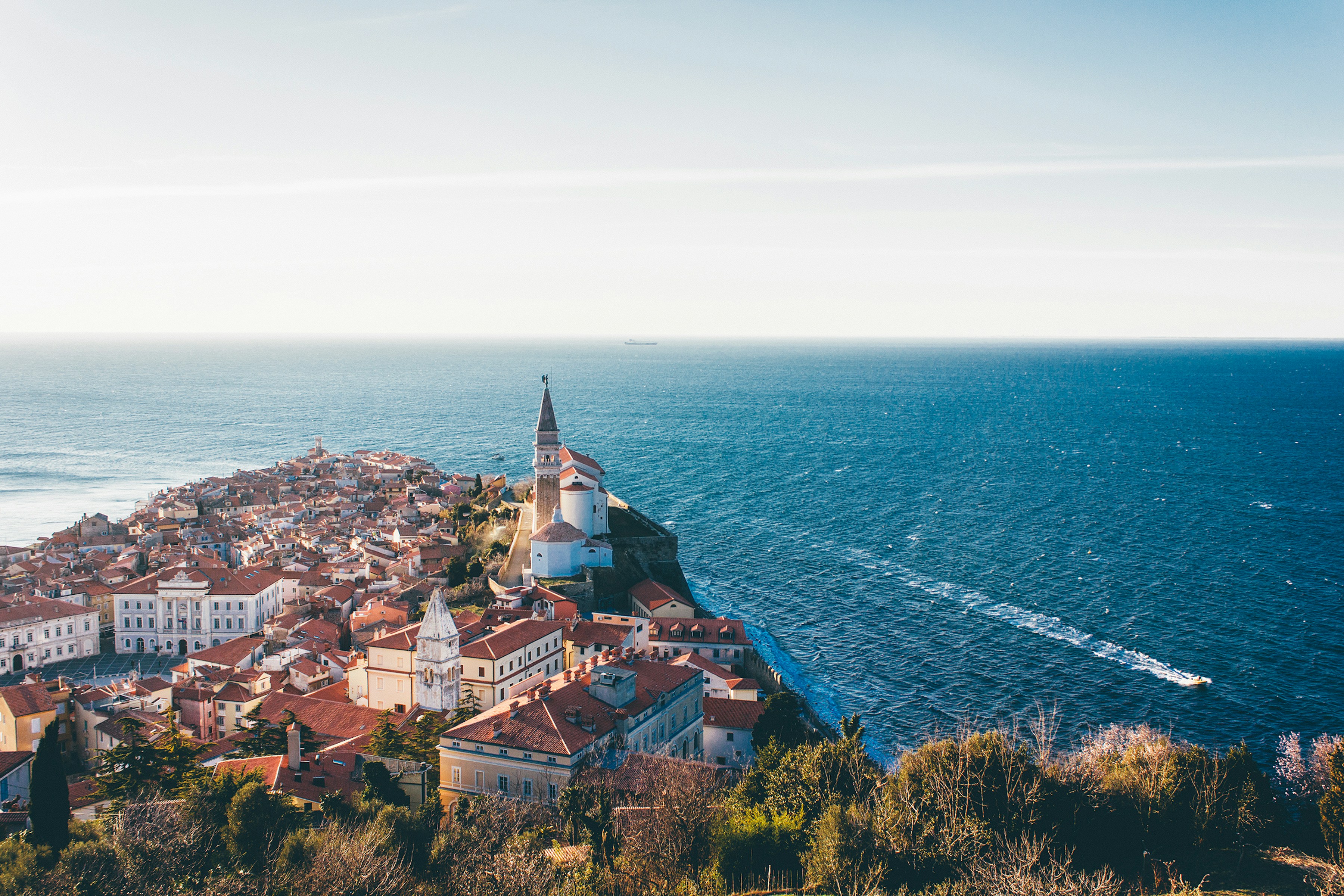 #15
#15Slovenia's slice of Adriatic coastline is barely 47 kilometers long, but Piran packs a genuinely Venetian-feeling old town onto its tip — narrow stone lanes, a central square named for local violinist Giuseppe Tartini, and a bell tower modeled directly on St Mark's in Venice.
Salt pans just outside town have been harvested the traditional way for centuries, and a walk along the old town walls gives views to Italy and Croatia both.
How does it rate
CrowdsRomanceCash RequiredDangerAccessibilityWhy you should go
A genuinely Venetian-feeling walled old town on Slovenia's short stretch of Adriatic coast.
Why you shouldn't go
The old town is very small and can feel crowded with day-trippers in peak summer.
Plan your visit
Best time to visitMay–June or September for warm weather without peak-summer crowds.Best time of daySunset from the town walls, looking out over the Gulf of Trieste.Getting thereAbout 1.5 hours' drive from Ljubljana.Entry costFree to explore; town walls entry around €3.Time needed1 day.Insider tip — Walk to the Sečovlje Salina salt pans just outside town — the traditional harvesting method gets far fewer visitors than the old town. -
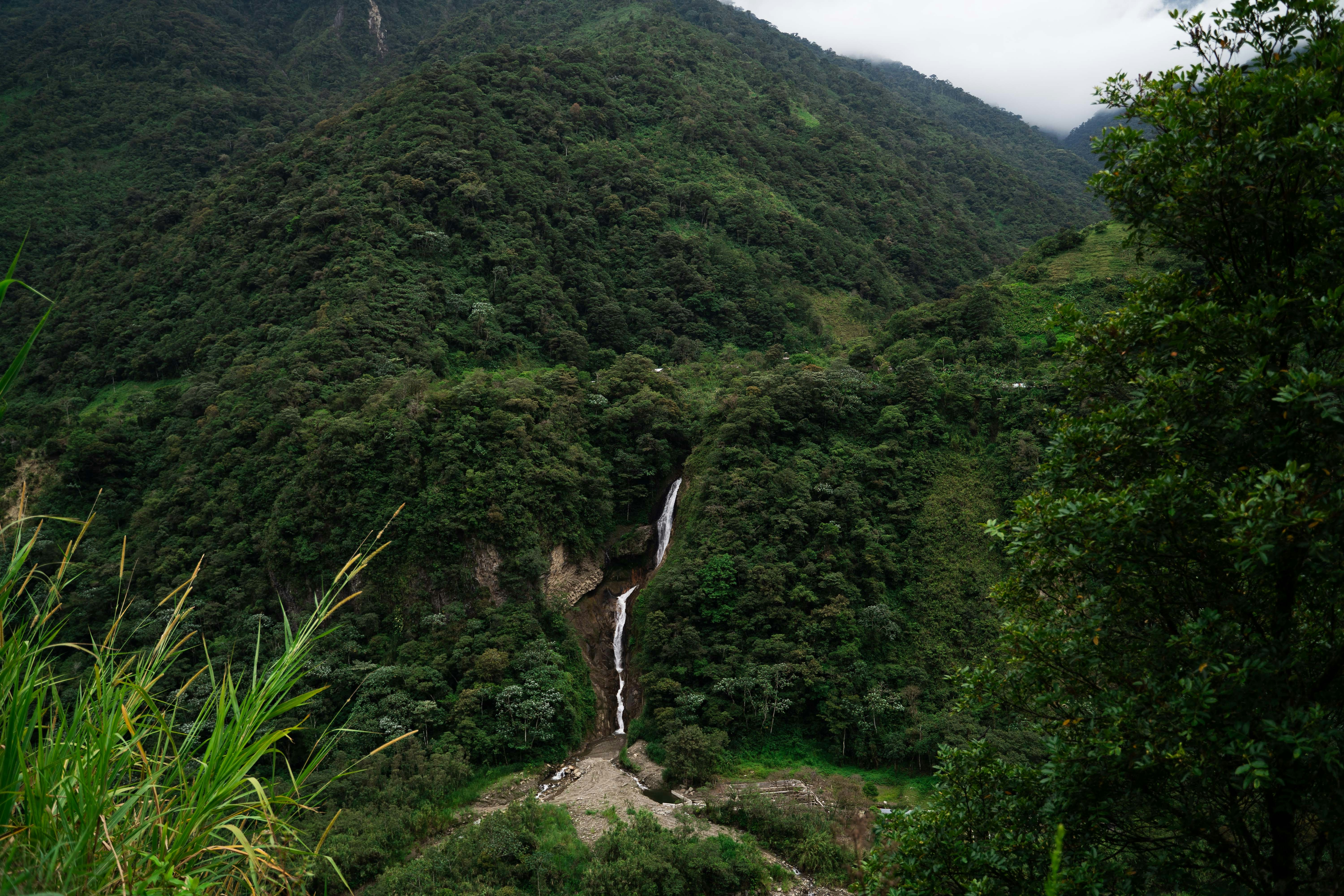 #1668 /100
Wedged in a valley at the foot of the active Tungurahua volcano, Baños has built a reputation as Ecuador's adventure-sports hub, with canyoning, white-water rafting, mountain biking and Andes-edge zip-lining all based out of town.
The 'Route of the Waterfalls' cycling or driving route strings together a dozen cascades, including Pailón del Diablo's thundering drop into a narrow gorge.
How does it rate
CrowdsRomanceCash RequiredDangerAccessibilityWhy you should go
Ecuador's adventure-sports base, with waterfalls, canyoning and zip-lining packed into one valley.
Why you shouldn't go
The town sits directly below an active volcano, which occasionally forces evacuations during eruptions.
Plan your visit
Best time to visitOctober–January for the driest weather and clearest volcano views.Best time of dayMorning for outdoor activities, before afternoon cloud and rain typically build.Getting thereAbout 3.5 hours' drive or bus from Quito.Entry costActivities vary widely, from free-to-view waterfalls to $30-80 for guided adventure sports.Time needed2–3 days.Insider tip — Rent a bike and ride the Waterfalls Route yourself rather than joining a tour — downhill-heavy, well-signed and far cheaper. -
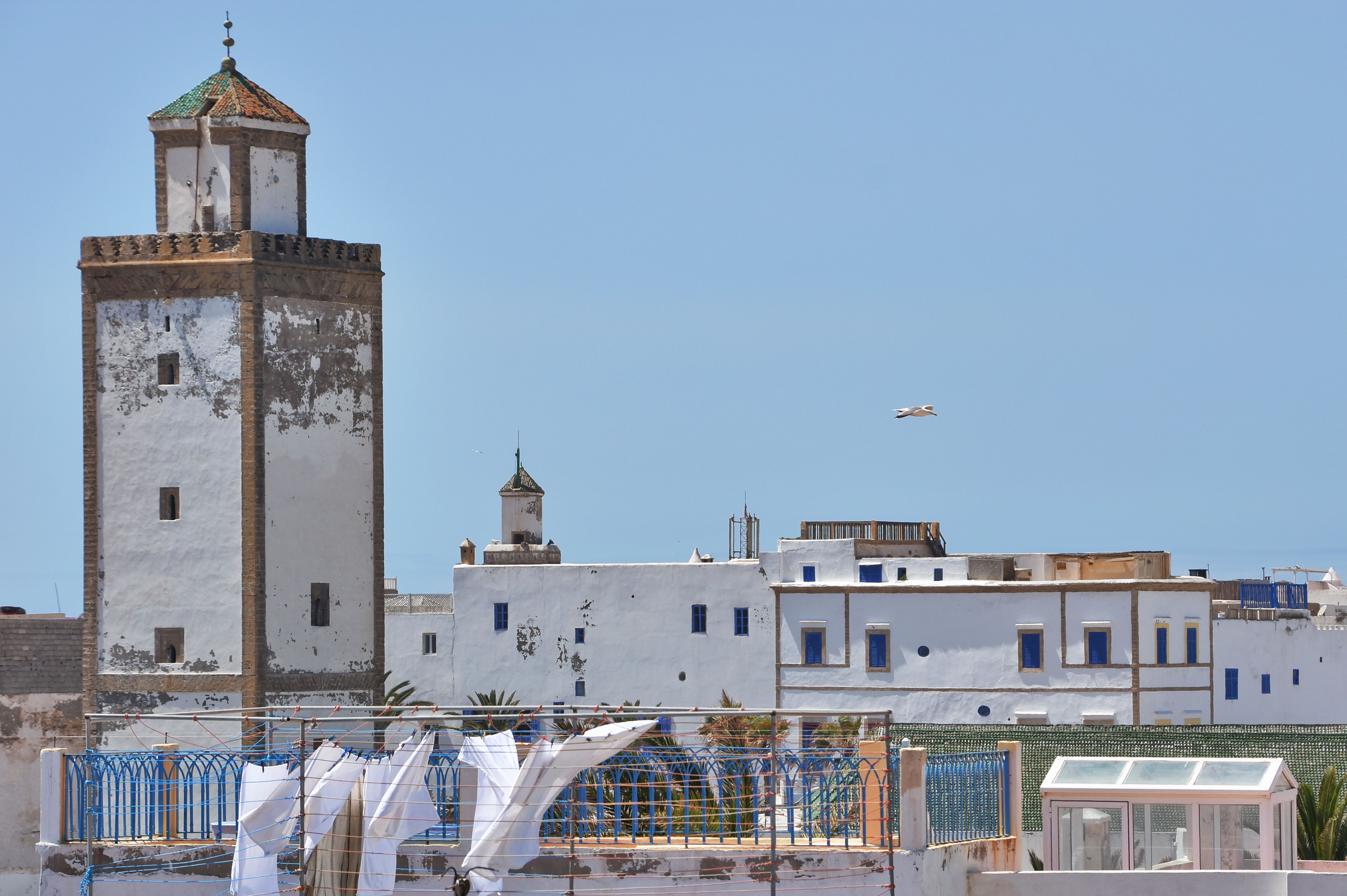 #1768 /100
A fortified Atlantic port town with whitewashed, blue-shuttered buildings and windswept ramparts, Essaouira trades the desert heat of Marrakech for sea breeze, fresh seafood grilled dockside, and some of Morocco's best windsurfing and kitesurfing conditions.
Its 18th-century medina, also UNESCO-listed, is smaller and calmer than Fes or Marrakech, with a strong arts and music scene reflected in its galleries and the annual Gnaoua music festival.
How does it rate
CrowdsRomanceCash RequiredDangerAccessibilityWhy you should go
A breezy, laid-back walled port town — Morocco's calmest and most coastal medina.
Why you shouldn't go
The Atlantic wind that makes it great for watersports also makes the beach chilly for casual swimming.
Plan your visit
Best time to visitApril–June or September–October for warm weather with manageable wind.Best time of daySunset over the ramparts and harbor, when fishing boats return.Getting thereAbout 3 hours' drive from Marrakech, or a direct flight to Essaouira-Mogador Airport.Entry costFree to explore; ramparts and skala small entry fees.Time needed1–2 days.Insider tip — Eat at the dockside grill stalls by the port, where the day's catch is cooked to order for a fraction of restaurant prices. -
 #18
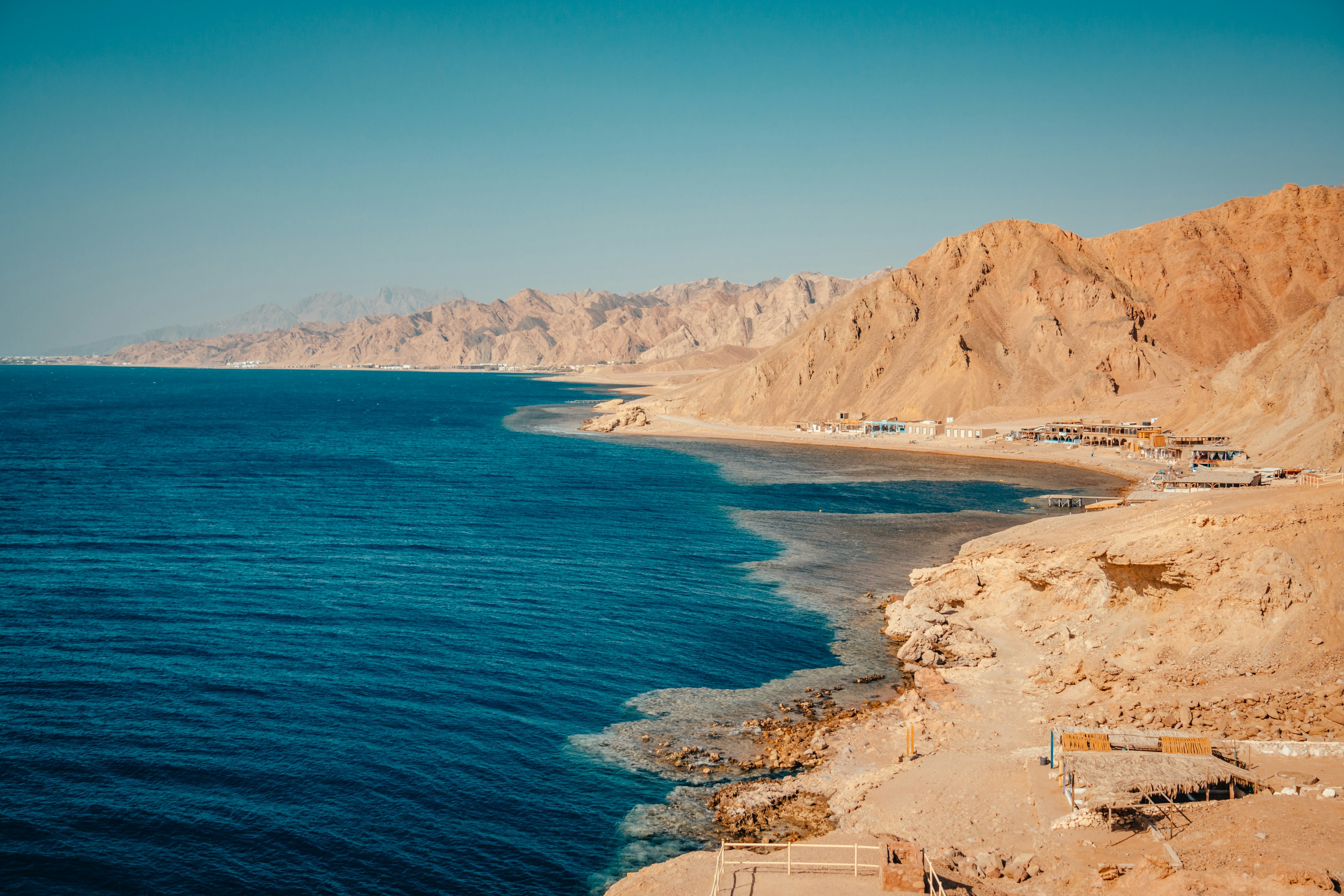
#18A laid-back diving town on the Gulf of Aqaba, Dahab trades Sharm el-Sheikh's resort scale for a mellow, backpacker-friendly waterfront lined with low-key restaurants right on the reef edge.
It's best known for the Blue Hole, a dramatic underwater sinkhole that's become one of the world's most famous — and most dangerous for unqualified divers — dive sites, alongside gentler reef diving and snorkeling directly off the shore in town.
How does it rate
CrowdsRomanceCash RequiredDangerAccessibilityWhy you should go
A relaxed, budget-friendly dive town with genuinely excellent reef access right off the shore.
Why you shouldn't go
The famous Blue Hole dive site has a serious accident history for divers who exceed their training limits.
Plan your visit
Best time to visitMarch–May and September–November for pleasant temperatures and calm water.Best time of dayEarly morning for the clearest water and quietest shore-diving conditions.Getting thereAbout 1.5 hours' drive from Sharm el-Sheikh, or a longer transfer from Cairo.Entry costFree beach access; diving trips typically $30-60.Time needed2–4 days.Insider tip — Dive the Blue Hole's rim (the shallow 'Saucer' area) rather than attempting the deep arch — all the same striking visuals without the technical-diving risk. -
 #1965 /100
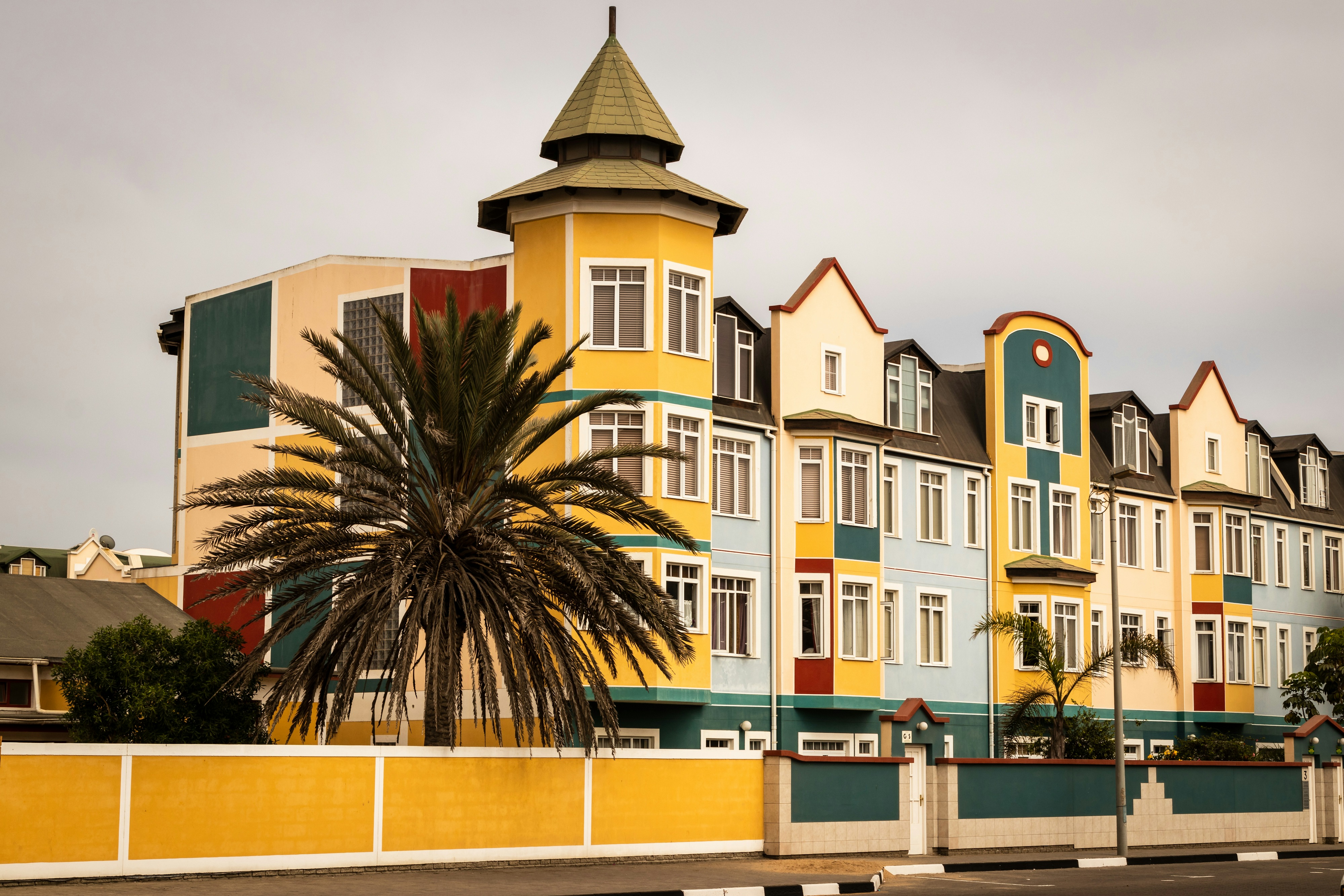
A distinctly German-colonial coastal town where half-timbered buildings sit oddly against Atlantic surf and encroaching Namib dunes, Swakopmund has become Namibia's adventure-sports hub.
Sandboarding and quad-biking on the dunes at the town's edge, alongside skydiving and dolphin cruises, give it a livelier, more activity-driven scene than its quiet colonial streets suggest.
It's also the natural staging point for trips to the Skeleton Coast.
How does it rate
CrowdsRomanceCash RequiredDangerAccessibilityWhy you should go
A German-colonial coastal town that's become Namibia's base for dune sandboarding and adventure sports.
Why you shouldn't go
The town's colonial architecture and history sit uneasily alongside Namibia's colonial-era violence, which isn't addressed on-site.
Plan your visit
Best time to visitSeptember–March for warmer, sunnier weather away from winter coastal fog.Best time of dayMorning for dune activities, before onshore wind picks up in the afternoon.Getting thereAbout 4 hours' drive from Windhoek, or a short domestic flight.Entry costFree to walk the town; sandboarding and quad-biking typically N$400-900.Time needed1–2 days.Insider tip — Book dune activities directly with local operators rather than through hotel concierges — prices are often noticeably lower without the markup. -
 #20
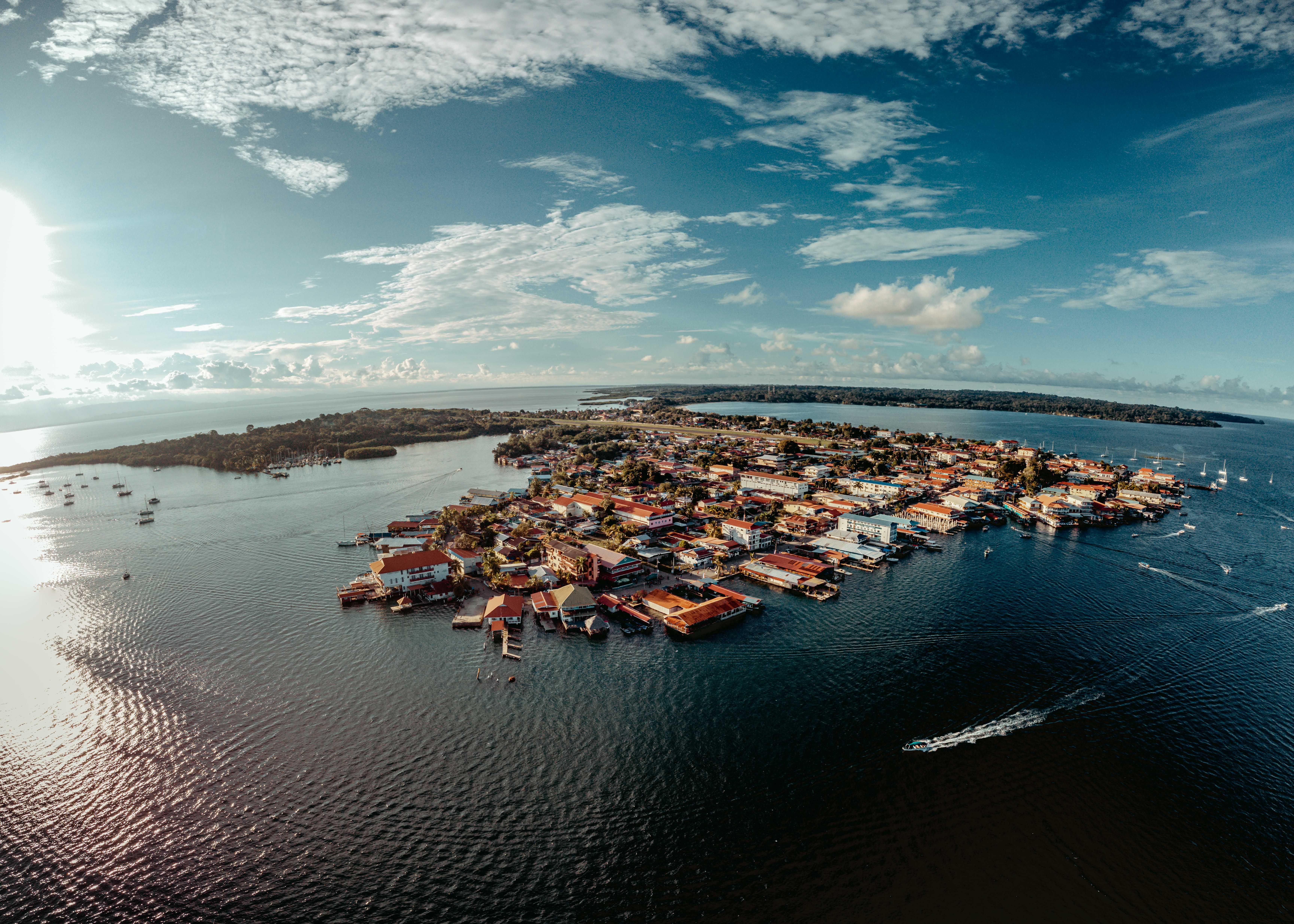
#20A small colorful island town connected to the mainland by a short causeway, Flores serves as the main gateway to Tikal but has enough charm — cobbled streets, lakeside cafés, pastel buildings — to justify a night or two beyond being a transit stop.
Built on the site of the last independent Maya kingdom to fall to conquest, in 1697, it sits on Lake Petén Itzá, where sunset boat rides round out a low-key stay before or after the ruins.
How does it rate
CrowdsRomanceCash RequiredDangerAccessibilityWhy you should go
A charming lake island town, and the natural, laid-back base for visiting Tikal.
Why you shouldn't go
Its own sights are limited — most visitors treat it as a gateway rather than a destination in itself.
Plan your visit
Best time to visitNovember–April, the dry season.Best time of daySunset boat ride on Lake Petén Itzá, looking back at the town's colorful skyline.Getting thereFly directly to Flores/Santa Elena airport, or a long bus ride from Guatemala City (about 8-10 hours).Entry costFree to walk the town; boat rides typically Q20-40 (~€2.50-5).Time needed1–2 days.Insider tip — Stay a night in Flores before an early Tikal departure, then return for one more relaxed night after — splitting the visit beats a rushed round trip.


More from The World
-

More Town spots
How a score is built
One score out of 100, five criteria behind it
Every place is rated 1–5 on each of the criteria below, then combined into a single score out of 100. It's calculated by us, the same way every time — not an average of traveller reviews or social votes.
Crowds
How many people you'll be sharing it with, and at what time of day.
Romance
How well it suits a couple, a proposal, or a quiet moment together.
Cash required
Entry fees, permits, guides, rentals — what it actually costs to do it.
Danger
Physical risk involved, from a slippery viewpoint to genuine hazard.
Accessibility
How far off the beaten path it is, and how hard it is to actually reach.

