-
 #191 /100
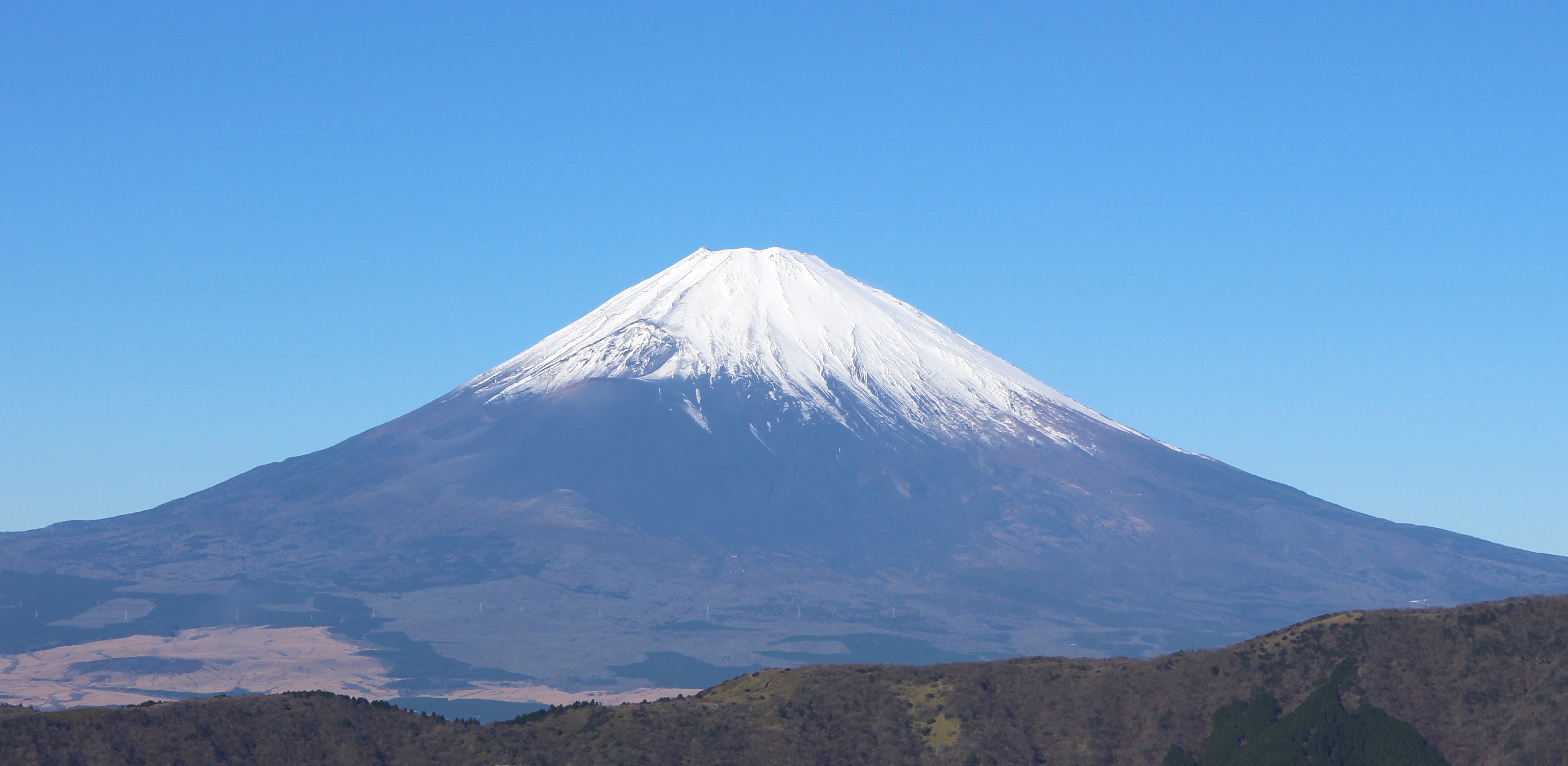
Japan's highest mountain and most enduring symbol rises 3,776 metres in near-perfect symmetry above Honshu's coastal plain.
The classic view of Fuji reflected in the still waters of Lake Kawaguchiko, or framed by cherry blossoms in spring or maple leaves in autumn, has inspired Japanese art for centuries.
How does it rate
CrowdsRomanceCash RequiredDangerAccessibilityWhy you should go
The symmetry and scale of Mount Fuji makes it one of the world's most instantly recognisable mountains; the spring reflection in Lake Kawaguchiko is iconic.
Why you shouldn't go
Fuji is often hidden behind cloud and the climbing season is very short; the popular Yoshida Trail is now extremely crowded and has safety restrictions.
Plan your visit
Best time to visitJuly-September for climbing; year-round for photos, especially with snow cap Oct-MayBest time of daySunrise if climbing, or early morning from Lake KawaguchiGetting thereTrain/bus to Kawaguchiko from Tokyo (~2hrs)Entry costFree to view; climbing huts/permits extraTime neededHalf day for viewing, 1-2 days to climbInsider tip — Chureito Pagoda near Fujiyoshida gives the iconic pagoda-plus-Fuji shot, especially with spring cherry blossoms -
 #288 /100
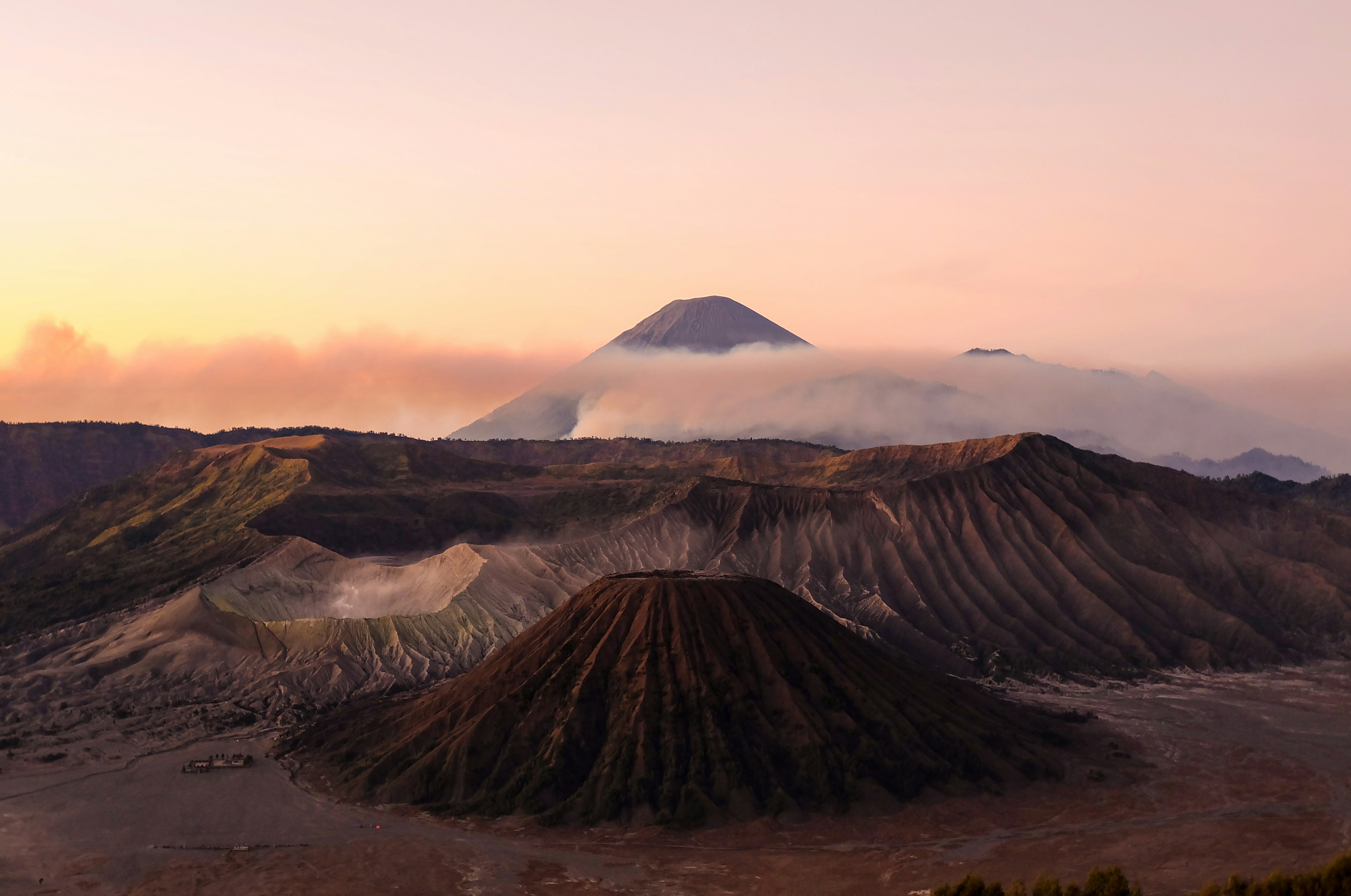
An active, smoking crater rising from the middle of a vast ash-grey "Sea of Sand" caldera in East Java, ringed by the taller peaks of the Tengger massif.
The classic sunrise viewpoint at Mount Penanjakan looks out over Bromo's smoking cone and several neighbouring volcanoes at once, one of Southeast Asia's most celebrated views.
Horses and jeeps ferry visitors across the sand sea to the crater's base, from which several hundred stairs climb to the smoking rim itself.
How does it rate
CrowdsRomanceCash RequiredDangerAccessibilityWhy you should go
A smoking volcanic cone rising from an other-worldly grey sand sea, framed by a multi-volcano sunrise view few places can match.
Why you shouldn't go
The famous sunrise viewpoint gets extremely crowded with jeeps and tour groups, especially on weekends and holidays.
Plan your visit
Best time to visitApril-October (dry season) for clear sunrise views.Best time of daySunrise, from the Mount Penanjakan (King Kong Hill) viewpoint.Getting thereFly to Surabaya or Malang, then a 2-3 hour drive to Cemoro Lawang village, the main gateway.Entry costPark entry plus jeep tour typically runs 300,000-500,000 IDR per person.Time neededOvernight (arrive evening, sunrise tour, depart after).Insider tip — Book a jeep to a secondary viewpoint like Bukit Cinta or Seruni Point instead of the main King Kong Hill - same view, a fraction of the crowd. -
 #3
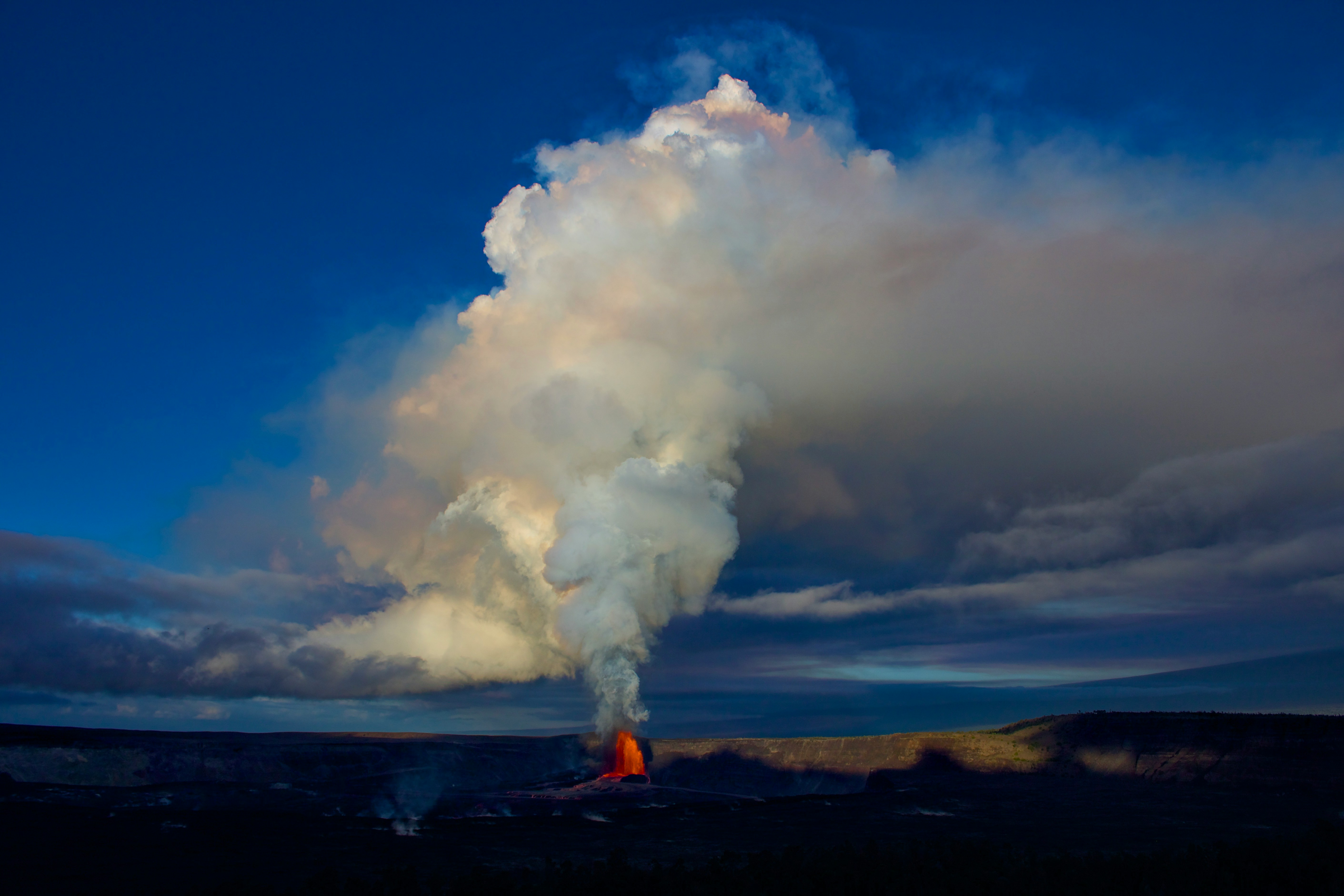
#3One of the world's most active volcanoes, its summit caldera in Hawaii Volcanoes National Park glowing orange against the night sky whenever the current eruption cycle is active.
Well-maintained overlooks and short walking trails let visitors watch the lava lake safely from a respectful distance, while the surrounding park holds steaming vents, lava tube caves, and stark black rock deserts.
Activity is unpredictable, so what's visible changes from month to month, and current status is checked constantly by staff and visitors alike.
How does it rate
CrowdsRomanceCash RequiredDangerAccessibilityWhy you should go
A glowing lava lake visible from safe, easily reached overlooks inside a national park - no technical hiking required.
Why you shouldn't go
Activity is unpredictable and can pause for months at a time, so there's no guarantee of visible lava on any given trip.
Plan your visit
Best time to visitYear-round, but check current eruption status before booking, since visible activity comes and goes.Best time of dayAfter dark, when the glow from the caldera is most dramatic against the night sky.Getting thereFly to Hilo; a 45-minute drive to Hawaii Volcanoes National Park.Entry costNational park entry around USD30 per vehicle (valid 7 days).Time neededHalf a day.BookingBook ahead →Insider tip — Check the USGS Hawaiian Volcano Observatory site before you go - it gives daily updates on whether the crater currently has visible lava. -
 #4
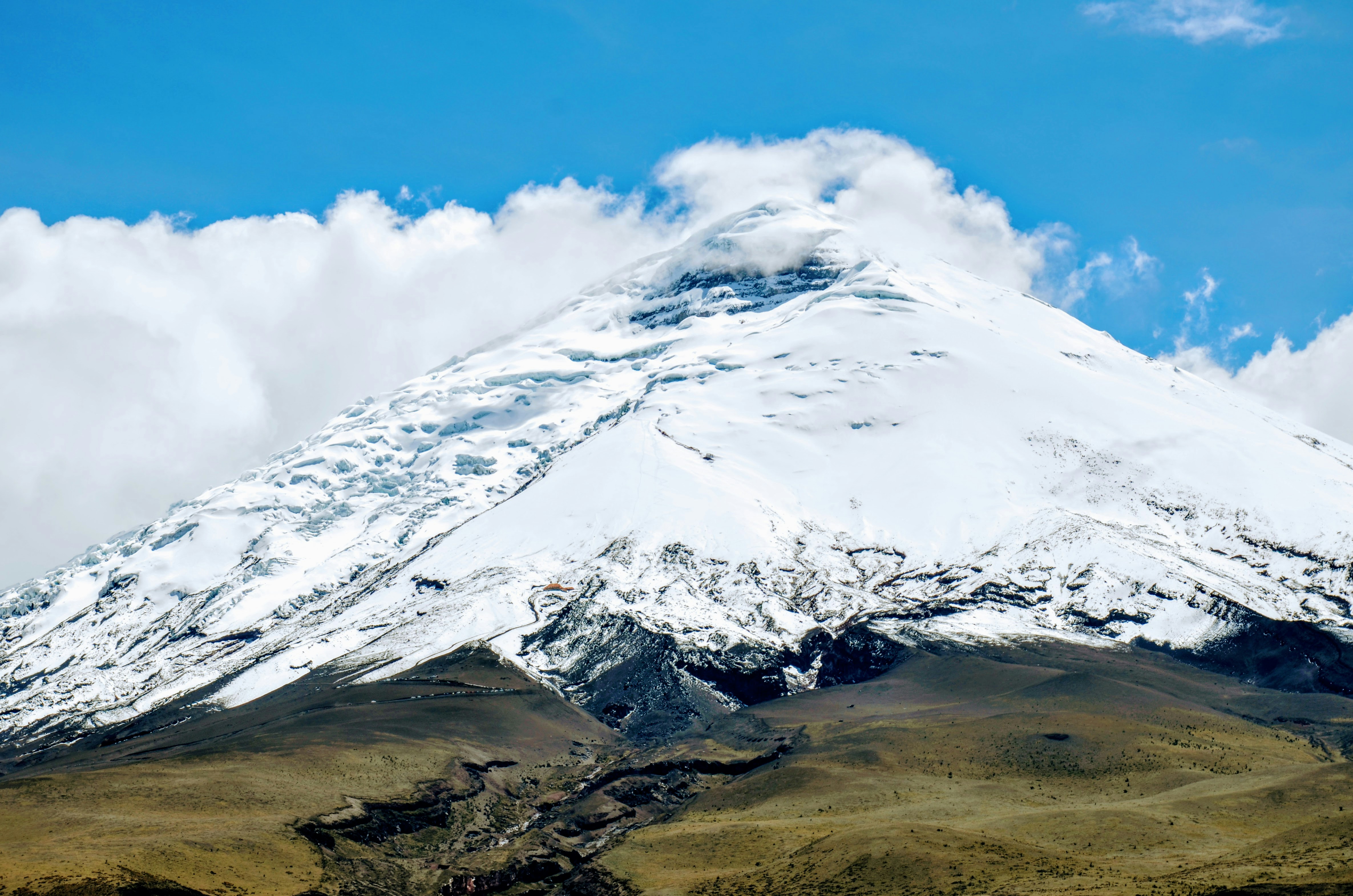
#4One of the world's highest active volcanoes, a near-symmetrical glacier-capped cone rising over 5,800 metres above the Andean paramo grasslands south of Quito.
Most visitors don't summit - that requires technical mountaineering and acclimatisation - but a hike or horseback ride to the refuge at around 4,800 metres gets close enough to stand at the glacier's edge, with wild llamas often grazing the surrounding slopes.
Its perfect-cone silhouette is one of the most recognisable mountain shapes in South America.
How does it rate
CrowdsRomanceCash RequiredDangerAccessibilityWhy you should go
A near-perfectly symmetrical glacier-capped volcanic cone, reachable on a day hike from Quito without technical climbing.
Why you shouldn't go
Altitude sickness is a real risk even on the day-hike route, given the refuge sits close to 4,800 metres.
Plan your visit
Best time to visitJune-September or December-January for the clearest views of the summit.Best time of dayMorning, before afternoon cloud typically obscures the cone.Getting thereA 1.5-2 hour drive south from Quito to Cotopaxi National Park.Entry costNational park entry around USD10-12; guided day tours from Quito run USD60-90.Time neededA full day.Insider tip — Spend a night at altitude in nearby Quito or a park-adjacent lodge before the hike - even the moderate refuge trail is noticeably harder without a day or two of acclimatisation. -
 #580 /100
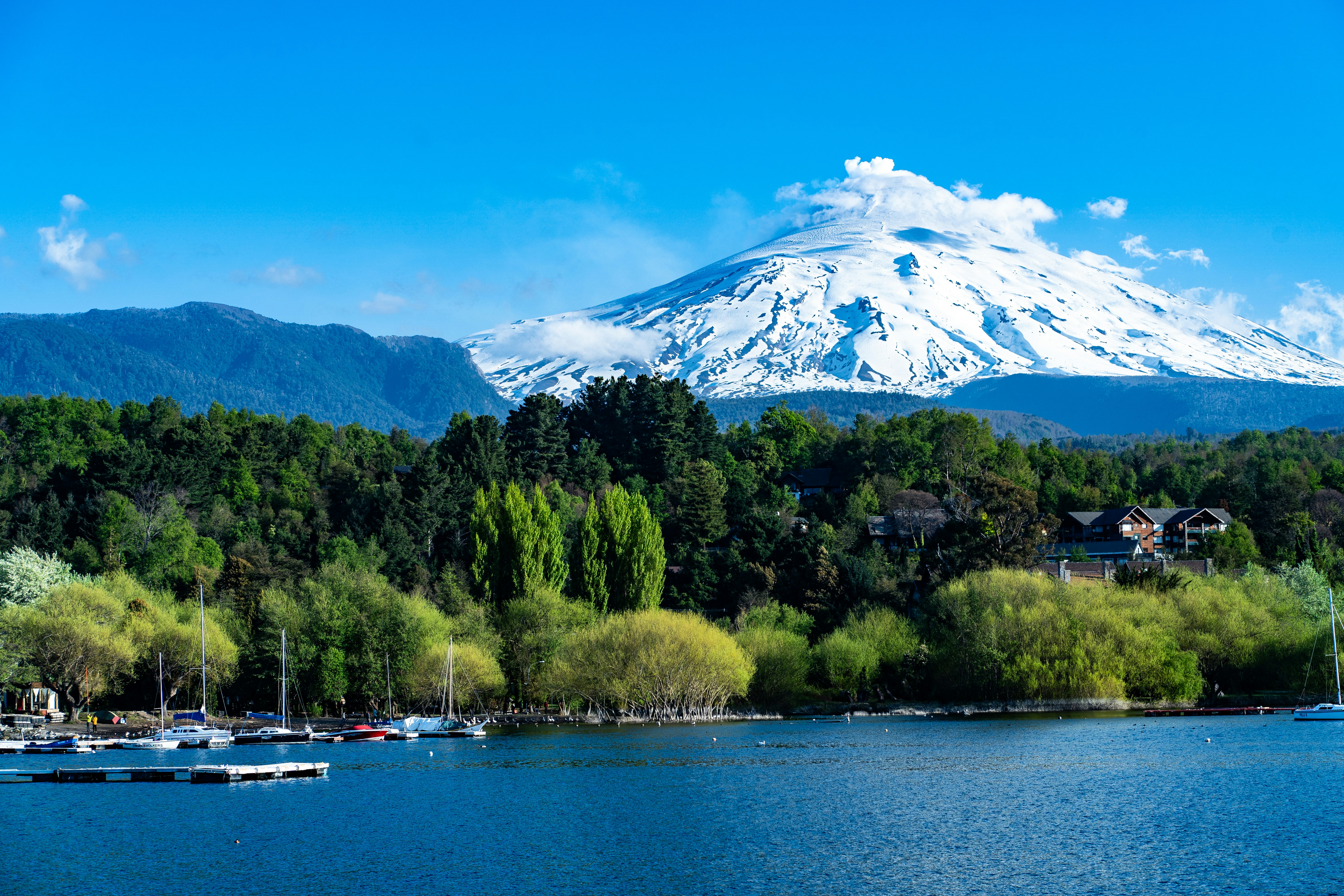
One of South America's most active volcanoes, a near-perfect snow-capped cone above the lakeside town of Pucon, with a permanently active lava lake sometimes visible glowing from the crater rim on clear nights.
A full-day guided climb in crampons reaches the summit for a look directly into the smoking crater, while at night the volcano's silhouette glowing faintly red is visible from town.
Ski slopes cover its lower flanks in winter, an unusual pairing of active volcanism and alpine sport.
How does it rate
CrowdsRomanceCash RequiredDangerAccessibilityWhy you should go
A near-perfect active volcanic cone with a summit crater you can climb to and, on clear nights, watch glow from town.
Why you shouldn't go
The summit climb is a genuinely strenuous full-day trek in crampons, and eruptive activity periodically closes it entirely.
Plan your visit
Best time to visitDecember-March (Southern Hemisphere summer) for the best summit-climbing conditions.Best time of dayEarly morning start for the summit climb; after dark from Pucon for the glow, if activity is visible.Getting thereFly to Temuco, then a 1-hour drive to Pucon, the main base town.Entry costGuided summit climb tours typically run USD150-200 per person, gear included.Time neededA full day for the summit climb.Insider tip — Check with local guides on current crater visibility before booking - during periods of higher activity, tours turn back before the true summit. -
 #679 /100
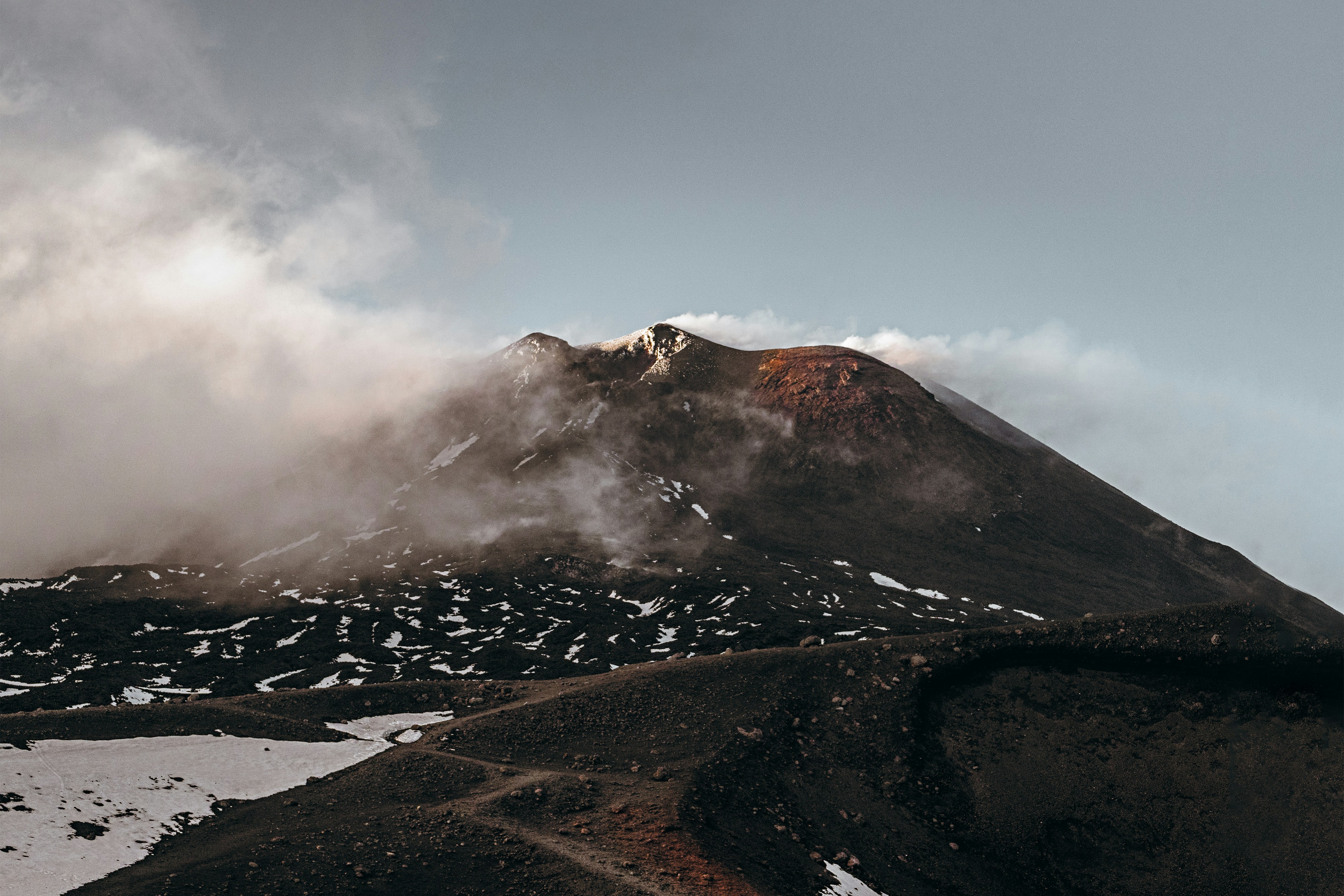
Europe's tallest and most active volcano, looming over Sicily's east coast and erupting regularly enough that lava flows are a near-yearly event visible from Catania on clear nights.
Cable cars and 4x4 tours climb partway up its barren, ash-grey upper slopes, where guided hikes reach steaming craters and fields of hardened lava from past eruptions.
Vineyards ring its lower slopes, producing distinctive wines grown in volcanic soil, a striking contrast to the desolation higher up.
How does it rate
CrowdsRomanceCash RequiredDangerAccessibilityWhy you should go
Europe's most active volcano, with guided hikes reaching steaming craters and lava fields on its upper slopes.
Why you shouldn't go
Eruptions and ash activity periodically close the upper trails and cable car with little notice, so plans need flexibility.
Plan your visit
Best time to visitMay-June or September for stable weather; the summit can close in poor conditions any time of year.Best time of dayMorning, for clearer summit visibility before afternoon cloud typically rolls in.Getting thereFly to Catania; a 1-1.5 hour drive to the Rifugio Sapienza cable car station on the south side.Entry costCable car plus jeep tour to the craters runs around EUR65-70.Time neededHalf a day.BookingBook ahead →Insider tip — Book the guided upper-crater jeep tour rather than stopping at the cable car's midpoint - the higher craters are where the volcano actually looks otherworldly. -
 #779 /100
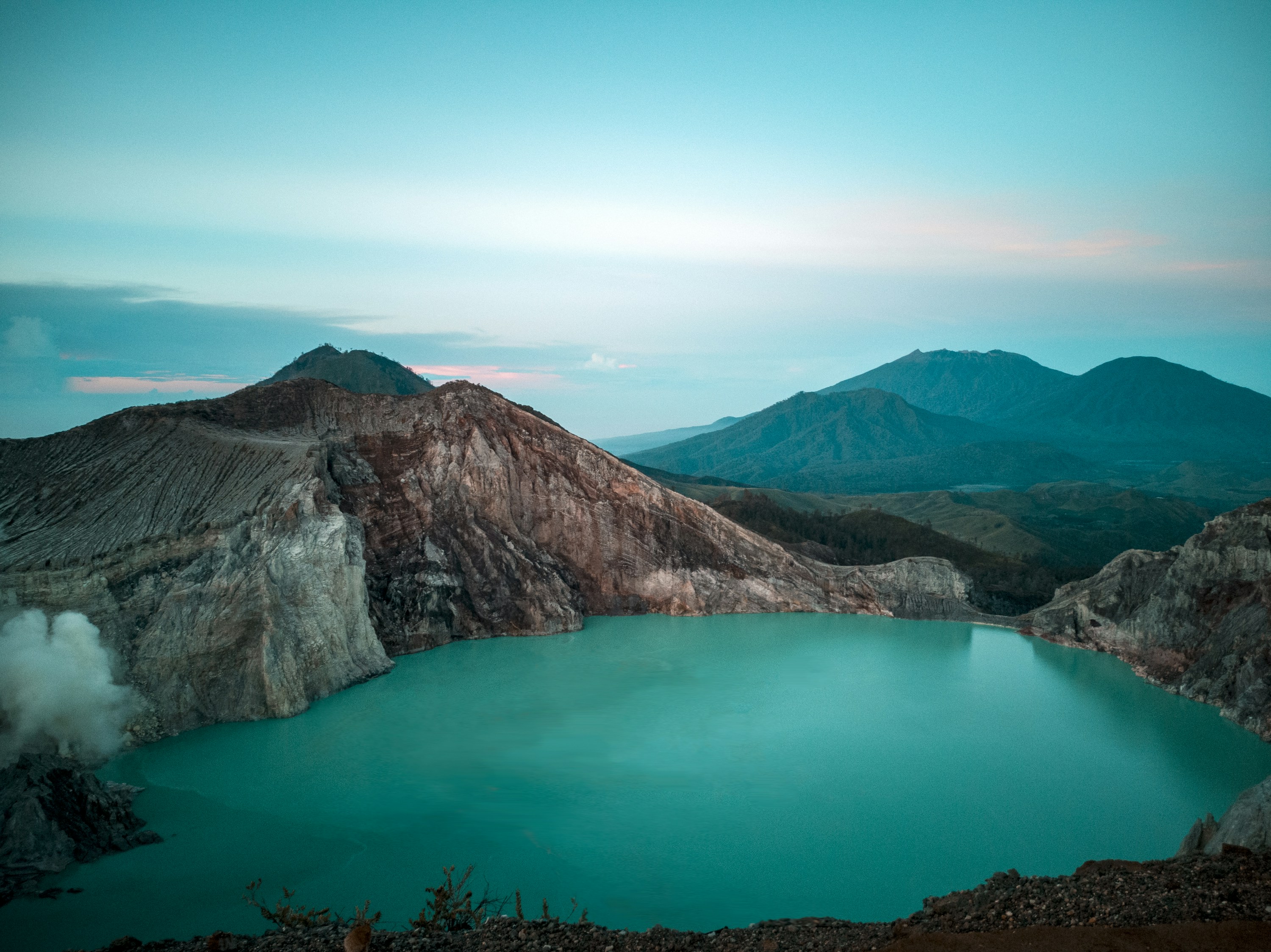
Kawah Ijen's crater holds the world's largest highly acidic lake, a turquoise expanse ringed by sulfur-mining tunnels, and after dark, electric-blue flames flicker where sulfuric gas ignites on contact with air.
Miners still carry raw sulfur out by hand in baskets, a punishing job visitors pass on the trail up.
Most people climb in the dark to catch the blue fire before it fades with the sunrise, then look down into the lake itself from the crater rim.
How does it rate
CrowdsRomanceCash RequiredDangerAccessibilityWhy you should go
One of only a few places on Earth to see electric-blue volcanic flames, above the world's largest acid crater lake.
Why you shouldn't go
Sulfuric gas is genuinely hazardous; the trek is a steep, cold, 1-2am start, and gas masks only help so much.
Plan your visit
Best time to visitApril-October, dry season, for a stable trail and clearer blue-flame visibility.Best time of day1am-3am departure to see the blue fire before dawn; the flames aren't visible in daylight.Getting thereFly to Banyuwangi or Surabaya; the Paltuding trailhead is roughly 1.5-2 hours by road from Banyuwangi.Entry costAround 350,000 IDR (~$22) covering entry, gas mask rental, and basic transport on tour packagesTime needed5-6 hours round trip, including the sunrise returnInsider tip — Get a medical check certificate in Banyuwangi a few days ahead, required for the crater descent; rent a proper gas mask on-site rather than the cheap fabric ones sold at the gate. -
 #878 /100
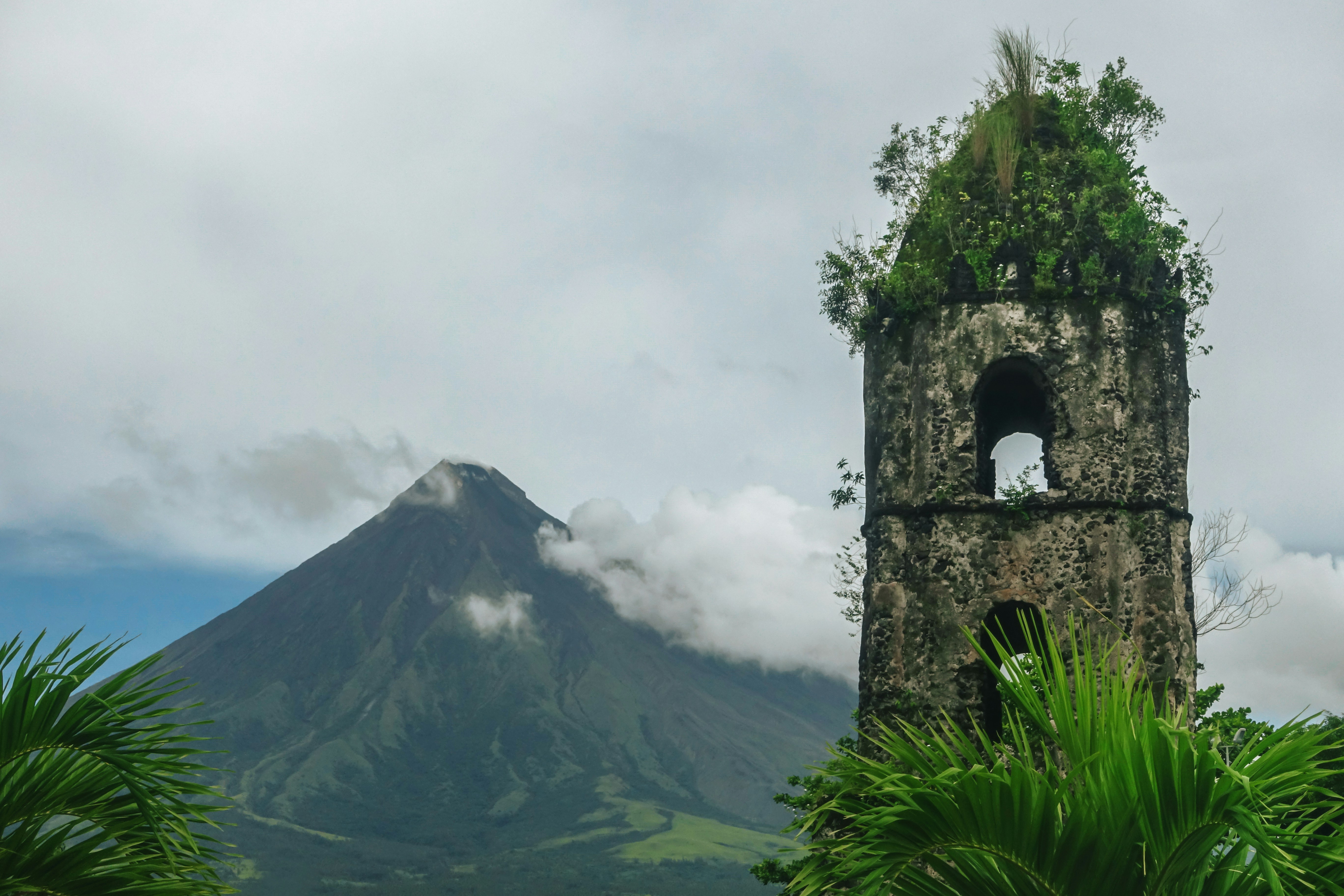
Famous for having the most perfectly symmetrical cone of any volcano on Earth, rising in a flawless triangle above rice paddies and palm groves in the Bicol region.
It remains one of the Philippines' most active volcanoes, with periodic eruptions that occasionally force evacuations from surrounding villages, adding genuine drama to its postcard-perfect profile.
The best views come from a distance - from Daraga Church's ruins or the ATV trails around its lower slopes - rather than any close approach to the crater itself.
How does it rate
CrowdsRomanceCash RequiredDangerAccessibilityWhy you should go
Widely considered the most perfectly symmetrical volcanic cone in the world, framed by rice paddies and church ruins.
Why you shouldn't go
It's genuinely active with a history of sudden eruptions, so close-approach access is often restricted for safety.
Plan your visit
Best time to visitDecember-May (dry season) for the clearest, cloud-free views of the cone.Best time of dayEarly morning, before afternoon cloud typically wraps the summit.Getting thereFly to Legazpi; the classic viewpoints are a short drive from the city.Entry costViewpoint access is generally free; ATV tours on the lower slopes cost around 500-800 PHP.Time neededHalf a day.Insider tip — Cagsawa Ruins is the classic photo spot, but Daraga Church's hilltop churchyard gives the same cone view with a fraction of the tour-bus crowd. -
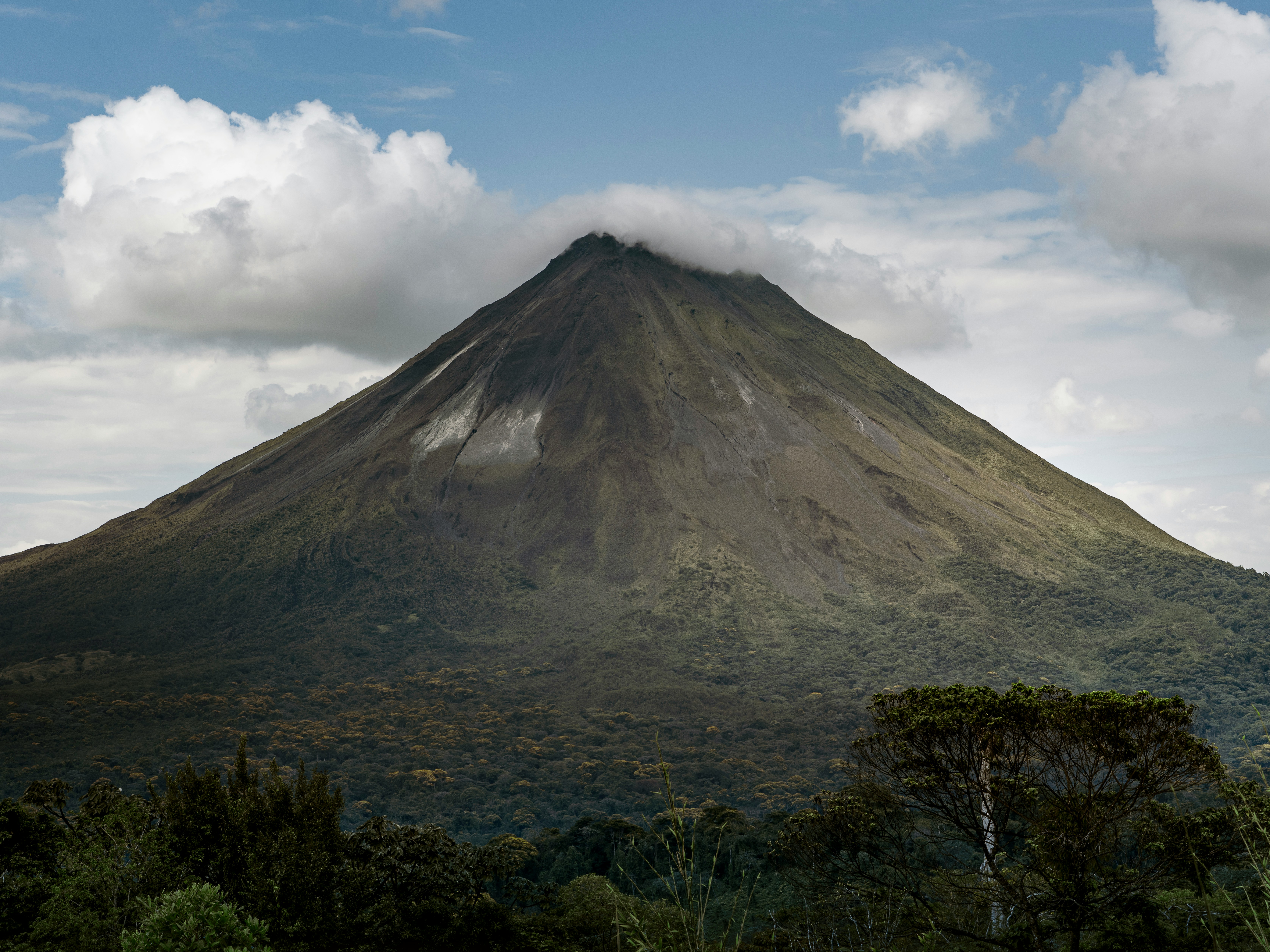 #976 /100
A textbook-perfect conical volcano rising above the rainforest near La Fortuna, dormant since 2010 but still ringed by the geothermal hot springs its decades of activity created.
Hiking trails through the surrounding national park pass old lava fields from the 1968 eruption, while dozens of resorts built around natural hot spring rivers make soaking with a volcano view the region's signature activity.
It's become one of Costa Rica's most popular honeymoon and romantic-getaway destinations for exactly that reason.
How does it rate
CrowdsRomanceCash RequiredDangerAccessibilityWhy you should go
A perfect conical volcano viewed from natural hot spring pools - one of Costa Rica's most popular romantic getaways.
Why you shouldn't go
The summit is frequently shrouded in cloud, and many hot spring resorts are priced steeply for what's essentially a heated river.
Plan your visit
Best time to visitDecember-April (dry season) for the best odds of a cloud-free cone.Best time of dayLate afternoon into evening, soaking in hot springs as the light fades over the volcano.Getting thereA 3-4 hour drive from San Jose, or a shorter flight to Fortuna's local airstrip.Entry costNational park entry around USD15; hot springs resorts range from USD40 to USD100+ per person.Time neededA full day, or longer as part of a La Fortuna stay.Insider tip — Skip the priciest resort hot springs and try the free public hot river near Tabacon for the same volcanic-heated water at no cost. -
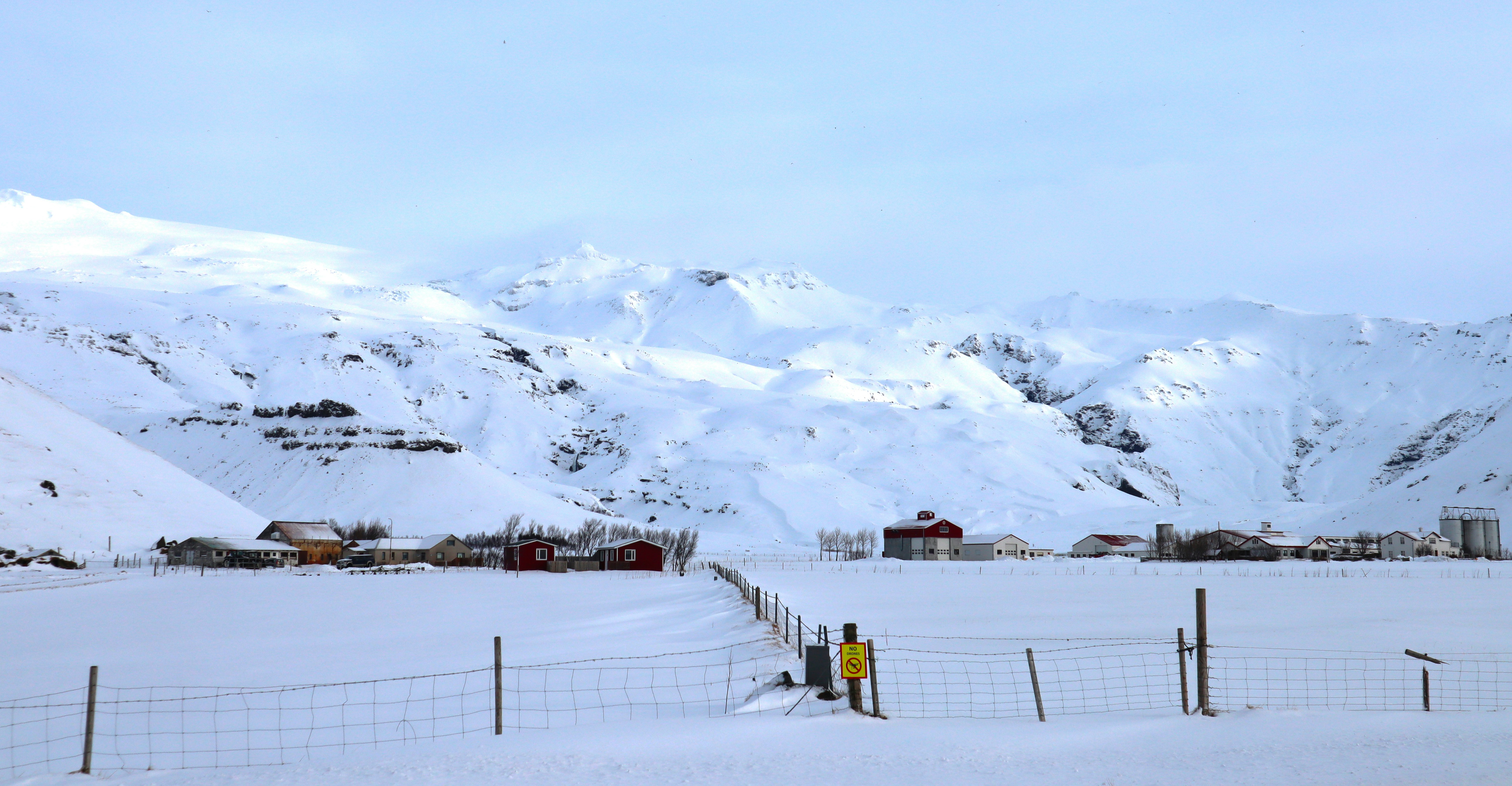 #1073 /100
The glacier-capped volcano whose unpronounceable name became a household word after its 2010 eruption grounded air travel across Europe for days.
Beneath the ice cap, hiking trails on its lower slopes cross black volcanic sand plains and moss-covered lava fields, with views toward the glacier itself and, on the south side, the LAVA visitor centre explaining the eruption's science and impact.
It's more a dramatic backdrop for South Coast road trips than a single standalone hike.
How does it rate
CrowdsRomanceCash RequiredDangerAccessibilityWhy you should go
The volcano that grounded European air travel in 2010, now a striking glacier-topped backdrop for Iceland's South Coast route.
Why you shouldn't go
The summit itself is a serious glacier trek requiring proper equipment and a guide - most visitors only see it from a distance.
Plan your visit
Best time to visitJune-August for the easiest access to surrounding trails and longest daylight.Best time of dayEvening in summer, when the low midnight-sun light rakes across the glacier.Getting thereAbout a 2-hour drive along Iceland's Route 1 from Reykjavik.Entry costFree to view; the nearby LAVA visitor centre charges a small entry fee.Time needed2-3 hours as part of a South Coast drive.BookingBook ahead →Insider tip — Stop at the LAVA Centre in Hvolsvollur before continuing along the coast - it makes the eruption's scale and the volcano's ongoing activity far more tangible than the view alone. -
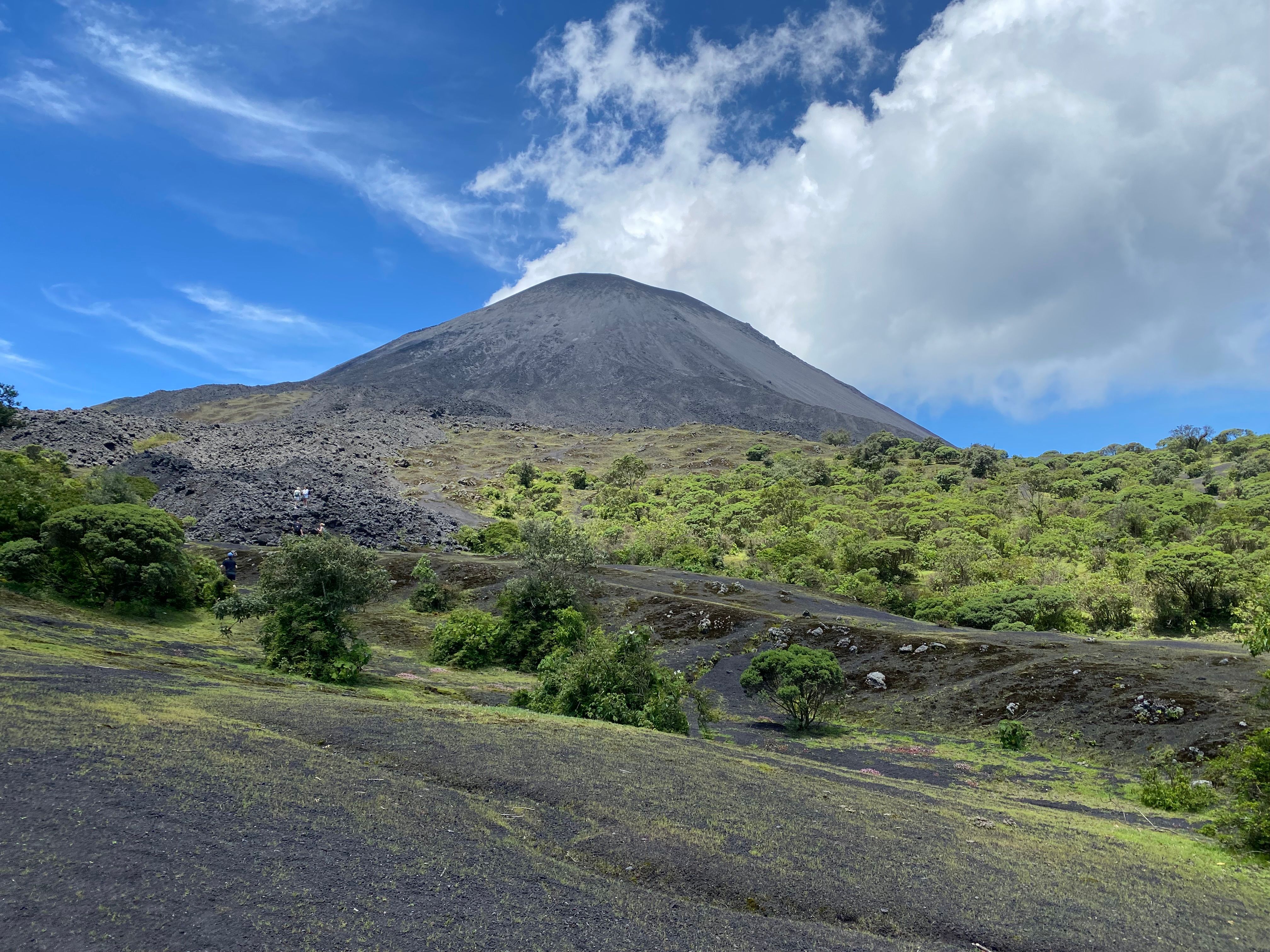 #1170 /100
One of Central America's most accessible active volcanoes, a manageable half-day hike from Antigua across hardened black lava fields that are still warm underfoot in places.
Depending on current activity, guides lead visitors close enough to roast marshmallows over volcanic heat vents, with views back over Antigua's valley and, on clear days, neighbouring Volcan de Fuego's periodic ash plumes.
It's a genuinely approachable volcano experience that doesn't require technical climbing gear.
How does it rate
CrowdsRomanceCash RequiredDangerAccessibilityWhy you should go
A moderate half-day hike across still-warm lava fields, close enough to roast marshmallows over volcanic heat.
Why you shouldn't go
The hike is dusty, steep in places, and current safe distance from the crater varies with activity levels.
Plan your visit
Best time to visitNovember-April (dry season) for clearer trails and views.Best time of dayLate afternoon, timed to reach the lava fields for sunset over the valley.Getting thereA 1-1.5 hour drive from Antigua to the trailhead village of San Francisco de Sales.Entry costGuided tours from Antigua typically run USD15-25 per person, including park entry.Time neededHalf a day.Insider tip — Buy marshmallows in Antigua before you go - vendors at the trailhead charge a steep markup for the same bag. -
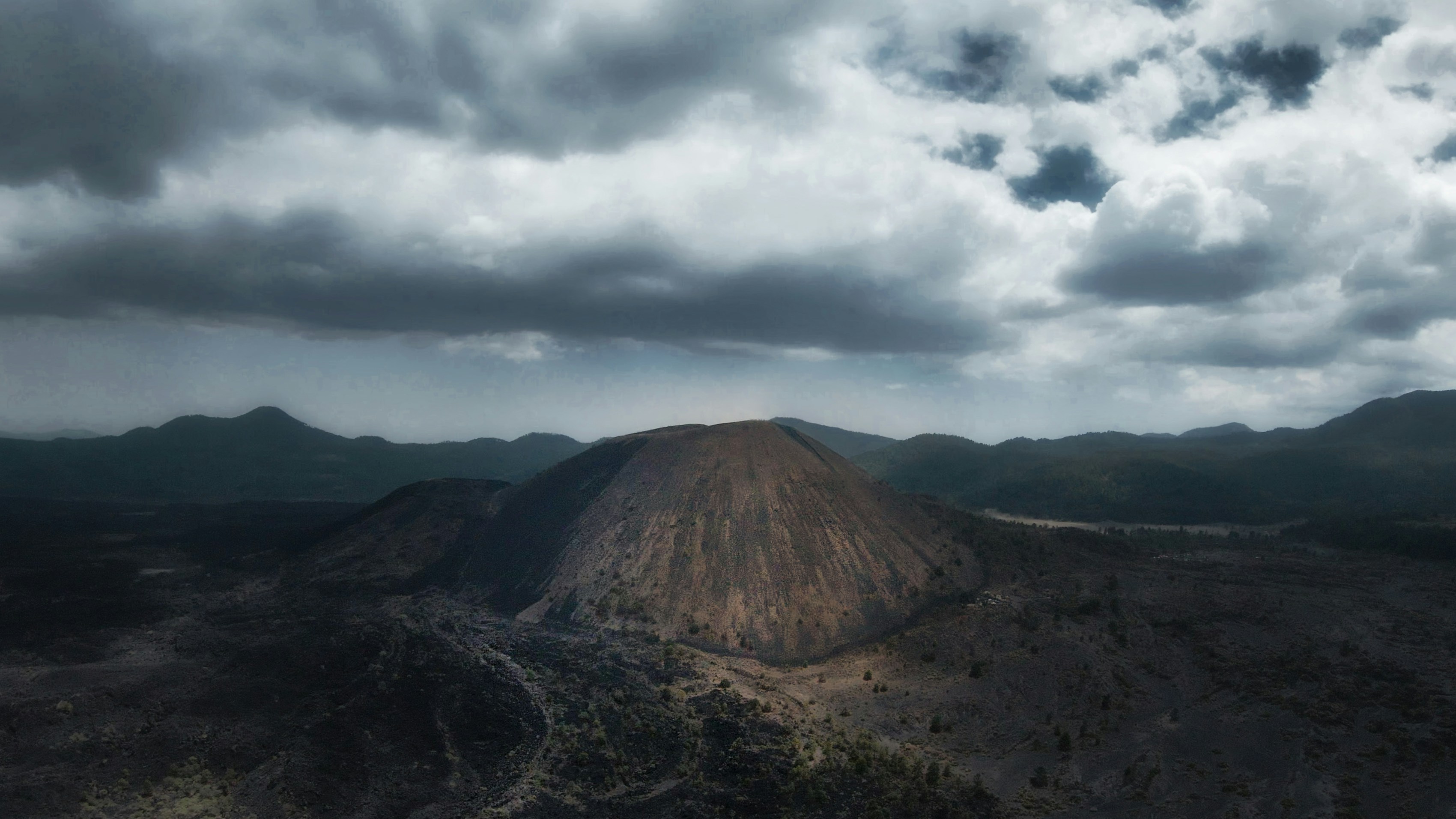 #1268 /100
A cinder cone volcano that famously erupted from a level cornfield in 1943, growing to over 400 metres within a decade and burying two villages under lava - one of the few volcanoes in the world whose entire life cycle has been documented from birth.
The half-buried bell tower of San Juan Parangaricutiro's church still protrudes from the hardened lava field, an eerie, singular sight.
Horseback rides across the black lava field to the church ruins, followed by a hike up the cinder cone itself, make for a genuinely unusual full day out.
How does it rate
CrowdsRomanceCash RequiredDangerAccessibilityWhy you should go
The only volcano whose entire birth and growth was scientifically documented - and a church tower still rising from its lava field.
Why you shouldn't go
It's a fairly remote day trip from Mexico City or Guadalajara, and the summit hike across loose cinder is tiring.
Plan your visit
Best time to visitNovember-April (dry season) for firmer trail conditions.Best time of dayMorning, to allow a full day for the horseback ride and cinder-cone hike combined.Getting thereA 3.5-4 hour drive from Guadalajara or Morelia to the town of Angahuan, the main trailhead.Entry costHorse rental and guide typically cost around 400-600 MXN per person.Time neededA full day.Insider tip — Hire a local Purepecha guide in Angahuan rather than booking ahead online - it directly supports the community whose ancestors were displaced by the eruption.


More from The World
-
How a score is built
One score out of 100, five criteria behind it
Every place is rated 1–5 on each of the criteria below, then combined into a single score out of 100. It's calculated by us, the same way every time — not an average of traveller reviews or social votes.
Crowds
How many people you'll be sharing it with, and at what time of day.
Romance
How well it suits a couple, a proposal, or a quiet moment together.
Cash required
Entry fees, permits, guides, rentals — what it actually costs to do it.
Danger
Physical risk involved, from a slippery viewpoint to genuine hazard.
Accessibility
How far off the beaten path it is, and how hard it is to actually reach.

